Australia's commitment to gold-mining
Australia is the world’s second-largest producer of gold, which has become one of its main export commodities. With major exploration investments and numerous projects about to enter production, Australia is well-positioned to meet the growing demand for gold.
Australia accounts for 10% of the world’s gold production, the second-largest gold-producing country in the world after China. Furthermore, according to Statista data from 2022, it is the country with the largest gold reserves (8,000 metric tonnes) in the world, the vast majority of which are located in Western Australia and account for 68% of total production.
Australian gold exports to more than 55 countries generated revenues of $25.8 billion in 2022, and production from new mines and expansions of existing mines is expected to boost Australia’s gold mining output to 305 tonnes in the 2022-2023 period to meet the growing demand for the golden metal.
This increase in production has been spurred by geopolitical tensions between the US, Russia and China, and the revitalisation of the investment and jewellery markets. This is largely due to the search by governments, investors and citizens for stable assets on which they can rely in times of crisis.
New gold mining projects
The country has two of the 20 largest gold mines in the world and reserves totalling more than 380 million ounces of gold. This is an industrial sector that is in the process of consolidation on a global scale, especially by mining companies with holdings in minerals essential for the energy transition.
This trend was confirmed last May when the board of Australian miner Newcrest Mining approved a 17.5 billion euro takeover bid by US rival Newmont, paving the way for the world’s largest gold mining company to strengthen its grip on the sector.
The gold mining sector, as with other minerals, faces rising extraction costs as deposits become less accessible. Even so, according to Mining Technology, there are around 100 gold mining projects under development across the country, of which 11 are already under construction and expected to be operational by 2025, increasing the production capacity of Australian gold mines by more than 36.2 million metric tonnes.
At the very least, the Australian case exemplifies how collaboration between the government and the mining sector is essential to address stagnating production and to ensure that the gold industry continues to play a key role in the country’s history and economic prosperity.
If you want to discover the best option to protect your savings, enter Preciosos 11Onze. We will help you buy at the best price the safe-haven asset par excellence: physical gold.



L’Índia és un dels principals mercats d’or del món. Una enorme quantitat d’aquest or es troba en les llars de la classe treballadora, que el consideren una part important del seu patrimoni, un valor refugi i un sistema d’intercanvi comercial informal en un país on una gran part de la ciutadania encara no té accés a serveis bancaris. El govern fa anys que intenta introduir aquest or en el sistema financer, però canviar una tradició cultural no és feina fàcil.
Segons un estudi fet per l’India Gold Policy Centre (IGPC), es calcula que les famílies índies posseeixen fins a 30.000 tones d’or, una enorme quantitat d’aquest metall preciós que es mostren molt poc disposades a monetitzar. En un país on l’accés als serveis bancaris encara no està a l’abast d’una gran part de la població, especialment en les franges rurals, l’or s’ha considerat com un valor segur i s’ha convertit en la inversió preferida de la ciutadania.
En l’última dècada, l’aposta del Govern per reduir l’exclusió financera de la població s’ha mostrat efectiva, però encara hi ha una part significativa de la ciutadania (190 milions de persones) que està exclosa de l’accés bancari. Tanmateix, l’Índia és un gran exemple de com facilitar la inclusió financera a través d’una sòlida xarxa de connectivitat mòbil i d’Internet, i d’un ampli ecosistema d’empreses emergents fintech que ofereixen accessibilitat i facilitat d’ús dels seus serveis.
No obstant això, el Govern era conscient que calia fer molt més si es volen monetitzar quantitats significatives d’or, encara en mans privades, en l’economia, especialment tenint en compte que aquesta devoció pel metall daurat està tan profundament arrelada en la psique índia. I és que actualment, el 87% de les llars del país, fins i tot les que tenen els nivells d’ingressos més baixos, posseeixen alguna quantitat d’or
El pla governamental de monetització
El 2015 el govern de l’Índia posava en marxa un programa de monetització de l’or, Gold Monetization Scheme (GMS), amb l’objectiu de mobilitzar l’or retingut a les llars i a les institucions del país, per tal d’incrementar el seu ús amb finalitats productives i, a llarg termini, reduir la dependència del país de les importacions de lingots i així mitigar el dèficit comptable.
El Pla de Monetització de l’Or permetia als clients rebre pagaments d’interessos pels seus comptes tan aviat com dipositaven or. Un dipositant que realitzava un dipòsit a curt termini, d’entre un i tres anys, rebia un 2,25% d’interès anual en virtut del pla. A més, el govern també va anunciar el llançament d’un Pla de Bons d’Or Sobirà i la creació de la Moneda d’Or Índia.
Tanmateix, vuit anys després, el World Gold Council (WGC) informava que només el 0,22% (21 tones d’or) dels excedents d’or de les llars índies s’han monetitzat en el marc del programa des que es va posar en marxa el pla del govern. És evident que el programa ha fracassat a l’hora d’incentivar les famílies a desfer-se de l’or físic, potser perquè que no es va entendre plenament la manera en què les llars índies veien la possessió d’or.
Subseqüents canvis en el programa, oferint millors condicions amb el llançament del Revamped Gold Monetisation Scheme (R-GMS), i l’increment d’un 15% en l’impost sobre la importació de lingots d’or han aconseguit reduir les importacions del metall preciós en un 30% respecte al 2022. Tot i això, ha quedat clar que al govern li caldrà fer molt més si vol convèncer a la població índia d’ingressar al banc l’or que té amagat a sota el llit.

Si vols descobrir la millor opció per protegir els teus estalvis, entra a Preciosos 11Onze. T’ajudarem a comprar al millor preu el valor refugi per excel·lència: l’or físic.


La Xina és el major productor d’or del món i fa anys que compra enormes quantitats d’aquest metall preciós. No obstant això, les xifres oficials de les seves reserves d’or continuen sent absurdament baixes. Quina és la quantitat real de les seves reserves d’or? I per què tant secretisme?
Atès que és la segona economia mundial, la República Popular de la Xina disposa d’enormes reserves de divises. Actualment, és el país del món amb les majors reserves d’or i efectiu -si sumem les dues variables- però la xifra real de les seves reserves del metall daurat és un misteri que preocupa a altres actors globals.
A diferència de molts bancs centrals que comuniquen les seves compres d’or a l’FMI cada trimestre, els bancs centrals de la Xina, Rússia i altres països, compren i emmagatzemen or sense declarar-ho com a reserves. Això explicaria per què la Xina posseeix, almenys segons les dades del World Gold Council (WGC), escasses reserves d’or en relació amb el total de reserves divises.
Per exemple, les reserves de divises de la Xina ascendeixen a 3,20 bilions de dòlars, la xifra més alta de tots els països, i el WGC estima que té 2.113,46 tones d’or en reserves, un 3% del total de les seves reserves. Si ho comparem amb els Estats Units, que acumula un 60% de les seves reserves en or -més de 8.000 tones- o amb la mitjana d’altres països que equival a un 40% i un 50% de les seves reserves, veiem que l’estimació de l’or acumulat per part de la Xina està molt per sota de la quantitat que seria lògic esperar.
La distinció entre or monetari i or no monetari
La mateixa Xina ha admès més d’una vegada que les xifres reals de les seves reserves d’or estan molt per sobre de les dades publicades per WGC, tanmateix, s’ha mantingut en silenci des del 2019. Alguns analistes creuen que el gegant asiàtic podria tenir més de dues vegades les reserves d’or dels Estats Units, mentre que la majoria donen per segur que posseeix almenys el doble de la quantitat d’or declarada oficialment.
Però per poder fer una estimació del volum total real de les reserves d’or de la Xina, primer hem de distingir clarament entre l’or monetari (propietat d’un banc central) i l’or no monetari (propietat del sector privat). Això és important saber-ho perquè la Xina només fa públiques les importacions d’or no monetari.
Sigui importat, extret o reciclat, es calcula que el sector privat Xinès ha acumulat fins a 23.000 tones d’or, que sumat a l’or de l’Estat, podria elevar la quantitat total d’or a la Xina fins a més de 30.000 tones. Una quantitat que sembla fàcilment factible tenint en compte que la Xina és un importador net d’or des dels anys ‘90, tot i que produeix un 15% de l’or mundial que, per tant, es queda en el mercat domèstic.
La militarització del dòlar i del sistema financer global
El control que els Estats Units exerceixen sobre el Fons Monetari Internacional (FMI) i el Banc Mundial (BM), així com el seu poder de decidir quins bancs tenen accés a SWIFT (Society for Worldwide Interbank Financial Telecommunication), sumat a l’hegemonia del dòlar com a moneda de reserva mundial, els hi confereixen un poder de negociació, intimidació i càstig que és sovint utilitzat per interessos econòmics propis i a costa dels interessos d’altres països.
Aquest és un fet que s’ha evidenciat encara més amb les sancions econòmiques contra Rússia arran de la guerra a Ucraïna i la subseqüent apropiació indeguda de la meitat de les seves reserves de divises i d’or a l’estranger, per intentar soscavar l’estabilitat financera del país. Això, però, no és novetat per una Xina que ha estat objecte de les sancions occidentals durant dècades i que, a més, ha de fer front a una creixent guerra comercial instigada pels EUA, que és emmirallada pels seus estats clientelars a Europa i Oceania.
En aquest context, Pequín veu com Washington continua treballant per agreujar les tensions geopolítiques entre la Xina i Taiwan, cosa que augmenta la possibilitat d’un conflicte bèl·lic indirecte amb els EUA, similar al que està fent front Rússia al continent europeu. En tot cas, és un escenari que reafirma la posició tant de Rússia com de la Xina en el seu intent de desdolarització, fomentant l’ús de les seves divises en el comerç bilateral i incrementant de manera continuada les seves tinences d’or.
Davant d’aquests esdeveniments, no és d’estranyar que la Xina, com fan altres països, es decanti per la discreció a l’hora de donar a conèixer la xifra real de les seves reserves. De la mateixa manera, no es pot descartar que aquesta acumulació “furtiva” d’or estigui relacionada amb el llançament d’una moneda digital recolzada pel metall daurat. Una maniobra estratègica que desestabilitzaria el dòlar i posaria en perill la seva hegemonia, al mateix temps que fomentaria la confiança cap a l’associació política i econòmica dels BRICS.
Si vols descobrir la millor opció per protegir els teus estalvis, entra a Preciosos 11Onze. T’ajudarem a comprar al millor preu el valor refugi per excel·lència: l’or físic.


David Garrofé has a deep understanding of the needs of Catalan entrepreneurs and SMEs. For more than 30 years he has been secretary general of Cecot. He left the post last June and is now just another businessman making his way in the Covid-19 era. With this experience behind him, he makes a complex resume of the economic context that has befallen Catalonia, with an unprecedented fiscal deficit and an imminent global debt crisis.
“The life of an entrepreneur is exciting. But, it is true, I miss public life, a very grateful and sacrificed space. We live immersed in certain inertias that make change difficult,” Garrofé points out at the outset. He recognises that, at present, he lives with entrepreneurial risk in his body, in a context that he is passionate about. And yet, he firmly believes that civil society cannot give up intervening in the development of public policies.
But how can it do so, how can it offer solutions to politics? “It is true that there is a point of disappointment, but one day you have to accept that, too. There are so many things that seem so logical to change, which just need some internal concert and leadership. And then you ask yourself: does it take that much? That’s why I am in love with civil society’s capacity to change things,” the entrepreneur says.
Consensus through meritocracy
To the extent that civil society is organised, Garrofé says, it is capable of doing great things. “However, we come from a cultural tradition in which administrations have placed themselves in a role of superiority and low listening. They listen little and tend to go it alone. And the principle that the politician is a public servant is lost,” the businessman complains. He considers that a “very heavy and inflexible” administrative apparatus has been created.
“Too often we have politicians in charge who want to continue to live for many years in politics. Therefore, their analyses are based more on ‘What can I do to stay in office’ rather than ‘What can I do to change things’,” he laments. This is the great evil that affects Catalonia, but also limits other countries in the globalised world. In this sense, Garrofé considers that what really transforms things are the regulatory and legislative frameworks that protect us: “And we started from a framework, the Transition, which wanted to be democratising, but which drags along many historical vices.”
For this reason, he believes it is essential to “change the framework.” “We need a revolution in the civil service. In other countries, it is professionalised, and there are no changes. Above a certain level, they are the best technicians that the state has, and not politicians who come down to perform functions for which they are not qualified. And, in addition, there is a great deal of accountability,” Garrofé argues. “There has to be a reform agreed upon by society to give prestige to the civil service, to make it more meritocratic,” he argues.
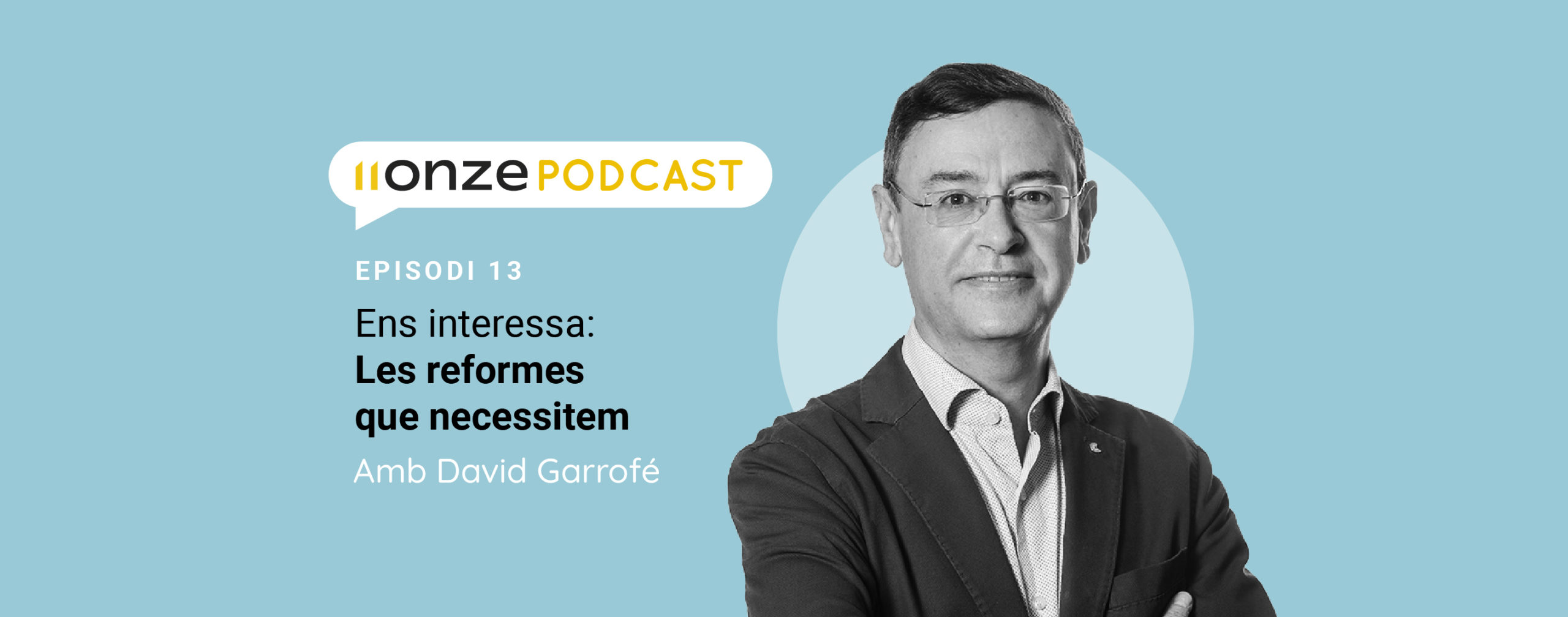
Episode 13 | The reforms we need
The burden of the fiscal deficit
Garrofé is convinced that, in general, we do value the driving force that is Catalonia, but he considers that there is a clear risk of being left behind in the global race. “Our competition is not Madrid or Malaga, but China, Vietnam or the U.S. The U.S. generates a lot of patents! They invest four times more than we do in R&D,” the businessman points out.
In Catalonia there is little investment in research, Garrofé regrets, because the administration is not sufficiently aware that, in fact, the world’s big technology companies, such as Facebook or Google, grow and consolidate thanks to public funding. “Is it normal that Catalonia, which is the main power in the whole of Spain, with 25% of exports, has a smaller budget for the Generalitat de Empresa than for Culture? And doesn’t that mean that the budget for Culture is high… Is that the way to transform a country?.”
Moreover, he recalls that the Spanish government has never financed Catalonia, which is in a privileged geostrategic position, as it deserves. “Even they recognise this, and it is becoming more and more serious. It has been a burden for Catalonia. Then there is the lack of investment in infrastructure. We are talking about an accumulated shortfall of 200 billion euros,” says Garrofé. “The real accumulated differences are spectacular,” he adds. For this reason, he believes that governments must be forced to make courageous decisions.
The debt crisis, a historic crash?
He is very critical of the management of public finances, especially in a context such as the pandemic, which has caused uncertainty that, he admits, “is here to stay” and that we will have to know how to deal with. “In the last ten years as much public money has been issued as in the whole of human history,” he explains. And he reminds us that inflation is the consequence of printing so many banknotes.
“Solid materials, such as aluminium, water, paper, hard assets, they say, are worth something, but banknotes? They are just little printed pieces of paper that are worthless,” he exclaims. And he reminds us that if the debt crisis that has accumulated in powers like the United States explodes, it could have an impact on the whole world without remedy. “And what are the central banks of China or India doing? They are buying gold, quietly, little by little,” he reveals.
The most obvious consequences, according to Garrofé, will add up in a chain. The first is inflation. “We are already experiencing it, and they say it is temporary, but we have years to wait. Inflation is the misery of the poor, because the richest of the rich are not affected as much. We have now accumulated 6% and, if we accumulate a similar figure this year, we will have already lost 12% of purchasing power. And how does this affect a collective bargaining agreement?.”
Garrofé is pessimistic and believes, like many other economic analysts, that an unprecedented stock market crash is coming, because the value of money is overstated. So how can ordinary people combat this seemingly inevitable historic crisis and protect their savings? One of the products that 11Onze will offer is the purchase of gold and other precious metals, not in investment, but in bullion. “The currency will depreciate… So what will keep the value of our savings? The assets of a lifetime, the classics. Offering gold is a good service, and so much,” he concludes.
11Onze is the community fintech of Catalonia. Open an account by downloading the super app El Canut for Android or iOS and join the revolution!

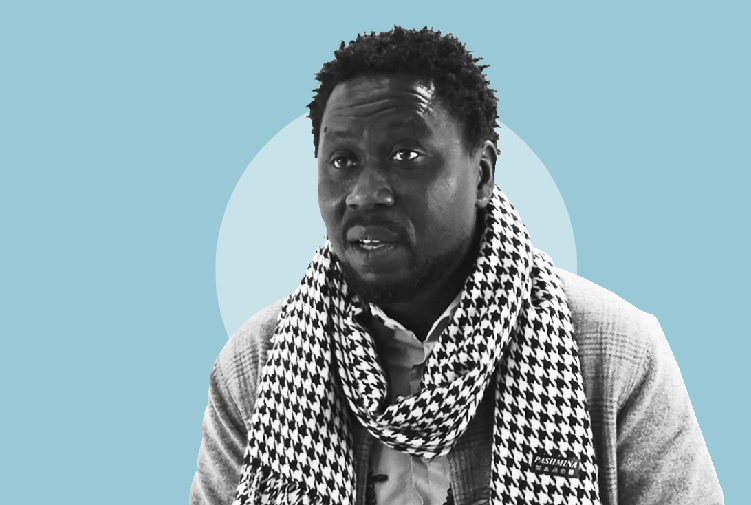
In general, in organisations, the leadership that has stood out is that of the charismatic leader. A leader who convinces, mobilises and usually has an ego of considerable dimensions. A leader who is cold, not very approachable, who does not care about the mental well-being of his team. He wants a job, a job well done and for the company or enterprise in question to keep going. But true leadership, the kind that brings positivity and benefits everyone in a subtle and influential way for the good of others, is also the kind that gets the best results. But it attracts little attention.
We have all admired a leader who displays confidence and self-esteem (perhaps only apparent, but credible). We have read about it in books, seen it in films and even spent time with such authorities. This, however, need not be the only leadership that works and is effective. In fact, a true leader is one who creates authority around his or her work and who does not understand hierarchies or power. The noise of this “silent leader” is not visible because it does not exist. He or she does not seek the limelight, and even accepts it with a certain resignation. The way to discover one of them is to talk to people close to them, who are eager to tell you about their good qualities.

An authority built on respect for others
Without wanting to be exhaustive, we could list a few characteristics and perhaps discover that we have such a person in our midst. The silent leader rolls up his sleeves to work and make an effort (he gets up very early, very early, and perhaps goes to bed very late, very late to be with the family or to lend a hand in some cause). He makes demands on himself and, to the same extent, he also makes demands on others. He assumes responsibility, even when he has not been the one who has directly made the mistake. We could say that he socialises the profits and keeps the losses (unlike some managers of failed investment banks, who socialised the losses and appropriated the profits. They clearly did not practice silent leadership. Well, maybe when they left with a million-dollar severance package they tried not to make a lot of noise, not rattling the coins, but this exposed silence does not count.
In fact, in the current times where corruption seems to trot unchecked, some voices are calling for more controls to limit the abusive behaviour of those in charge of organisations and politicians. Formal controls are attractive and simple logic leads us to believe that more controls create more control. Such thinking can be called an “illusion of control”. And we have all deluded ourselves at one time or another, dreaming that laws and formalities would prevent four cats from collectively picking our pockets. But no, formal controls cannot guarantee a definitive solution. In fact, they can make things so complex that they put us in a web of formalities that paralyse any action while four cats are looking for a way to find a loophole in the complexity so they can continue to abuse.
And perhaps more controls would be placed on the paperwork ordeal by honest managers. Some formal control is necessary and indicates the good health of the organisation, but wanting to avoid any lack of control is pathological. What do we prefer: to avoid any abuse or to encourage and value its correct use?
Part of our team
Let us return to our leader. Very often he practises by example. He says, “we do this”, and it’s on. No excuses. He is a team player, he has a sense of community. He takes care of the relationships between his collaborators, in fact, there is a real concern for how their work and their life is going. He wants their wellbeing, in capital letters, behind each employee he sees a person. And he trusts. Sometimes he has trust in their possibilities beyond what each of us belief in ourselves, helping to develop the talent that we all have latent. All of us when we are faced with a job for the first time think, will I know enough? Well, he or she encourages and gives room for error, they see the effort behind those who want to work. He or she notices that we all like to do our bit and receive praise or a slap on the wrist punctually.
Everyone finds a small ego in him. We won’t say he doesn’t have one, we’d be lying (and he’d tell us so). But as he knows himself, he only lets him decide minor things. And he apologises and accepts criticism. He does and can take it, he is not offended and does not feel threatened by talent. On the contrary, he wants talented people, and he knows what to say in front of everyone: the merit belongs to Joseph or Mary, or to everyone a little bit. And above all, above all, he is silent and gentle.
If only we could all make this kind of person fashionable in companies. We would all be a little happier and perhaps we would work better. Don’t be afraid of your superior, this will not make the worker in question more productive, it will only lead to apathy towards him/her and towards the job. I hope that if you ever meet a “silent leader”, you will praise him or her from time to time, even if he or she does not like praise very much. Don’t let them lose heart.
11Onze is becoming a phenomenon as the first Fintech community in Catalonia. Now, it releases the first version of El Canut, the super app of 11Onze, for Android and Apple. El Canut, the first universal account can be opened in Catalan territory.



Segons dades oficials de la Generalitat, 52.461 beneficiaris han rebut finançament per un total de 5.390 milions d’euros procedents dels fons Next Generation. Més de la meitat dels fons distribuïts ha anat a parar a empreses, un 97% de les quals són pimes, que han rebut un 56% de l’import compromès fins ara.
El visor interactiu posat en marxa pel Departament d’Economia i Hisenda de la Generalitat s’actualitza periòdicament i permet consultar com s’han distribuït aquests recursos a Catalunya, en convocatòries, licitacions i concessions directes realitzades tant per la mateixa Generalitat com pel govern espanyol.
Aquesta eina mostra com dels 7.469,8 milions d’euros dels fons Next Generation assignats a Catalunya, ja se n’han repartit 5.390 milions entre 52.461 beneficiaris entre empreses, corporacions locals, centres de recerca, entitats sense ànim de lucre, particulars i altres entitats del sector públic. D’aquests, més de la meitat han anat a parar a empreses, un 97% de les quals són pimes, que han rebut un 56% dels recursos al tancament del febrer de 2024.
La major part dels recursos s’han adjudicat al sector empresarial. Concretament, 2.748,4 milions (un 51% del total) han anat a parar a 12.439 empreses, mentre que 663 corporacions locals han rebut 1.087,5 milions (un 20%) a través de convocatòries de subvencions i concessions directes. Així mateix, 237 centres de recerca i/o formació han estat beneficiaris amb 984,7 milions (un 18%) i 976 entitats sense ànim de lucre i del tercer sector han rebut 270,9 milions (un 5%). A més, 169,3 milions (un 3%) han anat a parar a 38.021 particulars i 123 milions (un 2%) s’han distribuït entre 125 altres entitats del sector públic.
Sostenibilitat, transició energètica i noves tecnologies
Quant als sectors on s’han destinat dels fons, destaquen els projectes relacionats amb els vehicles elèctrics, com la construcció d’una planta de producció de l’empresa sud-coreana Lotte Energy Materials a Mont-roig del Camp per a fabricar làmines de coure, component clau en les bateries dels cotxes elèctrics. Una nova línia d’assemblatge de Seat a Martorell, així com un servei de subscripció de bateries i la xarxa d’estacions de recàrrega de Silence, o la bateria de càrrega ultra-ràpida que fabricarà Bold Valuable Technology, entre altres.
Per altra banda, una part dels fons també van a parar a empreses com Openchip & Software Technologies, Lhyfe Hidrogeno i Bunge Ibèrica, i serviran per construir infraestructures per a processadors avançats i semiconductors, per desenvolupar projectes d’hidrogen verd o per finançar propostes vinculades al PERTE Agroalimentari, com l’enfortiment industrial, l’acceleració de la sostenibilitat i la competitivitat de la cadena de valor de la proteïna alternativa. Addicionalment, Alier, La Farga YourCopperSolutions i Ametller Origen Obradors han rebut ajuts per al foment de l’economia circular.
Els fons europeus també han arribat a les entitats sense ànim de lucre, que inclouen les entitats del tercer sector, entre les quals s’han repartit 268 milions. En destaquen la Fundació Jaume Bofill, amb més de 16 milions, i la Fundació Agropecuària de Guissona, amb més d’11 milions; seguides de la Fundació la Muntanyeta, amb 7 milions, i la Fundació Catalana de l’Esplai, amb més de 6 milions. L’Associació Dincat, el Clúster de Fotònica i Òptica (SECPHO), la Fundació Sociosanitària i Social Santa Tecla, i la Fundació Santa Teresa del Vendrell han rebut més de 5 milions cadascuna.
11Onze és la fintech comunitària de Catalunya. Obre un compte descarregant l’app El Canut per Android o iOS. Uneix-te a la revolució!
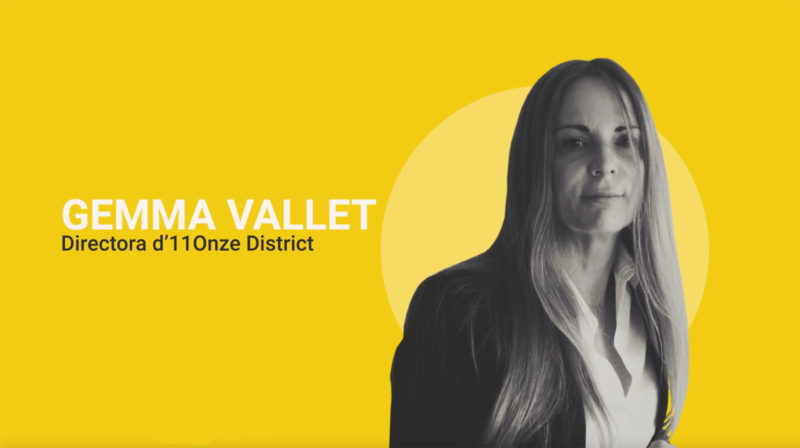
Mantenir la competitivitat d’una empresa en època de crisi econòmica sovint implica reduir les despeses. La creença popular que el màrqueting és una despesa operacional fa que moltes empreses retallin la partida publicitaria sense pensar-s’ho dues vegades. Publiquem un article de VIA Empresa, on Gemma Vallet, directora d’11Onze District, ens explica per què invertir en publicitat en temps de crisi pot salvar el nostre negoci.
Màrqueting per sobreviure a una tardor incerta
La publicitat al pla d’empresa no és una despesa, és una inversió, un flotador, pot evitar que vostè i la seva empresa tanquin.
El preu “raonable”, el denominat pricing en màrqueting, està sent un altre dels trencaclosques
En aquests moments de crisi econòmica, pregunteu-vos què poden fer les empreses, els empresaris, les persones al davant del màrqueting, vendes i branding per a continuar venent a una tardor que es presenta crítica, marcada pel que alguns anomenen la incertesa… La incertesa a hores d’ara és més ben poca, es confirma que estem immersos en una crisi global de les històriques i els consumidors, els ciutadans, ja han començat a contenir el seu consum. L’incert aquí és fins quan aquesta contenció en el consum, i nosaltres ara -consumidors- en aquest entorn anem a comprar el just i imprescindible.
És la primera cosa a tenir clara, a entendre. Què és imprescindible per als teus clients, per als consumidors de la teva marca? Aquesta pregunta de reflexió cal fer-la a consciència. Imprescindible és el pa i també el catalogat com a entreteniment i oci. Per exemple, en temps de crisi, la música (la cultura que per a alguns governs és motiu de retall de pressupostos) és un bé que es pot catalogar d’imprescindibles i es pot comprar en format de concerts, festivals… a un preu raonable, perquè la gent ara necessita com el pa el seu moment d’evasió.
El preu “raonable”, el denominat pricing en màrqueting, està sent un altre dels trencaclosques perquè no haver de tancar per haver adoptat un low cost en què hem d’haver-hi de regalar productes, serveis.
La marca, ¿compraran marca o escullen les marques blanques o marques nascudes, incubades, en els marketplaces com Amazon? La marca encara és la millor aposta que es pot fer en qualsevol negoci, a hores d’ara no ho posem en dubte. Apostem per continuar invertint a construir marca. Mercadona va fer-se un buit, un bon buit en el mercat, per vendre millor que ningú en alimentació les marques blanques… I cert és que Mercadona inverteix a mantenir la seva bona reputació, a construir la seva pròpia marca.
La partida de publicitat
Publicitat. Què fer en aquests moments? Sobretot, no retallar en comunicació de marca, de producte, en publicitat, perquè després serà pitjor, si retalla aquesta partida serà per fer que tothom s’oblidi de la seva marca i els seus productes i serveis… i això del branding i màrqueting té molt de sentit comú: si t’obliden, et deixen de comprar. Pot ser que el seu director financer li recordi que cal retallar despeses i la partida publicitària figura a la columna de despeses. No sabem gaire bé com va arribar aquí. Aquesta partida que posa publicitat al seu pla d’empresa no és una despesa, és una inversió, un flotador, pot evitar que vostè i la seva empresa tanquin.
Estudieu bé el mercat, és el moment d’invertir en dades, en intel·ligència del mercat.
És el moment d’estudiar, de revisar aquestes gestes del màrqueting com en el seu dia va ser una campanya històrica al mercat dels detergents, la campanya protagonitzada per un director general, un CEO, el Sr. Manuel Luque, que salva l’empresa en un moment on tots els indicis eren de tancament amb un missatge reptador: “Busqueu, compareu i si trobeu alguna cosa millor, compreu-la”. Transparència, honestedat i bon fer… Imprescindible.
Pots llegir l’article original aquí
11Onze és la fintech comunitària de Catalunya. Obre un compte descarregant la super app El Canut per Android o iOS. Uneix-te a la revolució!
Hem escoltat moltes vegades que els sous dels directius es troben per damunt del què seria raonable i just. Que, de fet, les diferències entre el que cobra més en una empresa i el que cobra menys no poden ser infinites. I de fet haurien de ser molt finites i acotades. No és raonable pensar que en una empresa hi hagi d’haver algú que tingui una responsabilitat infinitament més alta que la de la resta dels treballadors. Però si mirem la realitat veurem que acceptem que sigui al contrari. I això és bo?
Si mirem les empreses que han fet fallida sobretot per les accions irresponsables d’uns pocs, veurem que en general no se’ls pot fer tornar allò que han pres, o reparar allò que han espatllat. En alguns casos es poden perseguir certes responsabilitats de manera penal, però són els mínims, donat que el lucre o l’avarícia excessius no sembla que estiguin contemplats com a delicte en el Codi Penal. De fet, ser avariciós (però dient-li ambiciós), és una conducta que s’anima de manera bastant general a les empreses.
Però no sempre el directiu negligent es mou per avarícia quan pren conductes que poden portar al desastre. I moltes vegades aquestes conductes i decisions de persones que es troben al càrrec de situacions de molt risc, no poden ser detectades a temps, per evitar les conseqüències indesitjables. Podríem trobar casos recents, com ho serien per exemple aquells on perilla el futur econòmic de persones que hi tenen estalvis per a la jubilació (casos de fallida d’entitats financeres) o encara més importants, aquells casos en què es poden perdre vides humanes.
Més control, menys problemes?
Ens preguntem com pot ser que es deixi en mans, de vegades, d’una sola persona qüestions tan importants, i que pugui ser la negligència d’una sola persona (per un excés d’avarícia o per una possible deixadesa), l’única causa d’una desgràcia que no s’ha pogut evitar. Aquests casos ens fan pensar en com es podria resoldre la situació per a poder evitar tan nefastes conseqüències. Es poden posar controls que fessin possible evitar aquestes conseqüències? I quins controls haurien de ser aquests? Però encara més rellevant, té sentit que determinades decisions, accions i conductes es troben en mans de pocs directius? És aquesta la manera més eficaç d’exercir el control per tal d’evitar allò que no es vulgui de cap manera?
Sembla clar que en un sistema on el que té responsabilitat se’l premia de manera massa generosa, i se’l fa responsable i infal·lible, no és bo per a ningú. A llarg termini, ni pel directiu mateix, encara que a curt pugui semblar que sí. Crea una falsa motivació amb aspiracions, del tipus piràmide, on tothom vol arribar a dalt. Però quan hi arriba ha de ser infal·lible: zero defectes i cap possibilitat de fallar. En cas que no tingui mala fe pot acabar molt malament, si les conseqüències de la seva acció o omissió són desastroses.
I tot i actuar de mala fe, si mesura bé les conseqüències de l’acció, i no són punibles, pot acabar amb el benestar de molta gent i resultar impune. I incorporar controls formals no resulta factible donat que crear controls que puguin preveure-ho tot no és possible. Com ho podem fer doncs? Sembla que una manera seria fomentar la cultura de la corresponsabilitat. Tots podem ser avariciosos, però si entre tots hem d’arribar a un objectiu, i ens hem de donar suport els uns amb els altres, les temptacions són menors. De la mateixa manera, els errors humans es compensen perquè que una persona pugui ser negligent o tenir un excés de confiança és possible, però que tots el tinguem alhora, ja sembla més complicat. La pressió disminueix, el control dels uns als altres ens fa més cautelosos, i a més, i molt important, hem de compartir el mèrit quan les coses van bé. Això ens ajuda a ser realistes de què un de sol arriba molt menys lluny que un equip ben avingut.
Compartir per explotar el potencial de les persones
Les organitzacions funcionen millor quan les persones donen el màxim d’elles mateixes i ho fan motivades més enllà del sou percebut o de l’estatus que obtenen a la feina. I fan la seva feina sense seguir la lletra gran i petita del seu contracte laboral, i per tant tenen una implicació que va més enllà de les seves obligacions contractuals.
En moments de dificultat, les empreses poden tirar endavant si els treballadors tenen motivacions internes que fan que vagin més enllà de les seves obligacions, aportant aquella qualitat que no es pot mesurar, però que és clau per crear un clima laboral favorable a la col·laboració i on treballar pot aportar satisfacció a tothom. Sembla utòpic dir això, però molts empresaris tenen clar que les seves empreses funcionen quan les persones es troben valorades al lloc de treball i poden fer-s’hi professionalment. I, per tant, fomenten de manera activa aquest ambient de confiança on els treballadors tinguin ganes d’aportar aquest plus que no es troba ni remunerat econòmicament ni especificat en un contracte laboral.
La solidaritat té una naturalesa espontània i voluntària. Fomentar-la s’ha de fer des del reconeixement que el treballador ho fa perquè vol, i que té mèrit, precisament, perquè ho fa així. El què és espontani per part del treballador pot ser reconegut. Però ho ha de ser reconeixent la seva naturalesa espontània, mai a través d’un incentiu associat al compliment d’un objectiu. Cal tenir-ho present per a no perdre aquella qualitat tan especial que requereix un reconeixement autèntic, sense forçar que hi sigui.
11Onze és la comunitat fintech de Catalunya. Obre un compte descarregant l’app El Canut per Android i Apple. Uneix-te a la revolució!



The Catalan language is full of sayings through which popular wisdom used to advise on economics, that is, the community used to help its members. Let’s analyse some of them and their origin.
Paroemiology is the science that studies the origin and meaning of proverbs, and is as old as language itself. We find samples in the translations of the proverbs of the Bible, and in Jewish and Arabic books of sentences translated into Catalan. We can find them in the work of the philosopher Ramon Llull or the writer Francesc Eiximenis, in the book Tirant lo Blanc, and so on. Since the end of the 16th century, the saying takes precedence over proverbs. Here are just a few examples of how paroemiology has been present since time immemorial: from Guillem de Cervera’s Proverbis (1180), Llibre de Doctrina del Rei Jaume d’Aragó (1290), and so on, to books such as Baldiri Reixach’s or Carles Amat’s, used for teaching. One of our country’s paroemiologists is Victor Pàmies i Riudor; through his work we can know the origin, history, etymology…
As an example, let’s analyse a few sayings related to money and investment. Popular wisdom always gives us good advice.
- L’aigua va allà on n’hi ha més.
It refers to money: the more you invest, the more profit you get. (In fact, water tends to accumulate forming rivers, in the sea …) It means: money goes where money is. - Sabater amic o parent, calça car i dolent.
It warns that whoever gives money to win a friendship or find love, comes out unscathed because everyone takes advantage of kindness. - Per casar filles donzelles no venguis moltons ni ovelles.
It means that the family patrimony should never be undone. (Long ago, to marry a daughter, you had to endow her with some goods: money, jewellery, furniture, tableware and bedding, animals, land …) - Béns de campana, Déu els dona i el diable els escampa.
It tells us that those gains that come easily and effortlessly are the easiest to lose. - Diners de tot fan veritat i del jutge advocat.
It tells us that, with money, we can change reality according to our interests. - Si a qui deus no pots pagar, humilment li has de parlar.
This saying tells us to be humble with our creditors when we cannot pay them what we owe them, in order to avoid retaliation. - Germans, els pans; parents, els qüens; i coneguts, els papers de menuts (qüens = diners). Even food is shared between siblings; you can trust a relative or ask them for money; but none of this is possible with an acquaintance.
- Educació i diner fan al fill cavaller.
Education makes a person perfect and money proclaims it. - Al marit, barca; la muller, arca (arca = cofre = caixa dels diners).
Husbands used to do physical work whereas wives used to manage family money. It means that everyone has to do the tasks for which they are best prepared. - Sastres, música i sabaters, moltes postures i pocs diners
They move their hands and body a lot in exchange for little benefit. - Si la butxaca no sona, els músics no poden tocar.
With a precarious economy, great things cannot be done. - Pagant, sant Pere canta / En pagar, sant Pere canta / Pagant, mossèn Pere canta.
Money gets the most unthinkable things. - Si vols enganyar al marxant, posa-li la “ganància” per davant.
Cash in front of your eyes usually makes you decide right away to whom you sell. - Qui pren, son cor ven.
Whoever accepts someone’s money, gifts, or favours, is left in material or moral debt. - A on vas, diners? Allí a on n’hi ha més.
It means owning money is the principle to having more.
Sayings in Catalonia
Sayings can be categorised according to their topic. According to Joan Fontana, José Enrique Gargallo, Víctor Pàmies, and Xus Ugarte in their work Els refranys més usuals de la Llengua Catalana, there are 15 major topics:
- Meteorological sayings.
- Calendar sayings.
- Sayings about jobs and profits (money, works, jobs …).
- Sayings about religion and beliefs.
- Sayings about home and family.
- Sayings about men and women. The human body and the ages of life.
- Sayings about flora, fauna, and nature.
- Sayings about people’s qualities and feelings.
- Sayings about health and illness.
- Sayings about food and drink.
- Geographical sayings.
- Sayings about parties and leisure.
- Sayings about tips.
- Sayings about morality.
- Miscellaneous sayings.
Sayings have two meanings: the literal meaning and a figurative meaning, which is exemplified by the literal meaning. To use proverbs in our usual speech, you must know that they are bits of prefabricated speech. Aside from being known by most members of the speaker community, they can be used to refer to ideas that contain some kind of shortcut in order to avoid explaining them.
Do you want to be the first to receive the latest news about 11Onze? Click here to subscribe to our Telegram channel

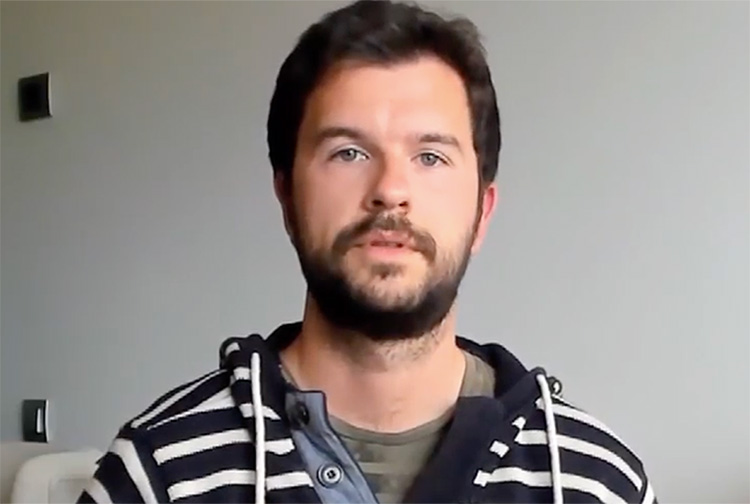

“Economic independence means that you don’t depend on anyone or anything to live”. Plain and simple. That’s how clear our financial director, Oriol Tafanell, is. We follow, step by step, his advice, and we answer how the 11Onze community will reach it.
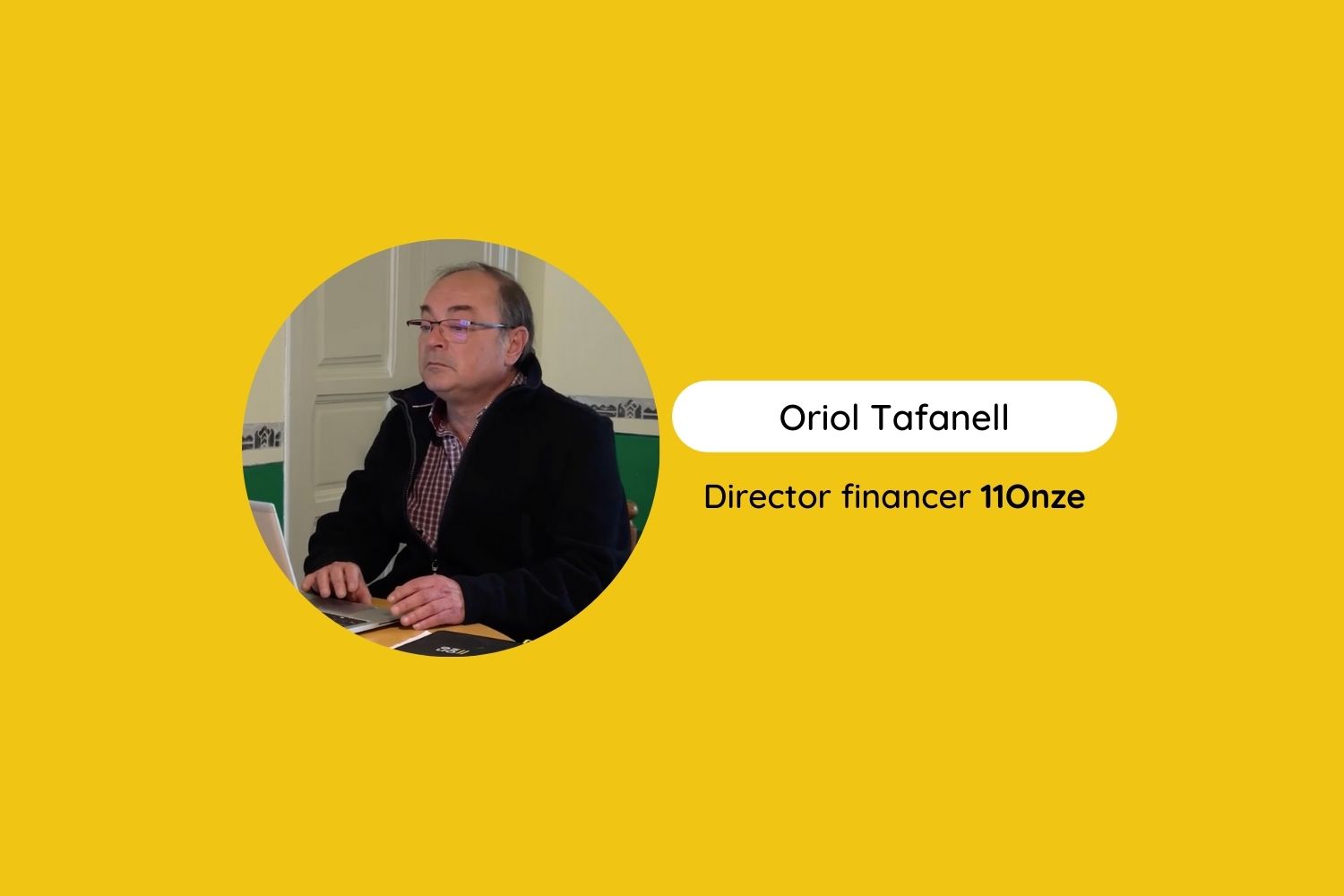
First, however, we need to ask ourselves why it is so important to empower ourselves. “Economic independence allows you to decide what you want to do in life and this, even though we often separate the heart from the brain, makes you emotionally stronger,” Tafanell says right at the start. With financial independence, we forget the stresses, the nerves, the sleepless nights and the anguish. Economic independence, then, is first built individually, and then we struggle to achieve it collectively. Let’s see it!
Three tips for individual emancipation
- Make a budget. Our CFO is concise: “The most basic thing is to make a budget, to know what income you get and what expenses you have”, he says. If the income is not enough to pay all the expenses, the most logical thing to do is to reduce the latter. And he gives an example: “If you have made a budget thinking that you will pay a rent of 1,000 euros a month, but then you add clothes, food, supplies, and it is not enough, maybe you have to see if the rent you have is too high. If you get obsessed, or you know you can’t reduce the expense in any way, you have to look at how to get more money.” For Tafanell, it is very important to know how much money we have, how we manage it and, for this reason, he considers an application like the one 11Onze’s clients will have, El Canut, to be essential: “People will have the possibility of seeing where and how their money is, they will learn how to manage it, how to move financially. It’s a tool,” he says.
- Force yourself to save. Even if you have achieved a stable balance between income and expenses, Tafanell recommends that income should always exceed expenses, for one simple reason: uncertainty. “You have to be able to deal with shocks, and in life they happen all the time: because you lose your job, because your fridge breaks down… Any situation can cause a crisis. Then, what will really make you financially independent is that your income allows you to save,” he says.
- Detail what you have to spend the money on. Finally, our financial director reminds us that each stage of life has to set savings priorities. “So, when you are young, if you study thanks to your family, it is important to work to save. Later, you live as a couple, you have children, or you build a career path, and savings are used to be able to pay for what’s coming up. And, in the end, when we are old, we have to invest our savings in a good pension plan, in retirement,” Tafanell says. The key, according to him, is to do “a little bit every day, to maintain discipline throughout your life.
The five objectives for collective empowerment
- Reduce debt. “Today, with the economic situation we have, if you are young, you have to study and work, and save. In cities like Barcelona, paying rent is practically impossible. This must change, it is clear. A universal income? In a country like ours, although we would like it, we have to forget about it,” admits our chief financial officer. And he reminds us that “Spain is a country with a high deficit”. “If collective economic independence is to maintain the expenses and income of a country, we cannot get into debt. And in Spain, indebtedness grows and grows, everything goes to pay interest,” he explains.
- Solidarity means paying taxes. For that reason, it is essential, according to Tafanell, “to be very supportive”. “That means that no one works under the table and that everyone pays taxes,” he summarizes. On a large scale, it means avoiding tax evasion and tax havens. “It’s unsupportive, and all it makes is sinking the country’s collective economy.” In fact, the more people pay taxes, Tafanell explains, the less taxes we will have to pay.
- Continue to educate the world. “There is too much capital that does not pay money. This has to stop,” he says, and the comment inevitably leads him to talk about the business culture of Mediterranean countries, which he sums up with the saying: “The law is made, the trap is made”. “It can’t be that the first thing we think about is how to sneak around, how to make the most of the system. Everyone makes a thousand and one tricks,” says our CFO with his gentle demeanor. Picaresque, he says, means that the unemployment rate has reached 25%, as it has during the pandemic, and there is no revolt. For this reason, he considers the reflection and debate that the 11Onze community proposes in La Plaza to be essential. “And from here, to continue educating. We can help, for sure. That is why we have created a financial community”, he says.
- Rebuilding the econmic network. Precisely, the community that 11Onze is patiently building is the key to rebuilding a Catalan economic network that, Tafanell confesses, “practically no longer exists”. “In Catalonia we were very proud to be a country of entrepreneurs, but the second and third generations of managers sold all the successful companies to multinationals, who don’t care whether the headquarters are in Catalonia or Mozambique,” laments the financial director. Moreover, instead of investing the money from these sales in innovation and development, it has gone into real estate and speculation.
- Defining our community. The last objective for achieving economic independence is, therefore, to define very clearly what our community is. “If it is only the territory of Catalonia, and we do not have to drag the deficit of the whole of Spain along with us, the power we have to build ourselves economically is impressive,” he says. And he concludes: “The independence of Catalonia is a dream, yes, but I believe it is achievable. We have to prepare people for when it is possible. How? Less words. We have to take to the streets”.
If you want your business to make a giant leap, use 11Onze Business. Our business and freelancer account is now available. Find out more!