Seven technologies that will transform finance
Traditional banking is likely to disappear sooner rather than later. And security tools such as biometrics and cryptography will help protect us from fraud.
The world of finance is changing fast. Fintechs are overtaking traditional financial institutions, above all because they are committed to combining technology and customer service. All with the aim that new technological advances will allow increasingly simple, but more secure, operations. We see it!
- Services in the cloud. Financial institutions will increasingly organise their services via the internet. This is why financial applications are constantly innovating: they are looking for more and more transactions to be carried out in the cloud.
- Artificial intelligence, an essential tool. This technology is much more sophisticated and has a significant influence on the internet of things, on the management of ‘big data’, on facial and optical recognition and on the ‘blockchain’, which is the structure with which the new financial institutions will work.
- Mobile finance made easier. The so-called ‘mobile banking’ system is not new. Still, it will be increasingly easier to use: it will provide greater accessibility and incorporate one-click payments from customer to customer. In addition, customer-to-business ‘digital banking’ will no longer rely on passwords.
- More blockchain. Blockchain software vendors will attract the interest of organisations that want to accelerate their performance. With blockchain, they will achieve more cost-effective operations.
- Next-generation cashpoints. It is expected that, in the not-too-distant future, we will be operating cashpoints without having to use a card, directly with our mobile phones. Some cashpoints around the world, in fact, already incorporate biometric authentication or iris recognition.
- Security, security, security. This is a constant concern for financial institutions, which will be looking to include new protection services for their customers. Biometrics will be commonly used to access financial data.
- Links between financial institutions. Experts have realised that financial institutions can reduce costs and facilitate customer services by partnering with each other. Working collectively advances innovation and establishes healthier cooperation.
11Onze is the community fintech of Catalonia. Open an account by downloading the super app El Canut for Android or iOS and join the revolution!



Do you find it difficult to understand all the concepts on a payslip? You are not alone. It is important to know how our salary payments are broken down, but it is not always easy to interpret the different parts of this document. Mireia Cano, Sales Lead B2C at 11Onze, explains the key points so that you get everything.
The payslip is a payment receipt that justifies the settlement and payment of your salary. At the same time, serves as proof of the Social Security contribution, as well as the withholdings that have been made in advance for personal income tax (IRPF).
First, when interpreting the payslip, remember that its structure is always the same. From top to bottom, in the header, we will find the company’s data, the worker’s data and the settlement period, or as Cano points out, “the days to which the payroll corresponds”.

How to understand a payslip
Salary and non-wage payments
Known as accruals, we have to distinguish between the different remunerations we receive for doing our work, therefore, we find two large blocks.
- Wage income: basic salary, allowances and pro rata extra payments.
- Non-salary income: indemnities, expenses such as travel expenses, or if we receive a bonus.
As Cano explains, it is important to bear in mind that “salary income is subject to personal income tax deductions and social security contributions, while non-wage income is not subject to deductions“. But what are deductions, and what about common or professional contingencies? If you are not sure, watch the video above to understand the rest of the concepts.
11Onze is the community fintech of Catalonia. Open an account by downloading the super app El Canut for Android or iOS and join the revolution!



When gold and the stock market rise at the same time, something big is brewing. The ‘smart money’ has already moved, and the market is much more fragile than it appears. Gold is the refuge of fear. Stocks are the reflection of optimism. That is why, when both assets rise at the same time, analysts sound the alarm. Historically, this combination is rare and usually precedes moments of great volatility in the markets. And this is exactly what is happening now.
This autumn of 2025, both the price of gold and the major stock market indices — S&P 500, Nasdaq and Euro Stoxx — have simultaneously reached historic highs. According to data from the World Gold Council, gold is now trading at $3,380 per ounce, with a 20% increase in value in less than two months.
Meanwhile, stocks continue to set records, despite persistent inflation and still-high interest rates. It is a complete contradiction that the asset of fear and the asset of hope are both pointing upwards at the same time. This phenomenon is not unprecedented. In 2020, a few months before the outbreak of the pandemic, the same combination occurred: gold and the stock market at record highs. Shortly afterwards, the market crashed. History may not repeat itself exactly, but it often rhymes.
When gold rises, something is brewing
From May to August, the price of gold had remained stable, almost dormant. But at the end of the summer, something happened. In just a few days, the precious metal began a vertical climb, rising 20% in less than eight weeks. A movement of this magnitude cannot be explained solely by inflation or interest rates. There is something deeper behind it.
According to Bloomberg Markets, gold purchases by institutional investors—pension funds, insurance companies and central banks—increased by 35% in the third quarter of the year. The World Gold Council confirms that between July and September, central banks added more than 300 tonnes of gold to their reserves.
In total, they have now accumulated more than 1,100 tonnes in twelve months, the highest figure recorded since the end of the gold standard. These data show that the movement is not accidental: the major players in the system are protecting themselves.
The smart money has already left
When small investors buy with euphoria, large investors tend to do the opposite. This is one of the unwritten laws of the markets. And if we want to know what the ‘smart money’ — large institutional capital, such as pension funds, hedge funds, sovereign wealth funds, insurance companies, global investment funds and central banks — is doing, we need to look at an indicator called DIX or ‘Dark Index’. Developed by SqueezeMetrics, the DIX measures the flow of purchases and sales in dark pools, private markets where large transactions are carried out away from the public eye.
What the data shows is disturbing. While the S&P 500 was breaking records at the end of August, the DIX plummeted to its lowest levels of the year. This means that while the public was eagerly buying shares, large investors were quietly selling. Money was leaving the stock market to seek refuge elsewhere. And the dates do not lie: just as the DIX falls, the price of gold takes off.
According to J.P. Morgan Asset Management’s quarterly report, during this period institutional funds reduced their exposure to equities by 12% and increased their position in physical gold and gold-backed ETFs by 18%. In other words, smart money has left the party while the others are still dancing.
A hypersensitive market full of gunpowder
The second key indicator is GEX, or ‘Gamma Exposure’, which measures the market’s sensitivity to small price changes. When GEX is very high, any news can cause exaggerated movements — up or down.
And right now, according to SpotGamma, the global GEX is one of the highest since 2022. This means that the market is in a state of extreme tension, like a house of cards about to collapse. The combination of a very low DIX — institutional money flowing out — and a very high GEX — a nervous market — is explosive. Historically, this pattern has preceded major corrections. It occurs when the market seems stronger than ever… just before the shake-up.
Central banks make their move
The shift towards gold is not limited to private investors. Central banks have become major net buyers of gold in recent years. For example, China, Russia, Turkey and India are leading this paradigm shift, with steady monthly purchases in a clear strategy to reduce their dependence on the dollar and strengthen their monetary sovereignty.
Gold is once again establishing itself as the universally trusted asset when fiat currencies such as the dollar or the euro lose credibility. This trend also reflects a geopolitical message. According to the IMF, the dollar’s share of global reserves has fallen from 71% in 1999 to 58% today, while gold reserves have increased to represent nearly 20% of the world total.
The world is gradually de-dollarising, with gold playing a leading role in this new monetary era.
J.P. Morgan has already shown its hand
Among the major financial institutions, some have already hinted at how they interpret this situation. According to internal documents leaked by Market Watch, J.P. Morgan has bet that the market will fall to 5,310 points, placing its optimal profit point in a clearly bearish scenario.
This is a diplomatic way of saying that the bank does not expect further rises and believes that the risk outweighs the reward.
Marko Kolanovic, the bank’s chief strategist, put it clearly in his latest quarterly report: ‘Markets are more vulnerable than the indices show. The risk of a sudden correction is high, and institutional investors are repositioning themselves in safe assets such as gold or sovereign bonds.’
The market bluff
If we put all the pieces together, the story is clear. Smart money has quietly sold shares, taken refuge in gold and left a market full of small, euphoric and exposed investors. This is what many call ‘the market bluff’: a seemingly solid rise, but with no real support behind it.
When the big players have left, the party is kept alive only by the inertia of the latecomers. And when the first of them turns off the lights, those who left earlier come back to buy at bargain prices. It is a repetitive game, well known and yet eternally effective. Markets, in the end, are a reflection of human behaviour: fear and greed alternating like the seasons.
With volatility indicators high, central banks accumulating gold and large investors out of the stock market, the stage seems set for a sharp turn. The real question is no longer whether something will happen, but what will light the fuse. It could be a geopolitical crisis, a bank in distress, or an unexpected election result. But the ground is dry and full of gunpowder. Gold does not lie. When the most prudent money returns, it is because something is coming. And as always, when the markets seem calmest, that is when it is necessary to be most vigilant.
If you want to discover the best option to protect your savings, enter Preciosos 11Onze. We will help you buy at the best price the safe-haven asset par excellence: physical gold.



Si tenim uns diners estalviats, i estem pagant una hipoteca, ens pot sorgir el dubte de si surt a compte retornar el préstec hipotecari abans del termini establert. Coral Santacruz, de l’equip de producte d’11Onze, detalla els avantatges i inconvenients de dur a terme una amortització anticipada.
La cancel·lació o amortització parcial o total del préstec hipotecari consisteix a reduir o pagar totalment el deute que tens pendent amb l’entitat financera abans del termini establert en el contracte. És a dir, fer servir els teus estalvis per a cancel·lar o pagar part del deute amb el banc.
Tot i que a priori pot semblar una bona idea aprofitar diners estalviats per retornar o reduir un préstec hipotecari abans de temps, tot dependrà de les condicions d’amortització que s’hagin signat en el contracte de la hipoteca.
Procés d’amortització d’una hipoteca
Reduir quota o termini d’amortització
Si ens decidim per fer una amortització parcial, podem reduir l’import de la quota (en referència al capital i interessos), o el termini (el temps que es tardarà a tornar el préstec). Per tant, “s’ha de valorar quina de les dues opcions és la més viable per a nosaltres, depenent de si volem acabar de pagar abans, o pagar menys cada mes”, apunta Santacruz.
Independentment de quina opció triem, haurem de comunicar a l’entitat financera la voluntat d’amortitzar la hipoteca i explicar la tipologia que volem aplicar. Hem de tenir en compte que aplicar aquest procés té un cost, com explica Santacruz, “és la comissió d’amortització anticipada, i a l’hora de signar la hipoteca ens haurem de fixar quines condicions ens ofereix l’entitat financera en aquest aspecte”.
Si vols conèixer una assegurança justa per a la teva llar i per a la societat, descobreix 11Onze Segurs.



The cryptocurrency market continues to grow despite its extreme volatility. After years of speculative booms and sudden crashes, governments around the world have placed regulation at the centre of the debate. Some present it as a necessary protection for small investors; others as a strategy to protect the traditional financial system from an uncomfortable competitor.
After more than a decade of existence, cryptocurrencies have demonstrated their disruptive potential on monetary policy and state control of money. Thanks to blockchain technology, they offer a more transparent, decentralised and inflation-resistant system, as most limit the issuance of new units. However, their Achilles heel remains volatility: an obstacle that makes it difficult for tokens to serve as a stable medium of exchange.
Today, crypto assets are no longer a marginal product. They have become investment instruments, hedges against weak currencies and, in some countries, even legal tender, such as Bitcoin in El Salvador or USDT in emerging countries. However, this expansion has also opened the door to fraud, manipulation and money laundering, which has accelerated the response from regulators.
A difficult market to control
Supervising the crypto world is, quite simply, a colossal challenge. The term crypto asset encompasses thousands of projects, tokens, and protocols with very different uses: from payment systems to decentralised applications, stablecoins, and NFTs. Most operate in global environments, without clear boundaries and with anonymous or decentralised actors.
For regulators, this means monitoring a global ecosystem with no central headquarters, in which miners, developers and intermediaries often escape traditional financial regulation. While countries such as Switzerland and Japan already have specific legal frameworks in place, others, such as the United States and the European Union, are still debating what limits to impose without stifling innovation.
The European and Catalan legal framework
In Europe, the major step forward has been the approval of the MiCA (Markets in Crypto-Assets) Regulation, in force since June 2023, which establishes for the first time a single legal framework for crypto-assets within the EU. MiCA requires all service providers — exchanges, custodians or token issuers — to obtain a regulated licence and provide transparent information to customers.
In Spain, its implementation is being coordinated with the Bank of Spain and the National Securities Market Commission (CNMV). At the same time, Law 11/2021 on the prevention of tax fraud already requires platforms to report their customers’ transactions to the Tax Agency, and Royal Decree 7/2021 establishes an official register for exchange and custody service providers.
These measures pave the way, but they also raise questions: to what extent do they protect investors or reinforce state control over digital money?
Risks for small investors
Despite their growing popularity, cryptocurrencies remain a high-risk investment. Market volatility, technological complexity and a lack of transparency in some projects have led to millions in losses. In addition, many platforms operate from tax havens or jurisdictions without legal safeguards, making it difficult to protect users from scams or loss of access to digital wallets.
Classifying cryptocurrencies as investment products subject to consumer protection rules — as proposed by the CNMV — could provide greater security. But it could also limit access and the decentralised nature that has made the crypto world a laboratory for financial freedom.
Disparate regulations and side effects
The International Monetary Fund (IMF) warns that regulatory priorities differ from country to country: while some emphasise investor protection, others focus on the integrity of the financial system. China, for example, has directly banned mining and cryptocurrency transactions, while countries such as Singapore and the United Arab Emirates seek to attract capital with favourable regulations.
These differences lead to what experts call regulatory arbitrage: companies and platforms migrating to where laws are more lax, while maintaining a global reach thanks to the Internet. The result? Unequal competition and a constant risk of global technological relocation.
Towards a global framework?
Faced with this fragmentation, the IMF, and the Bank for International Settlements (BIS) are calling for coordinated global regulation that guarantees legal certainty without stifling innovation. The aim is to establish clear limits and common standards to prevent abuse, but without undermining the open and decentralised nature of blockchain technology.
However, many experts warn that overly strict regulation could turn cryptocurrencies into an extension of the financial system they sought to challenge, transforming a tool for economic freedom into yet another instrument of monetary surveillance and control.
Between control and freedom
The big question is whether regulation will serve to empower citizens or limit their financial sovereignty. At a time when central banks are preparing their own digital currencies (CBDCs), the line between protection and control is thinner than ever.
Cryptocurrencies were created to challenge a system that concentrates the power of money. Regulating them can bring security and confidence, but it can also erase their original spirit. As always, the key is not whether it is necessary to regulate them, but how: with criteria of transparency and accountability, or with the desire to control what cannot be stopped.
11Onze Recommends Bitvavo, cryptocurrency trading made easy, safe and at a reasonable cost.

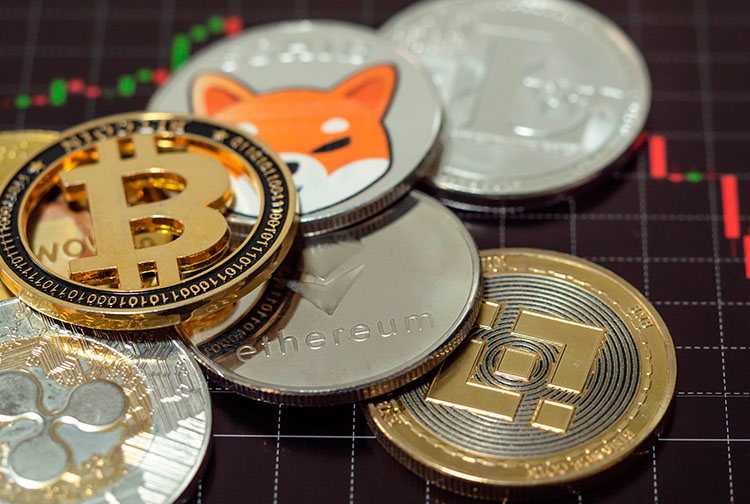

Homeowners, when they reach retirement age, can consider several options to keep their income level stable. We’ll explain the reverse mortgage option.
The reverse mortgage is, in short, a loan granted by a financial institution, which is guaranteed by a mortgage that normally falls on the client’s usual home. In an ordinary mortgage, the money is requested to acquire the house, and the debtor must return it periodically. However, in the reverse mortgage, the property is offered in exchange for receiving the loan also periodically, or in the agreed amount at once.
This product is intended for people over the age of sixty-five, those with a degree of disability equal to or greater than 33%, or who are severely dependent. The reverse mortgage on the home they own will provide them with an additional income, while the repayment of this loan will not be due to them until the time of their death.
We must consider that, unlike in a normal mortgage, the debt is not paid and decreases over time. On the contrary, it increases as benefits are received and until the holder dies, or until the maximum percentage is reached according to the appraised value agreed when the mortgage is signed. In this case, the heirs could choose to take charge of the return until the debt is extinguished, if they want to keep the property.
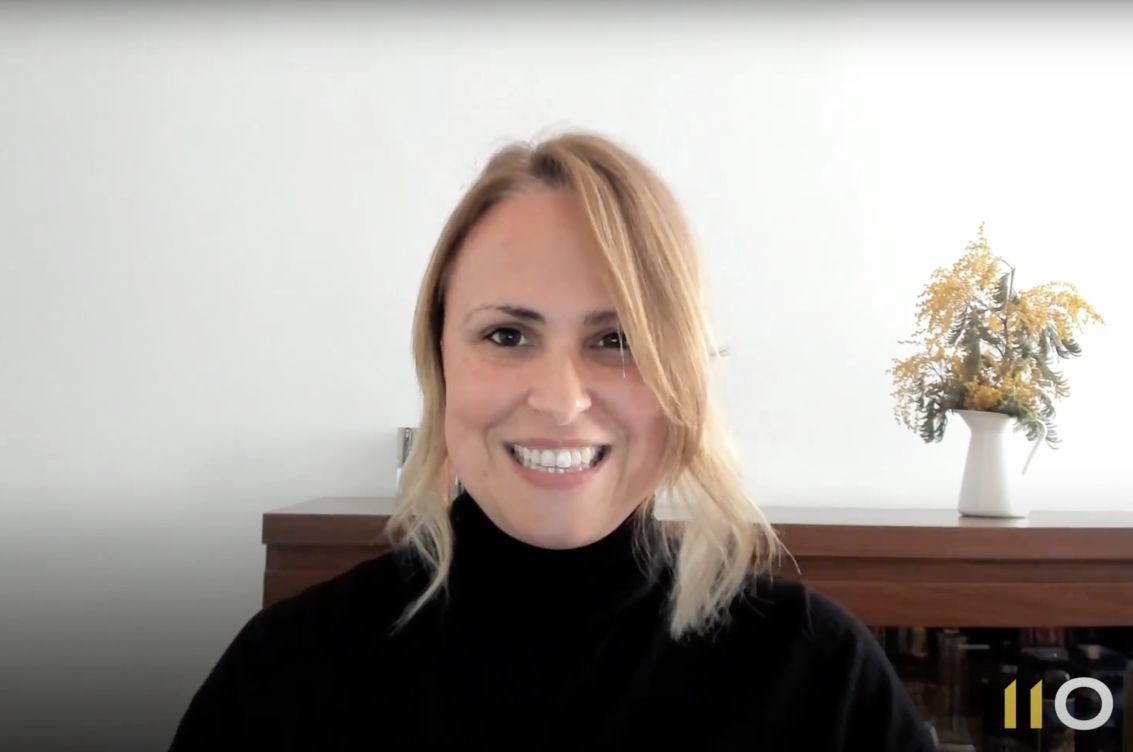
11Onze Agent Càrol Rafales talks about the reverse mortgage.
The benefits of a reverse mortgage
This product was born in the sixties in the United States and the United Kingdom, where it expanded under the idea of using a property to obtain financing. In Spain, it was adapted and is regulated by the Law 41/2007, in its first additional provision (1st DA). Later it was modified in article 5 of Law 1/2013, which strengthened the protection of debtors, among other details.
At the age of well-deserved retirement, it may be interesting for many people to take the alternative of the reverse mortgage, so as not to see their standard of living reduced when they stop working. In Catalonia there are factors such as a very high rate of homeowners, increased longevity, and not-so-good prospects for pensions or public benefits, which open the market for this product.
Another advantage is that ownership of the home is not transferred, but retained, so that the beneficiary receives the rent and can continue to live in their home, or even rent it out. However, it will be the heirs who, in order to maintain the property, when the death of the owner occurs, will have to decide whether to deal with the accumulated debt.
How income is calculated
The first thing to be established will be the amount of capital that will be offered as a loan on the mortgage. To do so, the entity will consider, first and foremost, the value of the property offered as collateral. Therefore, a correct assessment will be essential. The age of the owner, their life expectancy, or whether the home is their usual residence will also be taken into account.
The income received will be calculated based on the agreed capital of the loan and conditioned by how the holder decides to receive it. First, it can be done in a single full payment or on a regular basis (usually a monthly payment). Second, and if you opt for the periodic option, you can also choose it to be temporary or lifelong.
With the temporary option, payments will be received until the total agreed capital has been exhausted. The customer will no longer receive any income, but will also not have to deal with the debt until their death. Debt, of course, will continue to generate interest. The lifetime option enlarges the capital over the life of the customer, and therefore the amounts received will be inferior.
Finally, it should be noted that the income from the reverse mortgage is not taxed as income in the personal income tax, and presents exemptions in the payments of notarial documents and legal acts required to formalize it.
11Onze is the community fintech of Catalonia. Open an account by downloading the super app El Canut for Android or iOS and join the revolution!


The boom in the price of gold is neither a mirage nor a fad. It is a symptom of a weakening monetary system as investors seek refuge from the loss of value of fiat money.
At the beginning of the year, few dared to predict that gold would exceed $4,000 an ounce. Even investment banks such as Goldman Sachs predicted that the precious metal could stagnate below $3,300. However, reality has exceeded expectations: gold has broken all the moulds and the markets are already talking about new historic highs for the coming years.
But behind this spectacular rise lies a much deeper message. According to analysis by Citadel, one of the world’s most powerful investment funds, the gold boom hides a very worrying trend: what they call ‘valuation operation’. A global strategy to allow fiat currencies to slowly devalue, reducing the real weight of government debt and, in turn, the purchasing power of citizens.
The silent loss of money’s value
Governments and central banks have turned inflation into a tool for economic survival. After years of monetary stimulus, cheap credit and massive money printing, the system has become accustomed to living with a constant dose of devaluation. When inflation erodes the value of currencies, debt becomes more manageable, but citizens’ savings are also worth less every day.
According to data from the International Monetary Fund (IMF), advanced economies have accumulated public debt exceeding 112% of GDP, the highest since World War II. And as the European Central Bank (ECB) warns, inflation in the eurozone will remain above 2.8% in 2025, despite high interest rate policy. This loss of purchasing power is the silent mechanism that shifts the debt burden onto citizens.
This is not a conspiracy theory, but a mechanism that is well known and has been repeated throughout history. And, as always, there is one asset that resists: gold.
Gold: the barometer of mistrust
When currencies lose credibility, gold gains. Unlike fiat money, it does not depend on any government and cannot be printed at will. It is finite, tangible, and universal. That is why, every time the monetary system falters, its value skyrockets.
The figures speak for themselves: according to the World Gold Council, central banks bought 1,037 tonnes of gold in 2024, 4% more than the previous year, the highest volume since 1967. China leads the way, with nine consecutive months of accumulation, followed by Turkey. While the West struggles with debt and money printing, emerging countries are bolstering their reserves with real assets.
This trend is in line with what 11Onze already pointed out in a previous article in La Plaça: in four years, gold has appreciated by 85%, and everything indicates that it will continue to rise in the face of the structural weakness of the pound sterling and persistent inflation.
According to Bloomberg, gold is trading at around $4,020 per ounce in October 2025, reaching an all-time high and consolidating its position as the best-performing asset of the last economic cycle.
The sector is on the move and 11Onze analyses
This global movement not only reflects an economic trend, but also a change in mindset: investors are once again seeking tangible assets and real value. The financial sector as a whole is rediscovering gold as a strategic asset. Banks, asset managers and investment platforms see it as a counterweight to the loss of value of currencies.
But at 11Onze, we have a different view: it is not just another investment product, but a tool for preserving value and economic sovereignty. Our experience in precious metals shows us that 100% allocated physical gold, with professional custody and total transparency, is the only real way to protect wealth in a scenario of widespread devaluation.
Investing in gold is not a reaction to fear, but an exercise in financial responsibility. It is understanding that wealth depends not only on what you earn, but on what you manage to preserve.

Why should you invest in gold?
Devalue or preserve: two sides of the economic future
What Citadel calls ‘devaluation’ may seem like a sophisticated debt management strategy, but for ordinary citizens it translates into a silent erosion of their purchasing power. While central banks seek breathing room by printing money, gold offers respite to those who want to preserve their hard-earned wealth.
At 11Onxe, we have said it many times: when the system shakes, gold stands firm. It is not about abandoning currency, but about balancing risks. In a context of uncertainty and planned devaluation, gold remains the oldest and most reliable refuge in the world. Because if money melts like ice… gold continues to shine.
If you want to discover the best option to protect your savings, enter Preciosos 11Onze. We will help you buy at the best price the safe-haven asset par excellence: physical gold.


L’inversor nord-americà torna a avisar que els Estats Units estan en perill d’un col·lapse financer perquè s’està generant massa deute i hi ha escassetat de compradors. A més, apunta que la inflació, els baixos tipus d’interès i la fragmentació política empitjoraran la situació.
Ray Dalio, reconegut inversor i fundador del fons d’inversió Bridgewater Associates, fa mesos que va avisant del perill d’un col·lapse financer. Durant les negociacions sobre el sostre de deute per evitar una suspensió de pagaments de l’administració americana, Dalio explicava en un post a LinkedIn que no n’hi havia prou amb acordar un nou límit de deute si no es concretava com contenir o reduir la despesa i que “augmentar el límit del deute de la manera en què el Congrés i els presidents han fet repetidament conduirà finalment a un col·lapse financer desastrós”.
De fet, no cal ser un gurú de les finances per saber que gastar més del que guanyem i finançar-ho amb deute és la recepta perfecte pel desastre econòmic. Això, però, no és necessàriament sempre veritat si tens la capacitat d’imprimir diners sense conseqüències. L’hegemonia del dòlar com a moneda de reserva mundial i la demanda assegurada d’aquesta divisa gràcies al reciclatge de petrodòlars atorga als Estats Units una de facto “targeta black” que els permet gastar diners sense gaires preocupacions.
Quan no es pot satisfer als deutors i creditors
Tot i aquest comodí, el fundador de Bridgewater apunta que a la llarga no és sostenible, perquè l’augment dels actius i passius de deute més ràpid que els ingressos acaba per fer impossible pagar un tipus d’interès que satisfaci els creditors, i al que hi puguin fer front els deutors. És a dir, els tipus d’interès han de ser prou alts perquè el creditor obtingui un bon rendiment pels seus diners, però no fins al punt que el deutor no pugui pagar el seu deute.
Així mateix, argumenta que aquest escenari pot conduir al pànic i acabar creant una crisi de deute semblant a la reacció en cadena que precedeix a les crisis bancàries, però en aquest cas contra el banc central i amb bons del govern. Una situació que descriu com desastrosa que “causarà un desgavell financer i trastorns socials”
En aquest context, l’inversor creu que ens estem acostant a aquest punt d’inflexió en què la quantitat de deute emès pel govern superarà la demanda, la qual cosa obligaria a una impressió ingent de diners i una venda de bons governamentals que posaria al banc central en una posició insostenible. En altres paraules, els creditors no prestaran més diners i vendran els seus actius de deute -provocant una pujada dels tipus d’interès- o forçaran que el banc central imprimeixi més diners i compri deute en un intent de mantenir els tipus d’interès baixos, per tant, creant inflació i provocant una contracció de l’activitat econòmica.
Com evitar o preparar-se pel col·lapse
“Crec que s’ha de reformar el sistema i donar una resposta expeditiva amb un bipartidisme intel·ligent”, apunta Dalio en una entrevista a Bloomberg. I afegeix, “Si seguim per aquest camí, en termes del que és probable en els pròxims cinc i deu anys, s’arribaria a un punt en el qual aquest acte d’equilibri es fa molt difícil”.
En qualsevol cas, aquestes mesures o canvi de paradigma depenen en gran part dels polítics, sobre els quals la població no té gaire influència independentment dels resultats electorals. Cal recordar que els interessos de la banca i dels poders fàctics tenen prioritat per sobre dels de la ciutadania. Davant d’una crisi financera només una minoria selecta té accés a informació privilegiada que li permet assessorar la gravetat de la situació per protegir els seus estalvis.
Llavors, com podem protegir les nostres finances davant d’un desastre econòmic que sembla més que probable? Ray Dalio ho té clar, encara que reconeix que té una “petita” quantitat de bitcoin, prefereix l’or, al que descriu com “universal i atemporal”, i continua “no entenc per què la gent s’inclina més pel bitcoin que per l’or. Si ens fixem en l’àmbit internacional, l’or és, per als bancs centrals, el tercer actiu de reserva”. I és que en aquest context econòmic la compra d’or és una de les poques opcions que tenen, no només els bancs, sinó, la gent per salvaguardar els seus diners.
Si vols descobrir la millor opció per protegir els teus estalvis, entra a Preciosos 11Onze. T’ajudarem a comprar al millor preu el valor refugi per excel·lència: l’or físic.


El Banc d’Espanya alerta que 1,6 milions de llars no poden fer front a les despeses essencials. L’encariment dels productes bàsics, la inflació i la pujada dels tipus d’interès estan fent créixer la proporció de famílies en situació de vulnerabilitat.
Gairebé una de cada deu famílies espanyoles no va poder cobrir les despeses essencials amb la seva renda bruta durant el 2022, davant del 7% de fa dos anys. Pressionades per l’encariment dels productes bàsics, l’elevada inflació i per l’efecte que la pujada dels tipus d’interès del BCE ha tingut sobre les hipoteques. Aquesta és una de les principals dades que es desprenen de l’informe sobre la situació financera de les llars i les empreses que el Banc d’Espanya va publicar aquest dijous passat.
L’òrgan supervisor estatal constata que la inflació és la principal causa darrere de la pèrdua de poder adquisitiu acumulada del 4,5% i que l’augment dels tipus d’interès afecta de manera directa a les llars amb préstecs a tipus variable. “Les llars amb aquests tipus de deutes, independentment del nivell de renda, són més vulnerables. Això és així no només perquè dedicaven un percentatge major de la seva renda a despeses essencials sinó perquè els seus actius líquids cobreixen una menor proporció d’aquesta despesa”.
L’informe també assenyala que l’increment del cost de finançament ha provocat una reducció en la demanda de crèdits a les llars en els darrers mesos, que ja es va veure a finals del 2022 i que s’ha accentuat durant els tres primers mesos d’aquest any, amb un impacte especial en els préstecs destinats a l’adquisició d’habitatges. Segons els bancs, aquesta evolució és fruit de l’augment dels tipus d’interès i una disminució de la confiança dels consumidors. Pel que fa al segon trimestre, els bancs preveuen una caiguda addicional en les sol·licituds de crèdit a les llars.
L’accés al crèdit no només s’ha deteriorat per a les llars, les empreses, especialment les PIMES, tenen més dificultats per aconseguir crèdit, i quan l’aconsegueixen és en condicions més desfavorables. El Banc d’Espanya avisa que tot i que la facturació de les empreses va seguir pujant significativament i que el seu endeutament s’ha continuat reduint, el cost mitjà del deute “estaria començant a frenar l’augment dels beneficis després d’interessos”.
Creix l’estalvi i es redueix l’endeutament de les llars
No tot són males notícies. Les dades de l’informe indiquen que la taxa d’estalvi de les llars ha repuntat, principalment per la contracció del consum, que se situa per sota de la seva mitjana històrica, i abandona la tendència descendent observada després de la pandèmia.
D’altra banda, el Banc d’Espanya aclareix que el comportament de la taxa d’estalvi durant els últims anys és compatible amb l’acumulació d’actius líquids per part de les llars. De la mateixa manera, explica que, en termes reals, la riquesa es va recuperar a la fi de 2022, després de les caigudes dels trimestres anteriors, gràcies a la moderació de la inflació. Encara que la desacceleració del preu de l’habitatge va fer que el component immobiliari contribuís a l’augment de la riquesa nominal.
Així mateix, la proporció d’endeutament de les llars ha experimentat una disminució significativa, situant-se a principis de 2023 en nivells que no s’havien observat des de 2003. Aquesta reducció es deu principalment a l’increment dels ingressos nominals -impulsats per la creació d’ocupació i l’augment dels salaris- i vinculada, en part, al repunt de la inflació.
Si vols descobrir com aconseguir guanys pels teus estalvis amb un producte de justícia social, 11Onze Recomana Finança Litigis. Perquè l’estiu que ve, tinguis les vacances pagades!

New technologies have entered the financial sector with force. Decentralised Finance (DeFi) is the spearhead of a fintech revolution that is ousting traditional banking. As Albert Chic, a member of the 11Onze team of agents, explains, we are facing a paradigm shift.
The decentralisation of the financial system is already a palpable reality. The rise of cryptocurrencies seems unstoppable and even central banks are launching their own digital currencies in order not to lose relevance in a world that they had controlled, but which they are gradually seeing slip out of their hands. “It’s a paradigm shift, no central authority controls them,” says Chic.
The agility provided by the combination of technology and financial services is taking over a market that is especially young, hyper-connected, and has never understood the slowness, unnecessary complication, and exorbitant fees associated with traditional banking. Moreover, many of these new financial tools are based on blockchain technology, which makes them more secure when it comes to protecting us from cyber-attacks. As Albert Chic explains, “so far, they have proven to be more resilient networks against cyber attacks“.
Today, there is practically a decentralised alternative for most financial services. If you want to know more, watch the video below, where Albert Chic explains it briefly.

Decentralized finances