The inflation that grips us: how to define it?
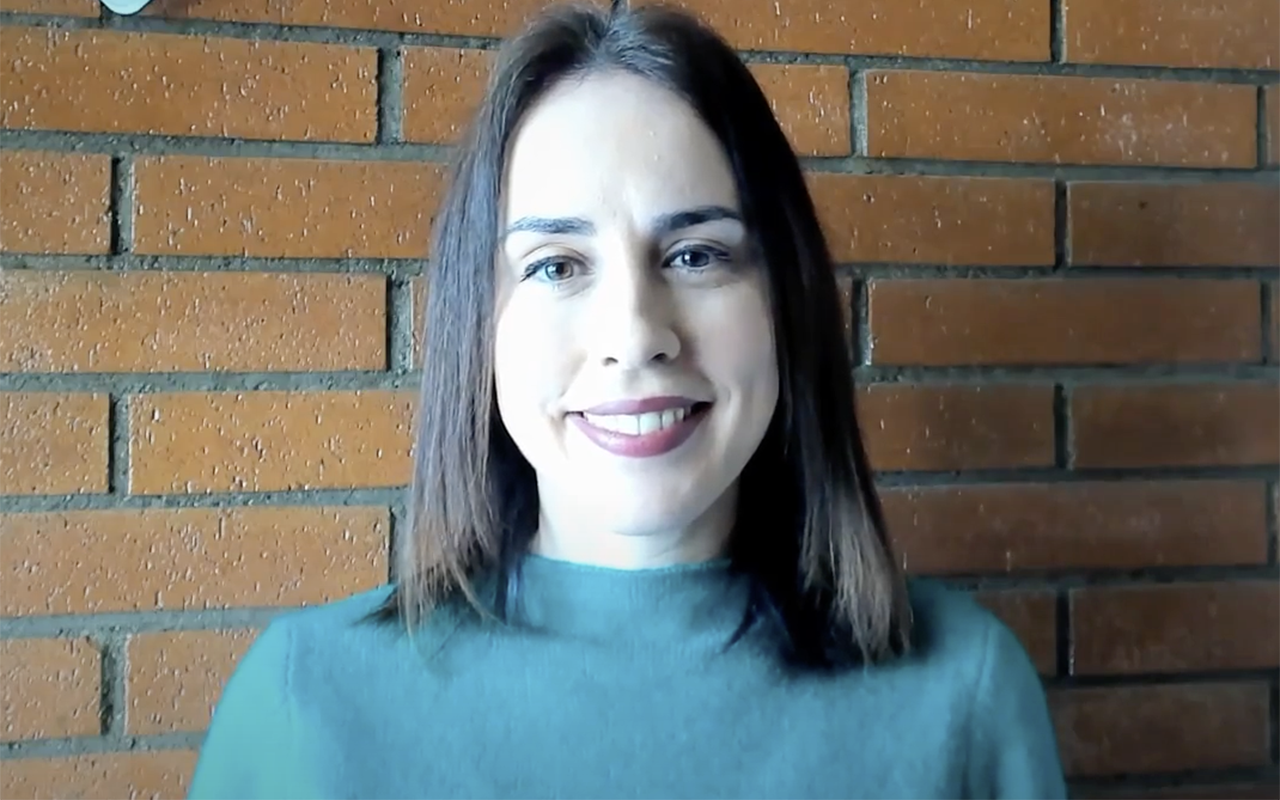
Inflation is a word that has crept into our daily lives. And it doesn’t exactly affect us in a positive way. But what exactly is inflation and how does it affect us? Agent 11Onze Miriam Frías gives us a summary.
“Inflation is the generalised rise in prices sustained over time,” Frías defines just for starters. In fact, inflation comes from the word “inflate.” And why? Simple, because the prices of basic goods increase. So inflation affects the most common household expenses: the shopping basket, the cost of supplies, the price of household appliances… As a result, there is a loss of purchasing power.
But why does inflation occur? There are three main causes, Frías says. The first is due to consumption or demand, i.e. when there is a high demand for a product in excess of its supply, prices tend to rise, because the people who need that product will be willing to pay any price.
Secondly, production costs, i.e. when raw materials, such as energy or oil, rise, then manufacturers have to guarantee themselves a percentage profit and pass this price increase on to the consumer. And the last one, self-constructed inflation, in which, when prices are expected to rise, manufacturers raise prices progressively so that the impact is not so great in the long run.
Want to know all about inflation? Just watch the video below!
Inflation, the enemy of our savings
If you want to discover the best option to protect your savings, go to Preciosos 11Onze. We will help you buy at the best price the ultimate safe haven asset: physical gold.
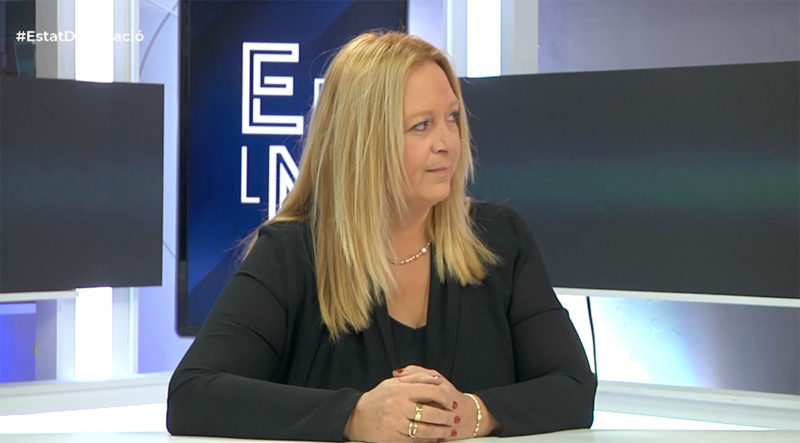

The geopolitical adventurism between the United States and Russia in Ukraine is far removed from us. However, it is a conflict with economic consequences that are already affecting us. Agent 11Onze Xavi Viñolas, an expert in geopolitics, explains what they are.
The escalation of tension between Russia and the United States on the Ukrainian chessboard is of great concern to certain sectors of the European economy. Heavy industry, the fruit —mainly citrus fruit— and vegetable sectors, and the wine and oil industries have already warned that, if sanctions are imposed on Russia, exports could be harmed and there could be a rise in the price of raw materials, which could lead to a drop in production. These concerns are all the more relevant as Europe seeks to put the pandemic crisis behind it, which has left many sectors shivering.
The fears of these sectors are well founded. The effects of the sanctions that the last two American administrations imposed on Russia after it supported Crimea politically and militarily in 2014 to gain independence from a Ukraine that had turned its sympathies towards the United States and NATO are still very much in the forefront of their minds. These punishments, and the pressure exerted by the US on the European Union (EU) to follow its orders, highlight the risks for Spain and the rest of the EU of taking part in this game of hard-power economic-political imperialism.
The rise in the price of raw materials such as aluminium, which occurred with the sanctions in force, could extend to metals such as nickel, copper, palladium and platinum, of which Russia is an important producer, and which are suffering historic price rises. The veto on the fruit and vegetable sectors, imposed by Russia in 2014, and which now see the hope of a return to the pre-conflict level of exports fading, are just one example of the possible economic repercussions of this crisis that could affect Spain.
Agricultural organisations in the wine and olive oil sectors have also expressed their concern over possible new sanctions. For this reason, they have asked the EU for measures to guarantee market stability, or to compensate for losses due to exports to Russia that have not been replaced by other markets.
The gas conflict
Beyond the economic consequences in the various sectors, behind the tension between Russia and the United States there is also the gas conflict. If the flow of oil into the old continent through pipelines was already one of the main triggers of the conflict that took place in Georgia in 2009, the same can be said if we talk about gas and pipelines in the case of Ukraine.
The United States’ staunch opposition to Nord Stream 2 —and the consequent imposition of sanctions on Europe for refusing to follow Washington’s directives to cancel the project—, coupled with tensions in Ukraine, has been instrumental in driving up energy prices. And this rise, on the other hand, also benefits imports of much more expensive liquefied gas from the US to Europe.
An escalation of the conflict could also have an impact on Russian oil production, either by choice or by inability, which would drive up oil prices at a time of runaway inflation and when many countries are just beginning to see an economic recovery after the Covid-19 crisis.
The new cold war
We cannot forget that geopolitical tension on Russia’s borders goes back a long way. Specifically, in Ukraine it has its closest roots in the 2014 electoral fraud —which some analysts consider to be a real “coup d’état.” It was then that the current Ukrainian leadership came to power, with well-founded suspicions of active US collaboration. A good example of this complicity is the expletive —the famous “Fuck the EU!”— that US Under-Secretary of State Victoria Nuland directed at the European Union when it refused to support them.
These elections spurred a declaration of independence by the then Russian-speaking Ukrainian provinces of Donetsk and Luhansk, powerful industrial zones that Ukraine had to accept that it was losing without remedy, just as it did with the Crimean peninsula and the autonomous city of Sevastopol. This was one of the last responses of part of the citizenry against the oligarchy that had forcibly imposed itself on power, with the interference of the administration led by Barack Obama.
The mistrust of some Ukrainians was, in fact, more than justified. Up to three members of the Ukrainian government that was installed after the elections were foreign ministers who, according to international media such as the BBC, were said to represent the interests of US lobbies. Since then, the tug-of-war between the Ukrainian government and Russia has continued.
On the one hand, Russia feels the danger of an offensive against Donetsk and Luhansk, and this has justified some of the Russian troop movements on the Ukrainian borders. Moscow fears a repeat of the events of last April, contrary to the Minsk Agreements —signed by Germany, Russia, France and Ukraine in 2015 to alleviate the civil war that erupted in the country after the fateful elections.
And, on the other hand, Ukraine has expressed fears of a rapid Russian invasion of its territory in the wake of these Russian movements on the border, a narrative fuelled by the United States. It is this latter fact that has led to the current escalation of tension and has justified the US and its allies’ increased military support for Ukraine. In this context, diplomatic efforts are proving fruitless so far, despite Russia’s announcement of a gradual withdrawal of troops on Ukraine’s borders.
In the end, what the latest episodes in Ukraine show is that a new cold war is underway. The background to all this is that Russia feels really threatened by the proximity of NATO —which has become the global agency of American interests— on its borders: not only by the military deployment, but also by the entry into the Atlantic organisation of Baltic countries that were historically part of the Russian orbit; and to which Georgia and Ukraine now want to be added.
It must be understood that bringing all these countries bordering Russia under NATO’s influence is a strategic plan by Washington, which has been in breach, almost from the outset, of the commitments it made to Boris Yeltsin not to control and covet Russia’s borders after Perestroika. Several declassified documents show how, at the same time that Clinton was negotiating with Yeltsin, the United States was already planning a strategic rapprochement outside the limits of the agreement with Moscow. Even so, the military confrontations between these two world powers in Europe —first in Georgia, and now in Ukraine— have made Moscow’s red lines very clear.
Moreover, we cannot ignore the fact that this scenario is doubly complicated, if we take into account that the sovereign debt crisis has exhausted many of the tools that central banks had to stimulate the economy, and that it makes us question the ‘cui bono’ behind the actors fuelling this conflict.
11Onze is the fintech community of Catalonia. Open an account by downloading the super app El Canut on Android and Apple and join the revolution!

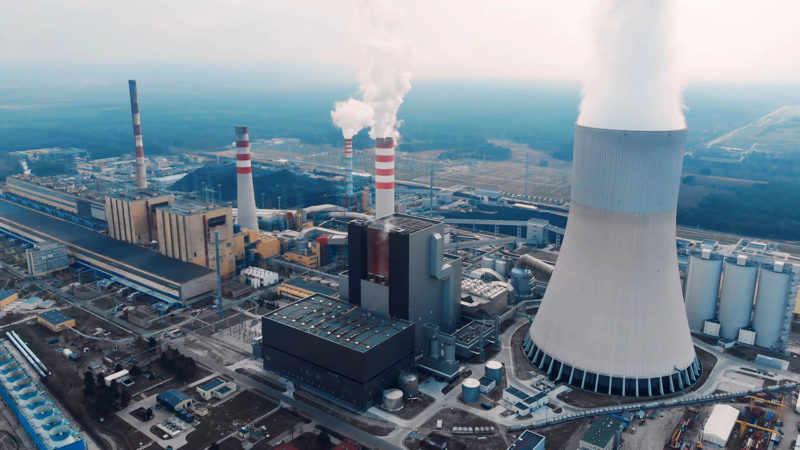
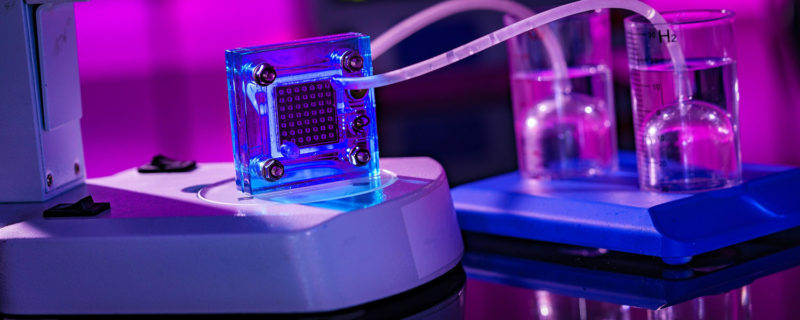
The fintech universe is expanding with each passing day. Fintech is leading the way in the world of finance and 11Onze is at the forefront of this change. A good example of this is that the fintech trends that will mark 2022 are in line with our fundamental pillars. Let’s see it!
Proximity, customer science, financial wellbeing and community are the four pillars that financial institutions and, more specifically, fintech will have to promote if they want to continue to transform the world of money. All this and more will be discussed by 11Onze CEO James Sène at the second Fintech Talk. The talk will take place this Wednesday 16 February at 7pm at the Monday Barceloneta coworking, in English and with a very limited capacity. Haven’t you signed up yet? Do it here.
- A commitment to proximity. The year in which the most vulnerable citizens have said enough to financial exclusion must also be the year in which institutions make a firm commitment to proximity. Proximity, proximity, proximity. This must be the mantra for meeting the needs of the population. 11Onze shows that there are no excuses when it comes to attending to its community: it was born from the hand of a team of agents who solve any doubt 24/7 and has promoted the ‘11Onze at Home’ service, to resolve questions by video call, break the technological gap and establish stronger links with customers.
- Welcome customer science. In a highly technological world like ours, where citizens have to learn to move financially in the cloud, it is also very important to offer a good digital experience. This year, this experience will have to allow us not only to satisfy the customer’s immediate needs, but also to anticipate them. With 11Onze’s website, La Plaça, we are also pioneers in this aspect. In recent months, we have been recognised in several prestigious international design awards, because we offer our community of more than 10,000 people a financial platform to interact without barriers.
- Promoting financial wellbeing. If we want to comply with the general framework of the European Commission and the OECD’s International Financial Education Network, we will necessarily have to promote financial education, which is essential, in turn, to promote financial wellbeing. It is about customers having access to all the information and the financial institution doing its utmost to help them make the right decisions. That is why at 11Onze we have set ourselves the primary objective of disseminating financial content. At La Plaça we do this through the Magazine, 11Onze TV and the Learn section. And, outside, we also do it with the Fintech Talks and 11Onze School.
- The creation of a financial community. The latest fintech trend that will mark this 2022 is the fundamental pillar of 11Onze: the community. At 11Onze we are convinced that, if we do things together, we will go further. And reality proves us right. At La Plaça, we are expanding our marketplace with all the services and products we offer; and, without going any further, we now also make it easier to buy gold at the best price with Preciosos 11Onze. All this is possible precisely because we are a community and we can make grouped purchases.
If you want to discover the best option to protect your savings, go to Preciosos 11Onze. We will help you buy at the best price the ultimate safe haven asset: physical gold.



The Spanish government has pushed through the labour reform, in agreement with employers and unions. What will change with this reform? Does it put an end to the PP’s labour reform? Octuvre’s Marta Sibina analyses.
The coalition formed by PSOE and Podemos made the repeal of the PP’s labour reform their battle horse during the election campaign. In the end, however, they have not repealed it but merely introduced some changes. They have thus achieved the first labour agreement of a Spanish government with all social partners since 1980.
The reform even has the approval of the big companies of the Ibex-35, which has called into question the progressivism of the reform. What changes now? What remains of the PP’s labour reform? Marta Sibina, from Octuvre, analyses it.
Does labour reform improve anything?



The company Cocoro has placed Catalonia among the world’s pioneering regions in feminine health. With 2021 sales alone, the company, which focuses on menstrual hygiene products, has managed to avoid 50.14 tonnes of waste. Cocoro is an example of innovation and proximity.
Offering a natural and sustainable alternative in a sector marked by pollution and the high cost of products that leave millions of women around the world behind, and even out of reach. This is the context and the objective with which Cocoro was born. Moreover, the Catalan company has managed to produce locally and maintain ethics and sustainability throughout the process.
In a new episode of People, we talk to Clara Guasch, co-founder and co-director of Cocoro, to break taboos about menstruation and learn about the alternative they propose for a free, comfortable and zero-waste menstruation. Guasch explains that the 50.14 tonnes of waste avoided is a very significant figure, but not enough, if we take into account that in Europe, waste from non-reusable intimate hygiene products amounts to 590,000 tonnes.
Breaking taboos, the unfinished business
After years in the sector, Guasch is optimistic about the education young women receive. She recognises that there is still a lot of work to be done and that neither men nor women have enough knowledge about the human body, which is why we have taboos about such natural processes as menstruation or urine leakage. Concepts that have been timidly socialised in recent years. Even so, they are still stigmatised and, in turn, stigmatise the entire female collective.
Teenage girls and women are talking more and more openly about this aspect, and Guasch points out that social networks favour the emergence of this type of debate. Not only do we have more access to information, but we also share more experiences with other women to find the menstrual hygiene method that best suits each person.
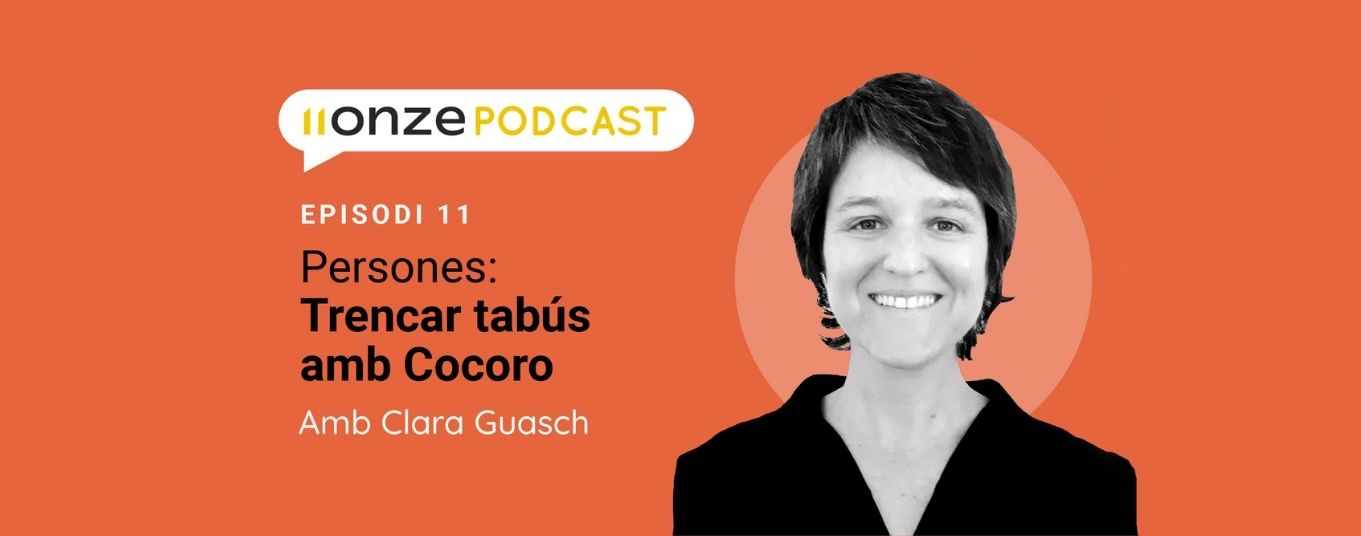
Episode 11 | People: Breaking taboos with Cocoro
Leaving menstrual poverty behind
Access to intimate hygiene products such as sanitary towels and tampons is not global. The imposition of VAT, which makes the price substantially higher, is the main cause of so-called menstrual poverty. Some countries have already taken measures to curb this scourge which, as Guasch points out, should not even exist.
In fact, the European Commission changed the rules of the game this December to give member countries more freedom to reduce VAT on certain products, such as intimate hygiene products. And in the case of a basic necessity, this could even lead to the total elimination of VAT. For the moment, the Generalitat has a Decree published in June 2021 that guarantees free access for girls and women to menstrual products in educational centres and for people living in menstrual poverty. Measures that, little by little, provide a response to a basic need that affects half of the population.
11Onze is becoming a phenomenon as the first Fintech community in Catalonia. Now, it releases the first version of El Canut, the super app of 11Onze, for Android and Apple. El Canut, the first universal account can be opened in Catalan territory.


The Christmas holidays are upon us and all over Catalonia we can find nativity scenes, living, plastic expressions of the birth of Jesus. These representations also continue to be installed in many homes, whether by cultural tradition or by faith. According to Catalan tradition, the nativity scene was set up on the 6th (Saint Nicholas), the 8th (La Puríssima) or the 13th (Santa Llúcia) until the 2nd of February (La Candelera).
Setting up the nativity scene is a centuries-old tradition. There are families who treasure the figures, which have been passed down from generation to generation, and who, as Christmas approaches, stroll around markets and fairs with the aim of discovering some new element. For many families, setting up the nativity scene becomes a shared and festive activity: it is a prelude to all the Christmas activities that await them.
However, in Catalonia and in other parts of the world, there is the figure of the ‘pessebrista’, the artisan who creates nativity scenes as an artistic activity. The ‘pessebrista’ is a multidisciplinary artist who, a couple of months before Christmas, starts working on the diorama or nativity scene he or she wants to exhibit. Nativity scenes are considered an ephemeral art, since every year, once the Christmas season is over, it is customary to destroy the work.
A tradition with 800 years of history
According to the etymological dictionary, the word ‘pessebre’ [crib] comes from the Latin word ‘praesepium’, which means stable or place where animals are kept. According to Christian tradition, Jesus was born in a stable, which is why in Catalan this word is used to refer to the representation. In Spanish, on the other hand, the name of the Palestinian town, Bethlehem, where Jesus is said to have been born, is used.
According to legend, Francis of Assisi (1182-1226) made the first nativity scene on Christmas Eve 1223, in a cave in the town of Greccio (Italy). With a live ox and a mule and a feeding trough full of straw, he represented the birth of Jesus to the neighbours he had invited. From then on, representing the birth of Jesus, by means of living nativity scenes or with sculptural figures, in convents, churches and, later, in private homes, became a tradition. The nativity scene came from Italy to Catalonia in the 18th century and has become the most widespread spiritual, cultural and traditional ephemeral art in our community.
In Catalonia there is a long tradition of nativity scenes. Despite the fact that this artistic hobby has fewer and fewer followers, the nativity scene movement is still very much alive. Without going any further, in 2018 the Museu del Pessebre de Catalunya was inaugurated, located in the medieval village of Montblanc. In 1985 the Federació Catalana de Pessebristes was created, with 66 associations in Catalonia and the Balearic Islands and 17,000 members. And since 1969 an annual meeting of artisans has been held, at which the federation and the associations organise courses, talks and meetings.
Moreover, the Catalan nativity scene movement is so strong that in 1952 it set up in Barcelona the only international federation of nativity scenes, the Universalis Foederatio Praesepistica (UN-FOE-PRAE), of which 20 nativity scene organisations from Europe, the United States, Argentina and Brazil are currently members. The Catalan artisans are recognised throughout the world thanks to the fact that they introduced plaster as a building material at the beginning of the 20th century. On the other hand, Catalonia has had and still has world-renowned sculptors of nativity scene figures.
The art of sculpting Jesus’ birth
The work of the nativity scene artisans is truly a work of art. Ismael Porta, the director of the Museu del Pessebre de Catalunya, explains that making a nativity scene takes between two and three months of work. “It depends on the size and details you want to put in. Because creating a handcrafted nativity scene is not a job that takes up a few hours of a Sunday afternoon, but requires hours of planning and construction,” he says.
For Porta, so many hours of dedication means that it is difficult to find a generational replacement. “Young people would rather spend their leisure time doing other things than spending two months building a nativity scene,” he laments. In addition to the hours of dedication, it is also necessary for the ‘pessebrista’ to have knowledge of different disciplines, and this is not always easy to find. “An artisan has to have artistic knowledge: drawing, perspective, lighting, landscaping, painting, mechanics? It all depends on the sophistication of the diorama,” the expert says.
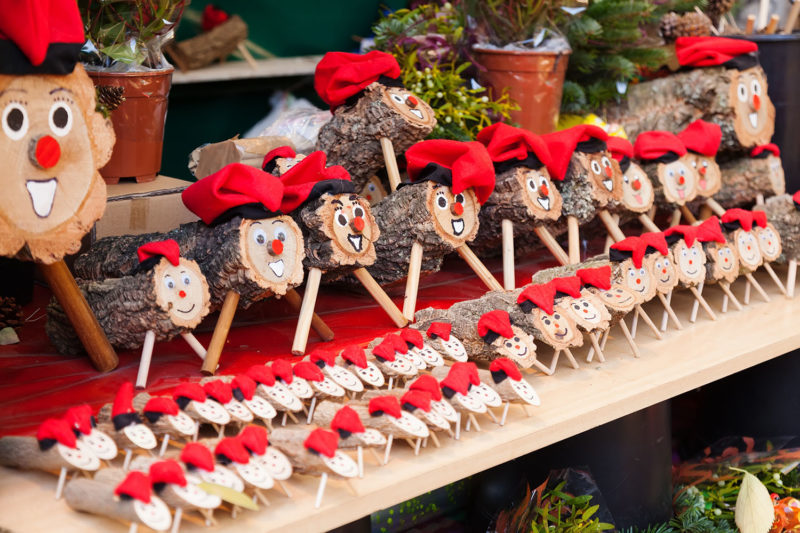
Because a diorama depicts a scene from a particular moment in the life of the people, the central theme of which is the life of Jesus. Therefore, the interior of a house, the streets and the natural landscape can be seen in the diorama. The representations, like the figures, have two themes: the Hebrew, which represents the land where Jesus was born; and the popular, which represents the daily life of the Catalan people. Thus, we can find nativity scenes with figures dressed in sashes, ‘barretina’ [a typical Catalan hat], aprons and headscarves, or in oriental-style clothing.
The materials used to make a diorama are cork, cardboard, moss, polyethylene and plaster, among others. The Catalans were the first to introduce plaster into the nativity scene, a fact that revolutionised the world of nativity scenes and was soon imitated. And in recent years, polyethylene has been introduced. “Polyethylene is used quite a lot, because it is a lighter material, which allows larger constructions to be made, but it is less manageable. Gypsum is easier to work with, because it gives you more options. On the other hand, it weighs more,” Porta explains. It should be borne in mind that the base of a diorama can be between a metre and a metre and a half long, and transporting it is complicated when it weighs a lot.
However, the cost of the crib is not very high. “It doesn’t represent a very high investment in material, since a sack of plaster is cheap and polyethylene is usually reused, as we are used to collect remains of buildings under construction,” Porta argues. And he adds: “It all depends on what you want to spend. If you want to put in a motor to make water run or make the wind blow, the lighting… Without a doubt, the most expensive thing, if you want the crib to look good, is the figures.”
The artisan designs and builds a landscape, makes streets, houses, adds vegetation, lighting and fills it with characters. Figures made of clay, plastic, even Playmobil. “Sometimes you come across dioramas that are real works of art. Even so, they are spoiled by the figures that have been placed. The figures are a world apart,” Porta says. The expert regrets that there are fewer and fewer figurine craftsmen. “In Barcelona there are few figure workshops left. One of the best known, the workshop of the Castells brothers, who are the third generation, will have to close because they have no generational replacement.”
Porta explains that many artisans create their own figures, as is his case and that of another Montblanc nativity scene maker. Both go to Barcelona every Thursday to learn how to make figures with the Castells brothers. “Given the fact that there are fewer and fewer artisans of figures, we reached an agreement with them and they have been teaching us how to make figures for four years now.”
A profession that depends on voluntary work
Although it seems that the world of nativity scenes is in recess, because it is difficult to find a new generation, it is a living world thanks to the artisans who feel the need to share the ephemeral work of art that they make every year. A clear example of this voluntarism is the Museu del Pessebre de Catalunya, which works thanks to the impulse of the Associació de Pessebristes de Montblanc with the collaboration of the Federació Catalana de Pessebristes.
It must also be said that this completely masculinised world already has its first female artists. Moreover, thanks to the numerous exhibitions that we can visit all over the country, and thanks to the disinterested enthusiasm of people who dedicate hours to courses, talks and various activities, there are still young people who take part in this tradition. Long live nativity scenes’ ephemeral art!
11Onze is becoming a phenomenon as the first Fintech community in Catalonia. Now, it releases the first version of El Canut, the super app of 11Onze, for Android and Apple. El Canut, the first universal account can be opened in Catalan territory.
If you liked this article, we recommend you read:
 Sustainability
A sustainable Christmas is in our hands
6 min readHave you ever heard the expression “You light up more than a Christmas...

Restrictions are not making it easy and, once again this year, we are seeing how Christmas parties are affected. So as not to give up the chance to get together with work colleagues, we bring you original ideas for company Christmas lunches, despite the pandemic.
It has been two years since we have practically lost, with social restrictions, redundancy plans, teleworking, online meetings… These have not been easy years for companies, and the effort, both for companies and workers, to adapt continues to be a challenge. For all these reasons, it is more important than ever to slow down and celebrate or, at the very least, to take a break and recover the spirit of togetherness that is so lacking in all environments.
In this spirit, corporate Christmas lunches and dinners are back and, for yet another year, they have reinvented themselves to offer a range of proposals that take us out of our comfort zone and away from the typical restaurant dinners and dressing up in suits and smart shoes. From dinners at home to experiences you would never have imagined, these are some of the most original proposals for your company dinner.
The company dinner, from home
Dining in a restaurant, but without leaving home, doesn’t sound bad, does it? This is the proposal that, since last year, catering and events companies have been launching. This is the case of the Catalan start-up Meet En Casa, a convenient and safe alternative so that neither the pandemic nor social distance can prevent us from enjoying group meals.
The way it works is simple: you choose the menu, preferably made with local ingredients and without artificial preservatives, and they send it to your home a few days in advance. When it’s time for lunch or dinner, all you have to do is click to meet up virtually. An hour of food, followed by a monologue or show, also virtual, and ending, if you wish, with an invisible friend. All facilities are provided, you just have to sit back and enjoy the show!
Open-air meetings
It is a more celebrated alternative in summer than in winter, but meeting outdoors is still a key measure to fight against social distance. Although you have to be very attentive to weather conditions, there are many proposals: a vermouth on the high seas, a tasting in the garden of a restaurant, a wine tasting in a wine cellar among vineyards, a ‘calçotada’ or a lunch on a terrace with a view. There are many restaurants and even food trucks that offer this service, whether cooked in the restaurant or delivered to your door. And remember, being outdoors does not exempt you from wearing a mask as long as you can’t keep your social distance.
For those of you who do not have enough with a meal, or for those who want to make up for last year’s celebration, you can choose to rent a rural house for a weekend. This way you can extend your visit to nature and enjoy more activities, always in accordance with medical restrictions.
Who said eating?
We have so idealised the company lunch that tradition itself does not allow us to contemplate alternatives. But what if we didn’t have to put food in the middle to spend time with colleagues? A pandemic-proof idea that can even boost creativity and teamwork. Or, at the very least, it will allow you to have a good time. It could be cultural activities, such as visiting a characteristic building or taking a guided tour; sporting activities, such as hiking or snowshoeing (propose alternatives that are accessible to everyone); or going to see a show or hiring one to liven up your celebration.
Music, magic, comedy monologues, karaoke or theatre… There are many options, you just have to find the one that suits your needs and budget. Another proposal is the escape rooms, an idea that has triumphed in recent years and consists of an enclosed space, usually a room, where you and your team have to get out through the clues that you will find.
At Christmas, less is more
If you don’t want to make a big event, or circumstances don’t allow it, we have some minimalist proposals: change the lunch for a toast. It is easier to organise than a lunch and can be done either at the company, on a terrace or virtually by sending the products to your home. You can also choose to make a hamper of local products or, in keeping with the Christmas spirit, you can choose to allocate part of your holiday budget to help organisations or groups in need.
Not forgetting Secret Santa, an activity that you can adapt to your taste with a limited budget, the type of product, the theme, whether they are serious or humorous gifts… You can even set up games to decide who gets each gift. In the face of difficulties: imagination!
11Onze is becoming a phenomenon as the first Fintech community in Catalonia. Now, it releases the first version of El Canut, the super app of 11Onze, for Android and Apple. El Canut, the first universal account can be opened in Catalan territory.
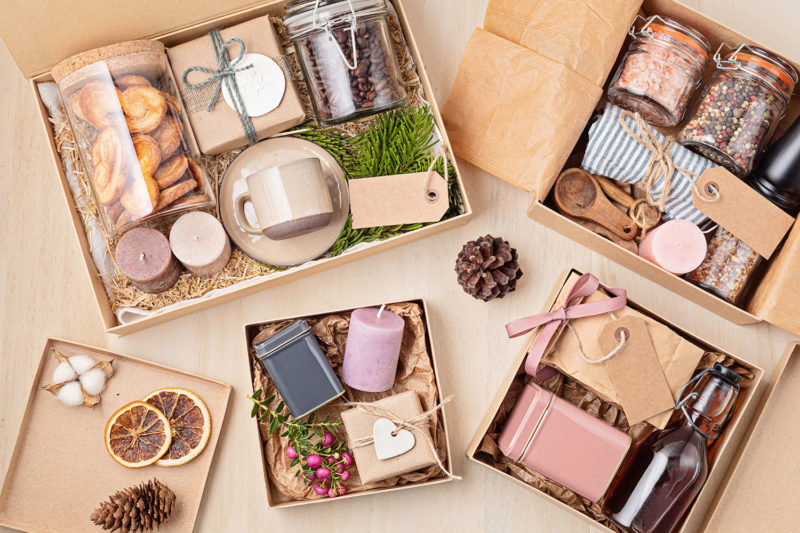
During the Christmas holidays we are likely to resort to online shopping, but not so often we bet, also on the Internet, on the Catalan market. We take a look at the main Catalan platforms where you can buy with the latest technology, but close to home.
To buy products with soul from home, you don’t have to go to the other side of the world. In Catalonia we can find a good handful of platforms that act as intermediaries between small producers and the most committed customers. Don’t know what to give for Christmas? We invite you to take a look at these seven digital shops.
- Amazcat, a global platform. Amazcat aspires to be the Catalan Amazon. Here you can find all kinds of local products, classified into various categories: supermarket, cleaning and household, ecological products, computers, fashion, sports, accessories, beauty, stationery, books, babies, pets, leisure, culture, motor, DIY… Everything and more: Amazcat defines itself as an “all-in-one” and offers customised websites to companies that want to sell their products through the platform.
- Productes de la terra, building the Catalan Countries. T-shirts with a message, necklaces and bracelets, books, posters and esteladas. On their website you can find all kinds of merchandising and products from the Catalan Countries and their main associations, such as the Plataforma en Defensa de l’Ebre or the Coordinadora d’Associacions per la Llengua Catalana.
- Productes catalans, the charm of artisan food. This platform born in Sant Joan de les Abadesses brings together all kinds of handmade products made by small producers. You can find rice, pasta, cheese or cold meats, to buy one by one or in baskets.
- El rebost català, for sweating ‘ratafia’. If you are looking for a gourmet space, this pantry is your platform. There are mainly good wines and spirits, but also a lot of quality food to accompany all these drinks, such as cheeses, jams, chocolates and chocolates.
- Empremta catalana, merchandising with roots. They sell T-shirts, sweatshirts, mugs, bags, notebooks, key rings, baby clothes… All this and more with fun and customisable designs in Catalan. To surprise those you most appreciate.
- Tastets, lots and corporate gifts. If you want to give gourmet products as gifts in your company, prepare personalised packages for events or details for groups or work teams, this is your platform.
- Comprem a casa, and of proximity. If you are looking for a market where you can bet on small producers in your area or region, this platform allows you to search by territory and be sure that the products you buy are from kilometre 0.
11Onze is becoming a phenomenon as the first Fintech community in Catalonia. Now, it releases the first version of El Canut, the super app of 11Onze, for Android and Apple. El Canut, the first universal account can be opened in Catalan territory.
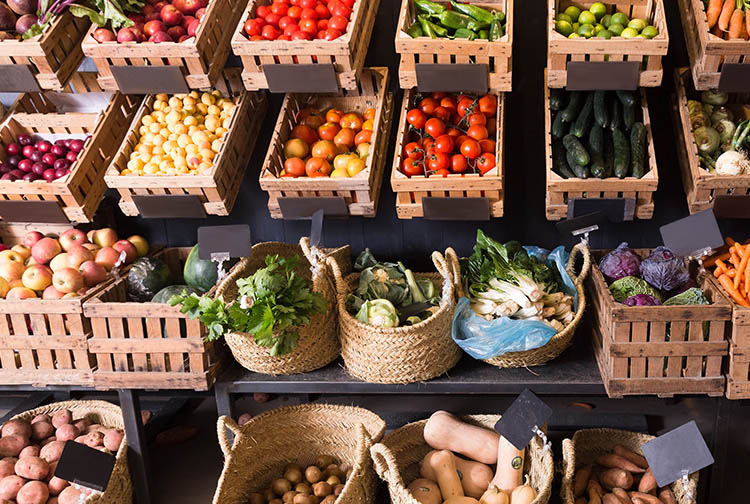
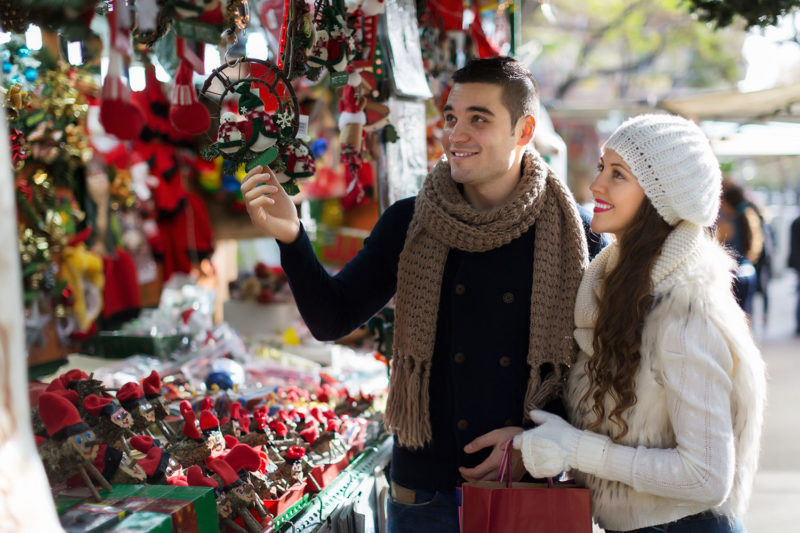
Despite the pandemic, or perhaps precisely because of it, it has awakened a Christmas obsession to take a trip outside Catalonia. Backoffice manager Marifé Fariñas recommends three special places to celebrate winter.
The desire to travel has been unleashed. Without going any further, during the Purísima long weekend, a record number of 692 flights were scheduled. Last year there were only 186. And until Thursday there will be 4,254 operations, a third of them to international destinations. Once again, the queues have returned to the airports, but what typical Christmas places can we visit?
- Santa Claus’ house in Rovaniemi. This trip to Lapland (Finland) will not only delight the little ones, but will also take you back to childhood. You can visit Santa Claus’ house, visit the Arctic Circle, eat hot salmon soup in a small village made of ice, go on sleigh rides or even hand-deliver your Christmas letter.
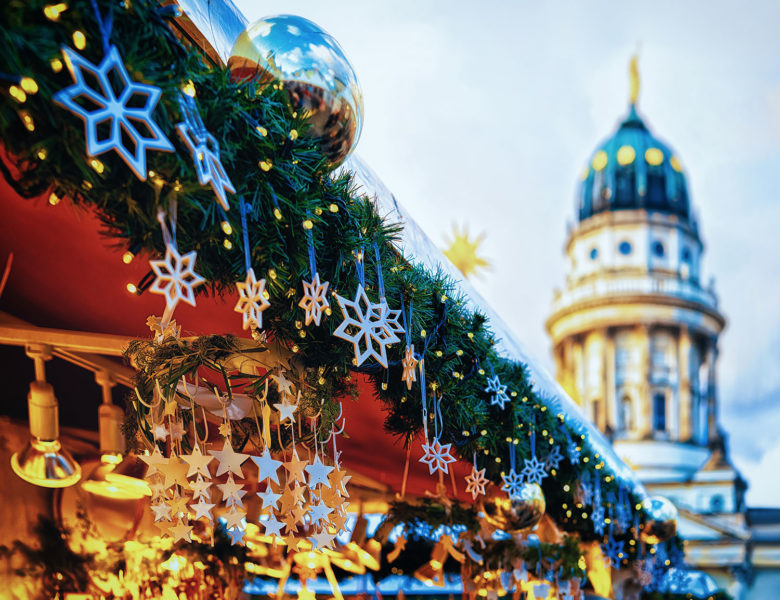
- Europe’s most famous Christmas markets. The best known are in Tallinn (Estonia), Prague (Czech Republic), Vienna (Austria), Budapest (Hungary), Nuremberg (Germany) and Strasbourg (France). At these traditional markets, you can buy Christmas items, but above all you can taste pastries and the famous mulled wine. In addition, there are often skating rinks and traditional dances and concerts.
- New York, the city that never sleeps. The capital of the United States at Christmas time is a never-ending dream. A visit to the Christmas tree at Rockefeller Center with its ice rink, the shop windows on Fifth Avenue, the beautifully decorated houses in Brooklyn and the famous musicals is a must. Discover all the must-see places in the video below!
Christmas trips
If you liked this article, we recommend you read:
 Culture
Five Christmas markets you have to visit
2 min readThe agent Càrol Rafales has put together a summary of the main
We’ve said it so often that it seems like a cliché. The truth is that you probably have a relative close to you who goes home for Christmas. But what do we need to keep in mind when travelling in the covid era? We take a look at everything you need to know about travelling in the midst of the pandemic.
After a year and a half of confinement, international travel seems to be picking up and many families finally see a chance to see each other again at Christmas without so many restrictions. Even the emergence of the Omicron variant does not seem to have dampened the desire for Christmas reunions. Even so, the reopening of borders has been far from easy, as the world still struggles with inequalities in the pace of vaccination in the midst of economic recovery.
However, on cruise ships, in airports and hotels, the new normal is beginning to look a lot like the pre-pandemic years. However, cleanliness protocols, social distancing measures and face masks are here to stay. But the lack of joint guidelines from the authorities in each country means that users are constantly having to change their habits.
What you need to bear in mind before travelling
Travellers from the rest of the European Union (EU) or associated countries (Switzerland, Norway, Liechtenstein and the United Kingdom), as well as Andorra, the Vatican, Monaco and San Marino are allowed to enter Catalonia with a digital COVID certificate. In any case, depending on the epidemiological situation in the country of origin, different restrictions apply.
Thus, if you are travelling from outside the EU, all passengers, including children under 12 years of age, must fill in a health control form. Once you have filled in the form, you get a QR code that you have to present when boarding the plane and on arrival in Spain. If you come from a country with a low incidence rate, you can travel without a diagnostic test, but with the worldwide spread of the Omicron variant, it is likely that you will need a vaccination certificate, which can be downloaded from La Meva Salut, and a diagnostic test carried out 48 hours before the start of your trip.
In addition, if you are travelling by air or sea, you will need to undergo a health check at the first point of entry at the airport, which includes at least a temperature check, a documentation check and a visual health check. If you are suspected of having covid, then you will have to undergo a medical assessment.
What can you do once you have arrived?
This Christmas, in Catalonia, it will be compulsory to present the digital COVID certificate to enter restaurants, bars and nightlife venues and celebrations. In addition, it is still recommended to wear a mask in enclosed spaces and to ventilate the home at least every 10 minutes if the room is occupied by more than three people.
In addition, family gatherings of no more than ten people are recommended, unless they are cohabitants, and to keep living groups as stable as possible. Group consumption of food and beverages in public space is also not permitted.
How to organise your return home
To return by plane, it is essential to buy your boarding pass online, as you will have to present it when you board the plane. It is also advisable to arrive in good time because security checks and the check-in process is slower than usual. Also, most airlines have restricted the carriage of hand luggage in the cabin and it is recommended that family farewells take place outside the port facilities. In addition, the destination country is likely to require a travel log. Still, despite the restrictions, Christmas family reunions are welcome.
11Onze is becoming a phenomenon as the first Fintech community in Catalonia. Now, it releases the first version of El Canut, the super app of 11Onze, for Android and Apple. El Canut, the first universal account can be opened in Catalan territory.