The importance of sincere praise in businesses
Quan som petits, reforçar allò que fem bé, es considera bàsic, i tots els pares i mares ho intentem fer amb els nostres fills. Però ens anem fent grans, i anem entrant en una societat i unes empreses on elogiar, de vegades, s’observa amb certa distància i suspicàcia. Per què hem creat aquest vincle malaltís entre l’elogi i la manca de sinceritat?
“– Què vol de mi, que m’afalaga tant? Segur que em vol demanar alguna cosa”. Sembla que hem creat un divorci entre dues paraules: elogi i sinceritat. Si et dic “cul d’olla” soc sincer, però si et comento que ho has fet molt bé, em mires amb cara de sospita. Mirat així, com podem girar la truita? Una veritat universal (o quasi universal, sempre hi ha gustos per tot), és que ens agrada que ens elogiïn. Una altra veritat universal és que ens agrada més la sinceritat que la hipocresia. Una altra constatació empírica és que l’elogi crea en la persona que el rep la sensació que tot pot anar millor. El fa creure en ell, el fa sentir optimista. Però, i pel que fa a les empreses? Es pot utilitzar de la mateixa manera?
L’elogi com a feina que fomenta la productivitat
M’agradaria centrar-me en certs estudis que han mostrat resultats contundents, trobant que l’elogi fa que el treballador estigui més content i sigui més productiu. Quina novetat! Això ja ho sabíem. El problema és veure perquè el vinculem amb la hipocresia. A conseqüència d’aquesta troballa organitzativa, algunes empreses aconsellen als directius dir als treballadors que són bons. Imaginem un cas en què després d’elogiar a tort i a dret a tothom, enviem a un cert grup de treballadors un fred e-mail, comunicant que els acomiadem. Com lliga això amb l’elogi anterior? És aquesta la manera d’acomiadar a qui valorem? Encara que reduir la plantilla es trobés justificat, algú valorat de debò, segurament mereix un altre tracte. Aquest treballador i els que es quedin, després d’aquesta experiència, es prendran els elogis de manera diferent. De fet, promoure receptes empresarials a curt termini, com ho és voler aconseguir que els treballadors estiguin contents i produeixin més, dient-los elogis, perquè sí, i no perquè se’ls mereixen, porta lligada la hipocresia. I reforça la idea que quan se’m diuen coses bones és perquè es vol quelcom de mi.
Més important que discutir les bonances de l’elogi “sí” o l’elogi “no”, seria bo entrar en un debat de productivitat a llarg termini: elogi com i elogi quan. Que les bones paraules proliferin tant se val si toca o no, agreuja el problema de què en general a qui les diu se’l veu com un hipòcrita. I ens allunya del benestar real que produeix rebre elogis. Només ens dispensa una minsa alegria a curt termini, però si arribat el moment, els fets ens fan notar que tot era fals, ens tornarem sarcàstics i malfiats d’aquelles bones paraules que tant necessitàvem.
Elogiar no és igual a “perdre autoritat”
Quan a algú li donen un càrrec de responsabilitat per primera vegada i en cas que tingui persones a càrrec seu, el dubte que li sorgeix és com pot aconseguir que les persones se’l prenguin seriosament i implicar-los en el projecte. Alguns opten per pensar que són de massa bona fe, i per tant que els caldrà mostrar una cara artificial i dura cap als seus subordinats. D’altres opten per a ser tot el contrari, deixar fer tot allò que el treballador vulgui i ser un cap “bonàs”. El què amaguen les dues opcions és una manca d’experiència, una manca d’acceptació i maduresa de com som i de com portem el fet de manar i ser manats. Dirigir equips de persones vol disciplina personal i haver aprofundit i voler continuar aprofundint en l’autoconeixement de cadascú i en l’empatia cap als altres. I això implica saber valorar la qualitat del teu equip humà i quan cal reconèixer una bona feina feta.
Per aconseguir un bon clima i treballadors motivats, les empreses necessiten promocionar l’elogi, però per motius no instrumentals. I més ara, que moltes persones que tenen feina, tenen por de perdre-la, i poden perdre-la, tot i no merèixer-ho. Darrere l’elogi, a sobre i a sota, hi hauria d’haver sinceritat i autenticitat. Les persones notaríem que es creu en nosaltres. I això com es fa? Doncs vinculant aquest elogi a coses concretes, que siguin constatables. I no contradir-lo amb fets que maltractin als treballadors. I complementar-lo amb altres fets que el sostinguin.
Ser humà vol dir necessitar rebre bones notícies dels que ens envolten, sobre les nostres qualitats i resultats, i notar que aquestes persones creuen de veritat en nosaltres. Que no volen merament instrumentalitzar-nos, per ser una eina més al servei dels seus objectius. Tots hi guanyaríem i aprendríem des d’una actitud més propera a la nostra naturalesa humana, tan necessària de fomentar en temps de xarxes socials.
11Onze és la fintech comunitària de Catalunya. Obre un compte descarregant l’app El Canut per Android o iOS. Uneix-te a la revolució!


You have probably heard of the sharing economy, i.e. all those activities that involve the exchange of goods and services between people. But what exactly characterises this model, and how can it be put into practice in the digital age?
Before the collaborative economy became a trend, its consumption was limited to the closest circle. Everything stayed at home, it was almost on a family scale. However, thanks to the Internet, it is possible to connect with people from all over the world with common interests. The digitalisation of society and the economic crisis have favoured the development of new business models and new forms of consumption.
The collaborative economy has several advantages. Firstly, it allows us to optimise resources, as we can make our products more useful. In addition, it also offers the end consumer greater variety. It is also a good model for making savings, because customers can buy second-hand goods and services at a lower price than the market price. All of this generates an ecosystem based on commitment, solidarity, and the generation of ideas, often from entrepreneurs with new businesses, which generate employment, wealth, and innovation.
On the other hand, it should also be borne in mind that the collaborative economy, being a model between individuals, doesn’t have a legally regulated market and competition is quite unfair. For this reason, it is a sector that gives rise to complaints and protests from the sectors affected, which can leave consumers unprotected.
Collaborative economy, a range of possibilities
Within this collaborative economy model, which is also typically referred to as the “sharing economy”, there are many types, with different functions, varying according to needs and products. There are, for example, collaborative consumption companies, which use digital platforms through which users contact each other to exchange goods or items, such as collaborative transport, collaborative accommodation and collaborative second-hand trade, among others.
There are also open knowledge companies, all those that promote the dissemination of knowledge without legal or administrative barriers. They can be presented on a day-to-day basis through computer platforms to which users with needs come. There is also the collaborative production model, digital interaction networks that promote the dissemination of projects or services of all kinds. The difference with the two previous models is that what is offered is also produced within these platforms.
Finally, there are the crowdfunding initiatives. Microcredits, loans, savings, donations, and financing channels are included in this subgroup, where users contact each other to cover needs in any of these aspects. The best example is crowdfunding platforms, a funding model for those who wish to donate to specific initiatives.
The four characteristics of the model
Despite the heterogeneity of the companies and industries that fall within this model, sharing economy companies can be described by four characteristics:
- They employ information technologies (ICT), available through web-based platforms such as mobile “apps” on internet-enabled devices, to facilitate transactions between two parties.
- They rely on user-based rating systems for quality control, ensuring a level of trust between consumers and service providers that did not exist before.
- They offer flexibility to workers because this team often delivers its services through digital matching platforms.
- The team has its own tools. To the extent that tools and assets are necessary to deliver a service, digital matching companies rely on workers to use their own.
In short, the collaborative economy model can help our companies grow, because it allows consumers to save money, because it is committed to sustainable development, because it promotes a new management of resources, because there is more choice and because, in the end, all of this brings environmental benefits.
11Onze is the community fintech of Catalonia. Open an account by downloading the app El Canut for Android or iOS and join the revolution!



In the real estate market, and specifically in the rental market, we can find very different situations that can lead to abuses and breaches of current regulations at all times. But does the tenant suffer all the abuse? Or can the owner also feel helpless?
Last September, the new Rental Price Containment Act came into force (11/2020 Law of September 18), with the aim of curbing the huge rise in prices that was being experienced, especially in Barcelona and the metropolitan area. This lowers and freezes the price of new rentals in areas with high demand for housing. An average reduction of 4.12% has been achieved.
With these measures, it seems that politicians are responding to the demands of platforms and unions, in favour of affordable or, at least, regulated housing. A Quick Guide has even been published to announce the scope of the new regulations.
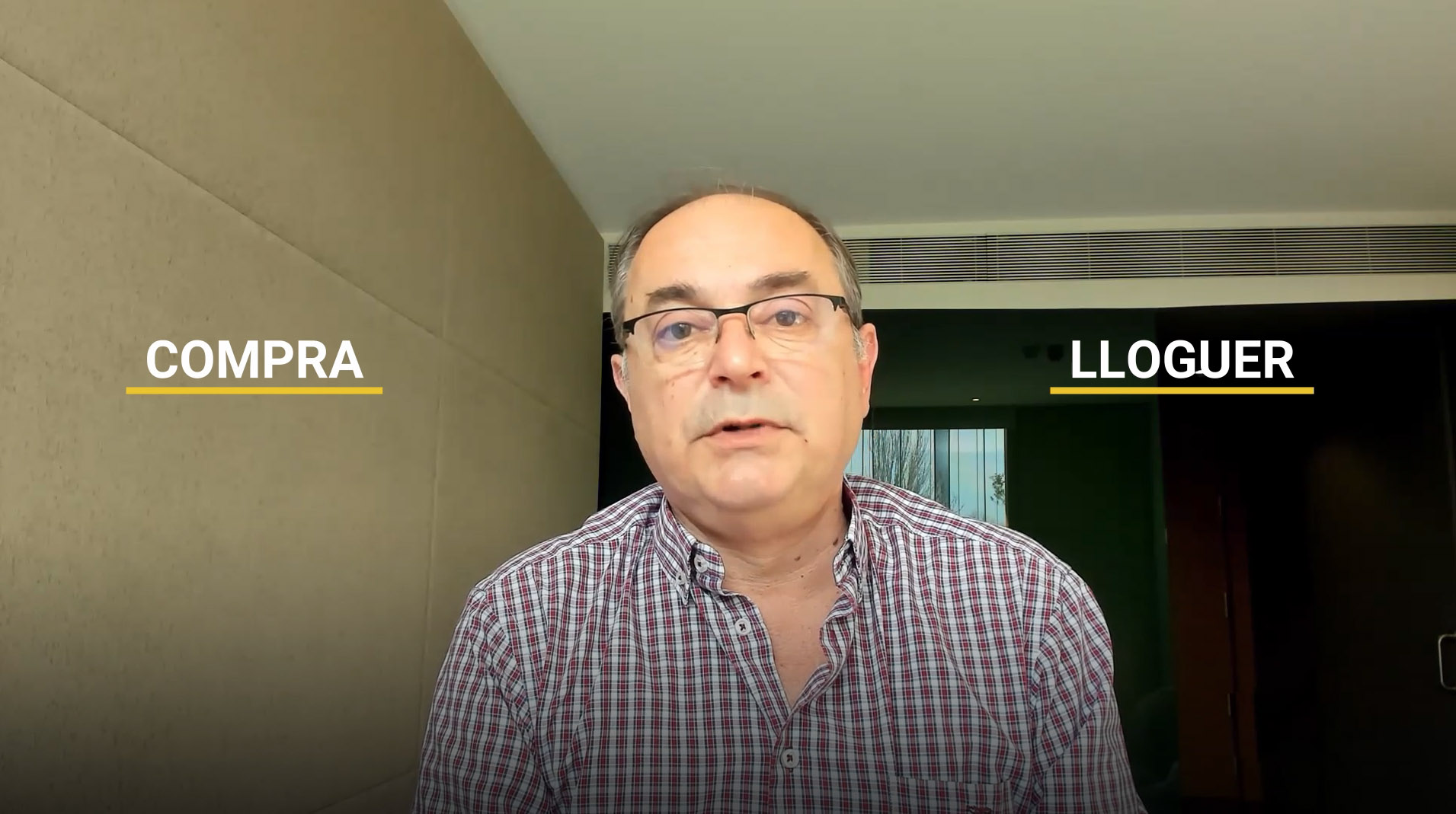
Renting vs. Buying, advantages and drawbacks.
What are the abuses?
Clearly, it was unsustainable to keep the upward pattern in rental prices, as has been happening in recent years. Tenants have basic rights that are sometimes violated, and they should report them if they find themselves in any of the following situations of abuse:
- Upon signing the rental agreement, the owner must deliver the certificate of occupancy and the energy certificate. Obtaining these documents comes at a cost, so some owners may try to rent the home without having them, even though they are mandatory. For the rental of commercial premises, only the energy certificate is required.
- Make a peaceful use of the home, without the owner being able to disturb it. Many times the so-called real estate bullying (harassment) occurs, that is, making the tenant’s life miserable and forcing them to leave, thus being able to speculate with that home. These actions are usually carried out by large holders, such as mutual funds.
- The owner must take care of the necessary repairs and maintenance. The tenant can make these repairs if they are urgent, with prior notice, and they can be deducted from the price, but sometimes these repairs are not considered necessary, and there is no refund of the cost.
- They can terminate the contract and have the deposit back, but there are owners who do not want to return it, and this money could not have been deposited in INCASÒL as required. This may mean that the rental has not been registered and, as a result, you may have more difficulty having the deposit back.
However, the right to the return of the deposit is lost if the home is left damaged, which can lead to a repair cost.
Protection of owners
However, you may find that the owner is not to blame for a conflicting relationship with the tenant. For example, it may happen that the home has not been legally rented, but someone has decided to move in without permission; that there are defaults on the agreed rent; or even that there is a misbehaviour of the tenant.
The new law does not resolve any of these situations in which an owner may be. However, as citizens, they also have the right to be given tools to resolve them. The only forecast that is made is for small tenants who may be in a vulnerable situation, who are allowed a 5% increase in rent, above the established maximums.
Owners can easily find themselves helpless as they are considered to be the strongest side in the deal. But the truth is that they can see how a tenant stops paying or damages their home, and that the solution to the problem always has to end up in court, which means a high cost of time and money.
The point is that this problem affects investment funds and small holders alike. With the new regulations, it seems that this situation is beginning to reverse, as they take into account the diversity of owners that exist, and make the distribution of responsibilities in this madness that is the real estate market a little more equitable.
If you want to know more about superior options to make your money profitable, go to Guaranteed Funds. From 11Onze Recomana we propose you the best options in the market.



Últimament, es parla molt de les start-ups i de les possibilitats de futur que generen. Aquestes estan envoltades d’idees creatives, innovadores i amb un fort component tecnològic fent que siguin les grans competidores de les empreses tradicionals. Ara bé, també requereixen certes directrius per tal que puguin arribar a tenir un lloc al mercat.
Els sistemes de control són totalment necessaris per poder tenir certa informació de l’empresa, de com s’estan utilitzant els recursos i de com s’estan assolint els objectius. Sense una mínima informació que diagnostiqui com està anant el negoci, difícilment es podran prendre decisions. Assignar responsabilitats i fer un petit organigrama d’aquestes és bàsic. Normalment, això tothom ho veu clar, i els socis, que acostumen a ser els primers promotors de la idea, de manera informal ja es distribueixen les responsabilitats segons els seus perfils i preferències. Aquest fet és clau, i normalment es fa de manera informal.
Passat un cert temps, això fins i tot pot requerir una certa formalització per evitar problemes amb les persones que es puguin anar incorporant. Però més enllà de tenir aquesta mínima formalització dels rols, funcions i responsabilitats, moltes empreses que comencen no es plantegen formalitzar massa el control de gestió. Si a més aquestes empreses es plantegen anar creixent de manera més orgànica i progressiva, moltes vegades no existeix un control formal fins que comencen a venir determinats problemes. Aleshores es comença a veure la necessitat de formalitzar el seguiment d’objectius, fer un pressupost o pla i fer-ne el seguiment i ulteriors ajustos. El què passa és que aleshores, aquest creixement que ha portat a la necessitat de formalització porta a una formalització excessiva, perquè es dona la responsabilitat de tot el que no va bé a la falta de control formal.
Suposa el control una pèrdua de l’ADN de l’start-up?
Cal en aquests casos ser curosos, i anar incorporant els controls formals i revisant els informals a la vegada. Només cal afegir l’estrictament necessari, donat que el control informal ha anat creant una cultura organitzativa i una organització informal que no es poden menystenir i que cal només variar quan creï problemes. Tot allò que les persones fan més enllà del control i que ha portat també a l’èxit, cal continuar-ho fent. Els canvis bruscs no es trobarien justificats quan una part del sentiment de pertinença a l’organització és el que ha ajudat a fer-la funcionar tot i tenir mancances en els controls formals.
Les start-ups es plantegen creixements molt elevats. Des dels inicis aquests creixements s’han de finançar moltes vegades amb recursos externs, i precisament són aquests inversors qui demanaran com està anant la seva inversió i si dona els resultats esperats. Per tant, aquestes start-up, des dels seus començaments ja incorporen professionals experts en la recerca de finançament i també en el control de com estan anant les inversions. Això porta al fet que calgui formalitzar aquest seguiment amb determinats documents, que mostrin a persones externes a l’empresa, com progressa i si es van complint els objectius. Si en aquest moment la start-up entén la importància d’un cert control formal, és probable que les probabilitats de funcionar correctament siguin molt superiors. És un bon moment per aprofitar i fer un pressupost, un seguiment, complementar el control informal existent amb un cert control formal, o fins i tot incorporar algun gestor extern expert.
És molt important ser conscient que les empreses tenen més garanties d’èxit, i encara més en empreses com les start-ups amb creixement ambiciós, si incorporen certs controls formals des del començament. Això sí, tenint en compte tres aspectes molt importants:
- El control formal ha de ser el mínim necessari i mai ha d’anar en contra dels controls informals o la manera de ser dels emprenedors.
- El control formal sempre ha de donar valor afegit a la gestió, perquè un mal control formal sempre és pitjor que no tenir control.
- Ser conscient que a mesura que l’empresa vagi creixent, la tendència a resoldre els problemes incrementant la formalització és elevada.
En realitat els problemes importants se solucionen mirant als sistemes de control informals. De fet, l’infern és aquell lloc ple de lleis que mai es poden complir, i hem d’evitar convertir la nostra empresa en un infern per les persones que hi treballen.
11Onze és la fintech comunitària de Catalunya. Obre un compte descarregant l’app El Canut per Android o iOS. Uneix-te a la revolució!
Si t'ha agradat aquest article, et recomanem:
 Economy
Empreses ètiques, una necessitat del Segle XXI
4 min readQuan un parla de justícia a les empreses, ben aviat surt el...
The first modern banking society in Catalonia was founded in 1844. It was the Banc de Barcelona, which initially focused on financing businesses.
This bank stood out for being the first bank in the state to issue banknotes, as journalist Sergi Hernández explained on the betevé website. The journalist also emphasises the fact that the bank did not just focus on circulating banknotes throughout the state, given that at that time banknote issuance was delocalised, but was also the first to help trade and industry.
The bank’s first banknotes were entirely handmade. To prevent them from being counterfeited, they were made with many cylinder mold watermarks and were clipped into a checkbook. Drawings were also an important security point for their difficult reproduction, making them less likely to be counterfeited. Hernández also reminds us that there were two female figures on some banknotes of this period: one female figure represented Spain, and the other represented Barcelona, as a symbol of the bank’s mothers.
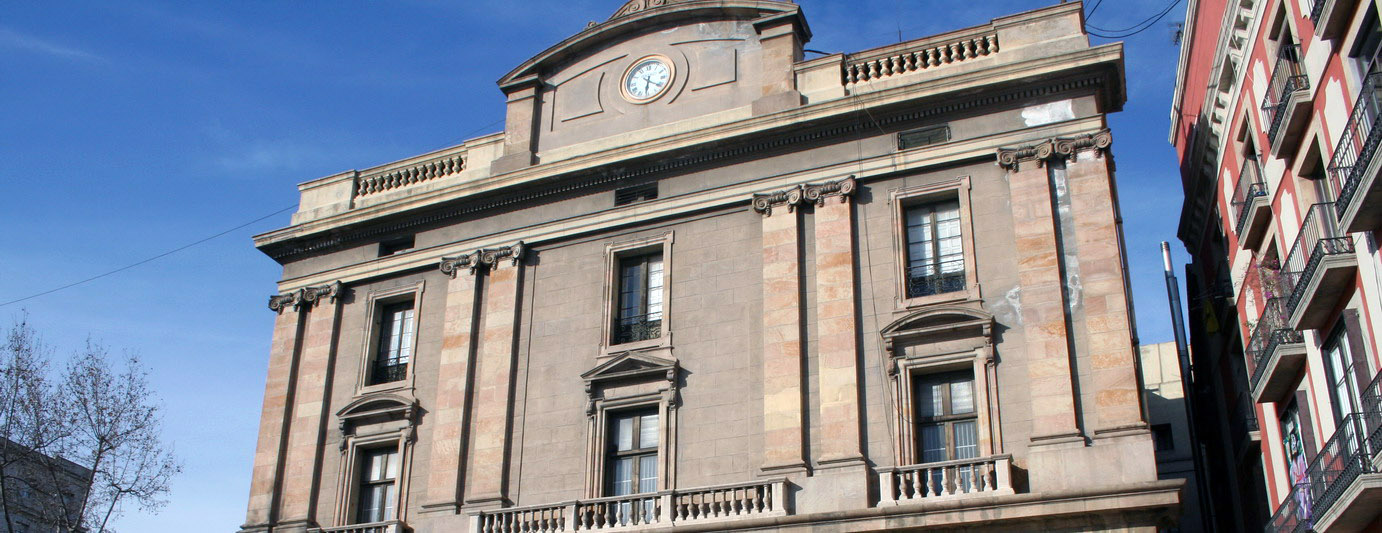
Old cannon foundry: Rambla de Santa Mònica – Barcelona.
Pere López, CC BY-SA 3.0, via Wikimedia Commons.
On the banknotes, one female figure represented Spain, and the other Barcelona, as a symbol of the bank’s mothers.
The journalist reminds us that the Banc de Barcelona, in its early days, ran smoothly until it suffered its first crises. Specifically, in 1874 it stopped issuing banknotes for the provincial banks, which meant that it ceased to operate as a commercial bank. Subsequently, under the effects of the crisis in Spain after the First World War, the Banco de Barcelona went bankrupt in 1920.
And the same year that it went bankrupt, the Banc de Catalunya was born in Reus. This bank holding company was created by the local financiers Fransesc and Eduard Recasens, and Evarist Fàbregas, as Marc Pons writes in El Nacional. These three people, owners of different banks in our country, took the remains of the Banco de Barcelona and added them to their new bank, called Banc de Catalunya. Pons also reminds us that the bank began to grow and open branches around Catalonia and even in the Valencian Country, and in 1930 it went international with the opening of a branch in Paris. But the history of this new bank was short. As the journalist Marc Pons wrote in his article in El Nacional, on 2 July 1931, Minister Prieto ordered the withdrawal of the balances held by Campsa and Cepsa in the Banc de Catalunya, which represented more than 50% of the bank’s deposits. Individuals and businesses also withdrew their deposits, and this led to the collapse of the Banc de Catalunya a few days later. And with the bankruptcy and the Bank of Spain refusing to finance the Banc de Catalunya, it became impossible to meet the obligations arising from the activity of Campsa and Cepsa. Thus, in 1931 it had to close its doors.
With the Banc of Catalunya bankrupt, and the Bank of Spain refusing to finance the Banco de Cataluña, the Banco de Cataluña finally went bankrupt in 1931.
Today, in the Catalan Countries, two building societies still operate, those known as Caixa d’Ontinyent and Caixa d’Estalvis de Pollença. There are also different credit cooperatives, such as the Caixa d’Enginyers and Caixa de Guissona. In addition, we have a dozen banks, an electronic money institution, different securities brokers, management companies of collective investment institutions and cooperative societies with financial services according to the data of the list of financial entities of the Catalan countries.
But we are at a time of change in society, the pandemic has accelerated what was already happening more gradually, which is the need to reinvent the way we live, to be more ethical and more sustainable. This has created the need for a bank of the future, a bank that adapts to all generations, with a clear response, that is transparent and where its clients are treated as people, attending to their real needs with transparency and in a simple way. We are leaving traditional banking behind. Without detracting from a history of banks and building societies that have influenced and left their mark on the Catalan economy, it is now time to reinvent ourselves, to roll up our sleeves and “good sickle blow” as we Catalans say, cultivate the land to give birth to the new banking system that the country needs.
11Onze is the community fintech of Catalonia. Open an account by downloading the super app El Canut for Android or iOS and join the revolution!
If you liked this article, we recommend you read:
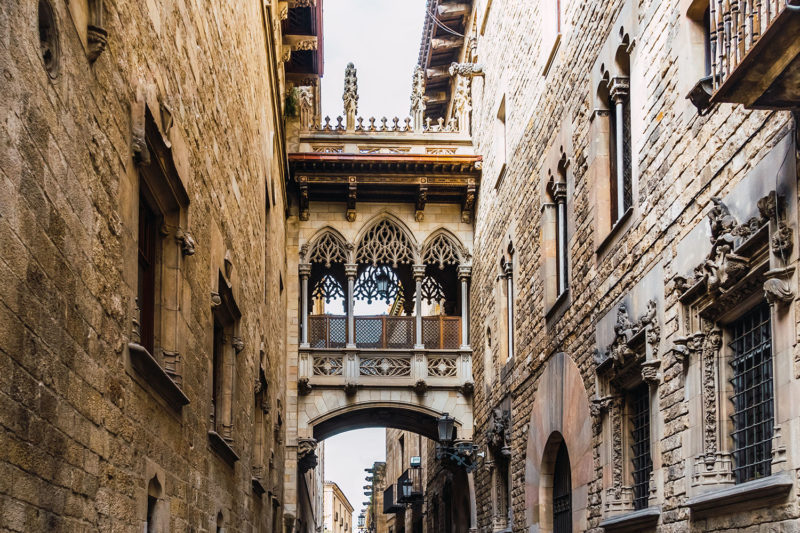

Throughout our education we have learnt great people that have marked history by their findings or research. The vast majority of them are the names of men who have achieved success. What the books do not tell you is that many of these men have worked together with women, without whom their achievements would not have been possible.
In all sectors of work we find women who have been made invisible simply because they are women. In many cases, their work has even been attributed to the figure of a man who has received all the recognition, and the world of economics is no exception. We want to shine a light on these women who have been left in the shadows and vindicate their contribution to history.
Beatrice Webb, revolutionary ideas
From an early age, Beatrice had many intellectual interests and was very interested in socialist ideas as a result of the revolutionary ideas that were current at the time. She was born in 1858 in Gloucester, England, a time when the working class of the Industrial Revolution suffered indiscriminate exploitation by the bosses and families lived in misery. Driven by this context and her delicate health, Beatrice undertook a practically self-taught education with a strong focus on philosophy, science and literature.
In 1890 she met the socialist intellectual Sidney Webb, who later became her husband. Together they began to work on new theories by holding meetings with other socialist sympathisers where they would argue for hours on different subjects. In 1897 they published what was to be the most important work of their lives and a key instrument for understanding the non-Marxist socialist revolution in England, “Industrial Democracy”.
They are credited with the idea of a state guaranteeing a decent life for its citizens, a term she herself called the house-keeping state. Although they formed a perfect tandem and worked together on different publications, only the name of her husband, Sydney Webb, went down in history as one of the most important social reformers in England.
Anna Schwartz, essential to monetarist theory
If we mention the name Friedman, it is likely that we have heard of him or even recognise him as the father of monetarist theory. And he certainly contributed to the creation of his reputation, but he was helped by Anna Schwartz, a researcher who remained in the shadow of Friedman’s prestige.
Born in New York in 1915, she spent much of her life working at the National Bureau of Economic Research in her native city. In 1963, however, her career took a leap forward with the publication of “A Monetary History of the United States, 1867 to 1960’, a work that came to light thanks to the joint research of Schwartz and Milton Friedman. The work marked the history of the US economy and is still today a benchmark for good economic management and how to avoid fluctuations at the national level.
Friedman was named as the founding father of monetarist theory, relegating Schwartz to second place. In 1976 she received the Nobel Prize in Economics for her work with Schwartz, but she received no mention in the committee or in the public sphere. Years later, British critics highlighted Schwartz’s research, claiming its importance in the development of the theory, but she did not receive recognition.
They are just two examples of women who have contributed to history but who, because they are women, have been relegated to the background, to the shadows. Now, with more resources than before and a more critical eye, we can dust off those figures who, despite having made their contribution, have been excluded from the history books.
11Onze is becoming a phenomenon as the first Fintech community in Catalonia. Now, it releases the first version of El Canut, the super app of 11Onze, for Android and Apple. El Canut, the first universal account can be opened in Catalan territory.



No matter, what corruption case is now occupying the public debate, the important thing is that it never goes away. What role does corruption play in the functioning of modern states? How can we combat it?
Corruption outrages us because it devours public resources that come directly from citizens’ taxes. But no matter how angry we are, no matter how much the laws persecute it, there is always a new case of corruption. A 2018 study by the European Green Party estimated that corruption causes economic damage worth 904 billion euros in the European Union. To put it in context: it is money that almost triples the defence effort of the entire EU.
In the Arte documentary, “Corruption, a necessary evil?” They wonder why corruption never goes away. Is it possible that it is a necessary lubricant to correct the inefficiency of the public sector? Historian Jens Ivo Engels argues that without clienteles it would not have been possible to create modern states, because it fostered loyalty between patron and supplier. With the French Revolution and the creation of the civil service in modern states, around 1800, corruption should have disappeared. There were already public workers whose salaries should not, therefore, be tempted by corrupt practices. But it was not like that. Because?
Corruption, against slavery
Surprisingly, corruption ended slavery in the United States. The mythical Abraham Lincoln did not have a majority in the House of Representatives, so he bribed some political rivals to vote in favour. Could we think, then, that a certain degree of corruption is necessary? Of course not. An IMF study already warned in 2002 that the more corrupt a society is, the worse things are for its citizens. Fewer children are born, there are more dropouts from studies, public services are worse… What’s more, according to research from the universities of Newcastle and Copenhagen, the level of corruption has a direct impact on the mental health of citizens.
How to defend yourself against corruption
The question is simple: how can society combat corruption? If you don’t know where it comes from, how is it produced, and doesn’t anyone want to be called corrupt? How do you combat an evil so normalized that it is often not even seen? To measure corruption, there is the Corruption Perception Index. Spain is currently rated as the thirty-fifth least corrupt economy, tied with Botswana, Cape Verde. The path to a country clean of corruption is marked by Estonia, with great involvement of citizens.
If you want to learn more about the history of corruption, how it works and how it can be fought, you can watch “Corruption, a necessary evil?” in Arte channel.



Did you know that the first person to predict the appearance of credit cards was the writer Edward Bellamy in 1888? We have talked about the history of the credit card on several occasions at La Plaça. Now, we are going to review it again with our agent 11Onze Jennifer Roca.
The first credit card was created in 1914 by the Western Union company for its most select clients with the idea of offering them credit without surcharge. But it was Frank McNamara, in 1949 in New York, who had the idea of a universal card with two other friends, when he realised that he had left his money at home and his wife had to carry his wallet to pay for dinner. Do you want to know all the details of the story? Watch the video!
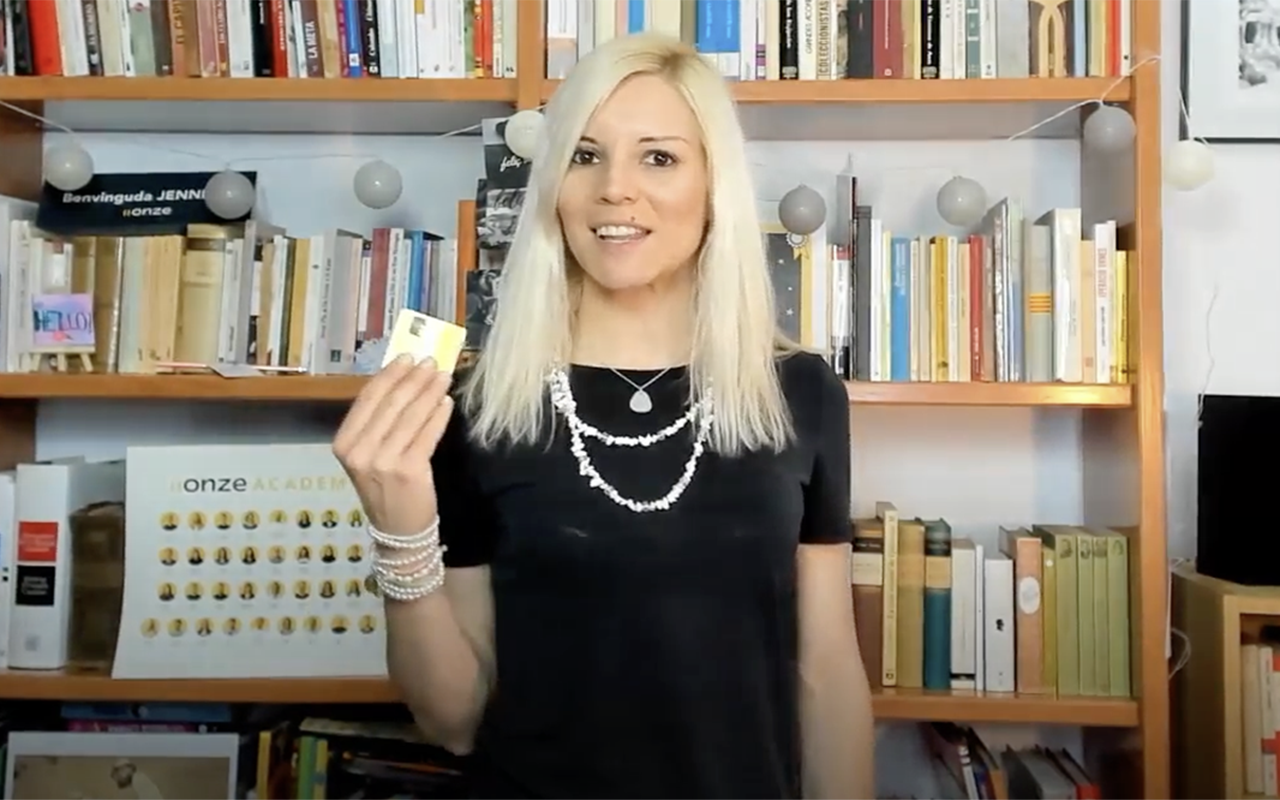
History of the Credit Card


Economist Teodor de Mas has talked about his book ‘Hacer dinero’ in La Plaça de 11Onze, from the program Territori 17 of Radio Cardedeu. He shares his family’s method to save, with the aim of “trying to be happy and have time”.
That there is no freedom without financial freedom is increasingly evident, but achieving that financial freedom is really complicated in a society that pushes us to spend the money we have. Teodor de Mas is an economist and has compiled in the book ‘Making Money‘ the financial knowledge he has learned through generations and generations of his Jewish-Catalan family. The book has become one of the literary phenomena of the moment and, to talk about it, he visited La Plaça d’11Onze in the program Territori 17 of Radio Cardedeu.
Money and time
“The measuring rod is time and not money. Money is something we humans have invented to buy time. The only use money has is to buy time”, explains Teodor de Mas, who assures that we need to have more intuition to understand what money is. According to him: “money is a language, a tool that we should all used to try to be happy and have time”.
Saving is the key to achieving a certain financial freedom, but it is very difficult: “We live in a consumer society, not a savings society. Everything leads us to consume what we have, what we earn,” says De Mas. That’s why, to be able to save, you have to get serious: “To save, you have to be serious, define a family or personal budget, decide what part you will save and stick to it. Then, at the end of the month, we have to take out the money we have saved and put it in another account where we can’t spend it to make sure we save it“, explains the author of ‘Making Money’.
Catalans and business
We Catalans have a reputation as savers and entrepreneurs, but where does this idea come from? According to Teodor de Mas, we are lucky not to start from nothing: “Catalans tend to be entrepreneurial because there is a lot of accumulated capital. This is a rich, dense and powerful territory. We don’t start from zero, we start from what has been done for generations”. However, De Mas advises Catalans to change their perspective on savings, because he assures that Catalans are too conservative and take few risks.
You can listen to the rest of the conversation with Teodor de Mas in the La Plaza section of Radio Cardedeu’s Territory 17.

La Plaça – Territori 17: Making Money
If you want to discover the best option to protect your savings, enter Preciosos 11Onze. We will help you to buy at the best price, the refuge value par excellence: physical gold.


The new draft National Security Law opens up the possibility that the Spanish government can seize citizens’ money and assets in the event of an economic crisis, but can this and other state laws condition savings in European accounts? We are speaking to Aina Ansó, from 11Onze’s legal department.

One of the distinguishing features of El Canut is the possibility of opening and managing accounts with a European IBAN, not just Spanish. This function gives people control over their savings and offers a wide range of possibilities that can favour the day-to-day management of bank accounts, but also the security and liquidity of savings. Aina Ansó, from the legal department of 11Onze, gives us the keys to understanding how having bank accounts in European countries affects us.
Our savings, out of Spain’s reach?
The first question to be answered is whether having an account abroad means that it is out of Spain’s reach. Ansó explains that, effectively, “it does mean that it is outside the reach of the State in the tax sphere, as long as the amount of this account does not exceed 50,000 euros”. Above this figure, it will be necessary to account for the taxation of money located outside Spain.
“In this case, the Tax Agency must be informed by filing form 720. Likewise, if foreign transactions exceed one million euros, the Bank of Spain must also be informed by means of the Foreign Transactions Survey. This applies to both individuals and entities resident in Spain,” explains Ansó. In order to manage our assets properly and dispel any doubts, she also recommends seeking advice. In any case, whether the 50,000 euros are exceeded or not, citizens will continue to file their tax returns to the country where they are fiscally resident.
In search of European protection
The debate about the protection of our savings is complex, and the key to this issue lies in who has the power. In this sense, Spanish citizens are increasingly concerned about the draft bill approved by the Council of Ministers on 22 June, which reforms Law 36/2015 of September 28 about National Security.
“The initial objective, as it had to be done since 2016, was to specify what resources the Spanish government can use in a situation of national security interest. In other words, what specific intervention the state can carry out in the event of a crisis, be understood as a situation that compromises the country’s security”. An intervention that, as Ansó points out, cannot yet be firmly established: “In order to know whether a European account can finally be seized, we will have to wait for the definitive text, although, given all precedents, the final wording could be so ambiguous that we will not be able to know its real scope”.
However, in statements to 11Onze, the lawyer Arcadi Sala-Planell dares to predict that “this law would not apply if the client has the money in a foreign bank, because Spain has no powers outside its territory, and this is a state law. Therefore, to intervene the central bank [of another country] it would have to be a European law”. “It would be a scandal,” he adds.

Episode 6 | Bank abuse: IBAN Discrimination
Control of our savings
Given the draft bill, it is clear that having our money outside Spain can give us more protection on our savings, but why does it protect us more? What differentiates Spain from other European countries? Ansó points out that “if we take into account how other European Union countries operate in relation to national security issues, it is true that most of these countries demand rigorous parliamentary control, whereas in Spain’s case it is only the National Security Council that is going to decide”.
Incidentally, a Security Council made up by the president of the government, the vice-president, some ministers and other authorities, such as the chief of the Defence Staff, the Secretary of state for security, the Director of the National Intelligence Centre, the Director of the Cabinet of the Presidency of the Government and the Secretary of state for foreign affairs, according to the draft bill to which El País had access.
Covered by European legislation
Fintech money protection system is governed by Directive 2015/2366 of the European Parliament and Council from November 25, 2015 on payment services in the internal market. This regulation, says Ansó, “requires customer funds to be separated from the e-money company and deposited in a separate account at a credit institution”.
However, as the legal expert points out, “this money could also be used to invest in safe, liquid and low-risk assets”. “But one must bear in mind that the e-money company is obliged to take out an insurance, or some other comparable guarantee, to cover the amount equivalent to the funds, in case the e-money company goes bankrupt,” she adds.
This European directive, in fact, is in line with the legislation that credit entities must comply with to insure up to 100,000 euros per deposit, a fact which seeks legal guarantees for customers in relation to their savings.
11Onze is becoming a phenomenon as the first Fintech community in Catalonia. Now, it releases the first version of El Canut, the super app of 11Onze, for Android and Apple. El Canut, the first universal account can be opened in Catalan territory.