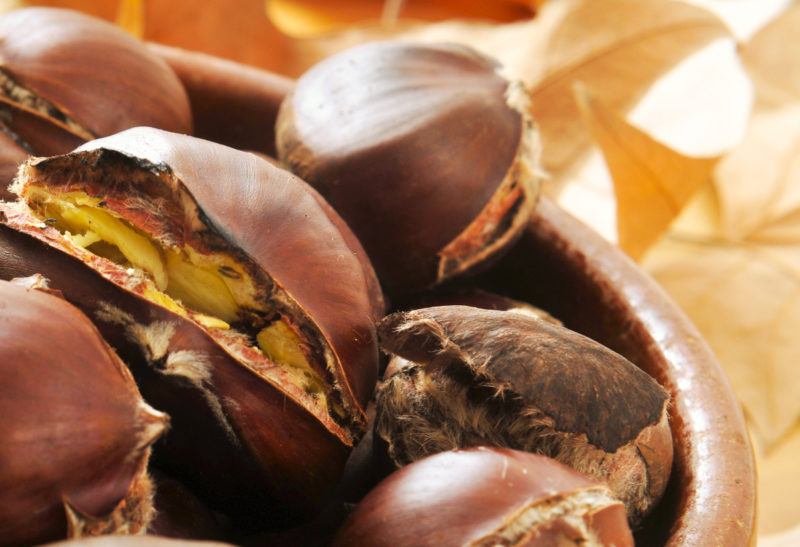
How have screens changed the way we play?
Have we forgotten to play? No. We have always played and we continue to do so, no matter how old we are. But society has changed, and now we play different things. We talked to Víctor Baroja, president of the Catalan Federation of Traditional Games and Sports, about it.
With the frenetic pace of life, have we forgotten to play? Not at all, according to Víctor Baroja: “I don’t know any child or young person who doesn’t play,” he says. Mankind has always used games as a way of relating to each other. Now we continue to do so, but in different ways. Many of the games we play today are just improved versions of those played by our ancestors.
Of course, we cannot ignore the irruption of technology in our lives. The time we used to spend gathering in squares to play with friends in the open air or enjoy board games has been affected by the simplicity and agility of screens.
Even so, can we say that screens have stolen our play time? The screen is still an instrument that has changed us on a sociological scale,” says the president of the Catalan Federation of Traditional Games and Sports. And he continues: “Our life is compartmentalised into spaces that are like bubbles, and what has happened with screens is that all our bubbles are connected with a simple click, we can go from scheduling a work meeting to playing Paraulògic in a matter of seconds.”
Vestiges of the past
Although screens, used well, are not a bad thing, “what they can never replace is the face to face, going down to a town square, the sense of touch and being surrounded by the typical sounds of community games, such as the sound of a domino hitting the table,” explains Baroja.
Not only the sounds, but also the smell of the game board when we open it to take out the pieces or the traditions surrounding the traditional games… All these are intangibles that are part of our heritage. Victor calls it the “playful memory,” which connects us with the historical past, with the generations that have preceded us, and “is the piece that makes the traditional games unique.”
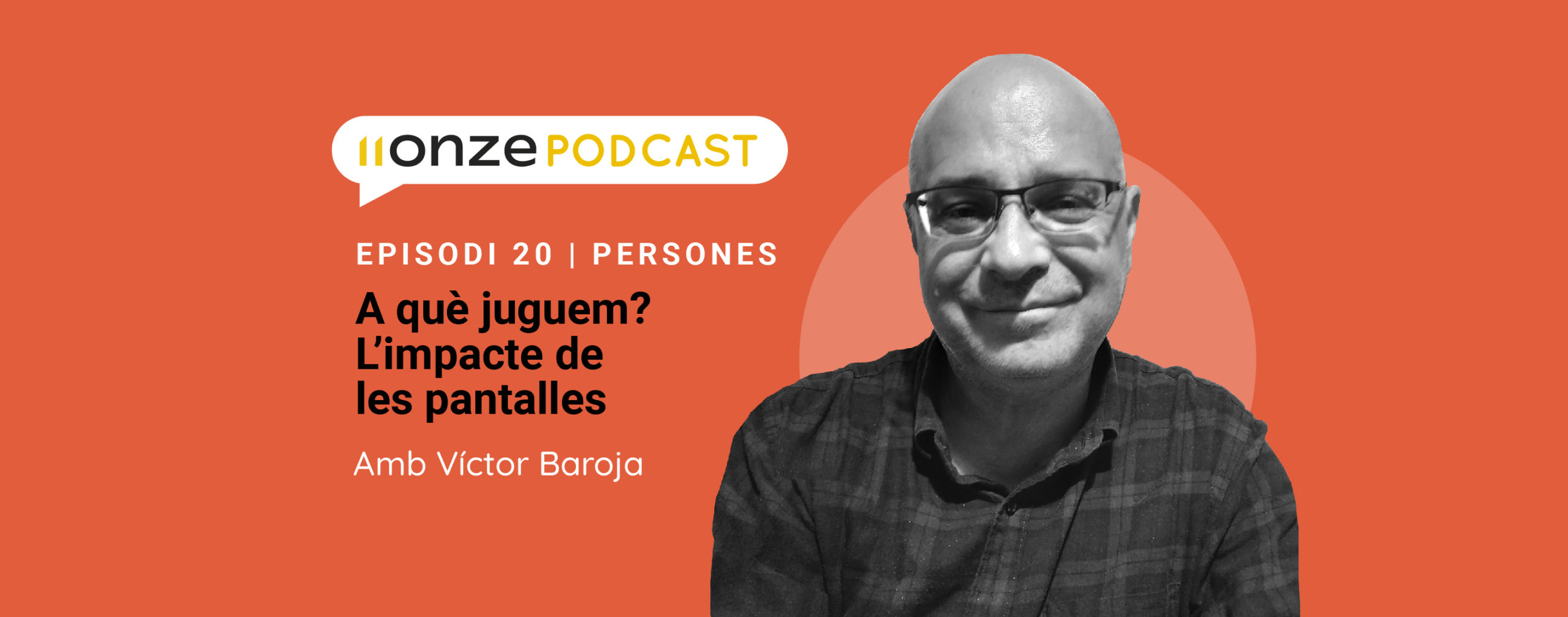
We still "lack perspective" on the impact of screens.
The soundtrack of our games
“Sonos Ludum” is the name of the project created by the federation in order to treasure the characteristic sounds produced during traditional games: the jumping rope, the dominoes, the impact of bowling, etc.
The project aims to stimulate our sensitivity through the sounds that, despite having changed over time, continue to transport us to a point in space-time, both distant and near, where the game brings us closer together as social beings. Our desire to gather around a table to share this time of leisure and fun is still latent.
11Onze is the community fintech of Catalonia. Open an account by downloading the super app El Canut for Android or iOS and join the revolution!

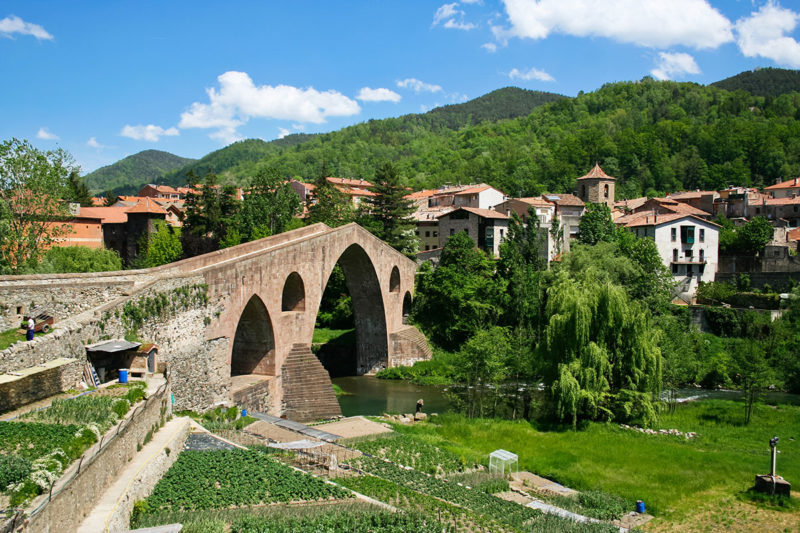
The public employment offer approved this year by the Catalan Government and the Spanish Government exceeds 60,000 vacancies. We offer ten tips to prepare for a civil service examination with guarantees in case you are thinking of it.
Given the instability of the labour market, you may be thinking about preparing for a civil servant competitive examination. It is undoubtedly a good time to do so, given the large public employment offer announced by both the Catalan and the Spanish governments.
If you decide to take the plunge, the first thing you need to be clear about is which option best suits your interests, your profile and your skills. Also, be aware that you will need a certain spirit of sacrifice to put in the hours of study every day, you will have to be constant and never lose motivation.
Júlia Pérez, director of the Adams training academies in Catalonia, shares ten fundamental tips for preparing for civil service examinations with guaranteed success.
- Keep the objective in mind. To stay motivated, you must never lose sight of the goal for which you are striving.
- Time management. Be clear about how much time you have to study. The more hours a day you can dedicate, the better. But, in any case, it is necessary to make a realistic plan to see how many months it will take to prepare for the exams.
- Studying the right way. We must bear in mind that studying does not mean spending hours in front of a book. It is essential to find ways to make the most of your time.
- Enjoying the study. We must try to have fun while we study so that so many hours do not turn into hell.
- Organisation. We must be very organised because we will spend many hours alone in front of books, notes and questionnaires.
- Support. Furthermore, we need to feel that our environment, both family and friends, support and help us.
- Train, train and train. This is a long-distance race, so it is a good idea to do a lot of exam practice.
- Keep negative thoughts under control. We are bound to have them, so we must try to control them. In this sense, the first point helps a lot: having a clear objective and always keeping it in our mind.
- Better in company. We must be in good company. That’s why it helps a lot to have teachers and other candidates help us not to feel so lonely.
- Taking care of yourself. You have to take good care of yourself, both body and mind, and never stop believing that you can achieve your goal. In fact, many people achieve it every year, so why shouldn’t you be one of them?

Júlia Pérez analyses the public employment offer.



Leaving money to a Christian for his own benefit was considered usury, so loans could only be made to enemies in times of war. Loans condemned bankers to hell because they involved a double sin: stealing money from your brother and stealing time to repay the loan. And time only belongs to God.
The interest that bankers charge on the money they lend is at the heart of the banking business and has always been controversial. Currently, it is because money is created from nothing using the loan as an asset, as we explained in the first chapter of the El Diner series. But centuries ago, the discussion was moral: the Church considered usury. The Old Testament, in Exodus, was clear when it said: “If you lend money to any poor person of my people who lives with you, do not treat him like a moneylender, nor pay him interest” (Exodus 22: 24). The essential idea was clear, it was not right to enrich oneself with the needs of others. This precept directly attacks, therefore, the waterline of the banking business.
Towards the 12th century, the banking business began to flourish, but the Church continued to condemn bankers to hell. In the opinion of the ecclesiastics of the time, usury was a double sin because you were usurping money from a Christian, but you were also stealing the time that he should invest to earn that money that he should return to you. And there was one of the big problems: time only belonged to God. Therefore, with the interest on the loans, the bankers were robbing an equal and God.
The Jewish opportunity
The Church, therefore, prohibited loans with interest between Christians. They could make enemies, with the idea of weakening them. Christians could not make loans to Jews either, because the Church considered them brothers. In this way, so to speak, the market of potential clients for Christian bankers was significantly reduced. And it was, precisely, the Jews who took advantage of that market niche. It was then that their fame as lenders skyrocketed, placing themselves at the centre of the financial business ever since. They had no such qualms: they lent money to anyone who asked for it, in exchange for interest. All of this ended up forcing the Church to rectify. And she did it in a very ingenious way: creating Purgatory.
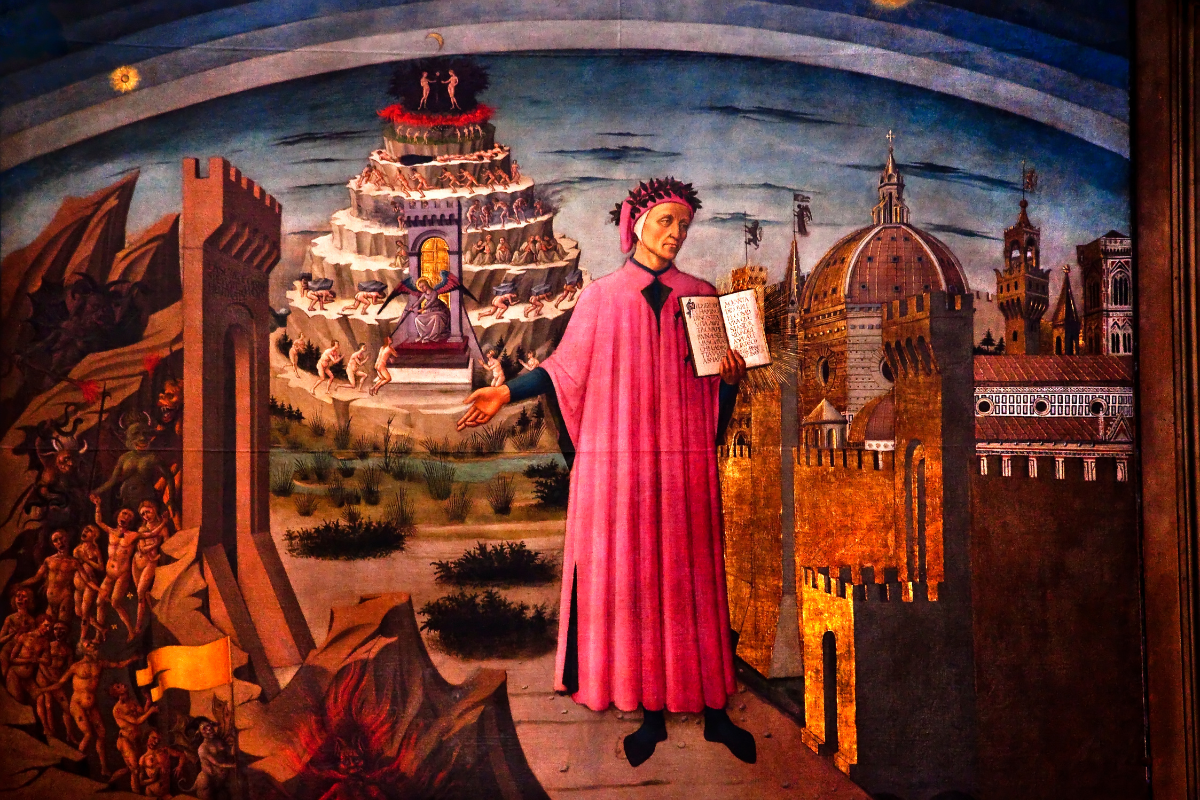
“Dante and the three kingdoms” (1465), de Domenico di Michelino – Museum dell’Opera del Duomo, Florencia (Italy)
Bankers’ Purgatory
It was evident that the Church had lost a business opportunity for Christianity. But the potential bankers had no desire to go to hell. At that time, loans were seen as a way to take advantage of the weak and not as a way to allow someone to pursue an idea. That is to say, evidently, the concept of productive loans or entrepreneurs did not exist. In any case, the Church rectified it by creating Purgatory. The bankers would no longer be condemned to eternal Hell, but to a place where they would be temporarily until they could purge their sins and enter Heaven. The measure was based on the Tractatus de Purgatorio Sancti Patricii by the Irish clergyman H. de Saltrey, which explained the journey of a knight to purge his sins.
This is how the Church sought to accommodate usury and loans within the Faith. The idea spread among the clergy during the 13th century: bankers could now save themselves, and the Church began to build a much closer relationship with the power of money.


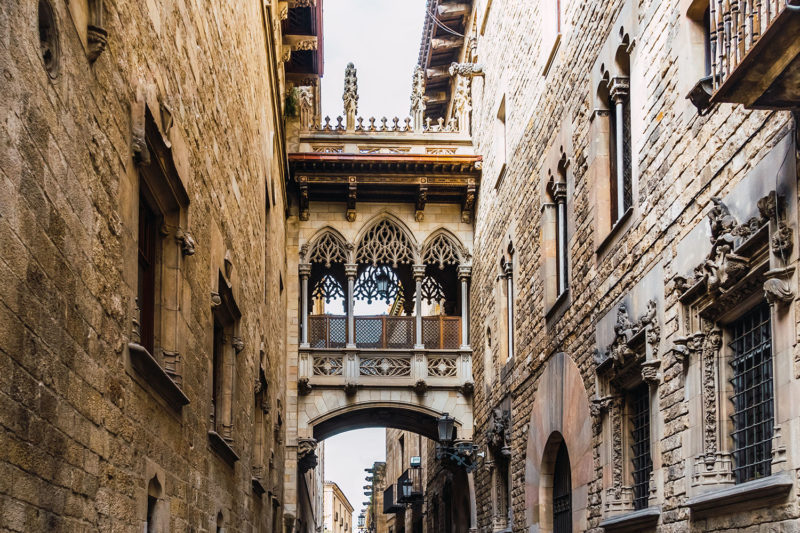
Why is the dollar called a dollar? Where did the most used currency in the world come from? The history of United States currency has a direct connection with the Hispanic empire of the 16th century.
Charles V was the emperor of the Holy Roman Empire, king of the Catalan-Aragonese Crown (because he was the grandson of Ferdinand the Catholic) and king of the Indies, which had been discovered by Christopher Columbus. And in a corner of this vast empire was born the currency that would eventually evolve to become the American dollar. How did this happen?
In Bohemia, today’s Czech Republic, there were silver mines that began to be used to make coins. Because of the name of the area, those coins were called Joachimstaler but, little by little, the name was reduced to Taler. These Talers spread across the Atlantic and, based on trading with the Dutch and British, they began to be referred to as Daler. From there it went to Spanish Daaler and then to Spanish Dollar. It was only necessary for the United States to be established in 1789, which made the Dollar the country’s currency.
And the dollar sign?
Well, everything indicates that it has to do with the symbology that appeared in the Hispanic Reales. There you could see the two columns of Hercules and the motto plus ultra, meaning that the Spanish had gone beyond the columns of Hercules. Because? Because in the past it was assumed that the columns of Hercules were on the cliffs of the Strait of Gibraltar, closing the access from the Mediterranean to the Atlantic. Therefore, to go beyond those columns was to go towards the unknown, which is why the Spanish motto represented the daring of having crossed the ocean to reach the Americas. The symbol of the dollar, therefore, would be the wrapped columns of Hercules.
To learn more about the history of the dollar, you can watch the following video by Arte TV.
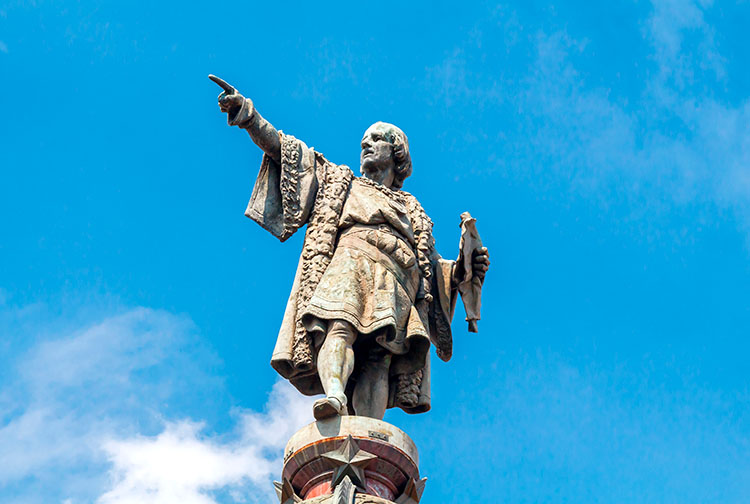


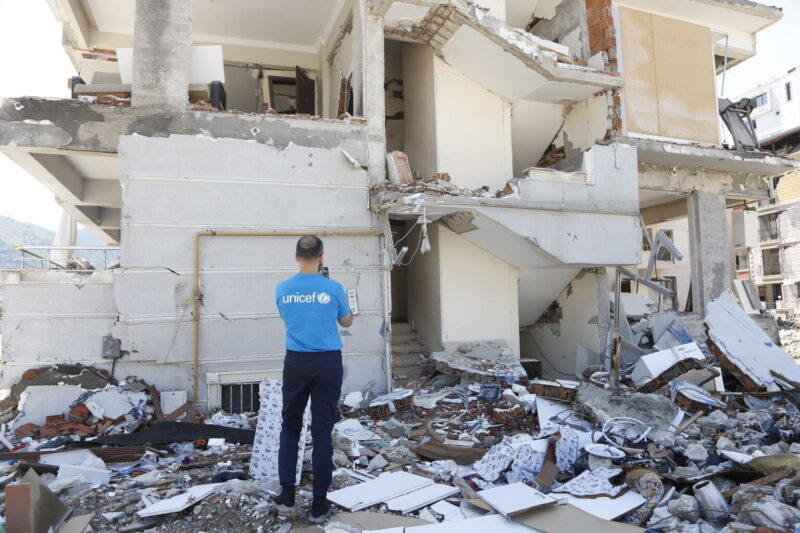
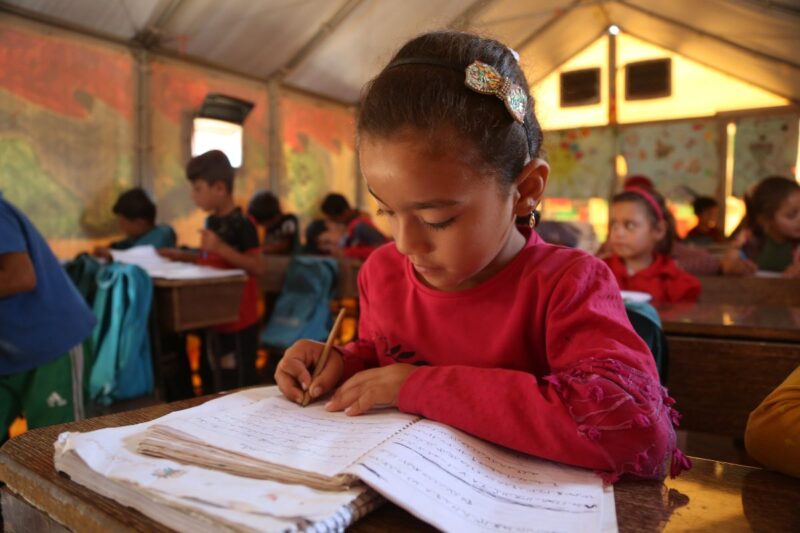
According to UNHCR, 50% of refugee children are unable to attend primary school and 22% of young people are unable to attend secondary school. One of the most important rights of children, the right to education, is therefore violated. 11Onze Rolls Up its Sleeves collaborates with Better Shelter to build Shelter Schools for children in northern Syria affected by the earthquakes last February.
Syria has been in crisis for more than 12 years, with war and devastating earthquakes. As a result, some 7 million people are internally displaced. One of the most vulnerable groups is children who have lost not only their homes and families but also the chance to continue being children and to receive an education.
The role of education
A UNESCO report highlights the key role of education in creating a better future for everyone. Low levels of access to education and high levels of inequality in education increase the risk of violence and conflict. It is a fish that bites its own tail. Observed over 21 years, areas with very low rates of education were 50% more likely to experience conflict.
Which students are in classrooms
UNHCR estimates that, when there is a disaster, refugee pupils end up missing an average of three to four school years. And, of course, these are not normal classes. You can find children who have lost their families, who have suffered abuse, who have lost their homes and who may have disabilities.
Despite the difficulties, these classrooms can transform children. They can learn to read, write and do maths. If they do well, they will continue with specific subjects such as science, geography, and history. But they will also learn basic health care and hygiene. They will study human rights and how and from whom to get help. They are thus being prepared for a tough world that has already dealt them severe blows when they were very young.
But the role of teachers is not only to educate children, but to keep them in a safe space. This is also what the Shelter Schools that 11Onze Rolls Up its Sleeves promotes with Better Shelter are: places where nothing bad can happen to you.
What are the Better Shelter Schools like?
11Onze Rolls Up its Sleeves
From 11Onze we have decided to roll up our sleeves, and we want to build 50 Shelter Schools for the children of Northern Syria. This way we will be able to help 1,750 children. To make this possible, we need 100,000 euros that 11Onze Rolls Up its Sleeves, will send to Better Shelter to carry out the action on the ground. Can we count on you?
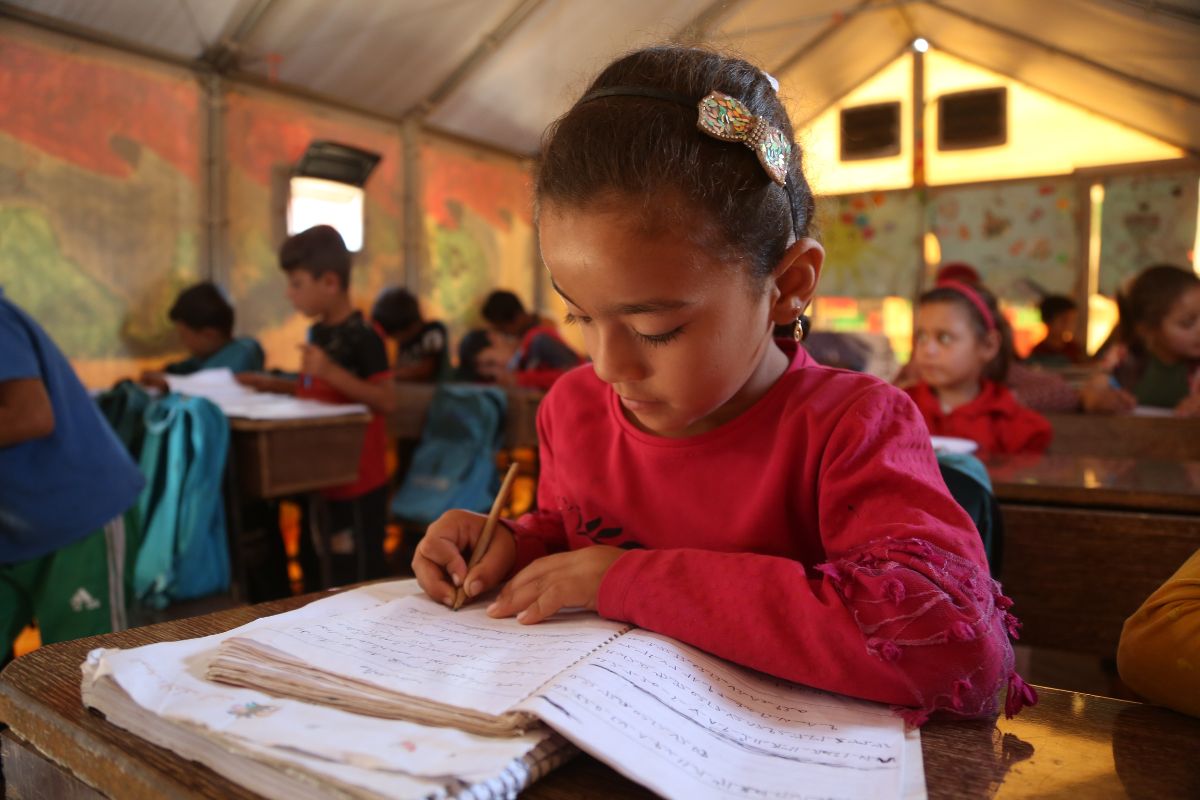

The World Gold Council produces a documentary in which the actor Idris Elba tours some key scenarios in the world of gold. South Africa, California, Ghana, Congo, London, Canada, and New Zealand are some settings for gold’s incredible journey across the planet and through history.
What role did Nelson Mandela have in the South African mining industry? How did gold contribute to ending apartheid? How many bars are held in the Bank of England and why? How long does it take for the elevator at the “La Ronde mine” in Canada to descend the more than 3 kilometres it must fall to the gold extraction galleries?
In this extraordinary documentary, Idris Elba (known for series such as The Wire or Luther) puts himself at the service of the World Gold Council to discover the history of gold and its relationship with humans. Multiple aspects are analysed: from the importance of gold for power to its use in beauty or current technology. Gold is omnipresent in the history of humanity, we attribute value to it and use it for a lot of things in our daily lives.
Gold: a journey can be viewed openly and with subtitles on the World Gold Council’s YouTube channel. We will find excellent photography and exciting moments such as when Elba, of Ghanaian origin, is received by the king of Ghana in the middle of a reception where gold is the absolute protagonist.
The importance of gold
The documentary also delves into the applications of gold in the progress of humanity. Gold nanoparticles are present in reagent tests to detect many diseases, including Covid. But they are also key to the circuits of all the technological devices we use, and will be essential for quantum computers. Gold has been, is and will be, therefore, an essential material for the industry.
But it also has collateral effects on the economic development of the population. Levi-Strauss owes his entire business to the California gold rush, which also caused the birth of San Francisco. And the same thing happened in Johannesburg, the capital of South Africa, created thanks to gold mining. Currently, in other areas of Africa, it is key to combat malaria and generating energy.
Gold: a journey is a very good way to open your eyes to the king metal. Having physical gold is not just a way to get rich or protect savings, as we do at Preciosos 11Onze. It is being part of a story that unites all of humanity throughout time, and this does not happen very often. Few things achieve such absolute consensus. There is no doubt about the value of gold. We are not only talking about the financial value, but also about the emotional, historical and industrial value of that metal that came from space to change life on Earth.
If you want to discover the best option to protect your savings, enter Preciosos 11Onze. We will help you buy at the best price the safe-haven asset par excellence: physical gold.



The pandemic has created new readers. Catalonia has stood out in Spain as the region where the increase has been most pronounced. Without going any further, during the confinement, 57% of book readers read at least once a week. Perhaps that is why booktubers, digital literary critics who are accumulating more and more followers, have emerged. At 11Onze we have compiled 14 profiles that are worth following.
The most successful Catalan booktubers have a niche of around 2,000 followers per profile. But we cannot forget those who have a more modest channel, such as Marta Cava, Els bookhunters, Traduint des de Calella, Lluctuber, Meyonbook, Laura Rubio and Llibres de Gont. All of them have become, in a short time, the great prescribers of the Catalan publishing world, which in recent years has been reactivated thanks to the opening of new bookshops and the birth of specialised publishers, especially in fantasy books, Catalan and foreign classics and essays. Below you will find some of the most popular profiles:
- Recomanacions de Llibres, by Marta Botet. Marta Botet, daughter of the President of the Catalan Parliament, Laura Borràs, is almost as passionate about books as her mother. Around the world of books, she makes compilations and explains how the publishing industry works. She also reviews the classics of Catalan literature.
- Bookdragon Di, a young fantasy. With more than 2,000 followers on its YouTube account, the channel reviews fantasy books and readings for young people. It features dozens of books, including classics of the genre, such as ‘Dune’, and by renowned authors such as Stephen King and Jo Nesbo.
- La prestatgeria, the bookshop at home. Books and heartbreak, intersectionality and feminism, readings and music, the women of famous writers, high school readings that are worthwhile… Instead of reading books, Marta devours them, and she does so with passion, humour and a critical eye.
- La Mar de Llibres, sailing the literary ocean. When she entered her twenties, this other Marta decided to create her own channel, where she pours out all her reading obsessions. The world of books occupies her hours of videos: about translations, re-editions, books she has liked, books she has hated, reading lists to give as gifts…
- Paraula de Mixa, editorial enthusiasm. With very well edited videos, Paraula de Mixa not only reviews books, but has also set up a variety of activities on her channel about the publishing world: from interviews with authors, to reading clubs or workshops to become a booktuber.
- Entrelletres, the commitment to Catalan readers. This young Andorran, Jan Arimany, is already known among booktubers for his publishing and his channel Trotalibros, where he reviews books in Spanish and accumulates a following of more than 25,000 followers. In the last couple of years, coinciding with the pandemic, he has also taken on the task of following books published in Catalan, and he talks about both classics and new releases.
- Llig-me, going beyond the screen. Irene Rodrigo had a book programme on Valencian public television and its success has led her to open her own channel. Recently, she has set up a virtual reading club for the network of public libraries in Catalonia, but she also reviews classics and new books.
11Onze is the fintech community of Catalonia. Open an account by downloading the super app El Canut on Android and Apple and join the revolution!


Cada vegada més persones viuen soles i renuncien a una parella. Moltes empreses han vist en aquest col·lectiu una oportunitat de negoci, amb tota mena de productes i serveis destinats a cobrir les necessitats dels ‘singles’.
Ser ‘single’ està de moda. Els solters cada vegada suposen un percentatge més elevat de la població. A Catalunya, una de cada tres persones majors de quinze anys ho és, amb un augment considerable en l’últim mig segle, segons dades d’Idescat. Per això no sorprèn que l’any 2019 s’arribés a crear l’Associació Catalana de Singles i Oci Familiar.
No es tracta d’una tendència local. En un terç de les llars de la Unió Europea viuen solters sense fills. De fet, el 50% de les llars de capitals europees com París, Berlín i Oslo ja estan ocupades per residents solters, segons Eurostat, que també assenyala que més de la meitat de les llars sueques són unipersonals. Als Estats Units, els individus sense parella entre 25 i 54 anys ja suposen el 38% de la població i en el 28% de les llars només viu una persona.
Tot i que en els últims anys s’ha popularitzat l’11 de novembre com el Dia del Solter per la influència xinesa, la tradició d’alguns països anglosaxons el situa en el 13 de febrer, com a contraposició a Sant Valentí. Es tracta d’un dia de reivindicació per als ‘singles’, un anglicisme que ha adoptat un significat que va més enllà de la solteria: es tracta de persones que viuen soles i no tenen parella, sigui com sigui el seu estat civil. El que abans es veia socialment com un fracàs avui s’associa al concepte de llibertat.
Una oportunitat de negoci
En un món consumista i oportunista, moltes empreses han vist en aquest col·lectiu una oportunitat de negoci, amb tota mena de productes i serveis destinats a ells. En l’actualitat podem trobar en el mercat un nombre creixent d’habitatges unipersonals, electrodomèstics de menor capacitat, envasos més petits i activitats i viatges concebuts per a ‘singles’.
Les empreses han situat als ‘singles’ al punt de mira no sols per tractar-se d’un col·lectiu creixent, sinó perquè la seva capacitat adquisitiva també és superior a la mitjana. De fet, aquesta bonança econòmica és gairebé una condició per a ser ‘single’, ja que la vida els resulta més cara. Per començar, el sistema tributari els penalitza respecte a les famílies. I si pensem en un dispendi tan important com l’habitatge, és clar que no tothom es pot permetre ser ‘single’. De fet, aquest grup tendeix a posseir menys habitatge en propietat i recorre més al lloguer que les parelles.
Respecte als seus hàbits de consum, els ‘singles’ solen comprar menys quantitat i amb més freqüència per evitar que els productes se’ls facin malbé, la qual cosa ha portat als fabricants a oferir envasos de menor grandària, fins i tot monodosi. L’objectiu és adaptar-se a les seves necessitats i treure profit de la seva major capacitat adquisitiva. A més, els estudis de consum indiquen que aquest col·lectiu va menys als hipermercats i recorre més als supermercats de barri i les botigues d’especialitzades.
Un filó per a la indústria de l’oci
El fet de no tenir càrregues familiars fa que els ‘singles’ puguin destinar a oci una major part del pressupost que altres col·lectius i permetre’s més “capricis”.
Per això en els últims anys han proliferat pàgines web que organitzen tota mena d’esdeveniments per a ‘singles’, com a Singles Barcelona o Friendsteam. Es tracta de clubs especialitzats en aquest segment de la població que ofereixen activitats per socialitzar, des de sopars o festes a excursions o viatges.
A vegades són els mateixos locals d’oci els que planifiquen esdeveniments dirigits a aquest col·lectiu. Fins i tot una cadena de gimnasos com el DIR ha vist l’oportunitat de negoci que suposen els solters i ofereix el servei DIR Singles & Friends, amb activitats socials i esportives per a que els seus membres es coneguin millor.
Un esment especial mereixen els creuers dedicats a les persones sense parella, que han tingut un creixement espectacular. Durant aquests viatges, els ‘singles’ poden aprofitar per conèixer a gent nova mentre naveguen pel Mediterrani, la mar Bàltica o els fiords noruecs. Els destins cada vegada són més variats.
11Onze és la fintech comunitària de Catalunya. Obre un compte descarregant la super app El Canut per Android o iOS. Uneix-te a la revolució!



El català és un idioma tan bo com qualsevol altre per fer divulgació a les xarxes socials. Hi podem trobar continguts de tota mena, des de ciència i cultura fins a gastronomia. Ho demostren aquests 11 perfils de TikTok que s’han guanyat la confiança de milers de seguidors.
TikTok, l’aplicació nascuda a la Xina fa sis anys, s’ha fet gran de mica en mica. Ja no és només una plataforma per a adolescents interessats a mostrar les seves coreografies i excentricitats. A poc a poc, hi van tenint cabuda continguts de tota mena. Des d’11Onze, volem donar a conèixer 11 perfils que fan divulgació de temes molt diversos en català. Aquí els tens per ordre alfabètic:
- ametller_origen: receptes i molts consells sobre cuina, nutrició i conservació dels aliments que en un any ja s’han guanyat més de 2.000 seguidors i 10.000 m’agrada.
- culinaryjep: un compte sobre gastronomia i cuina catalana que en un any acumula prop de 1.500 seguidors i 18.000 m’agrada. Gràcies a ell descobriràs, per exemple, que la tradició dels canelons de Sant Esteve s’ha popularitzat en l’últim segle i que abans el plat típic d’aquesta festivitat era l’arròs del cardenal.
- desfake: aquest grup de joves fa dos anys que ens ensenya com detectar dades manipulades i denuncia mentides i notícies falses que circulen per les xarxes. Els seus vídeos ja han aplegat més de 3.300 seguidors i han rebut 31.000 m’agrada.
- el_radical_lliure: un perfil que s’apropa a la química de forma entenedora i divertida. Els seus responsables són el Dr. Oriol Marimon en la presentació, la Dra. Helena González en els guions i l’Adrián García en la producció. En poc més de quatre mesos han acumulat més de 1.300 seguidors.
- expli.cat: aquest grup de joves científics divulguen temes de ciència en vídeos de menys d’un minut. Trobaràs des de què determina el factor de protecció de les cremes solars fins a les bases de la fusió nuclear. En poc més de mig any ja tenen 1.700 seguidors i 10.000 m’agrada.
- filologa_de_guardia: els vídeos de l’Aida, una estudiant de filologia catalana, són modernes classes de català a la xarxa. El seu perfil de TikTok ja té 15.000 seguidors i més de 160.000 m’agrada.
- informatik.cat: consells i tutorials des de Girona per resoldre problemes i dubtes d’informàtica. Ja els segueixen més de 1.000 persones.
- juju_mamaplant: la Júlia, també coneguda com a Mama Plant, ens parla de les propietats de les plantes i ens ofereix remeis naturals des de fa poc més d’un any. Ja compta amb més de 5.400 seguidors i 100.000 m’agrada.
- paisatges_de_catalunya: un compte per descobrir racons de Catalunya que ja té més de 5.000 seguidors i 94.000 m’agrada.
- parlemdescriure_catala: un canal que examina errors típics quan parlem i escrivim en català. Ja té 7.500 seguidors i 15.000 m’agrada.
- 11onzecat: l’onzè perfil recomanat no podia ser un altre. Educació financera a l’abast de tothom des del nostre compte de TikTok. Tot i que som una comunitat petita, ja acumulem més de 2.000 m’agrada.
Tots aquests comptes de TikTok s’han guanyat la popularitat mostrant-se al món en català.
11Onze és la fintech comunitària de Catalunya. Obre un compte descarregant la super app El Canut per Android o iOS. Uneix-te a la revolució!


Where does the tradition of celebrating Sant Esteve come from, and why is it such a deeply-rooted festival in Catalonia? Sílvia Garriga, 11Onze agent, explains the origins of this festivity, both in terms of holidays and gastronomy.
At Christmas, every sheep to its pen, and for Sant Esteve, every person to his house. This popular saying places the celebration of the festival of Sant Esteve immediately after the Christian festival celebrating the birth of Jesus, which falls on 25 December. This is a unique tradition in the Catalan calendar that links us to our Carolingian past in the 8th and 9th centuries.
Unlike the rest of the Christian Iberian Peninsula, which was governed by the Goths and had the bishopric of Toledo as a reference point, during the 9th century, Catalonia was under the protection of the Carolingian empire, founded by Charlemagne, and depended on the bishopric of Narbonne.
As Sílvia Garriga explains, “The Carolingian family concept was very extensive, they understood the family as a clan, and this meant that, at Christmas and other important festivities, the whole family had to meet in the family of the original peasant”. In other words, whenever there was an important festivity, they had to go to the ancestral home, no matter how far away it was.
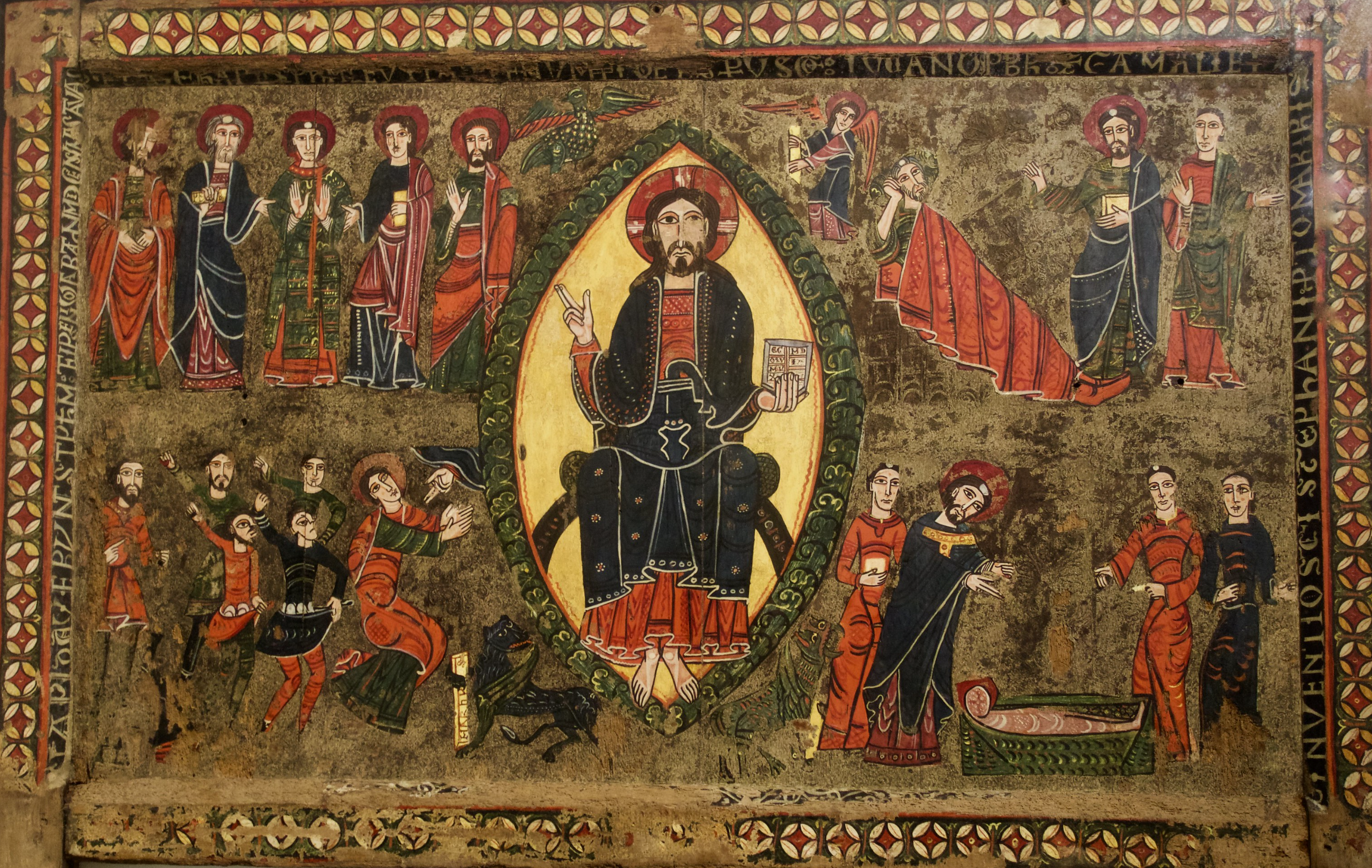
Sílvia Garriga explains on the origins of the feast of Sant Esteve
In the Middle Ages, journeys were usually long
Originally, the festivity of Sant Esteve was not exactly a festival, but a day when people did not work because it was used for travelling. The precariousness of logistics and means, characteristic of the Middle Ages, lengthened journeys and, therefore, the time people needed to return home.
“It often took a whole day to get home. And this tradition has survived to this day, although it has taken on a different meaning”, Garriga points out. This tradition is also rooted in other European countries that share a Carolingian past.
On the other hand, the tradition of stuffing the cannelloni in Sant Esteve with the leftover Christmas Day broth came to Barcelona from the Italian cooks of the Catalan bourgeoisie or other foreign cooks who worked in the city’s inns during the 9th century. But it seems likely that making use of leftover food from the previous day is an eminently Catalan custom.
11Onze is the community fintech of Catalonia. Open an account by downloading the app El Canut for Android or iOS and join the revolution!