The 1714 payoffs
Durant la Diada els catalans ens deixem endur pel romanticisme i els ídols de la resistència que van intentar preservar les llibertats. Casanova, Villarroel, Moragues, Carrasclet… però les guerres són una qüestió de diners i cal mirar-les amb fredor i autocrítica. Hi ha una colla de catalans que van optar per fer negoci amb l’invasor, essent així decisius per a la seva victòria.
Toni Mata. Director de continguts i mitjans d’11Onze.
Que les guerres les guanyen els diners és una cosa que se sap des de fa més de 2.400 anys. Ja ho va deixar escrit Tucídides parlant de les guerres del Peloponès. Però quan s’acosta l’11 de setembre els catalans tendim a treure la llista de greuges en lloc de posar-nos a pensar on la vam cagar. El cap del general Moragues exposat durant dotze anys en una gàbia, la brutalitat de la repressió, la resistència de Villarroel, la persistència de Carrasclet, el poble enterrant els traïdors fora muralles perquè “al Fossar de les Moreres no s’hi enterra cap traïdor”… Tot això està molt bé. Però qualsevol país que pretengui ser-ho s’ha de prendre una mica més seriosament a si mateix i deixar-se de romanços. Si l’any 1714 Catalunya va caure va ser perquè es va perdre una guerra i, si es va perdre va ser per molts factors. Un dels que va ser clau és el col·laboracionisme.
Qui es va fer ric amb la victòria de Felip V?
L’avenç de Felip V per Catalunya no hauria estat possible sense que una sèrie de catalans hi contribuïssin prioritzant el benefici econòmic individual per davant del país. Potser aquells ciutadans no tenien consciència de país, però qui sí que la tenia era l’exèrcit borbònic que, tal com explica l’historiador d’11Onze Oriol Garcia en aquest article, va mantenir el 65% de les seves tropes als Països Catalans durant anys per consolidar la invasió.
Efectivament, hi ha catalans que van decidir fer negoci amb els Borbons mentre aquests destruïen el país i les llibertats de tots. I es van fer rics! Es van fer rics subministrant aliments o tota mena de necessitats que tenia l’exèrcit invasor a mesura que avançava. Què hauria passat si aquests subministraments bàsics haguessin quedat tallats a la rereguarda? Felip V hauria pogut mantenir la contesa bèl·lica? Fa de mal dir, però és ben sabut que la flota naval austriacista (que comptava amb el suport català) era capaç de mantenir el subministrament de les seves tropes, però la borbònica no. Depenien del que poguessin comprar a terra ferma.
Per això, a 11Onze hem volgut demanar al nostre historiador que se submergís en els estudis sobre aquesta idea: quins catalans hi van guanyar amb la victòria de Felip V? És a dir, qui el va ajudar i se’n va beneficiar? I el resultat és espaordidor. Prop d’una trentena de famílies catalanes es van fer riques traint el seu propi país. Famílies que van obrir les portes a l’invasor i van ser convenientment recompensades amb contractes públics a partir de 1714. La nova elit catalana es va configurar durant la guerra de Successió. El poble intentava resistir, però alguns apostaven per intentar fer fortuna a costa d’entregar el país a l’enemic. Hem llistat els casos més rellevants, amb noms i cognoms, perquè més de 300 anys després siguem més conscients que mai que alguns catalans van tenir un paper clau en la derrota de Catalunya.
Trencar la dependència
És el que en podríem anomenar, les paguetes de 1714, fent un símil amb la terminologia actual. La història és reiterativa i és imprescindible conèixer-la per detectar els errors que duen a les desgràcies. És possible defensar Catalunya i que el teu negoci o el de la teva família depengui directament dels ajuts espanyols de l’ICO? O el teu sou? La història diu que no. De la història sabem que és impossible parlar cara a cara o defensar-se d’algú de qui tens una dependència econòmica. I sabem que hi ha catalans capaços de vendre a Déu i a sa mare per un plat de llenties. La consciència nacional estava al segle XVIII (i potser ara?) en un segon terme, per a alguns.
En qualsevol cas, per començar a canviar les coses és ben clar que el primer que hem de fer és dir-nos la veritat. És un compromís que tenim a 11Onze. Per això hem volgut fer aquesta revisió històrica per poder-nos dir clarament: Catalunya no va ser derrotada el 1714 perquè fos abandonada pels anglesos. No tot és culpa d’algú altre. Catalunya va ser venuda per alguns catalans.

Qui hi va guanyar amb la victòria de Felip V?
Descobreix les famílies que es van enriquir amb la derrota de 1714 a 11Onze TV.
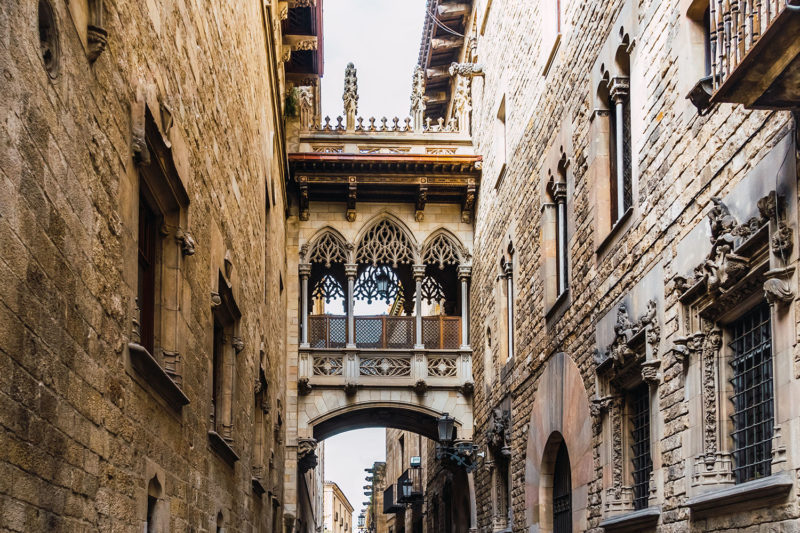


Cobrir les necessitats bàsiques de les persones sense llar que viuen als carrers de Barcelona, sensibilitzar a la ciutadania i denunciar situacions injustes són els tres pilars d’actuació i raó de ser d’Arrels Fundació en la seva lluita contra el sensellarisme. Parlem amb el director d’Arrels, Ferran Busquets, per saber què fa i com afronta l’entitat la situació econòmica actual.
En un context econòmic marcat per la pujada de la inflació i quan ens trobem a les portes d’una nova recessió, la problemàtica social de l’exclusió residencial té el seu màxim exponent en el fenomen del sensellarisme. Entitats com Arrels ajuden i fan visibles als invisibles d’una societat que no sempre prioritza el benestar social de les persones.
Però què fa exactament la fundació Arrels? La seva missió es divideix en tres parts: atenció a les persones, sensibilització i denúncia. Com explica Busquets, “nosaltres atenem a unes 230 persones, que estan allotjades amb els nostres diferents serveis, i arribem a més de 500 persones que estan dormint al carrer”.
Tanmateix, s’ha de conscienciar a la societat i canviar la visió que té de les persones sense llar, “explicar a la ciutadania la realitat de les persones que dormen al carrer i posar sobre la taula, i públicament, situacions molt injustes”, apunta el director d’Arrels.

Episodi 18 | Arrels Fundació
La importància del capital humà de la fundació
L’estigma social i els prejudicis que culpen o fan responsables de la seva situació a les persones sense llar sovint no reflecteixen la complexitat de les múltiples causes que porten a l’exclusió residencial. Com puntualitza Busquets, “les persones que dormen al carrer tenen una gran estigmatització: ‘són al carrer perquè volen, són uns borratxos…’, però hi ha moltíssimes persones que arriben al carrer perquè no tenen les mateixes opcions que tenim la resta de la gent”.
La sensació de fracàs en acabar dormint al carrer té un impacte psicològic important que
constitueix un factor de risc de patir problemes de salut mental. És aquí, on la importància del capital humà i professionals socials són clau per donar suport a aquestes persones en situació de vulnerabilitat.
“La decisió més important que prenem a la fundació és la contractació de persones o entrada de voluntaris, perquè s’ha d’establir un vincle amb aquesta gent que ens situa en el mateix pla que nosaltres situem a la nostra família”, afirma Busquets.
11Onze és la fintech comunitària de Catalunya. Obre un compte descarregant la super app El Canut per Android o iOS. Uneix-te a la revolució!



És sostenible el sistema de pensions? Com hauria de canviar la seguretat social per poder suportar l’envelliment de la població? Podem confiar que l’Estat continuarà pagant les pensions? És bona idea dependre de la decisió del govern de torn? Tot plegat ho respon el catedràtic d’Economia Política Jesús Huerta de Soto a la sèrie documental “Ni justícia ni social”.
A 11Onze, la nostra voluntat és apropar el coneixement econòmic a la població perquè tothom sigui conscient del que passa i pugui pensar què cal fer. Aquest dimarts, us recomanem una producció que Value School ha estrenat recentment. Es tracta de la sèrie documental ‘Ni justícia, ni social’, dirigida per Jesús Huerta de Soto, catedràtic d’Economia Política de la Universitat Rey Juan Carlos de Madrid.
Dependre de l’Estat
El sistema de pensions públiques el va crear Otto von Bismarck, pare de l’Alemanya moderna i el seu primer canceller. L’any 1889 va fundar el primer sistema de jubilacions de la història. I ho va fer per motius polítics. En aquell moment, necessitava aturar l’avenç del socialisme i, amb aquesta mesura es va guanyar el favor dels treballadors. Aleshores, Bismarck tenia un objectiu claríssim a llarg termini: fer que els ciutadans fossin dependents de l’Estat.
Aquella mesura política va fer fortuna i es va escampar pel món. El 1935 el president dels Estats Units, Franklin Delano Roosevelt (el pare del ‘New Deal’) va crear la Seguretat Social moderna. Apostava per un sistema de pensions de repartiment, no de capitalització. Quina diferència hi ha? El sistema de capitalització fa que cada treballador aparti una part del seu sou de manera nominal i la recuperi en jubilar-se. Com una mena de pla de pensions públic: et generes la teva pròpia pensió.
En canvi, el sistema de repartiment aposta perquè siguin els treballadors actuals els que paguin les pensions actuals. És a dir, l’Estat té una entrada i una sortida de diners. Això, el 1935, no era problema perquè als Estats Units hi havia 52 treballadors per cada jubilat. Actualment, però, la mitjana europea i nord-americana és de dos treballadors per cada jubilat. I, per tant, el sistema s’enfonsa. Més encara si es té en compte que les pensions són superiors als salaris dels treballadors. Això vol dir que mantenir el sistema de pensions actual suposa destruir l’estalvi i, en conseqüència, la capacitat econòmica dels treballadors.
Però el sistema de repartiment de pensions té el problema que crea dependència per part dels treballadors quan es jubilen. S’ha destruït l’estalvi, perquè no tenen capacitat d’estalviar i perquè, a més, es refien que l’Estat els pagarà una pensió. Actualment, el 70% dels jubilats espanyols depenen de la seva pensió. Aleshores què cal fer?
Recuperar el model de la Segona República
A Espanya, abans del cop d’estat que va dur a la Guerra Civil i la dictadura, ja existia el que s’anomenava “Régimen de capitalización en el retiro obrero”. És a dir, un sistema de capitalització nominal per als treballadors. Franco va apostar pel sistema de repartiment i ho va fer, evidentment, gastant els diners acumulats pel sistema de capitalització. Allò el va fer molt popular, però acabava d’hipotecar el futur de les pensions.
En aquest episodi de “Ni justícia, ni social”, Huerta de Soto aposta per tornar al sistema de capitalització de pensions. I troba una manera per evitar que el canvi d’un sistema a l’altre impacti directament en el deute públic. Un joc de mans econòmic que depèn exclusivament de canviar el sistema financer. Novament, la banca privada està al mig del problema, però amb polítics valents també podria estar a mig camí de la solució.
Episodi 1 de “Ni justícia, ni social. Les pensions”.
11Onze és la comunitat fintech de Catalunya. Obre un compte descarregant l’app El Canut per Android o iOS. Uneix-te a la revolució!


Tradicionalment, s’ha associat el luxe a la riquesa material: joies, cotxes, grans mansions i tot allò que impliqui fer una despesa alta de diners. Però com tantes altres coses a la vida, el luxe també ha evolucionat i és la generació Z, la que comprèn els joves nascuts entre l’any 1995 i el 2000, aproximadament, la que està marcant el nou rumb.
Entenent el luxe com “l’abundància de riqueses i comoditats”, es desmarquen del que és purament material per donar valor a tot allò que els envolta. Busquen l’abundància en el seu sentit més ampli, al mateix temps que creix la consciència social i col·lectiva. Són la generació que han nascut i creixen en un món marcat per les crisis econòmiques, la precarietat laboral en molts sectors, l’alta competència acadèmica, la incertesa de cara al futur i un planeta greument afectat pel canvi climàtic que ningú sap cap on evolucionarà. En definitiva, són la generació que no pot predir el seu futur. I això els porta a viure el present des d’una altra perspectiva, més humanitzada i conscient amb els seus actes.
Una vida digna, el nou luxe
Nascuts en plena era digital, aquesta generació no té por al canvi sinó que el provoca, amb un alt nivell de maduresa adaptativa que els ha ensenyat a viure en una societat on constantment tot el que es considera preestablert es modifica o evoluciona. Des de la política fins al món digital. La flexibilitat per adaptar-se als canvis és, sens dubte, un dels seus valors característics i el que els permetrà la supervivència en aquest món marcat pel canvi constant.
Justament és aquesta sensació de no poder aferrar-se a res el que els canvia l’ordre de prioritats, posant el focus en allò que veiem i sentim per davant d’allò que posseïm. Tornar al més bàsic, deconstruir per tornar a construir. Els joves miren un món ple de possibilitats amb una sola esperança: que els sigui possible viure-hi dignament. Poder accedir als estudis desitjats, trobar una feina ben remunerada i amb projecció de futur o que els sigui possible independitzar-se i mantenir una qualitat de vida òptima sense renunciar a res d’allò que es considera bàsic. Aquesta és la definició de luxe per gran part de la generació Z, i alhora és el repte a assolir per a la majoria.
Innovació i cultura, els pilars d’un futur per construir
La innovació i l’emprenedoria estan a l’ordre del dia per aquest col·lectiu, que veu créixer diàriament la seva capacitat creativa i empresarial, seguint un camí que la generació anterior ja havia iniciat. Negocis digitals, consultories, venda online, influencers, freelance de tota classe de serveis, startups… Cada vegada són més els joves que, després d’anys d’estudi, opten per llançar-se al mercat per si mateixos. Si la societat no els pot assegurar un futur, seran ells qui se’l crearan a mida, amb l’esforç i dedicació que això comporta. L’aprenentatge i la maduresa d’aquesta generació en termes de buscar-se la vida no només els marca a ells sinó que dona una nova perspectiva a les generacions passades, que veuen en aquest nou món digital un aparador on reinventar-se, i de la mateixa manera obren les portes a generacions futures que ja no creixen contemplant una sola manera de viure.
Canvia, també, la relació amb els diners i ja no preval la idea de posseir sinó de gaudir. El luxe no és tenir una casa sinó escollir el lloc on vols viure. No és tenir un vehicle de transport sinó poder-te moure de la manera més còmoda i econòmica possible, sempre amb visió sostenible. El luxe tampoc és menjar a restaurants cars sinó apostar per la proximitat i l’ecologia i tornar a gaudir dels aliments reals. O poder visitar museus, llegir llibres o consumir cultura en qualsevol format que et transporta a llocs que et facin pensar, somiar o remoguin la consciència. No n’hi ha prou a entrenar el cos, també cal entrenar el cervell, i molt. I aquest és un valor que, més enllà de caracteritzar la generació Z, marca el futur d’una societat avançada fonamentada en la cultura, el coneixement, i el pensament crític. La llibertat, en aquest sentit, és el seu aliat, i segurament serà el principi al qual no renunciaran mai, ja que fer-ho suposaria perdre l’essència que els ha dut fins aquí.
La generació digital en tres paraules: connectar, desconnectar i compartir
Tot està connectat, i la digitalització n’ha sigut la principal responsable. El coneixement i la informació es mouen a un ritme cada vegada més accelerat, les tendències canvien constantment i, des de fa anys, es creen pràcticament de forma exclusiva a través de les xarxes socials. La interacció social pren una nova forma i esdevé, de manera natural, una via de comunicació que s’utilitza diàriament, sigui directament amb persones de l’entorn o indirectament amb empreses, bancs o entre usuaris. Sempre que es fa servir de forma correcta, el món en línia obre un ventall de possibilitats que cada dia és més gran, i en el qual els joves troben la seva via de connexió.
La generació Z, però, va més enllà de l’àmbit digital i busca una connexió real tant amb persones com amb l’entorn, començant per un mateix. Tan important és estar connectat com saber desconnectar. Encara que, de forma generalitzada, pugem la nostra vida a les xarxes, la vida real no la trobem allà. I tant la generació Z com les generacions anteriors han sabut diferenciar aquests dos conceptes i fer un ús de les xarxes més o menys responsable però sempre amb la finalitat de crear una comunitat on compartir i relacionar-se. Envoltar-te de persones que sumen també és un luxe.
La revolució de començar de nou
Augmenta la consciència sobre el poder individual i col·lectiu que, gràcies al coneixement adquirit de generacions passades, permet als joves dibuixar un nou panorama social on tot és susceptible de canviar, tal com s’ha demostrat en els últims anys i en diverses situacions. El món canvia constantment, per tant, també hauria de fer-ho la forma en què la societat s’hi relaciona. Per exemple, apostar per un estil de vida sostenible és un must per les noves generacions. I on molts veuen una moda, ells veuen simplement una manera de viure que els pot assegurar conservar un món més o menys semblant al que tenim actualment.
I tot i que molts d’ells aconseguiran assolir un nivell econòmic que els permet comprar-se tots aquells luxes materials que desitgin, la veritable victòria per la generació Z serà no perdre mai de vista el perquè de les seves accions. No desconnectar mai d’aquest esperit renovador que, més enllà de marcar-los a ells, ha marcat a tota una societat, demostrant al món que res és permanent i que en el canvi apareix la riquesa.
Ara, la generació Z contempla, amb responsabilitat, un escenari que poques vegades abans s’ha vist, perquè tenen generacions per davant que no han perdut del tot aquest esperit renovador i revolucionari i que, lluny de conformar-se amb el sistema establert, segueixen fermament orientats en la lluita per un futur més digne. Perquè, al cap i a la fi, entre tot el que podem considerar o no luxe, pensem que un futur digne no hauria de ser un luxe per ningú.
11Onze és la comunitat fintech de Catalunya. Obre un compte descarregant l’app El Canut per Android o iOS. Uneix-te a la revolució!


The emancipation rate stands at twenty-nine years, youth unemployment is around 30%, and 90% of hiring is temporary. This is the context in which thousands of young people must emancipate themselves every year, at risk and without family support. Everything is even more complicated if you emancipate yourself after being a minor under guardianship.
They are young people who have had to leave home in very different circumstances or without parents who can take care of them, either temporarily or for a long time. The emotional burden behind foster children forces them to grow in advance and mature within a society that stigmatizes them and, in the case of foreigners, discriminates against them.
The complexity of the situation is exacerbated when all this has to be experienced during childhood. Ensuring their protection and assistance is a paramount task on a social scale that is often made invisible. We cannot put faces to all the protagonists of these stories, but we will try to provide data that bring us closer to their reality, lived from Catalonia. We spoke with Josep, a foster father, and Joan Carles Martín, the director of services of ASJTET Girona, which is managed by the Suara cooperative.
Catalonia, a pioneer in the support program for ex-foster children
The statistics of the Department of Social Rights of the Generalitat count, as of May 2021, 7,590 minors in terms of protection, of which 334 have arrived this year. Catalonia was a pioneer in recognizing the need for protection for ex-foster children and has legally done so since 2010. The rest of the Autonomous Communities have joined to a greater or lesser extent, but the network that has been created in Catalonia and its geographical position remain a call for foreign minors arriving in the country.
The Generalitat has a large support network for minors under guardianship through the DGAIA, the Directorate General of Child and Adolescent Care, which is responsible for safeguarding the rights of children and ensuring that they are offered opportunities and quality of life. From here derives, among others, the CRAE, the Residential Center for Educational Action, which hosts hundreds of children who do not have access to foster families.
Once the state tutelage is over, Catalonia offers them another resource: the ASJTET, the Support Area for Foster and Ex-Foster Young People, which accompanies them, by means of a network of resources assigned to the entities, in the process of emancipation between the ages of 18 and 21. Professional support to access a home, which may or may not be assisted; academic support to accompany them in training, and employment to gain independence, along with a minimum benefit to which they can access to begin this new stage of emancipation, often forced by context.
Children looking for a future
In the case of Josep, the foster father of an eleven-year-old boy, the process of emancipation is still a long way off. Foster care involves being with the child until the parents recover; therefore, nothing can assure them that they will be together at 18 years old.
It will be the child who decides, in due course, where he wants to live, but no doubt they will want to contribute to his growth: “He is very clear that he does not want to go back with his parents; he tells us that his parents do not have a good quality of life, and he wants quality of life. We have told him that he can come with us and, if he wants to continue studying, we will also help him”.
They are an example of how foster care can mean the birth of a second family that, despite not being of blood, provides the child with an emotional care that he had never had. He and his partner are a part-time collaborating family; therefore, they only see him on weekends and holidays, although they keep in touch during the week and often make video calls or go to see him at football matches.
He tells us that it is 100% emotional support and that, thanks to this experience, the child does much better at school. In fact, on the day of returning to the centre where he spends weekdays, he constantly asks them for the minutes left until the time of leaving and “returning to his raw reality” that still has to accompany him for seven more years.
Three-way emotional charge
“In this world, you can learn in two ways: from well-done things or from badly done things. These young people have learned to do things right because their parents’ guidelines were to do them wrong.” Joan Carles’ words describe the reality of many young ex-foster children. A three-way emotional burden for young people, who suffer from it greatly, but also for foster families and social professionals who are dedicated to helping them and trying to make things easier for them.
They find that the life experiences they drag on tend to be especially harsh on the natives. Unstructured families; poor quality of life; parents with no interest to give their children a dignified life; abuse and rape; and so many other circumstances that make access to guardianship an opportunity for some young people to make progress, and perhaps the only one. Others, though not the majority, will look forward to eighteen years to return with their parents.
An emancipation marked by social stigma
It is suffered by the natives and is aggravated in the case of foreigners. The difficulty of social integration for ex-foster children adds to the personal circumstances and the emotional burden that most carry. “The common feature they all have is that at home they have not been protected or loved”, says Joan Carles. A reality often too complex to live without family support, and where the support from ASJTET and from entities such as Suara becomes vital.
Fortunately, the support network is wide in Catalonia, but the demand is even wider. The mass arrival of young foreigners in recent years has saturated the system and has meant that many natives are not protected if they are not in a very precarious situation. For all of them, social inclusion is key so that they can adapt to society: “This is the wheel that should be broken in a good state of well-being, to ensure that the children of people who have been cared for are not cared for too”. A social task of integration that is often tainted by racism and that has led their lives to be the subject of political campaigns.
Racism, the added difficulty for young immigrants
In Catalonia, the minors who have made the migration process are currently 1,353, 95.9% of whom are boys, and 60.7% are seventeen years old, that is, near the age of emancipation. Guarding these foreign minors means that parents give up their child.
After years of experience, Joan Carles remarks that “you don’t leave your country, your home, on a boat or under a truck, or come to a place where you are alone just because you feel like it.” Many pursue the European dream that offers them an opportunity outside their village, where their destiny is already set. Others do it following family orders of going to work and sending money. Different reasons that describe a harsh reality: thousands of minors risk their lives in search of a future.
He explains that at Suara they find difficulties every day for young foreigners to access jobs or housing, despite having an income, speaking the language, and studying. “We need a society with memory. Many of our grandparents travelled to survive after the postwar period; I don’t know if we are returning what we owe. But we do not lose hope: we are there and will continue to work. It’s a work of architecture, of putting things one on top of the other, so that they can hold on and move on.”
Joining efforts to offer them a dignified life
Josep comments, from his experience, that the reception and everything that surrounds the minors under guardianship is not only an invisible issue but, when it is talked about, one opts more for the morbidity of the situation than for the support and the attention the situation really deserves. “There are many children who cannot find families and, fortunately, in our sector, we are a showcase. Adoption is known, but foster care is not.”
The psychological work for is hard for everybody, but the reward is even greater, and all witnesses agree in this. After all, this is what life is all about: contributing, accepting weaknesses, adding strengths, and letting everyone do their bit in order to build a free and fair society where everyone has a place and, above all, an opportunity, regardless of their origin or experience.
Do you want to be the first to receive the latest news about 11Onze? Click here to subscribe to our Telegram channel
If you liked this article, we recommend you read:
 Community
Resources for students looking for a flat
5 min readCan students find an affordable flat that is suitable for their

You have probably heard of the sharing economy, i.e. all those activities that involve the exchange of goods and services between people. But what exactly characterises this model, and how can it be put into practice in the digital age?
Before the collaborative economy became a trend, its consumption was limited to the closest circle. Everything stayed at home, it was almost on a family scale. However, thanks to the Internet, it is possible to connect with people from all over the world with common interests. The digitalisation of society and the economic crisis have favoured the development of new business models and new forms of consumption.
The collaborative economy has several advantages. Firstly, it allows us to optimise resources, as we can make our products more useful. In addition, it also offers the end consumer greater variety. It is also a good model for making savings, because customers can buy second-hand goods and services at a lower price than the market price. All of this generates an ecosystem based on commitment, solidarity, and the generation of ideas, often from entrepreneurs with new businesses, which generate employment, wealth, and innovation.
On the other hand, it should also be borne in mind that the collaborative economy, being a model between individuals, doesn’t have a legally regulated market and competition is quite unfair. For this reason, it is a sector that gives rise to complaints and protests from the sectors affected, which can leave consumers unprotected.
Collaborative economy, a range of possibilities
Within this collaborative economy model, which is also typically referred to as the “sharing economy”, there are many types, with different functions, varying according to needs and products. There are, for example, collaborative consumption companies, which use digital platforms through which users contact each other to exchange goods or items, such as collaborative transport, collaborative accommodation and collaborative second-hand trade, among others.
There are also open knowledge companies, all those that promote the dissemination of knowledge without legal or administrative barriers. They can be presented on a day-to-day basis through computer platforms to which users with needs come. There is also the collaborative production model, digital interaction networks that promote the dissemination of projects or services of all kinds. The difference with the two previous models is that what is offered is also produced within these platforms.
Finally, there are the crowdfunding initiatives. Microcredits, loans, savings, donations, and financing channels are included in this subgroup, where users contact each other to cover needs in any of these aspects. The best example is crowdfunding platforms, a funding model for those who wish to donate to specific initiatives.
The four characteristics of the model
Despite the heterogeneity of the companies and industries that fall within this model, sharing economy companies can be described by four characteristics:
- They employ information technologies (ICT), available through web-based platforms such as mobile “apps” on internet-enabled devices, to facilitate transactions between two parties.
- They rely on user-based rating systems for quality control, ensuring a level of trust between consumers and service providers that did not exist before.
- They offer flexibility to workers because this team often delivers its services through digital matching platforms.
- The team has its own tools. To the extent that tools and assets are necessary to deliver a service, digital matching companies rely on workers to use their own.
In short, the collaborative economy model can help our companies grow, because it allows consumers to save money, because it is committed to sustainable development, because it promotes a new management of resources, because there is more choice and because, in the end, all of this brings environmental benefits.
11Onze is the community fintech of Catalonia. Open an account by downloading the app El Canut for Android or iOS and join the revolution!

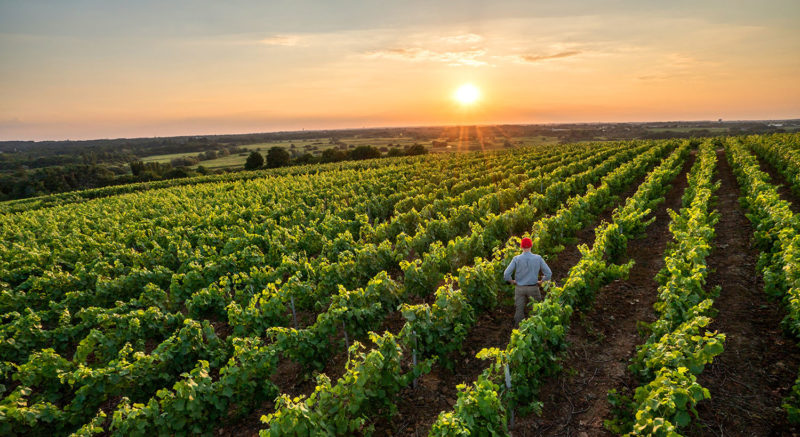
At this time, more than ever, we must support local products in order to continue the work carried out by 8,000 winegrowers and 800 wineries in Catalonia. Wineries that, with the confinement and closure of restaurants and bars, are finding it difficult to reach their estimated sales and meet their structural costs
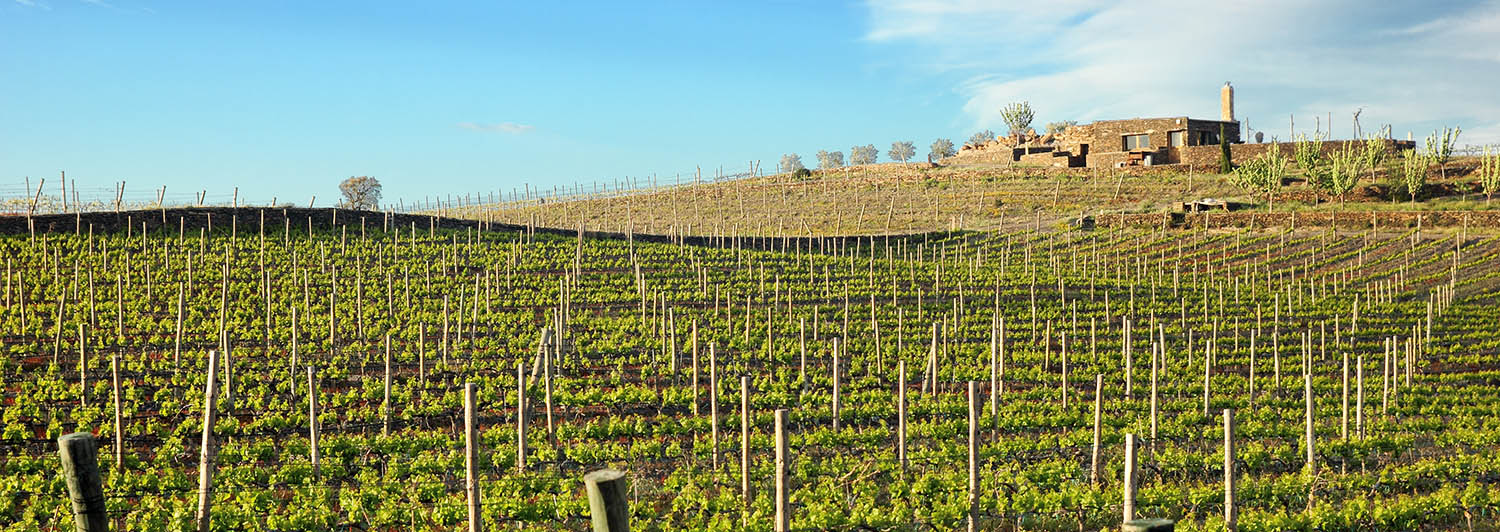
The culture, tradition and landscape of wine are part of the history of Catalonia. Our country has 12 Denominations of Origin (DO) that guarantee the quality of our wines: Alella, Catalonia, Cava, Conca de Barberà, Costers del Segre, Empordà, Montsant, Penedès, Pla del Bages, Priorat, Tarragona and Terra Alta. In each of these areas, the geography, climate and grape varieties mean that the wines produced in Catalonia are diverse but have a common denominator: quality products thanks to the dedication and desire to excel of the producers and winemakers.
- Catalonia, the cradle of viticulture
CEVIPE (Centro Vinícola del Penedès) is a second-degree cooperative company that brings together 16 wine cooperatives from the Alt and Baix Penedès, Garraf, Tarragonès, Alt Camp and Conca de Barberà regions. Its mission is to offer technical and human resources to improve the economic income of the winegrowers and, therefore, they focus their objectives on a process of continuous improvement, from the quality of vine cultivation to the production and marketing of wines and cavas. The commitment to the territory is an exclusive asset, protecting its products under the quality label of the different Designations of Origin of Catalonia and the Cava Designation of Origin.
The entity was founded in 1985, when the five cooperatives of Baix Penedès Albinyana, Bellvei, Lorenzo, Calafell and Vendrell founded the second-tier cooperative in order to facilitate the processes of innovation and modernisation, while reducing costs and achieving a concentration in the volume of supply in the cava market. The good performance and increased demand for these wines led to the process of integrating more cooperatives into the group.
Thanks to the union of these cooperatives, it was possible to invest in refrigeration equipment to ferment the must at a controlled temperature, a system that was beginning to spread to other parts of Europe and which was still residual in Catalonia. The traditional winemaking system was left behind and a new era began in terms of wine quality. The market demanded fruity wines with a pleasant taste, and this could only be achieved by fermenting the musts at low temperatures to prevent the aromas from vaporising. The demand for these wines was already much higher and was still growing.
- From Catalonia to Europe: Catalan wines lead the way
This economic incentive, together with the vision for the future of CEVIPE’s leaders, facilitated the implementation of a modern, quality production system that favoured the conquest of markets and, as a result, an increase in customers. This led to the process of integrating more cooperatives into the group and meant an important economic effort in the cooperative sector in this region, which found it essential to modernise its wineries in order to obtain the base wine demanded by the sector’s marketing companies.
At the end of the 1980s and beginning of the 1990s, CEVIPE began to open up to Europe to make its wines known, mainly in Germany, France and Luxembourg. Currently, the export volume is around 20%. The opening up in Europe professionalised and broadened the cooperative’s focus, which plays a key role in balancing supply and demand for the benefit of maintaining the area’s wine-growing operations. CEVIPE has more than 2,200 wine-growing members, who cultivate more than 6,200 hectares with an average production of 55 million kilos each year and an average annual turnover of 30 million euros. They are present in 5 different Denominations of Origin in addition to their 3 agro-shops located in the town of El Vendrell and in L’Arboç. They have a website where you can buy from anywhere with an internet connection and even order home delivery.
- A Sant Jordi marked by wine
There are 62 wine cooperatives in Catalonia, which produce 50% of Catalan wine and account for more than half of all winegrowers. The Federation of Agricultural Cooperatives of Catalonia (FCAC) held a competition on Sant Jordi’s Day last year, in the middle of the pandemic, asking participants “With which cooperative book and wine will you celebrate Saint George’s Day?” An initiative widely celebrated at home under the hastag #santjordiacasa which promoted, in a fun way, a new way of celebrating the festival through wine. The winner was Jaume Rojales, with a Facebook post recommending the wine “Lágrimas de Otoño” from the cooperative San José Wines de Bot. The book “La Catedral del Mar” was chosen through a random online draw among all participants.
The result: users recommended more than 50 cooperative wines, and FCAC’s Twitter and Facebook profiles received numerous posts from consumers recommending books along with these 50 wines from all over the country. The cooperatives that were most represented were Bodegas Domenys, Celler Batea, Bodega Cooperativa de Gandesa, Empordàlia and San José Wines. Wines from Bodega Cooperativa de Garriguella, Vinícola del Priorat, Cooperativa de Bràfim, Covides, Bodega Cooperativa de Espolla, Cooperativa Falset Marçà, Vinícola de Sarral, Cooperativa Agrícola de Corbera de Ebro, Cooperativa de Salomón and Cooperativa de Ulldemolins, among others, were also recommended.
On the eve of a new Saint George’s Day and with the hope of being able to celebrate it in the street as was traditional, the wine sector opens up a new possibility to people, showing that, although we have to stay home, if we do it in the company of a good local wine, the celebration will be double. So, whether the streets are filled with roses and books or not, which cooperative wine will you be celebrating Sant Jordi with this year?
In the real estate market, and specifically in the rental market, we can find very different situations that can lead to abuses and breaches of current regulations at all times. But does the tenant suffer all the abuse? Or can the owner also feel helpless?
Last September, the new Rental Price Containment Act came into force (11/2020 Law of September 18), with the aim of curbing the huge rise in prices that was being experienced, especially in Barcelona and the metropolitan area. This lowers and freezes the price of new rentals in areas with high demand for housing. An average reduction of 4.12% has been achieved.
With these measures, it seems that politicians are responding to the demands of platforms and unions, in favour of affordable or, at least, regulated housing. A Quick Guide has even been published to announce the scope of the new regulations.
Renting vs. Buying, advantages and drawbacks.
What are the abuses?
Clearly, it was unsustainable to keep the upward pattern in rental prices, as has been happening in recent years. Tenants have basic rights that are sometimes violated, and they should report them if they find themselves in any of the following situations of abuse:
- Upon signing the rental agreement, the owner must deliver the certificate of occupancy and the energy certificate. Obtaining these documents comes at a cost, so some owners may try to rent the home without having them, even though they are mandatory. For the rental of commercial premises, only the energy certificate is required.
- Make a peaceful use of the home, without the owner being able to disturb it. Many times the so-called real estate bullying (harassment) occurs, that is, making the tenant’s life miserable and forcing them to leave, thus being able to speculate with that home. These actions are usually carried out by large holders, such as mutual funds.
- The owner must take care of the necessary repairs and maintenance. The tenant can make these repairs if they are urgent, with prior notice, and they can be deducted from the price, but sometimes these repairs are not considered necessary, and there is no refund of the cost.
- They can terminate the contract and have the deposit back, but there are owners who do not want to return it, and this money could not have been deposited in INCASÒL as required. This may mean that the rental has not been registered and, as a result, you may have more difficulty having the deposit back.
However, the right to the return of the deposit is lost if the home is left damaged, which can lead to a repair cost.
Protection of owners
However, you may find that the owner is not to blame for a conflicting relationship with the tenant. For example, it may happen that the home has not been legally rented, but someone has decided to move in without permission; that there are defaults on the agreed rent; or even that there is a misbehaviour of the tenant.
The new law does not resolve any of these situations in which an owner may be. However, as citizens, they also have the right to be given tools to resolve them. The only forecast that is made is for small tenants who may be in a vulnerable situation, who are allowed a 5% increase in rent, above the established maximums.
Owners can easily find themselves helpless as they are considered to be the strongest side in the deal. But the truth is that they can see how a tenant stops paying or damages their home, and that the solution to the problem always has to end up in court, which means a high cost of time and money.
The point is that this problem affects investment funds and small holders alike. With the new regulations, it seems that this situation is beginning to reverse, as they take into account the diversity of owners that exist, and make the distribution of responsibilities in this madness that is the real estate market a little more equitable.
If you want to know more about superior options to make your money profitable, go to Guaranteed Funds. From 11Onze Recomana we propose you the best options in the market.



Villages and micro-villages in Catalonia have been suffering from depopulation during decades; a trend marked by job opportunities and the centralisation of business networks in the cities that the pandemic has definitely changed: rural displacement is returning.
Since 2019, demographic data shows that rural depopulation in Catalonia is being halted thanks to more than 4,000 people who have moved. Since then, and especially since the pandemic, the numbers have continued to rise. According to Barcelona City Council, by the beginning of 2021 more than 13,000 registered residents left the city to move from the metropolitan area to rural municipalities.
An increasing number of people are working remotely from the countryside. 11Onze’s team leader, Lara de Castro, tells us how to do it.
Mental and physical techniques for coping with teleworking
The administration encourages rural afforestation
The aim of the Councils is to attract new inhabitants, mainly families and young people, to slow down the ageing of the rural population. But this can only be achieved if all the actors join forces.
At the end of 2020, the Department of Territory and Sustainability of the Government of Catalonia launched a programme to promote housing in rural areas. Two million euros were allocated for rehabilitating unused housing to encourage new families to move in. In villages such as Garidells, in Alt Camp, it was precisely the lack of housing that led them to lose 18.8% of their inhabitants in the last ten years, to only 190 registered inhabitants.
The management of the local Councils is very important, as the Diputació de Lleida, that presented a few days ago a new budget item to halt depopulation through actions such as encouraging digital connectivity. At the local level, Councils are also creating promotional campaigns, through the rehabilitation of spaces, aid for young people or the advantages that a new life in the countryside can offer, such as the Cardona City Council’s campaign “A new life“.
The society, on the other hand, has created citizen initiatives to fill villages with life. This is the case of Repoblem (Repopulate), the project that has revolutionised social networks, bringing together other projects and opportunities in rural areas and people who may be interested.
Psychology backs up the benefits of rural life
Social and environmental psychologist Mathew White has conducted a study of 10,000 people during eighteen years and found that people who live in contact with nature have less mental fatigue, lower rates of depression and a higher quality of life.
The ability to disconnect, to get away from the hectic pace and visual stress of the city or the ease of access to natural and organic products are some of the advantages that rural dwellers value most. Rural life also increases the feeling of belonging to a community, which reduces the sense of isolation and loneliness.
This is the case of Susanna, who has lived for twenty years in the urban centre of Pallejà and now returns with her whole family to the village of Gandesa, where she is from. She is a sanitary worker and, for both her family and her, the confinement was the decisive point for moving. The advantages were clear: “more freedom and also much more security”. The only inconvenience was the change in social life, as there are few friends who live year-round.
Financial and digital exclusion, the unresolved issue
Villages face the challenge of financial, digital and communication exclusion. The communications system, transport and business network are clearly centralised in the big cities, and this can be a major challenge for rural inhabitants, who have to travel to do anything.
The pandemic has shown that access to the digital network opens up a world of possibilities for working or studying from anywhere; it means individual freedom to decide, but with the major conditioning factor of connectivity.
Catalonia faces the challenge of bringing connectivity to all these areas. It would be an unprecedented technological milestone that would position Catalonia internationally as a strategic point for the development of the 5G strategy. A revolution in the world of communications that would offer the intersectoral consolidation of the social and productive network: fostering a new technology industry, attracting talent, leading the world in 5G and bringing together the administration and telecommunications operators to accelerate the deployment and coverage of 5G throughout the territory.
All these challenges, projects and demands make up the current map of depopulation in Catalonia and show that the roadmap in this regard is clear: if territorial distribution must include villages, then villages must have access to all the services.
Do you want to be the first to receive the latest news about 11Onze? Click here to subscribe to our Telegram channel


Technology, digitalisation, sustainability and the holistic well-being of workers will play a key role in shaping many jobs in the next five years. Analytical and creative thinking will continue to be the most important skills for employees in this evolving workplace.
The World Economic Forum’s latest Future of Jobs Report analyses how socio-economic and technology trends will shape the workplace of the near future. It brings together the perspectives of 803 companies employing more than 11.3 million people across 45 countries throughout the world.
The pandemic spurred a transformation of the workplace through teleworking, remote team management, migration of information to the cloud, implementation of new cybersecurity measures and online sales and customer service. Changing worker and consumer expectations and the urgent need for a green and energy transition are also reshaping the composition of the workforce and stimulating demand for new occupations and skills.
IT and technology professionals have led the change over the past three years. Job profiles within the ecosystem of Big Data, machine learning and the constant implementation of new digital solutions are assured to be in demand.
Regardless, one of the main conclusions of the study is that while the adoption of new technologies will continue to be the key driver of business transformation over the next five years, any investment in technology made by companies needs to be matched by an equivalent investment in people.
Macrotrends and technology adoption
The fastest-growing jobs will continue to be those related to new technologies. Specifically, artificial intelligence and machine learning experts top the list, followed by sustainability specialists, business intelligence analysts and information security analysts.
The sustainability sector will also play a prominent role. Jobs in renewable energy engineering and solar energy systems installations will continue to experience relatively rapid growth as economies accelerate their transformation to renewable energy.
On the other hand, the evolution of new technologies and digitalisation will negatively affect some office jobs, such as secretarial jobs, bank tellers, postal services, ticket agents and data entry jobs. Relatively repetitive jobs that require little creativity and can be replaced by artificial intelligence.
Analytical and creative thinking
Analytical thinking is considered a core competency by more companies than any other competency and constitutes, on average, 9% of the core competencies desired by companies. It is followed by creative thinking, ahead of personal performance-related skills such as resilience, flexibility and agility.
Reliability and attention to detail come in seventh place, behind technological literacy. Finally, the list is completed by skills related to working as a team; empathy, listening to others, leadership and social influence.
In this context, the majority of companies surveyed agree that investment in on-the-job learning and training and process automation are the most common people strategies they will adopt to achieve their organisations’ business goals.
11Onze is the community fintech of Catalonia. Open an account by downloading the super app El Canut for Android or iOS and join the revolution!