How to avoid the most common banking scams
Les reclamacions per operacions fraudulentes que els clients de la banca van presentar al Banc d’Espanya durant el 2022 duplicaven les de l’any anterior. Una gran part d’aquestes demandes es corresponen a operacions de pagament efectuades amb targeta o per transferència via internet. T’expliquem com protegir-te del frau bancari i quins passos has de seguir per fer una reclamació.
L’últim informe publicat pel Banc d’Espanya en què detalla el nombre de reclamacions i consultes ateses durant el 2022 deixa una imatge preocupant de la gestió tecnològica de la banca espanyola. Les reclamacions per operacions fraudulentes van augmentar un 109,1%, duplicant les de l’exercici anterior. Concretament, es van tramitar 34.146 reclamacions en el Departament de Conducta d’Entitats del Banc d’Espanya i gairebé una de cada tres reclamacions (10.361, el 30,3% del total) estava relacionada amb operacions de pagament efectuades amb targeta (86,1%) o per transferència via internet (13,9%).
Per entitats, CaixaBank, BBVA i Banc Santander són les que més reclamacions reben, principalment pel seu gran volum de negoci, tot i que CaixaBank i BBVA reben més reclamacions de les que els correspondria per quota de mercat. En tot cas, és un problema generalitzat que afecta pràcticament la totalitat de la banca espanyola i que no desapareixerà, atesa la creixent popularitat de les compres per internet.
En general, les aplicacions bancàries i els pagaments en línia són molt segurs, tanmateix, aquesta seguretat també depèn en gran manera del comportament del mateix usuari en evitar que les seves dades personals del compte bancari o de la seva targeta es vegin compromeses. Dit això, tots podem ser víctimes de cobraments sospitosos en el nostre compte o targeta, per tant, fem un repàs a les estafes bancàries més freqüents.
Phishing i Smishing
Les pràctiques del phishing i smishing destaquen com unes de les principals causes que hi ha al darrere de l’increment de les reclamacions al Banc d’Espanya. Consisteixen a enviar a la víctima un correu electrònic (phishing) o un missatge d’SMS/WhatsApp (smishing) parany, per a aconseguir dades personals, com ara contrasenyes, claus bancàries o números de compte i de targetes de crèdit. El correu o missatge dirigeix al client cap a un duplicat fals d’una pàgina web o una aplicació de mòbil molt semblant a alguna de les que utilitza normalment, com pot ser la d’una entitat bancària, de manera que hi entri i se li pugui robar la informació. Els falsos pretextos poden ser molt variats: actualització del sistema, verificació de dades, problemes tècnics.
Per tant, desconfieu de correus electrònics o SMS que us semblin sospitosos i no els obriu. I, sobretot, no faciliteu les vostres dades privades d’accés als serveis bancaris. Les entitats bancàries mai us demanaran les vostres dades personals o contrasenyes per correu electrònic o missatge de text.
Vishing
El vishing no és res més que una variant de les estafes anteriors que, en aquest cas, s’executa per via telefònica. L’estafador es fa passar per un treballador d’una entitat bancària o una empresa real i facilita un enllaç de parany o demana les dades personals directament a la víctima.
Com en els casos anteriors, hem d’evitar facilitar les nostres dades personals. Així mateix, no et refiïs d’ofertes o promocions que semblen massa bones per a ser certes. En cas de dubte, sempre et pots posar en contacte amb l’entitat bancària o companyia a través dels seus canals oficials.
Com fer una reclamació
En cas que s’efectuïn operacions no autoritzades en el teu compte bancari. Primer, canvia les teves contrasenyes de tots els serveis en línia i fes una reclamació al Servei d’Atenció o Defensa del Client de l’entitat financera. Pots fer-ho amb el full oficial de reclamació o trucant al telèfon gratuït per a incidències i reclamacions, tot demanant el número de referència corresponent a la teva reclamació.
Paral·lelament, pots interposar una denúncia en una comissaria dels Mossos d’Esquadra, però hi ha poques probabilitats de trobar al responsable directe del delicte, perquè sovint es tracta de grups delictius o de delinqüents que es troben fora del territori nacional.
Si en el termini de trenta dies no has obtingut resposta de l’entitat bancària, o bé la resposta no és satisfactòria, contacta amb l’oficina de consum del teu municipi. Si el banc no et reintegra l’import extret fraudulentament o la mediació no prospera, pots recórrer al Banc d’Espanya o a la via judicial. Recorda que si i l’import de la reclamació no supera els 2.000 euros, no et caldrà advocat ni procurador. Pots trobar més informació aquí.
Protegeix-te de les crisis econòmiques amb el valor refugi per excel·lència: l’or. Si vols que els teus estalvis tinguin valor el dia de demà, Or Patrimoni.



Provincial Courts, such as those of Cádiz, Zaragoza and Asturias, have condemned the Unión de Créditos Inmobiliarios (UCI), a finance company owned by Banco Santander, for breaching the rules of information transparency or declaring its system of capital amortisation null and void, with unaffordable repayments that have caused serious problems to many families.
During the years when the real estate bubble burst and amid a period of credit restrictions by the banks that have traditionally monopolised the largest shares of the mortgage market in Spain, Banco Santander was deriving high-risk mortgage loans from Unión de Créditos Inmobiliarios (UCI), its finance company, also owned by BNP Paribas.
These were mortgage loans that were unviable for most financial institutions because of the precarious economic situation of the customers requesting the loan, but which were approved by UCI. Faced with the need to buy a home or move house, thousands of young couples and families who had difficulty accessing a traditional mortgage loan opted for this alternative, which was presented to them as an attractive and affordable product. It is estimated that between 2009 and 2012, more than half a million mortgages of this type were marketed.
In most cases, these mortgages were marketed through real estate agencies that offered the management, negotiation and processing of mortgage loans with their real estate sales and purchase service. They acted as intermediaries for the UCI. Even so, the consumer only had contact with the UCI on the day of signing the contract in front of a notary, which is when he was faced with all the paperwork and small print.
An amortisation system with unaffordable repayments
As a general rule, Spanish banks’ mortgages are based on the French amortisation system, according to which the instalments you pay are constant or fixed and serve to pay part of the interest and part of the capital. During the first years of the mortgage, you pay more interest than capital, while in the last years almost all you pay is capital and the interest rate goes down.
Unlike these conventional mortgages, the principal repayment system of UCI mortgages establishes a very low fixed instalment during the initial period of the mortgage payment (between 5 and 10 years), but at an unusually high-interest rate, and the amount of interest that is not covered by the instalment is added to the capital of the loan. Therefore, debt continues to increase, generating new interest even if we keep up with the repayments. This is known in legal terms as anatocism and, in many cases, has generated exorbitant and unaffordable monthly repayments in the last years of the mortgage.
Although this is not an abusive practice per se and is included in the Commercial Code as legal, it is illegal and abusive for the consumer not to be informed of the economic scope of the clause. This is what has happened with these UCI mortgage loans when the applicable amortisation system was not even correctly specified in some of the mortgage contracts and many consumers were not informed diligently.
@atilalegal UCI sabia lo que hacia y les dio igual llevar a miles de familias a la ruina con sus hipotecas. Ahora me enfrento a ellos y no pienso pararme en ningún punto del camino. Voy a llegar hasta el final y voy a pelear por TODO lo que les corresponde a mis clientes. Los bancos ya no salen impunes de esto. #uci #hipotecauci #hipoteca #psoe #pp #vox #prestamo #prestamohipotecario #usura #deuda #fondobuitre #bancos
The possibility of claiming IRPH
These mortgage loans used the Mortgage Loan Reference Index, better known as IRPH, as an alternative to EURIBOR for the calculation of interest on variable-rate mortgages. This value is obtained by calculating the average interest rate of the banks that grant mortgages on a monthly basis, which some courts consider may be abusive in its application.
After an in-depth analysis of users’ claims, on 13 July 2024, the European Court of Justice (CJEU) issued a ruling on the nullity of IRPH clauses, thus correcting the Supreme Court and establishing that customers have the possibility of claiming, but that the Spanish courts have to decide on each case individually, analysing whether certain standards of transparency were met when signing the mortgage contracts.
In other words, to be able to claim IRPH, judges have to check whether the clause in the contract has been drafted in a way that is understandable for the customer and whether it fits with the information the customer received from the bank before signing the contract. On the other hand, they assess whether the consumer was offered the possibility of contracting the loan referenced to EURIBOR, explaining the differences between one and the other.
@atilalegal Declaran NULO el sistema de amortización de Uci. Aqui te explico porque siempre pagas más. Estamos preparando un paquete de miles de demandas contra Uci para que os devulevan todo vuestro dinero. Basta ya de usura! #hipoteca #prestamohipotecario #uci #bancos #prestamo #usura #psoe #pp #vox #dinero
An avalanche of consumer lawsuits
Although in the face of the claims of thousands of consumers affected by these mortgages, some Provincial Courts, such as those of Cádiz, Zaragoza and Asturias, had already ratified previous judgments of courts of first instance that condemned UCI for not having sufficiently explained the characteristics of these mortgages and for skipping the rules of informative transparency, declaring their amortisation system as null and void, the CJEU ruling opens the door to many more claims by affected consumers.
Thanks to this ruling of the Supreme Court, there is no specific deadline for claiming this abusive clause, since the claim can be filed at any time, even after the mortgage loan has been fully paid off. For this reason, some law firms have specialised in analysing these loans and determining whether the claim for abusive clauses is justified.
Once again, the banks will pay for having deceived their clients. Abusive practices have resulted in copious fines and penalties for these entities, as well as damage to their reputation, but which are periodically repeated in the face of a regulation and a sanctioning regime that continue to prove insufficient to guarantee consumer protection.
If you want to find out how to get returns on your savings with a social justice product, 11Onze recommends Litigation Funding.



We present a collection of the 11 best TikTok profiles made in Catalan. These young people have gained popularity on the trending social network by making videos in Catalan.
When we hear the word TikTok, the trending app born in China in September 2016 that allows us to make short music videos of up to 1 minute, many think that this platform is only dedicated to dancing, fashion, makeup, and fun. However, it brings us Catalans something more. Its use, in the hands of some young people, young influencers, has become a great tool for spreading and promoting Catalan. Today we want to let you know what we can consider the top eleven TikTokers which promote Catalan. Let’s get started!
- ferranxidk: Ferran, who lives between Girona and Barcelona, is a guy who makes funny videos, has more than 70,000 followers and accumulates more than 9 million likes on TikTok.
- long_lixue: This other well-known Catalan YouTuber, who lives in Girona and has Chinese nationality, also succeeds at TikTok. Well known for collaborating on iCat, he is also famous for fighting racism with millions of likes to his TikTok profile.
- sanyesmag: This young man from La Garrotxa is famous for his magic videos. He has more than 27,000 followers and half a million likes on TikTok. He is a strong promoter of Catalan through this social network.
- walter_capdevila: with nearly 200,000 followers and 5 million likes on the net, we could proclaim this Barcelonan the king of absurd humour. His TikTok profile is a guarantee of laughter.
- misstagless: here we have Sílvia, with 10,000 followers and more than 150,000 likes on TikTok. This Valencian fights for the use and defence of Valencian, playing with home-made humour and a lot of personality.
- filologa_de_guardia: this student of Catalan Philology is called Aida. Her TikTok profile has more than 5,000 followers and almost 50,000 likes. These will be your new Catalan online lessons!
- apitxat: here we have Xavier, with almost 50,000 followers and a million likes. He is another activist for the Valencian lands. You’ll have plenty of jokes and humour in Valencian.
- Can Putades: these girls are from La Garrotxa and live in Barcelona. They have 40,000 followers and almost 1 million likes. Their videos raise unknown words in Catalan from the Garrotxa region, among other funny videos of jokes from their day to day, without ceasing to have Catalan as the basis of their TikTok profile.
- Aroagr8: here we have Aroa and Paula, with 15,000 followers and over 130,000 likes. Famous from confinement, these two girls play with words according to their region, one in Girona and the other in Amposta. Listening to Catalan had never been so curious.
- Bertaarocach: if you prefer a Catalan profile that sticks for its energy and its typical teenager performances that you will want to see time and time again, here is Berta. A profile with more than 100,000 followers and 4 million likes.
- julen_music: as we are in the summer, and with the sun we feel like dancing, we say goodbye with Julen’s profile. He makes some superb versions of well-known songs, playing with Txarango’s music, or doing a mix of Plats Bruts with music from the Friends show. He has about 10,000 followers and almost 90,000 likes on TikTok.
The previous TikTok profiles have thousands of followers on the trending social network, and best of all, they have gained popularity by showing themselves to the world in Catalan.
11Onze is the community fintech of Catalonia. Open an account by downloading the super app El Canut for Android or iOS and join the revolution!



Have you ever had the feeling that you are wasting time while attending a meeting with your teammates and/or your boss? You are in the meeting, but are you thinking about other things? Can these sensations be avoided by making meetings more efficient? We try to explain how.
According to team building and leadership specialists, one of the essential issues is to be clear about why you are calling a meeting. Sometimes, we have the feeling that we are in that room, simply because you have been told to or because it’s on the calendar, without a defined objective.
Nowadays, and after everything that has happened in the last year, there are also those who distinguish between the organisation of face-to-face meetings and virtual meetings, given that the latter are not always easy to control, either because everyone is talking at the same time or because the attendees’ connections start to fail.
But in any case, the essential guidelines are the same:
- Before convening a meeting, whether it is face-to-face or virtual, we must be clear about the objective: What do we want to achieve? Is it really necessary?
- If possible, it should be planned with enough time to inform the interested parties, so that they can prepare for the meeting as well as the convenor, and so that the time is used to the maximum. Similarly, if necessary, it is advisable to provide attendees with the necessary documentation.
- The invitation should only reach the essential people. There is no point in having 20 people attending if only 5 are really interested and/or affected. For the company, time is money, and it is not productive to have a lot of people as forced spectators.
- Calculating the duration of the meeting is also important to avoid it taking longer than necessary, and obviously you have to be punctual in order to keep to the timetable. When calculating the duration of the meeting, we must think about setting aside time for requests and questions that can be asked at the end of the meeting.
- The space where the meeting is held, in the case of face-to-face meetings, must be adequate for the number of people convened, and must have all the technological and analogue tools necessary to clearly set out all the issues to be discussed.
- Once in the meeting, we have to assign the “role” that each of the attendees has to assume, if the interventions have to be marked. What is clear is that there must be a moderator, who will usually be the convenor, to avoid diluting the objective for which we are meeting.
- For a correct development, before starting, the moderator must read the agenda in order to be clear about the issues to be discussed or resolved, and make clear the reason for the meeting. From this point onwards, he or she must ensure that the time allocated to each of the topics and speakers is respected, so that the established timetable is adhered to and everyone can make their points.
- Once all the scheduled interventions have been completed, it is time for Q&A, in order to polish the topics dealt with, resolve any doubts that may have arisen, and decide whether any new contributions should be made before ending the session.
- In the closing session, it is important to define the conclusions drawn, as well as the solutions to the problems that have arisen during the meeting, and the deadlines for carrying out the actions to be undertaken.
- Finally, it is important to draw up a summary or a record of the minutes that includes everything that has been presented, interventions, conclusions, and even details the decisions that have been taken and the actions that must be carried out from now on.
The achievement of all these premises should guarantee effective and efficient internal meetings, meetings with suppliers and meetings with clients, so that we do not end up with a feeling of wasted time. It is especially important to make the most of time in order to achieve productivity and efficiency objectives that generate the economic benefits necessary for the survival of an organisation, thus guaranteeing the professional and personal stability of all those involved.
Do you want to be the first to receive the latest news about 11Onze? Click here to subscribe to our Telegram channel



L’anglicisme “single” fa referència a totes aquelles persones solteres, separades, divorciades, o vídues, independentment de si tenen fills o no, que viuen soles i que no tenen parella. En català potser en podríem dir “vacances monoparentals”.
Aquest article no pretén ser exhaustiu; tot just volem donar a conèixer diferents opcions, tradicionals o innovadores, que puguin fer servei a totes aquelles persones que hagin de decidir les seves vacances singles d’enguany.
Vacances amb mainada
D’oferta de vacances per a singles amb criatures n’hi ha per triar i remenar: càmping, colònies, viatges -més o menys organitzades, més o menys convencionals, més properes o més exòtiques-, estades sense organitzar en allotjaments rurals, càmpings, hotels… La llista és inacabable.
Atès que amb la quitxalla és molt fàcil que qui acabi gaudint les vacances siguin només ells i elles, les solucions de tipus colònies sempre solen ser un bon recurs i a casa nostra en sabem un niu d’això.
N’hi ha de lleure educatiu, com Eix Estels, amb activitats de relaxament i tonificació, com ara ioga, tirolina, bicicletes el·líptiques, strong by fitness, parc acrobàtic sobre els arbres, aquagym, via ferrada, mindfulness, zumba, tir amb arc, rocòdrom…
Si el que ens amoïna en particular és tenir cura de l’alimentació, podem optar per Fundesplai, amb menús basats en la dieta mediterrània, cuina saludable i tipologies de dietes que tenen en compte al·lèrgies i intoleràncies. També ens ofereixen activitats pels infants, com ara, curses d’orientació, olimpíades, “petits científics”, gimcana aquàtica … Activitats per mares i pares, per exemple, aquagym, naturioga, tast de vins i embotits, visites culturals … I activitats conjuntes com parc d’aventura, tir amb arc, rocòdrom, taller de cuina vegetariana, pàdel-surf, caiac …
També podem trobar-ne que fomenten l’autoconeixement, la creativitat i l’equilibri emocional, com ara, Lleuredosmil. Quant a activitats, hi podrem gaudir de les anomenades “familiars de benestar”, que serien ioga en família, banys de bosc (shinrin yoku), mindfulness en família, tallers a la natura, risoteràpia, etc.
Més enllà de l’opció de les colònies, podem trobar empreses especialitzades en viatges i activitats d’oci exclusivament per a famílies monoparentals, com Op & Kids, que, a més, operen més enllà del nostre país i que promouen i incentiven les activitats tradicionals, culturals i naturals.
També hi ha agències de viatges especialitzades, o bé, d’altres que ja han incorporat la modalitat monoparental a la seva cartera de serveis.

L’agent Marifé Fariñas ens dóna idees per viatjar sols.
Vacances “singles” sense mainada
Si som singles sense criatures, o bé, som de vacances i les criatures són amb algú altre, ens trobem en una situació molt menys restrictiva, que ofereix un ventall d’alternatives encara més gran.
Si som partidaris de no recórrer a res d’organitzat, sempre podem crear el nostre propi grup de singles i planificar activitats de tota mena, on el límit serà només la nostra imaginació.
Aquí podríem plantejar-nos viatges amb un alt component d’aventura, on només cal establir una o més destinacions -o bé, un determinat itinerari-, dates i previsió d’equipatge i de despeses. La resta, pot deixar-se en mans de l’aventura.
Fins i tot cal no descartar l’opció valenta d’engegar un viatge en solitari, més o menys planificat, per itineraris o indrets encara inexplorats per nosaltres on, a més de descobrir llocs desconeguts, de ben segur que acabarem relacionant-nos amb més persones que no ens pensem, perquè, sovint, allò que fa la diferència sol ser una mera qüestió d’actitud.
Si aquestes alternatives ens fan una certa mandra, a Internet podem trobar força grups de singles dedicats a tota mena d’activitats: culturals, esportives, lúdiques, etc.
Per exemple, podem trobar viatges culturals i de natura al Centre Europeu de Barcelona, un centre cultural especialitzat en viatges per a singles i compromès amb el turisme sostenible.
Cal no oblidar les opcions organitzades més tradicionals, que ofereixen des de viatges convencionals fins a creuers, passant per tota mena de rutes.
Si tant se val, llavors… Siguem originals!
En aquest apartat us proposem idees per vacances singles que admeten tant l’opció amb mainada, com sense.
L’opció de viatjar en caravana o autocaravana dona molta llibertat, autonomia i flexibilitat, i es pot escollir fer-la en companyia de qui nosaltres vulguem. Per contra, demana estar molt pendents de tots els detalls logístics i legals: abastiment, rutes, disponibilitat de temps, climatologia, facilitats i requisits d’acampada o aparcament, etc.
Fer travesses a peu o en bicicleta de muntanya també és una opció que té molta volada actualment. A banda del requisit -obligatori- d’un bon estat de forma física, aquesta alternativa passa per una acurada planificació inicial de la logística i la intendència, amb el benentès que les travesses, fins i tot les més curtes, impliquen uns quants dies a la intempèrie i, habitualment, en indrets poc o gens poblats.
Una altra opció interessant és l’anomenat xàrter nàutic, que és l’activitat de lloguer d’embarcacions d’esbarjo, amb patró o sense. Aquesta alternativa permet gaudir de paisatges marins que només són accessibles des del mar, aprendre una mica de navegació i tasques de bord, i gaudir d’una pau i un silenci que difícilment trobarem a cap altre lloc. Amb sort, també podrem albirar cetacis i banyar-nos en aigües on potser no ho ha fet ningú abans. El més recomanable és escollir una embarcació de vela; així, no contaminem l’ecosistema marí i, de retruc, estalviem contaminació sonora a les nostres oïdes.
El sector del xàrter nàutic està en plena evolució, especialment pel que fa a la comercialització a través d’Internet. Hi ha companyies que utilitzen eines com ara, aprenentatge automàtic, enregistraments en 360° i chatbots, entre altres innovacions.
Sigui quina sigui l’opció per la qual ens decantem finalment, la nostra recomanació és que en sigui una de respectuosa amb les persones i ambientalment sostenible. I cal no oblidar eventuals restriccions i riscos COVID-19 en funció de les zones i països del nostre itinerari.
11Onze és la comunitat fintech de Catalunya. Obre un compte descarregant la super app El Canut per Android o iOS. Uneix-te a la revolució!



In a country where pensions are hanging by a thread and economic crises come and go, who will decide our retirement? Can we plan for it, or will we depend on our children or relatives? 11Onze is echoing an initiative that aims to plan for a tailor-made retirement, with autonomy and quality of life.
The population between 50 and 60 years of age is moving towards old age with more unknowns than guarantees regarding their retirement and the conditions in which they will be able to spend their old age. Even so, a new project aims to provide a solution to this unease and ensure that everyone can live a dignified old age, with autonomy and peace of mind.
Xavier Resa and Pascual Flores have created an initiative based on the idea of cohousing. As Reza explains in the podcast, this project, which he had initially christened El Somni dels Faraons, consists of setting up rural areas in the process of depopulation to accommodate family units or people who want to spend their retirement in a peaceful environment, with all kinds of services, and above all with quality of life.
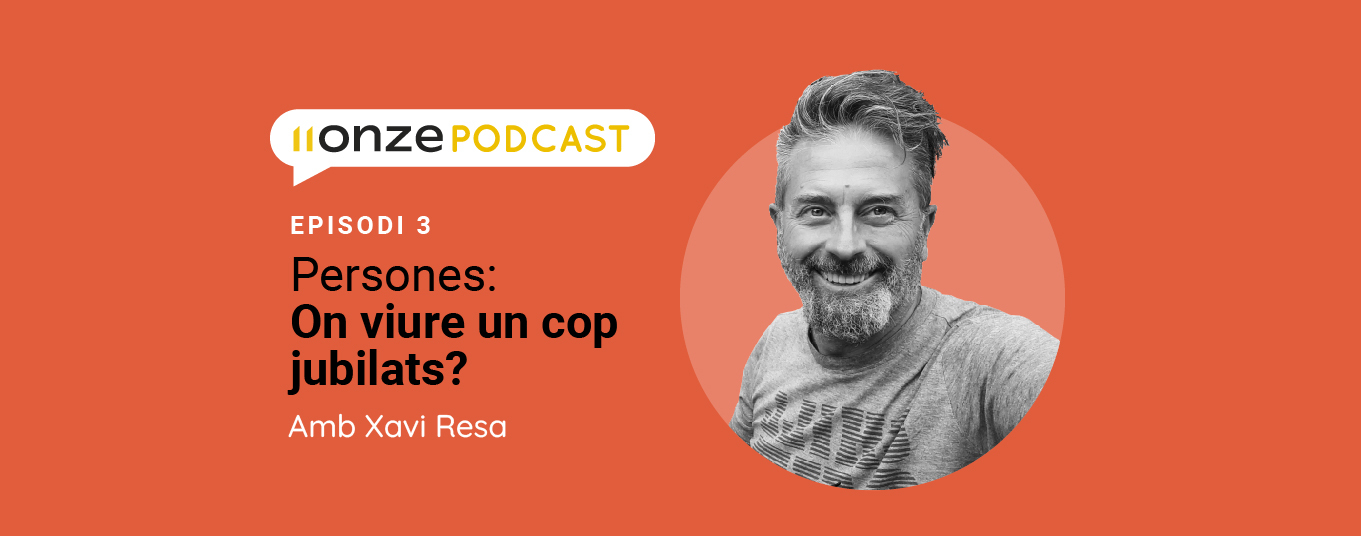
Episode 3 | People: Where to life after retirement?
What do you want to be when you grow up?
It should be borne in mind that, currently, in Catalonia, the 50-60 age group is made up of more than one million people. If we add people up to the age of 80, the figure rises to more than two and a half million, according to figures from Idescat. In fact, Spain is one of the countries with the longest life expectancy.
And yet, the truth is that socially, there is rejection and unease when people think about the elderly. The main question for many is: what will happen when I reach old age? Will I be a burden on my children? Will I end up in a nursing home? The fear of loneliness and the fear that they will decide for you are some of the most frequent thoughts when imagining this stage of life.
For this reason, projects such as Resa y Flores, like other initiatives such as those of Sostre Cívic, favour, both financially and in terms of lifestyle, this group of people who will soon reach old age. And, at the same time, they benefit the nearly 200 villages in Catalonia that urgently need more population and a new boost to their economic activity. El Somni dels Faraons is a complex project, but, as Reza says, it has been thought out down to the smallest detail, with a clear objective: to seek the common good and ensure that everyone has access to a dignified old age.
Do you want to be the first to receive the latest news about 11Onze? Click here to subscribe to our Telegram channel


Summer is a time when we can do things with the family, share and enjoy a few days’ holiday. The pandemic that kept us cooped up at home last year is subsiding, and many families are thinking of going on holiday for a few days.
Planning a holiday is a job to be done, especially if you are travelling with children. Finding a place that is suitable for them and, at the same time, pleasant for adults, is not an easy task. Not all tourist destinations are designed for children. Therefore, it is necessary to look for destinations that are prepared to welcome families, with spaces and activities designed for young and old alike. In fact, the tourism sector is increasingly specialising according to the needs of the client.
Catalonia is a country full of opportunities. A tourist destination par excellence, it has managed to diversify its offer. Family tourism is one and, nowadays, there is a wide range of proposals to suit all types of families: large families, single-parent families, families with one or two children… That is why, when choosing a destination, one must take into account, among other aspects, the budget, the tastes, and ages of the different members of the family, the duration, the distance, etc.
Choosing a place adapted to the needs of both children and adults is key. Catalonia has quality destinations that meet a series of requirements considered suitable for family tourism, to which the Catalan Tourism Agency awards the Family Tourism mark. This mark accredits them as destinations that provide a diversified offer of accommodation, catering, and leisure and entertainment establishments aimed at children.
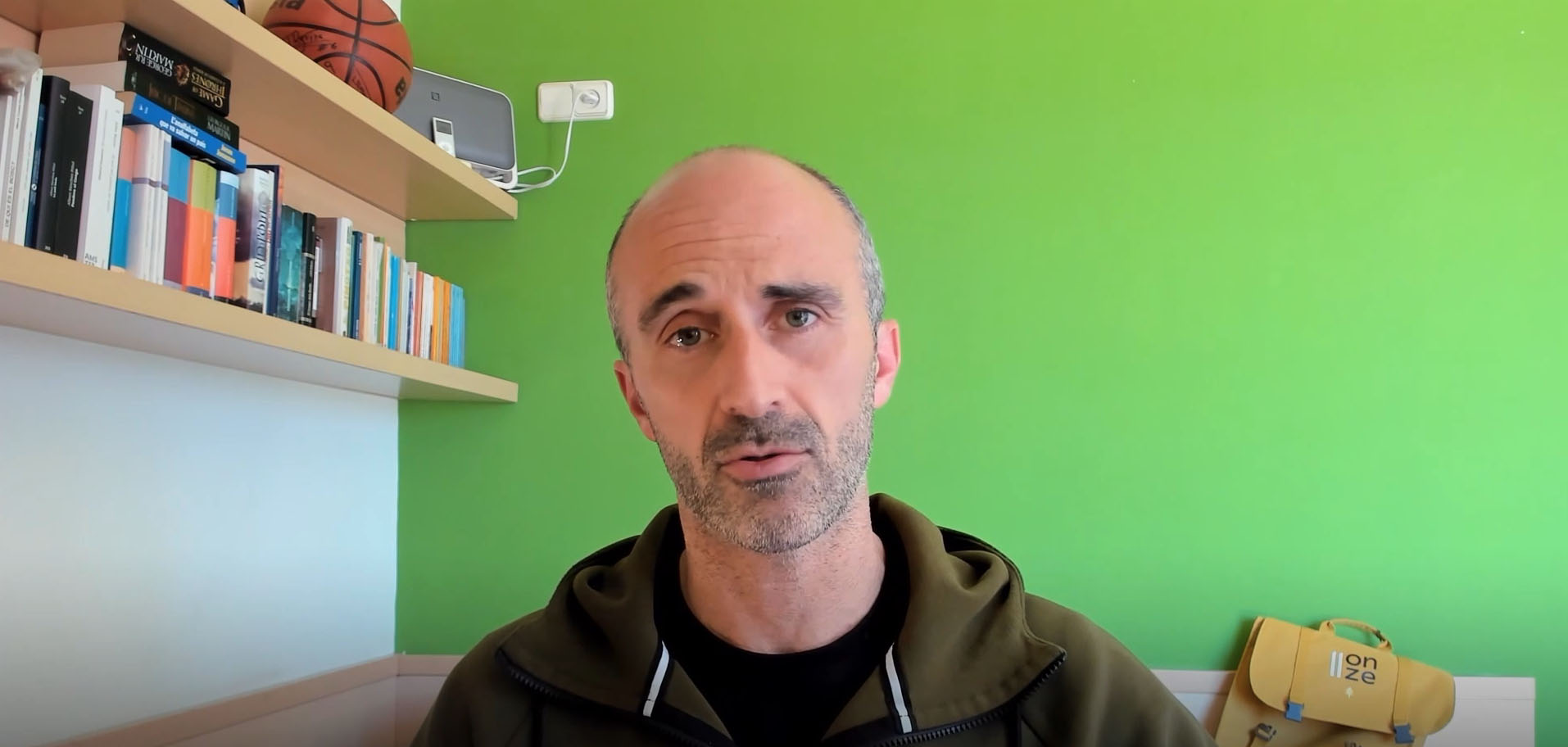
Iu Alemany gives us tips on how to live together as a family.
Sea or mountain?
Specifically, there are 27 destinations that have the Family Tourism brand. These are divided into two groups: sea destinations and mountain destinations.
The seaside destinations have the Family Beach label. Nineteen municipalities on the coast have it. We find Pineda de Mar, Castelldefels, Vilanova i la Geltrú, Salou and Cambrils, among others. Lifeguard services, restaurants with children’s menus, activities on the sand, in the water, and a long etcetera, designed for young and old, help to make the time easier for everyone.
As for families who prefer mountain activities, there are 8 municipalities with the Nature and Mountain in family brand. Nature lovers will find a wide range of leisure activities on offer: educational centres, adventure sports, ski resorts open in the summer, etc.
In addition, in both sea and mountain destinations you will find accommodation prepared for families: hotels, campsites or flats that even offer a pushchair, cot, and baby seat service so that you don’t have to carry your own luggage; a nursery service; complementary activities; monitors; etc.
Travelling as a family is an opportunity that presents itself when we can enjoy a few days’ holiday. Planning them well and choosing a suitable place according to the age and tastes of the youngest members of the family will guarantee a successful stay.
11Onze is the community fintech of Catalonia. Open an account by downloading the app El Canut for Android or iOS and join the revolution!


They say that you are not so much what you say as what you do, and in this sense the Catalans do many things, and the most important thing is that they do them together. There are 74,438 associations in Catalonia, according to data from the Department of Justice in 2020. A figure that serves to understand the magnitude of this network in the social sphere. Self-organisation marks and defines Catalan society
As a concept, associationism refers to the voluntary organisation of people seeking a common interest, be it cultural, political, sporting, social assistance, leisure or any other field. The essential point is that this activity is done on a non-profit basis and for the benefit of society.
From clandestinity to the creation of a social fabric
Historically, the term associationism was born in the 19th century as a result of the theories of utopian socialism and although guilds and brotherhoods were already created in medieval times with the intention of defending common interests, it was not until the era of the Industrial Revolution that associations as such proliferated. The purpose has always been the same: to look after the needs of society. As the economic and business system moved towards incipient capitalism, the emergence of organised labour became necessary.
Throughout the 19th and 20th centuries, Catalan society created associations in different spheres, such as athenaeums, schools, cooperatives and trade unions. The emergence of many of these entities corresponded to the lack of these basic services, such as schooling, health or the defence of workers’ labour interests. In areas where there was no social protection, it was society itself that sought mechanisms to protect itself. It was also in these decades that the movement for the recovery of national consciousness emerged in an attempt to reclaim Catalonia’s own personality and fight for its preservation. A milestone that was blurred in the Franco era, when all Catalan national institutions and the network of associations were persecuted and repressed. In this context, the right of association was practically disqualified, but Catalan associations survived underground.

“The emergence of many of these entities corresponded to the lack of these basic services, such as schooling, health or the defence of workers’ labour interests.”
Associationism as a reflection of the Catalan people
The values of associationism mark the path towards a more committed and less individualistic society. In fact, if we analyse some basic elements of Catalan culture, we can see that this idea is in tune with the cultural reality. Pilgrimages, sardanes, local festivals, Sant Jordi? All involve getting together, organising, living together and sharing. It is no coincidence, therefore, that most Catalans spend part of their free time in associative or social activities with the aim of improving the quality of life of the country as a whole.
Variety is the spice of life, and when it comes to organisations, there is something for everyone. Any Catalan can nowadays find an association that is of interest to him or her, and where he or she can contribute his or her grain of sand. Sporting, historical, food-related, scientific, academic and social welfare concerns? Everything has a place in the Catalan associative fabric because everyone has a place in the associative fabric.
Beyond the reach of public bodies, this network of unstoppable people can actively and significantly contribute to creating opportunities and ensuring the benefit of all groups; no one can be left behind from a social point of view. In particular, associations have done and continue to do essential work focused on excluded groups, social emergencies, people with fewer resources, those affected by banking or systemic abuses, minority illnesses, support groups, and a long etcetera. Entities that have had to organise themselves internally and, in many cases, without public support, to meet the basic needs of citizens, both physical and psychological, in order to improve their quality of life.
A task that has never received the support it deserves and which, in many cases, is financed through donations and aid from citizens. Fortunately, social awareness is becoming more and more important and cooperation goes beyond the association itself to open up to all citizens in a circumstance in which the support of each one of the collaborators is essential. This shows that the associative fabric has a double aspect: active participation from within or collaboration from outside, so that the whole of society becomes part of it.
“Social awareness is becoming more and more important, and cooperation goes beyond the association itself to open up to all citizens.”
Culture, a basic pillar of development
In Catalonia, the culture of an entire people has been maintained over the years in the face of all kinds of social and political situations, thanks in large part to the associations and their work to preserve and strengthen the cultural fabric. To give us an idea of the importance of this, of the 74,438 associations mentioned above, 34,261 are of a cultural nature. The result is that Catalan society is committed to culture, and thus to knowledge, freedom of expression and the promotion of critical thinking.
Culture plays a key role in the development of a territory and becomes an essential part of citizens’ lives. Beyond books, series or museums, culture is also the language, the way we relate to others and to the environment, the customs that make us live in a certain way, celebrating specific dates or giving value to a feeling of belonging to a territory. Social solidarity and cooperation are two values that are also highly influenced by culture and which, in turn, can have a great influence on the social functioning of a people. Culture is practically everything, and associations take on the role of preserving this identity value through organisations and activities that promote its preservation.
“Culture plays a key role in the development of a territory and becomes an essential part of citizens’ lives.”
Social cooperation, a commitment to value
Associations understand the creation of a community on the basis of inclusion and with the aim of strengthening these links so that working together allows society to advance more and to advance better. In no case, however, should this union of people work on the basis of exclusion towards all those who are not part of it. This could lead to negative feelings on the part of the rest of the citizens and is far removed from the raison d’être of this type of organisation, where respect and teamwork mark its existence. Losing this essence would mean individualising the movement and condemning it to disappear.
The feeling of identity can have a great impact on a society and can be a determining factor in its development. A territory that believes in its people, that wants to defend culture and that promotes all kinds of activities based on self-organisation and voluntary work is, without a doubt, a territory with a desire to constantly evolve. In Catalonia, the associative fabric is witness to this desire and is growing every day with its sights set on the future, but without losing sight of its origins. Working collectively for a future with a fairer and more committed society is a commitment to people and to ensure that, from the associations, their welfare and that of the territory will be looked after.
11Onze is the community fintech of Catalonia. Open an account by downloading the super app El Canut for Android or iOS and join the revolution!


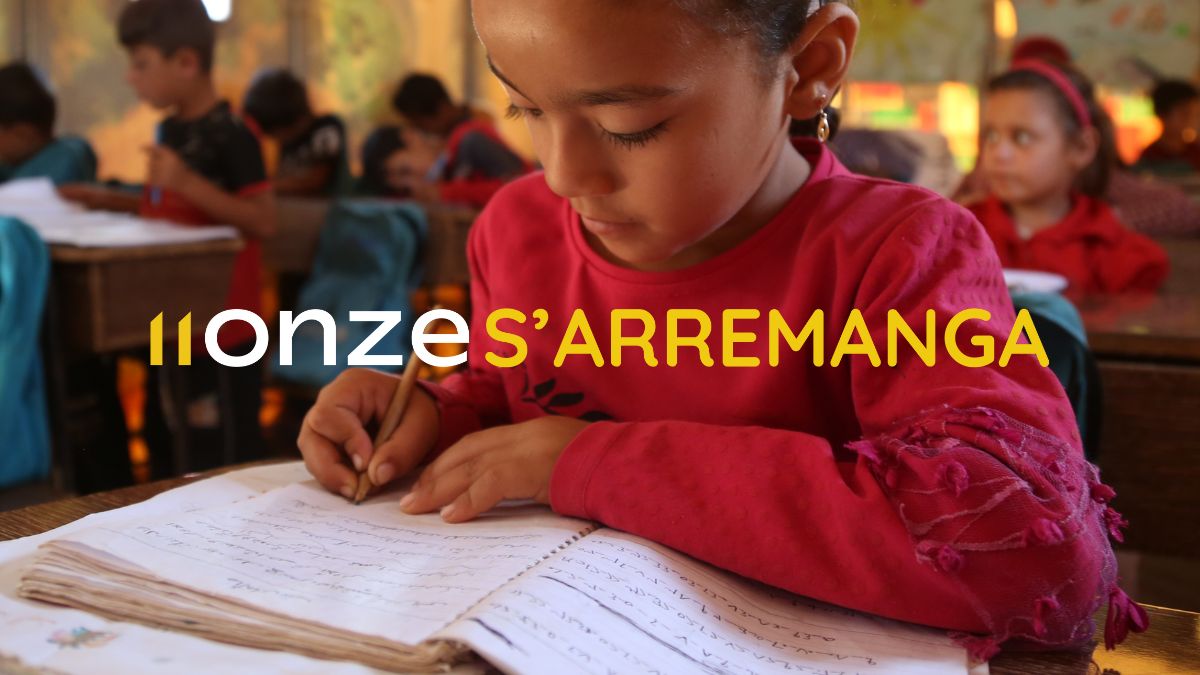
A UNHCR report on education and its importance in social inclusion shows that one of the most significant challenges facing refugee children is unequal access to education.
A common denominator of refugee crises is that, regardless of location, when families are forced to leave their homes, the stability of children’s lives is inevitably disrupted. Likewise, loss of security, dignity and access to education are among the most immediate consequences affecting displaced people.
A report was not necessary to understand the importance of ensuring that refugee children and youth have access to the education system, but it is important to know the numbers beyond the generic slogans that blur the problem. Specifically, to be able to provide the resources and tools needed to address the issues.
Talent is universal, education is not
The UNHCR report draws on data from more than 40 countries around the world and emphasises that, even before the pandemic, the proportion of 10-year-olds who cannot read or understand simple text was estimated at 57% in low- and middle-income countries, and 86% in sub-Saharan Africa, where millions of refugees live: “Poor quality education and lack of access to schools and colleges affect hundreds of millions of children. But there is no doubt that young refugees suffer most acutely”.
Data indicates how refugee children are falling behind non-refugee children in terms of access to quality education. The enrolment rate in kindergartens is only 42%, while primary education stands at 68%. Secondary education is significantly lower, at 37%, and superior education is only 6%, well below world levels, especially in richer countries.
By promoting an inclusive vision of education we can work towards a reality where all children, including refugees, have the same opportunities to grow, learn and aspire to a better future. This requires a collective solidarity effort that involves the participation of the whole of society, regardless of borders.
11Onze Rolls Up its Sleeves
From 11Onze we have decided to roll up our sleeves, and we want to build 50 Shelter Schools for the children of Northern Syria so that we can help 1,750 children. To make this possible, we need 100,000 euros that 11Onze Rolls Up its Sleeves will send to Better Shelter to carry out the action on the ground. Can we count on you?



Oxfam’s latest inequality report shows that since 2020, the world’s five richest people have doubled their fortunes, while over the same period, almost five billion people have become poorer.
On the eve of the annual World Economic Forum in Davos, which brings together heads of state, corporate leaders and academics from around the world, Oxfam has released its latest report on inequality and calling on countries to oppose the influence of the ultrarich on tax policy. As has become a tradition, the international body uses the occasion to highlight the gap between rich and poor, but this year it says the gap has been “supercharged” since the sanitary crisis.
Billionaires are three trillion euros richer today than they were in 2020. According to Oxfam, South African business tycoon Elon Musk, LVMH owner Bernard Arnault, Amazon founder Jeff Bezos, Oracle’s Larry Ellison and investment guru Warren Buffett have more than doubled their fortunes by 114% to €793 billion in three years, while the wealth of the poorest 60% of the population has declined.
The NGO notes that if this trend continues, the world could see its first trillionaire in the next decade, but that it will take 229 years to eradicate poverty. “We cannot continue with these levels of obscene inequality,” warns Amitabh Behar, interim director of Oxfam International, “capitalism is at the service of the super-rich.
Corporate power vs. public power
According to Oxfam, states have ceded power to corporate monopolies, allowing companies to influence the wages people are paid, the price of food and the medicines people can access. “Corporate power is used to drive inequality, squeezing workers and enriching wealthy shareholders, dodging taxes and privatising the state,” says Oxfam.
In this context, Behar says the solution must be for public power to curb “unchecked corporate power and inequality by shaping the market to be fairer and free from billionaire control”, adding that “governments need to intervene to dismantle monopolies, empower workers, tax these huge corporate profits and, crucially, invest in a new era of public goods and services”.
The organisation stresses that thanks to current tax policymaking, corporations have been able to pay lower corporate taxes, depriving governments of money that could be used to help the poorest in society. Seven of the world’s 10 largest companies have a billionaire CEO, or a billionaire as their largest shareholder.
In this regard, the director points out that corporate taxes have fallen significantly in OECD countries, from 48% in 1980 to 23.1% in 2022, and calls for a wealth tax on the world’s millionaires and billionaires, which, he says, could bring in $1.8 trillion each year. It also urges governments to limit the pay of CEOs of large corporations and to break up private monopolies.
11Onze is the community fintech of Catalonia. Open an account by downloading the super app El Canut for Android or iOS and join the revolution!