11 tips to improve family finances
La pujada generalitzada de preus està complicant les finances de moltes llars. Cada vegada és més difícil quadrar els comptes per a arribar a final de mes i encara més dedicar una part dels nostres ingressos a l’estalvi. Davant aquesta situació, recollim onze consells per a millorar l’economia familiar.
- Aplicar la fòrmula del 50/30/20. Es tracta d’intentar distribuir els nostres ingressos de forma que el 50 % es dediqui a les despeses (llum, aigua, lloguer, hipoteca, telèfon, menjar, estudis…), el 30 % al nostre oci (les nostres sortides en esmorzars o dinars fora de casa, vacances, regals…) i el 20% restant a l’estalvi.
- Retallar subscripcions innecessàries. A quantes plataformes digitals estem subscrits? Les fem servir totes? Cal que les continuem pagant? I aquella subscripció a aquella revista que mai acabem llegint? Totes les subscripcions automàtiques s’han de revisar per valorar si són necessàries. Avui en dia existeixen diferents plataformes amb contingut en línia que són legals i gratuïtes, només cal fer una ullada per Internet per trobar-les. I recordem que les biblioteques també són una gran font de llibres i contingut audiovisual.
- Revisar els nostres contractes de llum, gas i telèfon. Cal revisar amb molta cura els contractes que tenim amb les diferents companyies de serveis. És una de les partides on més diners se’ns en van sense adonar-nos al cap de l’any. No podem prescindir d’aquestes despeses, però sí reduir-les.
- Fer més àpats a casa. Reduir les vegades que sortim a menjar fora de casa o que comprem menjar per emportar-nos pot arribar a ser una molt bona font d’estalvi. No cal deixar d’anar als restaurants, però sí reduir la quantitat d’àpats que fem fora de casa, i més si som una casa de família nombrosa.
- Reutilitzar. Quan una cosa se’ns faci malbé, mirem si podem reparar-la i allargar-ne la vida abans de llençar-la a les escombraries. També és una bona eina d’estalvi comprar roba de segona mà, llibres, mobles i fins i tot electrodomèstics.
- No comprar impulsivament. Una de les raons principals per les quals no fem un bon ús dels nostres diners són les compres compulsives. A partir d’ara, quan vulguem una cosa, donem-nos un marge de temps per saber si de veritat la necessitem. Ens sorprendrà comprovar que podem prescindir de gran part de les coses que volem comprar a cop de targeta.
- Comparar preus. Quantes vegades ens ha passat que comprem un telèfon mòbil, per dir un exemple, i l’endemà veiem una oferta del mateix producte en una altra botiga? Això ens passa per no comparar. Hem d’aprendre a comparar tot el que comprem, fins i tot el menjar.
- Fer servir menys el cotxe. Tot i que molta gent no pot prescindir del transport privat, sí que en podem reduir l’ús. Mirem d’utilitzar el transport públic o compartir cotxe si és possible. I fem ús també de la bicicleta, i sobretot, de les nostres cames, que caminar és sa i gratuït.
- Escollir una bona entitat financera. Són necessàries totes les nostres targetes de crèdit? Quines comissions ens cobra la nostra entitat financera? Revisem si aquesta entitat financera ens ajuda a tenir una bona economia personal, o si, per contra, cal que fem un canvi. Actualment, hi ha moltes entitats financeres amb eines que ajuden a controlar les teves despeses i que alhora et donen un cop de mà per estalviar: escollim una bona entitat financera pel nostre futur.
- Adaptar-nos a la nostra butxaca. Si ingressem una certa quantitat de diners, no fem més del que la nostra economia es pot permetre. No cal “estirar més el braç que la màniga”, com diem els catalans. Fem un ús responsable dels nostres diners segons els nostres guanys.
- Ser previsors. Hem d’analitzar l’evolució de les nostres despeses en els últims mesos per comprovar en què se’ns va els diners i on podem retallar. Davant l’actual situació inflacionària, en alguns casos serà necessari aplicar una “economia de guerra” segons com estimem que evolucionaran els nostres ingressos i despeses.
Ja fa dies que sabem que els diners no fan la felicita. Però podem aportar estabilitat a la nostra economia personal per evitar-nos disgustos. A més, en aquests temps d’incerteses econòmiques, val la pena recordar la frase que ens va deixar el filòsof Sèneca: “No és pobre qui té poc, sinó qui molt desitja”.
Si vols descobrir la millor opció per protegir els teus estalvis, entra a Preciosos 11Onze. T’ajudarem a comprar al millor preu el valor refugi per excel·lència: l’or físic.


Women hold only 34% of managerial positions in Spain. An insufficient number that has brought to light a new leadership, in female key, which breaks and weakens more and more social barriers.
Spain establishes, by law, that people of the same sex should not exceed 60% in private management positions. It seeks what, in the words of the philosopher and economist John Stuart Mill, would be a “perfect equality that does not admit power and privilege for some or incapacity for others”. In practice, however, the figure is blurred and this purpose remains a challenge. Since women entered universities in 1910, they have encountered the paradox that, despite having the same education, they cannot access the same positions.
Female leadership: reinvent the future
A working life marked for generations by male bosses and which, little by little, as the figures show, opens the door to the other half of society. And while the difficulty of accessing certain positions remains, family life reconciliation remains a challenge and the pay gap a reality, more and more women are taking the reins of their professional lives and, therefore, of their life. Female leadership brings to light this revolutionary spirit which, far from the patterns hitherto marked, claims that power can also be conscious, transformative, and sustainable.
Entrepreneurship and sorority: leadership takes new forms
Talking about female leadership is often talking about entrepreneurship. The observatory conducted by the company Extraordinaria in 2020 found that 58% of entrepreneur women did it out of necessity. This figure can make us think of circumstances such as the difficulty of promoting within companies, the impact of family life reconciliation or motherhood on working life, or the exclusion from the market that many women of a certain age suffer. The causes are many, and the answer is clear: if they cannot follow the path marked by society, they will make their own path.
This is the case of Gemma Fillol, who has shown from her experience that entrepreneurship becomes leadership. She is currently the CEO of Extraordinaria, the entrepreneurship and feminine leadership network that connects more than 50,000 women in Spain. Based on the figures in the study, she points out that “women work for different reasons than men. In fact, one of the main fears of entrepreneur women is not billing but not being able to handle everything. In the end, it is the here and the now that moves us. At Extraordinaria we observe what these behaviours are and how we can help them. How to create sorority”.
Society remains deeply unequal and Fillol claims access to the same opportunities and rights “from the most absolute difference, because the difference is enriching”. According to her, one tries to lead from a feminine point of view, but the system is masculine, and this causes the clash of these two worlds, two ways of acting and seeing the world. This is why many women who access high positions do so from these male patterns that have traditionally been associated with power.
What are the keys to female leadership?
More cooperation and less competition. More teamwork and less hierarchy. More empathy, collaboration, and intuition, and less passivity, control, and impulsiveness. Many authors have described the characteristics of this leadership, and precisely this need to transform concepts that until now we associated with power: it is the first step to understand that female leadership is not only about a woman assuming a position, but a woman who wants to provide a new vision of working, communicating, and even understanding the company and its goals.
As Fillol points out, “we seek not only to create sustainable businesses economically, but also in the human sphere. Making a social impact, changing the status quo. The purpose is very clear, companies are being built from somewhere else and this is very revolutionary. The capital is not the most important thing, and the Covid-19 crisis has shown that the companies that have survived are the ones that have made an effort in activating empathy and active listening”.
Precisely this feminine vision in terms of decisive sensitivity and empathy was referred to by ECB President Christine Lagarde in 2008, when she said that “if it had been Lehman Sisters instead of Lehman Brothers, the world would look different”.
From exclusive leadership to participatory leadership
“Resilience, the ability to emerge stronger from an impact, is a characteristic of leadership”, and this is precisely the key for the leaders of the future. Move away from the image of power and possession, and link themselves to contribution and cooperation. A leadership that goes from being within the reach of a few to becoming popular: “For me, a leader is a responsible person committed to their success and the impact they want to leave in this world”.
True female leadership is what generates a positive impact, not just from senior positions, but across the board. From the bottom to the top. As Gemma Fillol concludes, “we all make an impact. Activism can be practised from as close aspects as the children’s school, the stores where you shop, or who you vote for. We should all be conscious people, question everything, and be committed to our deepest longings and the imprint we want to leave on the world. We should all be leaders”.
11Onze is the community fintech of Catalonia. Open an account by downloading the super app El Canut for Android or iOS and join the revolution!


Els diners formen part de la nostra vida des de ben petits. Amb les primeres monedes que posem a la guardiola, els diners que ens donen els avis per l’aniversari, la primera feina d’estiu, l’ajuda dels pares per comprar-nos els primers capricis… I de sobte, arriba la majoria d’edat i, entre molts d’altres canvis, per primera vegada tenim el control sobre els nostres diners. Però realment ens han ensenyat a gestionar-los? Serem capaços d’independitzar-nos, d’arribar a final de mes? La resposta és que, sens dubte, sí, controlar tot això està a les nostres mans, i només necessitem una mica d’organització per treure’n el màxim rendiment.
Per què necessito els diners?
El primer estereotip que hem de trencar respecte als diners és comparar-nos amb els altres. Calcular el que tenim o guanyem en funció del que té la gent del nostre entorn no és ni ser objectiu ni realista. Cadascú neix i creix dins un entorn determinat, en unes condicions sobre les quals rarament ha pogut influir. Si estàs estudiant i tot just comences a encaminar el que serà la teva vida, treu-te la pressió de sobre, perquè res està escrit, i l’important no és on comences sinó on pots arribar. Així doncs, el primer que ens cal fer és analitzar la situació actual i determinar el nostre objectiu a mitjà termini. No serà el mateix viure a casa dels pares i centrar-nos en els estudis que tenir la voluntat d’independitzar-nos, encara que per aconseguir-ho hàgim d’invertir part del nostre temps en treballar. Determinar això ens portarà a la següent pregunta: quants diners necessito per viure?
En aquest punt ja hem de començar a jugar amb les nostres finances i diferenciar les despeses fixes de les variables, tal com fan les empreses. Les fixes seran totes aquelles que tenim tant sí com no cada mes, com ara el lloguer del pis, el gimnàs, el preu de la targeta de transport o una subscripció a Spotify. En el cas de les variables, seran totes aquelles en què l’import pot variar d’un mes a l’altre en funció de les nostres necessitats. Per exemple, tot i que el menjar és imprescindible, no gastarem el mateix un mes que l’altre, i justament és un dels punts on podem retallar despesa. Amb això no ens referim a deixar de menjar o comprar els productes més econòmics del mercat, independentment de la seva qualitat. Més aviat ens referim a tot el contrari: apostar per un consum més responsable.

Com puc reduir la meva despesa mensual?
Només cal mirar l’entorn actual per veure que les tendències de consum, és a dir, el tipus de compra que fa la major part de la societat, està canviant, i cada vegada són més les persones que en comptes de comprar en grans superfícies industrialitzades busquen el producte de proximitat, més qualitat i menys quantitat. Aquests petits canvis ens permetran fer una compra amb consciència, prioritzant només els productes que necessitem i cuidant al mateix temps la nostra salut i economia. Algun exemple que podem aplicar a la nostra vida diària podria ser beure aigua en envasos reutilitzables (ampolles de vidre o metàl·liques) i evitar així la compra diària d’ampolles d’aigua, tot substituint-les per garrafes que són més econòmiques i ens duraran més temps.
El mateix podem fer a l’hora de la compra, portant la nostra bossa per evitar comprar bosses de plàstic. Un altre truc útil pot ser organitzar el nostre menú setmanal, per saber què menjarem cada dia i, per tant, què ens cal comprar. Ni més ni menys. Pel que fa a productes d’higiene, podem optar per paquets familiars, on hi ha més quantitat per menys preu, o bé alternatives com les pastilles de sabó o les copes menstruals que, més enllà de ser econòmiques, no generen residus. També existeixen botigues a granel on pots comprar només la quantitat que necessites, sigui de productes alimentaris o de neteja de la llar. Investiga la teva zona i busca l’opció que més s’adapti a la teva butxaca, recordant sempre que allò que s’ha fet sempre, o allò que fa la majoria, no sempre és la millor opció per tu.
Pel que fa al transport, també cal buscar aquest equilibri i valorar alternatives al transport privat, que suposa un cost més elevat si sumem gasolina, impostos, assegurança i reparacions. El transport públic o la bicicleta són dues opcions econòmiques que ens poden ajudar a controlar les nostres despeses al mateix temps que cuidem el medi ambient. Fins i tot en el moment de sortir de festa podem retallar despeses si actuem amb consciència. Reservar amb antelació, aprofitar ofertes i descomptes o marcar-nos la quantitat que volem gastar abans de començar la nit ens ajudarà a mantenir un cert control. Si aquesta última part és la més difícil, un truc pot ser portar en efectiu l’import que volem gastar. D’aquesta manera, no hi haurà marge de passar-nos de pressupost i això ens permetrà gestionar millor les sortides, sense gastar ni un euro més del que toca.
Controla la teva situació econòmica des del mòbil
Aquestes són algunes de les recomanacions que ens ajudaran a mantenir el control dels nostres estalvis, però la tasca important és analitzar la nostra situació particular i fer-nos les següents preguntes: de quins ingressos disposo? Quina quantitat he de destinar a despeses fixes? Què em queda per destinar a l’oci? Necessito estalviar de cara al futur?
Si una cosa tenim a favor, és que actualment existeixen aplicacions per gairebé tot. Controlar les nostres finances mai ha sigut tan fàcil. La majoria d’entitats financeres s’estan posant les piles des de fa anys perquè l’experiència del nou client digital sigui intuïtiva i àgil, de manera que en un sol clic tinguem a la nostra disposició tota la informació que desitgem, des del saldo total del compte (els diners de què disposem), fins a les despeses que hem realitzat amb la targeta, veient de manera gràfica on estem destinant la major part dels nostres diners. Això ens permetrà fer-nos una idea de la nostra situació actual i cap a on hem de dirigir els esforços futurs.
Treballar i estalviar, els dos grans aliats per tenir diners
Una eina clau per gestionar els nostres estalvis són les guardioles digitals, un espai del compte on posarem els diners que volem destinar a una activitat concreta. El funcionament n’és senzill: ens hem de proposar un objectiu, sigui un viatge o alguna cosa que volem comprar, i a partir d’aquí calculem quin import hauríem d’ingressar cada mes per aconseguir-lo. Cal buscar l’equilibri entre allò que desitgem i els nostres recursos actuals. Si volem més diners, haurem de treballar més. Si no podem treballar més, els haurem de gestionar de forma més eficient. Però, sigui quina sigui la nostra situació, prendre el control de les nostres finances i saber en tot moment què està passant al nostre compte corrent és indispensable.
L’últim consell és no perdre de vista que mai caminem sols. Tenim pares, familiars i molta gent al voltant que ens pot ajudar a entendre què significa tot allò que té a veure amb els diners, que, en definitiva, és entendre com funciona el món actual. Tenir el seu suport i seguir els seus consells serà un pilar indispensable perquè aquest primer contacte amb el món de les finances sigui clar i comprensible. Quan prenem el control dels nostres diners, estem prenent el control de la nostra vida.
11Onze és la comunitat fintech de Catalunya. Obre un compte descarregant la super app El Canut per Android o iOS. Uneix-te a la revolució!



One of the most important details when taking out home insurance is to calculate the value of the contents, that is, all the things we have at home. This will allow the insurer to compensate us in the event of a claim or theft.
A home insurance policy should include the value of the contents of the home, which includes furniture, household goods, valuables and jewellery. Calculating their value is easier than we think, as Sara Casals, junior product manager at 11Onze, explains.
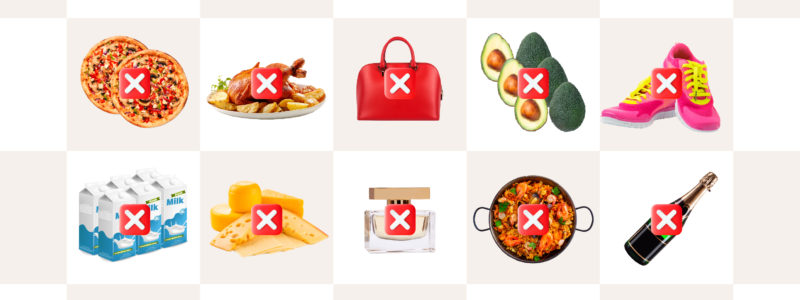
The most advisable way to estimate the value of our belongings is to do it room by room, drawing up a list of all the goods and assigning a replacement value to each one of them, which is what it would cost us at the moment to buy the object on the market. We should bear in mind that the valuation of the contents will determine the price of the insurance, so it is not in our interest to value it above the real price, as this would increase the cost of the insurance.
Jewellery and valuable objects such as works of art have a special treatment and must be declared in their corresponding section. Furthermore, regarding this type of objects, “the level of cover that the insurer will offer us will be related to the security measures that we have in the home”, says Casals.
How much is what I have at home worth?
If you want to discover fair insurance for your home and for society, check 11Onze Segurs.


We have carried out a study of the costs of home insurance through a survey on the members of our community who are homeowners, with the aim of analysing the competitiveness of the product that we offer through 11Onze Segurs.
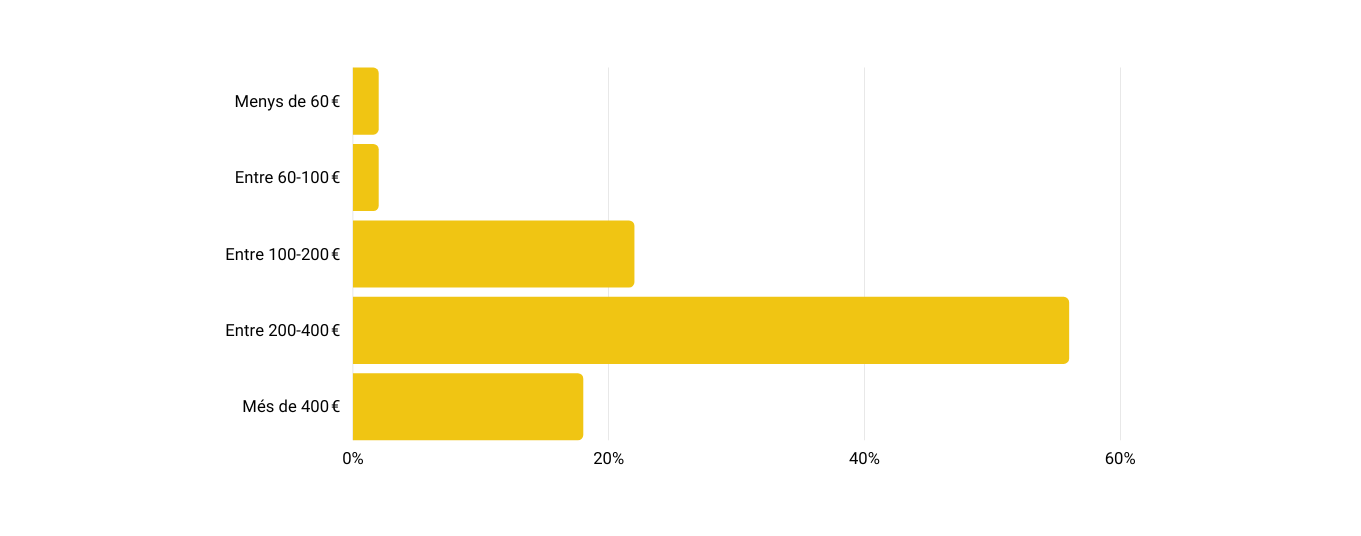
The survey was conducted by 11Onze through our Telegram channel with the participation of 279 users who responded to the question: “How much do you pay for your home insurance each year? They were given the option to choose from a range of prices ranging from €60 per year to more than €400.
The final data shows that 56% of users pay between €200 and €400 per year for their home insurance, while 22% spend between €100 and €200 per year. In addition, 18% pay more than €400 per year. These results are in line with the average annual price of home insurance in Spain, which is around €301 per year.
How much do you pay for your home insurance?
A more competitive alternative
At 11Onze Segurs we believe that you can reduce the cost of home insurance by optimising processes and personalising coverage. That’s why we have a completely digitalised platform, where we do away with paper contracts, physical agencies, management fees, cancellation and contract change fees, which is already a considerable saving, but we also let you modify and adapt the coverages to your needs at any time, before and after signing the contract.
In this way, we can offer you home insurance from €5 per month. Our policy is designed so that you do not pay more for your insurance, offering a monthly or annual fee, without permanence, between 15%-20% cheaper than with traditional insurers. What is the monthly cost of your current home insurance? Do you want to know how much you could save? Try our price simulator by entering some basic data, and you’ll get your no-obligation quote instantly.
If you want to discover fair insurance for your home and for society, check 11Onze Segurs.

To transform an idea into a business, it is essential to have a global vision of the business project. The Business Model Canvas is a strategic management tool that allows you to organise and visualise all the key aspects of a company. Xavi Viñolas, Content Manager at 11Onze, explains how to use it.
If we want to create a company, it is not enough to have a business idea and an entrepreneurial spirit. To find out if a business project is feasible, you have to create a business plan that takes into account all areas of the business over a long period, to analyse the feasibility of the project, defining the objectives and considering the drawbacks.
What is the Business Model Canvas
The Business Model Canvas is a template that allows us to analyse and visualise a business proposal or the opacities of an existing business in a clear, agile and simple way. This allows you to prevent the business objectives from being unclear, unrealistic, or inadequate.
It is also an ideal tool for creating innovative models to generate value for customers. As Xavi Viñolas explains, “It is a very useful tool to explain to potential investors or partners how our business provides value to the consumer and, at the same time, how this consumer creates value for our business”.

How will Business Model Canvas help you?
The 9 building blocks of the template
Alexander Osterwalder, the creator of the Business Model Canvas, explains the concept: “The best way to describe a business model is to break it down into nine basic building blocks that reflect the logic a business follows to achieve revenue. These nine building blocks cover the four main areas of a business: customers, offerings, infrastructure and economic viability”.
- CUSTOMER SEGMENTS. That is, who is this business aimed at? Who is our customer? What is our market segment?
- VALUE PROPOSITIONS. Quite simply, what products or services do you offer that create value for your customers? What makes us different?
- CHANNELS. How is this product or service distributed? Is it an intangible product or service that you sell through an app or a website? Is it a product or service that has to be sold or provided through a physical shop or office?
- CUSTOMER RELATIONSHIPS. Here we describe what kind of relationships we have with our customers. Are we targeting a customer who will only buy from us once? Or do we have a business that is looking for a recurring customer, such as a subscription?
- REVENUE STREAMS. How do we monetise the business – is it a direct sales proposition or a recurring subscription model? How do we price our product?
- KEY RESOURCES. These can be your factory, your employees, intellectual property, things, or people that are essential to your business.
- KEY ACTIVITIES. Activities that you do with the key resources and that are necessary to realise the value proposition: marketing, production, sales.
- KEY PARTNERSHIPS. The people or organisations you need to execute your business model and produce value for your customers.
- COST STRUCTURE. And finally, all this will cost you money, right? What fixed, and variable costs determine our business model? Is it a scalable model?
If you want to find out how to get returns on your savings with a social justice product, 11Onze recommends Litigation Funding.

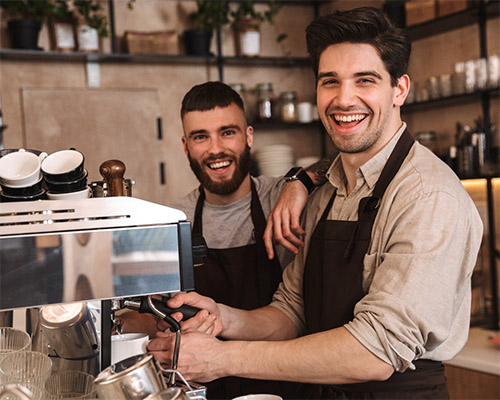

Innovative ideas are vital for the evolution of a country’s economy. These ideas are also essential for start-ups’ growth, but obtaining money to develop them is not always easy for entrepreneurs. That is why we give you three tips to get started.
When we think of setting up a business, the first thing we think about is that we have to ask for money from a financial institution. Even so, obtaining the initial financing to start up a business from scratch can be a real hassle. They may tell us that we lack guarantees to repay the loan or credit we have requested and, in addition, they are going to demand a very elaborated project and a market study that defends our viability.
If we are talking about financing for companies, we may think of the ICO lines, promoted by the State, but applied by financial institutions, which have a limit on the funds to be granted. Once the money allocated to us for a specific period runs out, they cannot give us any more loans. Furthermore, this type of aid is not specifically aimed at entrepreneurs.
First tip: look for programmes for entrepreneurship
The public sector, aware of emerging companies’ difficulties, has lately been implementing different aids and programmes for those wanting to start up in the business world. These aids emphasize groups that are more vulnerable or have more obstacles to achieving their objectives, such as women and young people.
As with any procedure involving the public administration, it turns long and complicated to try to apply for these programmes that help us to start up our business. But, if we are very clear about the project, we must seek the funding we need by all available means. Nowadays, there are grants of all kinds. So we will only have to look for one that fits us like a glove.
Second tip: separate the wheat from the chaff and ask for help
However, separating the wheat from the chaff in these grants can be a complex exercise, because our ideas cannot always be categorized in the pre-established classifications. But surely some programme will be close enough to what we hope for, and we will be able to present our project. In any case, in the administrations there are advisory services, such as Barcelona Activa or Creacció, which have a specific programme for entrepreneurship, although it is only a support.
We must bear in mind that there are programmes that select projects on a competitive basis, such as the INNOTEC programme, which co-finances research and development (R&D) projects up to 70%. There are others that simply help us with tax issues, to reduce costs. They can be very useful, even though paying less tax probably is not going to help us get the project we have in mind off the ground. The important thing is that there is a wide range of options, especially if our fields are innovation and environmental improvement.
On the other hand, the European Union has also developed programmes such as the EU Recovery Plan, within which we find the European funds for digital and ecological transformation, and, more specifically, an exceptional instrument to finance European reactivation after the pandemic. It is the so-called Next Generation EU, endowed with 750,000 million euros, and divided into different calls that include more specific objectives, such as female entrepreneurship.
Because women undertake almost 50% of the initiatives in Spain, according to the GEM Spain 2018-2019 report, which shows that the rate of female entrepreneurial activity has not stopped growing, thus narrowing the gender gap. For this reason, we can find aid and incentive plans exclusively for women, such as Emprenedores Digitals.
Third tip: the key is perseverance
Within this complex world of financing for start-ups, there are initiatives such as the Esmorzars de Finançament, promoted by the Agència per la Competitivitat de l’Empresa (ACCIÓ), which aim to put entrepreneurs in contact with potential investors, the so-called “angel investors”.
To start up a business, a revolutionary idea, it has always been necessary to have a patron who believes in the project, as much or more than we do ourselves. But if it has not yet appeared, we cannot give up. Remember: if the best-known inventors in human history had not persevered, we would not have achieved the breakthroughs and milestones we have collectively achieved. As the famous illustrator Walt Disney said: “All dreams can come true, if we have the courage to pursue them“.
If you want your business to make a giant leap, use 11Onze Business. Our business and freelancer account is now available. Find out more!


The evolution of the qualities that define a good leader cannot be analysed independently of the transformation of society over time. Pilar Oltra, 11Onze agent, analyses how the concept of leadership has changed over the course of history.
Classical leadership, which prevailed from time immemorial until the 19th century, prioritised values such as bravery, strength, shrewdness and even ‘respect’ through fear. Today, concepts such as empathy, or the difficulty of maintaining the motivation and commitment of employees, take centre stage when it comes to defining a good leader.
As Oltra explains, nowadays, a leader “develops his activity from vulnerability, analysing his strengths, weaknesses, threats and opportunities, as well as his values, emotions and beliefs”, which is fundamental to awaken the positive feelings of his collaborators.
Leadership in the XXI Century: Assertiveness
Emotional intelligence
The ability to recognise one’s own and other people’s feelings and to connect appropriately with other people, known as emotional intelligence, helps us to resolve conflicts, to be more empathetic and to communicate effectively. “It makes leadership increase individual, team and organisational performance,” says the 11Onze agent.
A good leader has to be able to combine the achievement of tasks with behaviour oriented towards facilitating relationships between people. As Oltra explains, “leaders are needed to meet business objectives, but also to be skilled enough to involve their teams so that they feel equally inspired”.
11Onze is the community fintech of Catalonia. Open an account by downloading the super app El Canut for Android or iOS and join the revolution!

The framing effect is a cognitive bias according to which the same information, presented in different ways, can lead us to different conclusions. Lara de Castro, from the Human Resources team at 11Onze, explains how this distortion of perception can affect our day-to-day decisions.
We all like to think that when it comes to making a decision or a choice we follow our criteria with a certain objectivity, but as Lara de Castro explains, “our critical thinking is not as impartial as we think it is, but rather we respond according to how the question is posed to us”.
There are countless examples of how cognitive bias determines people’s decision-making. It is a cognitive framework where people decide on one option or the other depending on whether the options are presented with positive or negative connotations. For example, if you have to undergo surgery, and you have to sign a document to give your consent: if you are told that there is a 90% chance that it will go well, you are more likely to sign the document than if you are told that there is a 10% chance that it will go badly.
Frame effect
Taking advantage of this intrinsic cognitive bias in people based on how the brain makes comparisons between positive vs. negative, loss vs. gain, better vs. worse, etc., makes it easier for “people, governments and companies that dominate communication to do what they want with us”, says de Castro.
De Castro makes a reflection in this sense: “If we focus on the world of finance, this bias is even scarier, because it suggests that the decisions you make in relation to your personal finances are determined by the way the question is posed, and by whom it is posed”. Hence, the importance of financial education, as being informed is the only antidote that has been shown to be effective against marketing techniques that exploit cognitive bias to influence our decision-making.
11Onze is the community fintech of Catalonia. Open an account by downloading the super app El Canut for Android or iOS and join the revolution!



Taking out home insurance is essential to protect ourselves against incidents that may affect our home, but it is often not easy to understand the policy terminology. We explain some basic concepts you ought to know.
A home insurance policy is a contract by which the policyholder (the person who takes out the policy) pays a premium (amount of money) to the insurance company in exchange for being guaranteed coverage for a risk that is defined in the policy. For this reason, it is important that, when taking out the policy, you study each of the clauses of the contract carefully. We help you to familiarise yourself with the terminology used by the insurer to make the whole process easier.
Building
The building is understood to be all the structural elements of a property, that is to say, the foundations, walls, ceilings, doors, windows, as well as the electrical installation, water and security devices. Basically, all those elements that if we were to turn the house upside down would not fall, as well as any structure attached to it (the garage, the swimming pool…).
You have to bear in mind that each insurance company may have small variations when considering which elements make up the building. Even so, you should be aware that the amount of the building cover does not represent the purchase price or the current market value, but the cost of rebuilding the home.
Contents
The contents refer to all those elements or goods found inside the property: furniture, electrical appliances and other electronic devices, as well as clothing, jewellery, works of art and any valuable personal effects. Contents cover can help you recover the cost of replacing your items that have been damaged in various situations, or that you have lost in the event of theft.
Bear in mind that you will need to make a list of all items before taking out insurance, and belongings above specifically stated values will require additional cover. It is also important to remember to let the company know if you want to add any new items you have acquired after signing the policy.
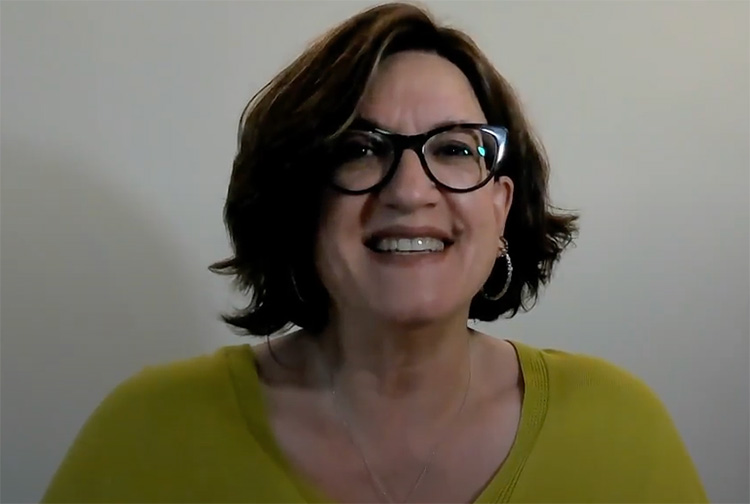
Key concepts of insurance
Civil Liability
Civil liability cover protects against damage caused to third parties by those legally responsible. In the case of home insurance, it covers the person who has taken out the policy or any member of their family (including pets if they are added to the policy) living in the home, for incidents in the home that may affect another person.
This is an essential type of cover in any home insurance policy. A water leak that causes damage on the floor below, a flowerpot that falls from your balcony onto a car, or the breakage of a neighbour’s window while your children are playing ball, are examples of incidents that would be covered.
Watch out for the small print
Yes, it’s a no-brainer, but we must read the small print of our policy carefully to avoid last-minute surprises. For example, terms such as burglary and theft may seem similar, but while many policies cover damage caused in case of burglary (subtraction of property by use of force or violence), other companies do not insure you in case of theft (theft of property due to negligence), as may be the case if you have left your front door open.
The lack of maintenance of a property or not taking the corresponding precautions if you have a dangerous dog are two more examples of imprudent actions that could be classified as negligence, and which would not be covered by the majority of home insurance policies.
And finally, shop around before you buy. The insurance market offer is very varied thanks to the entry of insurtech and the competition between different companies. Take the time to make a comparative study that will allow you to find the option that best suits your needs and the type of home you want to insure.
If you want to discover fair insurance for your home and for society, check 11Onze Segurs.