July crypto: new Bitvavo promotions
In addition to the €20 welcome to register from 11 Onze Recomana, Bitvavo launches two other promotions. You will be able to buy and sell coins commission-free up to €10,000 and you will receive €500 to transfer funds from Binance or OKX.
Since mid-June 11Onze has brought cryptocurrencies to its community thanks to an agreement with Bitvavo. The leading digital currency exchange house in the Netherlands now also dominates 50% of the Spanish market. And it achieves this thanks to the ease of use and the security it offers its users. The reception by the people of La Plaça has been extraordinary, taking advantage of the 20 euros welcome offered by Bitvavo. But during this month of July there are two other promotions active.
Security and €500!
Bitvavo is registered with the Central Bank of the Netherlands, its depositors have access to the guarantee fund and, in addition, it uses cold wallets to prevent cybercrime. That is, the digital currencies of Bitvavo clients are regularly downloaded to physical devices disconnected from the Internet.
Other cryptocurrency platforms are having problems. This is the case of Binance and OKX which, as explained by Bitvavo’s affiliate manager for the Spanish and French market Oriol Blanch, “will not be able to operate in the Netherlands or Belgium because they have not obtained a license”. This is bad news for its users, who have already seen the vetoes of other countries such as Cyprus, Germany, the forcefulness of Belgium and the withdrawal of Binance’s main banking partner in Europe.
Given this scenario, Bitvavo offers itself as a refuge and to stimulate the arrival of users of these platforms, it will reward them with €500. To transfer funds from Binance or OKX to Bitvavo, just follow the tutorial offered by the Dutch platform. There is no minimum deposit of funds, but the euros cannot be withdrawn. On August 15, Bitvavo will deposit the €500 that will have to be used to purchase digital assets. You will find all the information about the promotion at this Bitvavo link.

European regulators are investigating international exchange platforms. Bitvavo allows users to operate in a more secure environment.
According to Oriol Blanch, “now is a good time to trade cryptocurrencies through Bitvavo because international exchanges are being investigated by European regulators. Bitvavo offers these facilities to help users operate in a more secure environment.”
€10,000 without commissions
The second active promotion in Bitvavo during this month of July is the one that allows you to buy and sell up to 10,000 euros in cryptocurrencies. Of course, it must be in the first 7 days of account activity. This will allow users to save about 25 euros in commissions.
All this, advantageous options that are added to the 20 euros welcome for signing up from 11 Onze Recomana. But is it worth having some of the cryptocurrency savings? How does this platform really work? Recover the podcast where we talked about these issues with the representative of Bitvavo, Oriol Blanch.

11Onze Recommands Bitvavo, cryptocurrencies easily, safely and at a low price.
Cryptocurrencies come to La Plaça from the hand of the leading exchange house in the Netherlands. An easy and secure proposal with a €20 gift for 11Onze people to start getting into the world of the crypto-economy.
Cryptocurrencies are a very interesting alternative to regulated currencies, whether they are the current fiat currencies or the CBDCs that several countries are starting to implement. They are primarily a space for freedom in the digital world. And, despite often trying to fuel the idea that anonymity facilitates criminality, cryptocurrencies are much more traceable than physical money. They are, therefore, becoming a real and attractive alternative as a store of value and as a digital currency.
Bitvavo in La Plaça
You can already find all the information about Bitvavo at 11Onze Recommends. It is an exchange house registered with the Central Bank of the Netherlands and offers an easy and intuitive platform. There are more than 190 currencies available and the process is very simple: register on the platform via the 11Onze Recommends link.
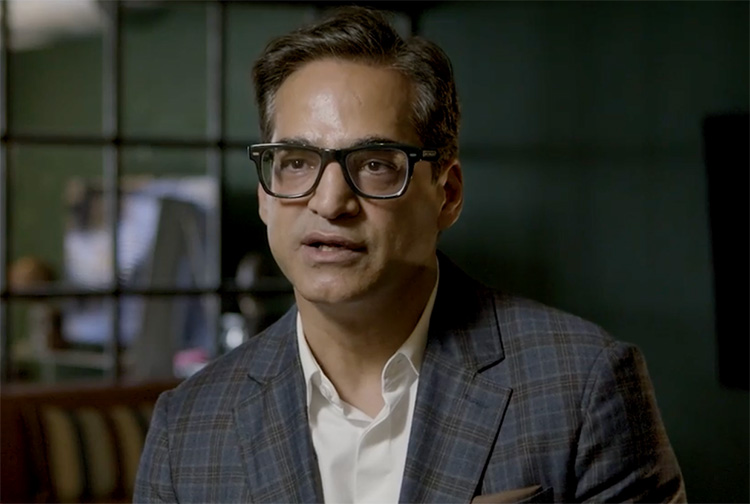
“Our goal is that everyone can access cryptocurrencies,” explains Oriol Blanch, affiliate manager for the Spanish and French markets at Bitvavo. Oriol acknowledges that young people are more interested in crypto economics, but that they have tried to make the platform accessible to everyone. “My parents use it,” Oriol confirms. However, no one hides the volatility of cryptocurrencies.
At a time when the sector is maturing, there are cases of coins that gain a lot of value very quickly, but which are not really solid. In this sense, Oriol recommends being informed and buying reliable cryptocurrencies: “Bitcoin, because it is the first and because of the way it is mined, and Ethereum, because of what it provides with smart contracts, are probably the most reliable. For the rest, you have to be informed and look at what is behind them”.
Online exchange house
Bitvavo allows you to exchange euros for any other digital currency. And it is cybercrime-proof because users’ money is kept in “cold wallets”. “This means,” Oriol explains, “that what you deposit is stored in a physical device that is disconnected from the network. Therefore, in the event of an attack by cybercriminals, Bitvavo could restore the deposits. Moreover, in the event that a user is impersonated and funds are lost, being registered with the Dutch Central Bank offers access to the Deposit Guarantee Fund, so that up to €100,000 could be recovered. It represents a very safe option in an environment that sometimes creates a sense of insecurity for users.
Will cryptocurrencies end up being a substitute for current currencies? We asked Oriol Blanch and he is convinced that “they will be a very important alternative”. They will be if users want them to be. An alternative to the central banks’ digital currencies (CBDC), which will make it possible to monitor and manipulate the economy according to the interests of regulators. “Cryptocurrencies and CBDCs will coexist,” says Blanch, “because there is no doubt that states will force us to use CBDCs and they have the power to do so. But there will also be cryptocurrencies. We will have to see how regulation progresses”.
In the meantime, you can find out more about cryptocurrencies and Bitvavo at 11Onze Recommends and by listening to this conversation with Bitvavo’s representative in our country.
11Onze Recommends Bitvavo, cryptocurrency trading made easy, safe and at a good value.
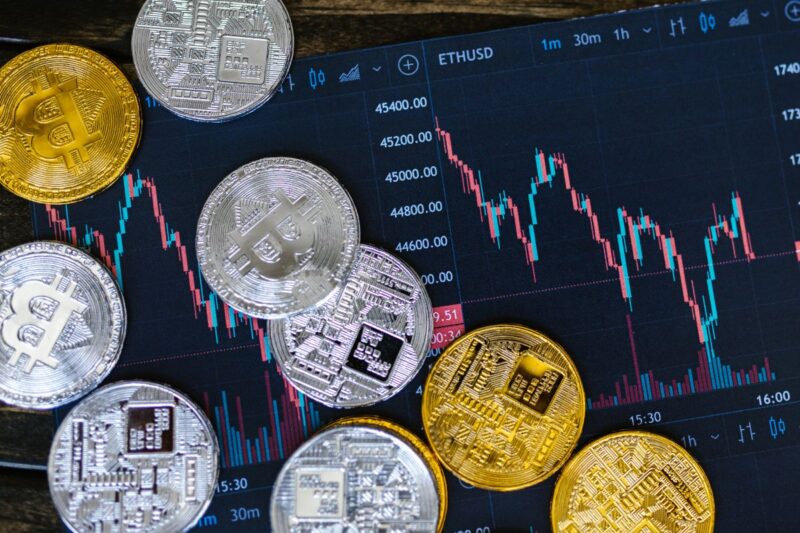

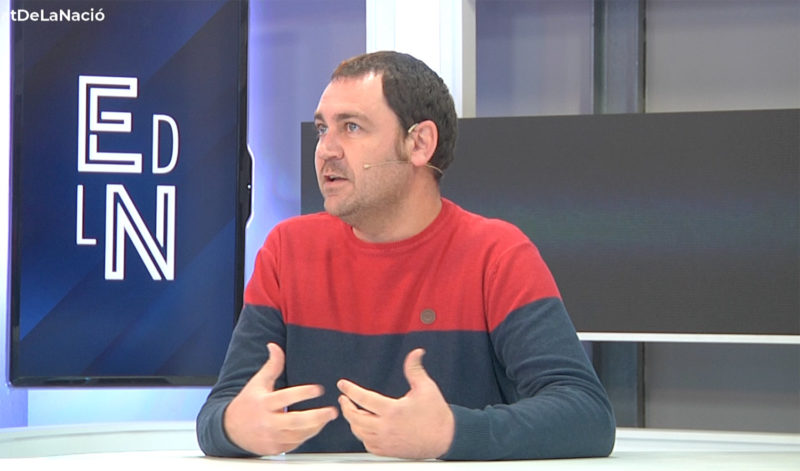
In this episode of La Plaça, Oriol Blanch, Affiliate Country Manager of Bitvavo, analyses the current situation of the cryptocurrency market and gives us some tips to keep in mind before investing.
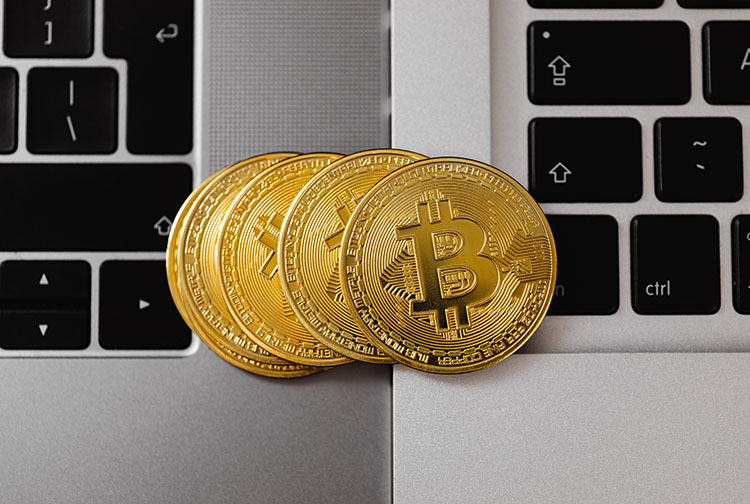
The emergence of Bitcoin in 2009 marked the birth of a new financial paradigm that uses blockchain technology as the basis for the creation and operation of decentralised digital currencies. The immense popularity and rapid expansion of cryptocurrencies have made them the leading investment product for the under 30s.
However, it is crucial to know the risks associated with this market and the importance of having the right information before investing, “it is essential to educate yourself, to really understand what you are investing in and what you are buying”, says Oriol Blanch, Affiliate Country Manager of Bitvavo, one of the most important cryptocurrency exchange platforms in Europe.
Crypto assets are stored in digital wallets, so cyberattacks can compromise the security and privacy of the funds. Hackers seek to exploit vulnerabilities in exchange platforms and digital wallets to steal cryptocurrencies. In fact, Blanch recommends “having an ‘offline’ or ‘cold’ wallet, so that you can store cryptocurrencies under your own passwords”.

Regulating a high-risk asset
Cryptocurrencies are highly volatile and their prices can undergo drastic changes in short periods of time. This volatility can generate significant gains, but also significant losses.
Moreover, the cryptocurrency market is still not fully regulated in many countries, so investors are exposed to possible fraudulent practices, scams and market manipulation, thanks to the ease of anonymity that characterises crypto-assets.
In this regard, last Thursday the European Parliament approved the new regulation for crypto-asset markets, known as the “MiCa” Regulation, which seeks to regulate the issuance, supply and trading of cryptocurrencies. A measure that, as Blanch states, “should help these assets to be implemented in many institutions and increase their value”.
If you want to find out how to get returns on your savings with a social justice product, 11Onze recommends Litigation Funding.
11Onze Recommends Finança Litigis, a product that allows you to profit from the compensation that banks in the UK have to pay for having committed wrongdoing against their clients. We explain how it works.
A few weeks ago, 11Onze Recommends presented Finança Litigis to its community for the first time. Now, it is time to publicise this amazing product throughout La Plaça. What is it about? Profit by fighting the abuses committed by the big banks.
The first location to do this is the UK where, for years, banks sold personal insurance policies to their customers using all kinds of malpractice. Those abuses have already been condemned by the courts and have opened the door to more than 60 billion euros in claims with a success rate of more than 90%. Shocking figures for the banking industry.
In this context, 11Onze Recommends works with an English provider that offers financing to the law firms that carry out these lawsuits, in exchange for part of the profits. You thought that the banks would always win? Well, not any more!
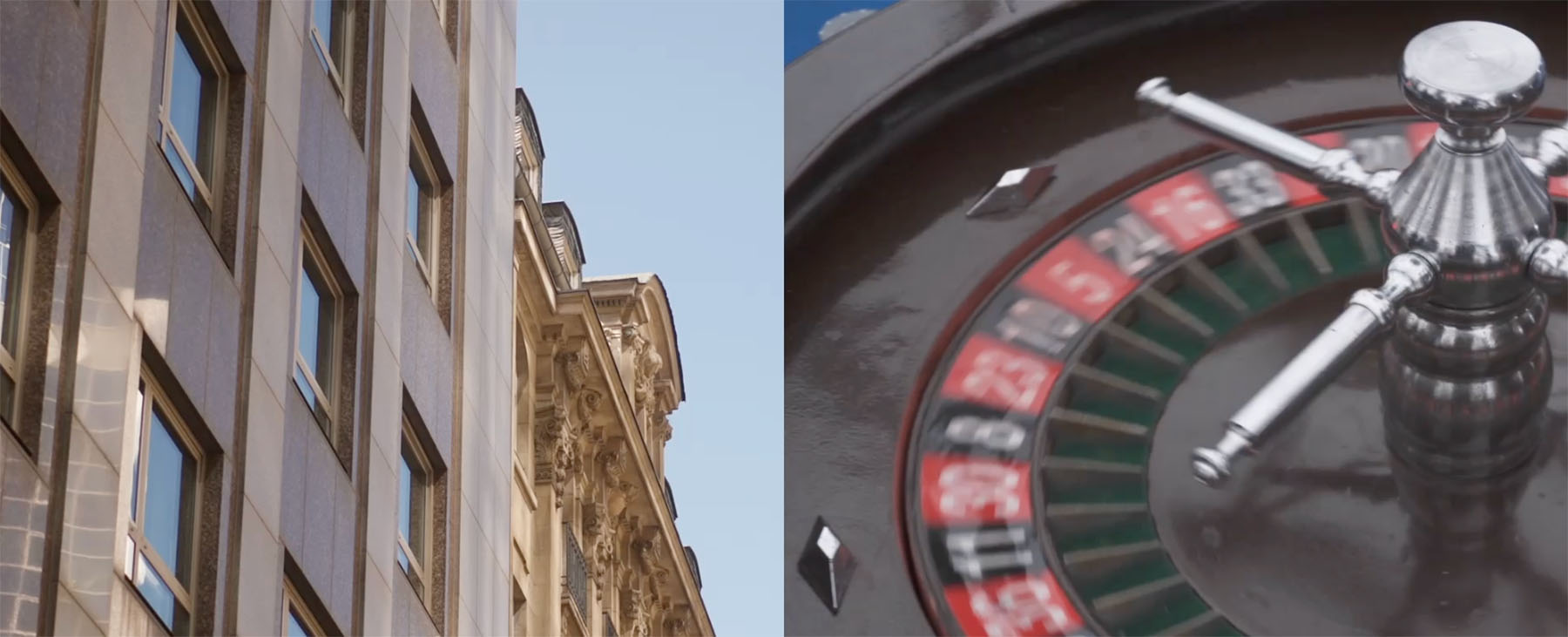
Finança Litigis
What profits can be obtained?
You can find all the information about Finança Litigis on the 11Onze Recommends website. The objective is to achieve a profit of more than 27% in relation to the average inflation in Spain. It is, therefore, a product that lets your money appreciate much more than inflation, allowing you to gain purchasing power. All this, in a context of low profitability and high volatility, which makes Finança Litigis a very valuable product. Standard & Poor’s A insurance covers the litigation capital.
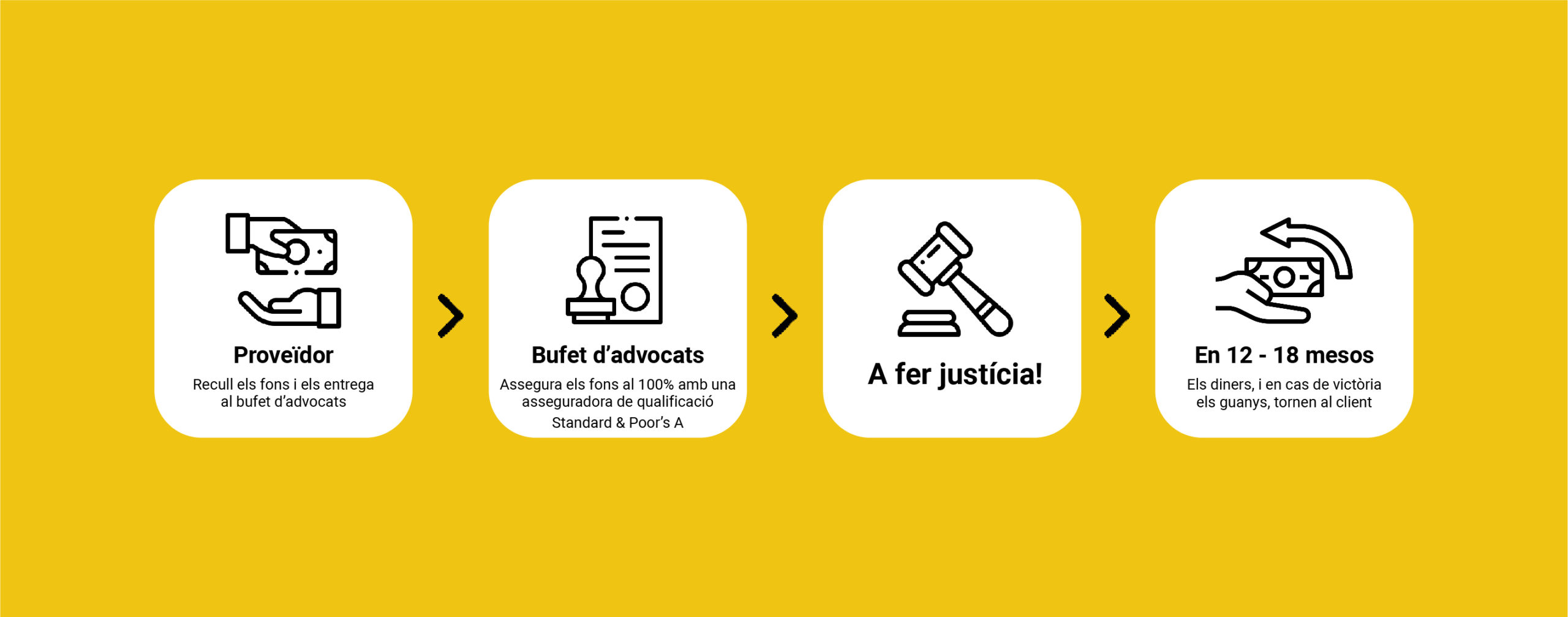
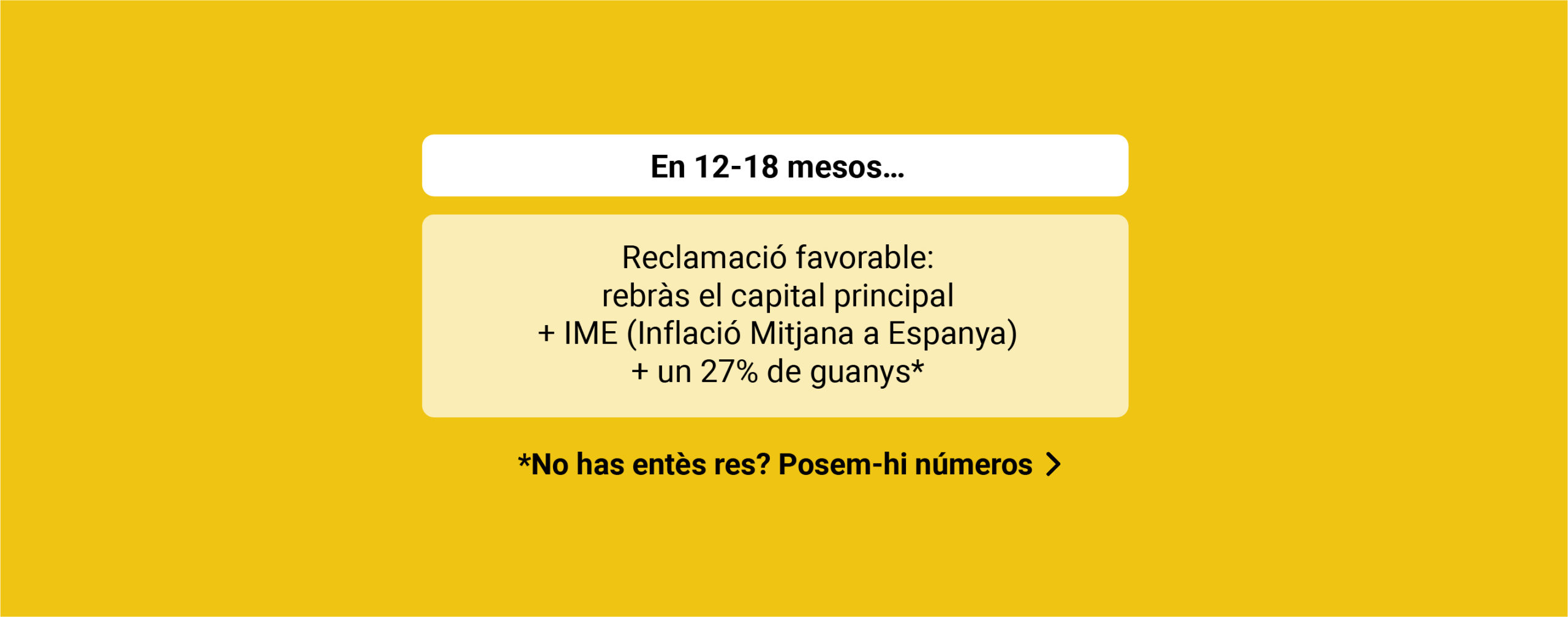
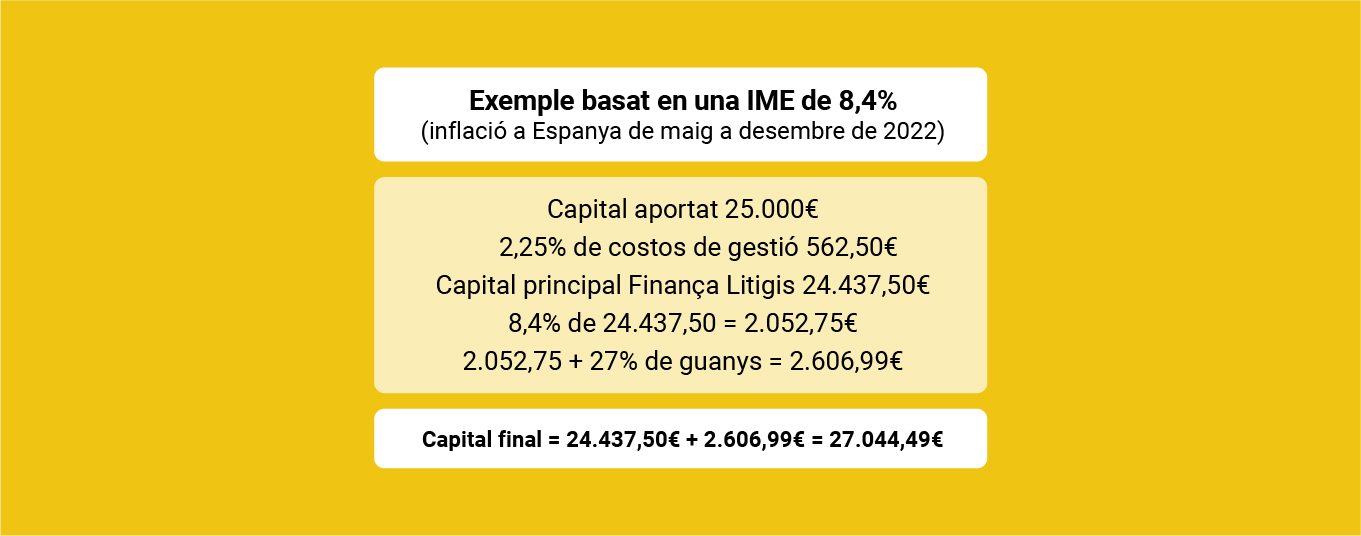
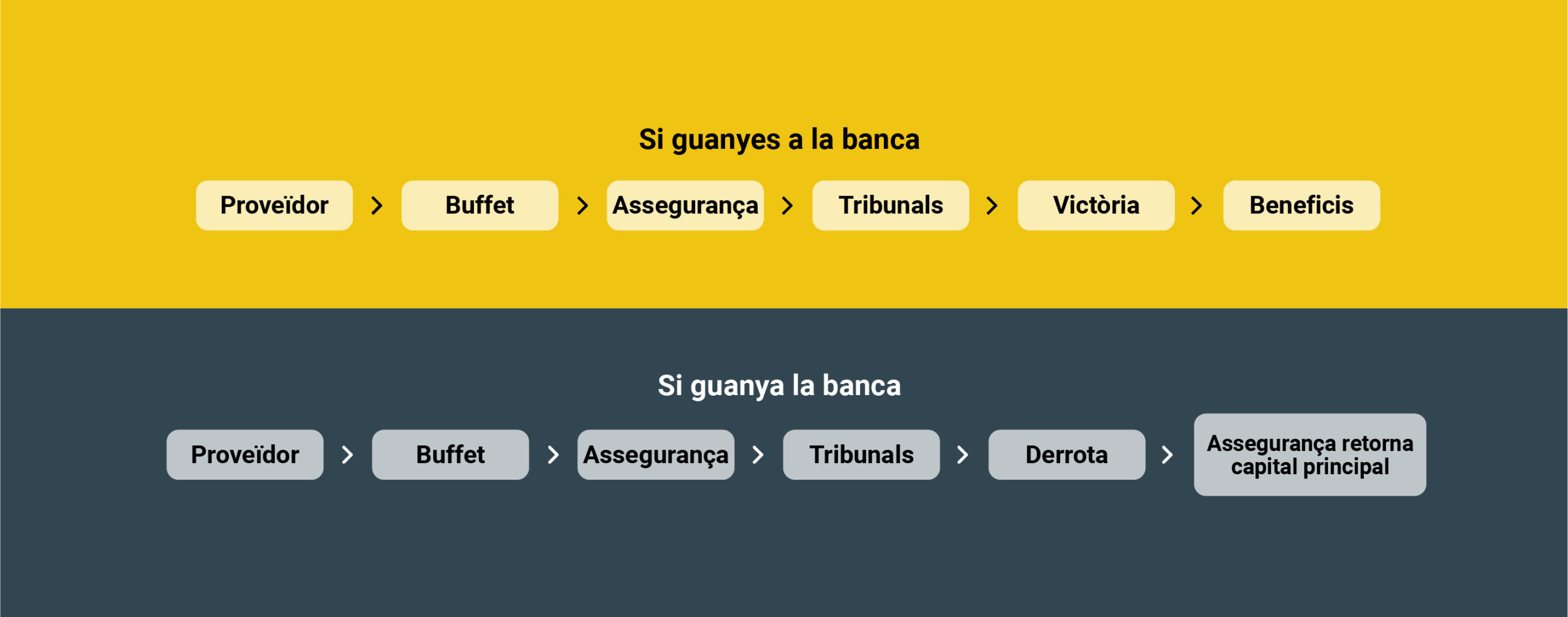
All the information about Finança Litigis can be found at 11Onze Recommends.
Les compres d’or dels bancs centrals es disparen fins a una xifra rècord de quasi 400 tones en el tercer trimestre de 2022. Una tendència a l’alça reflectida pel sector de la joieria i la demanda de lingots i monedes d’or per part dels consumidors.
Segons informa el Consell Mundial de l’Or (WGC, per les seves sigles en anglès) en un estudi publicat l’1 de novembre, el tercer trimestre de l’any els bancs centrals van comprar un total de 400 tones d’or. Aquesta xifra gairebé dobla l’anterior rècord aconseguit el 2018, quan es registrava un volum de compres de 241 tones.
L’entitat també assenyala que això suposa el vuitè trimestre consecutiu de compres netes d’or per part dels bancs centrals, elevant el total interanual des de que va començar el 2022 fins a 673 tones, quatre vegades més que les dades reflectides en el mateix període del 2021, i el volum més alt des de 1967.
Els bancs centrals de països com Turquia, Uzbekistan, Qatar i la India, són alguns dels que més or van comprar en el tercer trimestre de 2022, segons l’informe del WGC, però s’ha de tenir en compte que grans compradors d’or, com la Xina o Rússia, no publiquen dades de les seves reserves i compres de metalls preciosos.
De la mateixa manera, l’elevada inflació va esperonar la demanda de lingots i monedes d’or per part d’inversors detallistes, fins a uns màxims que no s’havien vist en sis trimestres. En aquest sentit, destaca la Xina, on la compra de lingots i monedes gairebé es va duplicar fins a les 70 tones respecte al trimestre anterior.
Però el preu segueix baix. Per què?
Des de principi d’any, el preu de l’or ha caigut al voltant d’un 6%, assolint mínims no gaire distants dels que es van veure al començament de la crisi sanitària el 2020, abans que es disparés el seu valor a finals d’aquell mateix any. De fet, el preu de l’or no s’ha recuperat gaire després de perdre un 20% del seu valor des del pic assolit el mes de març passat, tot i que la setmana passada va pujar un 6,25%, un 5,85% respecte al mes anterior.
Aquesta aparent incongruència, donat l’increment de demanda, té vàries possibles explicacions. Per una banda, la pujada dels tipus d’interès als Estats Units i Europa, així com la fortalesa del dòlar, i dels bons governamentals, que generen un major rendiment per als inversors i també són considerats un valor refugi, expliquen part de la caiguda del preu de l’or.
Per altra banda, molts inversors financers van vendre accions en ETF recoltzades per or, a mesura que pujaven les taxes d’interessos. La subseqüent venda de lingots d’or per part dels ETF va provocar una caiguda del preu de l’or físic de fins al 8% en el tercer trimestre, a la vegada que estimulava la demanda de l’or de joieria.
Tot i això, la majoria d’analistes financers coincideixen en pronosticar que el preu de l’or tornarà a pujar significativament el 2023, després de la possible caiguda del valor del dòlar i dels rendiments dels bons del tresor, continuant la tèndencia prevalent en els últims cinc anys, en els que l’or ha vist augmentat el seu valor en un 37%.
Si vols descobrir la millor opció per protegir els teus estalvis, entra a Preciosos 11Onze. T’ajudarem a comprar al millor preu el valor refugi per excel·lència: l’or físic.
Si t'ha agradat aquesta notícia, et recomanem:
 Economia
El col·lapse de la lliura provoca la febre de l’or
4 min readEl Banc d’Anglaterra s’ha vist obligat a intervenir d’urgència el

In the last year, negative news has been accumulating in the cryptoasset market. After the bankruptcy of crypto-asset platform FTX and the loss of almost three quarters of the value of bitcoin in a year, the future of cryptocurrencies seems more in doubt than ever.
The Super Bowl is the world’s most expensive advertising showcase. In its last edition, held in February, nearly 7 million dollars were paid for a 30-second advert, something within the reach of very few companies. One of them was FTX, the world’s third-largest crypto asset platform at the time. Its ad compared cryptocurrencies to some of mankind’s greatest inventions, presented the company as “a safe and easy way” to access this market and ridiculed the sceptics.
Just a few months later, FTX filed for bankruptcy and threatens to leave more than a million people around the world without their money. Founder Sam Bankman-Fried’s empire collapsed in just one week.
Following the sudden drop in the price of the FTX token in early November, Bankman-Fried requested a bailout from Binance, the world’s largest digital asset exchange platform. Although Binance initially agreed to help him, a few hours later it backed out, citing mismanagement of funds and other irregularities. On 11 November, FTX had no choice but to announce in a tweet the filing for bankruptcy proceedings and the resignation of Sam Bankman-Fried as CEO.
Possible contagion
As with many cryptocurrency companies, FTX’s house of cards was built on expectations of revaluation. When investor confidence crumbles, nothing can stop a catastrophic spiral that eventually takes down the company, which in FTX’s case had reached a valuation of $32 billion at the beginning of the year.
Given its size, the aftershocks of FTX’s collapse are expected to be prolonged and devastating. The first victim could be the Crypto.com platform, which in recent months had already made massive layoffs due to the turbulent situation in the crypto-asset market. Its token Cronos has lost more than half of its value in less than a week.
Sources indicate that the platform deposited more than $1 billion in FTX, of which it was only able to recover about $100 million. However, Crypto.com’s CEO has denied this on Twitter, claiming that its exposure to FTX is less than $10 million. The truth is that his message has failed to calm the markets, which continue to fear the collapse of this platform.
The risk of a new “crypto-winter”.
The collapse of FTX and the crisis at Crypto.com come against a backdrop of doubts about the future of cryptocurrencies. After reaching a valuation of 58,358 euros in November 2021, the successive falls of what became known as the “crypto-winter” and the uncertainty of the last few days have pushed bitcoin below 16,000 euros, which means it has lost almost three-quarters of its value in a year.
As we explained in the article “Cryptocurrencies, a highly volatile asset”, bitcoin is no exception. Volatility has also affected other cryptocurrencies in recent months. For example, Ether lost two-thirds of its value between April and June, falling from more than €3,000 to less than €1,000, before rising back above €1,900 in mid-August and dropping below €1,200 in recent days.
Terra Luna, the most talked-about case until the FTX debacle, went from being worth more than 80 euros at the beginning of May to being practically worthless in little more than a week. And yet it was a ‘stablecoin’, i.e. a cryptocurrency whose value is linked to that of another currency, commodity or financial instrument, which should provide more stability.
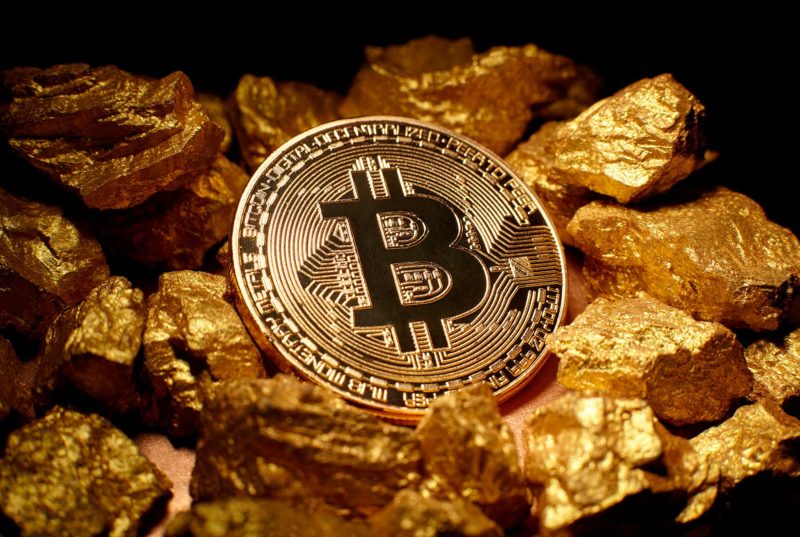
Although crypto-assets continue to have many enthusiasts, more and more portfolio managers assume that the structure of this market is too risky and the losses are too great. The notion of bitcoin as the new digital gold, a safe haven in turbulent times, has faded. As a result, many institutional investors are turning their backs on crypto-assets to increase their participation in theoretically safer markets, such as precious metals.
In any case, the current crisis in the cryptocurrency market reminds us of the importance of having a diversified portfolio to protect us from sharp falls in the valuation of any of our assets.
Session on cryptoeconomics
If you want to learn more about the crypto-assets market, on 22 November at La Plaça we will be hosting Susana Rodríguez Urgel, founder of The Digital Advisory Board, who will be speaking live about cryptoeconomics in the second chapter of “Que no faltin!” series.
This expert in cryptography and one of those responsible for “the commercial and digital transformation of Telefónica” more than a decade ago, as James Sène, president of 11Onze, pointed out, promises a provocative session open to debate. If you are interested in participating live to raise your doubts and questions, you can write to [email protected].

If you want to discover the best option to protect your savings, enter Preciosos 11Onze. We will help you buy at the best price the safe-haven asset par excellence: physical gold.
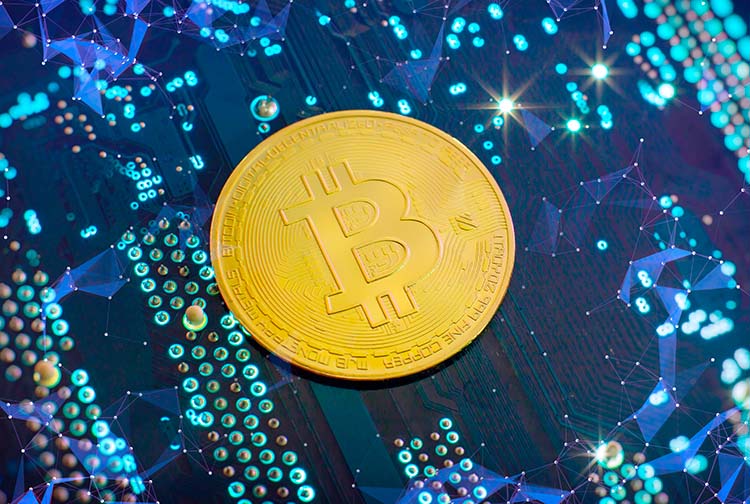
Digital currencies are becoming more common, but it is still quite unknown what they are and how they work. Let’s try to clarify, in a simple way and in five points, their fundamental characteristics.
A little history of cryptocurrencies
We have to go back to the early eighties of the last century to find the first steps in the idea of a virtual currency protected by cryptography by the hands of David Chaum: the creation of eCash. The final push came in 2008, when the document that developed Bitcoin was published by the mysterious Satoshi Nakamoto.
With Bitcoin, the first units of which were put into circulation on January 3, 2009, it is considered that cryptocurrencies were definitely born. Its creators described it as “a peer-to-peer cash system”, with no regulation or control by governments or institutions.
How do cryptocurrencies work?
Encryption, for security reasons, is based on blockchain technology, a data storage structure following algorithms, almost impossible to counterfeit, open to all users, that works like an electronic register book of Bitcoin and other cryptocurrencies.
In this way a digital currency is created without physical form, but the ownership, the integrity of the transactions, and the control of the creation of new units can be assured. This gives cryptocurrencies the guarantee to be used as money for everyone: to trade, to buy, or to save them.

Cryptocurrencies: What we need to know about them
Legal tender money is under the guarantee of the states, their governments, and the financial institutions, which create and regulate it. This is the basis of the trust that makes citizens use them, as well as making them essential. Cryptocurrencies, on the other hand, do not depend on or are regulated by any administration. In this way, their value is born of the trust placed in them by their users, of the law of supply and demand.
However, cryptocurrencies seek to achieve this necessary trust with the user, for example, by replicating the essential characteristics of money: being fungible or exchangeable; being divisible into units; being storable and transportable; and having a controlled and limited flow of creation or supply.
The market that is being created by their users, then, is what marks their acceptance and, in return, their value. What we have known so far is that, from the beginning, when only a few experts or technology enthusiasts acquired them, the interest in having cryptocurrencies has experienced a very high growth, to the point of exchanging a Bitcoin for €40,000.
What are cryptocurrencies for?
As you have deduced, investment has become one of the great motivations for owning cryptocurrencies. Specialised exchanges that work 24 hours a day, 365 days a year, buying and selling them non-stop, have even been created. Investors are attracted to these markets by the expectation of profits. But you have to be careful and be willing to accept the risk of high volatility of cryptocurrencies: their price rises and falls by thousands of euros very easily.
Cryptocurrencies can also be used to make purchases, as long as the seller accepts this means of payment. It is not yet possible to say that it is a widespread option, but more and more companies are allowing it and opening gateways to be paid for services or products in cryptocurrencies. Fast payments, in fact, are another of the uses and benefits of digital currencies, as transfers around the world are immediate.
Buying and saving cryptocurrencies
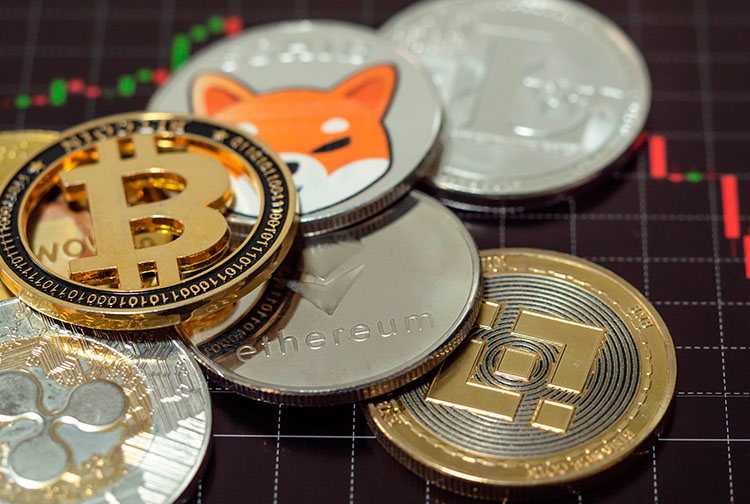
We have already said that investing in cryptocurrencies is currently highly speculative and risky. The most profitable ones, such as Bitcoin or Ethereum, are also considered the highest risk. However, anyone can have them if they buy them, accept them for a fee, or even create or decrypt new ones.
The most common is that the latter option, creation or decryption, is left in the hands of large IT teams dedicated to it, often controlled by economic groups, in what is known as mining cryptocurrencies: generating them by deciphering the algorithm or mathematical problem under which they hide.
Individuals can access them more easily through purchase platforms or financial intermediaries, as well as from ATMs that have been created exclusively to offer and exchange cryptocurrencies, and that are already present in commercial areas, for example. There are also digital applications such as Coinbase or Binance.
Once purchased, they are assigned a unique and personal password, which should be kept in a safe place and not lost, because it is all the guarantee you have of the possession of the cryptocurrencies. This is why there are digital wallets, a software or application where it is possible to store cryptocurrencies.
The regulation of cryptocurrencies
In 2015, the European Union (EU) established the same validity of the Euro for Bitcoin and other similar cryptocurrencies as a means of payment, in response to the increase of its presence and related investments.
However, let’s remember that cryptocurrencies are born free from the regulation and control of administrations and that, consequently, they see them with some reluctance and consider them as a very speculative and unsuitable asset, if not for the expert investor. When you decide to buy cryptocurrencies, you must know that there are no traditional regulation and supervision services that guarantee their custody.
Finally, remember that the Spanish State obliges to include in the income tax return any expenses or income derived from transactions of purchase and sale with cryptocurrencies. In addition, in October 2020 the Draft Law on Measures to Prevent and Fight Tax Fraud was published, introducing the obligation to provide information on the balances and holders of cryptocurrencies and purchase transactions, collections, payments, and transfers, among other transactions.
11Onze is the community fintech of Catalonia. Open an account by downloading the super app El Canut for Android or iOS and join the revolution!



Given the exceptional situation we find ourselves in, more and more investors are trying to buy gold to protect their savings from instability and inflation. But does this mean that we end up keeping gold bars at home? Are there alternatives to physical gold? 11Onze broker Amadeu Vilaginés gives us an overview.
Historically, gold has played a very important role in the economies of many nations. Although it is no longer a primary form of currency, buying gold and other precious metals remains a sound long-term investment. You may have heard of people buying gold bars and hiding them under the bed or in a safe. But beyond this cinematic image, is it worth keeping gold at home?
“These fears should not be an impediment, as there are now many companies that store and guard the gold of private individuals,” Vilaginés says. Their vaults, which are much more modern and secure than the safes we may have at home, ensure better protection. “We can also buy gold coins instead of bars, which are easier to hide. And above all, it is important not to keep all the gold in one place,” Agent 11Onze says.
Similarities and differences
If you don’t feel like buying physical gold, there are alternatives. “Physical gold is tangible, while digital gold is a financial asset that reflects the price of gold,” Vilaginés sums up. Normally, he says, it is an ETF, i.e. an exchange-traded fund: if the price of gold goes up, then the value of the ETF goes up, and vice versa.
“Essentially, it’s the same for physical gold as it is for digital gold. In other words, I can buy a bar of gold in 2020 and, if it has risen in price in 2022, I can sell it and make a capital gain. Conversely, I could have bought a stake in an ETF linked to the price of gold in 2020 and then sold it in 2022 and made a profit,” he argues.
So what are the differences between physical and digital gold? “For a start, ownership. When you buy physical gold, you own the metal, whereas when you invest in an ETF what you have is a right or an option,” he says. In addition, the value of gold is intrinsic and cannot suspend payments, whereas financial assets can.
There is also the problem of storage and liquidity. “Digital gold doesn’t need any storage and, once we decide to sell it, it’s as easy as pressing a button. The downside of physical gold is that it can present more liquidity difficulties than the financial asset, since you have to find a buyer for your bullion and, in addition, we will have to take into account the storage costs,” Vilaginés explains. Watch the video below to find out all about physical and digital gold.

Physical gold vs. digital gold: differences
If you want to discover the best option to protect your savings, enter Preciosos 11Onze. We will help you buy at the best price the safe-haven asset par excellence: physical gold.


84% of the country’s population resides in flats, versus 15.2% who do so in houses, but that doesn’t mean you can’t have a beautiful space. In rural areas, as in the rest of Europe, single-family homes (68.1%) predominate compared to flats (31.9%) according to Idealista.
After suffering a pandemic, people look for and appreciate having a terrace, a balcony, bigger or smaller, but having the possibility to go out and be able to breathe.
If you want to live in Barcelona, you have many amenities, but statistically homes are usually smaller and with fewer outdoor areas to enjoy.
In Catalonia there is a very high percentage of people who live in flats instead of houses.

Springtime comes to your balcony
Tips for turning your balcony into a magazine terrace:
- The first tip is to fix the floor. You can choose artificial grass, a wooden floor, or a white floor, which will give you more space. Grass can make you feel like you’re next to a pool, but be aware that you’ll need to do more thorough maintenance. A wooden floor is easy to install and also gives a lot of warmth. You can combine grass and wood, and even add white stones somewhere. I bet you can already imagine it. The most important thing is that, as the space is reduced, the cost will not be excessive.
- Once you have the floor ready, we will continue with railings. If there is nothing that gives you privacy, we recommend that you buy large wicker baskets and put some plants in them, so you avoid being seen from the street. They can also be aluminium or wooden pots. With the excuse of going out to water them, you can enjoy a nice break.
- Another alternative is to place bamboo or similar to cover or decorate, and you can install small lights to illuminate them at night.
- We continue with the table. In the market, you will find a myriad of small tables that can be folded. Some you can put on the wall and, when they are not used, you can fold them and, when it is time to go out and have a coffee, you can unfold them with a single gesture. Round, square, for corners… Depending on the space available, you will find the one that best suits you.
- The same will happen to you with chairs: there are foldable chairs, ideal for small spaces where they do not always have to be unfolded. Let’s make a stop: you can give a very personal touch here. Add some coloured pillows now that summer is coming, and you can change them from time to time. There are some very cheap ones; smooth ones are also a fantastic alternative and, if you are more daring, you can choose a more intense colour, even if it is single-coloured, which will create a very nice atmosphere.
- If you decide you don’t want a table or chairs, but your balcony is a quiet area instead, add a couple of armchairs or even a hanging hammock and a pillow, and you can enjoy a morning of reading or an evening with a glass of wine or cava.
Add a little colour and nature
Surely you’ve heard of them vertical gardens: if you have a blank wall, you can also put some white shelves and add some pots with small green flowers. There are many examples where you will find your inspiration, and they are very easy to install.
As we know, the details make the difference. Once you have made the most important changes mentioned in the previous points, add candles, chandeliers, small light strips, a small rug, a pouf…
And why not make a small urban garden? No matter how small, you can definitely add a pot with some aromatic plants such as basil, mint, parsley, rosemary… The smell when you go out will be so pleasant and, at the same time, you can enjoy the perfect natural seasoning for your salads.
Do not let the sun be a problem
In case of not having an awning (although they last for many years, this may not be the time to make this expense), you can find solutions such as awning fabrics that are fastened to the wall.
If your budget is small, don’t worry, you will surely find small shops near home with all these types of objects that we have mentioned. You can also find all these items in larger supermarkets.
After reading this article, you surely feel like making these changes and improving your terrace. Take advantage now that the good weather is coming and invite a couple of friends to enjoy it.
11Onze is the fintech community of Catalonia. Open an account by downloading the super app El Canut on Android and Apple and join the revolution!



The entry into force of the Basel III regulations introduced new regulatory standards with the aim of strengthening supervision and reducing risk-taking in the banking sector. Even so, it aims to limit speculation in gold investment through derivatives, which allowed the creation of a bubble based on the issuance of securities not backed by physical gold.
The 2008 financial crisis made it clear that banks did not have sufficient reserves to cope with an economic downturn and to cover the risks. This led to the failure of large banks and financial institutions, spurred by the collapse of Lehman Brothers. The domino effect resulted in one of the biggest global economic crises in history.
In response, the Basel Committee on Banking Supervision (BCBS) developed and approved a set of regulatory measures under Basel III, which impose requirements on the banking sector to implement asset policies designed to reduce the likelihood of a repeat banking collapse.
A large part of these requirements relate to bank capital buffers, stress testing, or market liquidity and, as with the Committee’s other standards, members are committed to implementing and enforcing them in their national jurisdictions. The set of measures is not expected to be fully implemented until 2023, but the rules on bank liquidity structures were applied to European banks from 28 June 2021.
Reserves sufficient to cover 85% of unallocated gold
Investment funds, futures contracts, ETFs or other securities that have gold as an underlying, but do not allocate an amount of physical gold bullion or coins to investors have allowed the same speculative model based on FIAT money. The new regulation aims to end or limit this business model based on the issuance of securities backed by a quantity of gold that does not actually exist, as it can generate financial bubbles that trigger many economic crises and subsequent bank collapses.
Thus, the regulation reclassifies physical, allocated gold as a Tier 1 asset (the safest tier), comparable to cash, while it continues to categorise paper gold, or unallocated gold, as Tier 3 (the riskiest tier). In addition, it obliges financial institutions to hold capital buffers of 85%, previously 0%, to secure precious metals financing and clearing transactions.
The possible consequences of the reclassification of physical gold into a safer asset may trigger the allocated gold market, while unallocated gold becomes a less desirable form of investment. Still, the tendency for gold price manipulation should diminish, at least in the futures markets, because state manipulation is another matter.
Time will tell how effective this new regulation will be in preventing banks and financial institutions from playing Russian roulette with money that is not theirs. A speculative game where taxpayers always end up paying the price. In any case, the value of physical gold as a safe haven asset par excellence is confirmed.
If you want to discover the best option to protect your savings, enter Preciosos 11Onze. We will help you buy at the best price the safe-haven asset par excellence: physical gold.