Ethical companies, a must for the 21st Century
When we talk about fairness in business, our legalistic alter ego soon comes out, and we say to ourselves, quite convinced that we comply with each and every law. We believe that by complying with the laws, no further moral assessment is needed whether the laws are right or should be updated. The implementation of justice cannot be left to ethicists or lawyers. We cannot simplify the assessment of what is just by making it concrete that it is legal. Practising ethics requires educating practical judgement.
Relatively recently, a leading jurist commented that if we had to wait to change legality with the permission of those who gain from current laws, slavery would still exist. And nothing could be truer. In fact, in business, laws are an absolute minimum, but justice, and above all, the fact of producing fair results in the distribution of resources, responsibilities, rewards and recognition, seems to go beyond these legal minimums. The task of managing companies includes assessing whether the business systems that allocate tangible or intangible resources are appropriate. This assessment takes it away from compliance with legality, and even more so from neutrality. A decision must be made that goes beyond purely technical considerations, making it necessary to assess the consequences of the decision, and whether these consequences are good for everyone.
The law is not enough, we must go one step further
Using a supposedly neutral technique (or positive law) leads us to overlook the fact that it is not neutral. We pretend that we are using economic science that is supposedly free from any moral evaluations. And we feed it into the technical content of many management programmes. This then ends up being implemented in the company. We think that the (technical) law is enough, and we go further, we delegate the moral aspects to ethical experts. And we justify this with a separation thesis that considers that facts can be observed without assessing them. Any value judgement is dismissed as unscientific, and this is done with arguments along the lines of “we are talking about factual things, we are talking about science, about objective things”. This neutrality with which they want to evaluate decisions is impossible. The separation thesis should be discarded as false rather than useless. The implementation of moral evaluations becomes necessary, and the criteria of justice are a necessary aspect to discriminate criteria to be used in decisions.
Economic laws do not stand alone, like the law of gravity, but are phenomena that act on people, who are willing, motivated and learn for better or worse. Using economic laws that pretend that people are neither motivated, nor willing nor learning, perpetuates the status quo, or makes it worse. Deciding which criteria should prevail when making a decision, discerning between options and being able to foresee the consequences that decisions have on others. The function of business for some economists is only to create profits, the more, the better. But there is no deterministic law that can force this function. In fact, looking at reality, making companies only have the social function of making profits has not taken us very far, and it therefore seems fair to propose others. Making their function one of generating justice and making justice an intermediary for the common good is absolutely necessary. Businesses must find their usefulness and their social function. If they end up focusing on the common good, promoting justice among all stakeholders, they will find many more followers than they do now, and they will perform a better function.
Companies of people for people
Another important factor to take into account, which often goes unnoticed, is that the company is like a community of people that participates in a wider community, where people can develop in it and find meaning, this allows it to bring a wider and more authentic legitimization to business activity and helps to understand the very existence of companies, their meaning. Seeing them as a tool for three to get rich makes little sense, which right now is starting to look very ridiculous to many people. And how can you distinguish companies that contribute to the common good from those that don’t? One simple way is to look at their mission, and above all at implementation: the facts. Actions speak louder than words.
To see if companies say they solve and solve real needs with their products and services (they contribute to a social common good), and to see how they do it, i.e. how they use resources and how they treat people (internal common good), becomes absolutely essential if we want to have a business fabric that also helps to change consciences. The contribution to the common good is what makes companies meaningful and allows them to realize their full potential.
11Onze is the community fintech of Catalonia. Open an account by downloading the app El Canut for Android or iOS and join the revolution!


In an economic context of great uncertainty, inflation, and low-interest rates, guaranteed investment funds can be a good option for investors who want to diversify their savings and, at the same time, ensure a certain return on their investment.
As the name implies, guaranteed funds guarantee all or part of the capital invested, as well as a predetermined return over a period of time. This profitability is generally referenced to the evolution of a stock market index, such as Ibex-35, and will depend on certain previously established circumstances being met.
Therefore, it should be borne in mind that with the funds offered by Spanish banks, guaranteed returns are not always assured. The Comisión Nacional del Mercado de Valores (CNMV) defines these products as funds that ensure that, at least at a certain future date, all or part of the initial investment will be preserved, and in some cases, they may also offer a certain guaranteed return.
Because of the low risk involved, these funds usually provide a low return and are intended for investors who do not want to worry about their money or investments, but are nevertheless a good alternative to fixed-term deposits.
Types of guaranteed investment funds
There are three different categories of guaranteed investment funds, depending on whether they guarantee the totality of the initial investment. Guaranteed fixed-income funds promise investors, as of the maturity date, the recovery of the initial capital and also a predetermined fixed return. These funds are particularly suited to investors with an investment horizon of between six months and three years, who value a high degree of stability for their investments at the expense of performance.
Guaranteed equity funds, on the other hand, only secure the initial investment as of the maturity date. In addition, they offer the possibility of returns linked to the performance of various financial assets or indexes. However, the investor has to bear in mind that if the performance is not as expected, the return may be zero.
There is a third category, partial guarantee funds, which, unlike the previous two, do not insure the entire initial investment, but a percentage, usually 90%. This higher risk is compensated by the possibility of a higher return on maturity, also linked to the evolution of equity instruments, currencies, or other assets.
Low-interest rates have popularised guaranteed equity or partial equity funds, which offer a good balance between security and profitability compared to more conservative funds, such as fixed-income funds, which are very safe but also offer very low profitability. But as always, before making an investment it is vital to assess the risk we are willing to take and to clearly define our investment objectives.
The question, therefore, is: is there any fund that generates high returns and guarantees 100% of the investment and returns?
If you want to know more about superior options to make your money profitable, go to Guaranteed Funds. From 11Onze Recomana we propose you the best options in the market.

11Onze Podcast launches a series of chapters to find out all about banking abuses, conversations with Arcadi Sala-Planell, Head of Legal at 11Onze. First chapter: les comissions.
“All traditional banks have jumped on the commissions’ bandwagon to make money, because banks can’t survive”, explains Sala-Planell in the first chapter of Abusos Bancaris. In several chapters, the lawyer will go through the abuses most commonly suffered by users of the banking system, in conversation with the Head of Contents of 11Onze Toni Mata.
“Banking commissions are regulated, but in practice financial institutions bypass this regulation“, says Sala-Planell, who recommends checking on the Bank of Spain’s website whether the commissions are irregular or not. “The banks abuse people because they know they won’t go to court for a commission,” says the CLO of 11Onze.

More 11Onze Podcast
In addition to the chapters on banking abuses, 11Onze Podcast will increase its content offering. It will do so with conversations on topics of interest around the world of money that will feature 11Onze agents and some of its managers.
Do you want to be the first to receive the latest news about 11Onze? Click here to subscribe to our Telegram channel



Many people are wary of taking out insurance. Sometimes it doesn’t seem to pay off. But history tells us that it does. The whole point of insurance, beyond the small details, is to ensure that a financial misfortune doesn’t ruin our lives.
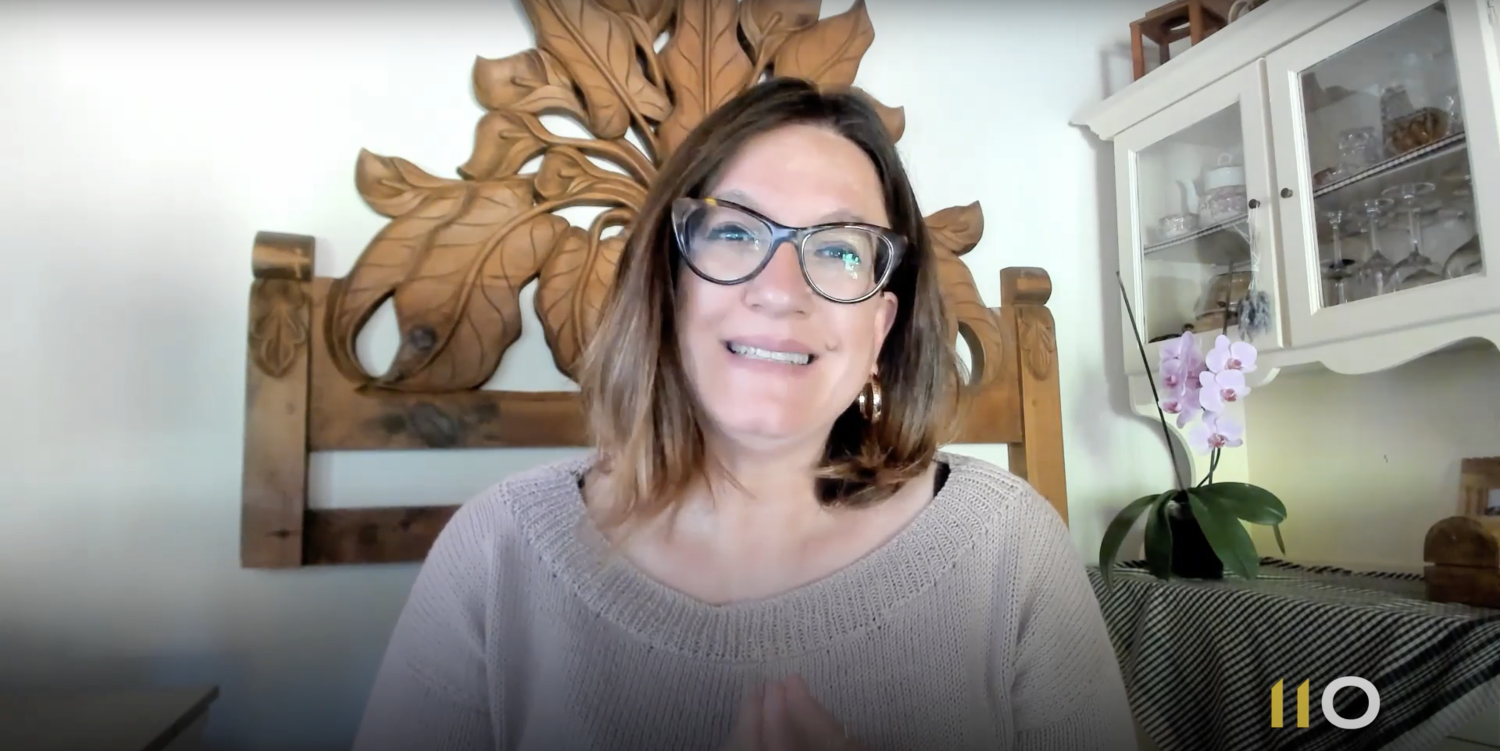
As 11Onze agent Pilar Oltra explains, insurance has generated an “uncomfortable” popularity because there is a tendency to think that “we’re taking out smoke and mirrors”. But the reality is that they have been with us since the Middle Ages, when communities began to work together in solidarity to guarantee food.
The Code of Hammurabi, written more than four thousand years ago in Babylon, devoted hundreds of clauses to the bottomry. And around the same time, Chinese merchants shared risks by exchanging goods between their ships in case one of them sank. The earliest surviving maritime policy dates from around 1300 and there is also a regulation of maritime insurance from 1435.
It was in the 17th century that the industry took another leap forward. The first fire insurance company was created in London, and Lloyd’s was also born. It coined the concepts of “insurance, policy and subscriber in documents very similar to those we sign now”, as Oltra explains.
The importance of insurances
Better to have it and not need it than to need it and not have it
Insurance protects us against calamities and unforeseen events. That is why, as they say, “it is always better to have it and not need it than to need it and not have it”. On the one hand, it provides us with “security” in the event of any eventuality that could happen and also lets us “reduce risks in both the personal and professional spheres”, as the 11Onze agent explains. That is why it brings “a lot of peace of mind”.
As Oltra points out, in a world without insurance it would be impossible to rebuild “a building after an accident” and there would be no one to assume “the costs after an earthquake”. “They make it possible for an uncertain world to be lived safely, and this leads citizens to invest and believe in the future”, concludes Pilar Oltra.
The 11Onze agent warns that it is impossible to save money for all unforeseen events and exemplifies this with an exercise in which we would have to put money in different boxes for the problems that could affect our lives, our house, our car… “Make a calculation with the cost of these situations that you or someone you know has suffered. How long would you need to get it? And once you have spent it, do you know when the claim will happen again? I assure you that we would be unable to keep the boxes full at all times,” Oltra concludes.
If you want to discover fair insurance for your home and for society, check 11Onze Segurs.

Quan se’ns parla dels diners es comenta que són covards, que busquen la inversió segura, que fugen de la incertesa, que s’amaguen en aquelles inversions que donen molt rendiment. Però això es basa en uns supòsits simplificats de la realitat que hauríem d’examinar abans de creure’ns tot allò que se’ns diu. I un d’aquests supòsits és permetre que la informació que circula sobre les inversions sigui transparent i fiable
Quan es discuteix sobre “com organitzar” sempre hi ha una certa tendència derivar cap a la macroeconomia. Per exemple, quan es discuteix la viabilitat de l’Estat català, es confonen termes relacionats amb el “mercat” i l’“organització”. Es diu que Catalunya no és viable perquè no és atractiu el seu mercat per a invertir-hi, referint-se a la mida del territori o al nombre d’habitants. D’altres comenten les dificultats organitzatives, sobretot de manca d’economies d’escala per tenir costos assumibles. Altres, mirant el mercat del deute, diuen que les emissions de deute català no tindrien sortida.
Per començar, la decisió d’una empresa d’invertir a Catalunya pot valorar-se d’acord amb si troba sinergies entre el seu sistema de valors corporatius i els de la cultura catalana (aspecte organitzatiu). I això sí, haurà analitzat abans sí els mercats potencials la fan viable. Per exemple, si es tracta d’un centre comercial, quantificarà si la localitat on se situï té potencial suficient (res a veure amb els habitants de Catalunya, si no del poble o ciutat en qüestió). Una empresa de serveis mirarà si té accés a mà d’obra qualificada i si la situació geogràfica li dona accés a altres mercats.
Invertir amb consciència
Cal observar aquests dies que aquells que valoren les inversions per assessorar a on han d’invertir els diners aquells que en tenen, tampoc es posen massa d’acord. De cop i volta el bo espanyol es qualifica de bo “escombraries”, i la prima de risc s’enfila. Llavors les declaracions d’alguna autoritat competent fan que torni a baixar la prima i sembla que les aigües turbulentes es tornen més tranquil·les. En cas de tenir diners, els invertiria seguint altres consells menys volubles, però suposo que les agències de ràting les formen persones que valoren la informació que reben, i la deuen fer circular de la millor manera possible, és a dir, en realitat, no deixen de ser persones que miren les notícies i les interpreten a la seva manera. Mirem el cas de Catalunya, tots podíem llegir a certa premsa internacional que havia demanat un rescat a l’Estat Espanyol.
Això sí que fa riure. Seria com si jo ingressés el meu sou a un compte de la comunitat de veïns, i la comunitat de veïns em digués que em rescata quan li dic que em doni diners per a pagar la quota de la comunitat.
El problema arriba quan aquesta informació que es fa circular potser no és tan confiable com caldria, i les opinions acaben essent certeses que tenen conseqüències molt greus en l’àmbit dels interessos que s’han de pagar pels diners que ens deixen.
Tornem a un exemple casolà, seria com si el rebut de la hipoteca d’un mes a l’altra passés de 800 a 1200 euros perquè el meu veí li diu al banc que no podré pagar, i ho diu perquè un botiguer li explica al meu veí que em va fiar la darrera vegada i li dec la factura de la verdura. En aquests moments m’alegro que la meva hipoteca estigui ben firmada davant d’un notari i inscrita al registre de la propietat! També m’alegro de no haver de fer una ampliació d’hipoteca en aquests moments que el veí i el banquer es troben per conversar sobre les meves minvades finances.
Més organització o menys mercat
Potser la clau és començar a parlar més de direcció d’organitzacions que d’economia de mercats. Perquè la realitat supera la teoria dels mercats perfectes i una de les raons de ser de l’organització anomenada “Estat” és precisament veure com es poden utilitzar els mercats com un instrument per millorar la vida de les persones. Acceptar que els mercats no són espais perfectes d’intercanvi entre individus, sinó que moltes vegades falta oferta, falta demanda, o bé totes dues.
Així que més que dir que els diners són porucs, podríem dir que depèn. Depèn de qui els té, i com és aquella persona, depèn de si creu en la inversió, o senzillament es tracta de diners sense ànima buscant maximitzar beneficis a curt termini, minimitzar riscos i no comprometre’s amb cap projecte concret.
Molts petits empresaris utilitzen els diners que guanyen per a poder tirar endavant la seva autoocupació i l’ocupació de les famílies que en depenen, arriscant el seu patrimoni, i fins i tot, invertint quan no hi ha finançament garantit per les entitats que l’haurien de garantir. Aquests diners no els veig porucs, sinó més aviat al contrari, són valents. Però anem a pams, moltes de les opinions que escoltem del món empresarial, les fan moltes vegades grans directius, que no arrisquen el seu capital, i que no són estrictament empresaris.
Suposo que els empresaris, sobretot de PIMES, es troben ocupats treballant i intentant treure forces i recursos d’on sigui per a continuar vius i amb esperança. Ja està bé de parlar dels diners porucs i covards, i comencem a centrar-nos en les persones que els tenen a la butxaca i mirem què en fan. Això portaria a un debat molt més fructífer i productiu. I més autèntic.
11Onze és la fintech comunitària de Catalunya. Obre un compte descarregant l’app El Canut per Android o iOS. Uneix-te a la revolució!



Quins són els passos a seguir per a tramitar una herència? Quins impostos he de pagar i en quins tinc reduccions? Què passa si hereto un immoble? Resolem tots els dubtes en aquesta guia ràpida per a tramitar herències.
El primer que cal tenir en compte és que cada cas pot tenir particularitats concretes segons la massa hereditària, la situació familiar o la comunitat autònoma on es trobi, de manera que serà convenient buscar assessorament personalitzat. Tot i això, cal conèixer els passos per a tramitar una herència i tenir en compte la següent informació abans d’iniciar el tràmit.
Quina documentació necessitarem?
Comptarem amb tres documents que ens acompanyaran al llarg de tot el tràmit:
- Certificat de defunció, on s’indiquen les dates de defunció i de registre i les dades del causant. Es pot obtenir al Registre Civil, sigui presencialment, per correu o de forma telemàtica des del Ministeri de Justícia.
- Certificat d’últimes voluntats. És el document que indica si el causant havia atorgat testament o no, i en cas d’haver-ho fet, a quin notari, de manera que ha de concordar amb el testament real. Es pot obtenir a les gerències territorials del Ministeri de Justícia, per correu, o des de la web del Ministeri.
- Testament. En el cas que n’hagi fet, serà el document base des d’on es nomenaran els hereus, les parts que els corresponen i els béns a heretar. Si no existeix testament, es crea el document abintestat, en el qual s’adjudica l’herència per rang sanguini tal com dicta la llei.

L’agent Jordi Coll ens explica com tramitar una herència.
Impost de successions: com calcular-lo?
En primer lloc, cal calcular el valor imposable, és a dir, el valor real de l’herència, i en cas que hi hagi béns immobles, es valorarà segons el preu actual del «mercat». També s’inclouran les assegurances de vida. Al valor imposable caldrà restar-hi deutes i càrregues deduïbles, que en el cas dels immobles a Catalunya es poden reduir fins al 95 % si es compleixen els requisits sol·licitats per l’Agència Tributària de Catalunya, amb un màxim de 500.000 euros.
La base imposable menys les reduccions oportunes donaran l’import de la base liquidable, és a dir, l’import final a pagar. A Catalunya, l’impost de successions i donacions oscil·la entre el 7 % i el 32 %, en funció de la quantitat heretada, i s’ha d’abonar en un màxim de sis mesos des de la data de defunció.
Els deutes també s’hereten?
Sí, els deutes s’hereten, i també ho fan les hipoteques. En cas d’heretar un immoble amb hipoteca, al pagament de l’impost de successions caldrà sumar-hi els impostos municipals de l’immoble i les quotes mensuals corresponents al préstec. El canvi de titularitat d’hipoteca serà gratuït. Avui dia, però, la majoria d’hipoteques i préstecs personals compten amb assegurança de vida vinculada i, per tant, en cas de defunció del titular la mateixa assegurança abonarà la quantitat pendent. En cas que la hipoteca heretada tingui clàusules abusives, el nou titular les podrà reclamar perquè siguin anul·lades.
Qui pot reclamar la llegítima?
L’article 425-9 del Codi civil de Catalunya reconeix el dret a la llegítima, en el qual els descendents poden reclamar el 25 % de l’herència, independentment de les últimes voluntats del causant. En cas de no tenir fills, seran els ascendents, pare o mare. Encara que s’hagi especificat un hereu universal, aquest només tindrà accés al 75 % de l’herència, excepte si els legitimaris renuncien a la llegítima.
Què passa si renunciem a l’herència?
En cas de no poder-ho assumir (amb préstec o sense), les persones que hereten tenen l’opció de renunciar-hi. Una renúncia pura no té cap cost, més enllà de l’impost de successions que anirà a càrrec de la nova persona que hereta. En funció del parentiu amb la persona difunta, aquest impost serà més o menys alt. Si es renuncia a favor d’una persona determinada, aleshores sí que caldrà abonar l’impost de successions, ja que cal acceptar l’herència per a després poder-ne fer la transmissió.
Per a tenir més informació concreta sobre el procés d’herència i els impostos vinculats podeu consultar la guia de l’Agència Tributària de Catalunya.
11Onze és la comunitat fintech de Catalunya. Obre un compte descarregant la super app El Canut per Android o iOS. Uneix-te a la revolució!


The entry into force of Basel III introduces new regulatory standards to strengthen supervision and reduce risk-taking in the banking sector. It aims to limit speculation in investment in derivatives with gold as an underlying asset.
The 2008 financial crisis made it clear that banks did not have sufficient reserves to cope with an economic downturn and to cover the risks. This led to the failure of large banks and financial institutions, spurred by the collapse of Lehman Brothers. The domino effect resulted in one of the biggest global economic crises in history.
In response, the Basel Committee on Banking Supervision (BCBS) developed and approved a set of regulatory measures under Basel III, which impose requirements on the banking sector to implement asset policies designed to reduce the likelihood of a repeat banking collapse.
A large part of these requirements relate to bank capital buffers, stress testing, or market liquidity and, as with the Committee’s other standards, members are committed to implementing and enforcing them in their national jurisdictions. This reform of banking regulation will fully come into force in Europe on 1 January 2025, but the rules on bank liquidity structures started to apply to European banks since 28 June 2021.

Reserves sufficient to cover 85% of unallocated gold
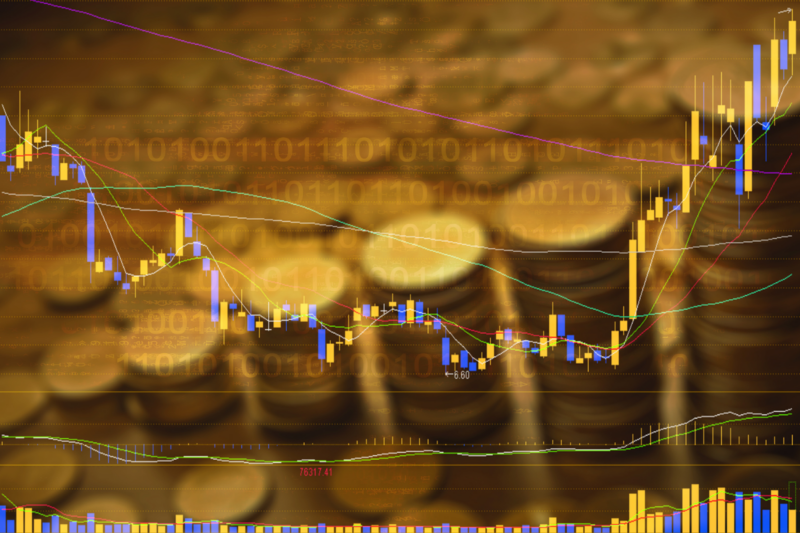
Investment funds, futures contracts, ETFs or other securities that have gold as an underlying, but do not allocate an amount of physical gold bullion or coins to investors, have allowed the same speculative model based on FIAT money. The new regulation aims to end or limit this business model based on the issuance of securities backed by a quantity of gold that does not actually exist, as it can generate financial bubbles that trigger many economic crises and subsequent bank collapses.
Thus, the regulation reclassifies physical, allocated gold as a Tier 1 asset (the safest tier), comparable to cash, while it continues to categorise paper gold, or unallocated gold, as Tier 3 (the riskiest tier). In addition, it obliges financial institutions to hold capital buffers of 85%, previously 0%, to secure precious metals financing and clearing transactions.
The possible consequences of the reclassification of physical gold into a safer asset may trigger the allocated gold market, while unallocated gold becomes a less desirable form of investment. Still, the tendency for gold price manipulation should diminish, at least in the futures markets, because state manipulation is another matter.
Time will tell how effective this new regulation will be in preventing banks and financial institutions from playing Russian roulette with money that is not theirs. A speculative game where taxpayers always end up paying the price. In any case, the value of physical gold as a safe haven asset par excellence is confirmed.
If you want to discover the best option to protect your savings, go to Preciosos 11Onze. We will help you buy at the best price the safe-haven asset par excellence: physical gold.


El Banc d’Espanya (BdE) ha comunicat que dona el seu suport al projecte de l’euro digital, poc després que el Banc Central Europeu (BCE) anunciés els seus plans d’avançar cap a una nova fase en el desenvolupament dels nous diners electrònics.
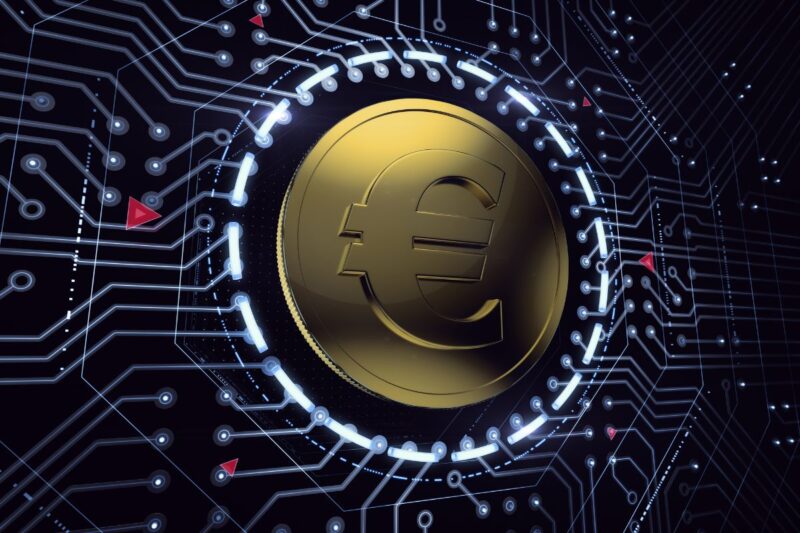
L’euro digital és el que es coneix com una CBDC (Central Bank Digital Currency), és a dir, una divisa electrònica gestionada i supervisada per un banc central, en aquest cas pel Banc Central Europeu (BCE). Podrà ser utilitzada tant per particulars com per empreses i, almenys en principi, no hauria de substituir sinó complementar els diners en efectiu.
Tot i que l’emissió d’un euro digital no és una certesa, després de dos anys d’un estudi preliminar sobre la possible introducció de la nova moneda digital, el dimecres passat la institució europea donava la llum verda als seus funcionaris per avançar cap a la següent fase del projecte. Amb la publicació d’un informe sobre el disseny i la distribució de la CBDC europea, el BCE anunciava que volia “començar a establir les bases per a la possible emissió d’un euro digital” a partir de l’1 de novembre.
Està previst que aquesta segona fase duri aproximadament dos anys, fins al 2025. Durant aquest període de preparació del projecte es finalitzarà el codi normatiu i la selecció de proveïdors per a desenvolupar la plataforma i la infraestructura. Segons el BCE, aquesta fase també servirà per “aplanar el camí per a una possible decisió futura sobre l’emissió d’un euro digital”.
El Banc d’Espanya es posiciona a favor de l’euro digital
Després que el Banc Central Europeu (BCE) anunciés la segona fase del projecte, el Banc d’Espanya (BdE) emetia un comunicat destacant el que considera com els avantatges de la CBDC i donant el seu suport al BCE. Juan Ayuso, director general d’Operacions, Mercats i Sistemes de Pagament del Banc d’Espanya, afirmava que l’euro digital conserva els avantatges de la moneda física.
El banc afirma que el format d’efectiu físic “no permet aprofitar tots els avantatges que ofereix la creixent digitalització de l’economia i la societat”. Un punt contenciós entre els proponents i crítics de les CBDC, que argumenten que els les monedes digitals centralitzades no poden garantir l’anonimat que ofereixen les transaccions en efectiu. Com admetia Christine Lagarde, presidenta del Banc Central Europeu, “L’anonimat total —com el que ofereix els diners en efectiu— no sembla una opció viable”.

Christine Lagarde, presidenta del Banc Central Europeu
Per altra banda, Josep Borrell, vicepresident de la Comissió Europea, afirmava que no hem de patir per la nostra privacitat i protecció de dades que “les dades personals estarien totalment protegides. Els bancs, ni tan sols el BCE, no veurien ni podrien rastrejar les dades o detalls personals de la gent. Els pagaments sense connexió oferirien un nivell de privacitat similar al que ofereix avui els diners en efectiu”.
Per a tranquil·litzar a la població i a les associacions de consumidors, la Comissió Europea i el Banc Central Europeu van presentar el juny passat un paquet de propostes legislatives per convèncer al Parlament Europeu i al Consell de la UE de donar suport al llançament de l’euro digital. Les autoritats europees justifiquen la necessitat d’una CBDC perquè cada vegada hi ha més ciutadans —un 55% segons les seves enquestes— que prefereixen pagar a través de mètodes electrònics.
Tanmateix, Javier Rupérez, president de la plataforma Denaria que dona suport a l’ús dels diners en efectiu, reaccionava a l’anunci del BCE assenyalant que, tot i que creu que l’euro digital podria ser un mitjà de pagament gratuït que “conviurà amb els diners físics, encara no existeixen garanties fermes que assegurin aquesta coexistència”.
Queda per veure si les CBDC podran garantir els conceptes de privacitat, anonimat i llibertat que ara tenim amb els diners físics i les criptodivises, però el debat està servit i sembla que l’euro digital està cada vegada més a prop.
11Onze Recomana Bitvavo, les criptomonedes de manera fàcil, segura i a baix preu.


Les reclamacions per operacions fraudulentes que els clients de la banca van presentar al Banc d’Espanya durant el 2022 duplicaven les de l’any anterior. Una gran part d’aquestes demandes es corresponen a operacions de pagament efectuades amb targeta o per transferència via internet. T’expliquem com protegir-te del frau bancari i quins passos has de seguir per fer una reclamació.
L’últim informe publicat pel Banc d’Espanya en què detalla el nombre de reclamacions i consultes ateses durant el 2022 deixa una imatge preocupant de la gestió tecnològica de la banca espanyola. Les reclamacions per operacions fraudulentes van augmentar un 109,1%, duplicant les de l’exercici anterior. Concretament, es van tramitar 34.146 reclamacions en el Departament de Conducta d’Entitats del Banc d’Espanya i gairebé una de cada tres reclamacions (10.361, el 30,3% del total) estava relacionada amb operacions de pagament efectuades amb targeta (86,1%) o per transferència via internet (13,9%).
Per entitats, CaixaBank, BBVA i Banc Santander són les que més reclamacions reben, principalment pel seu gran volum de negoci, tot i que CaixaBank i BBVA reben més reclamacions de les que els correspondria per quota de mercat. En tot cas, és un problema generalitzat que afecta pràcticament la totalitat de la banca espanyola i que no desapareixerà, atesa la creixent popularitat de les compres per internet.
En general, les aplicacions bancàries i els pagaments en línia són molt segurs, tanmateix, aquesta seguretat també depèn en gran manera del comportament del mateix usuari en evitar que les seves dades personals del compte bancari o de la seva targeta es vegin compromeses. Dit això, tots podem ser víctimes de cobraments sospitosos en el nostre compte o targeta, per tant, fem un repàs a les estafes bancàries més freqüents.
Phishing i Smishing
Les pràctiques del phishing i smishing destaquen com unes de les principals causes que hi ha al darrere de l’increment de les reclamacions al Banc d’Espanya. Consisteixen a enviar a la víctima un correu electrònic (phishing) o un missatge d’SMS/WhatsApp (smishing) parany, per a aconseguir dades personals, com ara contrasenyes, claus bancàries o números de compte i de targetes de crèdit. El correu o missatge dirigeix al client cap a un duplicat fals d’una pàgina web o una aplicació de mòbil molt semblant a alguna de les que utilitza normalment, com pot ser la d’una entitat bancària, de manera que hi entri i se li pugui robar la informació. Els falsos pretextos poden ser molt variats: actualització del sistema, verificació de dades, problemes tècnics.
Per tant, desconfieu de correus electrònics o SMS que us semblin sospitosos i no els obriu. I, sobretot, no faciliteu les vostres dades privades d’accés als serveis bancaris. Les entitats bancàries mai us demanaran les vostres dades personals o contrasenyes per correu electrònic o missatge de text.
Vishing
El vishing no és res més que una variant de les estafes anteriors que, en aquest cas, s’executa per via telefònica. L’estafador es fa passar per un treballador d’una entitat bancària o una empresa real i facilita un enllaç de parany o demana les dades personals directament a la víctima.
Com en els casos anteriors, hem d’evitar facilitar les nostres dades personals. Així mateix, no et refiïs d’ofertes o promocions que semblen massa bones per a ser certes. En cas de dubte, sempre et pots posar en contacte amb l’entitat bancària o companyia a través dels seus canals oficials.
Com fer una reclamació
En cas que s’efectuïn operacions no autoritzades en el teu compte bancari. Primer, canvia les teves contrasenyes de tots els serveis en línia i fes una reclamació al Servei d’Atenció o Defensa del Client de l’entitat financera. Pots fer-ho amb el full oficial de reclamació o trucant al telèfon gratuït per a incidències i reclamacions, tot demanant el número de referència corresponent a la teva reclamació.
Paral·lelament, pots interposar una denúncia en una comissaria dels Mossos d’Esquadra, però hi ha poques probabilitats de trobar al responsable directe del delicte, perquè sovint es tracta de grups delictius o de delinqüents que es troben fora del territori nacional.
Si en el termini de trenta dies no has obtingut resposta de l’entitat bancària, o bé la resposta no és satisfactòria, contacta amb l’oficina de consum del teu municipi. Si el banc no et reintegra l’import extret fraudulentament o la mediació no prospera, pots recórrer al Banc d’Espanya o a la via judicial. Recorda que si i l’import de la reclamació no supera els 2.000 euros, no et caldrà advocat ni procurador. Pots trobar més informació aquí.
Protegeix-te de les crisis econòmiques amb el valor refugi per excel·lència: l’or. Si vols que els teus estalvis tinguin valor el dia de demà, Or Patrimoni.



Gold prices tend to rise when geopolitical risks increase. But what relevance does this have concerning a US presidential election, and could a Donald Trump victory send the price of gold upwards, even when it continues to set record highs?
The presidential election in the United States on 5 November is fuelling speculation among investors about how the price of gold may evolve in the days and weeks following the election. According to a new report by the World Gold Council (WGC), high geopolitical risk may encourage investors to seek gold as a hedge.
Although, historically, gold tends to underperform its long-term average in the run-up to US presidential elections, US elections have not generally been considered a geopolitical risk. This year, however, Juan Carlos Artigas, global head of research at the World Gold Council, warns that these elections ‘will take place in an environment in which electorates, both in the US and globally, are increasingly polarised and geopolitical risk is significantly elevated.’
The WGC analysis suggests that ‘while demand for bullion and gold coins in the US appears to increase, on average, during Democratic presidencies, other segments of investment demand do not’. He points out that ‘party affiliation does not have a consistent impact on price during US elections. Instead, any president’s economic policies, both domestic and foreign, are more relevant to the behaviour of financial assets, including gold.’
Is gold apolitical?
According to the study, two opposing trends can be observed: gold appears to trend upwards six months before the election of a Republican president and remains stable in the post-election period. Conversely, it falls in price before the election of a Democratic president and falls just below its long-term average in the six months after the election.
That said, the WGC argues that these results are not statistically significant, since there is appreciable variability and there are few examples for each of the cases analysed. Therefore, the price of gold is likely to respond more to specific policies than to the party affiliation of the president-elect.
In this context, the policies of tax cuts, tariffs and less regulation promoted by Donald Trump’s candidacy are seen as inflationary on Wall Street and the Federal Reserve could be forced to raise interest rates again. A scenario that would put gold ‘in a prime position to rally,’ said Gregory Shearer, an analyst at JPMorgan Chase.
This perception that gold offers the best hedge for an investment portfolio in the event of Donald Trump retaking the White House seems to be confirmed in the latest Bloomberg survey. “Proponents of the precious metal as a haven play in case of Trump’s reelection outnumbered those picking the US dollar two-to-one among the 480 respondents”, the news agency explained.
If you want to discover the best option to protect your savings, enter Preciosos 11Onze. We will help you buy at the best price the safe-haven asset par excellence: physical gold.