Fintechs are gaining ground on banks
Fintechs are bringing about an unprecedented financial revolution. 11Onze is spearheading this change, combining cutting-edge technology and more efficient financial management that empowers users. In this changing landscape, traditional banking is lagging behind.
Perhaps we think that this revolution is a long way off, because the pandemic has dragged us into a complex day-to-day life. But we cannot be naïve: the changes in the world of finance affect us more than we think, and will affect us even more. That is why it is important that we understand the relevance of the moment, act accordingly and stay on track. The promoters of 11Onze saw this opportunity and are taking advantage of it.
Without going any further, Spain already has more than 350 fintechs in full operation and hosts 50 foreign start-ups. In the report Ecosistema Startup, the consultancy firm Xstartups states that more than 30 fintechs have been created in the last two years, including 11Onze, Ritmo, Payflow, Orama, Menhir, Fiara, Findoit, Stockfink, Deale, Bankse, Kintai and Pop, among others.
From advisors to undisputed leaders
Things are changing radically, and very fast. Fintechs have gone from supporting traditional financial institutions to leading the change. And there are two reasons for this. The first is the emergence and spread of chatbots, artificial intelligence, blockchain and cryptocurrency. The second is the exponential growth of private venture capital willing to invest in innovative ideas to change the current political, economic and social system. Both causes have led to a real transformation of financial technology.
Thus, at first, it was Asian financial institutions that began to launch super apps that brought together hundreds of thousands of users around financial services. The explosion was so sudden that regulations in the western world have become obsolete and are still being adapted by leaps and bounds. All this technological automation has led to fierce competition in the financial sector, as reported by Investopedia.
Hot on the heels of Asian countries, the United States has embarked on an unprecedented race in financial technologies. And on a global scale, large banks have even created digital incubators to copy the solutions of financial start-ups. Concern has grown to such an extent that the CEO of JP Morgan, Jamie Dimon, who manages a billion-dollar banking empire, has gone so far as to say, literally, that traditional banks “have to be scared shitless” by the unstoppable advance of fintech.
This is how large operators such as JP Morgan, Goldman Sachs, BBVA and Banco Santander have had to quickly promote new services to connect and attract customers. And the complaints have not been long in coming. First, because they did not have time to adapt to the new European PSD2 regulations, as fintechs such as 11Onze have done. Then, because they want to manage the Next Generation funds arriving from Europe and they cannot because it does not correspond to them. And now, because they will have to adapt to the requirements of the Spanish government, which obliges them to serve customers within 24 hours. In this sense, 11Onze has once again moved forward with its 24/7 team of agents and with the ‘11Onze a casa’ service.
Gen Z, community technology
The reality is that there is an exhaustion of the traditional financial world. Mistrust has grown steadily in recent years, due to banking abuses, such as subprime mortgages, black cards, IBAN discrimination and arbitrary commissions. To all this must be added the massive closure of bank branches, which no longer offer local services. In fact, these closures have driven thousands of bank workers to ERO, and they are joining en masse, because, they denounce, they are “fed up with working as salespeople.” Fintechs, on the other hand, offer flexible and technological workspaces for their workforces.
In this context, fintechs are carving out a niche for themselves in a particularly young, digitally native, hyperconnected market that does not understand complication, slowness and lack of transparency. And they are doing so by strengthening community ties and collective empowerment. According to a study by Asufin, 38.5% of 18-25 year olds use them. Even so, it is surprising how little knowledge the older age groups have about fintechs. In Spain, only 32% are aware of them.
Moreover, as reported by the Financial Digitalisation Observatory of Funcas (ODF-Funcas) and Finnovating, nine out of ten customers of digital finance companies give a score of 6.98 out of ten for the services they receive. They value price and security above all, above ease and transparency. Moreover, 37% of respondents would opt for a new financial provider other than a traditional financial institution if they wanted to open a new account.
This is why, little by little, word-of-mouth is gradually catching on among the public and has become the best ally of the new technological finance companies. So yes: fintechs are not only here to stay, but they are destined to unseat traditional banking in a short time. 11Onze wants to be the spearhead of this unbridled revolution. And it wants to count on you, so that you too can be a driving force for change.
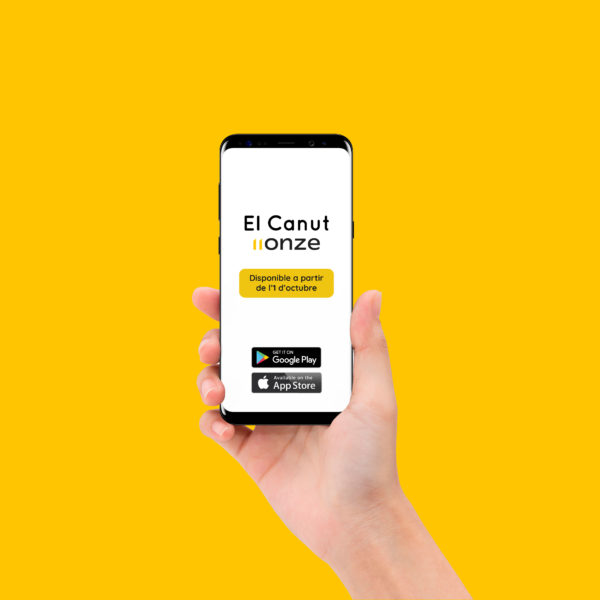
11Onze is becoming a phenomenon as the first Fintech community in Catalonia. Now, it releases the first version of El Canut, the super app of 11Onze, for Android and Apple. El Canut, the first universal account can be opened in Catalan territory.

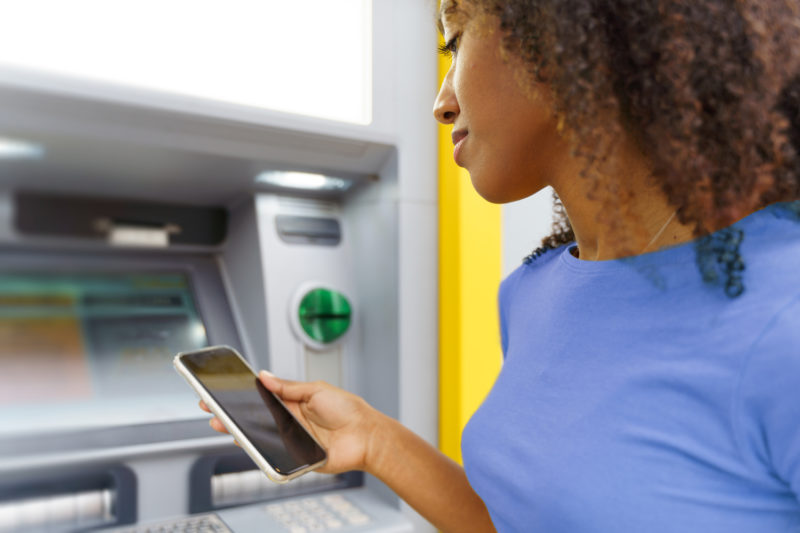

Throughout compulsory education there are many subjects. Some are compulsory and others are optional, but none is as universal as financial education. And, even so, we need much more education so that teenagers know how to manage their money.
The reality is that more than half of Spain’s citizens have little or very little knowledge of financial matters. One in three families arrived at the pandemic with less than 3,500 euros saved. The Contea Foundation and the PricewaterhouseCoopers Foundation periodically publish a study on financial culture in the classroom and have determined that the countries with the best education are the Netherlands, the United Kingdom and Sweden. Spain, on the other hand, is at the bottom of the list.
What is a mortgage, what is a credit card, what is a budget, how do taxes work and what is an investment fund? “A very important part of our activity in society requires financial knowledge. And we must not forget that we all have to pay taxes,” argues Oltra, who is a great advocate of a good financial culture from an early age. “It is a vital necessity,” the agent assures us. If you want to know how to help teenagers learn to get their finances in order, don’t miss the video below.
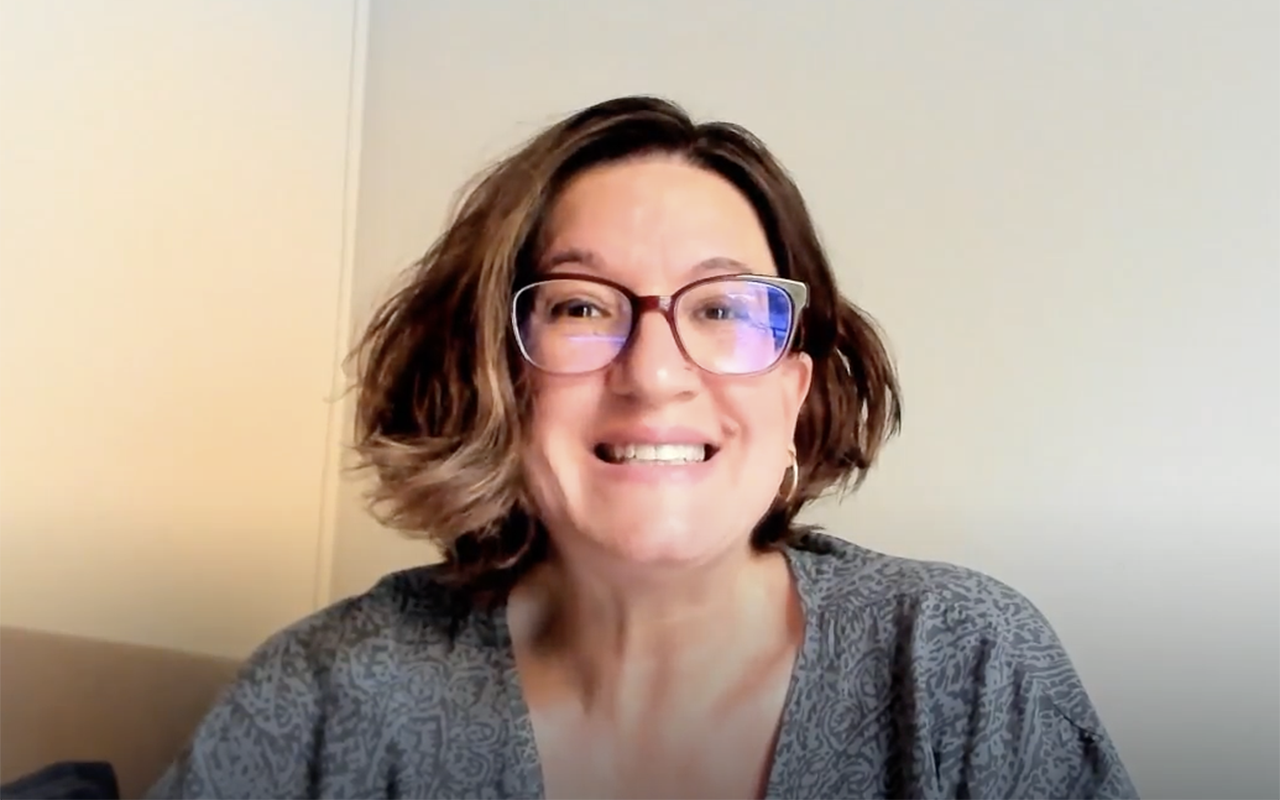
Financial education tools for teenagers



For months we have been explaining what we are and why we are like this. It all responds to an idea: that Catalans can build our financial sovereignty. And, in the end, distilling and distilling, we have taken the shape we want: we are a community fintech, a fincom. And this model is a pioneer in the world.
Are there traditional banks? Yes, and we know how they work, that’s why we’ve dedicated a series of podcasts to protect ourselves from bank abuse. Community banks? Also exist! 11Onze President James Sène has often talked about how we have taken the example of African-American community banks in the United States. If you want to learn more about community banking, you can do so here. That fintechs already exist? Of course, they are an alternative model for the future, from which we have incorporated many ideas. But, in the world, 11Onze is a pioneer.
That’s why we needed a new word to explain ourselves: “fincom”, the contraction of fintech and community. And what does it mean to be a fincom? Imagine that we are like a small town, with a community of neighbours who want to specialise in the financial world. A fincom is a website where we learn to empower ourselves collectively.
And, as in any city, when you are part of the 11Onze community, you have La Plaça, a digital site that brings together all the services to build your financial independence: the financial institution, where you can open an account with El Canut; a school where you can Learn; a cinema and a radio with 11OnzeTV; a newspaper stand with the Magazine; and a neighbourhood with other users and the 24/7 attention of the agents. Later on, we will have a Marketplace where you can buy products and services. And, by the way, we even have our own currency, Les Peles!
So, if anyone asks you if 11Onze is a bank, the answer is simple: no, it is much, much more. Can 11Onze do everything a bank does? Progressively, yes, and we will do things that are unimaginable for a bank, because we are counting on you to do them. Let’s take a look back at how we have explained our fincom!
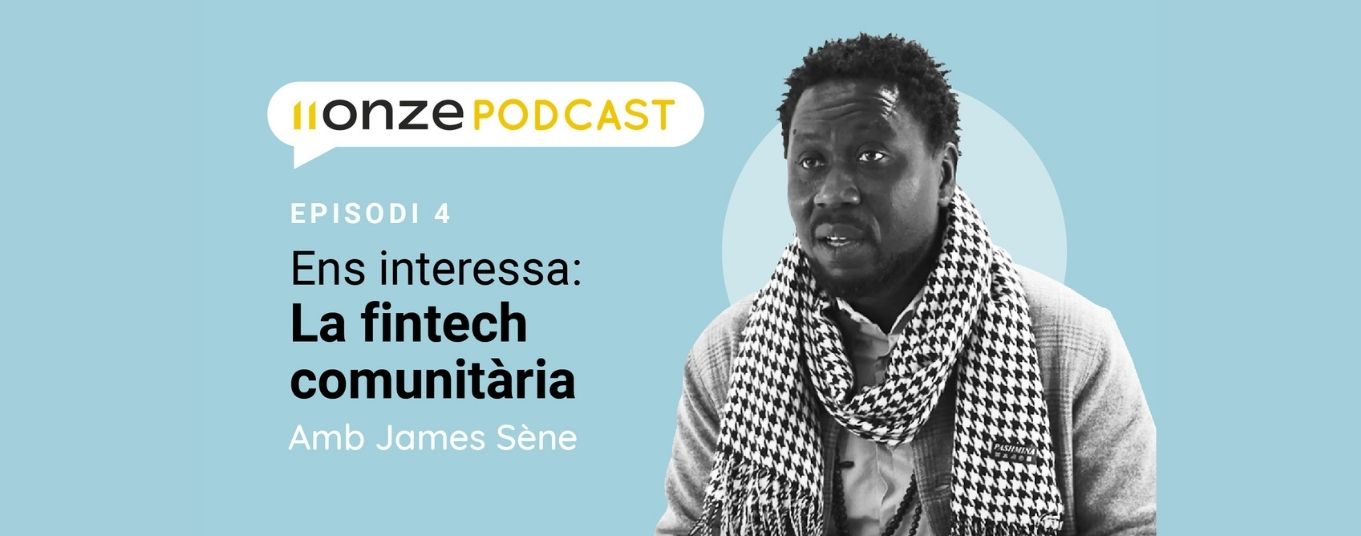
Episode 4 | Community fintech
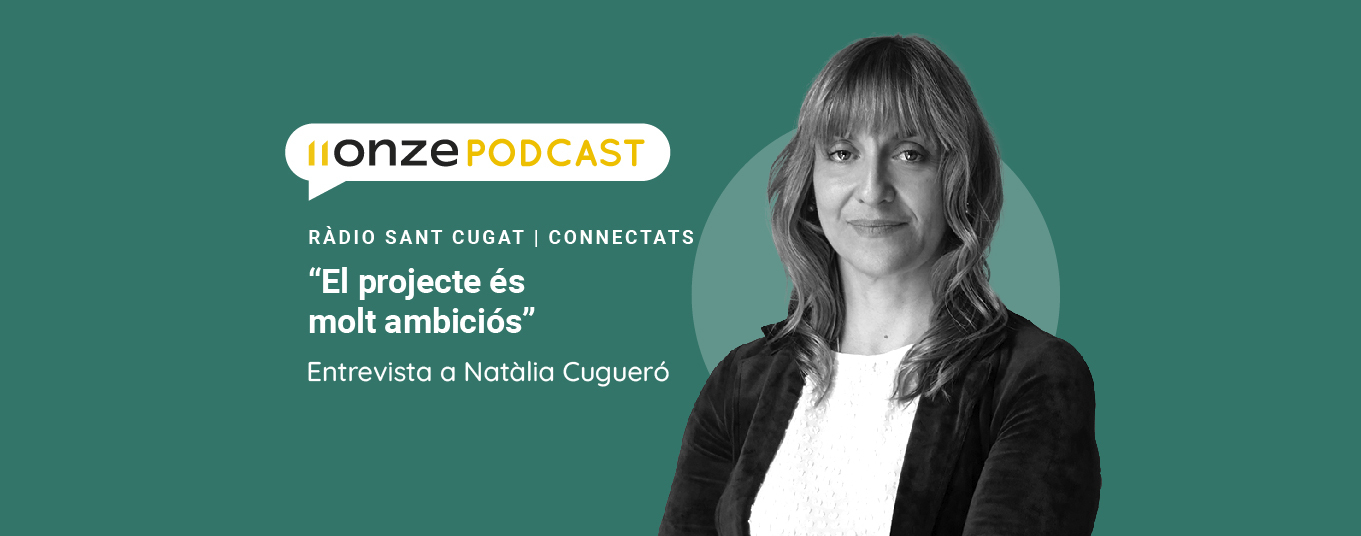
“The project is very ambitious”
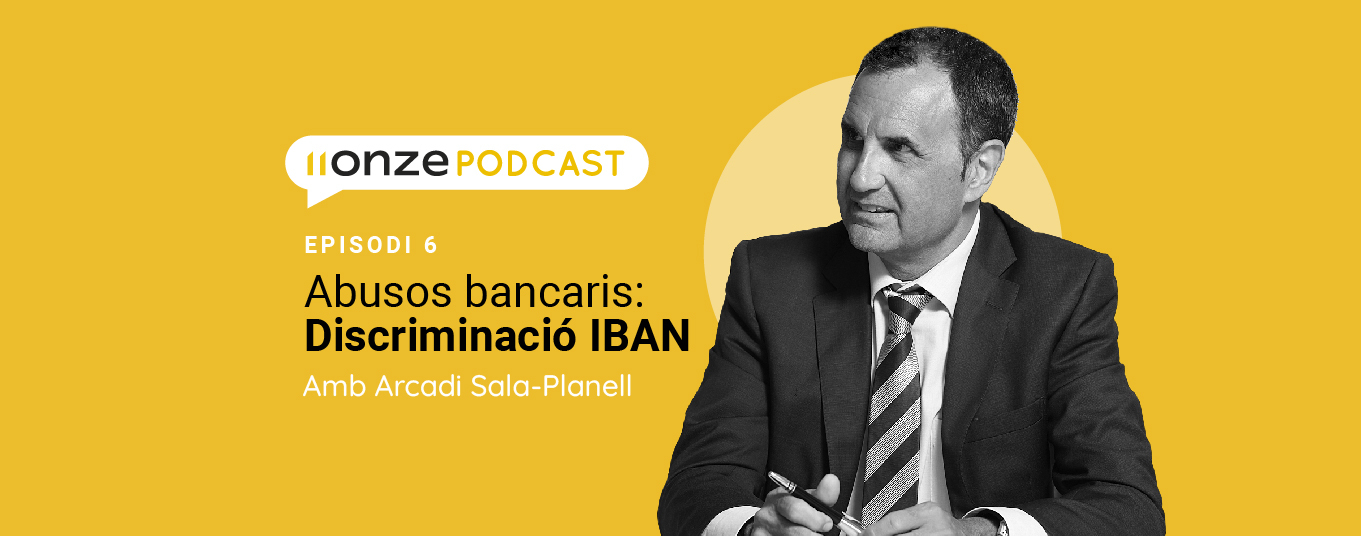
Episode 6 | Bank abuse: IBAN Discrimination
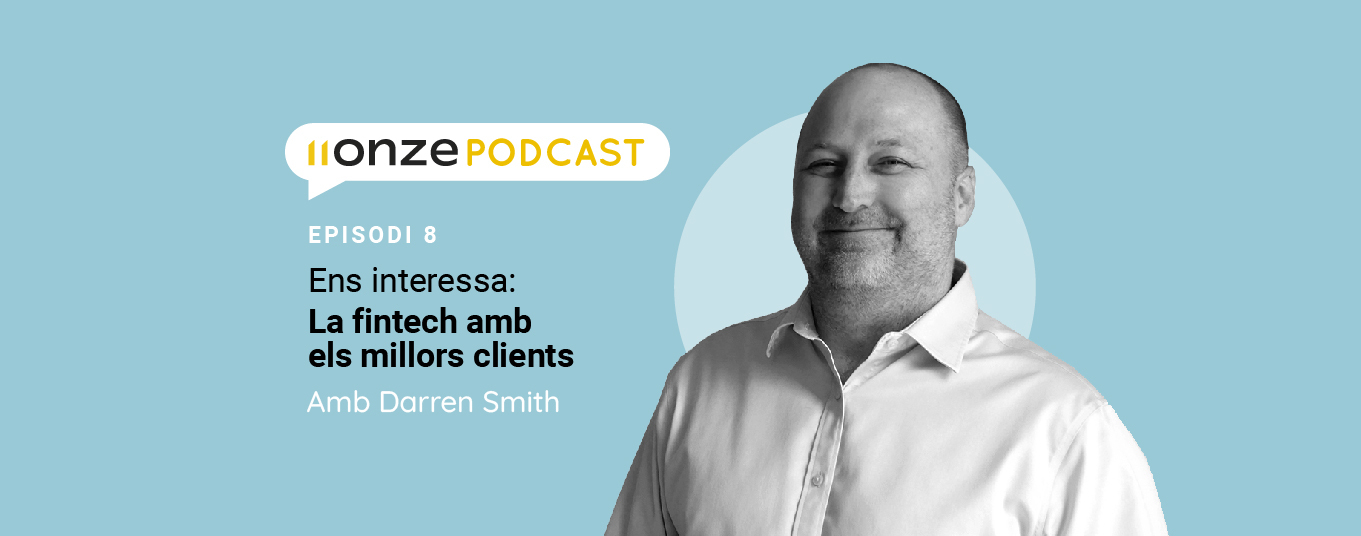
Episode 8 | Fintech with the best customers
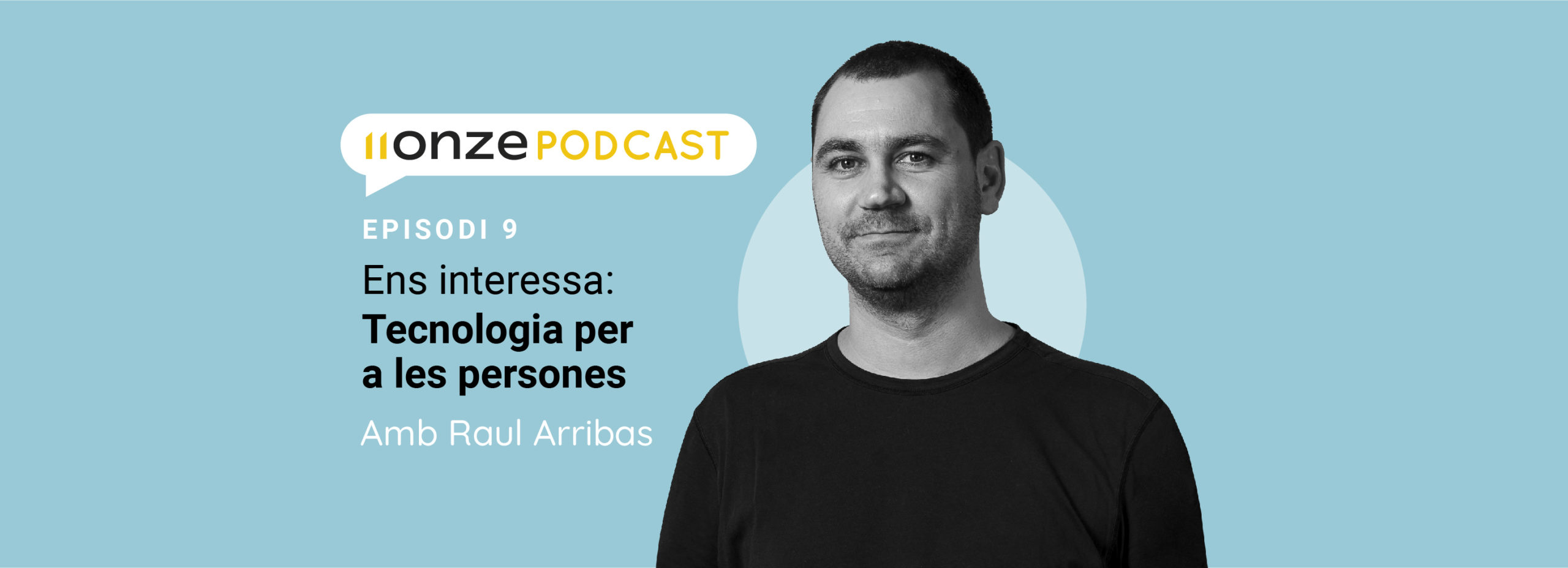
Episode 9 | Tecnhology for people

Episode 5 | The Story of 11Onze

At 11Onze we protect all customers who feel they have been mistreated in their financial management, whether by banks or companies. For this reason, we have activated a complaints protocol and have set up a free legal advice service. Aina Ansó, from the legal department of 11Onze, explains it to us.
Since El Canut can be downloaded and the first customers have started to activate their accounts on 11Onze, the fincom has detected that some financial institutions are making it difficult to allow transfers to 11Onze accounts and other financial operations. These obstacles may constitute a violation of the Law on Consumers and Users and, for this reason, the 11Onze legal department has taken action and has promoted a complaint protocol.
“Our protocol is designed for situations in which a client considers that the former financial institution or a company with which they have dealings may be engaging in malpractice,” explains Ansó. The legal advisor argues that, on this point, the regulations are clear: if the client believes that any right is being violated, they have the right to file an out-of-court complaint, so that their case can be assessed.
“These are always cases in which institutions or companies do not justify the reasons for this hindrance. They are not transparent with the reasons why they do it,” he says. Ansó also points out that, in the event that financial institutions make difficulties with the IBAN, other legal measures must be taken, as we have explained to 11Onze.

“The 11Onze legal team has designed an easy and agile procedure to avoid the obstacles of other entities for 11Onze customers”
An “easy and agile” process
And what does this protocol consist of? Ansó explains that 11Onze’s legal department has organised the entire procedure so that it is “easy, agile and so that the customer has to do practically nothing”. Thus, a four-step protocol has been established:
- First step: the customer’s notification. As soon as the customer feels that his or her consumer rights have been violated, he or she must inform his or her 11Onze agent. The 11Onze agent will send him/her a basic notification form, which will then be analysed by the legal department.
- Second step: fill in the notification form. Once the customer has received the notification form, they will have to fill it in with their personal details, the reason for the complaint, the amount of the claim if necessary, the details of the entity they believe may have committed malpractice, and other information regarding any other complaints they may have made previously. “Once the client has filled in the document, he or she will send it to his or her 11Onze agent, and the agent will forward it to the legal office,” Ansó summarises.
- Third step: the notification form goes to the 11Onze legal department. With the notification form in hand, the 11Onze legal department will begin to work with the complaint and draw up a report. All this advice will be provided free of charge. “In the legal department, we will validate all the information and take the measures we deem appropriate. For example, the drafting of a statement of claim, with all the legal bases that apply,” says the legal advisor.
- Step four: the client submits the complaint. Once the complaint has been given legal status by the law firm, the relevant documentation will be forwarded to the 11Onze agent, who will forward it to the customer. The customer only has to send this documentation to the financial institution or company that he or she considers to have violated his or her rights so that the appropriate measures can be taken.
11Onze is becoming a phenomenon as the first Fintech community in Catalonia. Now, it releases the first version of El Canut, the super app of 11Onze, for Android and Apple. El Canut, the first universal account can be opened in Catalan territory.

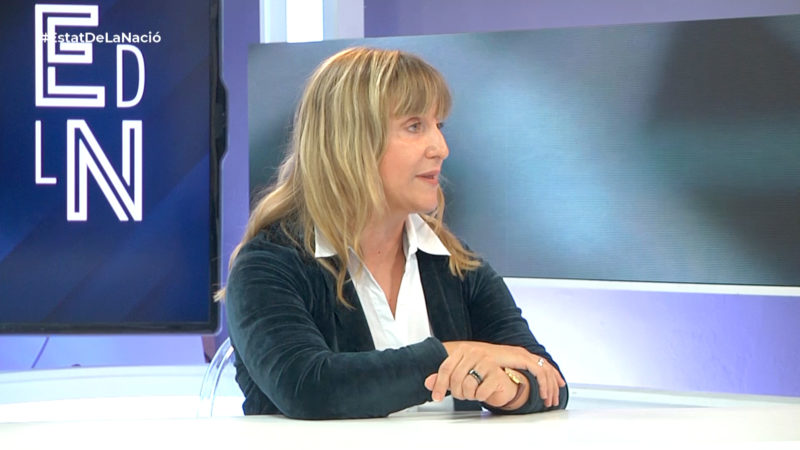
11Onze is much more than a Catalan fintech: it is a financial hub, it is a tool for the country that lets us manage our finances in a way that has never been done before in Catalonia. The current affairs magazine L’Estat de la Nació interviewed the CEO of 11Onze Natàlia Cugueró.
“11Onze is a fintech which operates within Europe. We choose countries with strong central banks, we don’t work with the Spanish Central Bank” remarked Cugueró during the interview, which could be seen live this Friday on Facebook Live and on Assemblea’s YouTube channel and on Teve.cat.
Indeed, our fincom wants to offer the best products on the market and, as the CEO of 11Onze pointed out, it wants to take advantage of the fact that the European PSD2 regulation offers the possibility of opening accounts with different IBANs. Answering questions by journalist Eduard Berraondo, 11Onze’s CEO explained the actual status of the business, and where the community is heading. You can see the whole interview below!
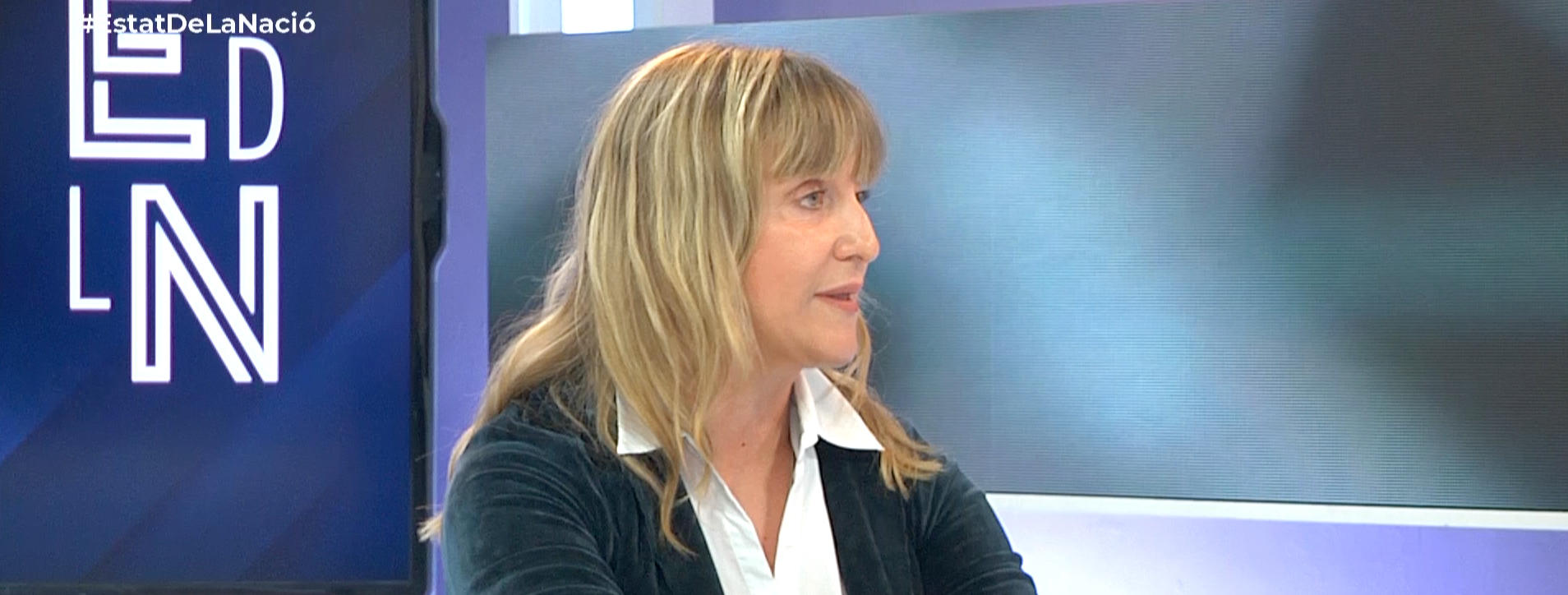
L’Estat de la Nació interviewed the CEO of 11Onze Natàlia Cugueró

Since 2015, this day has been celebrated on the first Monday of October, with the aim of making financial knowledge accessible to everyone. At 11Onze we share this objective, and we get involved in it every day.
Spreading knowledge about economics and finance is one of 11Onze’s main objectives. This is the only way to empower people into making the right decisions regarding their savings. This Monday we are celebrating Financial Education Day and, for this reason, within the framework of the Financial Education Plan, promoted by the Bank of Spain and the CNMV, a series of activities are being carried out, and content on financial education is being shared. Some topics highlighted in this edition are saving tools, sustainable financial products, and the circular economy.
At 11Onze we are celebrating this Monday, but we are committed to it on a daily basis. In the Learn section, you will find content such as the series El Diner, the 11Onze training courses given by the employees themselves, or our short courses. Furthermore, in the Discover section of 11Onze TV, you will also find pieces by our agents on topics of interest for our day-to-day life.
This Monday, then, more than ever, we are promoting financial education. Free knowledge content that helps us grow individually and as a community.
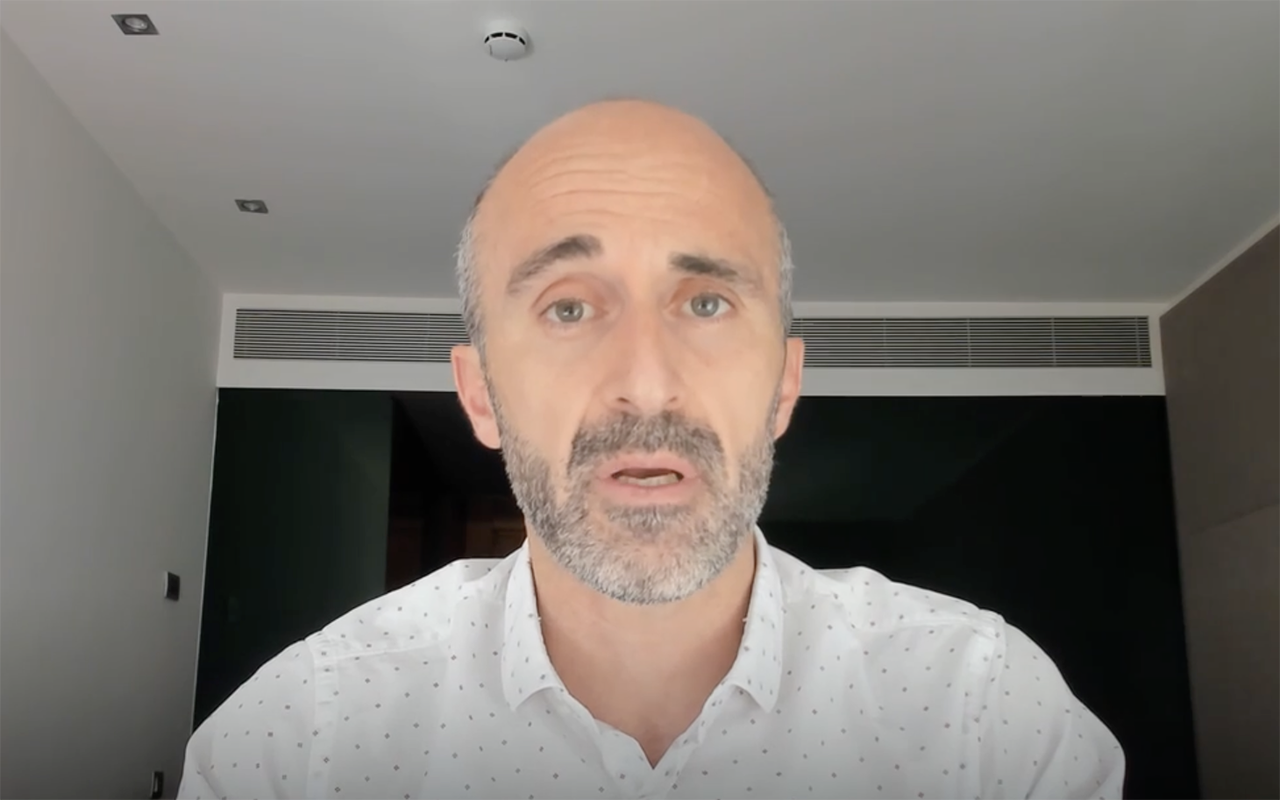
Agent 11Onze Iu Alemany gives us some tips for educating the little ones in finance.


At 11Onze we begin to reveal the conditions of the services that we will offer on October 1 to the first 5,000 customers. With the help of junior product manager Sara Casals, we detail what we will soon be able to find in El Canut, the super app that comes to revolutionize traditional banking.
“On October 1, we launch an 11Onze individual account. Once you sign up for this account with the access code, we will be able to add new services,” Casals explains. The initial account will be for people of legal age and only one account holder will be accepted. When the customer enters 11Onze’s super app, El Canut, he or she will have a fincom account, but will also be able to add accounts from other financial institutions with which he or she has contracted a service.
The aim is to be able to manage all accounts from El Canut, so that the customer will have a greater financial control of his/her money. Within the same initial package, in addition to the account and the super app, the customer participates in La Plaça, an active financial community. This community generates content about the world of money, promotes training with lessons and audiovisuals, and has 24-hour attention of the 11Onze team of agents. “We charge what we charge in order to cover the minimum costs. In a few months we will offer a very wide range of services. You have to be patient and get into 11Onze little by little,” Casals reveals.

The products that will make us grow
- An cyphered e-mail, protecting communications. One of the non-financial services that we will offer in 11Onze, but that can be useful to manage and organize our finances, is an e-mail with 11Onze’s domain “completely cyphered”, explains Casals. This means that we will be able to maintain communication with suppliers, clients or users with total security, because the email will cypher both the sender and the receiver as well as the message.
- ETF packages, learning to invest. As for financial services, one of the milestones will be ETF packages, i.e., exchange-traded funds. “ETF packages allow you to invest in units. Each participation represents a portfolio of shares, which yields returns, not through managers who buy and sell on the stock market, with the risk that this entails, but fluctuates according to the index within which it is framed. Thus, you are diversifying your money and it is more difficult to put it at risk. Without having very in-depth knowledge of the world of the stock market, our clients will be able to access it,” explains our junior product manager. Obviously, thanks to La Plaça and the 11Onze brokers, the community will gradually learn how to trade on the stock exchange. “We will configure the product according to the client’s needs and knowledge,” says Casals. One of the peculiarities of these packages will be that it will not be necessary to invest a large amount, as is usually the case in traditional banking. The other feature is that it will be possible to choose between several portfolios and the user will be able to consult which companies are part of them, so that all the packages will allow investment “without having ethical and moral conflicts”. “We will have eco packages, for example, with companies that are sustainable. We will promote socially responsible investing,” says the junior product manager.
- Europe-wide lending services: “At 11Onze we will also be able to offer loans with the most competitive rates that we find in the European market,” Casals continues. In fact, precisely, the network that our community fintech has created throughout the European Union, thanks to the PSD2 regulation, makes it possible to enjoy and choose from a wide range of services from various European financiers. This advantage is not possible in traditional banking, which forces you to purchase its services at a fixed price. In addition, at 11Onze “we will never offer loans that will drown our clients with unaffordable interest rates”. “If a client has a good history, but a month does not reach everything, relief can be found in loans with a very low interest rate,” assures the junior product manager.
- The cryptocurrency wallet, the ultimate tool. “If we talk about investment services, we have to mention that we will have our own cryptocurrency, Les Peles, and we will offer a crypto wallet within El Canut, through which we will be able to buy, sell or store cryptocurrencies,” Casals explains. That’s why we say that El Canut will allow us to create a financial hub, because all our finances will be protected within the same application. This is how we will be able to offer more profitability to our savings. “When the currency is unstable, in times of hyperinflation, you make sure that the value of your money is not lost. Gold, for example, tends to go up when the currency goes down,” details the junior product manager. To learn how to move savings from one currency to another, we will, of course, have La Plaça and the 11Onze agents.
- Debit cards, a guaranteed savings. Casals also reveals that credit cards will not be offered, but debit cards will be. “A credit card promotes an irresponsible use of money. When you pay with money you don’t have, you can find yourself with a problem when it’s time to pay it back, because the interest is increasing. For this reason, 11Onze will provide customers with all the tools they need to take control of their finances and learn how to save. “If we get the customer to be financially literate, we are sure they will be able to save,” she says.
- Customized accounts, personalizing finances. As the 11Onze community grows, there will also be different accounts for the self-employed, companies, families, senior citizens, minors, shared accounts or subaccounts. Specifically, Casals reveals that, for example, the accounts for the self-employed and companies are being designed to have associated digital factoring and leasing services. That is, through El Canut it will be possible to manage the accounts of a business and generate invoices, but also to advance payments to suppliers when there is no liquidity or manage the rental of offices, technology or company cars, among others.

Costs? Yes, but very competitive
- Having an account like someone who has a subscription. “We will have a monthly fee of €2.95, which is the price of a Sunday newspaper. It will be a monthly cost, we will not charge you an annual fee. So, if at any time you want to unsubscribe, you can do so without any problem,” Casals explains. In total, to maintain an account with 11Onze you will only have to pay 35.40 euros a year, subscription charges that are considerably more competitive than those currently offered by traditional banks, which range from 50 to 200 euros a year. In addition, this price offers the new generation app, El Canut, personalized attention from agents 24 hours a day and membership in the community in La Plaça. “You won’t find this in any other fintech or bank,” says our junior product manager. “We think it’s a more than fair price. Some conventional banks offer you a free account, but in exchange they force you to have your salary paid directly into your account or have a minimum balance of a certain amount,” she argues.
- You only pay for the card once. In addition to the €2.95 per month of subscription charges, the cost of the debit card will be charged in a single payment, if one has been requested, which “will have a unique design, totally eco-friendly”. “We don’t do like traditional banking, where you have to pay every year for a card that you get only once. The price includes the cost of the card and shipping costs, 14.95 euros,” says Casals.
- Transfers, in evolution. Transfers between 11Onze accounts will be free and instantaneous. “To make transfers to other entities, a commission will be applied, but as soon as it can be offered free of charge, we will do so,” says the junior product manager. Thus, receiving transfers will be free, but sending them will cost 0.75 cents. “When we have active company accounts, we will probably have to adapt to the needs of these companies. And we know they need to make transfers and deposit cash,” he expands.
- And what about ATM withdrawals? “Finally, we are working to create our own network where you can make purchases and, at the same time, withdraw and deposit cash,” Casals explains. For the moment, however, if people want to withdraw money from the ATM with the 11Onze account, the price is 1.10 euros, plus 1% of the amount. Even so, our junior product manager reminds us that “customers are not being asked to close their current accounts at other banks and, therefore, if money needs to be withdrawn from the ATM, it can be done from those other accounts.” In addition, it should also be borne in mind that, in the not too distant future, it is likely that cash will disappear from the market.
Want an 11Onze account? Order batch in Get in line. With the code we’ll give you, you can open an account on October 1st.

Let’s imagine a network with several connection points, exchanging information horizontally, securely and dynamically: if one of the points fails, the rest will not suffer? This is how the blockchain technology that 11Onze will operate with works. We spoke to agent Joan Benedicto about it.
“Blockchain is a decentralised system, that allows information to be stored and processed, but it does not depend on a single entity,” Benedicto begins. Currently, however, most applications, including financial ones, do not work with this system. And so, this fact explains, for example, why when there is an error in the central server of Whatsapp or Twitter, the whole system goes down for hours like a house of cards. And this also explains how the traditional banking sector works.
If everything has to go through a single point of validation and control, the protection you can offer your customers is weaker and more hackable, Benedicto reminds us. “In contrast, a decentralised system controls the flow of information thanks to the cooperation from several points. This blockchain system has rules that make it impossible for anyone to enter and manipulate what is transmitted there,” the agent continues.
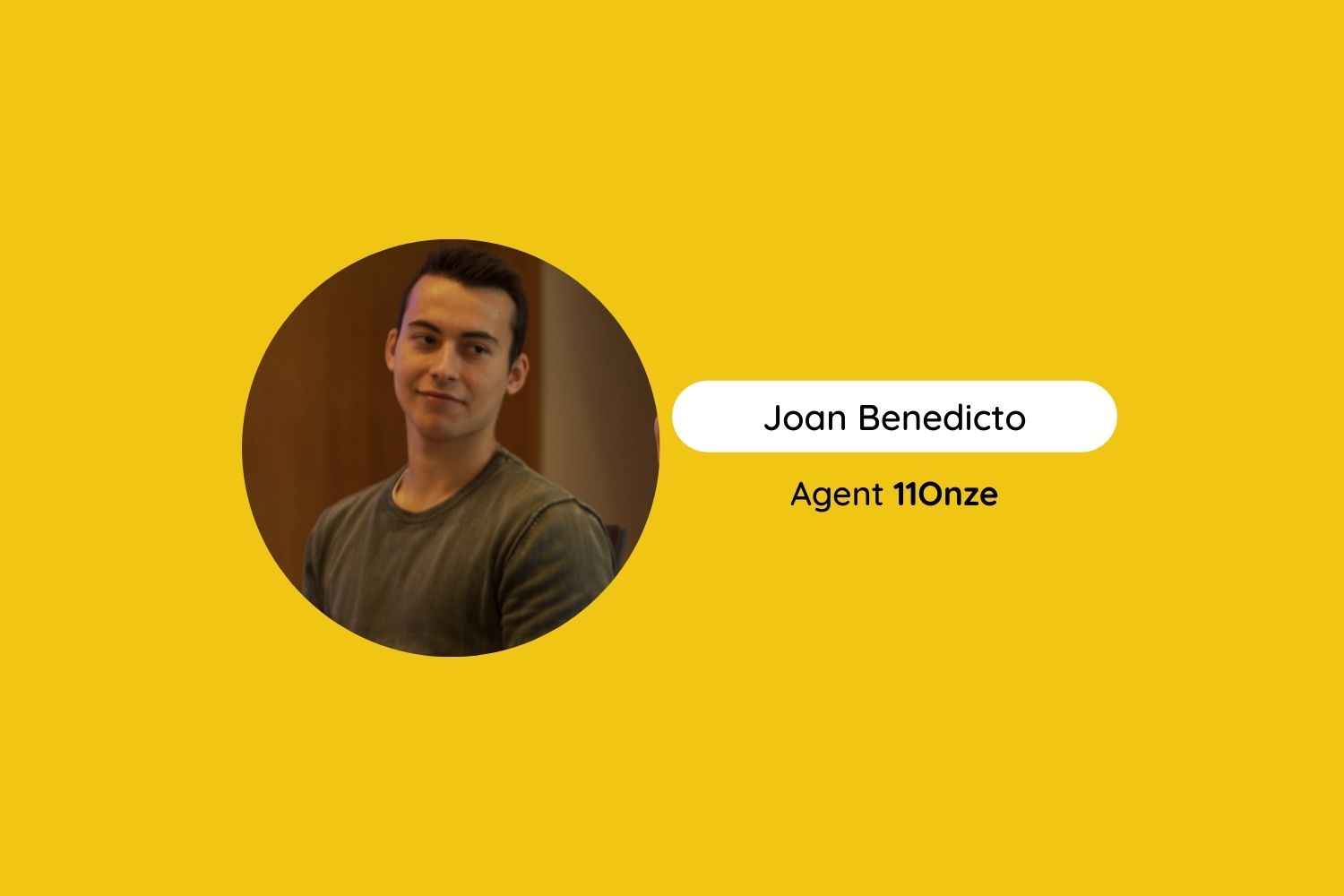
Miners, the ones who make transactions possible
Those who work to make possible the exchange of information are the so-called miners, groups of users who offer their own computing power to calculate, simultaneously and very quickly, the cryptographic code that configures each point of the network, called a block of information. When these codes are deciphered, each of these miners receives an equal reward, and the block is established and validated within the system to become part of the network with the rest.
“The cryptocurrency market is the paradigmatic example of how a blockchain system works,” observes the agent. In fact, each cryptocurrency has its own blockchain, its own decentralised system for transmitting information and movements. Some best-known systems are Bitcoin and Ethereum. “In the Bitcoin system, for example, there are many groups of miners competing to see who can calculate the cryptographic codes of these blocks first. There are five or six very well known groups”, he says.
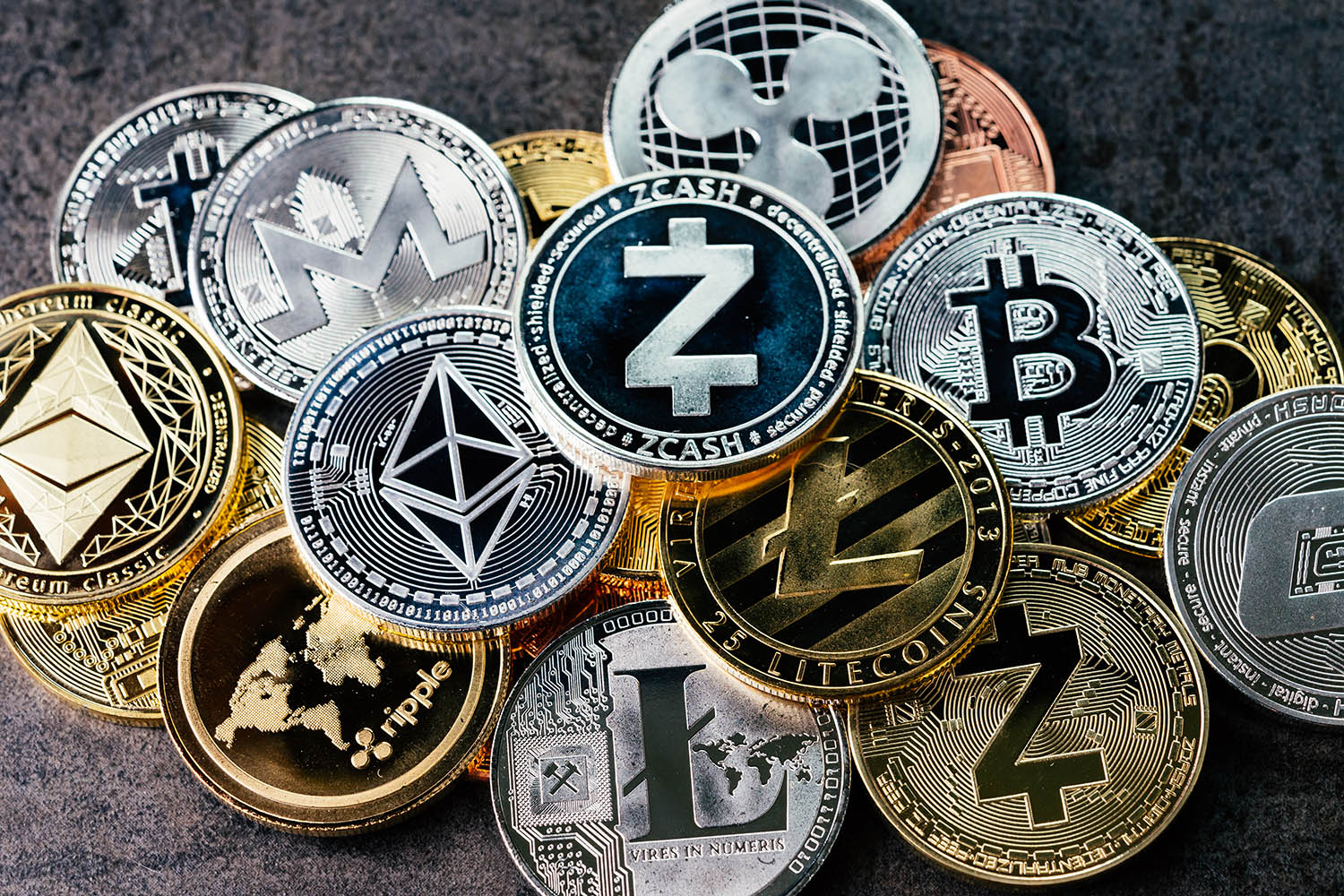
Thus, all the information about movements that users make through internet platforms or online brokers is stored through these blocks, as if we were on a virtual stock exchange: transactions are made as in a market, but with all movements recorded within the same system and available to be consulted in an encrypted and anonymised manner. In this way, it is possible to check that no one is actually making any fraudulent transactions. Agent 11Onze explains how “it is precisely this system of shared information what makes the blockchain system so secure”. “It is more secure because there are a thousand eyes watching,” he notes.
Therefore, a large part of Cryptocurrencies’ success is based on the community, on how it monitors that everything is correct. In addition, the monopoly of money creation is broken, stops being an exclusive matter of central and private banks and, finally, it puts an end to a fallacy: physical currency is not more secure than digital currency just because it is supported by physical assets, the reason being that the amount of currency issued by private banks is much higher than the assets they actually possess.
“In terms of the decisions being taken within the blockchain, the system is very democratic. The whole structure holds up because everyone believes that the system rules, that they have created themselves, work,” sums up the 11Onze agent. The blockchain allows an entire community to sustain its economy in the cloud and no longer depend on traditional banking.
Les Peles, one more cryptocurrency
Through El Canut, our financial community will also be able to operate with 11Onze’s own currency, Les Peles. These currencies are 11Onze’s commitment to the community, which is remunerated for being trained, for sharing knowledge and interacting. It is a currency that will soon be useful to buy goods within the 11Onze marketplace, through partner merchants.
Want an 11Onze account? Order batch in Get in line. With the code we’ll give you, you can open an account on October 1st.


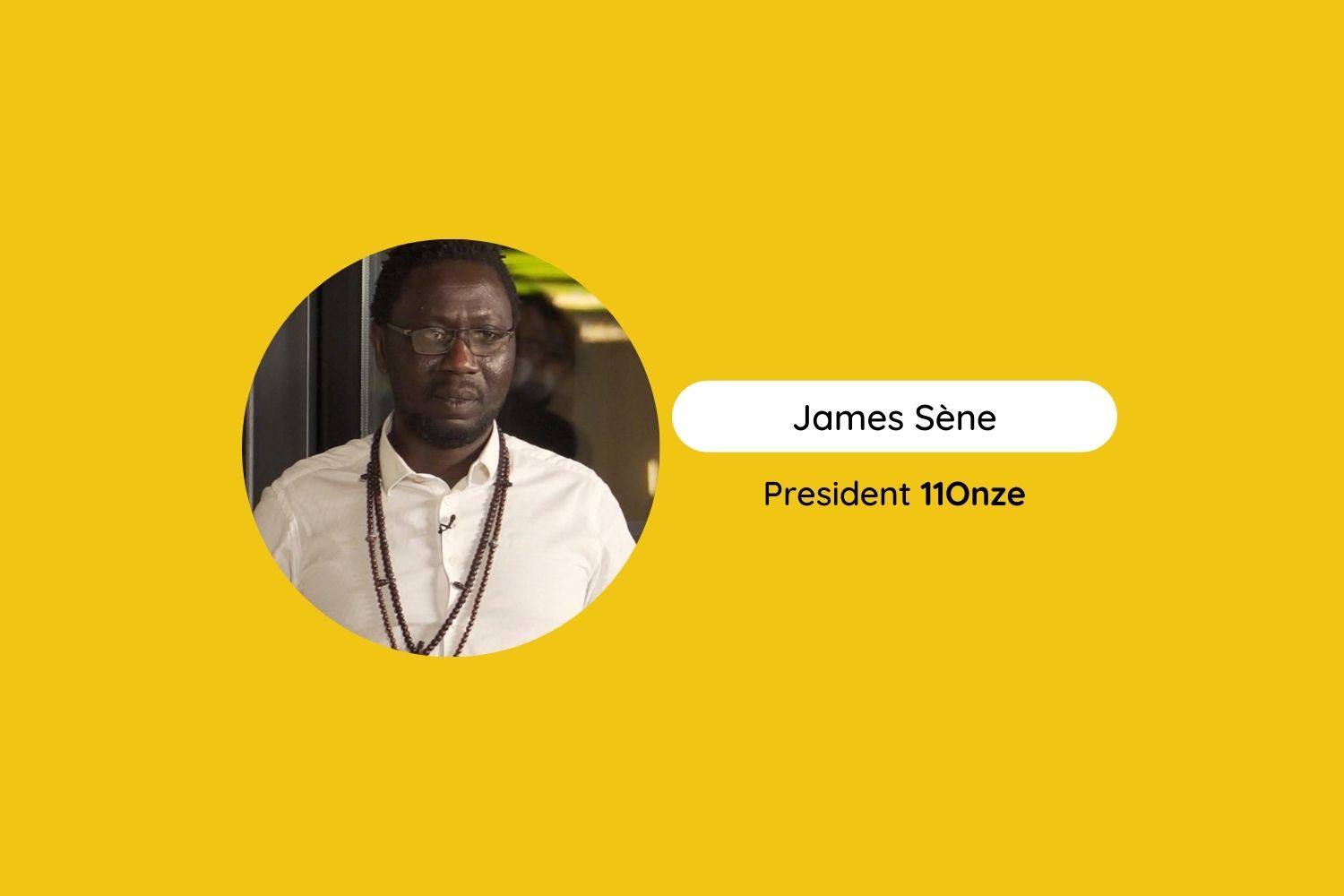
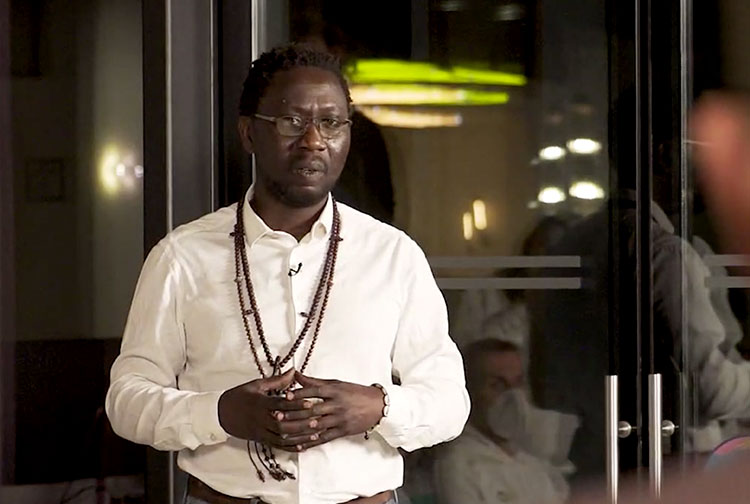
James Sène, chairman of fintech 11Onze, shares his experience and insight on how we can address the challenges of cybersecurity in the age of Pegasus.
Tap and go, has become our latest mantra. Be it at a till in a shop, in a cafe or in a taxi, all we do these days is tap and go. What we do not think about is how this little tap could lead to paying for something we didn’t buy, losing all our savings to cyber criminals or worse, becoming a victim of identity theft. So far, the abuse of technology was limited to mainly monetary gains.
From national security to individual freedom, technology in the wrong hands is causing untold damage to our society. It is already robbing many of their savings and now threatening to steal our freedom.
The amount of money stolen by cyber criminals is staggering. To date, Americans have reported losing more than $469 million to pandemic-related fraud. In the U.K, businesses have lost over £6.2 million to cyber scams over the past year —with a 31% increase in cases during the height of the pandemic.
In some European countries, cybercrime accounts for almost half of all crimes committed! Covid-19 has fanned the fire of cybercrimes by putting banks, fintechs and businesses across the globe on a backfoot. Infact, 2020 set the all-time-high record for cybercrime, fraud, and ID theft in the US and in Europe. No wonder 76 % of Europeans are increasingly worried about cybercrime!
Businesses —big and small, and ordinary citizens— young and old, have become victims of cybercrime. In the US, Colonial pipeline hit the headlines when it had shut down the entirety of its gasoline pipeline system in its 57-year history. Meanwhile, in Europe, some 800 Coop supermarket stores in Sweden were forced to close after point-of-sale tills and self-service checkouts stopped working. It was due to an ongoing cyber-attack affecting organisations around the world. The list goes on…
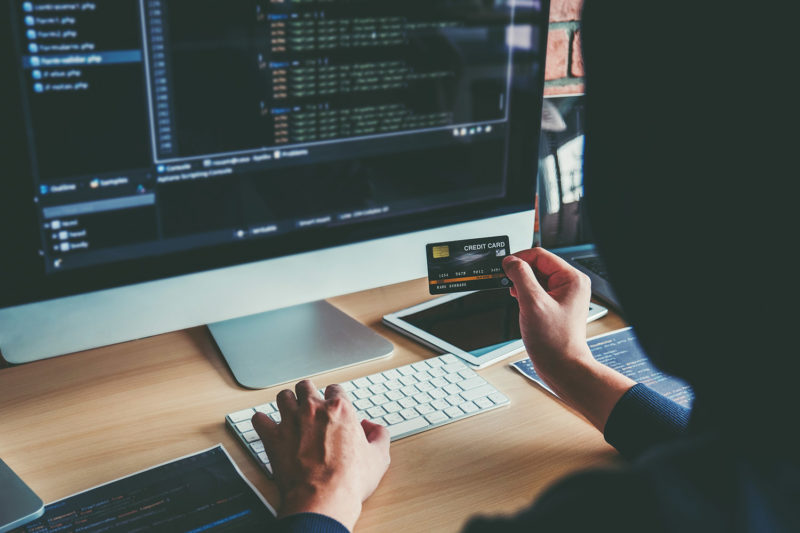
Cybercrime takes various forms. Hackers can steal your data, your identity to commit online fraud. You might end up paying a bill for something you never ordered. Everyday, thousands are bombarded by fake texts about online parcel deliveries “phishing” for bank details. Many lost their life savings to these criminal operations. Fake emails demanding bank details for tax refunds have become de rigueur. Even Covid-19 jabs related messaging is being used for cleaning out victims’ savings. “Authorised” fraud, where consumers are duped into transferring money to criminals, hit record levels in 2020, with £479m lost by nearly 150,000 victims.
Cybersecurity has become a national priority today. For banks and fintechs – who rely on offering a safe haven for financial security to their customers – it is imperative that they offer cyber security.
First and foremost, people have to be educated about cyber crimes and its various forms. Governments must take the lead here – like campaigns to cut obesity, they must run campaigns to educate people about cybercrime.
The European Union has developed a comprehensive cybersecurity policy which includes a cybersecurity law designed to enhance Europe’s cyber-resilience and a permanent EU Agency for cybersecurity.
Online fraud is a new event for most of us and they are much more difficult to avoid, especially for those who are not yet fully accustomed to the digital realm. How can we protect ourselves?
A few steps that we can take to avoid being victims of cybercrimes include keeping personal and private information secure on social media. Cybercriminals often get our personal information from a few data points, so the less information we share publicly, the better it is for us. It is best not to share information such as the name of our first school, pet or mother’s maiden name. Changing privacy settings on our social networks, for example, by setting the profile as private, or restricting the information that people that you have not added as contacts can see, helps.
Personal information theft can also occur when someone obtains your personal data in a way that involves fraud or deception, again, typically for economic gain. You might be tricked into giving personal information over the internet, or a cybercriminal might steal your post to access account information mailed to you. That’s why it’s important to guard your personal data. A VPN can also help to protect the data you send and receive online, especially when accessing the internet on public Wi-Fi.
New technologies are always vulnerable. Biometric data stored by a service provider could be hacked. It is just as valuable a target for cybercriminals as a database containing usernames and passwords. A password you can change but a fingerprint is yours for life. Any security breach resulting in leakage of this information is likely to have much more serious consequences than the theft of a password.
Therefore, it’s important that people are informed about the way biometric data is used and held, and under what circumstances it might be passed on to other agencies. Also, this technology should be used as a secondary protection method that complements other security measures rather than replaces them completely, for obvious reasons.
I understand that fighting cybercrime is everyone’s business. For most people, that means following a few simple, common-sense steps to help keep yourself and your family safer.
But that doesn’t mean that banks and governments should not be held accountable for either misuse of power or a lack of investment in a robust security system. In the UK, a majority of banks have adopted a voluntary code to refund “no fault” victims of such crimes, but the number of victims who managed to get any money back can be as low as 30 percent in some banks! As technology moves and shifts, we too need to understand, adapt and ensure our safety.
It is inevitable that we will see more of Pegasus’ eroding our trust in technology but I believe we will also find our Bellerophons to combat the cyber criminals.
11Onze is the fintech community of Catalonia. Open an account by downloading the super app El Canut on Android and Apple and join the revolution!

Mike Tyson used to say that “everybody has a plan until they get punched in the mouth.” The Fintech revolution, spurred on by the 2008 crisis and the global pandemic of Covid-19, is shaking the pillars of traditional banking and forcing a paradigm shift in the world of finance. We analyse the entry of these new players into a sector of the economy that until recently seemed immutable.
The birth and popularity of e-commerce were followed by the development of payment technologies and platforms tailored to this new reality. Online payment processors, such as PayPal, global, secure, free, and offering multiple payment options, led a trend where new companies that combine technology and financial services generate an emerging economic sector and are gaining ground in an area dominated by traditional banking.
The figures speak for themselves, the global fintech market was valued at 5,504.13 million dollars in 2019 and is expected to grow by 23.58% in the coming years.
New technologies have entered the financial sector with force, and the so-called fintech, or financial technologies, are taking over a market that is especially young, ‘digital native’, hyper-connected, and that does not understand the complication, slowness, and exorbitant commissions we have come to expect from traditional banking.

11Onze Agent Xavi Viñolas talks about fintech products.
What are the main differences?
- Objectives: While traditional banks offer more products, and to a wider clientele, fintech specialise in products aimed at filling a gap in the market.
- Customer experience: The central premise of a fintech is a good customer experience based on agility and virtual accessibility to its services, without the need for a physical presence, and the lengthy paperwork often associated with more process-oriented banks.
- Technology: This is one of the main defining characteristics of fintech, extensive use of AI, machine learning, and automation to accelerate the introduction to the market of new products or processes that improve efficiency, free from a legacy infrastructure that limits interaction between multiple platforms and slows the launch of new products or services by traditional banks.
Renew or die
To meet the challenge presented by these new players, banks have also embraced new technologies, streamlining their procedures, or even creating their own fintech subsidiaries. But without forgetting their strengths, such as being subject to stricter regulation associated with lower financial risk, which still makes it possible to offer a wider range of services linked to this regulation.
These measures, together with the closure of physical branches and the reduction of staff levels to get closer to the most efficient customer-employee ratios, typical of fintech, are just some of the resources that traditional banks are using to win this second “round”. A fight that will go on for a while, but which already has a winner, the consumer, who has seen an increase in the range of more competitive financial services on offer, giving him or her more decision-making power in their personal finances.
Do you want to be the first to receive the latest news about 11Onze? Click here to subscribe to our Telegram channel