Digitalisation: the biggest challenge for SMEs
Accelerating digitalisation has been one of the most important challenges for SMEs during the pandemic. The data say that 70% of companies in Spain have been digitalised during the pandemic, according to the consulting firm IPG. This means that 7 out of 10 have opened an online store.
While many SMEs have been thinking about digitalisation for years and it was one of the outstanding issues, the pandemic has accelerated and made many companies go online in record time and, probably thanks to this, they have not had to close. A company with less than 250 employees whose turnover does not exceed 5 million Euro is considered an SME.
The cost of digitalisation
When an SME searches the internet for a way to go digital, it will probably come up with many offers and very cheap prices from companies that are dedicated to this task. It can even buy a domain, which will cost less, as you can have one for €10 a year. It can also find many pages that provide with templates and, if it is accompanied by images, it can make a website on its own.
But, as the saying goes, you can’t teach an old dog new tricks.
There are many elements to consider when creating an e-commerce. It depends on the business you have, whether you have an extensive catalogue, whether you work internationally, or if you constantly have new products. The best thing to do when digitalising your business is to hire an agency to help you get this big project up and running. There are many things to keep in mind, and having a good e-commerce that works perfectly and that does not have errors will be the key to success.
Things to keep in mind
Before launching an online store, keep in mind:
- Make an analysis of the competition: surf the internet (visit websites and social networks).
- Make an analysis of the own company: identify your own e-commerce. Decide if it can be done by the company’s staff or if external help is needed, for example, an agency specialising in web pages.
- Take into account the stipulated time required to make a web page, as there may always be some surprise. Therefore, the launch date of the business must not be shared with the networks until it is 100% sure.
- Once the website is up and running, it needs to be constantly updated.
- You must be very fast: when a user asks about a product or service, you must answer as soon as possible because, otherwise, there is a risk that they may end up buying it elsewhere.
The pandemic has changed consumer habits, and it has also made it clear that if you want to keep the business going, you need to have an online site for potential customers to find and see what is offered.
We are in the age of omnichannelity, and you need to have the ability to satisfy both a customer who buys in the physical store and a customer who buys online, through a phone call, through an email, or even through the social media of the business.
The past
Years ago, it was unthinkable that a company could earn customers with a website. Until then, the usual technique for getting buyers was having a sales team that, along with a marketing strategy, did what is called “cold calling”, that is, selling the product or service from scratch. This commercial task, on many occasions, could last for weeks or months.
The present
Today, when you open a business, even if services are offered, you need to have a website where potential customers can see what is being offered, what has been done, the team that makes up the company, and an essential thing, its business philosophy (mission and vision). With just this information, the potential customer can get an idea of who they are.
Apparently, it may seem much easier to reach the customer through a website than doing it with a sales team, but it’s not quite that good. It’s not all about having a website. Social media is another tool that must be kept in mind in today’s society, which is permanently connected.
During the pandemic, companies have had to digitalise their businesses. This has been the only way to earn income. The data tells us that 7 out of 10 companies that did not have an e-commerce before the confinement had to go digital if they didn’t want to close the business. The food, fashion, electronics, beauty, and household products sectors are the ones that have benefited the most from having taken this step.
Do you want to be the first to receive the latest news about 11Onze? Click here to subscribe to our Telegram channel

When you ask for information to assess whether to make an investment, the first step is to sign a document certifying you as a qualified investor. This document does not compel you to make any investment, but it is a legal requirement for them to inform you.
It is highly recommended that you never make an investment without understanding it. We make investments with the intention of making a profit, but all investments involve risk. Sometimes the risk may be losing the capital, sometimes it may be not making a profit, and sometimes it may even put your assets at risk if you use them as collateral for the investment. In any case, before making an investment, it is essential to sign a document stating that we are aware of the risks and of our skills as investors.
11Onze Recommends Litigation Funding
In the case of 11Onze Recommends, the fact that the provider offering Litigation Funding is British means that it must comply with UK regulations. Therefore, before the provider can give you the full details of the product, what is known as a Self-Certified Sophisticated Investor document must be completed. Self-Certified Sophisticated Investor is the concept that the regulator responsible for supervising financial services in the UK, the Financial Conduct Authority (FCA), defines as an investor who meets certain criteria of knowledge and experience in financial matters.
In other words, it is the way in which the investor communicates to the investment firm or platform that they know what they are doing and are comfortable being informed of the risks involved in the investment. It is a requirement for investors in certain investment products or services offered from the UK, so that the business can be assured that its client understands the transaction.
What does self-certification require you to do?
Signing the document self-certifying you as an investor does not compel you to do anything. It only authorises the company to provide you with information about a sophisticated investment product. This allows clients to access certain types of investments that are not available to the general public, such as private company shares and other unlisted securities. Likewise, it helps protect less experienced investors from making potentially risky investments that they may not fully understand and to make better-informed decisions.
But filling it in does not mean you end up making the investment. In any investment, once you have the information you have to analyse it, ask all the questions you need to, understand the risks (if any) and decide if it is worth it. In the case of Litigation Funding, the provider is supervised by 11Onze to ensure quality and transparency in the management. Likewise, the 11Onze community can make any suggestions it deems appropriate. It was at the request of the community that 11Onze Recommends renegotiated the terms and conditions of Litigation Funding, simplifying them.
To invest or not to invest
All investments require investors, but not all investors are the same. Investing can be a complex decision, especially for beginners, so before making an investment it is important to know our investor profile and whether we have the basic knowledge to invest in a given product. We need to tailor investments to our possibilities and always understand what we are doing with our money. At a time of low yields on bank deposits and high inflation, it is necessary to learn how to invest safely so as not to lose purchasing power. At 11Onze we try to ensure that our community can do this with as little risk as possible, which is why 11Onze recommends 11Onze Litigation Funding to its community.
If you want to find out how to get returns on your savings with a social justice product, 11Onze recommends Litigation Funding.


Teachers’ demands go far beyond a labour dispute: they are a warning about the future of a society that risks turning knowledge into a privilege. When a society abandons public education, it abandons its future.
The teachers’ mobilisations that have taken place repeatedly in Catalonia over recent years are not merely a labour dispute. They are the symptom of a much deeper problem. When teachers call for fewer students per classroom, more support staff, less bureaucracy, fair salaries and the resources needed to make inclusive education possible, they are not simply speaking about their working conditions. They are warning that one of the fundamental pillars of any modern society is beginning to crack.
In Catalonia, teachers’ discontent has been expressed through strikes, demonstrations and mass protests. Their demands are clear: more funding, more professionals, greater psychological and social support, smaller class sizes and a reduced administrative burden. During a recent protest in Barcelona, teachers called for “social integration specialists and psychologists” before more screens, a phrase that perfectly captures the essence of the debate: the problem facing schools is not merely technological, it is human.
The question, therefore, is not whether teachers are right or wrong in a particular negotiation. The real question is whether a society can afford to ignore the professionals who witness, before anyone else, the consequences of inequality, poverty, family breakdown, precarious living conditions and the lack of public resources.
Investing in education is investing in prosperity
Public education is probably the most profitable investment a country can make. No other public policy has such a powerful capacity to transform the economy, reduce inequality, improve collective well-being, increase productivity, strengthen democracy and foster critical thinking among citizens. Yet, paradoxically, it is too often treated as just another expense, a budget item to be adjusted whenever public finances come under pressure.
International data reveal a reality that is difficult to dispute. The countries that invest most heavily in public education are also those that consistently achieve the best results in social cohesion, innovation, institutional trust and democratic quality. According to World Bank data, Sweden devoted 7.3% of its GDP to education in 2022, while Denmark and Finland each allocated 6.4%. Spain stood at 4.6%, below the European Union average of 4.7%.
This difference is not merely a matter of accounting. It is political. For decades, the Nordic countries have understood education as a strategic infrastructure. Not as a welfare service, not as a social expense, and not as a showcase for educational reforms. They see it as the foundation of their model of society.
Finland is perhaps the most frequently cited example, but its success is often explained only superficially. It is not based on a magical formula, but on a very clear collective decision: ensuring that every public school can provide a high-quality education. The objective is not to create a handful of outstanding schools for a privileged minority, but to raise the overall standard of the system so that neither birthplace nor family income determines a child’s future.
This is the difference between a society that seeks to develop all of its talent and one that cultivates only the talent of those who already enjoy privilege.
When knowledge becomes a privilege again
When education becomes commercialised, knowledge ceases to be a right and gradually becomes a product. And when that happens, opportunities begin to concentrate wherever wealth is already concentrated. Private education may present itself as an individual choice, but when the public system weakens, that “choice” ceases to be neutral. It becomes a silent mechanism of segregation.
There is no need to attack private education directly to recognise its risks. It is enough to observe what happens when public education loses quality: wealthier families seek alternatives, public schools absorb greater social complexity, educational inequality increases and social mobility stalls. The result is a society in which origin matters more than effort and where talent is conditioned by a family’s financial resources.
History constantly reminds us of this reality. For centuries, education was the preserve of the elites. Knowledge was a form of power and, precisely for that reason, it was kept beyond the reach of the majority. The great revolution brought about by public education systems was the breaking of that logic. For the first time, millions of people gained access to tools that had previously been reserved for a privileged minority: literacy, critical thinking, science, history, mathematics, culture and civic awareness.
Without this democratisation of knowledge, it would be impossible to understand the rise of the modern middle classes, Europe’s industrial development, scientific innovation or the consolidation of contemporary democracies. An educated society is far more difficult to manipulate. It reads more, asks more questions, verifies information more carefully and accepts fewer dogmas. This is why public education is not merely an educational institution. It is a democratic safeguard.
In the twenty-first century, this role has become even more important. Artificial intelligence, disinformation, political polarisation, the climate crisis, the transformation of labour markets and the growing complexity of the financial system demand citizens who are far better prepared than at any previous moment in history. And yet, we continue to debate whether greater investment in education is necessary.
The right question is not how much high-quality public education costs. The right question is how much it will cost us not to have it?
Because inadequate education does not immediately appear as a bill to be paid. Its consequences emerge years later in the form of low productivity, inequality, school failure, precarious employment, technological dependence, democratic disengagement and vulnerability to manipulation. Cuts to education always appear to be short-term savings, but they ultimately become long-term social debts.
The pending subject: training financially free citizens
Defending public education does not mean denying the existence of other educational models. It means affirming a far more fundamental idea: no advanced society can build its future on a weak public education system. Private education may complement a system, but it cannot replace the equalising, democratic and socially cohesive role of a strong, well-funded and demanding public network.
And this defence of knowledge does not end at school. Quite the opposite. A truly advanced society is one that turns knowledge into a public good that remains accessible throughout life. Education does not end when a young person earns an academic degree. Technological, economic and social transformations require every citizen to continue learning if they wish to preserve their autonomy and their ability to make informed decisions.
In this context, there is one discipline that remains notably absent from most educational curricula: financial education. It is difficult to understand how a person can complete their entire educational journey without receiving solid training on how money works, the effects of inflation, the creation of debt, the mechanisms of saving or the protection of personal wealth.
This absence has very real consequences. Millions of people make economic decisions that will shape the course of their lives without possessing the knowledge required to fully understand what they sign, what they buy or what they invest in.
Ultimately, economic freedom does not begin with money. It begins with knowledge. And just as a strong public education system is essential for building a fairer society, a financially educated citizenry is essential for building a freer, more critical society that is less dependent on the interests of those who have traditionally concentrated economic power.
For this reason, when we defend education, we are not merely defending schools. We are defending people’s right to understand the world around them. Because only those who understand the rules of the game can truly aspire to change them.
This need for knowledge does not end in the classroom. In an increasingly complex society, understanding how money, inflation, debt and monetary systems work is also a form of freedom. Unfortunately, financial education remains one of the great unfinished tasks of our time.
At 11Onze, we believe that financial knowledge should form part of every citizen’s general culture. That is why, through La Plaça, we work to make these concepts accessible to our community in a rigorous and understandable way. If you would like to explore this perspective further, the series “Money” offers an essential journey through the mechanisms that have shaped the modern economy. Because knowledge remains the most powerful tool for building a society that is freer, more critical and more conscious of its future.
11Onze is the Fintech community of Catalonia. Open an account by downloading the El Canut app for Android or iOS. Join the Revolution



Have you ever had the feeling that you are wasting time while attending a meeting with your teammates and/or your boss? You are in the meeting, but are you thinking about other things? Can these sensations be avoided by making meetings more efficient? We try to explain how.
According to team building and leadership specialists, one of the essential issues is to be clear about why you are calling a meeting. Sometimes, we have the feeling that we are in that room, simply because you have been told to or because it’s on the calendar, without a defined objective.
Nowadays, and after everything that has happened in the last year, there are also those who distinguish between the organisation of face-to-face meetings and virtual meetings, given that the latter are not always easy to control, either because everyone is talking at the same time or because the attendees’ connections start to fail.
But in any case, the essential guidelines are the same:
- Before convening a meeting, whether it is face-to-face or virtual, we must be clear about the objective: What do we want to achieve? Is it really necessary?
- If possible, it should be planned with enough time to inform the interested parties, so that they can prepare for the meeting as well as the convenor, and so that the time is used to the maximum. Similarly, if necessary, it is advisable to provide attendees with the necessary documentation.
- The invitation should only reach the essential people. There is no point in having 20 people attending if only 5 are really interested and/or affected. For the company, time is money, and it is not productive to have a lot of people as forced spectators.
- Calculating the duration of the meeting is also important to avoid it taking longer than necessary, and obviously you have to be punctual in order to keep to the timetable. When calculating the duration of the meeting, we must think about setting aside time for requests and questions that can be asked at the end of the meeting.
- The space where the meeting is held, in the case of face-to-face meetings, must be adequate for the number of people convened, and must have all the technological and analogue tools necessary to clearly set out all the issues to be discussed.
- Once in the meeting, we have to assign the “role” that each of the attendees has to assume, if the interventions have to be marked. What is clear is that there must be a moderator, who will usually be the convenor, to avoid diluting the objective for which we are meeting.
- For a correct development, before starting, the moderator must read the agenda in order to be clear about the issues to be discussed or resolved, and make clear the reason for the meeting. From this point onwards, he or she must ensure that the time allocated to each of the topics and speakers is respected, so that the established timetable is adhered to and everyone can make their points.
- Once all the scheduled interventions have been completed, it is time for Q&A, in order to polish the topics dealt with, resolve any doubts that may have arisen, and decide whether any new contributions should be made before ending the session.
- In the closing session, it is important to define the conclusions drawn, as well as the solutions to the problems that have arisen during the meeting, and the deadlines for carrying out the actions to be undertaken.
- Finally, it is important to draw up a summary or a record of the minutes that includes everything that has been presented, interventions, conclusions, and even details the decisions that have been taken and the actions that must be carried out from now on.
The achievement of all these premises should guarantee effective and efficient internal meetings, meetings with suppliers and meetings with clients, so that we do not end up with a feeling of wasted time. It is especially important to make the most of time in order to achieve productivity and efficiency objectives that generate the economic benefits necessary for the survival of an organisation, thus guaranteeing the professional and personal stability of all those involved.
Do you want to be the first to receive the latest news about 11Onze? Click here to subscribe to our Telegram channel


Throughout the history of mankind, empires have collapsed, many economic systems have failed and dozens of currencies have collapsed. However, gold has always been a safe haven to protect assets and wealth. At 11Onze we have a look at the history of the value of gold.
This history of wealth and gold begins around 3000 BC. The ancient Egyptians were the first to create jewellery from this precious metal. However, it was not until the 6th century BC that gold began to be used as a currency. This was the work of merchants, who were looking for a model that would allow them to standardise their transactions.
This model using gold became hegemonic in the known world, whether in Europe, Africa, Asia, or America. Gold became a true symbol of wealth and heritage. And, little by little, ways of refining this system were sought. The first time the value of a coin that is still in circulation was standardised to represent the government of a country was in Great Britain around 1066. Thus, the pound sterling was given its name.
And it was precisely on the pound sterling that the gold standard was first established. But it was not until many centuries later, according to historians. In 1717, the first gold standard was established by none other than Isaac Newton. It is the scientist who, in an essay on the monetary system, establishes a ratio of gold to silver that defines a relationship between gold coins and the silver penny that should be the standard unit of account in the Law of Queen Anne of Great Britain.
However, a true gold standard requires that there be a source of legal tender notes and coins, and that this source be supported by convertibility into gold. And this did not happen in England until David Hume developed the gold standard system in 1752. From then on, this gold standard spread to the rest of the world and became the characteristic monetary system of the 19th century.
Thus, the gold standard established that a country’s currency was fully convertible into grams of gold, i.e. it standardised the proportion of gold in each of the coins in circulation. In fact, central banks were obliged to exchange currency into gold if a citizen asked them to do so. And, in addition, there was free movement of capital, i.e. individuals could export and import capital in gold, often represented in paper money rather than cash.
Although the dollar was already a Spanish currency in circulation in the Americas, it was not until 20 years after its founding in 1792 that the United States also adopted the gold standard to mint the US dollar and, in doing so, gained prominence in the monetary world. However, after World War I and the crash of 1929 and the Great Depression, many countries decided to abandon the gold standard in order to devalue their currencies and recover an economy that was going from bad to worse.
The end of the gold standard
The 1944 Bretton Woods conference led the way: it was agreed that all currencies would be pegged to the dollar, with the condition that the dollar be kept at a fixed exchange rate with the price of gold. However, the model lasted a scant 30 years, until 1971, when President Richard Nixon ended the gold standard in order to reflate the American economy during the Vietnam War, just as other governments had done before him in the wake of the crash of 1929.
From that moment on, the dollar and the rest of the world’s currencies, including cryptocurrencies such as bitcoin, are what is known as fiat currencies, i.e. they depend entirely on the trust we place in them, as Jordi Sánchez, product manager at 11Onze, explained in La Plaça. Therefore, they are not backed by precious metals and this makes them more unstable.
In fact, the end of the gold standard is, for many experts, the beginning of the perversion of the entire monetary system, which prints banknotes when it suits it, and which means that, at present, the value of the dollar is oversized and causes turbulence in the economy that could trigger a global debt crisis. This is why gold is once again the safe haven that provides investors with protection.
Protecting yourself and avoiding gold bubbles
Gold has never ceased to be important in the global economy. For example, the balance sheets of European central banks such as the European Central Bank (ECB), the US Federal Reserve and the Bank of England, and international organisations such as the International Monetary Fund (IMF) must hold approximately one fifth of the world’s gold reserves. This prevents gold bubbles and controls the price of gold.
Moreover, in convulsive contexts such as the one we are living in, governments protect their country’s reserves by buying gold, as China and India are currently doing, as the former secretary general of Cecot, David Garrofé, explained in one of the latest episodes of the podcast ‘Ens Interessa’. Precisely so that ordinary citizens also have the opportunity to protect their assets from the rampant inflation, 11Onze has launched Preciosos 11Onze.
The material that blooms from the earth
It should be borne in mind that gold is a finite precious material, so it is difficult to lose its value, and is found in nature in its pure state, in elongated pieces or in small particles. At the end of 2006, it was estimated that 158,000 tonnes of gold had been mined throughout history, representing only a cube 20 metres on a side.
Gold as an element, apart from its unique metallic yellow colour, stands out from other metals as the most malleable and ductile known. Scientists value its density and high melting point. It also has a high electronic affinity, which makes it a good conductor of heat and electricity. It is also unaffected by air and most chemicals. In economics, gold is also reliable.
If you want to discover the best option to protect your savings, go to Preciosos 11Onze. We will help you to buy at the best price, the refuge value par excellence: physical gold.


A study shows that the benefits of biodiversity are equivalent to twice the global GDP.
No country has achieved the diversity targets set by the Convention on Biological Diversity, with a deadline in 2020. We now face a funding gap of more than $700 billion by 2030, warns the UN Secretary General.
That is why 2021 has to be the year for reconciliation between humanity and nature. So far we have been destroying our planet, we have been abusing it as if we had a spare one, our current resource consumption requires almost two planets, but we only have one. If we compare the history of the earth to a calendar year, we have used one third of those natural resources in the last 0.2 seconds.
Actions such as air, land, and water pollution have provoked a counter-attack by nature that is evident in record temperatures, the collapse of diversity, the spread of deserts and in the numerous and increasingly dangerous extreme events such as fires, floods, and hurricanes.
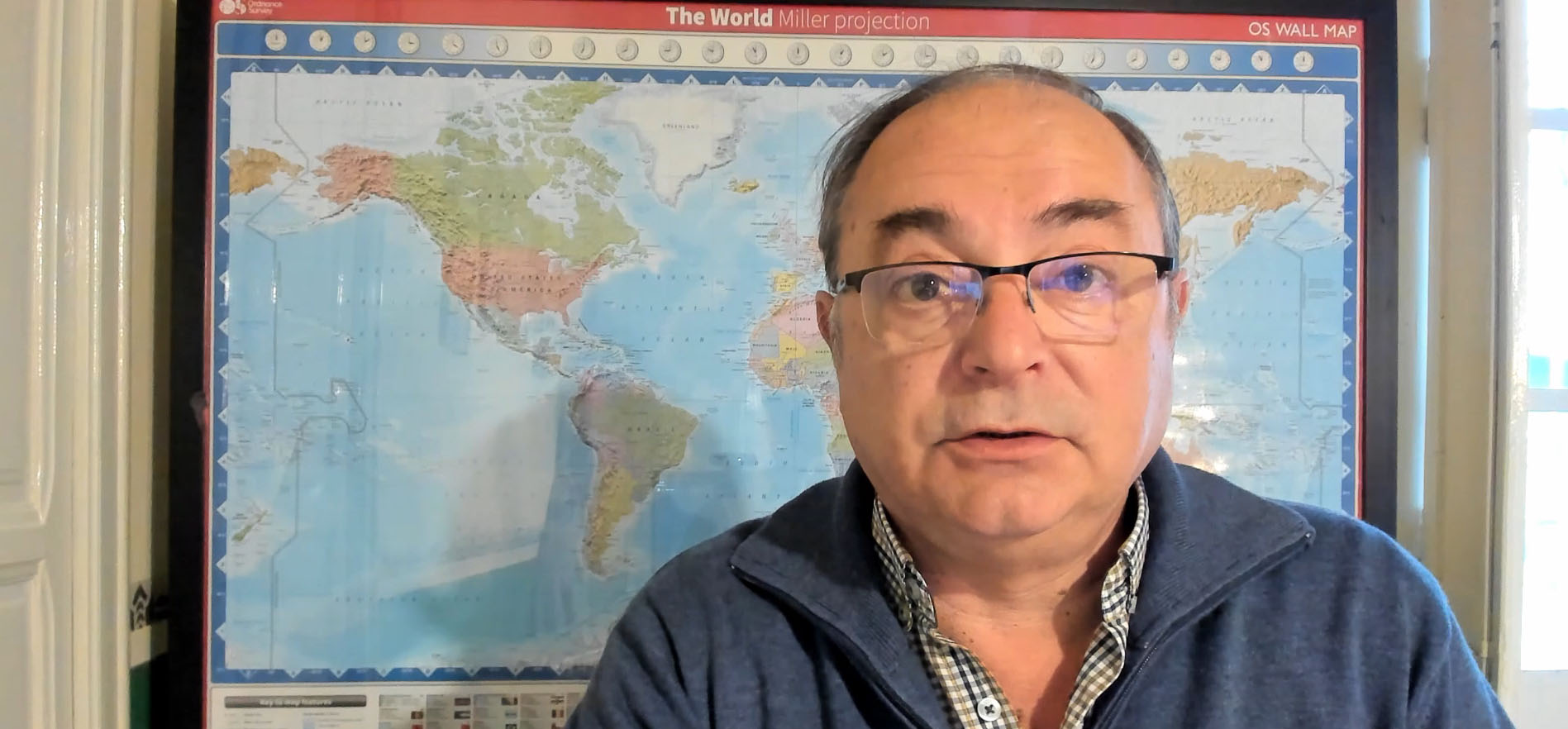
Oriol explains: What are we doing on Earth?
A planet for biodiversity
Biodiversity or biological diversity is, according to the International Convention on Biological Diversity, the term that refers to the wide variety of living things on Earth and what happens to the natural patterns that shape them. They are the result of billions of years of evolution according to natural processes and also the increasing influence of human activities. Biodiversity also includes the variety of ecosystems and genetic differences within each species that allows the combination of multiple life forms. The mutual interactions with the rest of the environment make the sustainment of life on earth possible.
Biodiversity is an essential basis for our economic well-being. While industrial production is currently one of the main causes of pressure on biodiversity, such as land use, overexploitation or pollution, businesses in all sectors can also be key drivers of biodiversity conservation. All stakeholders now need to work together to integrate the value of biodiversity into our decision-making and develop solutions that harmonise nature and economic growth.
Biodiversity in business
Many companies are not willing to let company growth come at the expense of people and the planet. For this reason, they are changing the way business is done. Internal plans have been carried out to help create a world in which we can all live well within the natural limits of the planet. By using resources to address issues such as health and hygiene, gender equality, climate change and plastic packaging waste, long and short-term benefits to society are being generated.
In 2010 many companies started to be sustainably conscious, the impact that all these changes have made is quite significant: costs and risks have been reduced, and of course, the most important value, to build trust in the consumer.
Danone, for example, is acting against climate change, biodiversity loss and water scarcity. It is reducing its carbon footprint with the aim of achieving zero emissions by 2050. Beyond its production sites, it is working towards these goals in areas where it shares responsibility, especially in agriculture, promoting regenerative agriculture to protect soil, water and biodiversity, promoting animal welfare and empowering a new generation of farmers.
It also has its own policies and tools aimed at promoting biodiversity:
- An example of this is its forestry policy, where it makes a statement of intent to eliminate deforestation from its supply chain and contribute to reforestation.
- Or the fund dedicated to promoting its local ecosystems, the Danone Ecosystem Fund, which supports the company’s projects with a social purpose. This is the case of Renueva, a Danone Aguas waste management and revaluation system which, together with other partners, works to recycle out-of-home consumer packaging, and has a plant in Barcelona Montcada i Reixac.
17 goals to transform the world
The United Nations has created 17 goals to transform our world. The Sustainable Development Goals are the blueprint for a sustainable future for all. They are interrelated and incorporate the global challenges we face every day, such as poverty, inequality, climate, environmental degradation, prosperity, peace, and justice.
In order to leave no one behind, it is important that we achieve each of these goals by 2030:
- End poverty
- Zero hunger
- Health and well-being
- Quality education
- Gender equality
- Clean water and sanitation
- Affordable and clean energy
- Decent work and economic growth
- Industry, innovation, and infrastructure
- Reducing inequalities
- Sustainable cities and communities
- Responsible production and consumption
- Climate action
- Undersea life
- Life of terrestrial ecosystems
- Peace, justice and strong institutions
- Partnerships to achieve their goals
And this is our daily goal and that of business too. There will probably be many companies that will put this into practice anonymously. Other companies will post on their website the development plans and all the changes they have made; some examples are: Cepsa, Decathlon, Ferrovial, San Miguel Mahou, Iberdrola, Unilever, Danone, among others.
Biodiversity is part of progress
We have to demystify the idea that biodiversity is synonymous with increasing costs, but quite the opposite. They go hand in hand together with the economy. Thanks to these gestures and changes, not only will we be able to reduce costs, but we will also have a healthier, more sustainable and better life for future generations.
A documentary not to be missed is “David Attenborough: A Life on our Planet”, in which the renowned naturalist reflects on both the defining moments of his life and the devastating changes he has witnessed. The documentary is available on the Netflix platform and addresses some challenges of life on our planet. He explains how much ground the natural world has lost globally in less than a century, he witnesses the change in nature in his more than 50 years of work, and notes that the world is a unique and spectacular wonder. Moreover, Attenborough sends a message of hope to future generations, revealing the solutions to save our planet from disaster.
We can start with the famous 7 R’s: Recycle, Reuse, Reduce, Redesign, Repair, Renew and Recover. Among all of us, we can achieve it. Do you want to be part of this change?
Do you want to be the first to receive the latest news about 11Onze? Click here to subscribe to our Telegram channel



Artificial intelligence generates equal parts of admiration and rejection. The advantages of a digitalised world clash with the desire not to lose traditional practices. The fear, primarily, is of losing the human side, but what if technology could help us to enhance it?
In recent years, research in scientific fields has been strengthened thanks to the incorporation of AI, artificial intelligence. Universities, companies, and projects are joining forces to advance and improve both disease diagnosis and treatment, with special emphasis on improving the quality of life of patients, both physically and psychologically.
Artificial intelligence reaches the field of mental health and is part of this crusade, between therapists and patients, to speed up the diagnosis process, facilitate its recognition and improve the precision of each treatment.
Algorithms to prevent disease
In everything that affects mental health, the prevention factor is key. For this reason, entities, companies, and organisations are joining forces – increasingly sophisticated – to make tools available to the population that facilitate the process of asking for help. Diagnosis, treatment, and recovery depend on this first step.
Countries such as the United States have taken action, and more and more research centres are turning to AI. We find projects such as The Trevor Project, which, through AI, has created a safe space for the LGBTQI+ community, especially as a support for young people. The reason is as simple as it is worrying: they estimate that in the United States alone, 1.8 million young people consider suicide every year, and at least one young person attempts suicide every 45 seconds. If we expand these figures, calculated only in relation to the LGBTQI+ collective, among the total population, the figures increase considerably.
Catalonia has also developed research projects and companies oriented towards AI for mental health. For example, the STOP Project, led by the Universitat Pompeu Fabra, is aimed at detecting depression and preventing suicide and eating disorders. They do this thanks to an algorithm that acts focused on social networks, a space where users are especially vulnerable. Thanks to the latest campaigns carried out, the project has managed to increase by 60% the calls to the Telèfon de l’Esperança, a foundation that accompanies all those who feel lonely or may need help.
The right words can save lives
AI has made it possible to take a step forward, and businesses from different fields are creating algorithms to help. The first advantage of digital tools is accessibility, allowing therapeutic resources to be at hand anywhere and at any time. This is a key advantage, although it may minimise its effect on profiles of people who are not very technological or without resources.
The sophistication of AI systems is such that they are capable of analysing the patient’s behaviour, facial expressions, tone of voice, or the language they use. With all this data, the X-ray of a patient can be much more realistic, and the diagnosis more accurate. Two key factors in mental health, especially if we take into account that half of the patients receive erroneous diagnoses, according to Aimentia, a Catalan company that develops digital tools for professionals in the field of mental health.
Other algorithms go further and analyse conversations between patients and therapists with the aim of providing professionals with a more accurate approach when communicating with patients. The goal of all these projects is clear: to get mental health problems, which according to the WHO affect one in four people, treated and cured.
11Onze is the fintech community of Catalonia. Open an account by downloading the super app El Canut on Android and Apple and join the revolution!

While a minority concentrates an ever-growing share of global wealth, millions of people are finding it increasingly difficult to access housing, build savings, and achieve prosperity. Economic inequality is no longer an ideological issue. It is a measurable reality that is shaping the future of our societies.
For decades, Western economies have built their narrative around an apparently simple promise: if the economy grows, everyone benefits. This principle worked reasonably well throughout much of the 20th century. After the Second World War, Europe and the United States experienced an economic expansion that enabled the consolidation of the middle classes, widespread access to housing, and a sustained improvement in living standards.
However, data from the last forty years points to a different reality. Wealth continues to grow, but it is increasingly concentrated in fewer hands. At the same time, a significant portion of the population faces growing difficulties in accumulating wealth, maintaining purchasing power, or securing future prospects comparable to those enjoyed by previous generations. The great paradox of our time is that we are living through the most materially abundant period in history while perceptions of precariousness, insecurity, and impoverishment continue to rise.
An Increasingly Wealthy… and Unequal World.
The concentration of wealth is one of the most significant economic phenomena of the 21st century. According to the World Inequality Lab, the richest 10% of the Spanish population controls nearly 60% of the country’s total private wealth, while the poorest half of the population owns only a small fraction of total assets.
At a global level, the situation is similar. Data from the World Inequality Lab, the OECD, and the World Inequality Report show that the wealth of large fortunes has grown at a much faster pace than the real economy over recent decades. Financial crises, expansionary monetary policies, and rising asset values have ultimately benefited those who already possessed wealth.
We are not only talking about millionaires. The fundamental divide lies between those who own assets that appreciate over time—homes, stocks, businesses, or precious metals—and those who rely exclusively on their salaries to maintain their standard of living.This divide is creating a new social fault line that cuts across much of the developed world.
Catalonia: Less Statistical Inequality, but Greater Difficulty in Prospering.
Catalonia presents lower inequality indicators than the Spanish average. The Gini index is below the national level, and income distribution is relatively more balanced than in other territories. Yet income tells only part of the story.
The key issue is wealth. A family may earn a decent income and still find itself in a vulnerable situation if it cannot purchase a home, if it spends an excessive share of its income on rent, or if it is unable to generate savings. The latest data from Idescat indicate that nearly one quarter of the Catalan population is at risk of poverty or social exclusion. At the same time, access to housing has become one of the main economic concerns for citizens.
This reality explains an increasingly widespread perception: many people work, study, and produce more than ever, yet feel they have a harder time prospering than their parents did.
From a Wage-Based Society to a Wealth-Based Society.
To understand this transformation, we need to look back. For much of the 20th century, work was the primary mechanism for social advancement. Wages evolved relatively in line with productivity and allowed families to gradually build wealth.
This balance began to change in the 1980s. Financial liberalisation, economic globalisation, and market deregulation fostered an unprecedented expansion of capital markets. Meanwhile, wages grew at a much more moderate pace.
Economist Thomas Piketty (2013) “Le Capital au XXIe siècle“ a summarised this dynamic with an idea that has become an international reference: when the return on capital consistently exceeds the growth of wages and the productive economy, wealth tends to become increasingly concentrated (r > g). This is precisely what has happened over the last few decades.
Those who owned housing, shares or holdings have seen the value of their assets grow, but those who only had their wages have had to face accumulated inflation, considerable fiscal pressure and a continuous increase in essential goods. The consequence is that Western economies have progressively evolved into a heritage society, where asset ownership is increasingly determining rather than employability.
Housing: The Great Factory of Inequality.
If there is one element that exemplifies this transformation, it is housing.
For decades, buying a home was the main tool through which middle-class families accumulated wealth. Today, that possibility is slipping away for a growing share of the population.
Housing prices have risen much faster than wages, especially in major metropolitan areas. This forces many families to devote an ever-increasing proportion of their income to rent or mortgage payments. The result is an increasingly visible social divide between property owners and non-owners.
The former accumulate wealth thanks to the appreciation of real estate assets. The latter see a significant portion of their income devoted to financing that same wealth without ever becoming its owners.
When Inequality Stops Being Merely an Economic Problem.
Extreme inequality is not just a matter of social justice. It is also a matter of economic and democratic sustainability. The IMF and the OECD have repeatedly warned that excessive wealth concentration tends to reduce long-term growth, limit social mobility, and weaken institutional cohesion.
But there is another, even more worrying factor. When a significant share of the population perceives that working, studying, or making an effort no longer guarantees a real improvement in living conditions, trust in institutions deteriorates. Social frustration increases, giving rise to phenomena such as political polarisation, voter abstention, and the growth of populist movements.
History shows that societies with extreme inequalities tend to be less stable and more vulnerable to episodes of social tension.It is no coincidence that this debate has returned to the centre of the international economic agenda.
The Risk of a New Economic Feudalism.
Some economists and sociologists warn that Western economies may be moving towards a structure that resembles certain features of pre-industrial societies.
An increasingly small minority concentrates productive and real estate assets. An increasingly large majority depends exclusively on labour income to sustain its standard of living.
In this scenario, inheritance regains growing importance, social mobility declines, and economic opportunities tend to remain within the same family groups. The risk is not only economic. It is also democratic. When wealth becomes concentrated, so too does the capacity to influence political, regulatory, and media decisions.
There is no single or immediate solution. Governments can act through taxation, housing policies, business competition rules, and educational opportunities. However, these reforms require political consensus and time.
In the meantime, citizens face an immediate challenge: protecting the fruits of their labour.
In a world where inflation erodes the value of money, assets become more expensive, and wealth concentration continues to grow, traditional saving alone is no longer enough. It is essential to understand how markets work, how to diversify assets, how to manage financial risks, and how to preserve wealth over time. Financial education ceases to be a complementary skill and becomes an economic defence mechanism.
The great fracture of the 21st century is not only the one that separates rich and poor. It is also the one that separates those who understand how money works from those who are forced to constantly react to the economic decisions made by others. In a context marked by persistent inflation, global indebtedness, rising asset prices, and growing wealth concentration, financial knowledge is no longer optional—it has become a necessity.
Protecting savings with physical gold has been one of the main contributions of 11Onze to its community and, now, the range of products is expanded. Therefore, in the face of volatility, the still high inflation and the crisis of growing confidence in the banking system, gold is once again reinforced as a refuge value. Discover the Seed Gold at Preciosos 11Onze.



Summer is a time when we can do things with the family, share and enjoy a few days’ holiday. The pandemic that kept us cooped up at home last year is subsiding, and many families are thinking of going on holiday for a few days.
Planning a holiday is a job to be done, especially if you are travelling with children. Finding a place that is suitable for them and, at the same time, pleasant for adults, is not an easy task. Not all tourist destinations are designed for children. Therefore, it is necessary to look for destinations that are prepared to welcome families, with spaces and activities designed for young and old alike. In fact, the tourism sector is increasingly specialising according to the needs of the client.
Catalonia is a country full of opportunities. A tourist destination par excellence, it has managed to diversify its offer. Family tourism is one and, nowadays, there is a wide range of proposals to suit all types of families: large families, single-parent families, families with one or two children… That is why, when choosing a destination, one must take into account, among other aspects, the budget, the tastes, and ages of the different members of the family, the duration, the distance, etc.
Choosing a place adapted to the needs of both children and adults is key. Catalonia has quality destinations that meet a series of requirements considered suitable for family tourism, to which the Catalan Tourism Agency awards the Family Tourism mark. This mark accredits them as destinations that provide a diversified offer of accommodation, catering, and leisure and entertainment establishments aimed at children.
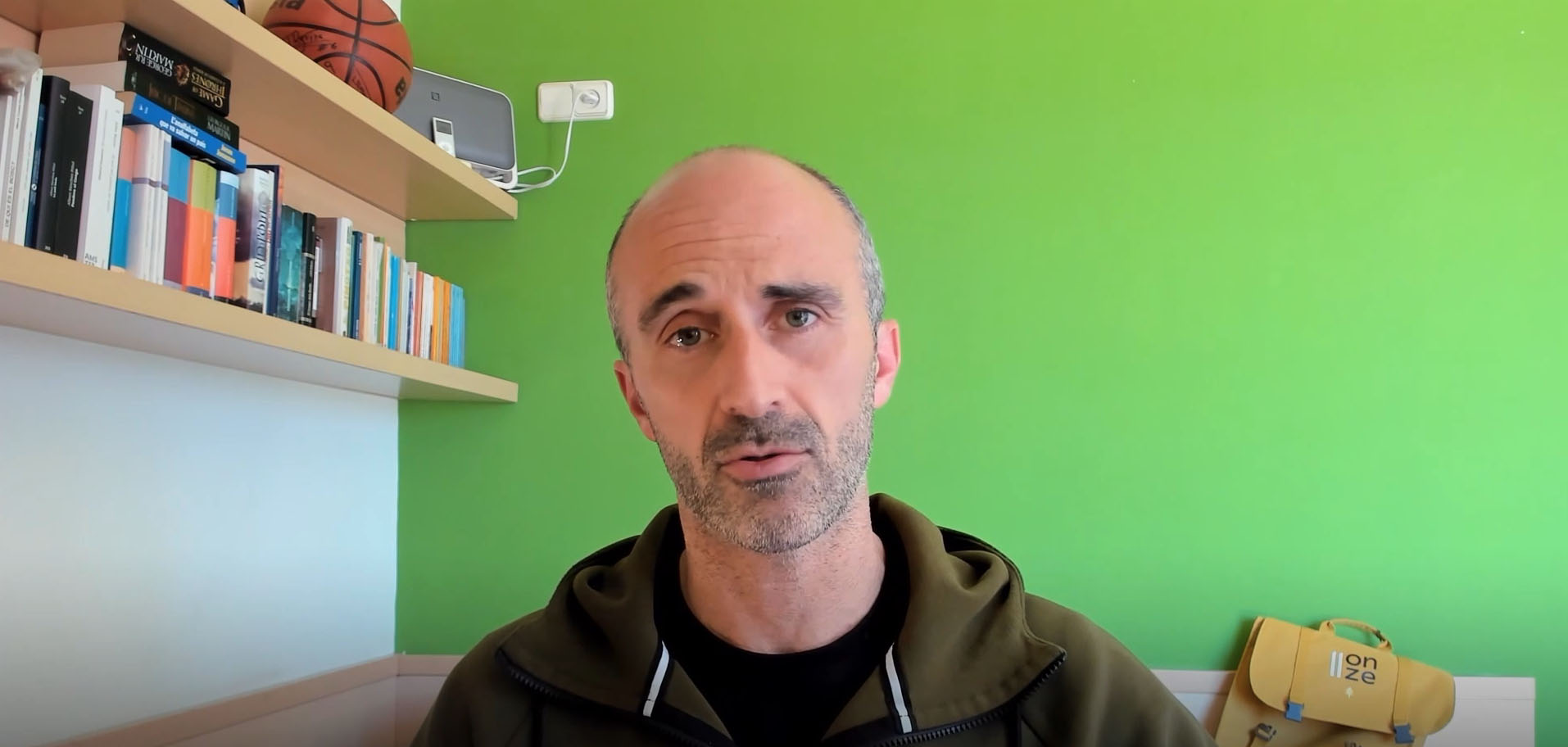
Iu Alemany gives us tips on how to live together as a family.
Sea or mountain?
Specifically, there are 27 destinations that have the Family Tourism brand. These are divided into two groups: sea destinations and mountain destinations.
The seaside destinations have the Family Beach label. Nineteen municipalities on the coast have it. We find Pineda de Mar, Castelldefels, Vilanova i la Geltrú, Salou and Cambrils, among others. Lifeguard services, restaurants with children’s menus, activities on the sand, in the water, and a long etcetera, designed for young and old, help to make the time easier for everyone.
As for families who prefer mountain activities, there are 8 municipalities with the Nature and Mountain in family brand. Nature lovers will find a wide range of leisure activities on offer: educational centres, adventure sports, ski resorts open in the summer, etc.
In addition, in both sea and mountain destinations you will find accommodation prepared for families: hotels, campsites or flats that even offer a pushchair, cot, and baby seat service so that you don’t have to carry your own luggage; a nursery service; complementary activities; monitors; etc.
Travelling as a family is an opportunity that presents itself when we can enjoy a few days’ holiday. Planning them well and choosing a suitable place according to the age and tastes of the youngest members of the family will guarantee a successful stay.
11Onze is the community fintech of Catalonia. Open an account by downloading the app El Canut for Android or iOS and join the revolution!



At 11Onze we have been suffering it for some time, and now nobody is safe. Banks pursue those who challenge the elites and attack them with the power they have to turn you into a pariah. Not even members of the International Criminal Court escape when the banking system condemns them. How will you protect yourself?
Speaking out against injustice once seemed like a moral obligation. Society was supposed to progress by embracing values that would make us better as individuals and as a community. But the truth is that the world does not work like that. The reality is that, if you dare to challenge the real big players, the banking system will make sure you become a nobody. An isolated person. Without bank accounts. Unable to pay by card. Unable to travel. Cut off from all the digital services you use every day. This practice of isolation, this financial death while still alive, is known as debanking, and anyone can become its victim.
The cases of the International Criminal Court
Few international institutions have dared to denounce the war crimes committed by Israel and the United States. The International Criminal Court (ICC) provides several examples.
Karim Khan, the Court’s former Chief Prosecutor, dared to seek arrest warrants for Israeli Prime Minister Benjamin Netanyahu and his Defence Minister over alleged war crimes committed in Gaza. The result? His bank accounts were blocked to the point that he could no longer transfer child support payments to his former wife. The restrictions went even further, extending to members of his own family.
The same happened to Reine Alapini-Gansou, a judge of the Pre-Trial Chamber responsible for authorising arrest warrants related to the events in Gaza.
And also to Kimberly Prost, for authorising the investigation into abuses committed by American soldiers in Afghanistan: her HSBC accounts were immediately frozen.
The list of ICC members subjected to pressure by a banking system serving those in power is long. But debanking has gone much further. It can happen to anyone.
The Canary UK and 11Onze
The independent media outlet The Canary has seen Lloyds Bank block its funds after more than ten years as a customer, withholding its money without providing any explanation. The publication is well known for its strongly anti-Zionist editorial stance.
11Onze has experienced repeated fund freezes and constant debanking by the Spanish banking sector, accompanied by strong international pressure. Within the organisation, we knew this could happen, and we were prepared to face it and move forward. But there is no denying that these measures have slowed the project down.
We remain strong and determined. However, we cannot move forward as quickly as we had planned.
The Banking Sector Has Chosen a Side
The banking sector has chosen a side. Money is being used as a weapon against ordinary people. In doing so, the industry betrays its very reason for existing: managing an essential asset that belongs to citizens who work honestly and simply try to build the best life they can. But that is no longer profitable. Greed has led banks to side with power. With those who can impose their will through force, crushing dissent. They have chosen the side of speculation. Of pain. Of immorality. Of evil.
The present belongs to debanking, and at 11Onze we have spent years warning about the helplessness of individuals in the face of the repressive machinery that private banking has chosen to become. We have experienced it with Banco Sabadell, Caixa d’Enginyers, Weavr, and several others. But in the not-too-distant future, the banking industry will discover that it has made a serious miscalculation. Because at no point in history have societies tolerated injustice forever. Sooner or later, people organise themselves, find alternatives, settle accounts and restore balance. We will be here, helping to build collective solutions to the abuses of the banking system.