How climate change affects gold mining
More than 3,000 tonnes of gold are mined globally every year. However, the mining industry faces growing problems related to climate change, from the management of increasingly scarce water in some areas to landslides and dam failures in other regions due to increasingly torrential rains.
No one can deny that gold mines pollute. The use of materials such as mercury or cyanide in the extraction process poses a risk to the environment. In addition, these mines generate a large amount of greenhouse gases because huge amounts of energy are needed to process so many tonnes of material.
Despite this negative contribution to climate change, it is also true that gold is playing an important role in the transition to a low-carbon economy. Among other applications, gold improves the efficiency of solar panels, gold catalysts are used to convert CO₂ into fuel, and gold nanoparticles boost the performance of hydrogen batteries.
An industry vulnerable to climate change
Because of its great value and utility, it seems impossible to do without the precious metal par excellence. But its extraction is not immune to the effects of global warming and extreme weather events. A report by the World Gold Council outlines the main risks of climate change for gold mining and the people who make a living from it.
Acute physical impacts typically manifest themselves in the form of weather events such as tropical storms, forest fires, droughts and floods, while chronic impacts refer to long-lasting changes in, for example, average air or land temperature, sea level, water acidification or soil quality. The combined effects of both types of risk cannot be ignored, amplifying the threat to mining infrastructure processes and local communities.
It should be borne in mind that gold mines play a crucial role in the economic and social development of some emerging economies. Moreover, some of the nations that host these mining operations are among the most vulnerable to the destructive effects of climate change and associated extreme weather events.
The drama of water
Water management has been identified as a key issue for gold mines, as a large amount of water is required in the processing of extracted minerals. Increased drought in many areas of the world can lead to conflicts with local people over the sharing of this scarce commodity, as well as increased salinity of water, which increases the corrosion of processing plant equipment.
Increased extreme rainfall is also a risk, as it can lead to the flooding of tailings dams and pits, as has happened recently in some mines in Africa and Australia, or the overflowing of tailings dams.
Several mines in Peru have warned of the risk of increased rainfall causing landslides (and in particular mudslides), which would require increased safety measures in the design of storage ponds, walls and embankments.
Rising temperatures
Rising average temperatures, reflected in the number of days exceeding the heat stress index, are having an impact on the safety, well-being and productivity of workers. One example is the increase in diseases linked to hot climates, such as malaria and yellow fever.
The efficiency and performance of mining equipment are also being affected by rising thermometers. In regions such as Turkey, Greece, Brazil, Australia and North America, which are at high risk of extreme heat, more frequent equipment breakdowns are expected. In addition, more energy will be needed to cool underground mines and surface buildings and facilities.
In parts of Canada, where frozen ground makes it easier for drill rigs to access, rising temperatures pose a different set of challenges. Freeze-thaw cycles will affect process engineering and asset maintenance programmes.
In addition, climate change is a factor in mine closure and biodiversity restoration programmes, as rising temperatures can reduce the effectiveness of these programmes and extreme precipitation can erode rehabilitated areas.
Complications for energy supply
According to the report, energy supply will be significantly disrupted by long-term temperature increases, which cause additional wear and tear on systems. In addition, weather events such as storms and fires can affect power lines or communications-related infrastructure.
A severe storm in 2018 caused the collapse of power lines supplying a mine in South Africa. Backup generators were also damaged during a power surge in a shaft, leaving personnel without emergency power, who could not be lifted to the surface until temporary power lines were installed two days later.
Moreover, both low reservoir levels and rising sea levels are affecting the production of hydroelectric power from which some gold mines are fed.
In the face of all these climate change-related risks, mining companies have no choice but to take steps to improve the planning and design of their infrastructure, as well as increase their engagement with local communities, as the World Gold Council report highlights.
If you want to discover the best option to protect your savings, enter Preciosos 11Onze. We will help you buy at the best price the safe-haven asset par excellence: physical gold.

Do you know how much water you are drinking and how much you could save with a water filter? Small changes in our consumption habits can lead to significant savings. Amadeu Vilaginés, from the 11Onze product team, explains how to save hundreds of euros a year by purchasing a tap filter instead of bottles of water.
We often think that saving money means depriving ourselves of luxuries that require major expenses, such as going on holiday or having the latest generation mobile phone. Yet, there are smaller, recurrent expenses on products or services that we consume on a daily basis that we can reduce by simply changing our consumption habits. The result can be a considerable amount of savings at the end of the year.
As Amadeu Vilaginés explains, “water is a basic good, essential for us, but we do not see it as a luxury product, since our homes have running water“. But tap water doesn’t always taste good or give us enough confidence, so many people end up buying bottled water. This is one of the so-called “ant costs“, which end up having a significant effect on our wallets.
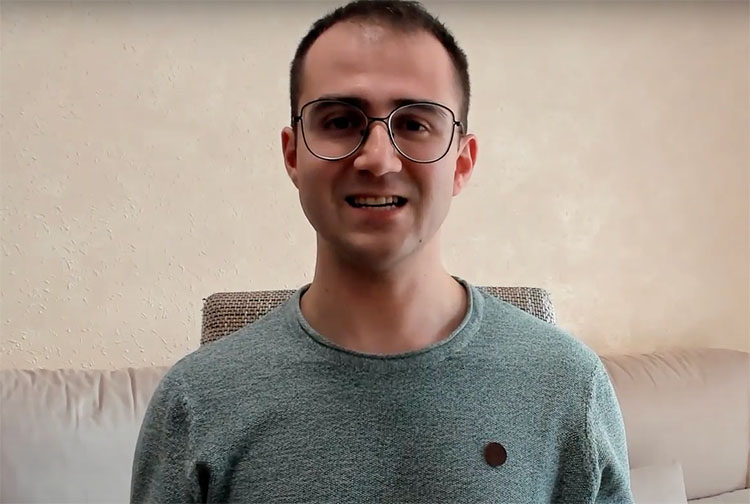
How to save through drinking water.
Reducing a recurring cost, also for the environment
The fact that we can find bottles of water at affordable prices in all supermarkets may lead us to think that our expenditure on bottled water is relatively insignificant. But, as Vilaginés points out, “this is a recurrent cost, which may seem very small when we look at it individually, but once we add them all up, the difference is clear to see“.
A family of four consuming the recommended daily amount of water, 2 litres per day, in bottles of water, accumulates 45 kg of plastic waste at the end of the year, and an average expenditure of 700 euros per year. On the other hand, Vilaginés details that by consuming tap water, the total cost, at the end of the year, for this family would be only 2 euros. And for people concerned about the bad taste of tap water or the chemicals it may contain, water filters are an equally sustainable solution for the environment and our wallets.
If you want to discover how to drink the best water, save money and help the planet, go to 11Onze Essentials.


One of the founding objectives of 11Onze is to offer tools so that our community can reduce costs by managing their money more effectively. Some might think that this is just a marketing slogan, a nice phrase that sounds good and that’s it. Therefore, we have contacted some of our 11Onze Segurs customers to let their testimonials speak for themselves.
Offering a good product at a reasonable price is not an easy job. At 11Onze Segurs we analysed the different options provided by the home insurance market for months, as well as carrying out studies of insurance costs through surveys of members of our community who are homeowners.
The objective was clear: to be able to offer our clients the best home insurance, comparing coverage from various providers to find the best option that adapted to the particular circumstances of each one, and at a more than competitive price, from €5 per month.
But the price is not everything. From the outset, it was clear to us that we had to reduce the amount of paperwork and small print that accompanies any insurance policy. Simplicity and transparency in the scope of the cover we are taking out give us more peace of mind and avoid last-minute surprises.
“Very happy with the decision to change insurance. I’m saving €55 on my premium, which will help me cover other expenses, as everything is getting more expensive!”
The result of a job well done
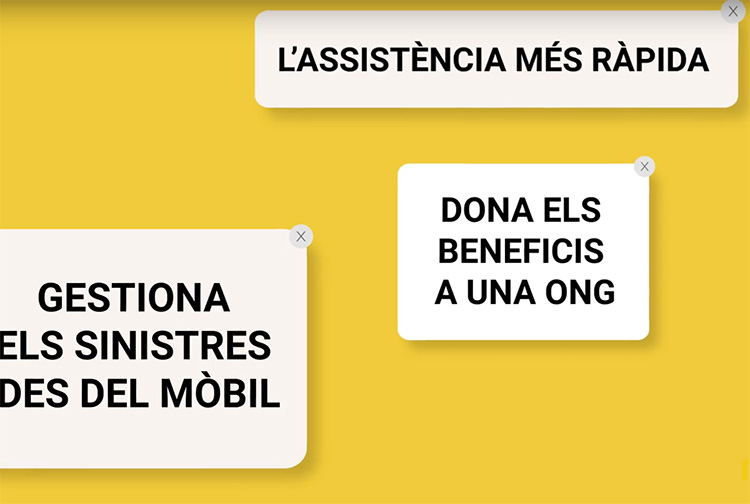
The effort has been worth it, and we believe we have succeeded. At 11Onze Segurs you can take out and manage your home insurance from your mobile phone, streamlining procedures, paying a monthly or annual fee, with no permanence, between 15% and 20% cheaper than with traditional insurance companies, and without forgetting our commitment to society as a certified B Corp company.

“I save €350 a year, which I will reinvest in 11Onze!”
But it is not just us telling you, Vincenç Aguilà, from Sabadell, explains that he was clearly overpaying for his home insurance. By switching to 11Onze Segurs he saves €350 a year. And when we asked him what he intended to do with the money he saved: “Reinvest it in 11Onze!
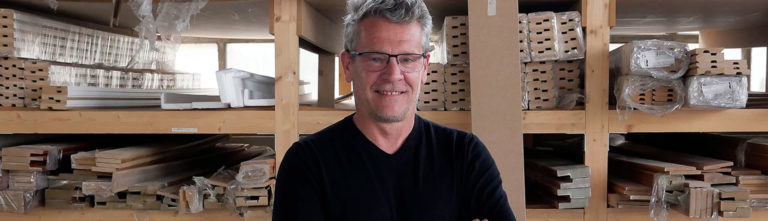
“With the €100 I’ve saved I’ve bought a new Bluetooth speaker!”
From Roquetes, Gemma Monllau explains that she is “delighted with the decision to change insurance”, she has saved €55 in the policy fee, which will help her to cover “other expenses, as everything is getting more expensive!“. Xavier Tornos, from Terrassa, had no doubts, with the €100 he has saved by switching to 11Onze Segurs, he has bought “a new Bluetooth speaker!
If you want to discover fair insurance for your home and for society, check 11Onze Segurs.

These are small, everyday expenses that, at the end of the year, have a major impact on our finances. The President of 11Onze, James Sène, gives us the keys to identifying these small expenses and mitigating the effect they can have on our pocket.
The water bill, the electricity bill, insurance, the euro a day for coffee… there are many products or services that we consume on a daily basis without stopping to think about their cost. Whether out of habit, lack of time, or lack of alternatives, we do not periodically review these costs, and we assume them without thinking about the impact they can have on us every year.
This fact, which in itself can be a disaster in our economic planning, is aggravated in economic contexts such as the current one, in which the excessive increase in inflation is not translated into an increase in salaries.
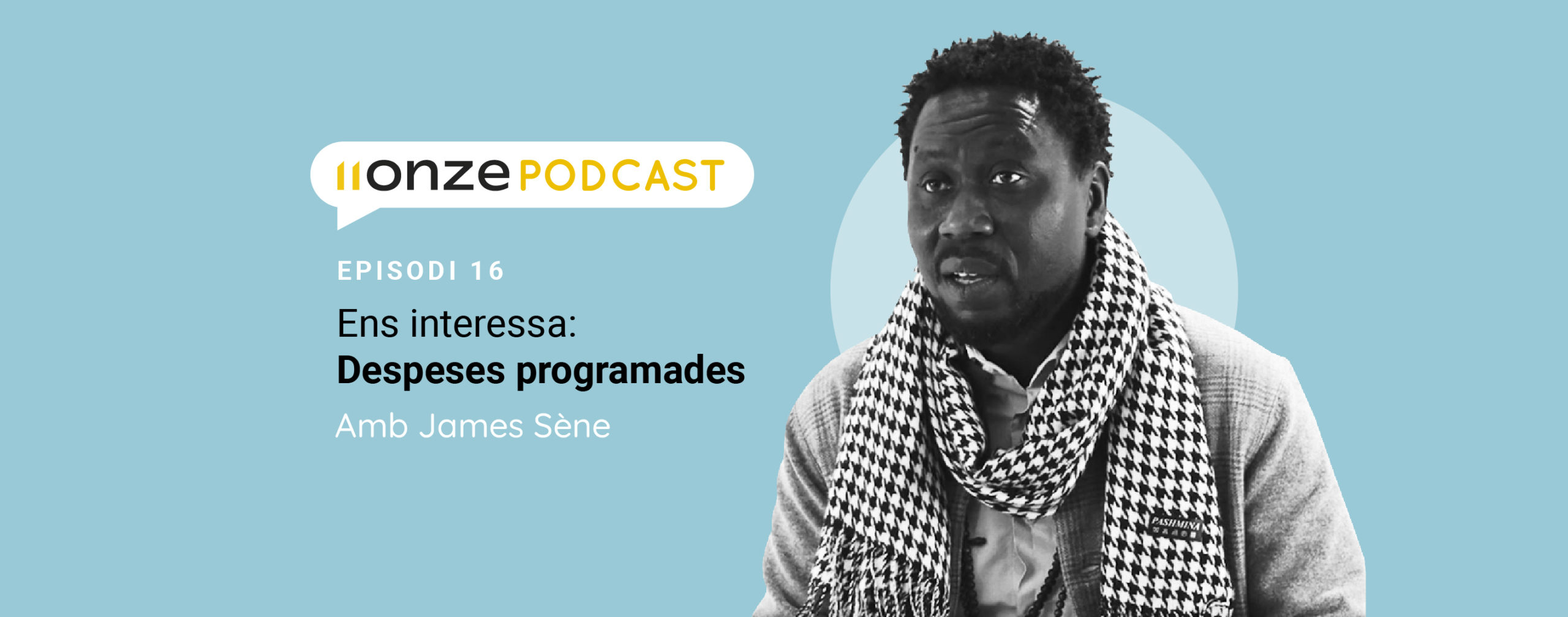
Episode 16 | Scheduled expenses
Ant expenses
When your monthly income comes in, can you tell where every penny goes? It is quite common to get to the end of the month, check your expenses and not understand where the money has gone. To identify these expenses in your daily economy, Sène suggests two main characteristics: “they are things that we consume on a daily basis and that have a relatively low cost, i.e. all those essential expenses that we need before we start doing anything else”.
Sène raises the impact that can be had by something as simple as paying attention to all our expenses and, to give us an idea of the impact it can have on our economy, he warns that “with the analysis we have done, families can save €4,000 simply by paying attention“. It is therefore a question of changing the lens through which we analyse our finances and prioritising savings on basic expenses rather than cutting back on leisure or our holidays.
Programmed to consume
Part of this consumerist vision can be explained by everything that advertising and brands make us do, “advertising pushes us to make programmed purchases, we don’t make intelligent purchases“, warns Sène. 11Onze wants to break with this dynamic and, for this reason, will make available to the whole community all the information related to this type of expenditure.
Through comparisons, calculations, and basic information, all this data will be put on the table to allow us to pay attention to ant-spending without having to spend time and effort.
If you want to wash your clothes without polluting the planet, 11Onze Recommends Natulim.


The price of gold reached record highs in 2024, approaching 2,800 dollars per ounce, the most bullish in the last 14 years. But how will it perform this year, will it consolidate its price or will the relentless appreciation continue?
2024 was a record year for the gold price, reaching an all-time high of 2,790 dollars per ounce on 30 October, thanks to the volatility generated by the elections in the United States and the armed conflict between Israel and Iran. By the end of the year, it had accumulated gains of almost 30% and closed the year as the most continuous bullish period since 2010.
Geopolitical tensions, the start of interest rate cuts by the Federal Reserve (Fed) and large purchases by central banks to increase their balance sheets boosted the value of gold during 2024 and will remain key factors in determining its evolution this year.
However, uncertainty surrounding the impact of President Donald Trump’s policies on the global economy, which could trigger a trade war, paint an uncertain picture for the precious metal during 2025.
‘As we move into 2025, while business cycle dynamics remain crucial to the outlook, greater attention will be paid to political changes in the US in trade, immigration, regulation, and tax policy. These changes would have to significantly influence outcomes in the US and beyond,’ said Hussein Malik, head of Global Research at J.P. Morgan.
Gold could rise above $3,000 in 2025
Although analysts expect appreciation to lag 2024, the consensus is that the price of gold will continue to rise. Financial institutions such as Bank of America and J.P. Morgan believe that gold has everything in its favour to rise above $3,000 this year, driven by geopolitical uncertainty, the imposition of US tariffs and continued central bank demand.
Goldman Sachs also expected gold to hit $3,000 by the end of the year, but in recent weeks has pushed back the forecast to mid-2026 on expectations of fewer rate cuts by the Federal Reserve. Nonetheless, its analysts expect prices to reach $2,910 an ounce by the end of the year.
On the other hand, Kevin Shahnazari, founder and CEO of FinlyWealth notes that ‘Gold prices are likely to remain stable if interest rates remain stable and inflation normalises at around 2%’ or could even go down ‘in the face of a stronger than expected dollar and higher real interest rates’.
If you want to discover the best option to protect your savings, enter Preciosos 11Onze. We will help you buy at the best price the safe-haven asset par excellence: physical gold.

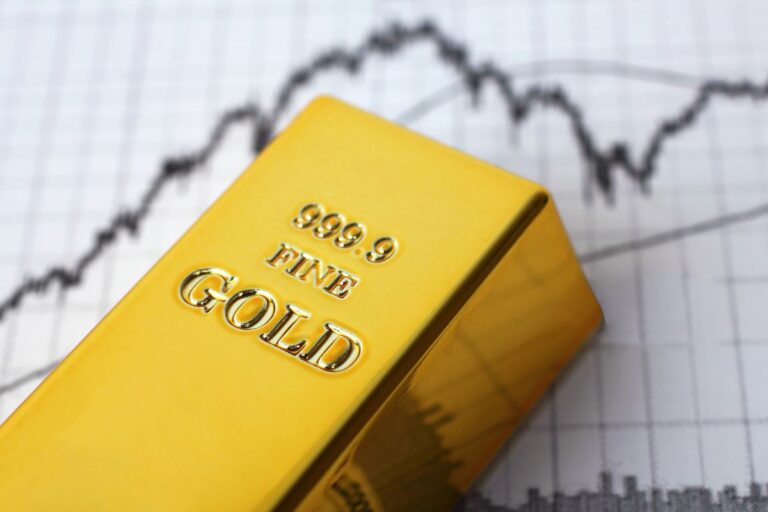
We have always heard that cash is king. But while there may be some truth in this saying, keeping all our savings at home may no longer be the best option.
Ever since currency was invented, the prevailing thinking in our society has been that more money is better. The accumulation of notes and coins has been a constant throughout history. People saved in case of bad times, they saved money in good times to be able to use it in bad times, in case they needed the money for an emergency or simply to ensure a better future for their children. Obviously not everyone has been lucky enough to be able to afford to set aside a significant amount of their money on a regular basis, but many people have had small savings tucked away in a bedside table, in a hidden safe, or, although it may seem a cliché from another time, under the mattress.
Security, the reason for the change in habits
Over time, the amount of money kept at home has gradually decreased. And this is no coincidence. The development of the financial system and the advantages it offers has allowed it to play a leading role in the collection of savings, relegating private safes to a certain ostracism. But why has there been such a drastic change in habits? The main factor is security, since it is a fact that, no matter how well hidden we may leave our savings, there is always the possibility of them being stolen.
The other point to bear in mind is taxation, as keeping cash at home can currently entail certain risks with regard to the Inland Revenue. Agent Mireia Cano explains it to us.
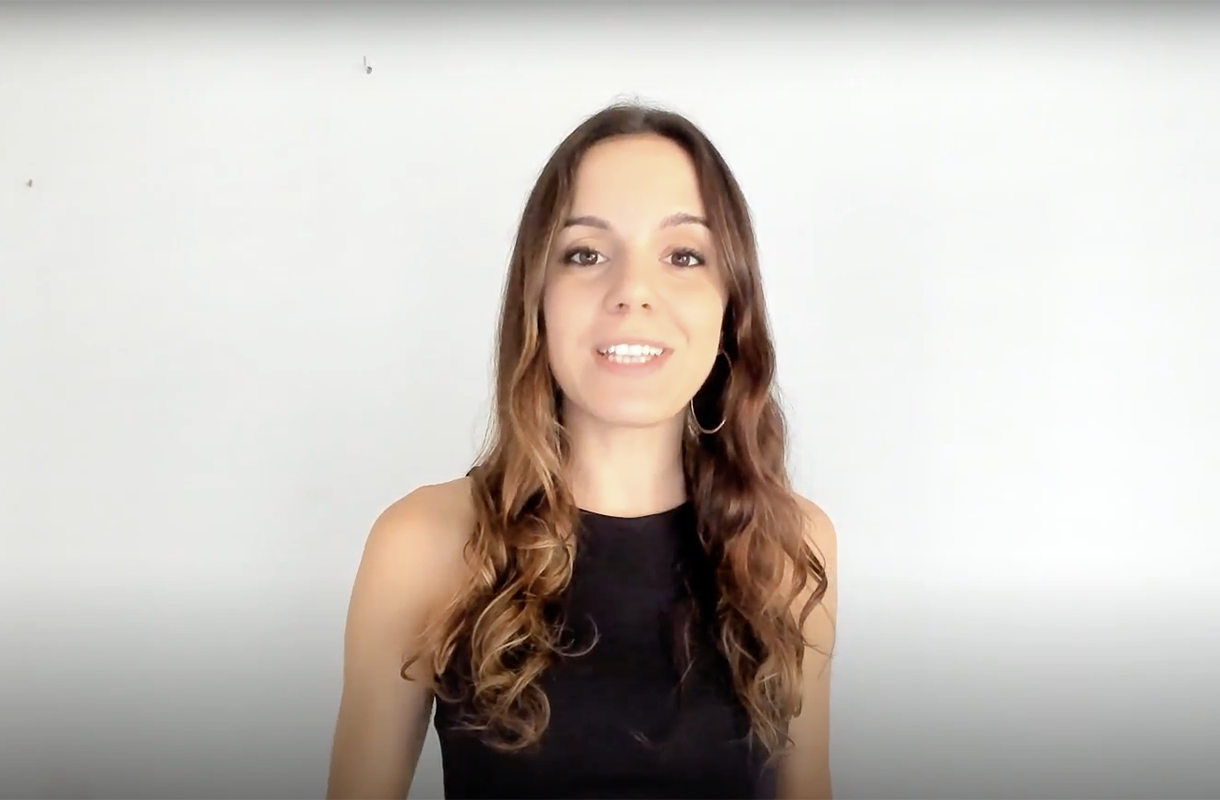
11Onze Agent Mireia Cano explains the risks of keeping our money at home.
Will the money lose value?
The other variable to take into account is inflation and its effects on prices in general. The reason is very simple: the money we keep in the safe or under the mattress, in a year, two years, or ten, will still be the same: it will not multiply. However, basic products, such as the coffee we drink in the corner bar, will have gone from costing one euro to costing one and a half or even two euros. These are the effects of inflation, or sustained price increases.
That is why money kept at home can end up losing value over the years if inflation during this period is high. On the other hand, people who have decided to invest some of their savings, or put them in a deposit or somewhere that gives them interest in return, are unlikely to have been hurt by inflation, and may even have increased their money.
So what is the best option? The decision will be a personal one, as everyone has their own way of managing their money and more or less tolerance for risk. But whichever option you choose, you need to be aware of the advantages and risks that this may entail, to prevent your hard-earned savings from being compromised.
Do you want to be the first to receive the latest news about 11Onze? Click here to subscribe to our Telegram channel


It is estimated that each household spends on average more than 700 euros a year on heating. However, with the war in Ukraine, the price of energy has skyrocketed. So, this year, homes with accumulators and electric radiators could pay twice as much as last year. From 11Onze, we offer you 11 tips to save on heating.
With the current price fluctuations, the first basic measure to save money when you switch on your heating is to check whether your utility company is offering you the best price. But, even if the price is tight, our goal should be to optimise energy consumption to minimise both the amount of the bill and our carbon footprint. To this end, we offer you some practical tips that will enable you to reduce the amount of energy needed to heat your home.
Check your windows and doors
Window and door frames are essential for keeping your home warm. Any gap can create an unwanted draught. If your window and door frames are old and the windows do not close tightly, you can improve the insulation by fitting foam weather stripping or even some insulating tape. And, if you have a fireplace, don’t forget to close it when not in use.
Make the most of sunlight
The sun is our great natural ally against the cold. That’s why it’s best to keep the blinds up and the curtains drawn during the day. In this way, the sun’s rays will enter your home and help to raise the temperature. The orientation of the different rooms in your home will determine the hours when the sun’s rays enter directly through each window.
Protect yourself from the cold darkness
When the sun goes down, the outside temperature drops, so we should insulate ourselves as much as possible so that heat is not transferred from the inside of the house to the outside. To do this, we should do the opposite of what we do during daylight hours: lower blinds and draw curtains so that the heat that has built up during the day does not escape when it gets dark. Thick, opaque curtains, better if they are made of thermal fabric, will help you to keep the heat in, as they will help to insulate the window areas better.
Do not ventilate more than necessary
Ventilating the house every day is an essential health and hygiene measure that allows you to renew the air and oxygenate the rooms. However, when the cold weather arrives, it is advisable to do so for 10 or 15 minutes, no more. And preferably in the morning or in the middle of the day, when the outside temperature is higher, so that heat loss is minimal.
Put the heating where you need it
Keeping unused areas of your home warm is a waste of energy. That is why it is a good idea to leave all the rooms that you are not going to use closed and to turn off the heat sources you have in them. If, for example, you are going to spend the morning between the living room and the kitchen, why keep the rest of the rooms warm? Close the doors and turn off the radiators in the rooms. If the surface area to be heated is smaller, energy consumption will also be lower.
Wrap up warm
It makes no sense to go around the house wearing a t-shirt when the cold weather arrives. It is a waste of heating. All the warmth you gain through clothing will translate into heating savings. You don’t need to wear gloves, but thick socks, fuzzy slippers, a light fleece or a dressing gown will allow you to lower the thermostat a little and reduce your energy bill. And don’t forget a blanket on the sofa is very nice.
Turn off the heating at night
A good way to save on heating is to turn it off at night, as in most cases blankets and duvets provide enough warmth. Materials such as wool or flannel are very good choices for bedding. And keep in mind that the traditional hot water bags still work.
Use rugs
Carpets help to insulate the home better and keep our feet warm. They also provide a feeling of warmth and comfort when you walk on them.
Do not use radiators as a dryer
The function of radiators is to provide heat, not to dry clothes. Therefore, avoid using them as a dryer when it is not raining and you can hang clothes outside. We must ensure that the heat sources are left free to make the most of the heat they give off.
Keep the heating system in good condition
It is estimated that 60 % of gas boilers in the European Union are inefficient, requiring excess energy to heat homes. Properly regulating pressure, purging radiators, cleaning burners and checking filters for replacement can help to optimise system performance and achieve more heat with less energy.
It should not be forgotten that the energy crisis caused by the war in Ukraine made many countries to switch back to or increase the share of highly polluting energy sources. Unfortunately, the issue of climate change has been put on the back burner despite the urgent need for action in this decade to prevent global warming from reaching levels that would have irreversible effects.
11Onze is the community fintech of Catalonia. Open an account by downloading the super app El Canut for Android or iOS and join the revolution!
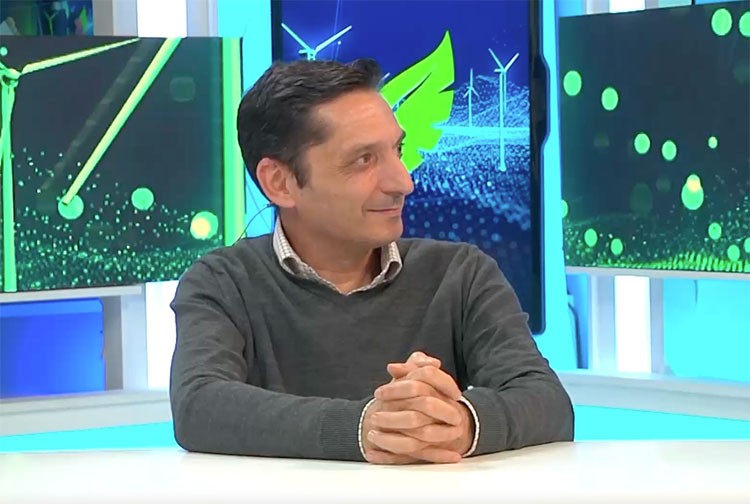
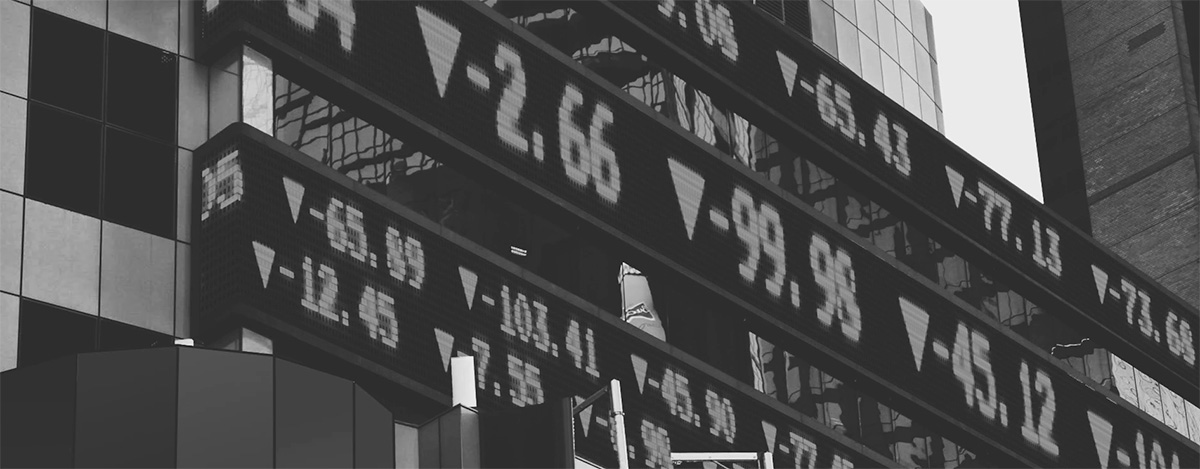
After hitting a new all-time high on the eve of the US presidential election, gold prices plummet to a three-week low in the face of Donald Trump’s decisive victory thanks to strong Treasury yields and a stronger dollar.
In a context of intense political polarisation, uncertainty over the US presidential election and geopolitical tensions in the Middle East pushed the gold price above 2,594 euros per ounce, setting a new all-time high just days before the US elections and reversing its proclivity to underperform its long-term average price in the run-up to the presidential election.
This upward trend was already spurred by continued central bank purchases of gold and strong Asian demand for the precious metal. Even so, far from fulfilling the predictions of a close electoral contest predicted by the polls published by the mainstream media, Donald Trump’s landslide victory, winning a majority in the Senate, controlling the House of Representatives and getting the popular vote, has far surpassed the results of 2016 and evaporated investor uncertainty.
Gold falls as the dollar strengthens
As the election results sent the dollar to a four-month high and strengthened real yields on US Treasuries to levels not seen since July 2024, gold prices plunged 3 per cent to €2,456 per ounce, a three-week low and on track for their biggest daily loss in five months.
Improved expectations for economic growth and tax cuts along with concerns that tariffs, a higher fiscal deficit and Trump’s proposed immigration policies could revive inflation, explain the rise in the value of the dollar and government bond yields, making gold, which offers no yield, less attractive to investors.
Analysts point out that this may also result in the Federal Reserve not cutting interest rates as much or as quickly as expected. The yield on 10-year US Treasuries rose 17 basis points to a four-month high of 4.46%, pending the Fed’s announcement later today.
Is this a good time to buy gold?
Unsurprisingly, this combination of political and economic events has caused a shift in market sentiment, affecting the attractiveness of gold, which is inversely proportional to the value of the dollar.
Still, now might be a good time to add gold to your investment portfolio. Some analysts believe that demand will continue to push prices higher, and expect it to reach $3,000 per ounce in the coming months. This makes it an attractive buying opportunity at current prices for those looking to expand their gold holdings.
Moreover, at a time when central banks continue to increase their gold reserves and the armed conflict between Israel and Iran continues to escalate, there is a risk that a new energy crisis could erupt, which would boost demand for gold as a safe-haven asset for investors and savers alike.
If you want to discover the best option to protect your savings, enter Preciosos 11Onze. We will help you buy at the best price the safe-haven asset par excellence: physical gold.


The price of gold continues the upward trend seen since the end of 2023 and continues to set record highs. In this context of high prices, is it still advisable to buy gold to protect our savings or to diversify our investments?
The price of old has gone up by 23% since the beginning of 2024 and its price remains at an all-time high of around 2,290 euros per ounce. While it is true that the reasons that make this precious metal the safe-haven asset of choice for investors are repeated over time, this current upward trend exceeds past performances.
After the strong monthly rise in July, gold rose sharply again in August and stood at 2,280 euros per ounce, up 3.6%. It also reached a new all-time high on 20 August, before declining only marginally at the end of the month.
Going into September, the gold price has lost some of its gains, but still remained comfortably above the psychological mark of $2,500 (€2,267) during Thursday’s European session.
Continued central bank demand for gold, a weaker dollar and global geopolitical tensions, as well as optimism that the Federal Reserve will cut interest rates this month, explain the recent price rallies.
On the other hand, the expected US Consumer Price Index (CPI) report released yesterday (Wednesday) shows that inflation continues to moderate, dropping four tenths during August to 2.5% y-o-y, while core inflation remains at 3.2% y-o-y, as expected. This dampens expectations of a large rate cut by the Fed, which both boosts the value of the dollar and may moderate demand for gold.
Will gold prices continue to rise?
Although the latest report published by the World Gold Council (WGC) acknowledges that the current macroeconomic environment is difficult to interpret due to a plethora of conflicting economic data, this macroeconomic uncertainty is reflecting positively on the gold market.
In this regard, it reports that activity in Options spreading positions (OSP) has been steadily increasing, approaching levels not seen since 2020 or during 2011 and 2013. This reflects investors’ willingness to hedge against changes in interest rates and the outcome of the upcoming US election.
‘Looking back over these periods, it seems that the triggers for an increase in OSP activity were related to one of two scenarios: a change in interest rate policy or risk events in the market. Today we face both,’ notes the WGC.
Analysts at ING Research, on the other hand, believe the expected Fed rate cut will push gold to new all-time highs, while the US presidential election in November will also continue to contribute to the gold metal’s upward momentum until the end of the year.
In conclusion, despite the price rise, gold’s ability to act as a hedge against economic volatility, its stability in the face of inflationary pressures and the increase in global demand are key factors that continue to reinforce its attractiveness as an investment and as a safe-haven asset. That said, its price can be volatile sometimes, so it is crucial to assess the risk we are willing to take and clearly define our investment objectives before making a decision.
Preciosos 11Onze makes it easy to buy gold, at the best price and with total security. Give us a call and speak to one of our agents without any obligation to clarify any doubts you may have and protect yourself from economic crises with the ultimate safe-haven asset: gold. If you want your savings to keep or increase their value, Gold Patrimony.
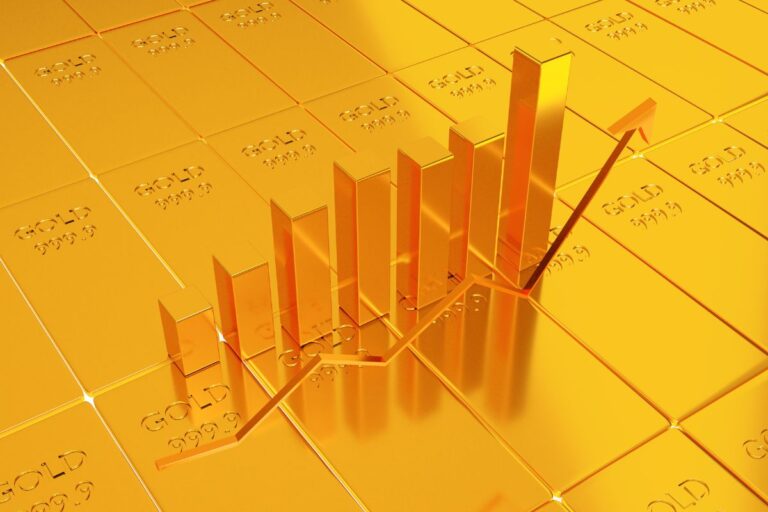

Throughout history, gold has remained the ultimate store of value precisely because it maintains or increases in value during periods of economic uncertainty. That is why buying physical gold is an excellent investment option that is usually safe and profitable. However, it can also carry risks if some basic precautions are not taken into account.
Its long-term profitability, the possibility of diversifying and reducing the risk of our investment portfolios and its great liquidity that allows us to quickly recover the money invested in case of need, make gold a very attractive asset for any investor or person who wants to protect their savings in an inflationary period or in times of economic crisis.
In the last five years, it has experienced a spectacular increase in value, doubling in price and reasserting itself as the most valuable asset on the market. However, it is advisable to take certain precautions and avoid making certain mistakes when acquiring this golden metal, which we detail below:
Gold Patrimony is a good option for protecting your savings.
Ignoring the purity of gold
Gold bullion must be at least 99.5% pure, although 99.99% pure gold bullion is common, while coins must be at least 80% pure. Bullion and coins that do not meet these purity standards will be subject to the standard VAT rate of 21%, which applies to the purchase of other precious metals. Preciosos 11Onze gold guarantees the highest purity (999.99 out of 1,000).
Confusing physical gold with digital gold
It is essential to be very clear that physical gold is a raw material that, once acquired, automatically becomes the property of the customer. On the other hand, digital gold, usually in the form of ETFs, are exchange-traded funds run by a fund manager, which operate on a system of leverage, so that not all the gold that is represented in the ETF’s holdings have physical gold behind them to support them.
Gold Seed is a good option to get a return on your savings.
Disregarding buy-backs
One of the first questions to ask the trader or platform that has sold us the gold is whether, if we want to sell it, he offers a buy-back service. If not, we must be suspicious of the selling price and the reliability of the trader. At 11Onze we make it easy for our customers who store their gold at home to find a buyer at the best possible price for the customer, or we sell it on their behalf if they have contracted a custody service with us.
Not planning for storage
Physical gold needs secure storage such as safes or professional storage services. Not having a safe place can expose your investment to theft. By contracting a safekeeping service, you ensure that your gold is protected and insured by a professional storage company specialised in precious metals.
If you want to discover the best option to protect your savings, go to Preciosos 11Onze. We will help you buy at the best price the ultimate safe-haven asset: physical gold.