Is your home worth your next ten years?
Access to housing has become the main obstacle to real economic progress for Catalan families. Although wages have grown nominally, housing prices have risen almost twice as fast over the past decade.
The price-to-income ratio —which measures how many years of gross salary are needed to buy a home— now exceeds 9 years in Catalonia and 11 in Barcelona. This disconnect between income and housing cost explains better than any macroeconomic figure the widespread feeling of impoverishment. We work more, but buy less life.
Governments boast of rising wages, statistics confirm it, and companies echo it. But when the paycheck hits the bank account and faces the cost of living, the story falls apart. The numbers don’t lie: the gap between income and housing price is now so wide that ten years ago it would have seemed exaggerated.
Wages up, purchasing power down
According to Idescat, the average gross annual salary in Catalonia in 2023 was €29,978 (men: €32,721; women: €27,240) —a gender gap that still persists. The Spanish National Statistics Institute (INE) puts the national average slightly lower, at €28,049.
Despite this nominal rise, cumulative inflation above 15% between 2020 and 2024 has eroded purchasing power. Adjusted for CPI, real purchasing power has fallen by around 6% in five years, according to Eurostat. In theory, wages are improving. In practice, not enough: the cost of essentials —energy, food, transport— is rising faster than salaries. The Labour Observatory already warned in 2022 that, despite nominal growth, purchasing power was declining. More euros on paper, less real reach.
As a result, household income rises in nominal terms but falls in real value. Average savings have decreased, while essential consumption absorbs an ever-growing share of family budgets.

Loss of purchasing power: –6% in 5 years (Source: Idescat & INE)
The price wall: unaffordable housing
Market data confirm the tension. Across Catalonia, prices per square meter range between €2,400 and €2,500, while in Barcelona city they approach €5,000/m². The Property Registry Statistics confirm recent records and sustained increases in sales. In historical terms, the current cycle already exceeds the peaks of the pre-2008 housing bubble, even adjusted for inflation. The difference: supply is scarce, and credit is more selective.
A 75 m² flat at €2,500/m² costs about €187,500. With a gross annual salary of €30,000, that equals 6.25 full years of income (before taxes and interest). In Barcelona, with prices between €4,500–€5,000/m², the cost rises to €337,500–€375,000 —over 11 or 12 years of salary.
The Bank of Spain uses the housing price-to-income ratio as a measure of effort. Nationally, it already stands at 6–7, but in Catalonia’s urban areas it easily reaches 9 or 10. That’s a decade of work —for a roof.
When housing swallows a growing share of income, everything else shrinks: food, health, mobility, education, culture. Saving becomes difficult, and each year there’s less room for unexpected expenses. In the rental market, the pressure is no lighter: in Barcelona, a 70 m² flat costs around €1,200–€1,300 per month —a large portion of an average net salary.
When rent or mortgage payments exceed 30% of income, it’s considered housing stress. In Catalonia, a significant part of the population already lives under these conditions. The result: delayed emancipation, prolonged cohabitation, and shared renting as a structural solution.

The Catalan average exceeds 9 years (Source: Bank of Spain).
A market playing in another league
The problem is not just cyclical, but structural. Catalonia drags a chronic housing shortage: for years, construction has fallen short of demographic needs and new household formation. Affordable land is scarce, urban planning is slow, and new developments arrive in drips.
At the same time, the entry of large investors and the treatment of housing as a global financial asset have fuelled price pressures. A house is no longer just a place to live —it’s a store of value, an insurance policy, and a bet. As the market heats up, citizens cool down: they work, save… and still can’t reach it.
The purchase price is just the cover. Inside lie transfer taxes (ITP/IVA), stamp duties, notary and registry fees, and other expenses that can add 10–12% on top. Once financed, interest adds another layer: with higher rates than in previous years, the total mortgage burden can stretch across two generations.
Talking about homeownership as a synonym for stability has become ironic. A house provides shelter, yes, but it also conditions life decisions: having children, changing jobs, moving cities. You own it —but it owns you.

1 in 3 Catalan households lives under housing stress (Source: Idescat and Observatori Metropolità de l’Habitatge, 2024).
The extraction mechanism
This model works as a system of income extraction that falls mainly on the middle class. It’s no coincidence that birth rates are falling, the age of emancipation is rising, and life plans now depend on interest rates.
Housing —which should be the foundation of a dignified life— has become a condition. A “golden cage” where freedom is defined not by walls, but by debt.
Toward a new residential contract
Escaping this loop requires consistent, long-term policies. It demands:
- A sustained push for public, social, and cooperative housing so that access to shelter doesn’t depend on economic cycles.
- Urban planning agility and better land management to accelerate affordable construction.
- Targeted taxation to penalize underuse and incentivize rehabilitation.
- Transparency and rental market governance, with stabilization tools in proven high-pressure areas.
- Energy efficiency measures to cut monthly bills and improve quality of life.
Housing: a right or a lifelong mortgage?
The value of a home shouldn’t be measured in euros per square meter, but in peace of mind —the certainty that you can live without drowning financially. If it takes ten years of salary to buy a home —not counting taxes, fees, and interest— the problem isn’t just the price; it’s the place housing occupies in our social contract. Rebalancing it isn’t optional; it’s a condition for the future.
11Onze is the community fintech of Catalonia. Open an account by downloading the app El Canut for Android or iOS and join the revolution!



The rise in food prices has reached record highs in the last year. Filling the shopping basket has become much more expensive. Despite this, doing without basic foodstuffs is not a savings option that we can contemplate. Likewise, there are other fixed household expenses that we cannot eliminate, but which we can reduce. Here at 11Onze we have a savings proposal that you may not be aware of.
Although inflation seems to have peaked after two consecutive months of decline, prices are still totally out of control and the main foodstuffs that make up the shopping basket continue to get more expensive. According to data from the National Statistics Institute (INE), the year-on-year rate of food and non-alcoholic beverages prices has risen by 14.4% in one year, the highest since 1994, when the statistical series began.
The INE report tells us that the list of foods with the highest price increases is headed by oils, whether sunflower, corn or olive oil, which have shot up by 66%, followed by basic products such as cereals, butter, pasta or sauces and condiments, which have risen by almost 30%.
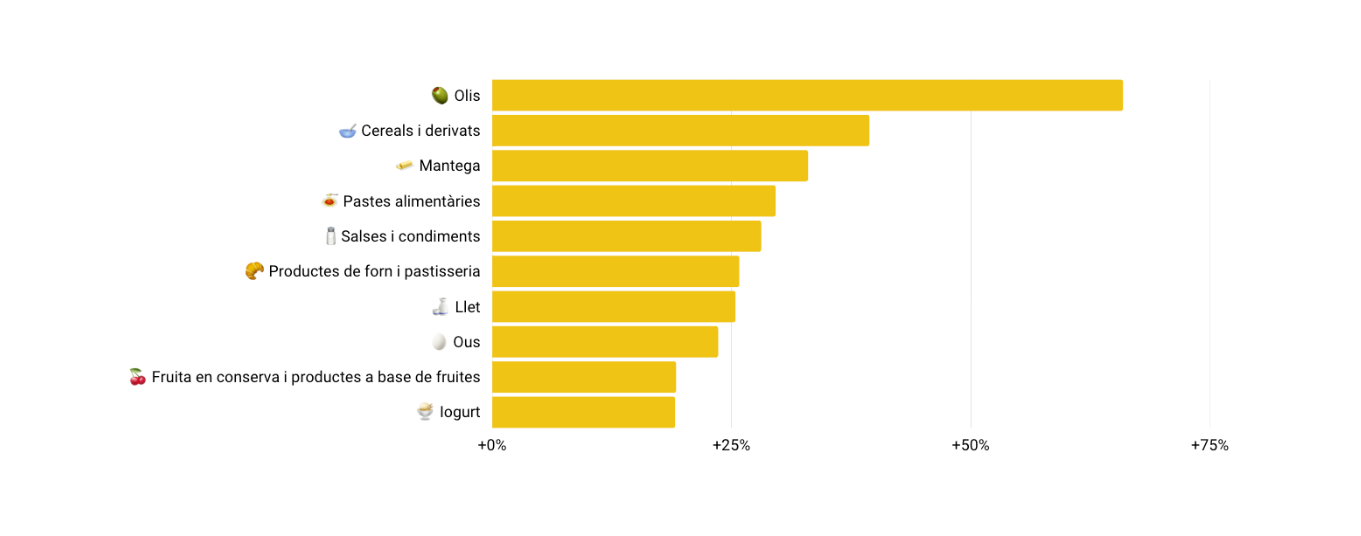
Source: INE
The causes are many and varied: the increase in production, transport and distribution costs, the rise in the price of raw materials, fuel and energy, but the end result is that no product has fallen in price or even maintained its price. It’s no secret, the cost of living has risen dramatically, and you have to make savings wherever you can.
Optimising fixed costs
Although it is true that we have little room for manoeuvre if we want to reduce essential expenses such as food, it is also true that there are other fixed expenses that, although necessary, can be negotiable, or we can optimise them by contracting suppliers that are more in line with our needs.
This category includes products and services such as household supplies, the mobility option and insurance. The home insurance sector offers us a wide range of providers with coverage and prices that adapt to our particular circumstances. This is where we can reduce costs without having to do without the essentials. Would it surprise you to know that with 11Onze Segurs you can insure your own home for as little as €5 a month?
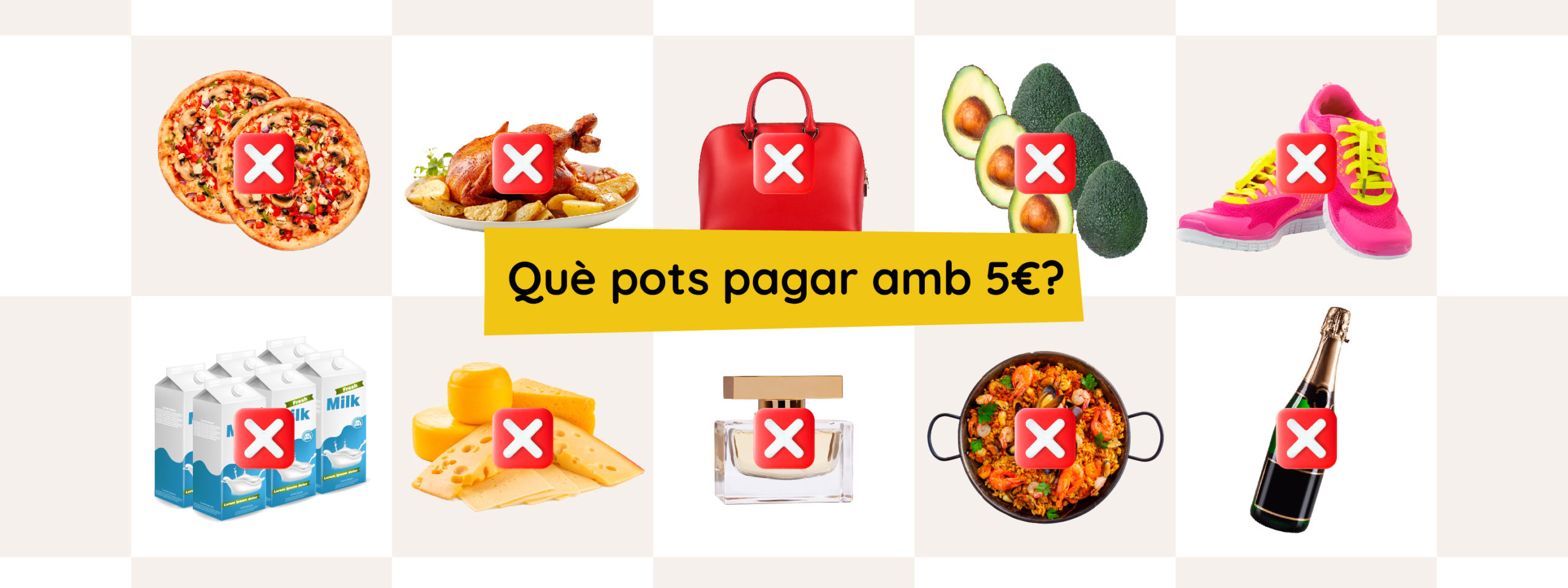
From £5 a month? Yes, at 11Onze Segurs we do away with paper contracts, physical agencies, management fees, cancellation and contract change fees, which is already a considerable saving, but we also allow you to modify and adapt the coverage to your needs at any time, before and after signing the contract.
In this way we ensure that you don’t overpay for your insurance, offering a monthly or annual fee, without permanence, between 15%-20% cheaper than with traditional insurers. What is the monthly cost of your current home insurance? Do you want to know how much you could save? Try our price simulator by entering some basic data, and you will get your no-obligation quote immediately.
If you want to discover fair insurance for your home and for society, check 11Onze Segurs.
Both gold and cryptocurrencies have gained prominence in investment portfolios. They are very different, almost antagonistic, assets. Gold is much more stable and is considered the safe haven asset par excellence in times of crisis such as the current one. In contrast, the cryptocurrency market is highly volatile and can generate large gains, but also huge losses.
Gold and cryptocurrencies are investment assets with very different characteristics and behaviour. To begin with, gold is a tangible asset, with limited reserves, while cryptocurrencies are intangible assets, whose value depends largely on speculative manoeuvres.
Moreover, the gold market is mature, while the cryptocurrency market is much more recent and dynamic. The proliferation of cryptocurrencies has led to a more than tenfold increase in just two years.
Diversified demand
One characteristic of gold that sets it apart from most financial assets is that demand comes from a variety of sources, from central banks and private investors, who accumulate gold bullion and coins, to the jewellery industry and digital device manufacturers, who use gold in the creation of their products.
After a small decline in 2020, gold demand in 2021 returned to over 4,000 tonnes. Just over half (53%) went into the creation of jewellery, 28% was converted into bullion and coins, 11% was purchased by central banks and similar institutions and the remaining 8% was used in the manufacture of electronic devices.
Gold consumption grew in all four areas, although it was particularly strong in jewellery, where it rose from 1,327 tonnes in 2020 to more than 2,220 tonnes in 2021.
The high demand for gold in this industry is based not only on its aesthetic qualities, but also on its malleability and ductility. But the precious metal is also a key component of electronic devices, from mobile phones to televisions, as it is an excellent conductor of electricity and heat.
Central banks and private investors accumulate gold to protect their wealth. Indeed, countries hold huge reserves of this precious metal because they know that its value will not fluctuate greatly, as a limited amount is mined each year.
Concentrated ownership?
Despite what you might think, gold ownership is highly fragmented. The reserves of the largest gold owner, the US government, account for only 4% of the total. In fact, almost half of the precious metal is in jewellery scattered around the world and just over 20% belongs to investors accumulating gold bullion or gold coins. Nor is gold mining concentrated in just a few hands, with no single continent accounting for more than 30% of global production.
When it comes to bitcoin, the most important cryptocurrency, both ownership and computing power are less widespread. Only 2% of bitcoin holders accumulate 95% of all available bitcoins. And in 2021, entities in five countries controlled 80% of the computing power of the bitcoin network.
Because gold has multiple uses, its price is more resilient to economic swings than that of many other assets. When times are lean, investors buy gold as a safe haven. And when economies are doing well, consumers buy more jewellery and electronics that use gold.
Stability or volatility?
Between September 2021 and September 2022, gold has appreciated by 11%. In contrast, in the same period bitcoin lost half of its value due to speculative manoeuvres. On the other hand, gold can be considered a more liquid asset than many of the cryptocurrencies.
Some studies show that investors view cryptocurrencies as a high-risk, high-yield speculative bet, as their price swings wildly. In contrast, gold is much more stable. Therefore, both assets can have a place in a diversified and balanced portfolio. However, it is not advisable to allocate more capital to cryptocurrencies than you can afford to lose.
If you want to discover the best option to protect your savings, enter Preciosos 11Onze. We will help you buy at the best price the safe-haven asset par excellence: physical gold.
Airline tickets can make up a significant percentage of the cost of your holidays when travelling to distant destinations. Keeping the following recommendations in mind can allow you to save a good handful of euros.
As we explained in the article “When there is no money for holidays”, one of the big trends for travel this year is “the search for maximum savings”. With 20% of the budget, transport is one of the main planned expenses, according to a study by the National Observatory of Outbound Tourism, and we must bear in mind that this percentage can skyrocket if we travel far away. That’s why we offer some recommendations for saving on airline tickets.
- Book in advance. Bear in mind that it is essential to book your desired flights in advance in order to get the best prices. The closer you get to the date of travel, the more expensive the tickets tend to be, as airlines increase prices as the plane fills up. If you are flexible with your destination, another alternative is to wait until the last minute in case a flight does not fill up and a last-minute offer comes up.
- Better during the week. Flights on weekends are usually more expensive than during the week, so having flexibility in dates will help you pay less for the same journey.
- Reduce your luggage. Carrying a small amount of luggage will save you from having to pay for checked luggage. In addition, light luggage will make it easier to get around and to use public transport. To minimise your luggage, it is a good idea to take clothes that dry quickly and can be easily combined with each other.

Tips for saving on this summer holidays
In addition to saving money, one recommendation for making the most of your holidays when you are travelling to distant destinations is to take advantage of stopovers: choosing connections that are sufficiently spaced out in time can allow you to visit the city where you are making the stopover.
Do you love to travel? With 11Onze Viatges you can book accommodation at the best price, without stifling the travel industry.


Around ten thousand years ago, humanity underwent a radical transformation: we left nomadism behind and discovered agriculture. This change meant settling on the land, domesticating herds and organising ourselves around an agricultural calendar that marked the life of communities. Each month brought specific tasks, moments of celebration and also rituals of protection against the uncertainty of the future.
That natural rhythm, based on work, perseverance and foresight, was the key to the survival of peasant societies. In today’s world, marked by economic and financial instability, that ancestral wisdom remains valid. What used to be harvesting grain, picking grapes or storing reserves for the winter is now organising expenses, saving and protecting wealth.
And what does this have to do with saving and gold? Just as our ancestors relied on the agricultural calendar to ensure the life of the community, we need a financial calendar to guide us. Recovering peasant wisdom means understanding that only with foresight, effort, and perseverance can we secure the future. Preciosos 11Onze gold is its modern expression: the seed that, sown today, guarantees fruit tomorrow.
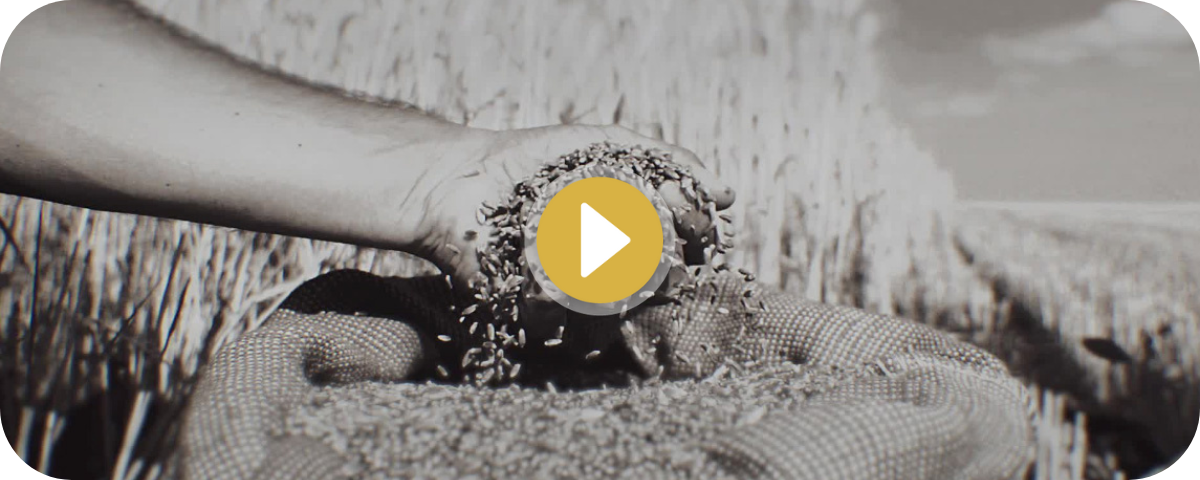
An ancestral tradition
Just as the agricultural calendar marked the rhythm of sowing, tending and harvesting, we can also think of saving as a farming cycle. Each stage has its tasks and lessons, and all are equally important to ensure a good final harvest. Preciosos 11Onze, with its Gold Seed, and Gold Patrimony modalities, adapts this ancient wisdom to the present, turning gold into an asset that accompanies us at every stage of the journey. These phases are:
- Prepare for growth. Farmers began the year by pruning the vineyards and ploughing the fields. Dead branches had to be removed and the soil aerated. It was invisible work, but essential for the future harvest.
The same is true in finance. Before investing, it is necessary to get your affairs in order: reduce unnecessary expenses, set a budget and plan your savings. In a context where wages are growing less than the cost of living and taxes are particularly burdensome for the middle classes, preparing the ground well is more necessary than ever. Gold Seed represents this first step of foresight: laying the foundations for solid savings. - The value of getting started. The sowing of cereals and the sprouting of trees symbolised the birth of the agricultural cycle. A small seed was transformed into future food.
The same is true of saving: the hardest part is making the first contribution. But it is in that gesture that growth begins. Every gram of gold in Gold Patrimony is a seed for your financial future, a sprout that heralds stability in the midst of a volatile market. In a world where monetary digitalisation (CBDC) threatens economic freedom, starting with tangible assets is a commitment to autonomy. - Take care of what you have sown. The time had come to graze the cattle and watch over the fields. Harvesting wheat required perseverance and discipline. Without care, months of work could be lost. In finance, we must also take care of what we have started. Saving is not a one-off act, but a habit sustained over time. Just as the farmer watches over his fields, we must be consistent with our contributions and resistant to the temptations of easy spending. Only in this way can savings in gold be consolidated and prevent inflation from robbing us of our purchasing power.
- The fruit of constant labour. Summer was the time to separate the wheat from the chaff and harvest ripe fruit. It was the time to see tangible rewards after months of work.
In the financial arena, this step is equivalent to distinguishing the essential from the worthless. Gold has always been a safe and stable asset, capable of withstanding currency collapses and economic crises. When we begin to accumulate it, the first benefits become apparent: we gain peace of mind and confidence. Unlike speculation with cryptocurrencies, gold offers real and secure returns. - Transforming what you have harvested. The grape and olive harvests represented transformation: grapes into wine, olives into oil. Foods that last much longer than fresh fruit.
The same is true of Preciosos 11Onze gold. What we have accumulated does not remain inert, but is transformed into a lasting reserve, insurance against crises. Like wine and oil, which are stored for future consumption, gold is an asset that retains its value and is passed down from generation to generation. In the face of growing de-dollarisation and global financial instability, owning a timeless asset is a protective strategy. - Reserves for winter. The slaughter of the pig and the fire in the hearth symbolised foresight. It was time to secure reserves to withstand the cold and hardships of winter.
In finance, this winter takes the form of recessions, persistent inflation and geopolitical uncertainties. In the face of this, gold acts as our energy reserve, capable of keeping us stable when markets fluctuate. In the midst of a carbon bubble that threatens the banking system and with historic fiscal pressure, having tangible savings is synonymous with security.

‘Recover the ancient wisdom of saving.’
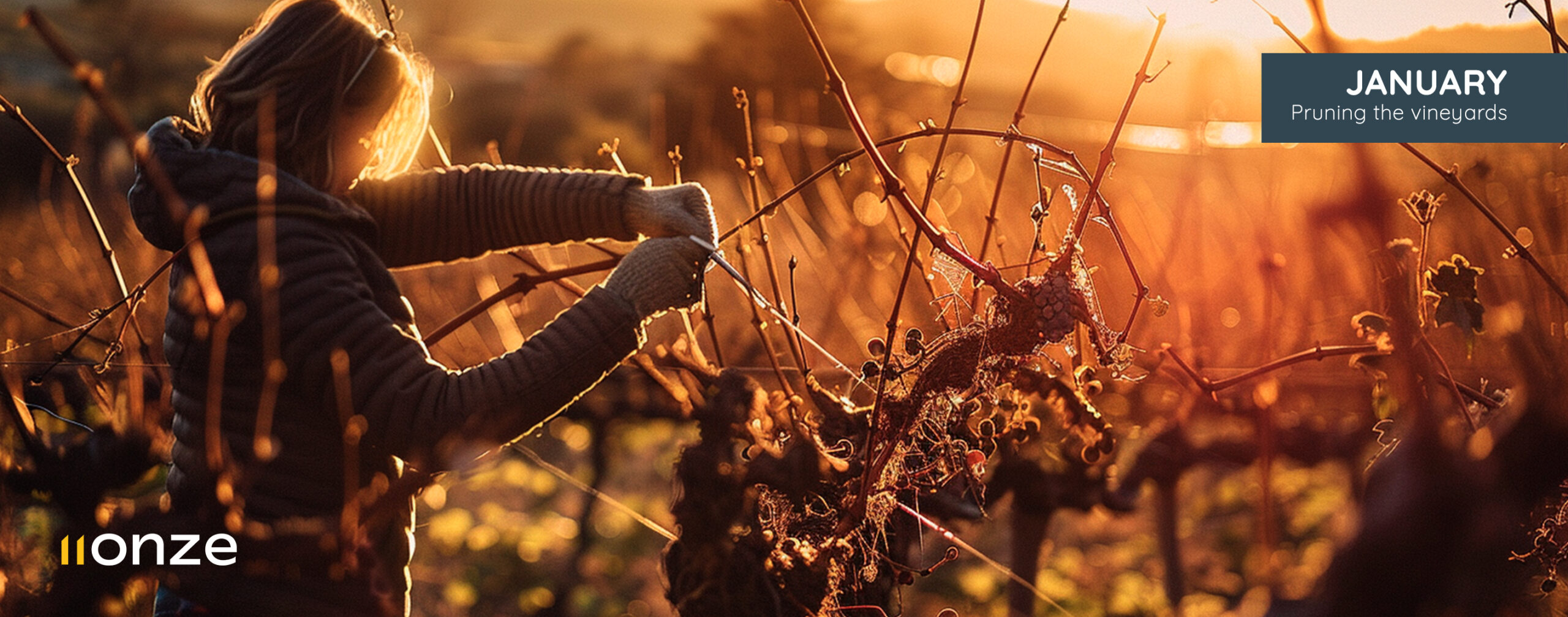
‘To grow, you have to know how to cut back.’

‘Who prepares savings, gains security.’

‘The future is built seed by seed.’

‘Green shoots signal savings.’

‘What you care for today sustains you tomorrow.’

‘Who sows with patience, reaps the future.’

‘Real value remains. The chaff flies away.’

‘Each fruit is testimony to a job well done.’
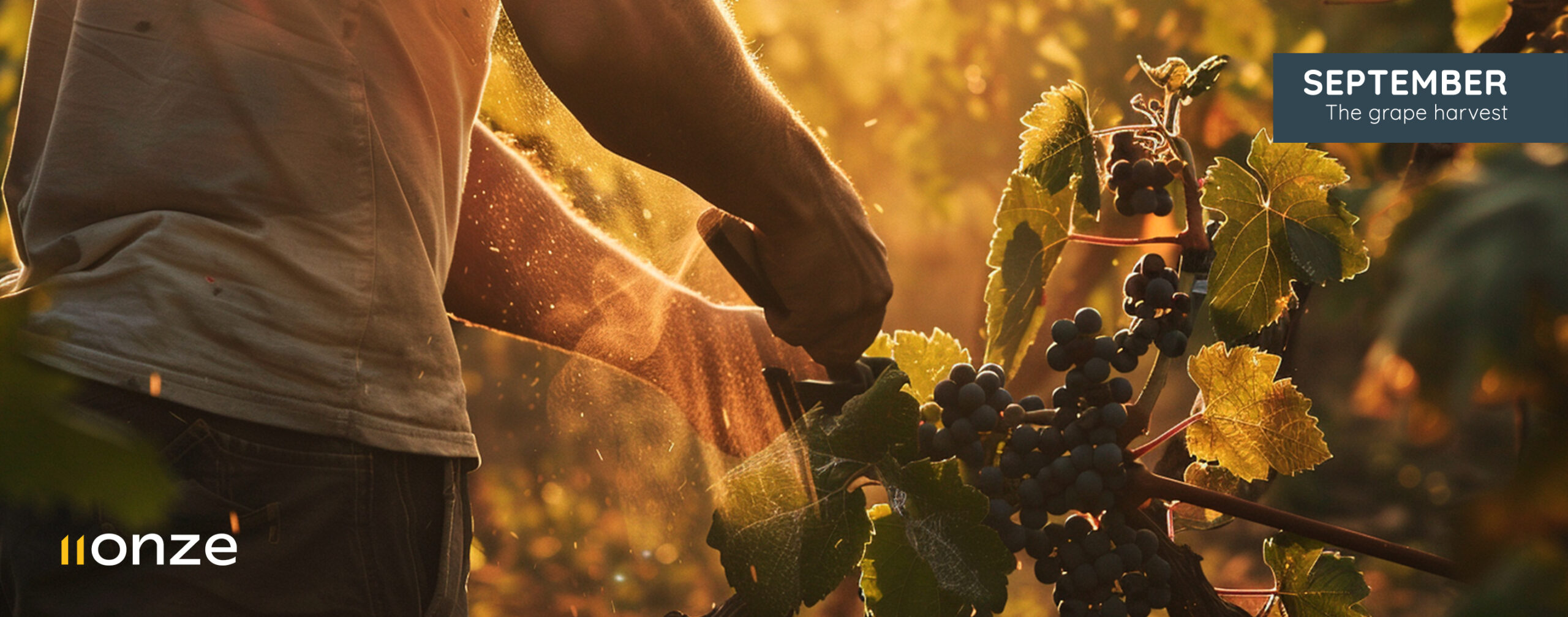
‘Time turns fruit into treasure.’
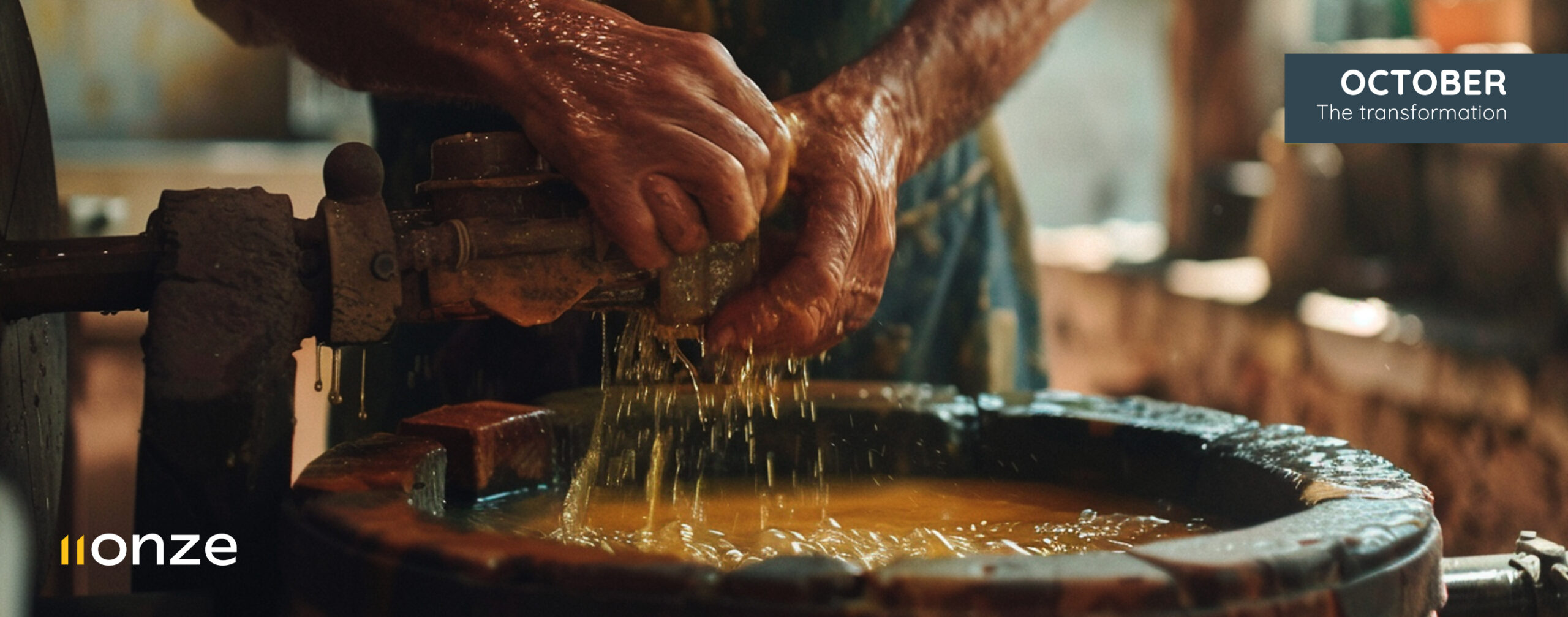
‘From the olive, the oil; From perseverance, the future.’
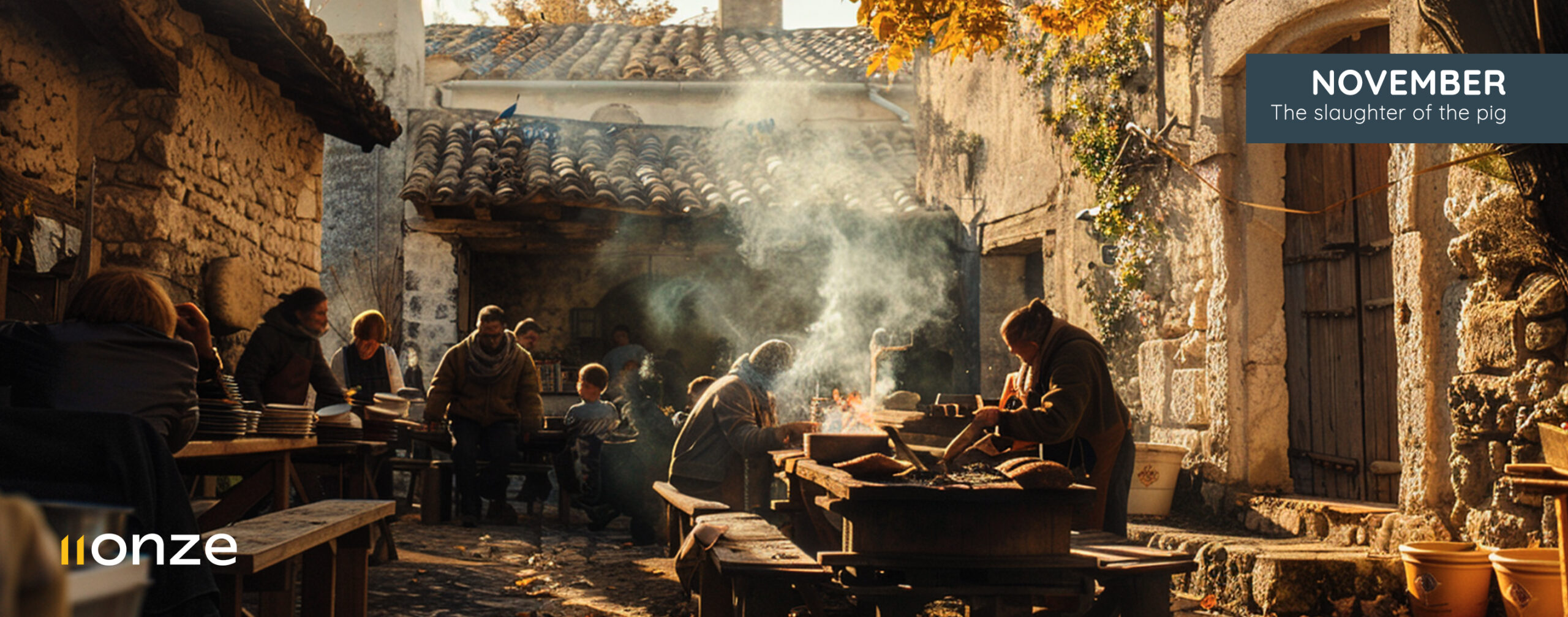
‘Those who plan ahead never go hungry.’
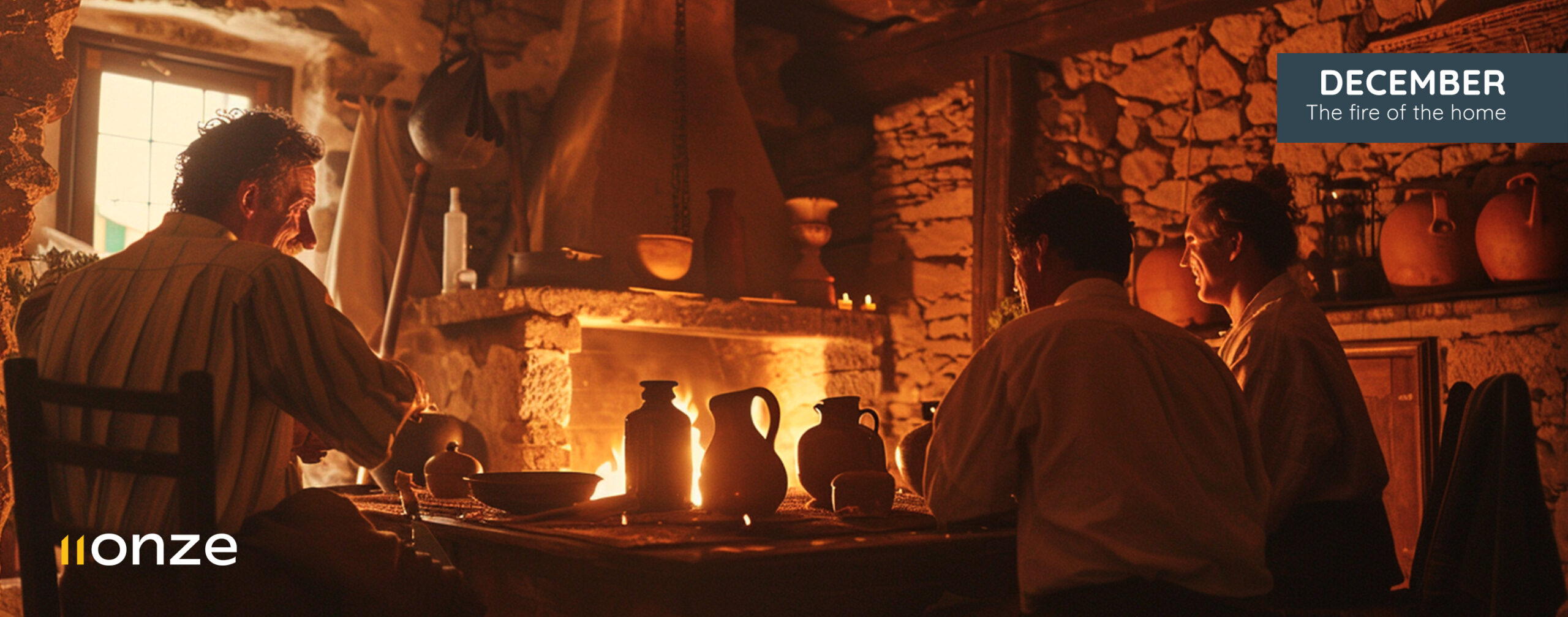
‘Winter is better spent with full reserves.’
Preciosos 11Onze: ancient wisdom, modern solution
Just as our ancestors stored grain, wine, or oil to ensure the livelihood of the community, today we can store gold to protect our children’s future. The cycle of the earth reminds us that every effort bears fruit and that foresight is the best ally in the face of uncertainty.
With Preciosos 11Onze, we recover this ancestral wisdom in a modern key: tangible, secure and universal savings, capable of accompanying us in times of prosperity and, above all, in difficult times.
Because, at the end of the day, life is cyclical. And just as the countryside always returns to its roots, gold is the seed that guarantees continuity, stability, and the future. A legacy that not only protects the present, but also future generations.
If you want to discover the best option to protect your savings, enter Preciosos 11Onze. We will help you buy at the best price the safe-haven asset par excellence: physical gold.



Realment sabem en què gastem els nostres diners? Som conscients del que és important i del que no ho és? Càrol Rafales, especialista sènior de vendes d’11Onze, ens explica en què consisteix el mètode d’estalvi Kakebo i com podem adaptar-lo a la nostra situació personal.
El mètode d’estalvi Kakebo, que es tradueix com a “llibre de comptes domèstics”, va ser ideat el 1904 per la periodista japonesa Motoko Hani. En una època on les dones depenien dels diners que els donaven els seus marits, Motoko volia proveir a les japoneses “d’una eina que els hi permetés gestionar les finances domèstiques d’una manera eficient”, apunta Càrol Rafales.
Què ens cal per posar en pràctica aquest mètode d’estalvi? Doncs ben poc, perquè està pensat per ser molt senzill. Com explica Rafales, “un llibret en blanc, un llapis, i moltíssima constància”. Tanmateix, podem comprar un llibre Kakebo, específicament dissenyat com una agenda on fer el seguiment dels nostres ingressos i despeses.
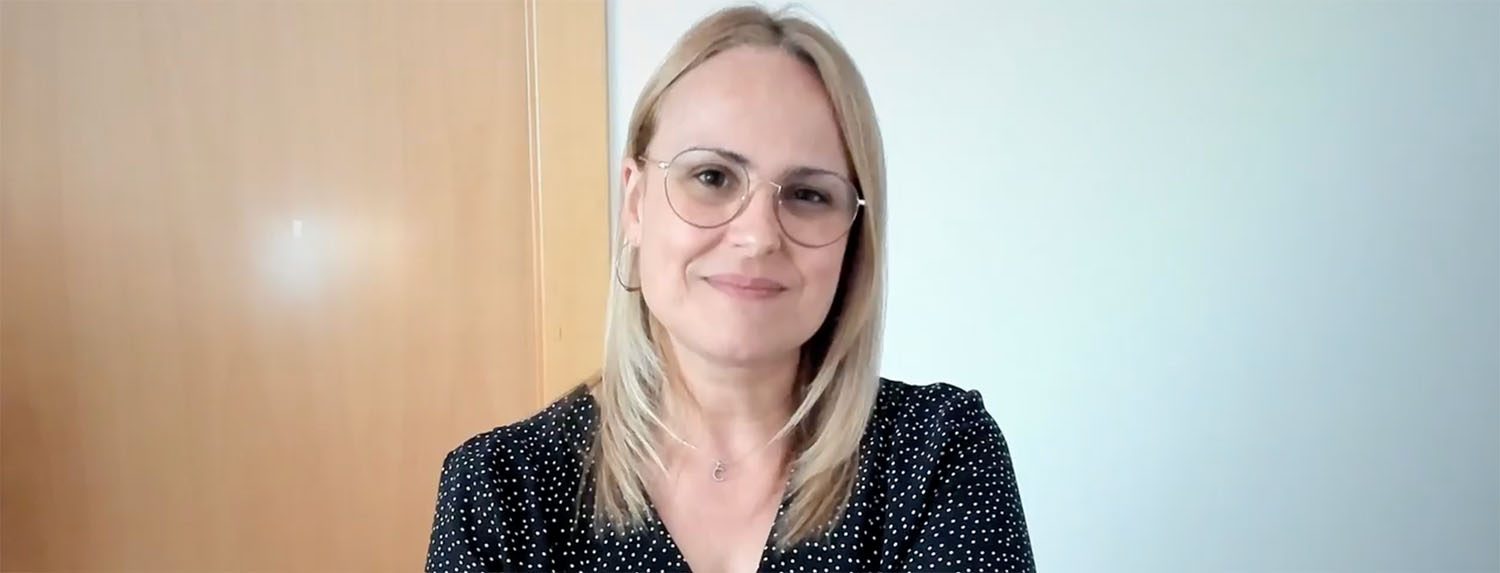
KAKEBO: el mètode japonès per a estalviar
Consum conscient
A més de gestionar els nostres diners, el mètode Kakebo ens ajuda a evitar compres innecessàries que de vegades realitzem de manera irracional. Només posant el focus en analitzar com desapareixen els diners del nostre compte, serem realment conscients dels nostres hàbits de consum. Els gràfics i eines que trobarem al llibre ens ajudaran en la presa de decisions abans de fer compres i controlar despeses recurrents.
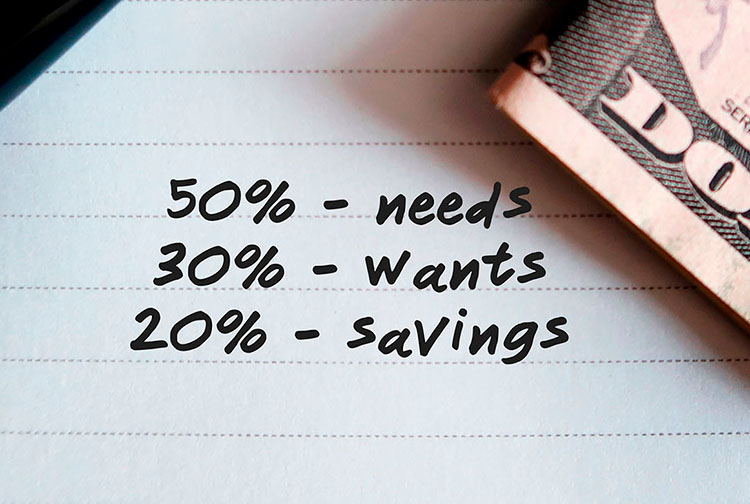
El Kakebo divideix les despeses mensuals en quatre categories: supervivència, oci, cultura, i altres (que inclouen imprevistos). Basant-nos en aquests blocs, Rafales ens puntualitza la premissa bàsica del mètode, “anotem els ingressos previstos del mes, restem despeses fixes, i a l’import restant li traiem l’objectiu d’estalvi que tenim. El que quedi serà el pressupost per les despeses variables”. Per una explicació més detallada de com funciona el Kakebo, dona-li un cop d’ull al vídeo de més amunt.
Si vols descobrir la millor opció per protegir els teus estalvis, entra a Preciosos 11Onze. T’ajudarem a comprar al millor preu el valor refugi per excel·lència: l’or físic.

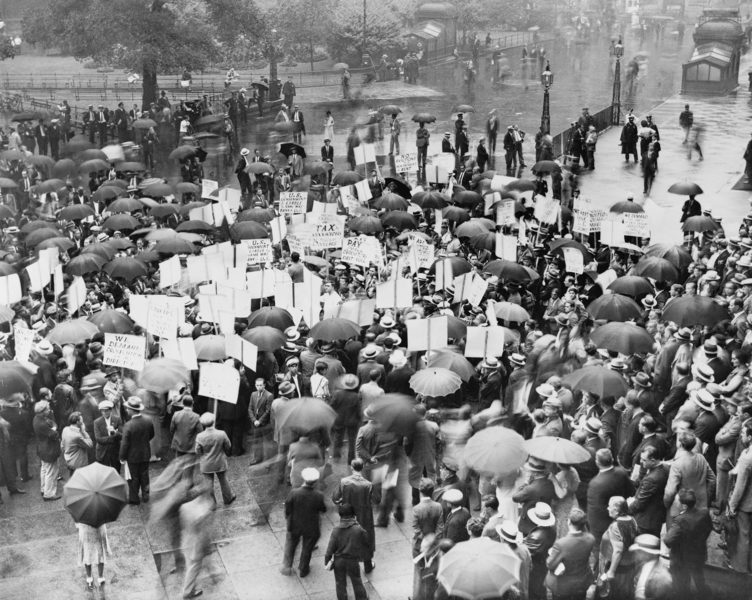
Physical gold is considered a safe-haven asset not because we at 11Onze say so, but because of how it has behaved historically in major economic crises. The 11Onze product team offers, in the Learning area, a course that analyses the evolution of gold during big crises.
The crash of 1929, the oil crisis of the 1970s, the Black Monday of 1987, the recession of the 1990s, the dotcom bubble, the financial crisis of 2008… History is full of major economic crises that have caused a lot of pain for savers. These major crashes in the financial markets have always ended up affecting ordinary citizens, whether or not they are investors in these financial markets.
This is why 11Onze launched Preciosos 11Onze, to give ordinary people a savings protection tool that would not normally be available to them. But let’s put this into context, analyse the history and confirm whether or not physical gold is really an interesting safe haven for our savings in times like these.
With this in mind, the 11Onze product team, with Jordi Sánchez, Sara Casals and Amadeu Vilaginés, has prepared a course on the evolution of gold in the main crises in history. If you don’t know how to answer the questions Casals asks in this video, you have to watch the whole course!
If you want to discover the best option to protect your savings, enter Preciosos 11Onze. We will help you buy at the best price the safe-haven asset par excellence: physical gold.
Et farem deu recomanacions perquè puguis gaudir de les teves vacances i estalviar en les reserves i en moltes coses més.
Enguany s’espera que un gran nombre de persones facin les vacances els mesos de juliol, però tindrem diners per a les nostres vacances tan desitjades? Segur que tots estem pensant en l’estiu i, per tant, en les vacances. Molts de vosaltres ja teniu al cap on voleu viatjar, però esteu esperant noves recomanacions per saber si finalment podrem agafar un avió i gaudir d’una desconnexió merescuda.
Les vacances són necessàries per a fer un reset, gaudir dels nostres, cosa que és molt necessària, i recarregar les piles per a tornar a la feina amb el cap serè. També és un moment en què intentem no estar tan pendents de les despeses: solem fer excessos als àpats, en comprar-nos allò que sabem que no trobarem a la nostra ciutat i aprofitem per a anar a aquell hotel que tant ens venia de gust. Per això, us expliquem alguns consells per a estalviar en vacances, i que la tornada al setembre sigui més tolerable i sense maldecaps.
- Estalvia a un any vista sempre que puguis. El primer pas recomanable és crear un pressupost estimat de l’import que penses invertir en la teva pròxima destinació i així poder crear un pla d’estalvi a un any vista. El mètode més còmode és obrir un compte d’estalvi o moneder al teu banc i fer-hi una transferència automàtica mensual de manera recurrent; així, abans de començar les vacances ja tindràs la quantitat estalviada que et permetrà fer-les sense despeses imprevistes.
- Reserva anticipada. El món en línia ens proporciona una alta oferta de preus. A més, si tens la possibilitat de tenir les dates de les teves vacances confirmades a l’inici de l’any, podràs estalviar molts diners, obtindràs millors preus al teu bitllet d’avió, tren, o el transport que vulguis. Com més aviat el reservis, molt millor! I el mateix ocorrerà amb l’hotel, inclús et recomanem que reservis en aquell restaurant que has estat seguint per Instagram, mitjançant aplicacions que ofereixen descomptes molt interessants, fins i tot del 50%. És important que revisis a les teves reserves les despeses de cancel·lació, per si fos necessari.
- Aprofita l’esmorzar. Tothom sap que l’esmorzar és l’àpat més important del dia i que és necessari per a grans caminades. Fes ús de l’esmorzar si està inclòs en les teves nits d’hotel i prepara’t i menja com un rei, aprofita i emporta’t una fruita per a mig matí per si et ve la gana abans que arribi el dinar.
- Planifica els llocs. Si t’encanta fer una presentació del teu pròxim viatge i compartir-la amb la resta de la gent amb qui hi aniràs, estàs de sort, perquè aquesta és una altra manera d’estalviar diners. Si fas un llistat dels indrets que vols visitar, tens l’opció d’entrar al seu lloc web i fer-ne la reserva. Hi podràs trobar promocions, inclús, si sou diverses persones, us podreu beneficiar de descomptes per grup. A més, tenint el tiquet comprat és possible que fins i tot eviteu llargues cues per a adquirir-lo.
- Canvi de divises. Tot i que la cotització de les monedes no es pot controlar, abans de canviar diners, consulta-ho amb el teu banc de confiança unes setmanes abans del teu viatge, per a informar-te si és millor esperar als dies abans la sortida. En molts casos, la recomanació serà fer-ho a l’aeroport, car les cases de canvi tracten d’oferir-hi el millor canvi. Una cosa important, en cas que durant el teu viatge vulguis fer les teves compres amb targeta de crèdit, és que canviïs una quantitat, encara que sigui petita, per si sorgeix qualsevol imprevist (tiquet de tren, propina, etc.).
- Ús moderat de targetes. Com hem esmentat, quan estàs de vacances, l’últim en què vols pensar és en el que t’estàs gastant, però gairebé sempre tenim algun excés… Intenta aplicar les recomanacions que t’hem fet fins al moment i mira d’evitar al màxim l’ús de les targetes de crèdit si no està planificat dins les teves prioritats. En el moment serà una compra impulsiva, però després t’arribarà una suma important de despeses.
- Ruta en carretera. Si la teva opció vacacional és agafar el cotxe i recórrer alguns pobles del teu voltant, utilitza el GPS, que sempre et recomana la millor ruta perquè evitis fer quilòmetres innecessaris i, per tant, estalviar en benzina. Visitar destinacions prop de casa és una opció molt recomanable; sovint oblidem els meravellosos indrets que tenim prop de la nostra ciutat i que podem visitar sense agafar un avió.
- Evita restaurants turístics. Planifica bé el teu temps i, quan visitis algun lloc determinat, si és en una zona turística, evita les hores punta per a dinar o sopar: normalment, els restaurants d’aquestes zones solen ser d’escassa qualitat i d’alt cost. És preferible caminar quatre passes i cercar alternatives de llocs que solen freqüentar els locals, preguntar a la recepció de l’hotel, al taxista i, per descomptat, mirar les opcions que trobaràs als cercadors d’Internet.
- Contracta free tours. Busca’ls als centres de les grans ciutats o pregunta-ho a aquell amic que viatja molt, que segur que n’ha utilitzat. Són guies turístics que et fan un recorregut per la ciutat explicant-te un munt de coses molt interessants sense una tarifa concreta. Si t’agrada, és optatiu deixar-li una propina.
- Finança les teves vacances. Si ha estat un any difícil i alguns dels consells que hem esmentat no els has pogut seguir, com ara fer una previsió anticipada, no renunciïs a uns merescuts dies de descans, troba la teva agència de viatges més propera i finança aquell viatge que tanta il·lusió et fa; també pots fer la consulta al teu banc i ampliar la teva targeta de crèdit per a poder fer front a les despeses o demanar un petit préstec que aniràs pagant còmodament mes a mes.
L’estiu ja és aquí. Aprofita aquestes recomanacions i comença a somniar despert. I recorda, de la quantitat que t’hagis fixat per al teu gaudi, divideix-la entre els dies de vacances i no gastis més del previst.
11Onze és la comunitat fintech de Catalunya. Obre un compte descarregant la super app El Canut per Android o iOS. Uneix-te a la revolució!

Moltes llars tenen joies d’or o altres peces d’aquest metall preciós que amb el pas dels anys han perdut la seva brillantor. L’or gairebé no s’oxida, però la brutícia acumulada pel contacte amb la pell i cosmètics pot malmetre el seu aspecte. T’expliquem com netejar i cuidar les teves joies d’or amb productes naturals.
L’or pot perdre la seva lluentor natural pel contacte amb el pH de la nostra pell o per reaccions amb substàncies líquides, com el clor de la piscina o altres agents nocius. Per a mantenir l’esplendor de les peces d’or, es recomana netejar-les amb un drap blanc de cotó, com fan els joiers a l’hora de manipular-les, evitant així que el contacte amb la pell els hi resti lluentor. Existeixen moltes maneres tradicionals, naturals i efectives de netejar les teves peces d’or. A continuació t’expliquem alguns dels trucs clàssics per retornar la brillantor a aquest metall preciós:
Netejar amb sabó
- Barrejar unes gotes de sabó de rentar plats suau amb aigua tèbia en un recipient.
- Submergir la peça d’or al recipient durant uns quinze minuts una vegada estigui llesta la mescla. Veuràs que les impureses es desincrusten soles.
- Retirar la peça d’or del recipient i esbandir bé amb aigua tèbia.
- Assecar-la bé amb un drap suau.
- Repetir aquest procés tantes vegades com creguis necessari.
Recuperar la lluentor amb vinagre
- Barrejar en un recipient ½ tassa de vinagre blanc i 2 cullerades de bicarbonat de sodi
- Submergir les peces d’or que estiguin brutes o hagin perdut la seva lluentor, durant dues hores.
- Esbandir les joies d’or amb aigua freda i assecar-les amb un drap suau. També es pot fer servir una camusa abrillantadora.
Preservar la brillantor amb bicarbonat de sodi
- Barrejar tres cullerades de bicarbonat en un recipient amb un dit d’aigua tèbia. Remoure fins a formar una mescla consistent.
- Aplicar aquesta mescla sobre les peces d’or que vulguis netejar.
- Un cop aplicada la mescla sobre les joies, tirar un raig de vinagre per activar l’efervescència que desprengui la brutícia de les joies.
- Esperar uns minuts i retirar la mescla
- Esbandir amb abundant aigua tèbia, assecar les peces d’or acuradament amb un drap suau.
Or blanc o amb acabat mat
En cas que tinguis una peça d’or blanc o or amb acabat mat, has d’evitar fer servir una camussa per donar brillantor. L’or blanc consisteix en un aliatge d’or pur, de color groguenc, i altres metalls preciosos més blanquinosos, com poden ser el platí, níquel, etc., als que s’hi afegeix un bany de rodi. Per tant, netejant aquestes peces amb una camussa, podries eliminar el bany de rodi o aconseguir una brillantor no desitjada en una peça amb acabat mat.
Guarda or amb or, no barregis metalls preciosos
Per a preservar la lluentor de les teves peces i joies d’or no les guardis al costat d’altres joies o peces en plata o un altre metall. Guarda i classifica les teves peces de valor segons la composició del metall: or amb or, platí amb platí… Evitaràs que l’or o altres metalls s’enfosqueixin i així també faràs que es conservin millor, amb tota la seva lluentor.
Lingots d’or i monedes de col·leccionisme
Els lingots d’or, com els que pots comprar amb Preciosos 11Onze, acostumen a venir precintats o empaquetats amb un blíster termo-segellat que porta un codi certificant el seu origen i autenticitat. Això es fa per certificar i preservar el seu valor, tant quan els compres com a l’hora de vendre’ls. Tot i que pot ser temptador trencar el blíster per tocar la peça amb les nostres mans, no és recomanable.
Les monedes d’or comprades com a inversió també venen empaquetades, però rarament precintades. Així i tot, no és recomanable la seva manipulació per la possible contaminació de la peça i risc de malmetre la moneda quan es neteja. A més, cal tenir en compte que les monedes de col·leccionisme, especialment monedes antigues, poden perdre una bona part del seu valor si es netegen i perden la seva pàtina original.
Si vols descobrir la millor opció per protegir els teus estalvis, entra a Preciosos 11Onze. T’ajudarem a comprar al millor preu el valor refugi per excel·lència: l’or físic.
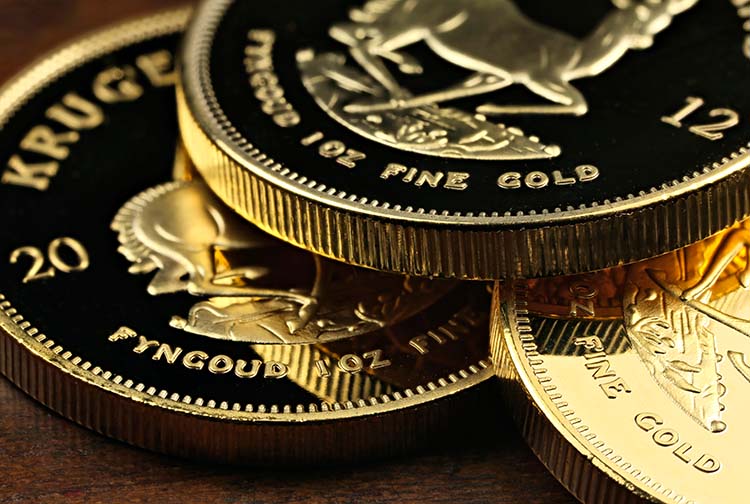
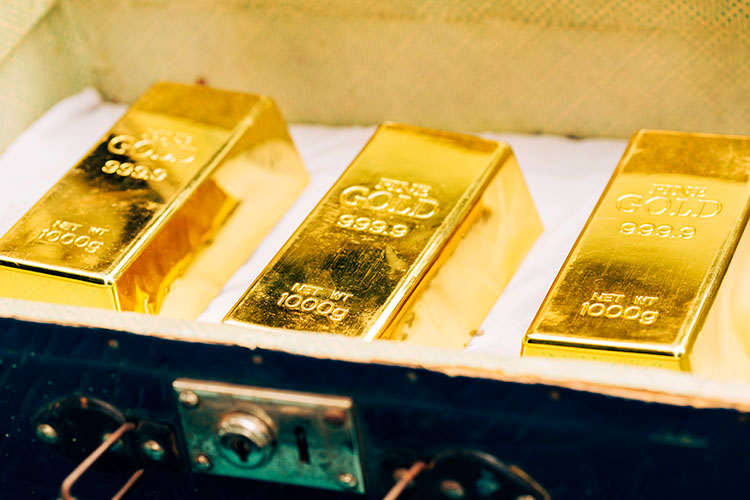
Ets un estalviador particular o un inversor institucional? Penses a agregar valor als teus estalvis a llarg termini o a obtenir rendibilitat a curt? Ets conservador, moderat o agressiu? A 11Onze fem un repàs als diferents perfils de l’estalviador. En quin encaixes tu?
Als mercats financers, hi ha gent per a tot. Ja ho hem explicat alguna vegada a La Plaça: quan gestionem els nostres diners, hi ha un component emocional molt fort, però també hi ha motivacions, objectius i reptes que ens esperonen. És important que sapiguem a què respon la nostra actitud envers els diners si volem tenir una bona salut financera i, és clar, si volem aprendre a gestionar els nostres estalvis de la manera més adequada.
Treballes per a tu o per a molts?
- L’estalviador nat. És una persona física o jurídica que fa operacions per compte propi, és a dir, per moure una cartera particular, sovint per treure rendibilitat dels estalvis.
- L’inversor institucional. Sol actuar per a un capital de molts inversors, com ara fons d’inversió, fons de pensions o companyies d’assegurances. Aquest inversor institucional acostuma a tenir molta influència, perquè fa feina per a molts accionistes alhora.
Horitzons llargs o metes immediates?
- L’estrateg. L’estalviador que marca estratègies a llarg termini és aquell que té un horitzó en què preveu donar valor a una empresa o cartera. Per això, aquest perfil acostuma a buscar nínxols de mercat que coneix bé, on se sent segur.
- L’instintiu. En canvi, el perfil més financer té per objectiu generar rendibilitat a curt i mitjà termini i, per això, hi aposta per inversions inicials. Habitualment, no intervé de forma directa en les empreses on inverteix, ni les coneix especialment.
Conservador, moderat o agressiu?
- El conservador fa calaix. Els estalviadors conservadors acostumen a prendre decisions que són de molt baix risc, en actius on la renda és fixa, com els bons estatals i actius de renda variable amb molta fortalesa, com l’or.
- El moderat, ni blanc i ni negre. En canvi, l’inversor moderat busca més el risc que l’estabilitat, i per això acostuma a combinar actius de renda fixa i altres més volàtils.
- L’agressiu, amant del risc. Finalment, trobem l’inversor agressiu, que no pensa tant a fer calaix i augmentar els estalvis, sinó que el motiva el risc. Les seves inversions són molt volàtils, amb una cartera diversificada, per rendibilitzar al màxim. Aquest perfil acostuma a tenir molta experiència en mercats financers.
Com mous els diners, explica qui ets
- El filantrop d’amics i família. En què apostem els nostres estalvis també explica qui som. Hi ha, per exemple, els que només pensen a invertir, no tant per estalviar, sinó per confiança amb un projecte que els és pròxim, dels amics o de la família.
- Els àngels que donen. També hi ha els anomenats ‘angels business’, que decideixen que, amb els seus diners, volen apostar per donar valor a un sector que coneixen molt, en el qual creuen fermament.
- El gestor patrimonial. Al mercat també trobem tots aquells inversors que treballen per grans patrimonis familiars, sigui per a una sola família o per a moltes.
- L’aventurer del capital risc. També hi ha tots aquells inversors, sovint agressius, que han decidit entrar directament en l’accionariat d’empreses, ja sigui buscant una mica d’aventura, perquè són ‘startups’ punteres que poden resultar un bon negoci en poc temps o per capital privat més consolidat.
- L’inversor sostenible. I, finalment, tenim aquell estalviador que ha decidit, per consciència ecològica, no renunciar al mercat financer, però fer-ho en inversions sostenibles i amb criteris ESG.
11Onze és la comunitat fintech de Catalunya. Obre un compte descarregant la super app El Canut per Android i Apple. Uneix-te a la revolució!