The Supreme Court ratifies the death of Model 720
Last January the Court of Justice of the European Union annulled Model 720, and this week the Supreme Court forced the Treasury to return a fine for assets abroad, definitively overturning its effects on personal income tax (IRPF).
We recall that Model 720 was introduced in 2012, just after the implementation of the tax amnesty, when the then Finance Minister of the Popular Party, Cristóbal Montoro, wanted to increase state revenue in the midst of the financial crisis, making sure that not a single euro escaped. Time has shown that it was not an effective measure by those close to his party or part of the Spanish royalty.
The regulation required citizens resident in Spain to report assets abroad in excess of 50,000 euros. It also established high fines of up to 150% of the amount to be declared if this information was submitted to the Tax Agency after the deadline.
A blow from the European Court of Justice
In January 2022, the Court of Justice of the European Union (CJEU) overturned the entire regulation, both the basic mechanism and the high fines, considering that the restrictions on the free movement of capital introduced by Model 720 were disproportionate.
On the other hand, the ruling annulled the practice of non-prescription, which the Treasury had been systematically imputing to all the declared assets, without assessing whether the facts prescribed by the limitation period in the tax sphere, currently set at 4 years, so that the amounts to be paid were determined.
Therefore, the ruling concludes that taxpayers who had declared assets abroad using Model 720 do not have to pay the debts for the prescribed years, and that the penalties applied are unlawful. It is precisely on this point that the Supreme Court has based its decision to stop the tax authorities from charging the assets abroad contained in the tax return as unjustified capital gains because they are not subject to the statute of limitations.
The Supreme Court applies the CJEU ruling
This was reflected in a ruling of 20 June in the contentious chamber, which upheld the appeal lodged by two taxpayers against a ruling of the High Court of Justice of Extremadura that condemned them for declaring, outside the time limit, real estate assets abroad. A significant fact because it cancels, for the first time, a sanction of Model 720, as disproportionate.
Therefore, the Second Section of the Contentious-Administrative Chamber agrees with the individuals, and annuls the decision of the High Court of Justice of Extremadura, ordering them to return the money, plus the corresponding interest. The court thus seeks to establish proportionality between the seriousness of the act committed and the balance of the current accounts not declared by the taxpayer.
This ruling opens the door to all those penalised taxpayers who, being unhappy with the disproportionate penalties imposed by the Tax Agency, have systematically gone against the application of these penalties and who could now see their amount significantly reduced.
11Onze is the community fintech of Catalonia. Open an account by downloading the super app El Canut for Android or iOS and join the revolution!



In 2022 the price of housing is not likely to fall. The sale and purchase of property in Spain, especially in large cities, is experiencing a golden age. The two driving forces behind this increase are the economic recovery after the pandemic and the record savings of families. At 11Onze we give you the keys to analyse the real estate sector.
Although experts are still debating whether a new real estate bubble is in the making, the truth is that there is a consensus that housing prices will continue to rise in 2022. Thus, the Spanish Association of Value Analysis points to an increase of up to 5% in new properties and 6% in second-hand homes. And Idealista has calculated that sales and purchases in Spain are likely to remain above 550,000 units.
The number of property sales and purchases is spectacular, especially if we consider that more flats have been sold in Spain since the summer of last year than at the height of the property boom in 2008. If we analyse the figures in more detail, we draw the same conclusion. According to Idealista, the residential sector in the city of Barcelona closed 2021 with an investment of 627 million euros. This implies an increase of 124% compared to 2020 and 116% compared to 2019.
The reasons for the increase in price
According to analysts, there are several factors that must be taken into account to understand why housing prices are rising unabated. In terms of buyer sentiment, on the one hand, there is the reactivation of consumption after the slowdown, which has caused the demand that until now had been stagnant to suddenly awaken. On the other hand, there is a record level of household savings.
Moreover, in a context of high inflation, which has reached 6.7% at the end of 2021, families are looking for a return on their money in fixed assets, which are currently a safe haven investment. And this also encourages young people to look for their first home, especially in the periphery. In addition, of course, good financing conditions and the fear that prices will rise even more, two facts that have led to an acceleration of purchases.
At the same time, experts also point out that, as far as property builders are concerned, new developments have suffered from the blockage of supplies and the rise in the price of raw materials, and this may have pushed up prices in some cases. What is clear is that, if you are thinking of buying a home, in 2022 everything points to prices remaining the same or even rising.
11Onze is the community fintech of Catalonia. Open an account by downloading the super app El Canut for Android or iOS and join the revolution!



We all know how hard it is to save money. But do you know what happens to your savings if the bank fails? Coral Santacruz, a member of the 11Onze marketing team, explains it to us.
When a bank fails in Spain, “customers are guaranteed by the Deposit Guarantee Fund for Credit Institutions up to a maximum of 100,000 euros per account holder“, explains Coral Santacruz. This means that if an account has two holders, the insured amount would be 200,000 euros. The Guarantee Fund only acts when a bank fails. If the bank is acquired by another entity and the new entity assumes the rights of the clients, there is no loss of capital.
As detailed on the website of the Deposit Guarantee Fund, which was created in 2011, “the fund’s purpose is to guarantee deposits in cash and securities or other financial instruments held by credit institutions, up to a limit of EUR 100,000 for cash deposits or, in the case of deposits in other currencies, the equivalent sum at the applicable exchange rates”. The fund comes into play when a credit institution is unable to meet its payments and obligations because it is in insolvency proceedings.
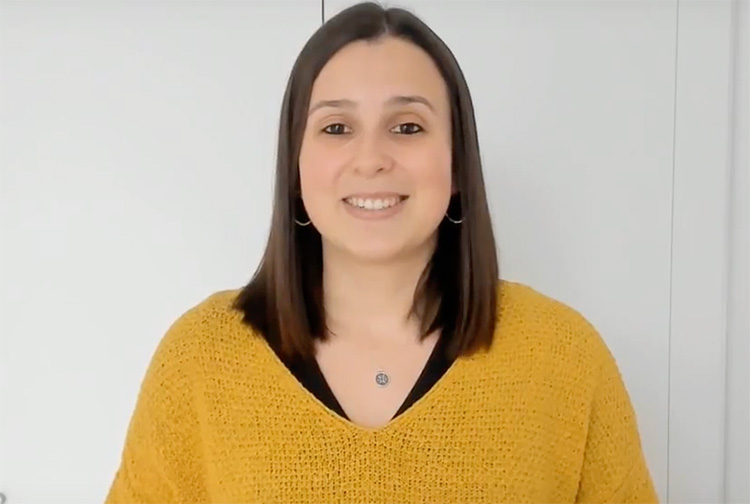
Coral Santacruz, member of the 11Onze marketing team.
How does the fund work?
Currently, all banks are obliged by law to contribute to the Guarantee Fund and have to pay in a small percentage of customer deposits in order to be able to cope with possible bankruptcies.
“If any of the situations that lead to the activation of the payment of guaranteed deposits occurs, the customer will not have to take any action or bear any kind of cost,” explains Santacruz. In this case, the bank has to provide all the customer’s personal and financial data to the Deposit Guarantee Fund so that it can make the payments. When the Deposit Guarantee Fund checks that everything is correct, it contacts the affected party to pay the corresponding amount.
As Coral Santacruz recommends, one strategy we can use to secure our savings is to diversify them in “different entities, always without exceeding 100,000 euros in each account”. If we do this, “in the event of bankruptcy, the totality of the savings will be recovered, as they would be covered by the Deposit Guarantee Fund”.
If you want to know more about superior options to make your money profitable, go to Guaranteed Funds. From 11Onze Recomana we propose you the best options in the market.

We often face our first income tax return without the minimum knowledge necessary to come out unscathed. Mireia Cano, head of agents at 11Onze, answers the basic questions: from when you are obliged to do it, to what documentation you need.
If you are young, and you are not familiar with the tax return, perhaps the first question you ask yourself is what does “IRPF” mean. It is nothing more than the “Impost sobre la Renda de les Persones Físiques” (Personal Income Tax) and is normally filed between the months of April and June to “settle accounts with the Tax Agency for the previous year’s tax situation”, as Mireia Cano explains.
Basically, the tax return reflects the taxpayer’s economic capacity: our income and the reductions and deductions to which we are entitled based on our personal circumstances. Depending on this, we will have to pay a certain amount of personal income tax. Obviously, the higher the final amount on which we have to pay tax, the higher the percentage to be paid.
First of all, we must calculate the taxable base, i.e. “all the profits obtained during the year, wherever they come from”, as Cano points out. And later we subtract the deductions and reductions that may be applied. With this we obtain the amount to be paid to the Tax Agency. As the head of 11Onze agents specifies, when you have properties, children or dependents, “these should also be taken into account”, and in the case of getting married, you should analyse “whether it is more economical to make the tax return jointly or separately”.
Tax obligations for under 25s
When can we avoid filling the tax return?
The law contemplates some exceptions in which it is not necessary to file a tax return, such as when our annual income “is equal to or less than 22,000 euros and comes from a single payer”, as Mireia Cano says. If the previous year we have had two or more payers, we will only be exempt if the received total amount does not exceed “14,000 euros” and the sum of what we receive from the second and subsequent payers does not exceed 1,500 euros. And it should be borne in mind that “aid such as unemployment benefits, an ‘ERE’ or an ‘ERTE’ is considered a second payer”.
The fact that you can avoid filing a tax return does not necessarily mean that it is the most economically interesting option for you. If you do file, the tax office may have to give you money back, so it is worth doing the draft before you rule out filing.
What do you need to do it?
The Tax Agency already has most of our details. Therefore, we often simply need to verify them from the draft tax return that we can request from the Tax Agency. To do this, we will need the payslips from the company where we work and ask our financial institution for the annual balances of our accounts and documentation of the profitability of our financial products.
When looking for help, a first step may be to consult your parents or other family members who regularly file your tax return. You can also contact an accountant or make an appointment with the Tax Agency.
11Onze is the fintech community of Catalonia. Open an account by downloading the super app El Canut on Android and Apple and join the revolution!
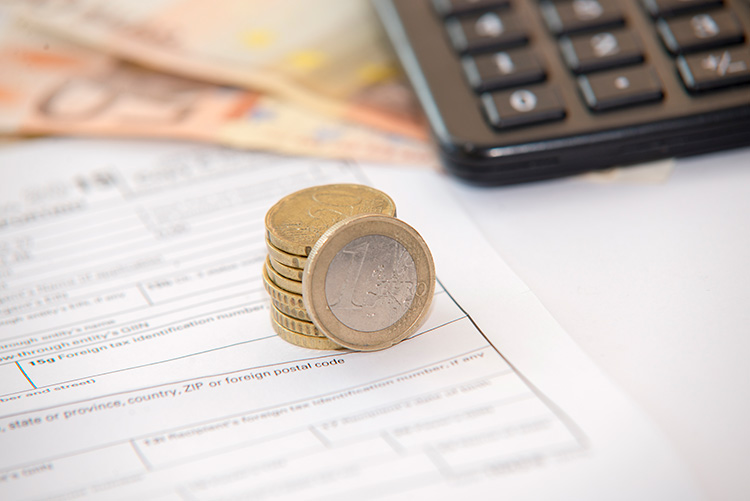
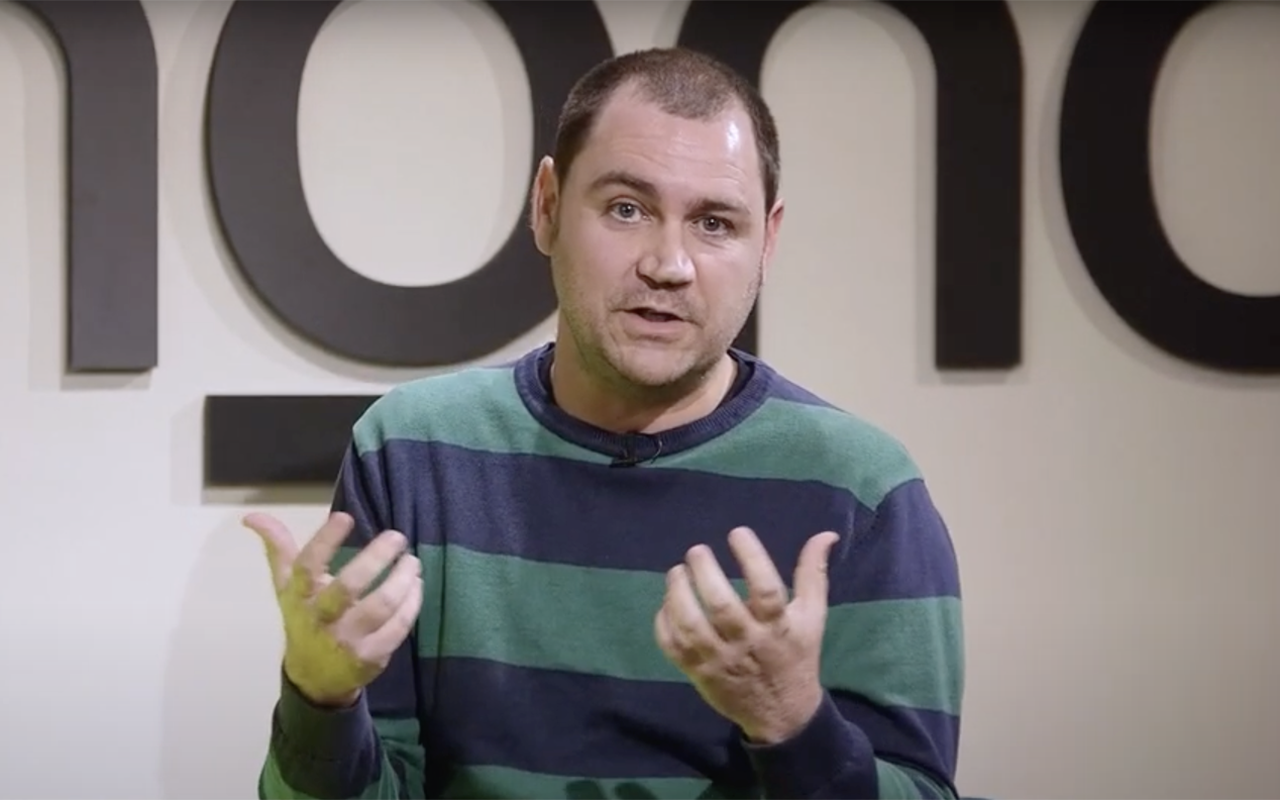
Technology is changing everything. The financial system is facing a new paradigm. The world of money is evolving. To understand the new economy, 11Onze presents Fintech Talks. In the first talk we discussed cryptocurrencies, with a presentation by Raul Arribas, CTO of 11Onze.
“It is very important to understand and educate yourself in order to be able to make better decisions”, Arribas says. In the case of cryptocurrencies, explains 11Onze’s CTO, we must bear in mind that, as it is a very new asset and, therefore, is still looking for its price, and many people use it to speculate. “But, really, this is ancillary to the technology and what it allows you to do,” he explains.
“That you can make a transfer in a matter of minutes, to the other side of the world, on a Sunday at noon, an operation that you can do with cryptocurrencies, and that you cannot do with the traditional financial system, has nothing to do with the fact that there are people speculating with its price to try to make money, or to lose it,” the CTO argues.
Arribas also points to other advantages that make cryptocurrencies attractive in many ways beyond risky investments. “In the conventional financial system, the whole digital part ultimately depends on central entities like a bank. And their database can be accessed. In fact, it probably happens more than the general public knows…”, Arribas explains. Cryptocurrencies, on the other hand, are built on the blockchain. “It is a distributed system. And, by definition, it is more secure, because it is all encrypted, and does not depend on a single central entity, which you can attack for breaking the system,” he defends.
At 11Onze we have already published a chronicle of Raul Arribas’ Fintech Talk, but if you want to know everything about the world of cryptocurrencies, watch the entire talk here.
Ready for the cryptocurrencies

The European Commission and the OECD’s International Financial Education Network have published a major European framework for promoting financial literacy. The report is the result of two years of work and aims to ensure that European citizens have all the tools they need to manage their money. 11Onze is the first financial institution based on financial literacy in its community.
Financial literacy refers to a combination of critical thinking, knowledge, personal skills and habits that enable us to make the right decisions for individual and collective financial well-being. It is with this objective in mind that the European Commission and the OECD’s International Financial Education Network have promoted this framework, which is not only a comprehensive curriculum, but also a conceptual basis on which to build the financial policies of Europe’s nations.
As such, the report provides a set of competencies to support the development, implementation and updating of national financial education strategies; to promote financial education programmes and the development of teaching materials; and to reduce the exclusion that leaves behind the most vulnerable citizens, such as the elderly, young people, migrants and women.
11Onze has been at the forefront of creating financial education materials, and now the European framework adds new useful work streams to continue creating content. Specifically, the framework provides tools for understanding the world of finance based on four main thematic areas:
- Financial transactions, i.e. everything to do with money and currency; income; prices, purchases and payments; and financial records and contracts.
- Home economics, i.e. all those skills that enable us to manage in the short and long term, such as saving, investing, managing income through budgeting and planning.
- Risks and rewards, i.e. financial security, insurance, risk assessment and financial products.
- Financial ecosystem, or all those skills related to consumer protection, financial advice, public spending, taxation and the characteristics of the global financial ecosystem.
Financial literacy, the main pillar of 11Onze
Financial literacy is precisely the main pillar underpinning La Plaça of 11Onze, a pioneering digital platform that brings together an active community of more than 10,000 people. La Plaça is the agora for building financial sovereignty. For this reason, it promotes content about the world of finance, from less to more in-depth. This is how the Magazine is updated daily, with special sections such as 11Onze Check for the verification of information, and pills prepared by our agents are published.
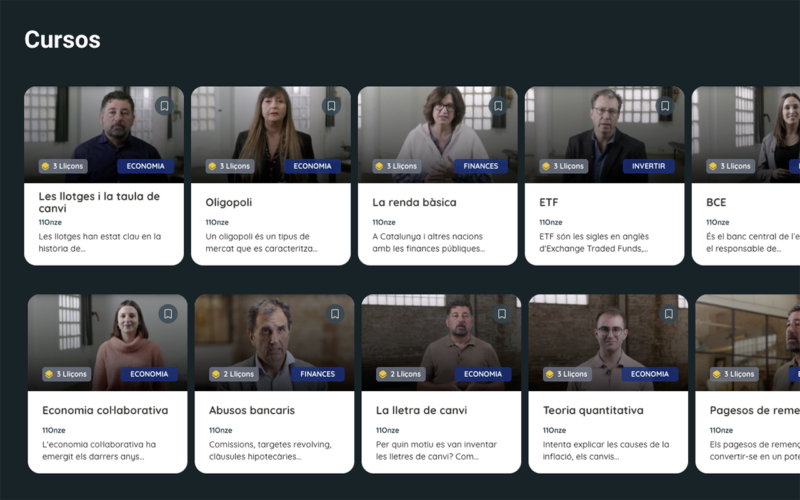
With the same purpose in mind, the lessons in the Learn section are promoted, such as the documentary series ‘El Diner’ and courses on the collaborative economy, fish markets, basic income and oligopolies, among others. In the same way, 11Onze promotes more careful productions through 11Onze TV, such as the documentary ‘L’Academy’ or the podcasts Pasta Z, Bank Abuse and People, always with the economy and money management as the thematic axis.
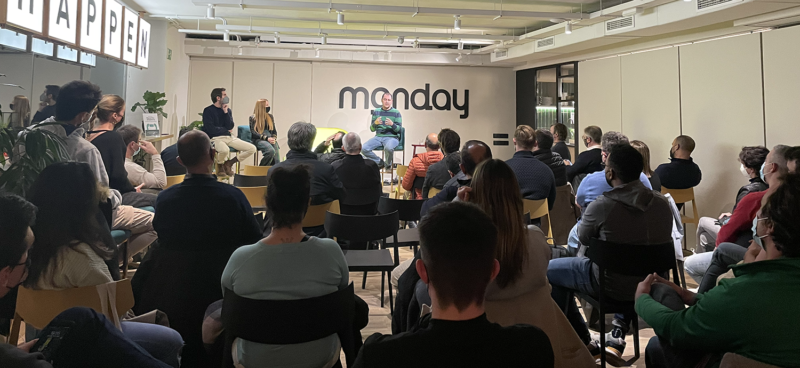
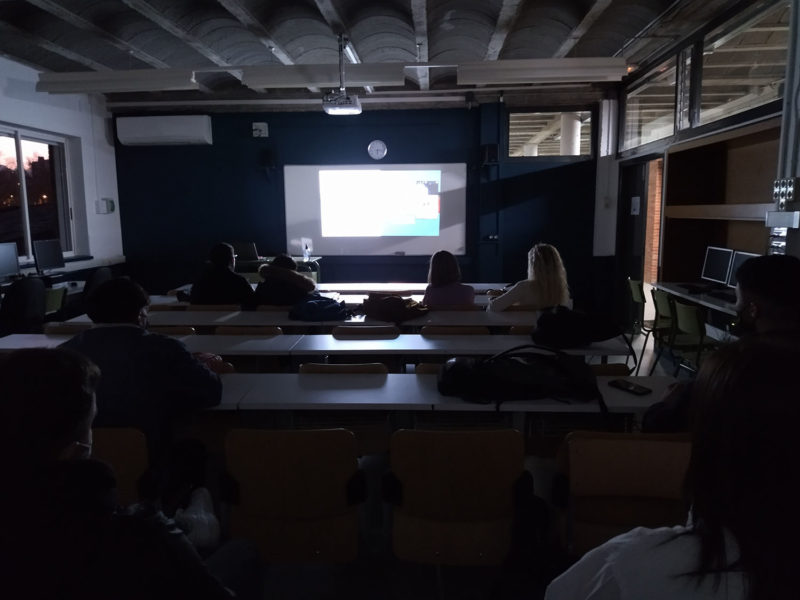
In addition, the fincom has opened up a new area for the dissemination of financial content through Fintech Talks and the ‘11Onze School’ project. The Fintech Talks are a meeting point on financial innovation for all audiences and, especially, for entrepreneurs, startups and companies, organised in collaboration with Monday, a network of coworking spaces in Spain. And ‘11Onze School’ offers training sessions on the world of fintech in educational centres, companies and professional associations.
11Onze is the fintech community of Catalonia. Open an account by downloading the super app El Canut on Android and Apple and join the revolution!

Just as we go to a psychologist when we don’t know how to explain what is wrong with us, we can ask a financial therapist for advice on what to do with our money. Financial therapy is a growing speciality and, given the crisis that is coming in 2022, it may be a good idea to relate to money in a healthier way. Lara de Castro, head of agents at 11Onze, explains it to us.
It wasn’t until 2010 that the Financial Therapy Association was created, which aims to establish industry-regulated standards for financial therapy and has more than 200 members around the world. Specifically, financial therapy focuses on helping people with how they feel, how they think and how they interact with money. This service must always be provided by an expert in mental and financial health.
But how do we know if we need the help of a financial therapist? “If we believe we need a re-education in our relationship with money, we will need a financial therapist,” De Castro explains. If we feel this is because we have sometimes established an unhealthy relationship with money, for example, when impulse purchases start to become compulsive. Financial planning and emotional support will be the tandem that will allow us to leave anguish and stress behind. To learn more about financial therapy, watch the video below.

Financial therapy



Climate change comes with a rise in taxes and emission rights paid by large energy consumers for each tonne of carbon dioxide they emit into the atmosphere. A phenomenon that highlights the danger for traditional banks of having millions of euros invested in hydrocarbon assets, which risk becoming stranded assets, when faced with policies that promote a green economy.
The carbon bubble is a conjectural bubble based on the valuation of companies that rely heavily on fossil fuels as factors of production, but which also affects financial institutions that have massive investments in fossil assets, i.e. that use these assets as financial tools for loans and investments linked to the hydrocarbon sector, mainly oil and natural gas.
The concept is not new: in 2011 Michael Le Page already spoke in an article published in ‘Newscientist’, where the British entrepreneur and writer Jeremy Leggett stated that “there is a suicidal river of capital flowing into fossil fuels.” A hypothetical bubble that would impact the financial stability of traditional banking, because of the overvaluation of fossil fuel-based assets in the face of increased government initiatives to move towards cleaner technology in the near future.
Even so, the term is gaining relevance because the trend is not letting up, and as with the 2008 subprime crisis, it seems that banking continues to play Russian roulette, facilitated by a lack of regulation, and perhaps by the confidence that privatisation of profits and socialisation of losses is a fait accompli, in the event of bankruptcy, given the taxpayer-funded bank bailout that usually accompanies the excesses of the financial world.
The ECB is unsure and makes a move
In June 2021, a report was published by researchers and students from the Institut Rousseau, the Léonard de Vinci Institute, Reclaim Finance, Friends of the Earth, and a group of civil society organisations, which revealed the volume of investments that the main European banks have in fossil fuel assets. Specifically, the report stated that these traditional banks have accumulated 532 billion euros in assets linked to coal, oil, and gas, 95% of their total capital.
The danger that this represents for these traditional banks when it comes to withstanding a sudden drop in the value of these assets is evident, and this was understood by the European Central Bank (ECB), which announced banking supervision tests during 2022, to ensure that financial institutions can withstand financial and economic crises.
Specifically, the ECB did so to assess the sustainability of financial institutions’ business models by accounting for their revenues from climate-relevant exposures, such as lending to industries that emit large volumes of greenhouse gases, and to calculate the degree of exposure of traditional banking to carbon-intensive industries.
The ECB has foreseen penalties for financial institutions that do not diversify their business model and adapt it to the environmental policies promoted by the European Union, but perhaps monetary policy should also change and be equally assertive in warning banks that if their risky investments fail again, it will be the financial institutions, not the taxpayers, who will pay the price.
11Onze is becoming a phenomenon as the first Fintech community in Catalonia. Now, it releases the first version of El Canut, the super app of 11Onze, for Android and Apple. El Canut, the first universal account can be opened in Catalan territory.


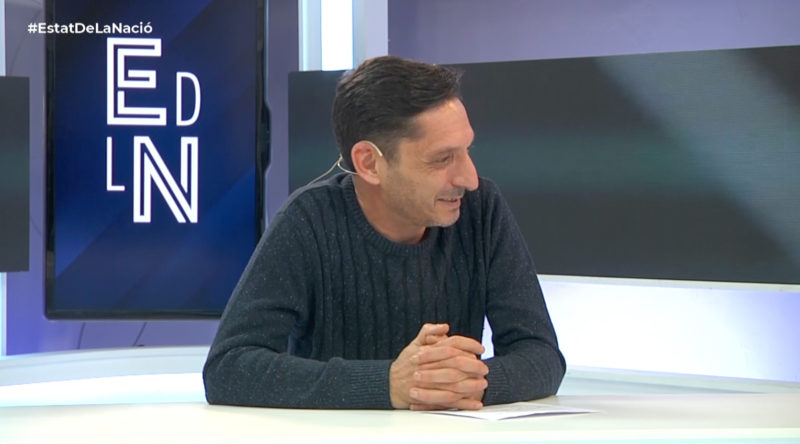
“We have to understand the financial world and not let ourselves be entangled by anyone, because this has already happened,” agent Xavi Viñolas said in the magazine L’Estat de la Nació. In the programme, he explained the vital importance of the new section 11Onze Check, a tool available to everyone to verify economic information.
“At 11Onze we provide the tools, while the big banks want to impose their narrative,” Viñolas stated at the outset. “We put transparency and financial education at the centre. Now there are more entities that are doing the same, but with so much information circulating it is difficult to know if we are being taken for a ride,” he argued. For this reason, at 11Onze we have created the Bias Method, with ten simple steps to check whether the information is well oriented or not.
With regard to the reform of the financial system proposed by the Spanish government to oblige financial institutions to offer better customer service, Viñolas explained that the new regulations envisage 24-hour personalised attention, a support that 11Onze already offers with the ‘11Onze a Casa’ (‘11Onze at Home’) service. “Theoretically, from now on we should not have to be attended by computer bots. We are happy to see how entities will have to do the same thing that 11Onze has been proposing from the very beginning, which is to put the person at the centre,” he concluded. Watch the whole interview in the video below!
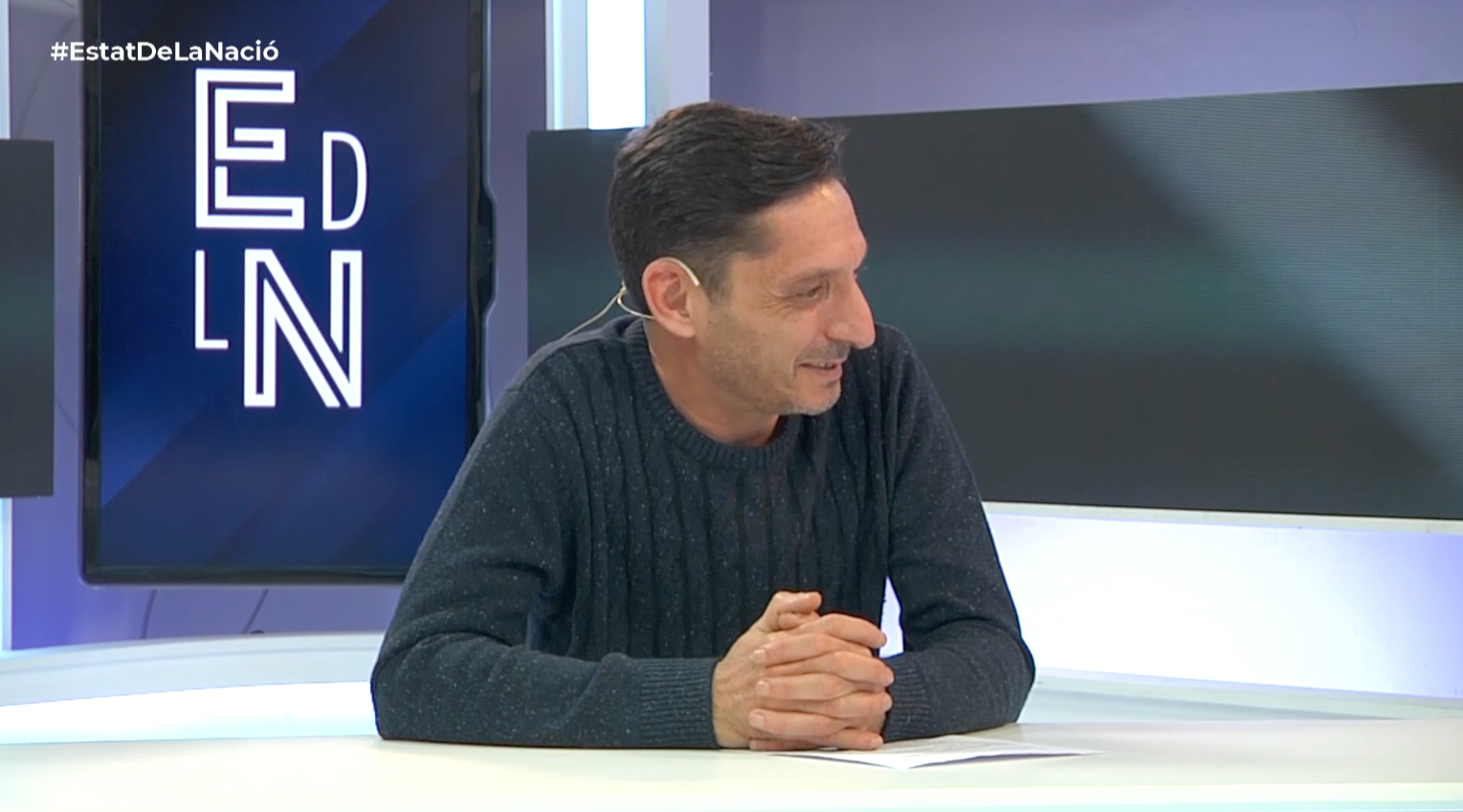
“Banking tries to impose its story”

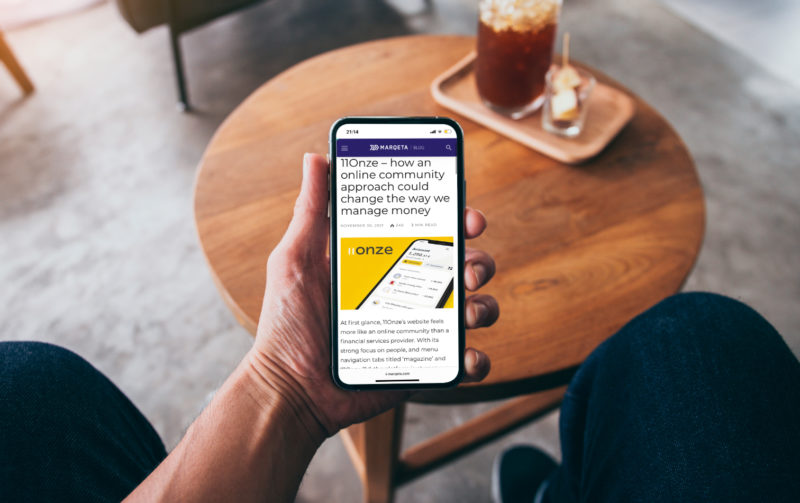
4 December marks International Banking Day, designated by the UN in 2019. And for that we would like to congratulate them. For this and for joining, more and more, the financial vision that we promote from 11Onze.
La Plaça de 11Onze appeared on 22 April 2021 with a very clear objective: to create a community of informed users, capable of managing their finances and demanding the best possible service. These users may or may not become customers of 11Onze, which began operating financially on 1 October 2021 with El Canut. But, in any case, they must have the necessary tools to understand how the economic world works and, if necessary, to supervise financial institutions.
The vision of 11Onze therefore puts people at the centre. From day one, La Plaça has been producing content on financial education and other areas, offering financial education courses and explaining, through transparency, the processes and products of 11Onze. Moreover, these contents are offered, no longer for free, but by paying with Peles to users who interact.
The new financial paradigm
What sets us apart is the fact that we are the first community fintech, that we want to be a tool for the country and that we are pioneers. But at 11Onze we are extremely pleased to see that more and more banks and financial institutions are adopting our vision.
Have you noticed that there is more and more talk about financial education?
That in recent months financial health tools to control savings have been highlighted?
That suddenly there is more talk about people than products?
- CaixaBank: its blog has shifted towards financial disclosure
- BBVA: new tools focused on savings control
- Banco Santander: supporting people
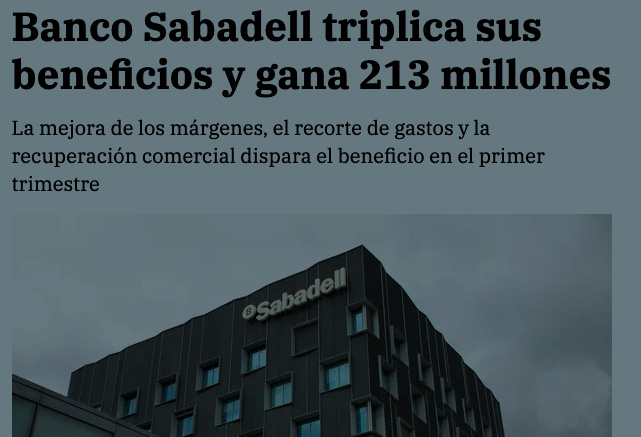
- Banco Sabadell: training so that you can take out mortgages with them or with whomever
- ING: promoting financial security education
- Spanish Banking Association: recovering the role of banking in the real economy
The latest case, one of the most outstanding, is the launch of Simplifi, Banco Santander’s financial training platform. But changes are being imposed on the big banks, which see that they have to adapt to the new paradigm. This will have to continue to be the case, given the Spanish government’s draft bill to reform the financial system published in the BOE (Official State Gazette).
Not only will it make all banks have to serve people 24 hours a day, but it also foresees a series of measures to protect customers and increase technological competitiveness. 11Onze is already there. Right now we are the only entity already adapted to the future financial regulations of the Spanish State. 11Onze’s vision is consolidated, we continue to be pioneers, we will continue to lead the way. And we hope that the rest of the entities will jump on the bandwagon, for the common good.
11Onze is becoming a phenomenon as the first Fintech community in Catalonia. Now, it releases the first version of El Canut, the super app of 11Onze, for Android and Apple. El Canut, the first universal account can be opened in Catalan territory.