Analysis: the failure of Silicon Valley Bank
A large bank collapses, financial markets panic, and central banks mobilise while the US administration calls for calm and establishes a series of emergency measures to reinforce confidence in the banking system. The sense of déjà vu is no coincidence.
Silicon Valley Bank (SVB) was a Californian bank specialising in lending to technology start-ups. A large part of its business model was based on investing its clients’ money in long-term fixed-income deposits. After decades of very low, or even negative, interest rates, it was a very profitable business. At the end of 2022, the institution had a total of $160 billion in deposits, half of which was invested in US Treasury bonds and mortgage-backed securities.
Clearly, the financial institution had the option of using these customer deposits as collateral for lending rather than investing them to make a larger margin, but in the context of a financial system used to privatising profits and socialising losses, thanks to the public bailouts that have become the norm, it is not surprising that banks have little interest in adopting more conservative risk policies.
Sudden deposit flight
In a scenario of crisis and subsequent interest rate hikes by the Federal Reserve to combat inflation, which have made the price of money more expensive, many of these startups are suffering from a lack of funding or want to get more return on their deposits. This has led many of them to withdraw more funds than the bank had planned, thus forcing the financial institution to sell a large part of these investments in public debt before the deadline and at a discount in order to return the deposits.
The fear that the bank would not have enough cash to return the money to customers who requested it caused panic and the withdrawal of 41 billion dollars in just one week. The bank sold a bond portfolio valued at $21 billion, just to cover its liquidity, at a loss of $1.8 billion. A rapid deterioration of the bank’s balance sheet led to its collapse.
We are facing the most significant bank failure since the collapse of Lehman Brothers in 2008, which is also having a major international impact with falls in the stock market values of banks and which risks causing a domino effect that could trigger global economic instability.
Compensation and treasure
Protecting deposits to avoid contagion
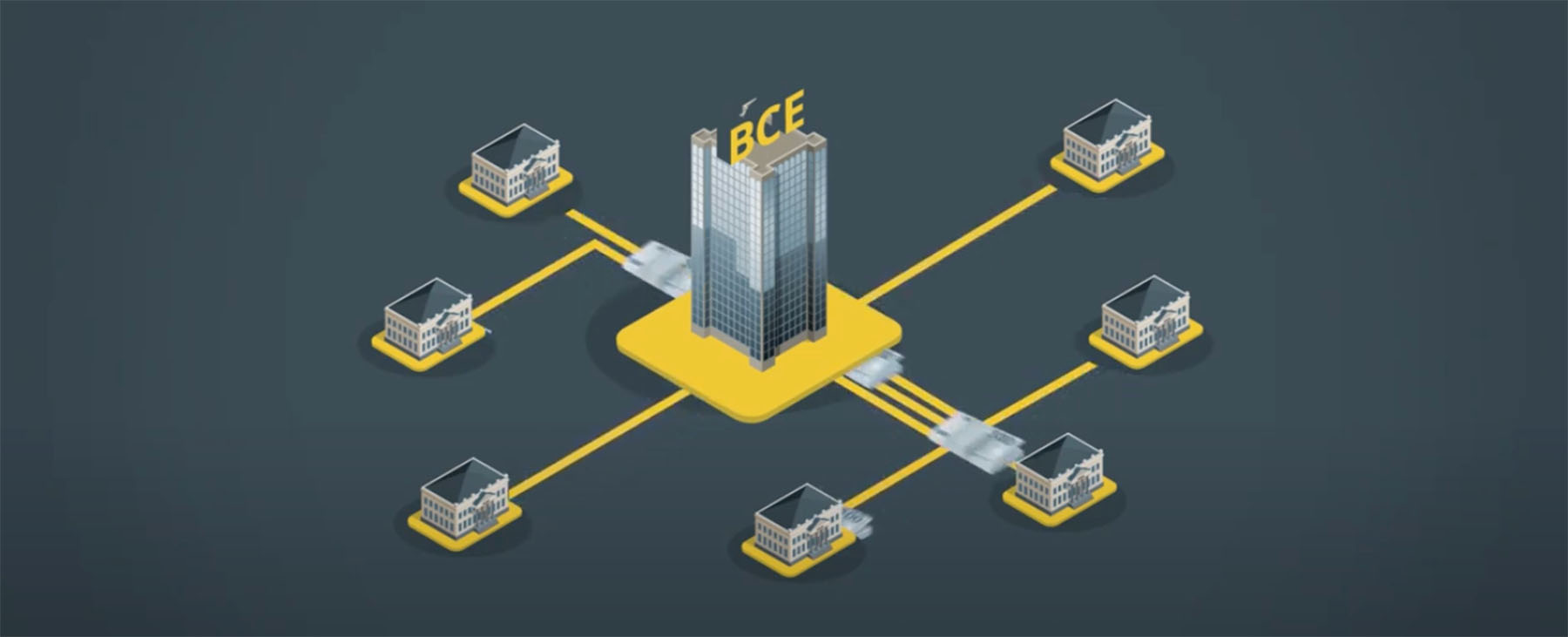
Unlike customers of financial institutions such as 11Onze, with EMI (Electronic Money Institution) licences, who are guaranteed 100% of their deposits in the event of bankruptcy, customers of traditional banks such as SVBs can only rely on a Deposit Guarantee Fund run by the central bank of each country to recover part of their money. In the case of the European Union, the FDG guarantees 100,000 euros per customer, and in the United States, the FDIC, a maximum of 250,000 dollars.
These amounts need to be more in cases such as that of Silicon Valley Bank, where most customers have company accounts with deposits far in excess of the maximum guaranteed by the central bank. Faced with this scenario, US regulators launched a plan to protect 100% of Silicon Valley Bank’s deposits, and thus stop a general panic in the financial sector that had already led to the collapse of another bank, New York’s Signature Bank.
Although a repeat of the 2008 financial crisis is not anticipated, the effects of the loss of confidence in a banking ecosystem that, once again, shows so little credibility, integrity and soundness, are difficult to foresee.
If you want to discover the best option to protect your savings, enter Preciosos 11Onze. We will help you buy at the best price the safe-haven asset par excellence: physical gold.



Although 2022 was a turbulent year for cryptocurrencies, the blockchain technology behind them continues to gain prominence in the international financial system. And not just because of the increasingly widespread adoption of cryptocurrencies as a means of payment. In Italy, it will also form the basis of an innovative banking and insurance guarantee platform promoted by the Bank of Italy and the Italian insurance authority.
Despite the uncertainty generated by the collapse in cryptocurrency prices during 2022, which plunged the value of terra-luna and led to the bankruptcy of the FTX exchange platform, the implementation of blockchain technology in the global payment system continues its unstoppable advance.
The trend is particularly pronounced in countries with low levels of banking penetration or high instability. An example of the former is Nigeria, where only 40% of the population has access to a bank account. The need to carry out digital transactions has caused the adoption of cryptocurrencies in that country to soar to 45% of the population. In Turkey, with an increasingly weak currency and inflation of over 64% in the last year, the percentage of people holding cryptoassets has risen from 25% to 40%.
In general, developing countries tend to be leaders in the adoption of blockchain technology and the use of cryptocurrencies because of weaknesses in their financial systems and low levels of banking. People are primarily looking for an efficient system to make payments and a resource to protect their purchasing power.
An unstoppable advance
Not even measures such as a ban on cryptocurrency transactions, as has happened in Nigeria, are usually effective in slowing down the advance of blockchain. In fact, this African country is still the one where cryptocurrencies are most widely used, with almost half of the population using them. In contrast, it is estimated that only 0.5% of Nigerians use eNaira, the digital currency promoted by Nigeria’s central bank.
Technological limitations and lack of technical knowledge are often not an obstacle to blockchain’s progress. This was seen in Afghanistan, when the Taliban seized power in August 2021 and the banking system collapsed. For some, cryptocurrencies and other blockchain-based solutions became secure alternatives for receiving and making payments.
Without widespread access to smartphones, Sanzar Kakar, founder of a cryptocurrency payment system called HesabPay, turned to cards with QR codes, which merchants can scan to deduct the corresponding funds from the virtual wallet. Their owners can receive money and make payments without the need for traditional banks and without any understanding of blockchain.
Also in neighbouring economies
The use of blockchain is also advancing inexorably in the more established economies around us. One example is the creation in Italy of an innovative platform for bank and insurance guarantees based on this technology. It is being promoted by the Bank of Italy and IVASS, the Italian insurance authority. This is the first time that an EU Member State has allowed the use of blockchain in banking and insurance guarantees.
As a result, a significant percentage of the bank and insurance guarantees in Italy’s National Recovery and Resilience Plan, which will move hundreds of billions, are expected to leverage distributed ledger technologies (DLT). Blockchain is ideal for such economic programmes because of its ability to enable fast, efficient, cheap, scalable and fraud-proof data transactions.
Most central banks are already beginning to assume that they will have to ally with their “enemy”, blockchain-based cryptocurrencies, to retain their dominant position in the international financial system.
11Onze is the community fintech of Catalonia. Open an account by downloading the super app El Canut for Android or iOS and join the revolution!

More than one million families with financial difficulties can now take advantage of the new mortgage subsidies. Marifé Fariñas, from the 11Onze Back Office team, tells us what they are and who can benefit from them.
The Code of Good Practice approved last November modified the regulatory framework to help those households with a mortgage and in a vulnerable situation due to the rise in interest rates. The new measures, designed for families at risk of vulnerability, are valid from 1 January to 31 December 2023.
As Fariñas explains, “it is a package of measures to help families pay their mortgage loan”. Households covered by the new measures will be able to defer payment in instalments up to 5 years, only paying interest at a reduced EURIBOR rate, and with the possibility of extending the total term of the mortgage for up to 7 more years. Even so, it must be taken into account that banks are not obliged to adhere to it, the measures will only be compulsory for banks that join the Code.
Agreement on mortgage payment relief
Who can benefit
Families with an income lower than 25,200 euros per year and living in homes of up to 300,000 euros will be able to benefit from the aid provided for in the reform of the Code of Good Practice.
On the other hand, families with an income below 29,400 euros, who have a mortgage taken out until 31 December 2022, who have suffered a mortgage burden of more than 30% of their income and whose income has risen by at least 20%, “will be able to freeze their repayments for 12 months, applying a lower interest rate on the deferred loan, and extend the repayment period by up to seven years”, says Fariñas.
If you want to discover fair insurance for your home and for society, check 11Onze Segurs.
If you liked this article, we recommend you read:



Increasing business relations between international companies often require money transfers involving currency exchange. Here’s how the 11Onze Business account can help you do business with foreign currencies.
Whether you are an SME or self-employed, working effectively with foreign currencies need not be a concern. On the contrary, good management of foreign currency accounts and transfers can be a competitive advantage for your company.
The weakness of the euro against the dollar increased inflationary pressure and raised the costs of many Catalan companies operating internationally. In this context, the cost of energy and many raw materials has soared, driving up production costs. Against this backdrop, investments or transactions in foreign currencies have become vitally important.
The utility of working with currencies
Transfers and multi-currency accounts
As Sílvia Garriga, an agent at 11Onze, explains, “diversifying investments can help offset possible losses“. That said, not all business accounts allow you easy access to the Forex market, the ability to make currency exchanges at competitive prices or the possibility of having multi-currency accounts.
At 11Onze Business we have ensured that you have the option to receive, store and convert money in the currencies you use in your business, with the premium features of a multi-currency account, but at reduced rates.
This allows you to avoid having your money tied up in euros, and you can protect yourself from the loss of value of this currency, since “a downward variation of some currencies can seriously threaten the stability of a business, especially if the currency that is devalued is from a strategic market”, says Garriga.
If you want your business to make a giant leap, use 11Onze Business. Our business and freelancer account is now available. Find out more!
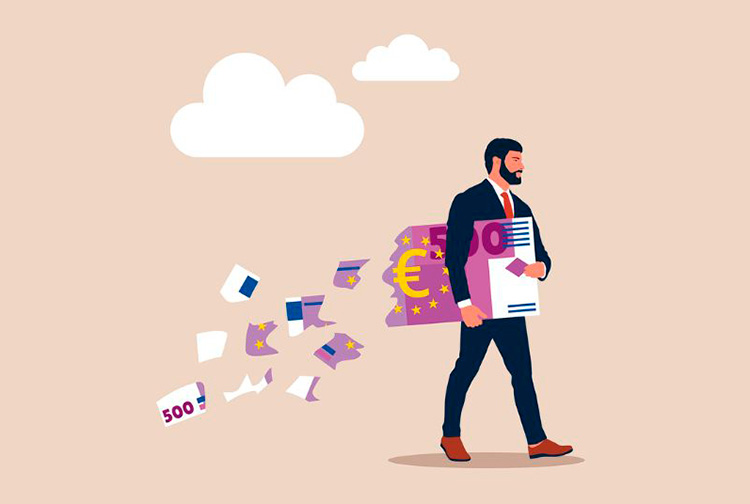


The Central Bank of Nigeria limits cash withdrawals to a daily maximum of 42 euros in an attempt to boost electronic transactions through the use of its digital currency. Does the global trend to impose the use of central bank-controlled digital currencies, CBDC, endanger our freedoms?
In 2012, the Central Bank of Nigeria introduced new legislation known as “Cash-less Nigeria“. The government argued that it wanted to reduce the amount of physical cash in circulation to boost the modernisation of the payments system, reduce the cost of banking services, promote financial inclusion, improve the effectiveness of monetary policy and boost economic growth.
Since then, daily limits were placed on cash withdrawals and deposits, with charges levied on amounts exceeding the stipulated limits, which have proven to be of questionable effectiveness, to say the least. To date, 63% of transactions in Nigerian POS are still made in cash.
In this context, the Central Bank of Nigeria launched the eNaira digital currency in October 2021 to boost digital transactions. One year later, only 0.5% of the population uses the state-owned digital currency, while, despite the fact that financial institutions are prohibited from trading cryptocurrencies, 35% of Nigerians hold bitcoin, making the country the second-largest BTC market after the United States.
Despite the Nigerian government’s efforts to establish its own digital currency, it seems that the population is reluctant to go cashless, and when they do, they opt for cryptocurrencies outside state control. Growing criticism from citizens and small traders arguing that this legislation was liquidating their businesses has not only been ignored by the political establishment, but the government has announced new measures to further limit cash withdrawals for individuals and businesses.
Total control of our money
What is happening in Nigeria is not unique, Indonesia imposed a blanket ban on cryptocurrency payments in 2017 and is considering making its CBDC the only legal tender. Europe is already testing the digital euro, following a global trend that seems unstoppable and is being followed by country after country. 65% of central banks are developing a digital currency, and are expected to issue their CBDCs within the next 3 years.
On the one hand, governments argue that CBDCs are secure alternatives to cryptocurrencies, facilitating the stability of payment and monetary systems. On the other hand, governments will have unprecedented control over our money, knowing exactly how we spend it and with the ability to stop payments or confiscate it.
For example, the Canadian government responded to the trucker protests during the “freedom convoy”, blocking the current accounts of more than 200 protest supporters. Cryptocurrencies are an alternative to this centralised government control, but as we have seen above, there is a real possibility that they will be banned once CBDCs start operating.
There are warnings from various quarters that the vast power that CBDCs give to public authorities may affect our fundamental freedoms. The fight against money laundering, tax fraud and terrorism is a noble cause to justify central banks’ digital currencies, as long as they do not serve as an excuse to solidify the privileged position of governments to exert more control over their citizens at the expense of their freedoms.
If you want to discover the best option to protect your savings, enter Preciosos 11Onze. We will help you buy at the best price the safe-haven asset par excellence: physical gold.



The Euribor is already rubbing 2.9%, which means that mortgages will become between 200 and 300 euros more expensive in the month on average. Families with more economic problems will be able to take advantage of the new measures agreed between the Spanish government and the banks to reduce the pressure in the short term, but many others will have to negotiate with their banks.
November ended with the Euribor above 2.8 % and in the first days of December it is already close to 2.9 %, the highest rate in 14 years. The rise in the last few months has been enormous, given that only a year ago this index, which serves as the basis for calculating interest on variable mortgages, stood at -0.5 %. This means that both new mortgages and annual revisions of variable interest rate mortgages are much more expensive than a year ago, between 200 and 300 euros per month on average.
As this indicator is expected to continue to rise and exceed 3 % in the first months of 2023, most new mortgages are being taken out with a fixed interest rate, despite the fact that in many cases it is already close to 4 %. For those who are due for an annual review of a variable rate mortgage, the only option is to renegotiate the conditions with the same bank or other institutions.
Slight relief for the most disadvantaged households
Families living in homes of up to 300,000 euros and with an income of less than 25,200 euros per year will be able to take advantage of the measures provided for in the reform of the Code of Good Practice.
This code has recently been modified following negotiations between the Spanish government and the banking sector to address the situation of non-payment in which many families find themselves. However, it should be borne in mind that not all financial institutions adhere to this code.
For those cases in which the increase in the mortgage effort is greater than 50%, the code provides for a five-year grace period for the principal and a reduction in the applicable interest rate, which would go from Euribor plus 0.25% to Euribor minus 0.10%. When the increase is less than 50%, the grace period will be two years and the term will be extended to seven years. The period for requesting dation in payment of the property is also extended to two years, and the period for requesting social renting of the same property from the bank if evicted is extended from 6 to 12 months.
It should be borne in mind that since its enactment in 2012 until the fourth quarter of 2021, the code had only been applied in 62,526 operations, of which 54,190 ended with the restructuring of the outstanding debt, 19 with a debt write-off and 8,317 with the dation in payment.
Improvements for the middle classes
Families with incomes of up to 29,400 euros can also benefit from a series of measures that will be included in a new code, but only if the mortgage burden is higher than 30% of their income and has increased by at least 20%.
In these cases, financial institutions will have to offer the possibility of freezing the instalment for 12 months, a lower interest rate on the deferred principal and an extension of the loan term of up to seven years. Expenses and commissions will also be reduced to facilitate early repayment and the change from variable to fixed-rate mortgages.
The resource of negotiation
Even if you do not find yourself in any of these vulnerable groups, you can always resort to negotiation with your financial institution to change some of the conditions of the mortgage. Keep in mind that they will probably prefer a bad deal to a reasonable default problem.
In this sense, it is important that you sell well the modification you want, and the possibility of changing to another entity with better conditions is the most effective argument if you do not have large penalties for early cancellation. You should also be aware that you will probably have to haggle and accept trade-offs.
The two legal options to introduce changes in the mortgage conditions are a novation and a private contract. Note that the former is more complex and will involve notary fees, while the latter will not. You will also have to keep an eye on the fees established in the deed for the modification of the credit conditions.
Do not forget that, when negotiating a mortgage, we should never underestimate the part of the commissions and penalties, as they can make us prisoners of the bank.
If you want to discover fair insurance for your home and for society, check 11Onze Segurs.

The terminology used in financial markets is often based on English expressions that can confuse new investors. We explain the meaning of two words widely used in the financial world to mark the trend of the markets.
Although financial markets can experience high volatility, they also have continuous periods of sharp declines or generalised rises. The terms Bull/Bullish market and Bear/Bear/Bearish market describe market trends, or market sectors, upwards or downwards, respectively. The exact etymology of the expressions is unknown, but a bearish trend is popularly associated with an upright bear that harrumphs downwards to attack and an uptrend with a bull that charges upwards with its horns.
Bull/Bullish market
We speak of a bull market when asset prices are rising across the board or are expected to do so in the near future. In other words, a bullish market means that a market is in an uptrend, or that many investors have bought positions because they expect their asset prices to rise soon.
It is a trend marked by investor confidence and optimism, due to political stability and economic recovery after a crisis. Bull markets tend to be more frequent and last longer than bear markets. They also have higher winning percentages than the losses that accompany bear markets.
Bear/Bearish market
The term Bear market is the opposite of Bull market because it refers to a market with a downward trend. In this context, stocks as a whole lose more than 20% of their stock market value over a prolonged period, usually more than two months, from their most recent peak price, and expectations for the future are also negative. This happens because investors sell more assets than they buy, thereby reducing the capitalisation of companies in the stock market.
In this case, an economic crisis, a geopolitical conflict, the collapse of a financial bubble or government instability characterise investors’ short positions and a downward perception of the future market. At this juncture, investments have to be made with great caution or seek yields in safe-haven assets such as gold, otherwise, losses are likely to be incurred.
If you want to discover the best option to protect your savings, enter Preciosos 11Onze. We will help you buy at the best price the safe-haven asset par excellence: physical gold.



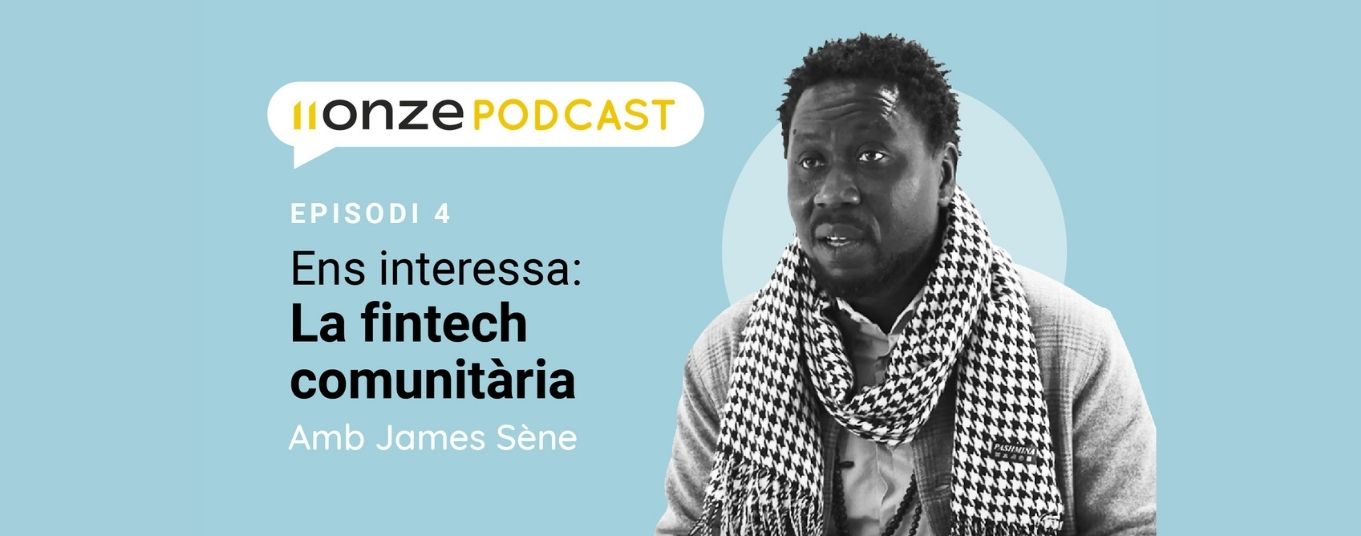
At 11Onze we are not just creating a fintech. We are forging a community that will be key to achieving financial sovereignty, individually and collectively. ‘If we come together, we will be stronger,’ says Onze CEO James Sène. We review with him what we mean by fincom and how it is key to empower ourselves.
We have invented a new term because we are doing something new, which did not exist until now: a financial community. ‘The word fincom comes from the contraction of fintech and community. We are inaugurating a new model, but we are not doing it alone,’ Sène begins. The idea, he goes on to explain, is inspired by a type of bank that is born around a community, especially in the United States, where it is common to bring together a certain community, such as the African-American community.
Inspired by these financial initiatives, however, the 11Onze community has gone further. The difference, says Sène, lies in the ownership of the financial institution. ‘None of these community projects are driven by the community itself. In contrast, at 11Onze, we expand the ownership of the institution as far as possible. We have more than 150 investors, and we are striving to reach as many people as possible. All of them will own it. And this is very important. In Catalonia, we share a language, a life, a culture and, now, we want to help this community to build its financial sovereignty’, he sums up.
Episode 4 | Community fintech
A community that learns to learn
The model is pioneering and necessary. In a globalised world, which is undergoing changes that will shift the world’s poles of influence in the coming years, citizens must learn to build a strong social and cultural fabric, as well as an economic one. ‘Until now, there has been a very clear leadership of the United States, but all this is beginning to falter with competition from China and Asian countries. Europe is falling in the middle. There are no countries independent of each other. We need each other to protect our communities. That’s why the big question we ask 11Onze: who do we want to depend on, and how do we want to depend on them?
If Catalonia wants to answer this question, says Sène, it must first exercise the freedom, the right, to choose ‘what we want to be and how we want to be it’. And this, consequently, has to do with how we manage our money, with how we achieve our financial sovereignty. That is why, if 11Onze wants to be a useful tool, it must build a community that waits to learn how the market works and to move financially. It is in this sense that we have created La Plaça, that there is a team of 11Onze agents who will assist users 24 hours a day and that we have created the El Canut application. Everything serves the same objective.
Sène sums it up bluntly: ‘We have a plan at the service of a vision that must serve to meet the needs of today, but also to respond to what we expect to happen in the world in five years’ time. That is why we are thinking about the community, the financial application and a marketplace, a place where people can not only exchange ideas, but also, in the end, exchange products. Ultimately, says Sène, ‘if we have a financial nexus, this will make us more competitive, individually and collectively’.
Revolutionising banking from the bottom up
Thus, says the president of 11Onze, ‘when we make a profit, part of this profit will go back to the community and the other part will go to the investors or members of that community’. To make this possible, it is essential, says Sène, ‘to have absolute control of our finances, that is to say, of money, but also of assets, be they shares, precious metals or cryptocurrencies’. Hence, El Canut is a new technology created to revolutionise traditional banking. ‘Now, everyone has all these assets in different accounts. And we have created a wallet of wallets that will allow you to manage all your finances in a single space. You have to manage in an agile, easy and secure way,’ says Sène.
In view of the expectation generated by El Canut, the president of 11Onze, however, appeals for calm. At 11Onze we are aware that most of the community is not an expert in banking and that we will have to learn, little by little and together, the best way to give a return on each person’s money. For this reason, El Canut will announce and expand its services little by little. ‘It is not expected that on 1 October, when we open the first 5,000 accounts, everyone will suddenly be able to operate in an unknown financial market. We must be patient,’ argues Sène.
‘We come to ensure the financial well-being of Països Catalans and to promote Catalan culture. We come to give individual financial independence to achieve their collective’, reaffirms the president of 11Onze. In short, the time has come for people to learn to manage their assets in the best possible way. 11Onze is the tool to do so, it is one of the pillars to exercise all freedoms.
11Onze is the community fintech of Catalonia. Open an account by downloading the app El Canut for Android or iOS and join the revolution!


Are you convinced that your financial decisions are always guided by reason? We are sorry to disappoint you. Some 180 biases have been identified that can condition our analysis of reality and our choices. From 11Onze, we present eleven of the most common ones.
Although we all like to think that we are rational and that our logic is infallible, the truth is that our decisions are constantly exposed to the influence of cognitive biases and some mental shortcuts that distort the analysis of reality. Their impact can condition the choices we make every day if we are unaware of their importance, including in the financial arena.
The scientific literature has already identified some 180 traps in our minds that can lead us to make wrong judgements. Some are quite obvious and you may recognise them in yourself or others. But others are so subtle that they are almost impossible to detect.
Keep in mind that attention is a limited resource, so we cannot evaluate all the details and possibilities when making a decision. As a result, we often get carried away by emotions and subjective opinions, or resort to mental shortcuts that speed up our ability to make judgements and can lead us into error. From 11Onze, we present eleven of these traps and how to avoid them.
- Confirmation
This bias means that we tend to pay more attention to information that confirms our beliefs than to information that questions them. Who doesn’t like to be proved right? Overvaluing data that confirms our biases inhibits our critical capacity and prevents us from considering all facts logically and rationally.
So if we think that investing in a particular asset might be a good investment or that switching electricity companies will help us save money, we should not just look for information to support that decision. It is always good to listen to critical voices. Only by comparing the data for and against and weighing them objectively can we make a well-informed decision.
- Anchoring
We are prone to be overly influenced by the initial information we receive, which we take as a point of reference. Thus, the first figure that appears in a price negotiation often becomes an anchor point for subsequent negotiations. It has been shown that even hearing a random figure can influence our estimates on a completely unrelated subject.
This is a bias to bear in mind when, for example, we negotiate the price of a house. If we are asked for a very high price and we manage to lower it a little, we may end up accepting the deal with the feeling that we have negotiated well even though the final amount is still above the market price. In reality, however, our counteroffer was probably heavily conditioned by the first price we asked for. Hence the importance of being well informed and avoiding rushing into a decision.
- Availability
This mental shortcut is designed to save us time when trying to determine risk. It leads us to estimate the probability of something happening based too much on the most accessible information in our brain, such as the number of examples that come to mind.
We tend to overestimate the likelihood of something happening based on how easily we remember something similar happening. This means that, for example, we often decide whether or not to take out home insurance based on whether one of our acquaintances recently suffered a serious domestic mishap. For this reason, it is always advisable to expand our information with external and more global data, which give a more realistic picture of the probability of something happening.
- Familiarity
This bias, which is closely linked to the availability bias, is summed up in the saying “better the bad you know than the good you don’t know”. We tend to trust the familiar and distrust the unfamiliar.
This is one of the main reasons why many people prefer to invest in domestic assets rather than foreign ones, even though the returns on the latter may be considerably higher.
- Exaggerated optimism
We tend to overestimate our capabilities and the likelihood of good things happening to us, while underestimating the likelihood of negative things happening to us. This bias is rooted in the availability shortcut, as we tend to accumulate more memories of the negative things that happen to other people and the good things that we experience ourselves. Hence, we find it more likely that negative events will affect others.
The good thing about this tendency towards optimism is that it motivates us to pursue our goals, but we should be humble and not relativise the risks we take. If the economic situation around us worsens, it is foolhardy to turn our backs on saving, thinking only that we will not be affected by the crisis.
- Representativeness
We think that two things are more likely to happen when they are similar or similar to each other. Our prejudices lead us to create stereotypes that serve as a basis for judgement. If we have had good experiences with expensive products, it is easy for us to assume that a product is of good quality simply because it has a high price, and this is not always the case. It never hurts to listen to the opinion of other users before purchasing.
- Halo effect
The initial impression we get of a person influences what we think of them in general. This is why we tend to believe that attractive people are also smarter, nicer and funnier. And, financially, that products marketed by such people are also more valuable.
One factor that can influence the halo effect is our tendency to want to get it right. If our initial impression of someone was positive, we will tend to look for evidence to confirm our first impression. Hence the importance of always maintaining a critical spirit.
- Hindsight bias
This bias leads us to see events, even random ones, as more predictable than they really are. Yes, it is the typical “I knew it already” bias whereby so many people claim to have seen a crisis coming when they are already in the midst of it. It happens for a combination of reasons, including our ability to “misremember” previous predictions and the tendency to see events as inevitable.
The truth is that we make predictions all the time, so some of them are bound to come true. Our poor memory of the ones we fail to remember makes it easy for us to become overconfident about our predictions. And this can sometimes lead us to take unwise risks. The antidotes are prudence and humility.
- Gambler’s fallacy
This false belief describes our tendency to think that something will happen because it hasn’t happened yet. For example, if we play roulette and the last few times the ball has landed on red, we might mistakenly assume that the probability that the next outcome will be black is higher. However, these events are independent of each other, so there is no relationship between the probability of the two outcomes. This is something we should bear in mind when chaining bad investments together. Each must be accompanied by a specific analysis.
- Framework effect
As explained in another article, this cognitive bias means that the same information, presented in different ways, can lead to different conclusions. For example, you are more likely to agree to a financial transaction if you are told that there is a 60% chance that it will go well than if you are warned that there is a 40% chance that it will go badly.
This is a very important bias when making decisions that affect your finances. You should carefully assess the information they give you about any proposal they make to you, as it is probably designed to achieve their objectives, and rephrase the data so that it is as aseptic as possible.
- Loss aversion
Our fear of losing is often stronger than the pleasure we experience when we win. When we lose an amount of money, our sense of disappointment is greater than the joy we feel when we win the same amount of money. That is why, when faced with similar probabilities of success or failure, we tend to choose the conservative option.
Ground rules against biases
As the list of cognitive biases is very long, it is useful to apply four basic rules that will help you avoid most of them:
Reflect on past decisions. If you have been in a similar situation before, reflect on the outcomes of the decisions you made to avoid repeating certain biases. For example, because we tend to underestimate the amount of money we need, you can track your spending over the past few months to see how much money you need to budget.
Challenge your point of view. Try to see the weaknesses in your logic, however inconsequential they may seem to you, which is helped by lists of pros and cons. You may be more convinced of your decision if it stands up to serious and critical scrutiny.
Don’t make decisions under pressure. Haste is not a good companion. Although it may not seem like it, very few cases require immediate decisions.
Include outside viewpoints. A second opinion is never a bad thing, so consult someone who is objective and has no stake in the decision. They can provide different points of view, challenge your opinions and detect your cognitive biases.
If you want your business to make a giant leap, use 11Onze Business. Our business and freelancer account is now available. Find out more!


The FinTech revolution is shaking the pillars of traditional banking and forcing a paradigm shift in the world of finance. Faster, leaner and more intuitive digital solutions with fewer commissions are carving a niche in a sector that not long ago seemed untouchable.
The emergence of new digital technologies like artificial intelligence, embedded finance, blockchain and cryptocurrency has spearheaded the digitalization of financial services, reshaping the world of finance. Banking apps that function as a wallet of wallets, bringing together various functions and services in a single place to satisfy customer needs, exemplify the transition from analogue to digital banking.
FinTechs have gone from supporting traditional financial institutions to leading the way in an unprecedented race to attract an increasing number of customers, especially young ‘digital natives’, who have become tired of the complication, slowness, and exorbitant commissions we have come to expect from traditional banking.
This radical transformation of the banking services has been married to the exponential growth of private venture capital willing to invest in innovative ideas to change the current political, economic and social system. A seemingly unstoppable tsunami of technological alternatives to traditional banking and financial institutions, feeding on the exhaustion of the established status quo.

Fintech Advantages
Agility and personalized customer experience
FinTechs like neobanks rely on the latest technology and take full advantage of their digital capabilities such as machine learning or cloud computing, leveraging online platforms and data analytics to generate social interaction, providing cards instantly, and offering personalized information and assistance to customers that value price and agility above all.
Traditional banks, by contrast, depend on legacy infrastructure which slows their administrative processes and ability to integrate with other financial platforms, one of the main drivers behind the trend towards increased mobile banking. While it is true that traditional banks have evolved in the way they function, automating some of their operations and integrating technology into their services, they still struggle against the superior technological prowess of their younger competitors.
While legacy banks have to cater to a wide variety of customers, offering a broad selection of traditional services expected from their customer base, neobanks can be more specialized and focus their efforts on specific consumer, community and business needs, thus providing tailored solutions beyond the scope of traditional banking.
Different regulatory frameworks
Given their focus on security and management of financial risk, traditional banks have more robust collateral requirements and rely on a strict regulatory framework provided by governments, central banks and financial institutions that is not mandatory in the FinTech ecosystem.
Lesser regulation makes it easier for these startups to innovate and adapt to the new financial trends and customer requirements. However, that is not to say that FinTechs are not regulated, like any entity that is involved in any financial activity, FinTechs must comply with several regulations, some of them country-specific.
Even though financial startups are generally smaller than legacy banks, they frequently operate and offer their services in many different countries. Therefore, whether they have a full banking license or an e-money license, they often have to comply with and face similar regulations as traditional banks.
Distribution and market penetration
The rigid organizational structure associated with traditional banking, In most cases, also relies on a network of brick and mortar locations that allow for access to ATMs, cash deposits and the flexibility of banking in-person, but which constitute a significant expense that is often passed to the customer.
In this context, banks are increasingly adopting online services akin to neobanks in order to reduce costs and increase growth potential. This is reflected in the steady rate of bank branch closures we have seen since the pandemic, which spearheaded a trend where the need and willingness of consumers to have in-person interactions seems to subside with every generation.
In other words, legacy banks are shifting part of their distribution channels, creating their own neobanks or partnering with some FinTechs in order to adapt their business model to the new market reality and imminent changes facing the industry. Such alliances and cooperation seem to be their best chance of keeping up to speed with evolving customer needs while not being left behind by the new market challengers.
11Onze is the community fintech of Catalonia. Open an account by downloading the super app El Canut for Android or iOS and join the revolution!