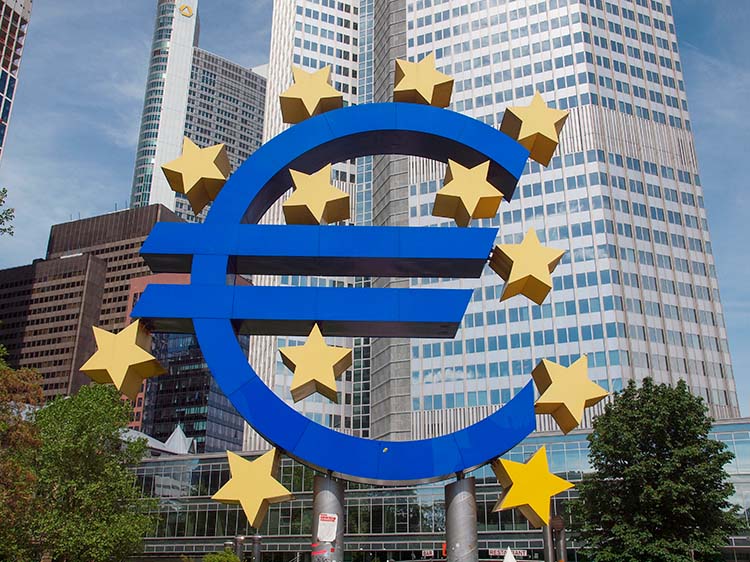
The European car industry is in dire straits
The European automotive industry is at a critical juncture as a result of high production costs, loss of competitiveness to Chinese brands and controversial EU legislative requirements. The new European anti-emissions regulation, which comes into force in January 2025 aims to revive stagnant sales of electric cars and will be accompanied by multimillion-dollar fines that could end up sinking one of the pillars of the European industry.
The European Union will open 2025 with the implementation of the CAFE (Clean Air for Europe) regulation, which requires average CO₂ emissions in each manufacturer’s vehicles to be reduced by 15% compared to 2021. Between 2030 and 2034, a 55% reduction in emissions will be required for new passenger cars and 50% for vans.
The CAFE regulation was adopted in 2019 as a plan to gradually reduce emissions from new vehicles marketed in the European Union, with the aim to ban sales of petrol, diesel, and hybrid combustion vehicles from 2035.
Until now, this cap was 115.1 g/km and from January 2025 it will be reduced to 93.6 g/km. In addition, car manufacturers will face a fine of 95 euros for each gram of CO2 per kilometre above this limit, multiplied by the number of cars sold.
The European car industry, between a rock and a hard place
The European Automobile Manufacturers Association (ACEA) has long warned that the European car industry is unlikely to be able to comply with the regulation and could pay up to 16 billion euros in fines, a figure that would threaten the viability of the entire European car industry.
According to statements made by the employers’ organisation to Europa Press, electric vehicle sales in Europe are stuck at around 13% market share, 10 percentage points below where they should be: “A gap too big to close in time”.
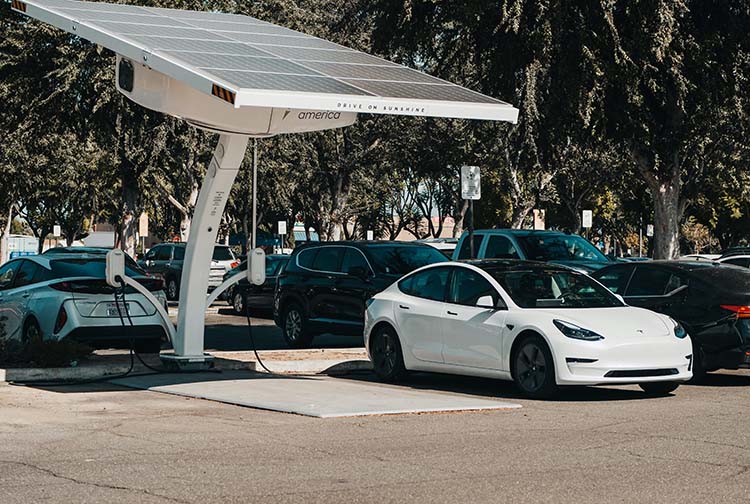
Car manufacturers warn that the mass adoption of electric vehicles, which is necessary to meet these regulations, is not progressing at the expected pace. This is due to factors such as the high price of electric vehicles, the lack of adequate charging infrastructure and consumer reluctance.
In this context, a paradox is created, whereby manufacturers may be forced to stop production and sales of ICE vehicles to compensate for the lack of electric car sales to avoid multi-billion dollar fines. Even so, further affecting brands’ poor profitability and exacerbating job cuts and factory closures.
Europe’s major brands are talking about ‘potentially irreversible damage’ if environmental requirements are not reduced and have been announcing production cuts, factory closures and a rethink of their goal of becoming pure electric vehicle manufacturers by the end of the decade.
China’s challenge and risk to competitiveness
Competition from China’s automotive sector is eroding the European car industry’s market share. Production costs in Europe, including high wages and skyrocketing energy prices thanks to the own-goal sanctions against Russia, put European manufacturers at a disadvantage compared to their Chinese competitors. The latter, supported by a more efficient supply chain and substantial government subsidies, are rapidly expanding their presence in the global market.
The European Union (EU) has recognised this challenge and is attempting to respond with policies of economic protectionism, but on the rebound, it is also punishing European carmakers that have offshored production to China.
For their part, some European countries such as France, Italy, and Romania have tried unsuccessfully to put pressure on Brussels to delay the implementation of the regulation or the fines. However, considering that the automotive sector represents 7% of the EU GDP and 6.1% of employment, with 13.8 million direct or indirect jobs, it cannot be ruled out that the European Commission will propose possible changes to this regulation to the European Parliament after drafting its report assessing the implementation of the new regulation.
11Onze is the community fintech of Catalonia. Open an account by downloading the app El Canut for Android or iOS and join the revolution!


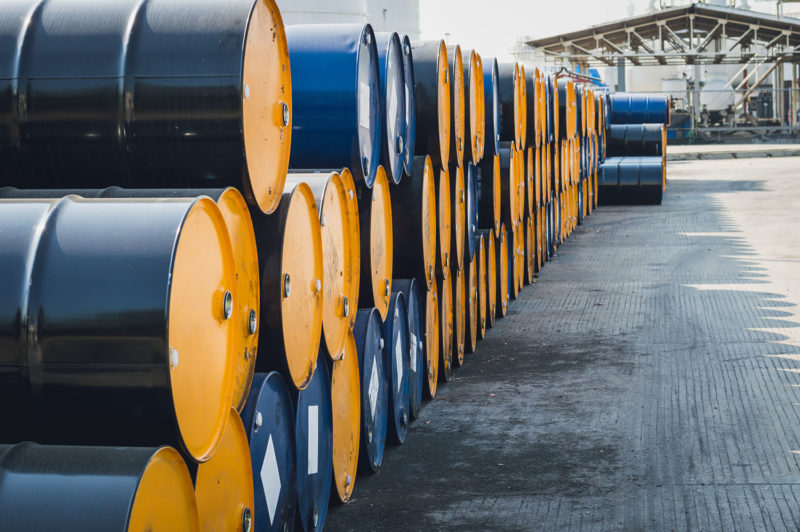
The geopolitical scenario favours the business of the Americans, who have become the main supplier of Spain and the rest of the European Union. In January 2022, the main European supplier was Russia, with 31% of imports.
When we talk about oil, we tend to think of Russia, the Arab countries and Venezuela. But the truth is that, a few years ago, the United States went from being a net importer of oil to being the world’s largest exporter of crude oil. The Americans say they are producing 13 million barrels a day, on top of the estimated 10 million barrels produced by Saudi Arabia and the 9.5 million produced by Russia.
Spain is not exempt from this trend, either. As recently revealed by the Corporación de Rerservas Estratégicas de Productos Petrolíferos, the United States is already the main supplier of oil to the Spanish state, with 8.7 million tons of crude, more than 31% from the year 2022. The entry of the United States into oil production has been lightning fast, since in 2015 not a single American barrel was imported into Spain.
The ideal geopolitical context
Oil is, as everyone knows, key to the functioning of Western economies. In addition, the fact that it is finite and the environmental pressure to stop using it causes a paradoxical effect: production increases and prices remain high. Americans seem to be in a rush to sell off their oil reserves before a cleaner alternative takes hold. But, in addition, oil is undoubtedly the best way to maintain the use of the dollar in international transactions and to correct the deficit trade balance of the United States.
The oil industry in the United States extracting WTI oil (West Texas Intermediate, oil from Texas and Oklahoma) coincides with the sanctions on Russia. Sanctions that also hinder the maritime traffic of other producers such as Nigeria, which until now was the main Spanish supplier.

European dependence
The Americans have therefore managed to position themselves as Europe’s main suppliers of oil and gas, displacing Russia. Until January 2022, Russia provided 31% of the oil needed by the European Union. Despite the sanctions, this has not been a serious problem for Russia, which maintains its production rate of 9.5 million barrels but sells them to India and China.
All of this has the unwanted, or calculated, effect of making the European Union dependent on the oil and gas of the United States. This is a situation of fragility in a strategic for European industry and the population: access to energy. While the energy revolution continues to advance, always more slowly than necessary, the United States has managed to short-circuit the excellent European customer. America’s oil production competitors fall from grace or are singled out as evil or responsible for climate change. At the same time, silently and in record time, the United States is already the world leader in the export of hydrocarbons. The feeling is inescapable that in geopolitics and economics, coincidences do not exist.
Preciosos 11Onze makes it easy to buy gold, at the best price and with total security. Give us a call and speak to one of our agents without any obligation to clarify any doubts you may have and protect yourself from economic crises with the ultimate safe-haven asset: gold. If you want your savings to keep or increase their value, Gold Patrimony.
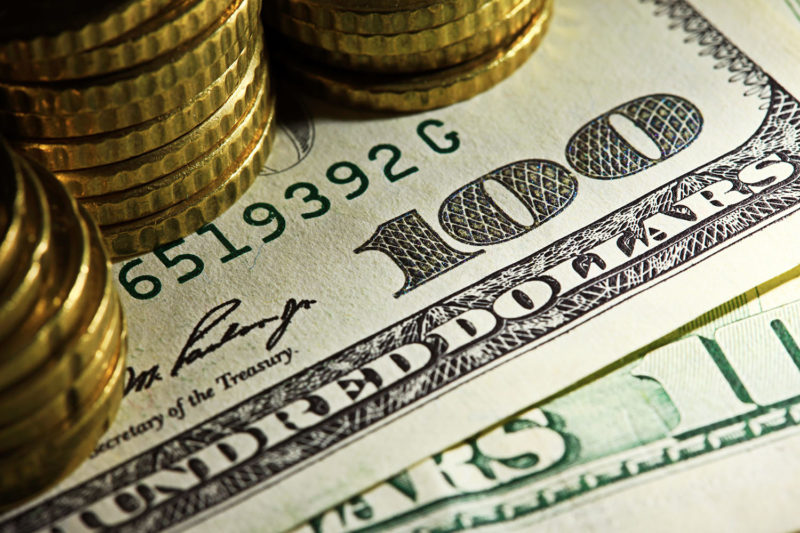

Almost a year into Israel’s current offensive on Palestine, which has already killed more than 41,000 people, the ‘Centre Delàs d’Estudis per la Pau’ publishes a new report that focuses on the banks and weapons corporations that are profiting from the ongoing genocide.
The report on ‘La Banca Armada y su corresponsabilidad al genocidio en Gaza’, carried out by the ‘Centre Delàs d’Estudis per la Pau’, analyses 3,606 financial operations that took place from 2014 to 2024, most of them executed in the last five years, between 15 arms companies that have sold their production to Israel and the banks that have financed them.
Since 2008, the Delàs Centre has published over a dozen reports, books and numerous articles denouncing the relationship between banks and arms corporations. In this new publication, it aims to appeal to the responsibility of the financial institutions that are part of the ecosystem of arms sales that the Israeli army uses against the Palestinian territories, systematically perpetrating crimes against humanity.
The shameful stats
This report presents and reviews the main arms exports to Israel over the last 10 years, mainly based on data obtained from the Stockholm International Peace Institute (SIPRI) and supplemented by other sources. Most of the transactions cover the period from 7 October 2023 to the present.
The study identifies 15 arms manufacturers supplying weapons and munitions to Israel: BAE Systems, Boeing, Day & Zimmerman, Elbit Systems, General Dynamics, Israel Aerospace Industries, Leonardo, Lockheed Martin, Nammo, Navantia, Oshkosh Corp, Rafael Advanced Defending Systems, Rheinmetall, Rolls-Royce and RTX Corp (formerly Raytheon Technologies).
It also points to 25 international financial institutions that are financing the Palestinian genocide. The investment fund manager Vanguard tops the list with more than 37 billion euros, followed by the investment and financial services corporation State Street (35,200), and the investment fund managers Capital Group (28,800) and BlackRock (27,900), with Bank of America (17,230) closing the top five with US financial institutions.
The complicity of Spanish banks
According to the report, up to 12 Spanish financial institutions, including Santander, BBVA and CaixaBank, but also other state banks such as Ibercaja, Banco Caminos and Banca March, have financed seven of these companies: Boeing, Day & Zimmerman, General Dynamics, Oshkosh Corp, Leonardo, Rheinmetall and MTU Friedrichshafen.
Santander and BBVA are the two banks responsible for most of this financing (95.4% of the total), some 3,600 million euros between the two entities, 2,225 and 1,367 million dollars, respectively. They are followed by CaixaBank (99), Bestinver (59.5), EDM Group (7.95) and ibercaja Group (2.26).
Specifically, BBVA, Santander and CaixaBank financed Boeing and General Dynamics, which exported the GBU-type guided bombs used in the Jabalia massacres of 9 and 31 October, where almost 100 civilians were killed. BBVA and Santander, together with Ibercaja and Banco Caminos, also provided financing to Rheinmetall, the company that sold Israel the 155 mm M109-52 Howitzer self-propelled howitzers used last October in the attacks on the Gaza Port.
On the other hand, the production and maintenance of the Boeing F-15 and Lockheed Martin/Leonardo F-35 aircraft that have been exported to Israel in recent years have been financed by Santander, BBVA and CaixaBank. These planes have been widely used in the bombing campaigns over Gaza, Lebanon and Yemen.
The Delàs Centre points out that eleven of these twelve financial institutions have bought shares in one of the companies supplying weapons to Israel. Moreover, it points out that ‘bearing in mind that the majority of the Spanish population is in solidarity with the struggle of the Palestinian people and firmly opposes the genocide in Gaza, the banks that support the Israeli military-industrial complex with their money and that of their clients must assume their share of responsibility and cancel all operations that may be related to the war crimes committed by the Israeli army’.
If you want to find out how to get returns on your savings with a social justice product, 11Onze recommends Litigation Funding.



The new emerging powers are trying to reduce their dependence on the dollar through a process of de-dollarisation that decouples their economies from the international monetary system dominated by the United States. This is an upward trend that could dethrone the dollar as the main store of value.
De-dollarisation is a process by which a country or economy reduces its dependence on the US dollar as a reserve currency. A rising trend that has become a hot topic since the outbreak of the conflict in Ukraine. Many emerging countries are opting to diversify their reserves and consider alternatives to the dollar’s hegemony in the global monetary system to protect themselves from US economic sanctions.
Although the US currency has held a prominent position in the international monetary system for almost eight decades, accounting for more than 40 per cent of international trade and a large share of foreign reserves, the US dollar has fallen from accounting for 80% of global foreign exchange reserves held by central banks in the 1970s to 60% today.
This means that some countries are beginning to trade more or diversify their reserves into other currencies – such as the euro, the rouble or the Chinese yuan – or to increase their purchases of gold. Less risk of dependence on the dollar can help ease the pressure on their currencies, protecting their economies from dollar fluctuations, and shielding them from the bargaining, bullying and punishing power of the US administration thanks to the dollar’s dominance.
In response to the trade war and Western sanctions
An example of de-dollarisation is the case of Russia. After the unprecedented sanctions imposed by the United States and its client states in the European Union against Russia starting in 2014, and the freezing of half of its foreign exchange reserves ($300 billion), Moscow began looking for ways to reduce its dependence on the US dollar.
Russia’s central bank liquidated a large part of its US bond portfolio. Of the $176 billion in US debt it held in 2010, by the end of November 2021 it held only $2.409 billion worth of bonds, mostly in short-term securities. At the same time that it was replacing dollar reserves with renminbi, it was buying huge amounts of gold to the point of exceeding, for the first time in the entire historical series, the proportion of dollars in the international reserves of the Russian central bank. A gold rush that spread beyond Russia.
The exclusion of some of its banks from the SWIFT system followed the same trend of recent years and only consolidated the efforts of China and Russia to seek alternative systems that could shield their economies. In this context, in 2017, Russia launched the Financial Messaging System of the Bank of Russia (SPFS), equivalent to the American SWIFT, or the Chinese Cross-Border Interbank Payment System (CIPS).
In short, the creation of a simple communication protocol between banks is nonetheless another step towards establishing an alternative to the dollar ecosystem, which Washington’s trade war against Beijing is fuelling. China, like Russia, albeit less dramatically, is also progressively reducing its portfolio of US bonds and is buying large amounts of gold, causing demand for this precious metal to reach record highs.
BRICS want their own currency
The group of large emerging economies known as the BRICS, comprising Brazil, Russia, India, China and South Africa, is studying the creation of its own currency, a common currency as proposed by Lula da Silva, President of Brazil, which would further weaken the ability of the United States to conduct its aggressive foreign policy. A proposal that will be discussed at the BRICS summit in South Africa in August 2023.
At the same time, Brazil and Argentina are negotiating the conception of a common currency that would be called ‘sur’, which could be joined by other Latin American countries, and which, if it becomes a reality, would be the second-largest monetary bloc in the world. A currency for commercial and financial transactions that would in no way substitute the Brazilian real or the Argentine peso, but would replace the dollar.
President Lula stated that although the project is still at an embryonic stage, it is in the interest of the two main Mercosur partners to develop the idea of a shared currency in order to become less and less dependent on the dollar for international transactions.
A globalising trend
On the other hand, the United Arab Emirates and India are still in talks to use rupees for trade in non-oil commodities, replacing the dollar. The two countries signed a free trade agreement last year with the aim of increasing non-oil transactions to $100 billion by 2027.
In this context, for the first time since oil sales were tied to the dollar in the 1970s, Saudi Arabia, the world’s largest oil producer, has declared that it is open to trade in currencies other than the dollar. This is a significant development that goes hand in hand with the normalisation of diplomatic relations with Iran, one of the other countries targeted by US sanctions for decades and a spearhead of de-dollarisation in the Middle East.
Likewise, on the Asian continent, the bloc of countries that make up the Association of Southeast Asian Nations (ASEAN), an intergovernmental organisation that brings together Brunei Darussalam, Cambodia, Indonesia, Laos, Malaysia, Myanmar, the Philippines, Singapore, Thailand and Vietnam, have proposed making cross-border trade transactions in a local digital currency.
An agreement that would also give preference to the use of credit cards issued by local banks and gradually abandon foreign payment systems, such as Visa and Mastercard, “to protect transactions from possible geopolitical repercussions”, Indonesian President Joko Widodo said.
A new world, with an old pattern?
We seem to be witnessing a change of cycle in the world economy. The shift to multipolarity calls into question the hegemony of the dollar as the world’s reserve currency and prompts other currencies to try to rely on real assets, such as gold, in the face of economic volatility and the growing lack of confidence in the current monetary system.
Protecting savings with physical gold has been one of 11Onze’s main contributions to its community, and now the range of products is expanding. This is why, in the face of volatility, still high inflation and the growing crisis of confidence in the banking system, gold is once again strengthening its position as a safe-haven asset. Discover Gold Seed at Preciosos 11Onze.
If you liked this article, we recommend:
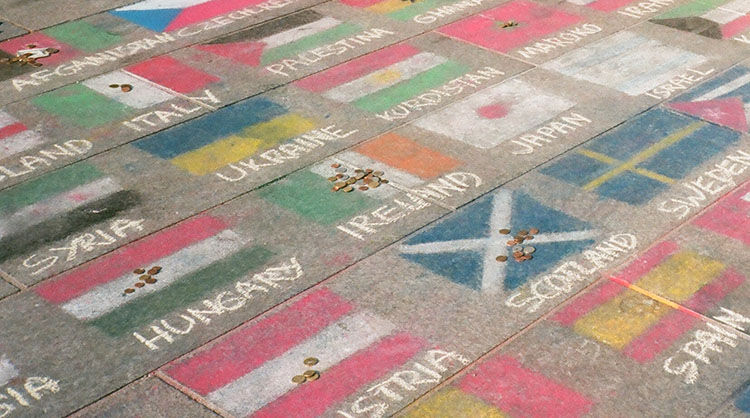

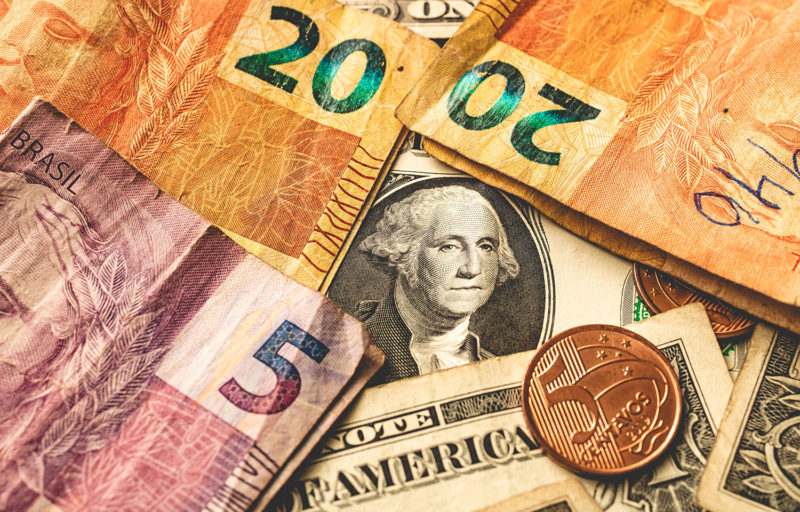
The conflict in Ukraine is the latest example of the growing importance of economic sanctions as instruments of coercion in international geopolitical relations. We analyse how SWIFT, a communication protocol between banks, has become a strategic weapon of the West.
The origin of telecommunications between global banking networks dates back to the mid-19th century, when the newly developed electric telegraph enabled more agile communications between stock markets. The telegraph established a continuous, near real-time trading system that reduced the differences between the prices of securities in markets separated by large geographical distances.
In 1872, Western Union used its existing telegraph network to launch the first widely used wire transfer service. A sender paid money to a telegraph office, and the operator transmitted a message to allow the transfer of money to another office, which was verified by passwords and code books so that the funds were released to a recipient.
In the early 20th century, the telegraph was slowly replaced by teletype or telex machines, a system developed by Germany that took advantage of telegraph lines and allowed users to write a message somewhere and have it printed on the other side of the world. Although telex provided the banking sector with a basic platform for business, and an operational medium through which they could begin to expand, the need to ensure that messages were secure and accurate added much complexity to the system, which soon found itself unable to cope with the pressures of an increasingly globalised financial world.
As the increase in transactions made it clear that the limits of this communication system were a constraint on the expansion of the banking business, banks, especially European banks, decided to explore other options. A decision spurred by a subsidiary of the American bank, the First National City Bank (FNCB), which wanted to force other banks to use its proprietary telex system. This ultimatum horrified the European banks, which saw a change from a system based on cooperation between rivals to a monopoly at the hands of the American partner.
The banks of 15 countries created a private company, SWIFT, which stands for Society for Worldwide Interbank Telecommunication, based in Brussels and run as a global cooperative enterprise. SWIFT simplified procedures and minimised errors by using a standardised messaging format that was adopted globally.
Communication networks and state coercion
The tug-of-war between the new and old continents over control of a global interbank communications system highlighted a phenomenon that had already been seen with the emergence of the telegraph during colonial times. While these communication systems were not created with geopolitics in mind, it was inevitable that the big players in the global economy would use them as tools to control, spy on, and punish other states competing for the same interests.
A fact that is not without irony in the case of SWIFT, created by Europe to maintain its sovereignty vis-à-vis the United States, but which has ultimately been unable to resist obeying Washington’s orders, even when they run counter to European interests, as happened when President Donald Trump unilaterally abandoned the Iran nuclear deal.
Political scientists Henry Farrell and Abraham Newman define this as “weaponised interdependence“. As for SWIFT, they explain: “In this world, the networks that enable global interdependence no longer serve as neutral means of transmitting information or money. Instead, they are becoming the power projection tools of large states“.
The use of sanctions by the US government, against enemies and allies, purely for economic and geopolitical interests, did not begin with the administration of President Donald Trump, but it is true that Trump made an unprecedented expansion of punitive economic measures to promote his administration’s agenda. An abuse of a position of privilege that initially yields good results, but is counterproductive in the long run when other states question alliances with the United States, and seek alternatives to monetary tools linked to the hegemonic power of this country.
Alternative systems and cryptocurrencies
The latest economic sanctions against Russia, and the exclusion of some of its banks from the SWIFT system, follow the same trend of recent years, and only consolidate the efforts of China, Russia, and even the European Union, to seek alternative systems that can shield their economies. A new blow to the system that could trigger a chain reaction of change.
In 2017, Russia launched the Financial Messaging System of the Bank of Russia (SPFS), equivalent to SWIFT, and in 2015, China launched a similar system called The Cross-Border Interbank Payment System (CIPS). Two alternative systems that are still far from being able to fully replace SWIFT, but which at least help to reduce the effectiveness of the possible sanctions imposed on banks in these two countries to exclude them from the interbank communication protocol established by Western banks.
On the other hand, the blockchain-based cryptocurrency revolution is another tool that countries such as North Korea and Iran have already used to circumvent economic sanctions, and the exclusion of their banks from the SWIFT ecosystem. The digital rouble is just one of several digital tools through which the Russian government can boost bilateral trade with allied countries, as China has already done with the digital yuan.
Nevertheless, the use of economic sanctions will undoubtedly have a significant impact on Russia’s economy, and to a lesser extent on that of the European Union. Even so, it is also clear that the abuse of this tool of persuasion or punishment is reducing its effectiveness and promoting the creation of alternative systems, which are ultimately inevitable in a multipolar global geopolitical scenario, which is no longer content to be subject to the impositions and interests of a single country.
11Onze is the community fintech of Catalonia. Open an account by downloading the app El Canut for Android or iOS and join the revolution!



L’economia ha estat una de les grans protagonistes de la relació entre Catalunya i Espanya. Tot realitzant un exercici de síntesi, recollim nou d’aquests moments claus de la nostra història. Potser no són els més coneguts, però, sens dubte, sí que són els que han marcat un abans i un després. Un rere l’altre, ofereixen una cronologia dels encontres i desencontres.
“Mentre Espanya no comprengui el fet català,
Espanya estarà sotmesa a tots els infortunis.”
Américo Castro, 1924
1479. La construcció d’un Estat dinàstic
Després de la Guerra Civil castellana, els dos regnes més extensos de la península Ibèrica (Castella i la Confederació Catalana) van crear plegats una nova entitat política coneguda amb el nom de Monarquia Hispànica. Aquest Estat dinàstic es va configurar a partir de la unió de només dos elements clau: l’exèrcit i la política exterior. Per a la resta d’elements que configuren un Estat modern, com ara fronteres, monedes, lleis i institucions, van romandre totalment separats. Així, pel que fa a la configuració i repartiment del poder, cal tenir present que, mentre Castella s’articulava segons l’autoritat de la reina (Isabel), sempre per sobre de la noblesa i l’església, en canvi, la Confederació Catalana es va organitzar al voltant de la Constitució de l’Observança, que obligava el rei (Ferran) a governar i pactar d’acord amb les lleis del Principat. Vet aquí una primera diferència en el sistema d’organització polític i econòmic entre Espanya i Catalunya.
1556. La deriva de la història
A la mort de la reina castellana (Isabel), l’Estat dinàstic peninsular va estar a punt de desfer-se. Després de vicissituds familiars, el tron l’acabarà ocupant el net, per incapacitat de la filla (Joana) i per la mort del gendre (Felip). D’aquesta manera, la unió dinàstica entre els dos regnes va quedar confirmada definitivament en les persones de Carles (futur emperador) i els seus successors. Durant anys, l’emperador Carles va buscar consolidar la idea d’una monarquia universal que fos políglota i oberta per a tot el territori de l’imperi dels Habsburg. La política de l’emperador va anar encaminada a canviar el rumb de la història europea. De res li va servir creure que era possible la convivència entre els drets de les ciutats i els de les regions amb l’estructura imperial, atès que la idea de l’Estat Nació s’estava imposant, empesa en gran part per la Reforma. Tampoc no va aconseguir mai crear les complicitats necessàries entre castellans i catalans per forjar un país comú.
1585. La perversitat del sistema
La tardor de 1585, el rei Felip II de Castella va presidir la celebració de les Corts Generals de la Confederació Catalana a Montsó. Seguint la tradició instaurada pel seu pare (Carles), Felip II reconeixia així la dualitat de poder en el territori peninsular que conformaven les corones de Castella i Catalunya. El sistema parlamentari sempre comporta tensions —perquè el debat ho té—, però semblava que s’arribaria a un acord. El problema va sorgir quan els oficials reials van intentar boicotejar descaradament les resolucions de les Corts. I encara és més pervers quan la Monarquia —de manera unilateral— decideix manipular i tornar a redactar els acords presos per les Corts Catalanes per afavorir els seus interessos. Entre les alteracions més destacades i que van afectar de ple tota la Confederació Catalana, hi havia aquelles relatives al control del comerç, a l’augment de la despesa de la Reial Audiència en territori de la confederació i que van diluir el control que la Diputació del General (la Generalitat) pogués tenir sobre el Sant Ofici (la Inquisició), el braç repressor de la monarquia.
1626. Cap a una unitat centralitzada única
El març del 1626, Barcelona rep el rei de Castella, Felip IV, que havia arribat a la ciutat per jurar les Constitucions catalanes. El motiu no fou altre que poder desencallar l’ambiciós pla del ministre del rei, el comte duc d’Olivares. El projecte, conegut com la “Unión de Armas”, pretenia que cada regne que formava part de Castella —o sigui, principalment la Confederació Catalana— aportés un nombre determinat de diners i soldats. Però el que no van calibrar bé les oligarquies castellanes va ser que si Felip IV jurava les Constitucions catalanes, certament se li atorgava automàticament el títol de comte de Barcelona, cosa que l’obligava a fiscalitzar els seus recursos. Per tant, els catalans estaven més interessats que s’aprovessin les seves propostes de noves Constitucions catalanes i que s’atenguessin els greuges, que no pas a participar en guerres absurdes. Curiosament, dues dècades més tard, el territori nord-català serà extirpat del cos principal de manera deshonesta. I no serà fins quaranta anys més tard que Castella notificarà oficialment a la Generalitat la pèrdua del territori nord-català.

La cultura mercantil catalana del segle XVIII
1760. Les regles del joc canvien
Des de feia unes dècades, una nova família d’origen francès ostentava el tron de Castella, els Borbons. Enrere havia quedat la disputa oberta sobre aquell ascens, fins al punt que s’havia hagut de dirimir en el camp de batalla. Passades quatre dècades del Decret de Nova Planta, el rei Carles III va convocar les Corts generals a Madrid. En aquell nou paradigma polític sorgit del camp de batalla, els representants dels antics territoris de la Confederació Catalana —format per Catalunya, Aragó, València i Mallorca— van presentar plegats un memorial que contenia una crítica frontal al sistema borbònic vigent. Simplificant molt, el document conegut com el “Memorial de Greuges” defensava que el nou Estat havia de vetllar per la pluralitat territorial i havia d’allunyar-se d’estructures centralistes i unificadores.
1810. La construcció d’una nova realitat política
En un context de guerra europea, arribaren fins a Cadis més de 240 diputats d’arreu del territori convençuts que anaven a fer història, atès que s’anava a redactar una moderna Constitució. El rei Carles IV d’Espanya havia estat deposat per absolutista, després de l’ocupació francesa del territori peninsular. A les Corts de Cadis es va establir que el poder residia en el conjunt dels ciutadans, representats a les Corts. Però Cadis també va suposar —per primera vegada— l’oportunitat real per la qual els polítics catalans van ser cridats a participar activament en el nou sistema polític espanyol que s’estava creant. En aquell revolucionari context, la delegació catalana va defensar obertament la proposta de modernitzar Espanya d’acord amb el projecte austriacista liquidat feia menys d’un segle. Per tant, calia fonamentar el desenvolupament econòmic i social d’acord amb la industrialització dels territoris. Però pel Tractat de Valençay es va restituir en el tron a Ferran VII com a monarca absolut, i va frustrar totes aquelles idees modernes sorgides de les Corts de Cadis i de la seva revolucionària Constitució, que havia sacsejat Espanya.
L’emprenedoria com a motor de canvi
1870. La història sempre ofereix una segona oportunitat
Aquell estiu del 1870 a París, Maria Isabel Lluïsa de Borbó i Borbó-Dues Sicílies, reina d’Espanya, abdicà. Aquesta renúncia del poder —igual que l’emperador Carles— era la conseqüència d’un intens debat polític sobre com s’havia d’articular la modernitat d’Espanya. La disputa entre carlins i liberals s’havia dirimit en els camps de batalla durant les darreres tres dècades. Però durant les dècades següents l’atzucac continuaria. Espanya havia entrat en un laberint del qual trigarà cent anys a sortir. La modernitat va comportar una profunda transformació estructural, inclòs el repartiment del poder. La historiografia ha abordat aquest període des de la perspectiva de la primera crisi del capitalisme espanyol. Però, en realitat, a l’origen del problema econòmic de tot plegat hi ha la corrupció.
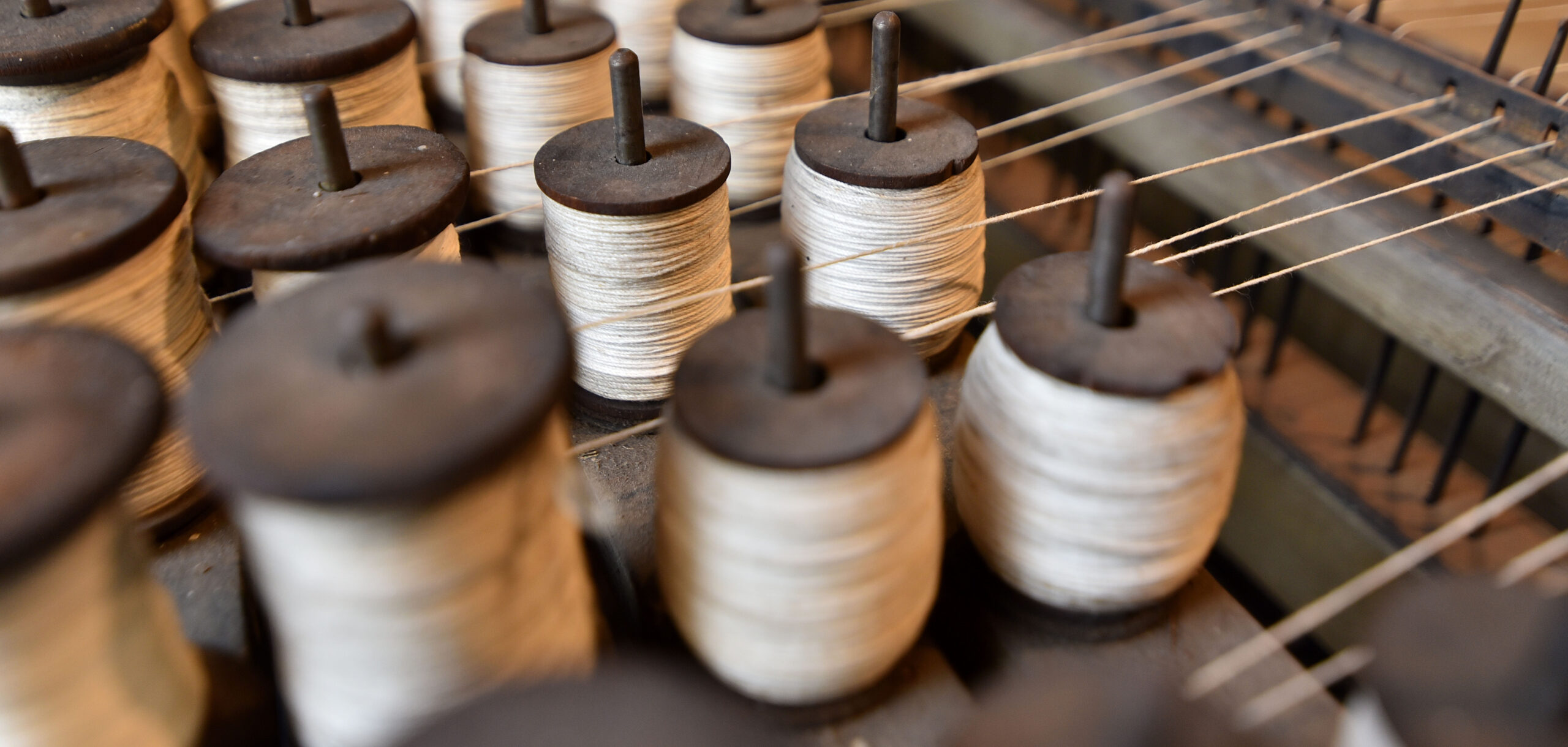
Polítics, militars i nobles van especular tant en les companyies ferroviàries com en la construcció, fins al punt que a finals de la dècada hi va haver un crac borsari de dimensions bíbliques. La Guerra Civil dels Estats Units va provocar un augment dels preus de la matèria primera —el cotó—, motor de la indústria tèxtil catalana, que —per manca de previsió de l’Estat— va provocar la ruïna de molts empresaris d’aquest sector. I un període perllongat de males collites va provocar un augment estrepitós del preu dels aliments bàsics, que va afectar negativament les classes més populars. En aquest context tan difícil i atès que l’Estat estava tan endeutat, es van aportar dues solucions: per una banda, augmentar la pressió fiscal sobre les classes populars i, per l’altra, embolicar-se en una aventura colonial com va ser la Guerra de les Illes Xinxa, davant les costes del Perú.
1931. La muntanya és un bon lloc per pensar
Aquella primavera del 1931, Espanya va optar per gestionar el poder seguint una fórmula fracassada en el passat. La corrupció havia esgotat el sistema de la Restauració borbònica i, per tant, calia buscar una nova relació amb el poder. La pregunta que es plantejava llavors —i encara avui— era si Espanya podia ser una federació de nacions. Calia provar-ho! En aquest context, s’instal·laren al Santuari de Núria els diputats del recentment creat Govern de la Generalitat de Catalunya, encarregats de redactar una proposta de relació entre Catalunya i Espanya. Tothom tenia la certesa d’estar davant d’un moment històric.
El resultat fou un text constitucional que responia a la voluntat de Catalunya i al seu legítim dret d’exercir l’autodeterminació. S’estava proposant una situació d’igualtat jurídica i política respecte als altres pobles de l’Estat. Es plantejava ampliar la mirada. Davant del text, l’Estat es va posar nerviós. Un any més tard, les Corts espanyoles van aprovar un Estatut que ja no tenia res a veure amb el que havia refrendat mesos enrere el poble de Catalunya. Es rebutjava la fórmula federal, es reduïen competències de la Generalitat i s’instaurava la cooficialitat del català i el castellà en un model bilingüe. Catalunya quedava reduïda a una “regió autònoma dins l’Estat espanyol”. Va ser aleshores quan a la llunyania començaren a sentir-se remors de sabres que obligaven Espanya a tornar al camp de batalla.
2004. Cap a un nou paradigma històric
Amb la ressaca dels esdeveniments de la darrera dècada del segle passat, tothom va creure que Espanya havia optat per reconèixer la seva diversitat. La llengua catalana era —fins i tot— parlada en els cercles més íntims de l’oligarquia castellana. En un clima de puixança econòmica, estabilitat social i de reconeixement mutu, Catalunya va creure que podia tornar a plantejar la seva relació amb Espanya. Era possible? L’escrupolositat de l’escomesa —igual que en el passat—, en l’elaboració d’un nou marc constitucional com fou el nou Estatut de Catalunya, va suposar un important esforç per trobar un punt d’encontre on hi fossin representades tots els espectres socials. La continuació és sabuda per tothom. L’1 d’octubre de 2017 és la constatació de la impossibilitat del diàleg i la necessitat de tornar a l’inici de tot: a molt abans de la Guerra Civil castellana de 1479.
11Onze és la fintech comunitària de Catalunya. Obre un compte descarregant l’app El Canut per Android o iOS. Uneix-te a la revolució!



The hegemony of the dollar as the reference currency in global trade and as an instrument of monetary liquidity have granted power and privilege to the US for decades, but in recent years there has been fear that a growing number of countries are managing to decouple their economies from dependence on the dollar. We analyse the reasons behind it.
August 15 marked 50 years since President Richard Nixon assembled his team at Camp David to announce that he was suspending the dollar convertibility into gold. It was the beginning of the end of the Bretton Woods Agreements and became effective the following year when Nixon formalized it as a permanent decision.
Until then, the dollar was a currency based on the existence of gold as a counterpart. From that moment on, it became a fiat currency, money placed on trust, with its value derived from the relationship between supply and demand and the stability of the issuing government. A value that, unlike the guaranteed currency, is based on people’s faith, and may lose its value due to inflation, or even become inoperative in case of hyperinflation.
This new monetary framework replaced the intrinsic value granted by the demand for gold, mainly from the jewellery sector, with the creation of the petrodollar system, ergo establishing the dollar as the oil transaction currency, which forced any country willing to buy oil, to convert its currency into dollars. Such a system creates a dollar surplus that must be recycled and invested in the purchase of US government bonds and treasury bills, and consequently, creating an almost unlimited demand for the issuing country’s debt, a fact that allows the US to print large amounts of money without consequences. It is like a government black card.
El Diner - Chapter 8: The concentration of wealth.
Abusing a position of privilege
This demand for dollars gives the United States the possibility to assume perpetual debt because current account deficits are not a problem, due to its refinancing ease and confidence that investors will continue to buy assets that are considered safe.
Moreover, US control of the International Monetary Fund (IMF) and the World Bank (WB), two bodies born out of the Bretton Woods Agreement, as well as of SWIFT (Society for Worldwide Interbank Financial Telecommunication), added to US petrodollar hegemony, confer them such a negotiating, intimidating and punitive power that is often used for their own economic interests and at the expense of the interests of other countries.
The widespread application of economic sanctions by American administrations, especially under Trump’s government, not only against countries considered enemies of US interests, but also against allied countries that refuse to obey orders coming from Washington, is causing many states to question US dollar hegemony and to take steps to create a multilateral financial system to shield their economies.
Russia and China de-dollarise
Over the past decade, Russia and China have initiated programs and signed de-dollarisation agreements to protect and shield their economies from US government and International Monetary Fund (IMF) sanctions. By 2020, less than half of bilateral trade transactions between these two countries were in dollars, and this year Russia has announced that all of its National Investment Funds will move away from dollar to euro or gold denominations.
It is not surprising that other countries such as Venezuela, Turkey, Pakistan or Iran be also in the process of de-dollarisation, but perhaps it was not so predictable that the European Union would sign similar trade agreements and promoted, like these countries, its own digital currency to diversify its options and reduce the risk of a possible paradigm shift.
The dollar is not in danger of losing its status as a global currency, but its supremacy as a trading currency, and as a bargaining tool, may be seriously eroded if the United States continues to abuse its position of power.
If you want to discover the best option to protect your savings, go to Preciosos 11Onze. We will help you buy at the best price the ultimate safe haven asset: physical gold.



Sigui quin sigui el futur dels diners, sembla que les monedes digitals emeses pels bancs centrals no acaben d’arrencar. Tots els projectes pilot per implementar CBDC han fracassat o estan estancats. Els governs argumenten que són una eina per a fer la nostra vida més fàcil, mentre obvien esmentar que també augmenten la seva capacitat de rastrejar, controlar i castigar la ciutadania.
La tecnologia blockchain ha revolucionat la manera en què les persones interactuen amb els diners i els sistemes financers. Amb l’arribada de les criptomonedes s’han creat nous sistemes monetaris descentralitzats que no estan controlats per cap entitat governamental o financera.
Tot i la seva volatilitat, la popularitat de monedes digitals com el bitcoin suposen una amenaça pel sistema financer tradicional, un canvi de paradigma que fa trontollar la posició privilegiada dels governs a l’hora d’exercir control sobre la ciutadania a través de les finances.
Davant d’aquest escenari, els bancs centrals d’arreu del món han començat a explorar la possibilitat d’emetre monedes digitals recolzades pel govern, conegudes com a CBDC (Central Bank Digital Currency). Aquestes monedes serien emeses i regulades pel banc central d’un país, i el seu valor estaria lligat a la moneda del país, o dit d’altra manera, basat en la confiança en el govern que l’emet.
Es tracta d’un model similar a les stablecoins o monedes estables, un tipus de criptomoneda vinculada al valor d’una moneda fiduciària, com el dòlar estatunidenc. Això significa que el seu valor no fluctua tant com el d’altres criptomonedes, la qual cosa les fa més atractives per al seu ús en pagaments digitals. Però a diferència de les CBDC, les stablecoins estan descentralitzades, és a dir, no són monedes digitals emeses, regulades i controlades pels bancs centrals de cada país.
En defensa de les CBDC
Les monedes digitals emeses pels bancs centrals podrien millorar significativament l’eficiència i la seguretat de les transaccions financeres. Les transaccions amb CBDC serien instantànies i podrien reduir els costos de processament de pagaments per a empreses i consumidors, que ara mateix pertany al duopoli gairebé universal que tenen Visa i Mastercard. Així mateix, no és cap secret que el control d’aquestes multinacionals per part del govern dels Estats Units, suposa una amenaça per la sobirania de qualsevol país no-alineat amb els interessos geopolítics i econòmics del gegant americà.
Per altra banda, les CBDC podrien ajudar a reduir l’economia submergida, ja que serien més difícils d’amagar que els diners en efectiu i menys anònimes que les criptomonedes. Concretament, la completa traçabilitat sobre les transaccions financeres facilitaria l’establiment de mecanismes de control, la qual cosa disminuiria el risc de frau.
Addicionalment, fomentarien la inclusió financera, facilitant un accés fàcil i segur als diners a les poblacions sense accés bancari o amb accés limitat. A més, podrien ser una alternativa als diners en efectiu en situacions extremes, com ara catàstrofes en les quals no es tingui accés a l’efectiu i quan els mitjans de pagament tradicionals, com els TPV, no funcionin.
Una solució a un problema inexistent?
Algú podria pensar que, en termes pràctics, les monedes digitals estatals ja fa anys que existeixen, perquè, de fet, la majoria de països ja tenen versions digitals de la seva moneda que els ciutadans fan servir diàriament en les transaccions bancàries i el comerç. Per tant, quines motivacions que hi ha darrere de la pressa que tenen els bancs centrals per implantar una nou model de moneda digital pròpia?
A mesura que avancem cap a la total implementació dels diners digitals, la llibertat de fer el que vulguem amb els nostres diners, de manera anònima o sense el control de l’Estat, cada vegada és més limitada. En aquest context, les criptomonedes ofereixen una alternativa a l’statu quo, democratitzant la creació de moneda mentre dilueixen el monopoli bancari tradicional.
Això, evidentment, no agrada a tothom, especialment als estats i a les institucions financeres. Christine Lagarde, presidenta del Banc Central Europeu, deixava clar que no li agrada veure un nou període de “banca lliure” gràcies a les criptomonedes, i que les CBDC són necessàries per a mantenir el paper dels bancs centrals.
Un sistema monetari fàcilment controlable
I és precisament aquí on es concentren les crítiques a les CBDC, s’elimina la privacitat que ara tenim amb els diners físics i les criptodivises. Amb la implantació de les seves monedes digitals, els governs tindran un control sobre els nostres diners sense precedents, sabent exactament com els gastem i amb la capacitat de parar pagaments o confiscar-los.
Es tractaria d’un sistema monetari completament programable, per la qual cosa també pot parar pagaments a unes certes àrees o grups de persones. Serveixi d’exemple com va actuar el govern canadenc davant les protestes dels camioners durant el “comboi de la llibertat”, bloquejant els comptes corrent de més de 200 simpatitzants de les protestes.
Així mateix, es pot limitar el seu període de validesa, proporcionant un incentiu per al consum, en lloc d’estar limitat per un llindar zero en els tipus d’interès, els governs podrien imposar tipus negatius als comptes digitals per a controlar el creixement econòmic. Les possibilitats són infinites, especialment si s’asseguren que no hi ha una alternativa.
11Onze és la fintech comunitària de Catalunya. Obre un compte descarregant la super app El Canut per Android o iOS. Uneix-te a la revolució!

La democràcia representativa és el sistema més estès als països capitalistes de lliure mercat. Com encaixa amb el concepte clàssic de democràcia? Com hauria de funcionar la democràcia directa?
Els partits polítics celebren congressos que la major part de la ciutadania, que no n’és militant, mira amb estranyesa. Allà es decideixen les línies i objectius d’aquell partit polític. A partir d’aleshores, aquells polítics intentaran servir els objectius que s’han marcat, sempre adaptant-se a la situació del moment i intentant, per damunt de tot, salvaguardar el partit.
Això passa amb tots els partits, siguin del color que siguin, i la bunquerització partidista sovint acaba diluint el mandat representatiu inicial d’aquells polítics. Perquè, la idea original de la democràcia actual era aquesta: una democràcia representativa en la qual els electors escullen uns polítics que han de representar els seus ideals (els dels electors). Sobre el paper té sentit, però la realitat és més complexa. Els representants formen en realitat part d’un engranatge ple d’interessos de lobbies i del mateix partit, fet que fa que l’ideal representatiu quedi cada vegada més lluny.
Històricament hi ha hagut altres formes de democràcia. La democràcia directa que s’aplicava a l’antiga Grècia i durant quatre segles a la República de Roma n’és la més coneguda, i permetia a la ciutadania proposar o revocar lleis. Actualment, el més similar a aquest model són els casos de Suïssa, Liechtenstein o alguns estats dels Estats Units com Califòrnia.
És possible, per tant, gestionar la cosa pública d’una altra manera? Es pot millorar o, com deia Churchill, ens hem de conformar amb el menys dolent dels sistemes possibles? Al capítol 9 d’El Diner, repassem el concepte clàssic de democràcia i les principals formes de govern, així com l’evolució històrica del model democràtic. Et convidem a recuperar-lo.
El Diner - Capítol 9: La democràcia representativa


What are the functions of the European Central Bank, what tools does the institution headed by Christine Lagarde have at its disposal, and how is it organised? Lara de Castro, HR Business Partner at 11Onze, explains the basics in a course on one of the most important institutions of the European Union.
The European Central Bank (ECB), which has its headquarters in the German city of Frankfurt, is responsible for the monetary policy of the countries that make up the eurozone and have the euro as their single currency.
As Lara de Castro explains, it was set up a few months before 11 EU states adopted the euro as their single currency on 1 January 1999: Austria, Belgium, Finland, France, Germany, Ireland, Italy, Luxembourg, the Netherlands, Portugal, Spain and Finland. As of today, the list of countries using the single currency has grown to 19, with Estonia, Greece, Latvia, Lithuania, Malta, Cyprus, Slovakia, Slovenia and Estonia.
The ECB and the national central banks of the eurozone member states constitute the Eurosystem. This is a different body than the European System of Central Banks, which also comprises the central banks of the EU countries that do not have the euro as their currency.
In addition, there are territories that use the euro, but, as De Castro points out, they do not belong to the eurozone and, therefore, “do not participate in any way in the ECB’s monetary policy”. This is the case of San Marino, Vatican City, Monaco, Kosovo, Montenegro and Andorra, the only one that “has euros with text in Catalan”.
As De Castro explains, the start-up of the ECB “resembled that of a public limited company” in the sense that it has shares and share capital. In fact, its current share capital is more than 10.8 billion euros, which “are in the hands of the central banks of the member states, which act as shareholders”. The initial capital allocation was based on the population and GDP of the founding states, and has been modified six times.

The pillar of the monetary union
“The ECB’s primary objective is to maintain the value of the euro”, as Lara de Castro points out. This is the reason why it tries to keep prices stable and inflation in the eurozone as a whole not to exceed 2% per year. In this sense, it is responsible for setting the broad lines of monetary policy and executing it.
In addition, “it is the superior bank in all central and private banks operating in the euro area” and, to ensure that the whole system works, it has the exclusive right to issue currency and supervises the reserves of the member states and their financial status, explains HP Business Partner at 11Onze. It can also purchase debt from EU states in order to boost the economy, as it has done on a massive scale in recent years.

What monetary policy tools does the European Central Bank have at its disposal? To begin with, there are the open market operations, which are of four types and serve to control the interest rate and manage market liquidity. Then there are the “standing facilities”, which are available to Eurosystem banks for both loans and deposits. And then there is what is known as “minimum reserve maintenance”, which obliges private banks in the euro area to deposit a portion of their deposits with their country’s central bank.
Three main governing bodies
The ECB’s administrative structure revolves around three main bodies: the Governing Council, the Executive Board and the General Council.
The decision-making power for monetary policy for the euro area rests with the Governing Council, which is composed of six members of the Executive Board and the governors of the central banks of the euro area countries. Its function is to define monetary policy, “by setting the interest rates at which commercial banks can obtain money from the central bank”, as Lara de Castro points out.
The Executive Board consists of the President and Vice-president of the ECB and four other members appointed by the European Council. Its role is to implement the monetary policy defined by the Governing Council and to give the necessary instructions to the national central banks.
As for the General Council, it includes the President and Vice-president of the ECB, together with the governors of the national banks of the member states of the European Union. As De Castro specifies, it provides support for consultation and coordination tasks, and assists “in the preparation of the enlargement of the euro area”.

If you want to discover the best option to protect your savings, enter Preciosos 11Onze. We will help you buy at the best price the safe-haven asset par excellence: physical gold.