China challenges the monetary system
While the West is going into debt to sustain a system that is falling apart, China is making moves to redesign the rules of the game. Its monetary manoeuvres, seemingly technical, point to a silent revolution: the devaluation of fiat currencies through massive injections of liquidity and the aggressive accumulation of gold as a new pillar of the global financial system.
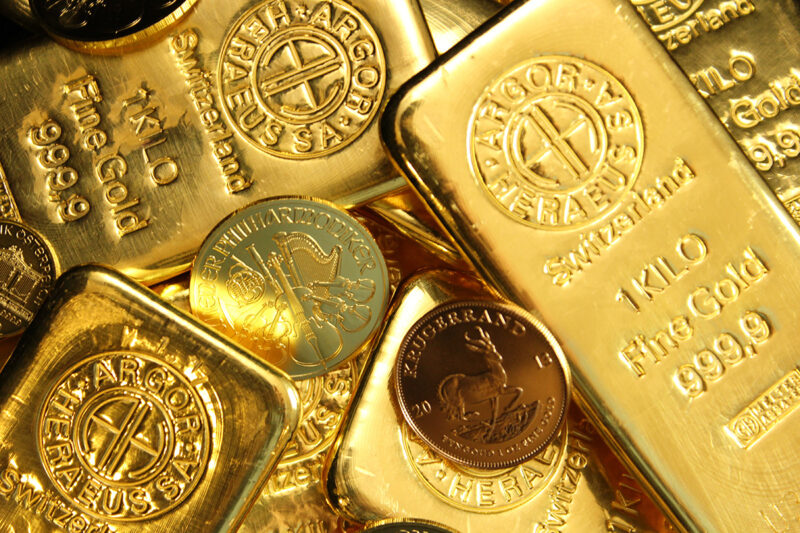
In this geo-economic game, precious metals are once again taking centre stage — not out of nostalgia, but for survival. When gold broke through the $4,000 per ounce barrier, many analysts attributed it to market instability. But there is much more to this rise than speculation. The value of gold cannot be explained solely by market dynamics, but also by political decisions that make it shine—or fade.
Until 1971, the international monetary system was based on gold. The Bretton Woods Agreements (1944) had set the dollar’s parity at $35 per ounce, making the US currency the global benchmark. When Richard Nixon broke that link, the world entered the era of fiat money: currencies based solely on trust and the ability of states to issue debt.
This ‘monetary faith’ worked for a few decades. Central banks printed money, economies grew and markets remained stable. But the 2008 financial crisis broke the spell, when printing money no longer generated real wealth, but only inflated bubbles. And now, half a century later, China seems ready to accelerate the end of that model.
Beijing’s double play
China’s strategy seems contradictory when it comes to injecting liquidity while buying gold. But in reality, it is monetary engineering with two clear objectives:
- Control its domestic economy. The Chinese economy has slowed down after decades of rapid growth. To avoid social unrest, the People’s Bank of China has lowered interest rates, expanded credit and boosted state investment. This stimulus maintains consumption, but also devalues the yuan, increasing export competitiveness. Likewise, each wave of Chinese liquidity spreads through international markets and contributes to weakening Western fiat currencies.
- Shielding itself with gold. Beijing knows that every yuan issued reduces its real value. That is why it compensates with gold. According to the World Gold Council, the Central Bank of China has added more than 300 tonnes of gold in 2024 alone, accumulating reserves for more than eighteen consecutive months. Gold now accounts for more than 15% of China’s reserves, and this proportion continues to grow. The message is clear: while the West prints banknotes, Beijing prints power.
This is not a formal return to the gold standard, but a quiet transition to a mixed system of digital money backed by real assets. Gold is once again the backbone of confidence.
The slow death of fiat currencies
Since the 2008 crisis, the Federal Reserve, the ECB, and the Bank of England have doubled or tripled their balance sheets. Global debt now exceeds $315 trillion, according to the Institute of International Finance. This expansion has sustained economic activity, but it has also created a chronic dependency: the system can only survive if more liquidity is added each year.
China has learned its lesson and is turning it to its advantage. It does not want to sustain the system, but rather redefine it. Instead of competing with the dollar within its rules, Beijing is writing new ones, through a clear reliance on credit and other tangible assets. Therefore, every time central banks announce a rate cut, the same patterns repeat themselves: gold rises, bitcoin rises, stock markets breathe a sigh of relief. But there is one essential difference. The precious metal does not depend on anyone: it is not a bank liability, nor can it be printed by any government. It is scarce, tangible, and universal.
Bitcoin, for its part, is its digital equivalent in terms of programmed scarcity and resistance to censorship. But its volatility still makes it a speculative asset. Gold, however, is the stable memory of wealth. It has been sustaining human economic confidence for 5,000 years. It is therefore no coincidence that central banks and institutional investors are once again loading up on gold. When confidence falters, gold becomes the currency of common sense.
Gold as a geopolitical weapon
For China, accumulating gold is much more than a monetary policy; it is a strategy for sovereignty. Since 2010, it has reduced its exposure to the dollar from 70% to 50%, while increasing its gold reserves and bilateral trade agreements in yuan. At the same time, it has created alternative payment systems to SWIFT, such as CIPS (Cross-Border Interbank Payment System), which allows transactions outside the control of the United States.
Every ounce of gold in China’s reserves is one ounce less dependence on the dollar. In a world where the financial system is used as a tool of sanction, having gold is equivalent to having freedom. History proves this when the United States accumulated 70% of the world’s gold after World War II, allowing it to dominate the global economy for decades. Now, Beijing is doing exactly the same thing, but in a digital and multipolar context.
While China plans decades ahead, the West governs by election. The United States has accumulated more than $35 trillion in debt, the interest on which now exceeds military spending. Europe, for its part, is sinking into its own bureaucratic rigidity: more taxes, less innovation and growing energy dependence.
The Old Continent, once the cradle of industry, now seems like a maintenance economy. Its commitment to regulation and taxation has penalised savings and entrepreneurship. While Silicon Valley and Shenzhen compete for technological dominance, Brussels debates labels and regulations. The risk is clear: a golden digital future without Europe.
From digital money to tangible money
The paradox is that the same technology that has opened the door to cryptocurrencies is breathing new life into gold. China understands this: it is simultaneously developing its digital yuan (e-CNY) and accumulating physical gold. The goal? To create a sovereign digital currency, backed by real assets and capable of competing with the dollar without depending on them.
Europe, on the other hand, sees CBDCs as a tool of control rather than freedom. Beijing sees them as an instrument of independence. In this context, gold is the guarantee that gives credibility to the digital yuan, reinforcing it as a global alternative.
Markets reflect not only data, but collective emotions. When investors perceive that governments have lost control of debt or inflation, they seek refuge. Gold and other hard assets become symbols of something deeper, such as a loss of faith in the fiat system.
This is, in fact, the real epicentre of the current crisis: a crisis of confidence. Fiat money only has value as long as people believe in it. And every time a central bank prints billions out of thin air, that faith cracks a little more. China is taking advantage of that crack. Every gold purchase, every yuan trade deal, every new non-dollar reserve is a move in a global chess game that the West seems blind to.
Towards a new global monetary order
The world is moving towards a multipolar equilibrium in which gold will once again play a central role, not as a currency, but as a guarantee of trust. Countries with tangible reserves — China, Russia, India — will gain power; those that depend on credit will lose it. Gold could act as partial support for new international digital currencies, or as an instrument of compensation between states outside the SWIFT system. This would not be a return to the classic gold standard, but rather a hybrid model combining digital technology with real value.
Beijing is therefore not breaking the system, but rather gradually replacing it, with the patience of a civilisation that thinks in terms of centuries, not quarters. In a way, it is building its own 21st-century Bretton Woods.
For Western citizens, the lesson is clear when paper money is devalued, but real metal retains its value. In a world flooded with liquidity and instability, the tangible is once again power. Gold, which for millennia has been a symbol of wealth, is once again a tool of protection against the fragility of the system.
As we have repeated on several occasions in La Plaça: ‘When confidence fades, value takes refuge in the real.’ And when the dust of the credit system settles, gold —ancestral immutability— will continue to shine, not as a symbol of the past, but as the foundation of the future.
If you want to discover the best option to protect your savings, enter Preciosos 11Onze. We will help you buy at the best price the safe-haven asset par excellence: physical gold.



There is an increasing consensus in our society that accepts that economic growth must respect sustainability standards, and that debates how to link ecology and economy.
Economic growth, as a pillar of the capitalist system, has often been associated with the urban condition, the growth of cities, and the unrestricted expansion of their metropolitan areas. Both the services and the infrastructure needed are expanding, changing the territory and, in return, leaving aside the natural environment and the consequences of its alteration.
It is now clear that this has caused an ecological emergency, and many consciences have changed. They have now the opinion that the economy cannot forget nature, which is an increasingly accepted idea. It is probably outside the more purely urban fabric that more steps are taken in this direction, driven by the sensitivity of landscape conservation and natural heritage.
Following this goal of protection and appreciation of this heritage, the local world created the Landscape charters. Since 2006, Decree 343 of the Generalitat develops Law 8/2005 for the protection, management, and planning of the landscape, although some counties such as Alt Penedès have already had their own since 2002.
How does economy fits in sustainability?
The promotion of those sectors that are better adapted to nature and territory, such as wine, are one of the most common bets. It is a type of industry that combines agriculture and tourism, bringing benefits to the region in a minimum of two ways and enhancing the landscape. Some studies show that sales increase when the buyer links them to an environment.
Maintaining this sustainability, however, is sometimes not that simple. The first issue is related to tourism, about which we have talked, and the protection of the landscape as an exclusive setting against overcrowding. This can affect, in fact, the comfort and daily life of the inhabitants themselves. Secondly, we could go back to everything that the industry requires, which will eventually give jobs and leave profits in the form of taxes, such as the creation of industrial estates.

5 Tips to help the environment and contribute to ecology
A matter of mobility and energy
The infrastructures for mobility and transport and the generation of energy needed to move everything are perhaps the two factors where the economy finds it more difficult to become sustainable. The local world has responded with great caution and concern to the increasingly imminent plans for the creation of wind or photovoltaic parks that, while seeming to lead to the generation of cleaner energy, are thought to clash in full with landscape care.
One of the territory’s arguments is that if urban areas are the big consumers of energy, they should also be impacted by generating them—and proposals have been made, such as covering the roofs of industrial areas with solar panels. However, the paralysis of decisions due to the debate—in Catalonia only a wind turbine has been installed in twelve years—does not stop what others can do, and there are those who consider that opportunities are being missed. Recently, for example, a wind farm project was presented in Aragon to feed our country with renewable energy.
But big cities have more open debates between growing or guaranteeing ecological minimums and, as we have mentioned, transport is a key one. Recently, the proposal to expand El Prat Airport has returned to the forefront, a project that from a business sector is seen as a country project, essential to position Barcelona and Catalonia as an attractive and accessible hub for business, whereas many citizens and groups see it as completely unsustainable, as they call for a much deeper discussion about how and how much we want to grow. Surely the latter is the key to the debate we need to face soon.
If you want to wash your clothes without polluting the planet, 11Onze Recommends Natulim.



Work fewer hours to live better. This is the philosophy behind the proposal for a four-day working week with no reduction in pay. The idea is not new, but it has returned with force at a time when work-life balance, mental health and productivity have become central to social and economic debate.
At the beginning of the 20th century, economists and trade unionists were already arguing that technological progress should make it possible to reduce working hours. Henry Ford, considered by many to be an eccentric visionary, was one of the first industrialists to establish the five-day, 40-hour working week. Time proved him right: productivity grew, as did consumption, fuelling a new economic model that is still the benchmark today.
A century later, Spain maintains its official 40-hour working week, but with performance below the European average. According to CaixaBank Research, GDP per hour worked is only 76% of the eurozone average. Despite working longer hours than many of our European neighbours, presenters continues to weigh heavily: we still value time spent sitting in the office more than the results achieved. The pandemic shook up this model. Teleworking and flexible hours proved that production could take place without constant physical presence, placing mental health at the centre of the labour debate.
International experiences
Some countries have turned the four-day week into a social and economic laboratory. Iceland is one of the most cited cases: between 2015 and 2019, trials were conducted with some 2,500 workers. The success was such that 86% of the working population subsequently agreed to reduced or modified working hours. The results were overwhelming: less stress, better work-life balance and productivity that not only remained stable but in many cases increased.
The United Kingdom tested the four-day week in 2022 with 61 companies and nearly 3,000 workers. According to the Autonomy report, 92% of companies decided to keep it after the trial period. The main reasons: improved employee well-being and talent retention. In addition, business revenues grew by an average of 1.4% during the period.
Spain: first steps
In our region, the Valencian Regional Government has been a pioneer in promoting aid to local councils and companies that want to try out the four-day working week, although so far this has only been good intentions in the eyes of the public. At the national level, there have been proposals to subsidise small and medium-sized enterprises, but a comprehensive plan has not yet been implemented with full efficiency. Some private companies, such as Delsol, Desigual and Telefónica, have explored flexible working hours, but without implementing a full four-day week.
Pros and cons
Advocates of shorter working hours highlight many benefits: improved health and well-being for workers, more time for family and training, reduced emissions due to less transport and, paradoxically, an increase in real productivity. In international pilot schemes, reduced stress and burnout have been a constant.
However, it is not all roses and violets. Sectors that require continuous attention, such as healthcare, hospitality and retail, find it difficult to implement this change. Small businesses may find themselves overwhelmed if they are unable to reorganise shifts or expand their workforce. And there are those who warn that concentrating the same workload into fewer days may increase stress rather than reduce it.
A debate about the future
The four-day working week is much more than a question of schedules: it is a debate about how we want to distribute time and wealth. In a world where artificial intelligence and automation can further reduce the need for human labour, the key will be to distribute the benefits of this productivity and ensure that they reach everyone.
What seemed utopian a century ago is now perfectly feasible. The big question is not whether it works — studies and experience already prove that it does — but whether we will have the political and business courage to make it happen.
11Onze is the community fintech of Catalonia. Open an account by downloading the app El Canut for Android or iOS and join the revolution!



Homeowners, when they reach retirement age, can consider several options to keep their income level stable. We’ll explain the reverse mortgage option.
The reverse mortgage is, in short, a loan granted by a financial institution, which is guaranteed by a mortgage that normally falls on the client’s usual home. In an ordinary mortgage, the money is requested to acquire the house, and the debtor must return it periodically. However, in the reverse mortgage, the property is offered in exchange for receiving the loan also periodically, or in the agreed amount at once.
This product is intended for people over the age of sixty-five, those with a degree of disability equal to or greater than 33%, or who are severely dependent. The reverse mortgage on the home they own will provide them with an additional income, while the repayment of this loan will not be due to them until the time of their death.
We must consider that, unlike in a normal mortgage, the debt is not paid and decreases over time. On the contrary, it increases as benefits are received and until the holder dies, or until the maximum percentage is reached according to the appraised value agreed when the mortgage is signed. In this case, the heirs could choose to take charge of the return until the debt is extinguished, if they want to keep the property.
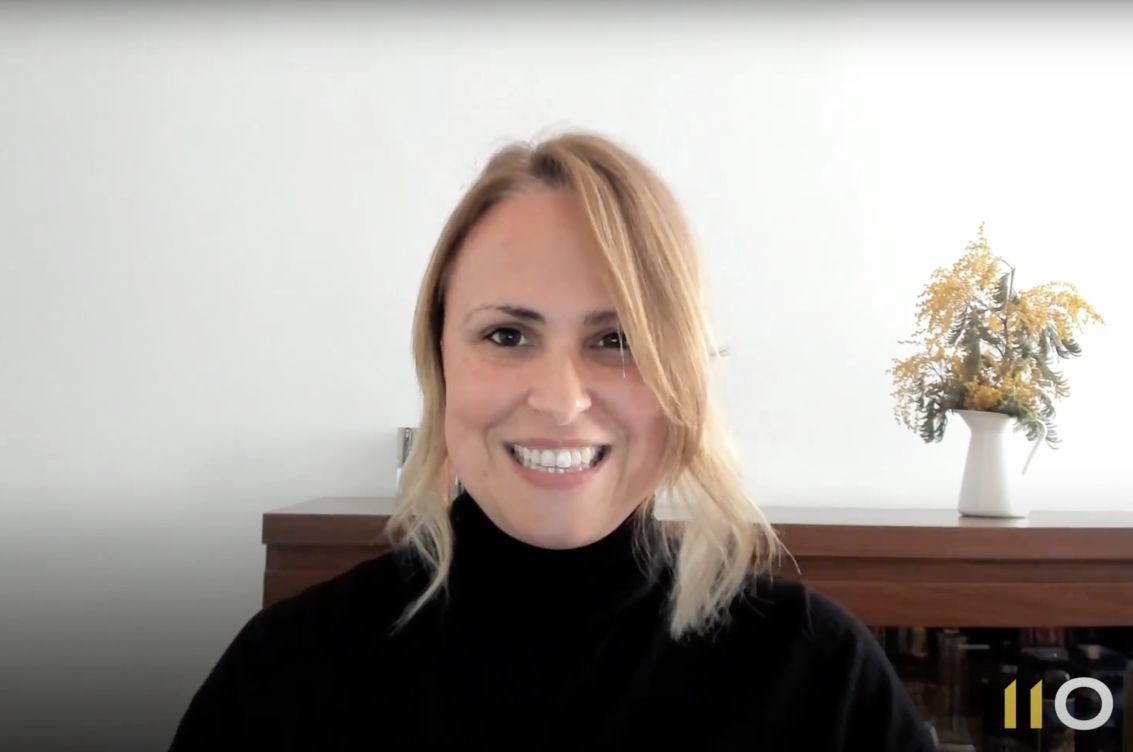
11Onze Agent Càrol Rafales talks about the reverse mortgage.
The benefits of a reverse mortgage
This product was born in the sixties in the United States and the United Kingdom, where it expanded under the idea of using a property to obtain financing. In Spain, it was adapted and is regulated by the Law 41/2007, in its first additional provision (1st DA). Later it was modified in article 5 of Law 1/2013, which strengthened the protection of debtors, among other details.
At the age of well-deserved retirement, it may be interesting for many people to take the alternative of the reverse mortgage, so as not to see their standard of living reduced when they stop working. In Catalonia there are factors such as a very high rate of homeowners, increased longevity, and not-so-good prospects for pensions or public benefits, which open the market for this product.
Another advantage is that ownership of the home is not transferred, but retained, so that the beneficiary receives the rent and can continue to live in their home, or even rent it out. However, it will be the heirs who, in order to maintain the property, when the death of the owner occurs, will have to decide whether to deal with the accumulated debt.
How income is calculated
The first thing to be established will be the amount of capital that will be offered as a loan on the mortgage. To do so, the entity will consider, first and foremost, the value of the property offered as collateral. Therefore, a correct assessment will be essential. The age of the owner, their life expectancy, or whether the home is their usual residence will also be taken into account.
The income received will be calculated based on the agreed capital of the loan and conditioned by how the holder decides to receive it. First, it can be done in a single full payment or on a regular basis (usually a monthly payment). Second, and if you opt for the periodic option, you can also choose it to be temporary or lifelong.
With the temporary option, payments will be received until the total agreed capital has been exhausted. The customer will no longer receive any income, but will also not have to deal with the debt until their death. Debt, of course, will continue to generate interest. The lifetime option enlarges the capital over the life of the customer, and therefore the amounts received will be inferior.
Finally, it should be noted that the income from the reverse mortgage is not taxed as income in the personal income tax, and presents exemptions in the payments of notarial documents and legal acts required to formalize it.
11Onze is the community fintech of Catalonia. Open an account by downloading the super app El Canut for Android or iOS and join the revolution!


France is shaking. It is not a visible earthquake, but a deep one: its public finances are cracking and the walls of the old European building are beginning to show similar cracks. The country that for decades symbolised the strength of the continent, the cultural and political engine of the Union, has entered a crisis that goes beyond the numbers. Debt is only the thermometer; the problem, however, is much deeper.
With debt already exceeding 112% of GDP and a persistent deficit of more than 5%, France has become the pupil reprimanded by Brussels. The European Commission has opened proceedings for fiscal non-compliance, while impatient markets have raised France’s risk premium to its highest levels since the 2012 crisis. The figures are clear, but behind them lies a message that Europe still does not want to hear: its welfare model is no longer sustainable.
For decades, France believed that its wealth was eternal. The welfare state, born after the Second World War as a social shield and symbol of progress, became such a heavy structure that today it is almost immovable. The public sector accounts for more than 57% of GDP — the highest percentage in the OCDE — and yet the country is growing less than the European average.
Bureaucracy, subsidies, and aid have become the pillars of an economy numbed by debt. According to INSEE, industrial productivity has fallen by 8% in the last decade, while real wages remain stagnant and the tax bill increases. France is now an exhausted power that works like an average country but spends like an empire.
When credit replaces trust
In 2025, French public spending exceeds €1.6 trillion. Interest payments alone will cost more than the defence and health budgets combined. But Paris continues to borrow to keep its state machinery running. Patrick Artus, an economist at Natixis, summed it up bluntly: ‘France can no longer finance its standard of living on credit’.
However, the drama is not exclusively French. It is European. For years, the European Union has confused stability with prosperity. It imposed fiscal rules to contain spending, but at the same time allowed the European Central Bank to flood the markets with liquidity. The result is a paradox: indebted governments and markets addicted to low interest rates. When the ECB turns off the tap, the mirage vanishes and reality sets in, revealing a continent living beyond its means.
The weary giant of the eurozone
The French case is more than just a national crisis; it is a warning of systemic collapse. France is the second-largest economy in the eurozone, but its loss of competitiveness has called into question the balance of the European project. Its industry, once the heart of continental production, has relocated. Its young talent is emigrating from Germany or Northern Europe. Its welfare state, which had been a model of equality, is now a maze of inefficiencies.
Meanwhile, the Banque de France warns that the cost of debt will eat up a growing share of tax revenues until 2030. And in Brussels, the debate is no longer whether France will breach fiscal rules, but how many more exceptions will have to be invented to avoid acknowledging the obvious: neither France nor Europe can comply with them.
A system without sovereignty
When France joined the euro, it gave up its most powerful weapon: the ability to devalue and create currency. Today, Paris cannot adjust its economy without going through Frankfurt’s scrutiny. The European Central Bank sets the pace and governments dance to its tune.
This loss of sovereignty is the great European taboo. States have been reduced to managing their own debt. If they want to grow, they must spend; if they spend, Brussels sanctions them. It is a vicious circle. Every cut reduces consumption and tax revenues, and every stimulus generates more deficit. What was once an instrument of cooperation is now a straitjacket.
Mario Draghi, who saved the euro in 2012, recently warned: ‘Europe has created a monetary union without a true economic union.’ And France, the country that imagined the single currency as a tool of continental power, is today the most visible victim.
The European reflection
The French malaise has the same symptoms as the American one: debt, political polarisation and dependence on the central bank. On the other side of the Atlantic, Washington prints money to pay its soldiers. In Europe, Paris goes into debt to maintain its welfare state. These are two different strategies to sustain the same model: an economic system that promises more than it can deliver.
France is not, therefore, an isolated case. It is the seismograph of what is to come. If France falters, the eurozone trembles. Its risk premium exceeds 80 basis points, Fitch and Moody’s are threatening rating downgrades, and investment funds are reducing their exposure to European debt. The scenario is reminiscent of the days leading up to the 2010 crisis, when no one wanted to admit that the house was starting to burn.
A continent facing its own mirror
Europe finds itself, once again, facing its greatest contradiction: wanting to be an economic power without real political power. Its institutions can fine France, but they cannot bail it out without putting the entire system at risk. Their economies are interdependent, and their governments are prisoners of short-term voting.
The result is a feeling of general exhaustion. In Paris, protests over pension reform symbolise the deep unease of a society that wants to preserve rights it can no longer afford. This is not a moral problem, but a structural one. France, like the rest of Europe, lives between nostalgia for its past and fear of its future.
The agony of the European model
Ultimately, the issue is not debt, but a lack of vision. The European model was built on the idea that economic integration would automatically lead to prosperity. But without innovation, productivity or sovereignty, the project is wearing thin. France is its most dramatic reflection: too big to fail, too indebted to grow.
Unless the foundations of the system are rethought – a common fiscal policy, real reindustrialisation, a central bank at the service of citizens – Europe will condemn itself to slow decline.
France is today the voice that trembles, but behind it can be heard the murmur of an entire continent. The numbers can be dressed up, but reality cannot. The euro was born to unite, but it has also chained us together. And while European leaders debate tenths of a percentage point of deficit, the debt clock keeps ticking, like a precision bomb. Europe is not sinking suddenly; it is slowly running out of steam. And France, on the tightrope, is its clearest harbinger.
If you want to discover the best option to protect your savings, enter Preciosos 11Onze. We will help you buy at the best price the safe-haven asset par excellence: physical gold.

Since the end of World War II, the United States has been the guarantor of global order and the military superpower par excellence. But today, with runaway debt and a paralysed government, Washington faces an uncomfortable question: how long can it continue to pay its soldiers?
The partial shutdown of the US government, its budgetary paralysis and interest payments on a debt that already exceeds its national GDP are jeopardising the sustainability of the American imperial model.
In 2025, the US federal debt will exceed $41 trillion, more than 120% of its GDP. Annual interest alone already exceeds £1.2 trillion, an amount greater than the combined budgets of the Pentagon and the Department of Health. With high interest rates, the cost of refinancing this debt has become a burden that devours tax revenues.
In early October, Congress failed to pass the budget for fiscal year 2026, forcing a partial shutdown of the federal government. According to estimates by the Partnership for Public Service and the Congressional Budget Office (CBO), nearly 900,000 federal workers could be sent home without pay, and another 700,000 would have to continue working without pay. In previous shutdowns, Congress had guaranteed by law the payment of troops, but this time political polarisation has blocked even that measure.
In an attempt to contain the situation, the Trump administration has announced the temporary diversion of $8 billion in research and development funds to cover military payrolls. According to Reuters and the Associated Press, this manoeuvre will not be sustainable if the shutdown continues beyond November and could also contravene the Antideficiency Act, which prohibits spending without congressional authorisation.
An unpaid army and an armed society
Although paying troops is a top priority for the government, fiscal instability has an impact on morale and internal cohesion. Many soldiers live on tight budgets, and according to the Military Family Advisory Network, one in three members of military families admit that they would be unable to cover a $500 emergency.
At the same time, the US military has stepped up its deployment in cities such as Chicago, Atlanta and Philadelphia, arguing that it is to combat gun violence and the migration crisis. Independent sources suggest that this move is intended to ensure civilian control in the event of possible unrest. In a country where there are more guns than people, any loss of institutional trust can turn an economic crisis into a social crisis.
Experts agree that the United States is not on the brink of civil war, but it is on the brink of extreme polarisation reminiscent of the final days of the Roman Republic: a divided state whose army can become an instrument of order or oppression depending on who controls it. This is because it is not the first time this has happened.
When empires stop paying their soldiers
History offers us a recurring pattern of this situation, in which great empires have fallen when they could no longer finance their own military power.
In the Roman Empire, the non-payment of mercenaries and legionaries accelerated its decline throughout the 5th century. Without pay or food, the troops began to plunder the very provinces they were responsible for protecting. In fact, many of the so-called ‘barbarians’ who contributed to the fall of Rome had previously been unpaid soldiers or allies of the imperial army.
During the Middle Ages, similar episodes were repeated. Such is the case of the famous Italian condottieri of the 15th century, who were hired by city-states such as Florence or Venice, and often changed sides or plundered the territory when princes or dukes could not pay them.
Sixteenth-century Castile underwent a similar process after a century and a half of imperial wars. The continuous bankruptcies of the Spanish monarchy—in 1557, 1575, 1596 and 1607—left the army of the Tercios and the fleet of the Indies without stable funding. Genoese and German bankers cut off credit to the Crown, and the troops, unpaid, staged revolts such as that of the Castilian soldiers in Antwerp in 1576, known as the “Spanish Fury”, which devastated the city and marked the beginning of the empire’s military and financial decline.
But also in 17th-century France, after the Thirty Years’ War, non-payment of the royal armies led to mutinies and mass desertions, forcing the Crown to resort to costly loans that mortgaged the future of the State.
Later, in the final days of the First World War, the Austro-Hungarian Empire also saw how economic bankruptcy made it impossible to maintain its war machine. And in the 1980s, the USSR collapsed when falling oil prices and internal debt made it unviable to continue supporting the largest army on the planet.
In all these cases, the problem was not only economic, but also political and social. When the army stops getting paid, the government’s authority vanishes. And what was once a structure of control becomes a factor of instability.
The risk of a silent default
US debt continues to be considered the pillar of the global financial system, but that confidence is not infinite. With the dollar losing ground as a reserve currency (its global weight fell from 70% to 58% in two decades, according to the International Monetary Fund), more and more countries are reducing their exposure to Treasury bonds.
A temporary suspension of payments or uncontrolled monetary issuance could accelerate de-dollarisation and destabilise capital markets. Against this backdrop, gold has risen by nearly 20% since the end of August, reflecting the loss of confidence in dollar-denominated assets.
In the short term, the United States can avoid total collapse by selling strategic reserves, postponing projects and printing money. But in the medium term, the risk is clear: a global army cannot be maintained with depleted domestic finances.
An empire facing the mirror
Like all empires before it, the United States is at a turning point. Hegemony is not lost in a single day, but when the structures that sustain it cease to have a foundation. Debt, political fracture and loss of institutional credibility are accumulating. And the danger is not only economic, it is also moral: a state that lives beyond its means ends up depending on the faith of others.
The US military has historically been a reflection of its economic power. If that power weakens, so will its role as guarantor of world order. The markets know it, central banks since it, and citizens are increasingly aware of it.
The US still has the capacity to turn the page and renegotiate its debt, reduce military spending and promote a new fiscal policy that prioritises sustainability. But this requires a political consensus that seems far off today. While Congress fights, the debt clock keeps ticking and the question remains open. Can the United States continue to pay for its military? Yes, it can. But with each passing day, the answer becomes less certain.
If you want to discover the best option to protect your savings, enter Preciosos 11Onze. We will help you buy at the best price the safe-haven asset par excellence: physical gold.


L’inversor nord-americà torna a avisar que els Estats Units estan en perill d’un col·lapse financer perquè s’està generant massa deute i hi ha escassetat de compradors. A més, apunta que la inflació, els baixos tipus d’interès i la fragmentació política empitjoraran la situació.
Ray Dalio, reconegut inversor i fundador del fons d’inversió Bridgewater Associates, fa mesos que va avisant del perill d’un col·lapse financer. Durant les negociacions sobre el sostre de deute per evitar una suspensió de pagaments de l’administració americana, Dalio explicava en un post a LinkedIn que no n’hi havia prou amb acordar un nou límit de deute si no es concretava com contenir o reduir la despesa i que “augmentar el límit del deute de la manera en què el Congrés i els presidents han fet repetidament conduirà finalment a un col·lapse financer desastrós”.
De fet, no cal ser un gurú de les finances per saber que gastar més del que guanyem i finançar-ho amb deute és la recepta perfecte pel desastre econòmic. Això, però, no és necessàriament sempre veritat si tens la capacitat d’imprimir diners sense conseqüències. L’hegemonia del dòlar com a moneda de reserva mundial i la demanda assegurada d’aquesta divisa gràcies al reciclatge de petrodòlars atorga als Estats Units una de facto “targeta black” que els permet gastar diners sense gaires preocupacions.
Quan no es pot satisfer als deutors i creditors
Tot i aquest comodí, el fundador de Bridgewater apunta que a la llarga no és sostenible, perquè l’augment dels actius i passius de deute més ràpid que els ingressos acaba per fer impossible pagar un tipus d’interès que satisfaci els creditors, i al que hi puguin fer front els deutors. És a dir, els tipus d’interès han de ser prou alts perquè el creditor obtingui un bon rendiment pels seus diners, però no fins al punt que el deutor no pugui pagar el seu deute.
Així mateix, argumenta que aquest escenari pot conduir al pànic i acabar creant una crisi de deute semblant a la reacció en cadena que precedeix a les crisis bancàries, però en aquest cas contra el banc central i amb bons del govern. Una situació que descriu com desastrosa que “causarà un desgavell financer i trastorns socials”
En aquest context, l’inversor creu que ens estem acostant a aquest punt d’inflexió en què la quantitat de deute emès pel govern superarà la demanda, la qual cosa obligaria a una impressió ingent de diners i una venda de bons governamentals que posaria al banc central en una posició insostenible. En altres paraules, els creditors no prestaran més diners i vendran els seus actius de deute -provocant una pujada dels tipus d’interès- o forçaran que el banc central imprimeixi més diners i compri deute en un intent de mantenir els tipus d’interès baixos, per tant, creant inflació i provocant una contracció de l’activitat econòmica.
Com evitar o preparar-se pel col·lapse
“Crec que s’ha de reformar el sistema i donar una resposta expeditiva amb un bipartidisme intel·ligent”, apunta Dalio en una entrevista a Bloomberg. I afegeix, “Si seguim per aquest camí, en termes del que és probable en els pròxims cinc i deu anys, s’arribaria a un punt en el qual aquest acte d’equilibri es fa molt difícil”.
En qualsevol cas, aquestes mesures o canvi de paradigma depenen en gran part dels polítics, sobre els quals la població no té gaire influència independentment dels resultats electorals. Cal recordar que els interessos de la banca i dels poders fàctics tenen prioritat per sobre dels de la ciutadania. Davant d’una crisi financera només una minoria selecta té accés a informació privilegiada que li permet assessorar la gravetat de la situació per protegir els seus estalvis.
Llavors, com podem protegir les nostres finances davant d’un desastre econòmic que sembla més que probable? Ray Dalio ho té clar, encara que reconeix que té una “petita” quantitat de bitcoin, prefereix l’or, al que descriu com “universal i atemporal”, i continua “no entenc per què la gent s’inclina més pel bitcoin que per l’or. Si ens fixem en l’àmbit internacional, l’or és, per als bancs centrals, el tercer actiu de reserva”. I és que en aquest context econòmic la compra d’or és una de les poques opcions que tenen, no només els bancs, sinó, la gent per salvaguardar els seus diners.
Si vols descobrir la millor opció per protegir els teus estalvis, entra a Preciosos 11Onze. T’ajudarem a comprar al millor preu el valor refugi per excel·lència: l’or físic.


Inflation has once again taken centre stage in the global economic debate. Although prices in the United States have begun to moderate sharply, the slowdown in Europe is much slower and more uneven. What factors explain this difference? Is it just a matter of monetary policy, or are there deeper structural elements that keep Europe trapped in persistent inflation?
Inflation is not a new phenomenon, but how it is managed depends on the institutions and history of each region. In the United States, the Federal Reserve (Fed) has acted decisively and quickly: aggressive interest rate hikes and clear communication to reinforce credibility. In Europe, on the other hand, the European Central Bank (ECB) has had to manoeuvre more slowly and cautiously because it governs a monetary union with very diverse economies: Germany is not Spain, nor is Italy Finland.
In addition, for decades the Old Continent has been heavily dependent on foreign energy, especially Russian gas, which has become the Achilles heel of its price stability.
Key economic factors
- Energy as a driver of inflation in Europe. According to Eurostat data, energy accounted for up to 40% of inflation in the eurozone in 2022. The war in Ukraine and sanctions against Russia caused gas and electricity prices to skyrocket, which was passed on throughout the production chain. In the United States, on the other hand, energy independence thanks to fracking and domestic oil has cushioned the impact.
- Labour market and wages. In the United States, the labour market is more flexible and wages adjust quickly to expectations. This generates a higher initial ‘shock effect’, but prices then tend to stabilise. In Europe, collective bargaining and long-term contracts have led to delayed wage revisions, keeping underlying inflation alive. According to the OECD, real wage growth in Europe has been concentrated mainly in the last two years, prolonging inflationary pressure.
- Fiscal policy. The US government provided substantial aid during the pandemic, but then quickly reduced it. In Europe, many states have maintained subsidies and aid (petrol rebates, energy subsidies, reduced VAT on some products). This support, although necessary to protect families and businesses, has ended up fuelling persistent prices.
- Differences in monetary policy. The Fed began raising rates in March 2022 and within a few months had already exceeded 4%. The ECB, on the other hand, did not begin raising rates until the summer of the same year, and did so more gradually. The result: inflation in the United States fell below 3% in mid-2024, while in the eurozone it still remains around 4-5% in many countries (ECB).
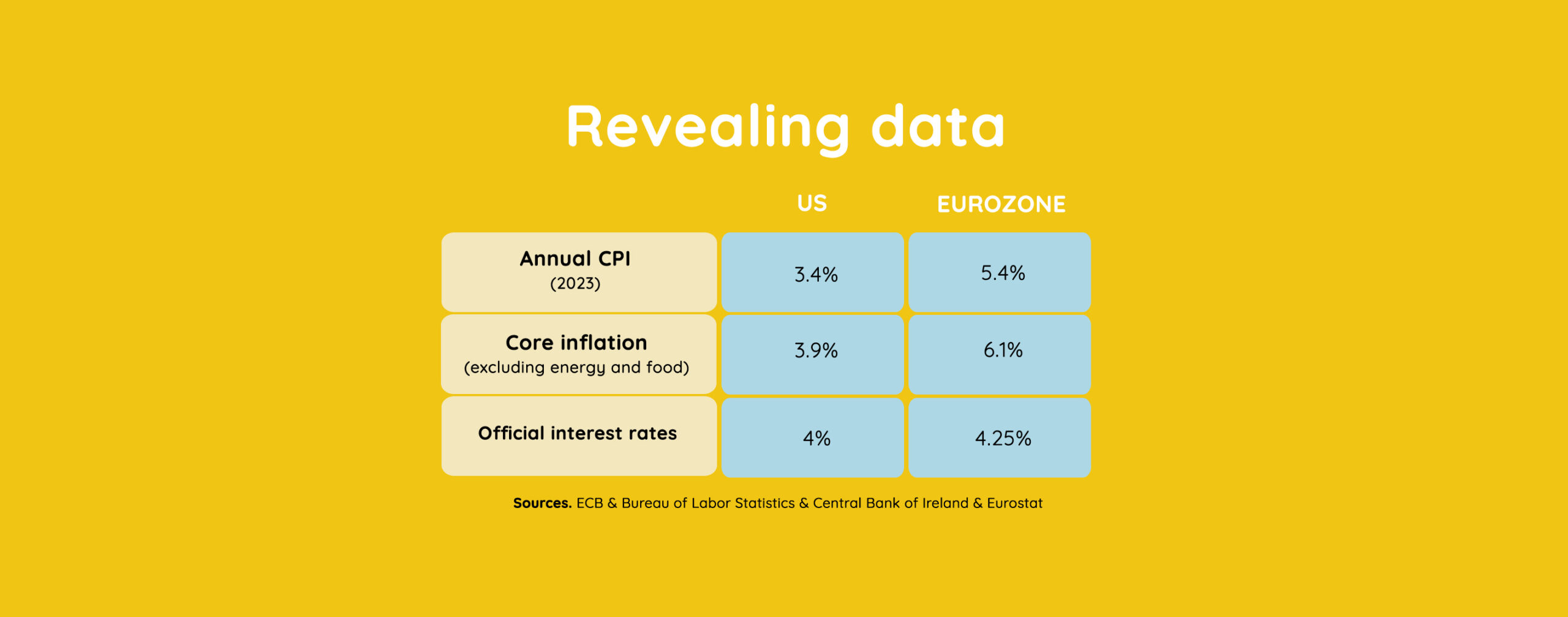
These data show that the distance is not only temporal but also structural.
A different social and political impact
Persistent inflation in Europe is not just an economic problem: it is also political and social. Consumers see that their shopping baskets are still much more expensive than three years ago, despite promises of moderation. This unease fuels discontent and, in many countries, reinforces populist rhetoric.
In the US, on the other hand, the official narrative has been able to capitalise on the Fed’s swift action, showing some recovery in confidence in the economic system.
Europe in the mirror
Persistent inflation in Europe reflects structural weaknesses: energy dependence, labour market rigidity and a lack of institutional agility. The ECB has improved its pace, but the real question is whether the European Union is willing to make the fundamental changes that its economies need.
The lesson from the United States is clear: speed and decisiveness can be painful at first, but they prevent longer suffering. Europe, caught between prudence and complexity, is still searching for a way out.
If you want to discover the best option to protect your savings, enter Preciosos 11Onze. We will help you buy at the best price the safe-haven asset par excellence: physical gold.



L’increment d’esdeveniments climàtics extrems suposa un repte per als governs i la població. Quines són les conseqüències econòmiques del canvi climàtic? Com ens podem preparar per als desastres naturals que afecten el nostre territori? En parlem amb Gemma Vallet, directora d’11Onze District i Carolina Rafales, de l’equip de producte.
Es preveu que l’estiu d’aquest any sigui un dels més calorosos de la sèrie històrica, es tracta d’una previsió que sembla repetir-se any rere any. Una entrada d’estiu marcada per un temps inestable i tempestes. Cada vegada més sovint, els meteoròlegs avisen que ve una nova DANA (depressió aïllada a nivells alts), més coneguda com a gota freda, que pot provocar precipitacions intenses durant hores o dies.
Els efectes del canvi climàtic són cada cop més palpables i no ens queda més remei que adaptar-nos i prendre les mesures necessàries per pal·liar els efectes econòmics i socials que acompanyen aquests esdeveniments climàtics extrems. Com explica Carolina Rafales, “Aquests fenòmens meteorològics poden presentar tempestes violentes i pedregades, per això cal estar preparats”.

Com fer front a una DANA
Aquest fenomen meteorològic es caracteritza per les precipitacions torrencials, sovint violentes i acompanyades de forts vents, que poden produir inundacions. El fet que aquestes precipitacions es produeixin en poc temps i en zones molt localitzades fa que puguin causar d’anys a les infraestructures i edificis perquè es fa difícil canalitzar tanta quantitat d’aigua.
Si la regió on vivim pot ser afectada per una gota freda “és essencial estar informats del desenvolupament de la tempesta i evitar sortir de casa a peu o en cotxe”, apunta Rafales.
Així mateix, ens recorda que “cal assegurar-se que les canonades i desaigües de casa nostra estan lliures d’obstruccions”.
De la mateixa manera, no estaria de més preparar-nos per si marxés la llum, un dels efectes negatius que sovint acompanyen aquestes tempestes. Rafales ens aconsella tenir sempre els mòbils ben carregats, o bateries externes auxiliars. En casos d’inundacions extremes haurem d’abandonar l’àrea afectada i buscar refugi en una zona alta, per la qual cosa és aconsellable tenir reparat un kit d’emergències que inclogui roba de recanvi, llanternes, una ràdio, una farmaciola i provisions.
Si vols conèixer una assegurança justa per a la teva llar i per a la societat, descobreix 11Onze Segurs.



An Invesco survey of central banks and sovereign wealth funds published on Monday confirms that more and more countries are repatriating their gold reserves as a hedge against Western economic sanctions.
The trend of hoarding gold in the face of economic and geopolitical uncertainty is not new. Over the past year, there have been repeated reports of record gold purchases by central banks seeking to diversify their reserves to protect against financial market volatility, runaway inflation and geopolitical tensions caused by the conflict in Ukraine.
According to data released last April by the World Gold Council (WGC), central banks had net purchases of 125 tonnes of gold at the end of February this year. This is a figure that, in year-on-year terms, has not been seen since 2010 and continues the upward trend experienced during 2022, ending the year with a record 1,136 tonnes of gold sold.
The downturn in financial markets over the past year and fears of a possible major recession generated widespread losses, but the freezing of almost half of Russia’s $640 billion gold and foreign exchange reserves by the West due to the conflict in Ukraine appears to have been key in triggering a policy shift in the investment strategies of government actors, accelerating the repatriation of gold reserves by central banks.
Our gold in our country
This is the conclusion of a survey conducted by Invesco, a global asset management firm, to 85 sovereign wealth funds and 57 central banks. The survey shows that almost 60% of the entities consulted are concerned about the precedent of sanctions against Russia and consider that these events have made gold a more attractive asset, while 68% hold reserves in their coffers compared to 50% in 2020.
A central bank representative quoted anonymously said: “We did have it (gold) held in London… but now we’ve transferred it back to own country to hold as a safe haven asset and to keep it safe.” Robert Ringrow, head of official institutions at Invesco who oversaw the report, said that this is the mantra that has been seen over the past year: “If it’s my gold, then I want it in my country.”
The economic sanctions that often follow geopolitical tensions are also the main cause of increasing de-dollarisation. Despite the fact that most central banks and institutions surveyed in the study still see no real alternative to the dollar as the world’s reserve currency, it is no coincidence that while the US dollar’s market share has fallen to 58.4% at the end of the fourth quarter of this year, demand for gold is reaching record highs.
If you want to discover the best option to protect your savings, enter Preciosos 11Onze. We will help you buy at the best price the safe-haven asset par excellence: physical gold.