

Nico, Carol and her dog Euro explain financial concepts in a simple way so that your children can better understand how the economy works, from the origin of money to the meaning of inflation.
Recommended for ages 4 and up.
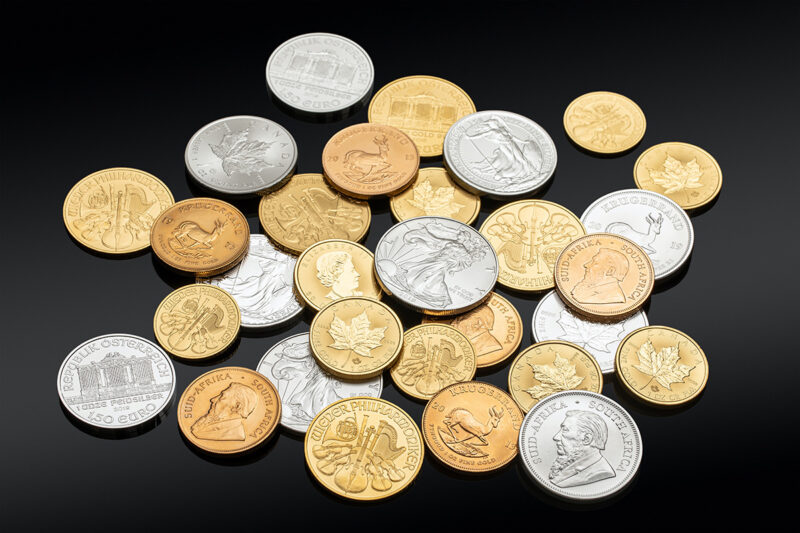
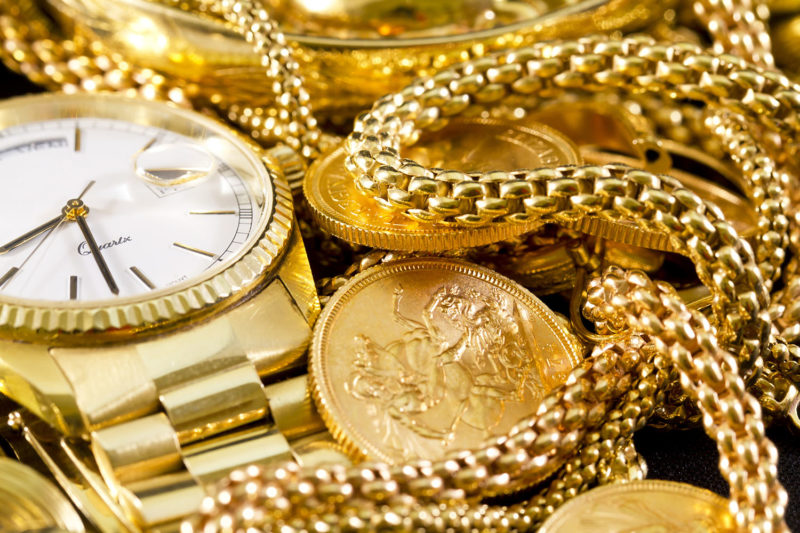
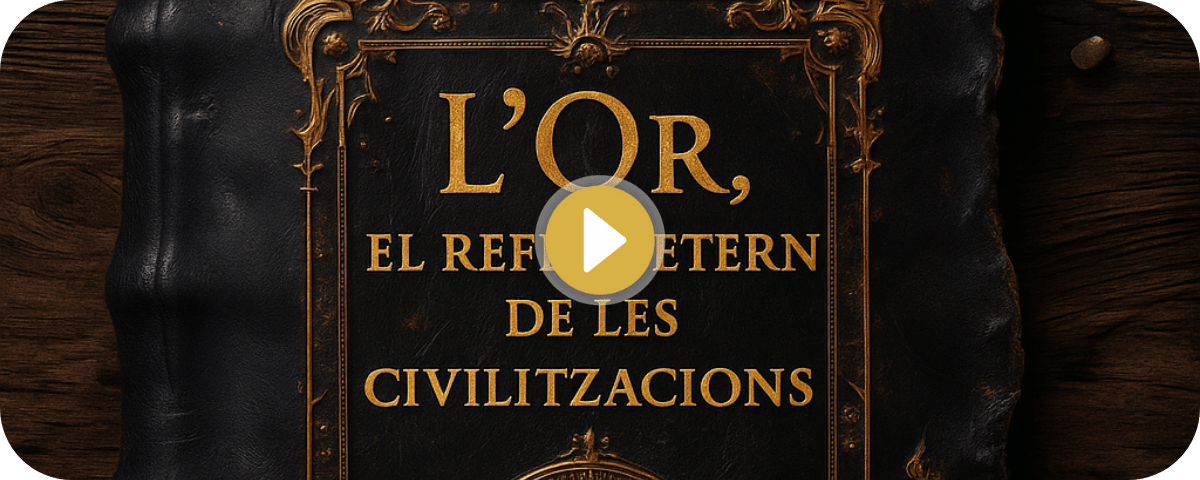
From the moment humans discovered the ability to work with precious metals, these metals became a mirror in which each civilisation projected its dreams and fears. For the Egyptians, gold was the flesh of the gods; for the Romans, the key to world domination; for the medieval Church, the materialisation of divine glory; and for modern states, the basis for controlling the global economy.
Over the centuries, gold has changed form, but not function. It has been idolised and plundered, buried and unearthed, turned into currency, reliquary or state jewel. It has built palaces, but it has also destroyed empires. Not only that, but it has symbolised both eternity and decadence.
In Ancient Egypt, gold was not just a valuable resource. It was, literally, the flesh of the gods. This symbolic conception is reflected in many sacred texts, such as the “Book of the Dead”, which describes the relationship between the god Ra—the supreme solar deity—and the precious metal. Gold, impervious to corrosion and the passage of time, became the perfect symbol of divine eternity.
The pharaohs, conceived as living incarnations of Horus and sons of Ra, used gold to legitimise and perpetuate their power. Not only did they decorate tombs and temples with this metal, but many ritual objects, sarcophagi, masks and liturgical jewellery were also crafted from pure gold, such as the famous funeral mask of Tutankhamen (14th century BC), which in itself is an exaltation of gold as a symbol of immortality.
If for the Egyptians gold was divine flesh, for the Romans it became the driving force of an empire. With Rome, the noble metal was de-divinised and transformed into a tool of earthly power: the foundation of a monetary system, the reward of a legionary, the key to bribery and the symbol of imperial greatness.
The first major step was taken by Julius Caesar, who between 46 and 44 BC minted large quantities of aureus to finance his ambitious military expansion. The aureus, a gold coin of the highest purity, was equivalent to 25 silver denarii and symbolised not only wealth but also authority.
With the fall of Rome, the Western world entered a long period of transition. But gold did not disappear: it changed hands and meaning. It was Charlemagne, King of the Franks and first Emperor of the Holy Roman Empire, who reformulated the role of gold as a tool of political and religious legitimacy.
His reign, which lasted from 742 to 814, marked a turning point. In Aachen, the symbolic capital of his power, a monumental palatine chapel was built, inspired by the Byzantine model of San Vitale in Ravenna. Domes, mosaics, and relics framed in gold show that the new Rome will not be a city, but an idea: the Renovatio Imperii Romanorum. Charlemagne himself was crowned by surprise by Pope Leo III in 800, in a ceremony full of golden liturgy that sought to consolidate the alliance between the throne and the altar.
The Renovatio Imperii Romanorum is thus based on a return to order, law and faith. Gold, in this context, is not a currency in regular circulation — since the Frankish economy is essentially rural — but a symbol of hierarchy, the sacred and mission. It is the halo of power incarnate.
At the same time, another vision of gold flourished on the Iberian Peninsula. Under Abd al-Rahman III, the Caliphate of Córdoba reached its peak, becoming one of the most brilliant cultural centres of the Middle Age. Here, gold was not just power: it was refinement, science, and beauty.
The Mosque of Córdoba, enlarged and embellished during his reign, makes masterful use of gold in its interior decoration. Byzantine mosaics, imported directly from Constantinople, cover the mihrab with subtle gilding that captures the light and elevates the space. Unlike Christian monumentality, here gold does not impose: it seduces.
The Caliphate mints the dinar, a gold coin with Koranic inscriptions, which circulates throughout al-Andalus and the Maghreb, demonstrating the commercial and political dynamism of Islam on the peninsula. But it is not just an economic issue: the dinar also acts as a calling card for Muslim power, at a time when calligraphy replaces iconography as an expression of faith.
The court of Córdoba also became a centre for translation, astronomy, medicine, and philosophy. Gold financed libraries, schools, and gardens. In fact, the people of Córdoba understood wealth differently: not as accumulation, but as cultural fertility. Thus, while the Carolingians reinforced the sacralisation of power with liturgical gold, the Umayyads of Córdoba saw it as a way to project sophistication and intellectual leadership. Two ways of shining in the same era.

The Renovatio Imperii Romanorum is thus based on a return to order, law and faith. Gold, in this context, is not a currency in regular circulation — since the Frankish economy is essentially rural — but a symbol of hierarchy, the sacred and mission.
The European Middle Ages were a fragmented, rural and theocratic world. In this context, gold—scarcer than in previous eras—took on a heightened value: it was not only wealth, but also a means of accessing divine grace or projecting feudal authority.
With the start of the Crusades in the 11th century, this metal began to move on a large scale once again. The expedition of the European monarchies to Jerusalem cannot be understood without the financial support of the feudal lords, who mortgaged lands, sold titles and even ceded castles to obtain gold. Under the religious pretext, the real objective was the possession of territories in the Holy Land, as spoils of war and control of the trade routes between East and West.
Thus, medieval gold was not everyday currency—silver dominated minor transactions—but it was a privileged instrument for connecting land, faith, and sword. Its presence in relics, altarpieces and processional crosses testifies to a value that transcends economics: gold as a visual language of transcendence.
While Europe ploughed fields and built cathedrals, an empire of bewildering wealth flourished in the heart of Africa: the Mali Empire. And its most emblematic ruler, Mansa Musa I, has gone down in history—not only for his devotion—but for being the richest person humanity has ever known.
His journey to Mecca in 1324 is legendary. According to the Arab historian Ibn Fadlallah al-Umari, Musa distributed so many kilos of gold in the markets of Cairo that the price of the metal plummeted for a decade. He brought thousands of slaves, horses, and camels laden with pure gold from the mines of Bambouk and Bure, in present-day Mali. This episode is not a romantic exaggeration: it is documented by various sources and even appears in the famous Catalan Atlas (1375), where Mansa Musa is depicted holding a golden sphere in his hand.
His reign marked a cultural and architectural explosion: the great mosque of Djenné was founded, and the city of Timbuktu became a centre of learning, where manuscripts were copied and Greco-Arabic knowledge was preserved. Mali’s gold was not used to conquer: it was used to educate, trade and establish relations with the Islamic and Mediterranean worlds.
When the Spanish conquistadors set foot in Tenochtitlan in 1519, they were so impressed by the order, symmetry, and monumentality of the city that Cortés himself compared it to Venice. But there was one element that eclipsed all others: gold.
In the Aztec religious universe, gold was not currency or an accumulable asset. It was, literally, the sweat of the sun —teocuitlatl—, a sacred material that could only be worked by specialised craftsmen, the Toltecs. It was used to make masks, ceremonial discs, ornaments for the gods and ritual objects. Its function was symbolic and spiritual, not commercial. Unlike in Europe, there were no gold coins or banking systems here, but rather an economy based on tribute and barter, with cocoa as the most common means of payment.
Moctezuma II, emperor of the Aztecs, maintained a refined court where gold was part of divine worship and state ceremonies. Sources such as Cortés’s Letters of Relation and Bernal Díaz del Castillo’s True History of the Conquest of New Spain describe the riches of the imperial palace with fascination and greed: ‘They had so many pieces of gold, so beautiful and mysterious, that no Christian king possessed any like them.’
But that same gold, which was sacred in Aztec logic, was capital to the Europeans. The misunderstanding between the two visions was absolute. The Aztecs offered gold to Cortés as a sign of respect and hospitality. He interpreted it as submission. From then on, the plundering began.
With the conquest of America, the Spanish monarchy—first under the Catholic Monarchs, and later under Charles I and Philip II—gained access to quantities of gold and silver that had been unthinkable until then. Between 1503 and 1660 alone, it is estimated that more than 180 tonnes of gold and 16,000 tonnes of silver arrived in Seville from the colonies, especially Peru and Mexico. This flow, known as the “gold of the Indies”, became the backbone of Castilian imperial power.
But this treasure, far from consolidating a stable empire, poisoned the peninsular economy. Gold made it possible to wage continuous wars in Flanders and Italy, but it was not reinvested in productive structures. Unlike England or Holland, Castile opted for military spending and imports, causing rampant inflation and foreign dependence. The metaphor is clear: a rich empire… but a poor one.
Philip II symbolises this paradox. Under his reign, El Escorial was built, a palace-monastery-fortress that was intended to be both the religious and administrative centre of the empire. Its architecture is severe, hieratic, almost otherworldly, but laden with symbols of power. The gold does not shine as it does at Versailles: it weighs heavily. It is the material reminder of an empire that aspires to dominate the world from a stone desert.
In Rome, however, gold takes on another function. With the Renaissance, the Catholic Church promotes artistic and spiritual renewal… and gold becomes God’s favourite pigment. Pope Julius II, known as “the warrior pope”, understood that in order to reaffirm Rome’s spiritual power, it was necessary to master the language of beauty. And gold was the perfect medium.
During his pontificate, he hired the best artists of the time: Michelangelo, Raphael, Bramante… and promoted the construction of the new St. Peter’s Basilica, with a dome that still defines the Roman skyline today. Gold covers altars, domes, frescoes, liturgical objects and altarpieces. But here it is not just belief: it is a visual catechesis. The message is clear: the glory of God must be tangible. In a Europe divided by the first Protestant criticisms, Rome speaks through art. And gold becomes the language of faith.
If in Rome gold is sacred art, in France it becomes the theatre of absolute power. With Louis XIV —the Sun King— Versailles is transformed into a monumental backdrop where every cornice, every mirror and every golden ornament communicates a single idea: everything revolves around the king.
The gold of Versailles is not used to pay for wars—of which there will be many, as it is the basis of mercantilism—nor to convince the people—who are starving—but to project the myth of the omnipotent monarch. In the words of Louis XIV himself: ‘I am the State.’
This means that gold is not distributed: it is concentrated. In the Hall of Mirrors, with more than 350 mirrors facing 17 gilded windows, the multiple reflections of the king create an illusion of infinity. It is the theatricalisation of power made palace.
Between 1503 and 1660 alone, it is estimated that more than 180 tonnes of gold and 16,000 tonnes of silver arrived in Seville from the colonies, especially Peru and Mexico. This flow, known as the “gold of the Indies”, became the backbone of Castilian imperial power.
With the advent of the Industrial Revolution and the development of the modern banking system, gold no longer circulates in sacks or carriages. Now, it is stored in security vaults and underpins the value of currency. It is the era of the gold standard.
England, a pioneer in centralised banking, established the gold standard in 1717 with the reform of the monetary system led by Isaac Newton, then director of the Royal Mint. Newton officially set the value of the pound sterling based on a specific amount of gold. This established a new relationship: gold = trust.
The Goldsmiths’ Company of London, founded in 1327, became one of the key institutions in the development of this system. Initially a guild of goldsmiths, it eventually evolved into a regulatory body and guarantor of the weight and purity of gold, creating standards that still govern the market today (Good Delivery List).
With the gold standard, the major industrial powers stabilised their currencies and generated international confidence. Gold does not need to be seen, it is enough to know that it is there. And so an invisible empire was built, with central banks holding tons of gold — such as the Bank of England or the Federal Reserve Bank of New York — making the metal a silent pillar of the world order.
After two world wars, European states are ruined, but the United States retains massive gold reserves. Thus, in July 1944, in Bretton Woods (New Hampshire), a new international monetary system is decided: all currencies will be linked to the dollar, and the dollar in turn to gold: £35 per ounce of gold.
Thus, the dollar becomes the new gold, and the United States its manager. This decision transforms the world: international trade, finance, diplomatic relations… everything begins to revolve around the dollar. It is a monetary hegemony with a gold base.
But at the same time, the great contradiction began: the US printed more dollars than it could back with gold. Europe and Japan grew, the Vietnam War became extremely expensive, and confidence faltered. Suddenly, gold weighed too much… or too little.
On 15 August 1971, Richard Nixon unilaterally announces the suspension of the dollar’s convertibility into gold. The Bretton Woods system collapses. For the first time, money no longer has an objective physical reference. Now, its value is based solely on trust and the management of central banks.
This marks the beginning of the era of fiat money, in which banknotes and digital zeros have value because… we decide they do. This opens the door to debt expansion, financial liberalisation and speculative bubbles.
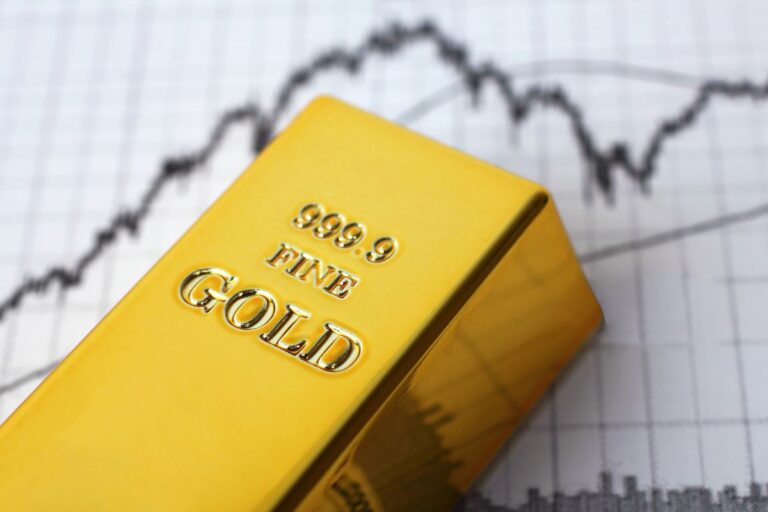
Meanwhile, gold — expelled from the system — once again grows as a safe-haven asset. The oil crises (1973 and 1979), rampant inflation in the 1980s, the fall of the Berlin Wall and the financial crises of the 21st century (2008, 2020…) mean that gold is once again considered insurance against uncertainty.

Gold, the eternal reflection of civilisations.
Today, in the 21st century, when cryptocurrencies are fluctuating wildly, public debt is reaching astronomical levels, and mistrust of institutions is becoming chronic, gold remains a silent but powerful benchmark.
Central banks in countries such as China, Russia, Turkey, and India are buying tonnes of gold to de-dollarise their reserves. Institutional investors see it as insurance against inflation and volatility. And more and more citizens see it as a form of personal sovereignty, outside the banking system.
Gold does not pay interest. It does not promise returns. But it does not lie. It is tangible, finite, universally recognised. When everything else falters — when stock markets fall, when governments falter, when currencies fluctuate — gold remains. And that is why, after millennia, it remains the eternal reflection of civilisations.
Protecting savings with physical gold has been one of the main contributions of 11Onze to its community and, now, the range of products is expanding. Therefore, in the face of volatility, still high inflation and the growing crisis of confidence in the banking system, gold is once again strengthening as a safe-haven asset. Discover Seed Gold at Preciosos 11Onze.
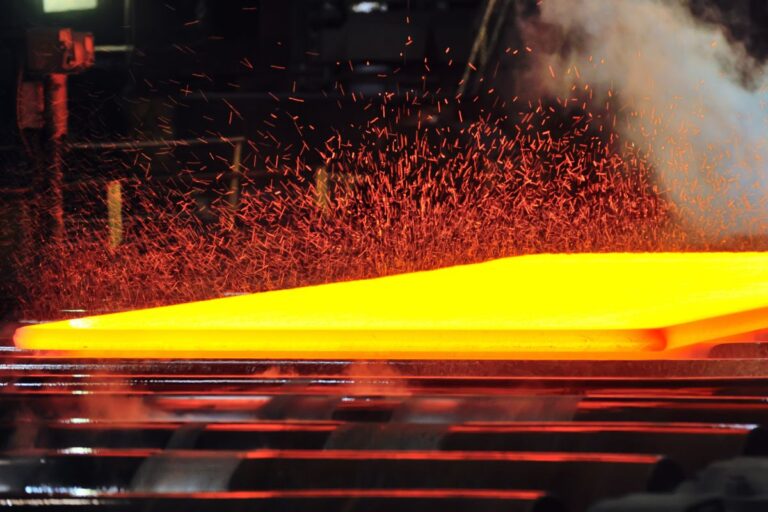 Culture
What does the gold industry contribute to society?
14 min readThere are currently 238 active gold mines in 36 countries...
Des de l’inici, les monarquies europees tingueren la convicció que tots els territoris del món els pertanyien per dret de conquesta. D’aquesta manera, la cartografia els va permetre anar ampliant i posseint la propietat d’una terra, sobre la qual es van autolegitimar com a possessors per imposar —no sempre a través de la força— el seu model de civilització per sobre les societats nadiues.
Aquest procés de supremacia cultural es fonamentà sobre la certesa religiosa de qüestionar la veritable naturalesa humana dels nadius. I la ferma creença en aquest raonament motivarà les monarquies europees a projectar una geografia de grans espais per a cristianitzar. La cobdícia dels nouvinguts donarà lloc a nombrosos abusos i genocidis, però també suposarà una catàstrofe demogràfica sense precedents en quant els territoris del nou món veuran reduïda a un 80% de la seva població nadiua.
El progressiu desenvolupament de les tècniques marítimes —com ara, la millora de la brúixola, la construcció de les caravel·les o l’actualització dels mapamundis— permetrà als europeus ser capaços de navegar per tots els mars i oceans que configuren el planeta en pocs anys. Aquesta gesta tindrà com a conseqüència la divisió del món en dues meitats, dues línies geogràfiques que, traçades entre els dos pols, els atorgarà la potestat rubricada per l’autoritat papal a repartir-se el món per zones de navegació, de pesca i de conquesta. La primera línia se situarà a 370 llegües a l’oest de les Illes del Cap Verd, mentre que la segona es fixarà a 297,5 llegües a l’est de les illes Moluques.
El descobriment d’importants jaciments de metalls preciosos a Amèrica —entre Mèxic i el Perú— o l’arribada a les illes de les espècies del sud-est asiàtic, propicià la fundació o refundació d’importants ciutats americanes, africanes o asiàtiques, les quals adquiriran un altre rol territorial a fi d’assegurar importants fluxos de riquesa vers Europa regularment. D’aquesta manera, les monarquies europees començaren a controlar tot el comerç que passarà pels seus territoris, amb la voluntat de protegir els seus guanys econòmics.
Des de principis del segle XVI fins a mitjan segle XVIII, els primers imperis colonials mantindran un estricte monopoli mercantilista amb les seves colònies, i es prohibirà comerciar amb persones o empreses que no siguin súbdits o afins a la Corona. Castella, per exemple, considerarà els anglesos, holandesos o francesos, no pas com a competidors sinó com enemics, causants de pràctiques corsàries i instigadors d’actes de pirateria.
El comerç amb les colònies es fonamentarà sota la premissa que els colons hauran de vendre les seves matèries primeres —a baix cost i amb alts impostos— exclusivament a empreses designades per la Corona. Alhora, els colons només podran comprar els productes de consum manufacturats per aquest selecte grup d’empresaris. D’aquesta manera, les monarquies afavoriran l’enriquiment il·limitat d’empreses i individus propers a l’Estat, atès que se’ls anul·larà la competència. Aquest sistema mercantilista crearà necessitats inútils per als nadius i buscarà el manteniment perpetu del subdesenvolupament de les colònies —tant americanes, africanes com asiàtiques— amb el propòsit d’anul·lar possibles competidors directes amb la metròpolis.
I per reblar el clau, l’alt funcionariat proper al consell del rei també hi jugarà un paper molt destacat en aquest innovador sistema econòmic, ja que disposava de la capacitat d’agilitzar o endarrerir tràmits burocràtics per afavorir uns o altres. Per tant, serà inevitable l’aparició d’un comerç il·lícit i paral·lel entre colònies i propiciarà que molts empresaris, tant grans com petits, cerquin la manera de burlar-se dels controls burocràtics imposats per la mateixa Corona.
Actuant com a nou-rics, els primers imperis colonials —principalment Castella— gastaran una quantitat indecent de recursos econòmics per a construir el seu concepte de civilització. Aquesta obsessió —de vegades incontrolada— els portarà a embarcar-se en infinitat de conflictes de tota mena, com ara: disputes teològiques, conflictes familiars, afers comercials o fastuoses construccions megalòmanes.

“Aquest sistema mercantilista crearà necessitats inútils per als nadius i buscarà el manteniment perpetu del subdesenvolupament de les colònies —tant americanes, africanes com asiàtiques— amb el propòsit d’anul·lar possibles competidors directes amb la metròpolis.”
Coincidint amb el moment de major extracció econòmica de les colònies americanes —entre finals XVI i principis del XVII— Castella destinarà més de 7 milions de ducats al manteniment de la seva flota al Mediterrani durant la famosa batalla de Lepant. En uns set anys aproximadament, es gastarà la barbaritat d’11,7 milions de ducats per a finançar les innumerables campanyes de Flandes.
Per commemorar la victòria a la batalla de Saint-Quentin contra les tropes franceses, es destinaran prop més de 6,5 milions de ducats per a construir el fastuós Reial Monestir de Sant Llorenç de l’Escorial. Gràcies a la construcció i posada en marxa de la Grande y Felicísima Armada, la conegudíssima Armada invencible pels seus adversaris, enviaran 9 milions de ducats directament al fons del mar. I com no podia ser d’una altra manera, aquesta civilització catòlica i universal necessitarà la construcció d’una nova capital a la riba del riu Manzanares. Per al lector que tingui curiositat per la conversió, el ducat del segle XVI i de començaments del segle XVII tindria actualment una equivalència d’uns 167,1 euros. Cert, les xifres són… esfereïdores!
Per tant, entre el 1500 i el 1650, la monarquia castellana —i per proximitat, la resta de monarquies europees— viurà dins d’una veritable bombolla econòmica generada per l’entrada massiva dels metalls preciosos. Els darrers estudis estimen que la Corona castellana hauria extret de les colònies americanes unes 17.000 tones de plata i unes 70 tones d’or. Aquesta borratxera de metalls conduirà a l’Estat a tenir una visió tergiversada de l’economia real.
La paradoxa es produirà quan, malgrat la ingent entrada d’or i de plata i el cobrament d’impostos elevats, no arribaran a cobrir totes les despeses produïdes per l’Estat. Tinguem present que la Corona castellana només utilitzarà aquesta extraordinària riquesa per a finançar tots els deliris de grandesa de les elits castellanes, que en la majoria de les vegades toparà directament amb les necessitats reals de la població. Per aquest motiu, quan les oligarquies d’un país estan més interessades a treballar per la fastuositat que no pas per les possibilitats reals que ofereix la reinversió de capitals, tot plegat condueix a la destrucció del propi teixit productiu.
A mitjan segle XVII, la Corona castellana arribarà a tenir un deute econòmic de més de 100 milions de ducats. Aquest deute gegantí els obligarà a declarar successives suspensions de pagaments. Per a tapar aquest forat, la Corona es veurà obligada a emetre gran quantitat de deute públic que anirà a parar a mans dels principals bancs europeus, com ara la banca alemanya —els Fugger o els Welser— i la banca genovesa dels Spínola, Centurione, Balbi, Strata i, sobretot, Gio Luca Pallavicino. La Corona pagarà els Welser a través de la concessió de l’explotació de les mines de Mèxic i el dret de conquesta sobre extensos territoris a les actuals Veneçuela i Colòmbia. Per la seva banda, els Fugger aconseguiran totes les concessions comercials sobre els territoris de Xile i el Perú. Actualment, són unes de les famílies més poderoses del continent. I, tots els luxosos palaus de l’strada nuova de Gènova, artèria del luxe de la ciutat, encara avui constitueixen la concentració més gran de residències aristocràtiques de tota Europa.
Davant les successives crisis financeres que la Corona castellana començarà a patir, molts empresaris europeus residents a les colònies americanes preferiran no embarcar els seus metalls preciosos cap als ports castellans —monopoli concedit a Cadis i Sevilla— per por a les massives confiscacions decretades per la Corona. Per això, buscaran invertir els seus actius en altres sectors emergents de l’economia colonial de finals del segle XVII, com seran l’agricultura, la ramaderia i la producció de manufactures.
Per tant, la Corona castellana es veurà obligada a cercar noves fonts regulars d’ingressos. Per aquest motiu, posarà en marxa l’ambiciós pla del ministre del rei —el comte duc d’Olivares— conegut com la Unión de Armas, el qual pretendrà que cada regne que formi part de la Monarquia Hispànica —o sigui, principalment Portugal i la Corona d’Aragó— aportin un nombre determinat de diners i soldats.
“A mitjan segle XVII, la Corona castellana arribarà a tenir un deute econòmic de més de 100 milions de ducats. Aquest deute gegantí els obligarà a declarar successives suspensions de pagaments.”
Portugal, que formava part de la Monarquia Hispànica des de finals del segle XVI, es negarà a concedir qualsevol aportació econòmica de més, donat que Castella explota les seves colònies, la qual cosa acabarà amb un conflicte bèl·lic que durarà més de 28 anys. Finalment, amb el suport econòmic d’Anglaterra i Holanda, Portugal aconseguirà deslligar-se del control dels Àustries, però el preu que haurà de pagar comportarà la cessió d’importants territoris del Brasil i el canvi de titularitat sobre les colònies de Ceilan —actual Sri Lanka—, Ciutat del Cap, Goa, Bombai, Macau i Nagasaki, entre d’altres.
Pel que fa a la Corona d’Aragó, l’oligarquia castellana no calibrarà la situació correctament quan accepti que el rei Felip IV juri les constitucions catalanes, condició sine qua non per obtenir els fons desitjats. La ignorància sobre les lleis que regulaven les funcions del rei dins dels territoris catalans serà el focus d’importants discussions institucionals, puix el rei —dins del Principat— estava obligat per llei a donar explicacions sobre la utilització dels recursos concedits. Per la seva banda, els catalans estaven més interessats a aprovar les seves propostes de noves constitucions catalanes i que s’atenguessin els greuges, que no pas a participar en guerres absurdes.
Però a la gènesi del debat institucional —entre Castella i el Principat— hi trobem un problema molt més profund. Si des de finals del segle XVI, Castella havia transitat cap a un sistema polític de caràcter absolutista, on el poder només resideix en una sola persona, la qual decideix sense haver de rendir comptes a cap parlament, al Principat passava el contrari, on les Corts Generals de Catalunya havien esdevingut l’òrgan legislatiu que representava tots els estaments de la societat, inclòs el rei.
L’entrada constant de metalls preciosos dins l’economia castellana es mantindrà estable fins a mitjan segle XVIII, però només un percentatge molt ínfim restarà dins del sistema econòmic castellà, atès que la resta continuarà utilitzant-se per a eixugar el monstruós deute de l’Estat. La historiografia estima que fins a l’any 1820, l’Estat espanyol no es recuperarà d’aquesta grandiosa despesa i serà —en gran part— pel fet d’haver-se annexionat l’economia productiva de tota la franja mediterrània peninsular a principis del segle XVIII.
El sistema de privilegis i monopolis desenvolupats per la política comercial borbònica continuarà fent aigües i es veurà en la necessitat d’introduir nous agents per a garantir la viabilitat del comerç amb Amèrica. Per tant, amb el Reial decret de Lliure Comerç del 2 de febrer de 1778 trencarà definitivament el monopoli de Cadis i Sevilla i afavorirà el comerç directe de Catalunya amb Amèrica, que aportarà una nova manera de fer. Actualment, i curiosament, el 34% del PIB de l’Estat espanyol el continua aportant l’economia productiva de tota la franja mediterrània peninsular. Doncs, res és casual…
11Onze és la fintech comunitària de Catalunya. Obre un compte descarregant la super app El Canut per Android o iOS. Uneix-te a la revolució!
On 20 May 2002, East Timor gained independence after a cruel Indonesian occupation and a UN-supervised transition. Montenegro followed in 2006 and Kosovo in 2008, after more than a decade of conflict in the Balkans. Also in 2008, a few countries recognised the independence of Abkhazia and South Ossetia in their conflict with Georgia. The last country to become independent so far in the 21st century was South Sudan in 2011.
On 20 May 2002, this enclave in the eastern half of the island of Timor achieved full independence. It did so after a transition of more than two years under UN control. It had been preceded by centuries of Portuguese colonisation and a brutal Indonesian occupation. The new country, sandwiched between Australia and Indonesia, was at the time the poorest in Asia.
The decolonisation of East Timor has certain parallels with that of Western Sahara. Just as Spain’s withdrawal from the African colony led to Morocco’s occupation, the Portuguese withdrawal in 1975 was used by Indonesia to invade the territory and initiate a cruel repression, resulting in between 100,000 and 250,000 deaths.
The UN-sponsored referendum in 1999 was won by the independence option, which became effective in 2002. However, political and social instability continued until 2012, when the UN mission left the country for good.
East Timor, which is less than half the size of Catalonia and has a population of more than one million, has a constitution modelled on the Portuguese one. Its gross domestic product (GDP) has grown from less than $500 million in 2002 to more than $1.8 billion in 2020.
The territory of Montenegro was under Roman, Byzantine, Serbian and Ottoman control for two millennia, with some intervals of autonomy. In 1878 it became a principality, but after World War I it was integrated into what was to become Yugoslavia, along with Slovenia, Croatia, Serbia, Macedonia and Bosnia-Herzegovina.
National tensions between the different republics continued after World War II, with Yugoslavia in the communist orbit. To defuse these tensions, a new constitution was adopted in 1974 guaranteeing self-determination for each of the six Yugoslav republics.
Ethnic conflict erupted in the 1990s. Yugoslavia was dismembered, and only Montenegro remained united with Serbia, although a referendum on 21 May 2006 also established the division of the two countries. Independence was approved with more than 55% of the vote, the condition set by the European Union for accepting the new state.
Since independence, Montenegro’s GDP has grown from $2.722 billion in 2006 to $4.779 billion in 2020. The EU has granted the Balkan country candidate status.
Like Montenegro, Kosovo went through the domination of multiple empires and kingdoms before being integrated into Yugoslavia. In addition, ethnic clashes have marked its history since the Middle Ages.
In 1990 the region’s assembly proclaimed the Republic of Kosovo within Yugoslavia and two years later it declared independence, although Serbia did not recognise this decision. The 1998-1999 war between Serbs and Albanians ended with NATO intervention and the establishment of a UN protectorate.
Kosovo’s parliament unilaterally proclaimed independence on 17 February 2008, although it remained under international tutelage for four years. Some 100 countries and multilateral organisations have recognised the new republic, although some states, including Spain, still do not accept Kosovo’s independence.
The GDP of Kosovo, with a population of almost two million people, has risen from $5.69 billion in 2008 to $7.61 billion in 2020.
The situation of Abkhazia and South Ossetia is somewhat reminiscent of that of the separatist provinces of Ukraine. These two pro-Russian territories in the Caucasus proclaimed their independence from Georgia a year after the break-up of the USSR, but neither country officially recognised the two new states until 2008.
The 2008 war between Georgia and these two separatist provinces prompted Russia’s involvement, which tipped the balance in favour of Abkhazia and South Ossetia. Russia and four other countries then recognised their independence, although most of the international community still considers them part of Georgia.
Abkhazia’s territory covers 8,665 km², while South Ossetia’s is less than 4,000 km². In terms of population, the population of the former is less than a quarter of a million, while the latter barely exceeds 50,000. In 2020, Abkhazia’s GDP was estimated at less than $500 million and South Ossetia’s at around $100 million. The economies of both territories are heavily dependent on Russia.
Located south of the Sahara Desert in Central Africa, Sudan was once dominated by the Nubians. After centuries of independence, it came under Turkish control in the early 19th century. After another period of independence in 1899, Sudan was invaded by Egypt, which was then a protectorate of the UK.
Sudan ceased to be a British colony in 1956, but ethnic and religious differences plunged it into civil war until 1972 between the Muslim-dominated north and the Christian- and animist-majority south.
Conflict broke out again in 1983 and lasted until 2005. In January of that year a peace agreement was signed guaranteeing a six-year period of autonomy for the southern region, after which a referendum on independence would be held.
In the plebiscite, held in early 2011, independence won over 98% of the vote. The southern state’s independence was officially proclaimed on 9 July of that year, leaving the country divided between Sudan and South Sudan.
With a territory almost as large as France, it has a population of around 13 million people and a GDP of just over USD 3 billion.
11Onze is the community fintech of Catalonia. Open an account by downloading the super app El Canut for Android or iOS and join the revolution!
The use of economic sanctions by the US and its client states as an instrument of coercion is not new. In recent decades, it has been a doctrine that has been applied extensively by the US administration. Democrats and Republicans alike have used it against any country that opposes US economic or political interests.
Throughout history, the application of sanctions has been shown to be ineffective in forcing a change of behaviour. Still, it can be a useful tool when the aim is to punish a country economically, especially the working class, or to weaken its defensive capacity in preparation for a coup or military intervention. However, the application of these punitive measures also has a downside.
While countries with little military capacity or global economic clout have no choice but to resort to the black market or trade agreements with states not aligned with the West in order to circumvent economic sanctions, big global players such as China or Russia are creating an alternative or multilateral economic system to shield their economies, as well as their technological and military capabilities.
As in so many international conflicts, the rhetoric applied by Western media and politicians when they constantly repeat that the “international community” has decided certain things or condemns the actions of certain countries, we cannot forget that this so-called “international community” only includes the United States, Canada, the United Kingdom, the European Union, and perhaps Australia, Japan, and some Micronesian islands, but leaves out a large part of the international community that either opposes this rhetoric or prefers to remain neutral.
Therefore, we have to keep this multilateral world in mind when understanding that, while the mislabelled “international community” includes a very significant part of the most influential global actors, there are other important economic actors such as the Asian bloc, led by China, which are quite relevant and are increasing their global influence year after year.
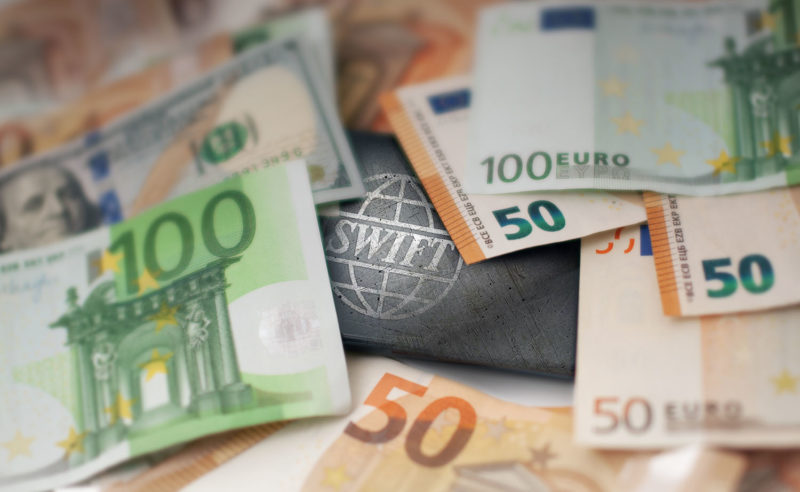
That said, it is true that the power of influence that the West boasts thanks to its dominance of the interconnection tools of the global financial system goes beyond its myopic definition of the international community. The hegemony of the dollar as the world’s reserve currency, the Swift protocol for communications between banks, banking transactions via Visa or Mastercard, together with control of the International Monetary Fund and the World Bank, give the West, especially the United States, an unparalleled capacity for persuasion.
In this sense, both Russia and China have already created alternative systems that have come into operation in recent years and that to a greater or lesser extent are lessening the negative effects of the sanctions imposed by the West in recent decades, and more recently due to the conflict in Ukraine. Domestic digital money or merchant-to-merchant payment systems, such as UnionPay and Mir, are growing in popularity beyond the borders of these two countries.
It is no secret that countries outside the Western sphere have been buying large amounts of gold for years, but it is perhaps less well known that central banks of other states are doing the same. The safe-haven asset value of the precious metal in times of crisis is more than established, but the increased interest in buying gold transcends concerns about sovereign debt bubbles or runaway inflation.
As seen last month from Russia, it can also serve to stabilise a monetary system whereby the value of currencies is underpinned by their convertibility to gold. This is known as the “gold standard”. Thus, the Russian government announced the temporary convertibility of the rouble to gold at a fixed value, which stabilised the value of the rouble, recovering from the fall against the dollar.
Still, it remains to be seen what final strategy will be pursued and the consequences for the international monetary system. The Russian government’s announcement that countries that apply US sanctions would have to buy oil and natural gas in roubles or gold could cause much of the global energy trade to shift away from the dollar, breaking the status quo.
Although, as Russian Finance Minister Anton Siluanov reported, Western sanctions have frozen half of the country’s foreign exchange and gold reserves, about $300 billion, Russia remains the world’s second-largest gold producer after China, with reserves worth $140 billion. The intrinsic difficulty in tracking purchases or sales made with precious metals calls into question the effectiveness of sanctions.
The viability of Russia keeping the rouble pegged to gold is closely related to Russian energy demand. Interdependence with EU countries will wane, even though countries such as Hungary and Germany have already announced that they will continue to buy gas from Russia paying in roubles, or euros converted into roubles, through Gazprom’s bank account.
Still, given the multipolarity of global power and the response of the (real) international community, Moscow’s ability to make a winning move in this international geopolitical chess game cannot be underestimated.
If you want to discover the best option to protect your savings, enter Preciosos 11Onze. We will help you buy at the best price the safe-haven asset par excellence: physical gold.
In a world where everything advances at an accelerated pace, keeping information up to date is practically a luxury exclusive to social networks. With a filter of objectivity (to a greater or lesser extent) and under deontological codes, the media joins in to explain the daily events that happen everywhere. But where is all this information collected? Be it facts, people, concepts, or dates, the scope of information from the internet is so complex that it becomes diffuse and even unreliable.
In a new episode of People, we talk to Pau Colominas about Wikipedia, a free encyclopaedia where many volunteers collect and disseminate all kinds of content in our language. Everything we would find in a printed encyclopaedia is there. With an important nuance: the information can be updated at any time. A milestone that can only be achieved thanks to digitalisation and the efforts of hundreds of Wikipedians who dedicate their time to disseminating knowledge in Catalan to the Catalan and international community.
Pau Colominas highlights a crucial fact: “Catalan was the second language to upload content to the platform, after English“. Since then, the creation of content in our language has been on the rise, reaching the 700,000 articles that we can currently find. The impact of our language on the platform is significant, and Colominas highlights, in particular, the quality of this content, which, he says, “is often superior to that of other languages”.
The focus of the problem, however, remains when it comes to doing searches, and he points out that “even native Catalans tend to search the internet in Spanish“. Among the reasons, Colominas identifies the configuration of computers and search engines, and the imaginary of times gone by when the presence of Catalan on the internet was low and with lower quality content.
Episode 18 | People: Wikipedia
A large team of volunteers makes it possible for Wikipedia’s mission to come to fruition. Colominas explains that you don’t need to be a scholar in any of the subjects, but you do need to be willing to dedicate time. He stresses that the dissemination of knowledge does not start from the content, but from the sources: “The guarantee of Wikipedia is the guarantee of the sources you use“.
All the information that Wikipedia collects is characterised by the fact that it has been published before, and this alone reduces the scope for inventiveness. In addition, a team of Wikipedians like Pau filter and identify any content that may be offensive to individuals or groups, or that may represent a conflict of interest.
11Onze is the fintech community of Catalonia. Open an account by downloading the super app El Canut on Android and Apple and join the revolution!
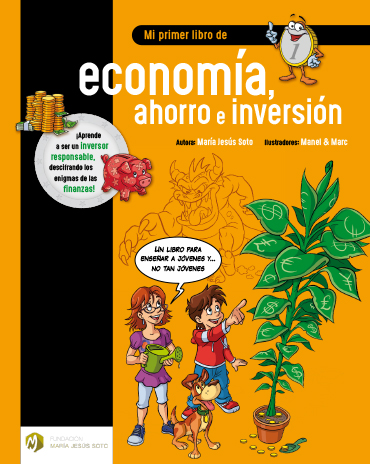
Nico, Carol and her dog Euro explain financial concepts in a simple way so that your children can better understand how the economy works, from the origin of money to the meaning of inflation.
Recommended for ages 4 and up.
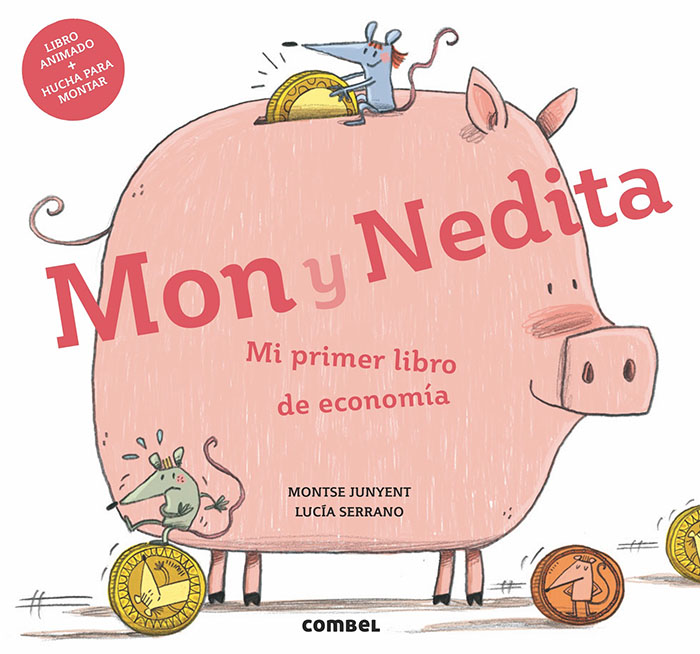
It is about two mice who want to give a present to their mother and start an adventure to discover the value of money. It helps the youngest children to understand that everything has a price and that to withdraw money from a cashpoint you first have to deposit it in the bank.
Recommended for ages 4 and up.
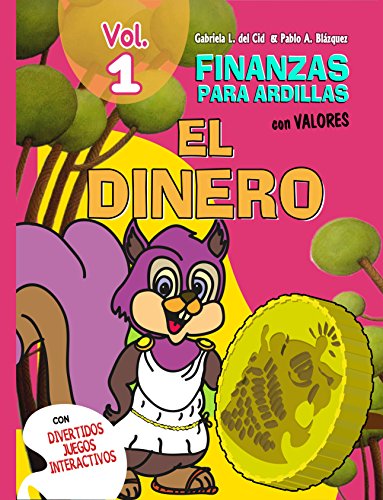
Through games and interactive crafts, the youngest members of the household will learn about the economy with Gardi the squirrel, who explains what money is, its functions, its origin and its evolution over time.
Recommended for ages 5 and up.
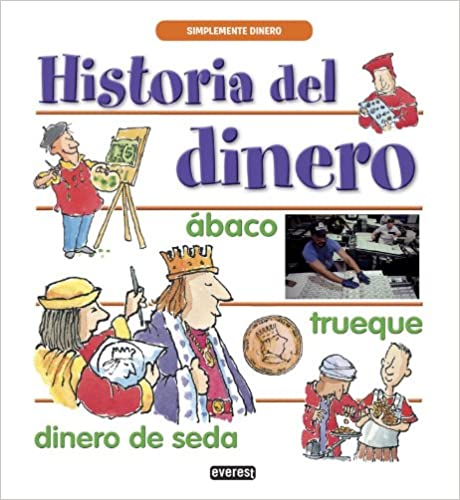
This series consists of six books and will teach your children, through stories, illustrations, photos and diagrams, how money came about, how it has evolved in different parts of the world and how we use it.
Recommended series for ages 6 and up.
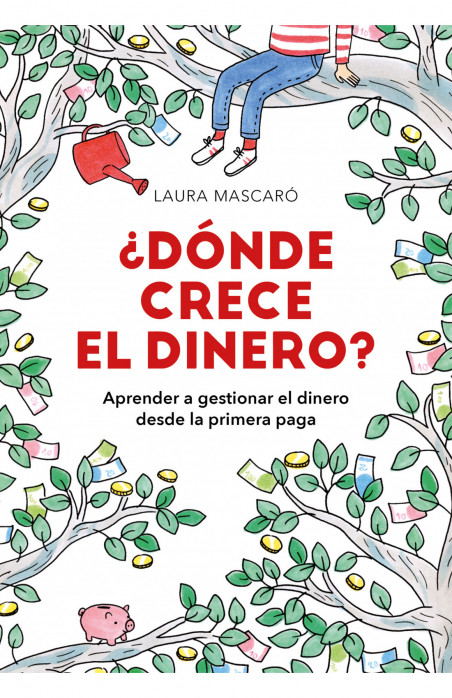
Based on different peculiarities, this illustrated book teaches children basic financial concepts, such as value and price.
Recommended for ages 9 and up.
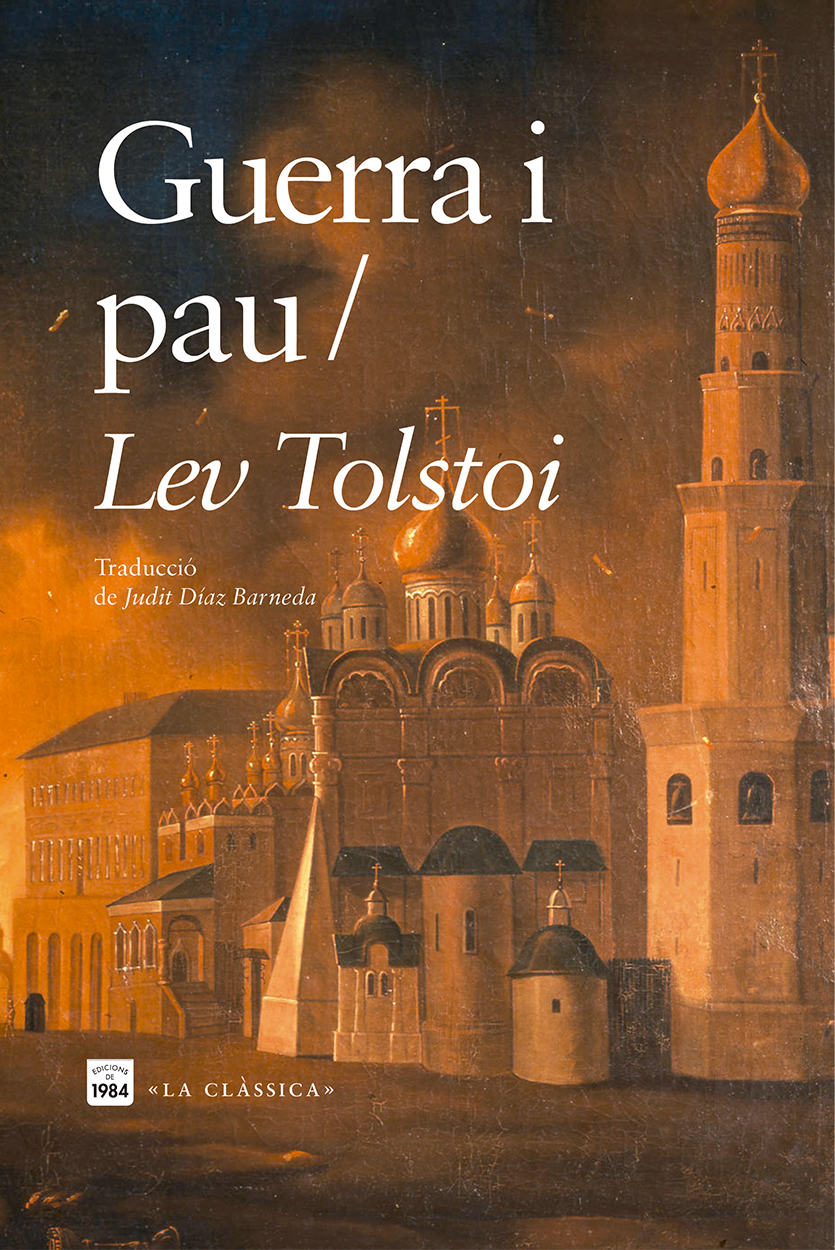
Edicions 1984 reissues this classic by Lev Tolstoy, at a time when it could not be more topical. One of the great classics of Russian literature that delves into the great issues of humanity, as current today as Tolstoy’s Russia. It is a key work, with countless rounded and memorable characters. This is the first translation, by Judit Díaz, made directly from the canonical Russian version. Virginia Woolf said that there was no experience of human existence that did not appear in this work and, perhaps, reading these two very long volumes is a good opportunity to see that neither Russia nor the past are as far away as we think.
Source: Edicions 1984
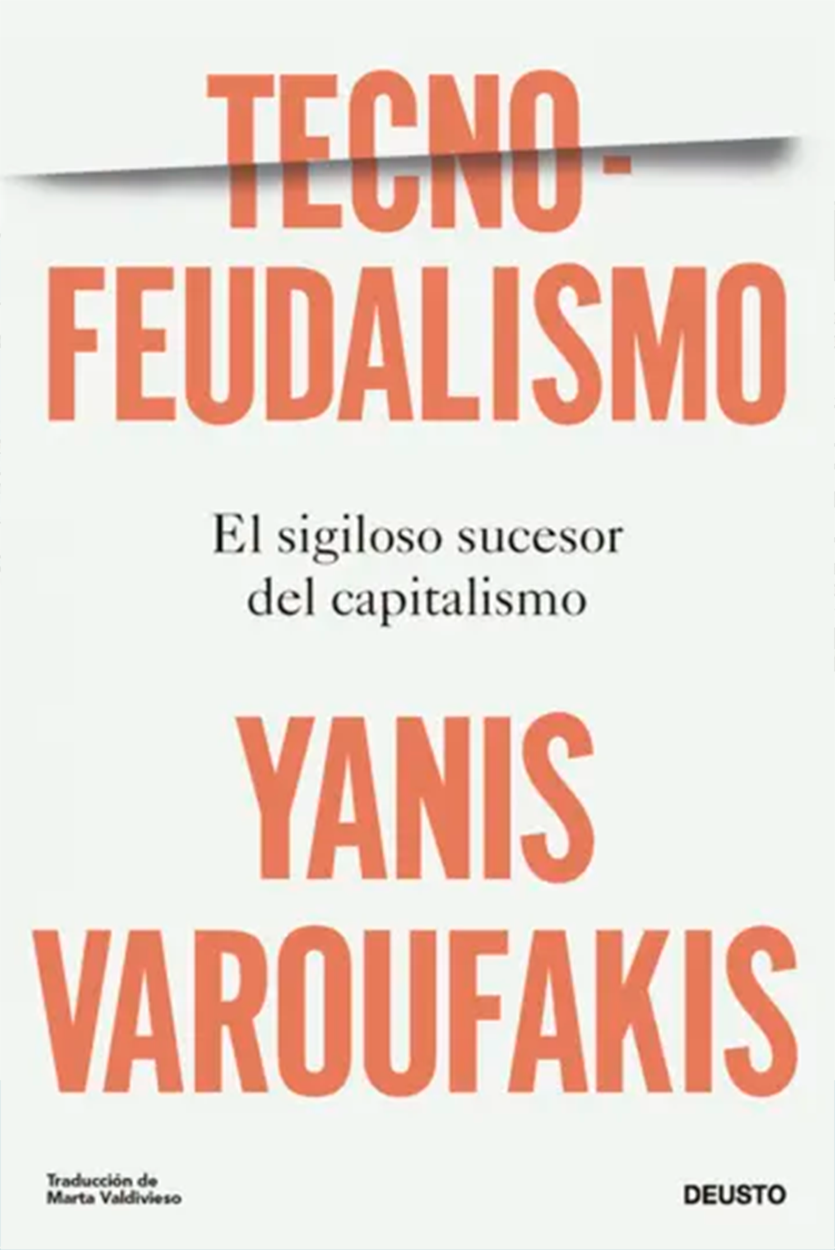
Yanis Varoufakis, former Greek finance minister, launches a very suggestive idea in this essay: the successor to capitalism is what he calls techno-feudalism. Tecnofeudalismo, unfortunately, can only be found in Spanish in a Deusto edition, nonetheless, it is a remarkable work that follows the star of Shoshana Zuboff’s La era del capitalismo de la vigilancia. Varoufakis’s point is so obvious that no one has ever said it before: we have entered an age of techno-feudalism, where Big Tech appropriate our data, just as feudal lords appropriated the fruit of the land. Understanding this astonishing alteration of the social order is key if we want to work towards a more economically just society. And the way out, as the Remenses would say.
Source: Deusto
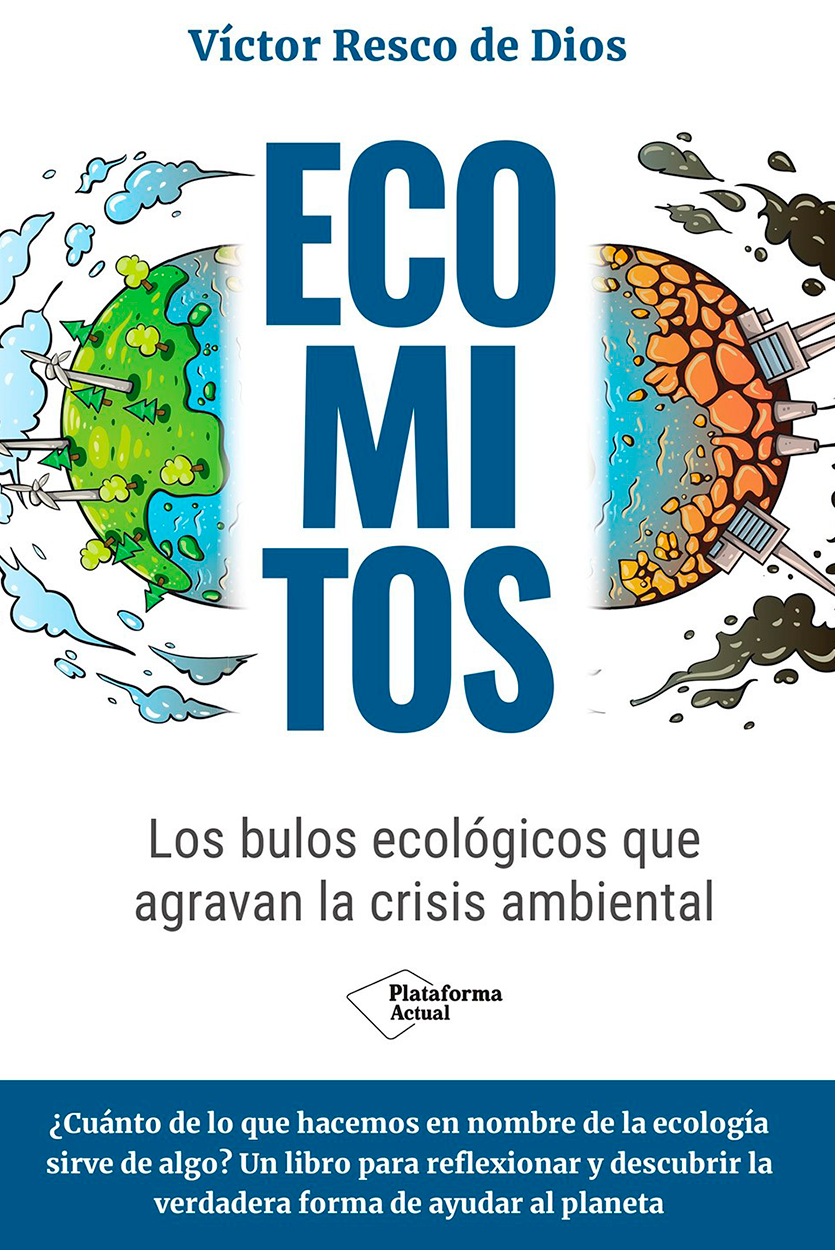
Victor Resco de Dios is a professor of forestry engineering at the University of Lleida and has published Ecomitos, with Plataforma Editorial. It analyses the lies about the measures to combat climate change: how can a small percentage of the population pollute so much more than most of the population; are the measures being implemented effective; do they have scientific support or only political support? The fight against climate change is essential, but this book helps us avoid being taken for a ride. The only regret is that despite being a Catalan publisher and a book by a Catalan university professor, there is still no edition in our language.
Source: Plataforma Editorial
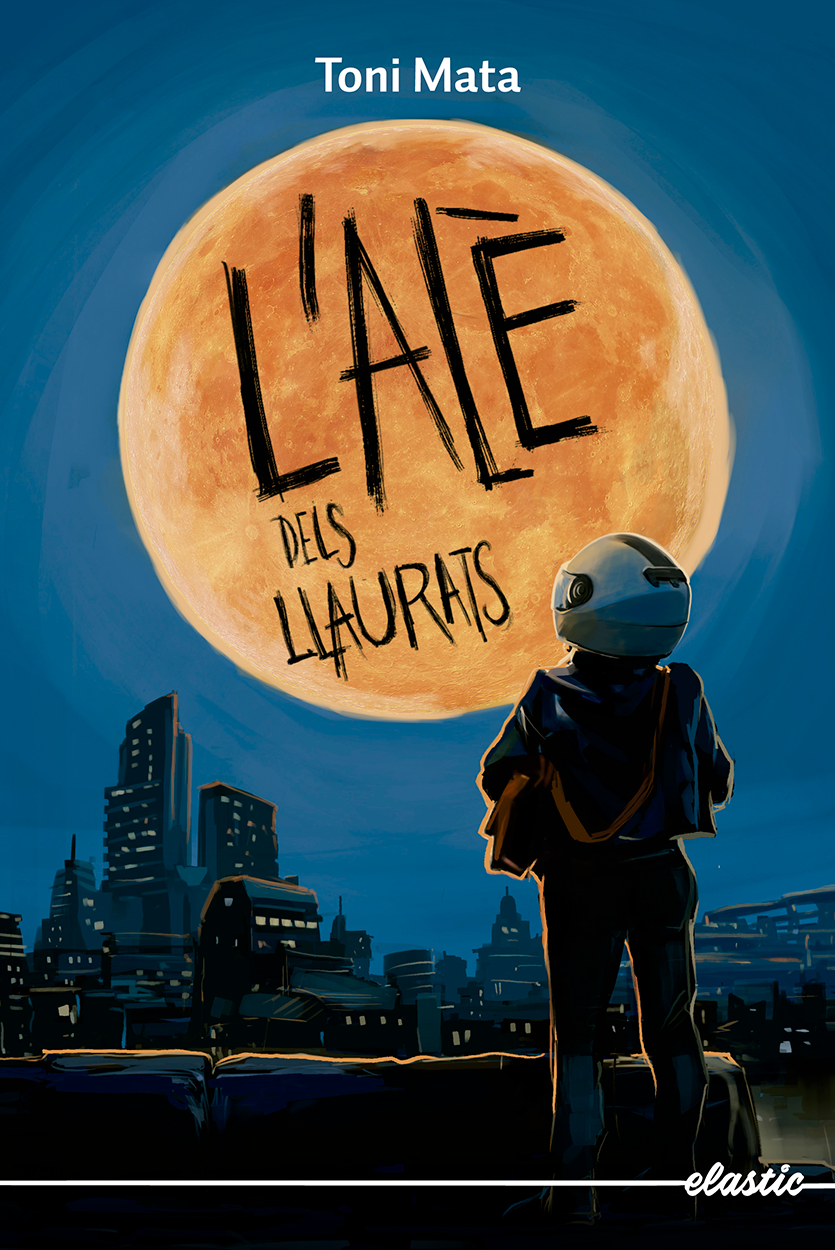
After the good reception of Nascuts per ser Breus Toni Mata publishes the second part of this devastating and bloody dystopia that dissects the selfishness, fallacies and hopelessness of today’s capitalism. In L’Alè dels Llaurats, Mata returns to the Eternal City that captivated young people and won him the Joaquim Ruyra, Protagonista Jove and Menjallibres awards. The Head of Content and Communication at 11Onze offers a new dose of moral dilemmas and extractive economics in this long-awaited second part that explores the limits of dehumanisation.
Source: Grup Enciclopèdia
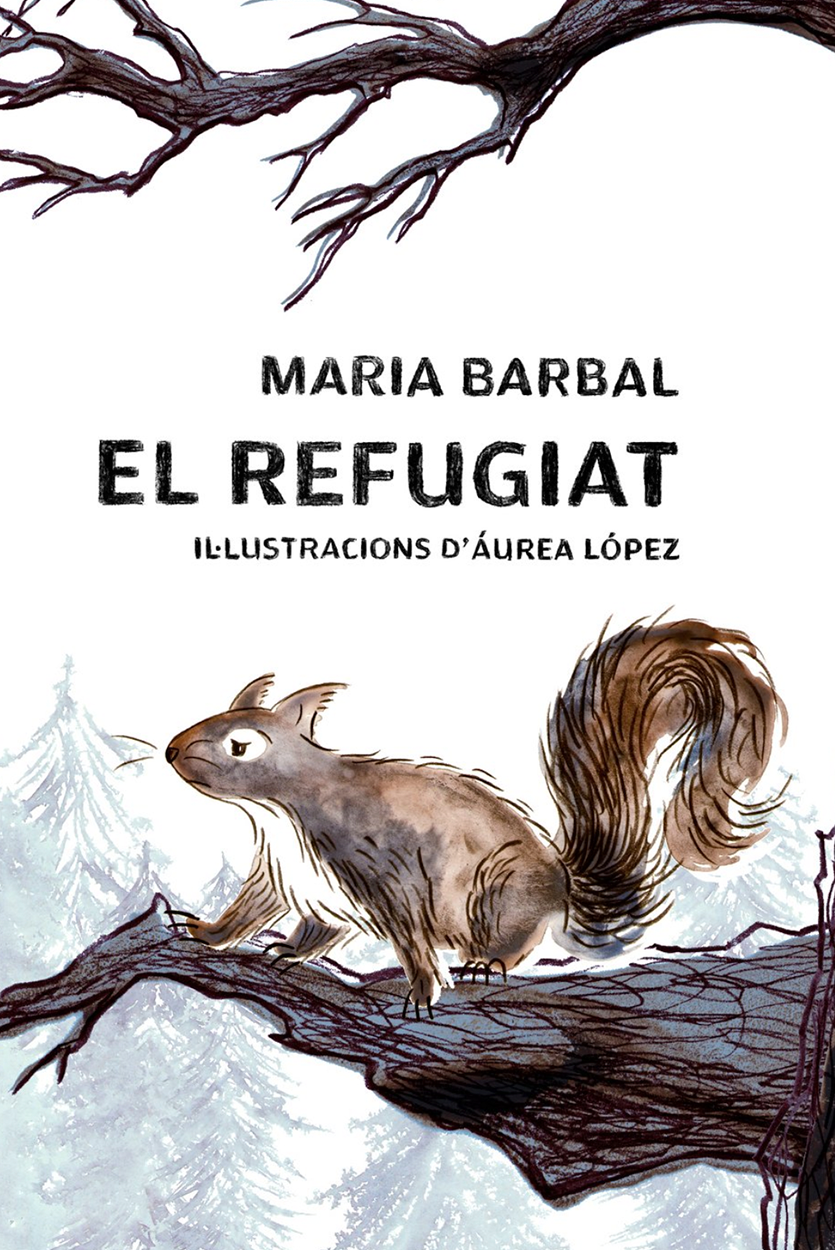
Maria Barbal, winner of the Premi d’Honor de les Lletres Catalanes and author of the Joaquim Ruyra Prize for “Pedra de tartera”, presents El refugiat. It tells the story of a squirrel who has to leave the forest where he lives because of a fire and ends up in a new place where he has to win over everyone because no one knows him. At a time when war adventurism and rampant xenophobia coexist, Barbal’s proposal is tremendously appropriate to make children understand that nobody leaves home just because they want to.
Source: Grup 62
We propose a literary journey through travel —both historical and internal— via Catalan literature. A selection of works that take us around the world without leaving home:
Books are true travelling companions. They help us grow, imagine and understand the world from unexpected angles. That is why, today more than ever, it is worth revisiting that quote from Joana Raspall: ‘With books as friends, you will never lack company. Each page can be a star that guides you.’ Have a good literary journey!
11Onze is the community fintech of Catalonia. Open an account by downloading the app El Canut for Android or iOS and join the revolution!
En el naixement del capitalisme incipient, les crisis van sorgir sobretot per l’expansió dels mercats, els grans monopolis comercials, el consum de productes de moda i les males collites provocades per canvis mediambientals. Des de la crisi de les tulipes, fins a les companyies del mar del sud, passant per les guerres napoleòniques, els problemes del deute, de la depreciació, de la inflació i la consegüent caiguda de règims polítics emergien com ho fan avui dia. Com s’ho van fer aleshores? Com aquestes crisis van fer caure l’antic règim? Les respostes que van trobar ens poden ajudar a comprendre el nostre aquí i ara.
Amb la Unió d’Utrecht, les 17 Províncies Unides es van conjurar per treballar plegades per deslligar-se de l’ocupació de la Corona de Castella. Aquesta lluita comuna els va permetre viure una pujança econòmica i comercial que les va dur a un dels períodes més daurats de la seva història. El procés de creixement econòmic va fer eclosió a principis del segle XVII, quan ja constituïdes com a República Holandesa, van esdevenir la primera potència econòmica mundial. Era possible compaginar l’ètica protestant i l’esperit del capitalisme sorgit dels monopolis comercials de les mars del Japó?
Sí, i el pintor neerlandès Frans Hals ho va retratar. L’artista, considerat el gran retratista flamenc del segle XVII, va pintar per a la posteritat infinitat de retrats per a les classes acomodades holandeses, que tenien molt d’interès a deixar constància de la seva bona fortuna. Un clar exemple és el seu conegut quadre ‘Retrat d’una parella’, que mostra a un matrimoni agafant-se de la mà, símbol de lleialtat.
En aquest context d’exuberància econòmica, fou quan les tulipes van adquirir una rellevància incomprensible, atès que van convertir-se en l’expressió de major ostentació econòmica que es podia mostrar en públic. Perquè ens fem una idea, durant la dècada dels anys 20, només un bulb de tulipa es podia vendre fàcilment per 1.000 florins, mentre que el sou mitjà anual d’un holandès era de 150 florins. És a dir: un neerlandès mitjà havia de treballar durant quasi deu anys per adquirir un bulb de tulipa exòtic.
Aquest exotisme desmesurat va desembocar en una bogeria per la compra de tulipes a futur que duraria anys, fins a arribar a provocar una crisi financera descomunal i la fallida total del sistema econòmic holandès a partir del 6 de febrer de 1637. Aquesta bombolla de les tulipes que va petar potser ens recorda a la bombolla immobiliària del 2008 i les maleïdes hipoteques ‘subprime’.
Si t’ofereixen l’oportunitat d’invertir en una empresa i t’asseguren que et reportarà moltíssims beneficis, segurament t’ho pensaràs. Després, et faràs la següent pregunta: aquesta empresa exactament què produeix per generar tants beneficis? A l’Anglaterra de principis del segle XVIII, molts inversors —petits, grans i molt grans— aquesta pregunta la van obviar. De fet, ni tan sols se la van plantejar.
L’afany per conquerir nous mercats per tal d’incrementar les balances comercials de les principals monarquies europees —castellana, francesa i anglesa— va provocar importants conflictes bèl·lics continentals. I, tots ells, comportaven uns elevadíssims costos econòmics per als eraris públics. Per això, es van veure obligades a cercar el control de nous territoris d’ultramar, principalment de les Amèriques; i el domini del món, en general.
L’emissió de deute era una de les fórmules emprades pels Estats per finançar les seves polítiques expansionistes. A l’Anglaterra del 1719, la Companyia dels Mars del Sud era una de les moltes empreses que compraven part del deute. A la vegada, l’empresa emetia accions per finançar-se i amb aquests diners tornava a comprar deute. Tanmateix, a diferència de la resta de competidors, la Companyia dels Mars del Sud va aconseguir un acord crucial d’exclusivitat en esdevenir l’única companyia anglesa amb potestat per comerciar directament amb les colònies sud-americanes de la Corona Castellana.
Aquest acord va provocar que els mercats financers es veiessin desbordats per una gran eufòria compradora d’accions de la companyia. Tanmateix, no hem d’oblidar que tot aquest engranatge —ple de trucs organitzats—, era mogut per l’Estat anglès per finançar-se. El fet curiós és que aquesta companyia pràcticament no va exercir mai cap activitat, però les seves accions van pujar més d’un 1.000% en menys d’un any.
Així i tot, quan l’eufòria va desaparèixer i els preus de les accions van col·lapsar, va haver-hi una crisi de liquiditat, que es va estendre per tota l’economia anglesa i va desencadenar en una crisi de dimensions bíbliques. Per davant es va emportar a milers d’inversors que ho van perdre tot, el govern va dimitir en bloc, el Parlament es va dissoldre i una comissió gestora es va fer càrrec de la gestió del país. Els representants de la Companyia dels Mars del Sud van acabar tots a la Torre de Londres. Finalment, Anglaterra va entrar en una llarga i profunda recessió econòmica que va durar dècades.
“Què passa quan comences a construir la capital dels EUA i més del 40% dels terrenys són privats? La North American Land Company va provocar la desfeta de la xarxa creditícia de l’Atlàntic, i va acabar per accelerar el col·lapse del sistema”
Reunits a la ciutat de Filadèlfia, 55 representants de les antigues colònies americanes es disposaven a redactar una innovadora i revolucionària Carta Magna per a la incipient nació. Enrere quedava la guerra i el futur semblava prometedor. La nova constitució —d’arrel il·lustrada— s’inspirava en els principis de la llibertat i la igualtat. Aquella generació d’europeus que havien crescut i lluitat per implementar els principis de la raó en les seves societats, van observar el revolucionari sistema democràtic i republicà dels recentment nascuts Estats Units com el pas definitiu cap a la modernitat. A partir d’aleshores, tots els homes esdevindrien iguals per naturalesa i davant la llei.
La constitució nord-americana plantejava la creació d’un govern federal, limitat en les seves competències, però superior als Estats, equipat amb branques executiva i judicial, i un cos legislatiu bicameral: el Senat i la Cambra de Representants. I tots aquests organismes, on s’havien d’ubicar? S’havia de construir una nova capital?
Les discussions per decidir la ubicació van ser llargues i tenses, encara que al final es va decidir que es construiria en uns extensos terrenys sobre el riu Potomac, al sud de Baltimore. L’urbanisme de la capital havia de representar l’esperit il·lustrat mitjançant grans avingudes, rotondes, extenses zones enjardinades, i tot havia de respirar un estil neoclàssic. Tanmateix, què passa quan comences a construir la capital i més del 40% dels terrenys són privats?
La North American Land Company pretenia, amb la compra dels lots de terra, vendre’ls a inversors europeus. Així i tot, aquesta venda massiva no es va materialitzar, perquè Europa estava massa entretinguda amb Napoleó, causant principal de la tensió monetària i la retirada massiva de dipòsits dels principals bancs europeus. Per això, la North American Land Company va accedir als principals mercats crediticis europeus —anglès, francès i holandès—, va provocar la desfeta de la xarxa creditícia de l’Atlàntic, i va acabar per accelerar el col·lapse del sistema i en una important aturada comercial.
Una figura a cavall va emergir entre les boires matinals a la Prairie de la Rencontre, a prop de Grenoble. Dirigint-se a l’exèrcit —que el venia a detenir per haver-se escapat de l’illa d’Elba— va cridar: “Soldats! Soc el vostre emperador. No em reconeixeu?”. Al cap d’un mes i mig, entrava a París entre crits de “Visca l’Emperador!”. La història estava disposada a donar-li una nova oportunitat a en Napoleó Bonaparte.
La restauració de la monarquia francesa —i, per tant, de l’antic règim— xocava de ple amb l’esperit revolucionari que Napoleó havia estat combatent durant quasi dues dècades. Semblava que les dues concepcions sobre la gestió del poder eren irreconciliables i calia dirimir-ho en el camp de batalla. Realment, Waterloo va significar la fi del somni revolucionari d’en Bonaparte?
Els vencedors de Waterloo —Àustria, Gran Bretanya, Rússia, Prússia i França— es van citar a Viena per restaurar l’antic ordre prerevolucionari. Convençuts de redreçar la situació, aviat es van adonar que les guerres napoleòniques havien produït uns canvis radicals i profunds a Europa, així com a altres parts del món. Tots els esforços per revertir les polítiques napoleòniques van ser infructuosos.
Durant quasi 20 anys, la subjugació dels països europeus sota l’Imperi Francès va permetre introduir moltes de les característiques liberals de la Revolució Francesa: la democràcia, les lleis, el procés judicial de les Corts, l’abolició de la servitud, la reducció del poder de l’Església catòlica i la demanda d’un límit als poders de la monarquia. Un dels llegats més importants de l’expansió napoleònica a Europa va ser la instauració del dret civil i les seves institucions.
“Convençuts de redreçar la situació, els vencedors de Waterloo aviat es van adonar que les guerres napoleòniques havien produït uns canvis radicals i profunds a Europa i el món. Tots els esforços per revertir-los van ser infructuosos”
A partir del segle XII, Irlanda va caure sota el domini d’Anglaterra, que va traslladar a l’illa població no autòctona perquè s’establissin com a colons. Al segle XIV, es van imposar les anomenades Normes de Kilkenny, que prohibien els matrimonis mixtos, així com l’ús del gaèlic i els costums del país. Oliver Cromwell, al segle XVII, va ordenar la confiscació de terres i altres béns dels catòlics irlandesos, que podien passar a mans dels colons protestants anglesos, els únics que podien obtenir beneficis de les terres.
Abans d’aquesta confiscació, l’alimentació tradicional irlandesa es basava en cereals, carn, lactis, verdura i fruites. Després de la confiscació, grans quantitats de productes —cereals, bestiar, lactis, aus— van començar a sortir diàriament dels ports irlandesos cap a Anglaterra. Per això, els irlandesos van ser forçats a mantenir una dieta exclusivament a base de patates i llet.
I de cop i volta, l’any 1845, a les plantacions de patates va aparèixer una terrible plaga provocada pel fong ‘Phytophthora infestans’, que es va estendre ràpidament i va afectar de manera fatídica tots els cultius de patates. La plaga va desencadenar un terrible episodi de fam per tota la pagesia irlandesa, i va causar la mort de més d’un milió de persones. Mentrestant, el Parlament anglès no va prendre cap mesura per ajudar a la pagesia irlandesa: únicament va enviar a Irlanda uns 200.000 soldats per mantenir la situació comercial sota control i evitar l’aixecament de la població. D’aquesta manera, s’assegurava que desenes de milions de caps de bestiar, tones de farina, gra, aus i productes lactis sortissin del país.
Davant d’aquesta situació tan dramàtica —agreujada per uns rigorosos hiverns—, entre el 1845 i el 1849, més d’un milió i mig d’irlandesos van decidir deixar de passar gana a les estepes verdes i emigrar al nou món.
Certs estudis tècnics demostraven que a Ogassa —població situada sota el Taga— hi havia abundància de carbó, fet que possibilitaria l’explotació de la zona a gran escala. Aquesta extracció plantejava la necessitat de construir una xarxa moderna per transportar el material a un baix cost fins a Barcelona per fer funcionar les modernes màquines de vapor de la incipient indústria tèxtil. Per aquest motiu, es van destinar gran quantitat de recursos econòmics —públics i privats— a la construcció de la xarxa ferroviària catalana. Amb aquesta infraestructura es pretenia aconseguir una indústria més competitiva i diversificada.
Ràpidament, la Monarquia es va pujar al carro del desenvolupament territorial per a tot l’àmbit estatal. I la història ens ha ensenyat que la construcció d’una nova gran infraestructura a escala estatal requereix molts recursos econòmics. Moltíssims. Per això, es va haver de reformar el sistema financer estatal per mitjà de dues importants lleis: la Llei de Bancs d’Emissió i la Llei de Societats de Crèdit.
Però els mecanismes financers que havien fet possible la gran expansió de la dècada van tocar fons el 1866 amb el crac de la Borsa de Barcelona. Simplificant molt, els motius van ser tres. El primer, la progressiva acumulació de pèrdues de les principals empreses creditores —com per exemple, Catalana General de Crèdit, molt implicada en la construcció i explotació ferroviària—, que van anar demostrant que seria impossible recuperar totes les inversions realitzades. Segon, la intensa participació de la societat en el negoci ferroviari, tant en forma d’accions i obligacions en cartera com en préstecs garantits, que seria afectada per una caiguda dràstica de la seva cotització. I tercer, l’increment desmesurat dels tipus d’interès, amb els efectes inevitables sobre tot el sistema financer. Tot plegat acabaria esgotant tots els recursos econòmics atresorats durant dècades.
“Els rabassaires van haver de triar: perdre la majoria dels antics drets sobre la terra o emigrar a la ciutat i esdevenir mà d’obra barata per a les modernes fàbriques tèxtils”
La Sentència Arbitral de Guadalupe —de finals del segle XV—, va posar fi a la qüestió de la remença a Catalunya. Una de les seves conseqüències va ser sobre la propietat de la terra, que es va anar disgregant. Les grans propietats es van anar parcel·lant en règim d’emfiteusi, semblant a un arrendament, per mitjà d’un contracte de rabassa morta. Aquest instrument jurídic tenia com a objectiu la cessió al pagès d’unes terres ermes, és a dir, no treballades, perquè aquest hi plantés ceps i treballés la vinya mentre visquessin els ceps que havia plantat. D’aquesta manera, el pagès es convertia en usufructuari de les terres que conreava, a canvi de pagar un cens anual al propietari.
Al llarg dels segles XVIII i XIX, les principals comarques catalanes productores de vi van incrementar exponencialment la seva producció agrària, a causa d’una forta demanda del mercat. Aquest fet va portar a l’increment espectacular d’explotació de noves terres, amb la consegüent necessitat d’una abundant mà d’obra i, a la llarga, un augment demogràfic. La dècada dels anys 80 del segle XIX, Catalunya va viure l’edat d’or de la vitivinicultura, mentre França estava infectada per la fil·loxera.
Aquest insecte americà atacava les arrels de la vinya i les matava lentament, la qual cosa explica la seva lenta extensió territorial. Però la fil·loxera va saltar a Catalunya per l’Empordà l’any 1879. El 1893 va arribar al Penedès, on en vuit anys va arrasar fins a 385.000 hectàrees de vinya. I el 1899 va arribar a la Terra Alta.
Encegats pels beneficis, aquella generació només va pensar en el curt termini. Ni es va plantejar la possibilitat que la fil·loxera els afectés, ni de bon tros que els pagesos haguessin d’arrencar els ceps i, encara menys, passar un temps sense produir. I, si els ceps es morien, què passaria amb els contractes de rabassa morta? La situació es va complicar. I molt.
Primer de tot, es van substituir el 99% dels ceps europeus —‘Vitis vinifera’— pels ceps americans —‘Vitis rotundifolia’—, atès que són molt més resistents a la fil·loxera. I segon, els propietaris de les terres van considerar trencats el contractes de rabassa morta amb la mort dels ceps, tot i que els rabassaires demanaven la renovació dels contractes per l’excepcionalitat de la situació. Donat l’augment de la conflictivitat, les opcions van anar encaminades en dues direccions: que els antics rabassaires esdevinguessin parcers, la qual cosa volia dir perdre la majoria dels antics drets sobre la terra o emigrar a la ciutat, i esdevenir mà d’obra barata per a les modernes fàbriques tèxtils.
11Onze és la fintech comunitària de Catalunya. Obre un compte descarregant la super app El Canut per Android o iOS. Uneix-te a la revolució!
Segons les últimes dades de l’Idescat, les dones a Catalunya cobren un 20% menys que els homes. Mentre que la mitjana del salari brut anual dels homes es va situar l’any 2020 per sobre dels 30.000 euros, el de les dones no va assolir els 24.100 euros. El percentatge és bastant pitjor que el de la Unió Europea, on les dones cobren de mitjana un 13% menys que els homes per hora treballada. De fet, Letònia i Estònia són els únics estats de la UE amb una escletxa major que Catalunya.
El principi d’igualtat de retribució està consagrat en l’article 157 del text fundacional de la Unió Europea. Tot i això, la bretxa salarial de gènere gairebé no s’ha reduit en una dècada, ja que ha passat del 15,8% l’any 2010 al 13% l’any 2020. Per això el 22 de febrer es commemora el Dia Europeu de la Igualtat Salarial, que pretén posar el focus en el problema per a que els membres de la UE prenguin mesures.
Cal tenir en compte que existeixen diverses desigualtats subjacents a aquesta bretxa salarial. No sols és que les dones guanyin menys que els homes quan fan el mateix treball. A més, les dones estan sobrerepresentades en sectors de remuneració relativament baixa, com la prestació de cures i l’educació, mentre que l’anomenat sostre de vidre provoca una infrarepresentació femenina en els càrrecs directius.
Per sort, la presidència txeca i el Parlament Europeu van arribar al desembre a un acord provisional sobre les normes de transparència retributiva. Aquest facultarà a les dones per a que puguin aplicar el principi d’igualtat de retribució per un mateix treball mitjançant un conjunt de mesures vinculants en matèria de transparència retributiva.
Per evitar la discriminació, les empreses hauran d’assegurar-se que els seus empleats poden accedir als criteris per determinar la remuneració i els possibles augments salarials. Els treballadors i els seus representants també tindran dret a sol·licitar i rebre informació sobre el seu nivell retributiu individual i sobre els nivells retributius mitjans dels treballadors que facin el mateix treball o un treball d’igual valor, desglossats per sexes.
Les empreses amb una plantilla de més de 100 persones també hauran d’informar sobre la bretxa salarial entre treballadores i treballadors. Quan existeixi una diferència en el nivell salarial mitjà entre homes i dones d’almenys un 5% sense justificar, l’ocupador haurà de fer una avaluació que inclogui mesures per a corregir les diferències salarials injustificades.
Si l’ocupador no respecta el principi d’igualtat de retribució, els treballadors tindran dret a reclamar una indemnització. Els tribunals podran ordenar a l’empresa que posi fi a la infracció i adopti mesures correctores. Tant els organismes d’igualtat com els representants dels treballadors podran actuar en nom d’un o diversos empleats per fer complir el principi d’igualtat de retribució.
Tant de bo aquests siguin els primers passos cap a una igualtat real entre homes i dones quant a retribucions i oportunitats laborals. Faltarà que els estats membres de la UE adaptin la seva legislació a la nova directiva. Per a això disposen d’un termini de tres anys.
És curiós que Luxemburg, el país que té la mitjana salarial més elevada de la UE, amb més de 70.000 euros a l’any, sigui també el que presenta una menor bretxa salarial de gènere: les dones només cobren un 0,7% menys que els homes, segons Eurostat.
11Onze és la fintech comunitària de Catalunya. Obre un compte descarregant la super app El Canut per Android o iOS. Uneix-te a la revolució!