Davos Forum: what is it and what is it for
The annual World Economic Forum, which takes place in the picturesque Swiss town of Davos, brings together politicians, business leaders, academics and other influential personalities to discuss the economy’s future and reach agreements of great relevance to citizens around the world.
The World Economic Forum (WEF), also known as the Davos Forum, is a non-profit foundation based in Cologny, Switzerland, which was established as the Administrative Forum of Europe by German economist Klaus Schwab, the organisation’s founder and executive chairman, in 1971.
It has gone through several phases since its founding, but Schwab’s original goal was to bring together in the Swiss town of Davos leading European business executives, as well as members of the European Commission and leaders of academia from US universities, to introduce US management practices to foster cooperation.
In 1973, after the collapse of the Bretton Woods Agreements, the oil crisis and geopolitical conflicts, the focus of the forum was broadened from economic to international and social. Still, it was not until 1987 that the event changed its name from the former Administrative Forum of Europe to the current World Economic Forum. Today, the Forum is financed by the contributions of some 1,000 enterprising members.
Each annual edition of the Forum focuses on a particular theme, from “The New State of the World Economy” in the first edition in 1988, to “Rebuilding Trust” in this year’s edition. The idea remains to bring together world leaders from both the public and private sectors to address global economic challenges through international dialogue and cooperation.
Criticism of an elitist organisation
Given that some of those invited to the Davos Forum also attend the meetings of the Bilderberg Club or Bilderberg Conference, it is inevitable that the same criticism will arise, defining these meetings as an exclusive club for elites who look after their interests rather than the interests of the population.
And yes, it is easy to argue that the event is elitist and that the decisions taken may not only fall far short of representing the needs of the majority but are often laced with a good dose of hypocrisy. It escapes no one how, for example, during the debates about doing everything possible to avoid global warming and reduce our carbon footprint, almost all the leaders in attendance used private jets to travel to the Forum.
As New York Times economics correspondent Peter Goodman noted in his book “Davos Man”, it is a contradiction to ask billionaires and elites, whom critics accuse of causing the world’s biggest problems, to find ways to solve them. The main difference between the two forums is found in the greater opacity and lack of transparency of the Bilderberg group’s meetings, designed for more specific elites. That said, the foundation does not disclose its income or expenses, and in 2021, the Swiss government withdrew its funding to the organisation after repeated criticism from the Swiss public.
11Onze is the community fintech of Catalonia. Open an account by downloading the super app El Canut for Android or iOS and join the revolution!



Oxfam’s latest inequality report shows that since 2020, the world’s five richest people have doubled their fortunes, while over the same period, almost five billion people have become poorer.
On the eve of the annual World Economic Forum in Davos, which brings together heads of state, corporate leaders and academics from around the world, Oxfam has released its latest report on inequality and calling on countries to oppose the influence of the ultrarich on tax policy. As has become a tradition, the international body uses the occasion to highlight the gap between rich and poor, but this year it says the gap has been “supercharged” since the sanitary crisis.
Billionaires are three trillion euros richer today than they were in 2020. According to Oxfam, South African business tycoon Elon Musk, LVMH owner Bernard Arnault, Amazon founder Jeff Bezos, Oracle’s Larry Ellison and investment guru Warren Buffett have more than doubled their fortunes by 114% to €793 billion in three years, while the wealth of the poorest 60% of the population has declined.
The NGO notes that if this trend continues, the world could see its first trillionaire in the next decade, but that it will take 229 years to eradicate poverty. “We cannot continue with these levels of obscene inequality,” warns Amitabh Behar, interim director of Oxfam International, “capitalism is at the service of the super-rich.
Corporate power vs. public power
According to Oxfam, states have ceded power to corporate monopolies, allowing companies to influence the wages people are paid, the price of food and the medicines people can access. “Corporate power is used to drive inequality, squeezing workers and enriching wealthy shareholders, dodging taxes and privatising the state,” says Oxfam.
In this context, Behar says the solution must be for public power to curb “unchecked corporate power and inequality by shaping the market to be fairer and free from billionaire control”, adding that “governments need to intervene to dismantle monopolies, empower workers, tax these huge corporate profits and, crucially, invest in a new era of public goods and services”.
The organisation stresses that thanks to current tax policymaking, corporations have been able to pay lower corporate taxes, depriving governments of money that could be used to help the poorest in society. Seven of the world’s 10 largest companies have a billionaire CEO, or a billionaire as their largest shareholder.
In this regard, the director points out that corporate taxes have fallen significantly in OECD countries, from 48% in 1980 to 23.1% in 2022, and calls for a wealth tax on the world’s millionaires and billionaires, which, he says, could bring in $1.8 trillion each year. It also urges governments to limit the pay of CEOs of large corporations and to break up private monopolies.
11Onze is the community fintech of Catalonia. Open an account by downloading the super app El Canut for Android or iOS and join the revolution!


This year’s unemployment benefits calculation follows the same guidelines as in 2023. The daily amount paid is 70% of the regulatory base for the first 180 days and then drops to 60%. But what are the subsidies for people who have already exhausted or are not entitled to unemployment benefits?
The unemployment benefits for those workers who meet a series of requirements set by the State Public Employment Service (SEPE) do not change from 2023. The amount depends on the Social Security contribution bases for occupational contingencies during the last 180 days of contributions, without taking overtime into account. Thus, 70% of the regulatory base is paid during the first 180 days of benefit and drops to 60% from day 181 onwards.
If you want to know how much you will receive or how much unemployment benefits you have accumulated, you can consult the SEPE’s electronic headquarters. In the Queries section, you can see the status of your unemployment benefits, applications, receipt of payslips and refusals. To access this service, you must identify yourself with a digital certificate, electronic ID card, username and password obtained through the Cl@ve system or pin on your mobile phone. Remember that you must have paid contributions for at least 360 days in the previous six years.
As a general rule, unemployment benefits are paid on the 10th of each month, but it can be extended to the 15th if there is a weekend or public holiday that delays payment. Since the COVID-19 pandemic, some banks have advanced the payment of unemployment so that their customers can receive the money earlier.
The minimum amount that can be collected is 560 euros per month for people without dependent children and 749 euros per month for people with dependent children. The maximum amount is 1,225 euros per month for people without dependent children, 1,400 euros per month for people with one dependent child and 1,575 euros per month for people with two or more dependent children.
Unemployment benefit reform
On Wednesday, Pedro Sánchez’s government saw how Podemos’ vote overturned the decree law with which it wanted to reform the unemployment benefits paid to people who have exhausted or are not entitled to receive the benefits, which was due to come into force in June. The main argument put forward by Podemos for not supporting this reform is that it implies a cut for workers over 52 years of age who, on exhausting their benefits, are now receiving a subsidy.
Thus, the rest of the elements that make up the reform will not enter into force either, so there will not be an immediate increase in subsidies as planned. The text will now have to be redrafted and negotiations will have to be opened with the different parliamentary groups. The new changes in the reform will have to be communicated and agreed with the Commission, which has to give the green light to each of the approved reforms.
The subsidy will remain at the current 480 euros, instead of what was set out in the reform: 570 for the first six months and 540 for the following six months, going back to 480 euros after one year. In addition, the right to receive it was to be extended to those under 45 years of age without family responsibilities. Likewise, it does not become a benefit compatible with employment for 180 days, as the new legislation envisaged, nor is the month’s delay between the end of the benefit and the start of the benefit eliminated. Here you can consult the specific requirements for specific cases.
11Onze is the community fintech of Catalonia. Open an account by downloading the super app El Canut for Android or iOS and join the revolution!


Financial institutions have a long history of unethical and illegal behaviour. Abusive practices have resulted in numerous fines and penalties for banks, as well as damage to their reputation. Although governments and regulators claim to have strengthened supervision and regulation of the financial sector, the implementation of these measures has proved insufficient to ensure consumer protection.
The Payment Protection Insurance (PPI) scandal, which emerged in the UK in the early 2000s, concerned the mis-selling of insurance policies by banks and other financial institutions. These policies were sold with the intention that consumers would protect their loan or credit card payments in the event of illness, unemployment or other unforeseen circumstances.
However, many of these policies were sold to people who did not need them or did not qualify for them. In addition, payments to customers involved commissions in excess of 50%, thus preventing customers from actually benefiting from the policies’ coverages.
As a result of this inappropriate marketing, the Financial Conduct Authority (FCA) required the banks to pay billions of euros in compensation to affected consumers, who have been forced to pay out almost 60 billion euros. Sanctions and fines were not limited to British banks; Banco Santander had to set up a fund of 2 billion euros to cover possible claims.
Despite the compensation paid by the banks, the PPI scandal is far from over. Following a recent hearing in the UK High Court, it will be decided whether to extend the scope of the claims’ deadline, previously set for 29 August 2019, by up to six years to allow thousands of outstanding claims to be paid.
Claims at the Bank of Spain soar
Legal proceedings against abusive banking practices are increasing year after year. In 2021, customer complaints to the Bank of Spain increased by 61%, with CaixaBank, Santander and BBVA being the financial institutions with the highest number of complaints.
The banking malpractice of Spanish financial institutions since the financial crisis of 2008 is worthy of study. Abusive commissions, vulture funds, mortgage clauses, revolving cards, the preference shares fraud… these are just some of the abusive practices of banks, negligent and contrary to the interests of their customers.
The majority of customer complaints are concentrated on mortgages, cards and accounts and deposits. Eight out of ten complaints are directed against banks (83%), followed by credit unions (4.7%).
How to complain in the banking sector
The complaints’ system in the banking sector depends on the Bank of Spain, but before submitting any complaint to an official body, you should complain directly to the institution. If you go to a bank branch, you can ask for a complaint form, or send a letter by burofax or registered mail addressed to customer service.
The bank must respond within 15 working days in the case of claims related to payment services, and up to two months in the case of other claims. The next step is to wait for a response from the institution, but if it does not respond within these deadlines, or you do not agree with the resolution, you address your complaint to the Bank of Spain.
You can make your complaint in writing or online at the Banco de España’s Virtual Office, provided you have a digital certificate. This is a free, independent and impartial service, which does not take sides on behalf of consumers or banks, and which will decide whether the customer’s complaint is justified or not.
11Onze is the community fintech of Catalonia. Open an account by downloading the super app El Canut for Android or iOS and join the revolution!


The credibility of central banks is important because it contributes to price stability and reduces economic uncertainty, which helps the financial planning of households and businesses. The failure of central banks to control runaway inflation has led to an erosion of confidence in these state-owned financial institutions.
Central banks have to exercise a delicate balancing act to avoid making a monetary policy mistake. On the one hand, acting slowly in the face of rising prices can lead to inflation that is very difficult to control once it has taken hold. On the other hand, raising interest rates too much or too quickly can stifle the economy and cause many businesses to fail because of high debt levels.
The massive lowering of interest rates to zero to deal with the economic crisis triggered by the pandemic promoted a bull market in debt. The consequence is that we have reached record levels of private and, above all, public debt. A scenario that has set off alarm bells about the danger of stagflation as a result of high inflation combined with a slowing economic growth rate and high unemployment.
Long gone are the declarations of Christine Lagarde, president of the European Central Bank (ECB), when she predicted a natural collapse in inflation (4.9% in November 2021) as normality returned after the pandemic. These forecasts, which have not been fulfilled, explain the lack of measures to control inflation before it settled at today’s unsustainable levels.
Given this lack of control by the state entities that are supposed to ensure some financial stability, it is not surprising that stock markets and the public at large are losing confidence in the wisdom of central banks. Central banks risk being forced to do too much too late, creating stagflation in economies that cannot afford any more shocks.
Cryptocurrencies and decentralised finance
Controlling inflation is the biggest challenge facing central banks, as well as maintaining their independence. Even if central banks set interest rates without being subject to political interference, they can be affected by external pressures during a major economic crisis if they do not keep inflation under control.
However, a clash of cultures spurred by the popularity of cryptocurrencies may further shake institutions that are losing relevance in the face of the growing trend towards decentralised finance, known as DeFi. The arrival of cryptocurrencies in global markets does not represent, for now, a major macroeconomic threat to central banks, but the decentralisation of the economic model may represent the biggest paradigm shift for the operating models of these financial institutions.
DeFi’s role towards financial liberation of people and countries through open systems and outside the control of intermediaries and state actors will mean that the role of central bank money will have to change. They will have to adapt to a financial world that, following the same trend that is taking hold in geopolitics, has become multipolar.
11Onze is the fintech community of Catalonia. Open an account by downloading the super app El Canut on Android and Apple and join the revolution!


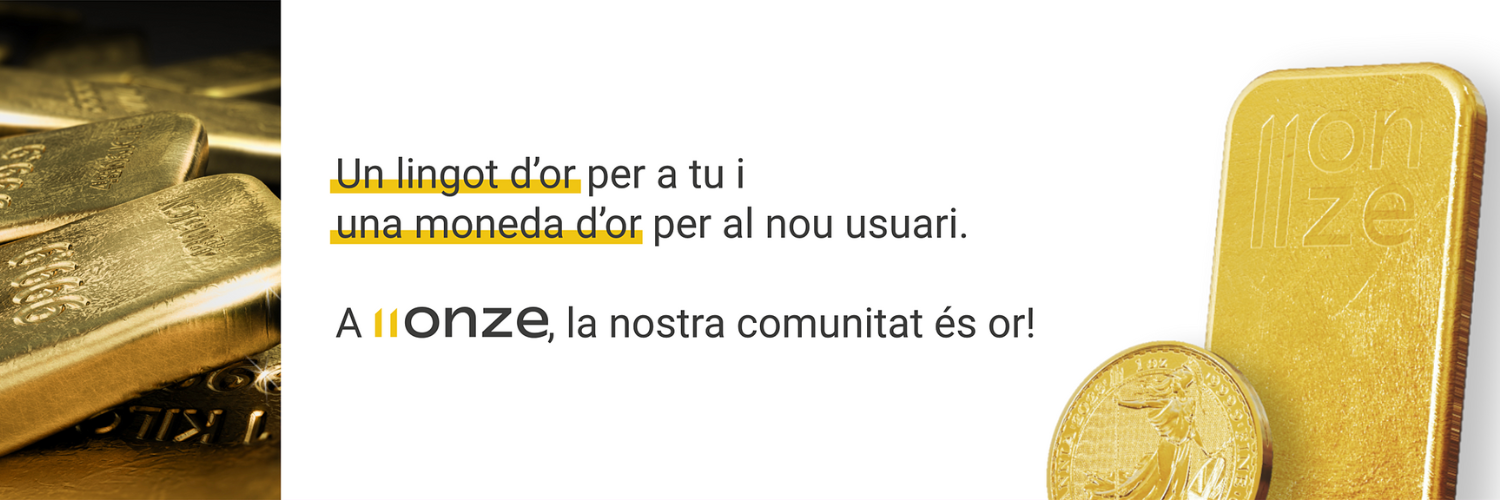
On 21 December, 11Onze will raffle a gold bar and a gold coin among the members of La Plaça who have recommended 11Onze to new users. This is a prize in physical gold, which will continue to increase in value. On 4 December, gold reached an all-time high of $2,100 per ounce.
Two weeks before the 11Onze Gold Raffle, gold continues to go up in value. The price of physical gold fluctuates continuously and on Monday, 4 December, it broke all historical records, rising to $2,100 per ounce. This is roughly equivalent to 68.37 euros per gram. Thus, the 50-gram gold bar that 11Onze will raffle on 21 December was worth 3,418 euros yesterday. After this peak, prices have moderated, but the evolution of the market gives good news to the participants in the Gold Raffle: the 11Onze is a prize that will go up in value.
More than 100 registrations at La Plaça
Since the announcement of the Gold Raffle just over a week ago, there have been more than a hundred new registrations at La Plaça. This means that not only is 11Onze growing fast, but also that the Gold Raflle is the raffle with the best odds of winning a prize. What are the prizes? Let’s have a look at them!
Prizes and requirements
There are two prizes in the Gold Raffle: a gold bar worth around 3,000 euros and a gold coin worth 500 euros. But not everyone can participate. Only members of the community who bring new users to La Plaça can participate. Registration at 11onze.cat is free and gives access to the contents and services of 11Onze.
What do I have to do?
It’s very simple, there are only two steps:
- The new user has to register at La Plaça.
- Once this is done, the new user has to fill in the Gold Raffle template.
In this template, it is important that the new user mentions who has recommended 11Onze to him/her. Once this is done, this person will receive a number for the Gold Raffle. And if their number is chosen, the new user will win the gold coin, while the person who recommended 11Onze will win a 50-gram gold bar.
Exclusions
The purpose of the Gold Raffle is to open up La Plaça and encourage those who are already part of the community to bring new users for the chance to win a gold bar. Therefore, it is not open to users who are already registered but don’t bring new members, nor to new members who have not been recommended by anyone else. All the information about the raffle is available here, where you can also consult the legal terms and conditions.
Register at La Plaça

Participate in the raffle




After President Nixon formalised the end of the Bretton Woods Agreements, the dollar went from being a currency that based its value on the existence of a gold counterpart to a currency with no tangible value, known as fiat money. 11Onze agent Xavi Viñolas examines the process of de-dollarisation.
This new monetary framework established in the Bretton Woods Agreements was the basis for the creation of the petrodollar system, thus establishing the dollar as the de facto oil currency, giving the United States a privileged position, which it has often abused, a fact that has provoked the reaction of some countries.
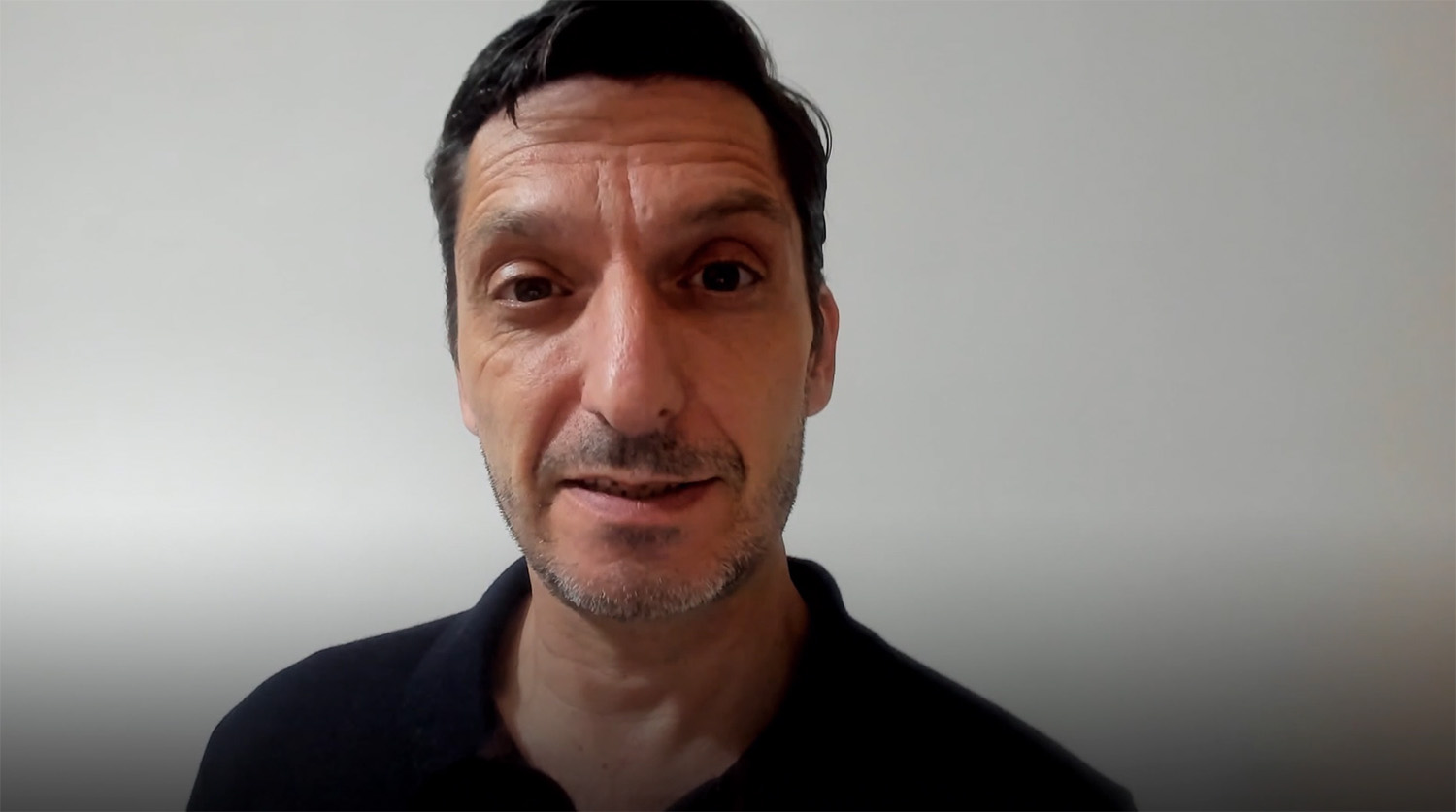
In the video below, Xavi Viñolas explains why the trend to decouple the world economy from the hegemony of the dollar, known as the process of de-dollarisation, is increasingly being adopted by more and more countries, and the reasons behind it.
The dedollarisation process of the global economy


Les noves directrius de la Unió Europea deixen enrere la relaxació fiscal aprovada durant la pandèmia i fan ressorgir el fantasma de les polítiques d’austeritat.
El març del 2020 la Unió Europea va suspendre temporalment les regles fiscals recollides en el Pacte d’Estabilitat i Creixement, perquè els països poguessin augmentar la seva despesa pública per fer front a l’impacte de la pandèmia. Això va suposar congelar els límits del 3% i del 60% del PIB per al dèficit i el deute, respectivament.
La Comissió Europea ha decidit allargar la suspensió d’aquestes regles fiscals fins a finals del 2023 a causa de l’impacte del conflicte a Ucraïna: “La pròrroga de la clàusula general de fuita fins a 2023 reconeix l’alta incertesa i grans riscos en una situació en la qual l’estat de l’economia europea no s’ha normalitzat”, explicava el comissari europeu d’assumptes econòmics, Paolo Gentiloni.
Tanmateix, vol que es tornin a reactivar a partir del 2024 i ja té redactades les noves normes fiscals, incorporant alguns elements d’un nou marc en el qual la Comissió Europea està treballant i que està previst que entri en vigor el 2025.
Brussel·les donarà més marge als estats
La UE relaxa les regles del joc per facilitar que els estats puguin quadrar els seus comptes evitant les retallades indiscriminades a conseqüència de les agressives polítiques d’austeritat adoptades després de la crisi de 2008, que van comportar misèria per la població i així com provocar una ruptura entre els països endeutats del sud i els seus socis del nord.
Això no obstant, Brussel·les ha tingut en compte les sensibilitats de països com Alemanya que volen assegurar el compliment de les regles i delimitar clarament els límits de dèficit. En aquest sentit, inclourà sancions en cas d’incompliments i proposa una reducció anual del 0,5% del deute públic pels estats que superin el límit acordat.
De la mateixa manera, la Comissió és cura en salut i passa la responsabilitat d’assumir els compromisos fiscals als Estats, que hauran de presentar els seus plans a quatre anys vista i responsabilitzar-se de futures retallades sense poder assenyalar a Brussel·les. “Les noves propostes donen més flexibilitat als Estats membres per dissenyar les seves trajectòries fiscals, però, com a contrapartida, hauran de rendir comptes de manera més creïble”, apuntava Gentiloni.
Sindicats europeus critiquen la proposta
La Confederació Europea de Sindicats (ETUC, per les seves sigles en anglès) argumenta que aquestes mesures significaran: “més pobresa, menys feina i salaris més baixos”, alertava Esther Lynch, secretaria general de l’ETUC. L’organització avisa que 10 estats membres, entre ells Espanya, tenen un dèficit superior al 3%, i hauran d’adoptar retallades de despeses l’any vinent, corrent el risc d’obrir el camí de retorn a l’austeritat.
L’organisme ha calculat que la proposta legislativa de Brussel·les obligaria als Estats membres amb un dèficit superior al límit del 3% a retallar la despesa pública en 45.000 milions d’euros durant el 2024 o a apujar els impostos en una mateixa quantitat. A més, afirma que això provocaria que aquests estats no puguin complir amb els objectius de la UE per a la inversió en l’economia verda i digital.
En aquest context, l’organització demana que es mantinguin els fons europeus per la recuperació, introduïts durant la pandèmia com a mecanisme de solidaritat per garantir la igualtat de condicions en l’àmbit de les inversions entre els Estats membres. De la mateixa manera, proposen “un règim just de fiscalitat empresarial que pugui finançar un nivell mínim d’inversions estatals en els pressupostos nacionals”, evitant la concessió de fons públics a empreses que practiquen l’evasió fiscal.
La desconfiança dels sindicats i d’alguns països sobre les decisions l’Executiu europeu no són noves, tot i que plenament justificades tenint en compte les actuacions anteriors davant de les crisis de deute. Queda per veure com serà l’aplicació de les noves regles fiscals, però de moment, Brussel·les ja ha demanat a Espanya que limiti els seus plans de despesa pública pel 2024 a fi de cenyir-se als pròxims ajustos fiscals.
Si vols descobrir la millor opció per protegir els teus estalvis, entra a Preciosos 11Onze. T’ajudarem a comprar al millor preu el valor refugi per excel·lència: l’or físic.
How does machism manifest itself in the socio-economic world and in the consumerism of our society? Are we sufficiently aware of the micro machismo that we encounter in our day-to-day lives? What do women have to do to join and fully develop in the labour market? In a new episode of La Plaça de Territori 17, Lara de Castro, from the 11Onze Human Resources team, and Gemma Vallet, director of 11Onze District, answer all these questions.
Fortunately, ideas, attitudes and practices based on a learned cultural attribution of male superiority are becoming less and less present in our society. However, there is still a long way to go to eliminate sexist attitudes and micro machismo from everyday life. Looking at a man if you buy a car, or at a woman, if you buy a hoover, are behavioural practices that we have come to accept, but which are becoming increasingly unwelcome in a society that continues to evolve towards gender equality in all socio-cultural spheres.
As de Castro points out, “all of this is so commonplace, so normal, even for women, that until all of this is nipped in the bud, we will not be able to move forward“. Even so, there must also be a change of attitude on the part of women, “we will become more accepting of our bodies, our age, our wrinkles and the fact that we are women. That we are also capable of managing certain things that until now have only been managed by men”.

La Plaça – Territori 17: The sex of money
Gender pay gap, an unresolved issue
According to a report issued by CCOO, the gender pay gap has been reduced, but the average salary of women would have to grow by 24% to be equal to that of men. As Lara de Castro explains, “The pay gap is huge. But it is all about confidence, not only the confidence that the world gives me when it comes to earning money but also the confidence that I have when it comes to creating this money” she continues, “when I earn the money, it empowers me and makes me change my mentality”.
Advertising marketing has not facilitated this empowerment of women, on the contrary, it has helped to reinforce the macho attitude of society, even so, as Gemma Vallet points out, “advertising, in the end, is a mirror of society. And it is a mirror that amplifies. But as we adopt new behaviours, advertising will have to reflect these new behaviours”.
11Onze is the community fintech of Catalonia. Open an account by downloading the super app El Canut for Android or iOS and join the revolution!


The price of gold soared in response to the ongoing armed conflict between Israel and Palestine. This is a similar rebound in value to the one experienced at the outbreak of the war in Ukraine. Are geopolitical tensions a good indicator of the future prices of the precious metal?
It is no secret that gold tends to rise in value in the face of war, geopolitical tensions, or financial crises. Historically, this precious metal has been considered a safe-haven asset for investors precisely because it maintains or increases its value, compared to other financial assets, during periods of stock market uncertainty.
That said, just as, depending on various parameters, in times of stable economic growth, traditional investments in equities and bonds may offer higher profit potential, the relationship between geopolitical tensions and the price of the golden metal is also multifaceted.
The complex interplay between gold supply and demand rarely responds to a single trigger but is driven by several factors: economic sanctions, access to the oil market or the fluctuating value of the dollar are just some of the indicators associated with economic turbulence directly related to the upward movement of gold prices that often precede or are amplified by armed conflict.
Gold prices in the current geopolitical context
Since the armed conflict unleashed between Israel and Palestine on 7 October, the price of gold has risen by more than 10%, reaching a high above 1,900 euros per ounce, which has compensated for the losses that had occurred since the highs of May.
This rise in the price of gold is driven not so much by the armed conflict between these two actors, but by the possible ramifications if other countries in the region and the West become involved. While Lebanon, through Hezbollah, warned of possible retaliation unless the massacre in Gaza was stopped, Israel intensified its bombings in Syria, and the United States sent two aircraft carrier groups to the region, at the same time it was pointing to Iran as the trigger for the conflict.
The duration and escalation of war in the Middle East can directly influence the distribution and price of oil, creating the perfect storm for gold to rise in value. Even so, the rebound in the value of gold resulting from this Palestinian-Israeli conflict may only be short-term, as has been seen in the past.
As for the war in Ukraine, the boost to gold prices came mainly as a result of economic sanctions against Russia, which drove up the prices of hydrocarbons and other commodities, fuelling inflation that has devastated European economies. As well as the acceleration in the process of de-dollarisation of countries that want to shield their economies from Western sanctions.
Historical precedents have taught us that the rise in gold prices in the face of armed conflict often responds to the perceived risk to stock markets and governments, and while wars are an important factor, geopolitics is not an exact science. Discerning what represents an element of temporary noise or a real and significant impact on the economy and financial markets over time requires a deeper analysis of the background of these conflicts. However, we should remember that in the worst-case scenario, gold helps to diversify our portfolio, reducing the risk of losses and protecting our savings over the long term.
Protect yourself from economic crises with the ultimate safe-haven asset: gold. If you want your savings to keep or increase their value, Gold Patrimony.