Education vs. job offers
Training and job offers seem to be unbalanced. Although we have a high level of unemployed people — in Catalonia there is currently a 13% unemployment rate —, employers complain about not finding qualified staff to cover their job offers.
The young, the most affected
According to data from IDESCAT, in Catalonia, in the first quarter of this year, registered unemployment was 12.9%, of which 33.4% were young people aged 16 to 25. This is a fact that clashes head-on with the permanent demand for workers by employers. The Chambers of Commerce of Catalonia regret that 24% of the job supply cannot be covered due to a lack of qualified staff.
Jaume Fàbrega, president of the Girona Chamber of Commerce and president of the General Council of Chambers of Catalonia, tells us that for some years now the business sector has been lacking qualified staff: “The productive sector has a significant demand for trained staff and the education system does not offer it to us. As a society, we are faced with a very important challenge: we must give people the training that will then help them make a living.
For Fàbrega, in our country there is an image that defines the situation of the youth active population: “It is like a sundial: in the wide part below there is a lot of young people without any kind of training; in the middle, the narrow part, the young people with qualified technical training; and at the wide top, the young people with university education. We find a clear lack of qualified technicians, and they are the ones who offer us professional training and whom the job market demands at the moment”.
Dual Vocational Training
In Catalonia, since 2014, there is a type of vocational training that combines theoretical training in schools and practical training in companies: Dual Vocational Training. This type of training is beginning to take root in our country, but it is still in its infancy, as it does not reach even 10% of the educational offer. For the President of the Council of Chambers of Catalonia, it is not only a problem for the education system, but also for companies: “We are working so that companies see the importance of Dual Vocational Training. We believe that not only should we have institutes where young people go to study, but we need a network of companies with an educational vocation. The company is the other great agent in the training of people, and it is necessary to increase the human capital of the society, because without the people the companies would not exist.”
Dual vocational training accounts for 60% of training in countries such as Germany: “In these countries, and in others in Northern Europe,” explains Fàbrega, “youth unemployment is very low. In Germany, it does not exceed 6% and this is, in part, thanks to the style of vocational training they have. The productive sector vindicates this style of training, but it is difficult to align the job supply to the demand». Fàbrega considers that our country needs to move towards a better understanding between the training sector and the productive sector: “That is why, for example, this year we have organized a fair in Girona on dual training aimed at companies. The employer must also see the opportunities offered by Dual Vocational Training, and the possibilities offered by training a person in the same workplace.”
Training company
Jaume Fàbrega vindicates the training work of companies, from the smallest to the largest. He invites them to take an interest in Dual Vocational Training programs, as he considers that it is one of the ways that will help balance the job demand and supply. He also acknowledges that our country is far from becoming a fully advanced economy, “because talent still leaves us. We train them, and they go to other countries where they are better paid. It is a problem of entering completely in the economy of knowledge.”
In Catalonia there is a lack of qualified technicians, especially in ICT, information and communication technologies, according to a study presented this May that has been made between the Barcelona Chamber of Commerce and Infojobs. ICT training is one of the most demanded by companies, followed by logistics, hospitality, and tourism. Other reports also say that VT graduates have more opportunities to find work than college graduates.
What is clear is that training is key to finding a job, and that joint work between the training sector and the productive sector is essential to balance the job supply and demand.
Do you want to be the first to receive the latest news about 11Onze? Click here to subscribe to our Telegram channel



Anna Espelt, the winery’s director and oenologist, sees viticulture as a tool for caring for the environment. Her philosophy is to always learn and to understand and respect the land that allows her to make “thoroughly Empordà and Mediterranean” wines.
Bodega Espelt viticultores del Empordà was founded in 1999 when the grandfather of Anna Espelt, oenologist and current director of the winery, at the age of 69, decided to make wine. Throughout twenty years of work, the director tells us that “the winery has always worked from learning, discovering which are the best terroirs and which are the varieties that work best in their lands. And it turns out that these are the indigenous varieties, the ones that have always been there: lledoner and carinyena“. And she adds: “Being a family business has allowed us to think in the long term and plan ahead, and it has also allowed me, as a woman, to be in charge of the project for many years”.
Caring for the land
Anna Espelt is a biologist and oenologist and is very involved in caring for the environment where the winery is located: “All the paths of knowledge that I have taken, because every day you learn new things, have been focused in caring for the territory. We take care of it through agriculture, because nature and agriculture, should work in synergy, they should not go against each other”. Love for the land that is reflected in the viticulture she does, based on the use of procedures that respect biodiversity.
For years, they have been working with ecological production in mind and taking into account agricultural areas of natural value. For them, it means working on a part of their land with extensive livestock farming to reduce inflammable biomass, and thus manage the cork oak forests that exist: “It consists of building a landscape as if it was broken, with the aim of having many different ecological niches. It’s about managing the landscape with a broader vision”. They also rebuild dry stone walls, which recover rural architecture, and she concludes that “it turns out that by doing all this we obtain higher quality wines.”
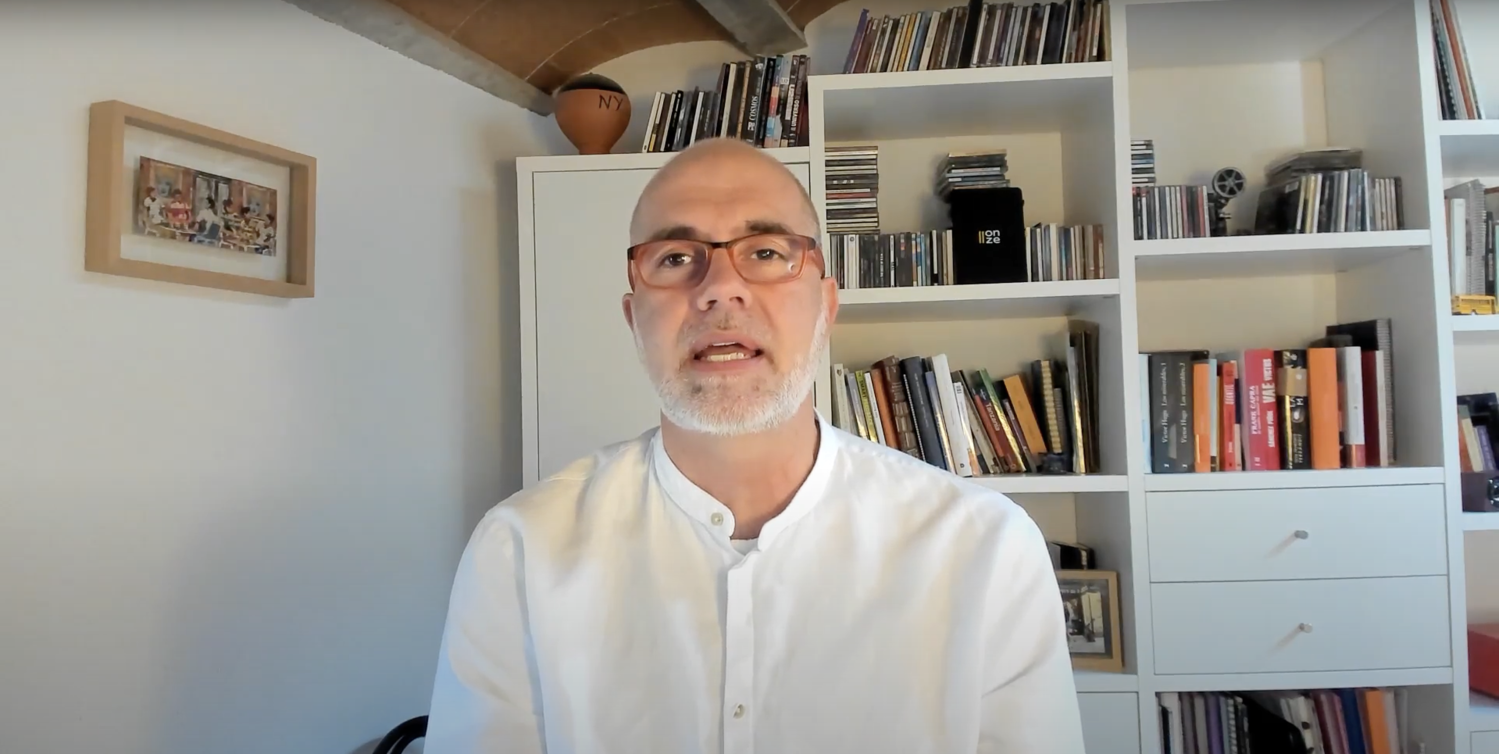
11Onze Agent Xavi Esteve talks about DO Empordà
Sharing knowledge
One of the keys to Anna Espelt’s daily learning is the sharing of knowledge and, for this reason, she works closely with the DO Empordà, with the managers of the natural parks that surround it, with the administrations and with other winegrowers. She says that all the activities carried out by Espelt Viticultors have two aspects: a more romantic one and a more scientific one “that give you better results than you had before, because we obtain excellent wines. And that makes us want to do this type of work and explain it to the world”.
She participates in the MIDMACC research project, part of the European Life programme, which studies how to counteract the effects of climate change in the mid-mountains, and it seems that both vineyards and extensive livestock farming help to make them more resilient to climate change. Anna Espelt values the work they do in terms of preserving the territory: “We have vineyards around us because we decided to plant them 20 years ago, and this has meant that today we are a biological corridor between Cap de Creus and the Aiguamolls. This is fantastic, but we have to be able to make a living. The economy, throughout history, is what has designed the landscape. If we want farmers to look after the land and manage it, we have to make it possible for them to earn a living. Where we put the money ends up defining the environment.
Wines to enjoy
Anna Espelt says that the wines from her winery express the two sides of her family: the committed branch, which fights for and defends the land, and the other, which has what the French call joie de vivre (the joy of living). “They are two components that express, respect and honour the place they come from. They are profoundly Mediterranean wines and are imbued with the Empordà character. I also want them to be drunk in a carefree and joyful way. I am a great believer in wines to be enjoyed”.
Espelt Viticultors began by exporting a large part of the product, but now they have changed their strategy and foreign sales represent less than 50%. “It is important to diversify the market”, says Anna Espelt, who also talks about wine tourism and considers it “a good opportunity to explain to people what you do, because it is very difficult for this explanation to be reflected on the label of the bottle”. In recent times, she has rethought the objective that wine tourism should have for Espelt Viticultors and has determined that it should transmit the winery’s philosophy: “what we are, what we do and why we do it”.
Do you want to be the first to receive the latest news about 11Onze? Click here to subscribe to our Telegram channel
The Covid-19 crisis has affected, above all, the tourism sector. In the specific case of Barcelona, it has gone from 8,500,000 tourists in 2019 to almost 2,000,000 in 2020. As of May 2021 this figure only reached 155,000 people.
Despite the good prospects for the summer, the wave of contagion has slowed down tourist activity in recent weeks. But, despite the new measures, there are many examples that confirm that you can carry out activities that maintain the safety required by the government, and at the same time be faithful to the user experience. Palo Alto Market Fest is one of these examples, being a tourist activity of reference for both local and international people.
The Palo Alto Market Fest guide to living a summer without sacrificing leisure
- Mask and hydroalcoholic gel
The main measures that have been adopted have proved not to be a significant inconvenience in carrying out tourist activities. These are the mask, which in the case of the Market was mandatory throughout the premises, and the use of hydroalcoholic gel to disinfect yourself in any space. The use of physical currency was even restricted, tickets were sold through an app, and the recommended payment method was a physical or virtual card.
- Avoid congestion
To ensure the steps were followed, a unidirectional route was set up to avoid congestion, and the importance of maintaining safety distance was constantly reminded, a factor that, beyond the rules, depends on individual responsibility. This, together with carrying out outdoor activities, sets up a safe enough scenario to be able to hold events with guarantees.
In their case, they even divided the musicians into different individual stages to minimize risks. Creativity and security manage to guarantee a full user experience.
- Space for eating and drinking
In the case of events such as the Market, with a wide gastronomic offer, it is necessary to enable an area with tables and chairs where you can sit, with a minimum distance from each other. A requirement that the exceptional space of the Gal i Puigsech factory successfully matched.
This and other events have corroborated that leisure and cultural activity is not at odds with health security. In fact, over the last few months it has been proven that leaving home and being able to do activities with a certain normality reduces both physical and mental exhaustion, as long as they are done with measures and guarantees.
Do you want to be the first to receive the latest news about 11Onze? Click here to subscribe to our Telegram channel
The British Museum, the Louvre, the Hermitage… If you can’t or don’t want to travel this summer, here are some of the best museums to visit online.
The world of culture is one of the hardest hit by the pandemic that has plagued us since last year, and for this reason, initiatives have emerged to facilitate access to cultural activities. Many museums around the world have launched the option to visit them without leaving home. While it is true that some already had this option, others have recently had to adapt to it.
Among the museums that offer the option to visit them virtually, we find world-renowned ones and smaller ones in our country. Today this is a widespread offer.
Internationally recognized museums with virtual tour option
- British Museum (London): it is one of the most important museums in the world. It can be visited virtually through Google Arts & Culture, which offers a 360° experience through the corridors of the museum, or through the Museums of the World project, where we find a list of objects especially relevant commented by experts from the British Museum itself.
- Louvre Museum (Paris): the most visited museum in the world made a remodelling of its website in 2020 with the aim of bringing its extensive collection to the public, offering three completely free virtual circuits. This way, we can admire works like La Gioconda, The Code of Hammurabi, or the Venus of Milo from the quiet of our home.
- Museo del Prado (Madrid): considered the largest art gallery in the world, especially in terms of Spanish, Italian, and Flemish art, it offers the option to review, one by one, all the works on display, being able to approach them in such a way you can see details that you would probably miss on a face-to-face visit.
- Galleria degli Uffizi (Florence): it may not be one of the best-known museums, but it houses the largest collection of the Renaissance, and features works that had been owned by the Medici. It also allows you to visit virtually each of the rooms, being able to focus on the works that generate the most interest.
- Dalí Theater-Museum (Figueres): considered the largest surrealist object in the world, it has the largest number of works by this artist, and is part of the so-called Dalinian Triangle. It shows a 360° virtual tour of the most important rooms of the museum.
- Van Gogh Museum (Amsterdam):also in this case, it is Google Arts & Culture that offers the online visit to the museum dedicated to the “Crazy Redhead”, which contains more than 200 paintings by the artist in his permanent collection, apart from other works by 19th century artists.
- Musée d’Orsay et de l’orangerie (Paris): basically dedicated to Impressionism. Claude Monet himself chose and conditioned this museum to exhibit his “testamentary” works. You can also see other exponents of modern art such as Cézanne, Picasso, Renoir, and Modigliani.
- Metropolitan Museum of Art (New York): founded in 1870, today has three headquarters in landmarks in New York, and allows a journey of more than five thousand years of history through the objects and works on display. It has a very complete virtual access, with 360° views, and this online experience accumulates many visitors.
- Hermitage (St. Petersburg): along with El Prado, is considered one of the largest art galleries in the world. It is housed in six buildings that are part of a huge complex that had been the Palaces and properties of the Tsars of Russia, as were the more than three million works in the collection. It also allows you to take a 360° interactive virtual tour.
- Vatican Museums (Rome): as their name suggests, they are located in the Vatican City, and are part of the great artistic collection of the Catholic Church, with works such as The Sistine Chapel or The Piety by Michelangelo. Like other museums, it offers a 360° virtual tour on its website.
The aforementioned museums are just some of the best known, but you can find very complete lists of many other cultural options of this type, and even of nearby museums, which also offer some very complete virtual experiences.
Our land’s museum offer
- National Art Museum of Catalonia (Barcelona): you can admire works from the Roman period to the twentieth century, and you can virtually visit 173 collections on its website.
- Museum of History of Catalonia (Barcelona): the online visit does not allow you to visit the whole museum, but you can take a chronological tour through some elements of the exhibition and curiosities from all over the territory.
- National Museum of Science and Technology of Catalonia (Terrassa): located in a modernist industrial building in Terrassa, both in his face-to-face and virtual visit, it offers an enjoyable tour through the industrial heritage and science.
- Maricel Museum (Sitges): it offers a tour through the history of Sitges from the 10th century to the first half of the 20th century, through the works owned by Dr. Jesús Pérez-Rosales and the town itself.
- National Archaeological Museum of Catalonia (Tarragona): located in Tarragona. In it, we can discover the footprints and legacy that the Romans left in the city.
There are no more excuses not to visit a museum where you can admire world-renowned works, of exceptional beauty, and of great historical and cultural value.
Do you want to be the first to receive the latest news about 11Onze? Click here to subscribe to our Telegram channel
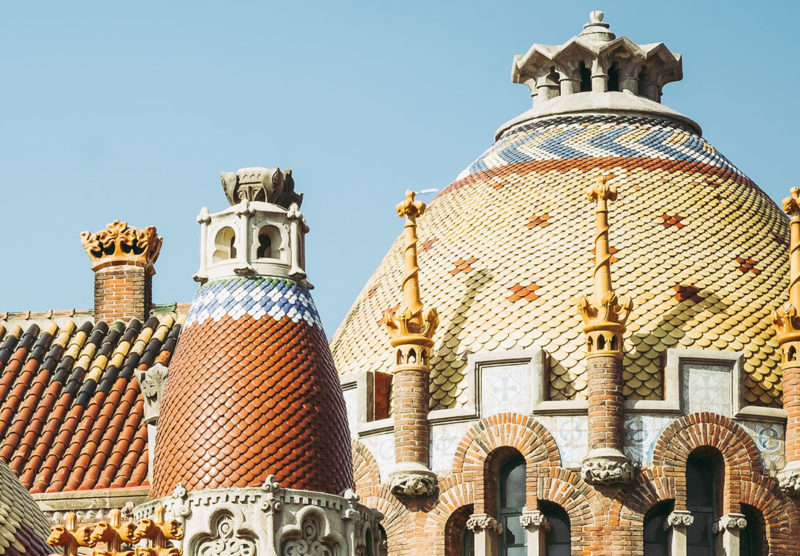

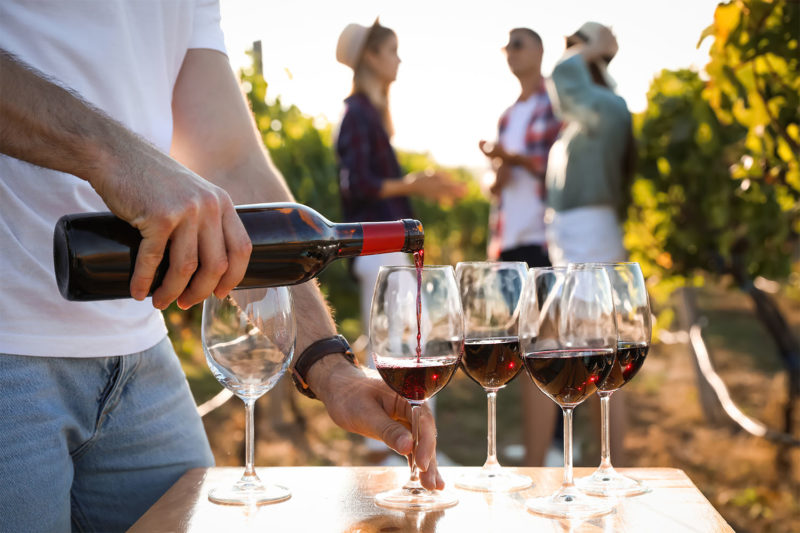
Wine tourism in Catalonia explores the millennial journey that has been the exploitation of the vineyard and the production of wine in our country, in a tour through wineries, soils, terroirs, and varieties.
The history of vine cultivation and winemaking in Catalonia begins 2500 years ago, with the Iberian, Greek, and Roman peoples who settled here. The latter, since the time of Augustus, did not want to waste the exceptional conditions of this land for wine production, and in the first century BC the wines of Tarragona were the most prized by the Roman legions.
After all this time, the heritage we have been given, bound at the culture of the vineyard and the wine, scatters around almost all the Catalan territory. In the Alella Designation of Origin (DO), for example, you can visit the remains of a Roman winery and the two largest reconstructed Roman presses in Europe, all dated to the first century BC.
Alella Vinícola, the first cooperative winery in Catalonia, was founded in the same town of Maresme in 1906. Its building, completed in 1907, is the work of Jeroni Martorell i Terrats, an architect trained in modernism alongside others such as Josep Puig i Cadafalch. It may not have been the most colourful or the most remarkable, but it gave way to a list of modernist properties associated with the impressive wine production.
The cathedrals of wine in Catalonia
Thus was impressed the writer Angel Guimerà who, when visiting the Cooperative Winery in l’Espluga de Francolí, found it so monumental, that he named it exactly this way: “the cathedral of wine”. Today this magnificent building houses a Wine Museum, but it is not the only winery that has become a heritage element of modernism: we find up to six more villages in the region that have their “cathedral”, such as Montblanc, Pira, or Barberà de la Conca.
Modernism, as an architectural movement, found in this area an unbeatable space to express itself. These are wineries characterized by the same style, large, with spectacular naves and Catalan vaulted ceilings, as well as unmistakable façades. Great architects such as Cèsar Martinell (who was a disciple of Antoni Gaudí), Pere Domènech i Roura, or the already mentioned Jeroni Martorell worked on them.
The area between Conca de Barberà, Alt Camp, Priorat, and Terra Alta, where the Gandesa Cooperative Winery is, concentrates the most significant number of Cooperative Wineries that today are part of the list of Wine Cathedrals, as the book by Raquel Lacuesta and Angle Editorial details in depth. In fact, this monumental heritage extends to many other Catalan counties and DOs, such as Anoia and Vallès, or Costa Daurada.
The impetus of wine tourism: a sector that moves millions
For many of these centuries-old cooperatives the path has never been easy, but well worked out, and so it remains. Production must reach levels of quality for an increasingly understanding and demanding consumer. The work is hard and not everyone feels able to do it: depopulation greatly affects many rural areas. Wineries and DOs know that the advantage of heritage and the momentum of wine tourism cannot be let slip, and they work on it. The latest reports before the pandemic by the ACEVIN (Spanish Association of Wine Cities) estimated that the turnover generated by wine tourism reached 240 million euros in 2019, with the routes of the Penedès among the top positions with the most visitors.
Today we can find a strong wine tourism sector in Catalonia, with a very varied range of destinations. The twelve Catalan DOs, which plant vineyards from the Pyrenees to the Ebro and the limits of Aragon, today offer routes, experiences, and interpretation centres, both for the traveller and for the lover of wine or cava who wants to have a greater knowledge. And there is also the Route of the cork in the town of Cassà, an industry more than three centuries old. A sustained effort to preserve and teach the legacy of a wine culture with a very long history.
11Once supports the country’s wine sector, as the main sponsor of the Vinari Awards 2021. If you want to know the winners of the summer awards and the best wine tourism proposals, you will find them here.
Do you want to be the first to receive the latest news about 11Onze? Click here to subscribe to our Telegram channel
Summer night, good company, a cold drink, popcorn, and a good film: an ideal plan, both for the kids and for the adults. It requires a bit of investment and effort, and yet you and your gang will reap the benefits throughout the session… or throughout the summer.
There are companies that are professionally specialized in it, such as MEDIRFLASH SL or Mestras Videocinema, with sixty-five years of experience and a catalogue of more than fifty films (half of them, in Catalan), which can set up an open-air cinema in a jiffy. These companies offer the advantage of a comprehensive service, with which we can forget about assembly and management. Of course, we have to adapt to the existing offer, without much room for creativity and imagination. Quite the opposite of what we propose here.
Requirements for using the space
For viewers, the main goal when one of these sessions starts is to find the best possible place, right in the centre, and to enjoy the film!
For those who organize it, however, the event calls for a certain dedication and preparation.
If we have enough space in the private sphere, this should be our favourite option; it will be much more comfortable to condition and, we will avoid the payment of the legal rights to show films in public spaces. This year, in addition, with the Covid-19 pandemic, we will have to apply all the recommendations for the prevention of contagion, and this will also be easier in our private space.
If we have to use a public space, the first requirement will be to obtain permission from the City Council or the institution that owns it. We also need to know that the screening of a film in a non-private space requires public display rights and copyright, as we will explain later.
The technical infrastructure
The essential technical infrastructure consists of the three basic elements of all cinemas: screen, projector, and sound.
- Screen
The blank wall of the garden or terrace, or the white wall of a public space in our town, can be the projection screen of a charming evening of open-air cinema. This is the no-cost option. However, in terms of image quality, contrast, colour saturation, and sharpness they will not be great.
If we don’t have access to a white wall, the next low-cost alternative is a sheet, the whiter, the better, which we will have to hold and lift with some type of support that keeps the surface very taut and flat. Beware, however, of the wind!
If our intention is to project several sessions, or to do so with a certain frequency, buying a screen is worth it. We can buy a folding-frame transportable screen from €200, or an ultraportable screen, from €140, both in 16:9 format (format for high definition) and 4:3 format (standard format of conventional television). The latest fads are inflatable screens, which can even be put in the water, from about €315.
- Projector
At this point, we need to know that the most important element is the projector. Home projectors — the most commonly used ones — focus more on contrast than brightness, which is more enhanced in a professional projector. Domestic ones can be used on a summer night, but they require to be the more in the dark the better.
When choosing a projector, lumens are essential: the more lumens, the better the projection result with ambient light. In addition to lumens, it is necessary to pay attention to the type of interior lamp: the traditional ones have an incandescent one, while the newer ones have LEDs and have a lamp that lasts five times longer. In addition, the filaments of incandescent lamps are more sensitive to movement and can break when hot.
If we want to see films in the highest quality, we have to choose a Full HD projector. Of these, there is good value for money from €400. Some models allow you to connect Google Chromecast, Amazon Fire TV, or Apple TV, and send the contents directly from your mobile or tablet.
- Sound
As for the sound, it is worth mentioning that most projectors have speakers, but of limited quality and power. Still, if the session is petit comitè, we could have enough. Otherwise, we have several alternative options here. One option that has strong acceptance today are sound bars, which normally need to be connected to the power and the projector, being possible to do so both by cable and by Bluetooth, which current projectors incorporate.
Choose the film and pay for it
In the private sphere, we can choose a film from a payment platform and send it directly to the projector. If we do a public screening, exhibition fees must be paid, which may go from €150 and €320, depending on the film. When we have paid this amount, the distribution company will send us a copy of the film so that we can project it, in the format appropriate to our playback device.
We must add to this amount the Copyright, which, according to the General Society of Authors and Publishers (SGAE), is generated when you show the duly authorized film. This amount is €10.48 plus VAT per session. It should be clarified that, for the SGAE, a session can consist of up to two films screened consecutively and also that, from these copyrights, we can deduct up to 5%, if we do the film session under the auspices of some non-profit cultural entity.
Do you want to be the first to receive the latest news about 11Onze? Click here to subscribe to our Telegram channel


Saraiva de Carvalho, the military man who led the coup that brought down Salazar’s dictatorship, has died in Portugal this week. But his story would have been very different if it had not been for a cafeteria worker who with her gesture changed the history of her country. She is Celeste Caeiro.
April 25, 1974 seemed like a day like any other in Portugal, a country that had not held elections since 1925. But the dictatorial regime of Salazar, succeeded by Marcello Caetano, was about to collapse thanks to the carnations of Celeste Caeiro, a humble worker in a Lisbon café.
Arriving at her workplace, she discovered that that day was anything but normal: during the previous night, there had been a military uprising against the Portuguese dictatorial regime; the soldiers had occupied strategic points in the country, such as ports and airports, and had asked the population to stay at home. The captain Otelo Saraiva de Carvalho led the operation.
Seeing that the situation could become critical, the manager of the café sent home all his workers with a request: since the situation made it impossible to celebrate the anniversary of the café as they had planned, he asked his employees to take home with them the carnations they had purchased for the celebration.
Caeiro, however, ignored the warning of her boss and her friends. Instead of heading home, she decided to take the subway towards the centre of Lisbon, to the well-known Plaça de Rossío, to be able to observe how the events were evolving.
The day flowers replaced weapons
Full of curiosity, she approached a soldier to ask him what was going on, and he asked her for a cigarette. Unfortunately, she didn’t have any, so she thought of buying him something to eat, but due to the coup, all the nearby shops and restaurants were closed. Therefore, she gave him the only thing she had at the time: a carnation.
The soldier did not hesitate to place the carnation in the hole of the rifle he was carrying, symbolizing the unwillingness to fire his weapon. Then the rest of the soldiers in the squad followed the example of the first soldier, and as Caeiro handed them the carnations she had, they were placed in the same way.
Ironically, this gesture spread like wildfire through the square and across the city, making visible the intention of the revolutionaries not to fire their weapons. Once the government of the regime surrendered, the carnations ended up becoming the symbol of the revolution and the reason for its name.
The absence of recognition for Celeste Caeiro
Many times we tend to focus on the most beautiful and positive parts of stories, but it’s also worth acknowledging the negative ones. In this case, the absence of recognition that Caeiro has suffered throughout her life.
Despite having given name to the revolution that changed the course of her country, Caeiro is still unknown to many of her countrymen. Instead of receiving tributes, she still survives with the minimum pension of 370 euros, which is largely spent on the rent of her flat. This situation should make us think about the treatment we sometimes give to those who give everything without asking for anything in return.
Do you want to be the first to receive the latest news about 11Onze? Click here to subscribe to our Telegram channel



After a year of pandemic, the festival returns to Barcelona stronger and more confident than ever. A must-attend event for lovers of design, innovation and craftsmanship.
What is Palo Market Fest?
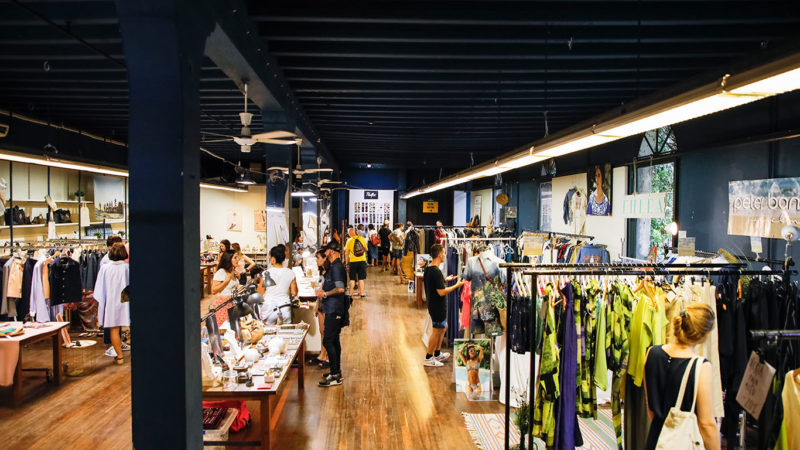
The former Gal i Puigsech factory, in the middle of the industrial neighbourhood of Poblenou, has become a space of creative reference thanks to the Fundació Palo Alto, which has turned this venue into a cluster of artistic and cultural creation businesses. In addition, for some years now the venue has hosted the Palo Market Fest, which traditionally takes place on the first weekend of the month and, following the dynamics of the space, hosts a very special event where there is no shortage of brands of all kinds, culinary proposals from all over the world and live music to liven up the day.
The cradle of trends
Seven years after its creation, it has established itself as a reference market, both for locals and visitors, and currently has more than 30 design exhibitors for all tastes: jewellery, art, second-hand clothes, vintage, sustainable or accessories, in a selection of proposals for all sexes and ages. The wide range of artisan brands offers original and exclusive products that make the Market a unique experience.
Fourteen premium companies close the line-up with the most innovative proposals on the market, where emerging talent, design and functionality meet to create sustainable, quality products where less is always more.
The 3Ms of Palo Alto: eating, music and fashion
Live music fills every corner with the “Street music experience“, which livens up the day from different stages.
And also in terms of food, the Market has become the reference venue for the food-truck sector in the city. They manage to bring together all kinds of culinary and multicultural proposals, without forgetting healthy and vegetarian food.
Limited capacity and pre-sale tickets
This weekend is the last summer edition of the festival, which due to the pandemic restrictions is divided into two shifts: from 13:00 h to 18:00 h and from 18:30 h to 23:00 h, with a maximum capacity of 950 people. Admission costs €5 and can be purchased exclusively through the VERSE application. Children under the age of twelve and people with reduced mobility or disabilities and their companions will be admitted free of charge.
Do you want to be the first to receive the latest news about 11Onze? Click here to subscribe to our Telegram channel
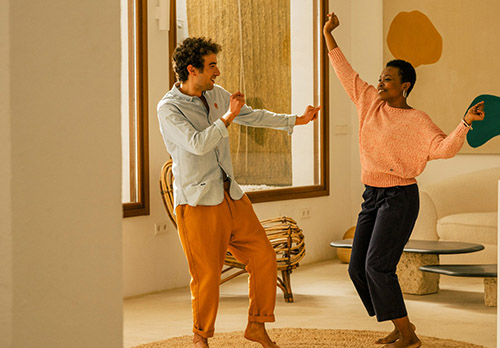
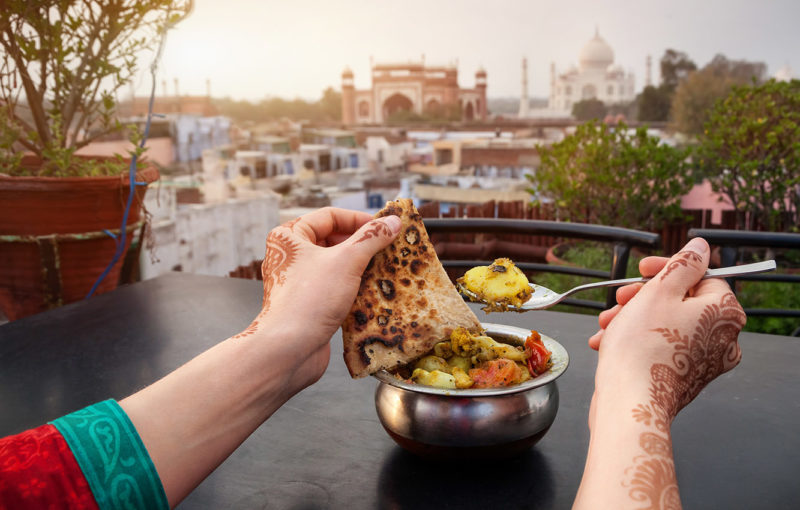
In these turbulent and difficult times for the tourism sector, it seems that there is an area that resists and maintains a high level of activity: wine tourism, or visits to wine environments. What opportunities does this type of tourism offer to a sector currently below minimums due to the pandemic?
Tourism that adapts to the new normal
It has been more than a year since the fateful March 2020, but tourism figures in Catalonia are still well below what used to be normal. These harmful effects are not only due to the restrictions imposed by governments: many people, whether local or foreign, have changed their habits and prefer to avoid visiting crowded or claustrophobic places.
Obviously, this point has harmed establishments in many parts of the Catalan geography that had specialized in this type of mass tourism. But, at the same time, and against all odds, it seems that it is increasing visits to wineries of our country.
This is an activity away from mass tourism and with many facilities for the visitor, who can spend a quiet time away from the stress of the city, and enjoy the gastronomic wonders that are offered. This favours the maintenance of social distance, which, together with the absence of overcrowding, provides a greater sense of security to visitors.
What interest does it have for tourists?
From the customer’s point of view, wine tourism offers many advantages over other types of tourism. For starters, Catalonia is a very rich country in wineries: there are many denominations of origin (Penedès, Priorat, Empordà…), all of them well distributed throughout the territory, so any Catalan has multiple wineries near their home that they can visit, either in a short getaway or for a few days.
The other key feature is its versatility. Wine tourism is not only visiting wineries. It also allows you to live other experiences such as wine tasting, visiting local museums, enjoying gastronomy, or simply taking the opportunity to visit the towns in the area, in a much more relaxed atmosphere than in large cities.
All this has allowed wine tourism to grow remarkably, and statistics confirm that more and more young and middle-aged people are interested in visiting wineries in their area. Today almost 20% of the visitors are less than thirty-five years of age, and more than 32% are between 35 and 45 years old, a trend that is increasing year after year.
What does it mean for wineries?
As for the wineries, the fact of promoting themselves as a wine tourism proposal provides them with many benefits, starting with the income. During the first months of the pandemic, wine consumption fell almost 15%, which caused great financial problems for many small wine companies, many of them family-owned, which could not guarantee the payment of debts.
The rise of rural tourism, and by extension wine tourism, has been a great help to the sector. It has opened a new line of income thanks to visitors, who in general tend to have a higher purchasing power than in other tourist activities.
This avalanche of visitors indirectly helps the food sector too, as many of these wine tourists take the opportunity to live gastronomic experiences focused on local products.
Future perspectives and recommendations
Despite the advantages and synergies it provides, we must also see a negative point: so far, the full potential of wine tourism has not been exploited. We still have few visitors to our wineries, in relation to other countries in our area with a wine-making tradition, such as France or Italy. While these countries have between 15 and 10 million oenological tourists each year, the latest estimates say that in Catalonia we do not exceed one million. In Spain, there is a similar situation: just over 3 million visitors.
The advantages of wine tourism, as described, are an important potential for our wine companies and, therefore, the future of the sector must consider this activity and contribute to its promotion and popularization. This type of tourism, with a lot less seasonality (its peak is usually in the autumn and spring), can also help regulate tourism in our country, mostly sun and beach tourism concentrated in the summer period.
The recommendation for this summer is to visit a winery in our territory, in an original and enriching experience where you can enjoy nature and the surrounding environment. Catalonia has a wide range of wineries. However, if you do not know which to choose, we recommend one of the winners of this year’s Vinari Awards, such spending a few days at the BUIL&gINÉ Hotel (DOQ Priorat) awarded as the best wine tourism accommodation; spending a few hours at the Celler Llopart (Corpinnat-Penedès) awarded for the best proposal for “Live the harvest of 1887”; or pairing wine and food at the Garden Restaurant El Cellaret of the Família Torres winery (DO Penedès).
Do you want to be the first to receive the latest news about 11Onze? Click here to subscribe to our Telegram channel
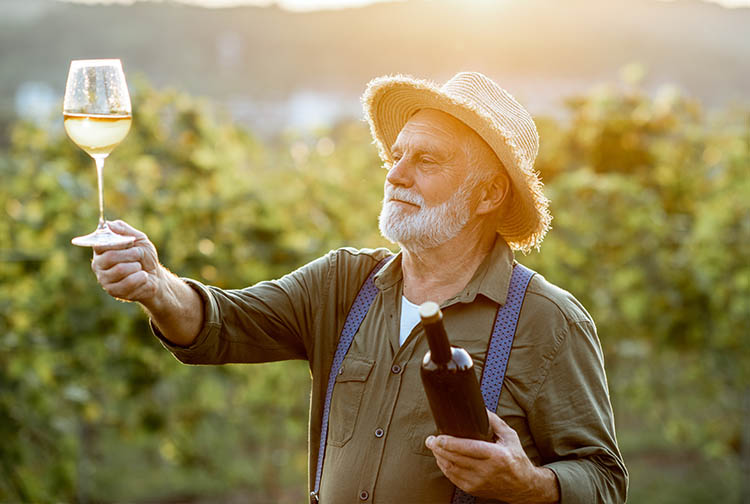
Who decides the colours of the summer? Do you know the Pantone Color Institute? We explain why you find what you find on the street and on social media.
We are already well into summer and, as with every change of season, what we will wear or see on the street or on the beach has been meticulously studied by experts who analyse the trends. Today we want to update you on the trends for this summer 2021, and we will do it with three small brushstrokes: we will delve into the current colours, we will review the trend predictions, and we will find out what the fashion is like online.a

Coral, lilac, yellow or fuchsia, the trendy colours of the summer
Who decides what fashion colours we see in magazines, what TV presenters and influencers wear, or what we will see people wearing during summer? This is the work of the Pantone Color Institute, Pantone’s trend forecasting and colour consultancy. They are, to a large extent, the ones who set the colours that will be worn. Each season they produce a report suggesting the top ten colours and the five classic neutral colours to wear.
For this summer, Pantone goes for vitality through bright colours, such as orangey yellow, sky blue, navy blue, earthy brown, light green, mint green, coral, lilac, yellow and fuchsia. As for the season’s classics, they suggest blackened blue, grey, cream, earthy and willow green. According to Leatrice Eiseman, executive director of the Pantone Color Institute, this summer’s colours combine energy, relaxation and comfort in order to improve our mood, which is probably what we need most right now.
Trends for all tastes
As with colours, fashion trends are also analysed and prepared in advance. There are companies that are dedicated to making reports on what will be worn, anticipating two years in advance the fashion that we will find on the street. According to the analyst and trend forecaster Rosalina Villanueva, from WGSN – a company dedicated exclusively to forecasting trends – this summer’s trends are comfort, futuristic style, retro, pop, sailor style, safari looks, evaporated materials, floral, minimalism and environmentally friendly materials.
Social media, the new trend incubator
But fashion is not only found in the colours decided by Pantone or the most expert analysts. Fashion can also be found in social networks. Every surfer and with a little attention everyone can observe the top trends of this summer: Bucket hats, crochet clothing and accessories, colourful jewellery, espadrilles, XXL shirts, flip-flops sandals, net bags, asymmetrical pieces, Bermuda shorts, Vichy checks, tie-dye or Ibiza-style dresses and clothes, are just some of the fashion trends that we can find this summer, according to the fashion that is followed on social media.
Finally, let’s remember that this summer fashion is full of happiness; it’s not about being the most modern or the one who wears the latest trends, but about bringing out our personality and the most authentic energy interpreted through the pieces we wear. And last but not least, don’t miss these seasonal basics: The smile and the good mood; which are the most upward trend that we will always find, season after season.
Do you want to be the first to receive the latest news about 11Onze? Click here to subscribe to our Telegram channel