Catalonia, one of the Four Motors for Europe
Catalonia is one of the regions of the “Four Motors for Europe” network, founded in the late 1980s to promote cooperation between them. It is made up of four of the most industrialised areas of the European Union.
On 9 September 1988, Auvergne-Rhône-Alpes, Baden-Württemberg, Catalonia and Lombardy signed a cooperation agreement to form the “Four Motors for Europe” network. As Sandra Molas, sales manager at 11Onze, explains, these four regions currently comprise “36 million inhabitants” and represent approximately “9% of the European economy”.
The initial objectives of this interregional cooperation partnership were mainly related to economics and research, as well as art and culture. Over the following decades, however, the objectives and level of cooperation have increased significantly.
Current areas of cooperation include economic development, research and innovation, training and higher education, climate and environment, transport and mobility, health, agriculture, civil society and arts.
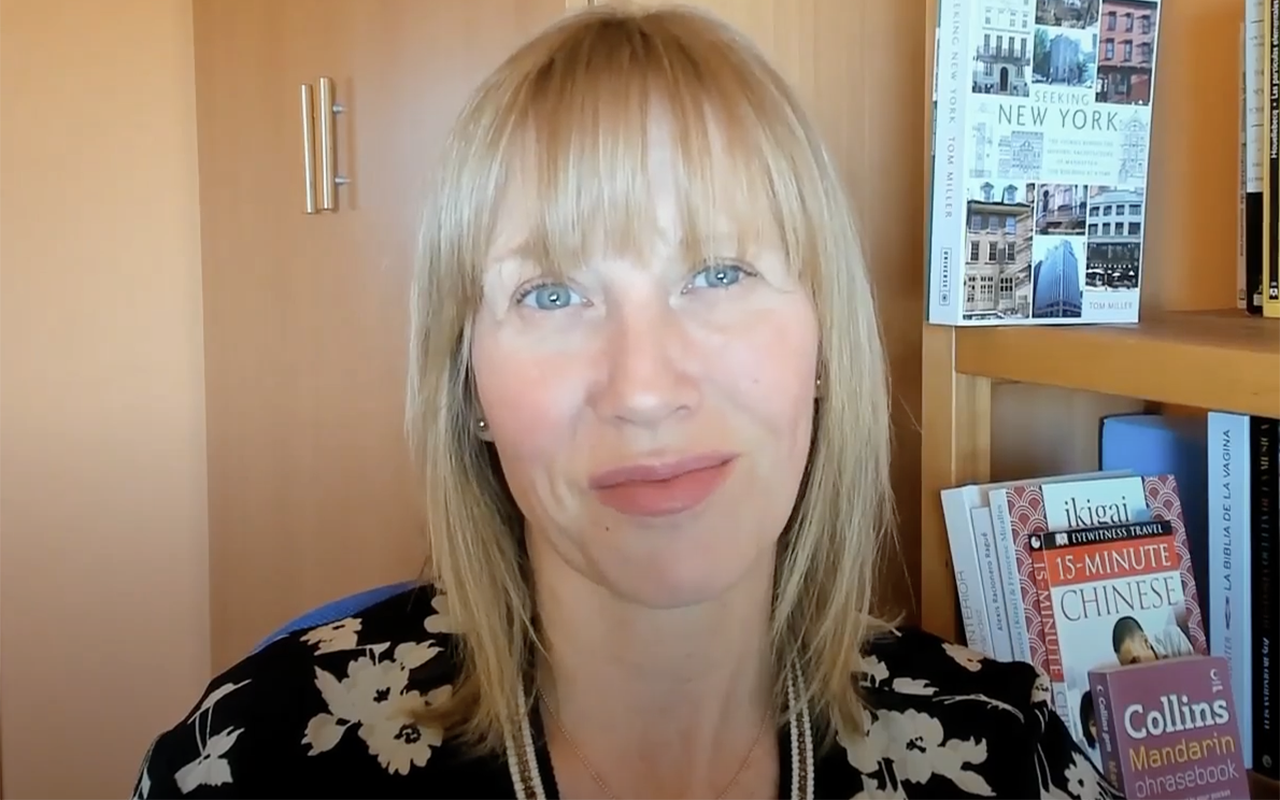
Sandra Molas talks about the "Four Motors for Europe".
In the framework of European integration
The founding of the network coincided with major European integration processes. For example, as Sandra Molas recalls, in 1992 the Maastricht Treaty was signed, which “came into force in November 1993” and led to the creation of the European Union.
The Four Motors for Europe has always supported the important role played by the regions in the continent and has served as an example of the strong international affiliation of European regions.
“The group actively contributes to European affairs, in particular by publishing common positions on EU policy,” as Molas explains. In fact, they try to “act as a lobby on the issues that are of most interest to them.”
In some cases, regions join as partners to participate in initiatives, especially in economic cooperation. This has been the case in Flanders, Wales and Quebec. However, most activities involve only the four signatory territories.
Flexibility is one of the defining characteristics of the network, which has no institutions or budget of its own. The partnership is governed by a Coordination Committee made up of the general coordinators of the executive offices of the presidents. And the thematic work is carried out in various working groups.
Rotating presidency
The presidency changes every year following a fixed rotation. Catalonia assumed its last presidency in September 2020 and passed the baton to Auvergne-Rhône-Alpes in December 2021.
The programme of the Catalan presidency focused on the 17 Sustainable Development Goals of the 2030 Agenda, as well as the European Green Pact, to strengthen the transformative resilience of our societies. Inspired by the three dimensions of the 2030 Agenda, the programme was organised into three resilience dimensions: economic, social and environmental.
To give the programme substance, all departments of the Government of Catalonia were consulted, resulting in more than 30 specific initiatives that were developed over the 14 months of the Catalan presidency.
Present and future of the network
As Sandra Molas warns, the ravages of the pandemic and the current economic situation mean that the four regions that make up the group must “read just their recovery policies and activities” towards new models that “adapt to the needs of the moment.” And this will have to be done “with a regional, European, but also global vision.”
The 11Onze sales manager concludes that this will not be easy because of “the threat of an impending global crisis caused by national debt, rampant inflation and skyrocketing fossil mineral prices”.
If you want your business to make a giant leap, use 11Onze Business. Our business and freelancer account is now available. Find out more!

Although we really like to spend the day on the beach, bathe, and enjoy a good time near the sea, it never hurts to remember a few tips so as not to suffer more than necessary under the strong and warm summer sun.
The sun is not bad for our skin, on the contrary: solar radiation is critical so that our body can synthesize vitamin D, an essential vitamin that helps absorb calcium and strengthen our immune system.
In fact, there are countries that, during the winter or some times of the year, almost cannot enjoy sunlight (such as various places in the Arctic Circle), and it is recommended that those who travel there during these times and stay there for a relatively long time take vitamin D in capsules, so as not to suffer harmful effects on the body.
Between too little and too much sun
It is estimated that, given the power of the sun in summer, there is no need for more than 10 or 15 minutes of daily exposure to the sun to receive the amount of vitamin D needed per day. From here, then, a continuous and unprotected exposure can cause very harmful effects on our skin.
That is why it is very important not to underestimate the effects of spending too many hours on the beach, and take sufficient protective measures to be able to enjoy a good holiday without having to suffer the negative consequences of excessive sun exposure.
Don’t get a sunburn!
Avoid noon
For starters, very important: the schedule. We all know that in the morning, when the sun is rising, it is less hot. The same happens at the end of the day, during sunset. This is because, due to the rotation of the Earth, there are times of the day when the sun’s rays hit us more directly: it is what is popularly known as “a burning sun”.
These hours of maximum solar power are usually around noon, from 12 to 4 p.m., and these are the times to avoid indiscriminate solar exposure: we will put ourselves in the shade, go for a drink, or go home for lunch.
Sunscreen, all year round!
But while we avoid the most dangerous hours, the star king is still up there, so we need to protect our skin as well. This implies, above all, using a good sunscreen which helps us to withstand the harmful effects of excess ultraviolet rays.
It is best to use a +50 protection factor sunscreen in the exposed areas of the body, and apply it again at least every two hours. It should also be noted that if we go to the water to cool off, the protective effect of the cream will quite possibly last less, and we’ll have to apply it again sooner.
Furthermore, it is important not to forget certain parts of the body, such as the ears or feet, because we often forget they are also exposed, so as not to wake up the next day with an unpleasant surprise in the form of burns.
The hat as a complement
Sunburn has a problem, however: there are areas that are not entirely accessible for it. One is obviously hair. Despite thinking that hair already protects ours capillary area, the truth is that continued exposure can cause us future problems.
So how can we avoid it? While spray sunscreens for hair are becoming more popular lately, the most logical and also the most traditional solution is very easy: use a cap or hat. In this way, we can protect our hair area without any problems.
If we follow all these tips, and we also hydrate ourselves well every few hours, nothing will stop us from enjoying a great summer on the beach, in the mountains, or in the place we prefer!
Have a nice summer!
11Onze is the community fintech of Catalonia. Open an account by downloading the super app El Canut for Android or iOS and join the revolution!


When you hear the term summer hit, what comes to mind: Georgie Dann, The Refreshments, King Africa, Don Patricio? It depends on the generation you belong to. But what are the summer hits in Catalan?
Globalisation and the popularity of Catalan brands, especially beer brands, mean that the songs they use reach more people, but we can consider that the birth of the summer hit in Catalan took place in 1990, when TV3 commissioned the popular group La Trinca to compose a song to be used in the channel’s summer programme advert, which would be used for three summers, covered by different performers.
In 1993, the summer hit in Catalan was Munta-t’ho bé, by Els Pets. It was from this year onwards that the groups or singers chosen to provide the soundtrack for the TV3 summer advert opted to adapt their own songs, instead of composing one exclusively for television. In many cases, this has given them a popularity they did not have before. In recent years, radio stations have also signed up and commissioned versions for the summer campaign. A new channel of visibility for songs in Catalan.
Create your summer playlist
Beyond the world of advertising, here are 20 songs in Catalan that you can’t miss on your summer playlist:
- Fes la teva (Lax’n’Busto, 1995)
- Alegria (Antònia Font, 2002)
- El teu estiu (Sau, 2003)
- Agost (Els Pets, 2004)
- Al mar (Manel, 2008)
- Vull saber-ho tot de tu (La Casa Azul, 2008)
- Aquí és estiu (The Pepper Pots, 2011)
- Rock’n’Roll (Els Catarres, 2013)
- Estiu (ZOO, 2014)
- Corre l’estiu (Pepet i Marieta, 2014)
- Et faré feliç (Via límit, 2014)
- Junts (Projecte Mut, 2016)
- L’estiu és llibertat (Búhos, 2018)
- La gran eufòria (Joan Dausà, 2018)
- Tant de bo (Suu, 2020)
- Un estiu que no s’acaba (Miki Núñez, 2020)
- Molts estius queden per viure (Ginestà, 2020)
- Bye bye (Oques Grasses, 2021)
- Com abans (Sense Sal, 2021)
- Amics, tiets i coneguts (The Tyets i Els Amics de les Arts, 2021)
What does a summer hit have to be like?
The phenomenon known as the summer hit has its origins in the Italian music festival “Un disco per l’estate” (1964), aimed at discovering new talent and imitating the success of the San Remo Festival.
The Italian idea crossed the Mediterranean, and in 1966 the summer hit hashtag became popular with the creation of the programme “Los 40 principales” on Radio Madrid, although other stations such as Radio Miramar and Radio Juventud were also already choosing their summer hits.
The summer hit, by definition, is “is a song that is released and peaks in its popularity during summer“. In this particular aspect, they became popular, especially thanks to Latin artists, but also artists of other nationalities who translated their songs into Spanish in order to succeed in this large market, such as Georgie Dann, a French national.
Today, radio and television in Catalonia also incorporate Catalan-language songs, marked by their energy or their lyrics. The challenge, however, is to get them to cross borders. And you, what song would you add to your summer playlist?
11Onze is the community fintech of Catalonia. Open an account by downloading the super app El Canut for Android or iOS and join the revolution!


Barcelona tops the list of Catalan towns with the highest prices for renting and buying a home. This fact, together with the change in habits as a result of the COVID-19 pandemic, has led to a slight migratory movement from Barcelona to the other 35 municipalities that make up the Barcelona Metropolitan Area.
The crisis due to the health emergency has led many people living in Barcelona to look for housing, often in the same metropolitan area, where they can have more living space. The housing demand after the pandemic has changed, as the Barcelona City Hall details, and the number of homes with larger, open spaces, and without the pressures of urban centres has increased. Preferences have been geared towards middle-size municipalities, quieter and relatively close to workplaces, but with good services.
Many people choose to flee the capital, where rental prices today have an average cost of €1,203 / month, according to data from the Barcelona Metropolitan Housing Observatory. Still, for work and personal reasons, they do not want to move away from Barcelona and choose to settle in the Metropolitan Area.
The Barcelona Metropolitan Area, AMB, is made up of 36 municipalities, and is considered one of the largest metropolitan regions in Europe.
The new 11/2020 rental law, of 18 September, of urgent measures in the matter of containment of rents in residential rental agreements lowers and freezes the rental price of new contracts in the areas with the highest demand for housing. However, many people, despite working in Barcelona, do not find rental housing at a price consistent with their salary. That is why a significant percentage choose to live in one of the 35 other municipalities that make up the AMB.
With an area of 636 km² and a population of 3,239,339 inhabitants, the AMB is one of the largest metropolitan regions in Europe. Only 48% of its territory is urbanized, whereas the remaining 52% are forests, beaches, and unoccupied land. This natural environment, the good quality of facilities such as internationally valued health centres such as Vall d’Hebron and Hospital Clínic, a good public education system, an extensive transport network, and a great cultural and leisure offer provide, altogether, a high standard of living in this area.
Sabadell, Terrassa, and Badalona, the most sought-after cities in the AMB
The most sought-after cities, according to data from the real estate website Idealista this June 2021, are: Barcelona, Terrassa, l’Hospitalet de Llobregat, Sabadell, and Badalona. The following table details the purchase and rental prices of these cities, according to the same source:
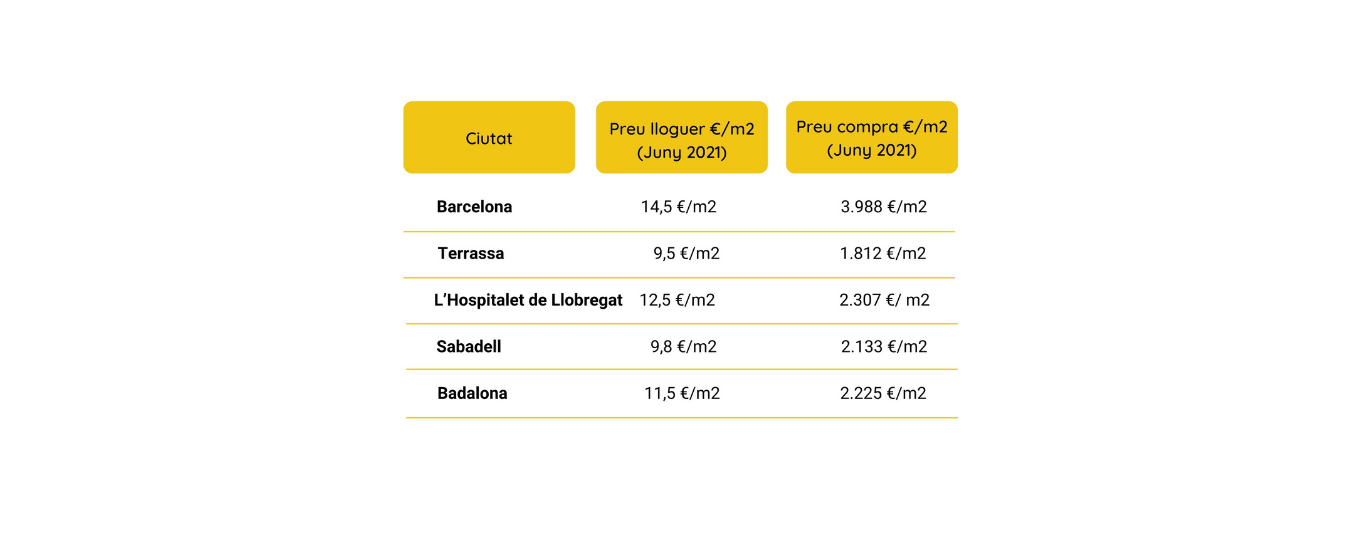
Due to the situation, it must be borne in mind that Barcelona is losing population, despite remaining the most in-demand city. This explains the growth of Terrassa and the other cities, given the important difference in the price of housing. This, added to the factors previously described, becomes the determining factor for going to live outside the Rose of Fire, and continue to take advantage of large cities while focusing on quality of life.
11Onze is the community fintech of Catalonia. Open an account by downloading the super app El Canut for Android or iOS and join the revolution!


L’any 1946 l’enginyer francès Louis Réard va dissenyar el banyador femení de dues peces. Li va posar de nom bikini inspirant-se en l’illot on s’estaven fent les proves atòmiques després de la Segona Guerra Mundial.
I a qui va escollir Réard per lluir el primer biquini? A l’stripper Micheline Bernardini. L’èxit va ser tan brutal que, des d’aleshores, la publicitat ha popularitzat la idea de l’Operació Biquini, és a dir, que quan comença a fer bon temps i s’acosten les vacances d’estiu les dones han d’esforçar-se a correcuita perquè els quedi bé un biquini.
Però l’Operació Biquini és una font de frustració, i, fins i tot, de riscos per a la salut per a moltes dones que volen encaixar en els cànons de bellesa, a part d’invertir els seus estalvis en productes i tractaments impossibles. En els darrers anys, el feminisme està rebutjant l’Operació Biquini i impulsant el concepte de bellesa natural femenina. És a dir, que si et vols comprar un biquini, te’l compris, més enllà de si encaixes o no en el tòpic del 90-60-90.
L'agent Núria Rambla ens parla de bellesa natural.



On June 23, we celebrate the festival of Sant Joan. A feast that has always had great significance in Catalan folklore. With this article, we want to bring you a little closer to discovering some secrets of this magical night, so full of fire in our country.
The season of sandals and espadrilles has arrived, and that marks the beginning of summer and heat time in Catalonia. There is, however, a holiday that further determines the start of the season, the most magical night, the one that arrives two days after the summer solstice: la Revetlla or Nit de Sant Joan, also known as the Night of the Witches or Night of Fire, which is celebrated throughout the Catalan Countries.

Midsummer Night: Let's make a new fire!
The first, the Greeks
To be able to delve into the history of the night of June 23, eve of St. John, nothing better than taking a look at the Costumari català, the reference book regarding our traditions and customs, written in 1952 by the folklorist and ethnologist from Barcelona, Joan Amades.
According to Amades, the tradition of celebrating this festival, in honour of the onset of summer, dates back to Roman times, when the Romans went out to collect verbena (Verbena officinalis), a herb with many properties and some extra secrets, which still gives its name to the festival in Spanish, although with an initial v. The Romans used this herbaceous plant for medicinal and magical uses, and believed that if they collected it during the night of Saint John, it would bring them happiness and wealth. But they were not the first to revel on that date. It was the Greeks, who made bonfires to celebrate the birth of the god Apollo, considered the god of the Sun. It is known that in Barcelona the festival has been held in the street since the 15th century, where there was already the ancient and lost tradition of going out to look for medicinal herbs on the night of Saint John.
And this is how the celebration and the bonfires have lasted so long, the fire having been the most differentiating feature of this festival for years. And if today bonfires are lit in neighbourhoods or streets of different cities or towns, in the past it was customary to light them in front of the masies or the more isolated houses. Specifically, four bonfires were lit, one for each of the four winds, to protect the home from disease, thieves, evil spirits, and witchcraft. Amades specifies that even the people who lived far away and alone in the woods lit a bonfire that night, no matter how small. But it seems, as we can read in the Customari, that, just as today they are banned in rural areas and places surrounded by forest, they were also banned in the past in many cities for fear of causing fires. There is evidence of ancient laws enacted everywhere to try to prevent people from lighting them, as well as bans on religious grounds. This feast of pagan origin surpassed the fetters in clandestinity, and the fire never ceased to be present. And so, the habit to ignite fires at the streets and plazas of all the cities and towns of the Catalan Countries was restarted and normalised.
The writer also details in his book that firewood and old furniture were burned in the bonfires, that kids from each neighbourhood collected, shouting: “Is there anything for St. John’s fire?” The firewood and utensils for burning that the children collected were transported in an old mat that acted as a cart, and then they hid it in a stable or laundry room, so that it would not be looted by a gang from another street, and kept it there until the long-awaited party night. It was also very typical of the night of Sant Joan that, while the children threw the old trinkets and the firewood in the bonfire, they sang: “Throw it in the fire of St. John, throw it, throw it.”
In the end, given the usual temperatures of this time of the year, and if you think that everything is fire for St. John, it is good to remember that the revetlla is also associated with water, with the midnight baths and with many festive ways of soaking, throwing buckets full of water down the streets, or even from the balconies.
These are some of the traditions that our land holds. And this year, more than ever, after the confinement and restrictions of 2020, we celebrate the feast of St. John. Let’s pay attention to the words that Joan Maragall left us: “You can indeed make them high / the bonfires this year.”
11Onze is the community fintech of Catalonia. Open an account by downloading the super app El Canut for Android or iOS and join the revolution!
Our hyperconnection goes far beyond the digital realm. Today we have at our fingertips almost any food or drink from around the world, and the same is true for Catalan products, which are exported to over 190 countries. Which are the most outstanding?
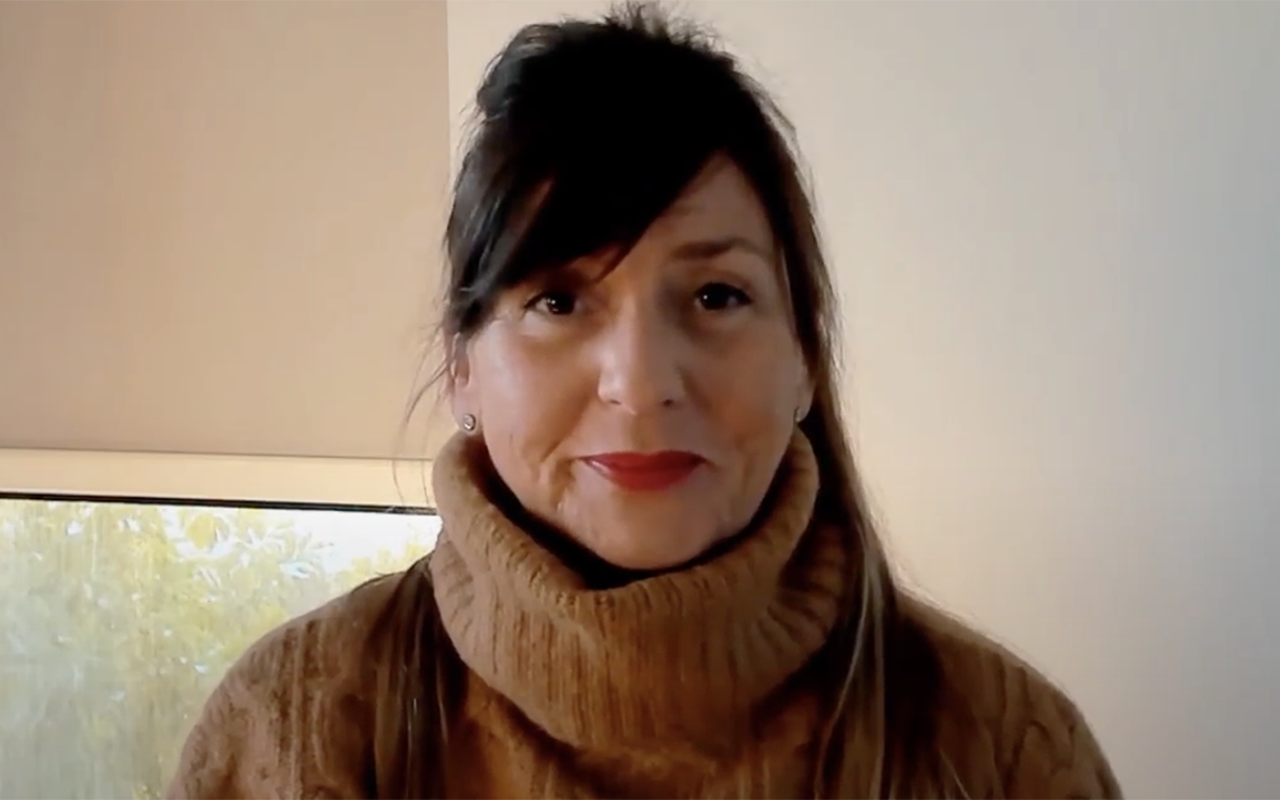
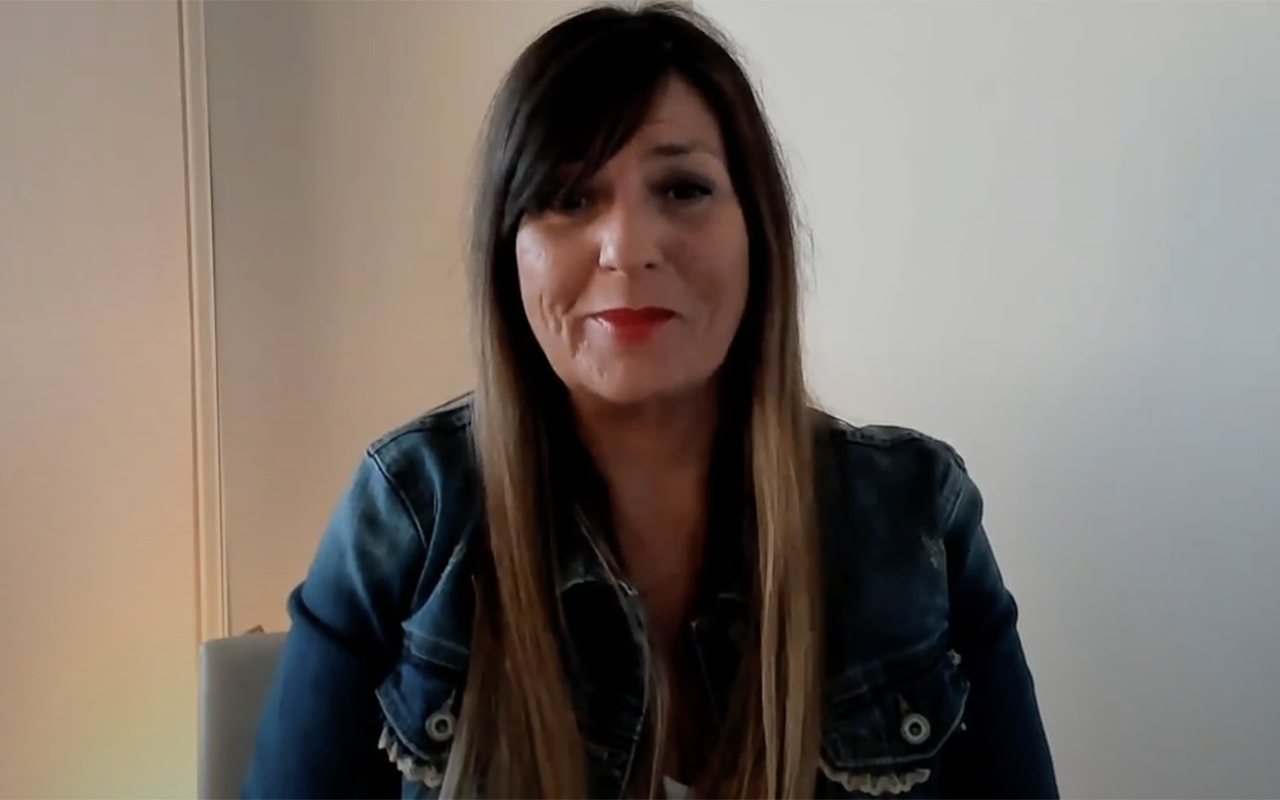
In the past, a dish “à la catalane” outside Catalonia meant that the meal had a garnish of aubergine and rice. Although many dictionaries, such as the Oxford Dictionary, maintain this definition, nowadays, there is “another perception of what it means to eat or drink ‘à la catalane'”, as 11Onze agent Lels Granados points out.
Our food and drink can be enjoyed in around 200 countries, with a special emphasis on the European market, although Granados warns that “destinations such as China, Saudi Arabia, the African market and Southeast Asia are becoming increasingly attractive” for our companies. What’s more, Catalan chefs are making a name for “pa amb tomàquet” all over the world.
Drinking well to live better
Catalan wines and cavas have carved out a niche for themselves in many international markets, both on the shelves of shops and on the menus of the best restaurants. In fact, Catalonia is the area of Spain with the highest export volume. In total, around 300 Catalan companies market these alcoholic beverages all over the world.
The case of cava, which is an indigenous Catalan product, is particularly striking because of its international presence. Despite the pandemic, 151 million bottles of cava were sold abroad in 2020, more than two thirds of production.
Liquid gold
Another basic product of our gastronomy that is highly appreciated abroad is virgin olive oil, which is a fundamental element of the Mediterranean diet and of sauces in Catalan recipes, such as aioli, “romesco” and “picada”.
“More and more foreign consumers are becoming aware of its nutritional benefits and its ability to improve any recipe,” says Lels Granados. In fact, in 2021, sales increased by more than 15%.
Catalan products in the world
Wide variety of cheeses, desserts and sweets
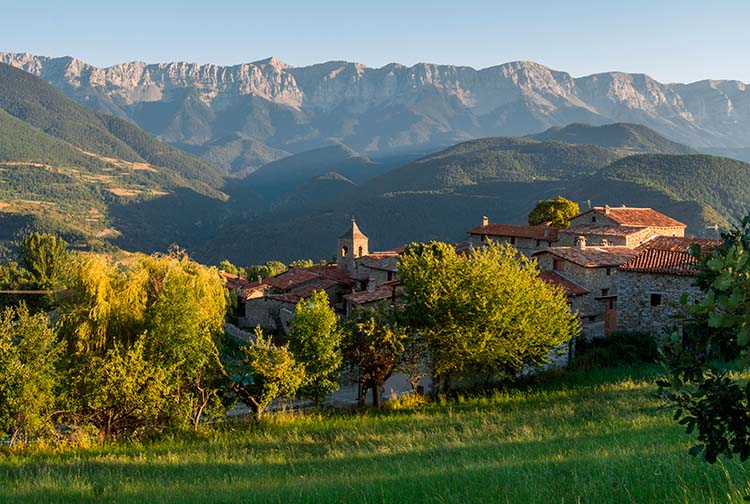
In Catalonia, there are also around 250 varieties of cheese. The 11Onze agent explains that the mountainous areas of Cadí and Alt Pirineu and the regions of Bages and Vallès are “the cradle of the best cheeses”. And he gives the example of the cheese made in Alt Urgell with Friesian cow’s milk, which is the only one with a designation of origin in Catalonia.
Other varieties highlighted by Lels Granados are the one made in La Garrotxa with goat’s milk, which was recovered in 1982; serrat, a cheese made in the Pyrenees with raw sheep’s milk; and the well-known mató, an icon of Catalan cuisine that is recorded as far back as the 14th century.
The flavour of some of our desserts takes us “back to other times when our grandmothers spent hours in the kitchen to turn recipes into prodigious flavours”, as the 11Onze agent explains, detailing examples such as “torró” from Agramunt, “xuixos” from Girona, “catànies” from Vilafranca del Penedés, “panellets” or the famous “crema catalana”.
Catalan products in the world II

In a new episode of ‘Persones’, we talk to Gerard Querol, a young man who created an initiative on Twitter for flirting in Catalan: Tindercat. In just one year, it already has reached more than 10,000 followers and has become a benchmark of entertainment for the Z generation. Given this boom, we ask ourselves: Is it easy to flirt in Catalan?
All of us, at some point in our lives, have found ourselves or will find ourselves in the situation of looking for a partner. And despite the fact that love is not sought after, but simply happens, practically no one is spared from flirting. Gerard, from the perspective of the generation born between the end of the 1990s and the beginning of the 2000s, thinks that Catalan “is missed, whether in nightclubs, in leisure… The spaces are there, but the language has to be normalised in these areas.” That’s why he created Tindercat on Twitter about a year ago.
Over the last two decades, several contact and dating websites have been launched in Catalan. In all cases, the idea has always been to be able to use the Catalan language in this area, something that many social networks and dating sites did not allow (and do not allow), and to find people with a similar sensitivity and cultural background more easily.
The art of flirting in the 21st century
Love has no age, and neither do good practices. The new generations, thanks to the previous work of all those who have paved the way, start from basic values where respect, consent, the defence of LGTBI rights and zero tolerance towards sexist attitudes are practically incorporated into their DNA.
From Tindercat, Querol explains that both the organisers and the attendees have been clear about this from the very beginning, even though there is still work to be done: for example, many girls are still growing up in a world full of fears and insecurities about themselves.
For Generation Z, flirting is based on respect, on the willingness to get to know another person and to understand life through different eyes. It is also about respecting the sexual freedom of those around us. And this freedom tends to open up towards a bisexuality that, beyond gender, places the person at the centre of the flirtation.
The way of relating is also changing. Open relationships, polyamory and other concepts are gaining ground. All of them form part of the youthful spirit of discovering, experiencing and understanding life through freedom.
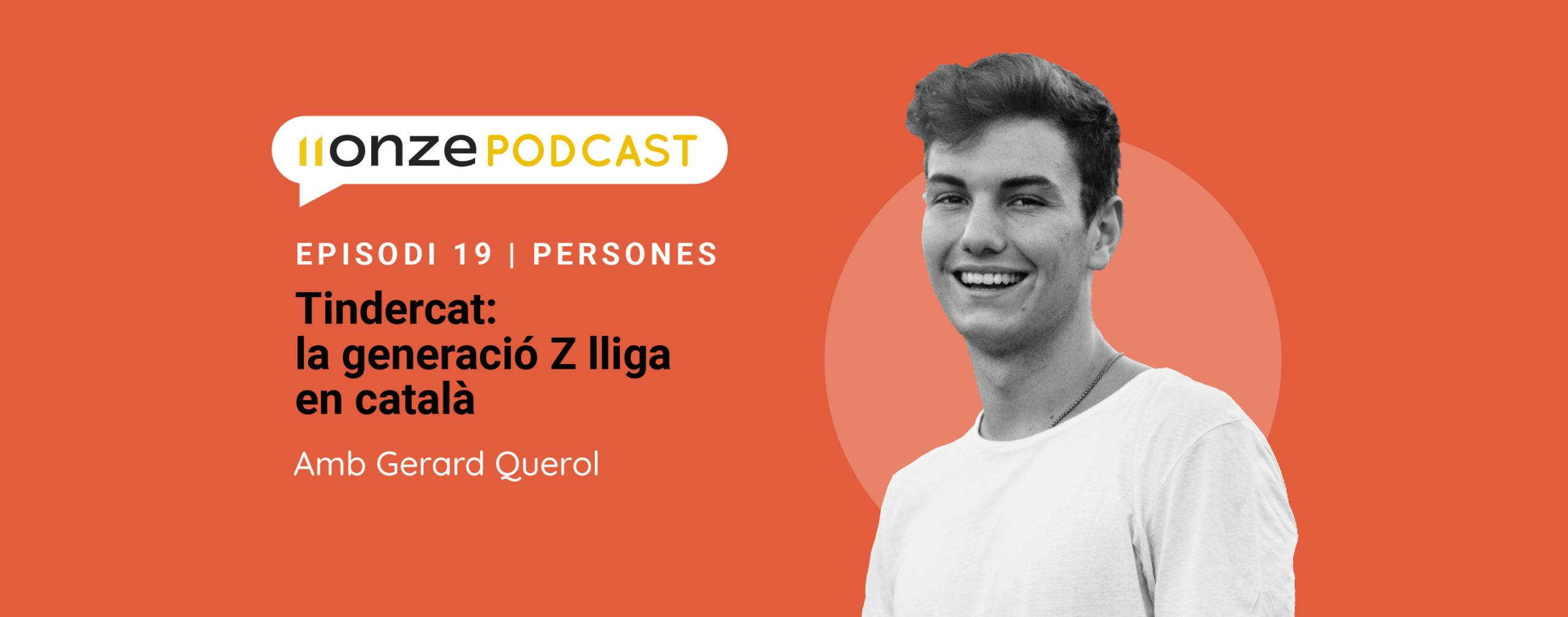
Episode 19 | People: Tindercat
Beyond appearance
To get to love, you first have to flirt. And doing so in the 21st century undoubtedly involves social networks, with everything they entail: chatting all the time, giving ‘likes’, sharing memes and music, commenting on ‘stories’ and taking advantage of any excuse to talk to the person you like until the first emoticon of a heart you send each other arrives.
Being always connected has great advantages, although social networks have a major drawback that can spoil everything: the tyranny of appearance. It is possible to choose who you like and who you don’t like from the superficiality of a photograph; to fall in love with a supposed life shown on social networks that doesn’t fit the person’s vital reality; to show off, to resemble others or to hide everything negative that happens to us and to click the camera only when good things happen.
In this sense, Tindercat points out that Twitter was the “least toxic social network” and allows people who are attracted to each other to connect without relying on photographs of their appearance. In addition, Gerard Querol explains that the face-to-face events they organise are oriented in the same way: they emphasise getting to know people and, from there, it is up to each person to set the filters and calibrate how important their appearance and personality are to them.
Whatever the method, it is clear that Catalans like to flirt in Catalan. And Generation Z is no exception. Beyond questionable reggaeton lyrics, they have managed to find references to build an idea of love and flirting based on people, on our roots, the same language and the premise of having fun in freedom. With only one filter: respect.
11Onze is the community fintech of Catalonia. Open an account by downloading the super app El Canut for Android or iOS and join the revolution!



NFT, which stands for ‘Non Fungible Token’, are digital certificates that authenticate, through blockchain technology also used by cryptocurrencies, files that are sold in the art market.
How NFTs work seems simple. A video, an image, an audio, a text or any compressed file obtains an identifier. This certificate records the author’s name, initial value, sales history and other data related to the work in question. In this way, this non-fungible good is given an entity, i.e. it cannot be duplicated, cannot be exhausted by use and cannot be replaced. This simple identification and authentication operation is the basis of so-called crypto art.
Crypto art, like all art, has developed its own market around it: with its artists, works, patrons, audiences and institutions. NFTs are, in short, the certificates of ownership of virtual or physical assets that are exchanged in this digital art market. And some compare NFTs to digital autographed prints. This is how dozens of influencers, tech moguls, celebrities and companies have joined the digital art craze and the purchase of NFTs.
The digital art ecosystem
It is estimated that by 2021 digital art will have generated 3 billion euros. And its patrons are mainly young collectors eager to speculate and invest, but also to buy their symbolic and cultural capital with this new art; new millionaires from emerging technology companies, many of them from Asian countries.
All of them find works of digital art in specific galleries, such as MITO, a platform created for the Hispanic community. In the world, the best known of these galleries is Opensea, founded in 2017 and with more than 14 billion dollars in sales volume. But there are others known worldwide, such as Rarible, Superare, Solanart or Valuable.
A market worth millions
The latest milestone for this new digital art was set on 11 March 2021, when a JPG file by the artist Beeple was sold for $69.3 million (around 57.8 million euros) by Christie’s auction house in New York. The work was entitled ‘Everydays – The First 5,000 Days’.
Since then, crypto art has exploded. A ‘New York Times’ columnist has even sold an article for $560,000. Twitter co-founder Jack Dorsey, who has bet big on the digital and cryptocurrency market, sold a tweet for $2.9 million. Memes, such as the famous Disaster Girl, have sold for exorbitant amounts; and digital collections, such as the $16.9 million Larva Labs, which are nine portraits of a set of creatures illustrated in 2017, the Cryptopunks, a pioneering work in the world of digital art.
11Onze is the fintech community of Catalonia. Open an account by downloading the super app El Canut on Android and Apple and join the revolution!

The snake in the tunnel broke early, during the 1970s, but it allowed Europe to create the European monetary system as we know it. Why was it created and what did it become? Agent 11Onze Eve Doña explains it.
“The agreement to create the snake in the tunnel was established between 1972 and 1974 as the European exchange rate system,” Eve Doña explains. From the consequences of the Bretton Woods Agreements, which fixed fluctuation margins for the different currencies of the planet with respect to the US dollar, the system was born after the Basel Agreement.
The countries belonging to the European Economic Community (EEC) realised the problems of having flexible exchange rates for the common market and created the snake in the tunnel. In this way, they tried cross rates for their currencies. But what was the result?
“The results of the snake in the tunnel were not encouraging. The imbalances between the European economies led to greater difficulties, which made the snake in the tunnel a failed policy,” the agent argues. Thus, devaluations and revaluations, taking into account the different exits and entrances of the exchange rate stability mechanism, made the snake in the tunnel a system that could not correct this issue.
For this reason, in 1979 the snake in the tunnel was discarded in order to implement what we know today as the European monetary system. Watch the video below and find out more about the snake in the tunnel.

Snake in the tunnel