Clean hydrogen, a real alternative?
Clean hydrogen is presented as the fuel of the future, promising to provide carbon-neutral energy. However, it is not the first time that hydrogen has been hailed as the energy of the future only to run up against high production costs and difficulties with transport and storage, delaying its market introduction. Is it here to stay?
Hydrogen produced from fossil fuels, usually by the process of reforming with natural gas, is mainly used in the chemical and refining industry, and its production is responsible for the emission of 830 million tonnes of carbon dioxide per year. Yet it is less toxic and more easily dispersed than natural gas.
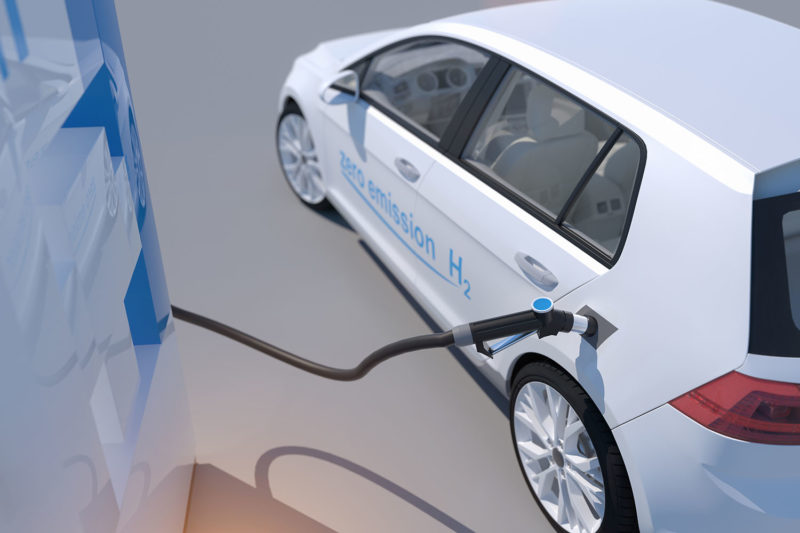
While clean hydrogen will largely avoid this pollution, there are still drawbacks to be addressed. Currently, hydrogen storage requires extremely high pressure and is therefore too expensive and inefficient for widespread use in the automotive industry.
China, known as the Asian giant and the world’s leading producer of hydrogen made from hydrocarbons, and other countries such as Australia, Saudi Arabia, Germany, Spain, and Chile are beginning to make the transition to clean hydrogen with multi-million dollar projects that suggest green hydrogen is here to stay.
What is green hydrogen?
Although hydrogen is the most abundant chemical element in the universe, and the third most abundant on the Earth’s surface after oxygen and silicon, it is not a primary energy form per se, but a chemical compound, which exists in combination with other elements, and which can have energy uses.
Just as conventional hydrogen obtained from hydrocarbons requires large amounts of energy and is a costly process, clean hydrogen, also known as renewable hydrogen or e-hydrogen, is generated from electricity from renewable energy sources, through a process called electrolysis of water. Electrolysis is a chemical process that uses electricity to separate hydrogen from oxygen in the water.
The fact that it emits no pollutant gases when produced makes it 100% sustainable, but the production costs are higher than with traditional hydrogen. Despite this, energy experts expect the price of clean hydrogen production to drop considerably over the next few years to match that of hydrogen produced from hydrocarbons.
The European Union does not want to be left behind
Europe wants to avoid losing its leadership in green hydrogen to China, as happened with solar panels. To this end, it has launched an industrialisation plan within the framework of the Horizon Europe project, to promote and accelerate research and development of green hydrogen with an initial investment of 2 billion euros.
The aim of the project is to scale up green hydrogen electrolysers, which are used to split water into hydrogen, and thus reduce the cost of a technology that is currently too expensive to compete in the market. The goal is to build hydrogen clusters deployed across Europe, and to bring together hydrogen-related infrastructures, as has been done with the electricity grid.
The introduction of new renewable energy sources in the coming years will be crucial for the environment. We, the common people and the planet, can now welcome the geopolitical competition between the major global economic powers to lead this new energy source.
11Onze is the fintech community of Catalonia. Open an account by downloading the super app El Canut on Android and Apple and join the revolution!
Although health authorities insist that tap water is completely safe, many people warn that there is a lack of thorough controls. Heavy metals, volatile organic compounds, pesticides, herbicides, pharmaceuticals and microplastics pose a risk to our health.
In December 2020, the European Parliament adopted the Drinking Water Directive to improve the quality of tap water and reduce the consumption of bottled water. This directive provided for the imposition of stricter limits for certain contaminants, such as lead. It also envisaged the establishment of a list of substances or compounds of concern to the public and the scientific community for monitoring.
However, the truth is that, almost a year and a half later, the European Commission has still not drawn up this list, which should include pharmaceuticals, endocrine disruptors and microplastics that can damage our health.
It is still difficult to find colourless, odourless and tasteless tap water. In most cases, tap water contains many substances, from the chlorine used to make it drinkable, which can give the water a characteristic bad taste, to more harmful substances such as heavy metals, volatile organic compounds, pesticides, herbicides, pharmaceuticals, microplastics, bacteria and viruses.
Routine controls only check the levels of those pollutants that are already legislated, but they are a small part. For example, the Outbiotics project, which is being developed in Catalonia, Aragon, Navarre, the Basque Country and the south of France, has found antibiotics such as amoxicillin, ciprofloxacin, enrofloxacin, azithromycin, sulfadiazine, sulfamethoxazole and trimethoprim in pre-drinking natural waters.
Studies such as the one published in the prestigious journal ‘Environmental Health’ make clear the need to reduce perfluoroalkyl substances in tap water worldwide to improve our health, as they are considered endocrine disruptors.
Persistent heavy metals
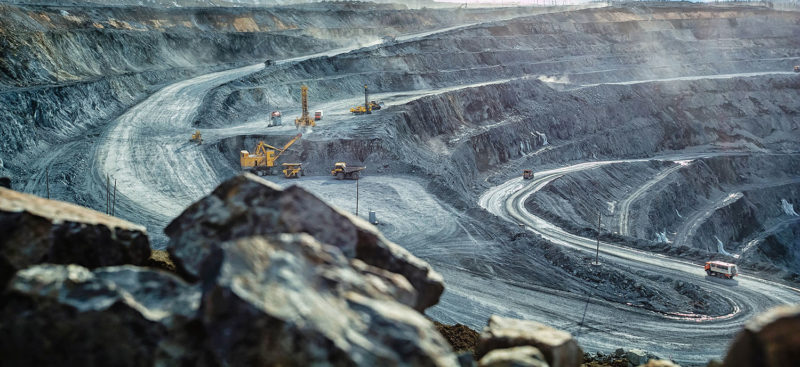
Industrial and mining activity releases toxic metals such as lead, mercury, cadmium, arsenic and chromium, which can reach aquifers and rivers, contaminating soil and accumulating in plants and organic tissues. Exposure to these elements is linked to health problems such as various types of cancer, kidney damage and developmental delays.
Lead can also infiltrate drinking water through corrosion of service pipes, chrome-plated brass faucets and fixtures with lead solder.
The US Environmental Protection Agency (EPA) determined that the maximum level of this heavy metal in drinking water should be zero, “because lead is a toxic metal that can harm human health, even at low exposure levels” and can “bioaccumulate in the body over time”.
Children are particularly vulnerable to lead, as they absorb it more easily than adults and its renal elimination is less effective. Lead can affect their brain development, reduce their ability to concentrate and affect their academic performance.
The invasion of microplastics
A study conducted by the news organisation Orb Media in collaboration with researchers from the State University of New York and the University of Minnesota shows that microplastics have been finding their way into tap water around the world for years.
Already, 83% of drinking water samples collected in five continents over the past decade contained microplastics. The United States had the highest contamination rate and, although Europe’s has the lowest, it had still very high (72%). The average number of plastic fibres found in every 500 ml of water ranged from 4.8 in the US to 1.9 in Europe.
Uncontrolled pesticides
A recent report by Ecologistas en Acción denounces the poor control of chemical substances suspected of contaminating drinking water. This is the case with many pesticides, herbicides and biocides.
Sulphur, which is the most widely used in the countryside, has not been tested for in any of the water analyses carried out by Spanish municipalities in recent years. The same applies to substances as common in agriculture and livestock farming such as metam sodium (only one search was recorded in 2019), copper oxychloride, paradine oil, copper hydroxide and propamocarb.
In addition, the report criticises the lack of a legal obligation to carry out complete analyses in small populations and their unreliability due to the absence of quantified limits and the lack of accreditation of the contracted laboratories. This organisation has noted the absence of complete controls even in municipalities declared by the autonomous communities themselves as vulnerable to nitrates.
If you want to discover how to drink the best water, save money and help the planet, go to 11Onze Essentials.
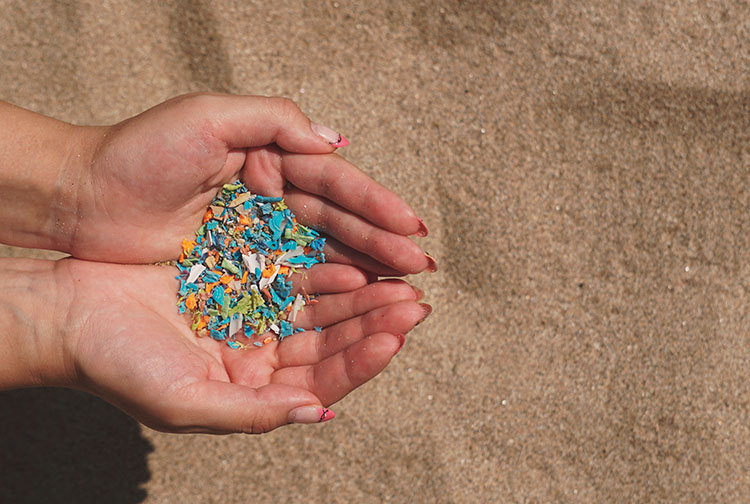
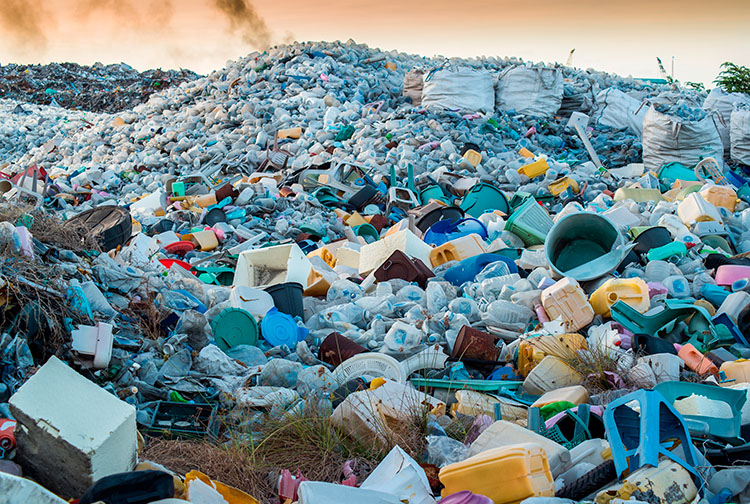
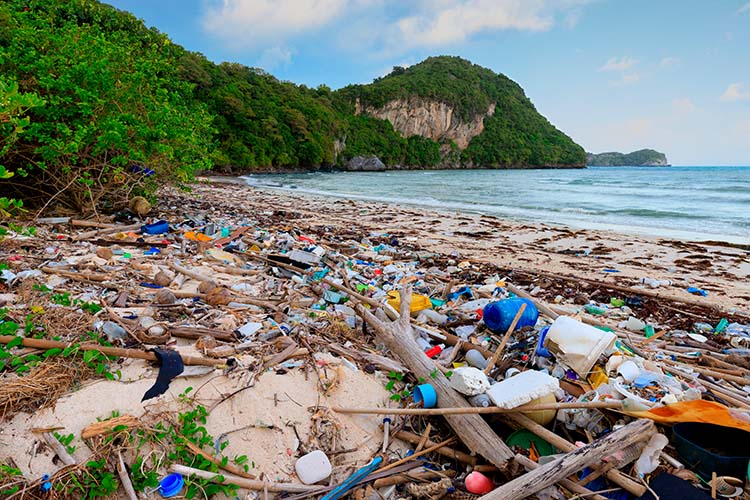
Plastic waste is already forming huge islands in the sea and has even reached the depths of the ocean. This dumping is an ecological tragedy that some initiatives are trying to mitigate. The health of our seas and of humanity itself is at stake.
The UN estimates that by 2050 the oceans will contain more plastic than fish. Every year, ten million tonnes of plastic waste of all kinds, such as bottled water packaging, end up in the sea.
This has led to the formation of large “islands” of plastic in the water. To get an idea of the scale of the problem, suffice it to say that the largest of these islands is located in the Pacific and is three times the size of France.
The consequences are dramatic for the planet because many marine animals ingest this plastic and more than a million die each year from it.
Microplastics, which are smaller than 5 millimetres in size, can even enter our bodies through the fish we eat. The consequences range from oxidative stress in our cells to DNA damage.
Three successful initiatives
Civil society is therefore coming up with more and more initiatives to reduce the amount of plastic that ends up in the oceans, damaging marine life, contributing to climate change, and polluting an essential resource such as water.
One example is the Water Heroes FC programme, promoted by Xylem and Manchester City. This project, in which Pep Guardiola participates, seeks to raise public awareness of water issues and promotes actions to mitigate them. One of its initiatives, “Plogging with Pep”, encourages the public to pick up litter while walking, running, or doing any other outdoor sport.
Another success story is the Surfrider Foundation Europe’s Ocean Initiatives. With 25 years of history, this volunteer programme mobilises 40,000 participants in 40 countries every year, who organise themselves to remove litter from beaches and waterways.
A third example is the Ocean Cleanup project, founded a decade ago by a young man in his early 20s. This involves floating structures that take advantage of currents to collect rubbish from rivers and oceans. Its ambitious goal is to eliminate 90 percent of floating plastic by 2040.
These are three examples of how we can help contain marine litter and mitigate ocean pollution. It should not be forgotten that they account for 97 percent of the planet’s water.
If you want to discover how to drink the best water, save money and help the planet, go to 11Onze Essentials.

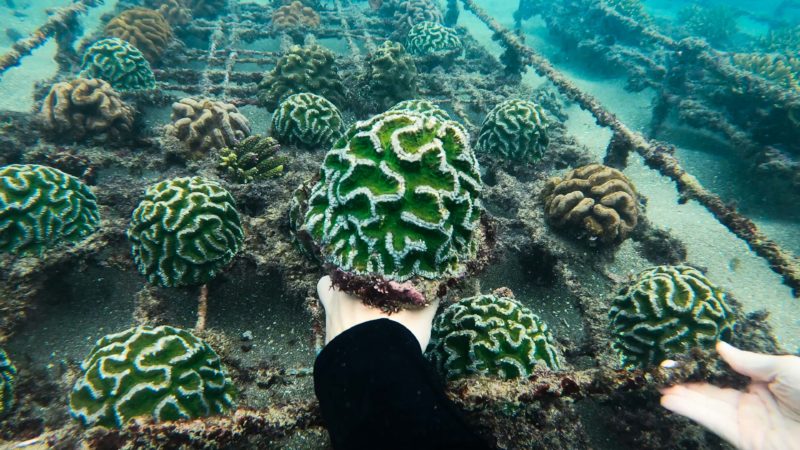
Is it possible to stop global warming? For nearly a decade, Project Drawdown has insisted that this is not a utopia if the right measures are taken to stop the build-up of greenhouse gases in the atmosphere.
With greenhouse gas emissions reaching record highs in the past decade, the pace of global warming has intensified. Temperatures are rising at a rate of almost 0.2 °C per decade. Worse still, it could rise by a further 1.5 °C between 2030 and 2052, according to a UN report.
In this context, the publication in 2017 of the book ‘Drawdown’ generated a huge media echo. With nearly a hundred proposals, it was the most comprehensive plan to reverse global warming to date. The title referred to that desired future moment when the levels of greenhouse gas in the atmosphere stop rising and begin a gradual decline that avoids catastrophic consequences.
The book’s editorial team continued to advance their proposals to reach that “crucial point for life on Earth; a point we must reach as quickly, safely and equitably as possible”, as detailed on their website. In 2020, they published “The Drawdown Report”, which updates their proposals and sets out a series of fundamental reflections on climate balance.
A reference report
Its solutions place particular emphasis on the areas of energy, industry, food, transport and construction, which account for 90% of greenhouse gas emissions. The proposals, which are intended to serve as a starting point for legislators, institutions and individuals, are based on ten key ideas that should guide humanity’s efforts to avert environmental disaster.
- It is possible to reach the drawdown point by mid-century. Yes, despite the difficulties, it is possible to halt emissions’ growth, but this requires maximising the climate solutions available today. As the report warns, “available is better than new, and society is ready to start such a transformation today”.
- A comprehensive system of solutions is needed. There is no single, miracle cure for a problem as complex as the climate crisis. Many of the solutions can be combined and made to feedback on each other for the most significant possible impact. For example, efficient buildings make renewable electricity generation more viable.
- Solutions rarely have only one climate impact. Many of them can generate employment, improve resilience to climate impacts such as storms and droughts, and provide other environmental benefits such as the preservation of water resources.
- The savings from climate solutions significantly outweigh the costs. Arguments about the lack of economic viability of climate action are false. The report estimates that net operational savings are four to five times the net implementation costs. And if we take into account the financial value of the associated benefits, such as savings in health services through reduced pollution, and avoided climate damage, such as reduced agricultural losses, the economic case is even stronger.
- It is essential to promote solutions that reduce or replace the use of fossil fuels. The use of fossil fuels for electricity, transport and heating generates two-thirds of the world’s heat-trapping gas emissions. Hence, the importance of this section. Approximately 30% of the solutions proposed in the report calls for a reduction in the use of fossil fuels through increased efficiency, and almost another 30% propose alternatives. These measures, which range from boosting solar and wind energy to retrofitting buildings, can provide almost two-thirds of the emission reductions needed to reach the drawdown point.
- Nature’s carbon sinks must be encouraged. If we want to prevent the water in a bathtub from overflowing, we can turn off the tap, but we can also remove the stopper so that the liquid goes down the drain. A similar thing happens with carbon in nature. Human activities can enhance natural carbon sinks, and many ecosystem-based or agriculture-related climate solutions have the dual benefit of reducing emissions and sequestering carbon.
- More attention should be paid to some of the most impactful climate solutions. The report warns that beyond onshore wind turbines and industrial-scale photovoltaic plants, progress is needed in areas such as reducing food waste and improving the disposal of chemical refrigerants, which are potent greenhouse gases.
- Accelerators are needed to drive solutions at the scale, speed and scope required. Some accelerators, such as policy change and capital displacement, are closer to home and have more direct impacts. Others, such as cultural change and political empowerment, are more distant and indirect in their effects.
- Changes must be made at all levels, from the individual to the global. The climate crisis requires systemic and structural changes in our society. Interventions are needed at the individual, community, organisational, regional, national and global levels to maximise benefits and achieve transformation.
- Much commitment, collaboration and ingenuity will be needed to reverse the current situation. The report warns that “the path we are on is far more than risky, and it is easy to feel paralysed by that danger”. However, it also stresses that change is possible: “together we can build a bridge from where we are now to the world we want” for generations to come.
If you want to wash your clothes without polluting the planet, 11Onze Recommends Natulim.
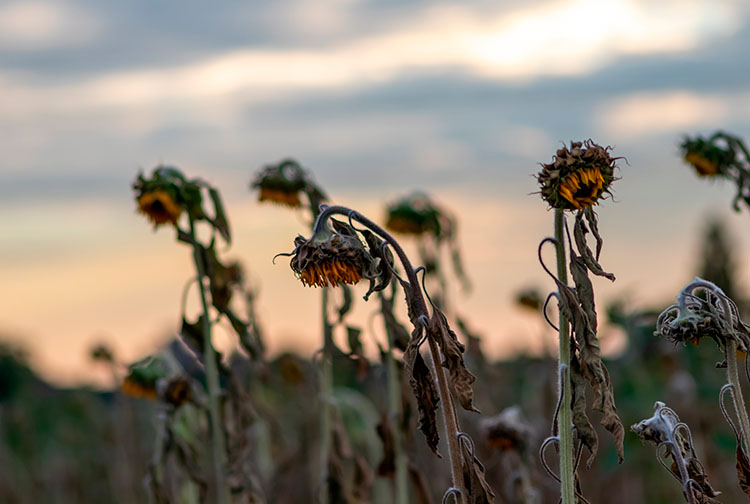

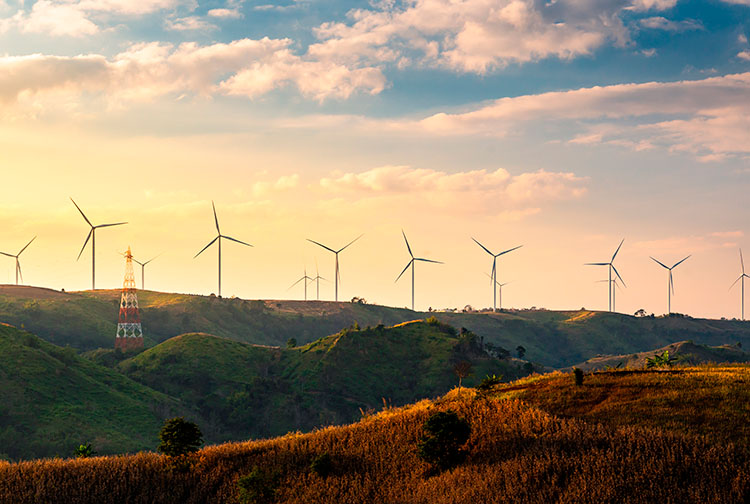
The new global trend that democratises access to luxury from a sustainable and environmentally responsible point of view.
21st century laboratories have managed to imitate natural diamonds in a new synthetic product that maintains the chemical, optical, thermal and physical characteristics of the original stone. The final product is practically impossible to distinguish by the naked eye, but the process of obtaining it is very different. However, despite being presented as a sustainable alternative, the market for diamonds, synthetic or natural, is still marked by controversy.
These replicas are created over a period of seven to ten days, then cut and graded according to the same standards as natural diamonds. The International Gemmological Institute recognises these new diamonds and even certifies them, to ensure that they meet the requirements to be considered synthetic diamonds and not simply diamond fakes.
The end of blood diamonds
The process of obtaining diamonds is one of the most criticised, because of the direct link between obtaining them and the exploitation of natural resources. It is estimated that for each carat of diamonds, 250 tonnes of earth are moved, and the acid drainage required for their extraction contaminates, besides soil, surface and underground water.
Human exploitation, and countries’ conflicts to gain access to these strategic mines of great economic interest, often occupied and militarised, are also facts taken into account.
These are the so-called “conflict diamonds“, which, because they are sold to rich countries, end financing armed conflicts. The Kimberley Process, established in 2003, is a commitment signed by 56 countries to curb the production of these diamonds.
Today, as a result of the agreements signed by all member countries, only 0.2% of the diamonds that reach the final consumer are conflict diamonds. Even so, the process of obtaining and distributing them continues to be questioned throughout the world, in what appears to be a conflict with more interests than solutions.
From fake diamonds to organic diamonds
In 1952, the first lab-created diamonds, using the HPHT method (high pressure and high temperature), appeared. Since then, other labs and methods have been developed to imitate this mineral, always connected to the black market for the purpose of obtaining lower price imitations.
Recently, however, the diamond market has evolved towards an ecological vision, which rejects social and environmental exploitation without renouncing to the luxury associated with it. But with controversy due to the amount of energy that laboratories need to produce them, a common fact within industry, but which calls into questioning the sustainability label. Sources of energy used, the amount of water required and the management of distribution and waste can be key elements to curbing such impact.
Democratising diamonds to attract young people
Ecology and price (between 40% and 50% cheaper) are the two major factors that have managed to bring diamonds closer to society as a whole, including young people. Celebrities such as Leonardo DiCaprio, Penélope Cruz and Meghan Markle are joining the trend for synthetic luxury in their public appearances, and even jewellery brands such as the Danish Pandora are joining the trend in a radical way: they will only sell synthetic diamonds.
Thus, a new scenario is opening up in which the world of diamonds is changing its perspective. It is moving from exploitation to environmental awareness, from exorbitant prices to increased competition, and from being a luxury for the few to opening up to new audiences. The creation of synthetic diamonds does not imply, at present, overcrowding the sector, and the product still retains a high value, but for the first time, it is within the reach of the public.
Do you want to be the first to receive the latest news about 11Onze? Click here to subscribe to our Telegram channel
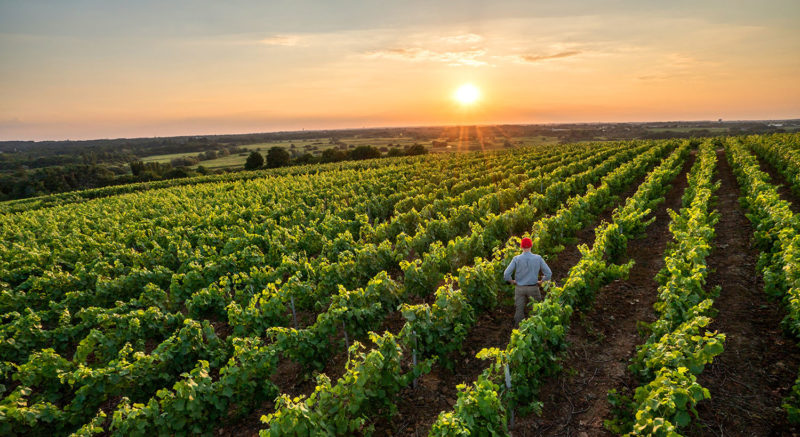
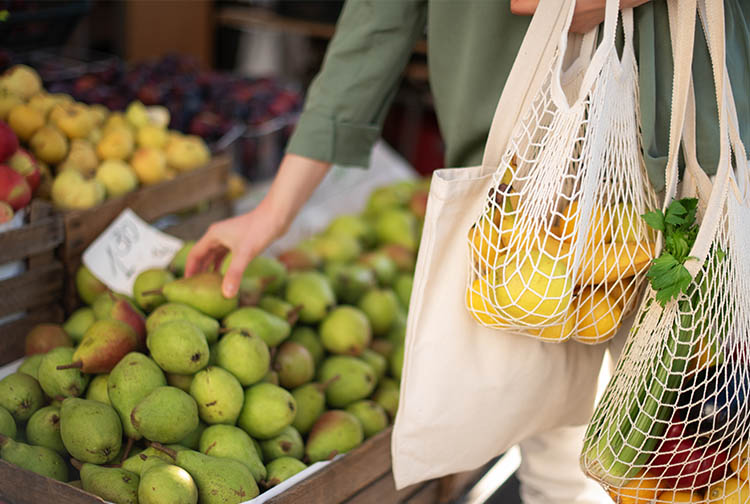

The sustainable economy seeks to increase social welfare while promoting sustainable consumption through a financial system based on green businesses. Either through the transformation of existing ones or by creating new businesses. It aims to reduce poverty and ensure quality development for present and future generations, without compromising the health of the planet, i.e. without consuming more than nature generates.
The development of a sustainable economy in any territory involves policies aimed at promoting the use of sustainable energy sources, fostering competitiveness in sustainable activities and investing in innovation and education. According to the 2011 Sustainable Economy Law, we understand sustainable economy as “a pattern of growth that reconciles economic, social and environmental development in a productive and competitive economy, that favours quality jobs, equal opportunities and social cohesion, and that guarantees respect for the environment and the rational use of natural resources in a way that allows needs to be met”.
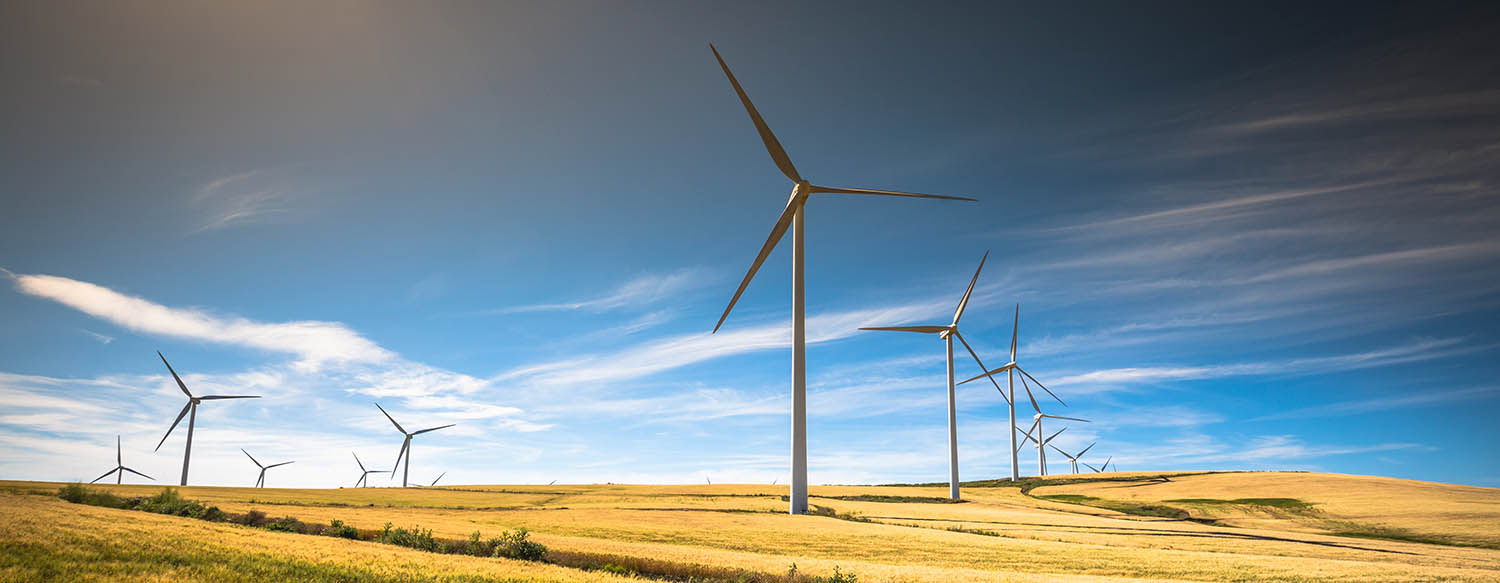
Why is a sustainable economy necessary?
The advocates of a sustainable economy base their arguments on the environmental forecasts for the coming decades, which, according to experts, are not very positive. In this sense, the data on the ecological footprint for the future are not very flattering. Those who promote sustainable economy advocate the use of renewable energies such as wind, solar, hydraulic and geothermal energy, to extend the life of the products we consume, second-hand purchases, rental of single-use objects, etc. Preserving the planet’s resources, consuming only seasonal foods, recycling, avoiding plastics, pollution, etc. In this way, the survival of future generations can be guaranteed and, in addition, as it is a model of sustainable development, it is also a model of sustainable development.
But we also have detractors, who are those who feel comfortable or are accustomed to a capitalist economic system, which is the one that currently governs the West, who consider a sustainable economy unrealistic. They believe that it is a production model that is doomed to failure from the outset, due to the inability to supply all the needs of today’s world population.
Characteristics of a sustainable economy
The development of a sustainable economy in any territory involves the development of policies aimed at promoting the use of sustainable energy sources, fostering the competitiveness of green businesses and investing in innovation and development.
Thus, this socioeconomic system is governed by the following fundamental axes:
- Environmental protection: preserving the planet’s biodiversity, minimizing the impact of pollution and fighting against climate change.
- Use of renewable energies: promote the use of alternative sources of energy that do not pollute and minimize the impact on the environment.
- Commitment to efficiency: make the most of the resources we have and take care of scarce resources, such as water, which allows us to achieve another pillar of economic sustainability, which is efficiency.
- Promoting recycling: establishing a circular economy model in which the waste generated is used to create new products, thus reducing the ecological toll of the current production system.
- Limiting consumption: limiting the use of renewable resources so that they are not used at a higher rate than they are generated. Furthermore, non-renewable resources must be progressively replaced by renewable resources.
- Improve the social standard of living: promote, through education and innovation, equality among people in all territories.
Among the measures that can be implemented by public bodies, we can find the premiums and subsidies to new sustainable economic sectors such as clean energy, or the support to ecological business models. In addition, we must promote the recycling of all kinds of waste, the application of energy efficiency and conservation techniques in all areas of the economy and the promotion of the circular economy as well as new models of more sustainable cities.
The current society is unsustainable, as it consumes resources at a higher rate than nature generates, therefore the relationship between economy and sustainability is very close, if the energy needed for a society comes from resources that are not sustainable, they will become more and more expensive because of their scarcity and that can lead to geopolitical and economic imbalances in the medium and long term.
In Catalonia, and specifically in Manresa, the Ecoviure fair is held every year to show the novelties of a sustainable economy.
This fair was born in 1997 with the intention of serving as a meeting point for people and professionals who, from different fields, work for the environmental, social and economic sustainability of the planet. The fair lasts three days and brings together traders, sustainability technicians, entrepreneurs, and government representatives interested in learning about new developments in the green economy.
They can find stands of food products, renewable energies, household products, water treatment or textile products.
There is also an edition for children and families, with the aim of spreading the values of ecology and sustainability, with activities to experiment, play and learn. There are also several workshops and proposals for the youngest children. They need to become aware that we need to move towards a more supportive, fair and respectful society towards the environment.
If you want to wash your clothes without polluting the planet, 11Onze Recommends Natulim.


Faced with increasing pressure to reduce CO₂ emissions, the commercial aviation sector is exploring the feasibility of using more sustainable fuels. Although some challenges still exist, SAF (Sustainable Aviation Fuel) and green hydrogen are presented as credible solutions to decarbonise air transport.
While the aviation sector has reduced its carbon footprint by 50% over the last 30 years, it still accounts for 2.5% of global CO₂ emissions, 13.9% of freight emissions, and relies predominantly on conventional aviation fuels.
Within the European framework of becoming the first climate-neutral continent by 2050, achieving this milestone will necessarily require an industrial sector that advances the development of cutting-edge technologies for cleaner fuels, driving hybrid aviation engine propulsion and efficient air traffic management.
Unlike what we have seen in the automotive industry, the aviation sector cannot be so easily electrified. Battery-electric propulsion is only feasible for small aircraft or regional aircraft making short journeys and carrying smaller loads, at least for the foreseeable future.
In this regard, Abel Jiménez, chief engineer at engine manufacturer ITP Aero, notes that ‘for at least the next two decades, the main mode of aircraft propulsion will continue to be the combustion engine’. Therefore, the transition to carbon-neutral aviation will require the adoption of more viable and immediate alternatives based on current technological capabilities.
Sustainable Aviation Fuel (SAF)
SAF (Sustainable Aviation Fuel) can be used in conventional aircraft engines without requiring major technical modifications. It is a fuel produced from organic waste, such as used cooking oil, agricultural waste or residues from the agri-food industry. Proponents argue that it can reduce CO₂ emissions by up to 80% compared to traditional kerosene.
However, producing and distributing SAF is not a simple task. On the one hand, the supply of the necessary feedstock is increasingly scarce, on the other, collecting oil from thousands of kitchens and transporting the fuel from refineries to thousands of airports is expensive, labour-intensive, and time-consuming.
Moreover, in order to maintain the sustainability of this fuel, SAF manufacturers cannot compete with normal food production through the use of prime agricultural land, the use of water or non-waste feedstocks.
This makes the final product currently two to two and a half times more expensive than conventional aviation fuel. Scaling up this process to lower costs involves the creation of new supply chains, and doing so sustainably is not easy either.
Thus, we are far from having the capacity to sustainably produce and distribute SAF in large quantities. Currently, this fuel represents only a tiny fraction of the total needs of the aviation sector and, although, according to the International Air Transport Association, its production will triple this year compared to 2023 levels, it will only cover 0.53% of aviation fuel demand.
Hydrogen, a promising technology
Many aviation industry analysts believe that the use of green hydrogen or hydrogen produced from renewable energy is the way forward. The main advantage of hydrogen is that it does not emit CO₂ during combustion; the end product is water. This makes it an ideal technology for achieving climate neutrality.
It can be used as fuel in combustion engines or in fuel cells that generate electricity to power electric motors. Companies such as Airbus, Rolls-Royce, Safran and MTU have announced plans to develop hydrogen-powered commercial aircraft that could be in operation by 2035.
David Álvaro Granero, Engineering Senior Site Rep (ESSR) at Airbus, indicated that they are working to offer 100% SAF capacity on their aircraft by 2030 and, as for hydrogen, they are evaluating three options: direct combustion of liquid hydrogen with a turboprop or turbofan, hydrogen fuel cells for electric propulsion and a hybrid architecture combining the two options.
Hydrogen produced from renewables is not as affordable as kerosene, but it is not as expensive as SAF and would be much easier to scale up its production. However, as an aviation fuel, it also has some disadvantages, such as its low bulk density and the difficulty of storing and transporting it because of its flammability and risk of explosion. This will require airports to invest heavily in building a whole new infrastructure for its storage and distribution.
Ultimately, it is clear that to be effective, the set of solutions adopted to decarbonise the aviation industry will require the collaboration of all aviation stakeholders globally.
11Onze is the community fintech of Catalonia. Open an account by downloading the app El Canut for Android or iOS and join the revolution!
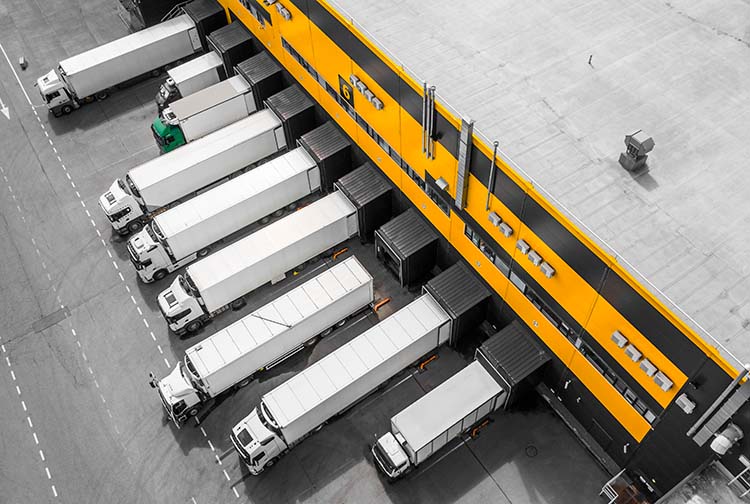
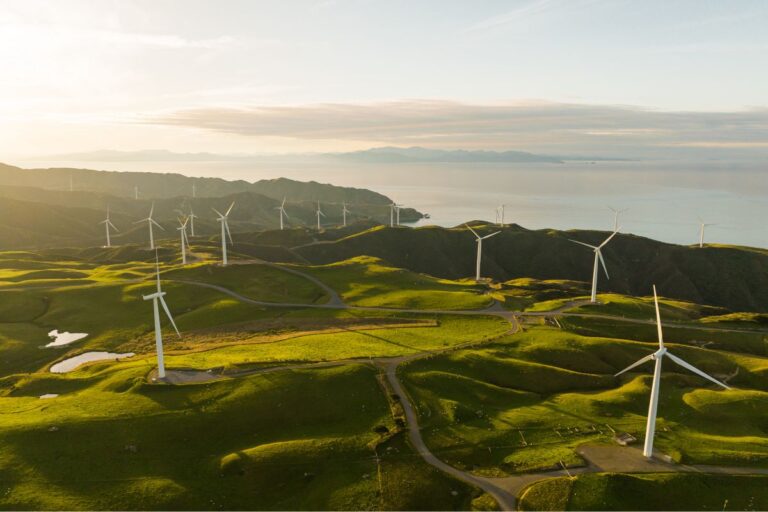

Un cop s’acaben les festes nadalenques, és hora de posar ordre a tanta decoració. Sovint l’avet, el pessebre o el tió són els objectes més preuats de la casa, però també els més difícils de reutilitzar i reciclar. A 11Onze et donem quatre consells per endreçar per Nadal de la manera més sostenible.
L’avet, les garlandes, les boles, els llums de colors, els paraments de taula… Abans de posar-nos a recollir tots els guarniments nadalencs, hem de tenir clara una cosa: com més sostenible sigui el material que fem servir, millor. Les vaixelles? De ceràmica! Les estovalles? De fil! Les garlandes i les boles? De paper i de vidre! L’avet? Natural! I el pessebre? El pessebre és per tota la vida.
- Cada cosa al seu lloc, i quan toca. Sembla una obvietat, però el primer consell per fer endreça de casa, amb tant guarniment i tanta teca, és conèixer bé perquè serveix cada contenidor de residu. Ho repassem: el verd és el per al vidre, el blau per al paper i el cartó, el groc per als envasos plàstics i metàl·lics, el marró per a la brossa orgànica i el gris per a la deixalla sobrant. I recorda, l’oli també es pot reciclar! Si tens dubtes, sempre pots consultar la pàgina web de l’Agència de Residus de Catalunya. A més, aquestes festes també hem de procurar no baixar les deixalles en dies festius, no sigui que la festa de brossa ens la trobem a la vorera l’endemà.
- No desaprofitis menjar. Els experts asseguren que cada any es malgasten fins a 1.300 tones d’aliment a tot el món. El desaprofitament dels aliments és una de les xacres ecològiques i econòmiques més grans que ha d’afrontar la nostra societat global. Per això, si després de tanta celebració et sobra menjar, potser és una bona idea recórrer a la cuina d’aprofitament. Si realment et sobra menjar sense estrenar, pots preguntar al Banc dels Aliments més proper o alguna entitat social del barri.
- Recull l’avet. Els avets, sempre que siguin naturals, i per això és recomanable que així sigui, es poden reciclar cada any. La majoria de municipis de Catalunya posen a l’abast de la ciutadania punts de reciclatge d’avets. S’instal·len l’endemà de Reis. A Barcelona estan oberts les 24 hores del dia, i n’hi ha a cada districte. Consulta la web del teu municipi per saber on estan ubicats aquests centres neuràlgics del reciclatge nadalenc.
- Reutilitza tant com puguis. Els paraments de Nadal, les garlandes, les boles i tota la resta de decoració nadalenca, inclosos els estimats pessebres, s’han de poder reutilitzar any rere any. Per això, és una bona idea incentivar compres de qualitat i que tots els guarniments siguin un petit tresor familiar que passa de generació en generació.
11Onze és la fintech comunitària de Catalunya. Obre un compte descarregant la super app El Canut per Android o iOS. Uneix-te a la revolució!



Les dades són clares: el moment d’actuar si volem aturar el canvi climàtic és ara, segons un informe de l’ONU. Per a aconseguir-ho, caldria reduir les emissions de gasos d’efecte hivernacle a gairebé la meitat d’aquí a 2030 i que fossin nul·les a meitat de segle. En cas contrari, la batalla estarà perduda.
Les emissions de gasos d’efecte hivernacle van arribar en la dècada passada a màxims històrics. Tot i que el ritme de creixement ha disminuït, l’informe “Climate Change 2022: Mitigation of Climate Change” adverteix que només serà possible limitar l’escalfament global a 1,5 °C si es produeix una reducció immediata i profunda de les emissions.
Per a això, són necessàries grans transicions en el sector energètic, segons aquest informe, elaborat pel Grup Intergovernamental d’Experts sobre el Canvi Climàtic (IPCC), que depèn de l’ONU. Aquestes passen per una reducció substancial de l’ús de combustibles fòssils, una electrificació generalitzada, una major eficiència energètica i l’ús de combustibles alternatius com l’hidrogen.
Cal tenir en compte que entre 2010 i 2019, per exemple, el preu de l’energia solar i les bateries de liti va baixar un 85 % i el de l’energia eòlica un 55 %, la qual cosa ha permès l’expansió d’aquestes fonts d’energia alternativa.
“Estem en una cruïlla”, afirmava Hoesung Lee, president de l’IPCC, després de la publicació de l’informe. Lee veu factible aturar el canvi climàtic si existeix la voluntat política: “Les decisions que prenguem ara poden assegurar un futur habitable. Disposem de les eines i els coneixements necessaris per a limitar l’escalfament”.
Anys crítics per davant
El problema del canvi climàtic és que ens estem quedant sense temps. Segons l’informe, per a limitar l’escalfament a uns 1,5 °C, és necessari que les emissions mundials de gasos d’efecte hivernacle comencin a baixar a partir de 2025, en tan sols tres anys, i es redueixin a gairebé la meitat pel 2030. A més, les emissions netes de diòxid de carboni a nivell mundial haurien de baixar a zero a principis de la dècada de 2050.
“Comptar amb les polítiques, la infraestructura i la tecnologia adequades per a permetre canvis en els nostres estils de vida i comportaments pot suposar una reducció del 40-70 % de les emissions de gasos d’efecte hivernacle per al 2050”, explicava Priyadarshi Shukla, un dels autors de l’estudi.
A més, Shukla indicava que “si prenem les mesures necessàries per a limitar l’escalfament a 2 °C o menys, el Producte Interior Brut (PIB) mundial seria només uns pocs punts percentuals menor al 2050 que si mantenim les polítiques actuals”.
Múltiples mesures possibles
Segons l’informe, la reducció de les emissions a les zones urbanes pot aconseguir-se mitjançant un menor consum d’energia (amb ciutats més compactes i peatonals), l’electrificació del transport en combinació amb fonts d’energia de baixes emissions i una major captació de CO₂ gràcies als espais verds. Un dels líders de la recerca, Jim Skea, destacava en particular la importància de l’eficiència energètica dels edificis per a reduir les emissions urbanes.
A més, algunes solucions fins i tot poden ajudar a limitar els impactes associats al canvi climàtic. Per exemple, les xarxes de parcs, els aiguamolls i l’agricultura urbana poden reduir el risc d’inundacions i els efectes de les illes de calor.
La reducció de les emissions en la indústria, que suposen una quarta part del total, requerirà nous processos de producció, generació d’energia elèctrica de baixes o nul·les emissions, hidrogen i, quan sigui necessari, la captura i l’emmagatzematge de carboni, segons l’informe. També un ús més eficient dels materials i la reducció de residus.
En el cas de materials bàsics com l’acer, els materials de construcció i els productes químics, l’informe adverteix que ja s’estan assajant processos de producció amb emissions de gasos d’efecte hivernacle baixos o nuls.
L’informe mostra que, si bé els fluxos financers són entre tres i sis vegades inferiors als necessaris per a limitar l’escalfament per sota dels 2 °C al 2030, hi ha suficient capital i liquiditat a nivell mundial per a aconseguir la inversió requerida. Per això, reclama senyals clars a governs i institucions internacionals, així com una major coordinació.
Si vols descobrir com beure la millor aigua, estalviar diners i ajudar al planeta, entra a Imprescindibles 11Onze.

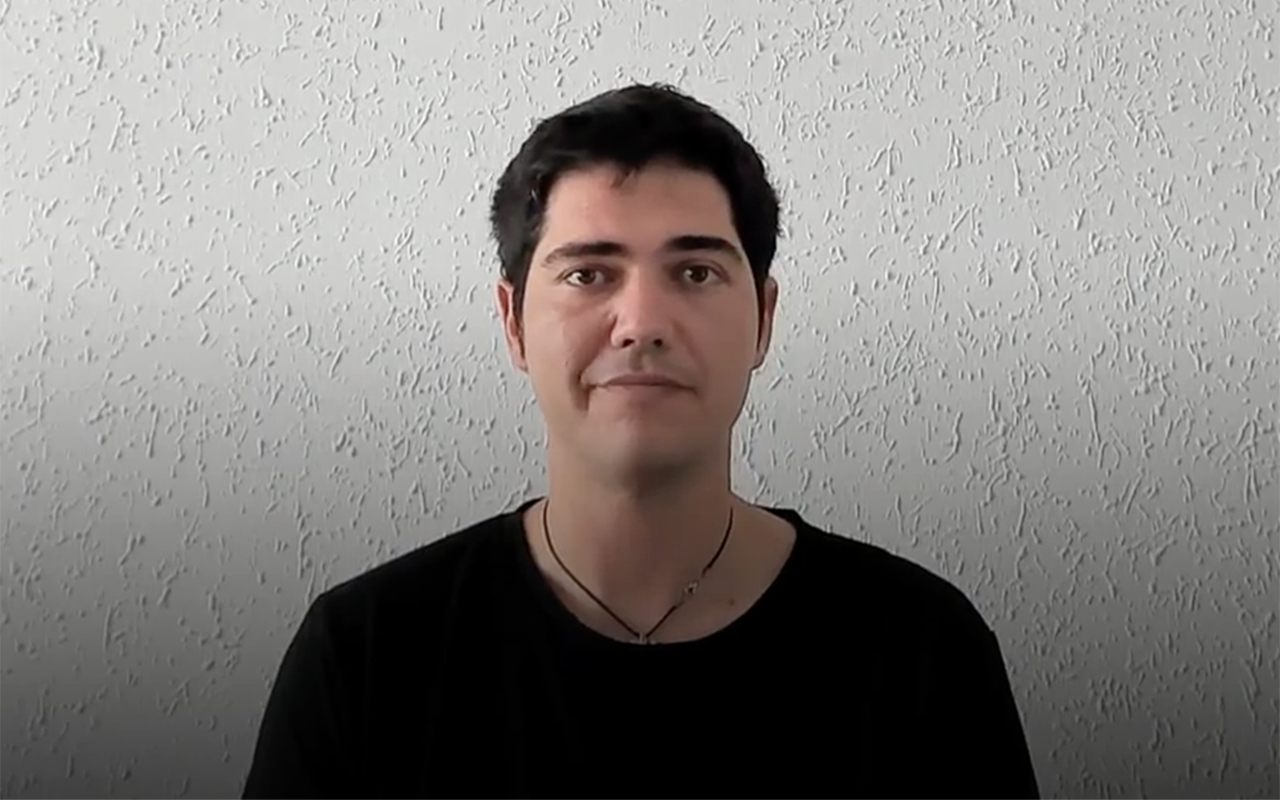
Com és possible que contamini una cosa que no existeix físicament? El cert és que les criptomonedes requereixen gran quantitat d’energia per a les granges de minat. De fet, si el bitcoin fos un país, se situaria entre els 30 principals consumidors d’electricitat del món, com explica l’agent d’11Onze Aitor Canudas.
Tan sols uns dies després de la primera transacció de bitcoins, que es va realitzar al gener de 2009, el pioner de la criptografia Hal Finney mostrava a Twitter la seva preocupació sobre les emissions de CO₂ que generaria aquesta criptomoneda. I no anava errat.
Un estudi de la Universitat de Cambridge calcula que la xarxa bitcoin consumeix més de 121 TWh d’energia anualment, la qual cosa vol dir que, si fos un país, se situaria “entre els 30 principals consumidors mundials d’electricitat”, segons Canudas. De fet, per a que ens fem una idea de la magnitud de les dades, l’agent d’11Onze indica que aquesta criptomoneda gairebé consumeix tanta electricitat com Suècia i genera més emissions de CO₂ que Las Vegas.
La raó és que els processos necessaris per a les operacions de les criptomonedes requereixen una gran quantitat d’equips informàtics, les “granges de minat” i, per tant, una enorme quantitat d’energia. “Aquest conjunt de processos informàtics necessaris per validar les transaccions i generar nous blocs representa un 0,2 % del consum mundial d’electricitat”, especifica Aitor Canudas.
El problema és especialment greu en el cas del bitcoin, ja que, com advertia recentment Bill Gates, aquesta criptomoneda és la que consumeix més electricitat per transacció. D’aquí que, segons estimacions del Massachusetts Institute of Technology (MIT), l’ús dels bitcoins generi una petjada de carboni cada any d’entre 22 i 22,9 megatones.
Les criptomonedes no són innòcues per al medi ambient.
L’origen brut d’una energia neta
Si bé normalment veiem l’electricitat com una energia neta, això depèn bàsicament del seu origen. Sobretot a Àsia, i especialment a la Xina, gran part de l’electricitat generada prové de la combustió de carbó, que resulta molt contaminant. Per això, el fet que un altíssim percentatge de les granges de minat se situïn en aquesta regió per aconseguir els preus de l’electricitat més assequibles multiplica la petjada de carboni.
De cara a preservar el medi ambient, Aitor Canudas assenyala la necessitat d’augmentar el percentatge d’energies renovables en l’electricitat que s’utilitza “per crear els nous blocs i fer les transaccions del bitcoin”. Una altra alternativa que apunta l’agent d’11Onze seria recórrer a criptomonedes alternatives, com el cardano, “que en teoria contaminen menys que el bitcoin”.
11Onze és la comunitat fintech de Catalunya. Obre un compte descarregant la super app El Canut per Android o iOS. Uneix-te a la revolució!