Get ready for the next great recession
Although forecasts of an imminent global recession, expected as early as 2022, have yet to be realised, sooner or later the inevitable economic cycle will be complete. Jeffrey Christian, a respected financial analyst at CPM Group, explains how we can reduce risky investments and protect our savings with safer assets.
Half of Europe is in economic stagnation or contraction, with eurozone countries’ GDP falling by 0.1% in the third quarter of the year, leaving them on the brink of recession. Rising interest rates to try to contain inflationary pressures may not be enough if oil prices continue to rise due to geopolitical instability in the Middle East.
On the other hand, robust third-quarter economic activity in the United States has been sustained by growth in consumer spending, despite prevailing high-interest rates. This spending has been supported by an increase in consumer credit borrowing, especially in the use of credit cards, which have seen an increase in defaults, raising concerns that this situation could spread to other debt instruments.
In Spain, inflation rose by 3.5%, below the 3.8% expected, according to data published last week by the National Statistics Institute (INE). Inflation did not align with forecasts because the rise in energy prices was offset by lower domestic demand. Even so, the Spanish economy is cooling, with growth of 0.3%, down from 0.4% in the previous month, although it is holding up better than many economies in the rest of the European Union.
It remains to be seen whether the resilience of these economies is such that the predictions of a recession expected since 2022 increasingly fade and a soft economic landing is achieved, or whether it simply prolongs what is inevitable for another year or two. Be that as it may, and leaving aside the reliability of the more immediate doomsday predictions, there are some steps we can take to protect our investments and savings in front of the current economic uncertainty.
Reduce debt, get rid of sketchy investments and buy gold
Jeffrey Christian is a renowned analyst and advisor on the precious metals and commodities markets. He has provided advisory services to the World Bank, the United Nations, the International Monetary Fund and numerous governments. Likewise, through his company, CPM Group, he regularly makes presentations to investors on financial market forecasts, especially on the evolution of the value of precious metals.
The financial guru clarifies that “although we are not in a recession now and the world is not sinking, there will be recessions in the future and one of them could come soon”. Such is the nature of the business cycle. To deal with it, he says it is essential to reduce or eliminate debt. He also stresses the importance of accumulating cash, since crises and recessions can also be business opportunities thanks to the general decline of prices in different sectors of the economy.
Christian advises to “keep a significant portion of our assets, perhaps 20-25% in gold, or gold and silver”. Gold can reduce the overall volatility of our portfolio, which is often synonymous with reduced investment risk, and is traditionally considered the best asset for inflation protection. Furthermore, purchases of gold over the last three years have had a stellar performance with record highs for investors and have seen a 40% rise in value.
In the same context, he wants us to understand that although we can hold shares in stocks that, on the face of it, may seem immune to a recession, “when the tide goes out, all boats sink with it”. When cleaning up our investment portfolio, remember that “in the past, gold has recovered faster than equities”, the analyst points out. Most importantly, this is the same advice he gave in 2006, which proved effective against the 2008 financial crisis.
Protect yourself from economic crises with the ultimate safe-haven asset: gold. If you want your savings to keep or increase their value, Gold Patrimony.

The IMF forecasts that global public debt will exceed 93% of GDP this year and grow by one percentage point in annual terms over the medium term to reach 100% of GDP by the end of the decade.
The IMF’s latest fiscal report published this October, “The Climate Crossover: Fiscal Policies in the Face of Global Warming“, forecasts that global public debt will increase by one percentage point of GDP each year over the medium term, adding that at the projected rate “global debt will reach 100% of GDP by the end of the decade”.
This fiscal deficit has been spurred by the growth of debt in major economies, especially the US, which according to the report will reach 123.3 per cent of GDP this year and 126.9 per cent by 2024. In turn, the debt of the Chinese economy is expected to grow to 83% of GDP in 2023, 87% in 2024 and to exceed 100% in 2027. As for this year, the IMF estimates that global public debt will exceed 93% of GDP.
Vitor Gaspar, director of the IMF’s Fiscal Affairs Department, explained that balancing public finances is becoming increasingly difficult for many countries because of growing public spending leading to large deficits, high debt linked to rising interest rates and political resistance to raising taxes in the face of an inflation-hit population.
On the other hand, it is important to note that reducing the debt burden would create fiscal space for new investment, which would help to boost economic growth in the coming years. IMF financial analysts stress the need for international cooperation on taxation, including carbon credits, to alleviate pressures on public finance.
The debt crisis and the climate crisis
Rising deficits, generated when expenditures are higher than revenues, mean more debt for each country, which causes each nation to assign a greater proportion of its revenues to cover these obligations, raising taxes or sacrificing social investment.
This affects particularly low-income countries vulnerable to climate change, with 40 countries at moderate or high risk of debt distress. A recent UN report warned of the need to improve access to finance for vulnerable countries, on terms that ensure both debt sustainability and long-term development needs.
These countries would need 417 billion euros of additional financing over the period 2022-26 to resume and accelerate the convergence of their incomes with those of more advanced economies. The IMF has been working within its policy frameworks to help its members deal with debt problems, but sometimes the cure can be worse than the disease.
International humanitarian organisations such as ActionAid are calling on financial institutions to cancel the debt of countries most vulnerable to climate change and to carry out “radical reform” of global debt management to “end this double crisis”.
In this context, they criticise the austerity policies imposed by the IMF, which undermine health, education and development in the poorest countries. Yet this vicious circle of debt is no longer limited to developing countries but is also affecting Western economies.
If you want to discover the best option to protect your savings, enter Preciosos 11Onze. We will help you buy at the best price the safe-haven asset par excellence: physical gold.
If you liked this article, we recommend it:
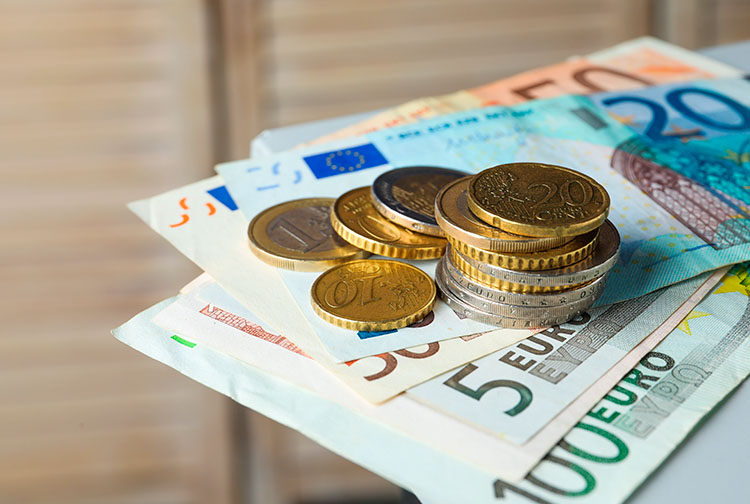

The price of the shopping basket has risen by more than 30% in the last two years, while families are withdrawing record amounts of deposits to cope with inflation. Even so, can we compensate for it with the returns on our savings?
According to the annual study by the Organisation of Consumers and Users (OCU), the cost of the shopping basket has risen by 14.1% since September 2022, a cumulative increase of 30.8% in the last two years. This is the highest increase in the 35 years that the Consumers’ Organisation has been carrying out this survey.
This price increase affects 90% of the basic products usually offered in supermarkets, and is led by sugar (65.7%), condensed milk (61.4%), carrots (56.1%) and frozen chips (49.7%). Among the few products that fell, sunflower oil (-39.8%) led the way, although the drop in its price is due to the fact that it rose much more last year.
Likewise, according to data published by the INE, inflation consolidated its upward trend and rose to 3.5% in September, while food prices continued to grow well above this figure. The Bank of Spain forecasts that this year will close with a year-on-year inflation rate of 3.6% and that it will reach 4.3% in 2024.
Historic withdrawal of bank deposits
Statistics published last Thursday by the Bank of Spain show that households closed August with 963,040 million euros in their accounts. This is equivalent to 21,847 million less than at the close of 2022, 2.22% of the total. Such an abrupt collapse in household bank deposits has not been seen since the years of the 2008 financial crisis.
Gone is the trend of households steadily increasing bank deposits as the economic crisis worsened due to the COVID-19 pandemic. Now there is a need to cope with rising costs due to high inflation and rising interest rates on loans, especially mortgages.
In this context, the low remuneration offered by traditional banks for customer deposits has stimulated the flight of deposits in favour of other products and investments that offer a higher return on savings or, at least, avoid the erosion of the value of the money left in the bank.
Diversification of savings in search of better returns
We are facing a process of savings depletion that is accelerating. Something that we at 11Onze have been saying for months, but is there any way to protect our savings? Is it possible to ensure our purchasing power in the short term with the aim of achieving earnings well above inflation?
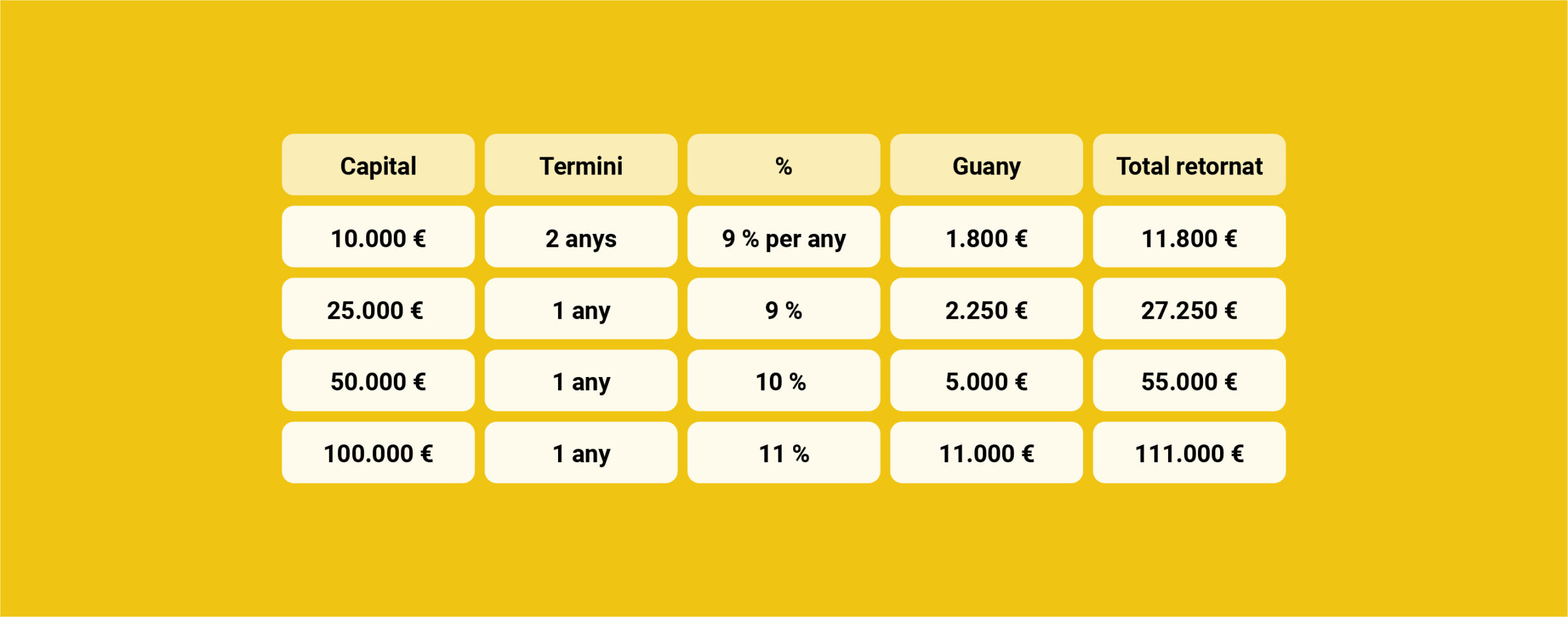
At 11Onze Recommends we are convinced that it is, and we offer you two products that generate exceptional returns. With Litigation Funding you only need an initial contribution of 10,000 euros to obtain earnings of up to 9% at the end of the contract, i.e. 1 or 2 years depending on the case and the amount. While Monthly Return is designed for individuals and companies that can contribute a minimum of 100,000 euros, so that they can obtain returns of 22.5% in 24 months.
If we assume that a family spends an average of 6,000 euros a year on food, a price increase of 14.1% (in the last year) is equivalent to 846 euros. An increase in household spending that Litigation Funding, even with the minimum contribution, would more than compensate, generating a return well above those of traditional bank deposits.


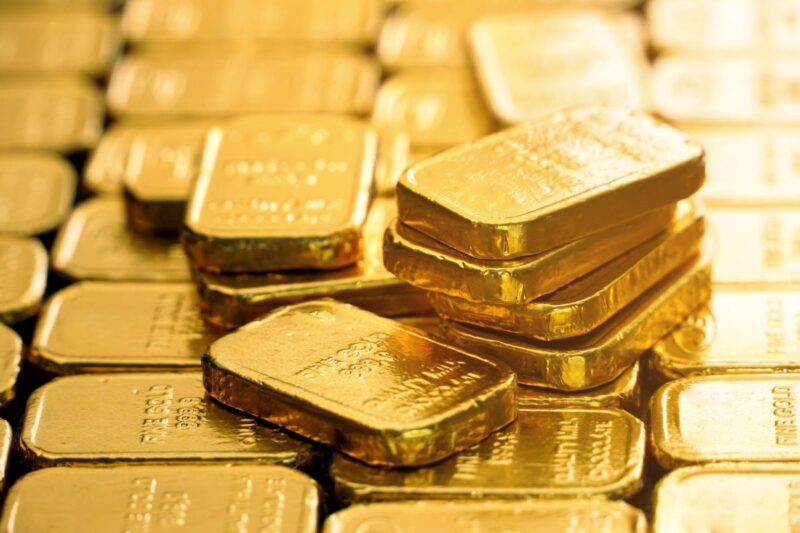
We caught up with Càrol Rafales from the 11Onze product team on the current gold market news. What is the current gold price and what are the forecasts?
The most important news in recent days has come from the United States, where Costco, one of the country’s largest supermarket chains, has started to sell physical gold to its customers. According to reports, there is a massive demand for it and customers are taking it off their hands. Costco follows in the footsteps of 11Onze, which began offering physical gold to its community in February 2022.
We review the rest of the news highlights in 5 minutes of gold.
Remember that at Preciosos 11Onze you can buy Gold Patrimony and Gold Seed.



Two years after the collapse of Evergrande, real estate giant Country Garden is trying to avoid becoming the latest Chinese developer to go into receivership. This comes at a delicate time for the economy as Beijing struggles to maintain economic growth faced with declining foreign investment and exports.
China’s property crisis is wreaking havoc on the country’s financial system and putting pressure on a central government facing a worrying economic slowdown that may have global ramifications. Monday’s stock market plunge in the shares of property giant Evergrande dragged down other developers such as Country Garden, which faces debt maturities of 14 billion euros next year.
Country Garden bet heavily on the growth of secondary cities, but overbuilding and a declining population have caused house prices to fall. On top of this, despite government fiscal stimuli to boost home sales, consumers have been reluctant to buy because of concerns about the country’s slow economic growth.
On the other hand, there are many cases of abandoned half-built developments or where homes bought off-plan have not even started to be built. At the same time, the buyers have already put down a down payment and are paying a mortgage on a property from a developer who is in difficulties or has gone bankrupt. This is the case with many Evergrande developments.
It is an alarming real estate picture that He Keng, former deputy director of the National Bureau of Statistics, warned equates to having enough empty homes to house up to 3 billion people, far more than China’s 1.4 billion population, which will make it even more difficult to revive the market.
Against this backdrop, Evergrande’s and Country Garden’s turnaround from success to failure has sparked fear among investors, who dread the collapse of other property developers – a sector of the economy that accounts for around 25% of China’s GDP – many of which have been under pressure for several years after regulators restricted their bank financing in an attempt to control speculation.
A general economic slowdown
Beyond the real estate crisis, the two main drivers of the Chinese economy – investment and exports – are also showing signs of depletion, with negative ramifications for the financial sector and public finances, due to rising government debt.
Global inflation, rising central bank interest rates, economic sanctions and slowing growth in major economies caused Chinese exports to fall by 8.8% in August. This is a new monthly decline that adds to the fall experienced every month in 2023 with respect to the previous year.
It should be remembered that exports, despite their fall, played a major role in sustaining the Chinese economy during the almost three years in which the country closed itself off from the world to contain the spread of COVID-19 and, subsequently, in its recovery. The main trigger for the country’s speculative economic development and the ability to have an ace up its sleeve that, until now, has always succeeded, is therefore being weakened.
On the other hand, foreign investment has been affected by geopolitical tensions with the United States, which continue to escalate. The US giant does not hesitate to apply economic sanctions against any rival that threatens its hegemony. This foreign policy could have devastating consequences for its client states in Europe, as seen with the blockade against Russia in the wake of the war in Ukraine. But it cannot be denied that beyond China’s internal economic problems, they have proved effective in curbing foreign investment in the country, which fell by more than 5% in the first eight months of the year, despite the great effort made by the Chinese government to attract foreign capital.
That said, it remains to be seen how the Chinese economy will evolve and whether government policies and stimuli will be sufficient to avoid the risk of deflation caused by the real estate crisis, the lack of confidence in the private sector and the trade war with the West. In any case, the likelihood of a systemic financial crisis remains low in an economy that, despite the slowdown, continues to grow at a pace that many of its rivals would be content with.
If you want to find out how to get returns on your savings with a social justice product, 11Onze recommends Litigation Funding.
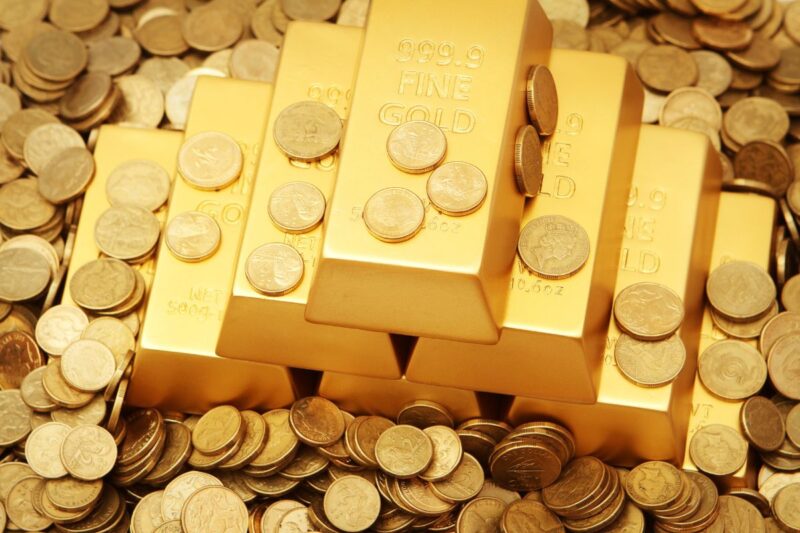
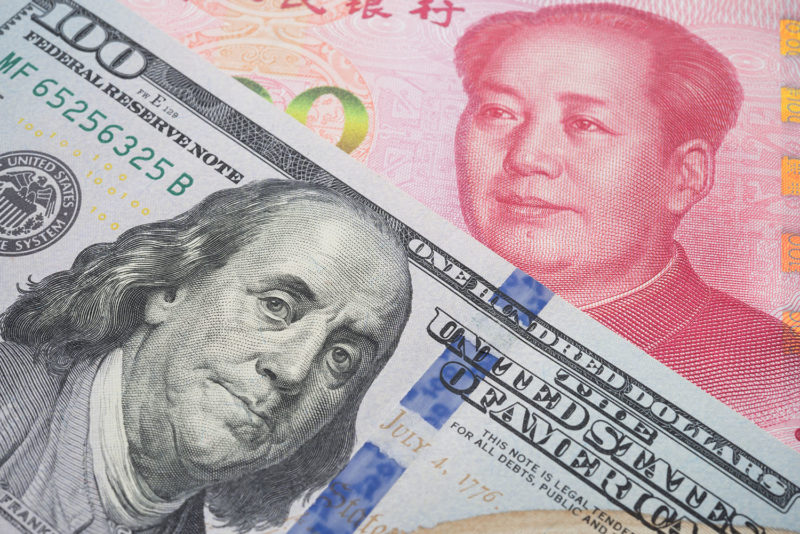

Continued purchases of gold by central banks and its attractiveness as a safe-haven asset have helped the precious metal to increase in value by 5.4% in the first half of the year, outperforming most other major assets, except for exchange-traded funds (ETFs).
The second quarter saw a continuation of the positive trend in central bank purchases of gold, although the pace of purchases slowed. The pick-up in investment activity and continued demand from the jewellery sector contributed to a favourable context for the increase in value of this precious metal: 5.4% in the last six months and around 15% in the last twelve months.
In this sense, gold not only brought positive returns to investors’ portfolios and diversification in central banks’ reserves but also cushioned the volatility experienced throughout the first half of the year, especially during the banking debacle in March.
These are the main conclusions drawn from the data presented in the World Gold Council’s report on gold demand this year. The gold price has been volatile during the first half of 2023, but it has been the only commodity with a positive performance apart from lithium, which has also risen in value thanks to the strong demand for electric vehicles.
Persistent uncertainty in the global economic outlook and changes in central banks’ monetary policies are among the main factors that have affected gold demand over the past six months. Growth in demand has been focused on the jewellery and technology sectors, while we’ve seen a slight decline in the popularity of exchange-traded funds (ETFs). This has boosted total gold production, which increased by 7% year-on-year to 1,255 tonnes.
Gold prices could reach a new record high in 2024
Jerome Powell, chairman of the Federal Reserve, said last week that economists at the US central bank do not expect a recession, but they do expect a significant slowdown in the economy by the end of the year. This prediction, along with growing expectations that the Fed is about to end its latest monetary policy tightening cycle, will be a “significant driver” for gold, noted Greg Shearer, managing director of Global Commodity Markets at J.P. Morgan Chase & Co.
According to JP Morgan’s forecasts, the price of an ounce of gold will reach an average value of around $2,012 in the second half of the year, following the trend seen so far, and will reach new records during 2024 when interest rates start to fall. “There really is a strong desire among institutional investors to invest in gold and a need to get rid of currencies,” Shearer said, adding that geopolitical risks have made gold even more attractive to governments.
It seems that the strategy of dedicating 10-20% of the investment portfolio to the gold market is becoming more and more widespread among large investors, governments and central banks, but this financial hedge need not be exclusive to institutional players and large investors as it is also available to everyone.
If you want to discover the best option to protect your savings, enter Preciosos 11Onze. We will help you buy at the best price the safe-haven asset par excellence: physical gold.
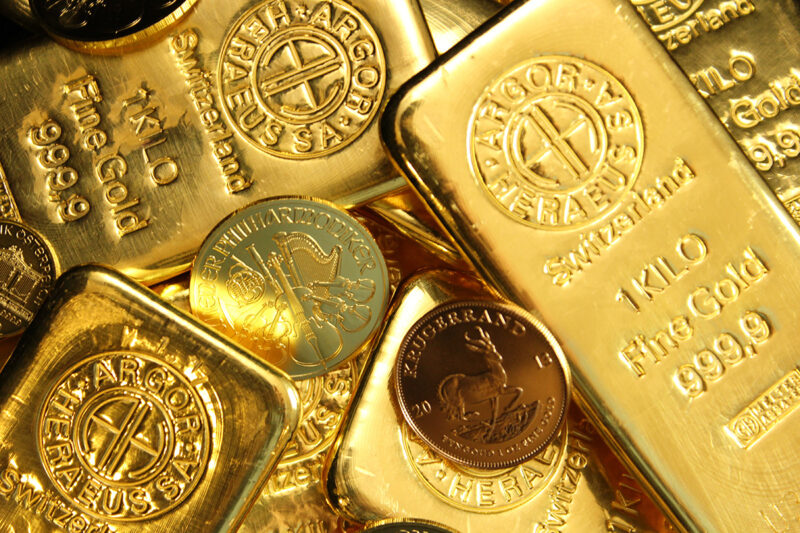

The Asian giant’s gold reserves have increased for the seventh consecutive month, totalling 144 tonnes since November last year. This is a widespread trend in other central banks that points to increasing dedollarisation.
In the context of growing economic and geopolitical risks, China’s central bank increased its gold reserves for the seventh consecutive month. The Asian giant bought an additional 16 tonnes of gold in May, adding 144 tonnes in the last seven months and accumulating 2,092 tonnes of gold in total reserves.
China is the main buyer of gold, but the demand for the golden metal experienced significant growth in the first quarter of 2023 thanks to the fact that the central banks of other countries follow the same trend. According to data from the World Gold Council (WGC), the world’s gold reserves increased by 228 tonnes in the first quarter of the year, reaching an all-time high not achieved in any quarter since 2010.
Central banks are actively increasing their gold holdings to avoid credit risks and diversify their reserve assets. This has been driven by several factors, such as inflation concerns, financial market volatility and geopolitical tensions. Although global gold purchases declined in the first quarter of the year, analysts expect the upward trend to continue throughout the year.
Dedollarisation of oil purchases
The dollar’s loss of weight in global commodity trade explains part of the increase in demand for gold. According to the IMF, the US dollar’s market share as the world’s reserve currency has fallen from 66% in 2003 to 58.4% at the end of the fourth quarter of this year.
As the purchase and sale of oil in yuan, rupees or roubles increase, the demand for dollars decreases. This is reflected in the diversification of central banks’ reserves away from the dollar and into other currencies or safe havens such as gold.
The US needs to monopolise the currency of energy trade and especially oil to maintain the petrodollar, but the unstoppable multipolarity of economic powers reflected in currency diversification only weakens the dollar’s status as the world’s reserve currency. The impact of the petroyuan, now being negotiated between Saudi Arabia and China, will further accelerate this paradigm shift.
Geopolitical tensions between the US and China increase the risk of a conflict on the Asian continent that could have global repercussions and rattle financial markets. This will reinforce gold as a safe-haven asset against economic uncertainty, geopolitical tension and the erosion of confidence in fiat money on which the current international monetary system is based. The increase in gold purchases demonstrates that states and central banks are clear about what they need to do to shield their ‘savings’.
If you want to discover the best option to protect your savings, enter Preciosos 11Onze. We will help you buy at the best price the safe-haven asset par excellence: physical gold.
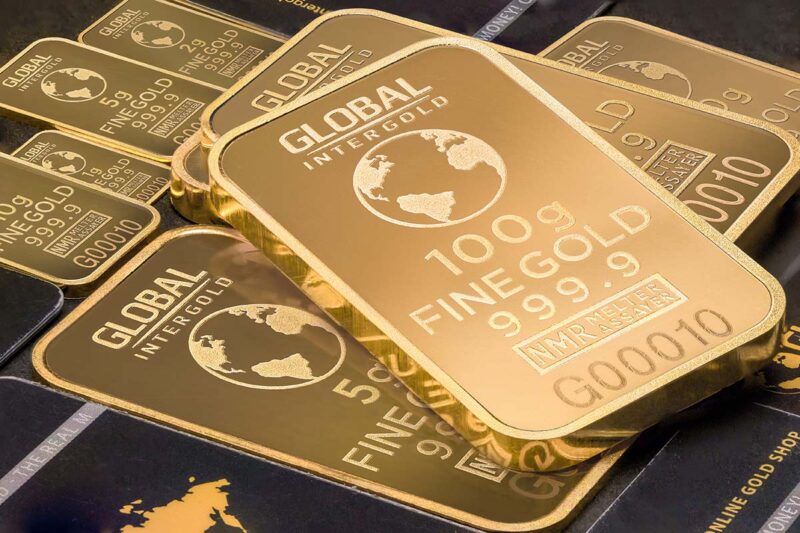
The World Bank warns that the global economy faces a decade of prolonged stagnation unless policies are implemented to reduce spending and support sustainable economic development. Without proactive measures, world economic growth could fall to 2.2 per cent a year by 2030, the lowest rate in three decades.
The World Bank urges policy reforms to avoid a slowdown in a global economy that may experience a prolonged period of low growth, characterised by low productivity, weak investment and limited job creation. The entity points out that the crises of recent years, such as the Covid-19 pandemic and the conflict in Ukraine, have put an end to almost three decades of sustained economic growth. “A lost decade for the global economy could be in the making,” warned Indermit Gill, the agency’s chief economist.
The report highlights the worrying lack of progress in addressing these problems and stresses the urgency of “an ambitious policy push to boost productivity and labour supply, boost investment and trade, and tap the potential of the services sector”. It warns that, unless transformative action is taken, economies around the world are at risk of being trapped in a downward spiral of low growth.
It expects average global GDP growth between 2022 and 2030 to remain at 2.2 per cent per annum, the lowest rate in three decades. Moreover, it warns that “these declines would be much more pronounced in the event of a global financial crisis or recession”. For developing economies, the decline will also be steep, with potential growth falling from 6 per cent per year between 2000 and 2010 to 4 per cent by the end of the current decade.
Structural reforms for economic resilience
The WB believes that structural reforms are needed in areas such as education, health, infrastructure and innovation, which are critical for long-term economic resilience. It adds that by investing in these sectors, governments can boost productivity, attract investment and create quality jobs, laying the foundation for sustained economic growth.
Another concern noted in the report is the rapidly rising levels of public and private debt in many countries. Excessive debt burdens not only pose immediate risks to financial stability but also undermine prospects for future growth. In this regard, it stresses the importance of prudent fiscal policies that prioritise controlling inflation and reducing the debt burden to attract more investment, ensuring sustainable economic growth.
In this sense, it also proposes the alignment of monetary, fiscal and financial frameworks to be able to moderate the ups and downs of economic cycles. Monetary policies would be linked to the importance of a transition towards an economic model that is more environmentally friendly and resilient to climate change. Furthermore, it notes that by prioritising sustainable practices, countries can address urgent environmental challenges and, at the same time, create new employment opportunities. Ultimately, it concludes that the time to act is now and that proactive measures taken today will shape the economic trajectory for years to come.
If you want to discover the best option to protect your savings, enter Preciosos 11Onze. We will help you buy at the best price the safe-haven asset par excellence: physical gold.

The euro area’s economy shrinks for the second consecutive quarter and enters into a technical recession, dragged down by the fall in German GDP. The stagnation of Europe’s main industrial engine could thus have direct consequences for the economic activity of all the countries that share the single European currency.
Not so many days ago the European authorities were still boasting that they had managed to avoid a recession despite the economic and geopolitical turbulence that Europe has suffered in recent months. Now it turns out that this was not entirely true. Eurostat has confirmed that after revising provisional numbers, the eurozone’s gross domestic product (GDP) contracted by 0.1% in the fourth quarter of 2022 and the first quarter of 2023, entering a technical recession.
Last May, the European statistics agency still pointed to positive growth in the eurozone economy for the first quarter of this year. Even so, the latest revisions of the data confirmed the contraction of the economy of the 20 eurozone member states as a whole. This is largely due to the updated figures for Germany, which closed the last quarter of 2022 with a decline of 0.5% and a contraction of 0.3% in the first quarter of this year.
This is therefore the first recession in the euro area since it suffered consecutive GDP contractions in the first and second quarters of 2020 as a result of the impact of the Covid-19 pandemic. That said, the European Union as a whole avoids recession with positive growth of 0.1%, despite the 0.2% contraction experienced between October and December last year.
Economic interdependence
The economic recession is not confined to Germany, with the economies of Ireland, Lithuania, Estonia and Hungary performing even worse, but the Teutonic country is the locomotive of the region and the trade dependence of many European countries on Germany is considerably more important. Specifically, it is the second-largest market for Spanish exports, after France, and the main foreign supplier of goods to Spain.
As the second-largest car producer in the European Union – after Germany – the Spanish car industry is highly dependent on its German partner. In addition to direct investment, we can add the entire value chain of the automotive industry, from vehicle production to the import and export of automotive components. Therefore, any disruption in the German economy and the leading European automotive market could have immediate consequences for this sector of Spanish industrial production.
On the other hand, a generalised recession in the eurozone countries, spurred on by persistent inflation and a decline in household consumption, could have a significant negative impact on an economy like Spain’s, especially when we take into account the importance of the tourist sector in the country’s GDP.
Faced with such a bleak economic scenario, it remains to be seen what the response of Brussels and the European Central Bank (ECB) will be at the monetary policy meeting to be held on 15 June: will we continue to torpedo our economies with economic sanctions that only benefit the United States? Will the ECB stop raising interest rates, or will it continue to wait for more “unexpected” results from the evolution of the economy?
If you want to discover the best option to protect your savings, enter Preciosos 11Onze. We will help you buy at the best price the safe-haven asset par excellence: physical gold.

The US House of Representatives approved the deal to raise the debt ceiling by a large majority on Wednesday. A day later, the text also passed the Senate vote. But how will this public deficit be financed?
Winston Churchill is credited with saying: “Americans can always be trusted to do the right thing, once all other possibilities have been exhausted”. The pantomime accompanying the cyclical political tug-of-war of the US debt ceiling debate seems to confirm the words of the indomitable British ‘Bulldog’.
As expected, after tense negotiations, legislators from both parties have approved, at the last minute, the agreement to raise the debt ceiling, avoiding the devastating impact that a default would have on the economy. The deal proposed by Kevin McCarthy and Joe Biden – put to a vote in the House of Representatives on Wednesday – passed with 314 votes in favour (165 Democrats and 149 Republicans) and 117 votes against.
The agreement had until 5 June, when the country is expected to exceed the current debt ceiling, to be ratified with a second vote in the Senate. A mere formality that was consummated the day after, also with a large majority (63 – 36). The bipartisan agreement will suspend the spending limit set by Congress until 1 January 2025, shortly after the presidential elections scheduled for November 2024.
The GOP proposals have forced a reduction in the government deficit by about $1.5 trillion over the next decade by agreeing to essentially freeze funding that does not affect the defence department. This falls short of the 7 per cent increase demanded by Democrats, but, in return, the $369 billion in incentives requested by President Joe Biden for clean energy stay in place.
Major national and foreign creditors
The US government issues Treasury Bonds as its primary method of debt financing. These bonds are debt securities issued by the government under a promise to pay a fixed amount of interest over a fixed period of time. They are considered a safe investment due to the fact that the US government has maintained an impeccable record of debt repayment. Treasury bonds are sold through auctions and are available to both domestic and foreign investors.
Much of the current $31.4 trillion debt is held by the public ($24.6 trillion) in the form of financial securities issued by the Treasury Department. In other words, it is financed by private US investors through mutual funds, pension funds, insurers and banks. As well as through the Federal Reserve and the country’s central bank, or government agencies such as Social Security.
The remainder, some $7 trillion, is split 50/50 between central banks and foreign private investors. Specifically, Japan (1.087 trillion), China (869 billion) and the UK (655 billion) are the largest foreign holders of US debt. Foreign demand for Treasuries fell by 6% over the course of 2022 because of the strong dollar and rising interest rates but has been recovering during the first quarter of this year.
An unsustainable amount of debt?
Despite the current astronomical debt, the Congressional Budget Office (CBO) forecasts that US public spending will increase by $6 trillion to $10 trillion over the next ten years. This would double the fiscal deficit from $1.3 trillion to $2.7 trillion over the same period, reaching a debt figure of about $46 trillion in 2033. This amount of debt will not be easily absorbable given that net interest costs will triple to $1.2 trillion per year.
This increase in debt financing costs could leave out important public investments that drive economic growth, further diminishing the country’s ability to pay its debt. It also leads to higher inflation and an erosion of confidence in the US dollar, a key element in guaranteeing the US giant’s ability to borrow without consequences.
Against this backdrop of distrust in the US government’s ability to control its spending, it is not surprising that central bank gold purchases reached record highs over the past year and show no sign of slowing down in 2023. Other countries are not only buying record amounts of gold as the main safe-haven asset but, despite a slight recovery in recent months, overall they are still reducing their dollar reserves. These actions make it clear that addressing the national debt problem is an essential part of securing the economic future of the United States, but also of the established international monetary system.
If you want to discover the best option to protect your savings, enter Preciosos 11Onze. We will help you buy at the best price the safe-haven asset par excellence: physical gold.