Christmas around the world
Christmas holidays are celebrated all over the world, but customs vary from country to country. In 11Onze we review some of the Christmas traditions in other parts of the world.
Portugal and Italy
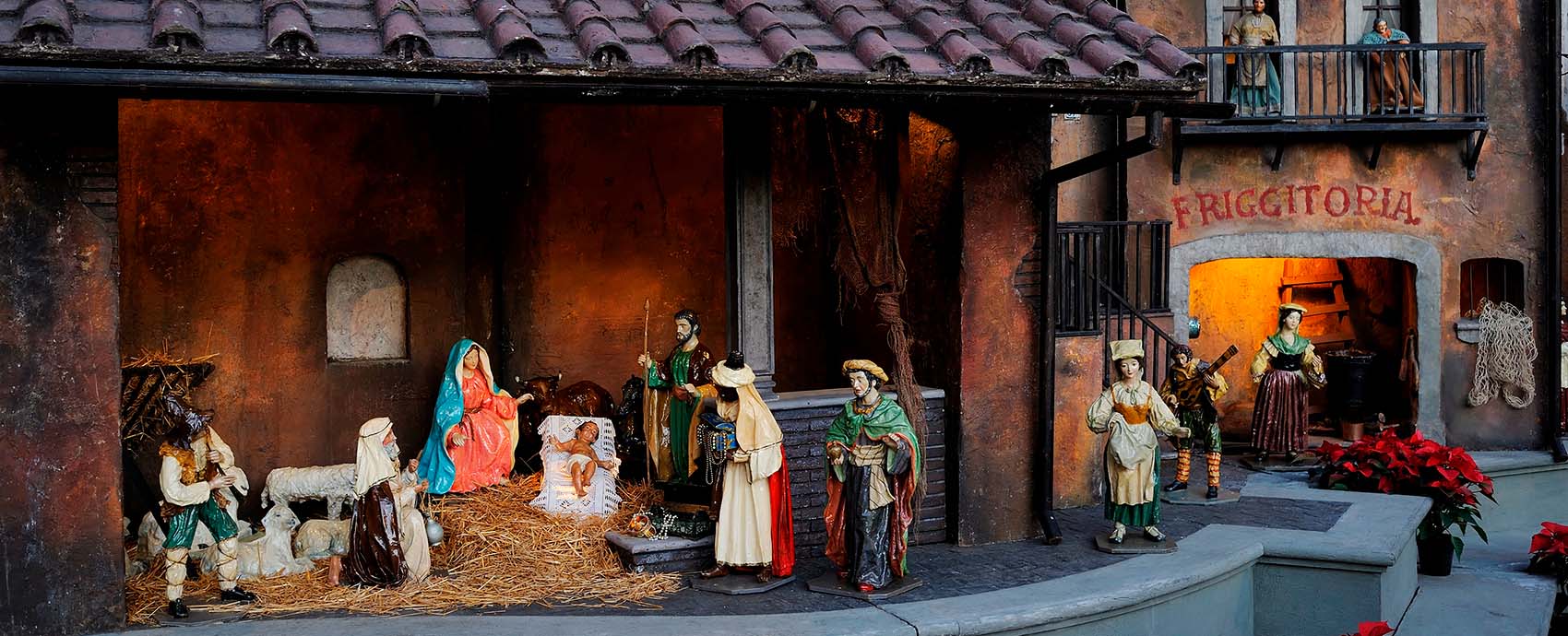
Nativity scenes are not only made in Catalonia, they can also be found in Portugal and Italy. Many are true works of art, with months of work, effort and investment. In many cities they are almost a tourist attraction. If you are passionate about nativity scenes, you will have already visited the living nativity scenes and the Catalan nativity scene associations. Perhaps you can visit Portuguese and Italian ones!
Christmas Day

What day is Christmas celebrated? Normally, December 25, but this is not the case everywhere. The Orthodox Church uses the Julian calendar instead of the Gregorian calendar. This means that Orthodox Christians celebrate Christmas Day on January 7 (or around that date, depending on the church). Therefore, Ukraine and Russia will celebrate Christmas for Epiphany, so to speak. Christmas Day is a holiday and the preceding days are days of reflection and often fasting. But Christmas Day is a real holiday in the company of loved ones.
Exporting the Christmas Party

If in Catalonia we often complain that we import traditions such as Halloween, it must be said that the Christmas party is also being exported to other places. It is a kind of fashion trend, often without any religious sense. This means that in these places there are activities linked to Christmas but December 25 is a working day. In the end, it ends up being just another commercial holiday. For example, in Japan at Christmas the most popular food is fried chicken, something that KFC has capitalized on.
Christmas feast
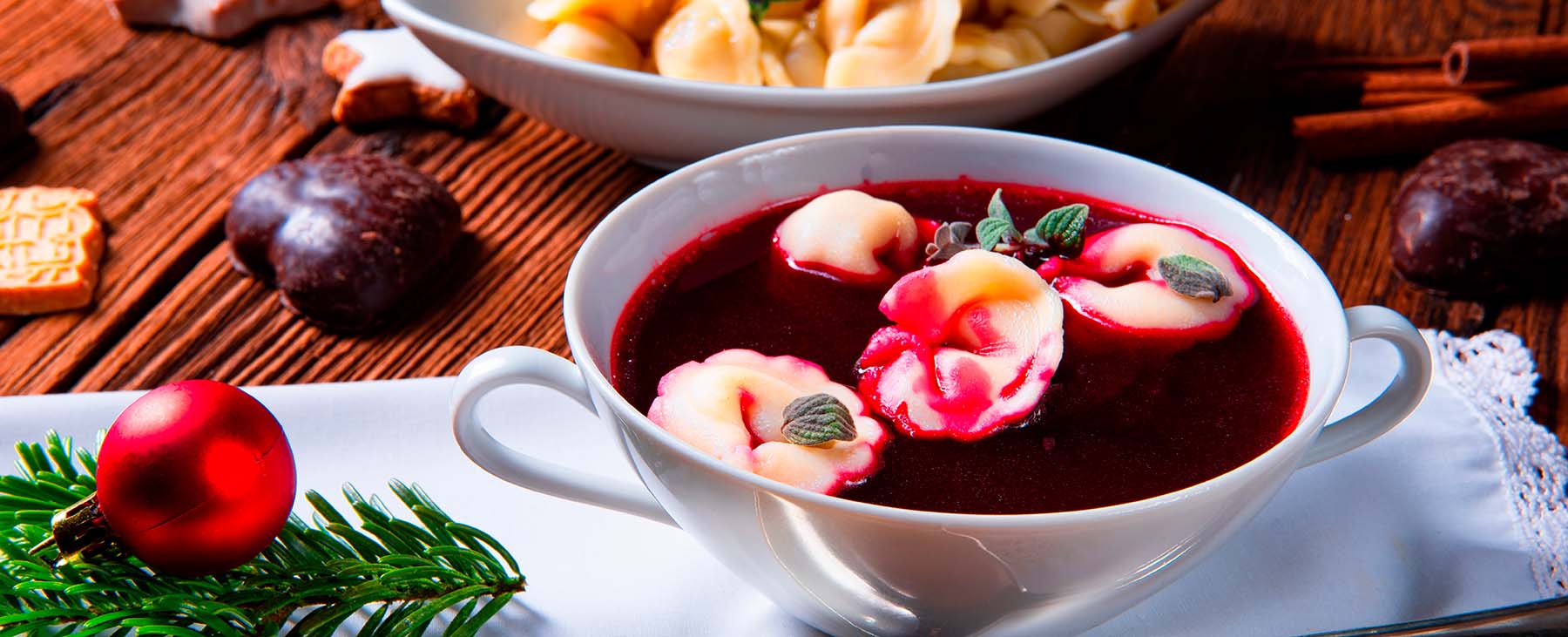
Escudella and chicken with plums and pine nuts is the classic Catalan cuisine for Christmas Day. But there are many other options. In Eastern Europe, in countries like Poland or Lithuania, people traditionally enjoy 12 different dishes on Christmas Eve. And it is necessary to eat them all to avoid bad luck. If you have a Christmas meal in these countries you will taste beet soup, cabbage with beans, poppy seed cake, and many more typical dishes.
Gifts
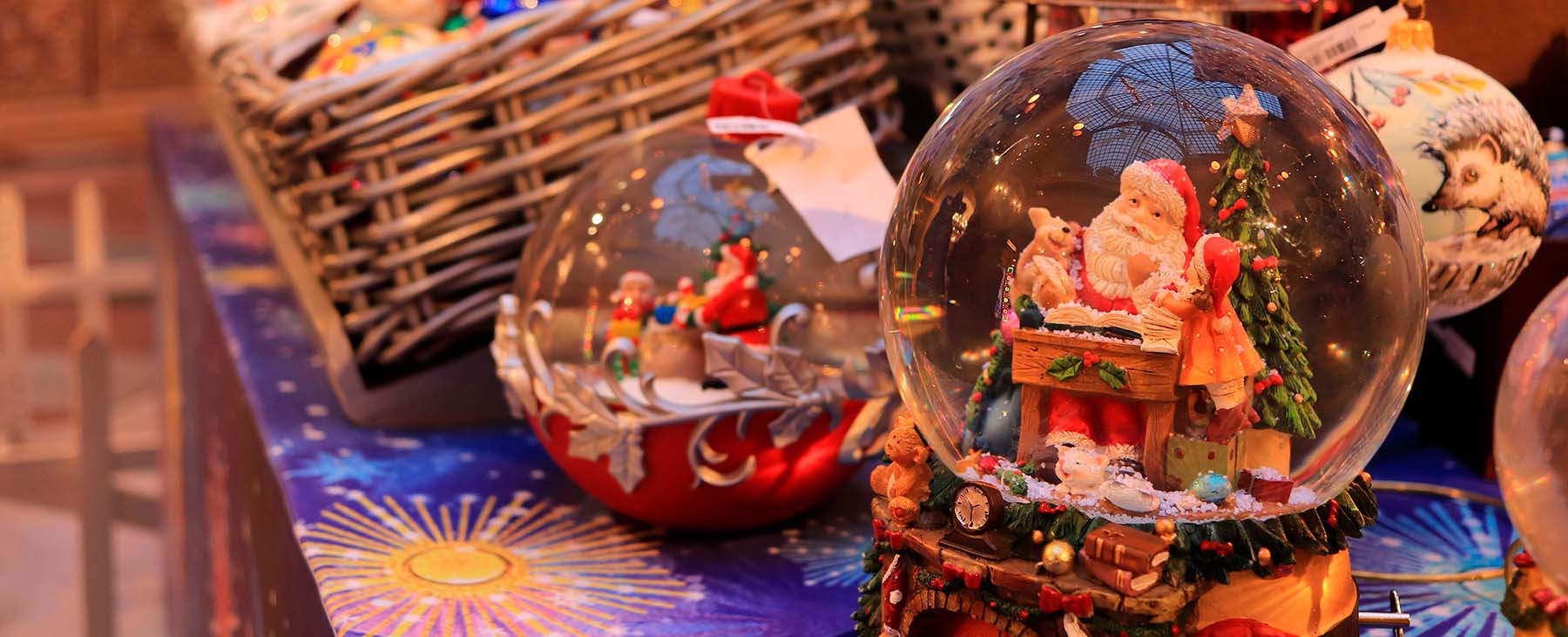
In many countries, besides the 25th (or the 7th, of course), a very important day is December 5. It is especially special for children, as this is when Santa Claus brings them presents. There are many versions of the story that it originated in Finland. Most say that he resorts the world to his sleigh and jumps down chimneys to put presents under the Christmas tree. But in some countries, the stories are slightly different. For example, in the Netherlands, the Sinterklaas disembarks from a steamship. Then, all the local church bells ring in celebration and the children receive their long-awaited gifts.
The Christmas holidays are a great time to travel alone or as a family. Doing so by celebrating Christmas in another country is an option to have a different holiday.
Do you love to travel? With 11Onze Viatges you can book accommodation at the best price, without stifling the travel industry.
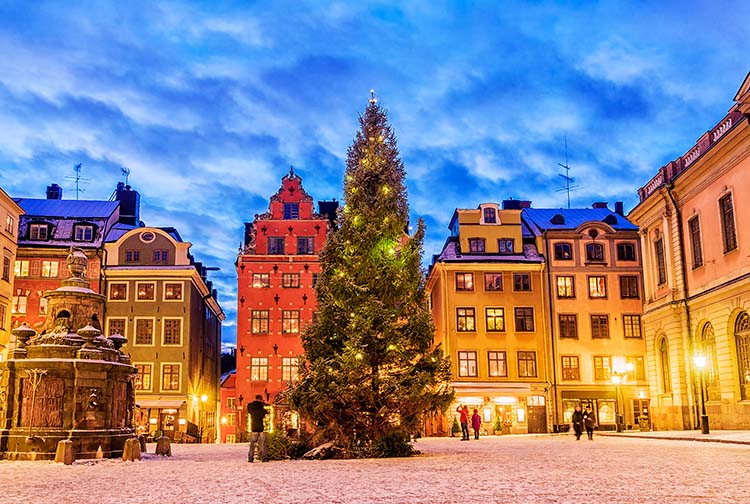
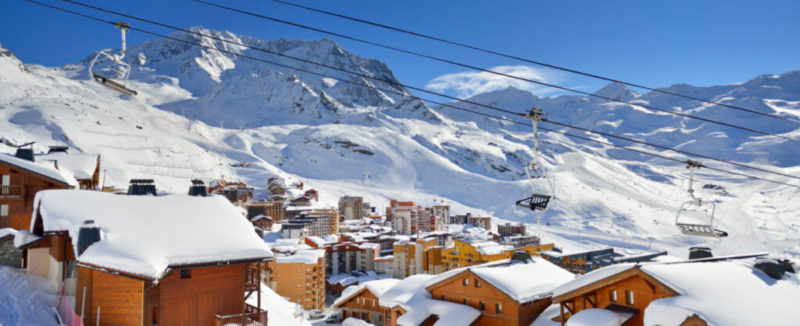
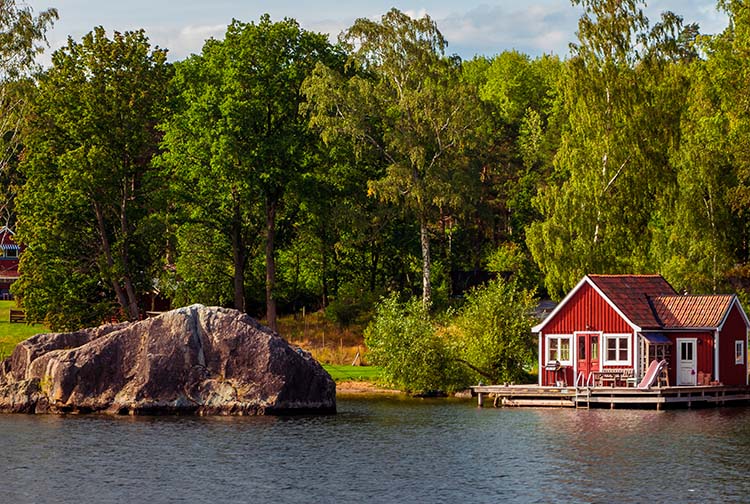
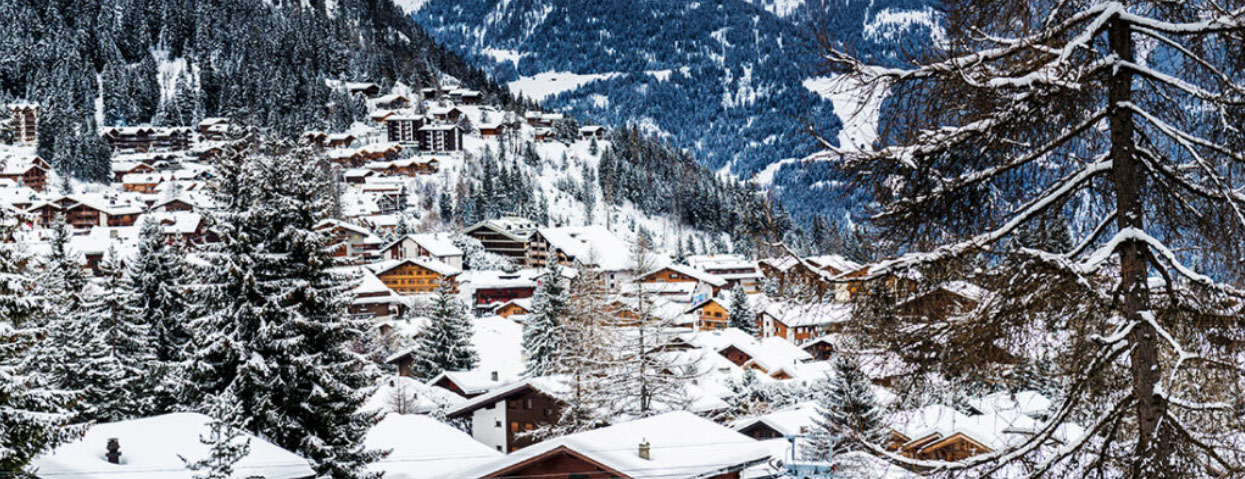
Fans of this mountain sport are well acquainted with the Catalan and Andorran slopes, but perhaps we are not so familiar with the range of ski resorts in Europe. Let’s make a brief compilation of the best-known and some of the not-so-typical ones.
Source: Bidroom
Switzerland
Known for the world’s best skiing resorts, the breathtaking views are enough to calm a first-timer’s nerves. For your non-ski-loving companions, there’s still plenty to do—explore the Matterhorn, go white water rafting, or take a tour through the mountains via train.
Source: Bidroom
Poland
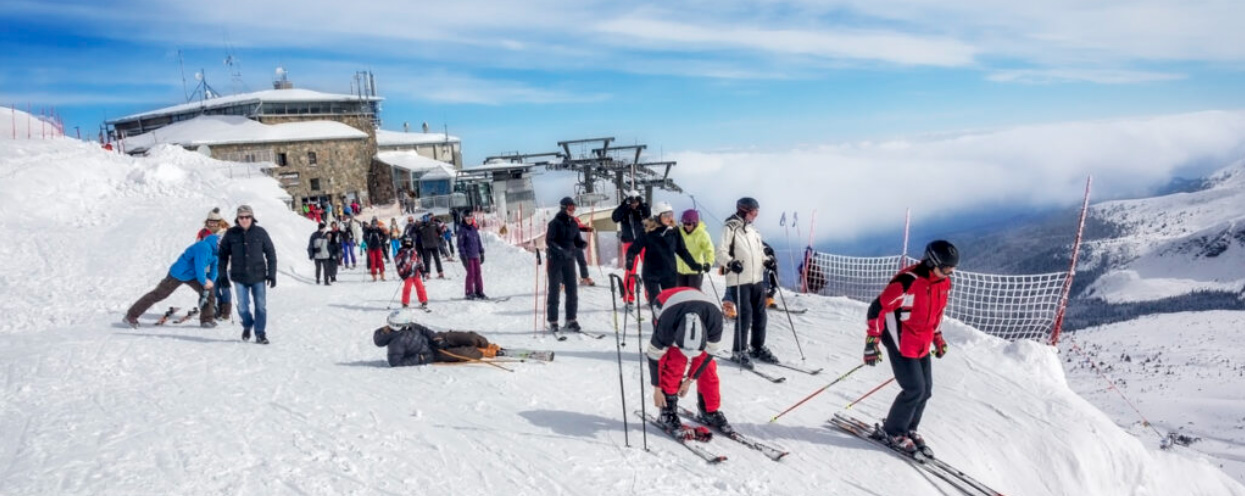
Bordering Slovakia, Czechia, and Germany, the Polish mountains are famous for their ski slopes. Nestle down into the comfy lobby sofa of your chalet with a warming mug of the region’s renowned take on mulled wine, known as grzaniec Galicyjski, and some tasty pierogi. For the voyeurs, it’s not all about the slopes—plenty of hot thermal baths, quad tours, and unique hikes to enjoy.
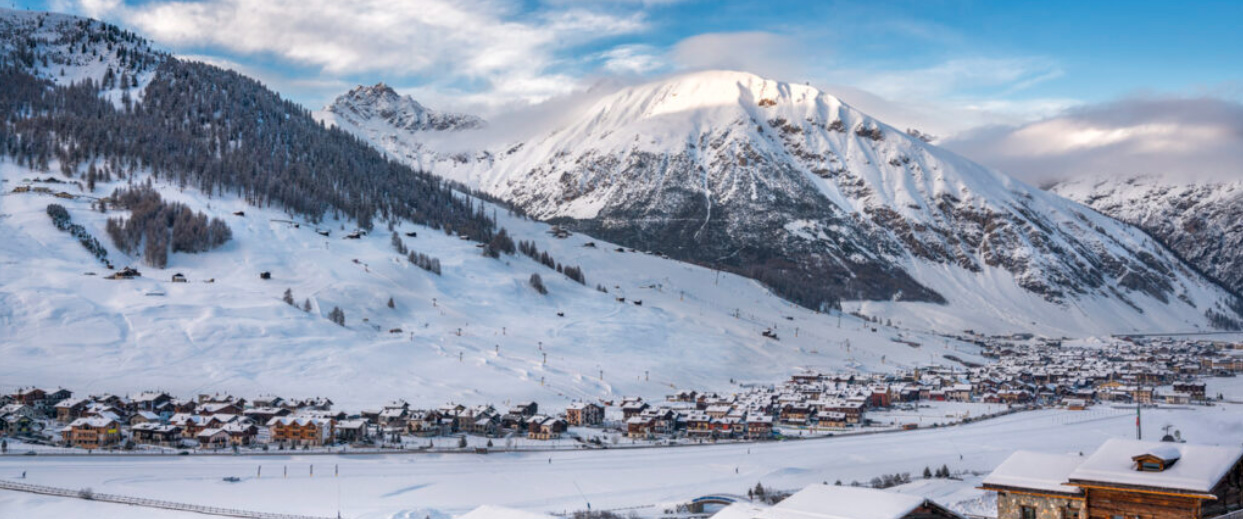
Source: Bidroom
Italy
Italian ski slopes are among the best in the world, especially if you’re trying to please sun holiday lovers and adventurous skiers. Up high in the mountains of Italy, the sun is usually beaming. Sure, it may be chilly, but that is what spa jacuzzis are for.
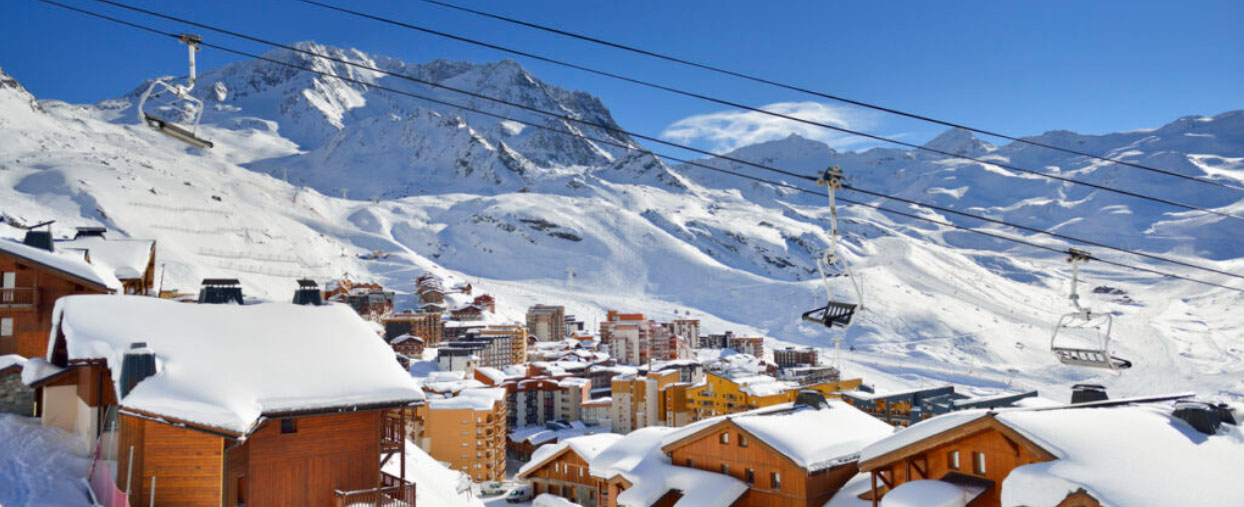
Source: Bidroom
France
The Alps are the highest and most extensive mountain range system that lies entirely in Europe. If you’re a film buff, you’ll recognise the location from the Bond movies. You’ll find some travelling treasures at the foot of some of the highest peaks, like the dainty commune called the Chamonix Valley or the spa town Aix-les-Bains.
Do you love to travel? With 11Onze Viatges you can book accommodation at the best price, without stifling the travel industry.

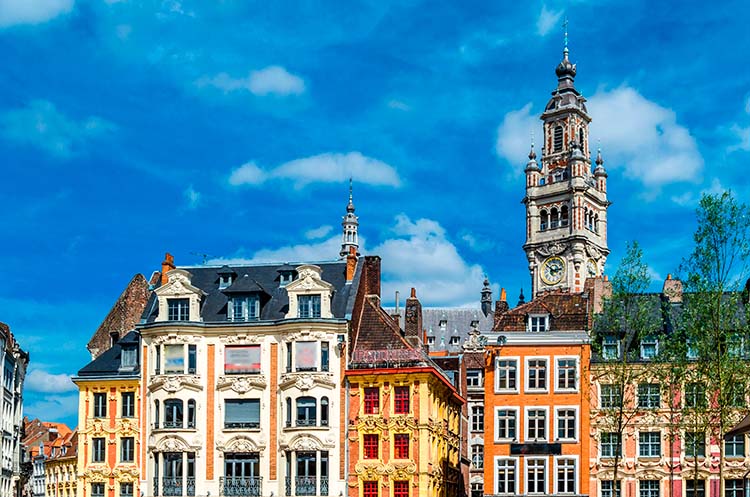
There are classic and contemporary books. They are nostalgic, mysterious, joyful, and romantic, but they all tell stories that happen at Christmas. At 11Onze we have compiled fifteen books for a winter by the fireplace. Do you remember any other books?
The Christmas holidays are always a good time to be reckoned with, ourselves and those around us. Maybe that’s why all Christmas stories have something of a life lesson in them. It doesn’t matter whether they take place in a 19th century mansion, an ice castle, a boarding house or a flat in Brooklyn. All these books, in the end, seem to be asking us in our ear: how will you change your life from now on?
- ‘A Christmas Carol’ (1843) by Charles Dickens. The old miser Ebenezer Scrooge, who enslaves his young worker, will receive a good lesson in life on Christmas Eve from three ghosts: the one from the past takes him back to his childhood, the one from the present brings him closer to his worker’s home and the one from the future transports him to the day of his death. Frightened by the visions, will Scrooge decide to change? After the great success of ‘A Christmas Carol’, Charles Dickens wrote a story every Christmas and it was the great annual event in mid-19th century Britain. All these stories, such as ‘The Bells’, ‘The House Cricket’ or ‘The Cursed Man’, were collected in Catalan by La Magrana, and perhaps they need to be republished.
- ‘The Best Fables’ (1844-45) by Hans Christian Andersen. The great storyteller of all times is a must for Christmas. From Andersen, in this compilation of fables, we find ‘The Match Girl’ and ‘The Snow Queen’. But we cannot fail to mention ‘The Christmas Tree’. Dark, melancholic and pedagogical, all of Andersen’s stories leave a little piece of ice in our hearts.
- ‘Little Women’ (1868) by Louisa May Alcott. Incredible as it may seem, in Catalan today, you can only find an edition adapted for young audiences from Editorial Barcanova, but it is an indisputable Christmas classic, because its versions adapted for the cinema are a must after dinner and because the story begins at Christmas. ‘Little Women’ is one of the most influential and widely read novels in the history of literature, and explains the life of the four March sisters during the American Civil War. But it is Jo March’s central character that has become a reference point for the feminist struggle.
- ‘The Selfish Giant’ (1888) by Oscar Wilde. This fairy tale tells the story of children playing in the magnificent garden of a giant, who is always on a journey. But one day, the giant returns from visiting his cousin and, seeing all these children jumping and playing in his garden, he decides to chase them away and build a wall to keep them out. However, as soon as the children stop using the garden for their mischief, it will wither away like winter.
- ‘Christmas pudding’ (1932) by Nancy Mitford. Miss Bobbin, a prestigious foxhunter, is holding a Christmas party at her home. The guest list promises an entertaining feast. Mitford’s first novel, with eccentric characters, love, and heartbreak and plenty of sarcasm, was declared the funniest of the year when it was published. This winter it is brought back by Universe.
- ‘Hercule Poirot’s Christmas’ (1938) by Agatha Christie. On Christmas Eve, the spiteful old Simeon Lee is found dead in a pool of blood with his neck cut in two. Near his mansion, detective Hercule Poirot celebrates the Christmas holidays until he is summoned to solve the case. But instead of finding a family devastated by the death of the elderly Lee, he finds a rather disturbing group of people. They all seem to have a motive for the murder, but who is the culprit? In Catalan, this Christie classic is hard to find, but in Spanish it has been republished this year under the title ‘Navidades trágicas’.
- ‘A Child’s Christmas in Wales’ (1952) by Dylan Thomas. This Christmas novella is considered one of Thomas’s best stories and will make all your childhood memories come flooding back. Thomas builds a legend in a small Welsh seaside village full of cats, cards and children who want to play in the snow. Look out for the illustrated edition by Pep Montserrat that won the 2008 Junceda prize, because it is a work of art.
- ‘Three Stories’ (1956) by Truman Capote. Christmas is a commonplace of childhood and Capote, in these three stories, recalls his family celebrations, two Christmases and a Thanksgiving. Little Truman, Buddy, accompanies us in each of these three stories and shares the limelight with Miss Sook, an old maid relative, naive but very wise.
- ‘Letters from Father Christmas’ (1976), by J. R. R. Tolkien. Although Tolkien is best known for his fantasy novels ‘The Hobbit’, ‘The Lord of the Rings’ and ‘The Silmarillion’, which are common Christmas presents for young people, ‘Letters from Father Christmas’ collects the handwritten letters his children received each December, in fine, strange handwriting and beautiful, colourful illustration. With a North Pole stamp, all the letters were from Father Christmas, who told them wonderful tales of his winter life. Sometimes an elf would even hide a message in the letters. If you can find it in bookshops, it will certainly make a good gift.
- ‘Auggie Wren’s Christmas Story’ (1991) by Paul Auster. The ‘New York Times’ commissioned Auster to write a Christmas story and, in order not to fall into sentimental plots and cloying characters, he decided to talk about Auggie Wren, a tobacconist from Brooklyn. A story about a thief, a lost wallet, a blind grandmother and a family meal. The story was the seed for the film ‘Smoke’ and is now a contemporary classic.
- ‘Politically Correct Holiday Stories’ (1995) by James Finn Garner. The author takes classic Christmas characters such as Rudolph the reindeer, the miserly Mr. Scrooge, Santa’s elves or the characters from the mythical Nutcracker and reclaims them as dysfunctional, non-human union leaders, vegans and non-sexist pacifists. Garner gives a new social conscience to the old tales to revive the authentic Christmas spirit.
- ‘Tres Nadals’ (2003) by Quim Monzó. This book brings together three stories that are not strictly Christmas tales, but which go beyond the genre and, with a Monzóian gaze, lead us towards an atypical, festive and satirical Christmas.
- ‘The Weight of Snow’ (2018) by Christian Guay-Poliquin. In a wooded region that has been cut off by an electrical blackout, a young man is recovering from a serious traffic accident. His life is left in the care of Matthias, a taciturn man who has agreed to look after him. Held back by a relentless winter, they will have to face the cold and boredom together.
- ‘Winter’ (2020) by Ali Smith. Four people, strangers and family, share a fifteen-bedroom house in Cornwall for Christmas, but there doesn’t seem to be room for everyone. An immigrant brings the warmth that the family has been unable to find. After ‘Autumn’, the author closes her tetralogy talking about post-truth, fake news, the refugee crisis and the climate crisis.
11Onze is the community fintech of Catalonia. Open an account by downloading the app El Canut for Android or iOS and join the revolution


Is society’s growing awareness of the need for sustainable consumption compatible with sales that promote compulsive shopping? Or is any price cut welcome in the current economic context? How is the textile industry resolving the dilemma of sustainability vs. competitiveness? In this episode of La Plaça, we talk about this and much more with Marco Palmero, CEO of Basi Group, and Gemma Vallet, Director of 11Onze District.
Everything has a cost. The consumption of organic or local food is more sustainable and possibly healthier, but it is also true that it is often more expensive to produce. We could say the same for almost any other consumer product, including those in the fashion industry.
On the one hand, we want quality clothes, locally made, that, with environmental conservation in mind, allow us to leave fast fashion behind and reduce our carbon footprint. On the other hand, we are looking for low prices in accordance with the loss of purchasing power caused by the economic crisis we are suffering.

La Plaça | Territori 17: Black Friday
Sales in the context of a circular economy
Sustainable brands avoid sales on the premise that they prioritise sustainability and durability over indiscriminate mass consumption. What does the rest of the textile industry do? As Palmero explains, if it were up to him, “he would eliminate all sales” but he recognises that “in situations like the current one, where people are struggling” he has to offer the possibility, albeit temporarily, “to give access to products at a better price”.
Sustainability does not have to be at odds with occasional discounts, it is only necessary for companies to act responsibly within their means. As the CEO of Basi Group points out, “we have worked on circularity with our latest collections, ‘upcycling’, using existing fabrics to create new collections”, without forgetting local production, “cutting fabrics in Igualada and sewing in Lleida”. This means smaller productions, but of higher quality and with more added value, which must be reflected in a fair price.
11Onze is the community fintech of Catalonia. Open an account by downloading the super app El Canut for Android or iOS and join the revolution!



En aquest nou episodi de la Plaça del magazín radiofònic Territori 17 fusionem la cultura catalana amb la japonesa, conversant amb Tessin Sano, empresari japonès que fa 30 anys que viu a Catalunya, i cofundador de l’Hotel japonès Puigpinós.
Tessin Sano és un empresari català i japonès arrelat a Catalunya i al seu país d’origen, que al llarg de la seva carrera sempre ha intentat fusionar aquestes dues cultures en els seus projectes empresarials. Nascut al Japó, però resident a Catalunya des dels anys 90, Sano va crear Japo.cat, una empresa dedicada a l’intercanvi cultural entre Catalunya i el Japó, que organitza viatges al país nipó a la mida de cada client.
Un projecte que complementa amb el seu restaurant de cuina japonesa, Kinoko, a Solsona, i l’Hotel japonès Puigpinós. Així doncs, Sano és un reconegut emprenedor que en aquesta conversa ens dona la seva visió de com ha evolucionat el turisme que visita el Japó, convertint-lo en un dels països més visitats del món.

La Plaça | Territori 17: Japó
Tradició i modernitat en un mateix lloc
El Japó és un dels pocs països que ha sabut combinar perfectament les tradicions d’una cultura mil·lenària amb metròpolis modernes i cosmopolites que destaquen per ser punteres en avanços tecnològics. Com apunta Sano, “un dels motius per als quals el turisme al Japó té tant èxit és pel contrast entre la tradició i la modernitat”.
Sense deixar de ser un país exòtic, el Japó es manté “proper a l’Occident, però conservant les tradicions japoneses”, afirma Sano. Petits matisos culturals que l’emprenedor català-japonès s’ha assegurat que estiguin representats en el seu hotel japonès, per gaudir de la mateixa experiència de la qual gaudiries al Japó.
T’encanta viatjar? Amb 11Onze Viatges pots reservar allotjament al millor preu, sense escanyar a la indústria turística.

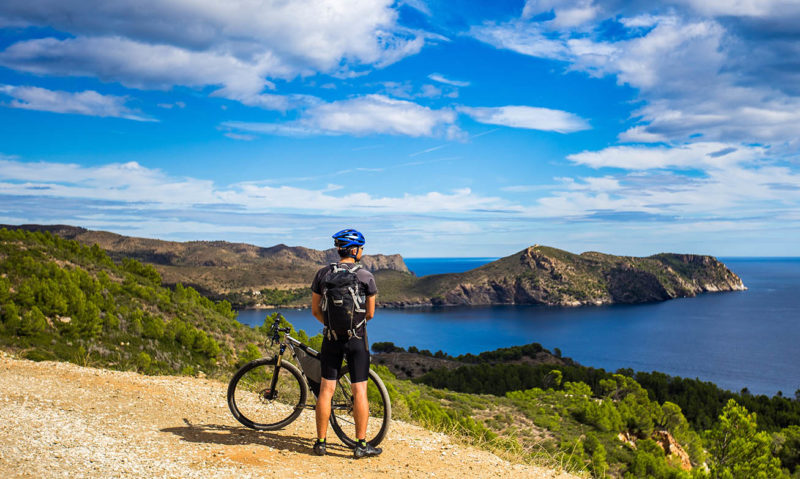

Farhaan Mir, Chief Financial Officer (CFO) d’11Onze, està involucrat en projectes educatius enfocats a crear un món més sostenible, just i equitatiu. Un d’aquests projectes és Da Vinci Life-Skills, i en aquest pòdcast ens explica per què ha arribat el moment canviar el sistema educatiu actual.
La Revolució Industrial va canviar la societat, transformant economies fins llavors basades en l’agricultura, en models econòmics basats en la fabricació mecanitzada a gran escala. L’impacte d’aquest canvi de paradigma també va fer evolucionar el model educatiu, proporcionat pels estats, més regimentat i accessible a gran part de la població.
Tot i això, l’enfocament de l’educació estava centrat en servir les necessitats de la indústria, com apunta Mir, “havies d’aprendre a llegir, escriure i bàsicament gestionar”. Es tractava d’un pla d’estudis estandarditzat i eficient, però impersonal.

Episodi 21 | Da Vinci Life-Skills
La importància de la creativitat
L’afany per incrementar l’eficiència en el lloc de treball sovint venia lligada a un detriment de la individualitat i capacitat creativa d’un model educatiu pensat per formar a persones que s’estaven convertint en part de la maquinària de producció industrial. Subjectes com les arts i la creativitat eren vistos com a secundaris.
Des de Da Vinci Life-Skills es vol replantejar els currículums nacionals posant l’accent en una educació multisensorial i multidisciplinària que posi a les persones al centre. Com explica Mir, “ la retenció, el poder de retenir l’atenció dels nens, és molt més gran quan s’ensenya d’una manera en la qual no es parla als nens, sinó que es parla amb els nens.
11Onze és la fintech comunitària de Catalunya. Obre un compte descarregant la super app El Canut per Android o iOS. Uneix-te a la revolució!

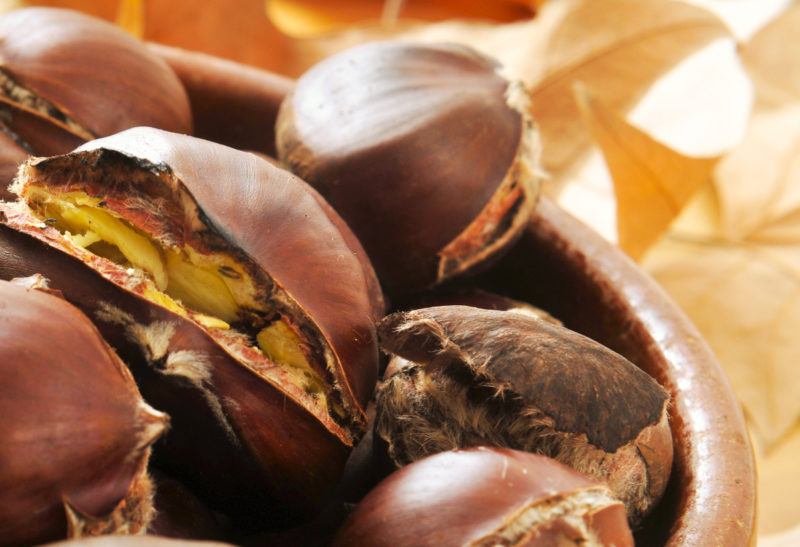
Droughts, pests, plundering and inflation threaten the pine nut market in Catalonia. As a result, this Castanyada will be more expensive. Why don’t we make better use of our forests?
The Consorci Forestal de Catalunya estimates that in Catalonia there are some 38,000 hectares of stone pine, with a pine nut production potential of 500 kilos per hectare. “In a regulated sector, this product on the market would represent a turnover of five million euros,” tells the institution. Even so, the reality is that forest owners do not make any profit from their forests. That is why the price of pine nuts has risen steadily over the last decade.
According to the Observatori Forestal Català, in 2021 the price of white pine nuts reached 66.25 euros per kilo in the Barcelona market, 66.71 euros per kilo in the Reus market and 67.49 euros per kilo in the Alentejo market (Portugal), the main competitor on the peninsula. Thus, the price for the end consumer is between 70 and 100 euros per kilo. The increase year after year is evident. And this, obviously, also increases the price of the precious ‘panellets’ that we buy in the country’s bakeries and patisseries, as the Gremi de Pastissers de Catalunya reminds us.
The reasons for this rise, according to the Consorci Forestal de Catalunya, have to be found on the black market, where the looting of pine nuts is widespread and “without any kind of control”. In addition to the pillage, there is also the devastation caused by pests, such as the American pine bug, which attacks the youngest pine cones. And to all this must be added the droughts that have ravaged Mediterranean forests in recent summers and competition from Asian pine nuts, which are of lower quality.
The prized pine nuts, the product of the Mediterranean forest
For all these reasons, experts determine that the production and use of pine nuts is far below its potential. With this in mind, the Consorci Forestal de Catalunya has set up the Quality Pinea project, which aims to help producers to make the most of their stone pine forests, but also to carry out research. With the support of the Cooperativa Serveis Forestals (Cooperative Forestry Services), the institution provides free advice on how to boost pine nut productivity on private farms.
Thus, the Consorci Forestal de Catalunya accompanies producers to grow new plantations of stone pine with grafts and helps to start up the production of a forest mass. It also advises on how to develop the most suitable pine cone harvesting systems according to the type of farm and, finally, it helps with the marketing of both pine cones and pine nuts.
In fact, stone pine plantations are an alternative to agricultural crops and, therefore, a viable option for agroforestry owners. In addition, the institution draws up inventories of forest stands and other stands of stone pine for treatments and works in collaboration with the Centre Régional de la Propriété Forestière Occitanienne (CRPF Occitanie), which is active in the Pyrénées-Orientales region of France. The producers now hope that the growing interest in pine nut production will encourage Catalonia to regulate the market and take advantage of this small treasure that the region has to offer.
11Onze is the community fintech of Catalonia. Open an account by downloading the super app El Canut for Android or iOS and join the revolution!

They say that you are not so much what you say as what you do, and in this sense the Catalans do many things, and the most important thing is that they do them together. There are 74,438 associations in Catalonia, according to data from the Department of Justice in 2020. A figure that serves to understand the magnitude of this network in the social sphere. Self-organisation marks and defines Catalan society
As a concept, associationism refers to the voluntary organisation of people seeking a common interest, be it cultural, political, sporting, social assistance, leisure or any other field. The essential point is that this activity is done on a non-profit basis and for the benefit of society.
From clandestinity to the creation of a social fabric
Historically, the term associationism was born in the 19th century as a result of the theories of utopian socialism and although guilds and brotherhoods were already created in medieval times with the intention of defending common interests, it was not until the era of the Industrial Revolution that associations as such proliferated. The purpose has always been the same: to look after the needs of society. As the economic and business system moved towards incipient capitalism, the emergence of organised labour became necessary.
Throughout the 19th and 20th centuries, Catalan society created associations in different spheres, such as athenaeums, schools, cooperatives and trade unions. The emergence of many of these entities corresponded to the lack of these basic services, such as schooling, health or the defence of workers’ labour interests. In areas where there was no social protection, it was society itself that sought mechanisms to protect itself. It was also in these decades that the movement for the recovery of national consciousness emerged in an attempt to reclaim Catalonia’s own personality and fight for its preservation. A milestone that was blurred in the Franco era, when all Catalan national institutions and the network of associations were persecuted and repressed. In this context, the right of association was practically disqualified, but Catalan associations survived underground.

“The emergence of many of these entities corresponded to the lack of these basic services, such as schooling, health or the defence of workers’ labour interests.”
Associationism as a reflection of the Catalan people
The values of associationism mark the path towards a more committed and less individualistic society. In fact, if we analyse some basic elements of Catalan culture, we can see that this idea is in tune with the cultural reality. Pilgrimages, sardanes, local festivals, Sant Jordi? All involve getting together, organising, living together and sharing. It is no coincidence, therefore, that most Catalans spend part of their free time in associative or social activities with the aim of improving the quality of life of the country as a whole.
Variety is the spice of life, and when it comes to organisations, there is something for everyone. Any Catalan can nowadays find an association that is of interest to him or her, and where he or she can contribute his or her grain of sand. Sporting, historical, food-related, scientific, academic and social welfare concerns? Everything has a place in the Catalan associative fabric because everyone has a place in the associative fabric.
Beyond the reach of public bodies, this network of unstoppable people can actively and significantly contribute to creating opportunities and ensuring the benefit of all groups; no one can be left behind from a social point of view. In particular, associations have done and continue to do essential work focused on excluded groups, social emergencies, people with fewer resources, those affected by banking or systemic abuses, minority illnesses, support groups, and a long etcetera. Entities that have had to organise themselves internally and, in many cases, without public support, to meet the basic needs of citizens, both physical and psychological, in order to improve their quality of life.
A task that has never received the support it deserves and which, in many cases, is financed through donations and aid from citizens. Fortunately, social awareness is becoming more and more important and cooperation goes beyond the association itself to open up to all citizens in a circumstance in which the support of each one of the collaborators is essential. This shows that the associative fabric has a double aspect: active participation from within or collaboration from outside, so that the whole of society becomes part of it.
“Social awareness is becoming more and more important, and cooperation goes beyond the association itself to open up to all citizens.”
Culture, a basic pillar of development
In Catalonia, the culture of an entire people has been maintained over the years in the face of all kinds of social and political situations, thanks in large part to the associations and their work to preserve and strengthen the cultural fabric. To give us an idea of the importance of this, of the 74,438 associations mentioned above, 34,261 are of a cultural nature. The result is that Catalan society is committed to culture, and thus to knowledge, freedom of expression and the promotion of critical thinking.
Culture plays a key role in the development of a territory and becomes an essential part of citizens’ lives. Beyond books, series or museums, culture is also the language, the way we relate to others and to the environment, the customs that make us live in a certain way, celebrating specific dates or giving value to a feeling of belonging to a territory. Social solidarity and cooperation are two values that are also highly influenced by culture and which, in turn, can have a great influence on the social functioning of a people. Culture is practically everything, and associations take on the role of preserving this identity value through organisations and activities that promote its preservation.
“Culture plays a key role in the development of a territory and becomes an essential part of citizens’ lives.”
Social cooperation, a commitment to value
Associations understand the creation of a community on the basis of inclusion and with the aim of strengthening these links so that working together allows society to advance more and to advance better. In no case, however, should this union of people work on the basis of exclusion towards all those who are not part of it. This could lead to negative feelings on the part of the rest of the citizens and is far removed from the raison d’être of this type of organisation, where respect and teamwork mark its existence. Losing this essence would mean individualising the movement and condemning it to disappear.
The feeling of identity can have a great impact on a society and can be a determining factor in its development. A territory that believes in its people, that wants to defend culture and that promotes all kinds of activities based on self-organisation and voluntary work is, without a doubt, a territory with a desire to constantly evolve. In Catalonia, the associative fabric is witness to this desire and is growing every day with its sights set on the future, but without losing sight of its origins. Working collectively for a future with a fairer and more committed society is a commitment to people and to ensure that, from the associations, their welfare and that of the territory will be looked after.
11Onze is the community fintech of Catalonia. Open an account by downloading the super app El Canut for Android or iOS and join the revolution!

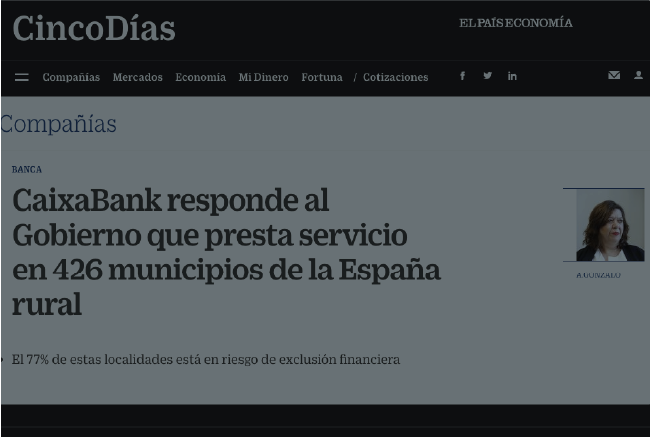
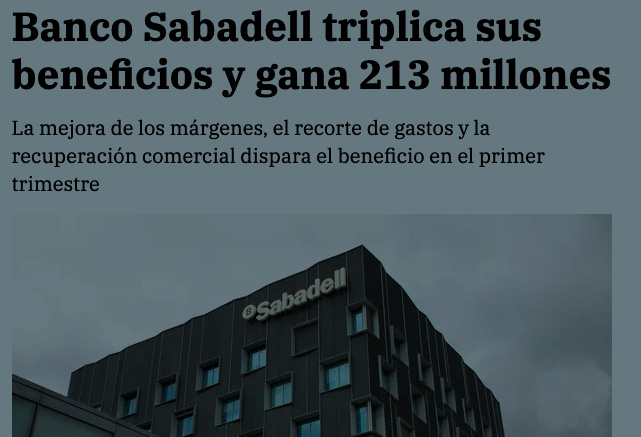
Banco Sabadell and CaixaBank were born in Catalonia, but by 2017 they already had more than 70% of their business outside the country that made them prosper. Many people discovered this when in October 2017 the two entities moved their headquarters in response to the independence movement.
In 1844 La Caixa d’Estalvis i Mont de Pietat de Barcelona was born, which would later give rise to La Caixa. In 1881 the industrial bourgeoisie of Sabadell created Banc Sabadell. Both entities were born and grew in Catalonia until they became very important players in the Spanish financial system. In October 2017, the two institutions moved their headquarters out of Catalonia, in reaction to the social movement for independence and the referendum of 1 October. But what was the point of it all?
The reasons for leaving Catalonia
The main reason for abandoning the Catalans was that “people were not sure the bank would continue in the eurozone” if it kept its headquarters in Barcelona, as the then president of CaixaBank, Jordi Gual, explained in February 2020 in the Parliamentary committee on the application of article 155 of the Spanish Constitution. A weak excuse, because the banking licence depends on the Bank of Spain, whether you have your headquarters in Barcelona, Valencia, Paris or anywhere else.
There are many foreign banks operating in Spain, you just have to apply for the licence and get it authorised by the Bank of Spain. Therefore, if Catalonia had become independent, Catalan banks would have continued to operate under the umbrella of the Bank of Spain, unless the Bank of Spain had cancelled the licence. Obviously, this would be very difficult to do because it would create distrust in the Spanish financial system and in the Bank of Spain itself.
One clear reason to understand the relocation of the two banks out of Catalonia and to understand that, in fact, the Bank of Spain would never have withdrawn their licence, is that in 2017 neither of the two banks was Catalan. Banc Sabadell then concentrated only 29% of its business in Catalonia. And CaixaBank even less, 22%. It is clear that the Bank of Spain would not withdraw the licence to operate in Spain from two banks with more than 70% of their assets in Spain (excluding Catalonia).
Entities made by Catalans
The cross-cutting response of Catalan society on 3 October was decisive. On 5 October, Banc Sabadell announced the transfer of its registered office to Alicante, taking advantage of the fact that it already had facilities there. It became the first major Ibex company to leave Catalonia. The following day, CaixaBank approved its move to Valencia, taking advantage of the facilities it had at the Banco de Valencia, and the Fundació La Caixa moved to Palma de Mallorca.
The move was interpreted as undisguised pressure from the two banks on the Catalan citizens who had made them great. But the reality is that the only thing the two institutions did was to relocate following their business model. Catalonia represented less than 30% of the volume of Sabadell and CaixaBank. In October 2017 they were no longer Catalan banks working for the Catalans, it is a false idea that citizens discovered traumatically that October 5 years ago. CaixaBank and Banc Sabadell were already large financial corporations with more business outside Catalonia than inside, so they followed their interests.
At the end of October, CaixaBank’s share price was 192,717 million euros in deposits and Banc Sabadell, 98,654 million euros. As for their stock market value, the recovery took months: it was not until early 2018 that both CaixaBank and Banc Sabadell recovered their pre-independence referendum valuations. In the case of CaixaBank, it was back above 25,000 million euros and Banc Sabadell rose above 10,000 million euros.
11Onze is the community fintech of Catalonia. Open an account by downloading the app El Canut for Android or iOS and join the revolution!
This year, university admission tests that decide the future of thousands of students will be held from 14 to 16 June. We present ‘selectivitat.io’, the definitive tool to prepare for them and give you the best chance at success.
In 2021, at the age of 22, Jaume Plana created selectivitat.io, a platform that offers all the teaching material to prepare for your GCSE, as well as for university admission tests. The initiative was born from the experience of Jaume and other people around him who had, as he describes, a feeling of abandonment when it came to studying and preparing for these exams.
In just over a year, the platform has collected all the material necessary for the subjects taken in the GCSE: notes sent by the students themselves, notes from academies and professionals, mock exams, grade calculators, courses and podcasts. All with the philosophy of free access, as Plana explains: “It’s free now and forever and ever, we believe that you don’t have to pay for educational material”.
In addition to these basic and free services, there are additional paid services for students who may need the support of a teacher to help them resolve doubts and accompany them in this process.
The grade that decides your future
This is the well-known, and dreaded for some, cut-off mark. The mark that is extracted from the ‘selectivitat’ and which will decide which degree the student can study and at which university, within the range of options that he or she has chosen. A system that Plana himself considers unfair and with a great risk of loss of talent along the way: “There are incredible people who would be perfect in entrance examinations, but they can never get there because the filtering is based on marks” when the employment sector, he remarks, “is not based on marks”.
The current education system focuses on grades from the start. Even in nursery school (from three to five years old) there are schools that initiate students into this selection system that will accompany them for the rest of their academic life. Therefore, they become accustomed to selection by grades.
However, Plana points out that they are not taught the basis of the learning process and take advantage of it. There are thousands of students who, due to a lack of organisational tools, lack of support or fear of not achieving their objectives, end up failing in this system.

Jaume Plana created Selectivitat.io in 2021.
Pressure closes doors
Managing pressure can be very important in terms of the results of the university entrance exams. In this sense, the mental preparation of students is relevant, as Plana explains: “Pupils who get a 14 or very good marks are very good students who know how to handle pressure very well”.
Jaume Plana also points out that we are not prepared for failure, as we are not educated to identify it as something natural and even positive. On the contrary, those who fail are singled out.
The pressure when it comes to tackling studies is subsequently transferred to the way we approach the labour market, which becomes a limiting pillar for many young people.
Therefore, in addition to academic preparation for the entrance exam, there is also mental preparation, which includes three main aspects: having the support and accompaniment to be able to face these tests; being aware that it is OK if you fail, as there will be new opportunities, and finally, making it clear that your aptitudes will be more important for your future than any grade.
11Onze is the community fintech of Catalonia. Open an account by downloading the super app El Canut for Android or iOS and join the revolution!