The ‘caganer’, a cult figure of the nativity scene
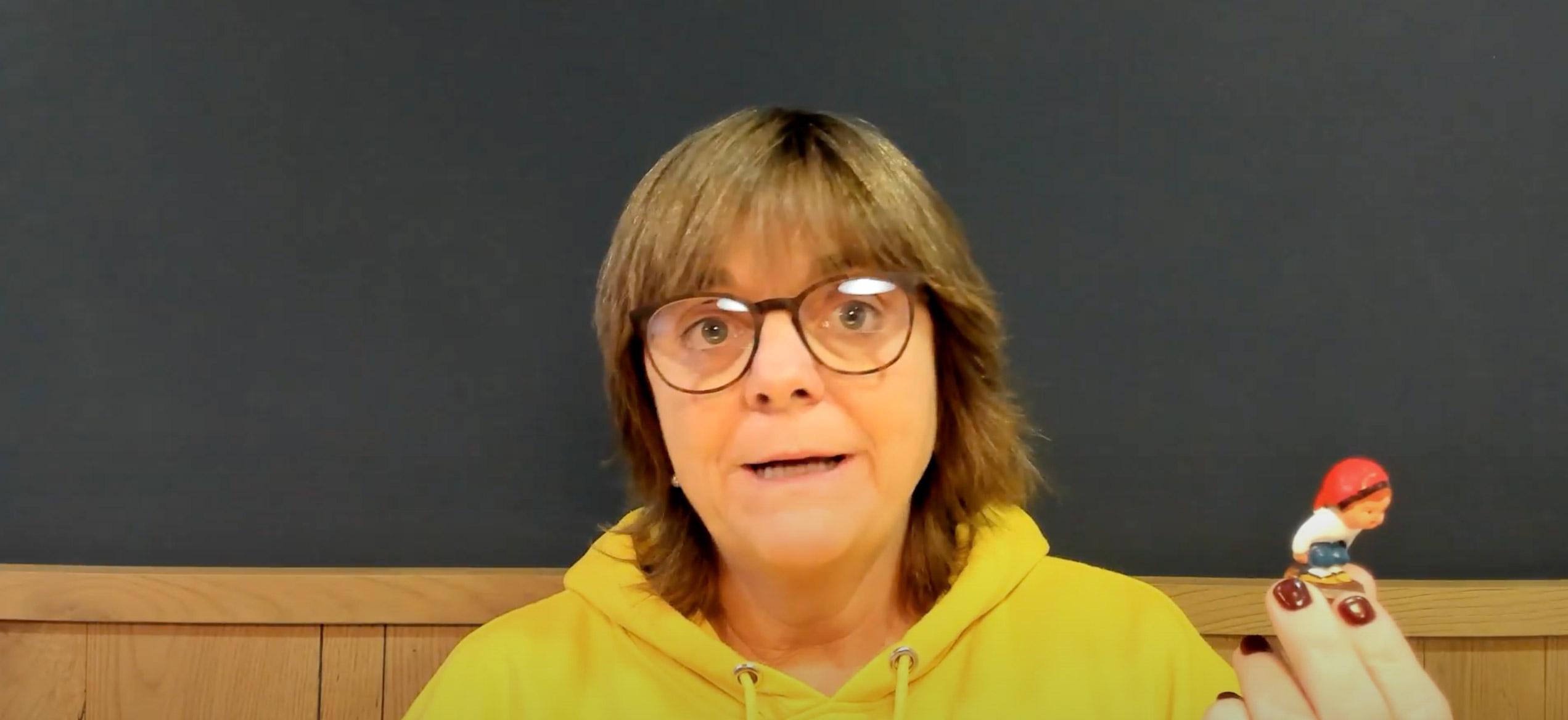
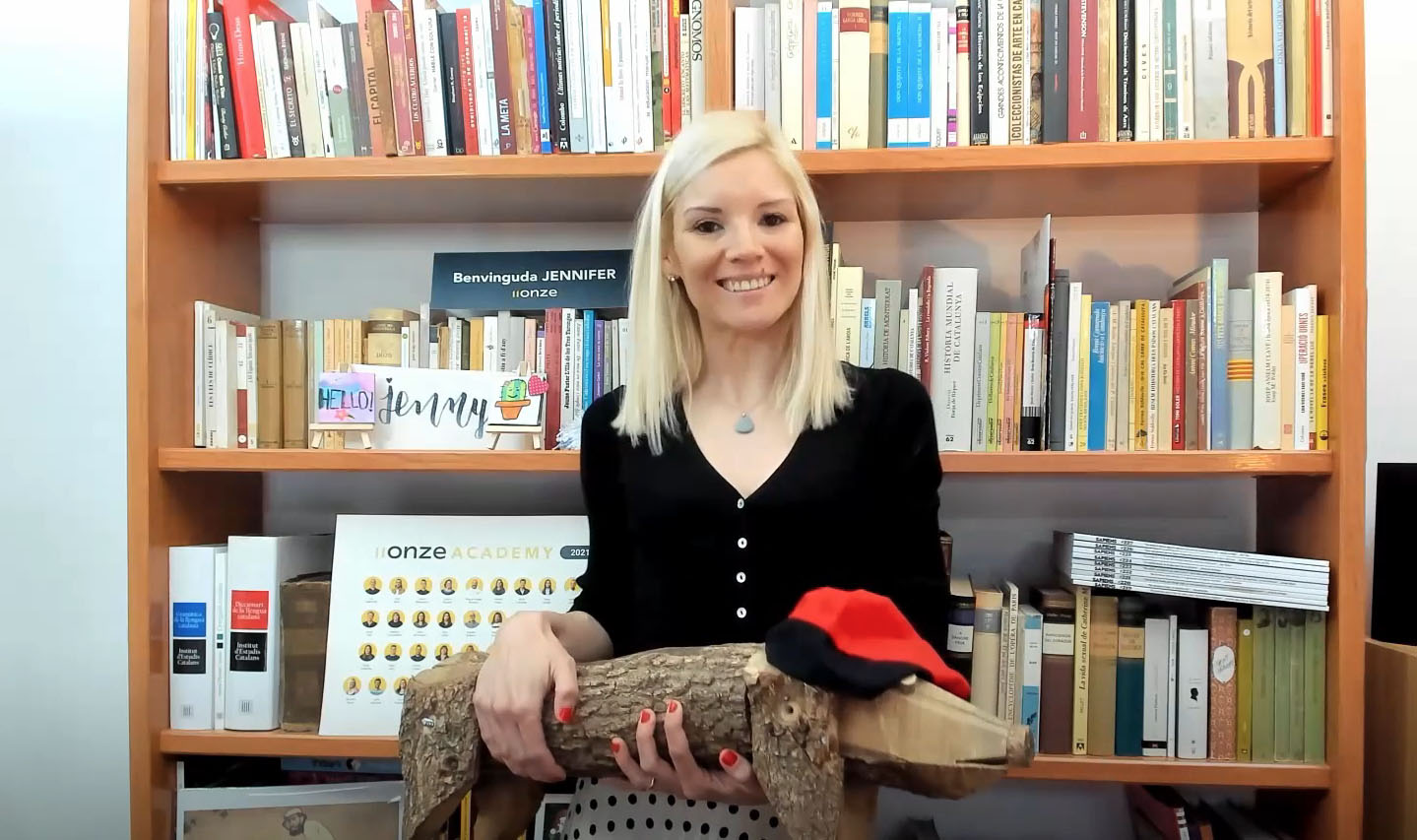
It is the star of the nativity scene, but we hide him well hidden, often behind the birth of Jesus. The ‘caganer’ is the nativity scene figure that best sums up this Catalan obsession with scatology. Agent Mònica Cornudella explains the history of this cult figure.
Versions have been made of all the famous Catalans and from all over the world, and some people collect them, but normally the ‘caganer’ wears a ‘barretina’ [a typical Catalan hat], a white shirt, dark trousers and a sash, usually representing a peasant or a shepherd. He is one of the most endearing figures in the nativity scene, and often acts, within the bucolic setting, a bit like Wally from the ‘Where’s Wally?’ books: everyone has fun looking where he must be hidden.
Historians explain that the figure of the ‘caganer’ appears in Catalan nativity scenes from the 17th century onwards. However, it did not become popular until the 19th century. The tradition of the ‘caganer’, despite the obvious scatology, is widely accepted by the Church. Although it is not known why the Catalans decided to place a figure shitting in the middle of the nativity scene, the collective imagination has agreed that he fertilises the earth for the whole year with his excrement. Whatever the origin of the ‘caganer’, it is worth knowing more curiosities about the figure in the video below.
If you liked this article, we recommend you read:
 Culture
The secrets hidden in the Santa Llúcia Fair
3 min readWe have to go back to 1736 for the first record of the existence...
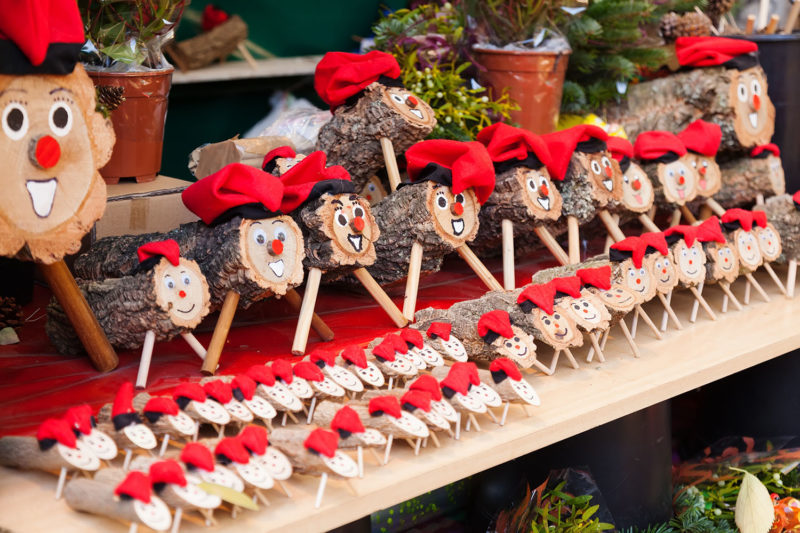

If there is one thing that tells us that the Christmas holidays are approaching, it is the sight of ‘torró’ in the windows of bakeries and on the shelves of food shops. This kind of nougat, along with wafers, is undoubtedly the star product of Christmas desserts.
The origin of ‘torró’, according to the most widely accepted theory, is Arab-Jewish. However, there are others who indicate that its origin is from the Catalan Countries, either because of its name, “torró”, or because the Catalan Countries are where it reaches its peak. This special kind of nougat has been made for centuries, from Alacant to Northern Catalonia, both in an artisanal and industrial way.
Nowadays there are ‘torró’ to suit all tastes. As well as the traditional ones — made from hazelnuts, almonds, honey or sugar and egg white, hard and soft —, there are also those with very different flavours and adapted to all the needs of customers: for diabetics, coeliacs, vegans… And for different palates and tastes: cream, chocolate with nuts, with liqueur, with fruit, with salt and a long etcetera. Because the imagination of the master nougat maker means that every year new flavours of ‘torró’ come onto the market.
A recipe that has survived to the present day
The main ingredients of nougat are hazelnuts or almonds, honey or sugar and egg white. The first cookery recipe book to mention a recipe for ‘torró’ is the ‘Llibre de Sent Soví’, dating from 1324 and written by an anonymous author. However, the oldest preserved recipe is for hazelnut ‘torró’, which appears in the 15th-century ‘Llibre de totes maneres de confits’ (Book of all kinds of confits).
From Andalusian cuisine there is a recipe book by Ibn Razin, from the 13th century. In both recipes it is said that the ‘torró’ is made with nuts, honey and egg white, in the same proportions and following the same process. However, there is one difference between them: the dried fruit used. The Arab recipe uses almonds and walnuts, while the Catalan recipe uses hazelnuts. The Agramunt ‘torró’ has kept the medieval recipe of the ‘Llibre de totes maneres de confits’, both in the ingredients and in the preparation.
Agramunt or Xixona?
Thus, ‘torró’ can be made in a traditional way or in an industrial way. Artisanal nougats are made in small bakeries scattered throughout the country. However, there are some special nougats that have a seal of quality and origin. The most traditional are hard ‘torró’ and soft ‘torró’ — popularly known as ‘Torró of Alacant’ and ‘Torró of Xixona’, respectively — and ‘Torró’ of Agramunt.
In order to guarantee the quality and origin of the product, a series of regulations have been approved that legally protect artisan nougat. The nougats are under the regulatory umbrella of the Protected Geographical Indications (PGI) regulatory councils. These products must be produced, processed or manufactured in the place that gives its name to the indication, including traditional agri-food product designations, whether geographical or not, if they meet the requirements mentioned in Regulation 510/2006.
Thus, ‘torró’ of Agramunt, made in the town of Agramunt (Urgell), is made according to the oldest known recipe and is presented in round or rectangular tablets in the middle of angel bread of various sizes and weights. The minimum percentage of almonds or hazelnuts is 46 to 60 %, depending on whether the ‘torró’ is extra or supreme. There is documentary evidence that nougat has been made in Agramunt since 1741, when seven master nougat-makers were registered.
The ingredients of ‘torró of Xixona’ and ‘torró of Alacant’ are also almonds, honey, sugar and egg white. The geographical identification of Xixona emphasises that the distinguishing feature is the process, with its own traditional techniques (roasting, ‘punto de bola’ baking, ‘arrematat’, etc.) and tools (toasters, mechanics, stone mills, refiners, etc.). There is evidence that ‘torró’ was already being made in Xixona in 1588, thanks to a report by the historian Joaquim Miret i Sans. The first records of ‘torró’ from Alacant date from the second half of the 16th century.
Some Catalan curiosities
In Catalonia, we have known about the consumption of ‘torró’ at Christmas and other important festivities since the beginning of the 13th century, as the ‘Costumari’ of the monastery of Sant Cugat del Vallès, written between 1221 and 1223. At that time, nougat was already a festive dessert that shared the table with wafers and ‘piment’ (a drink made with wine, honey and spices). There are also literary references during the 14th century.
The Franciscan Francesc Eiximenis considered nougat to be too luxurious a food and in his book, ‘Terç del Crestià’, written in 1384, he recommended against eating nougat to combat the sin of gluttony. On the other hand, at that time there were recommendations in favour of eating nougat. For example, the court physician Arnau de Vilanova, in his work ‘Regimen sanitatis ad regem Aragonum’, praised the dietary virtues of the nuts when they were made with honey or sugar.
On the other hand, we find in documents dating from 1376 that in the monastery of Pedralbes the nuns made ‘torró’ for other congregations, such as the Franciscan friars. In the 14th century, nougat consumption spread to all social classes, as it is recorded that it was given to the poor at the Hospital de la Santa Cruz in Barcelona. In the 15th century, ‘torró’ was not only eaten by monks, but also by nobles, who not only ate it, but also gave it as a gift.
Where does the name ‘torró’ come from?
As for its name, the dictionary of the Catalan language says: “s. XIV; of uncertain origin, probably from ‘to toast’, with the suffix ‘-ó’ of action; perhaps also from ‘earth’ in the sense of ‘clod’, by comparison with a conglomerate of earth, which gave in Cat. ‘terró’, ‘terronet’, with assimilation of the ‘-e-’ to the ‘-ó’, favoured by the verb ‘tostar’.”
It is also said that the name “torró” comes from an 18th century Barcelona confectioner called Torró, a very popular surname at the time. Joan Coromines believes that the word “torró” was formerly “terró”, and that it probably derives from “terra”, meaning clod of earth. On the other hand, it is also believed that it is called “torró” because its ingredients are toasted.
A sweet known all over the world
Nougat, wherever it comes from, is undoubtedly a Mediterranean product. In ancient Greece, during the Olympic Games, athletes were given a mixture of nuts and honey. In Arab culture, there are many sweets made with nuts mixed with honey or sugar, such as ‘halva’, but they have different textures than nougat.
In the north of Italy, in the city of Cremona, they make desserts called ‘torrone’, also made with the classic ingredients of nougat. Legend has it that the name ‘torrone’ originated in 1441 on the occasion of the wedding of Francesco Sforza and Bianca Maria Visconti, dukes of Milan. To celebrate the wedding, a cake was made in the shape of Cremona Castle. Sicily also has a nougat tradition, as do Lombardy, Veneto and other parts of Italy.
Moreover, in Northern Catalonia, making ‘tourons’ is a tradition that has been preserved and many bakers make and sell these sweets at Christmas time. It is clear that they are traditional and deeply rooted desserts when popular culture has even turned them into a saying: “Christmas without nougat, no one’s Christmas”.
Today, ‘torró’ is present all over the world. This artisanal product is considered to be of high quality and, as in middle age, it is offered as a gift. Its recognised dietary properties make it a healthy food that, as well as sweetening our lives, helps us to maintain a balanced diet.
11Onze s’està convertint en un fenomen com a primera comunitat fintech de Catalunya. Ara, llança la primera versió d’El Canut, la super app d’11Onze, per a Android i Apple. Des d’El Canut es pot obrir el primer compte universal al territori català.
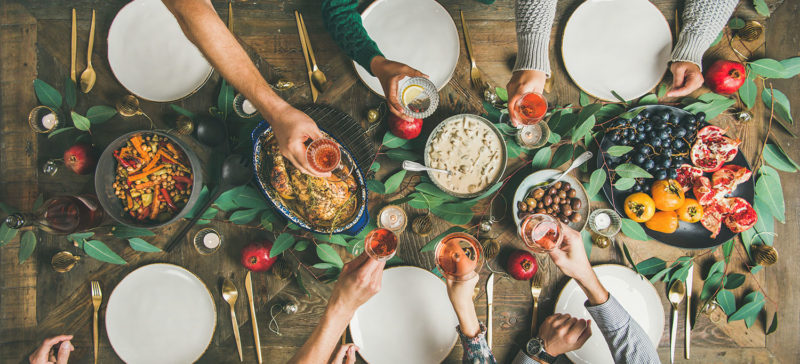
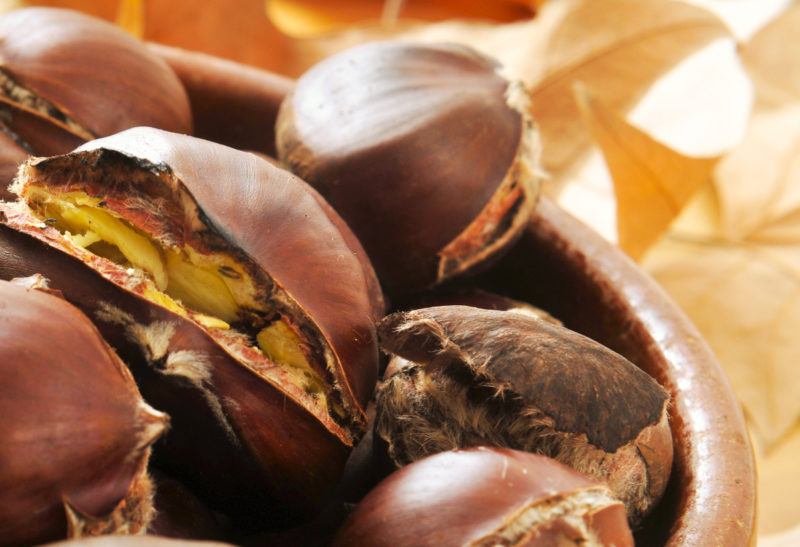
The story of the Christmas ‘tió’ is centuries old and very curious. Surely you have already found yours in some corner of the forest or it has appeared at home without warning, but how many years has the ‘tió’ been shitting gifts? What is the history of this mythological Christmas creature? Agent Jennifer Roca explains it to us.
“Soca” [Wood], “Christmas log” or “Christmas tió”. This is the name given to this Catalan Christmas creature, whether male or female. Without delay, the ‘tió’ arrives at Catalan homes at Christmas to gorge himself, at night, on all kinds of food — they have a great fondness for mandarins — until 25 December. That is when, if we sing the ‘tió’ song and it is poked very hard in the belly with a stick, it shits presents incessantly.
One of the historical curiosities about the ‘tió’ is the moment when it practically became extinct in Catalonia, after the Second World War. In the old days, in the farmhouses, the Christmas log was placed next to the fireplace, but when the Catalan peasants emigrated to the big cities in search of work, as they lived in flats, they thought it was no longer necessary to celebrate this ancient tradition.
It was not until the 1970s that Ferran Margarit had the brilliant idea of painting a face on the ‘tió’ and putting it on sale at the Santa Llúcia fair in Barcelona. The initiative was a success, because it reminded children of the tradition of the Christmas ‘tió’, which had almost disappeared. Since then, the passion for getting the ‘tió’ to shit has not stopped growing. Do you want to know more about it? Just watch the video!

Central banks have become an indispensable tool for the functioning and regulation of the global monetary system. But it all started with the financial panic triggered by Johan Palmstruch, banker and creator of the modern banknote.
Johan Palmstruch is remembered today as a pioneer, but he could also be considered a swindler. This 17th-century Dutch businessman and merchant modernised the world’s monetary and banking system almost unintentionally. Just for his own interests.
The first central bank
Sweden was embroiled in armed conflicts that required the crown to invest more and more money. So Palmstruch persuaded King Carl X Gustaf of Sweden to set up Stockholms Banco in 1657. It was a private bank, but the king was the CEO and half of the profits went to the crown. It was, therefore, the forerunner of central banking.
The business case was obvious because the Swedish government supported the bank. At that time there were copper, silver and gold coins in the country. Sweden was a major producer of copper, but debt from military adventurism kept accumulating and the parity of the copper coinage with silver and gold was becoming more and more difficult. Copper was depreciating due to the arrival of low-cost copper from Asia, which meant that 19-kilo copper coins had to be produced to maintain parity.
The role of deposits
In this context, Palmstruch introduced another novelty: he asked for permission to use customer deposits to give loans. This is quite normal now, but at the time it was innovative. He made a risk calculation and thought that a scenario where all customers would come forward to claim their money would never arise. He was wrong.
Copper continued to depreciate, and in 1660 the Swedish government decided to issue new coins. The bank’s customers asked to withdraw their old coins to spend them before they continued to lose value, but Palmstruch could not give everyone their money back. What was his next idea?
The creation of the modern banknote
Now, banknotes are our commonly used currency, but back then they were nothing more than a forward flight. A type of promissory note that he invented and got the crown to authorise it. The notes they printed were nothing more than a promise to pay the bearer. Palmstruchers, as they were known, were the first modern banknotes. We insist that this was a monetary innovation that was only born to plug a financial hole.
Paper money as a certificate of deposit had been in circulation for quite some time. But the Palmstruchers were the first banknotes in the current sense: issued on paper for a fixed amount, to the bearer, backed by the government and without the need to specify the depositor, the amount of the deposit or the interest. Was that enough? It wasn’t.
Bailout and central bank
Stockholm’s Bank issued too many banknotes and credit soared. The bank failed in 1664 and the government had to bail it out and return the money to the customers. Palmstruch went to prison, was released in 1670 and died a year later.
He had been convicted of fraud and, strangely enough, ended up creating the entities that would have to regulate that there was no fraud. As the Stockholms Banco was liquidated in 1667, the following year the government created the Bank of Stockholm. Now it was the first fully public central bank. With parliamentary control, to finance the government and with a ban on issuing banknotes.
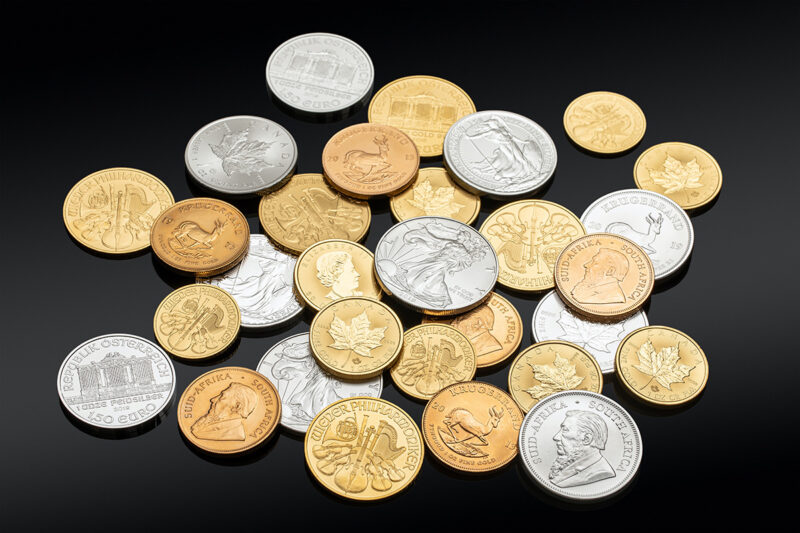
To discover the best option to protect your savings, enter Preciosos 11Onze. We will help you buy the safe-haven asset par excellence, physical gold, at the best price.
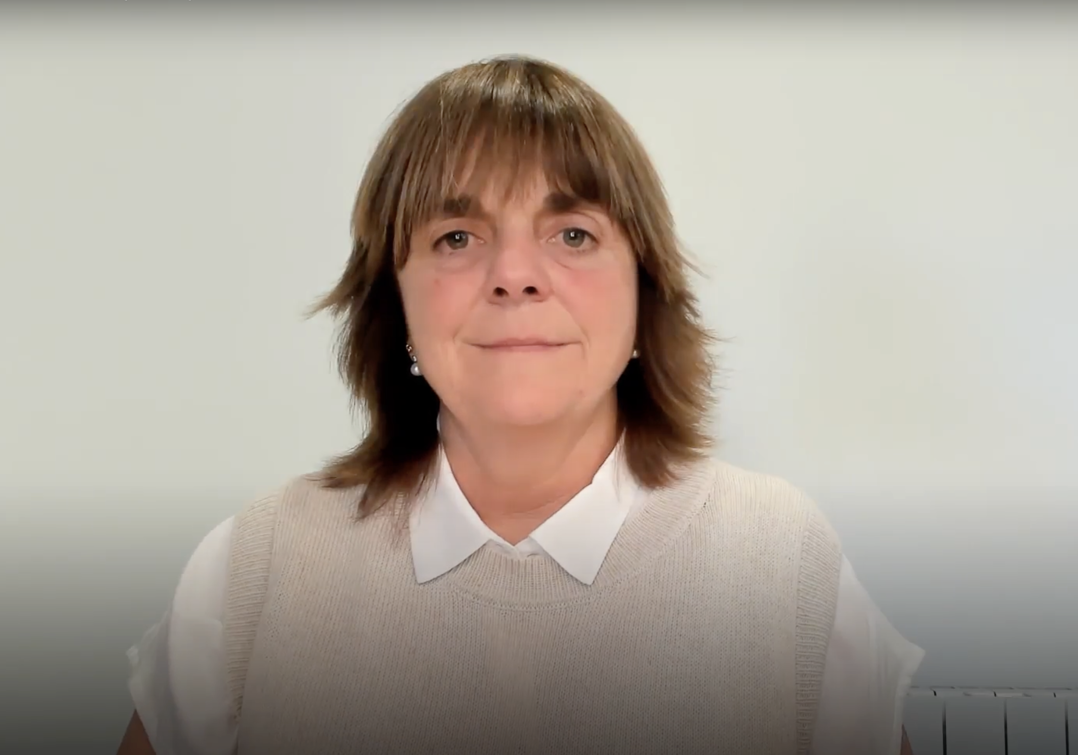
For years we have been witnessing a change in shopping habits. While in traditional commerce customers physically visit the shop, look, choose and pay, in e-commerce the essence is exactly the same, but in the digital world. So one defines the other, but what are the differences? The agent Mònica Cornudella sums them up.
The first big difference between one and the other, of course, is the space: the physical shop or the virtual shop. With e-commerce, you can buy from home, and this is a great advantage. The second difference is also in favour of e-commerce: the opening hours. While in traditional commerce we have to stick to a set opening hours, in e-commerce we can shop at any time of the day. In addition, location is a third differentiating factor: while one allows you to buy locally, with the other you can find products from the other side of the world.
But beware, because the fourth difference is the relationship between the buyer and the seller, and on this point who benefits the most, today, is traditional commerce, because physical shopping allows you to establish a close relationship, while in e-commerce the whole process has been automated and the interaction is much colder.
In addition, there is still a fifth difference to be taken into account: how the buyer ensures the quality of the product. In traditional commerce, you can touch and compare the products; and in e-commerce you can at most see a good photo gallery or video. The last difference is in payment: which is better, paying on the spot or when the product arrives at your home? Just find out in the video below.
10 differences between commerce and e-commerce
If you liked this article, we recommend you read:
 Economy
Marketplace
2 min readJust like a shopping centre, a marketplace describes the platform, in this case a digital


If he has everything, if it’s the right size, if she’ll like it… Giving Christmas presents can sometimes be a hassle. But we don’t have to buy for the sake of buying. We can give gifts in a conscious, responsible and caring way. Junior product manager Sara Casals gives us some tips.
With solidarity gifts you will always get it right and there is as much variety as there are non-governmental organisations, social entities and federations in the world. To start with, the gift can be a solidarity card with which we make a donation on behalf of a third party. But they can also be gifts, because these organisations usually have online shops where they promote their cause with merchandising. Here is a list of some of them:
- Arrels Fundació, a dignified work. This organisation, which supports homeless people, has been helping them for a long time through an occupational workshop, where they make a wide range of products. In their shop you will find a lot of objects made by people in vulnerable situations. This year, they have also opened a physical shop in the centre of Barcelona, La Troballa, where you can find all their products.
- Proactiva Open Arms, against the refugee crisis. The NGO that rescues people at the gates of Europe, in the Mediterranean Sea, has a shop where they sell all kinds of merchandising products, but where you can also find special gifts, such as tickets to solidarity concerts or gift cards to support their cause.
- Botiga solidària de Sant Joan de Déu, the double gift. In this solidarity shop you can give two gifts in one: you will make the person who will receive the gift happy, but you will also help all the people who need to be cared for. You can find everything from socks to wafers, bracelets, notebooks, boxes of chocolates and sweets, and even corporate gifts.
- Top Manta, the diversity shop. A good number of street vendors in Barcelona, fed up with police persecution and exhausted by the obstacles to regularising their administrative situation, founded Top Manta, an ecological, diverse, solidarity-based and designer brand. They have exclusive clothes made by renowned designers and illustrators and their latest model of bamba, the Ande Dem, has been a bestseller.
Search the internet and find many more: the hospital clown association Pallapupas, the José Carreras Foundation against leukaemia, Amics de la Gent Gran, AFANOC against childhood cancer… The list is endless, but we encourage you to explore it all!

Solidarity Gift



We sing them without meaning to, and they are used to sell products, services or political candidates without distinction. During the Christmas holidays, jingles, and more specifically, Christmas jingles, are played all the time in shopping centres and on television. But why are they so catchy?
Experts claim that the first commercial song in history came from a cereal advertisement in 1926. It was called “Have You Tried Wheaties?”, it featured an a cappella quartet and was produced by Note Line Music Productions in the United States. But it was from the 1930s onwards that the jingle became popular and, with the spread of television, took on a new dimension.
A jingle is an advertising message that is sung. They are usually very short ditties, no longer than 60 seconds, that we can’t stop humming. Jingles accompany radio and TV commercials because they are easy to remember, usually mention the brand name or slogan, and are very repetitive. This is what is known as auditory branding.
Effectiveness made melody
In fact, according to experts, music produces recognition levels of up to 90%, while verbal elements only reach 60%. It is estimated that jingles containing words work 14% better than those that are only melodic. In addition, those that mention the brand name are 30% more effective than those that do not. If they also arouse emotion, empathy and trust, advertisers have arrived at the right place.
Jingle professionals say it is not just a song, far from it, and requires a lot of artistry. From the outset, the jingle has to be persuasive and it has to comply with the advertising strategy that has been entrusted to it. Therefore, the musical style has to be coherent with the brand identity and the product it advertises.
The more direct it is, the more it will have an impact on our message-bombarded brains. In short, it has to be clear, short and simple. There are advertising jingles, i.e. to sell a product or a service; identifying jingles, which allow a brand to be easily identified; and political jingles, which spread an idea.
Christmas, the golden season
Christmas is the time when the spirit of jingles is in full swing: the obsession with jingles contaminates the most renowned artists. And from here on, there are no limits. Songs and carols have been covered for more than 40 years, and they have always been successful. From Frank Sinatra’s “Let It Snow! Let It Snow!” or Elvis Presley’s “Blue Christmas” to Ella Fitzgerald’s “What Are You Doing New Year’s Eve” or Otis Redding’s “White Christmas”. Not counting Michael Bublé’s Christmas albums, the most talked about is Mariah Carey’s “All I Want For Christmas Is You”. Precisely this year, the song has reached 1,000 million reproductions, a madness never seen before for a jingle and which has earned it a diamond certificate.
In Spain, Christmas jingles are well represented by carols of all kinds: the mythical ones by Raphael, who in 2021, after 56 uninterrupted years, will not star in the famous TVE Christmas gala, but also the more modern ones, such as “Aquí és Nadal i estic content!” by La Pegatina, “Simplement” by Blaumut or “Si ens veiessis” by Joan Dausà and Sara Pi.
And why do we remember jingles so well, whether they are Christmas jingles or not? According to psychologists, there are at least three reasons why listening to music and remembering it is like riding a bicycle: because of simple exposure, because we link the songs to specific memories of our life and because of the so-called motor memory, that is, because our brain processes the lyrics of the songs subconsciously, as if they were just another habit, like walking, driving or swimming. How many jingles can you remember?
11Onze is becoming a phenomenon as the first Fintech community in Catalonia. Now, it releases the first version of El Canut, the super app of 11Onze, for Android and Apple. El Canut, the first universal account can be opened in Catalan territory.
Fa més de 3.000 anys, abans de la irrupció de Grècia, la humanitat ja disposava de societats desenvolupades i interconnectades econòmicament. Aquesta mena de globalisme pretèrit va provocar una fallida en cadena quan el canvi climàtic, les migracions i les noves tecnologies van fer caure la primera peça del dòmino.
La globalització no és un invent del segle XXI, ni del XX, ni tan sols del colonialisme i l’imperialisme que tanta sang van vessar. Molt abans la humanitat ja havia teixit una xarxa comercial connectant societats més avançades del que sovint pensem. A l’Edat de Bronze, cap al segon mil·lenni abans de Crist, hi havia diverses civilitzacions ben desenvolupades al voltant del mar Mediterrani. Parlem de l’antiga Babilònia (a l’actual Iraq), la cultura Micènica (a l’actual Grècia, que controlava el comerç amb la península Itàlica), l’imperi Hitita (actual Turquia) i l’Antic Egipte. Aquestes quatre civilitzacions havien establert unes relacions comercials que, més enllà de conflictes puntuals, els permetien el progrés mutu.
Com van col·lapsar?
Aquell món globalitzat i cosmopolita va ser esborrat del mapa en la que és considerada com una de les grans catàstrofes de la humanitat. I tot va començar amb catàstrofes climàtiques: una forta disminució de les pluges (durant tres segles) va deixar molt tocats els centres de producció d’aliments claus de la civilització. El mirall amb l’actualitat és espaordidor si pensem en l’acumulació de males collites i la conseqüent pujada de preus dels aliments bàsics que ja fa anys que escuren les butxaques dels ciutadans del nostre país.
La falta de pluges va provocar la fam i la fam va convertir-se en una migració desesperada i violenta. Ara aquells miserables són coneguts com els Pobles de la Mar, una munió de pobles units per la gana que es movien pel món buscant alguna cosa per menjar i que van arrasar primer Micenes, després l’imperi Hitita i que van trobar el seu mur de contenció amb Egipte. El faraó Ramsès III els va poder aturar a la desembocadura del Nil, però la grandíssima despesa bèl·lica va deixar la seva societat també tocada de mort. Així la pobresa es va estendre per Egipte i Babilònia, sobretot perquè havien perdut els seus dos principals clients i no tenien a qui vendre ni a qui comprar. Aquells imperis moderns i interconnectats van fer fallida i van donar lloc a petites ciutats-estat autàrquiques, tancades en si mateixes, mirant només de sobreviure. És el que es coneix com l’Època Fosca, que es va allargar fins a l’aparició de les polis gregues.
Repetirem la història?
Les societats i les economies modernes estan més connectades que mai, d’una manera que no és comparable a l’Edat de Bronze. Si al Japó hi ha un sotrac econòmic, la fiblada arriba tot el món en un devastador efecte papallona. Així mateix, però, hi ha més mecanismes i recursos dels que hi ha hagut en cap altre moment de la història per tal d’evitar que la catàstrofe sigui tràgica.
La primera clau, com ens ensenya la història, és la producció d’aliments. Garantir un nivell mínim de benestar al gruix de la població mundial és essencial per a la supervivència mútua. Ara bé, hi ha elements difícils de controlar. La natura, el canvi climàtic, les pors i desconfiances que generen conflictes de tota mena… el món és un polvorí sempre a punt per explotar. La qüestió és si la humanitat serà hàbil per mullar la metxa.
11Onze és la fintech comunitària de Catalunya. Obre un compte descarregant l’app El Canut per Android o iOS. Uneix-te a la revolució!


L’estira-i-arronsa geopolític dels últims anys entre Orient i Occident ha posat de manifest un canvi de paradigma que és cada dia més evident. Hem tornat a un món multipolar on l’hegemonia dels Estats Units va perdent força any rere any. Analitzem les causes i conseqüències d’aquest reequilibri i repartiment del poder global.
El món està més interconnectat que mai, però el poder està més repartit. La distribució del poder en la geopolítica mundial ha variat històricament entre els Estats. Del sistema bipolar establert durant el període de la Guerra Freda, en què dues grans potències compartien el poder, es va passar a un món unipolar després del col·lapse de l’URSS i el bloc comunista. Aquest canvi de l’ordre mundial va establir una hegemonia nord-americana substantivament basada en dues columnes: el poder militar i l’econòmic.
Tanmateix, l’abast i la preeminència de la influència geopolítica estatunidenca era única i anava molt més enllà de la definició d’una superpotència tradicional. D. Hubert Vedrine, ministre d’Afers Exteriors francès, va encunyar un nou terme, hiperpotència, per descriure un domini de poder que no només dictava l’àmbit econòmic, tecnològic o militar global, sinó que també incloïa l’imperialisme cultural que detallaven sarcàsticament els membres del grup de música alemany Rammstein en la coneguda cançó Amerika.
Dit això, la comunitat internacional no va trigar a plantar les llavors per desafiar aquest nou statu quo. Economies emergents, com el bloc format pels BRICS, van començar a situar-se de manera organitzada en l’escena internacional, donant sentit al concepte de món multipolar que definia les bases d’un nou ordre polític i econòmic.
L’ascens d’Àsia i el declivi d’Occident
El 1988, el líder xinès Deng Xiaoping va dir al llavors primer ministre indi Rajiv Gandhi
que l’arribada del ‘segle asiàtic’ estava lluny de ser un fet fins que la Xina, l’Índia i els països veïns es desenvolupessin. Tres dècades després, pocs dubten que estem vivint una nova època daurada del continent asiàtic. Àsia és la regió de major creixement del món i el contribuent més gran al PIB global, amb la Xina com la segona economia mundial.
Els cicles econòmics i els mercats financers se centren cada vegada menys en els Estats Units. L’ús i abús de les sancions econòmiques en vers qualsevol corporació o país, fins i tot països aliats, que no se sotmet als interessos del gegant americà, no fa més que consolidar els esforços per part de la Xina, Rússia i altres països no alineats al bloc geopolític occidental a crear sistemes econòmics alternatius.
Beijing, amb el seu enfocament en aconseguir la independència tecnològica i vinculació d’altres països a la Iniciativa del Cinturó i Ruta de la Seda (del seu nom en anglès Belt and Road Initiative), inverteix el seu capital, ajudant a aixecar les economies regionals de parts del món oblidades per Occident, o a les que els antics poders colonials exigeixen molt més, sovint amb l’ús de la força, per rebre molt poc a canvi. Tot un conjunt de múltiples aliances que divideixen i distribueixen encara més els centres de poder i influència.
Encara que ens trobem davant d’un reequilibri necessari i inevitable de l’ordre mundial, en última instància, que els Estats puguin fer un bon ús de la ressurgència d’aquesta nova tendència cap a la multipolaritat dependrà de la seva ubicació geoestratègica, demografia, recursos energètics i, sobretot, del seu poder econòmic, que demarcarà els límits de la seva autonomia relativa a les superpotències establertes.
11Onze és la comunitat fintech de Catalunya. Obre un compte descarregant la super app El Canut per Android i Apple. Uneix-te a la revolució!

Des de fa temps, la història ens retorna a un vell debat encara no resolt: què és ben bé Espanya? Una pregunta difícil que han hagut d’afrontar un grapat de generacions. Pel camí hi ha hagut tota meva de debats, promeses, triomfs i derrotes. I, malgrat tot, encara estem lluny de trobar una resposta.
Després de la llarga nit franquista, a Espanya se li van plantejar nous reptes a partir de 1975. L’Estat havia de trobar l’equilibri entre la reforma que proposava el govern franquista i la ruptura que demanava part de l’oposició. La solució pactada va ser la de transitar plegats cap a un nou règim fonamentat en una nova Carta Magna. La Constitució espanyola de 1978 es va dividir en deu títols i 169 articles. Al text, el terme “nació” apareix tan sols en dues ocasions, mentre que el terme “Estat” conté 90 entrades.
La primera i més important menció a la “nació” és la que obre el Preàmbul. “La nació espanyola, desitjant establir la justícia, la llibertat i la seguretat i promoure el bé de tots els que la integren, fent ús de la seva sobirania…”, comença el text fundacional, tal com si la mateixa nació redactés el que s’hi llegirà. Més endavant, aquesta “nació” autoproclamada expressa la voluntat de “constituir-se en un Estat social i democràtic de dret”, el qual desplegarà tots els seus òrgans i funcions.
La “nació”, objecte de litigi
Segons sembla, l’al·lusió a “els que la integren” es refereix als individus. En efecte, l’article 2 fonamenta la Constitució en “la indissoluble unitat de la nació espanyola, pàtria comuna i indivisible de tots els espanyols”, la qual “reconeix i garanteix el dret a l’autonomia de les nacionalitats i les regions que la integren i la solidaritat entre totes elles”. Justament aquest article és objecte de continu litigi.
Aquest famós article 2, en realitat, sembla que ens està dient que no són els individus els qui decideixen o desitgen una cosa, sinó que és la nació. Perquè la nació és qui ostenta la sobirania, no el poble. I qui anuncia aquesta proclamació de la sobirania tampoc és el poble, sinó que està personificada en la figura del Rei d’Espanya. Per tant, tot allò que integra la nació resulta confús.
“No són els individus els qui decideixen o desitgen una cosa, sinó que és la nació. Perquè la nació és qui ostenta la sobirania del poble, no el poble.”
El regne de les “nacionalitats”
Certament, l’al·lusió a les nacionalitats i a les regions apunta a la vella idea de la divisió territorial del regne. Aquesta paraula —“regne”— no s’esmenta enlloc a la Constitució. Cosa estranya, atès que Espanya es configura, en la seva forma, com a regne. Regne d’Espanya, en singular. Però aleshores, què són les nacionalitats? Què amaga el terme per referir-se a aquestes entitats orgàniques etnoculturals?
Sembla evident que es tracta d’un expedient púdic per al·ludir, sense anomenar-los, als antics regnes d’Hispània, a part de Castella, formats per: Catalunya, València, Mallorca, Aragó, Navarra, Galícia, el País Basc, Andalusia (i Portugal). Per tant, quin és el sentit i quina és la funció de les nacionalitats i de les regions? Impossible saber-ho, ja que aquests conceptes no tornen a aparèixer en tot el redactat de la Constitució.
Tot gira entorn de la “reconquesta”
Contra el discurs repetit com un mantra dins del sistema escolar franquista, l’aprenentatge d’Espanya es va articular en funció del concepte de “reconquesta”. Es tracta d’un terme historiogràfic —emprat encara en els currículums de secundària de Castella— que descriu el procés de recuperació del món feudal per sobre del món musulmà i jueu, perquè s’entén que els musulmans no eren els legítims propietaris de la geografia hispànica…
Aquest procés va arrencar poc després de l’arribada dels àrabs a la península Ibèrica al segle VIII i va finalitzar amb els Reis Catòlics al segle XV, els quals acabarien unificant “Espanya” com un Estat integral. Aquesta Reconquesta acabaria forjant “l’esperit espanyol”. O sigui, arguments històrics per justificar el nacionalcatolicisme imposat després de la Guerra Civil.
Tanmateix, no sembla que hagi existit mai ‘de facto’ una “nació espanyola”, és a dir, integradora de nacionalitats i regions, com ens vol fer creure la Constitució actual. Ni tan sols és segur que s’hagi consolidat mai com a Estat-nació, en el sentit modern. Ho veiem a continuació!
“No sembla que hagi existit mai ‘de facto’ una ‘nació espanyola’, és a dir, integradora de nacionalitats i regions, com ens vol fer creure la Constitució actual”
De la confederació a l’absolutisme
L’Estat dinàstic, iniciat pels Reis Catòlics, com hem dit, va acabar esdevenint un Estat absolutista. Abans de ser-ho, havia hagut de restringir el poder de la noblesa, forçar l’adscripció a la religió catòlica i cohesionar tot el poder en una devoció lleial al Rei. En contra del que pensen alguns, la llengua va restar al marge d’aquest esquema de poder. Per tant, no va ser mai un element unificador fins a principis del XVIII, encara que el franquisme intentés falsejar la història una vegada més.
El poder es va anar organitzant al voltant de cinc Consells d’Estat: Castella, Aragó, Itàlia, els Països Baixos, Portugal (1580-1640) i les Índies Occidentals. Per tant, els diferents territoris que configuraven la geografia de la Corona d’Hispaniae —plural d’Hispània— mantenien l’administració, la moneda i les lleis pròpies. En aquest sentit, es tractaria d’una mena confederació de nacionalitats, les quals conservaven les seves peculiaritats, furs i tradicions.
El predomini de Castella (que aglutinava Galícia, Astúries i Lleó) sobre els altres regnes existents de la península Ibèrica cada vegada va ser més evident, per extensió i població i, sobretot, després d’incorporar les Índies Occidentals al regne castellà, que ho va fer a títol de “descobriment”, amb tot el que va significar. D’aquesta manera, la progressiva translació de l’economia del mediterrani cap a l’atlàntic va comportar un canvi de paradigma en les relacions entre els diferents territoris que configuraven la Corona Hispànica.
Aquesta pluralitat, no sense sobresalts, va anar derivant cap a una major centralització del poder. Però el salt definitiu va ser després de la guerra de Successió i la subsegüent entronització de la dinastia borbònica al tron castellà. Entre 1707 i 1716, el nou rei Felip V va anar promulgant els coneguts Decrets de Nova Planta pels diferents territoris de la corona d’Aragó com a càstig per la seva rebel·lió i com a dret de conquesta. En canvi, aquesta pèrdua d’autonomia no va afectar mai ni Navarra ni les Províncies Basques, atès que aquests territoris havien estat fidels a la causa borbònica.
Va ser llavors quan Castella es va transformar en l’Espanya borbònica: una monarquia absoluta i fortament centralitzada. Prova d’aquest procés, Felip V escrivia el 1717: “He jutjat per convenient […] reduir tots els meus Regnes d’Espanya a la uniformitat d’unes mateixes lleis, usos, costums i tribunals, governant-se tots igualment per les lleis de Castella”. Així, com a resultat d’una repressió i per dret de conquesta, una Espanya castellanitzada per força es comença a configurar com un modern Estat (d’importació francesa) nacional (d’exportació castellana). Naturalment, la il·lusió va durar ben poc.
“De les nou constitucions espanyoles contemporànies, totes tenen en comú una mateixa afirmació: són una constitució de la monarquia i de confessió catòlica”
La il·lusió fallida de la “república federativa”
L’il·lustrat i escriptor José Marchena (1769-1821), exiliat a Baiona per escapar de la Inquisició, va escriure el 1792 un revelador informe per Jacques Pierre Brissot, un girondí i ministre d’assumptes exteriors de la República Francesa, sobre les dificultats d’implantar a Espanya una constitució semblant a la francesa del 1791. Les seves paraules són força reveladores: “França ha adoptat ara una constitució que fa d’aquesta vasta nació una república unida i indivisible. Però a Espanya, les diverses províncies de les quals tenen costums i usos molt diferents i a la qual s’hi ha d’unir Portugal, només hauria de poder-se formar una república federativa”.
En un sentit similar, el 1808, a Cadis, el cèlebre polític gironí, Antoni de Campmany va escriure, tot just començada la Guerra del Francès, en la famosa publicació ‘El Sentinella’: “… A França, doncs, no hi ha províncies ni nacions; no hi ha Provença ni provençals; ni Normandia ni normands. Tots s’esborraren del mapa dels seus territoris i fins i tot els seus noms […]. Tots es diuen francesos”. I més endavant detalla: “Llavors, què seria ja dels espanyols si no hi hagués hagut Aragonesos, Valencians, Murcians, Andalusos, Asturians, Gallecs, Extremenys, Catalans, Castellans? Cadascun d’aquests noms inflama l’orgull d’aquestes petites nacions, les quals configuren la gran nació”.
Dècada rere dècada, de les nou constitucions espanyoles redactades durant l’edat contemporània (1812-1978), totes tenen en comú —amb petits matisos—, una mateixa afirmació: són una constitució de la monarquia i de confessió catòlica, la religió del Rei i de la nació. Per tant, la unitat de la nació és la unitat de la monarquia.
Existeix, doncs, una nació de nacions?
11Onze és la fintech comunitària de Catalunya. Obre un compte descarregant l’app El Canut per Android o iOS. Uneix-te a la revolució!