The recovery of the tourism sector
The year 2022 has seen a consolidated recovery of the tourism industry. How has the tourism sector closed the year? What are the effects of the return of tourist overcrowding? Gemma Vallet, director of 11Onze District, and Càrol Rafales, from the product team, analyse the situation in a new episode of La Plaça de Territori 17.
Tourism continues to be one of the main economic engines of our country, the fastest-growing economic sector over the last few decades and the one that has withstood periods of crisis the best. The return to ‘normality’ has led to a satisfactory recovery of the tourism sector after two years of hardship. The influx of international tourism in Catalonia stands at 88% of pre-pandemic levels.
However, as Vallet points out, “although this figure is optimistic, we still have some way to go to recover economically” and, on the other hand, “there is a new massification of tourism that is having a negative impact on the Mediterranean“. A fact that poses a challenge when it comes to protecting, conserving and regenerating the landscape of the Catalan coastline.

La Plaça – Territori 17: The return of tourism
The new economy has to be linked to sustainability
Global warming is not consolidating but tending to accelerate at an ever faster rate. The Mediterranean is one of the areas most affected by climate emergencies, where meteorological studies show more intense and more prolonged droughts.
As the director of 11Onze District explains, “the United Nations has warned us that the Mediterranean is warming 20% faster than the global average“, therefore, “measures must be taken urgently to ensure that the tourism sector is sustainable, no matter what”.
The transformation of the tourism sector is essential for the expansion of the economy, but it must be anchored in a sustainable environmental and social ecosystem that ensures the well-being of people and the future of our planet.
11Onze is the community fintech of Catalonia. Open an account by downloading the super app El Canut for Android or iOS and join the revolution!

Inflation continues unabated and the state government maintains its commitment to update pensions in line with the CPI, a fact that clashes directly with the European Commission’s demand for control of the budget, currently at a maximum of 3.3%, and with a new factor that could be decisive: the planned retirement of 50% of the civil service in 2023.
The inflationary scenario we have been experiencing for months has placed the economy of most EU countries in a possible stagflation phase that could inevitably lead to an imminent recession which, so far, has been contained. The European Commission suggests that the solution lies in controlling the budget: keeping the public deficit below 5% in 2023, and 3.9% in 2024, and ensuring that spending does not increase by more than 3.3%, among other measures.
We are in Spain, where this control of public spending cannot exceed 3.3%, leaving the country with a margin of some 20 billion for public administration spending. An insufficient figure that will go almost entirely to cover pensions. In addition to the high level of spending on pensions, there are two key factors: the government’s intention to update pensions in line with the CPI and the expected increase in the number of retired people next year.
Pensions grow at the rate of the CPI
This is the scenario envisaged by the Spanish government, with an expected increase in pensions in line with the growth in inflation, so as not to impoverish this large part of society. This is quite a challenge, bearing in mind that in the event of ending the year with a percentage of 10.8%, as in July, the amount earmarked for pensions would also have to grow by this margin. With this measure, the planned outlay for pensions, which account for a third of total government spending, could amount to 17 billion euros.
This is a high cost that could skyrocket if the number of pensioners grows, which today stands at around 8.99 million people, according to data from the Ministry of Labour and Social Security for December 2021. Spain already suffered a similar situation in 2020, during the pandemic, when more than 10,500 civil servants asked for voluntary early retirement in the face of the uncertainty caused by the transfer of the management of pensions from the Treasury to the Social Security. This led to a 22% increase in requests compared to previous years.
50% of civil servants plan to retire by 2023
The current situation foresees that in 2023 we may once again find ourselves in a scenario with a high percentage of civil servants planning to take early retirement. The retirement age for civil servants is 65 for those who retired before 2011 and 66 for those who joined the civil service after 2011. Like all other employees, they have to have paid contributions for 15 years in order to receive a benefit. There is another case, more worrying for the state, which is early retirement, which is available to the passive classes, and which allows civil servants to take early retirement from the age of 60, provided they have contributed for a minimum of 30 years.
The average benefit for civil servants is usually 2,300 euros, according to the monthly pension statistics compiled by the Ministry of Inclusion, Social Security and Migration, 64% higher than that received by retirees in the General Social Security Scheme, also in the first quarter of the year, at 1,400 euros on average.
At present, the civil service workforce totals some 2.6 million people, of whom more than one million are between 50 and 59 years old, a fact that is expected to precipitate an increase in the flow of retirements in the coming years. In an attempt to curb this scenario, the Ministry of Social Security will study the implementation of incentives for civil servants to extend their working lives beyond the age of 60. The proposal of CSIF, the largest public sector union, is for a 5% annual cumulative incentive.
If you want to discover the best option to protect your savings, enter Preciosos 11Onze. We will help you buy at the best price the safe-haven asset par excellence: physical gold.

We are closing a year in which the reactivation of the tourism sector has been consolidated. With the return to normality, there is a desire to get back to pending trips and enjoy tourism without restrictions. So we have compiled a list of the best events that will take place in Europe in 2023.
- Grab your mask and experience the Carnival of Venice in Italy.
4th of February to 21st of February - Have a pint, wear your shamrocks, and watch the parade on St Patrick’s Day in Ireland.
17th of March - Wake up and smell the roses at Keukenhof: Amsterdam’s Tulip & Flower Festival in the Netherlands.
1st of April to 30th of April

- Get some gardening tips and tricks at the Chelsea Flower Show in London, England.
22nd of May to Saturday 27th of May - Have a bop to some techno at Ultra-Europe in Split, Croatia.
July of 7th to July of 9th - Experience some authentic folk music at the Zagreb Folk Festival in Croatia.
Mid-July - Listen to some incredible folk music artists from across the UK at Cambridge Folk Festival in England.
27th of July to 30th of July - Join the “playground for beer connoisseurs” at the Oktoberfest in Munich.
16th of September to 3rd of October.
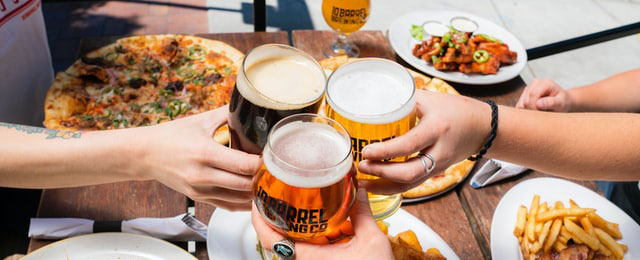
- Enjoy music and culture at Sziget Festival in Hungary.
10th of August to 15th of August - Soak up art, satire, and tradition at Las Fallas de Valencia in Spain.
26th of February - Absorb some art at Art Basel in New York, Hong Kong, Miami Beach, and virtual events.
15th of June to 18th of June - Participate in “The World’s Biggest Food Fight” at La Tomatina, Spain.
24th of August - Experience street food and craft beer at the Craft Beer Festival, Helsinki, Finland.
28th of July to 29th of July
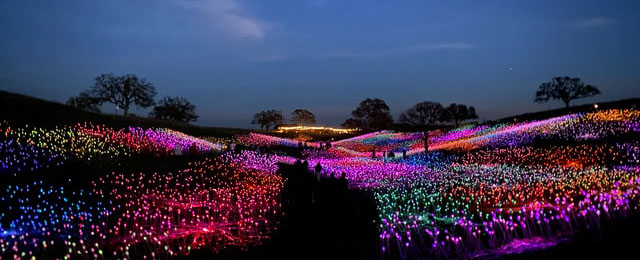
- Immerse yourself in the art of light at Festival of Lights, Berlin, Germany.
6th of October to 15th of October - Taste the best sweets in Italy at The Festival of Torrone in Cremona.
13th of November to 21st of November - Light up your life at GLOW, Eindhoven in the Netherlands.
11th of November to 18th of November - Tantalize your taste buds at Csaba Sausage Festival in Hungary,
2nd of October to 4th of October - Sip on some delicious grapes at Budapest International Wine Festival, Hungary.
7th of September to 10th of September
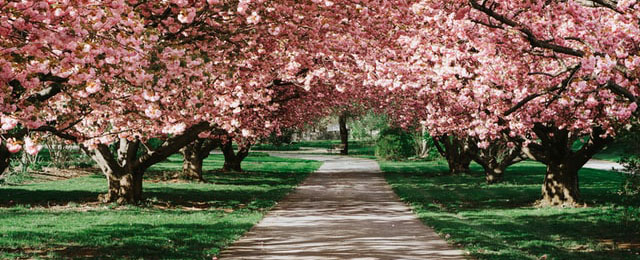
- Witness the Cherry blossoms blooming at Mount Yoshino, Japan.
Mid-March. - Celebrate Diwali in Jaipur, India.
November 12th.
Do you love to travel? With 11Onze Viatges you can book accommodation at the best price, without stifling the travel industry.
There are some to celebrate, some to sing a cappella, some that make us cry and laugh and dance. In Catalonia, we are experts in Christmas carols. At 11Onze we have compiled them for all tastes: the traditional ones, the enthusiastic ones, the modern ones and the ones for children. We have put together the definitive list to liven up every Christmas meal.
Christmas carols are the genre of oral tradition par excellence: we sing the traditional ones, but every year there are new ones. And they are all a celebration of winter, Christmas and fellowship. Musicologists have evidence of some melodies dating back to the 15th century. In the past, many of them were performed at church doors, and nowadays they are a regular repertoire of choirs and musical groups. One of the best-known carol recitals in Catalonia is the Concert de Sant Esteve, held every year by the Orfeó Català at the Palau de la Música Catalana.
The carols of a lifetime
The carols sung by enthusiasts
- Pastorets de la muntanya
- Les dotze van tocant
- El desembre congelat
- Sant Josep i la Mare de Déu
- Els àngels a la glòria
- Joia en el món
The most modern carols
- “Un Camell d’Orient”, de Manel
- “Aquí és nadal i estic content!”, de La Pegatina
- “Si ens Veiessis”, de Joan Dausà i Sara Pi
- “Sense Tu”, de Teràpia de shock
- “Avui és Nadal”, de Lax’n’Busto i Glaucs
- “Regala Petons”, d’Obeses
- “Caga tió”, Gossos
- “Nadala ingrata”, de Mesclat
Christmas carols for children
- “El Nadal ja és aquí”, d’El Pot Petit
- “M’agrada el Nadal”, de Dàmaris Gelabert
- “Torna a ser Nadal”, de Macedònia
- “És un desig”, de Josep Thió
- “Fuig, fuig, fuig”, de l’Escola Fructuós Gelabert de Barcelona
11Onze is the community fintech of Catalonia. Open an account by downloading the super app El Canut for Android or iOS and join the revolution!



There are adults looking for a vacation full of peace and tranquility. Couples traveling without children, groups of friends or people traveling alone. For them we have chosen 5 destinations where 11Onze Viatges can offer you hotels just for adults.
Palma de Mallorca
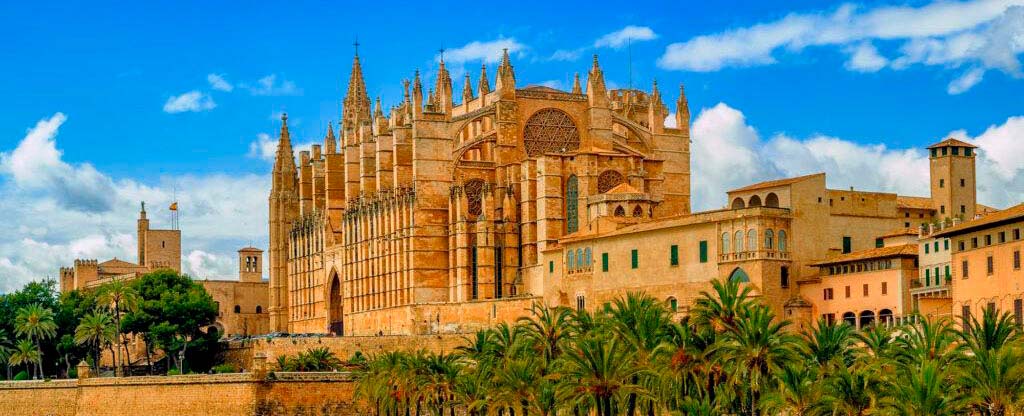
Palma is beautiful all year round, not only in summer. It has an impressive historic center, which goes far beyond the famous Cathedral of Mallorca, La Seu. La Lonja, the Almudaina Palace and the Plaza Mayor are also must-see sights. In addition, you will find historical monuments in the fishing harbors, in the pine forests and among palm trees all over the island. You will find secluded coves, beaches and cliffs on the coast, and small towns and villages in the interior surrounded by mountain ranges up to 1,500 meters high, such as the Tramuntana mountain range. The variety of the landscape and culture invites the visitor to explore every corner of Mallorca as well as the unique gastronomy of the island – you will come back loaded with ensaimadas and sobrasadas!
Marrakech, Morocco
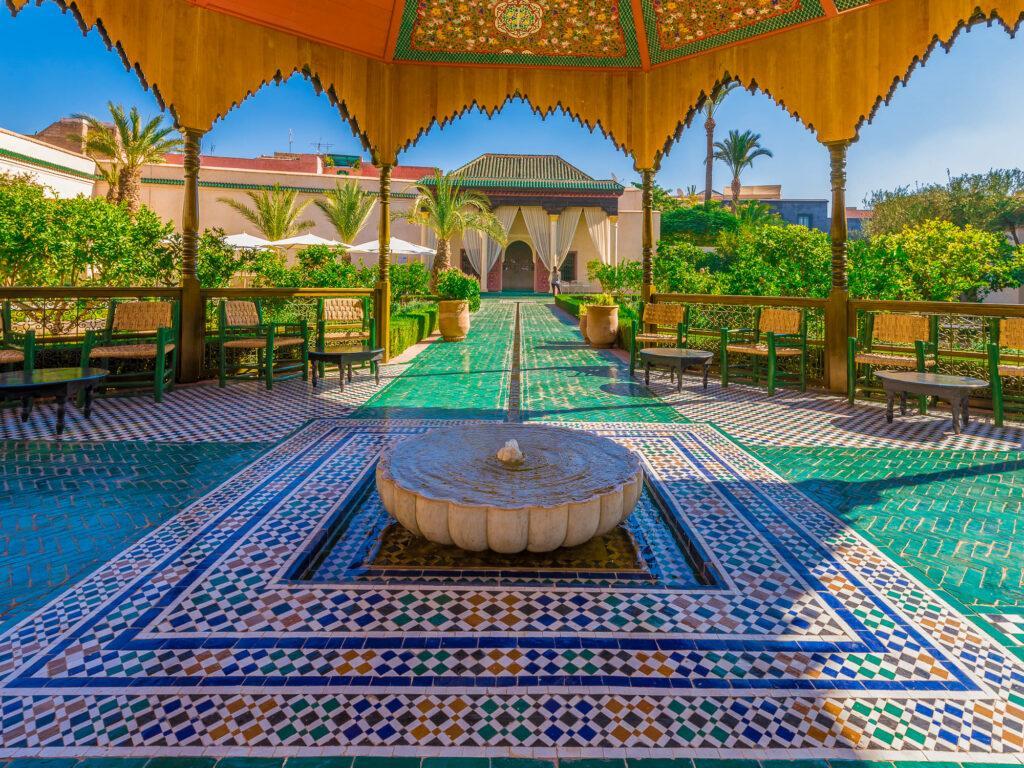
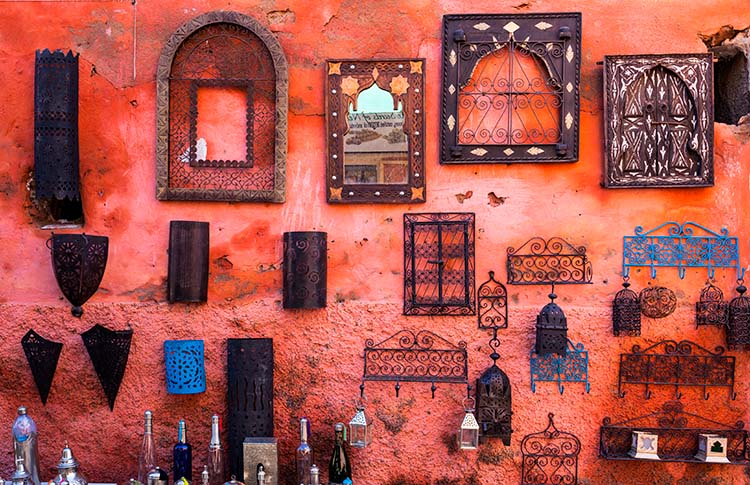
Marrakech promises unparalleled sensations between tradition and modernity. Strolling through the Jemaa el-Fna square among the souks with their brightly colored goods and oriental scents wafting through the air, offers travelers a complete change of scenery.
In the heart of this ancient city you can enjoy the architectural richness of the Medina, a UNESCO World Heritage Site and former Islamic capital originating from the 11th century. Visit one of Marrakech’s many small oriental palaces scattered throughout the city. Relax and recharge in the Menara, a sprawling garden with an iconic basin. Marrakech’s most modern area is found in the Gueliz and Invernage districts which offer the most modern infrastructure, luxury stores, international fashion boutiques, and spacious avenues, all of which contribute to Marrakech’s unique offerings.
As an economically growing and bustling city, Marrakech has special festive and cultural venues, such as the Palais des Congrès and the splendid Royal Theater. Enjoy Marrakech at night by discovering the many themed venues, trendy clubs and traditional soirées that reflect the lively side of the city.
Varna, Bulgaria

Varna is a port city and seaside resort on Bulgaria’s Black Sea. It is known because, as we explained in chapter 10 of The Diner, it is the place where mankind began to use gold in jewelry. The Varna Gold was discovered in a necropolis and is exhibited in the Archaeological Museum, along with Greek, Roman and Ottoman antiquities. The Golden Sands and St. Constantine and Helena Resorts regions are known for their pure, fine sand and mineral hot springs. Therefore, it is a perfect place for a relaxing getaway.
In addition, Varna is a cosmopolitan city where you will find art and cultural exhibitions throughout the city all year round with many art galleries and museums. It has plenty of cultural events including folklore, music, ballet, opera and theater, as well as outdoor exhibitions and many art galleries.
Corralejo, Fuerteventura Island

Fuerteventura is the oldest of the Canary Islands, about 22 million years old. It guarantees you a quiet beach vacation in good weather and is a biosphere reserve of the Canary Islands. Fuerteventura is also known for water sports lovers, because there are perfect conditions of wind and waves. So if you are kitesurfing or windsurfing lovers, this is a good destination for you.
Red Sea Riviera, Egypt

Everyone talks about the pyramids, but in Egypt there are also places to relax. In the Red Sea Riviera you will enjoy some of the best waterfront activities in eastern Egypt. It is a long coastal area with beautiful beaches leading to the Red Sea and is close to the Eastern Desert and south of the Sinai. Here you will find dolphins, dugongs (sea cows) and an overwhelming landscape of exotic flora and fauna. You will enjoy the beautiful mountain scenery and the crystal clear waters of the Red Sea.
The Egyptian Red Sea is a perfect destination for scuba diving. With pleasant weather, you can fish, snorkel, hike, visit the world’s largest aquaculture museum or get close to charming fishing villages such as Dahab, Safaga or Marsa Alam.
Do you love to travel? With 11Onze Viatges you can book accommodation at the best price, without stifling the travel industry.
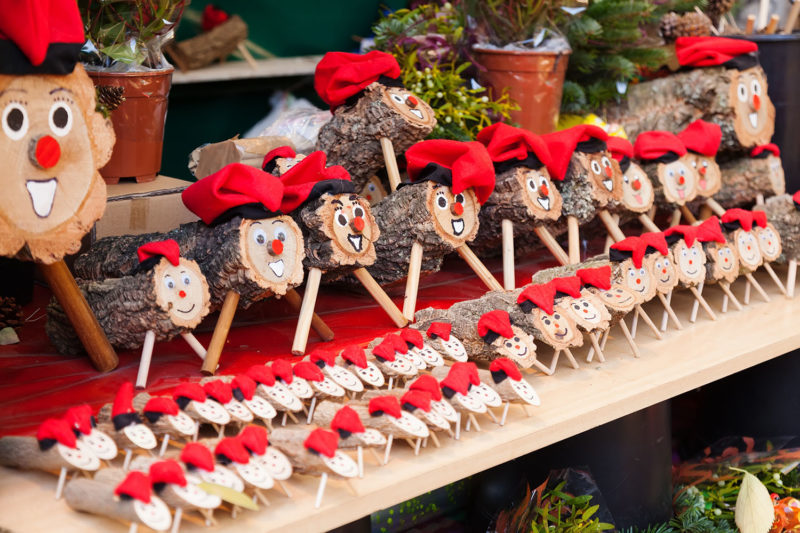
Everyone in Catalonia knows the famous Christmas character of our country, and we are not talking about the ‘caganer’, we are referring to the ‘tió’. The ‘tió’ is a magical figure that lives in Catalan homes during the Christmas holidays, and when the festivities are over, the ‘tió’ returns to his home, the forest.
At 11Onze we recommend several proposals to go in search of the precious magical being with children. Are you up for it? Before we give you a piece of advice: whatever forest you choose to go in search of your Christmas ‘tió’, remember that “magic can be found in every corner, you just have to look carefully.”
- Caçatións, on the hunt for geolocated ‘tions’. With the help of a map and a description, you can find the ‘tions’ geolocated in different forests of Catalonia: Camprodon, Pedraforca, Montseny, Mura, Ordal, Prades, Rupit, Riudarenes, Corredor, Collserola or Catalunya en Miniatura. On their website, you can choose the place where you want to go, make a reservation and wait to receive the GPS coordinates a few days before the adventure. The fun and the good memories that children will take with them are more than guaranteed.
- Rukimon, in search of the ‘tió’ among donkeys. This time the place is Dosrius, in the Maresme region. Rukimon – Burros del Corredor was founded in 1996 with the aim of guaranteeing the preservation of the closest breeds of donkeys. It is the only reserve in Spain where you can see Catalan donkey breeds and others that are in danger of extinction. So, if you want to go and look for your ‘tió’ in the forest of the ‘tions’ of Rukimon, you can make a reservation on their website, a different way to go and look for the Christmas ‘tió’.
- Mura, the village that exhibits ‘tions’. In this place of Bages, during the month of December, we can see ‘tions’ dressed, decorated and placed by the inhabitants of the same municipality everywhere in the small town, in its well-known Tió Festival. If you go, among many of the activities, you can also choose the best ‘tió’ of the year by voting in the urns that are scattered around the village.
11Onze is the community fintech of Catalonia. Open an account by downloading the super app El Canut for Android or iOS and join the revolution!


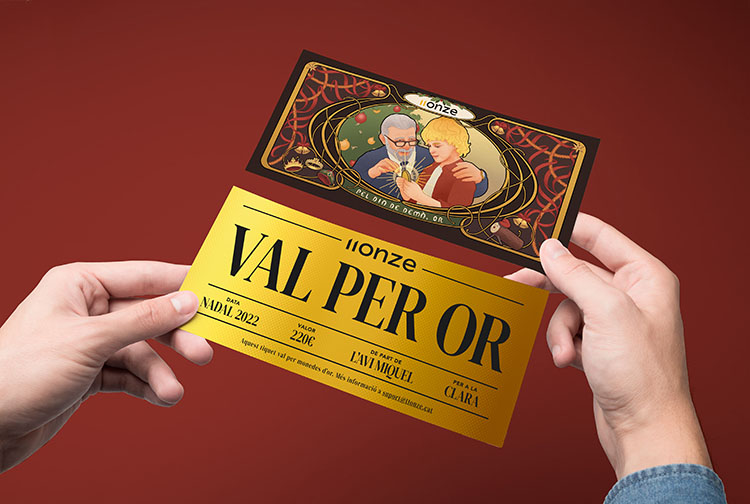
Willy Wonka put 5 golden notes inside his chocolate bars to find the heir to his chocolate factory. Now you can give a golden ticket to your loved ones to let them know you bought them gold coins.
The Norwegian-born Welsh writer Roald Dahl is one of the most famous children’s and young adult authors in the history of literature. Matilda, Charlie and the Chocolate Factory, James and the Giant Peach and The Gremlins are just some of the most celebrated titles by an author who sold more than 100 million books. So many, that if we were to put them all together, they would be as big as the pyramid of Giza.
Dahl was able to capture the children’s imagination and connect with readers in a truly stimulating way. His are surprising stories that don’t undermine the intelligence of young readers, quite the contrary. And, above all, he is a writer capable of creating novels that are fun to read but with an extraordinary depth of reading.
In ‘Charlie and the Chocolate Factory’, little Charlie is the son of a poor family living in the town where Willy Wonka’s big chocolate factory is located. He is an amazing, flamboyant inventor who was estranged from his father by sweets. His father was a dentist and he had a passion for sweets. The two men diverged completely, and since then Willy Wonka has devoted himself exclusively to his work and hates the idea of family. He lives and works in the factory, helped by the Oompa Loompa, magical beings capable of satisfying all the needs of Willy Wonka’s strange factory.

The novel opens in a cold, grey winter with Charlie’s family in hardship. Because the factory is closed and his family can no longer work. Willy Wonka has been confined to his factory for years and the population is impoverished. But something extraordinary happens: Willy Wonka is looking for a successor. Someone to work with him and inherit the factory. That’s why he has placed golden tickets in 5 of his famous chocolate bars.
The children who get one will have the right to visit the factory and, who knows, maybe even keep it for themselves. After a series of vicissitudes, the chosen one is Charlie, who immediately proposes to move to the factory with his family. This idea is totally rejected by Wonka, who doesn’t understand how Charlie could prefer his family to working in a wonderful factory like his. Little by little, Wonka realises that Charlie is right and that the family has to occupy a central place in our lives, along with work, but without letting it take over. In 2005 Tim Burton adapted the novel for the cinema, with a film starring Johnny Depp.
The Christmas spirit in a novel
Isn’t this the true meaning of Christmas? To be able to value the moments with the people we love, ahead of the day-to-day obligations of the rest of the year? Dahl seems to have been a precursor of what is now called work-life balance, without giving up the passion for work, the magic and the imagination.
This year, 11Onze tries to capture the spirit of all this with a golden ticket to give to our loved ones. A golden ticket that does not give access to any factory, but certifies that you have just been given gold coins.
Willy Wonka chose a gold banknote to put in his chocolates and he knew very well why he did it: a golden banknote tells you that it is really valuable, because we all know that gold is a safe value and guarantees prosperity. For this reason, at 11Onze we believe that gold is the best gift for our loved ones for tomorrow’s future. A gift in the form of gold coins (Krugerrand or Britannia) that can be ordered from €220. The shipment includes an exclusive Christmas card and a gold note certifying the purchase and the recipient. In this way, the gift is personalised.
How to buy the 11Onze gold banknote and coins
To request information about the purchase of gold coins, simply fill in this form. An 11Onze agent will contact you and inform you about the whole process.
This holiday season, you’ll find the perfect gift for your loved ones at 11Onze – for tomorrow’s future, gold!
If you want to discover the best option to protect your savings, enter Preciosos 11Onze. We will help you buy at the best price the safe-haven asset par excellence: physical gold.


One day you wake up and luminous ornaments decorate streets and shops, you get an Iberian ham as a present, you have a company Christmas dinner, and you have to do some last-minute shopping. The Christmas holidays are here and, with them, come the advertisements that appeal to the emotions. Let’s take a look at some of the most memorable slogans.
Emotion is the most effective creative path in advertising, and Christmas is the season that lends itself most to feelings. The importance of creating a slogan that captures and evokes the concepts of nostalgia, joy, illusion, and love is the essence of the message with which advertisers want to capture an increasingly fragmented audience.
The two most popular brands of Cava seem to have stopped making specific Christmas slogans and have moved on to more general campaigns, which are designed to be broadcast at any time of the year and in a multitude of countries.
This year’s change in trend has left us with slogans such as Freixenet’s, “Life is how you celebrate it” and Codorníu’s, “Live a life you want to celebrate with Codorníu”, which seem to have come out of the same advertising agency. Even so, for many years, the rivalry between Freixenet and Codorníu was an expected moment in traditional Christmas ads.
We don’t take Christmas for granted
Even so, one of Codorníu’s most memorable spots is certainly not remembered for the rivalry between the two brands, but for the controversy it stirred up, for how it struck a chord with us. In the middle of a pandemic, the advert is a good reminder of the importance of the community.
When are we coming home?
In the 1960s, Charles Brown begged us to come home for Christmas. And, ten years later, Chris Rea was doing it by car. The idea is not new. Yet few slogans have become so ingrained in the popular consciousness that, in the 1980s, El Almendro nougats decided that they would always “Come home for Christmas”.
It may not be the most expensive, but…
In 1880 the recipe for this very famous ‘torró’, the 1880, was written. We will certainly remember it for this slogan, which was repeated until 2016.
May luck be with you
Few advertising spots are as eagerly awaited or appeal to the emotions as much as the state Christmas lottery ads. The list of popular spots, under the slogan “Christmas Lottery, the biggest prize is to share it”, is long, but we highlight this one for the excellent animations.
Solidarity is also celebrated
La Marató de TV3 is not only a classic of this festive season, but has also given us a whole series of slogans to remember: “La Marató says a lot about you” (2018), “Minorities that make a majority” (2019) and “This Marató touches everyone” (2020), among others. This year, they have even made a short film about mental health issues with the slogan “La Marató que trenca murs” (The Marathon that breaks down walls).
11Onze is the community fintech of Catalonia. Open an account by downloading the super app El Canut for Android or iOS and join the revolution!

We have to go back to 1736 for the first record of the existence of the Santa Llúcia Fair. Not even a calamity such as the terrible yellow fever epidemic that struck Barcelona in 1860 has ever spoilt the event.
There are many curious details about the market. In the past, for example, the Santa Llúcia Fair was known as “the girls’ fair”, because many single women went there and it was believed to be a good place to arrange a marriage. The girls from the surrounding villages, accompanied by their mothers, would go well-dressed and jewelled to make themselves seen and win suitors.
As the historian Joan Amades recalls, in the 19th century the market was organised on just three days and in different places in the historic centre of the city: for the Puríssima and Santa Llúcia, in the Plaça de la Catedral; and for Sant Tomàs, in the Plaça del Pi, in the Plaça de Sant Josep Oriol and in the Plaça del Born. At these fairs, figures, booths and other constructions for the nativity scene, such as fountains, wells and windmills, were sold. On the other hand, natural elements, such as moss and cork, were sold at what was known as the Green Fair, which was located on the steps of the cathedral. The passion for the nativity scene meant that the two grew so much that they ended up merging.
The Santa Llúcia Fair, which is held between 25 November and 23 December, has changed a lot and nowadays has around 270 stalls. However, because of the pandemic, the number has had to be reduced by half. Years ago, the stands were set up on a wooden platform with two shelves and a small awning. Now, they are all wooden constructions, much better equipped. Without a doubt, the Santa Llúcia Fair is one of the most deeply-rooted traditions in the city.
The great love of nativity scenes in Catalonia has produced a good number of renowned craftsmen, some of whose works are on display at the Museum of History of Barcelona and the Museum of Olot. Other figures are to be found in private collections or have disappeared with the passing of time and wars. At this type of fair, it is common for families to buy a figure or a natural or landscape element each year and, little by little, they complete their own particular nativity scene.
11Onze is the community fintech of Catalonia. Open an account by downloading the super app El Canut for Android or iOS and join the revolution!
If you liked this article, we recommend you read:
 Culture
The Protestant origin of the advent calendar
1 min readThe winter season is here and with it we welcome the advent
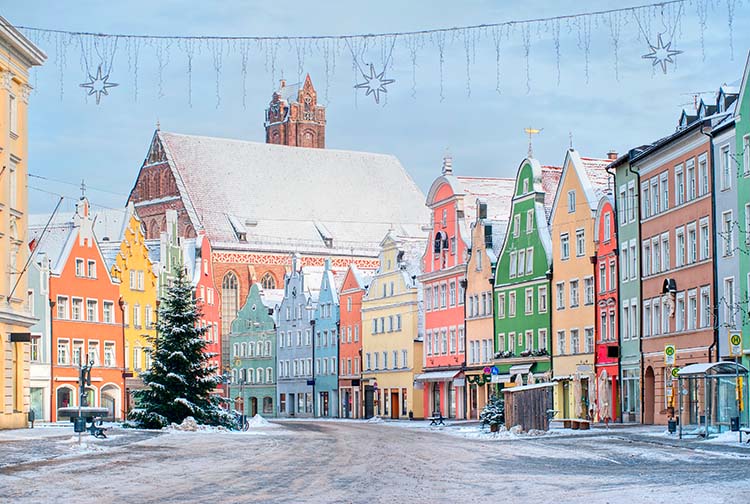
In the blink of an eye, it’s Christmas time. If you enjoy strolling through the streets of towns and cities, the agent Càrol Rafales has put together a summary of the main Christmas fairs you can enjoy in Catalonia.
We have chosen the most emblematic ones: Espinelves, Santa Llúcia, Caldes de Montbui, Vic and Olot.. But there are many more all over the country, so look for them and enjoy them with the whole family!
- Fira de l’avet d’Espinelves. This is one of the most unique markets in Catalonia and has been held for 35 years. In this small village in the Montseny massif, and for more than a week, between 3 and 11 December, you can buy the natural fir tree or the ‘tió’ that will decorate your home this festive season. Espinelves also has the charm of a small village, with its cobbled streets.
- Fira de Santa Llúcia. The best known in Catalonia, it is held in the Cathedral Square in Barcelona and lasts about a month. Here you can find all kinds of Christmas objects, but above all nativity scenes, fir trees and handicrafts. It has 233 years of history and this year it is held between 25 November and 23 December.
- Fira de Nadal i Mercat d’artesans de Caldes de Montbui. This market celebrates more than 30 years of history. Every year, the municipality receives thousands of visitors and prepares its traditional Christmas soap in the largest pot in Catalonia, measuring one and a half metres in diameter and with a capacity of 1,600 litres of soap. Other Christmas activities and shows are also organised in the historic centre.
- Mercat medieval de Vic. During the first weekend in December, between 8 and 11 December, the historic centre of the town returns to the Middle Ages. There are also plenty of stalls with Christmas decorations, typical delicacies and artisan drinks. And there are many shows.
- Fira del Pessebre d’Olot. Between 3 and 6 December, Olot organises its own market, with wooden stalls that pay homage to the Christmas festivities and recreate scenes from the nativity scene. There is also a craft market and many stalls with Christmas decorations.

Must-see Christmas markets in Catalonia