Debate on crypto-economics at "Que no faltin!”
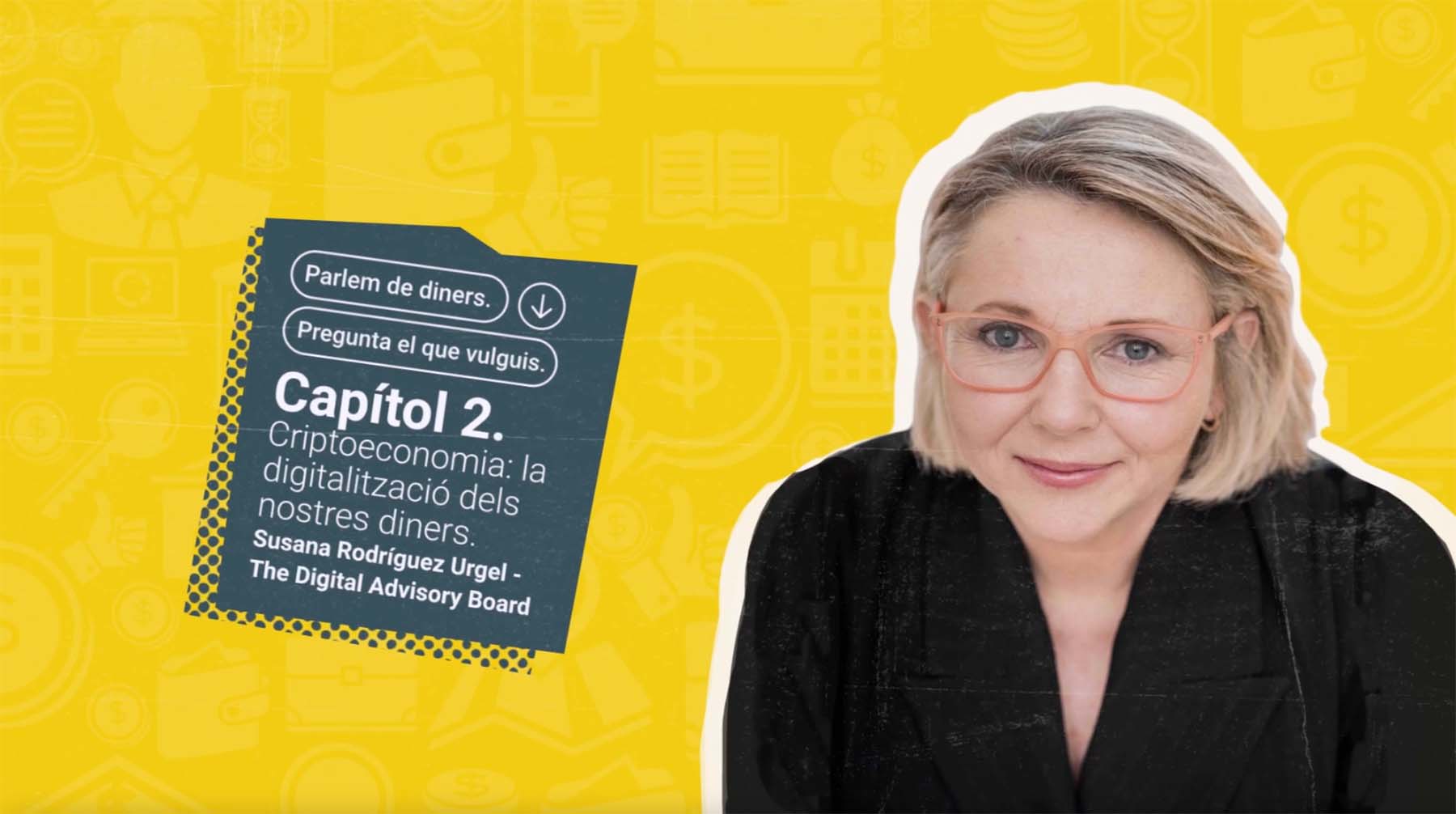
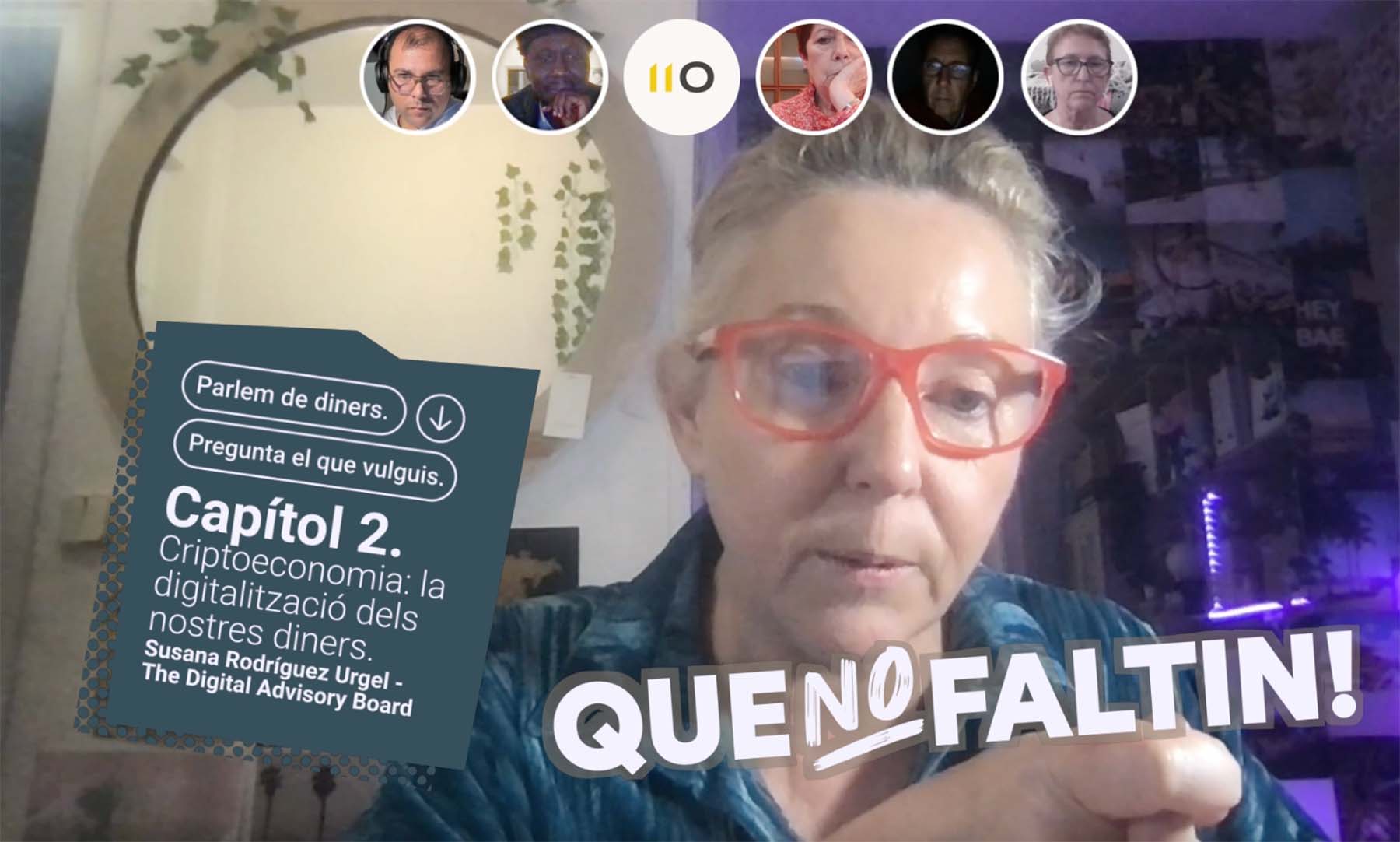
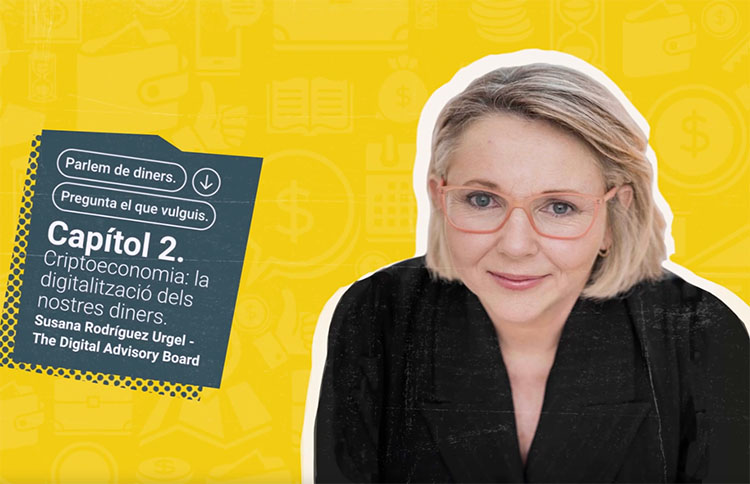
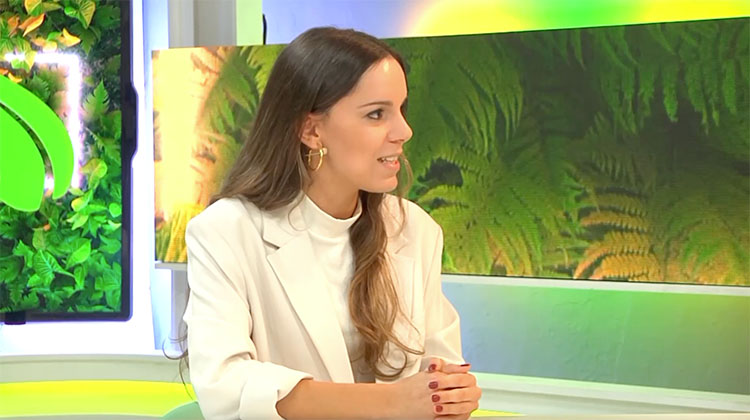
En la segona edició del “Que no faltin!”, Susana Rodríguez Urgel, fundadora de The Digital Advisory Board, va compartir els seus coneixements de criptoeconomia amb l’audiència de La Plaça.
Les possibilitats que brinden les noves tecnologies han obert el camí a la criptoeconomia, un nou concepte tecnoeconòmic que coordina a diferents actors del sector de les FinTech, amb la finalitat de crear una economia descentralitzada a través de la tecnologia de cadena de blocs “blockchain” i les criptomonedes.
Com explica Rodríguez, “La digitalització de l’economia i, en concret, el que és el Blockchain, ens porta al ‘ownership’. Tots serem amos del que puguem associar a la nostra identitat digital.” La col·laboració entre usuaris dona lloc a una nova generació de plataformes que prosperen gràcies a les contribucions d’un bloc de talent global descentralitzat, que no ha de demanar permís a cap entitat governamental.
Ara bé, com apunta l’experta en criptoeconomia, “tota llibertat comporta més responsabilitat”, la davallada del mercat de les criptomonedes no és causat per les noves tecnologies “el problema que estem vivint ara no són les criptomonedes, la tecnologia no té la culpa. Són les persones que estan fent ús d’aquesta tecnologia que, de vegades, són poc ètiques.”
En aquest context, els governs han vist com es quedaven enrere davant d’un canvi de paradigma que pot presentar un desafiament a l’estructura de poder establerta, i sota el seu domini. La creació de les monedes digitals controlades pels bancs centrals (CBDC), serà la base en què se sustentarà, per sobreviure, el sistema financer centralitzat? Podeu veure el capítol complet aquí.
Que no faltin! Capítol: 3
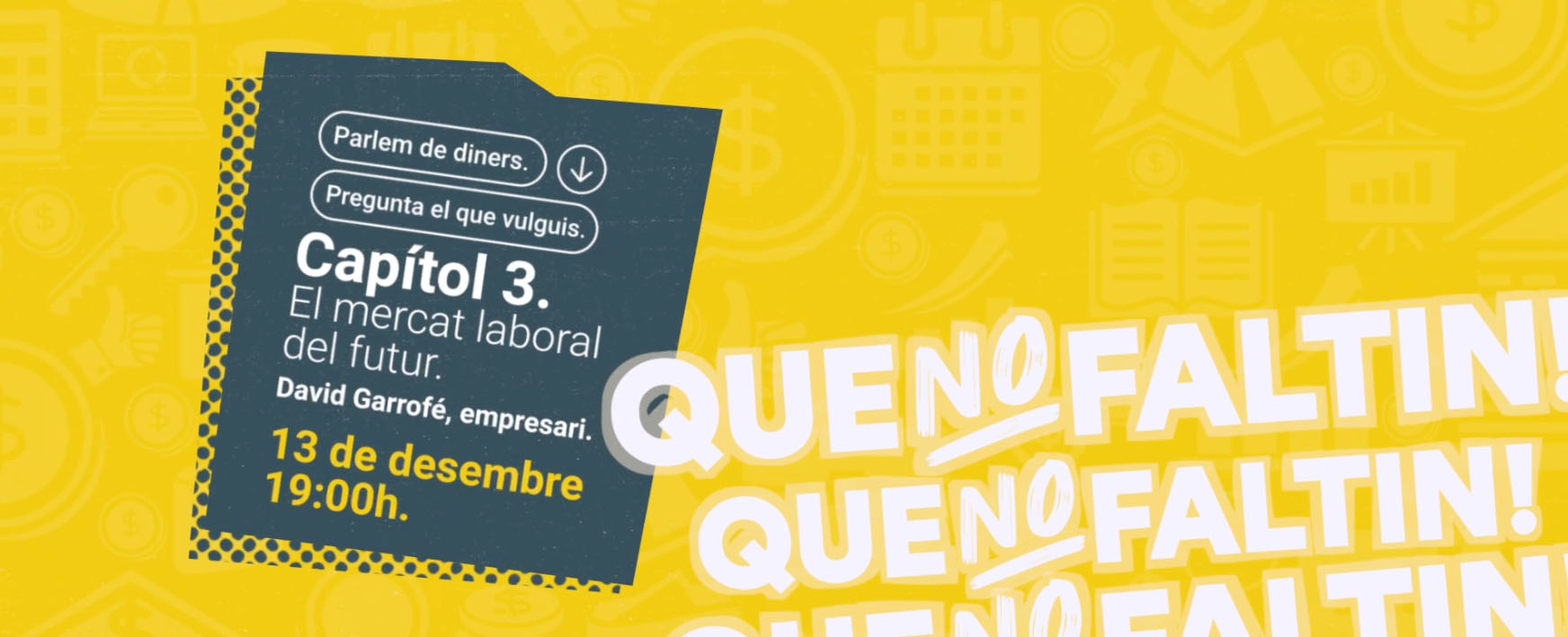
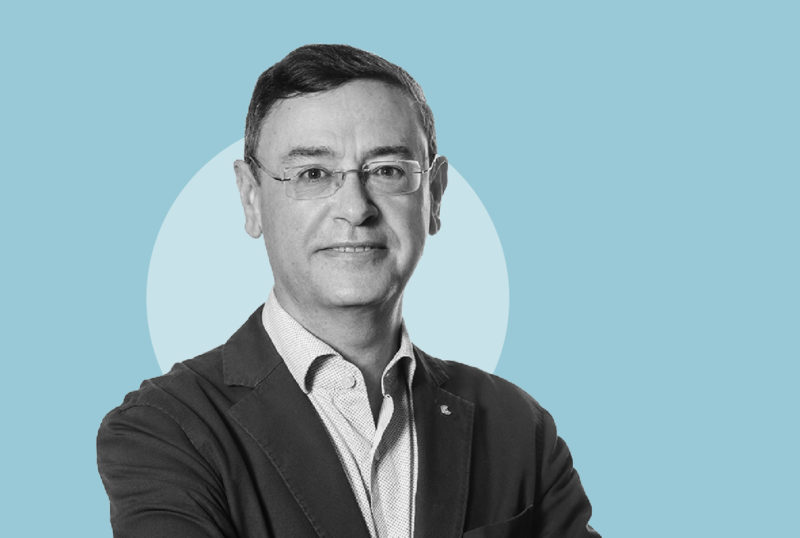
David Garrofé, empresari i secretari general de la patronal catalana CECOT des de 1988 fins al 2021, ens parlarà del futur del mercat laboral. Podràs seguir la conversa en directe des de La Plaça, a partir de les 19:00 del dimarts 13 de desembre. Si hi vols participar com a públic, pots demanar la teva plaça escrivint a [email protected].
11Onze és la fintech comunitària de Catalunya. Obre un compte descarregant la super app El Canut per Android o iOS. Uneix-te a la revolució!

The Organisation of Consumers and Users, OCU, calculates that families have to invest €530 for each child at the start of the school year. The whole school year will cost €2,728 in Catalonia. But going back to school can cost just €57 thanks to Better Shelter and 11Onze Rolls Up its Sleeves.
1.3 million pupils have already returned to the classrooms in Catalonia and, although the number of pupils is down, there will be 1,200 more teachers. Everyone is getting back to their work and educational routine in a school year in which many families have been able to benefit from the school voucher for materials.
Even so, the start of the school year is always a financial challenge for families, at a time of lower savings due to increased spending during the holidays. This year prices continue to rise due to inflation and the OCU has calculated that each family will need €530 to face the start of the school year. We are talking about the cost of enrolment, materials, canteen and extracurricular activities. In total, the average cost of the school year in Catalonia will be €2,728 per child. If we break down this average, it turns out that in public schools the cost will be €1,060, in state-subsidised schools €3,045 and in private schools €7,030.
These are figures that make anecdotal the cost per pupil of the Shelter Schools that 11Onze Rolls Up its Sleeves promotes with Better Shelter. These are classrooms to be built in a refugee camp in northern Syria for pupils who lost their school in the February 2023 earthquakes. The aim is to raise €100,000 to create 50 schools to cater for 1,750 children. The cost per pupil is therefore €57, including the construction of the classroom.
Catalan families are facing a major expense at the start of the school year. From 11Onze Rolls Up its Sleeves, we ask for this extra effort so that these students can also have a school year, like any other student.
Enter and make a donation at 11Onze Rolls Up its Sleeves.
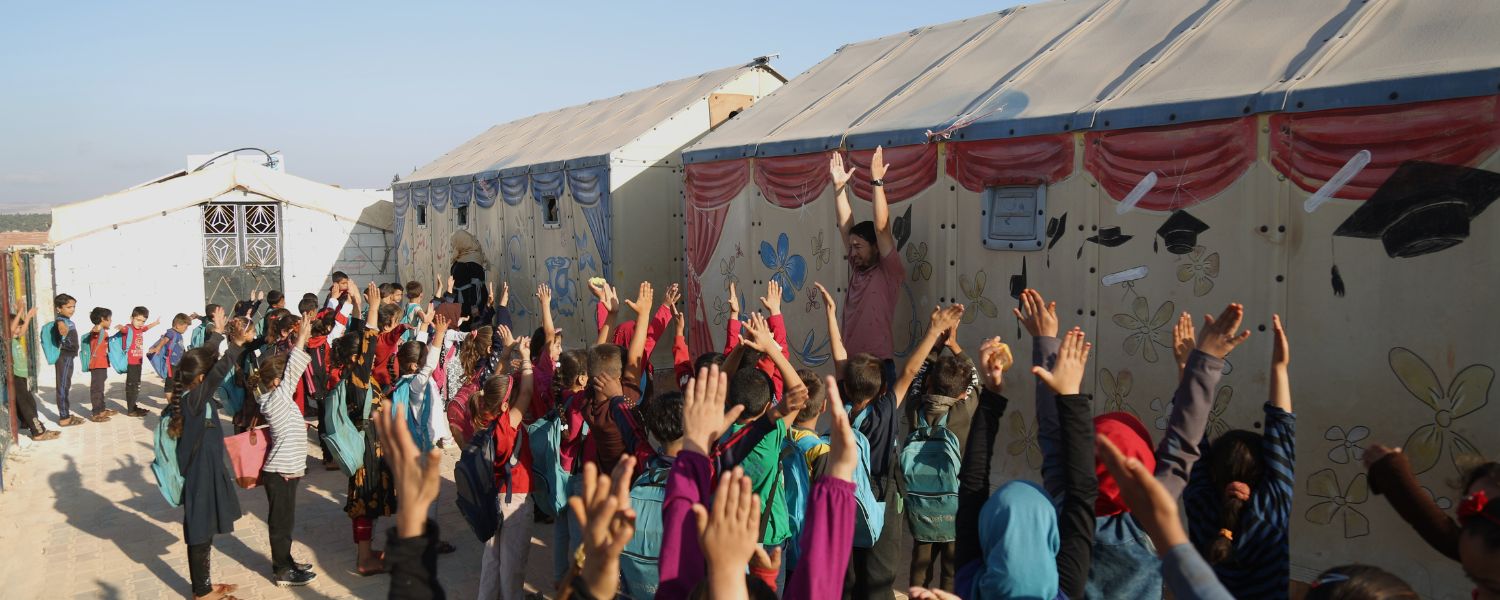
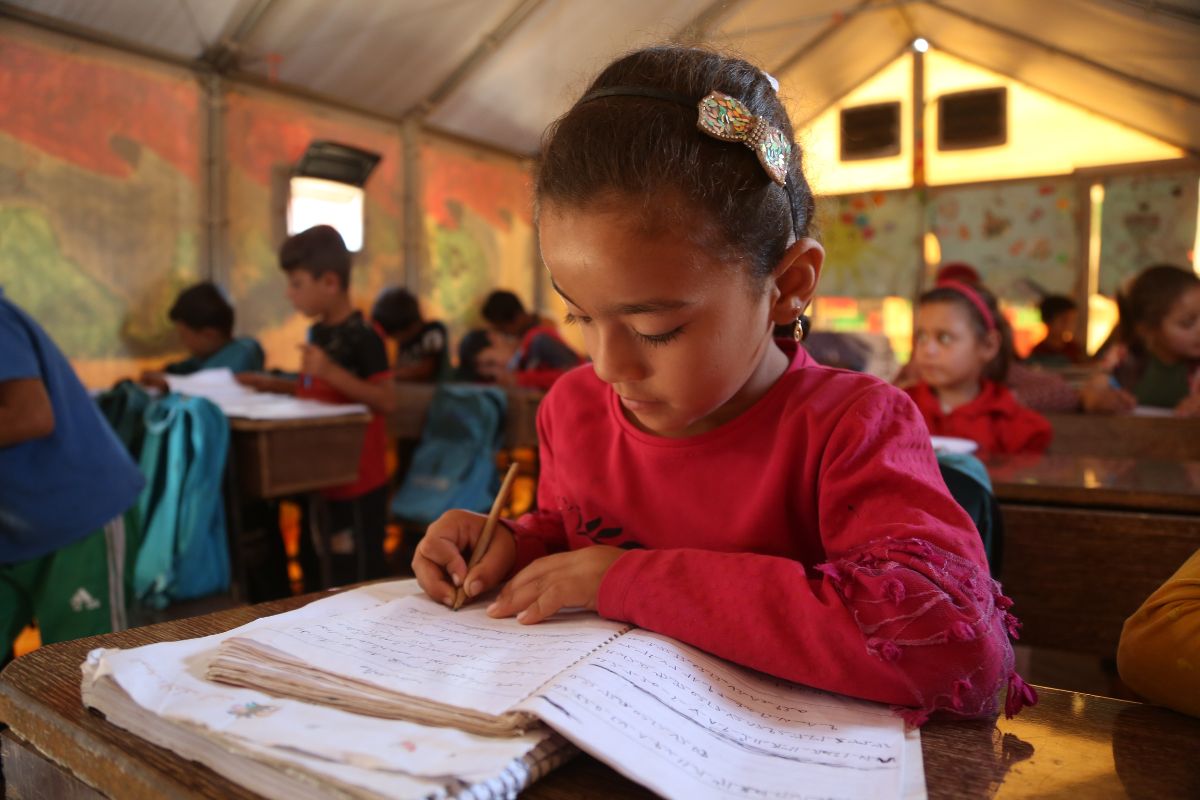
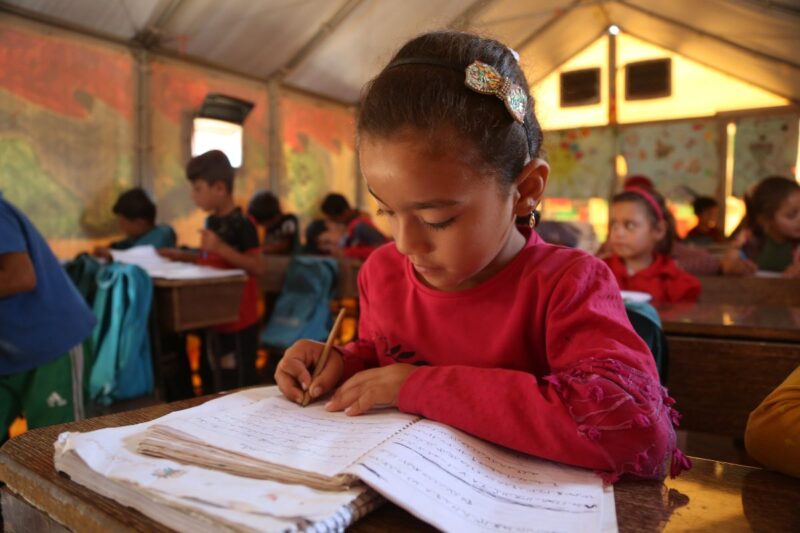
The daily life in the Watan and Bonyian refugee schools in Syria. Fotografies cedides per Better Shelter.
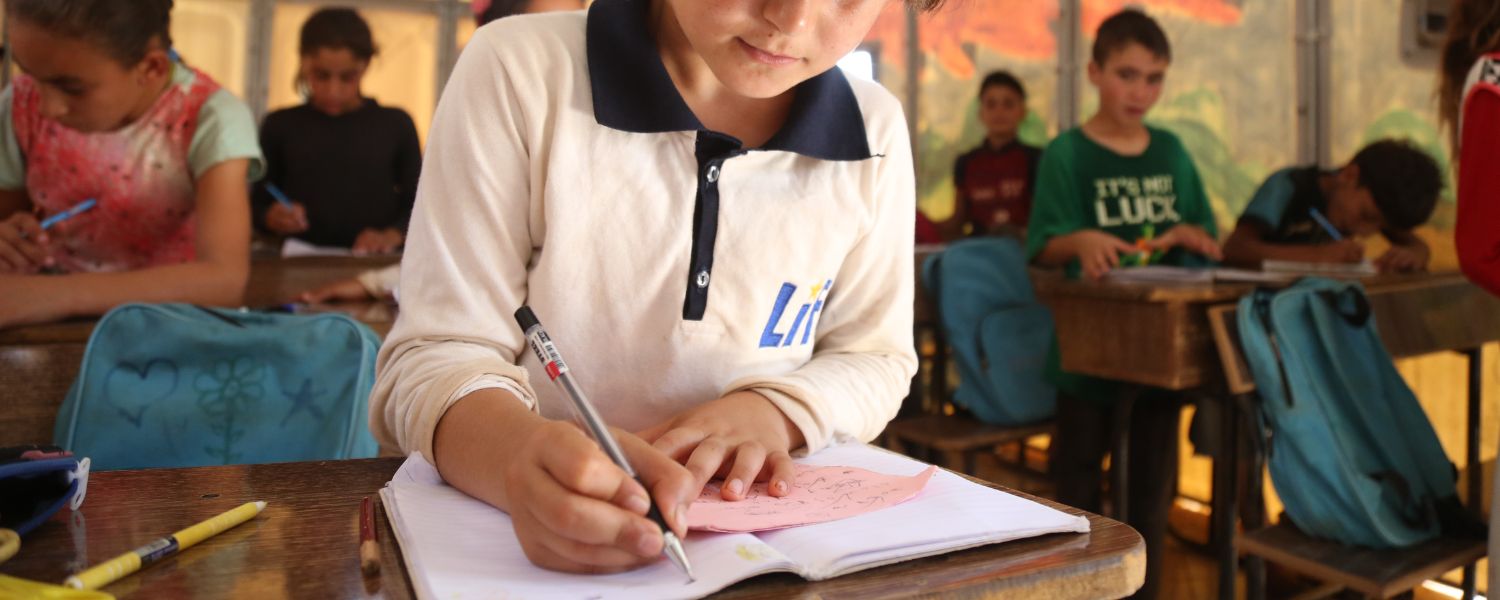
The daily life in the Watan and Bonyian refugee schools in Syria. Fotografies cedides per Better Shelter.
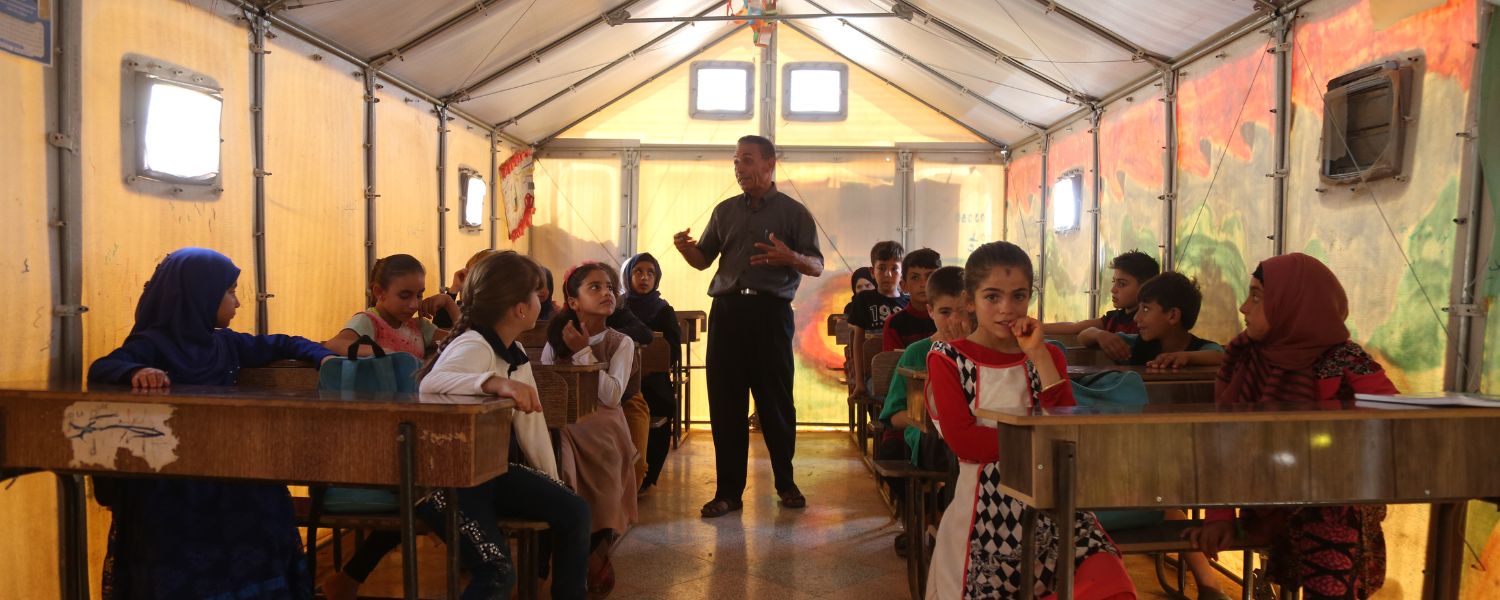
The daily life in the Watan and Bonyian refugee schools in Syria. Fotografies cedides per Better Shelter.
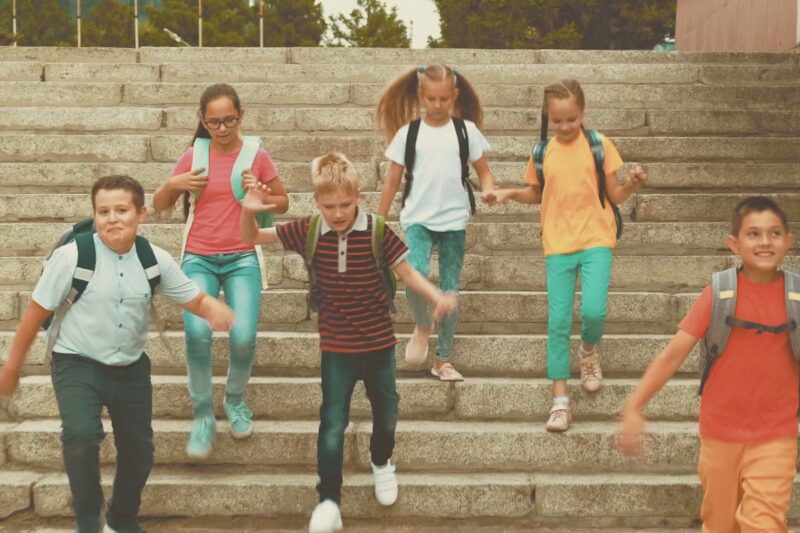
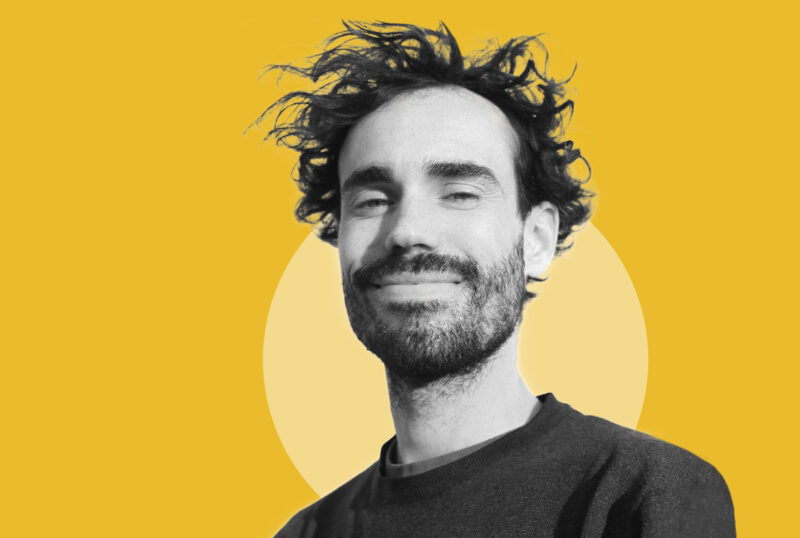
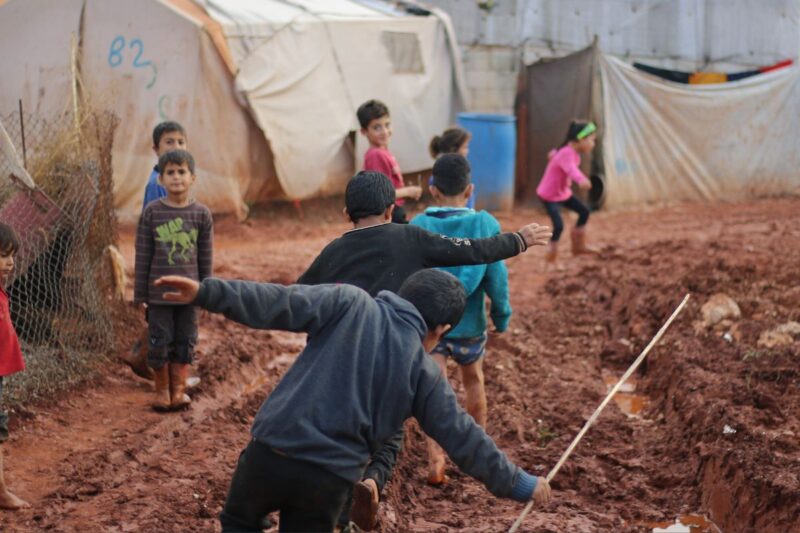
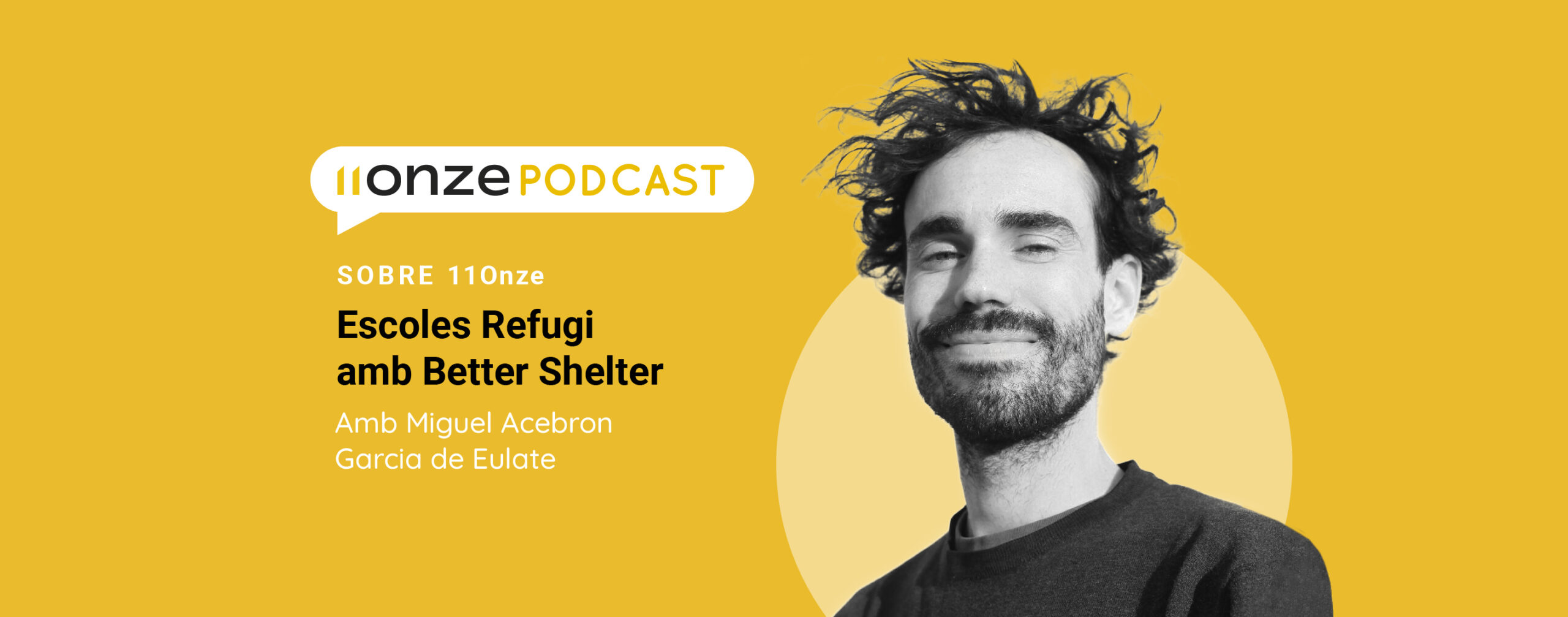
In 11Onze Podcast we spoke with Miguel Acebrón García de Eulate, from Better Shelter, to learn how the Shelter Schools change the dynamics in refugee camps. The objective is to create 50 classrooms so that 1,750 boys and girls affected by the earthquakes can resume their classes.
11Onze stands up for the creatures of northern Syria by collaborating with Better Shelter. The Swedish entity’s shelters have been internationally recognized for changing the concept of refugee camps. In this case, the typical tents that we associate with temporary camps are not installed, but a more resistant and durable solution is provided.
In a conversation with Better Shelter’s Technical Customer Success Manager, Miguel Acebron Garcia de Eulate, he explained what they wanted by designing this type of shelter: “We were looking for a different solution. For us there are two pillars, safety and dignity”. That is why it is a rigid shelter, not made of cloth. They are designed to last and guarantee the security and privacy of their users.
The change of education
11Onze has specifically requested that the shelters that the community send to Syria be to build classrooms so that the boys and girls can return to class. From Better Shelter, this action is highly valued because education, they say, changes the dynamics in the camps. According to Miguel Acebron García de Eulate: “There is a substantial change when there is an education system. When children have access to education they begin to have routines, play with other children, learn and continue their education. But it is also good for parents, because they have time and know that their children are safe. Schools change the dynamic.”
The transparency of donations
A differential fact of the 11Onze s’Arremanga and Better Shelter project is the absolute transparency of the costs. The 11Onze s’Arremanga page lists the prices of each of the elements needed to make a shelter. As Miguel Acebron García de Eulate explained: “This way people have an orientation that will translate the amount they give us.”
In the conversation that you can find on the 11Onze Podcast, Miguel also explained that the refugee camps must be more and more resistant because this apparently transitory situation tends to last longer. In fact, in central Africa, there are already cases of people who have been born and have spent their entire lives in a camp. As he indicated, the hardest thing for refugees is uncertainty: “Refugees live in great uncertainty. They don’t know how long they will be in that situation, if they will have to migrate again or not, where their relatives are, what their livelihoods are… They have many doubts about the future”.
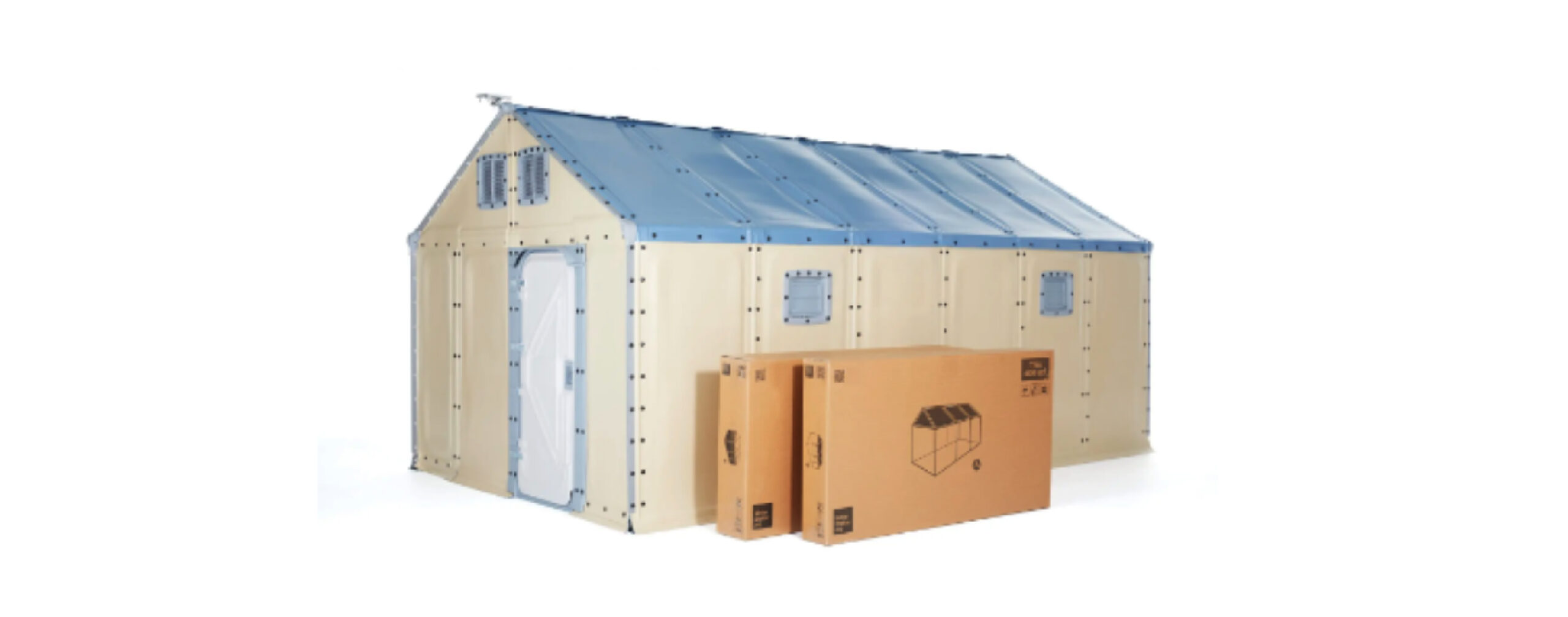
When a Better Shelter arrives at a camp, you have to imagine that a box arrives like the ones you receive when you buy furniture from Ikea. It is not trivial that the famous Swedish company is one of the main promoters of Better Shelter. Then, the construction of the shelter begins: text-free instructions and simple assembly make it possible for the refugees themselves to participate in the construction of their shelters. It is a way of feeling useful and being paid for a day’s work.
The shelters promoted by 11Onze s’Arremanga and Better Shelter seek to give a dignified and safe life to children in northern Syria who saw how their lives changed abruptly due to the earthquakes. Donations of any amount can be made, the goal is to reach 100,000 euros to be able to install 50 shelter schools to care for 1,750 children.
The school year is coming to an end and the holidays begin. This year Catalans will spend, on average, 1,203 euros. This money will be used to pay for summer camps, flights, hotels, restaurants and other activities. Even so, some children have neither school nor holidays, so, can we add a touch of solidarity to our holiday spending?
During the summer holidays, many families will spend large amounts of money on getaways, summer camps and recreational activities. According to data from a study carried out by the Cetelem Observatory, Catalans will spend, on average, 1,203 euros on summer holidays. Most of the people surveyed plan to spend their money eating out in restaurants (68.3%). They are followed by those who will spend it shopping (39.6%) or travelling (36%).
With the end of the school year, however, comes the added expense of looking after children until the adults’ holidays begin. Many families opt to sign them up for summer activities, such as summer camps. Therefore, a family with two children can easily spend an additional 1,000 euros. According to the association Educació 360, taking children to campus involves an average weekly cost of 77 euros, while if you opt for summer camps, the figure rises to 354 euros per week.
In this context, perhaps we should all make a reflection: while we spend this money to have a good time or to improve our children’s education, why not allocate a small part of our budget to help children who are not lucky enough to enjoy these same opportunities and privileges? Can we afford it? Can we afford not to?

How do I go about it? It’s time to roll up our sleeves
The summer solstice marks the transition from spring to summer, but it also represents a moment of rebalancing, of new beginnings. At 11Onze Rolls Up its Sleeves, in collaboration with Better Shelter, we have made this feeling our own by launching an initiative to give a new start to the children affected by the earthquakes in Syria.
We want to do our bit to build 50 shelter schools that can help provide safe spaces and education for 1,750 children affected by the refugee crisis. This is an opportunity to share our wealth and make a positive impact on the lives of those in need of support and hope.
Every donation, no matter how small, can make a significant difference in the lives of these children, helping to provide safe spaces for recreational and educational activities. We don’t want you to stop taking the kids to summer camps, holidays, restaurants or shopping, but for the price of sun cream and a beach towel, you can give hope. Will you roll up your sleeves with us?
11Onze Rolls Up its Sleeves is 11Onze’s service to help people all over the world.
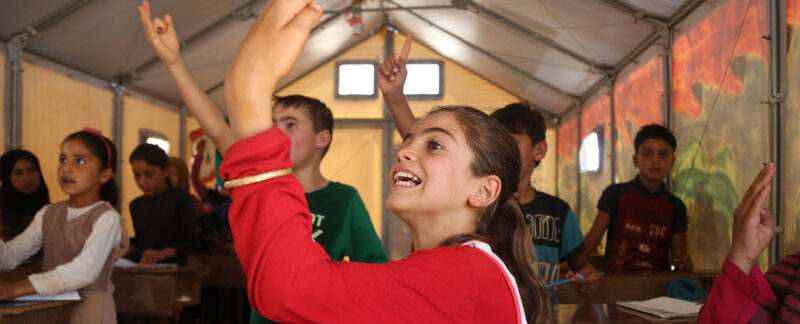
Armed conflicts and natural disasters devastate communities, especially affecting children who have been forcibly displaced and are often victims of human trafficking. As well as a place of learning, shelter schools have become a safe space for vulnerable children.
Just a week ago Europol announced that in a joint global operation with Frontex and Interpol against human trafficking, it had arrested 212 people after identifying 1,426 victims in 44 countries. The coordinated actions of the three international agencies aimed not only to identify but also to protect and refer victims to social services.
The agency warned that children and women are the primary victims of these criminal organisations operating in several countries connected through large networks: “Human traffickers target the most vulnerable groups, including children. Children are trafficked for sexual and labour exploitation”.
This global scourge requires a strong and coordinated response from the international community. Even so, limited access to conflict-affected territories or geopolitical interests means that it is often non-governmental organisations or non-profit humanitarian foundations that are the most proactive in undertaking initiatives to assist those affected.
Human trafficking in north-west Syria
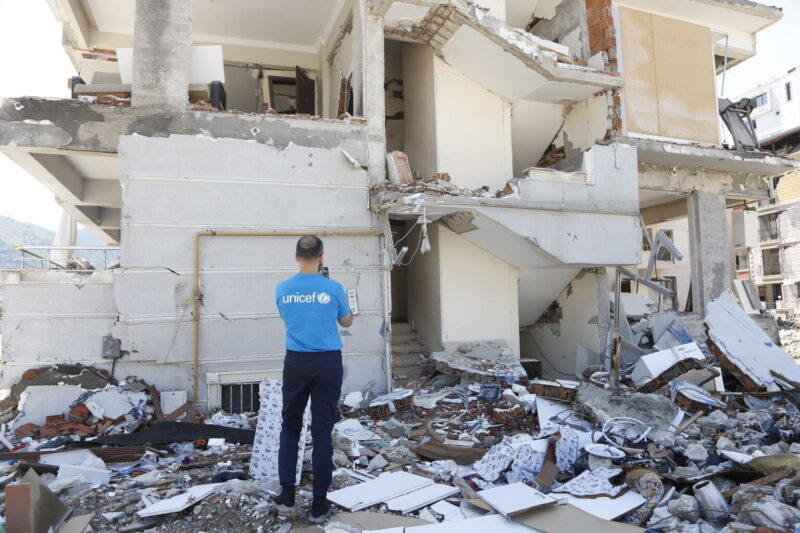
The combination of the protracted humanitarian crisis initially caused by the armed conflict, together with the effects of the pandemic and the recent earthquakes emerge as a set of conditions that have exacerbated the risk of gender-based violence and human trafficking among the Syrian population in the north-west of the country, a territory still controlled by various factions of the Islamic State (ISIS).
The situation is alarming and desperate, especially for children in refugee camps trying to get back to ‘normal’. UNICEF put the number of children displaced by the earthquakes at 850,000, while according to a study by Save the Children, children represent one in five deaths and suicide attempts recorded in refugee camps in northern Syria.
International humanitarian organisations alert that Syrian refugee children are particularly exposed to sex trafficking and forced labour in neighbouring countries. Furthermore, the high number of child marriages of Syrian girls among the population inside Islamist-controlled territories worsens their vulnerability to trafficking.
Shelter schools that empower the community
Access to education plays a critical role in reducing the risk of gender-based violence against children affected by armed conflict and in preventing human trafficking. Shelter schools such as those run by the Better Shelter Foundation, with which 11Onze Rolls Up its Sleeves has established a partnership, are an essential tool to provide safe spaces where children and women can access quality education, free from prejudice and discrimination.
The complexity and variety of the phenomenon of child trafficking mean that there can be no single formula to solve the problem, but acting directly on the ground by providing the necessary tools and a safe place for children and their families to regain a semblance of the lost normality is a first step that someone had to take.
The ultimate goal of this 11Onze Rolls Up its Sleeves initiative is to create 50 shelter schools with funding of €100,000, to help 1,750 displaced children. Let’s roll up our sleeves and come together to support this project. Someone has to do it. Will you roll up your sleeves?
11Onze Rolls Up its Sleeves is 11Onze’s service to help people all over the world.
The collaboration between the 11Onze community and the Better Shelter Foundation is an example of the power of solidarity and cooperation in the face of emergency situations. The ultimate goal of this 11Onze Rolls Up its Sleeves initiative is to create 50 shelter schools to accommodate 1,750 children displaced by the Syrian earthquake. But what do these classrooms look like? And how do we build them?
Through this partnership, we aim to create a network of help and support for the affected communities, providing a safe place and the necessary tools so that the children can continue their education and regain normality in their lives. 11Onze is asking its community to roll up its sleeves to help children affected by the earthquake in northern Syria. Can we let these children continue to spend their days on the streets with nothing to do, with all the risks that this entails? We at 11Onze think not, and we hope that the community will get involved.
A lasting solution
The Better Shelter School is an innovative and lasting solution for communities affected by natural disasters or conflicts. This initiative with which 11Onze Rolls Up its Sleeves is collaborating is promoted by the Swedish foundation Better Shelter with the aim of building schools in northern Syria after the devastating earthquake that affected the region.
“We want to have an immediate impact in the affected area”.
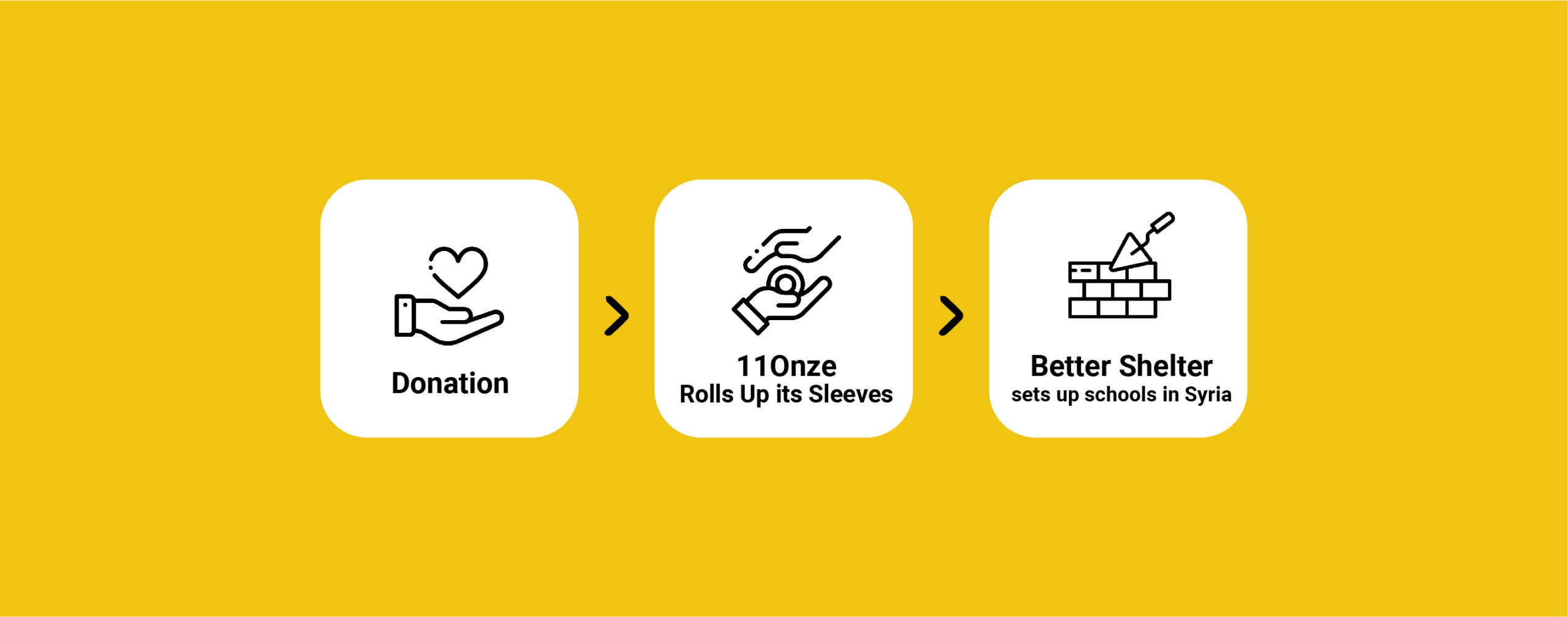
As Jas Texidó, Director of Public and Institutional Relations at 11Onze, explains, “We wanted to do a collaborative action that would have an immediate impact in the affected area.” James Sène, 11Onze’s Chairman, suggested contacting the Ikea Foundation, which was already making shelters for Better Shelter, “so that we could avoid unnecessary intermediaries and this would allow us to directly follow up on the contributions of our community”, states Texidó.
Safe, sturdy and made of quality materials
The shelter schools not only provide a safe space for learning but also serve as a place of emotional stability for the personal development of the affected children. These schools will serve as a bridging tool that will empower them on the path to a more hopeful future.
Better Shelters are much more than just temporary tents. These structures are designed to last over time and provide a safe and dignified place for children and their families in the midst of a crisis. With this goal in mind, the shelters are built with quality materials and are resistant to weather and other environmental factors.
The manufacturing and assembly process of the classrooms is efficient and relatively simple, costing only 2,333 euros and taking only two hours to assemble. Once packed at the IKEA facility, they are shipped to a distribution centre close to the affected area. In the region, Better Shelter partners, including non-governmental organisations and volunteers, are working to set up the shelter schools and furnish them accordingly.
The time required to set up a shelter varies, but usually at least two months from the signing of the contract. This timeframe depends on the operations of the volunteers carrying out the installation. However, in emergency situations, measures are put in place to speed up this process and quickly provide a safe place for children and refugees.
Source: Better Shelter
The ultimate goal of this initiative is to create 50 shelter schools, with funding of €100,000, to help 1,750 displaced children. Let’s roll up our sleeves and come together to support this project – someone has to do it!
11Onze Rolls Up its Sleeves is 11Onze’s service to help people all over the world.
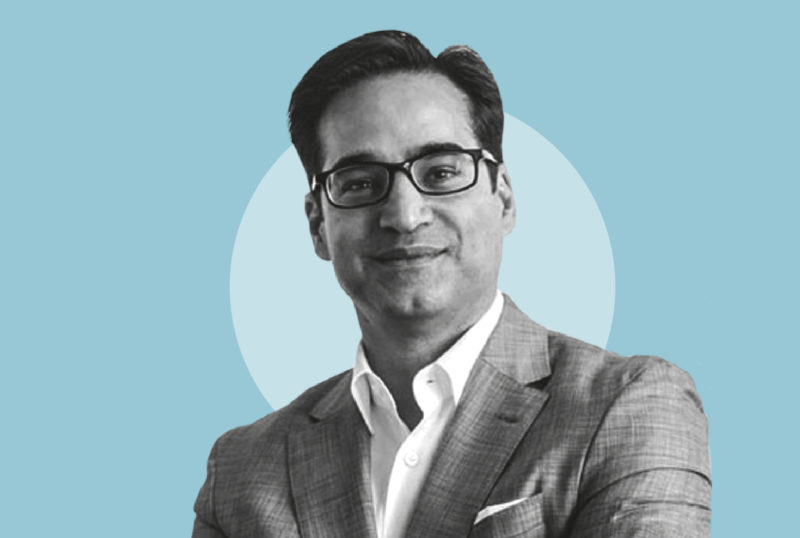
Can you imagine a collaborative project based on the notion that if we want a better world, we have to start building it by adding personal commitments? This is how an idea was born that has become a reality. Xavi Vega, the founder of the project, explains it to us in a new People podcast.
Xavi Vega, graphic designer and professor at the Blanquerna Faculty of Communication, wanted to do something to change the world. He was convinced that if we all added small commitments together, we would be contributing to making the world a better place. Everyone has their own personal vision of what an ideal world would be like, but change has to start from the grassroots, from the community.
Based on this concept, Vega has created an altruistic project for people to take part in different commitments in exchange for a T-shirt. “A commitment is created, there is a part that covers the cost of the T-shirt, and another part that is for donations to small organisations that make a better world,” explains Vega.
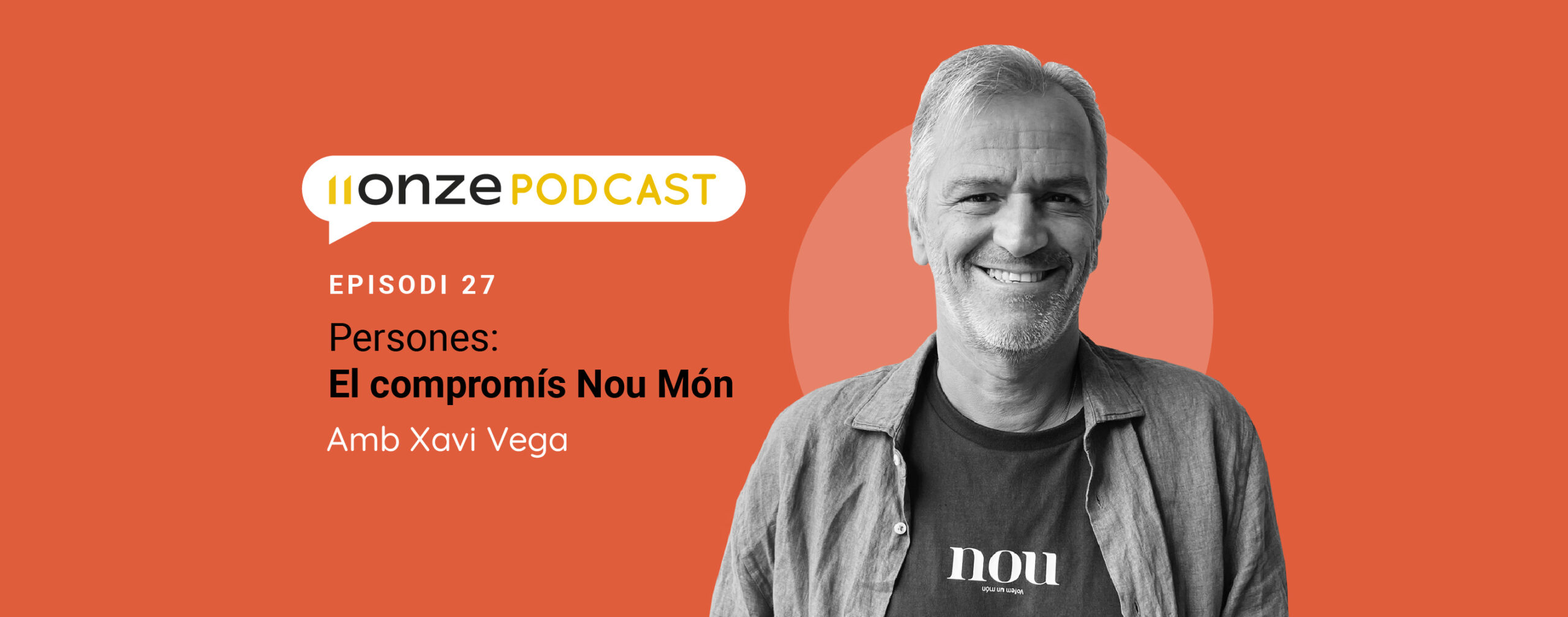
Episode 27 | People: The ‘Nou Món’ commitment
A world with more solidarity, more freedom and more equality
The constant degradation of social and labour rights, the widespread corruption and the loss of individual freedoms that we have suffered in recent years, show that we still have a long way to go if we want to live in a society designed to promote the welfare of people.
Committing to being part of the change means being proactive with personal actions or supporting projects that work to accelerate this paradigm shift. In this sense, Vega has been surprised to see how many companies have proposed to contribute to the project in a totally altruistic way, “many large companies that I have contacted, and which have a corporate social responsibility, want to make a contribution out of conscience because they like the project, but they don’t even want their brand to be mentioned”.
11Onze is the community fintech of Catalonia. Open an account by downloading the super app El Canut for Android or iOS and join the revolution!
This year, the International Women’s Day platform is launching a sophisticated campaign concept, if not more sophisticated than other 8M campaigns: #EmbraceEquity.
The new campaign revolves around equity, which differs from the concept of equality. And it is crucial to understand the difference between the two. Because having equal opportunities, per se, does not reduce the gender gap.
Equality means that we treat everyone equally: each person or group of people receives the same resources and opportunities. Let’s give an example: let’s give the same book to a sighted and a blind student. The situation is an equal opportunity, but it is not equal. Equity is about taking into account personal differences and being able to provide the resources to eliminate or minimise disadvantages, and thus to give the same opportunities from a starting point with equal advantages. In our example above, acting equitably would be giving the blind student a Braille book so that he/she has the same opportunities as the sighted student.
Equity means that we provide resources and opportunities tailored to the specific needs or circumstances of that person or group; so that we can achieve an equal outcome. This year’s campaign wants us to learn the concept of equity, and this will enable us to demand a more inclusive society. True inclusion requires equitable actions.
132 years to close the gender gap
Equality is absolutely necessary to establish the first rules of the “game”, although equity is essential to make progress in the gender gap between men and women. It is interesting to review the World Economic Forum’s Global Gender Gap Report for 2022, where this large gap between men and women is observed, a large gap because it is estimated that it could take 132 years to close this gap.
According to the report, and as can be seen in the graph, Spain is in 17th place and Iceland is the country that leads the ranking of countries with the greatest equality and equity between men and women.
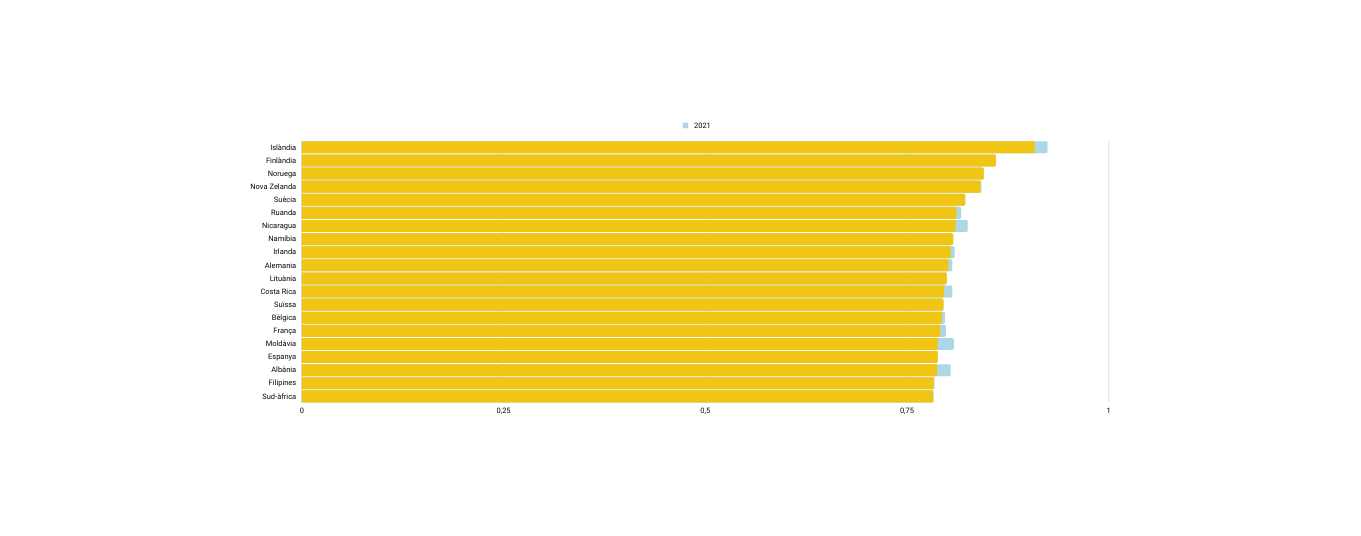
Source: Report ‘World Economic Forum’s Global Gender Gap 2022’.
100 years of inequality
Ours, this gender inequality, seems to be going on for a long time. So let’s keep on fighting, let’s keep on promoting the IWD campaigns, let’s keep on repeating them, and let’s keep on going viral. Everyone should celebrate it or claim it in their own way so that we don’t get 100 years of inequality.
N.B. “Compañera, dame, dame tira”
Asturias celebrates the IWD with its own theme: “Compañera, dame tira”. A mining expression, the very essence of solidarity and Asturianness. They have composed their own anthem, which they will take to the streets on IWD: “Dende les Cuenques mineres, la capital y occidente, de la costa y del oriente, equí tamos les muyeres”.
The soundtrack of the article
“Embraceable You”. A jazz standard song with music by George Gershwin and lyrics by Ira Gershwin. The song was written in 1928 for an unpublished operetta named East Is West. It was published in 1930 and included in that year’s Broadway musical Girl Crazy, performed by Ginger Rogers in a song and dance routine choreographed by Fred Astaire. Billie Holiday‘s 1944 recording was inducted into the Grammy Hall of Fame in 2005.
11Onze is the community fintech of Catalonia. Open an account by downloading the super app El Canut for Android or iOS and join the revolution!



This year, at last, we are leaving behind the Christmas festivities without masks and welcoming the Three Kings laden with sweets. And after their Majesties, it’s time for the sales. So, what day do the winter sales start?
In the case of Catalonia, the Trade Advisory Council approved that the winter sales period will officially begin on 23 December 2022 and end on 12 March 2023. That said, it is still a recommendation, since, after the changes in the regulations of the last few years that liberalised shopping hours and discount periods, shops no longer have to wait for a specific date to start the sales.
Thanks to the new regulations, sales periods have become more flexible – we see this with Black Friday or the one-off discounts in December – but most shops and brands continue to opt for the classic dates to start the winter sales. Thus, almost all shops continue to hold their sales from 7 January, after Epiphany.
Even so, many brands are advancing the sales period in their online shops or through their apps. Similarly, if we take as an example what they have done in previous years, in physical shops there will also be discounts from a few days before Epiphany on certain items or certain product lines.
What goods can I do without?

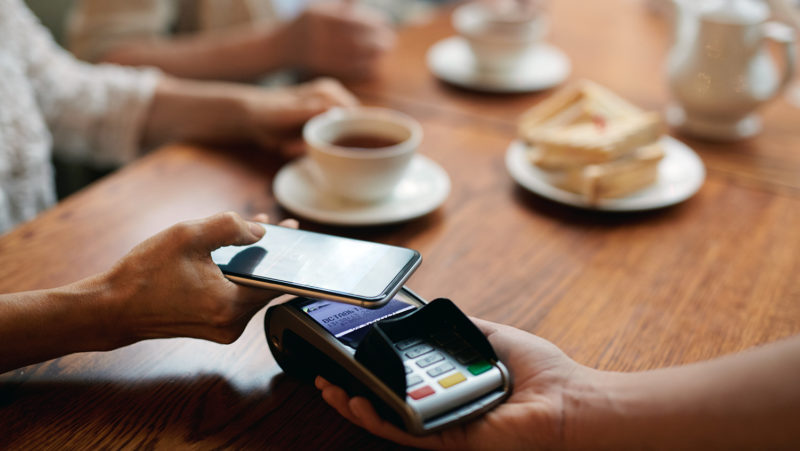
The labor market of the future is the topic of this third episode of 11Onze’s financial education video podcast. From 7pm you can follow your conversation live with David Garrofé on this page.
As usual, the ‘Que no faltin!’ will be available exclusively live on La Plaça, in the player in this article. Users can leave questions in the comments of this news item for David Garrofé to answer them live.