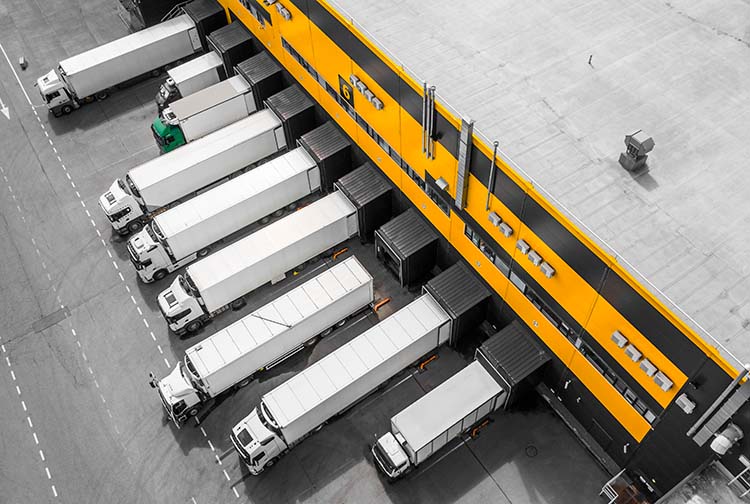
What is sustainable construction?
The growing social concern for sustainable development is transforming the construction sector. Considering the environmental impact throughout the building construction process is the basis of sustainable architecture. We talked about this new trend in the real estate market with Alfredo Acosta, Project Manager, and Gemma Vallet, Director of 11Onze District.
In order to build sustainably, the environmental impact of the building’s entire life cycle must be taken into account. The choice of construction materials, waste management, energy efficiency and the use of energy from renewable sources are some of the factors on which this new building model is based, which is making a strong entrance into a sector that seemed immovable.
Even so, incorporating sustainability into the real estate construction sector, which is largely based on speculation, is a challenging task. As Acosta points out, “the traditional developer looks at square metres, profitability… pure and simple speculation“.

La Plaça – Territori 17: Sustainable construction
Improving people’s quality of life and well-being
Sustainable building development must not only be based on purely tangible elements that benefit the environment, but must also be consistent with principles and values that facilitate people’s well-being.
For example, the design of common areas that incorporate the presence of nature and facilitate good coexistence among neighbours is an often intangible factor, but no less important when it comes to improving the quality of life of the people who share this space.
In this context, new models of coexistence, such as cohousing, are emerging, which respond to the difficulty of some groups in accessing the traditional housing market. As Acosta explains, it is about “sharing common spaces and services, but respecting privacy and intimacy, with the idea of creating and cohesive community, understanding the criteria of each person”.
If you want to discover fair insurance for your home and for society, check 11Onze Segurs.



Is the increase in consumerism during the Christmas holidays at odds with sustainability? What is the most important thing we take into account when buying a gift? Iu Alemany, Head of Back Office and Customer Service at 11Onze, visits the Energia programme to talk about how we can give more sustainable gifts this festive season.
Small changes in our consumption habits this holiday season to reduce our carbon footprint can have a positive environmental impact on the planet, and this also includes the choice of gifts. It is about being able to enjoy Christmas traditions without falling into the excesses of consumerism, leaving aside a conscious consumption that is in line with our principles.
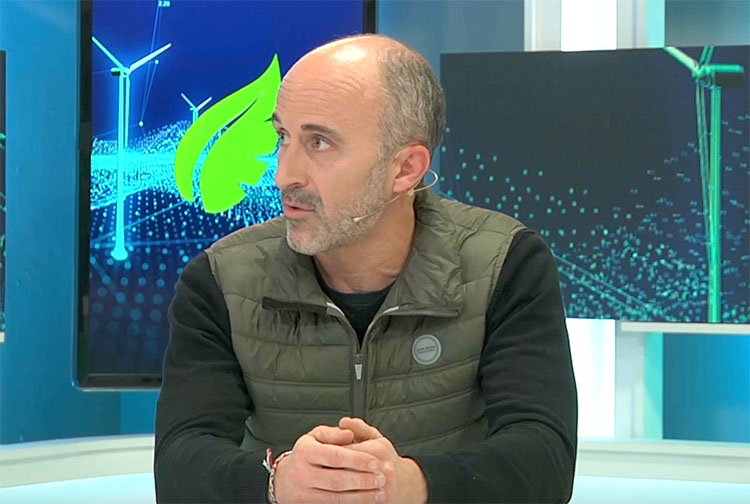
Sustainable gifts
Energy and economy
As Alemany states, “we are living at a time when we have a terrible energy and financial crisis, and the time has come to give presents by example”. On the economic side, inflation has devastated the value of our savings, so why not give the gift of a safe-haven asset that will last over time? A good proposal is to give a precious metal such as gold, “in a year’s time, 100 euros will be worth 90 euros because of inflation, while the same amount of gold will be worth 105 or 110 euros”.
In the energy field, we can apply the same principles of sustainability when giving a present. From an individual point of view, we can all contribute to saving resources by leading by example. It can be as simple as “giving a programmable plug or buying a mini solar panel where we can charge our mobile phone or any electronic device”, Alemany points out.
11Onze is the community fintech of Catalonia. Open an account by downloading the super app El Canut for Android or iOS and join the revolution!

Christmas meals often end up taking their toll on our wallets and digestive system. In a new episode of La Plaça, Adrià Subirana, executive chef of Oyatsu Lap, explains how we can improve our Christmas meals with a more balanced and economical cuisine.
According to a report by the consultancy Deloitte, this year the average family will spend €165 on food and drink during the Christmas holidays. A considerable expenditure, given the current economic situation of many families.
But to enjoy a good Christmas meal it is not necessary to spend large sums of money, reused leftovers, vegetables and common sense are our allies. We must avoid overeating, as Subirana explains, “we have a bad tendency to prepare food for twenty people when there are only five of us”, and he also recommends “introducing seasonal vegetables that can reduce the cost considerably”.

La Plaça | Territori 17: Christmas meals
The importance of a good chicken
The Christmas roast is a well-established dish in Catalan culinary culture that no home is complete without during the festive season. Chicken with plums and pine nuts is the basis of a very simple recipe with many possible variations, but as the chef of Oyatsu Lab points out, “we buy a good chicken that has a small breast and a fat thigh!“, chickens don’t fly, they walk, so “if it has a small thigh, this chicken didn’t move!”.
And for dessert, nougat? Not everyone is a fan of nougat, so Subirana offers us a good option to maintain the nougat tradition, but adapted to lighter tastes, preparing “a nougat mousse with yoghurt, cream and mascarpone” which can be decorated with a biscuit or a bit of fruit.
11Onze is the community fintech of Catalonia. Open an account by downloading the super app El Canut for Android or iOS and join the revolution!

At this time of year, the consumerist excess of Black Friday is combined with Christmas and Epiphany shopping. Gemma Vallet, director of 11Onze District, visits the Energia programme and makes us reflect on how we can adapt our consumption habits to enjoy the Christmas holidays in a more sustainable and environmentally conscious way.
Food, gifts, and travel are part of our consumption habits all year round, but this festive season lends itself to excessive consumerism. Even so, enjoying Christmas traditions does not have to be at odds with conscious consumption that is in line with our principles.
As Vallet explains, we need to make the effort to “move towards more responsible consumption because of the impact it has on sustainability“. Money is simply a tool of exchange to acquire what we want and/or need. Now, as consumers, are the products or services we buy with this money in line with the world we want to live in?
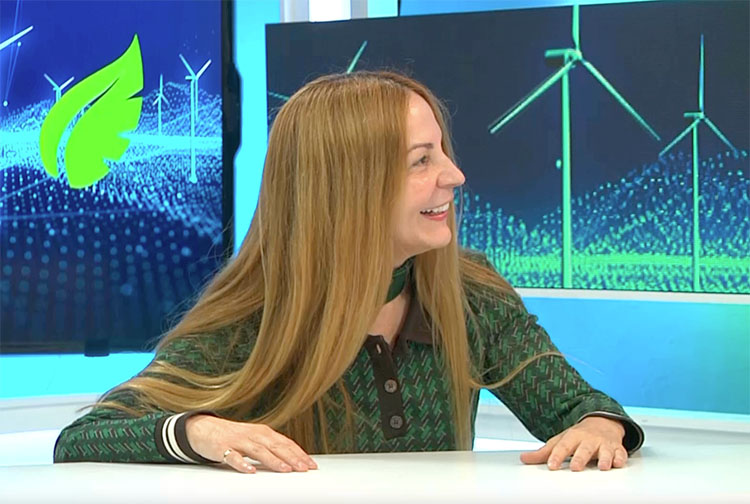
Responsible consumption
An easily achievable balance
The consumerism derived from gifts can become our ally when it comes to contributing to conscious consumption. Purely materialistic gifts can easily be replaced by useful or even non-material gifts, such as experiences. Toys with added value, of proximity, handcrafted and made of natural materials are not common in television advertisements, but are more in line with a purchase made with sustainable criteria.
On the other hand, in the face of the inflationary crisis that besieges us, gifting a safe-haven asset such as gold is not only a responsible purchase, but “it is an exquisite, luxury gift, and, at the same time, highly sustainable present” over time, Vallet points out. Likewise, if we decide to travel during this time of year, why not do so with ecotourism in mind?
A gift from 11Onze
On Thursday, 22nd December, from 10 am to 11:30 am, 11Onze invites you to attend the last session of this year’s Fintech Talks. In this conference led by Celia Galera, CEO of Habitat Futura, you will discover how to apply energy efficiency to your home, workplace or community.
In addition, this edition of Fintech Talks takes place in a very special place that you will love: the library of the private women’s club Juno House, at 226 Aribau street in Barcelona. Attendance is free, and you can book your place here.
11Onze is the community fintech of Catalonia. Open an account by downloading the super app El Canut for Android or iOS and join the revolution!

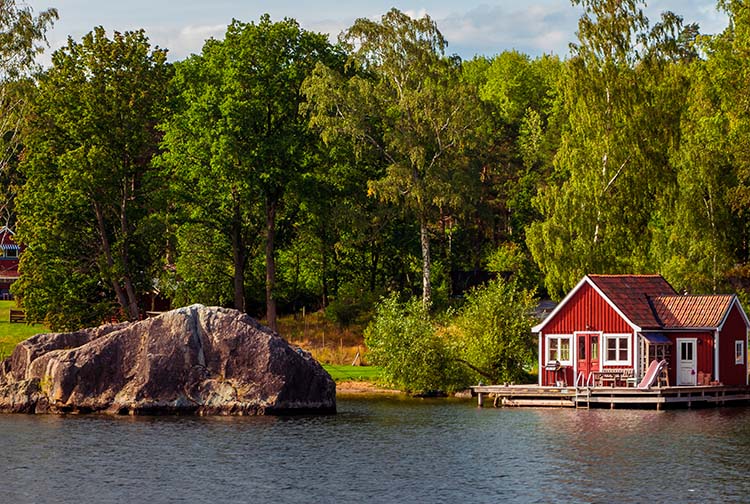
The Kyoto Protocol laid the foundations for offsets as a way for governments and private companies to obtain tradable carbon credits in a market. But how does this process work? Núria Rambla, CEO Executive Assistant at 11Onze, explains in a new episode of Energia.
Reducing carbon dioxide emissions will play a fundamental role in stopping the greenhouse effect. In this sense, the Kyoto Protocol contemplated an economic instrument, known as carbon credits, whereby organisations that cannot meet their emissions quota can offset it by purchasing emission reductions certified by the Clean Development Mechanism (CDM).
Therefore, pollution limits are applied to certain companies, which are reduced year by year. As Rambla explains, “basically they are pollution permits, and companies that do not implement improvements in their production will have to buy credits on the carbon market”.
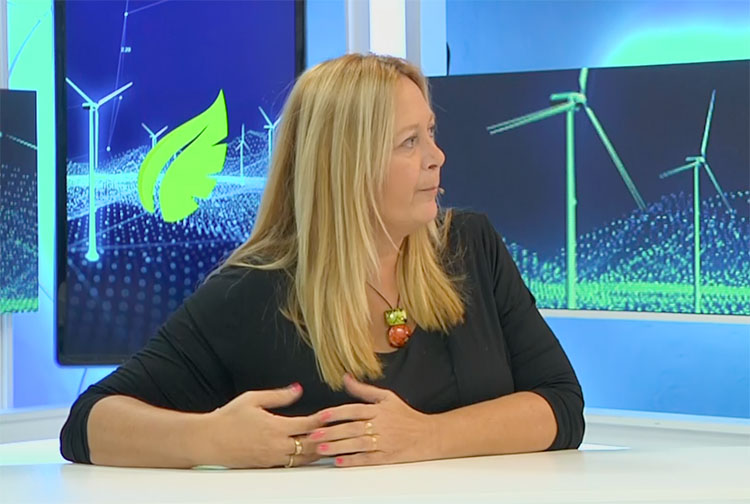
Carbon credits
Compliance market and voluntary market
There are two types of carbon credit markets. On the one hand, the compliance market, whose members are large corporations or governments from rich countries, and on the other, the much smaller voluntary market, where companies and other governments buy carbon offsets to mitigate their own emissions.
In this context, companies have the possibility to invest in carbon offsets, either “to clean up their image, or out of environmental awareness”, Rambla says. This is a process that spurs investment in energy transition projects in the Third World. However, as the CEO’s assistant warns, it has to be assessed on a case-by-case basis to avoid it being simply a greenwashing business.
If you want to discover how to drink the best water, save money and help the planet, go to 11Onze Essentials.
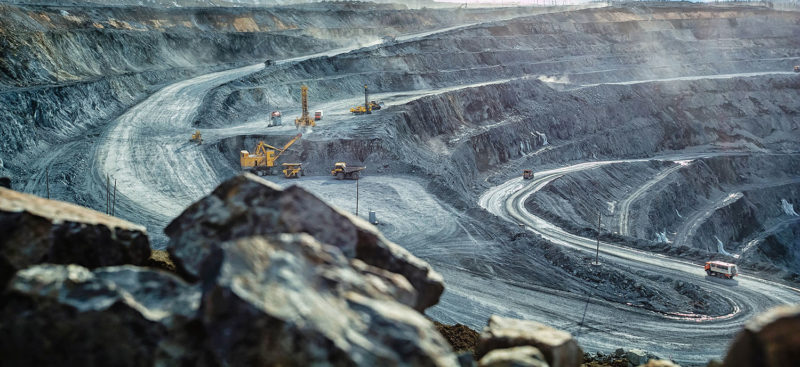
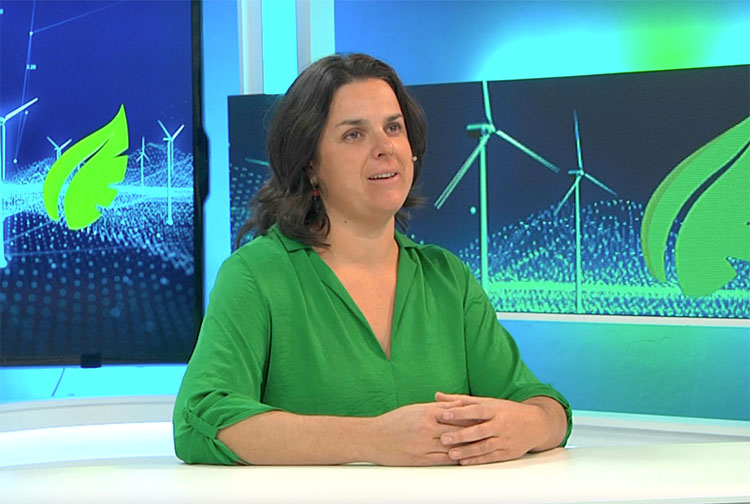
The COP27 summit has highlighted the importance of a sustainable economy. In this episode of Energia, Eduard Berraondo talks to Laura Bunyol, 11Onze agent, about what is meant by a sustainable economy and good resource management.
It is no secret that the current socio-economic model, based on unlimited growth in a society that consumes resources at a higher rate than nature generates, is unsustainable. The development of policies aimed at energy transition, promoting the use of renewable energy sources, has moved from rhetoric to reality.
Even so, there is still a long way to go, whether it is facilitating the transformation of the production model of existing companies, creating new businesses through the promotion of sustainable activities, or investing in innovation and education to spur this process of change.
Sustainable economy
The importance of taking care of economic sustainability
As Bunyol states, “efficient resource management is essential in order not to waste our planet’s natural resources“, i.e. the pattern of economic growth has to make rational use of natural resources, reconciling social and environmental aspects with a productive economy.
The revolution of the financial system based on companies using new technologies will play a major role in this energy transformation. Society is more aware of this need to “make a paradigm shift towards a circular economy model“, and continues, “at 11Onze we want to be more sustainable, create a community and work with friendly companies that share our users’ interest in caring for the environment”.
In this context, 11Onze Essentials is a good example of how you can offer ecological and economical alternatives to basic products for everyday use, committing to a sustainable lifestyle to meet the needs of our community.
If you want to discover how to drink the best water, save money and help the planet, go to 11Onze Essentials.
If you liked this article, we recommend you read:
 Sustainability
The carbon footprint and how to reduce it
6 min readAfter a temporary reduction caused by the pandemic, the
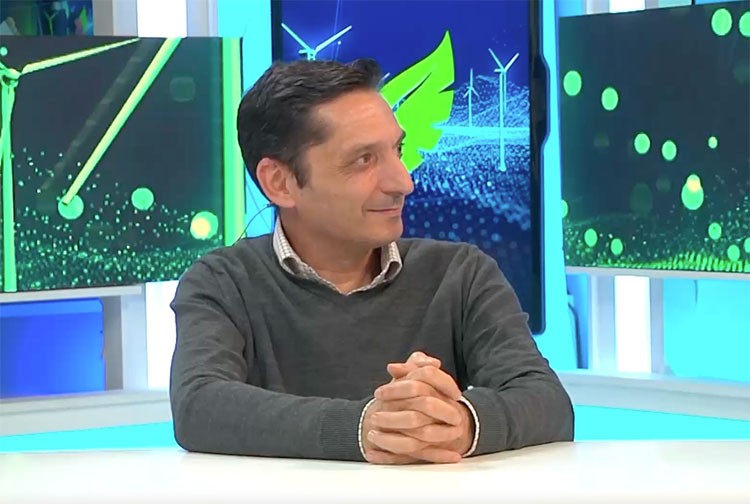
Greenflation is the term that refers to the increase in prices related to the energy transition. Xavi Viñolas, editor of 11Onze Magazine, visits Energia, the new programme hosted by Eduard Berraondo, to talk about the economic cost of the fight against climate change.
Rising energy, raw material and food prices have pushed inflation to record highs. The causes are diverse and varied: climate disasters, geopolitics, and monetary policy play a key role. But part of this inflationary pressure is caused by the energy transition to a ‘greener’ production model. This is known as greenflation.
This increase in prices is directly related to the materials and minerals used in favour of renewable energies, “when demand rises for the production of batteries for electric cars, solar panels or windmills, the raw materials used to produce these products go up in price”, Viñolas points out.
A phenomenon that is a necessary paradox that goes with the effort to fight climate change: the more we want to accelerate this transition, the more expensive it becomes. And yes, the energy transition is necessary and inevitable, but, as the editor of 11Onze explains, “the transition has a cost, and at the current rate, this cost is unsustainable”.
That said, it is expected that in the long run, economies of scale, more funding for green projects, and above all, reducing the cost of this funding, will offset some of the effects of green inflation, ensuring the viability of the transition to a more sustainable model.
Greenflation
The European Union, shooting itself in the foot
Europe’s poor planning before deciding to dispense with multiple local energy sources such as coal or nuclear energy, without a domestic substitute, has weakened European energy sovereignty, unable to cope with the arrival of winter and the reopening of its economy after the pandemic.
On the other hand, the old continent’s eagerness to follow the geopolitical interests of the United States by neutering Russian oil and gas supplies has caused the price of energy to multiply exponentially, raising the cost of living of the population to unsustainable levels and, at the same time, endangering Europe’s failing manufacturing industry.
Unfortunately, Europe is becoming the region with the highest energy costs in the world, and much of this was an avoidable crisis. As Viñolas says, “natural disasters are beyond our control, but the sanctions on Russia and the sabotage of gas pipelines have wrecked the European economy, and these are things we brought on ourselves”.
11Onze is the community fintech of Catalonia. Open an account by downloading the super app El Canut for Android or iOS and join the revolution!
If you liked this article, we recommend you read:
 Sustainability
What is greenflation?
2 min readWidespread price hikes are also affecting the energy transition, specifically in the rising cost
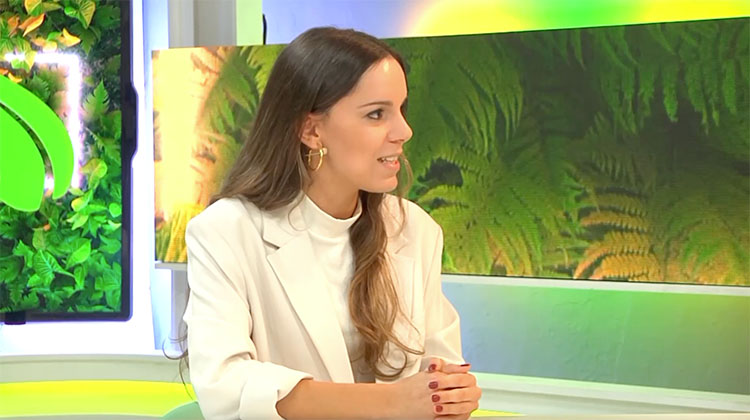
Mireia Cano, team leader at 11Onze, visits ‘Energia’, the new programme of ‘Canal 4 Televisió’ presented by Eduard Berraondo, to explain what the ‘natural law’ is and how it can help us to change our consumption habits to be more sustainable.
There are certain ethical and moral values that are intrinsic to our nature as human beings. They are the inheritance of behavioural patterns acquired during the process of evolution, which facilitated coexistence in the community through actions that favoured the common good. These values that characterise us have endured over time and are known as natural law.
Yet our behaviour and the choices we make do not always follow this pattern, nor are they always in harmony with the natural environment around us. Thus, the evolution of our consumption habits is often governed by the economic context, cultural norms, and social currents of the moment.
The 'natural law'
From words to deeds
Mireia Cano proposes a reflection on whether the decisions we make as consumers in our daily lives are in accordance with this natural law: “Are we really making the decisions we want according to our criteria? Are our consumption decisions conscious?“
Many people would agree that it is preferable to live in a society and economic system that takes into account environmental respect, the dignity of people or the distribution of wealth, but do we take all this into account when we spend our money buying products or services from certain businesses? As Cano points out, “do the businesses we are enriching contribute to the world we want?”.
If you want to discover how to drink the best water, save money and help the planet, go to 11Onze Essentials.
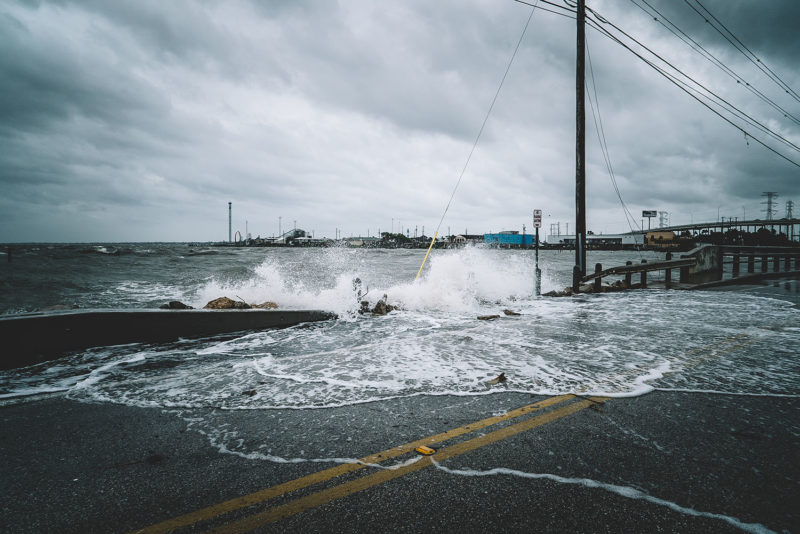
The world’s most industrialised countries have been locked in a fierce battle with the world’s poorest at COP27 in Egypt over the climate change bill. Rich nations are reluctant to take full responsibility for increasingly extreme natural disasters caused by global warming.
Beyond the measures countries are willing to take to limit global warming to 1.5°C, the big issue at the climate summit in Egypt (COP27) has been who should pay for climate change disasters and how those funds are articulated.
The least industrialised countries, which in many cases are experiencing the devastating effects of rising global temperatures, are demanding solidarity from rich countries, which have contributed the most to global warming. The aim is to address what is known in climate negotiations as “loss and damage” caused by natural disasters associated with climate change.
This summer’s floods in Pakistan, for example, left 1,700 people dead and more than 40 billion euros in economic losses. And extreme drought in recent months in parts of Africa has brought millions of people to the brink of starvation. Scientists agree that climate change is responsible for the virulence of these catastrophic events.
A long-standing demand
At the Cancun summit in 2010, some of the world’s most industrialised countries, led by the United States, agreed to pay for climate change adaptation and mitigation projects in poor nations. To this end, they pledged $30 billion in ‘fast-start’ finance for 2010-2012 and $100 billion a year from 2020 onwards.
However, rich countries have fallen short. By 2020, the total amount provided was estimated at $83 billion, often in the form of loans rather than grants. Most surprisingly, the contribution of a country like the United States was less than $3 billion. This is a ridiculous amount considering its relative emissions, population size and wealth.
Moreover, mitigation projects have received twice as much funding as those focused on adaptation, even though experts are calling for a better balance. At last year’s Glasgow summit, rich countries were urged to increase funding for adaptation projects to at least $40 billion.
In this vein, a coalition of countries led by the US and Japan announced at the G20 meeting in Bali that it will invest $20 billion to drastically reduce the coal dependence of Indonesia, the fifth largest emitter of greenhouse gases. It is a similar plan to the one underway in South Africa to replace coal with renewable energy.
A “loss and damage” fund
The most vulnerable nations believe that the amounts contributed by rich countries fall far short of what would be needed to compensate for the damage caused by climate change. They are therefore calling for a substantial increase in these contributions to compensate for loss and damage.
The V20, or Vulnerable Twenty, made up of the nations most threatened by global warming, estimate that they have lost $525 billion over the past two decades due to climate change, which is almost one-fifth of their wealth.
Rich countries have been as resistant as possible to climate agreements including the word ‘offsetting’ or any other term that connotes legal liability. Nor have they been inclined to create such a specific fund dedicated to loss and damage. But at least during COP27 they have shown a willingness to discuss it, which is a step forward.
How could it be financed? As some experts point out, a tax of ten dollars for every tonne of CO₂ generated would raise around 60 billion dollars a year in the United States alone. Unfortunately, however, many are concerned that the potential support would come out of existing foreign aid budgets, as was the case when the UK set up the International Climate Fund.
If you want to wash your clothes without polluting the planet, 11Onze Recommends Natulim.
Are we sufficiently aware of the environmental impact of conventional detergents? Some of the usual chemical ingredients in detergents can be toxic for aquatic life, likewise, packaging or CO₂ emissions produced by transport can be as or even more harmful to the environment. In a new episode of the radio magazine Territori 17, Lluis Montull, engineer and co-founder of Natulim, and Gemma Vallet, director of 11Onze District, talk about an ecological detergent that protects the planet and our pocket.
The misleading use of ecological marketing, known as ‘greenwashing’, is also common in the world of detergents. Terms such as eco, green, biodegradable, etc., are often a cynical whitewashing of products that simply comply with current regulations, but which in reality are not entirely environmentally friendly.
A green label with flowers on it is of little use if the non-recyclable plastic packaging will end up in landfill or in the oceans. As Montull explains, “only 20% of plastic detergent bottles are recycled, the rest end up in landfills or in countries where environmental legislation is more lax”.

La Plaça | Territori 17: Natulim
Implementing truly green practices
A detergent that deserves to be labelled as an eco-friendly product has to take into account all aspects of the product’s life, from production, ingredients, packaging, and final waste. Emphasis is placed on those aspects that really benefit the environment.
Obviously, this has a cost, which Natulim counteracts by “cutting margins from the company’s side and making direct sales“, Montull points out, in order to produce a detergent that is respectful with clothes, sustainable with the environment, and “not sinking with a very high price”.
On the other hand, traditional detergents contain 90% water, which solid format detergents, such as Natulim, can save, with the benefit of lower product weight and consequent reduction in transport costs. As Montull explains, “we have created a dehydrated, biodegradable detergent, with a packaging that weighs only 78 grams and does not generate waste”.
If you want to wash your clothes without polluting the planet, 11Onze Recommends Natulim.