All you need to know about new banking
Are you still wondering what a fintech is, what distinguishes it from traditional banking, what’s the benefit for the client? We have compiled all the key information you need to understand how the banking of the future works.
In recent months, 11Onze Magazine has published several articles about fintechs and new banking trends. The universe around these concepts is complex, but La Plaça has managed to bring us closer to notions of economics that we didn’t even know existed. We have compiled the key concepts about the fintech world to remind you of the foundations on which the so-called banking of the future is built.
- Fintech. The concept is made up of two key nouns: finance and technology. The result of this union is materialised in financial institutions that, through mobile applications or online operations, allow you to manage your personal finances at the click of a button. The range of products that fintech can offer is equal to or greater than that of traditional banks, from current accounts, cards or transfers, to investment products or credit operations.
- Technology at the service of people. In general, digitalisation seeks to facilitate the customer experience, and using artificial intelligence helps us to predict and organise personal finances. In the case of 11Onze, another equally important factor is added to this: empowering the user to offer them control of their finances, providing them with all the knowledge they need to make the decision that best suits their needs.
- Flexibility and agility. These are two of the indispensable requirements for banking customers. And they are also two basic pillars of the customer experience for fintechs. Technology facilitates part of this work thanks to a methodology that makes it very easy to operate with.
- Personalised attention. But what if I am not proficient in new technologies, or if I require personalised advice? On this point, there is no uniform response from the sector, and it will be necessary to investigate what each entity offers in terms of user experience. In the case of 11Onze, our fintech goes beyond the screen to reach the user in the most personalised and approachable possible way. From chat to telephone support, customer service will be one-to-one. At 11Onze, we are going to set a rare precedent in the fintech sector.
- A world of possibilities. Fintechs are breaking down territorial boundaries to offer a financial platform that is almost global in scope. In the case of Europe, several widespread systems are appearing, such as SEPA (the Single Euro Payments Area), which allows transfers, direct debits and card payments to be made quickly and easily in any member country. Today, having current accounts in other member countries does not affect citizens when carrying out their daily transactions or contracts, as fintechs allow them to do so securely and by a single click.
- Values and social commitment. It is a trend in almost all economic sectors: customer interest in companies with values is growing. Contributing to social development, being aware of and acting to curb environmental impact, or providing transparency on the destination of the income generated by a company, are some of the points that users value. The new banking system, the one that evolves from traditional banking, will have to take into account this commitment demanded by users If it wants to be the alternative and not limit itself to following in traditional banks’ footsteps.
If you want your business to make a giant leap, use 11Onze Business. Our business and freelancer account is now available. Find out more!
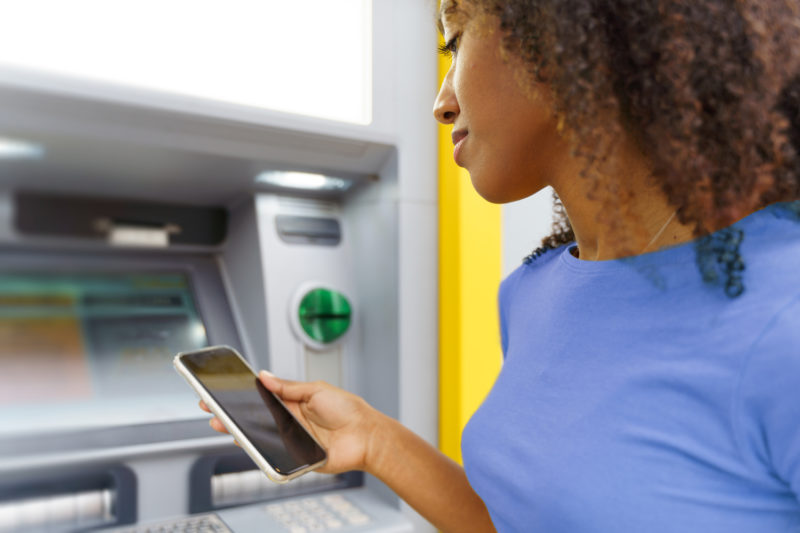

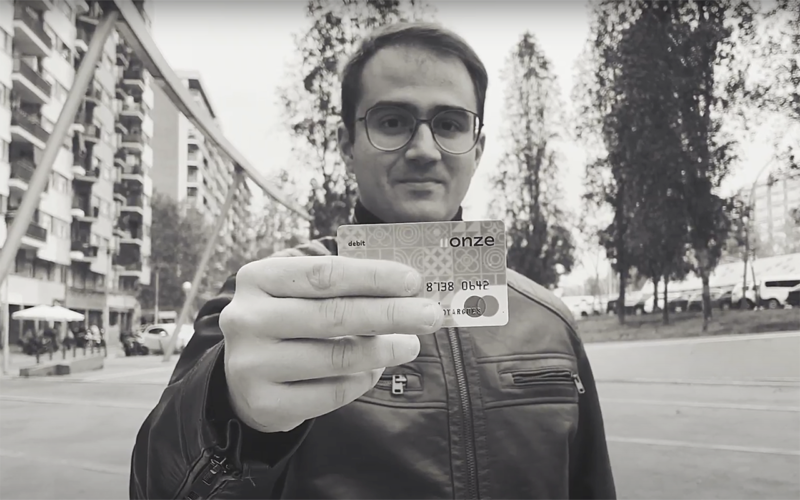
If you ask us at 11Onze which is better, debit or credit cards, there is no debate: debit cards. We explain why we should ban credit cards from our wallets.
What are the differences between the two? The first is that debit cards are linked to the customer’s account balance, while credit cards are intended to operate with money lent by the financial institution. Thus, when you pay with a debit card, the amount is automatically deducted and, in fact, if you do not have enough money in your account, you will not be able to pay. This is why experts say that debit cards give you more control over your finances.
On the other hand, when you pay with a credit card, the financial institution is effectively lending you money that you will have to pay back the following month or in instalments, with the interest set by the institution. This is why financial institutions make sure that only solvent customers can have a credit card. And, even then, they have a balance limit.
In addition to the interest on spending, credit cards have a higher cost than debit cards, and they are usually paid in three different ways: at the end of the month, through a percentage each month or with a fixed fee that the entity establishes and that turns it into the so-called ‘revolving’ cards, which are not at all recommendable.
In fact, there are many types of cards: obviously, debit and credit cards, the most common; virtual cards, which can be both debit and credit, but do not exist in physical form and are very secure; the dangerous ‘revolving’ cards, the interest on which must be monitored, as we have said; prepaid cards, where you top up the balance as you wish; and those that allow you to accumulate points in certain shops, among others.

La Plaça – Territori 17: Cards
Be clear about fees
It is important to be clear about whether our financial institution is charging us the card fees in a transparent way, because, as 11Onze’s president James Sène explained, sometimes the financial institution uses service packages to hide the cost. Beyond the fee to open an account, the debit card at 11Onze costs 14.95 euros in a single payment. And, if you prefer to operate with the virtual card, the cost is two euros.
Finally, experts also recommend that you do not use your credit card to withdraw money from ATMs, because every time you do so, the financial institution charges you interest according to the balance on the card, a figure that can amount to up to 20% per year. Therefore, if we have to choose between one or the other, it is clear: the debit card allows you to save, control your finances and, if it is virtual, provides even more security. Have you already activated your 11Onze card?
11Onze is the community fintech of Catalonia. Open an account by downloading the super app El Canut for Android or iOS and join the revolution!
If you liked this article, we recommend you read:

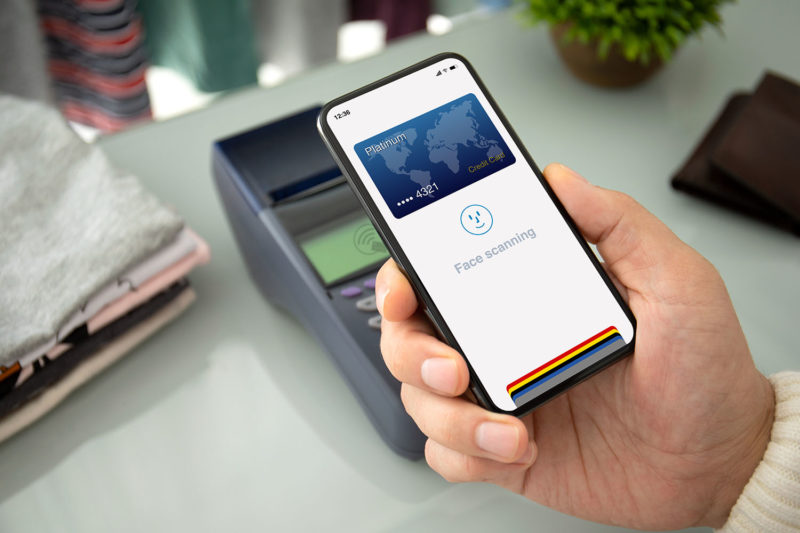
The banking sector is still in the process of transformation. The closure of branches and the digitalisation of customer relations are creating a new scenario in which cashpoints are gradually losing ground.
If a few years ago the future of over-the-counter customer service was questioned due to the emergence of cashpoints, now it is the turn of the cashpoints themselves. The digital environment provides consumers with virtually full operations via their mobile devices. The only thing they are not allowed to do, for now, is to withdraw cash, but from the point of view of the new digital customer, why do we need cash? Or if we do, do we need cashpoints?
Spain and the cashpoint boom
The first cashpoint in the world appeared in London in 1967, but it was not until 1974 that it arrived in Spain. Specifically in the city of Toledo, promoted by the Banco Popular de Toledo. From then on, all banks incorporated them into their network of branches, which became increasingly widespread throughout the country. As was often said, there was a branch on every corner, and therefore a cash dispenser.
In 2015 Spain was the second country in the European Union with the most cashpoints, with a figure of 1.14 terminals per 1,000 inhabitants. It was only surpassed by Portugal with 1.22. Currently, and far from the 61,714 terminals that were registered in 2008, there is a network of just over 49,000 cashpoints, a number that could be lower if it were not for the fact that other non-bank businesses have begun to provide this type of service.
Cash, on the road to disappearance
The war on cash has been raging for years, and the institutions have already shown their willingness to reduce it gradually but significantly. As in many other matters, the coronavirus crisis has clearly shown our cash-intensive society that another way of relating to money is possible.
To get an idea of the change in mentality that this has brought about in record time, in the last quarter of 2020 alone, POS transactions, i.e. paying merchants directly with a debit or credit card, increased by 16% compared to the same period the previous year. These figures correspond to a study carried out by the Bank of Spain which, among other relevant data, shows that cash withdrawals at cashpoints fell by 26% in the summer of 2020. And so did the volume of amounts to be withdrawn, which fell by 14%.
We no longer find a cashpoint on every corner, we may not even find a branch of our bank in the area where we live, but we do find a POS in every shop. And mobile devices capable of transferring money, managing payments, direct debits and a long etcetera. All this is now a reality and any digital customer has many services that were traditionally “over the counter” at their fingertips, with just a few clicks.
This change in mentality was pointed out by John Shepherd-Barron, the inventor of the first cashpoint, when he predicted that beyond cash, the future of payments would be through mobile phones. In this case, however, he maintained the existence of the cashpoint to carry out other operations, a fact that now, rather than being reaffirmed, is becoming blurred.
The rise of digital customers, future of banking
In the banking sector, as in so many others, the trend is towards the digitalisation of processes and reduction of all those costs now considered unnecessary. For years now, bank branches have been eliminating teller services and reducing office costs. Maintaining them is costly, but eliminating them early can have an even more negative effect.
Digital transformation, both on the part of institutions and customers, is a gradual process that requires a great deal of dedication on the part of the former, as well as adaptation time on the part of customers. There will be no digital evolution if the tools provided are not adequate in terms of agility, usability and security. And this is where all institutions that want to position themselves in the market with a certain competitive advantage will have to invest. The alternative will be to do so when it is already a reality, in reaction to those that are already doing it.
Without going any further, the main Spanish banking institutions have already set, as part of their customer acquisition strategy, priority access to digital customers. Understood as those who, from day one, use the mobile application and self-service as their main means of contact with the bank. Customers, therefore, who represent a very low cost and who are an increasingly attractive part of the market. It is the concept of the customer who buys products, rather than the customer to whom products are sold.
In the year of the pandemic, 2020, BBVA had 7.3 million customers, of which 2.4 million were new digital customers. The entity made a great quantitative leap, exceeding the number of digital customers captured the previous year by 56%. Banco Santander’s goal is to achieve 50% of sales through digital channels, a figure that now stands at 44%. Caixabank, for its part, has 67.6% of digital customers, thus leading the digital banking sector.
Achieving widespread digitalisation
The use of cash is in recession, but is still influenced by the weight it had in the past. With the increasing existence of physical and digital cards, this figure is decreasing year-on-year. Suffice to say, in 2019 only 53% of citizens used cash as their main method of payment. These figures, published by the Bank of Spain, are even more significant if we compare this with 2014, when cash was the preferred option for 80% of the population.
In this process of change, the presence of the banking sector in rural areas around the country remains an open problem. These are populations without branches or cashpoints, where cash is the only means of exchange, but at the same time inaccessible. Banks will be challenged to follow a widespread digitalisation process without leaving anyone behind.
11Onze is the community fintech of Catalonia. Open an account by downloading the super app El Canut for Android or iOS and join the revolution!


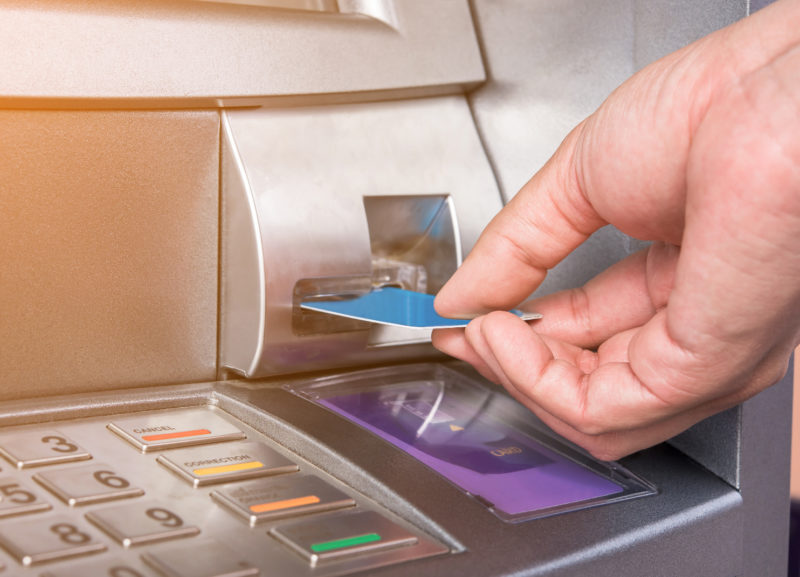
The United States has just raised interest rates and the European Central Bank is expected to do so shortly. Both measures will have a direct impact on our economy. The most immediate is the increase in the cost of credit for families, the self-employed and SMEs.
Inflation is running rampant in the major economies, as shown by the rate of 8.5% that the United States reached in March, the highest in four decades. After several years of ultra-loose monetary policies to stimulate the economy, several countries have decided this week to curb the rise in prices by raising the interest rates on the money they lend to banks.
On Tuesday, the Reserve Bank of Australia raised its interest rate by 25 basis points to 0.35%, the first increase in more than a decade. On Wednesday, India, Asia’s third largest economy, raised borrowing costs by 40 basis points to 4.40%. Just a few hours later, the US Federal Reserve (Fed) raised interest rates by half a point, the largest increase since 2000, bringing the policy rate to a range of 0.75% to 1%. On Thursday, it was the turn of the Bank of England, which raised it by 25 basis points to 1 %.
It is only a matter of time before the European Central Bank (ECB) follows suit. It has not raised the price of money since November 2013. On the contrary. In the last eight years only decreases have been approved, the last one in September 2019. In total, the price of money in the Eurozone has fallen during this period by 1.5%, bringing it to a range of -0.25% to 0.25%.
Most central banks are raising or intend to raise interest rates after more than a decade in which the banknote machines have been working full-time to avoid economic stagnation. Although the risk of recession is still there, the enormous levels of inflation no longer allow central banks to look the other way. The need to curb rising prices has become an inescapable priority. As Fed Chairman Jerome H. Powell said after announcing the new US rates, “inflation is much too high.” It is as simple as that.
How will the US decision affect us?
Although it is decided many miles away, the move to raise interest rates in the United States will have a major impact on our economy, as many countries and commodity markets depend on the dollar. If the dollar appreciates, it will increase the cost of many commodities and make borrowing in dollars in emerging economies more expensive.
On the other hand, it will have a positive effect on European exports to the United States in real terms, as they will become more competitive because of the dollar/euro exchange rate. Even companies that do not export may benefit if they compete with companies that manufacture in the United States, as the latter’s products will be more expensive.
A question of time
What consequences will the ECB’s future increase in the price of money have for our economy?
The most immediate one will be the increase in the cost of loans for companies and individuals. For example, a mortgage on a house with a variable interest rate will lead to higher monthly repayments due to the increase in interest rates, meaning that we will end up paying more for the same property. To compensate for this increase, prices in the real estate market will tend to moderate. Moreover, it should be borne in mind that those who already have loans will have less income to spend because of the increase in the interest they pay.
Higher credit costs tend to cool the overall economy by dampening consumer spending and business investment. As demand for goods and services falls, prices tend to moderate.
In this context, companies may reduce production and lay off workers, thus increasing unemployment and further reducing demand. It is the fish that bites its own tail. The risk of an excessive economic slowdown, and even a recession, is real. Many experts are warning of a possible stagflation if interest rate hikes put the brakes on the economy and fail to contain inflation.
Almost everyone loses
Rising rates are bad news for the business world in general, as the cost of capital needed to expand increases and the profitability of their investments is reduced. In addition, some investors are likely to reduce the money they have in the stock market and buy debt as yields rise.
Although the relationship between interest rates and the stock market is rather indirect, the two tend to move in opposite directions. Practically the only beneficiary in the corporate world is the banking sector, which can earn more money for the euros it lends.
On the other hand, this measure tends to encourage household and corporate savings, as the profitability of bank accounts will increase as interest rates rise. In any case, the inflation variable in the equation should not be lost sight of. It is worth bearing in mind what the real interest rate is, which is the nominal interest rate minus inflation. If instead of buying or investing in a good we decide to put that money in a current account and after a year we get an interest rate of 2% but the price of that good has increased by 3%, we are actually losing money.
If you want to discover the best option to protect your savings, enter Preciosos 11Onze. We will help you buy at the best price the safe-haven asset par excellence: physical gold.
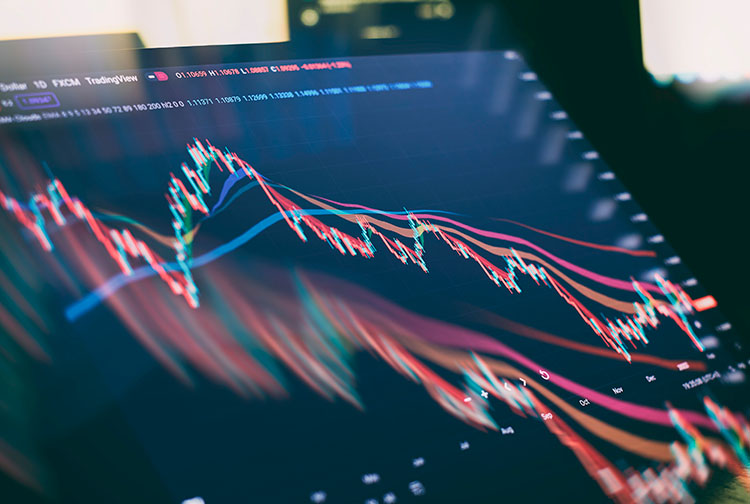
French NGOs are suing BNP Paribas bank for failing to meet its commitments to fight the climate emergency and to demand that it stops investing in fossil fuels. It is the first legal action of its kind against a commercial bank.
Les Amis de la Terre, Notre Affaire à Tous and Oxfam France have filed a lawsuit against BNP Paribas in a Paris court to demand that it honours its climate change commitments and stops investing in fossil fuels. It is the first legal action of its kind against a European commercial bank.
The lawsuit is based on 2017 French legislation, which requires large companies based in France, or international corporations with a significant presence in the country, to establish clear measures to prevent human rights violations and environmental damage.
Activists accuse BNP Paribas of financing fossil fuels and supporting companies that aggressively develop new oil and gas fields and infrastructure, while urging the financial institution to adopt an exit plan from its current portfolio based on hydrocarbon loans and investments.
In a statement released in January, the bank insisted on its commitment to economic sustainability and support for the goal of achieving climate neutrality by 2050. It stresses that, to date, more than half of its financing for energy production is oriented towards low-carbon energies.
Spanish banks are not doing their homework
The International Institute for Law and Environment (IIDMA) has repeatedly warned that major Spanish banks are not fulfilling their obligation to report on the environmental impact of their financial activities, as required by the law on the Commercial Code since 2018.
In the latest report published by the Institute in November 2022, it analyses the degree of compliance of Bankinter, Banco Sabadell, Banco Santander and CaixaBank. Although the IIDMA recognises that progress has been made in terms of transparency, it also warns that the main Spanish banks continue to omit relevant information on the environmental impact of their financial operations.
Specifically, it notes that Spanish banks do not disclose data on greenhouse gas emissions attributable to their financial products, as well as their exposure to climate change-related risks. While banks reaffirm their commitment to decarbonising their customer portfolios, the study points to shortcomings in identifying and reducing their exposure to the most carbon-intensive sectors.
11Onze is the community fintech of Catalonia. Open an account by downloading the super app El Canut for Android or iOS and join the revolution!
If you liked this article, we recommend you read:

The European Central Bank closed the fiscal year 2022 with a net profit of zero euros, after covering losses with 1.627 billion from its buffer against financial risks. Massive purchases of member states’ debt and interest payments to commercial banks deteriorated the valuation of its balance sheet assets to an unsustainable level.
The European Central Bank (ECB) and the national central banks of the Eurozone countries generate income from several sources. These sources include interest on loans granted to commercial banks, interest on bonds purchased under asset purchase initiatives, and income from reserves and foreign currency investments. All these components represent assets retained by the national central banks and the ECB.
By contrast, banknotes in circulation constitute an important part of central banks’ non-interest-bearing liabilities and serve as the basis for their seigniorage income. Likewise, the deposits that commercial banks hold with the ECB represent a significant liability that is part of their monetary policy, generating interest payments for the banks, but an expense for the ECB.
In this context, the European Central Bank recorded losses due to its own interest rate hikes to combat inflation, which forced some bonds to depreciate in value and caused billions of euros to be paid out on balances created during a decade of monetary issuance. The ECB therefore faces huge interest payments to commercial banks for deposits created by massive bond purchases and cheap loans.
A dwindling piggy bank
Although the ECB still has reserves totalling 6.6 billion, a capital of 8.9 billion, and a revaluation account of 36.1 billion intended to cover market losses, these provisions could quickly run out if monetary policy is not changed.
The ECB could ask the national central banks of the Eurozone for an additional capital injection, in other words, we would pay the relevant financial contribution to the ECB with our taxes, but this could call into question its credibility and financial independence. On the other hand, unlike in previous years and as a consequence of the lack of profits, it will not transfer any profits to the national central banks of the Eurozone, which will also not pass on profits to their respective states.
Likewise, Eurozone member states will have to replace the ECB’s debt purchases through domestic banks, foreign investors and individuals to finance their sovereign debt, which may push up interest rates on the national bonds of the weakest economies. A scenario that is often accompanied by structural reforms, imposed by the ECB itself, at the taxpayer’s expense.
11Onze is the community fintech of Catalonia. Open an account by downloading the super app El Canut for Android or iOS and join the revolution!
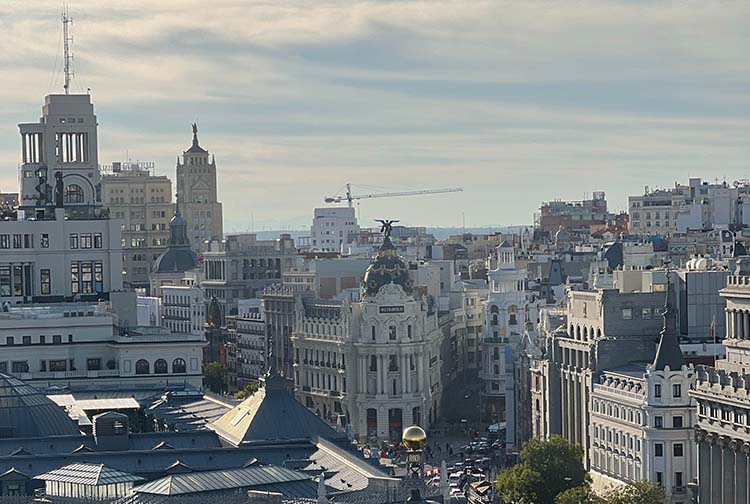
A significant proportion of tenants and homebuyers in Catalonia are foreigners, who are tending to increase their presence in the market. In the face of rising prices, does it make sense to restrict the purchase of housing to this group, as Canada or New Zealand are doing? There are more effective alternatives to “cool” the market.
Despite the crisis and rising interest rates, the real estate market continues to soar. The price of housing in Catalonia rose by 5.4% in 2022 compared to the previous year and the square metre has already reached 1,980 euros, according to data from the General Council of Notaries. The trend in the rental market is very similar.
One element contributing to the inflated cost of housing is the foreign demand, be it investment funds or individuals looking for quality of life and more affordable prices than in other European countries, especially now that teleworking allows many people to live away from their company.
In the city of Barcelona, for example, 16.5% of homes bought in 2022 were purchased by foreigners, according to the City Council. This is the highest percentage in the last decade and is more than two percentage points higher than in 2013.
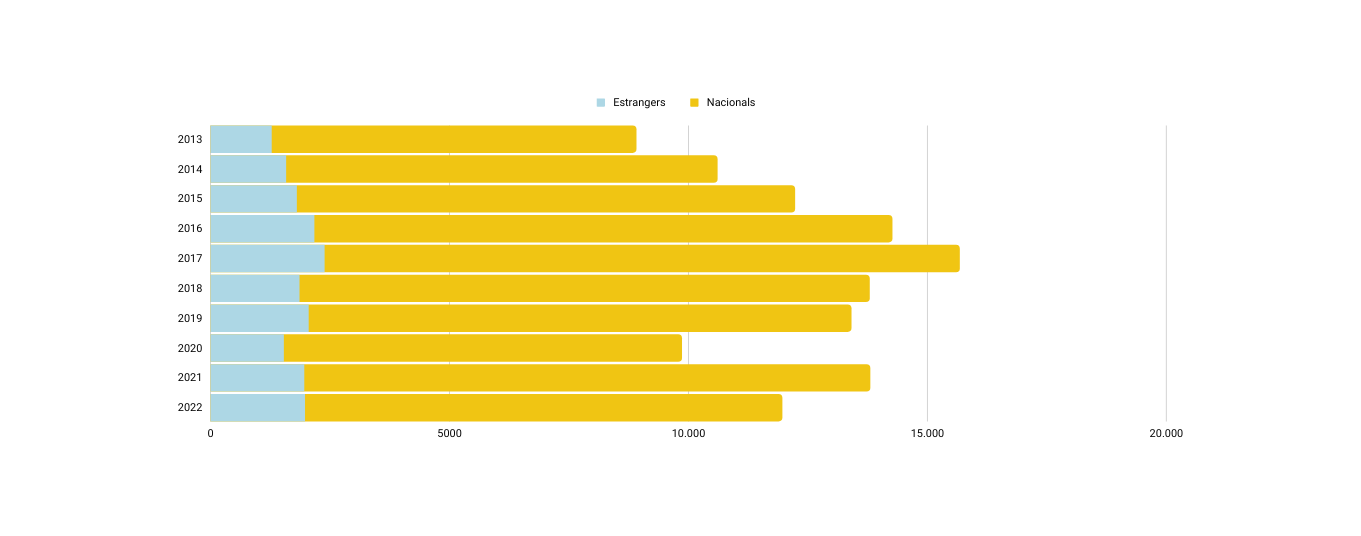
Source: Ajuntament de Barcelona
If we analyse the rental data, foreign demand is even more relevant. According to the real estate portal Idealista, foreigners rented 19.5% of the properties rented in the province of Barcelona in 2022. The percentages in Girona (17.1%) and Tarragona (13.8%) were also significant. Lleida, with 8.1%, was the only province with a single-digit percentage. The international attraction of Barcelona is enormous, as foreigners rent practically one out of every four properties.
Limits for non-residents?
Faced with the pressure exerted by foreign demand on prices, there are already voices that propose taking measures such as the one recently adopted by the Canadian government, whereby non-resident foreigners are prohibited from buying homes in that country for the next two years.
Along these lines, a few weeks ago the Balearic government proposed limiting the purchase of housing to non-residents, especially foreigners, who have been registered in the territory for less than five years. However, the Madrid government has already warned that the Treaty on the Functioning of the European Union prohibits “all restrictions on the movement of capital between member states and between member states and third countries”.
Any such restrictive measure would represent a 180-degree turnaround from current state policy. Since 2013, foreign real estate investment has been promoted with the so-called “Golden Visa”, which grants residency to any foreigner who buys a property worth more than 500,000 euros.
In Catalonia, the Sindicat de Llogateres has emphasised the role of investment funds, both national and international, which speculate in the real estate market and drive up prices. In this sense, it proposes copying legislation such as that applied in Amsterdam and Rotterdam, where foreigners who buy a property must live there for four years to prevent speculative acquisitions.
Conflict of competence
Another sensitive issue is who is responsible for each decision since the powers over the property market are divided between the central government, the autonomous regional governments and the local councils. In theory, the central state can draw up the guidelines, as shown in the land law or the law on urban leases. Still, then it is the autonomous communities and town councils who divide up the competencies in spatial planning, town planning and housing.
Hence the controversy generated by the Law on the Right to Housing, which is currently pending approval in the Senate. The General Council of the Judiciary issued a report opposing the bill presented by the central government because some aspects addressed by this law, such as the declaration of stressed areas, ceilings on rental prices or the surcharge on empty flats, should remain in the hands of the autonomous communities and town councils.
Beyond conflicts of jurisdiction, the fact is that one of the biggest problems in curbing the rise in prices is the lack of social housing in Catalonia. Not even Barcelona City Council’s regulation, which obliges 30% of new developments to be reserved for social housing, has led to a considerable increase. The City Council hoped that this measure would result in the construction of more than 300 social flats per year, but the reality is that since the approval of the regulation at the end of 2018 the total has not reached 60.
11Onze is the community fintech of Catalonia. Open an account by downloading the super app El Canut for Android or iOS and join the revolution!



At its annual meeting in Davos, the World Economic Forum announced that a new approach to the functioning of our societies is needed after the pandemic has shown the weakness of the current economic model. Consequently, it proposed to reset the global economic system by promoting a more sustainable model. A paradigm shift with geopolitical ramifications where gold will play a key role.
The Great Reset is the term the World Economic Forum (WEF) has chosen for its initiative that aims to rethink the future of global relations, the direction of national economies, the priorities of society, and the reference of business models. In short, it is the thought that many people had in mind after experiencing the sanitary crisis.
At first glance, it might seem like a utopian vision of the economy of the common good as an alternative model to capitalism, or as the WEF points out, “a major reboot of capitalism is needed”, but in practice, at least for the time being, it is nothing more than a declaration of intent, vaguely defining the way forward, but without specifying the steps to be taken.
That said, in the current economic context of an energy crisis, an inflationary crisis and a debt crisis, caused in part by the pandemic and in part by the sanctions imposed on Russia as a result of the conflict in Ukraine, it is clear that a reset of the established economic model is not only desirable but inevitable.
The loss of credibility of the international monetary system
This economic crisis defined by record levels of public debt frames a global macroeconomic scenario that will lead to a recession in several Western countries. Moreover, the danger of generalised stagflation, i.e. a scenario of high inflation, a slowing rate of economic growth, and where unemployment remains high, is an unavoidable reality that more than one economy will have to face, given that the fiscal and monetary policies that have been applied to tackle the crisis are further increasing the debt of the States.
The increase in macroeconomic volatility has meant that now more than ever, the central banks of many countries are buying gold as if the world were coming to an end in order to protect their reserves. While it is true that countries not aligned with US geopolitical interests have been buying gold on a massive scale for a decade to shield their economies from economic sanctions and the eventual disintegration of the dollar as the world’s reserve currency, it is surprising, or not, that the central banks of Western countries are also joining the ‘gold rush’.
Given this scenario, one might think that the days of the current monetary system are numbered. As the financial analyst, José Luis Cava, explains, “everything points to the fact that there is an agreement between the Central Banks of each Eurozone country and the ECB to harmonise the physical gold reserves of these Central Banks until they reach 4% of GDP”, and he continues, “debt levels have shot up to absolutely unsustainable levels. China, Russia, and India have announced new currencies backed by physical gold”.
What is clear is that whatever the final outcome of the paradigm shift in the global monetary system that is underway, it is obvious that The Great Reset has been underway for years, regardless of what is said or desired from Davos.
If you want to discover the best option to protect your savings, enter Preciosos 11Onze. We will help you buy at the best price the safe-haven asset par excellence: physical gold.
If you liked this article, we recommend you read:


More and more companies are merging technology and finance.
Hence, the term fintech, formed by the words finance and technology, that is, financial technologies. Fintech provides financial services through simple applications and enables any kind of banking operation to be performed without having to rely on the bank. From asking for a credit line to managing all personal account moves. And let’s not forget investments, almost like a traditional bank. A high percentage of companies or finance brands use some type of fintech software or product in their company.
What is clear is that the link between technology and financial services has come to stay.
Fintech offers us faster and more automated savings and management. Flexibility is a concept that applies 100% to fintech. Transparency: company finances can be managed transparently. Efficiency: financial technology is and makes us more efficient. Services that include digital support for startups, online banking or virtual currency, new types of payment, contactless cards, or even other types of collective fundraising.
One of their bets is to offer innovative and alternative financial products to those offered by traditional financial institutions.
Building a new emerging economic sector
Fintech is more agile and this would be its main advantage, but not the only one: it also provides cheaper transactions as a result of the removal of intermediaries. And it supplies creative proposals to solve liquidity problems in a much quicker and more effective way. New products and financial markets can be accessed, without geographical limitations. And all of this quickly, which is one of the keys to successfully operating in the world’s leading variable interest or fixed interest floors.

Fintech vs Traditional Banks
The modification of the world banking scene
The global avalanche of technological services alternative to traditional banking is such that we cannot ignore the fact that it is an unstoppable phenomenon and it will increase. There are more and more people with access to these new financial services. It is partly due to their ease of use and also to their versatility.
Fintech has been much more successful so far in improving the ecosystems and infrastructure of traditional financial markets than in developing new ones.
Difference between fintech and a traditional bank
Traditionally, banking leads to a lack of transparency that generates harmful experiences in its customers. This is where fintech concentrates many of their efforts, being as transparent as possible and putting the customer at the centre of business.
With regard to customer knowledge, it is true that banks have a personal relation with their customers, but fintech has a greater knowledge of their customers, thanks, among others, to technology. Traditional banking has established opening hours for customers; fintech offers its services 24/7 the 365 days of the year.
The link between finance and technology is affecting and will affect the way in which we relate to our money, our finances, our payments, and all financial products. But the rapid development of these companies, thanks to the continuing technological advances, points to a strong transformation of the market in the future.
Thanks to technology, users are changing, and so are their priorities in everyday products and services. The simplicity, clarity, speed, and security in managing their savings and in the immediate control of money are needs that fintech is fulfilling in the fastest of ways.
Fintech has entered our lives to stay.
11Onze is the community fintech of Catalonia. Open an account by downloading the super app El Canut for Android or iOS and join the revolution!


The privatisation of public services has been advancing relentlessly in Europe since the 1980s. As 11Onze agent Jordi Coll warns, this process has meant that the provision of these services has been adapted to the logic of the market and the search for corporate profits.
The processes of privatisation of public services in Europe began in the 1980s, were consolidated in the 1990s with the Maastricht Treaty, and were given a final boost after the financial crash of 2007. But, as Jordi Coll warns, this privatisation “has meant subjecting them to the logic of market criteria and, therefore, of private profit”.
Our country has not been immune to this process. In fact, Coll points out that “for many years now, the different governments of the Generalitat have regulated the possibility of privatising many public services through initiatives and legislative formulas that, at times, are unjustifiable from the point of view of the common good”.
One example is the Aragonès Law, which “aims to regulate the way in which companies do business with the fundamental rights of society”. These are basic public services, such as communications, waste collection and health care, “all of which are very important for the proper respect and development of people’s dignity”, according to Jordi Coll.

Privatizing public services.