Final tasting of the Vinari 2021 Awards is here
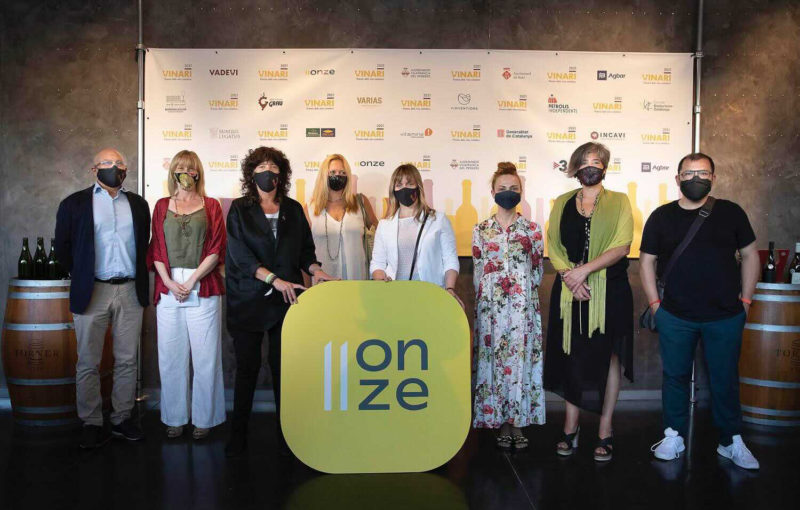
Celler Rubí is once again hosting the awards ceremony, which this year celebrates their ninth edition and of which 11Onze is the main sponsor
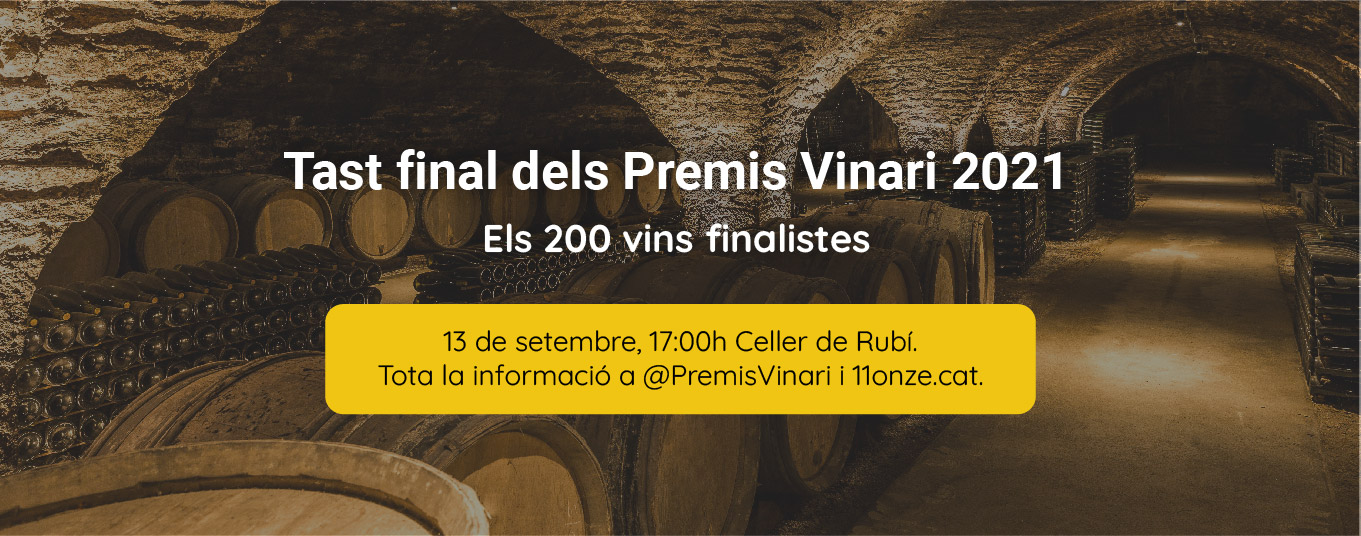
The month of the final tasting has arrived. On Monday 13 September, the Vinari 2021 Awards will select the finalists from the nearly 200 wines that have passed the first phase in the categories of whites, reds and crianza sparkling wines, as well as fortified, rancid and sweet wines. While the best young wines were chosen in the summer, this autumn there are still a few more categories to be decided.
Nearly twenty professionals will take part in a tasting day at Celler Rubí, in the ninth edition of the awards, for which 11Onze is the main sponsor. Sommeliers, oenologists, members of the INCAVI tasting panel and opinion leaders from the Catalan wine sector, will give their marks to the wines that have passed the first phase and that are now competing to be the best Catalan references of the year.
Follow the event!
The big party will be the autumn gala
The final Vinari Awards ceremony will be held at the beginning of October at the Auditorium of Vilafranca del Penedès, in a gala that Televisió de Catalunya will broadcast live. The Vinari Awards give medals in five categories: Vinari Great Gold, Vinari of Gold, Vinari of Silver and Best Catalan Wine of the Year. At the same time, the blind-tasted wines with the best scores will be announced at the event.
At the awards ceremony, Catalan wineries will also be recognised with special prizes for their professional careers in the world of wine, the best hashtag, the best organic project, the best winery, the best wine taster and the best initiative for innovation and tourism promotion in Catalonia.
The Vinari Awards organized by the VADEVI.cat portal, which includes up to thirteen DO (denominations of origin) in Catalonia, promote the country’s wines and stimulate responsible consumption and local commerce. They are also a showcase for all Catalan wineries, which find in them a space for international projection. The awards, in short, disseminate the culture, the territory and the quality of Catalan wines among consumers.
Do you want to be the first to receive the latest news about 11Onze? Click here to subscribe to our Telegram channel
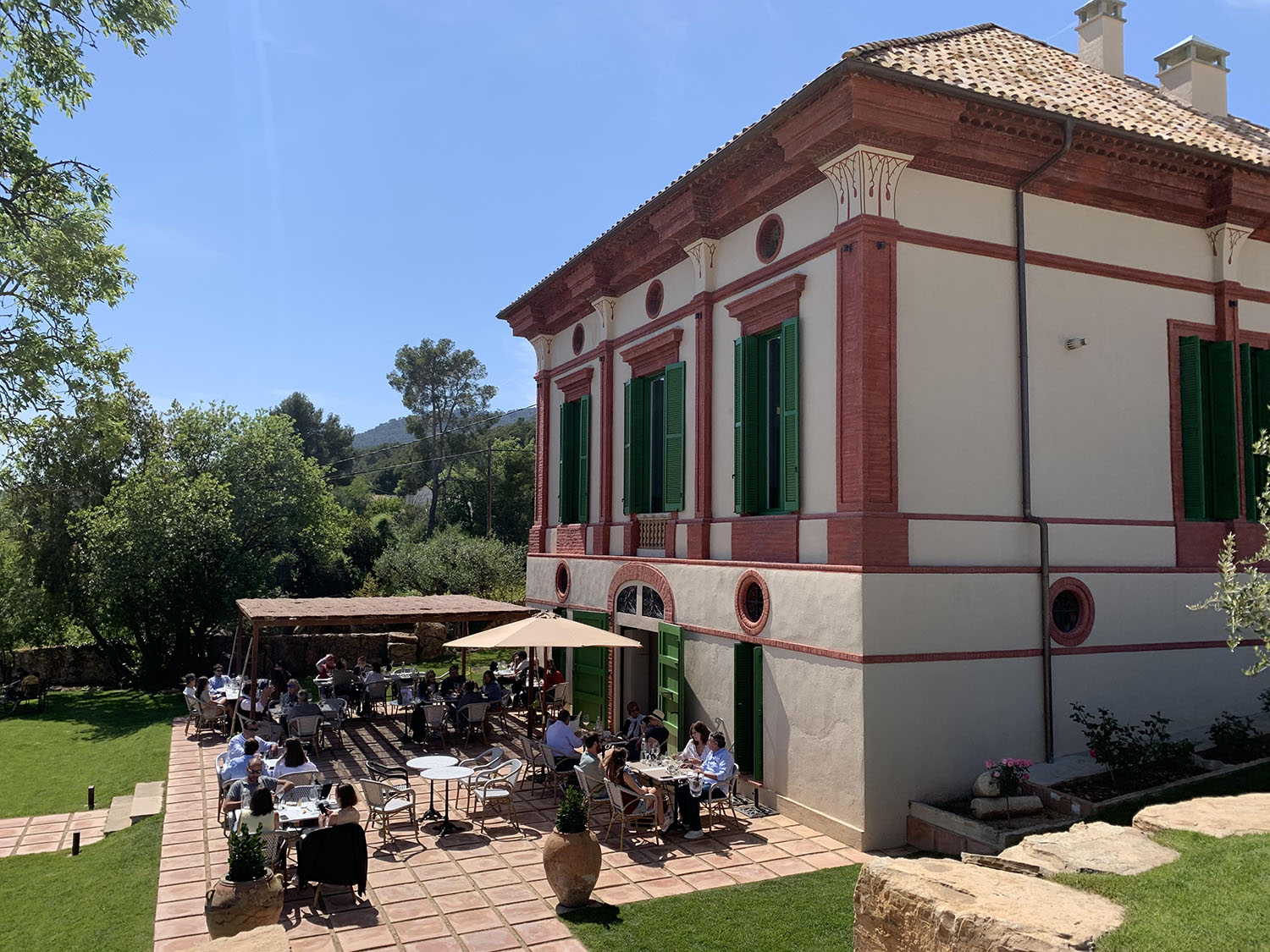
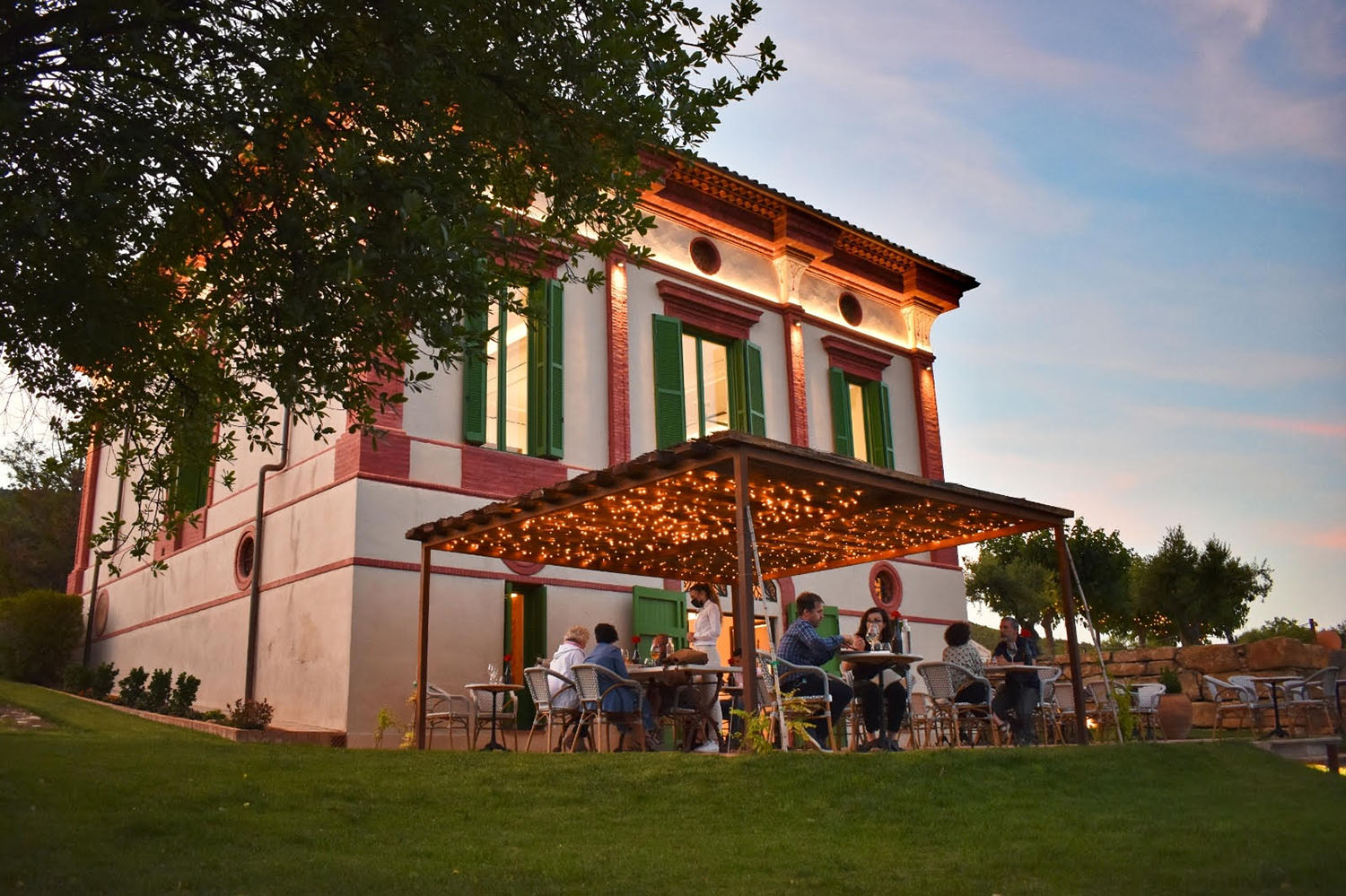
The MontRubí winery is located in l’Avellà, a small neighborhood in the municipality of Font-rubí, in the highest part of the Alt Penedès. This summer they have opened a hotel as a complement to the winemaking and to the restaurant, which have been running for a year.
The winery was founded in 1984. The grandmother and father of Alejo Peris, the current owner, and manager of MontRubí, were pharmacists who had always liked the world of winemaking. Their desire to make a good wine determined them to open a winery. The reason why this winery is located in l’Avellà is due to the fact that the grandmother was a close friend of Paquita Miró Feixes, owner of several farms in this area. Grandmother and father acquired land from the Miró family, as well as several buildings, where they located the winery. With the help of winemaker Josep Queralt, they started the project 35 years ago.
Pioneers worldwide
MontRubí currently cultivates 50 hectares of vineyards. When they started producing they did it through cava. Alejo Peris tells us that by the time of Barcelona Olympic Games, in 1992, the cava sector experienced a surge, but, years later, the great competition and good products on the market, added to price devaluation, forced many small companies to close doors or to reshape: “We reinvented ourselves and began to bet on the recovery of indigenous varieties,” says Alejo Peris.
In 1998, they began researching the native variety of Sumoll and two years later they produced the first 100% Sumoll wine in the world. “It’s our flagship product, and it’s called Gaitus,” says Peris, who explains that Sumoll “is not an easy grape to work with, neither to sell.” But when they decided to recover the Sumoll and make the first monovarietal wine out of this autochthonous grape, “that was the moment when our philosophy as a winery was born”.
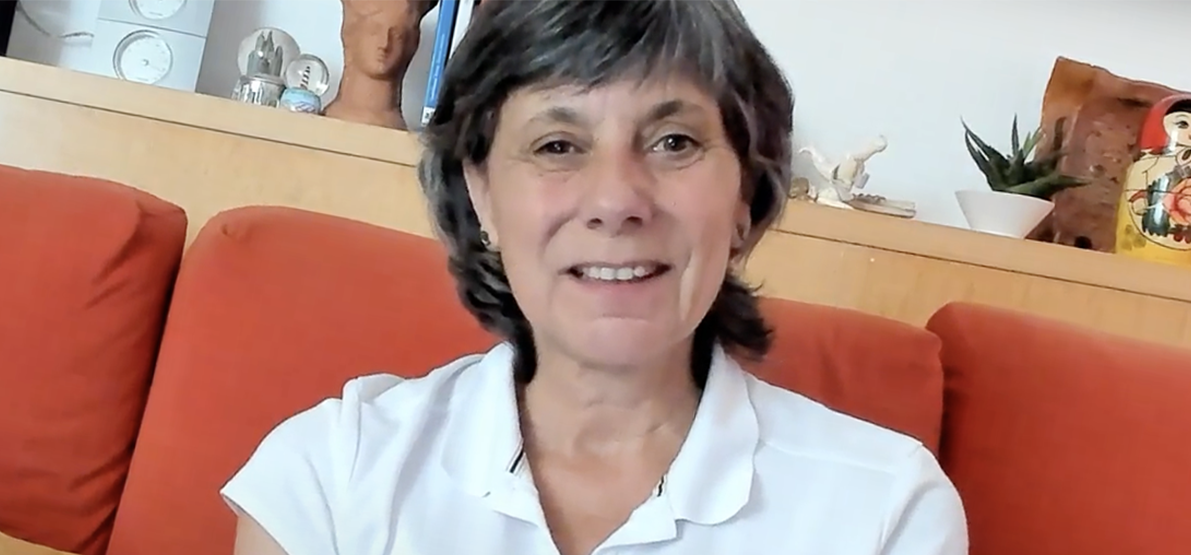
11Onze Agent Montserrat Massana tells us about the characteristics of the D.O. Penedès.
Committed to the environment
At the moment, MontRubí has a line of Sumoll on the market, with five different wines, and one with a blend of Grenache and Samsó. The idea of working with local monovarietal wine still guides them, and now they are vinifying Malvasia, despite it is a variety that is often planted along the coast and which is characteristic of Garraf: “We have planted it on a farm, over 500m of altitude, with a continental rather than mediterranean climate. In fact, our intention is to continue making monovarietal wines with local grapes. In black: Sumoll, Grenache and Samsó, and in white: Xarel·lo, Parellada and Macabeu ”.
For four years, all MontRubí lands have been certified as organic farming, “we try to work in the vineyard and in the winery with the minimum mechanical intervention, reducing the carbon footprint as much as possible. We work in a way that respects the environment as much as possible, and as a differentiating element from other wineries, in the new one that was renovated in 2016, we work at different heights which, in addition to a calmer treatment for the vinification process, it allows us to save on pumps use and thus, on energy costs.”
Gastronomic wine tourism
The principles of the winery have focused on three parts: working on the farm, with the utmost respect for the land, with micro plots and organic farming; the second branch, producing quality, organic and vegan wines; and the third, offering high quality enotourism.
As for wine tourism, for a year now, they have opted for a gastronomic enotourism in which “visitors sit around the table, enjoy excellent dishes and taste our quality wines, while they enjoy our vineyards views, well maintained and forming a beautiful garden ”, says Alejo Peris. He explains that the wine tourism project has been expanded with the launch, last September, of a ten-room hotel and of other activities that increase the offer to wine tourists.
Growth
Alejo Peris is in charge of the project since 2017. He is happy to say that since he is 100% dedicated to the project, it has grown from all points of view and that the pandemic has not fully affected them: “We closed the year 2020 with better numbers than in 2019 and, in 2021, we are going to close with better figures than in 2020”. And this is a success for the whole team I work with, from the farmer, to the winemaker, the winery man, the chef, and waiters, all of whom we have been able to reinvent ourselves and adapt to reality ”.
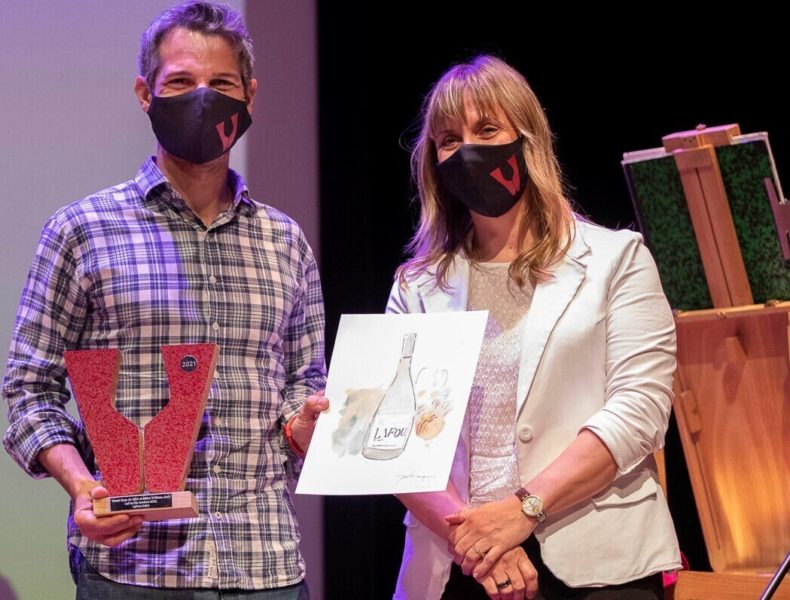
This year, Celler MontRubí has been the winner of 2 Vinari awards: Vinari d’Or, in the category of young red wines, with the wine Black 2020, 100% Grenache, and Vinari de Plata, in the category of young white wines, with White 2020, 100% xarel·lo.
Do you want to be the first to receive the latest news about 11Onze? Click here to subscribe to our Telegram channel
According to the World Health Organization (WHO), ageism, age discrimination, is the third leading cause of inequality in the world, after racism and masculinity. WHO defines it as “stereotypes, prejudices, and discrimination based on age”
People who have lost their jobs over 50, people who have to live in nursing homes, or people who suffer age discrimination when taking out health insurance, applying for loans or volunteering, know it really well. However, ageism is such an unknown term that it is not even included in the Dictionary of the Institut d’Estudis Catalans (Institute of Catalan Studies) or in the RAE (Royal Spanish Academy).
Montse Celdrán Castro, a psychogerontologist at the University of Barcelona, describes ageism based on three elements: stereotypes ⎼, for example, saying that older people do not master technologies ⎼, feelings ⎼ such as the fear of getting old ⎼, and discriminatory behaviours ⎼ like treating people differently due to their apparent age.
A stereotyped society
Ageism affects women more than men, mainly because women live longer. In addition, although the trend has changed, for generations the female figure was associated with household chores, be it within her own house or others’, but without contributions, which meant that their access to other better-paid jobs was impeded, just as their options to any pension. Besides having direct consequences in terms of economic resources, the fact that this occurred on a general basis also had social consequences.
However, ageism is not limited to older people. Young people also suffer prejudice and labour exploitation, among other possible discriminations. Being “too young” can mean that your opinions are not taken into account, that salaries are lower, or that even the figure of the scholar is abused, and job insecurity is perpetuated. So we could say that ageism can take place either by excess (for being too old) or by default (too young).
Both, the image of an elderly person with a cap and cane sitting on a bench, chatting and feeding pigeons, and the image of young people drinking on the same bench, are mere stereotypes that do not correspond to reality, which is much more complex and diverse.
How does society react to ageism?
Just as it happens with other inequality matters, either because of a lack of awareness, or because these are behaviours rooted in our society, or even because little is known about them, ageism is an issue that, despite its graveness, it often goes unnoticed: virtually invisible, but deeply rooted in our society.
Advertising and the audiovisual industry also play an essential role, and not always with a positive connotation. In most pictures, the tendency is to highlight young people, while cornering the old ones. An increasing practice in digital environments, which tends to enhance the immediacy and speed of processes.
Age is negatively associated with ineptitude, to being dependant, and to the risk of suffering from certain diseases. But behind this idea, reality shows that age means experience, and this is certainly a point to mirror and not to set aside.
Initiatives against ageism
Despite there is still a long way to go, society is beginning to become aware of it. Scientific, health, and social organizations from 43 countries have promoted a global campaign against ageism under the slogan #OldLivesMatter.
From October 1, 2021 (International Day of Older Persons) to November 20, 2021 (World Children’s Day), the World Health Organization is launching an ambitious global campaign with the slogan Combatting Ageism, which will initially include content focused on older people, to gradually shift to young people.
Do you want to be the first to receive the latest news about 11Onze? Click here to subscribe to our Telegram channel


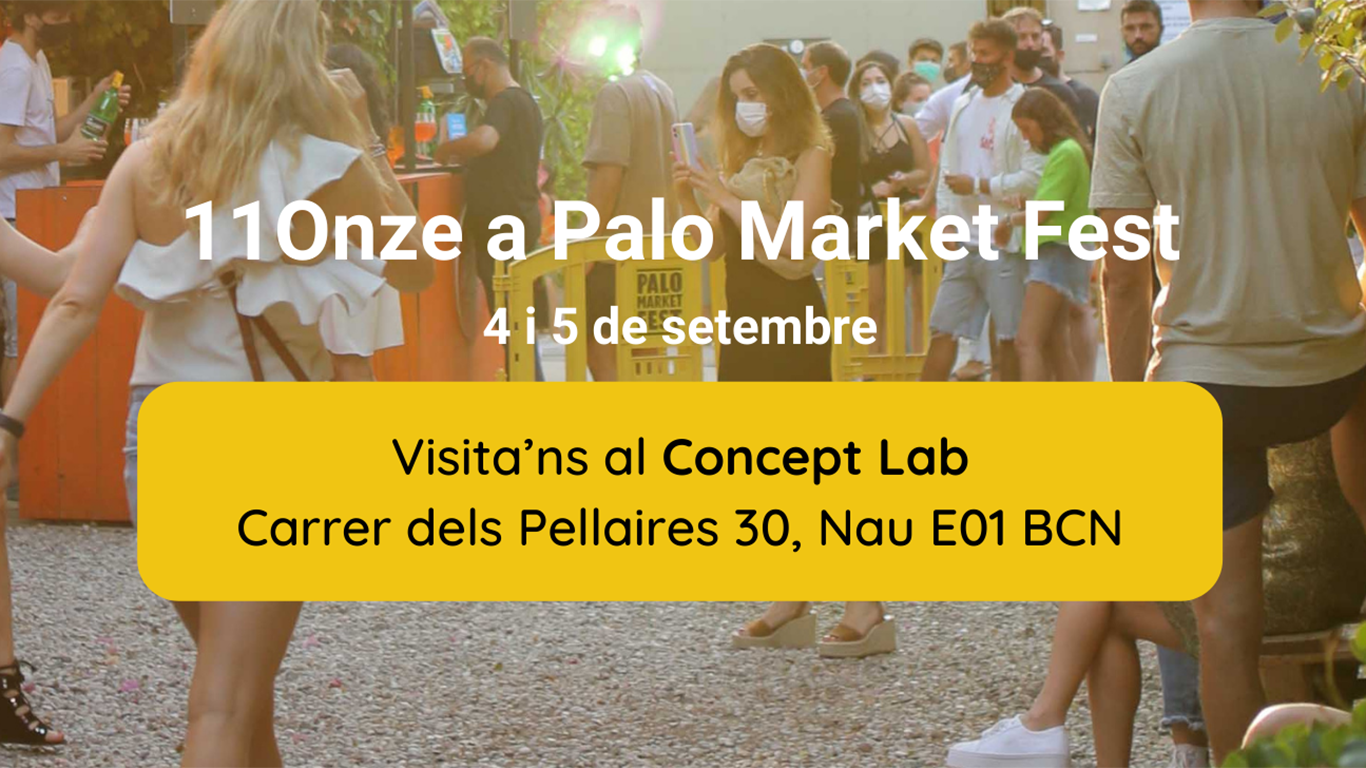
11Onze, the first fintech community in the Catalan Countries, made its first public appearance at the Palo Market Fest and became the first service company to participate in this well-known festival of crafts, design and gastronomy. In this chronicle, we explain how this special weekend went.
Toni Mata
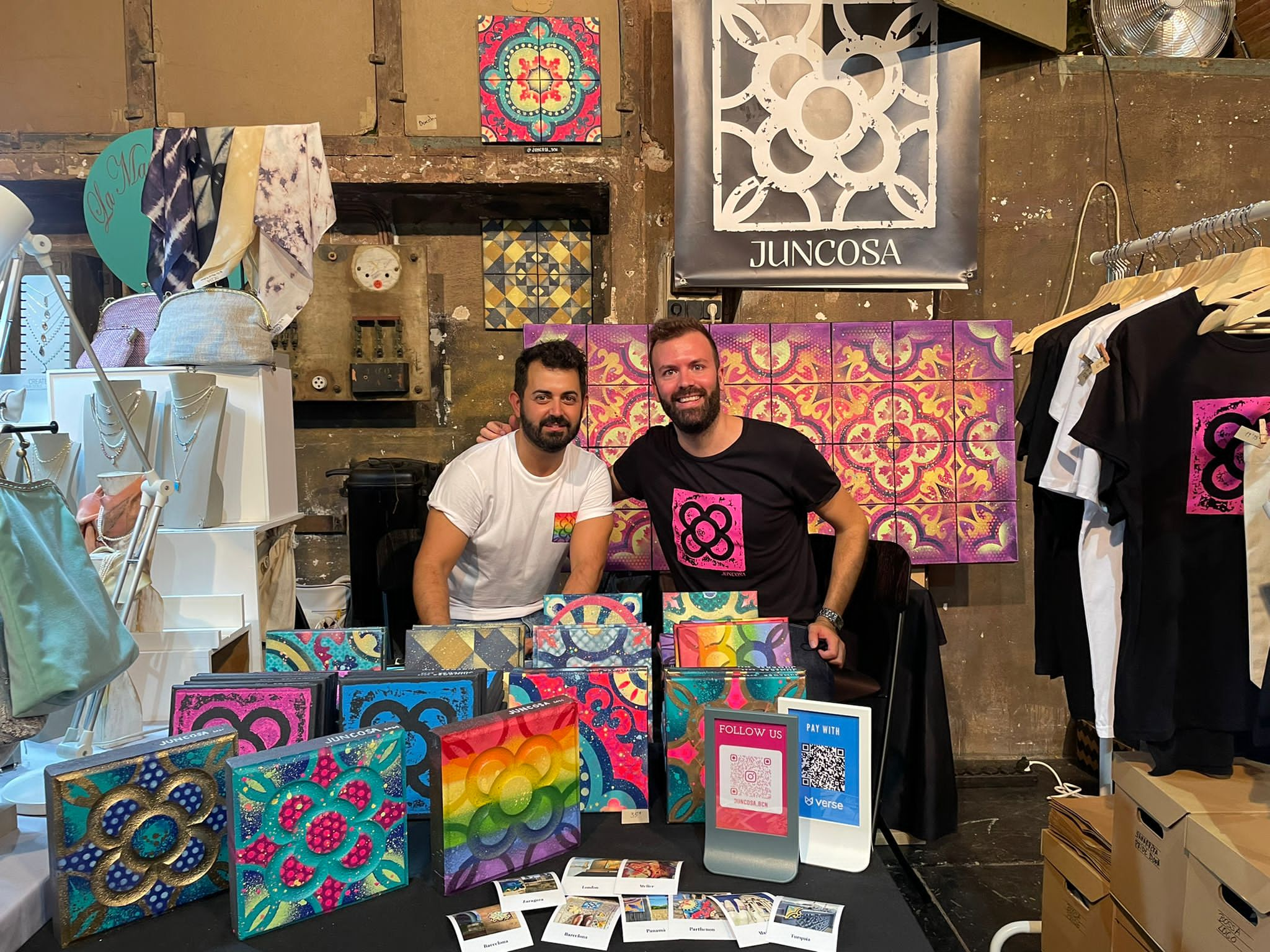
11Onze stand is the last one before leaving the Concept Gallery in Palo Alto. Next to it, you find Reliqium, a start-up that allows you to save memories in a pendant. Opposite is a goldsmith and, a little further on, a designer who sells Mad Max-worthy sunglasses with metal spikes like those of a punk’s jacket. Outside, a DJ plays bosanova while some young people sip cocktails with flavoured tonics. Music arrives muffled within the Gallery and blends in with the sound of conversations.
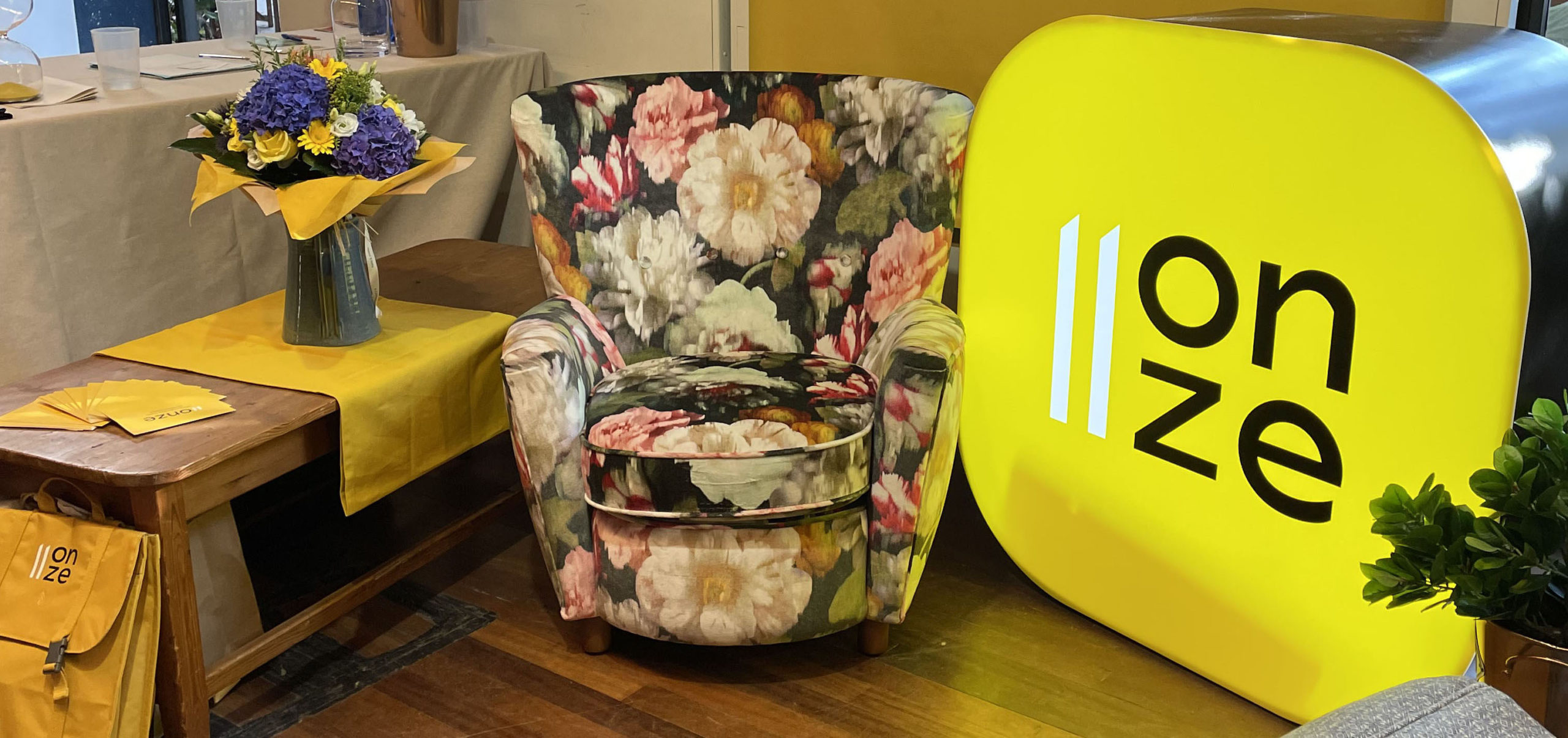
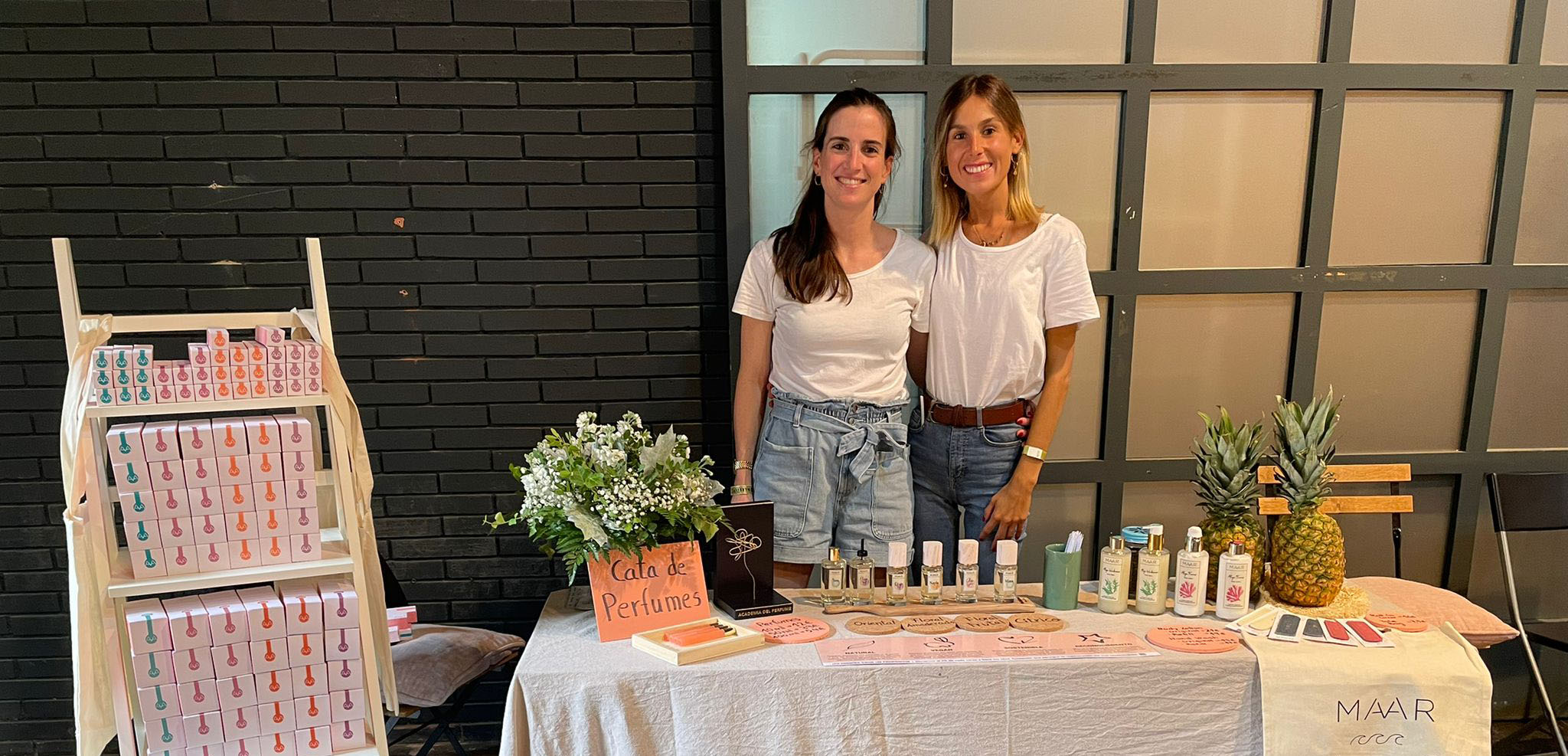
In the midst of this festive and bohemian atmosphere, the flood of people stroll up to the 11Onze stand. There, Joan and Mireia, on Saturday, and Pol and Sara on Sunday, are waiting for them with a tablet to show 11Onze to all those who do not know us. A man in a coloured shirt points to the 11Onze sign and says something to his wife. He picks a card and takes it.
The marketing team is clear about why 11Onze has come to the Palo Market Fest: “We are here to make new friends”, explains CMO Gemma Vallet. And that’s what the company has been doing all weekend. Introducing itself to people who may not know us yet, establishing ties with the Z generation that fills the festival, and discovering the stories of entrepreneurs who are starting up their companies.
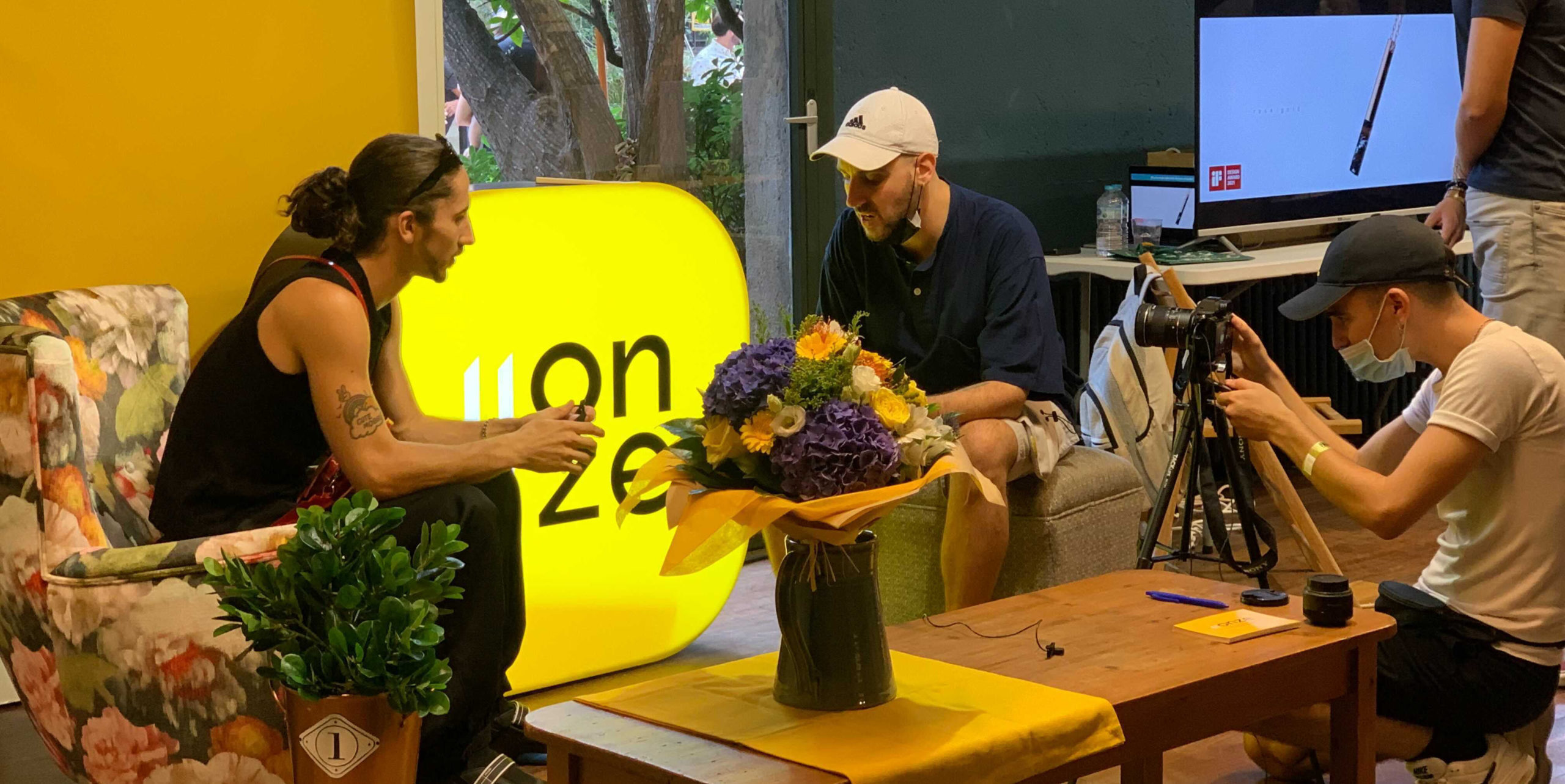
This last point was key: how do you start a company? When do you realise that you are passionate about your idea? What do you do to make it succed? At the 11Onze stand we talked about it with entrepreneurs who had come to Palo Market. To learn about their experiences and share them in videos at La Plaça soon. To spread the word to these entrepreneurs who are trying to raise an idea. That’s what Love Stories project is all about, a series of conversations where we are going to discover how these people think, people who are capable of having an idea and carrying it out, even if at some point it may seem crazy.
People who already knew 11Onze passed by the 11Onze stand and asked for details about the status of the application test. We have seen promoters such as Carlos Juanico as well as many 11Onze employees (Xevi, Sandra, Miriam, Pilar… and many others) all of them excited about the company’s final launch line.
And people who didn’t know 11Onze and who discovered us at the festival, what did they say? That it was time for it. That we need a fintech. That agility is needed. And they all wondered when it will be available. And to everyone who was in a hurry to operate with us, we told them what Ramon told us on Saturday afternoon. Ramon is a user of La Plaça, he is retired and lives in Barcelona. When he heard that 11Onze was doing its first face-to-face event, he came to see what was going on. To greet us. To explain to us that he is waiting for 11Onze to open to put his savings in. But that we should not be in a hurry: “oaks grow more slowly than pines, but they are stronger”. When he said that I told him that we had to take a photo. “But don’t post it on internet,” he said. We took it, and he asked me to pass it on via WhatsApp. After he had the photo he saved my number and said: “I already have a contact. I’ve done enough”. He thanked us and left.
Yet, music was going on and people were enjoying the festival. Mireia and Joan were still talking to clients, more people with colourful clothes strolled along the Concept Gallery. And I was still thinking about Ramon, who probably was already back home and who will call me when he sees that accounts can be opened.
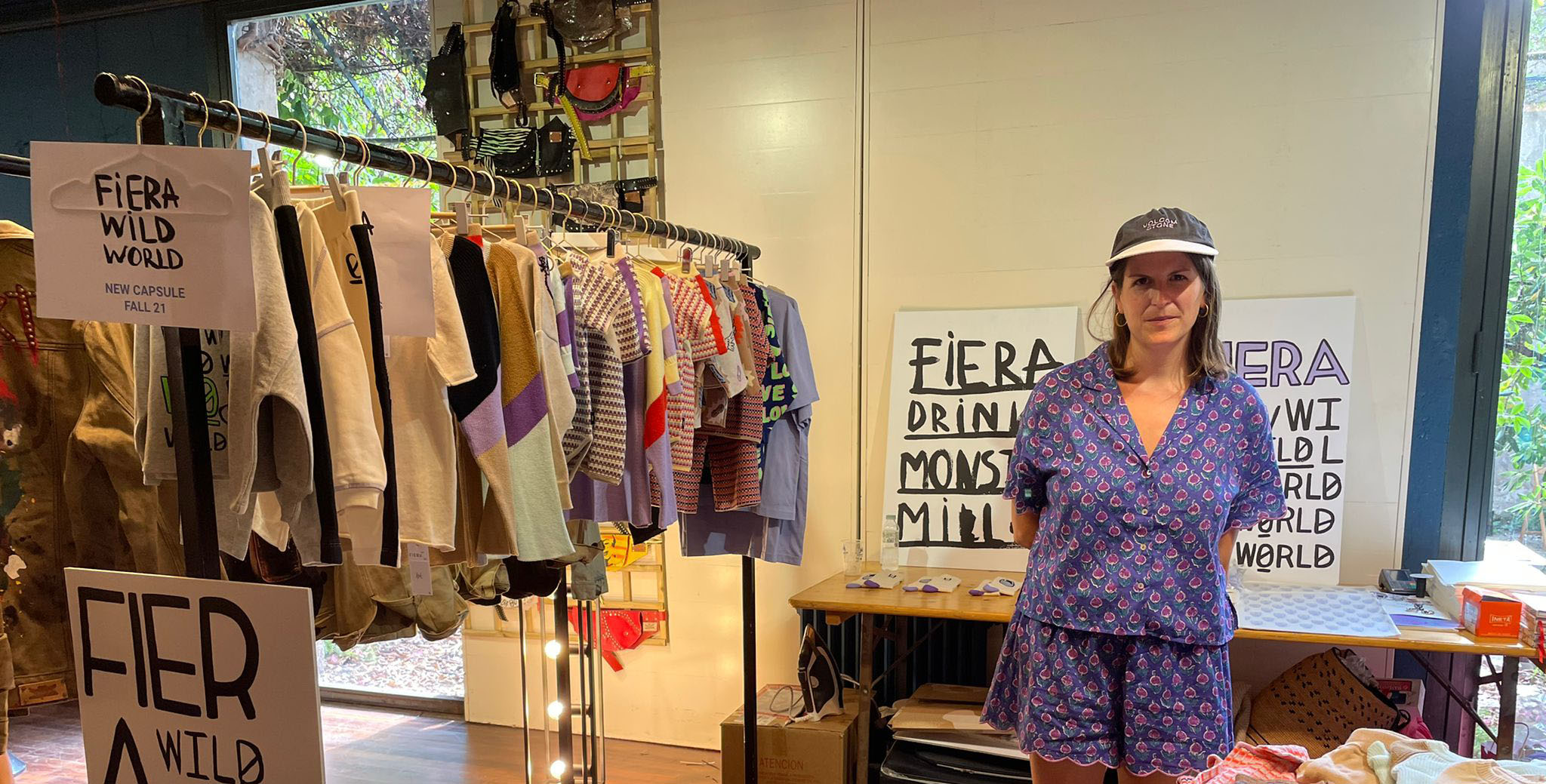
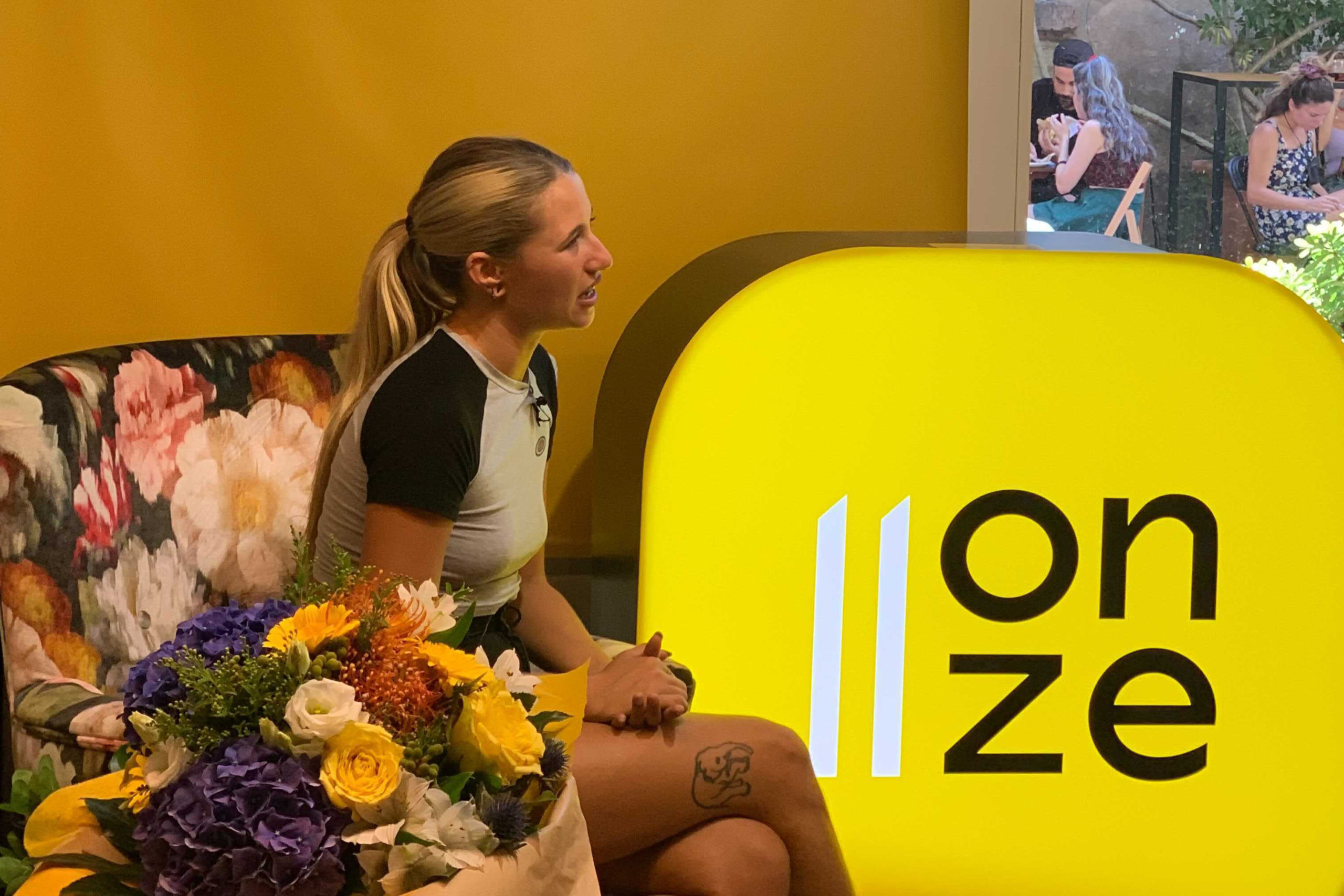
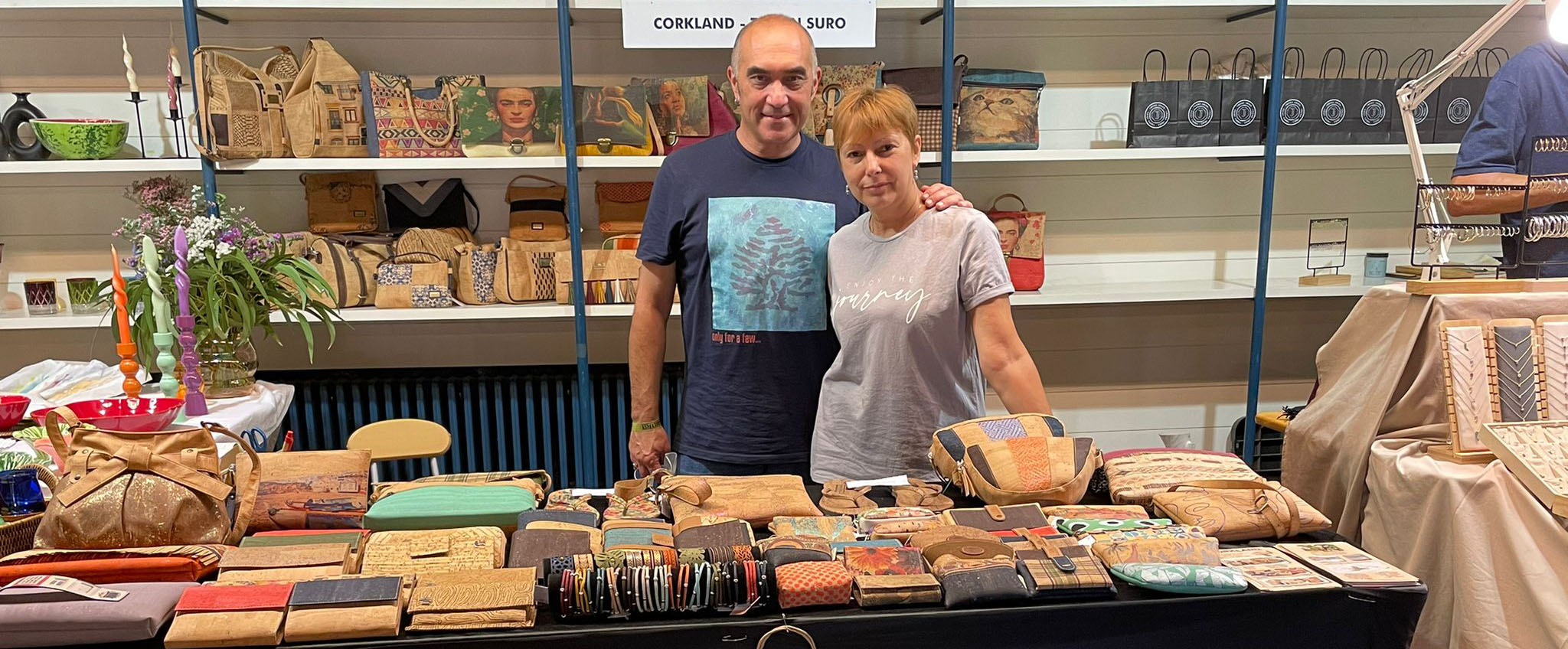
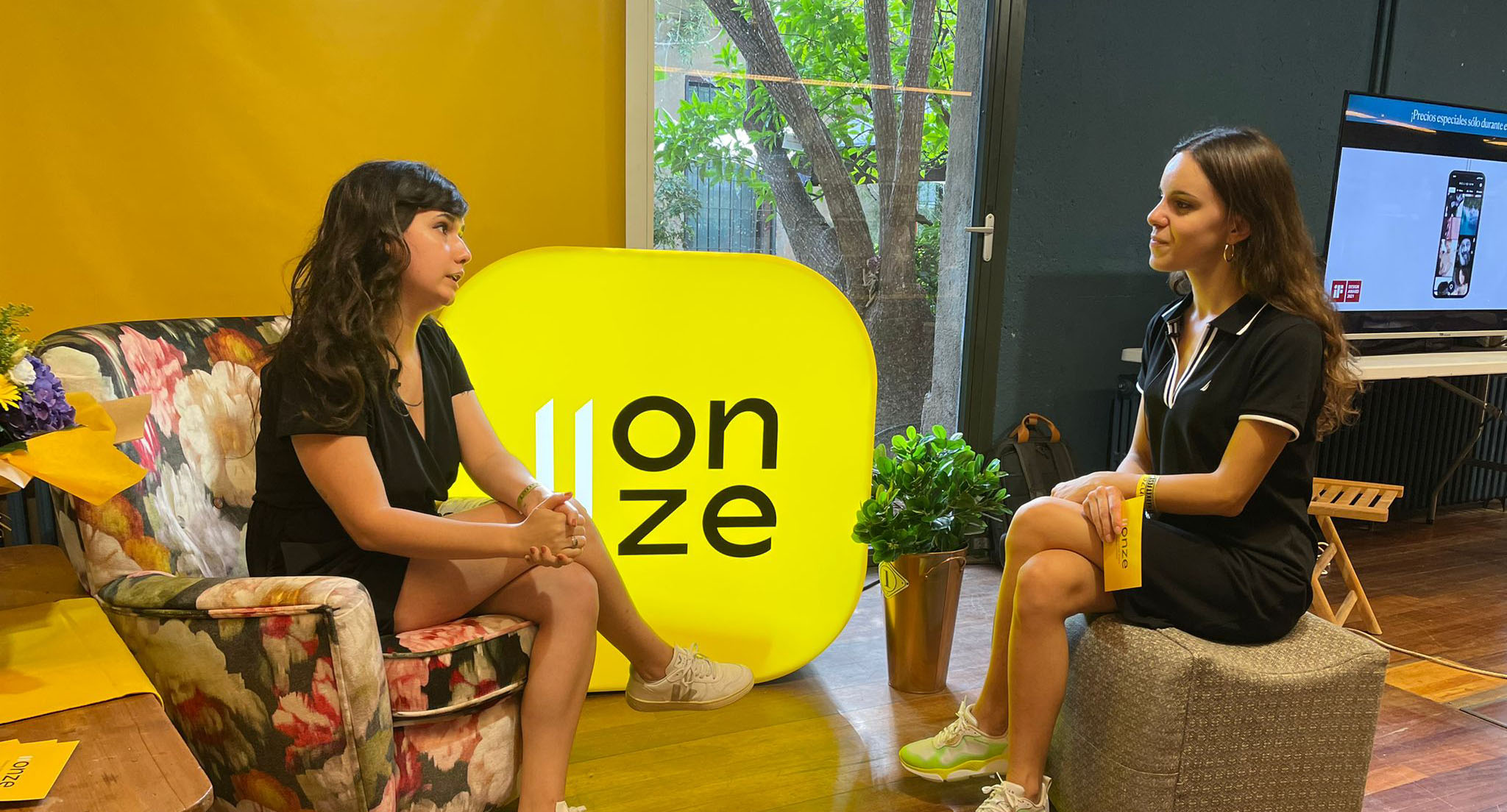
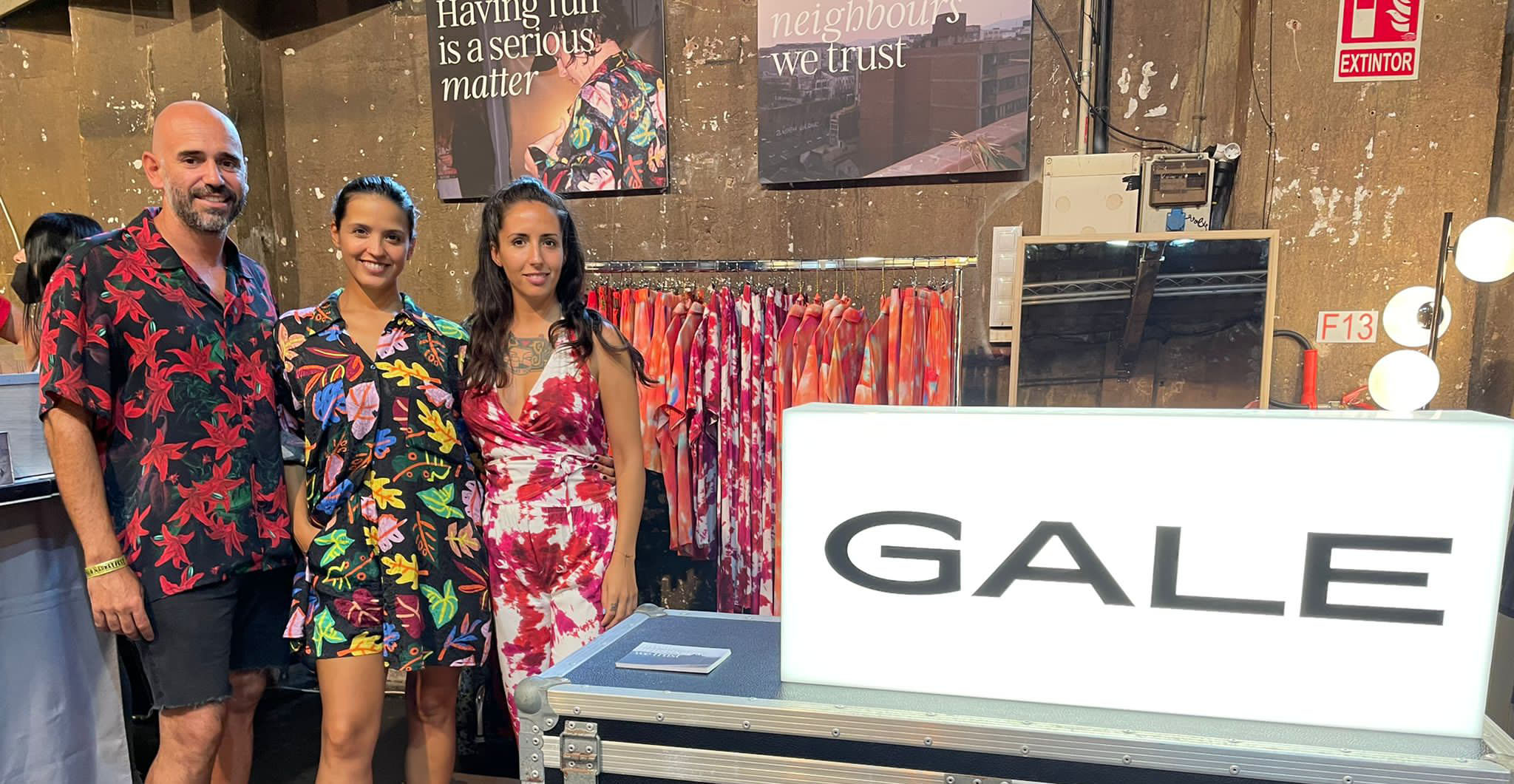
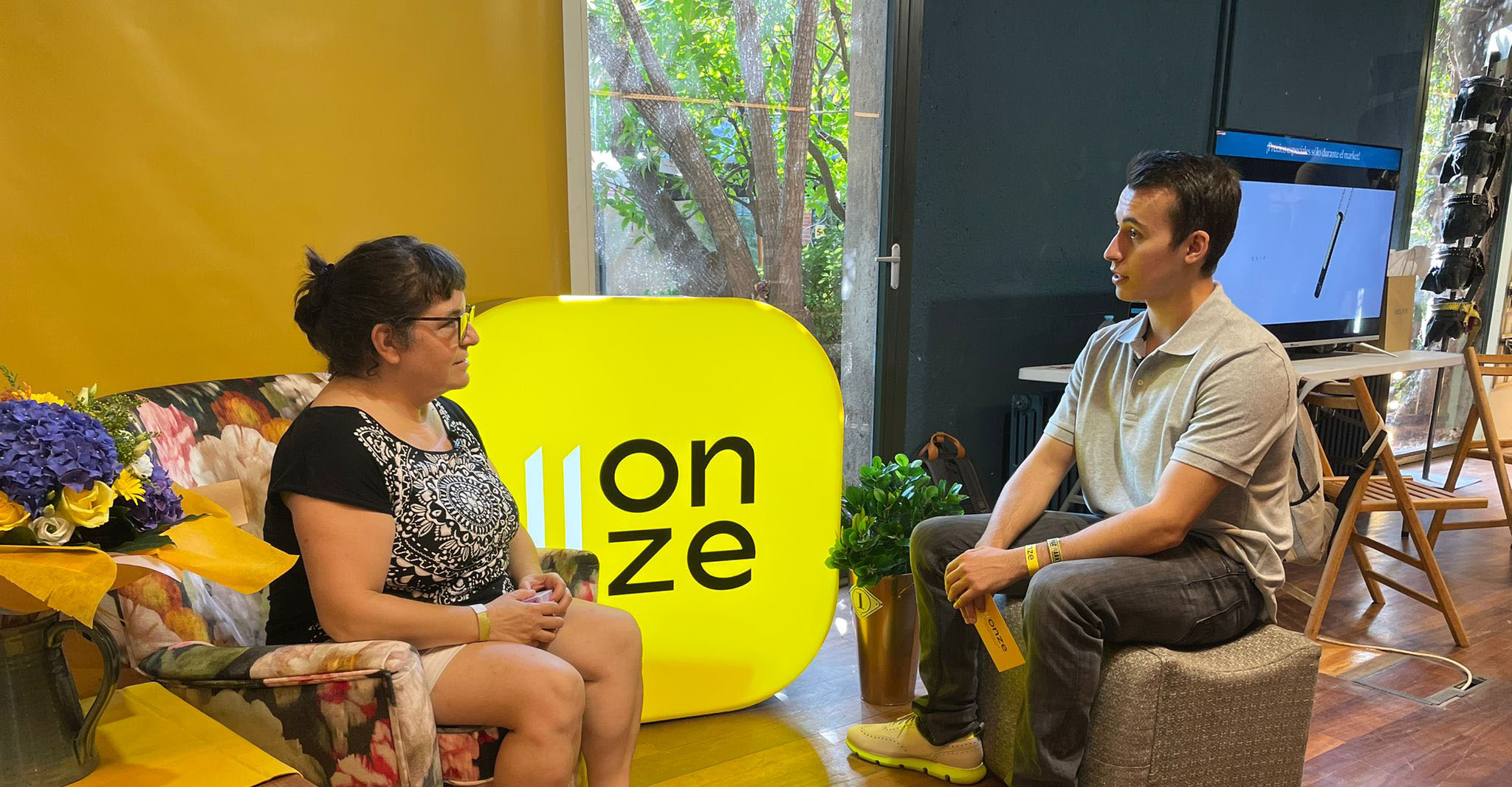
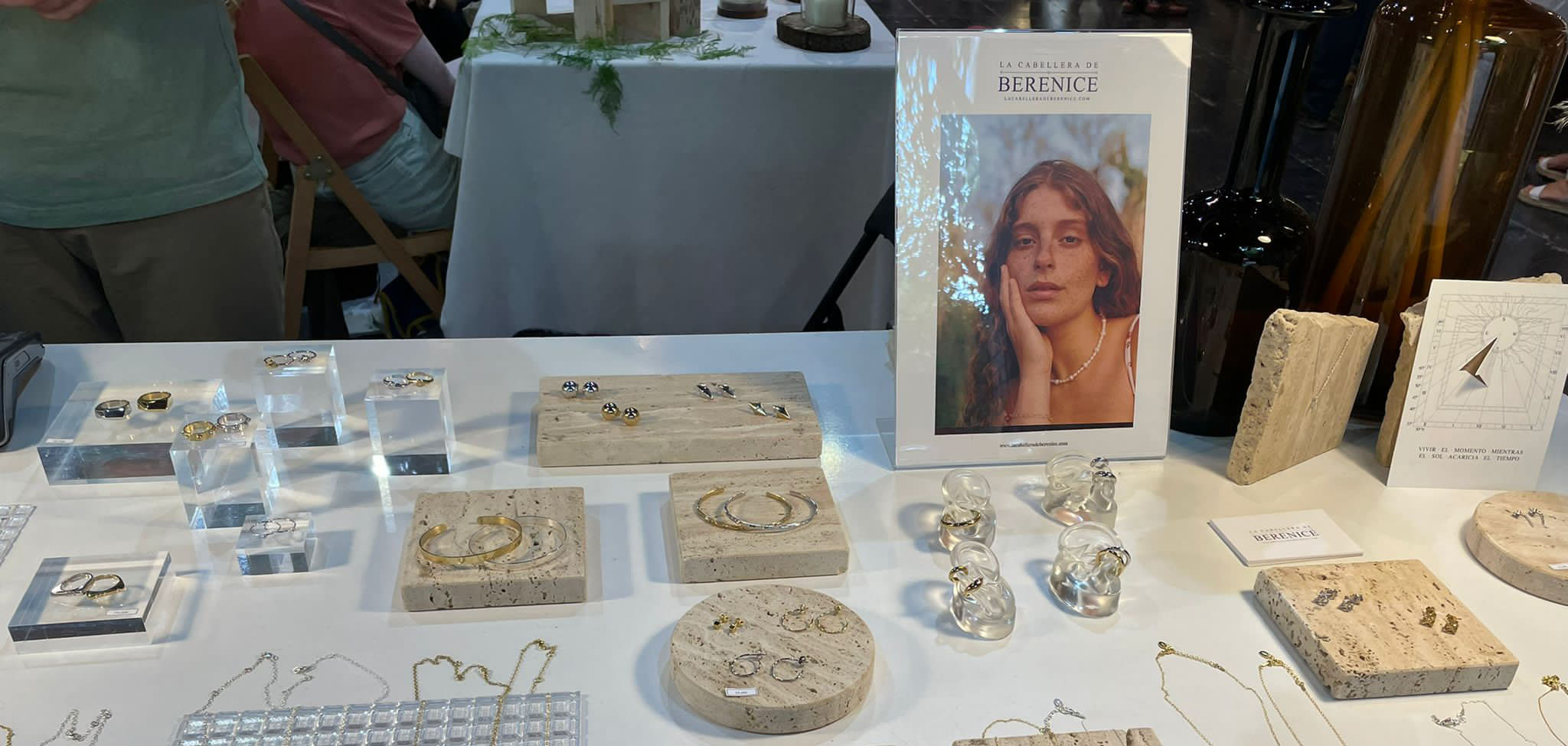
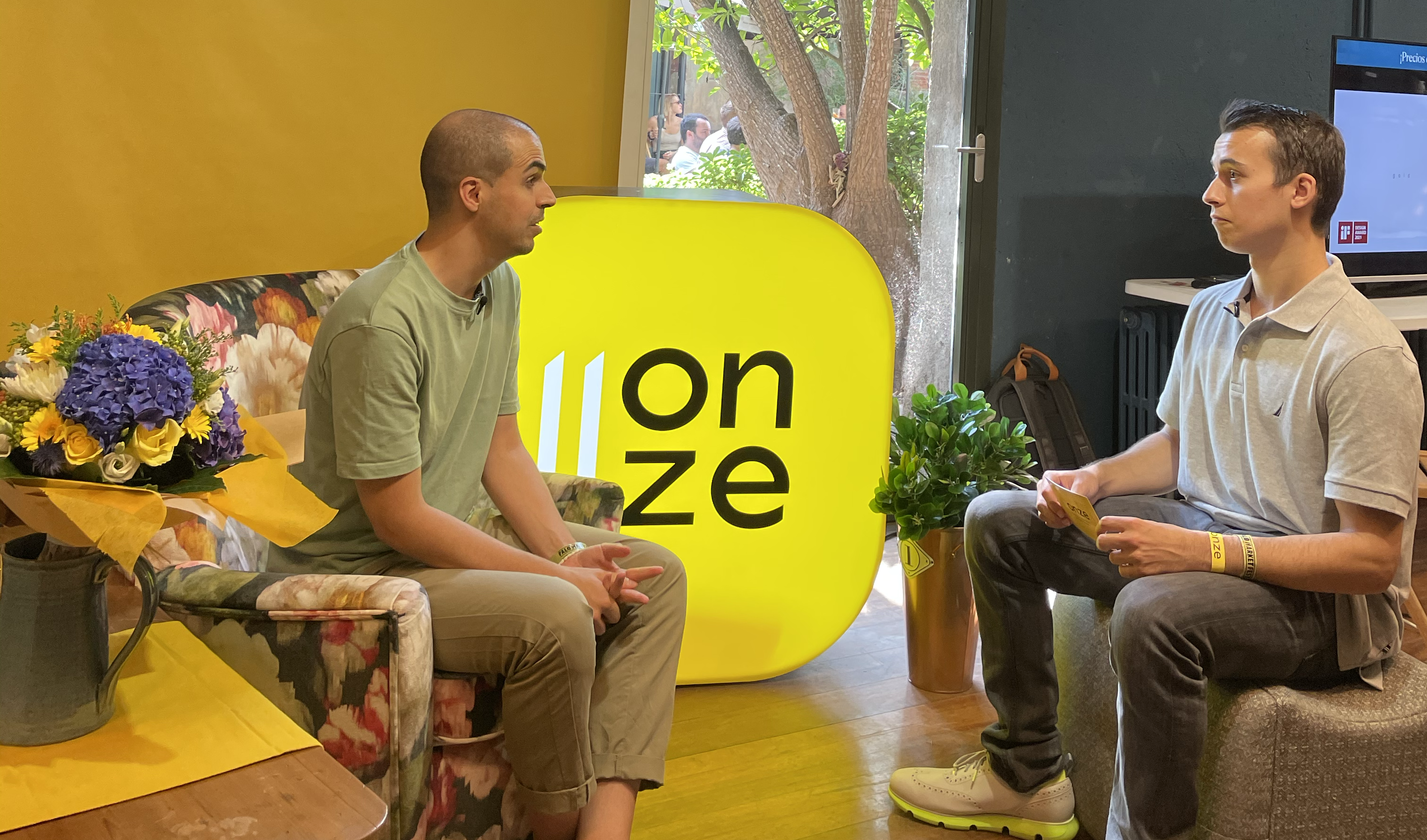
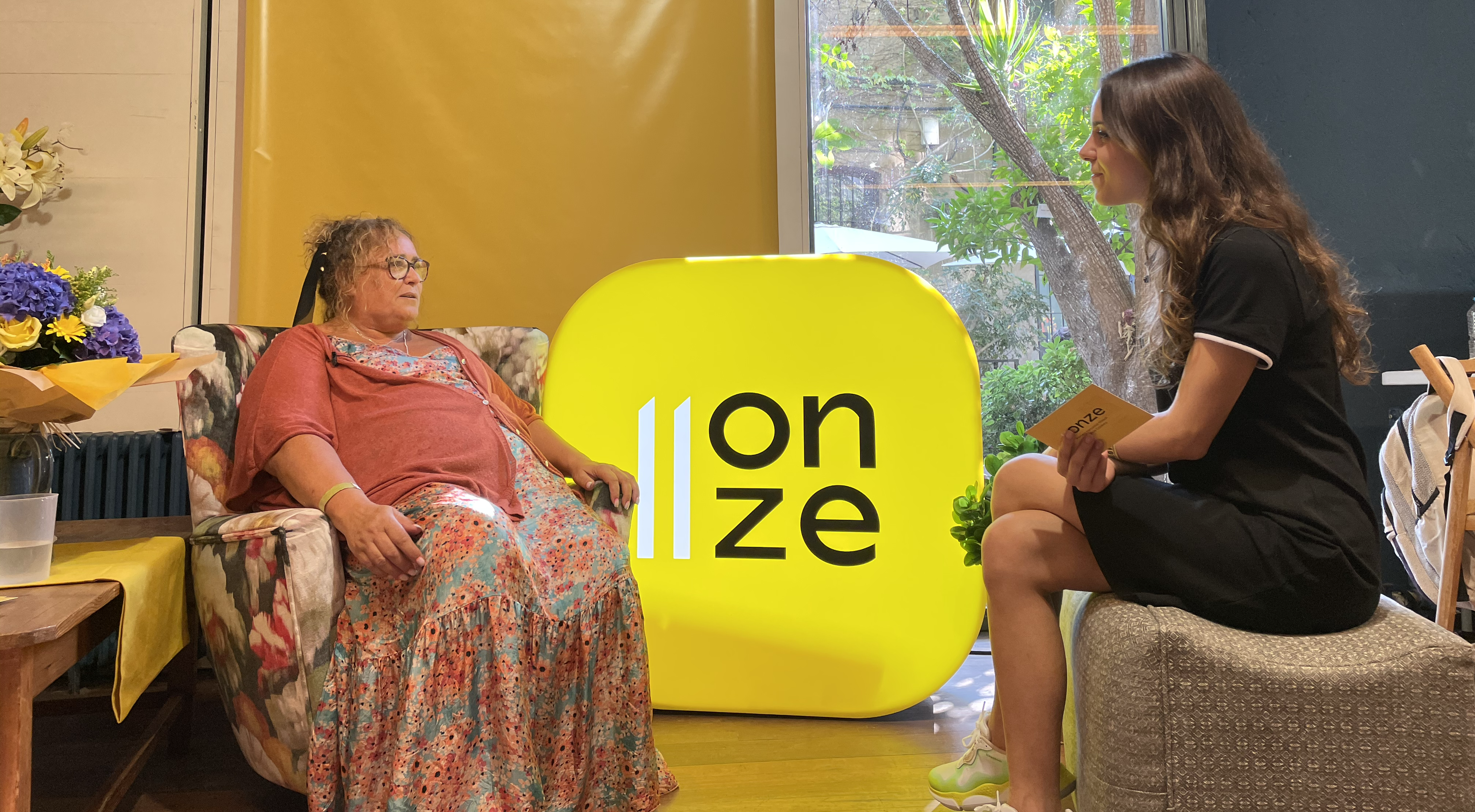
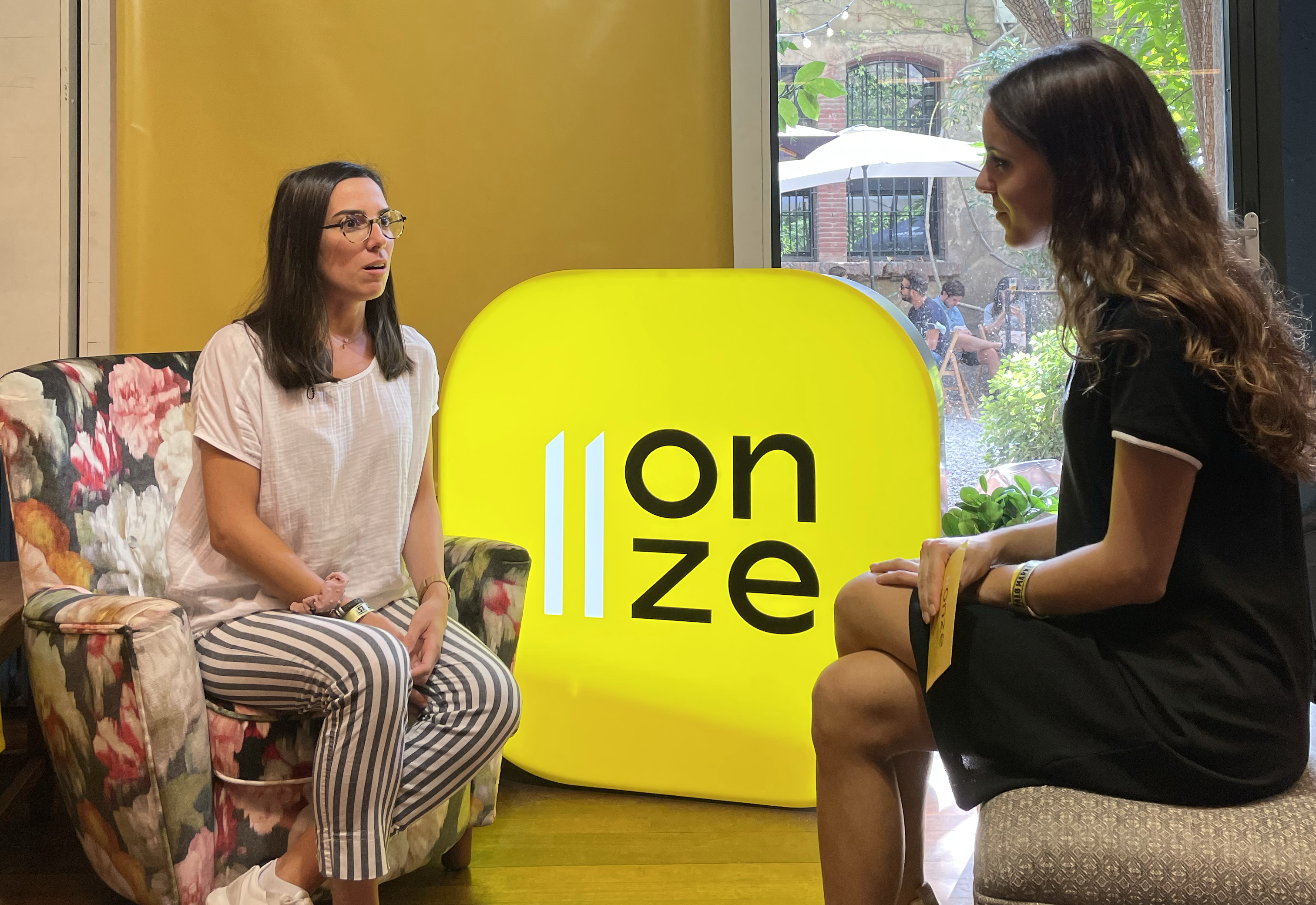

GenZ with 11Onze at the Palo Market Fest
The festival is the GenZ’s reference meeting place in Barcelona. On Sunday, the 11Onze stand reflected this fact with the interview that the youth culture expert Jordi Chicletol made to singer Keyne. During the interview, the singer explained that her generation has never thought of banks as a financial support eager to help entrepreneurs, brands, companies or artists. That’s why she wants to give voice to 11Onze, because it can support projects of people of her generation.
We also spoke with emerging fashion designer Ugo Boulard, whose designs are trending among Barcelona’s Gen Z celebrities.
The event had an impact on LE COOL magazine Barcelona, a key guide for discovering innovative initiatives in the city of Barcelona, a cult magazine of emerging culture.
11Onze brand stands out by its current design, minimalist and full of personality, thanks to its colour palette and its commitment to yellow. Agents, in line with the brand, at the Palo Alto Market Fest wore a sporty chic style with brands such as COLE HAAN and Nautica, of the BASI Group.

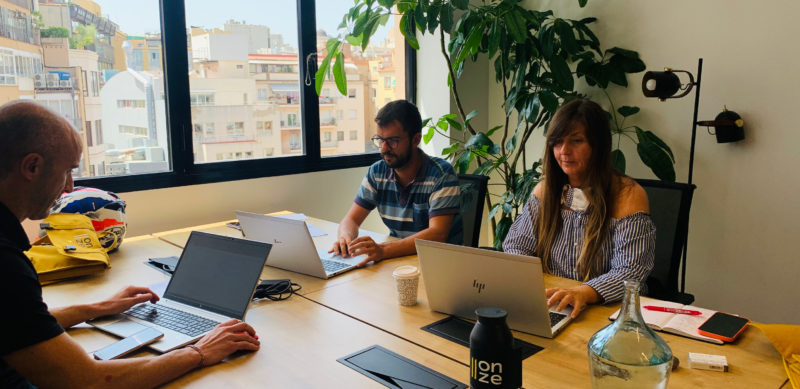
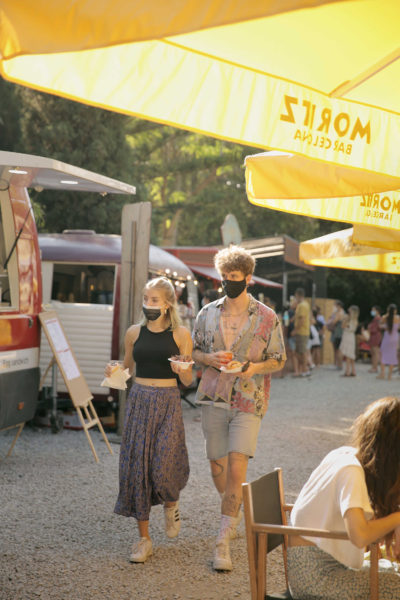
11Onze is a pioneer by being the first financial company to land at the Palo Alto venue, this 4 and 5 September.
The festival of crafts and design of Barcelona celebrates this weekend its monthly edition, in which 11Onze will be present. The festival, focused on entrepreneurship, innovation, leisure, and culture, opens the doors to the first fintech community in Catalonia, in the final stretch of its launch.
For the company, which is currently in the testing phase of the financial application, this will be the first contact and meeting point with the members of the community, created from La Plaça. At the same time, it will give visibility to all those who do not yet know the project and want to be part of it.
During the Palo Alto Market Fest, 11Onze invites creators, entrepreneurs, and business people to recount their stories of love. “Stories of love… simple and short” are micro-video interviews that will take place at the 11Onze stand with people who want to explain their project. The video will be published in La Plaça, and in other media to help in getting more visibility. If you are a creative person, entrepreneur, or in business, you will know that setting up a company or a project is like a great love story, one of those loves that you never forget. 11Onze invites you to make them even more memorable.
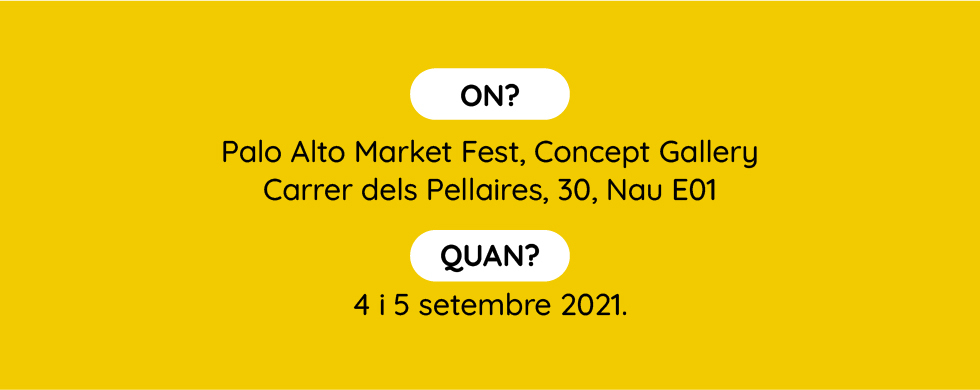
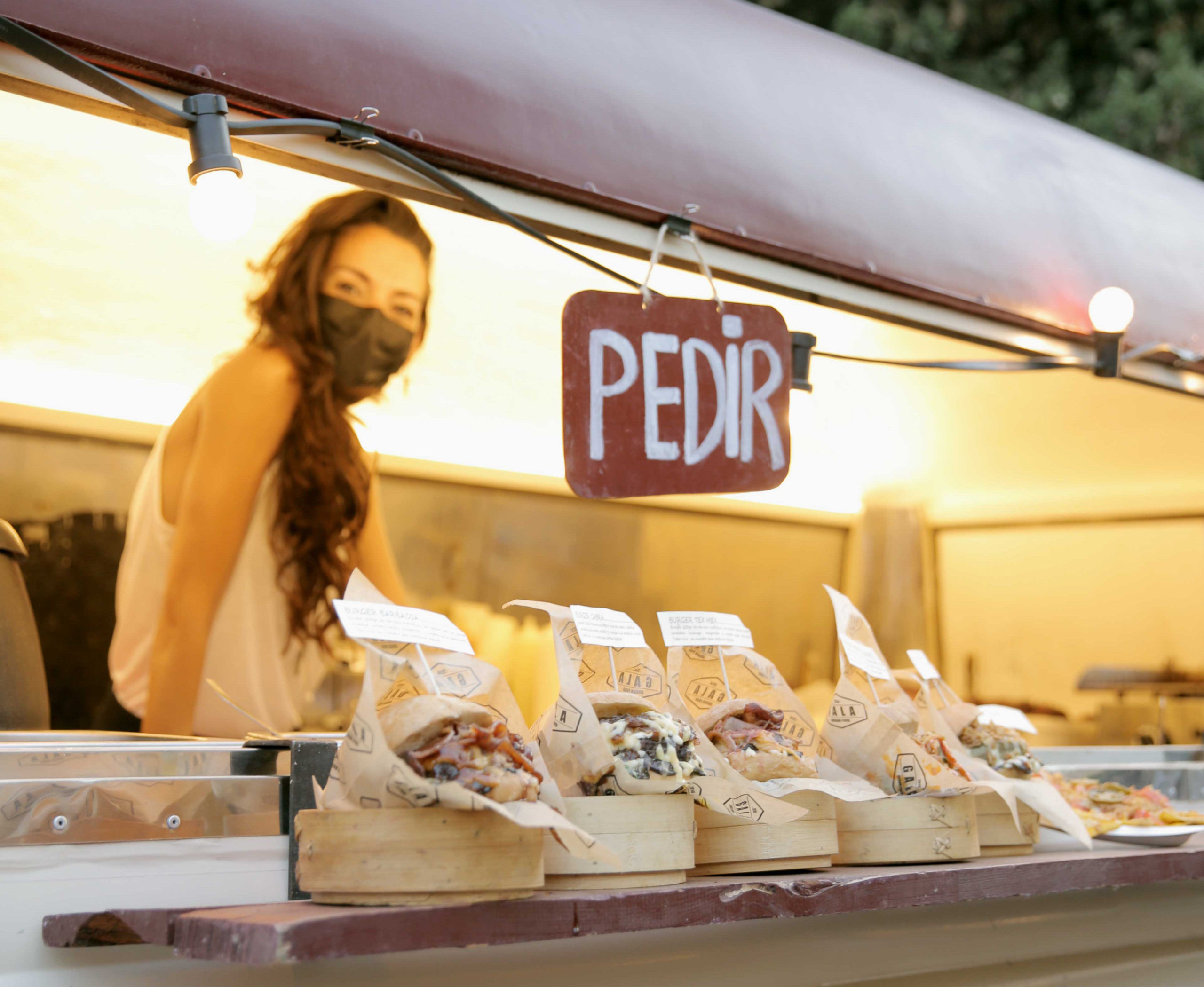
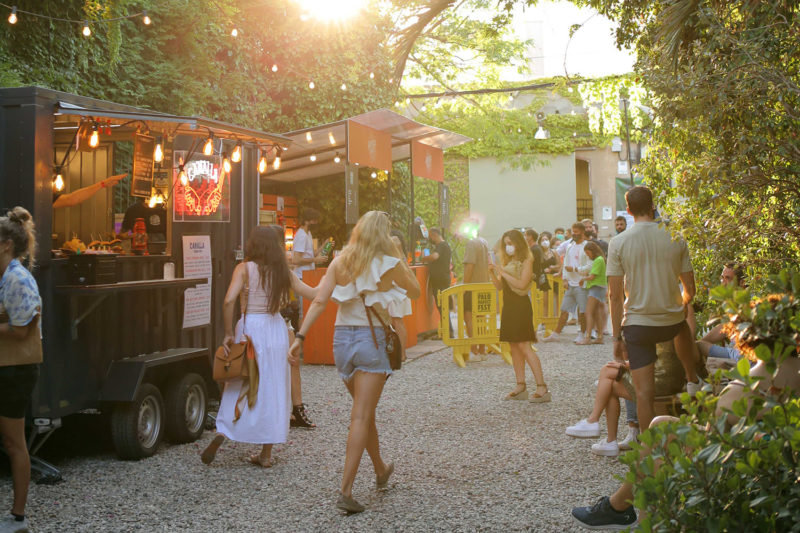
In this edition, Palo Market Fest will feature more than forty brands from different sectors, especially design and crafts, and will also host a wide gastronomic offer and live music to liven up the weekend.
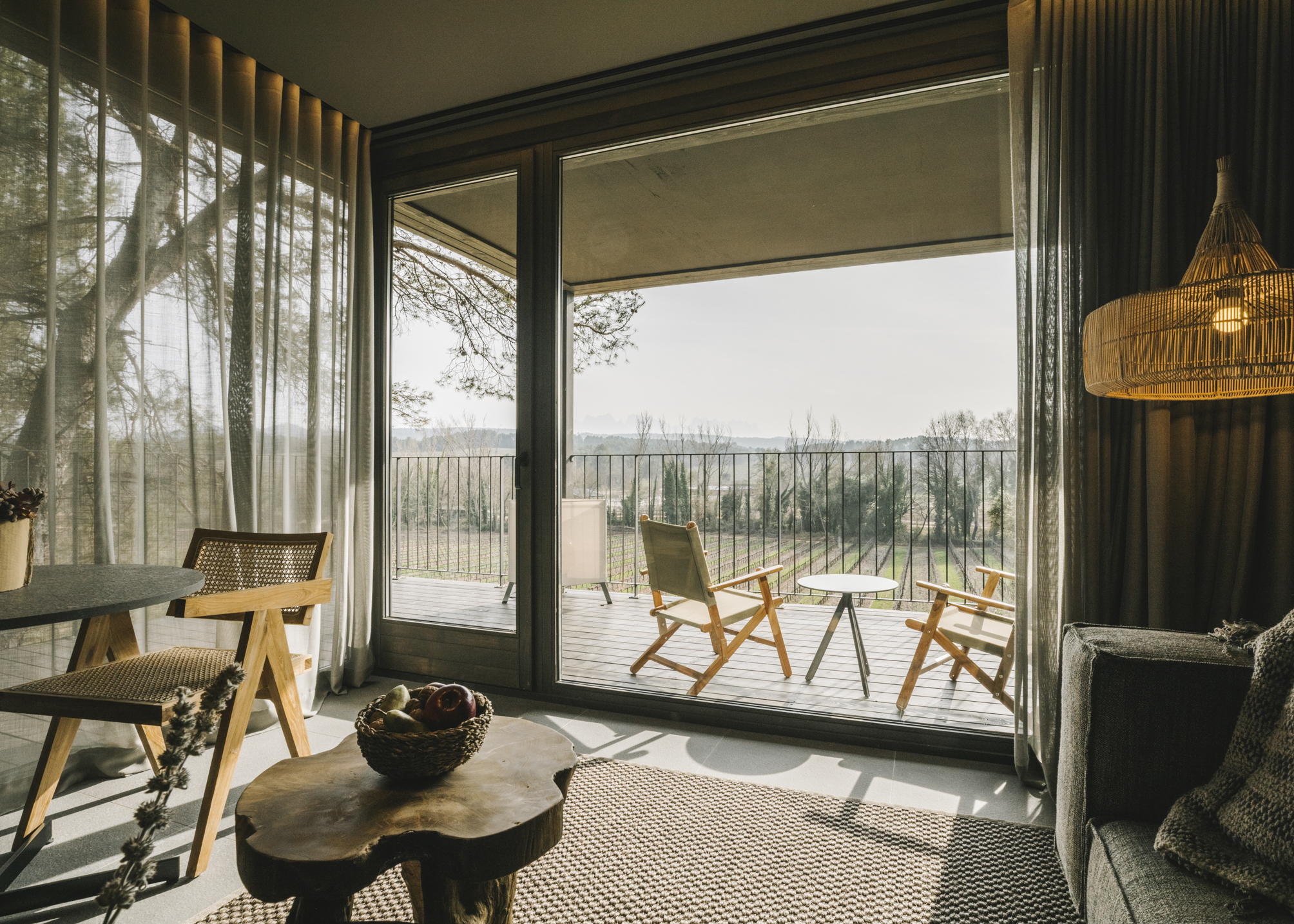
Love and respect for the land, together with art, make the Blanch i Jové winery, in the Costers del Segre DO, a unique place for tasting good wines and strolling through nature and art.
In the Garrigues region, at an altitude of over 700 metres, we find the Mas Blanch i Jové winery. It is a young winery, born 15 years ago, the result of the initiative of Sara Jové’s parents, the current manager, who fell in love with the region and bought a piece of land where vines, almond, and olive trees were grown. Sara Jové explains that their love of the land goes back a long way: “Her godparents and great-great-grandparents were already working the land, and these origins made their parents decide to start this project in Les Garrigues, despite the fact that their origins are from La Segarra and Urgell”.
Sustainability as a distinctive feature
Mas Blanch i Jové wines come from the Costers del Segre D.O. (Denominació d’Origen), a sub-zone of the Garrigues region. The estate is 700 metres above sea level, has stony soil, is poor in organic matter, and produces low yields. Sara defines the project as organic and sustainable: “Everything we do is organic. In all the products we produce: wine, oil, and almonds, no pesticides or herbicides are used” and she proudly adds: “The bodega runs 100% on energy that comes from solar panels, 110 panels with 48 batteries, and we have a water purification system”. She also highlights the work they do to recover the stone walls, which they consider not only the cultural heritage of the area, but they also value for the work they do to prevent erosion of the land and the creation of natural ditches.
“We work to be part of the solution to the environmental problem. We are concerned about climate change, but we are working to prevent it. Drought has become chronic and, without water, there is no life. We have irrigation to support the vines, with the drop-by-drop system. It is the only way to keep the vines alive. And we have to work in a way that does not deplete the land’s resources. It has to be a sustainable way of working, so that the land regenerates itself, without stressing it”. He says that their philosophy is summed up in respect for nature and the environment, a fact that makes them aware of where they are: in a dry, very Mediterranean area, with fauna and flora that are very characteristic of the area, which they try to look after and protect, even providing watering places for the animals.
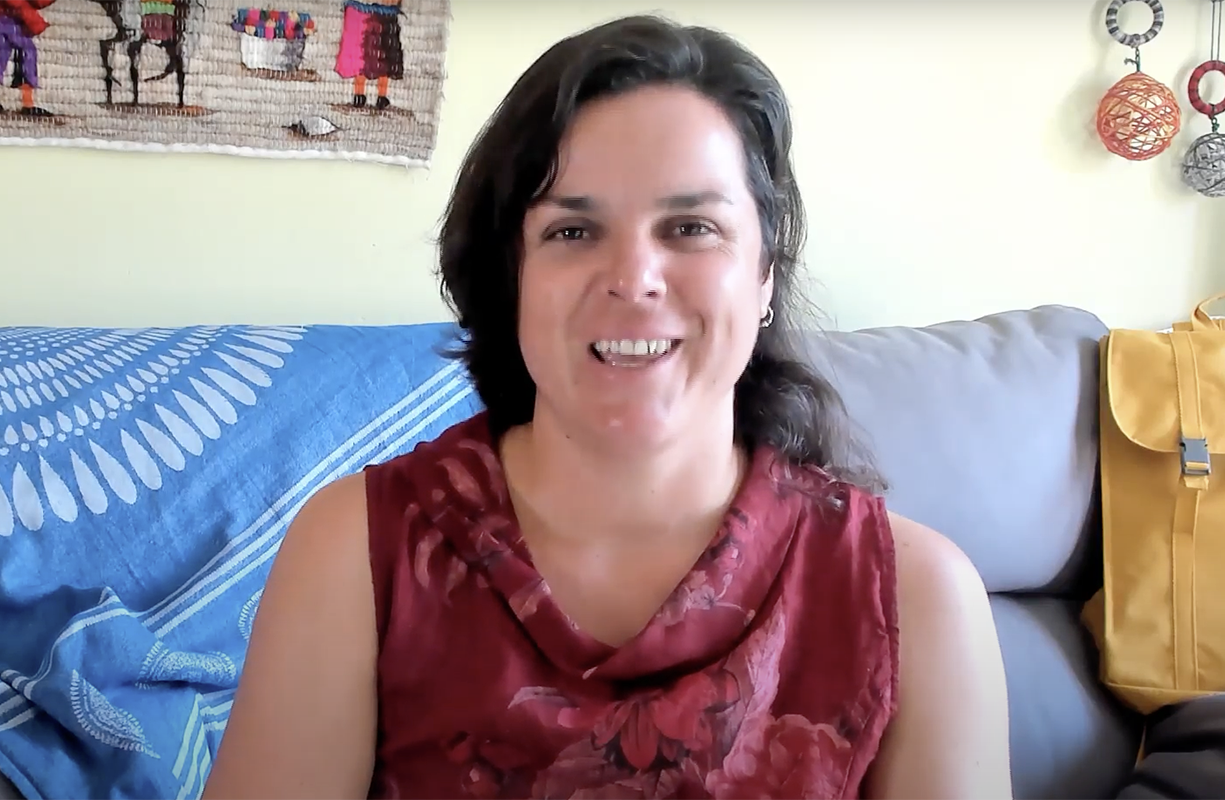
11Onze Agent Laura Bunyol tells us about the characteristics of the D.O. Costers del Segre.
A family business
Sara Jové defines Mas Blanch i Jové wines as wines with character and personality, faithful to the landscape that has seen them grow: “They are powerful, fresh, with concentration and structure, which is what our stony land gives us. We work with native varieties such as Macabeo, Garnatxa Blanca, Garnatxa Negra, Garnatxa Peluda, and we are involved in an experimental project to recover old varieties. We are always looking to make the best wine, and we experiment, as if it was a game of fun, to achieve it”.
Sara’s father is a blacksmith, her brother an industrial engineer, and her cousin an agronomist. They all took part in the construction of the winery, which is built into a hill, “what we did was to take out the mountain, build the winery, and put the mountain back in. The winery is the result of a project that is totally integrated into the landscape and designed to work with the utmost respect for the environment,” she explains. The winery was born with the collaboration of Josep Guinovart, a painter and friend of the family. He made them appreciate the importance of integrating art and wine and is the one who designed the different spaces of the winery and launched the idea of the artists’ vineyard, which is an open-air exhibition hall where, among vines and olive trees, sculptures and art installations coexist.
In fact, along a two-kilometre route through the vineyards, visitors can find sculptures and art installations that have been distributed over the last ten years. The winery has created an application through which the visitor can find out where each piece is, what its name is, who made it and when it was installed. This idea of linking wine and art arose spontaneously, in a meeting, and Guinovart suggested making this installation in a field that at the time did not even belong to the family. When our friend suddenly died,” explains Sara Jové, “we decided to buy that field of almond trees, we planted vines and the following year the first art installation was made. It was a tribute to him and a way of mourning. Over time, this has become an identifying element of the winery”.
Enotourism
Art-related activities do not stop. And, despite the pandemic, the Bodega has not stopped programming. Although the idea is not to do an art feature every year, it is true that since the Art Vineyard was inaugurated, they have not stopped doing features. Art is an identifying element of the winery and complements it. Enotourism activities serve to publicise their products, which they make with care and promote with passion. Their clients are basically national, in the restaurant industry, and they export 30% of their products.
The synergy between art, oenology, and nature has made Mas Blanch i Jové a unique winery in the Costers del Segre region.
Do you want to be the first to receive the latest news about 11Onze? Click here to subscribe to our Telegram channel
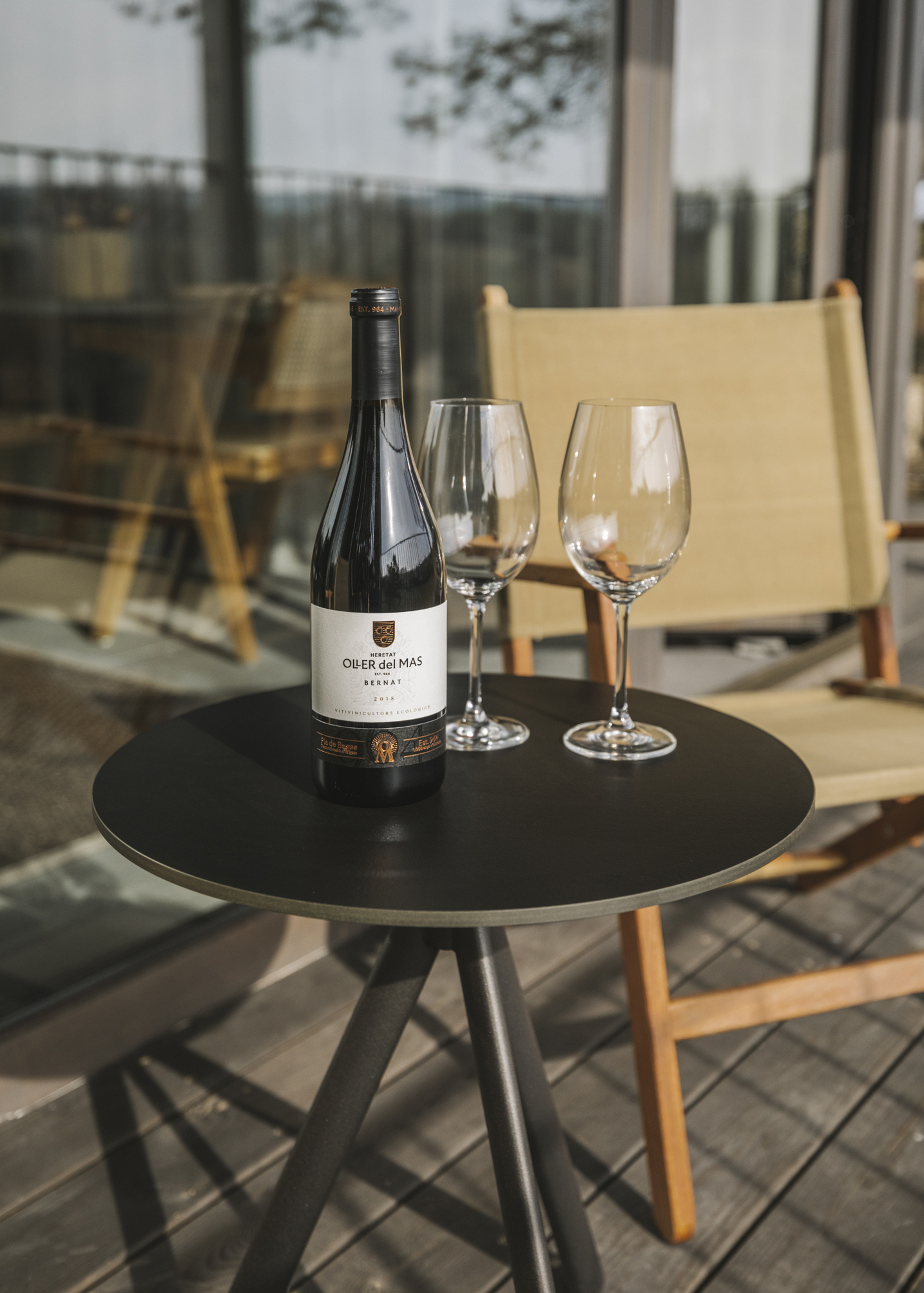
The Oller del Mas winery, DO Pla de Bages, is located three kilometres from Manresa, between Montserrat and Cardené, and shares the passion of making wine with wellness and wine tourism. The family lineage has a long history of relationship with the land and, intermittently, with winemaking. The family of Frank Margenat, the current manager and owner, is known to have been in the family since 964. He is the 36th generation.
Wine tourism
For Frank Margenat, wine tourism is the core of the business and is linked to personal wellbeing.
“The long family history, the work that is done every day on the land, in the winery, we give value to it with wine tourism. Visitors can directly experience the work we do, who we are, and where we come from. For us, it is very important to listen to people, to see their reaction when they taste our wine. It is like closing the circle of everything we do, with a complete experience”.
He considers that there is still a long way to go in the field of wine tourism, despite the fact that “things are being done very well”. He says that there is a general problem in the country, “we don’t give value to everything we have to offer. That is why we have wines with very low prices compared to those offered in other parts of the world”. For him, the best way to give value is to open the doors of the winery and show what they do, from the work in the vineyard to the work in the cellar. “It’s also a way of putting pressure on ourselves because if you show what you do directly to the customer, and you see their reaction, you know what they like and what they don’t like, and they put pressure on you to improve it.”
Wellness cellar
Achieving personal wellbeing is the guideline for all the services that can be found at Bodega Oller del Mas. Everything revolves around achieving the visitor’s wellbeing, whether it be through the accommodation service (there are 20 cabins), the restaurant, the Club Innat, wellness (health and beauty), etc. We want to be the wellness winery, not just here, but from the rest of the planet,” explains Frank Margenat, “we have many departments and many services, from horse riding, bike rental, health check-up, etc., with the aim to achieve total wellness. We offer services ranging from nutrition to non-invasive cosmetic surgery. Always guided by the philosophy of respect for the environment, all treatments and products are based on natural products and some of them based on grape products”.
Oller del Mas’ target is the Catalan market, although in 2019 they received more than 65,000 visits from international tourists, mainly Asian and North American. Their product is aimed at the local customer. “A good wine can be found anywhere in the world. But the one we have can only be experienced here, in the heart of Catalonia. The characteristics of our wines are a reflection of the land where we grow them”. At Oller del Mas they are aware of where they are, and they plant the grape varieties that are best suited to the terroir they work in. With the work of the last few years they have been able to prove that the ancestral varieties are the ones that adapt best and give excellent results. They have recovered varieties such as picapoll and malvasia manresana and have launched a 100% single-varietal wine on the market: “We have put a lot of effort into recovering these varieties that give us more identity, more expressiveness, more authenticity because they reflect the climate and the surrounding landscape”. His philosophy of respect for the environment means that all the work in the vineyards is carried out with ecological treatments and, in recent years, also with techniques based on biodynamics.

11Onze Agent Sergi Colell tells us about the characteristics of the D.O. Pla de Bages.
We are responsible for what we do
Frank Margenat looks to the future with optimism and at the same time with caution. He believes that people are responsible for what they do and says that those who work in the countryside, with agriculture and the landscape, have to take special care.
He explains that if Oller del Mas has reached the 36th generation, it is because it has had this global vision: “Bearing in mind that we come from so many generations, when I make decisions, I think about what effect that action will have in 10, 30, 50, 100 years’ time. When you look at things from this global, longer-term perspective, you are less likely to make mistakes, and the repercussions for the family and the environment are fewer”.
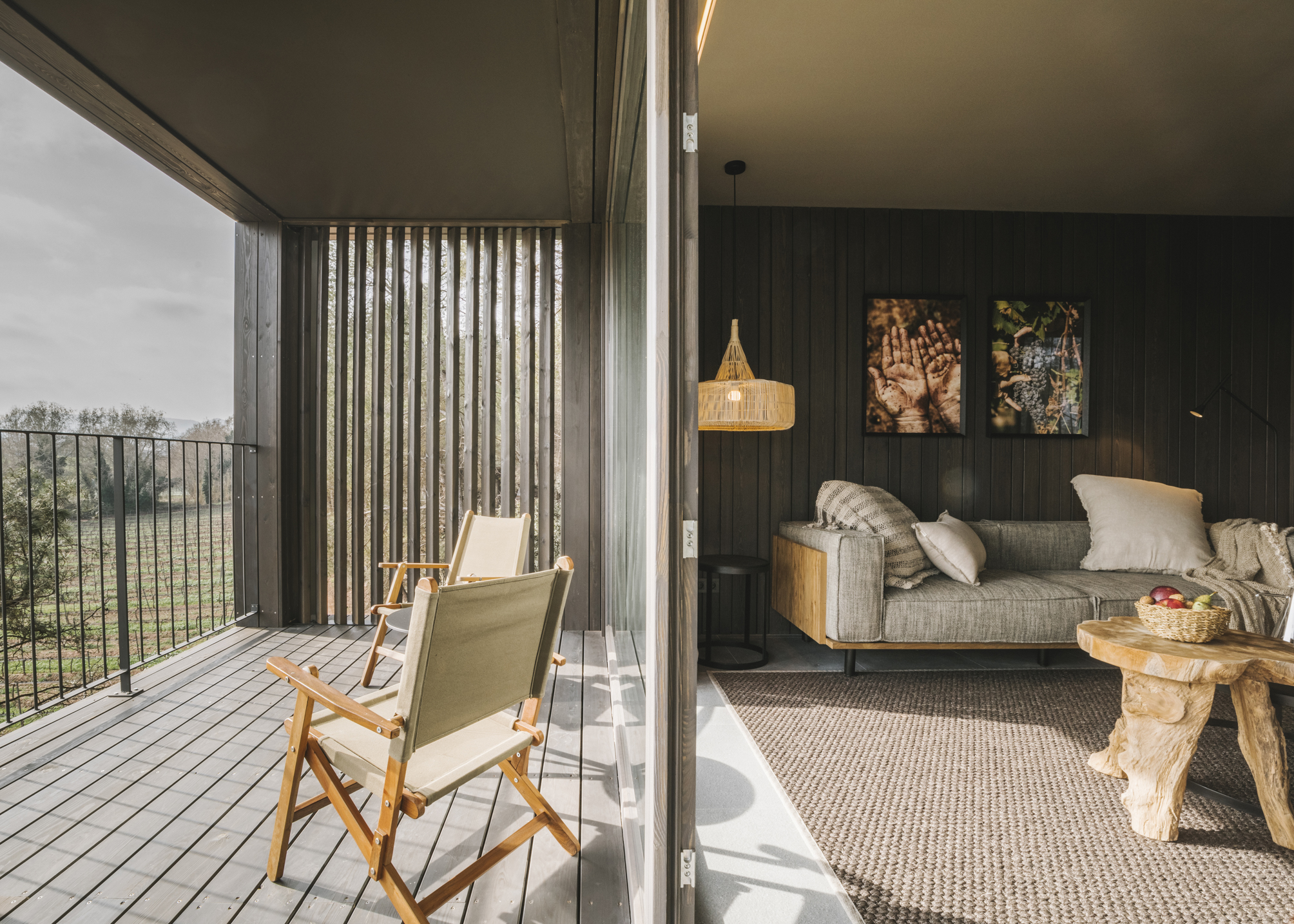
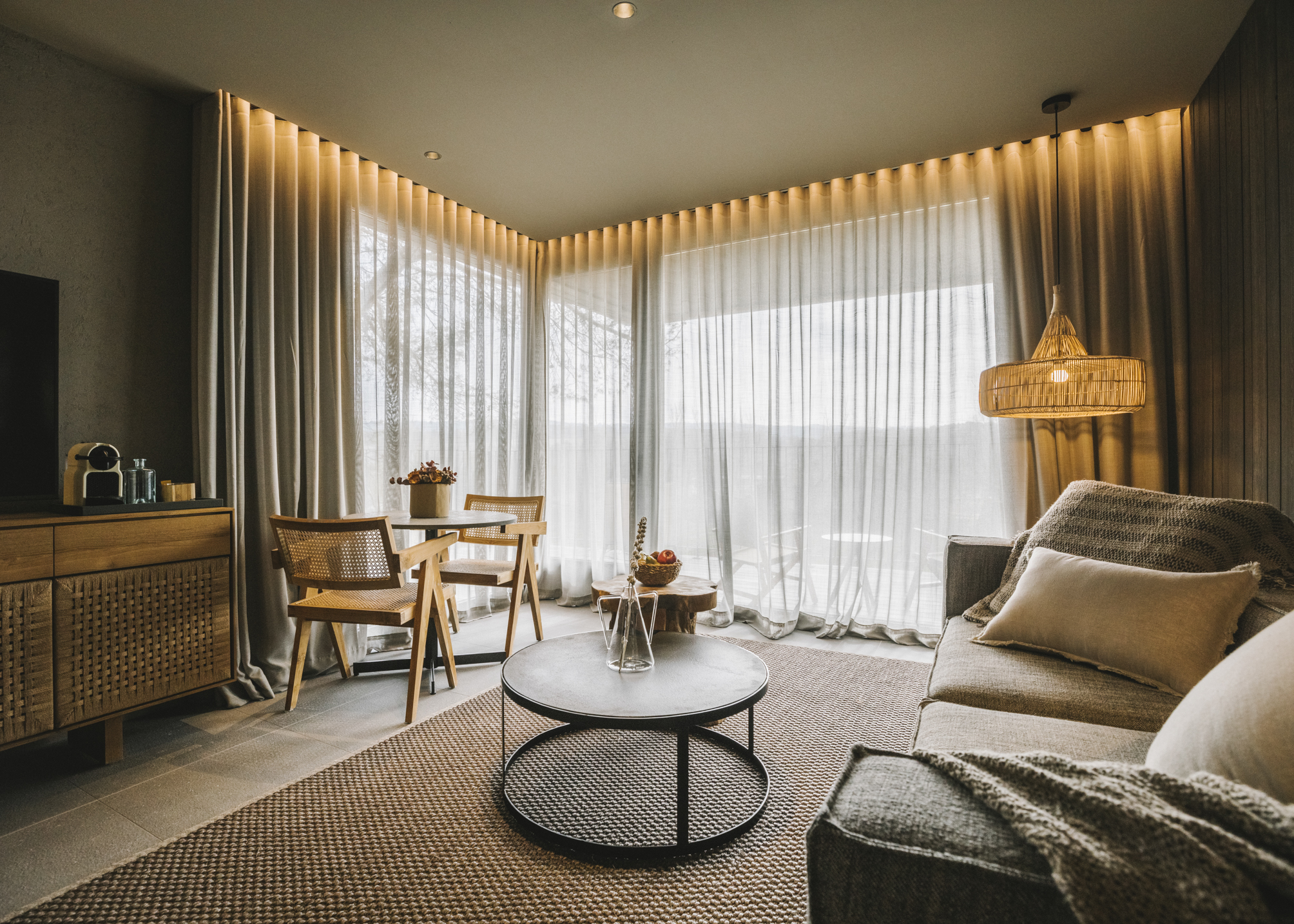
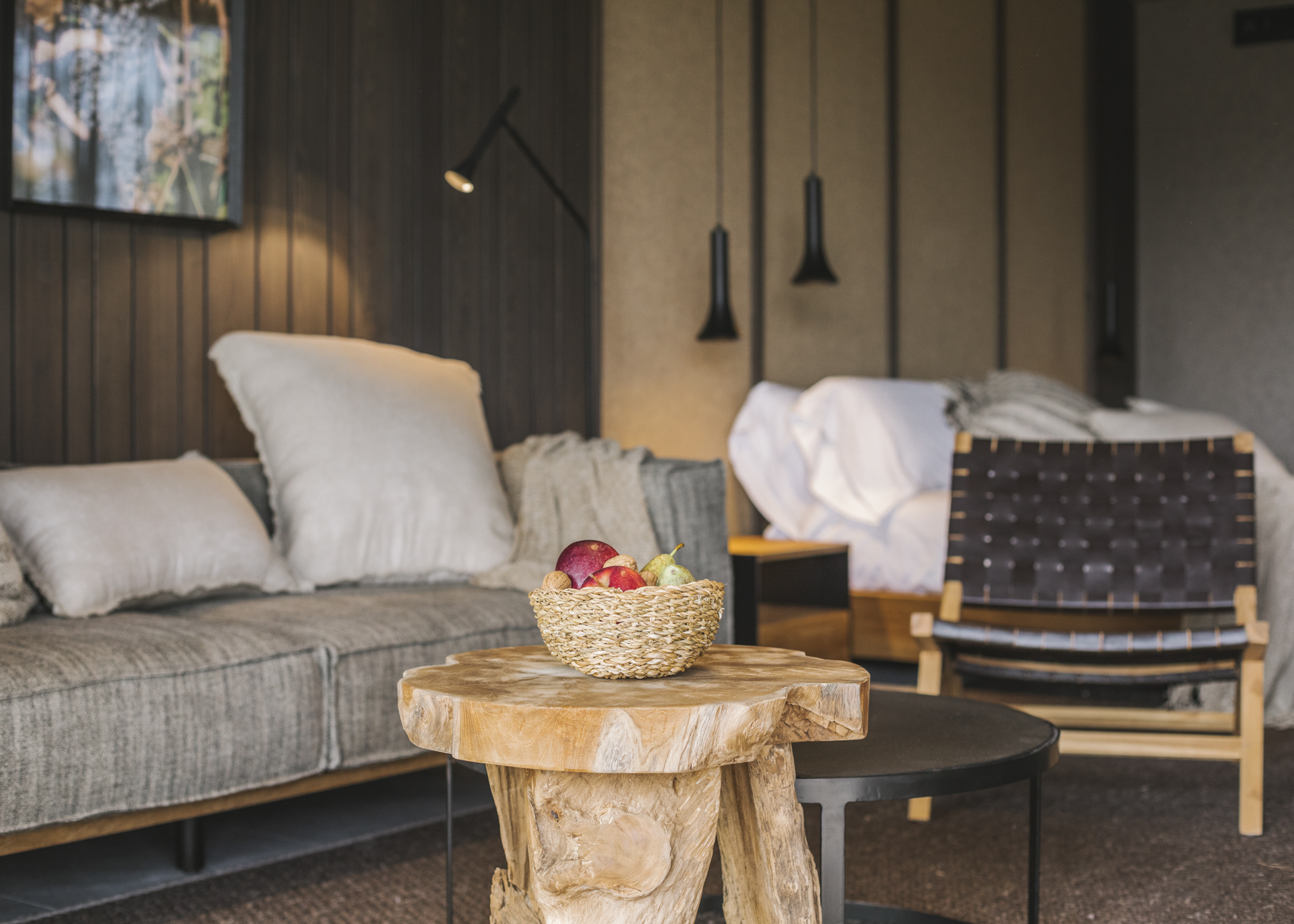
As an example of this philosophy, at Oller del Mas we find that the accommodation service is in 20 cabins, which are built with natural materials, fully integrated into the landscape, powered by renewable energies (solar, geothermal, and aero thermal) and perfectly insulated.
Margenat explains that next year they want to achieve a negative carbon footprint in the entire winemaking process.
Oller del Mas works to offer the best product and contribute to the wellbeing of the people who enjoy their wines and services. This work has been awarded several times, and this year it has received the Vinari award for the Best Premium Wine Tourism Activity of the Year for the visit to the winery with wine-tasting and paired menu with the winemaker and the owner of the winery. It has also been recognised as one of the best vineyards in this wine-growing landscape.


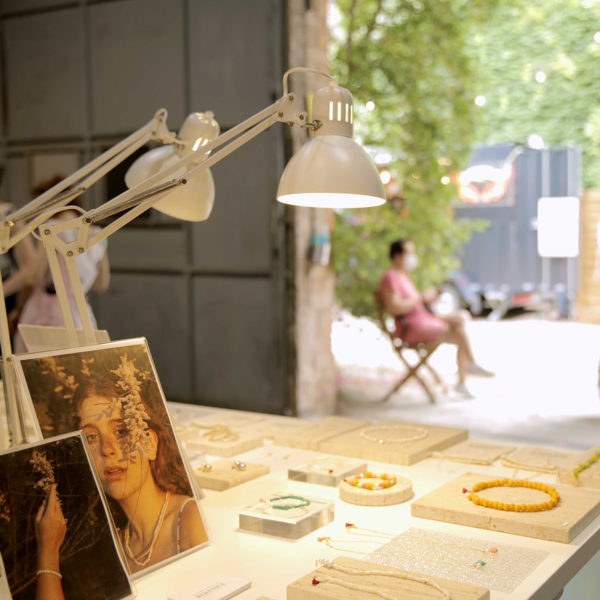
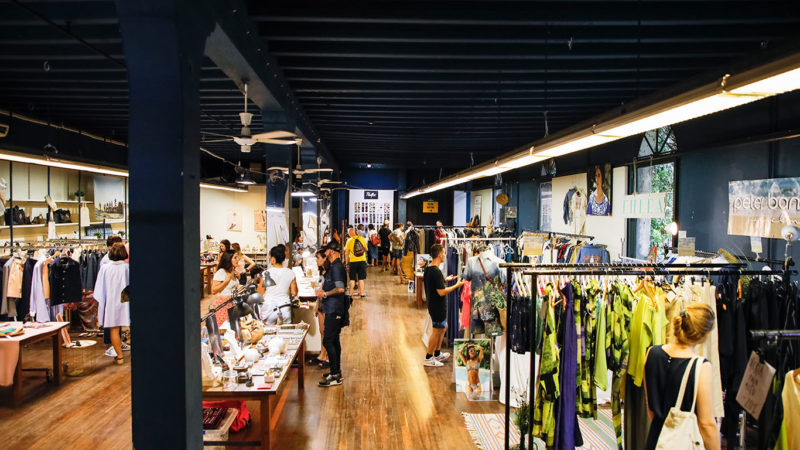
The festival is consolidating itself as a point of reference for local artisan and entrepreneurial talent. Ready to return to normal, visitors can enjoy the Barcelona fashion market on the first weekend of each month. 11Onze will participate in the event.
11Onze will participate in the next Palo Market Fest. Normally, businesses from the creative and design world are present at the festival’s concept lab. In this sense, 11Onze will be the first company from outside this sector to participate in this reference event. The Catalan fintech will participate on 4 and 5 September, offering information about 11Onze to all those interested.
Palo Market Fest is the benchmark event in Barcelona and one of the most important in Catalonia. It acts as a speaker for dozens of brands looking to make themselves known, consolidate in their sector, or simply use the powerful sales channel offered by the market.
The pandemic has fully affected such events. Specifically, Palo Alto had 8,000 visitors per edition, which, adding up the 12 total editions, make 100,000 annual visitors.
Diversity and originality, the essence of Palo Alto
From decorative pieces to sustainable fashion, the range of products we can find in Palo Alto varies from edition to edition. Its organization works under two essential premises: that quality of the product, and the diversity of products.
Discovering new projects, new forms of creation, and innovative proposals is one of the aims of the festival, and the careful selection of the participating brands supports this goal. It is no coincidence, then, that the festival has established itself as one of the most valued platforms to promote emerging professionals and new creators. Innovation is a key point for the festival, and the environment of the Gal i Puigsech factory creates the perfect setting for the consumer to discover brands, projects, and new creative techniques.
In the latest edition, consumers could find decoration brands such as Brico art, artisan fashion by Huinca, ethical fashion by The Milky Way, natural cosmetics by Palombella, aromatherapy by El Bosque esencial, the design of Barceloning, or artists like Sooto or Emily Victoria Art.
Commitment to craftsmanship and proximity
The commitment to crafts is clear, and in each edition we can discover artists and artisans from various sectors who not only show their final product, but also provide the added value of creating it by hand. The proximity with the stallholders and the possibility of telling the story behind the brand, the technique used, or verifying the quality of the raw material are some other key points that make the Palo Market Fest much more than an exhibition centre for brands. It is the same brands that give life to this space and create a communication channel from which the end consumer can know the product they buy at a higher level than that of any store.
Precisely this point is what stands out, according to ARKASA, a craft brand of leather products that has been present at the festival in several editions. Càrol tells us that “the festival gives you a lot of visibility and prestige for being able to expose. In one edition, a Korean woman came with a magazine from her country where Palo Alto appeared as a recommendation to visit in Barcelona. The surprise was that there was a photo of my product as a recommendation of purchase; therefore, the lady came directly to my stand to buy the product of the magazine. Only Palo Alto can make you such a publicity.”
A prestigious festival that never stops
Especially in times of pandemic, Palo Market Fest has adapted to consolidate itself in the mission of being a speaker for brands and being the platform to discover proposals for end consumers. A success story closely linked to meticulous organization and clarity of goals, where the real protagonists are the creators we can find in each edition.
We recommend that you pay attention to their social networks or their web to know the dates of the next editions and be able to enjoy the city’s fashion festival.
Do you want to be the first to receive the latest news about 11Onze? Click here to subscribe to our Telegram channel
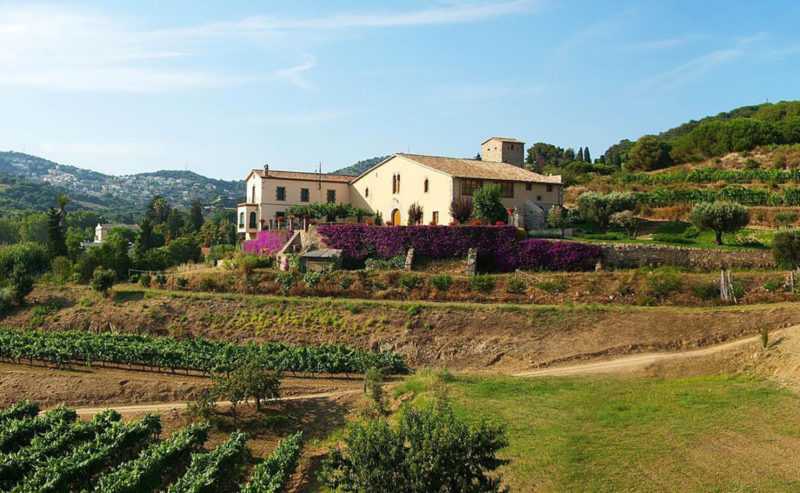
Bouquet of Alella, is located in the DO Alella. It is a winery located in one of the two farmhouses of the owners, the Masia Can Boquet, from the 15th century, in Gothic style, next to the town of Alella. The Cerdà brothers are in charge of this estate that has been in the hands of the family for 14 generations.
The Boquet family has been in charge of lands located in the Maresme and the Vallès (DO Alella) for 5 centuries. Ten years ago, after seeing how the work done on the land was not valued, as the price of grape was very low, Toni Cerdà, viticulturist and winemaker, and his sister Teresa, economist, both grandchildren of a Boquet, decided to continue their father’s work of replanting vineyards and making -with the grapes grown in part of their land- wine, bottling and marketing it. This idea came to their minds after they observed how difficult it was to make a living from selling grapes and after realising that the future of the farm was in danger due to the strong urban pressure that the area supports because of its proximity to Barcelona.
A romantic idea
Teresa Cerdà explains that the project was born from the romantic vision of maintaining the family legacy of Can Boquet. In fact, they built the winery on the ground floor of the 15th century manor house, Can Boquet, which is surrounded by vineyards and from where you can see the sea, so present in this DO, denomination of origin.
Their production is small, with 35,000 bottles per year, which are mostly consumed in Catalonia, specifically in the counties of Barcelona and Girona. They only export a small part to Holland. “We have a very small production” – says Teresa, who adds that there is a lot of competition, and it is difficult to reach customers because there are good wines everywhere. Increasingly, however, house wines are becoming more popular. Despite this, the consumption of local wine needs more wide-spreading and understanding, because our job is not just to make good wines, but to take care of the territory. As my brother says, we are the gardeners of the region, because we maintain the territory and give shape to the landscape ”. It is easy to deduce that the name chosen for the winery, Bouquet, is a clear evocation of the family name Boquet, which was lost in the lineage, when, according to the Catalan tradition, the descendant having been a woman, a pubilla, their children stopped carrying her surname.
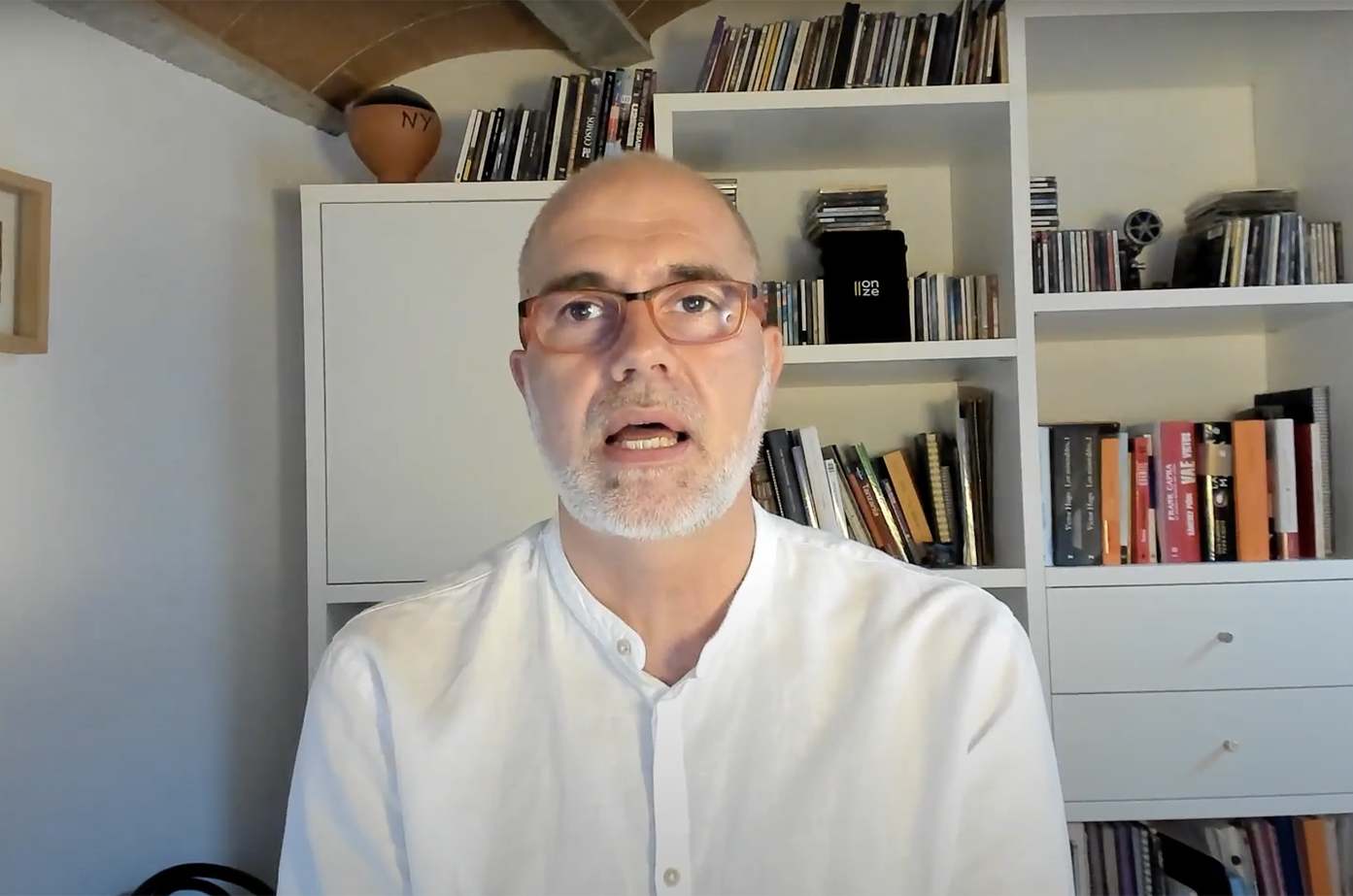
11Onze agent Xavi Esteve tells us about the characteristics of the D.O. Alella.
Sea and mountain
The vineyards of Bouquet d’Alella are scattered. Some are by the sea, others are over 400 meters high, and others in between. “This diversification of location is what ends up giving our wines its own character, because each terroir, despite having been planted the same variety, gives a different taste.” The division into small plots, of the 14 hectares they cultivate, allows the Cerdà brothers to make a careful selection of the grapes from which they make two different product ranges: “We have two types of products: the most general, which follows very similar vinification parameters, and another, which we call micro vinifications ”, explains Teresa Cerdà, who adds that her brother likes to explore different ways of vinifying varieties, which allows them to obtain different products, with little intervention, and which are very natural, such as ancestral wines. The varieties that they work on are indigenous to the area. For years his father had planted international varieties, but the Cerdà brothers have only preserved the Syrah variety, “because it has adapted very well and is Mediterranean” and have opted for lifelong local varieties, such as white raisins, black grenache and the Mataró-monestrell. Their wines, the result of work based on organic farming, together with their specific location, with a sandstone terrain, mild winters and hot summers, near the sea, turn out soft, light and with a salty point.
Near Barcelona
The winery is 15 minutes from Barcelona. This proximity has made them firmly believe in the enotourism that they have launched since the creation of the project. Although the pandemic has reduced the presence of visitors, they believe that the wine tourist must be one of the mainstays of the business. To increase the awareness of the work they do, added to the fact of being a natural space so close to the big city, which has been able to resist the urban pressure, spurs them to work on proposals designed for people who love wine, nature and local produce.
The Cerdà brothers speak proudly of the family legacy and therefore work the land thinking about the environment and future generations. They manage 60 hectares of land: between forests, crops and vineyards and have two farmhouses of high historical value: Can Boquet d’Alella, from the 15th century, where they have the winery, and Can Boquet from Vilassar de Dalt, of Romanesque origin, from the 10th century. The motto that guides them is “Live tradition, experience innovation”.
Do you want to be the first to receive the latest news about 11Onze? Click here to subscribe to our Telegram channel
Norway prohibits the use of filters and tweaks on social media if users are not notified in advance. Thus, they promote the fight against beauty standards far from reality.
The Minister of Children and Equality announced this milestone with a very clear goal: to end the unrealistic beauty canons that are used in both advertising and social media. Norway’s society and collective of influencers have applauded the decision and have joined it to warn of the dangers of unreal beauty, which often leads to a misleading advertising.
Unrealistic and unhealthy beauty canons
Pore-free, wrinkle-free skin, fine-tuned chin, small nose, tall, marked cheekbones, endless lashes, and fleshy lips. This is the current beauty standard promoted by women of great influence like the Kardashian sisters. Thanks to filters in social media like Instagram or Snapchat, showing off that face is within anyone’s reach with just one click.
The tweaks come from the world of advertising and Photoshop experts to the hands of young people, the most influenceable group. The most alarming result: dissociative disorder (identify with your filtered image instead of the real one) and dysmorphic disorder (concern for imaginary physical defects).
Many problems add to these pathologies, such as lack of self-esteem, social pressure, eating disorders, complexes, and so on. They lead young people, and not so young, to feeling bad about their image simply because their referents of bodies are retouched and standardized.
The fight against filters is becoming global
Norway is not the only country that has been alarmed by this dangerous trend. In France, since 2017, it is mandatory that any fashion campaign informs whether the images are retouched. In the United Kingdom, on the other hand, the #FilterDrop campaign has been launched this year, promoted by make-up artist and model Sasha Pallari, who is against the use of filters. The campaign has created such as stir that the ASA, the country’s advertising regulatory body, has joined, too.
More and more countries are joining, and more and more women too, especially actresses and models, who refuse to appear touched up in campaigns. The latest case, and one of the most famous of the year, has been that of the actress Kate Winslet in the series Mare of Easttown. She asked to redo the advertising poster on two occasions to avoid spreading an unreal and wrinkle-free face.
In our country, the situation is also alarming, and today 50% of women and 20% of men use cosmetic treatments. Experts say that more and more young boys and girls use them, and point to social media as the main culprit for this trend.
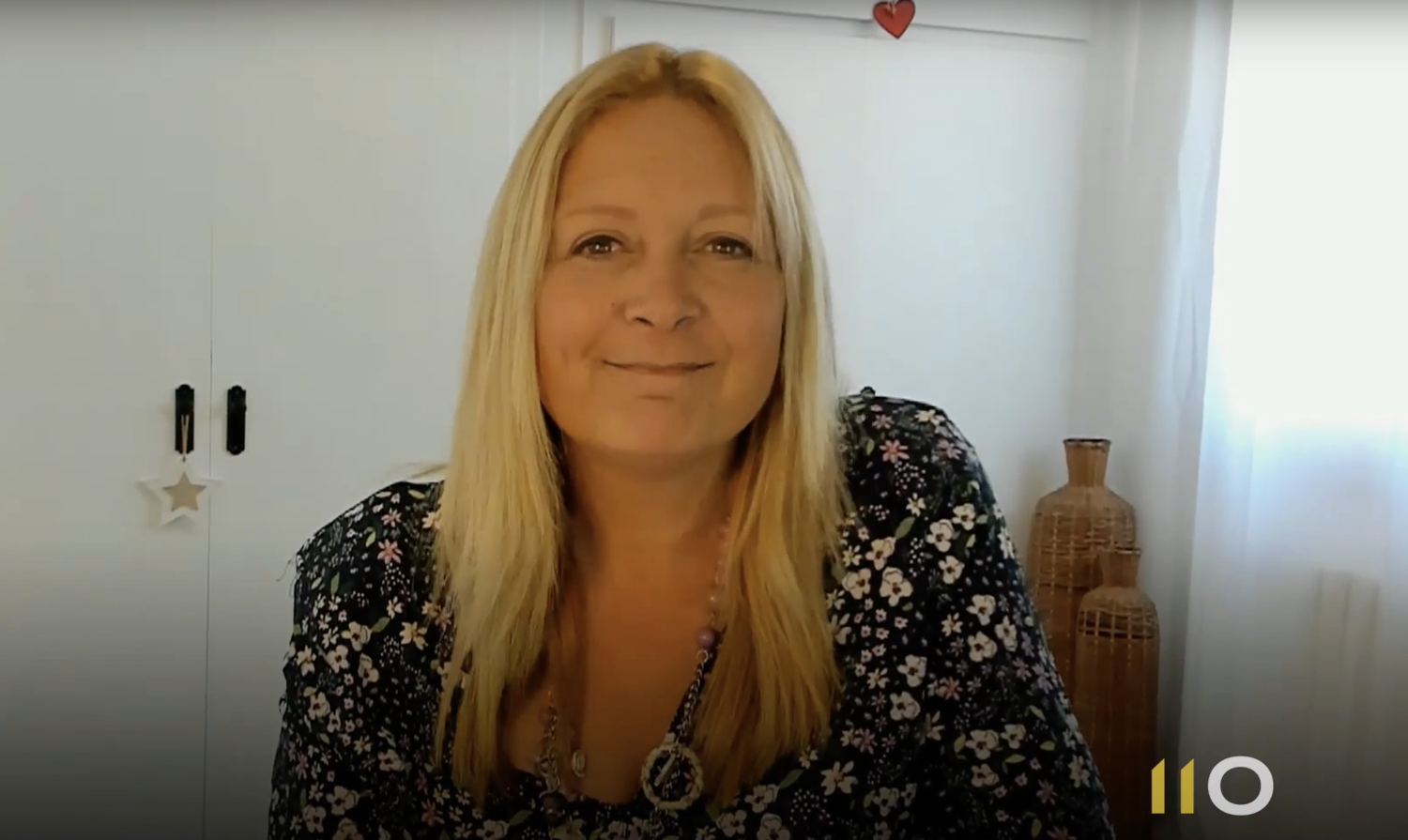
11Onze Agent Núria Rambla talks about natural beauty