The fragile balance of marine ecosystems
Petits canvis poden trencar el fràgil equilibri de molts ecosistemes marins. El corall i el krill són dos exemples clars de com l’escalfament dels oceans provocat per la nostra petjada de carboni pot tenir “efectes devastadors”, com explica Sara Casals, cap de producte júnior d’11Onze.
Els gasos d’efecte hivernacle que emetem a l’atmosfera estan provocant l’escalfament del planeta. I els ecosistemes marins no són aliens a aquest procés. Es calcula que en l’últim segle la temperatura dels oceans ha augmentat 0,1 °C. Tot i que sembla molt poc, mínims canvis de temperatura poden tenir “efectes devastadors” en aquests entorns, com explica Sara Casals.
Dos exemples molt evidents de l’impacte de la nostra petjada de carboni en els ecosistemes marins són el corall i el krill. “El blanqueig del corall és una clara mostra de com un petit canvi pot desencadenar l’extinció massiva d’aquests organismes”, adverteix Casals. Pel que fa al krill, explica que l’augment de la temperatura de l’aigua fa que aquest petit crustaci “es reprodueixi en quantitats molt inferiors”.
La reducció de la població de krill provoca un efecte en cadena en altres espècies animals, ja que el krill és “un esglaó fonamental en la cadena alimentària de l’Antàrtida”. A més, el krill és capaç de capturar diòxid de carboni i dipositar-lo en el fons marí, amb la qual cosa la reducció de la seva població incrementa la quantitat de CO₂ que arriba a l’atmosfera.
Aquests dos exemples mostren que els ecosistemes del planeta mantenen un fràgil equilibri i que cada espècie té un paper fonamental per mantenir-lo. “Una alteració mínima d’aquest ordre natural genera canvis devastadors per la Terra i la vida en ella”, segons Casals.

L’impacte de la petjada de carboni en els ecosistemes marins
Una qüestió urgent
Els humans tendim a relativitzar les coses quan les veiem com un problema llunyà o que no ens afecta directament. Per això, per exemple, moltes institucions han deixat de parlar de “canvi climàtic”, que sembla un procés progressiu i a llarg termini, per parlar “d’emergència climàtica”, que reflecteix millor la urgència de les mesures que la humanitat ha de prendre per aturar l’escalfament.
Com remarca Sara Casals, “ara ens toca canviar el xip, ja que els nostres hàbits i formes de consum ens han portat a aquest punt”. Per tant, és necessari que prenem consciència de quines conseqüències tenen les nostres activitats. Només així podrem prendre les mesures necessàries per reduir la nostra petjada de carboni.
Si vols descobrir com beure la millor aigua, estalviar diners i ajudar al planeta, entra a Imprescindibles 11Onze.

The Catalan brand of ecological detergents presents new fragrances and a jasmine-scented floor cleaner. 3 lots will be raffled among the people who comment on this news!
The collaboration between 11Onze and Natulim continues with the aim of offering useful products for the people of La Plaça. Now, the company led by David Weiss and Lluís Montull, presents new fragrances for washing clothes and a product that customers demanded: a soil cleaner.
The detergents can be unscented, with a floral scent or with a lavender scent. The floor cleaner is available with a jasmine scent and can clean 100 square meters with just one soluble strip of soap, which is placed directly in the bucket. The product is designed for all types of floors, including wood and marble.
What can you win at La Plaça?
Among all the people who comment on this article, we will draw 3 Natulim lots that will include:
-2 Natulim natural detergent.
-2 Natulim floral detergent.
-2 Natulim lavender detergent.
-2 Natulim jasmine floor cleaner.
In total: clean clothes and floors for quite a long time, really.
How to participate?
All you have to do is comment on this article and tell us what you like most or least about Natulim.
Among all the participants we will do a draw and we will contact you to send you your Natulim lot. There will be 3 winners and you have time to participate until August 3rd.
Obviously, to participate you need to be registered at La Plaça, so if you know someone who might be interested in this promotion, let them know! If you want to register at La Plaça, click here.
11Onze is the community fintech of Catalonia. Open an account by downloading the super app El Canut for Android or iOS and join the revolution!

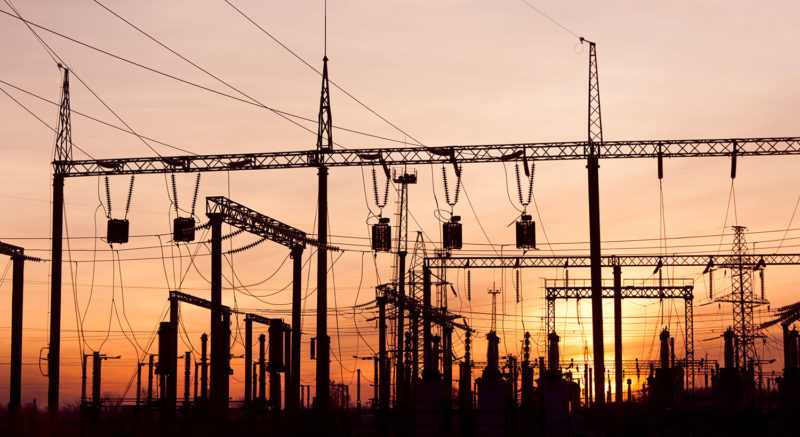
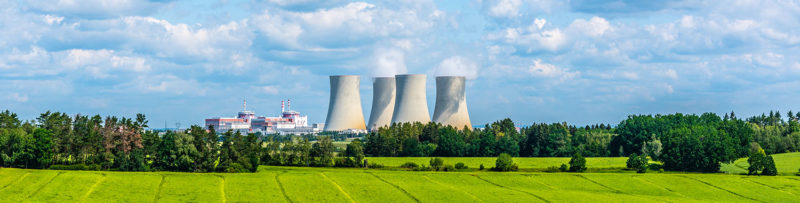
Now that there is speculation of a definitive cut-off of Russian gas supplies to Europe, it is worth considering several green alternatives that will allow us to reduce dependency and save on our gas and electricity bills.
The energy crisis caused by the war in Ukraine has shown that “renewable energies and energy efficiency not only help us to curb climate change“, as 11Onze agent Marifé Fariñas explains, but also help to reduce energy dependence on other countries.
Unlike fossil fuels, a great advantage of renewable energies is that they are unlimited. They also help to reduce climate change, since the use of fossil fuels such as oil, natural gas or coal generates carbon dioxide, which contributes to global warming.
Green alternatives to Russian gas.
Green alternatives
Here are five options to reduce energy dependence and save on your gas and electricity bills:
Solar energy. Installing solar panels to harness solar radiation can even make your home self-sufficient from an energetic point of view.
Geothermal energy. This is an energy that allows the temperature of the home to be regulated and hot water to be produced thanks to the constant temperature of the subsoil.
Aerothermal. The heat pump extracts energy from the air in one place and transfers it to another. This system is used as an alternative energy source for heating and air conditioning.
Bioethanol. Bioethanol cookers and fireplaces can be very efficient alternatives. One litre of bioethanol provides an output of three to six hours and is equivalent to a 3,000-watt radiator.
Biomass. This fuel uses natural resources such as olive stones, pieces of nuts or shells. Its combustion does not produce toxic emissions, making it environmentally friendly, and it is a short-cycle product.
As Marifé Fariñas explains, although the initial costs may be higher when installing alternative energies, it is worth investing in them if we take into account “energy efficiency and the profitability of the investment”.
11Onze is the community fintech of Catalonia. Open an account by downloading the super app El Canut for Android or iOS and join the revolution!

Price, sustainability, location, and awareness. Factors to take into account when deciding where to stay when travelling. The possibilities are many and varied, but which one best suits your needs?
The summer holidays are here. Undoubtedly, a good opportunity to carry out one of the hobbies that we miss the most when work forces us to stay at home: travelling. Far away, near, mountain, beach… the aim is to disconnect for a few days. This is probably where the most recurrent question comes into play and one of the main dichotomies when it comes to travelling: staying in a flat or in a hotel?
Hotel, flat, campsite, caravan… where to stay?
It is undeniable that platforms such as Airbnb or Booking offer very competitive prices that put the hotel sector at a clear disadvantage. They can do so precisely because they are websites where anyone can make one of their properties available to the public and, therefore, everyone sets the price.
In this type of accommodation you won’t find hotel services that make your experience more comfortable, but you will have a space set up to live in for a few days. So, you won’t have the option of having lunch delivered to your bed, but you can make it yourself and save money.
Campsites and caravans are cheaper forms of travel that have become very popular in the wake of the coronavirus and its restrictions. In fact, many families decided to rent a caravan and travel around the country, discovering new places closer to home. Knowing this information, campsite owners and caravan renters have made very competitive prices available to the public. However, it is better to book early, because last summer the caravan sites were sold out very quickly!
Travelling with a conscience
An environmental study conducted by Airbnb in 2016 already revealed that staying in flats, or as they call it ‘Home Sharing’, is more environmentally friendly than staying in hotels. To reach this conclusion, they found that 48% less water and 78% less energy were used compared to hotels. They also added that the owners instilled the notion of recycling in their guests and were thus able to maintain the sustainability of the space. But, as always, everything has its upsides and downsides.
The increase in supply in terms of tourist flats has generated a turistification and, consequently, unstoppable gentrification. In fact, Barcelona is one of the cities that has suffered the most from this effect: the expulsion of residents from their rented flats to transform them into tourist accommodation. Associations from different Barcelona neighbourhoods complained that there was less and less space to live in their own city. A fact derived from the ease of making a place available for tourists to spend their holidays, even if this means the expulsion of a resident.
From here, it is a matter of assessing preferences and making your days off a real experience. Each option offers different advantages and depends on the type of trip you want to make: relaxed, more autonomous, adventurous… it’s up to you. And once you have chosen your accommodation, all you have to do is enjoy your long-awaited holiday!
11Onze is the community fintech of Catalonia. Open an account by downloading the super app El Canut for Android or iOS and join the revolution!
If you liked this article, we recommend you read:
 Sustainability
How to behave in nature
5 min readIn summer, more people visit the sea and the mountains, and unconsciously we put ourselves

The exorbitant increases in the price of electricity, gas and petrol are the spearhead of an energy crisis that is seriously affecting our household economy. Even so, the transition to renewable energies is an absolute necessity if we want to ensure the sustainability of the planet. Sílvia Garriga, 11Onze agent, explains how to face this challenge by using renewable energies in our homes.
Society and governments have become aware that the transition to renewable energies can no longer be an option for the future, but must become a reality in the immediate present. The climate and environmental emergency is a fact that has obvious effects on the planet’s ecosystems, and from our homes we can reduce the impact that energy consumption has on the environment.
But what renewable energy installations can we have at home? What does the current legislation say? As Garriga explains, “we have several options to consider when choosing what type of energy we want to install at home”. Solar panels are the most popular, but it should be borne in mind that aerothermal, geothermal, and biomass are also options available to many households.

Home renewable energy installation.
Passive houses: the architecture of the future
“In recent years, new systems for obtaining energy called passive systems have appeared with the aim of achieving zero-consumption buildings”, says the 11Onze agent. The viability of the concept of buildings with almost zero or very low energy consumption in residential construction is a challenge that has gone from the experimental phase to become a growing trend within reach of a large part of the population, and which will mark the path of the homes of the future.
Whether we decide to renovate our homes to increase their energy efficiency or reduce their energy consumption of fossil fuels to make them more ecological and efficient, we are making a commitment to the future that will benefit our wallets and the environment.
If you want to discover how to drink the best water, save money and help the planet, go to 11Onze Essentials.
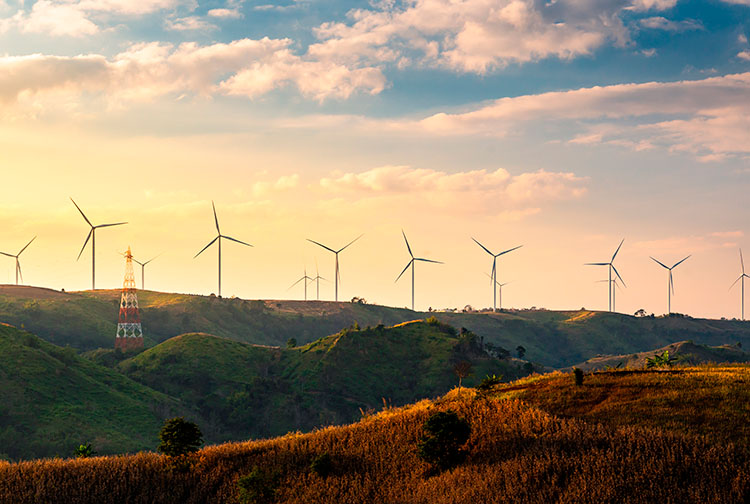
The issuance of green bonds, aimed at financing sustainable projects, continues to rise after closing 2020 with historic figures of $270 billion. The European Commission and countries such as Spain are joining this investment trend.
Green bonds are fixed-income instruments that are exclusively aimed at financing or refinancing environmental or climate change-related projects. Thus, they promote energy efficiency, pollution reduction, ecosystem protection or clean water management; they promote sustainable agriculture, fishing and forestry; and they even mitigate climate change, with the so-called climate bonds.
After nine years of consecutive growth in the sector, the green bond market closed 2020 with a total of $270 billion issued and a cumulative volume of $1 trillion. The World Bank is the largest issuer of these bonds, having issued $14.4 billion worth of bonds in 22 different currencies in the last year, which have gone to 111 projects around the world, mostly focused on renewable energy (33%), clean transport (27%) and agriculture (15%).
Bonds serving the community
Through green bonds, investors provide financing to companies, projects, even governments, that want to take advantage of the debt capital markets to deliver sustainable and global solutions for the community. To ensure this green purpose, the International Capital Markets Association (ICMA) regularly updates the GBP (Green Bonds Principles) that all such bonds must comply with. Although it is a voluntary guide, all stakeholders are encouraged to use it to promote transparency in the sector and awareness of the product and the market among the actors involved.
The Climate Bonds Initiative is a non-profit organisation and one of the leading bodies in this sector, which is responsible for developing and mobilising the $100 trillion bond market. With the intention of paving the way for all the actors involved in the sector, they work through an open code, particularly focused, on protecting investors, facilitating the entry of governments into the market, and providing the necessary knowledge and tools to all the organisations that participate.
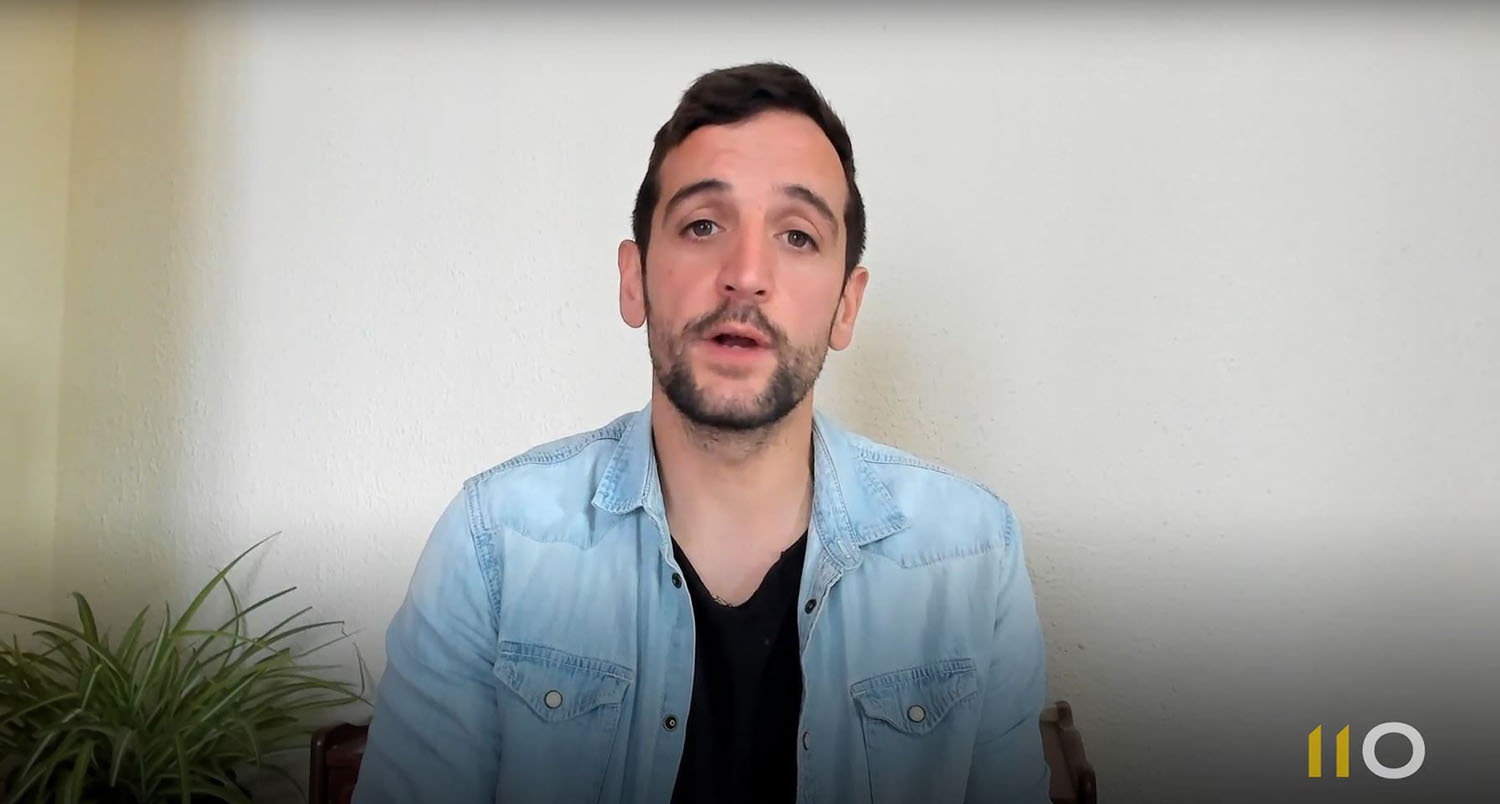
11Onze Agent David López tells us what bonds are.
A global commitment to a sustainable economy
In 2008, the World Bank issued the first green bonds, and shortly afterwards the Bank’s green bond fund was launched. The European Commission also joined in 2018 with the creation of a sustainable financing plan, and since then the European trend has continued to grow. In October, the Commission launched the NextGenerationEU scheme, which plans to issue €250 billion in green bonds by 2026, a milestone that will make Europe the world’s largest green bond issuer.
At the state level, many governments are joining the green bond issuance trend. The Spanish government, for example, issued its first issue earlier this year for €5 billion with a 20-year maturity. Investor demand has exceeded 60 billion euros, a figure never seen before in green government bond issuance in Europe and which has allowed coupons to be issued at 1%, with a yield of 1.034%. Another example is Germany, which entered the green bond sector in September last year with a ten-year term, and this year launched the first 30-year bond facility worth €6 billion.
The growth of this sector, the commitment on the part of companies and administration, and the high demand from investors predict that the growth of this sector will continue to increase in the coming years. By doing so, the development of economies and environmental preservation join an economic trend where profit becomes global.
If you want to know more about superior options to make your money profitable, go to Guaranteed Funds. From 11Onze Recomana we propose you the best options in the market.


Little by little, the calls for Next Generation grants are coming one after the other. This summer will see the launch of one to finance projects that promote the circular economy, with a budget of 192 million euros.
This summer will see the opening of a call for Next Generation grants from the European Union to finance business projects that promote the circular economy. This is a multisectoral call with a budget of 192 million euros to promote sustainability and circularity in production processes and to create a more innovative and competitive industrial fabric.
Projects focusing on four main objectives will be eligible for this aid:
- Reducing the consumption of raw materials through the use of by-products or materials from waste or remanufactured products.
- Commercialisation of products with an ecological design that increases the useful life of the product and improves it in terms of repairability and recyclability.
- Improvement of waste management through new treatment systems that allow the recycling of raw materials.
- Digitalisation of processes, with the development of infrastructures and systems to improve the traceability of products or services based on the return of waste or 3D technologies, among others.
Companies of any size can apply, individually or as part of a consortium. However, priority will be given to projects involving small companies.
An ambitious plan
The Strategic Plan for Economic Recovery and Transformation (PERTE) in a circular economy, in which this call is framed, is expected to mobilise more than 1.2 billion euros in aid until 2026. Looking ahead to 2023, new specific calls are expected to be opened for three key sectors: textiles, plastics and capital goods for renewable energies.
This PERTE is one of the most ambitious in terms of channelling Next Generation funds and has three basic objectives: to reduce waste generation, boost treatment plants and promote the digitisation of companies and institutions.
The PERTEs include driving projects with a major transformative impact on strategic sectors. The circular economy plan aims to promote the transition from the current economic model, based on the linear gear of produce-consume-throw away, towards a new model that reduces the ecological footprint. In this sense, it is aligned with the objectives of the Spanish Circular Economy Strategy for 2030.
Specifically, the PERTE on circular economy identifies the three sectors mentioned above, in which it is considered particularly necessary to develop specific measures to achieve a circular economy model. However, the circular economy has also been introduced as a cross-cutting element in areas such as construction, agriculture, livestock and vocational training.
With the help of Acció
Acció, the Catalan agency for business competitiveness, has a specific section on its website on Next Generation grants, which includes an alert service for calls for proposals and advice on the steps to follow.
In this regard, the director of business strategy at Acció, Joan Martí, indicated at a recent session on Next Generation funds that the organisation has hired “eleven people” in the last two months to “promote the participation of Catalan companies in strategic projects” that have a “high component of digital transformation and environmental commitment through exceptional grants”. Joan Martí also stressed that a “delegation has been opened in Madrid to help Catalan companies approach ministries”.
Juanjo Escobar, head of the energy management division of the Catalan Energy Institute (ICAEN), criticised at the same session “the complexity of the procedures” and the lack of a “picture of the calls for proposals that will be made within six months”, which makes it difficult for companies to be clear about which ones they are most interested in participating in.
If you want to know more about superior options to make your money profitable, go to Guaranteed Funds. From 11Onze Recomana we propose you the best options in the market.



Whenever there are forest fires, the debate begins on how to prevent these catastrophes. Once again, we are aware that it is a complicated situation that needs a serious and forceful approach to the territory’s management model.
Unfortunately, forest fires are in the news every summer. But it is surprising that this year’s fire season has been brought forward to spring. A summer season with a particularly high fire risk is expected, given that the abandonment of crops, poor forest management and climate change complicate the conservation of the landscape we have.
Catalonia has a Mediterranean climate, and this means hot, dry summers, a situation that is worsening nowadays with the effects of climate change. According to the Servei Meteorològic de Catalunya (SMC), the climate in the middle of the century could have almost thirty more summer days and the temperature in our country could rise by an average of three degrees Celsius.
Economy and landscape
Marc Garfella, a technical forestry engineer from Bosquerols, a cooperative dedicated to forest management and planning, explains that the current situation is partly due to the abandonment of cultivated fields (in the 1950s forests occupied 35% of Catalonia, and today they occupy 70%), climate change and the fact that the primary sector cannot make a decent living.
According to Garfella, the primary sector has a very important role to play in managing the landscape and maintaining it, and therefore in preventing forest fires, although “forest management has not been profitable for years”.
He knows what he is talking about because the cooperative, in addition to working for the administration, works for clients who are forest owners: “Our rural landowner clients know that timber is currently worth very little and that this is not the time to cut down large quantities of trees. Trees are now being felled to allow the forest to be more diverse in structure, more resilient to climate change and more resistant to fire”.
The technical forestry engineer adds that the non-profitability of forests is a general problem in the primary sector: “Today, those who work in forestry management, agriculture and livestock farming cannot live without aid”. The abandonment of crops is an element that contributes to the fact that the forest mass is growing without management or control. And the fact that the exploitation of the forest is not profitable means that the owners do not invest in its planning or management.
We are facing a paradigm shift, says Marc Garfella: “The countryside has been abandoned, and climate change has been accentuated. And this is not exclusive to our country. There are fires all over the world (Argentina, USA, Bolivia, Australia, Canada…). Climate change is changing the landscape, and a forest fire can change it in a few hours. We need to think deeply about land management”.
Faced with this paradigm shift, Garfella asks society in general what kind of country we want: “It is up to citizens to say what kind of country they want, and they must do this not only theoretically, but also actively, that is, by being aware that the actions they take every day influence the landscape of the country, because it is the economy that ends up defining the landscape”.
Product with an impact
80% of the human diet is plant-based, and agriculture represents an important economic resource and means of development for people. We are all aware that forests are home to millions of species, are an important source of clean air and water, and are also key to combating climate change.
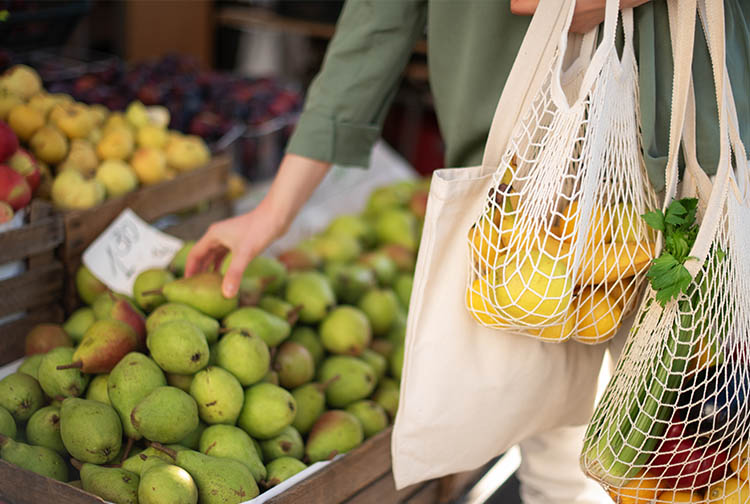
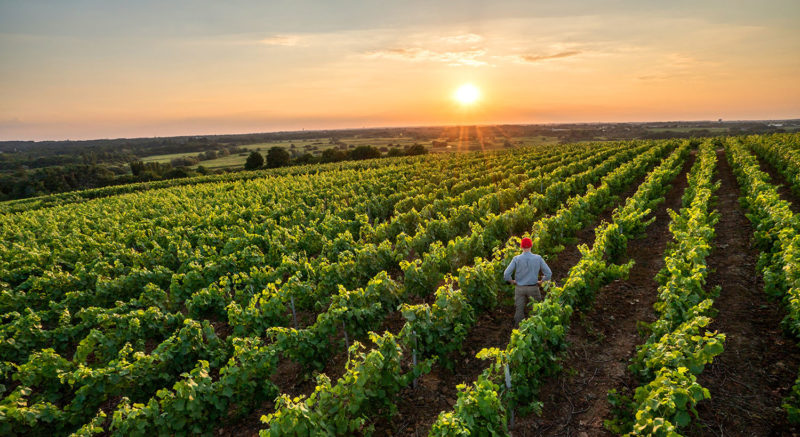
And what can we all do together to maintain the landscape? Well, for Marc Garfella, we have to be aware of the products we consume: “In the end, when you buy local produce, whether it is wine, oil, lamb, wood, fruit, you also end up paying for the conservation of the landscape. If farmers, stockbreeders and foresters can make a decent living, they will not abandon their land and will maintain the landscape. When we consume local products, we are consuming products that have an impact.”
Farmers, foresters and livestock farmers, in addition to supplying us with food and energy, also act as managers and planners of the territory. It is up to us to ensure that they can continue their work of preserving the landscape.
11Onze is the community fintech of Catalonia. Open an account by downloading the super app El Canut for Android or iOS and join the revolution!
The detergents we use to do everyday tasks, such as washing dishes or running a washing machine, are a basic commodity we cannot do without. But perhaps we are not sufficiently aware of the environmental impact of conventional detergents and how small changes in our consumption habits can help preserve the planet’s water resources.
Ever since soap was first used to wash clothes, it has left its mark on the environment. However, it was not until 1907, when the German company Henkel started selling the first powder detergent, Persil, adding perborates, silicates, and sodium carbonates to traditional soap, and a few years later with the massive introduction of synthetic detergents that a serious environmental problem was created.
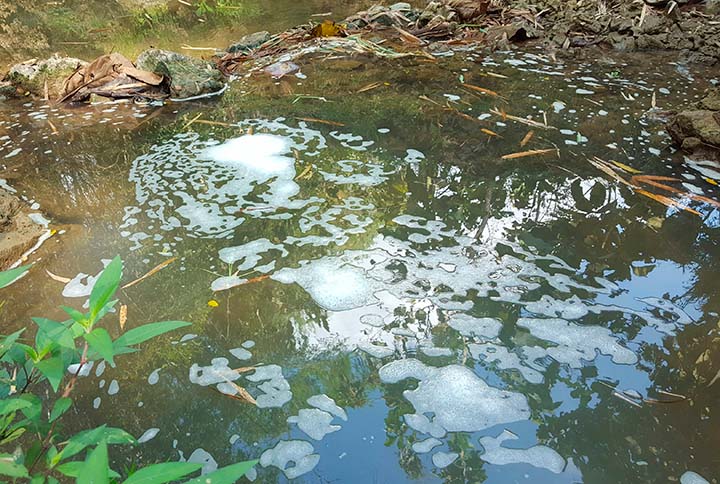
These are chemical products with complex formulas containing ingredients that have several functions beyond the actual cleaning action. Some of the most common ingredients in conventional detergents can be highly harmful to the environment, but there are alternatives on the market to consider.
Biodegradable does not always mean environmentally friendly
As with “eco” product labels, when some detergent manufacturers use the adjective “biodegradable” as a marketing claim, these are often products that only meet minimum legal requirements, but are not necessarily 100% biodegradable detergents.
While, for example, in 2004 the European Commission banned detergent manufacturers from using surfactants for household cleaning products that do not readily biodegrade, other potentially toxic ingredients, such as phosphonates or optical brighteners, are not required to meet any biodegradation standards.
That said, it is true that there are ecologically produced, mostly biodegradable detergents containing plant-based raw materials that are much safer for our health and do not affect water purity as negatively. They are generally free of phosphates and parabens, and no unnecessary colourants are added.
Sustainable packaging and transport
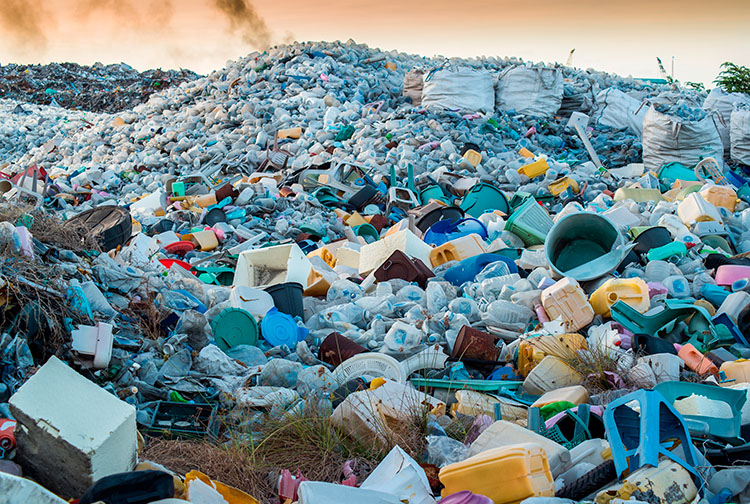
Dishwasher and laundry detergents often come in plastic packaging that is generally not reusable or recyclable. In a world where more than 300 tonnes of plastic are produced daily, we cannot ignore the volume of plastic waste from the monthly purchase of household detergents.
In this respect, a growing number of manufacturers of eco-friendly detergents are also taking measures to reduce the environmental impact of their products’ plastic-free packaging, transport, and production logistics.
Bearing in mind that 80% of liquid detergents are water, and the consequences for the environment that this entails in terms of fuel consumption and CO₂ emissions emitted during the transport of these products, the boom in concentrated, solid, and strip detergents among people who practice conscious consumption is understandable.
If you want to wash your clothes without polluting the planet, 11Onze Recommends Natulim.
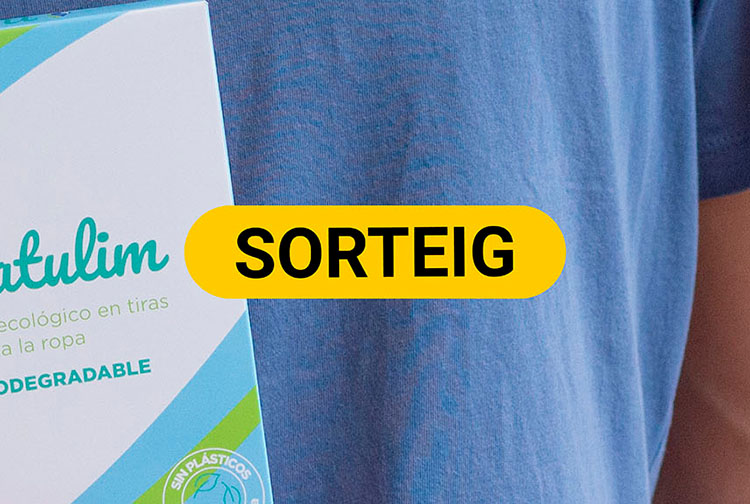

Do you want to wash your clothes without polluting the planet? All you need to do is take part in our Instagram competition and get a bit lucky. You can win the supply of Natulim detergent to do the laundry of a family of four for a year.
At 11Onze we want to help you do your laundry without polluting the planet. That’s why we’d like to give you a year’s supply of Natulim, our favourite ecological detergent. All you have to do is enter our competition and keep your fingers crossed. We will announce two winners every Tuesday during the first three weeks of June.
Each winner will receive 12 packs of Natulim, the equivalent of a year’s worth of product for a family of four. The pack is valued at 143.40 euros and will be sent to the winner’s home address.
To participate, you have to follow @11onzecat and @natulim‘s Instagram profile, like the contest’s publication and mention at least one person in the comment section (you can comment as many times as you want). You can find the legal terms and conditions of the competition here.

Why is it ecological?
Natulim are small biodegradable strips of eco-friendly detergent, which you simply put in the washing machine with your clothes. Each strip has ultra-concentrated cleaning power, leaving clothes clean, soft and smelling great without the need for fabric softener. Its low foam formulation targets and dissolves stains in both hot and cold water and in all types of washing machines.
It is suitable for the most delicate skins because it is hypoallergenic. Moreover, it does not contain phosphates, parabens, chlorine, dioxane or added colouring agents. All this makes Natulim a biodegradable detergent, which does not generate waste that pollutes the planet.
If you want to wash your clothes without polluting the planet, 11Onze Recommends Natulim.