Do we need disasters to change?
In the face of natural (or pandemic) disasters, society is forced to change and evolve. There is no option to do anything. Uncontrollable circumstances force the creation of change-resilient communities.
Global warming and climate change make us more vulnerable to natural disasters. The UN’s head of Disaster Risk Reduction, Mami Mizutori, warned that in the next twenty years the number of disasters or catastrophes will double, and the cause for 90% of these will be related to climate change.
Added to this are factors such as poverty, air pollution, population growth, and uncontrolled or risky urbanization. The result: more hazardous areas and more people at risk. Our present and future will be marked by constant change, whether natural, technological, political, or social.
We are condemned to live in a changing world, but are we prepared for it? We analyse how adaptation, an intrinsic human characteristic, will be key to building resilient societies of the future.
Avoiding change or preventing it?
In the face of a disaster, or a situation of general change, the worst thing we can do is to do nothing. This is why Margareta Wahlström, UN Undersecretary-General for Humanitarian Affairs, stresses the importance of taking action to minimize disasters. Some, such as those related to climate change, we have the capacity to help to prevent. But for those we cannot avoid, we need to build societies that are resilient to change, and the urgency is to do so before the next disaster strikes, as Wahlström describes in her article.
Teaching this is essential at all levels. Every euro invested in prevention can save up to seven euros in recovery. And here the resilience of the population is a key factor. We must train our minds to make them more resilient to change, and leave behind the traditional view that links change with fear and a refusal to evolve.
Back to the point of equilibrium
Adaptation to change is a human characteristic, even from a biological point of view. This is what is known as homeostasis, a concept created in 1865 by the physician Claude Bernard, and which refers to the general tendency of an organism to re-establish balance and internal stability. From a psychological point of view, the reading is that in situations of change, people tend to find equilibrium again, i.e. that both change and stabilization are two undeniable constants in human life.
For his part, Darwin also came close to this idea in his evolutionary process, arguing that evolution is nothing more than having the ability to adapt to new environments.
Change is evolution
The psychologist Jean Piaget theorized that the main characteristic, and therefore the distinguishing feature of living beings, is precisely this ability to self-regulate. Our system, from the most biological to the psychological part, is capable of recovering or restoring damaged structures. Therefore, a living being is dynamic and active by nature, and change is nothing more than the survival response of our body in an attempt to adapt to the environment.
Piaget differentiated between two ways of adaptation: assimilation, which consists of including novelties in our already defined schemas. And accommodation, which modifies the schemas to adapt them to new demands. Putting theory into practice, in the pandemic era we may have felt identified with one system or the other depending on our behaviour: have we incorporated the new habits into our daily routine, or have we modified it to create a new routine based on the current moment?
Whichever way we have positioned ourselves in the face of change, the important thing is to have gone through the process of adaptation. This is what can save us from constant change: action, fleeing from denial and stagnation, and opening up the possibility that each change presents us with a new scenario that is challenging enough to force us to rethink everything, with no alternative but to evolve.
Do you want to be the first to receive the latest news about 11Onze? Click here to subscribe to our Telegram channel

The world is facing a food crisis. Food prices are soaring and consumers are changing their habits. The new situation is both a challenge and an opportunity for the Catalan agri-food industry.
The anticipated CPI for September stood at 8.9%, mainly due to higher fuel and food prices, according to the INE. And it rains on wet weather if we analyse the evolution of the prices of the shopping basket, despite the fact that the year-on-year inflation of food and non-alcoholic beverages was 6.2%, decreasing two tenths of a percentage point compared to the previous month. Particularly noteworthy were the high prices of basic products such as meat, bread, cereals, pulses, vegetables, milk, cheese and eggs.
The majority of consumers in Spain have noticed these changes and 75% have already changed their shopping habits, according to a survey by the consultancy firm McKinsey. Between April and May, half of them have tried the supermarket’s own brand, 30% have changed brands and 26% say they have changed shops or distributors. Undoubtedly, the main reason is the search for better prices.
Moreover, according to a report by the insurance company Allianz, if producers end up passing on the increase in their costs to the final price of foodstuffs, especially due to the rise in fuel, electricity and fertilisers, the shopping basket will become 13% more expensive this year in Spain. It should be borne in mind that European households already spend on average between 12% and 25% of their income, depending on the country, on food and drinks. Many family economies could therefore be strangled.
A stimulus for local shops
The major impact of fuel prices on distribution chains could be a boost for local commerce, as reflected in the report “The agri-food sector in Catalonia”, produced by Acció and Prodeca. In this sense, both producers and distributors will have to adjust their strategies to become more competitive.
The food crisis represents an opportunity for the sector in Catalonia, although it is not without risks. Led by the meat industries, the agri-food sector is one of the clear benchmarks of the Catalan economy, as it generates 19.2% of GDP, with a global turnover of 43 billion euros. The primary sector accounts for almost 11% of the total; the food and beverage industry, 70%; and the auxiliary industry more than 19%.
In this new context, some local producers and distributors, especially those in the primary sector, will be able to increase their market share in Catalonia, as their products will become more competitive with imported products. In any case, no one can overlook the major trends and challenges in the sector that the Acció and Prodeca report points out.
Three areas of action
To begin with, in regard to the environmental impact, it will be necessary to take into account the importance of a sustainable production, based on the circular bioeconomy and precision agriculture, or aspects such as the reduction of plastic waste. Food traceability will make it possible to identify its sustainability and ensure its authenticity.
Opportunities for new products in the field of healthy eating also stand out. This includes products that contribute to reducing the incidence of certain diseases (diabetes, cardiovascular pathologies, etc.), functional products and the area of nutrigenetics, which tends to increasingly personalise food according to the genetic characteristics of the consumer.
A third field of action is innovation. Technology should facilitate the launch of new ingredients, additives and food supplements. Moreover, the implementation of Industry 4.0 in the sector should preclude taking advantage of Big Data or the Internet of Things.
More difficulties for exporting companies
In general, companies with a greater dependence on exports will suffer the most in adapting to a change in the market. It could be said that the Catalan agri-food sector has eaten up the world in recent years, as its foreign sales are close to 13,000 million and account for 16% of Catalan exports.
In some cases, therefore, it will be difficult for growth in the domestic market to balance the loss of presence abroad. A clear example is meat and sausages, whose exports are equivalent to almost 4.6 billion euros (36% of the total), highly concentrated in pork.
11Onze is the community fintech of Catalonia. Open an account by downloading the super app El Canut for Android or iOS and join the revolution!
The sustained decline in birth rates and the consequent population ageing are causing a global demographic decline, especially in developed countries. This trend is a cause for concern because it calls into question the sustainability of the current socio-economic system.
Since the 1950s, fertility rates have been declining as societies have modernised. Recent studies suggest that fertility rates will continue to plummet until the end of the century, leading to profound demographic change with global consequences.
By 2050, more than three-quarters of countries will not have fertility rates high enough to maintain their population ratios over time. This figure is projected to rise to 97 per cent by 2100 when only six of 204 countries and territories (Samoa, Somalia, Tonga, Niger, Chad, and Tajikistan) will have fertility rates above 2.1 births per woman.
Most of the world is thus approaching a natural population decline, known as a demographic winter, in which the number of deaths exceeds the number of births. This means that there will be more old people in need of care, but fewer young people working to finance pensions and the welfare state.
The European fertility crisis
In the case of Europe, the number of births has fallen below 4 million for the first time since 1960, one of the lowest birth rates in the world. In 1990 there were 5.1 million births, the last year in which births exceeded 5 million. Likewise, the fertility rate has also fallen, approaching levels of two decades ago.
Spain has the second-lowest fertility rate in the European Union, behind only Malta, according to Eurostat data. In 2022, the Spanish rate was 1.16 children born per woman, below countries such as Italy (1.24) or Portugal (1.43), which were also below the European average.
Even so, the data on the evolution of births provided by the INE suggest that the fall observed in recent decades could be coming to an end and that 2024 could mark a turning point for the stabilisation, if not recovery, of the birth rate in Spain.
Unfounded scaremongering?
The world population has reached almost 8.2 billion by the middle of this year and is estimated to grow by about 2 billion over the next 60 years, reaching a peak of about 10.3 billion around 2080. After that, it is expected to fall to 10.2 billion, 700 million less than was projected a decade ago.
Indeed, overall population growth or decline is not the only part of the demographic equation that should concern us: the age structure of the population, the gender imbalance, the accelerated process of urbanisation, the huge disparities between regions and environmental sustainability are all factors to be taken into account if we are to escape from a false dichotomy.
The most dystopian neoliberal scenarios are based on a system that has made continued economic growth its reproductive strategy, leaving aside environmental sustainability and the necessary reconfiguration of the balance between work and family life. Likewise, part of the fatalism stems from the most conservative sector of the population that yearns for the traditional family model and sees immigration as a cultural threat.
In the same way that the justification for the fear of uncontrolled and unlimited population growth has faded, the alarmism about the demographic decline and the falling birth rate will possibly be appeased by the realisation that there are viable alternatives to the current production model, which can ultimately be beneficial for society as a whole.
11Onze is the community fintech of Catalonia. Open an account by downloading the super app El Canut for Android or iOS and join the revolution!


The fashion industry is one of the most polluting industries on the planet. Can it be avoided? Is ‘slow fashion’ a solution? Is it possible to buy in a more sustainable way? The president of BASI Group, Nuria Basi, and the CMO of 11Onze, Gemma Vallet, discuss this in a new Territori 17 of La Xarxa.
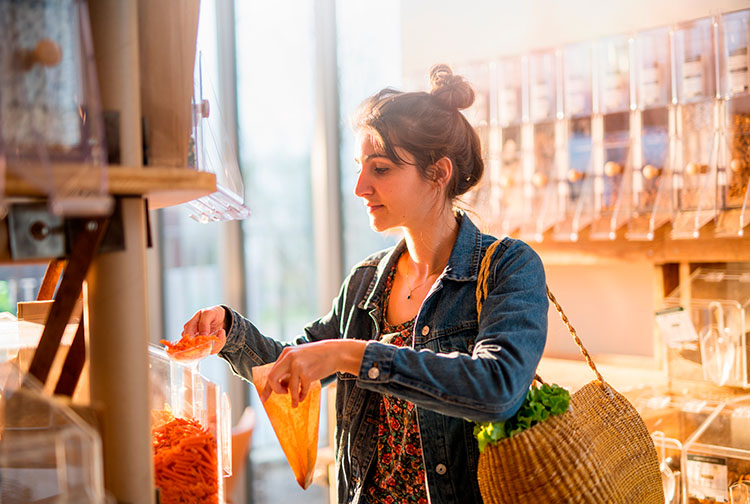
One of the great lessons learned from the pandemic is that we can enjoy our shopping while remaining sustainable. But how to do it, in the case of fashion? “Buy wisely, with common sense and a lot of information. The great advantage is that we consumers are the ones who choose what we want to buy,” Basi says. She heads one of the largest fashion distributors on the Iberian peninsula, serving brands such as Armand Basi, Lacoste and Cole Haan.
Functionality, quality, durability, necessity? There are several factors to take into account when choosing the clothes we wear. “As the British fashion designer Vivienne Westwood used to say, buy what you like, wear it and make it last for a long time,” Basi sums up. The BASI Group CEO is a strong advocate of mending clothes and appreciates how past generations took care of their clothing.
“We are mistaken if we think that buying new clothes is cheaper than mending them. We buy it, wear it, get tired of it and throw it away or, at best, recycle it,” she complains. According to Basi, we often have habits that don’t help either: it may seem very practical, but in the long run it is not, such as leaving clothes in the washing machine and not hanging them out until you get home in the evening, or using cleaning products that are not of high quality and that spoil the fabric.
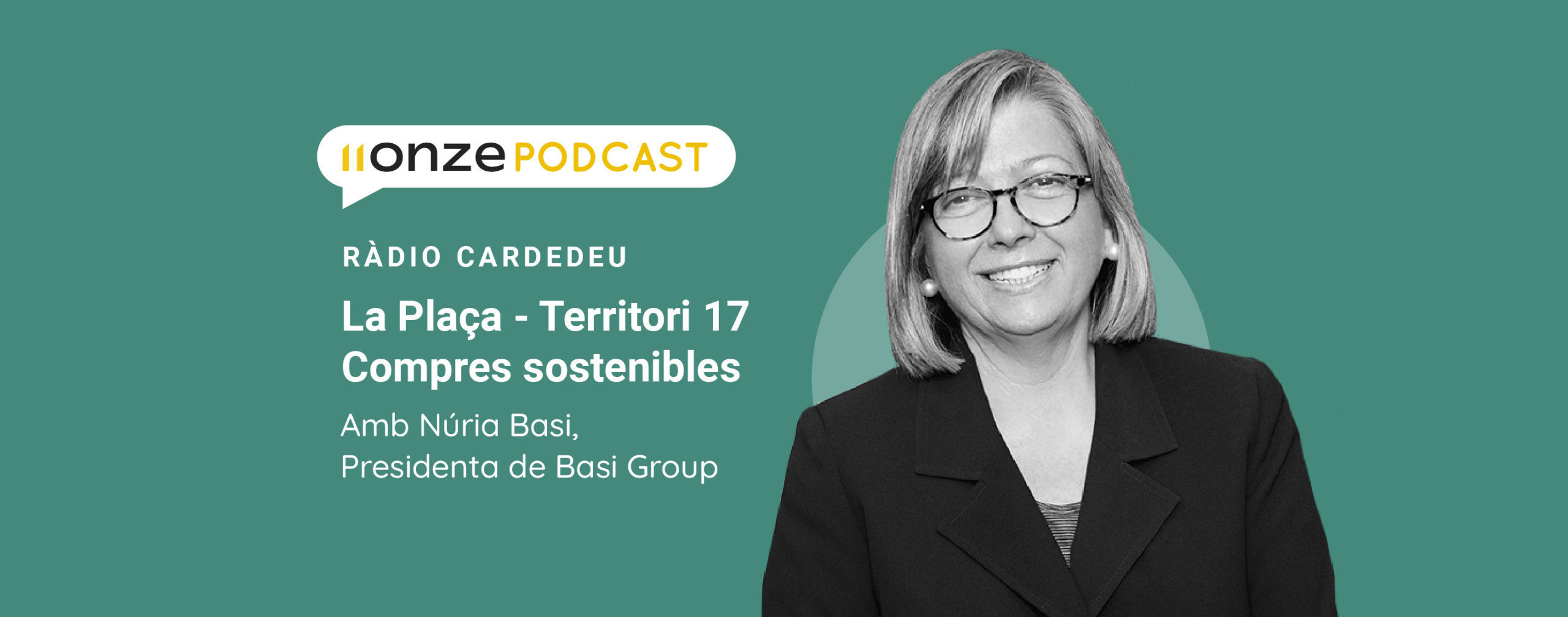
La Plaça – Territori 17: Sustainable shopping
Being consistent, being responsible
“It is very important that products come with a traceability label, so that we know where they were made,” Basi says, who believes that this is an increasingly intense debate in the fashion world. The president of BASI Group also reminds us that sustainability is not only about the quality of the product, but also about all the socio-economic processes through which the clothes are made.
And she exemplifies consistency in purchasing with a concrete case: “If we go into a shop and find that an item of clothing only costs three euros, maybe we should ask ourselves if the entire value chain has been executed with criteria of responsibility,” she says. In the end, as Nuria Basi confirms, it is about producing and consuming much less, but better.
11Onze is becoming a phenomenon as the first Fintech community in Catalonia. Now, it releases the first version of El Canut, the super app of 11Onze, for Android and Apple. El Canut, the first universal account can be opened in Catalan territory.

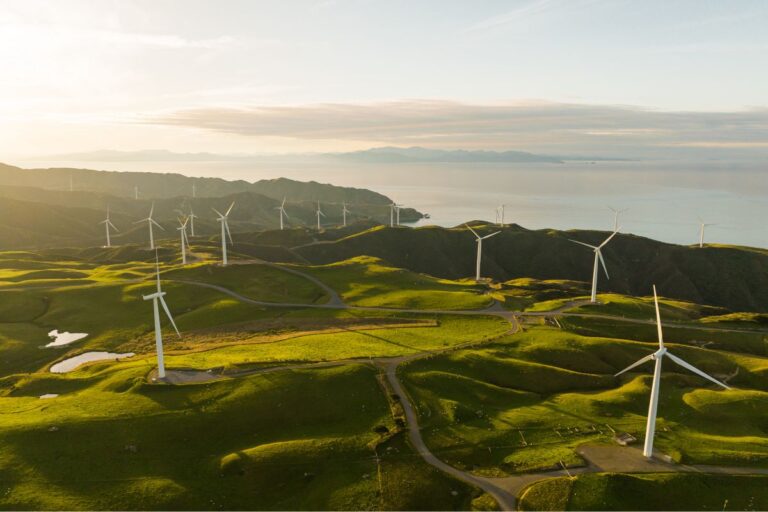
A report by the Bank of Spain forecasts that renewable energies could bring down the price of electricity by 50% by 2030. Furthermore, it predicts that the presence of renewable energies in final energy use will represent 42% of the total market.
In a study titled ‘The impact of renewable energies on the wholesale price of electricity’, the Bank of Spain forecasts that renewable energies could bring down the price of electricity by an additional 50% by 2030 if the deployment foreseen in the National Integrated Energy and Climate Plan (PNIEC) is met.
‘In addition to contributing to the climate transition, renewables have a very important role to play in reducing wholesale electricity prices and this importance is expected to increase in the future,’ the report says.
Wind and solar energy went from 26% of total electricity generation in 2019 to more than 40% in the first six months of this year. The percentage of electricity demand covered by renewables reached a high of 47% in the second quarter of 2024.
In addition, the study shows that wholesale electricity prices were more than 40% lower during the first half of this year than would have been observed had wind and solar generation capacity remained at 2019 levels.
The importance of external factors
The BdE recognises that, in any case, the future behaviour of these prices is subject to considerable uncertainty, as it is conditioned by the evolution of different supply factors or the adaptation of demand to new levels of renewable energy generation. In this context, it points out that natural gas prices still have an important effect on market prices, as has been seen with the price increases following the sanctions imposed on Russia.
However, the report notes that the prediction of lower electricity prices is based on a confidence interval of between 45% and 60%, assuming that the price of natural gas remains at current levels and that the pace of implementation of the ambitious investment projects planned to increase renewable electricity generation capacity does not slow down.
On the other hand, the climate targets set by the European Union to reduce CO₂ emissions by 55% by 2030 in comparison to 1990, as well as to achieve climate neutrality by 2050, will continue to have a substantial effect on the price to wholesale markets.
The BdE makes the reflection that ‘under the marginalist system in force in European markets, electricity prices are set based on the offers of the most expensive technology needed to meet the demand of each time slot’. Therefore, ‘an increase in renewable energy generation would affect wholesale prices to the extent that it displaces other technologies with a higher marginal cost from the energy mix needed to meet demand in certain time slots’.
11Onze is the community fintech of Catalonia. Open an account by downloading the app El Canut for Android or iOS and join the revolution!

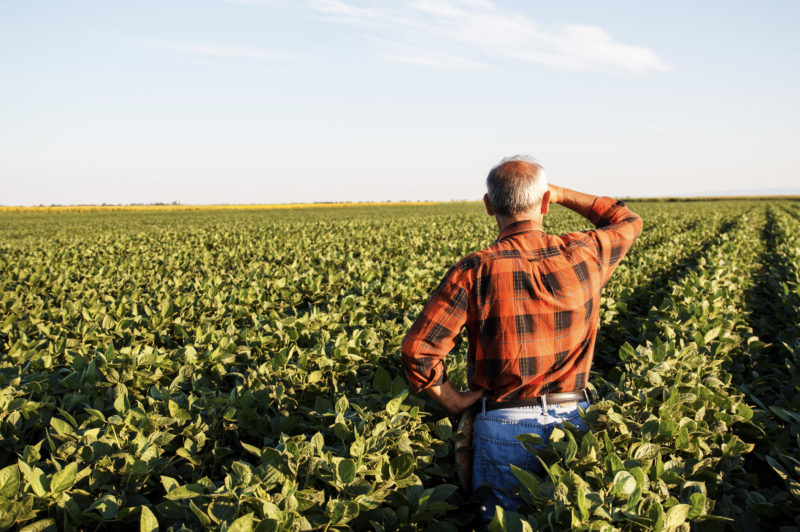
The demands of the peasants and farmers, which are part of a European-wide unrest, present the country with a colossal challenge. The one to decide if Catalonia should be food sovereign or if it should renounce its own land. In 11Onze we have it clear: you don’t play with food.
Everyone knows that the primary sector is essential, but it seems that we sometimes forget it. That’s why Catalan farmers, like Europeans, are on a war footing. The demands are simple and could be summed up in one: have some respect for a sector that puts the plate on the table for Catalonia of the 8 million.
Excessive bureaucracy, economic suffocation and regulatory pressure are the battle horses of some farmers who see that the poor conditions in their sector discourage the possible generational change. Nowadays, the peasant is a romantic with a tractor. People who love the land and work for it even if they don’t earn a living. Complaints of having to sell below the cost of production are endemic, and for some time now the lack of protection of farmers against intermediaries, large chains and the importation of products from other countries, which very often do not meet the very demanding regulations that are asked of European farmers and ranchers.
The European greyness
Catalan food sovereignty is in question, in part, due to the European regulatory scourge. The EU, governed from the gray Brussels, pushes its convoluted regulations down. The bureaucratic labyrinth launches itself towards the immediately lower rung of the chain and goes down through the administrations until it falls on its face in front of peasants unable to manage this hellish list. The wisest people in the world, the ones who know how to create food, are asked to also be office workers and collect data and fill in endless forms so that they go up the chain again and satisfy the paperwork thirst of a Brussels bureaucrat.
In December 2022, the farmer and Junts deputy, Salvador Vergés, read in Parliament a list of the measures required of farmers. The clip has gone viral these days as a result of the protests and, if it weren’t for the fact that it deals with such a serious subject, it would make me laugh.
🎙 Ahir, al Parlament, vaig fer una llarga interpel·lació a la Consellera reclamant-li q redueixi la paperassa i la burocràcia q ofega la pagesia. Aquí en teniu un 1r vídeo, on recomano als diputats q s’agafin fort a l’escó x aguantar el ruixat d tràmits d l’exemple q hi explico: pic.twitter.com/2flJLENVa8
— Salvador Vergés i… Tejero! (@vadorverges) December 22, 2022
Drought and priorities
To all the usual problems of the peasantry, this year also added the drought that the whole country is experiencing. The farmers, by decision of the Catalan government, were among the first to receive the blows of the cuts in water consumption. While they had to attend, amazed, a summer tourism campaign without limitations. And they must continue to be surprised, even, seeing the greenery of the golf courses, observing the huge water leaks declared by the ACA and realizing that the water bottling companies are still extracting water from the rivers. Supermarkets are full of plastic bottles filled with water, even though producing plastic bottles pollutes and forces extra water consumption. All to market an essential good that others are denied. Is it normal, then, that the peasants wonder how long the joke will last?
Desolate sovereignty
All this leaves a discouraging picture: that of a country unable to establish and manage its basic priorities. If we are not able to guarantee food production and water, what do we aspire to be? For this reason, the farmers redouble their pressure, although they were already received by the president of the Generalitat, Pere Aragonès. The president often uploads videos on his networks where he is seen cooking recipes. It’s a relaxed way to show off in front of the public, but where do the eggs come from that the Most Honourable uses to make the cake? Where do flour, butter, milk, meat, apples, or artichokes come from? The answer of an urban politician would be simple: from the supermarket.
At a time when it seems that Europe has turned its back on the primary sector to obsess over the war economy, looking at Russia, since 11Onze we want to put ourselves on the side of the peasantry, remembering, once again, the risk of a food crisis that we face.
11Onze is the community fintech of Catalonia. Open an account by downloading the super app El Canut for Android or iOS and join the revolution!
És a l’estiu quan més persones ens apropem al mar i a la muntanya, i inconscientment ens posem novament a prova com a societat pel que fa a la manera de relacionar-nos amb la natura. Analitzar el nostre civisme ens ajudarà a mantenir l’esperit autocrític necessari per créixer en clau personal i col·lectiva. Si la natura ho és tot, el civisme també.
Sigui per pràctiques d’oci o per activitat industrial, a Catalunya en les darreres dècades han desaparegut un 54% d’espècies que viuen en rius i llacs, un 30% en zones agrícoles i prats i un 10% en boscos i matollars. Les conclusions d’aquest estudi, realitzat pel Departament de Territori i Sostenibilitat, assenyalen actuacions humanes com l’alteració dels hàbitats naturals, l’explotació del sòl i el canvi climàtic, però la realitat és que tots podem contribuir-hi si duem a terme comportaments incívics o irrespectuosos en visitar espais naturals.
La petjada de l’ésser humà
Sigui de vacances o passejant pel nostre entorn, segurament tots haurem presenciat comportaments incívics que posen en risc la mateixa natura i, fins i tot, la seguretat de les persones. Ens referim a actituds com fer soroll, embrutar l’entorn, deixar residus, molestar o perjudicar a la fauna, destorbar la tranquil·litat d’altres persones, i especialment dels residents locals, o comportaments de risc com fumar o encendre foc en zones amb risc d’incendi.
El nostre desig, com a turistes, és buscar llocs de tranquil·litat i on gaudir de la natura, però no sempre anirà d’acord amb les intencions de la resta de visitants. I si bé cadascú pot tenir conceptes diferents d’excursió, de pícnic o de tranquil·litat, hi ha límits com els residus o el soroll que travessen la línia del civisme en aquests espais.
Guia de bones pràctiques a la muntanya.
Normes de convivència als Parcs Nacionals
En els darrers anys, pràcticament tots els parcs naturals de Catalunya han creat codis de conducta o recomanacions cíviques que tots els visitants han de complir amb un sol objectiu: preservar el territori. És el cas del Parc Nacional d’Aigüestortes i Estany de Sant Maurici, que acull anualment més de mig milió de visitants. Un nombre tan elevat de visitants pot posar en risc la biodiversitat de la zona, i fins i tot la mateixa seguretat dels excursionistes, si no es prenen les mesures correctes. Així doncs, què cal tenir en compte?
Abans de l’excursió
- En primer lloc informar-nos d’on anem, com és la zona, quina temperatura farà o quin recorregut volem seguir. Portar l’equip adequat serà clau per gaudir d’una bona experiència.
- Preparar els àpats en funció de la durada de l’excursió i sempre tenint en compte els residus que podrem generar, ja que els haurem de portar amb nosaltres fins que puguem reciclar-los adequadament.
- Si portem animals, dur-los lligats i cuidar la seva hidratació.
- Si accedim fins al parc amb vehicle propi, respectar els límits de velocitat i sense fer més soroll del compte. A l’hora d’aparcar, procurem fer-ho a les zones habilitades i senyalitzades.
- Utilitzar transport públic per accedir al parc sempre que sigui possible.
Durant l’excursió
- No sortir del recorregut marcat, així evitarem perdre’ns, però sobretot, evitarem trepitjar zones que no estan pensades per a visitants i que poden afectar a la fauna i la flora.
- Mantenir la distància de seguretat, tant entre vianants com entre ciclistes.
- No està permès banyar-se en rius i estanys, ja que tot i semblar-nos una activitat d’allò més natural, la realitat és que pot alterar i contaminar les aigües.
- Menjar a les zones habilitades. I si el recorregut no ho permet, procurar fer-ho sense deixar residus.
- Prohibit encendre foc. Una mesura que s’extrema en certes zones o períodes de sequera, però que és aplicable a totes les zones naturals. Per tant, ni gas combustible, ni encendre cigarretes està permès.
- No endur-nos res que no ens pertoqui. Ni pedres, ni plantes, ni molt menys fer activitats de caça. Si visitem l’espai, és per gaudir-ne tal com és.
Ètica i civisme, una aposta personal
En definitiva, complir els estàndards prèviament descrits no és més que un acte de civisme que, en cas de no sortir d’un mateix, s’haurà de complir per acatar la regulació vigent. Us recomanem llegir “Educar la convivència. La pràctica del civisme” del filòsof Francesc Torralba, un document breu que aprofundeix i ens fa reflexionar sobre la relació entre civisme i ètica.
11Onze és la comunitat fintech de Catalunya. Obre un compte descarregant la super app El Canut per Android o iOS. Uneix-te a la revolució!
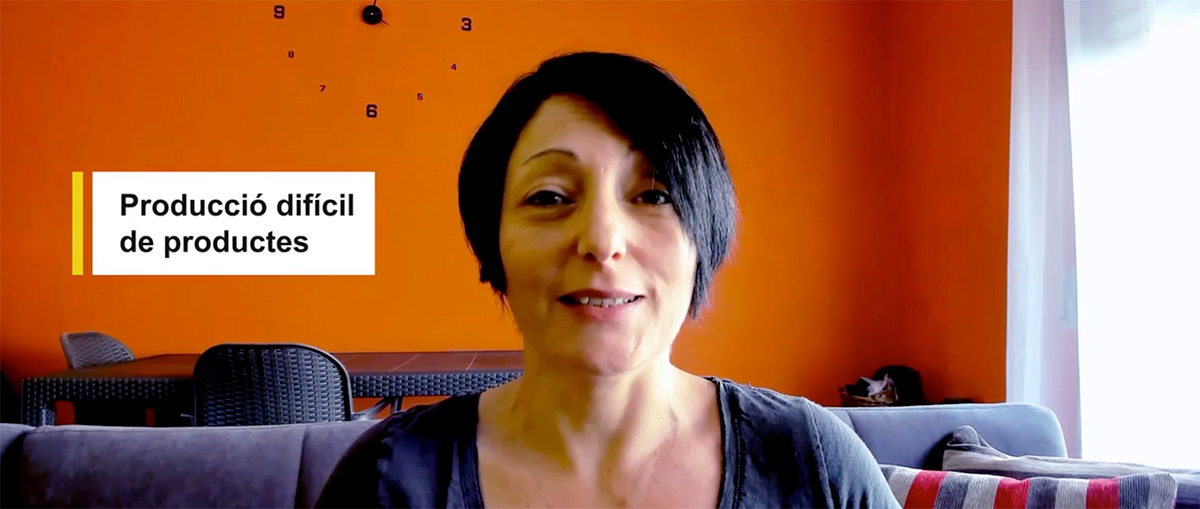
La manca de pluges porta a reduir el subministrament d’aigua a molts municipis del nostre territori. Restriccions que afecten directament a l’agricultura, i en conseqüència, al bestiar. L’increment dels costos de producció i la pèrdua de collites per falta d’aigua tenen un impacte significatiu en l’augment de la inflació. Ens ho explica Sílvia Garriga, agent 11Onze.
L’escalfament del planeta provocat per l’activitat humana ha aguditzat la sequera, un mal endèmic dels països mediterranis. Un fet que queda palès en l’estat de les reserves d’aigua d’aqüífers i pantans del nostre territori. Catalunya acumula mesos de sequera i les reserves aigua han disminuït fins al 33%, gairebé a la meitat de l’any passat.
Les pluges i reserves hídriques són cabdals per a la producció agrícola, i tenen un impacte directe en els preus que paguem per productes al supermercat. Aquesta relació entre sequera i inflació no sempre és evident. Com apunta Garriga, “molts de nosaltres no hem estat conscients dels increments de costos de producció provocats per la sequera”.
A la pujada de costos de l’electricitat, combustible, fertilitzants, i pinsos, s’hi suma la pèrdua de conreus per la falta d’aigua, que deixen al sector agrícola sense marge de benefici. “Si es perden collites per la manca d’aigua, la demanda no disminueix, i s’ha d’importar producte que acabarà sortint més car per al consumidor”, explica Garriga.
La relació entre la inflació i la sequera
Més de 500 municipis amb restriccions en el consum d’aigua
Catalunya està patint la sequera més greu des del 2008, quan les reserves d’aigua dels embasaments i conques internes van caure fins al 20%. Davant d’aquesta situació, l’Agència Catalana de l’Aigua (ACA) s’ha vist obligada a decretar l’alerta per sequera a diverses zones del territori, aprovant limitacions en el consum d’aigua a més de 500 municipis.
Als 301 que ja es trobaven en fase d’alerta, aquest dimarts s’hi van sumar els més de 100 municipis de les comarques de l’Alt Penedès, l’Anoia, el Baix Llobregat, el Barcelonès, el Garraf, el Maresme, la Selva, el Vallès Oriental i el Vallès Occidental, que subministra la conca del Ter-Llobregat, i també als afectats per l’àmbit d’influència de l’embassament Darnius-Boadella.
Encara que no es preveu que la situació s’agreugi tant com per arribar a l’escenari d’excepcionalitat, moment en el qual les reserves baixen del 25%, tot dependrà de les pluges que puguin entrar durant el que queda de tardor. Els mapes de previsió meteorològica a llarg termini fan pensar que, de novembre a gener, hi haurà més pluja de la normal al litoral i a les comarques de Girona, però menys precipitacions de les habituals al Pirineu occidental.
Si vols descobrir com beure la millor aigua, estalviar diners i ajudar al planeta, entra a Imprescindibles 11Onze.

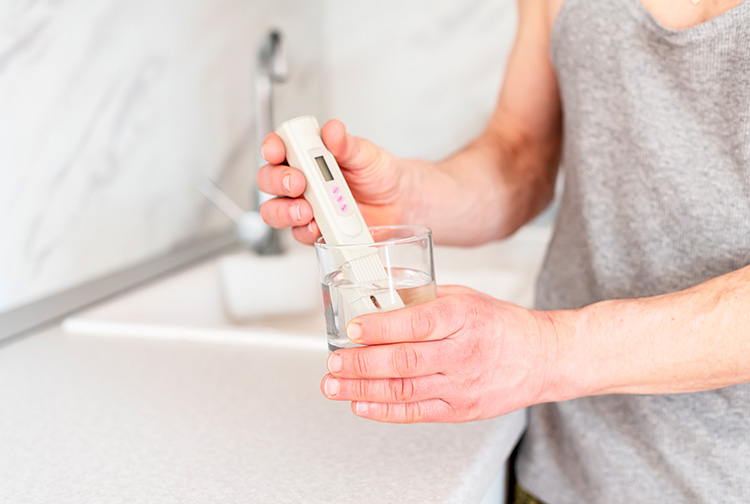
The European Parliament gives the green light to a strengthened right-to-repair law to reduce waste, make repairs easier, and save consumers money. The new rules will oblige manufacturers to fix a product, even if the legal guarantee has expired.
Finally, the European Parliament approved on 23 April, by an absolute majority with 584 votes in favour, 3 against and 14 abstentions, the directive on the right to repair that it had launched in November 2020. Even so, there are 24 months to apply it, which means that it will only become effective after some time in our country, and it is expected to be incorporated into the future Sustainable Consumption Law.
The new regulation aims to reduce waste, extend the useful life of products and facilitate their repairs to move towards a circular economy and save consumers money. In this sense, it will oblige manufacturers to fix a product, even if it has exhausted its legal guarantee.
In addition, manufacturers will have to offer spare parts and tools at a reasonable price. The use of contractual clauses or IT practices to hinder repairs is prohibited. Specifically, they may not prevent the use of second-hand or 3D-printed parts by independent repairers, nor refuse to repair a product solely on cost grounds or because a third party previously repaired it.
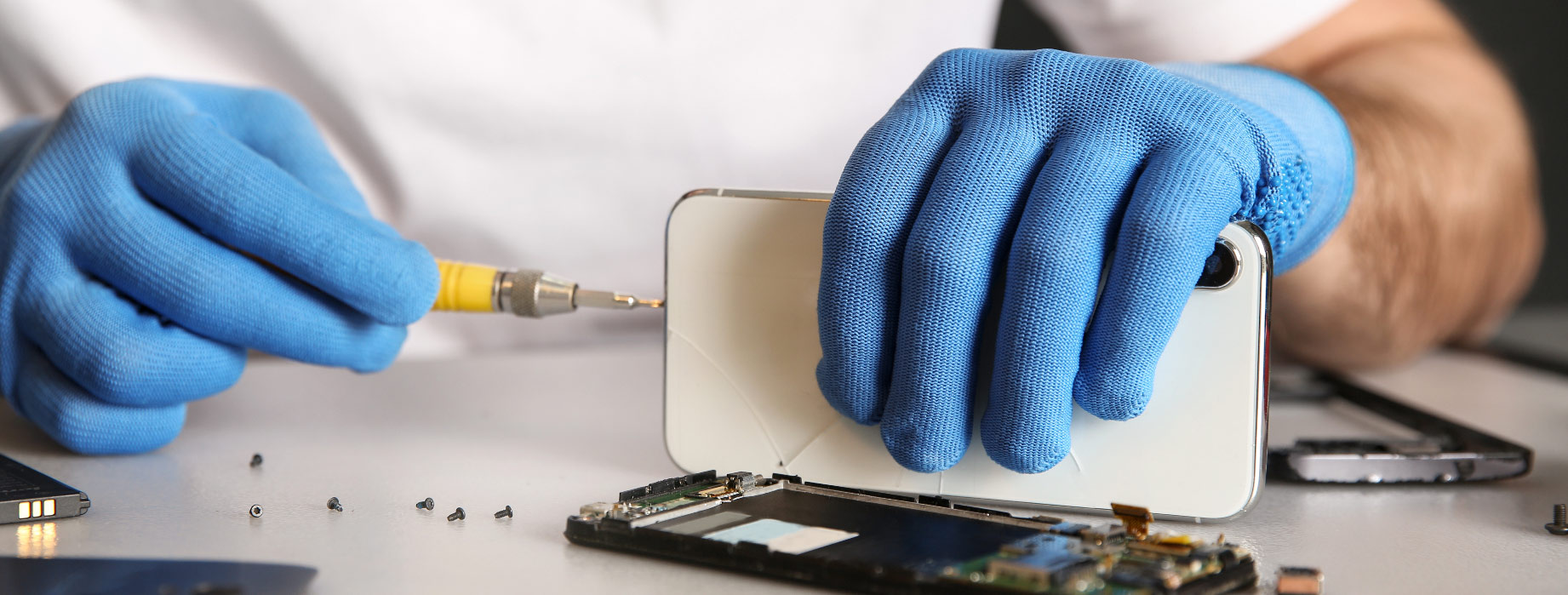
New European directive on the right to repair by Xavi Vinolas
Facilitating repairs at an affordable price
One of the main new features is that the manufacturer will be obliged to repair at a reasonable price and within a reasonable time, even after the end of the warranty period, to encourage consumers to opt for repairing the product rather than buying a new one.
In this respect, the concept of a “quality guarantee” is introduced, whereby the legal guarantee is extended by 12 months if the consumer chooses to have the product repaired. This means that after the expiry of the legal guarantee, the manufacturer will still be obliged to repair common and technically repairable household products, such as washing machines, hoovers and smartphones.
The directive also stipulates that the repair must be carried out free of charge or “at a reasonable price” and within a certain period of time. It even stipulates that the manufacturer may lend a replacement appliance for the duration of the repair. In addition, manufacturers will be obliged to provide spare parts for a minimum of seven to ten years, depending on the product.
These measures are intended to prevent the repair of a product not being feasible, either because of the impossibility of obtaining spare parts or because of the high cost of spare parts. In addition, they are designed to boost the market for reconditioned products as an alternative to new products.
When will it start to be applied in Catalonia?
Once the Council formally adopts the directive, and it has been published in the Official Journal of the EU, member states will have 24 months to transpose it into national law. In Spain, it is expected to be incorporated into the future Sustainable Consumption Law, on which the Ministry of Social Rights, Consumption and Agenda 2030 is already working.
In the case of Catalonia, the general consumer protection law has already included measures to protect consumers’ right to redress for two years. For example, the guarantee covering any manufacturing defect was extended from two to three years.
On the other hand, digital services (e.g. subscriptions to online audiovisual content playback services, cloud storage services, etc.) and digital content (e.g. digitally downloaded music files, video games, etc.) are legally guaranteed for 2 years from the date of delivery.
11Onze is the community fintech of Catalonia. Open an account by downloading the app El Canut for Android or iOS and join the revolution!
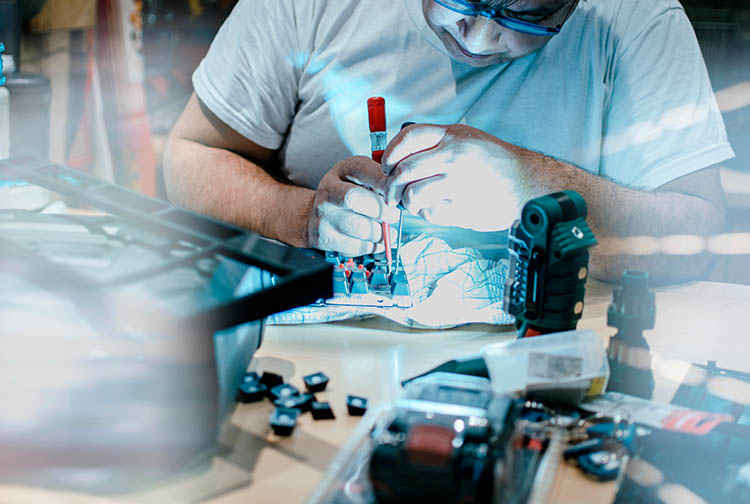
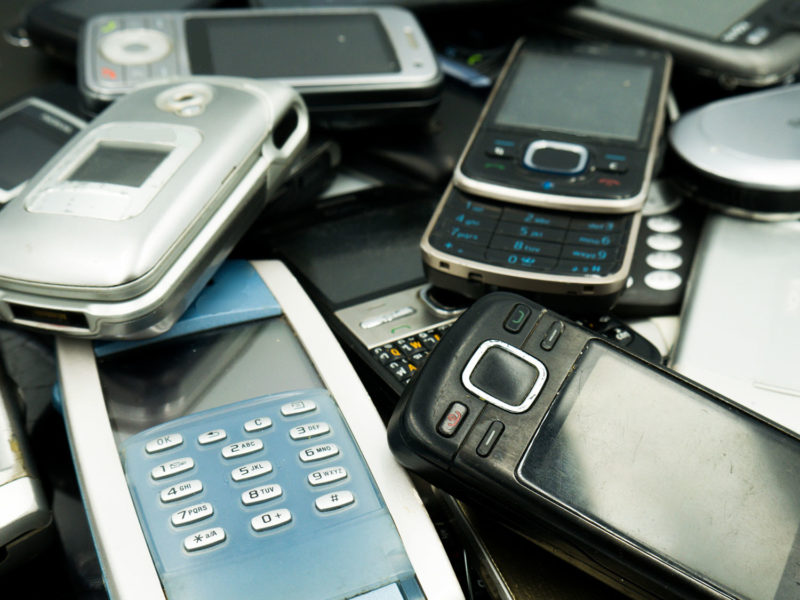

La “mineria urbana”, que consisteix a recuperar i reaprofitar els metalls presents en vehicles, motors, electrodomèstics, bateries i dispositius electrònics, podria cobrir totes les nostres necessitats de metalls com l’or o el coure, sense necessitat d’obrir noves mines. Molts immigrants irregulars, uns 50.000 només a Barcelona, sobreviuen gràcies a aquesta activitat en condicions precàries.
L’elevada demanda d’alguns metalls està provocant l’obertura de noves mines, que són poc sostenibles des d’un punt de vista mediambiental. De fet, la mineria tradicional genera cada any a la Unió Europea 150.000 milions de tones de runam i 12.000 milions de tones de llots. Una alternativa seria potenciar la mineria urbana. Es calcula que, a més de minimitzar la generació de residus, la mesura permetria reduir un 76% la contaminació dels aqüífers i un 40% el consum d’aigua.
Malgrat l’augment de la demanda previst per a les pròximes dècades, un informe d’Ecologistes en Acció adverteix que la mineria urbana bastaria per a cobrir el 100% de les necessitats de metalls com l’or o el coure, i més de la meitat de les de neodimi i níquel. En el cas del cobalt i el liti, la demanda dels quals està creixent exponencialment, la recuperació serviria per a cobrir el 8,3% i el 2,7%, respectivament. No obstant això, gran part d’aquests metalls acaben desaprofitats en abocadors.
Ni pagats ni reconeguts
Tot i que l’or es troba 100 vegades més concentrat en un telèfon mòbil que en les mines de major llei, la recuperació de metalls com aquest es veu frenada per motius econòmics: amb la legislació actual, surt més a compte extreure’ls de les mines que recuperar-los dels aparells rebutjats. I això que part del procés sol fer-se de manera informal.
Només a Barcelona pot haver-hi més de 50.000 persones que cada dia realitzen llargues jornades recollint peces metàl·liques, com explica Federico Demaria, professor d’Economia ecològica i Ecologia política de la Universitat de Barcelona. En molts casos són subsaharians sense papers que no poden regularitzar la seva situació. De fet, l’1 de març se celebra el Dia Mundial del Reciclador pel servei que presten aquest tipus de persones al medi ambient i a la societat de manera precària. Sense ells, gran part de la ferralla acabaria en abocadors.
A diferència d’algunes empreses privades que cobren de l’Administració per recollir, transportar i reciclar aquests materials, aquests recicladors informals contribueixen a l’economia circular sense cap mena d’ajuda. Es limiten a recollir el material metàl·lic de pisos i locals en obres, o el que troben al carrer, per a vendre’l a petites deixalleries legalitzades. Al seu torn, aquestes el canalitzen cap a la indústria recicladora establerta, que mou milers de milions d’euros.
Una vida precària
Un estudi del Gremi de Recuperació de Catalunya calcula que del més de mig milió de tones de residus metàl·lics que es van recuperar a Catalunya l’any 2013, almenys una cinquena part l’havien recollit els recicladors informals.
Fa uns anys l’Ajuntament de Barcelona va impulsar la creació d’Alencop, una cooperativa pionera que va regularitzar la situació d’una trentena d’aquests recicladors informals. Tot i que aquesta iniciativa va haver de baixar la persiana arran de la pandèmia, part de la seva plantilla es va integrar en una empresa privada sense ànim de lucre anomenada Andròmines.
Els seus treballadors es poden considerar uns privilegiats dins d’un col·lectiu que malviu pels carrers de la Ciutat Comtal. I la situació podria empitjorar per a molts d’ells per la seva falta de visibilitat. Cal no oblidar que existeixen grans interessos econòmics entorn de la indústria del reciclatge. Les empreses de gestió de residus, la majoria privades i amb plantilles subrogades, poden moure fitxa per a que el model de recollida s’emmotlli encara més als seus interessos i empenyi una mica més cap als marges als recicladors informals.
Si vols descobrir la millor opció per protegir els teus estalvis, entra a Preciosos 11Onze. T’ajudarem a comprar al millor preu el valor refugi per excel·lència: l’or físic.