Travelling with food
Food is an essential part of any trip, both the food you discover at the place of arrival and the food you take with you from home. Let’s review the basics for travelling with food.
The importance of food, whether for the cultural basis or the need for energy, means that when we travel we face various dilemmas, such as: Where to eat? What to eat? Eating at a restaurant or taking food with us in a home-made lunch box? Eating before leaving home or doing so when we arrive at our destination?
What we need to know is that, no matter what option we choose, the best we can do is avoid travelling when we are hungry. It is necessary that, before starting a journey, we leave home with a full stomach, as this will make us optimistic and will make us face any problem that may arise with more energy and positivity.
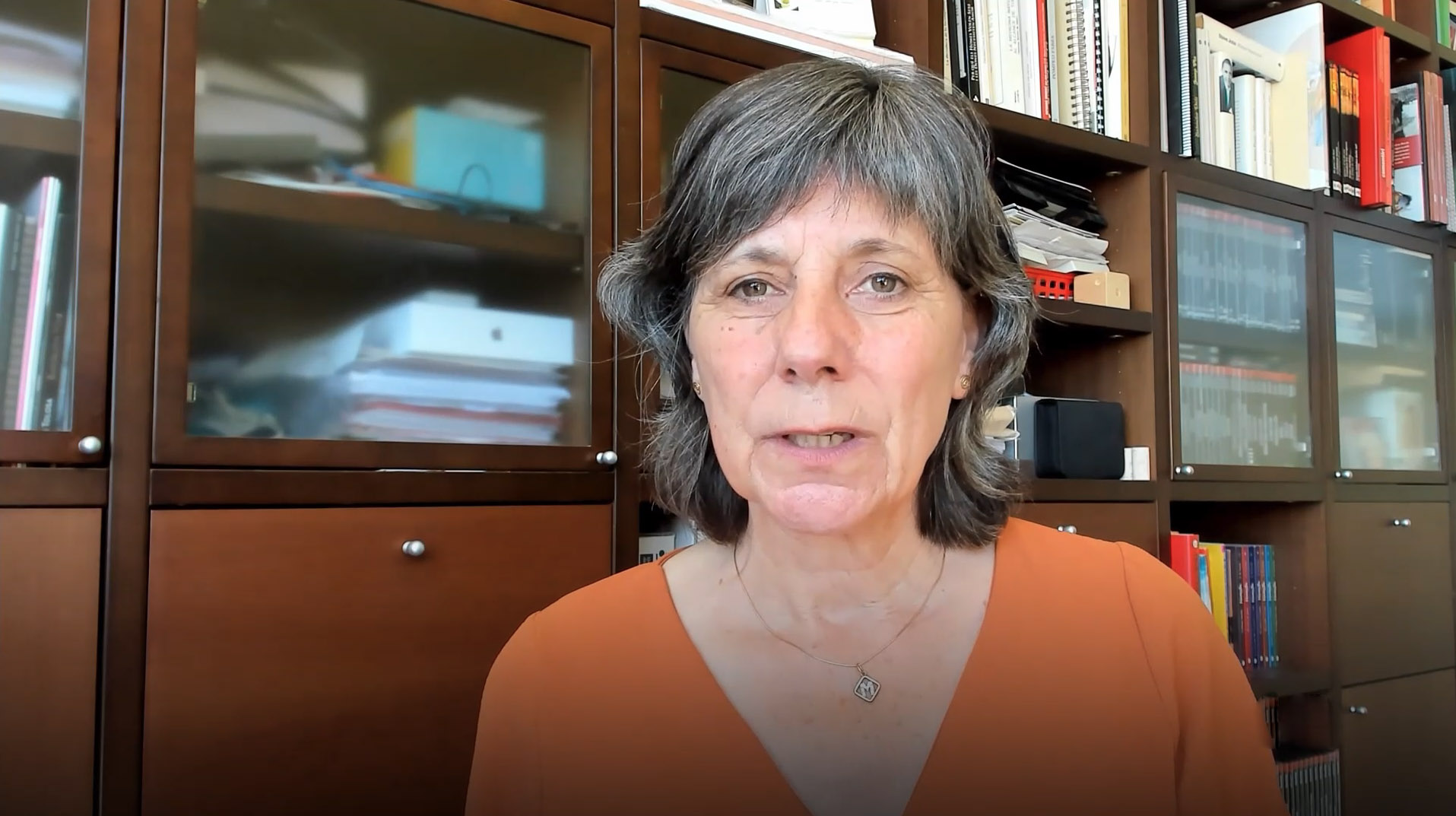
The head of agents Montserrat Massana talks to us about travel and food
I want to take my food from home. How should I do it?
Once I have decided that I want to take my food with me, I need to know that, depending on the means of transport I use, I will have to transport it differently. For example, if I fly from one European Union country to another, there are usually no restrictions on carrying food on the plane. We can travel with products of animal origin, as Member States are supposed to comply with Community veterinary standards. If the trip is outside the European Union, you will need to consult the regulations of each country to find out whether they will let us introduce our food and how to do it.
On the other hand, if we travel by car, what worries us most is what foods to put in the lunch box so that once cooked or processed they retain their properties, both in terms of preservation and taste. Therefore, it is necessary to keep the lunch box at the right temperature, this being a maximum of 5 °C for cold foods and around 65 °C for hot foods. In case the heat cannot be maintained, it is better to refrigerate the food and heat it before consuming it. Recommendations such as the desirability of using hygienic foods, cured in the case of dairy products, and avoiding preparations containing raw egg should also be taken into account.
We are what we eat
As the La dieta Mediterrània un estil de vida actual document by the Alice Foundation highlights, “The need to recover the Mediterranean diet has become a constant demand for decades. The different researches carried out on the food patterns that characterize the developed societies of our time lead to surprising conclusions: we do not eat well, we have unlimited access to certain food products, and in our society more and more important states of malnutrition are detected. Pathologies specific to our environment — overweight and obesity, anaemia, decalcification and osteoporosis, caries, cardiovascular disease, diabetes, retinopathy and macular degeneration, constipation and digestive disorders, and degenerative diseases, such as Alzheimer’s or cancer — are, in many cases, related to diet that the patient has followed throughout his life. And diet can be, if not the cause, the trigger of the malfunction of the body […].”
Mediterranean culture
The panellets, chestnuts, and sweet potatoes that are consumed for the feasts of All Saints and the Day of the Dead; the nougat for Christmas; the omelettes and other preparations for Fat Thursday; the doughnuts for Lent; the ring-shaped cake for the Kings’ day; the cream for St. Joseph; the cakes for the festivals of Sant Joan and Sant Pere; the mones for Easter…
The history of our land is closely linked to Mediterranean culture. Mediterranean people share similar characteristics, one of which is the fact of enjoying social life around a table, enjoying the dishes and stews that are presented to be tasted while talking a mile a minute and having a good time.
Our culinary culture has its origins in medieval times. In Catalonia, we have one of the first manuals of recipes, gastronomy, and wines in Europe, the Llibre de Sent Soví, from the 13th century, which is an anonymous medieval recipe book. Also, in the words of Josep Pla, we have the first best-seller of the culinary world: it is the Llibre del coch from the 16th century, by the master Robert de Nola, cook of King Ferdinand of Naples. Today, Catalan cuisine is known and recognized internationally.
What is the energy value of food?
The energy value of food is proportional to the energy released when that food is burned, in the presence of oxygen. This released energy is measured in calories.
A calorie is the amount of heat needed to raise the temperature of one gram of water by one degree Celsius. It is a very small unit and, for this reason, kilocalories (1 kcal = 1,000 calories) are usually used for food.
The human body, when in a state of absolute rest and constant body temperature, consumes a certain amount of energy. This amount of energy is called the basal metabolic rate (BMR), and is needed to maintain vital signs. The following formulas are used to calculate the daily rate of basal metabolism:
- Women: BMR = 655 + 9.6 · W + 1.8 · H – 4.7 · A
- Men: BMR = 66 + 13,7 · W + 5 · H – 6,8 · A
In these formulas, W is the weight in kilograms, H is the height measured in centimetres, and A is the age in years.
Do you want to be the first to receive the latest news about 11Onze? Click here to subscribe to our Telegram channel
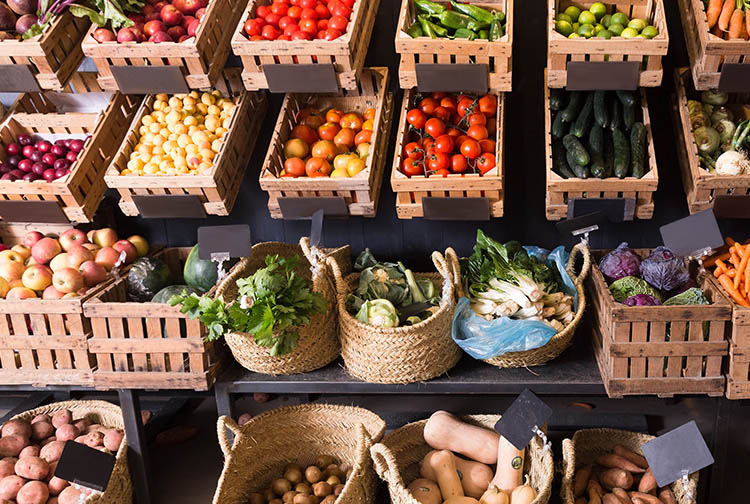
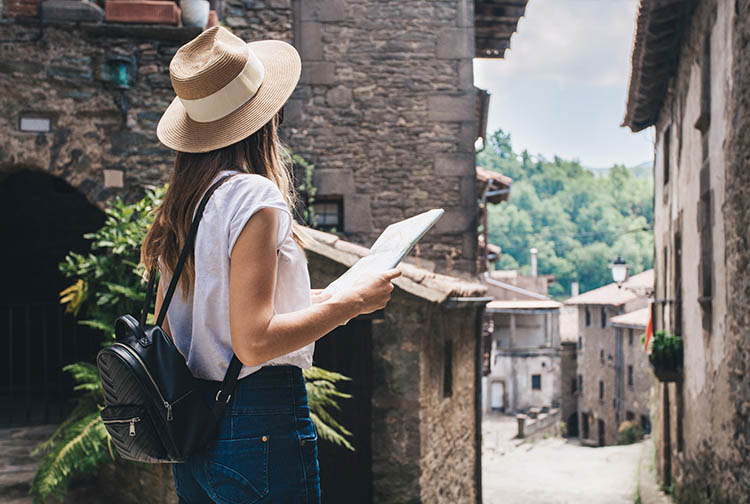
Who doesn’t love summer? The day has many hours of light, the weather is good to go to the beach, to the mountains… But what happens when it’s so hot that stones burn and houses turn into ovens? How can we enjoy a cool home without having to abuse air conditioners and paying a fortune for the electricity bill?
It’s getting hotter and hotter. The Meteorological Service of Catalonia (SMC) has predicted that the mid-century climate could have almost thirty more days of summer than two decades ago and the temperature in our country could rise by an average of three degrees, which would also lead to an increase in the number of days over 30 degrees.
Plants that cool the air
Before this scenario of rising temperatures, what can we do to keep the house cool while being environmentally friendly and helping to curb climate change?
In addition to doing things like installing curtains, blinds, opening and closing windows to take advantage of the running air, not using the oven, and avoiding using as much heat-emitting appliances as possible, there is a simple and economical way to keep your house cool: having certain indoor plants.
According to the professor Dr. Leonard Perry—Professor Emeritus of Horticulture at the University of Vermont, USA—in the article Benefits of Using Plants Indoors, there are some studies done by the USDA (United States Department of Agriculture) in which it is said that, among other benefits, such as purifying the air, some houseplants also help to combat heat.
The six most cooling plants
Indoor plants have a number of benefits, such as purifying the air and improving people’s mood. And, according to studies done by NASA on the effects of the plant perspiration, they also make our homes cooler. The work explains that, when the air is heated, plants release extra moisture (they transpire), and this is how they cool the environment.
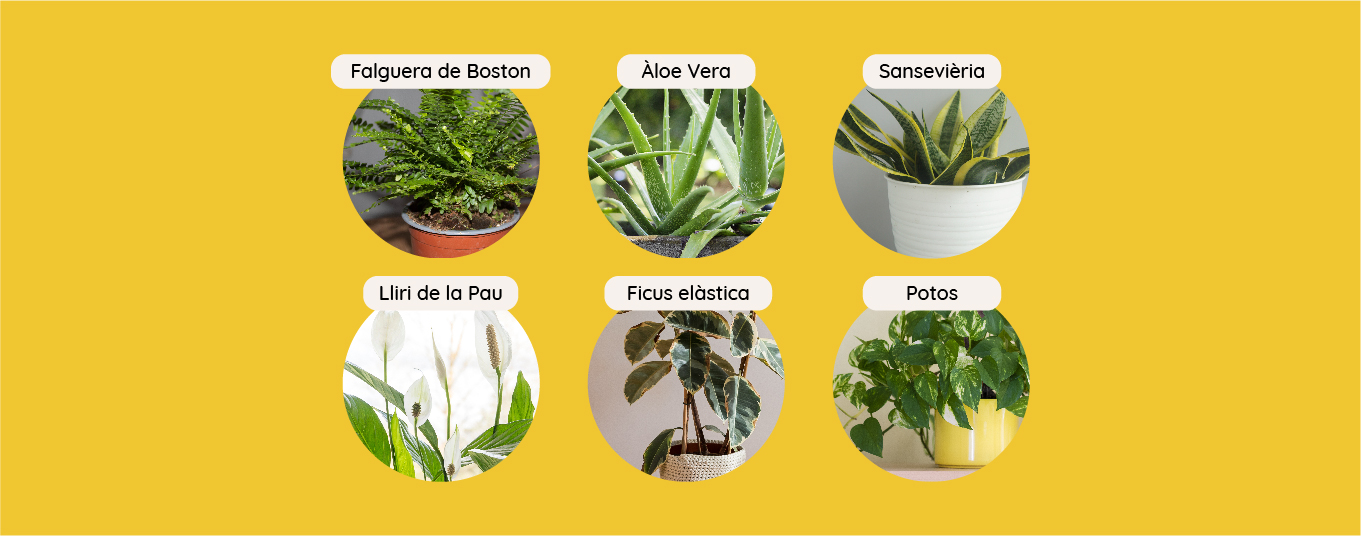
There are six plants that stand out for their purifying and cooling effect:
- Boston Fern. NASA discovered that this plant is a natural air purifier (it removes volatile organic pollutants such as formaldehyde) and an excellent humidifier.
- Aloe vera. This plant has a high water content and is very famous for its medicinal properties. Now, you will also know it for its air-cooling properties.
- Dracaena trifasciata or the mother-in-law’s tongue. It also contains a lot of water and therefore humidifies the air. In addition, the impact of the sun can be avoided by placing a few in front of a window, as it tolerates direct sunlight very well.
- Peace lily. This beautiful houseplant has a better cooling effect if it has large and lush green leaves, which release a greater amount of oxygen and moisture.
- Ficus elastica or rubber fig. The larger its leaves, the greater the cooling power.
- Pothos. It is a well-known plant, present in many homes. It has great moisturising and purifying qualities.
This new feature of indoor plants makes us see them not only as a decorative element, but also as purifying and cooling, and as an element that will help us have a healthier, cooler, more beautiful, and more sustainable environment.
Do you want to be the first to receive the latest news about 11Onze? Click here to subscribe to our Telegram channel
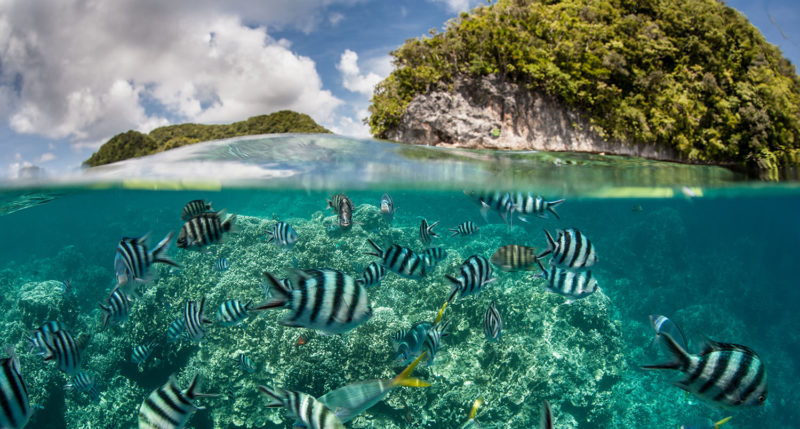
Year after year, we hear news about the large number of jellyfish that are seen on the Mediterranean coast in general, and on the Catalan coast in particular. What is the reason for the proliferation of this marine animal? We tell you the reason why there are more and more.
To begin with, we must say, as you must already imagine, that the main cause is climate change. Global warming is causing the Mediterranean Sea to rise in temperature 20% faster than other seas and oceans. This phenomenon is called tropicalisation, and even the World Wild Fund for Nature (WWF) NGO has conducted a detailed study on the subject.
The effect of warming on living organisms is amplified by seawater acidification, as increasing alkalinity absorbs more CO₂, and the consequence is the weakening of organisms such as phytoplankton or coral, vital to many species, also greatly affected by the increase and frequency of storms, to the point that, in some areas, they have disappeared.
11Onze Agent Sara Casals tells us about the carbon footprint in marine ecosystems
Jellyfish and their increasing population
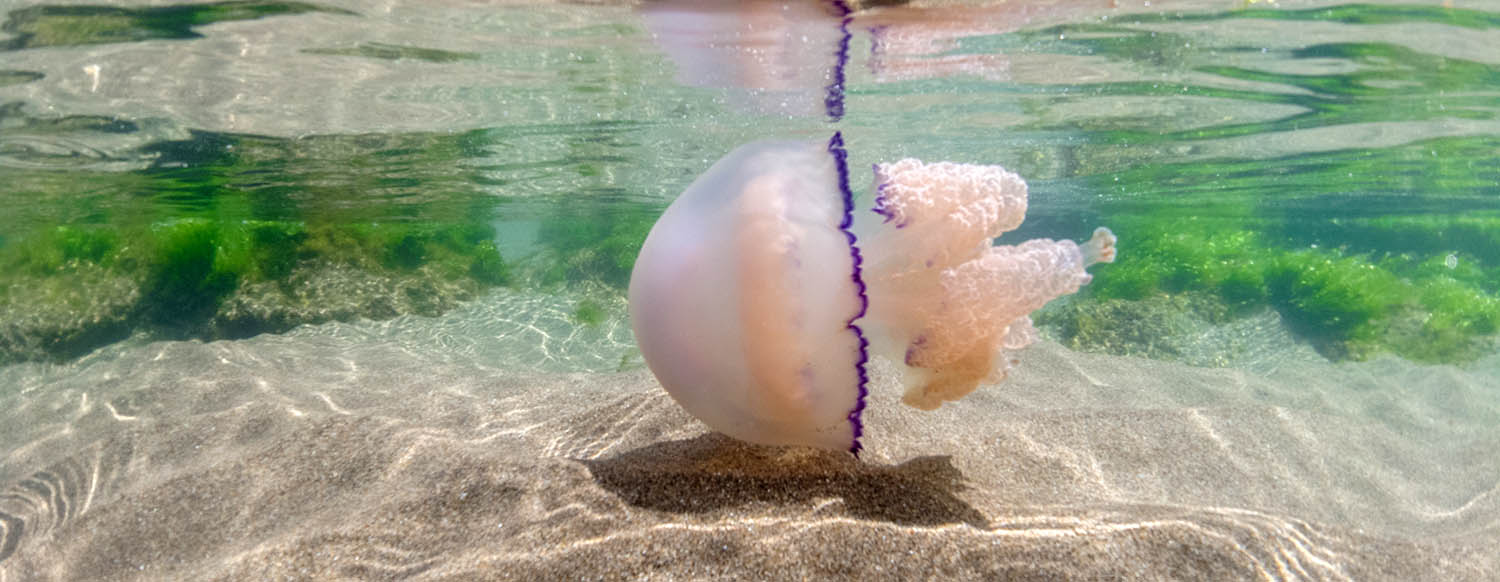
Jellyfish are invertebrate animals in the shape of a convex bell from which tentacles emerge, almost transparent, because 95% of their body is water. They belong to the group of Cnidaria, which means that they have stinging cells in their tentacles, which they use for defence or to hunt.
They usually live far from the coast, in the open sea, in large groups, and rise to the surface to feed mainly on plankton and small fish, a food they share with other species that are seeing their presence reduced due to the excess of human activity taking place on the Mare Nostrum.
The consequence of the weakening of the marine flora, the reduction of competition in the struggle to feed, together with the practical disappearance of some of its predators, such as the sea turtle, are other factors that influence the increase in population of jellyfish.
Newcomers to the Mediterranean
The changes that the Mediterranean is experiencing are also caused by the enormous pressure to which it is subjected, such as overfishing, pollution, maritime trade, and coastal development. Specifically, maritime traffic taking place in the Suez Canal and the Strait of Gibraltar, along with mass fishing, have contributed to the arrival of new species of wildlife.
Up to 1,000 invasive species have been located, which have been displacing native ones to the point that the population of molluscs, for example, has been reduced by 90%, which means that the entire Mediterranean ecosystem is being altered.
In the case of jellyfish, they appear on the coast dragged by surface currents, especially in summer with increasing temperature, and can no longer return to the open sea. They are beings that live all over the world and of which there are different species, but on the Mediterranean coasts is where we can see a greater presence of this animal, due to the warmth of its waters.
This issue is a clear example of global ecological imbalance caused by humans: having abundance in food, adequate temperature, and fewer natural enemies, the growth of the jellyfish population is unstoppable, if we fail to reverse the situation.
Do you want to be the first to receive the latest news about 11Onze? Click here to subscribe to our Telegram channel
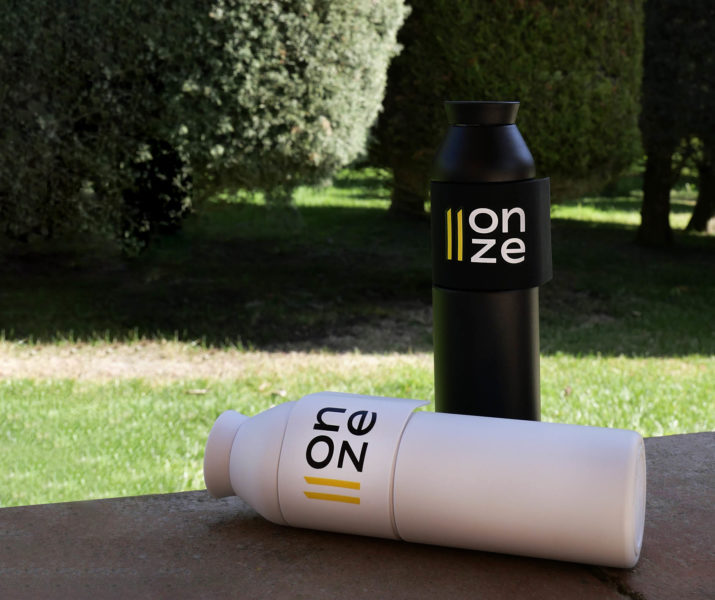
Its design is attractive, innovative, and functional. But if the Closca bottle wasn’t so pretty, you’d probably choose it for its brand values as well.
Closca is an emerging Valencian company that, driven by sustainability and respect for the environment, has created two iconic successful products: Closca Helmet, a light and safe helmet, which can be folded; and Closca Bottle, made of stainless steel and thermal, to take water everywhere. Its latest creation is Closca Mask, a careful design to protect us.
This inspiration for the change in the way of producing, facing the challenge of being respectful of nature, led Closca to be the only company in Spain chosen by Richard Branson, philanthropist and founder of Virgin, to be present in 2019 at the Finding my virginity meeting, aimed at finding leaders for the companies of the future.
Its founder and CEO, Carlos Ferrando, defines the company’s approach as: “inspiring a change of attitude and helping to solve today’s great challenges through design and innovation.” A quality design that has won awards such as the RedDot Design Award for Closca Helmet and Closca Bottle.
Closca Bottle: drink water thinking about the future
Made of stainless steel, its materials are absolutely free of invisible toxic components of plastic, such as bisphenol A (BPA) and phthalates, with a healthy result for people and good for the environment. It does not add strange flavours to the water and its thermal capacity allows it to keep its contents cold for 24 hours and hot for 12 hours. In addition, an innovative silicone flap allows you to attach it anywhere and wear it more comfortably.
But innovation goes beyond its design with the launch of the Closca Water App: the bottle includes an NFC connection that allows you to find the nearest point where you can refill it with water, thanks to the agreements between Closca and many establishments.
Synergies to move forward and change attitudes
Hidrosalud, for example, is one of the companies with which Closca has decided to join forces, with the ambitious goal of launching actions to end plastic pollution. Hidrosalud is a manufacturer and distributor of water purifiers and dispensers with a commitment to local water supply and removal of plastics and pollution.
These two companies, together and through the Closca Water App, allow us to monitor all the plastic you save every time you fill your bottle and invite us to be part of the #MyLastPlasticBottle movement.
The same spirit leads them to a commitment to sustainable mobility and the collaboration with the best manufacturers of electric bicycles, such as Angell Bike, which has chosen Closca Helmet and Closca Bottle as the best accessories for your e-bike vehicles, the lightest on the market. The basic idea of this collaboration: the commitment to our planet.
11Onze has also chosen Closca for the design of its corporate bottles, attracted by this same purpose of creating a community that puts into action the best ideas. Innovative projects that change things, such as eliminating plastic from our daily uses and saving thousands of tons of CO₂ in emissions.
Do you want to be the first to receive the latest news about 11Onze? Click here to subscribe to our Telegram channel
Low Emission Zones (ZBE) were established permanently in Catalonia in 2020 with a clear objective: to reduce pollution. This established the system of environmental badges that allow you to circulate, or not, depending on the pollution generated by your vehicle.
Since last September, and with a delay due to the pandemic, only vehicles with an environmental badge can circulate in the ZBE. This restriction is limited to Monday to Friday from 7am to 8pm and may result in penalties for vehicles that do not comply. Let’s review everything you need to know about environmental badges and their application.
Is it compulsory to wear the sticker?
The regulations state that it is not compulsory to have the badge on the windscreen, so it is not subject to a fine, although it is highly recommended in order to facilitate the police’s control work. If you do not have the sticker, you will have to prove that the vehicle is roadworthy with the car’s documentation.
We can be fined, but only if our vehicle is not authorised to circulate in this zone on the specified days and hours.
Therefore, it is not compulsory to have the sticker attached and visible on our vehicle, but there are moratoriums that affect professional vehicles and lorries. Van drivers have been able to drive without a sticker until 1 April 2021, lorries can still do so until 1 January 2022, and when it comes to buses and coaches the moratorium ends on 1 July 2022.

Agent Coral Santacruz tells us about alternative fuels
Are there any exceptions?
There are authorisations to circulate even if our badge says otherwise. You can ask for up to ten per year, and they cost €2 (except for low income families). However, they will be revoked in the event of a pollution episode.
Exceptions also apply to special or essential services and to people with reduced mobility or low income, subject to prior justification.
Which badge do I get?
The Dirección General de Tráfico has created four badges, classified according to fuel, emissions level and year of registration: Zero emissions, ECO, C (green), or B (yellow). All of these will be able to circulate without restrictions in the ZBE. Therefore, petrol vehicles and vehicles prior to 2000, or prior to 2006 in the case of diesel, will be excluded.
If you have not received your sticker at home free of charge, you will have to go to the post office. Only some post offices will be able to give it to you on the spot, otherwise you will have to make a request, either in person or online, and wait between three and five days, for a €5 fee.
Are the regulations already in force?
The ZBE came into force in January 2020 to restrict the circulation of vehicles within the city, specifically the area within the Ronda de Dalt and Ronda Litoral, which means that Hospitalet de Llobregat is also affected, as well as the part of Esplugues, Cornellà and San Adrià del Besòs that are within the area of the ring roads.
The restriction is permanent on weekdays between 7:00 am and 8:00 pm, and you have to be alert because it can be extended on days with high pollution, a circumstance that can also mean an extra restriction on driving in this area.
In short, we cannot be fined for not having the badge attached to the windscreen, but we can be fined if we drive in an unauthorised zone for our vehicle without authorisation. Therefore, knowing the regulations ad complying with them is compulsory for everyone.
Do you want to be the first to receive the latest news about 11Onze? Click here to subscribe to our Telegram channel
Getting around the city in a car has long been a headache, especially if you drive a car. The sheer number of cars on the streets of the city means that many hours are wasted on journeys, it costs us a lot of money (fuel, parking) and our health suffers from the generated pollution.
In recent years, however, a new concept of urban transport has emerged: Micro Mobility. The streets are increasingly full of people who use light, small means of transport with a low-power electric motor or no motor at all: mopeds, scooters and bicycles. These vehicles are generally driven by a single person (so-called personal mobility vehicles: PMVs) and can be used to travel short distances (maximum 8 kilometres) to their destination or to a public transport stop.
On the channel of the EU’s European Institute of Innovation and Technology (EIT), they explain everything you need to know about Micro Mobility.
Vehicles can be owned or shared. In big cities, different companies have launched mobile applications that allow you to locate a two-wheeled vehicle, unlock it, use it and pay for the service without hassle. In a short time, ride-sharing companies have been created, and they offer their vehicles through mobile apps. While the COVID-19 pandemic has slowed expansion, mainly because of total confinement, many companies have not neglected the business opportunity offered by this paradigm shift in mobility. For example, SEAT launched car sharing software in 2020 through its subsidiary Seat Mó. Other operators that can be found in cities are Cityscoot, Cooltra, Acciona, Tucycle, Yego, etc.
Benefits of micro-mobility
The benefits of micro-mobility are obvious, both in terms of its positive impact on congestion levels and air pollution; challenges that many large cities around the world must face.
According to a study by global consultancy McKinsey, around 60% of car journeys in the EU, China and the US are less than eight kilometres. Micro Mobility could theoretically reach all of these trips and take between 8% and 15% of the market. However, McKinsey concludes that this expansion is limited due to certain constraints related to the difficulty of transporting goods, the age of users or the climate in different cities.
Regulation
However, the use of VMPs is not all advantages. If the debate on the difficult coexistence in public space between bicycles, cars and pedestrians is still very much alive, the entry of personal mobility vehicles has added a new safety hazard by adding a new category of vulnerable road users, especially in relation to the indiscriminate use of scooters on roads and pavements, endangering pedestrians and themselves. This is yet another example of how cities need to rethink the organisation of public space to accommodate new forms of smart mobility.
With this goal, on 2 January 2021, the regulations issued by the Dirección General de Tráfico on the use of scooters and MPVs (with one or more wheels and a single seat) came into force. This regulation defines and considers scooters as vehicles for all purposes, so they are obliged to comply with traffic regulations, just like cars or motorbikes (alcohol, drugs, use of mobile phones, use of headphones, etc.). This regulation excludes vehicles for people with reduced mobility. The regulation states that scooters have to circulate between 6 and 25 km/h and can never circulate on pavements, interurban roads, crossings, motorways, dual carriageways or urban tunnels.
On the other hand, the DGT is preparing a manual which will indicate the technical characteristics that these vehicles must comply with, as a basis for obtaining the circulation certificate, which will be compulsory two years after the publication of the aforementioned resolution. This is a first regularisation of the new forms of mobility, since, in the future, the DGT plans to draw up new regulations to regulate more aspects, such as, for example, the age for driving scooters, the use of helmets or reflective jackets, etc. For the time being, it is the responsibility of each local council to regulate the use of helmets and protective elements or parking regulations.
Micro Mobility has arrived and seems to be emerging as a real alternative to four-wheeled vehicles. With 60% of the world’s population expected to live in megacities – cities with more than 10 million inhabitants – by 2030, and the current 30 to become 40, the benefits and advantages of individual mobility vehicles will undoubtedly make cities healthier, more walkable and friendlier places to live.
Do you want to be the first to receive the latest news about 11Onze? Click here to subscribe to our Telegram channel

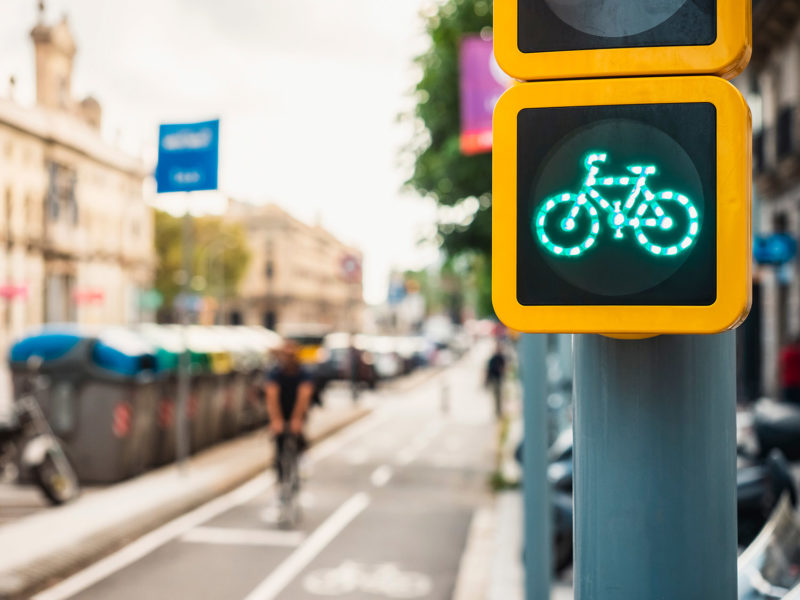
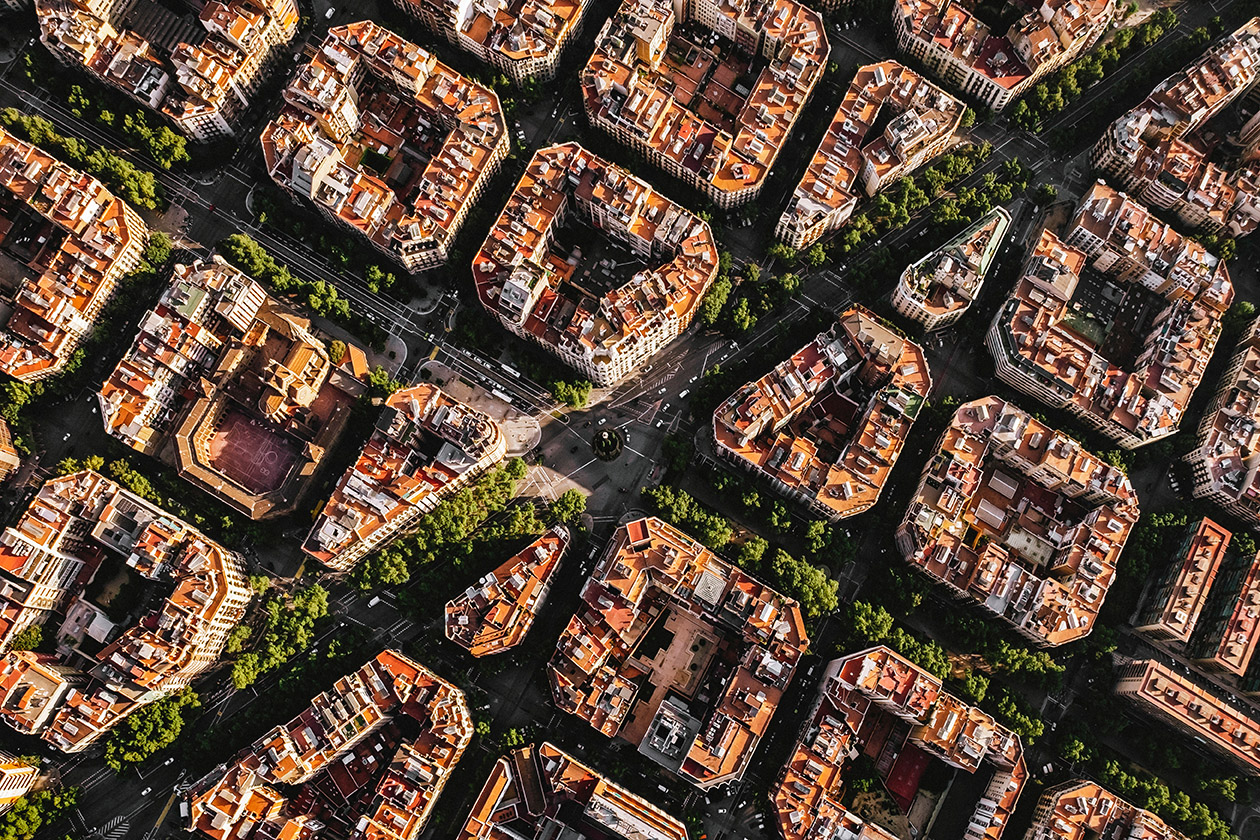
New lifestyles in the city call for redevelopment. With this in mind, we improve urban centres and work on the recovery of neighbourhoods. In particular, the 2020 pandemic has highlighted the need to make cities grow in a more sustainable way.
2020 was a year of mandatory revolution for thousands of sectors, and the redevelopment of cities was not left out. With mobility, economy and social life around the world at a standstill, the demand for action on the sustainability of cities became more than obious. The current situation forces us all to speed up the implementation of measures such as the action plan to integrate sustainability and health in cities, from the Servei de Plans i Programes de la Generalitat de Catalunya, approved three years ago and which advocated for the concept of friendly and healthy cities.
Paris has already designed its ecological transformation
Cities in general continue to be the places on the planet with the highest levels of atmospheric pollution, which is responsible for thousands of deaths. In many of Catalonia’s cities, this chronic mortality linked to air pollution reached historic lows during confinement. On the other hand, confinement highlighted the limitations of cities in terms of being able to do sport and go out for walks, and made it clear that there is an urgent need to redesign cities in terms of urban planning in order to improve people’s health.
Confinement reduces pollution
The pandemic has opened our eyes and made us experience first-hand the need to redevelop big cities. And this is what the Servei de Plans i Programes intends to do, with its first tool in its hands, the Institute for Global Health, ISGlobal. As a curiosity, Barcelona is at the top of the list in a study done by the Consejo Superior de Investigaciones Científicas (CSIC) on the most polluted cities in the world. Even so, confinement brought pollution in Catalonia down to historic lows.
Tips for sustainable cities
But there is still time, and ISGlobal gives us five tips for more sustainable cities. As a starting point, it recommends improving air quality, which is considered a priority for governments, city councils and urban planners. According to ISGlobal, 7 out of 10 people will be living in urban environments thirty years from now. The second issue is noise, as ISGlobal explains, 13 million people in Europe suffer from sleep disorders due to noise, which is responsible for 36% of the health problems caused by poor urban planning. We understand that noise must be reduced in cities by reducing speed, or also by promoting quiet areas such as green spaces. The third point is natural spaces, we need a city with more green spaces to benefit people’s health, especially when we know that studies link natural spaces with the improvement of children’s attention span. Green spaces reduce stress, increase life expectancy and improve our general health. As a fourth point we have physical activity; and so increasing our physical activity levels has to be integrated into the need for good city design, as sedentary lifestyles are a serious global health problem that needs to be addressed. The final area for improvement is temperature. In big cities it rises on average by two to four degrees during the day and by about ten degrees at night, leading to premature births, mortality, traffic accidents and accidents at work.
Undoubtedly, cities need to be redeveloped, and this must be done with the improvement of people’s health in mind, not economic improvement, redesigning every corner of every city and every neighbourhood so that in the not too distant future we can find the time to live in them and enjoy every corner. And right now, it is no longer a necessity but an urgency that must be acted upon without delay.
Do you want to be the first to receive the latest news about 11Onze? Click here to subscribe to our Telegram channel
Climate, economic development, and financing meet at the Innovate4Climate (I4C) world event. The event, which takes place virtually May 25 to 27, aims to bring together global companies, governments, and institutions to provide financing and investment in climate markets.
This year marks the fifth edition of this event promoted by the World Bank Group, which brings together international experts and leaders from both private and public sector companies that act as a link between climate action and development.
Looking to the future, it is hoped that economies will enter an era of decarbonisation. To achieve this, the public and private sectors need to lead this change through practical and sustainable solutions and, at the same time, obtain funding to carry it out. That is why, during these three days, plenary sessions will be held to address the most urgent issues of climate news, and a forum will be developed for professionals to discuss ways to achieve a resilient and low-carbon future. A platform will also be set up for participants, governments, and companies to exchange ideas, projects, and make investment proposals.
World leaders and experts come together for sustainable development
Among the participants are reference names such as David Malpass, President of the World Bank Group; Ngozi Okonjo-Iweala, Director-General of the World Trade Organization (WTO); Fatih Birol, executive director of the International Energy Agency (IEA); Tao Zhang, Deputy General Manager of the International Monetary Fund; or Teresa Ribera, Minister for Ecological Transition and Demographic Challenge in Spain, among others.
All will participate in the different conversations that will be created throughout the event with the intention of inspiring and motivating the audience to undertake efficient climate actions. In addition, they will also contribute their point of view and, each from their position, will present innovative solutions to actively contribute to the global challenges that arise in the environmental and climate field.
Marketplace: the platform that unites investors and projects
The Marketplace is the market created within the event where participants, both public and private, can buy and sell climate action projects and initiatives and secure funding. Sponsorship and business opportunities come together, albeit virtually, to improve business development, exchange ideas, and create networks to encourage joint work that provides climate-smart solutions to the population.
Young people also have a voice
To talk about climate is to talk about the future, and to talk about the future is to talk about young people. They also play a key role in raising awareness and fighting for sustainable development. Innovate4Climate wants to give a voice to all those young climate innovators, from undergraduate students to industry professionals under the age of thirty-five. More than 100 young people have an appointment at the I4C workshops and market to learn, exchange ideas, and define their role, which will be key in this struggle.
Do you want to be the first to receive the latest news about 11Onze? Click here to subscribe to our Telegram channel
You can follow all the activities from the official platform of the event Innovate4climate.
Follow all the 11Onze news on our official channel 
We have been hearing expressions such as “Km 0 product”, “digitalisation” and “sustainability”, but what do they have to do with the Catalan economy? How can companies implement sustainable strategies to help consumers make better choices about the products they buy?
The Departament de Medi Ambient defines “km 0”, or “proximity” products, as those that have been produced less than 100 kilometres away, are seasonal, ecological (no chemicals or toxic products are used in their production) and protect the environment. As we have already experienced, the Covid-19 pandemic has helped to launch or accelerate different initiatives to help small local agri-food producers. The Generalitat has done so thanks to the Prodeca project, a website promoting Catalan food.
However, local production is not the only way to help consumers. According to data from 2020, 35% of Catalan companies were digitally transformed during the pandemic. The main sectors that did so were services, commerce and industry. Digitisation has helped these companies to improve savings, efficiency and productivity.
However, the sustainable economy goes beyond consuming local products and digitising businesses. On the one hand, it helps to raise awareness, with social campaigns that challenge citizens, encouraging them to buy brands that respect the environment and to commit to recycling and to fair and second-hand trade. The sustainable economy is also driving changes in the household economy, such as household savings and reducing energy consumption. In fact, small individual changes often contribute much more than big changes.
Can a financial institution contribute to change?
This is how the sustainable economy is expanding in many different sectors, from wine to construction. The commitment generates business models that incorporate the circular economy, in order to reduce the waste of resources as much as possible. At 11Onze we also want to contribute to change. But how can a financial institution like ours do so?
At 11Onze we want to promote a sustainable economy based on the real and specific needs of each person living in the community. That is why 11Onze can help create social sustainability. Many companies start from a sustainable economy without thinking about the customers, but it is important to incorporate the social side of the community to complete the concept of a sustainable economy.
Our customers are at the centre of the whole proposition and therefore what we offer them needs to help them financially, to make better choices, in short, to improve financially and economically. Thus, we aim to help our customers to make more sustainable choices and to show how the economy of abundance allows everyone to participate, based on responsibility. We do this with transparency and simplicity. In the end, sustainability must make sense from economic efficiency, from individual and collective responsibility and from the awareness that natural resources must be protected and valued.
All these actions, however small they may seem, have a big impact. In fact, we are increasingly aware of the importance of sharing. Sharing, renting, reusing, repairing and recycling extend the life cycle of products. Use rather than own is the maxim of all these movements and trends towards a more sustainable economy.
11Onze is becoming a phenomenon as the first Fintech community in Catalonia. Now, it releases the first version of El Canut, the super app of 11Onze, for Android and Apple. El Canut, the first universal account can be opened in Catalan territory.



The commitment to local purchasing is the first piece to contribute to sustainable development and this is the bet that the Catalans have made in the wake of the pandemic. A change of trend in consumption marked by a preference for local products, local businesses and social awareness
The coronavirus crisis has shaken the whole world and one of the sectors that has remained at the forefront has been the food industry which in a few months has seen how customers have changed trends in terms of products, frequency of purchase or even establishments. Although we are always hearing the phrase that nothing will ever be the same after the pandemic, what is really true is that the trend towards responsible consumption, which has already begun, will continue after the crisis, or is it just a response motivated by the exceptional nature of the moment?
Trend towards sustainable consumption
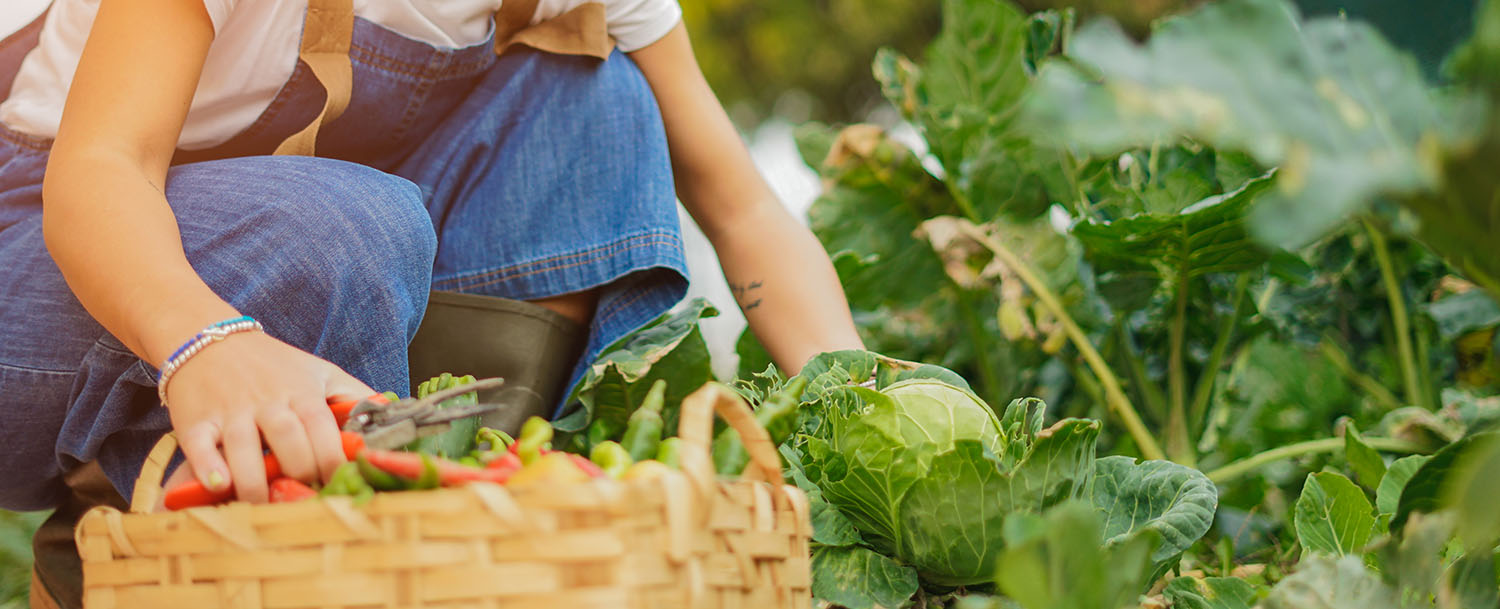
Studies such as that of the UPC-IRTA research group or the FHOM of the Rovira i Virgili University show that in record time there has been a change in consumer habits. According to the first study, motivated by the Department of Agriculture of the Generalitat, 19.6% of the Catalans have increased their interest in local products, therefore, the trade of proximity takes enough respect to the big surfaces. One of the motivations of users is the reduction of social interaction to avoid crowds, as occurs in hypermarkets. A decision that, beyond the health reason, also contains a personal commitment to support small businesses, a vision that more and more customers are internalizing. Social conscience and economic concern are prioritizing a consumption system that can benefit others beyond oneself, and if this trend continues beyond the pandemic, it will be one of the main positive readings that can be made.
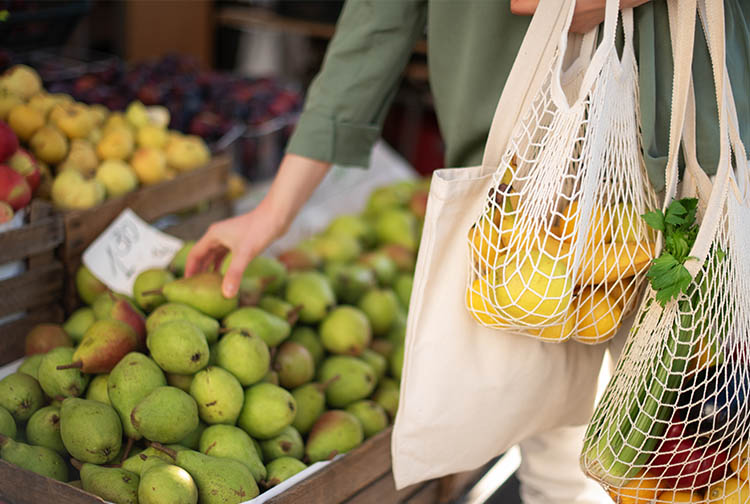
In terms of diet, the Catalans have opted for a healthier lifestyle, increasing the consumption of fruit and vegetables by 19% and prioritizing fresh food. A change that can be motivated by several causes, among which we find, the growing concern for the health of both themselves and the family, the fact of being more hours at home and, therefore, to be able to devote to the kitchen more easily; or by the frequency in which they go shopping. According to the study, 77% of the population chooses to go shopping once a week, and in most cases it is one person in the family who does the main shopping. These habits are undoubtedly very marked by teleworking and reductions in mobility and, therefore, may continue to evolve once everything is normalized again.
Fear is driving the growth of digital shopping
The pandemic has accelerated consumer trends that were already pointing towards a sustainable and more conscious preference. However, fear has been the main trigger for this situation. The fear of becoming infected has led citizens to make a more responsible purchase, to know specifically what they have to buy and where, without wasting time and avoiding crowds. Mobility restrictions have led people to stay more at home and, therefore, to increase the consumption of products and improve the quality of food. The fear of an economic crisis has conditioned daily expenses and has increased social awareness in favor of solidarity and the commitment to local commerce. Helping each other to try to mitigate this fear and learn to manage it, collectively, is important because of the uncertainty that this situation generates, because of the consequences that are still to come.
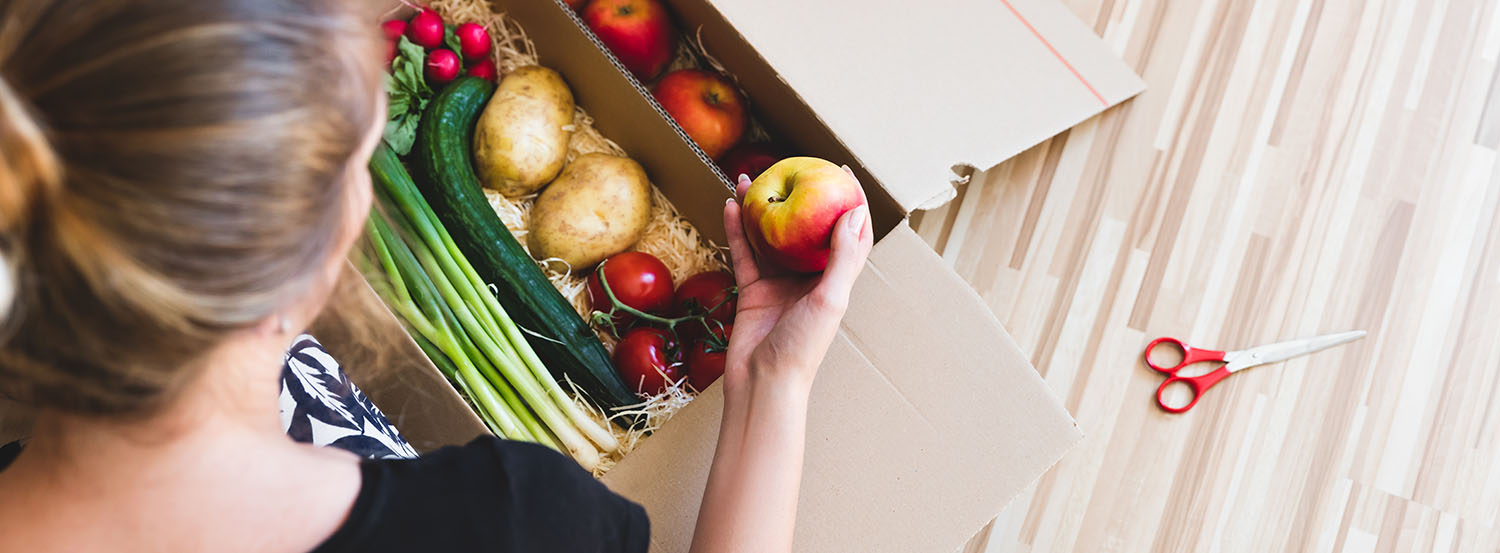
Fear, however, also has another reading, and that is that it incites to take the plunge, to reinvent oneself or die. And beyond the neighborhood support, many companies, regardless of their size, have opted for this path, reinventing themselves and approaching the customer in a different, alternative way. We are talking about online sales, home delivery, order preparation, and many other initiatives. And these have affected food companies in particular. They have carried them out, and it is precisely thanks to them that local commerce has reached many more people. It is no longer necessary to have the store under the house, technology opens a new world of possibilities available to the consumer; everything is just a click away. Buying quality, zero kilometer, ecological and proximity products is within the reach of any customer, and it is the customer who has the responsibility to internalize this model and maintain it. However, the last stage of transport is the one that will make the choices more sustainable and its logic must be vindicated in terms of common sense and favoring the local producer
From globalization to local purchasing
The period of globalization, which began decades ago, has led many companies in the country to relocate their production lines to countries where costs are cheaper. A decision which, in the food world, entails a significant loss of quality, but which customers have accepted as prices have become cheaper. For years, quantity, understood as everything we can buy for a specific amount, has been more important than quality. This fact not only affected the customers’ shopping basket, but also negatively affected local producers or local distribution companies, among others. There are many local producers or businesses that year after year, and crisis after crisis, have closed their doors in the face of fierce competition, both in terms of prices and resources, from large multinational companies.
A trend that seems to be changing, and that the pandemic, as has been said, has accelerated. Currently, Catalonia voice grows every year the number of producers who return to bet on organic products, sustainable production and projects where, beyond solvency, prevail ethics, responsibility. A question of collective responsibility that slowly seems to be returning to the origins where everything starts: from the field to the table.
It seems impossible to predict what future consumption habits will be. However, we are facing a society that is becoming more and more aware and where local commerce is part of our daily lives. There are many local and proximity businesses that can still be saved, and social responsibility and digitalization will have to be their allies to achieve this challenge. As the pandemic has shown, nothing is static, least of all consumer trends that are highly conditioned by the situation at any given moment. But the reading that can be derived from this change of direction is that Catalan society is committed to proximity and sustainability and that, therefore, it is committed to the future of our companies.