Global Recycling Day: the footprint of the future
In 2005, UNESCO established Global Recycling Day with a clear objective: to reduce the volume of waste we generate and minimise our carbon footprint.
Seventeen years later, the challenge is still valid and all organisations, from the European Union to local councils, are joining forces to raise awareness, promote and improve recycling capacity in all the processes involved in the creation of a product, from the extraction of the raw material to the time we consume it and dispose of it. In this sense, public awareness has improved over the years and the figures are encouraging, but insufficient.
Europe is asking all its member states to reach 60% of recycled waste by 2030 and, while the Spanish average is around 33%, Catalonia stands out, reaching 44.8% in 2019, its maximum figure in terms of recycling. An action as simple as putting waste in the right bin is at the same time very powerful. To give you an idea, this 44.8% means that the emission of 564,000 tonnes of greenhouse gases has been avoided.
The implementation of the door-to-door (PaP) collection system has a lot to do with this achievement. This is a municipal management model that has been implemented in more than 200 municipalities in Catalonia and consists of collecting waste at your doorstep, on certain days and at certain times. Planning and easiness for efficient and much more participatory recycling where figures of between 60 and 80% are achieved. While it is true that this model is particularly successful in less densely populated municipalities, the challenge for the coming years will be to find recycling models adapted to large cities.
The key, in this environmental struggle where our future is at stake, is the reduction of the carbon footprint, rather than the repair of future damage. And this is where each of us comes in. To achieve this, it is essential to know all the factors: why do we have to recycle? What are the implications of not doing it? Is an ecologically sustainable economy possible? What can I do?
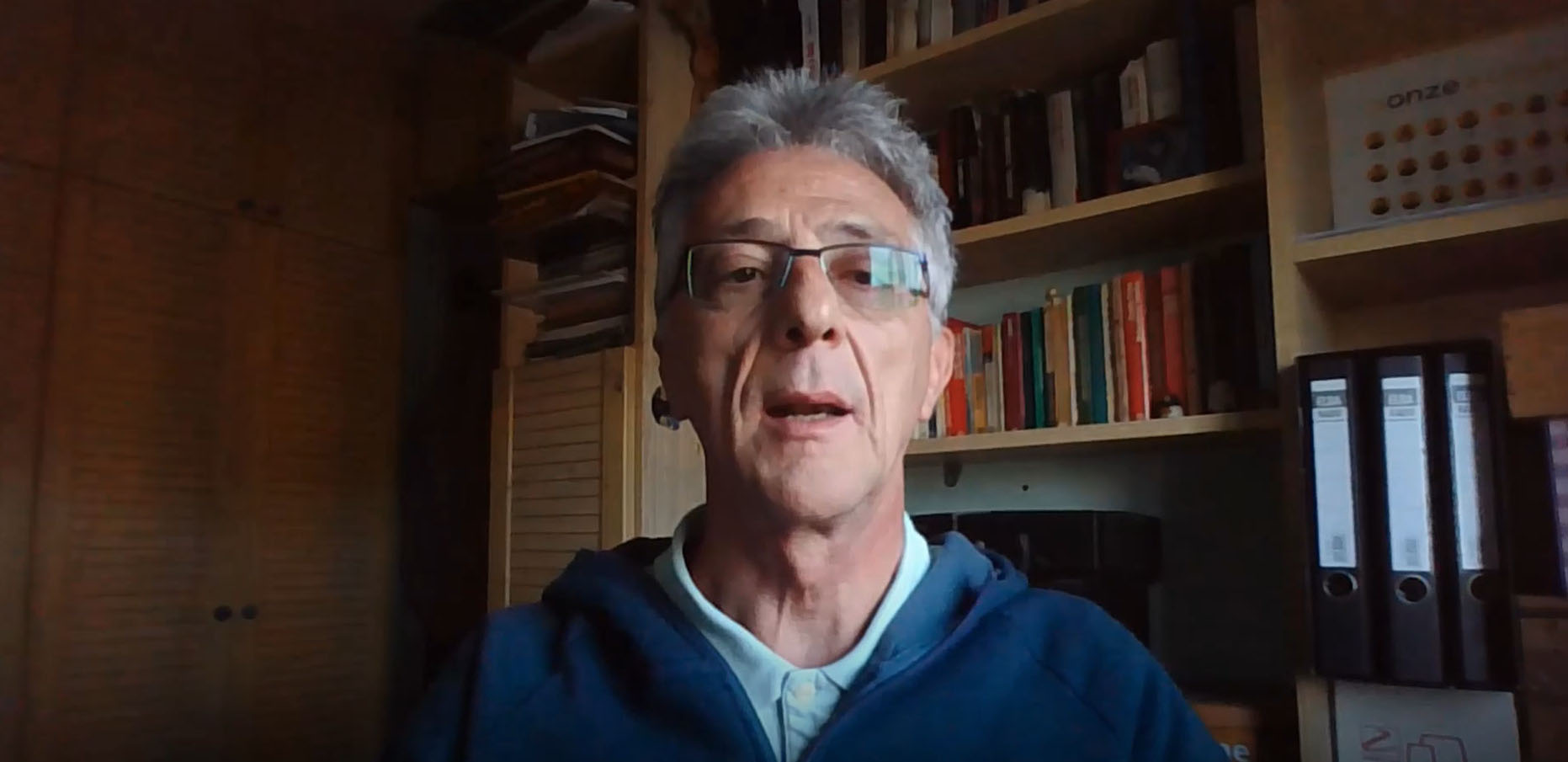
Albert Chic, 11Onze agent, talks about recycling and the sustainable economy
If you want to discover how to drink the best water, save money and help the planet, go to 11Onze Essentials.
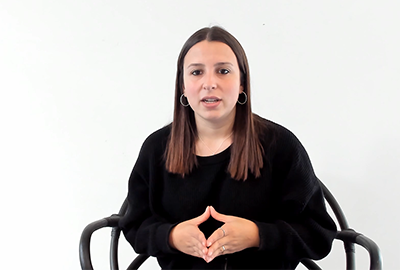
Sandra Molas, sales manager at 11Onze, details the drama that bottled water consumption represents for our pocket, for the sustainability of the planet and sometimes even for our health.
If we comply with the recommendations of drinking two litres of water a day, a family of four ends up consuming around 3,000 litres of water a year. What does this mean if we use bottled water? According to Sandra Molas, sales manager at 11Onze, “it means spending around 1,000 euros a year”. And in terms of the amount of waste generated, there are “1,947 disposable bottles”, which is equivalent to around 63 kg of plastic. We can also put our health at risk, as these bottles “can release polycarbonate, which affects our hormonal system in several ways”.
Bearing this data in mind, Sandra Molas defends the use of water filters, which allow us to forget about “carrying heavy bottles of water all day long from the supermarket to our homes”, are “much cheaper” and help to stop “the indecent saturation of plastics in the planet”.
Oil consumption in plastic bottles
A disaster for the planet
Global plastic production has skyrocketed in the last 50 years. Specifically, during the last 10 years we have produced more plastic than in the previous history of mankind. And it should be borne in mind that “plastic bottles take a thousand years to biodegrade”, as Sandra Molas explains.
A family of four following the recommendations of drinking two litres of water a day generates 63 kg of plastic every year if they consume bottled water. And this is a disaster for the planet, Molas warns.
In addition, the 11Onze sales manager adds that “producing each plastic bottle takes the equivalent of filling a quarter of the same bottle with oil”. In fact, the amount of petroleum used to make the 29 billion bottles bought each year in the United States would allow “a million cars to run for a whole year”.
Money to burn
As for the economic issue, Sandra Molas highlights the enormous savings that consuming filtered water represents compared to buying bottled water. She illustrates this with the example of Barcelona, the city with the most expensive tap water in Spain. In this city, “1,000 litres of water cost 2.60 euros”, a similar price to that of a single 6.25-litre carafe of water from a well-known commercial brand.
All of this means that “immediate measures must be taken”, according to Molas, to save money and protect both the planet’s health and our own. In this sense, she highlights the multiple advantages of using filters to consume tap water. “We have to think globally, about the planet, but drink locally,” she concludes.
If you want to discover how to drink the best water, save money and help the planet, go to 11Onze Essentials.
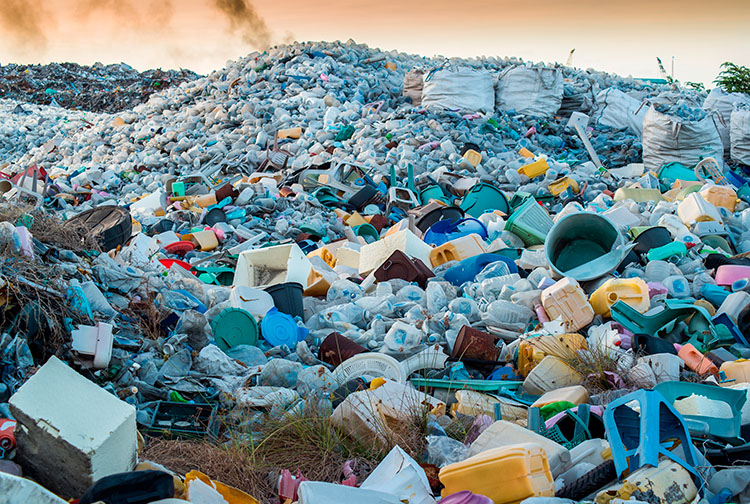
For years, we have been hearing the expression that plastics have taken over the earth. At the same time, recycling culture and environmental awareness are gaining momentum in our society. But in a world where more than 300 tons of plastic are produced every day, is our action enough?
A necessity as basic and vital as drinking water is one of the biggest conservation problems on the planet. While in Third World countries bringing water to the villages is still a challenge, in countries like ours we find ourselves immersed in a dualism in which we have water available from the tap and, at the same time, we consume kilos and kilos of plastic to achieve the same objective: to drink water.
More and more companies are offering alternatives to plastic bottles in order to minimise the ecological footprint and opt for glass or reusable bottles. The question, however, remains the same, in essence, and lies in the origin of this water: if we have water without leaving home, why go outside to fetch it?
Avoiding plastic bottles is a small gesture with a big impact
The single-use plastic culture is growing steadily, and the measures implemented are geared towards recycling to improve waste management. An essential action for the conservation of the planet, but insufficient considering the focus of the problem: more than 350 million tonnes of plastic produced, according to the latest data from Plastics Europe in 2019.
Of these plastics, most of which will be used for a single purpose, only around 25% of packaging in Spain is recycled, according to data from Greenpeace Spain. The vast remainder ends up in rivers, seas, and landfills, or is even burned. The question, then, is to find alternatives so that products such as basic foodstuffs or water do not require plastics which, in addition to the environmental and economic cost they can entail, can even have harmful consequences in terms of our health.
What is behind a plastic bottle?
Behind every bottle we buy there is a life cycle that generates a significant, and often avoidable, environmental impact. It starts with the origin and manufacture of the plastic, including where and how it is sourced. Then there is the manufacture of the product and the location, which will be closely linked to transport costs and the production and distribution centres that may be needed.
Therefore, by the time we hold a bottle of water in our hand, that product has already caused an environmental impact that we will never be able to count. At this point, opting for a bottle made from recycled plastic or other more environmentally friendly materials can help the future of that container, and avoid generating yet another waste product that, in the case of the bottle, can take up to 500 years to decompose. But even eco-friendly materials do not ensure a positive environmental impact.
Green materials also have an impact
Be warned that biodegradable materials can have just as much of an environmental impact as the creation of plastics, even if it is only to produce and process the naturally occurring materials needed to produce them. Greenpeace warns that the final product, despite having a base of vegetable origin, often ends up containing bioplastic, which manages to reduce the cost without renouncing the ecological seal.
This data places us in a new scenario in which consumers have a lot to say, and above all to do. In addition to recycling, there is an even more important objective of avoiding plastic consumption. Bringing this into our daily lives can be a big step forward on an environmental scale, but it can also have a positive impact on our economy.
If you want to discover how to drink the best water, save money and help the planet, go to 11Onze Essentials.
We use water in practically every stage of our lives, from daily domestic use to supplying industries, agriculture, or the tourist sector. Water is a precious commodity without which life is inconceivable, but do we consume it consciously?
On average, a person can consume up to 130 litres of water a day, according to data from the Agència Catalana de l’Aigua (ACA). If we stop to think about how often we turn on the tap, run the washing machine or clean the house, we will quickly realise that our consumption is probably much higher than we thought.
Studies by the ACA have found that a person can consume between 2 and 18 litres just to wash his hands or clean his teeth. Filling a bathtub can consume up to 200 litres, while taking a shower can use between 30 and 80 litres. Even flushing the toilet can waste between 6 and 10 litres per flush.
Here are some daily actions we can take to achieve a double benefit: reducing the bill and avoiding wasting water.
How to reduce domestic water use:
- Turn off the tap. When brushing your teeth, shaving, or soaping up the dishes. This is the number one water-saving rule.
- Limit the water we use. For example, when cleaning our teeth, we can choose to fill a glass of water with the amount we will use for rinsing. When shaving, you can leave a few centimetres of water in the sink to clean the razor.
- Check for water leaks. A quick way to check this is to check the meter before going to bed and check it again in the morning. If the meter moves, you may have a leak.
- Do not throw things in the toilet. As well as clogging the pipes, the more often we flush, the more water we waste.
- Take showers for a limited period of time. Substituting a bath for a shower can help, as long as the shower is just for the right length of time. For children, it may be more useful to half fill a bathtub.
Household appliances, silent consumption
- Do full loads. Running the dishwasher or washing machine can consume up to 90 litres. In the long run, it also pays to invest in eco-labelled appliances that reduce both water and electricity consumption.
- Reduce toilet flushing. Especially for single-flush toilets, where the load can be reduced by half.
- Do not rinse dishes before putting them in the dishwasher. All dishwashers are now programmed to do this.
Limit water use in outdoor spaces and gardens
- Avoid using hoses. Watering is best done at dusk, and avoid light-surface watering, which will evaporate in a short time and can be wasteful. If we have to wash the car, we prioritise using a soapy sponge, and limit water only for the final rinse.
- Do not water excessively. Water plants only when they need it, as overwatering can lead to a loss of nutrients.
- Adapt the outdoor watering system. Depending on the size of the garden and the water needed to maintain it, consult the resources available to reduce water consumption, such as collecting and using rainwater.
- Choose plants adapted to the area where you live. If it is a dry area, give priority to plants that are more drought-tolerant, such as: portulaca, bougainvillea, lithops or moss rose, lantana, verbena, or some type of shrub such as oleander.
Instilling water values in children
When there are children in the house, water consumption can increase considerably, so it is worth paying attention. Teaching them to value water and use it efficiently will give them a vital advantage and, at the same time, reduce their water bills. Not forgetting that the best learning experience is the example we can set for them.
If you want to discover how to drink the best water, save money and help the planet, go to 11Onze Essentials.
The millions of tons of plastic waste that we throw into the oceans every year have caused an ecological catastrophe, but they also pose a threat to the plants and animals that live on earth, including us. 11Onze’s agent, Mònica Cornudella, makes us reflect on the problem and possible solutions.
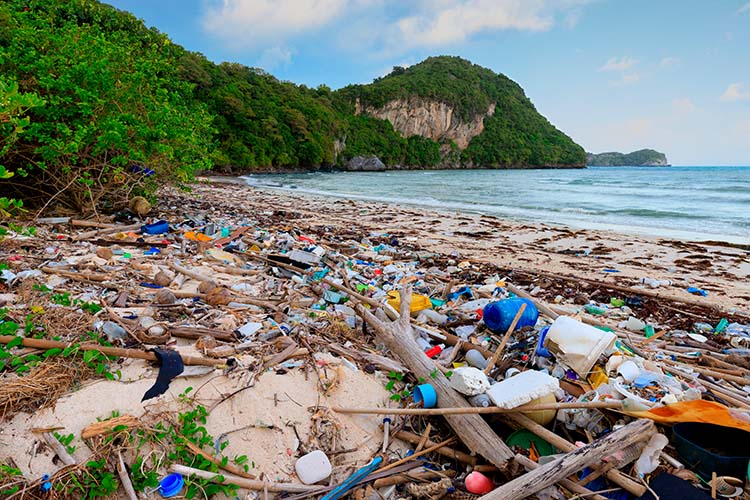
From the Arctic to the Antarctic, the world is sinking under the weight of billions of tonnes of accumulated plastic pollution that we find all over the planet. This is persistent waste, which can take hundreds of years to disappear, and threatens the livelihoods of many animal species.
As Cornudella explains: “The situation is dramatic, 500 million tonnes of plastic were produced during 2020, 900% more than in 1980”. The global production of plastics has skyrocketed in recent decades. Even so, only a minority of these plastics are recycled, and many end up decomposing into microplastics. “Small plastic pellets, no more than 5 mm thick, that pass through the filters of wastewater treatment plants and end up in the sea,” says Cornudella.
But how can we solve this problem? What can each of us do to do our bit to stop this from getting much worse? To find out more, watch the video below.
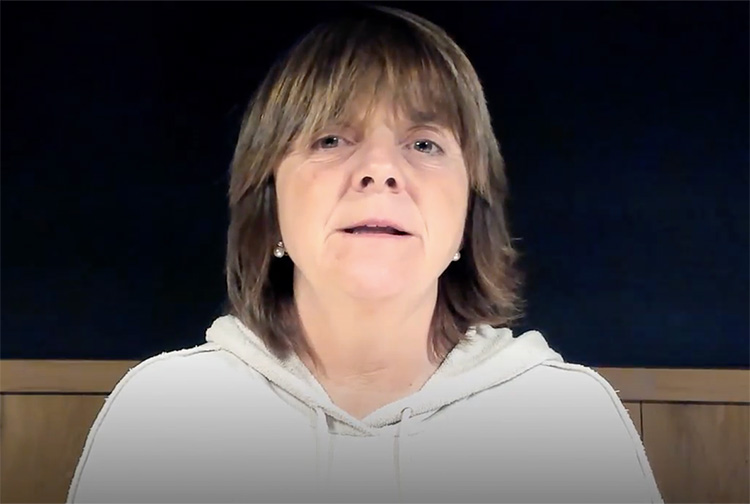
Plastics have taken the Earth!
If you want to discover how to drink the best water, save money and help the planet, go to 11Onze Essentials.
If you liked this article, we recommend you read:
 Sustainability
The fight against plastic oceans
3 min readPlastic waste is already forming huge islands in the sea and has
The relationship between what we eat and our health is more than established, but do we know how our diet affects the planet? Marifé Fariñas, Customer Care Lead at 11Onze, talks to us about how we are often unaware of the extent to which our diet affects the natural environment.
The social consensus towards respect for the environment and the use we make of natural resources has encouraged local shopping and neighbourhood commerce. Raising awareness of the importance of our eating habits in many social spheres and in nature also has an indirect impact on our health.
As Fariñas explains, “Eating local produce will help to maintain crops and prevent them from disappearing. As consumers, we need to be aware of the importance of food sustainability, and of the small gestures we can make in our daily lives.
Excessive consumption of meat and animal products, hitherto a feature of the diet of Western countries, is set to double as a large part of the population of countries such as China and India enter the meat market. Economic development leads to the increased purchasing power of the population, which often translates into a diet richer in animal products.
“The exponential growth of the world’s population, and changes in our dietary patterns, are increasing the greenhouse effect and the deforestation of Earth. He adds, “Increased CO₂ in the air affects the quality of crops. Mineral and protein concentrations are lower, and food is more vulnerable to extreme weather conditions.”
The current model is not sustainable, and the impact of individual decisions to change our eating habits goes far beyond our health. To find out more, watch the video below.

Food, health, and environment
If you liked this article, we recommend you read:
 Sustainability
Do we need disasters to change?
4 min readIn the face of natural (or pandemic) disasters, society is
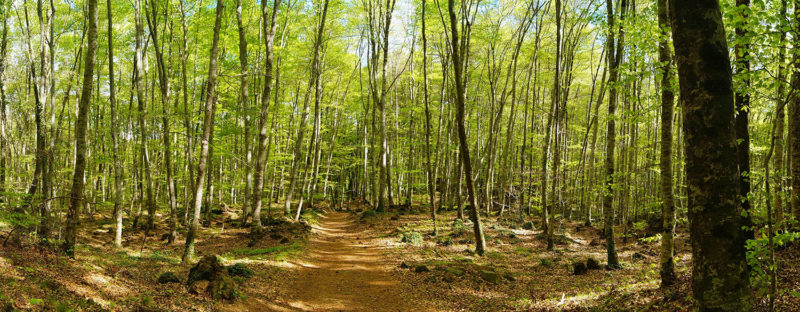
World Water Day reminds us that more than two billion people in the world still have no guaranteed access to safe drinking water. In addition, the UN warns that 20 percent of groundwater in the EU is not in compliance with EU water quality legislation due to nitrate and pesticide contamination.
World Water Day has been celebrated every 22 March since 1993. This year, the UN is focusing on groundwater, which feeds springs and is essential for the survival of mankind. Hence, the need to prevent their overexploitation and increasing pollution.
Only responsible management of these aquifers, which are often overexploited and polluted, will make it possible to meet the needs of the population and tackle climate change. In this regard, the UN itself stresses that nitrates and pesticides pose a threat in Europe, with one-fifth of groundwater in the EU failing to comply with EU quality legislation due to agricultural pollution.
The aim of World Water Day is to raise awareness of the global water crisis, an element essential to life. It was proposed at the United Nations Conference on Environment and Development in Rio de Janeiro 30 years ago.
Water, the essential liquid
A priority for 2030
Water-related problems are precisely one of the sustainable development goals that the UN has set for this decade. The priorities for 2030 include achieving universal and equitable access to drinking water at an affordable price for all.
They also include improving water quality. On the one hand, by reducing pollution, eliminating discharges, and minimising the release of chemicals and hazardous materials. On the other hand, by halving the percentage of untreated wastewater and significantly increasing recycling and reuse worldwide.
Another specific aim is to significantly increase the efficient use of water resources in all sectors and to ensure the sustainability of freshwater abstraction and supply. The ultimate goal is to reduce the number of people suffering from water scarcity.
If you want to discover how to drink the best water, save money and help the planet, go to 11Onze Essentials.
If you liked this article, we recommend you read:
 Sustainability
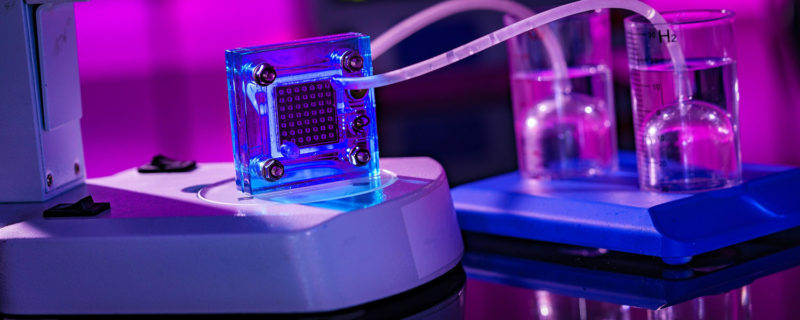
Clean hydrogen, a real alternative?
3 min readClean hydrogen is presented as the fuel of the future, promising

We are located in Molí de la Farga, in Banyoles, to discover Sastres Paperers. A paper company with a tailor’s philosophy, where each piece of paper is made-to-measure and following traditional craft techniques. Jordi Torrent explains it to us in a new episode of People.
El Molí de la Farga, where Jordi Torrent runs this project, is one of the few remaining paper mills in Europe. In fact, in Catalonia there are currently only this one and the Molí Paperer de Capellades, now converted into a museum. Jordi started his activity in 2014, taking over from Antoni Sardà, who had been in charge of the mill from 1983 to 2013. Thanks to Jordi, the production legacy continues, but also the didactic dissemination of the craft, which adds more value to this artisan activity that still attracts visitors day after day.
From the outset, it is striking that in the 21st century, the craft techniques that were used thirty years ago are still being used. The reason, as Jordi explains, is simple: “By doing it with our hands we achieve something that machines cannot achieve, which is the expression of a gesture. It’s like a snapshot of a movement, you can never make two identical papers”. And it is precisely this careful and personalised work that gives rise to a wide variety of papers with multiple uses, depending on the material used to make them or the production technique employed.
Episode 17 | People: Sastres paperers
Paper, where the artistic work begins
Arts is one of the sectors with the highest demand for paper. Jordi points out that, in artistic matters, the work begins with the choice of paper, the support on which the artistic creation will be created and developed. If no two papers are the same, no two works will be the same, and this generates a value of originality that is difficult to match.
Another type of paper that attracts attention is plantable paper, widely used in communication campaigns in which, with the paper alone, an important message is being sent: everything has a second life. In fact, did you know that the profession of rag-man has historically been linked to that of papermaker? Jordi reveals this and many other curiosities to give us an insight into a trade that strives to maintain the charm of craftsmanship.
11Onze is the fintech community of Catalonia. Open an account by downloading the super app El Canut on Android and Apple and join the revolution!
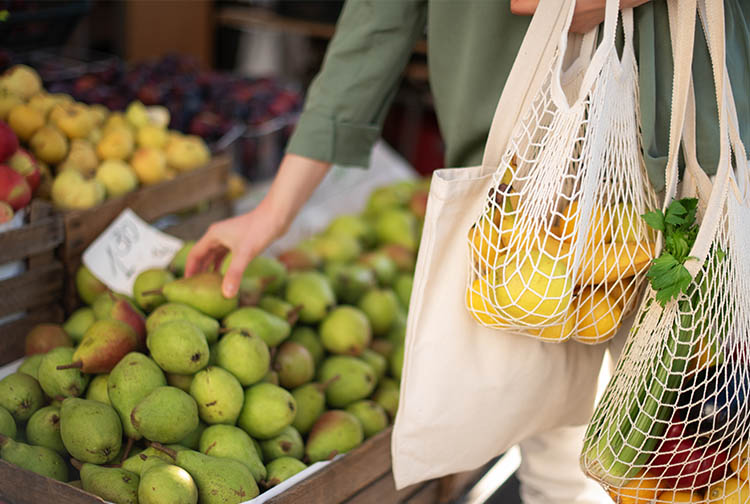
Natulim is a dehydrated detergent that is put in the washing machine with the clothes and, once it comes into contact with water, it dehydrates and replaces traditional products. Put like that, it might seem like just another innovation in the cleaning sector. But it has some peculiarities that make it a sustainable alternative of the first magnitude. Lluís Montull, engineer and founder of the project, explains in a new episode of People.
“Traditional detergent is 90% water and only 10% detergent ingredients. And we realised that we could save this water. With just one strip, we could achieve the same effect,” Montull explains. He adds: “Having to process all this water, in the end, makes us spend a lot more on fuel and a lot more CO₂.” Dehydrated strips, on the other hand, save this entire production process.
Besides saving water, there is yet another reason that makes Natulim’s proposal much more sustainable. All this water in traditional detergents has to be packaged in plastic containers, a material that is not completely recycled. “We have to bear in mind that only 20% of the plastic in the yellow containers is recycled. The rest ends up in landfills,” Montull says. By contrast, dehydrated detergent strips avoid all this plastic waste, because they are packaged in biodegradable cardboard.
But Natulim, which was born in the middle of the pandemic, is not only useful for better recycling, but its two creators, David Weiss and Lluís Montull, have also made sure that all the ingredients contained in their initiative are good for the environment, health and clothes. “We analysed many fabric softeners and realised that they contained many materials that are bad for the planet, even bad for the skin and clothes,” Montull argues.
As a curiosity, Montull explains that the foam that traditional detergents release does not serve a specific purpose, but is added to the product because the consumer associates it with traditional bar soap, which does lather when rubbed on clothes. “In addition, some fabric softeners, when dried on clothes, form a film that can clog the pores of the fabric and this can cause it to smell like sweat, even if you wash it often,” he adds.
That is why Natulim proposes these dehydrated strips, which can be purchased by subscription and received monthly, bimonthly or quarterly, depending on the number of people in the family. The strips are vegan, free of phosphates, parabens, dyes and dioxanes, suitable for sensitive skins, for white or coloured clothes and for any type of washing machine. Montull assures that Catalan society is ready for this change.
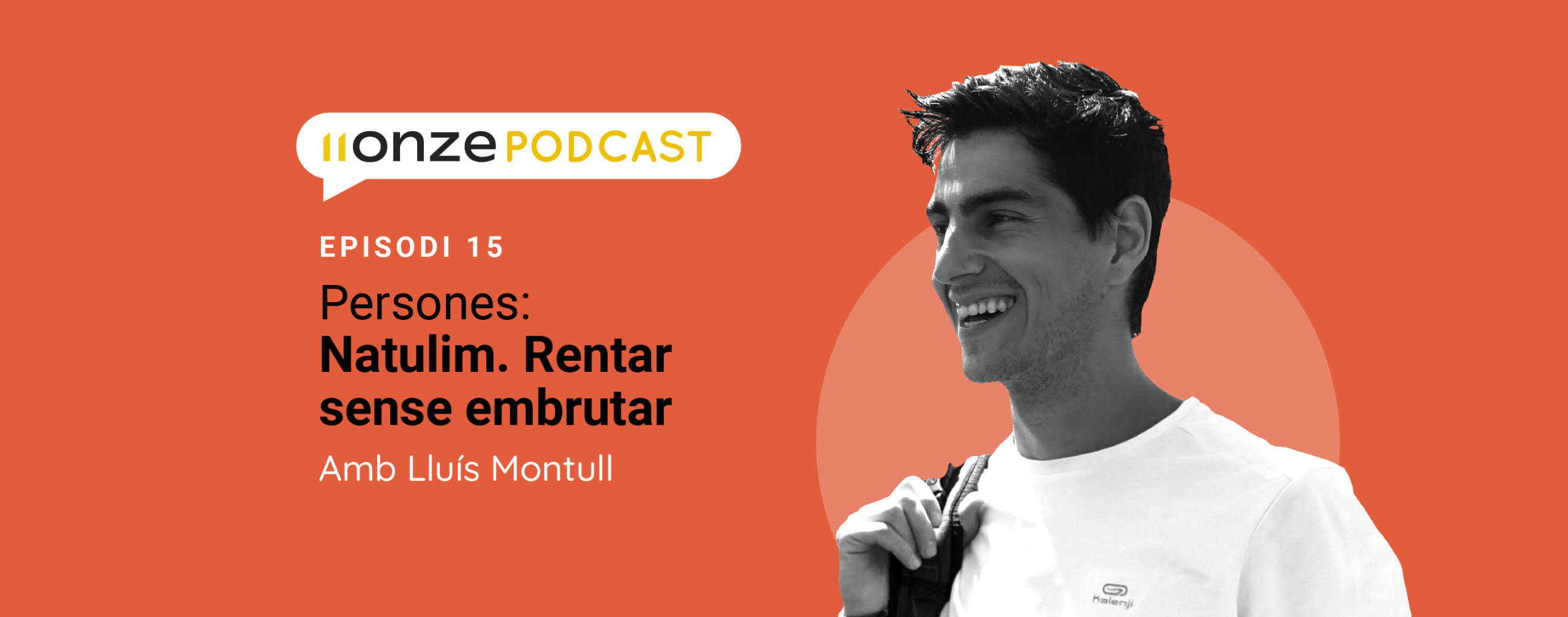
Episode 15 | People: Natulim
If you want to wash your clothes without polluting the planet, 11Onze Recommends Natulim.

Nuclear fusion has for many years promised to be the energy source of the future, practically inexhaustible, safer and cleaner than the fission of current power plants. An eternal promise, but the latest scientific breakthroughs seem to be laying the foundations for the myth to become reality.
Although both nuclear fission and nuclear fusion are nuclear reactions that release the energy stored in the nucleus of an atom, the process of energy generation is different. In nuclear fission, a heavy nucleus is split into smaller nuclei, while in nuclear fusion, light nuclei are combined to create a larger, heavier nucleus.
Unlike fission, the process of nuclear fusion also occurs naturally. The Sun is the best known example. It is a nuclear reaction where two positively charged nuclei integrate and overcome the electrostatic forces of repulsion, which requires tiny amounts of fuel, but large amounts of energy, very high temperatures and high levels of pressure for this process to take place.
These factors have so far made commercial production and exploitation impossible. That is why nuclear fusion electricity is still years away from being a reality. Even so, it is a safer energy source than current power plants, which generates less radioactive waste and is practically inexhaustible. And this is why projects to advance the understanding and feasibility of nuclear fusion continue to flourish.
China, Europe, and the United States in the lead
Earlier this year, the Asian giant announced that scientists at the research facility in Anhui managed to generate a temperature of 70 million degrees for 17 minutes and 36 seconds in its nuclear fusion reactor, known as the ‘Chinese artificial sun’, setting a new world record. The aim is to maintain these extreme temperatures for as long as possible and in a stable manner. A milestone that is still far from the practical commercial horizon, but which is steadily advancing.
Europe has made a strong commitment to nuclear fusion research with the project known as the International Thermonuclear Experimental Reactor (ITER). A pharaonic project to build the world’s largest nuclear fusion experiment with a tokamak at Cadarache, in the south of France. A project that counts with the collaboration of 35 countries, including Spanish companies, and that will add to the research successes of the scientists of the Joint European Torus (JET) reactor, located in the town of Culham, United Kingdom, which is currently the largest in the world.
Furthermore, last January, scientists at the Lawrence Livermore National Laboratory in California succeeded in making a fusion reaction generate more energy than was needed for it to occur, with the added bonus that the heat generated fed back into the process. A small step in absolute terms, but still a step towards the commercial viability of fusion energy, it underlines the need for intensified collaboration between countries and industry if this timeless energy of the future is one day to be the energy of the present.
11Onze is the fintech community of Catalonia. Open an account by downloading the super app El Canut on Android and Apple and join the revolution!