You must become the Governor of Your Own Central Bank
In the rarefied world of global banking regulation, a quiet revolution is underway. It doesn’t involve picket lines or protest marches, but vaults—specifically, the vaults of the world’s most powerful financial institutions. The implementation of the final phases of the Basel III accords has cemented a profound shift in how regulators perceive gold, elevating it to its most exalted status in a generation. Reclassifying gold as a tier 1 asset sets a New Golden Rule of Banking.
James Sène, Chairman of 11Onze
For members of the 11Onze Club, who understand that true wealth preservation requires looking beyond the horizon, this isn’t just financial news; it’s a fundamental recalibration of the monetary landscape. But more than that, it demands a new mindset. The common advice to “be your own bank” is no longer sufficient. At 11Onze, we believe you must aspire higher: you must become the governor of your own central bank.
For decades, gold occupied a somewhat ambiguous position on bank balance sheets. Treated with a degree of skepticism by modern financial theory, it was often relegated to a secondary tier, marked down significantly in value for capital adequacy purposes. Under previous rules, physical gold was frequently classified as a “Tier 3” asset, subjected to a punitive 50% markdown from its market value when calculating a bank’s core capital reserve.
That era is now over.
Gold’s Promotion: From Tier 3 to Tier 1
As of the full rollout of the Basel III Endgame—with key effective dates solidifying in 2025 and 2026 across major jurisdictions—gold has been officially promoted. It is now classified as a Tier 1 asset. This is the highest echelon of financial assets, a category reserved for the most secure and loss-absorbing forms of capital, previously dominated by cash and highly-rated government bonds.
For a bank holding physical, allocated gold in its own vaults, this asset now carries a 0% risk weight. In practical terms, this means that gold counts fully, at 100% of its market value, towards a bank’s core capital reserves without requiring the bank to hold additional costly capital against it. The distinction is critical: gold is no longer treated as a mere commodity with fluctuation risk but as a foundational monetary asset, on par with cash.
The Truth About Private Market Demand
According to the World Gold Council, there are approximately 201,296 tonnes of gold above ground, worth more than US$12.2 trillion. The official sector holds 34,211 tonnes (17%), while bars and coins account for 40,621 tonnes (20%). Notably, the Council’s data includes a category for “Other and unaccounted” totaling 29,448 tonnes (15%)—a telling admission that official statistics cannot capture the full picture .
But at 11Onze, we operate on the front lines of the private market, and we know the truth: the volume of gold bought and sold privately is thousands of times superior to the figures reported by authorized organizations. The transactions we witness—the mandates, the family office allocations, the high-net-worth physical purchases—are genuinely far more important than what appears in the press.
This reality is now being validated by major financial institutions. A Goldman Sachs report from January 2026 confirms that “private-sector buyers — not just central banks — are becoming a structural force in price formation.” The bank explicitly highlights “physical purchases by high-net-worth families” and “harder-to-measure channels” as driving the upside surprise in gold prices . Unlike election-related hedges or short-term speculative positioning, these flows are tied to broader concerns about fiscal sustainability, monetary credibility, and currency debasement. They are structurally different—and far more persistent.
Goldman’s analyst Daan Struyven notes that “the perception of these macro policy risks appears stickier“, meaning these private buyers do not liquidate their holdings in 2026, effectively lifting the starting point of price forecasts . The old market rule that “high prices cure high prices” does not apply to gold, because annual mine output accounts for roughly only 1% of the total above-ground stock, leaving little room for production to surge even after sharp rallies .
A “Seismic Shift” for Financial Stability
Industry experts have described this change as “seismic,” a long-overdue recognition of a truth that prudent investors have always known: gold is money. The logic is impeccable. In an era of ballooning sovereign debt, aggressive currency debasement, and persistent geopolitical uncertainty, an asset that is no one else’s liability is invaluable. Unlike a government bond, gold carries no default risk. It cannot be printed into oblivion by a central bank’s fiat.
This regulatory validation is already sending powerful signals through the financial system. Central banks, always the first to move on such structural shifts, have been leading the charge. JPMorgan projects official sector purchases of 800 tonnes in 2026, while Metals Focus expects 700-800 tonnes—levels that remain structurally supportive .
The Urgency: Why You Must Act Now
A market crash is on the horizon. The confluence of geopolitical tensions, unsustainable debt levels, and fragile banking systems points to one inevitable conclusion: those who do not move their assets into liquidity and gold will be left vulnerable.
But here is the critical challenge: if you attempt to purchase gold now, you will likely find the market absolutely packed with demand and very little offer at a discount. Premium purchases are the new reality. Even if buying at a premium feels like a loss in the medium term, it is, in fact, a win.
The September 2025 Premium Purchase Simulation
Let us prove this with a real-world simulation. Imagine an investor who purchased physical gold in September 2025 at a +4% premium above the LBMA second price.
- September 2025 context: Gold was already at all-time highs. In India, for example, physical gold (999 purity) was trading near ₹1,09,140 per 10 grams in early September 2025 . Globally, gold had surged past $3,500 per ounce .
- The premium purchase: Our investor acquires physical gold at $3,640 per ounce (assuming a 4% premium on a $3,500 spot price).
- The outcome today (March 2026): Following gold’s historic volatility—including a sharp correction from $5,600 to $4,600—the spot price today hovers around $4,800-$5,000 per ounce. Even selling at the lower end of today’s spot range ($4,800), the investor realizes a gain of approximately 31.8% , despite having paid a premium at the peak of market exuberance.
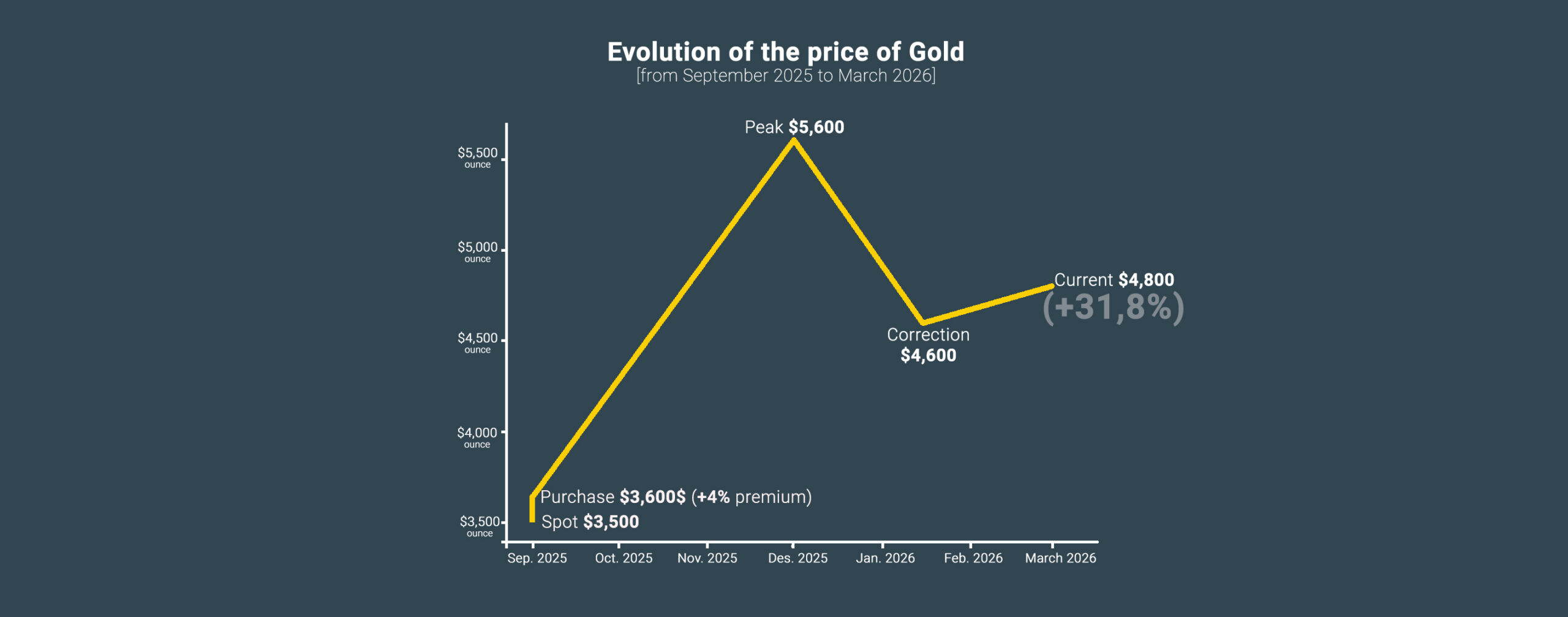
Real impact of a +4% premium entry in a context
of historical highs and subsequent volatility.
This simulation demonstrates a crucial principle: in a structural bull market driven by persistent private demand and central bank accumulation, the premium paid at entry becomes irrelevant over time. The only true risk is not owning the asset at all.
Beyond Gold: The Governor’s Duty to Diversify into Essential Sectors
A central bank governor, if he does his job properly, must place the assets of the central bank in sectors that are essential to sustain the price of money in the country. The same logic applies to your personal finances. You must trade not only in gold but also in other sectors likely to grow in case of global crisis.
At 11Onze, our personal advice is clear: FOOD.
Global agricultural markets face another year of uncertainty in 2026. Climate change, geopolitical tensions, and shifting trade flows mean that prices of key commodities like corn, soy, and wheat are no longer experiencing temporary fluctuations. Volatility has become a structural characteristic of the market .
Chris Trant, head of US Agriculture at Hedgepoint, paints a worrying picture: “After years of bumper harvests, farmers are under pressure from low prices and rising costs for loans, seeds, fertilizers, and transport. This could lead to fewer investments and lower production in 2026” . South America remains the main source of uncertainty, with La Niña potentially bringing drier conditions to Brazil and Argentina—the leading exporters of soy and corn .
Meanwhile, innovative financing models are emerging to fill the gap left by traditional banks. The “missing middle” of food infrastructure—mills, processors, storage facilities—is too capital-intensive for grants, too steady for venture capital, and too risky for traditional bank lending. Yet these assets are essential for giving farmers access to higher-value markets and an alternative to commodity systems.
The 11Onze Initiative: Financing the Food Ecosystem
At 11Onze, we are taking action. We are looking into creating Special Purpose Vehicles (SPVs) to help finance local farmers and the entire ecosystem that depends on them.
It is crucial that we seize the opportunity left by banks and big pockets. FOOD is going to become scarce and expensive. We must work with our local farmers to keep it abundant and profitable for the whole community. As demonstrated by projects like the Blue Mountain Mill—which secured over $50 million in funding through tribal ownership, mission-aligned lenders, and community investors—the “remarkable middle” of food infrastructure is viable when capital aligns around long-term outcomes .
A Call to Action: Join the Movement
In a financial world increasingly defined by complexity, leverage, and counterparty risk, the new golden rule of Basel III is a return to first principles: safety, stability, and the unprinted value of real money. For the 11Onze community, that is a rule worth following.
But we must go further. We must build resilience in our communities.
- If you are a farmer in need of financial support, please contact us. We want to help you access the capital you need to sustain and grow your operations.
- If you are a member of 11Onze interested in food security investments please fill out this form. Join us in building a portfolio that feeds our community while preserving wealth.
As one seasoned market observer aptly put it, the old advice was “be your own bank.” At 11Onze, we upgrade that mandate: Be the governor of your own central bank. Allocate to gold for monetary stability. Allocate to food for physical survival. The two together form the foundation of true wealth sovereignty.
If you want to discover the best option to protect your savings, enter Preciosos 11Onze. We will help you buy at the best price the safe-haven asset par excellence: physical gold.

If you also celebrate Valentine’s Day, you must be looking for a unique and special gift that symbolises your love for the person you cherish. At 11Onze we suggest you give ‘Amor amb Or’ as a gift. A gift that will last forever and that retains its value over time. For Valentine’s Day, gift gold coins!
We all know that Valentine’s Day in Catalonia is Sant Jordi, but if you want to give something more than just a rose or a book to the person you love… maybe you want to jump on the bandwagon of romantic gifts for Valentine’s Day. So, if you’ve already ruled out cologne, chocolates, romantic food and other typical gifts… at 11Onze we have a proposal for you that is as classic as it is surprising: give gold.
Gold coins for the person you love
Gold has always had an air of mystery and magic, a timeless gift with a special symbolic meaning that represents love and prosperity. Celebrate special moments with ‘Amor amb Or’. Surprise your loved one with a unique and precious gift that will remind him/her of your love forever.
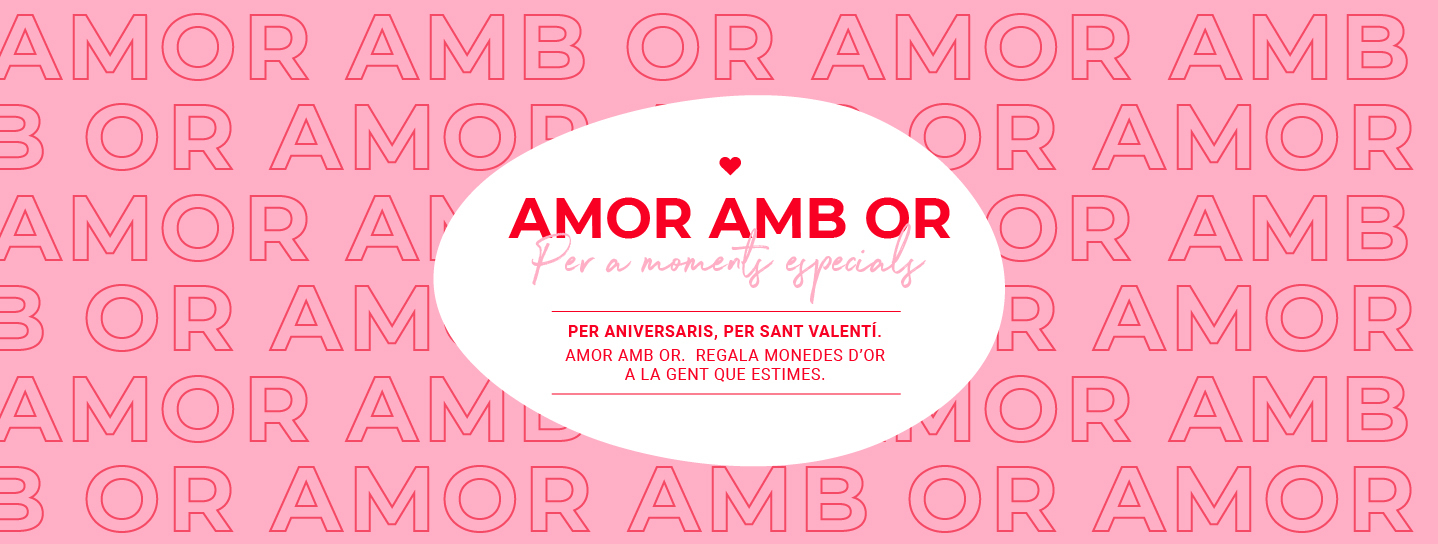
‘Amor amb Or’ is the perfect gift for those special moments you want to celebrate with the people you love. Whether for a birthday or Valentine’s Day, giving gold coins as a gift will be an unforgettable detail that symbolises love and will maintain its value over time. If you want to give a unique and special gift, give ‘Amor amb Or’.
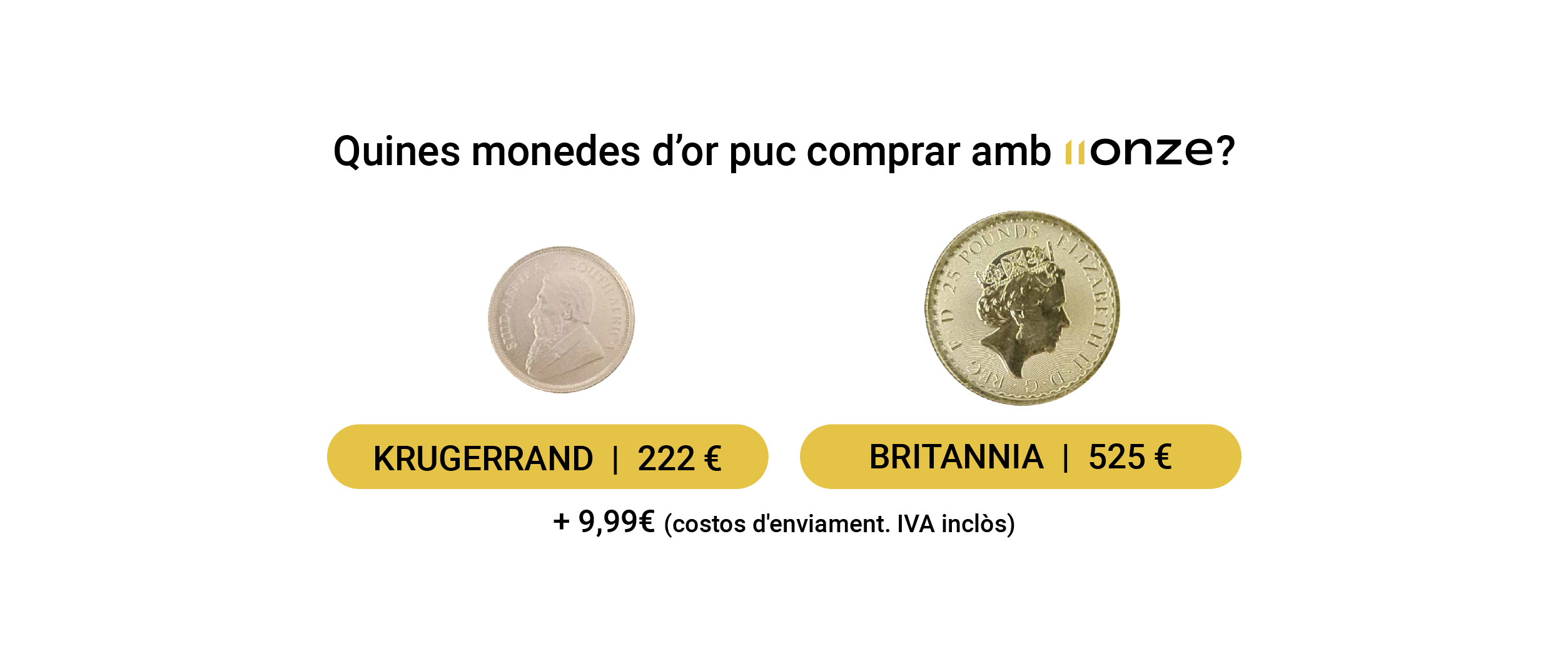
Preciosos 11Onze offers the option to buy gold coins from €220. For 11Onze members with an El Canut account, shipping is free. For all other buyers, it costs €9.99. If you want to buy gold coins as a gift, fill in this form and an agent will contact you. You will receive a personalized digital postcard with the name of the person to whom you give the gift. It will also need a physical address to send, shortly after, the gold coins.
If you want to discover the best option to protect your savings, enter Preciosos 11Onze. We will help you buy at the best price the safe-haven asset par excellence: physical gold.
A 11Onze volem que la gent es formi per empoderar-se econòmicament. Pots començar-ho a fer amb la sèrie El Diner.
El diner és una sèrie d’animació que podeu trobar a la Plaça, amb l’objectiu d’explicar de manera amena i molt senzilla el món de l’economia. La sèrie consta de nou capítols amb lliçons com “Història de la moneda”, “La creació monetària” o “La concentració de la riquesa”. En finalitzar cada capítol trobem un qüestionari per saber si n’hem entès els conceptes. Però, quina és la definició del diner? I de l’economia?
El diner és el cor de la nostra economia: és l’eina que ens facilita l’intercanvi de béns (el menjar que comprem, una casa, un ordinador o una bicicleta) i serveis (el temps que paguem pel temps que algú ha dedicat a fer alguna una cosa: un metge, una advocada, una mestra d’escola, un mecànic…) a través d’una moneda.
Aquesta moneda acostuma a tenir forma de moneda central material (en forma de bitllet i de monedes, els diners que podem tocar i portar a la cartera), anomenada també moneda manual, líquida o efectiu. Aquestes monedes són fabricades al Banc Central Europeu (BCE), a banda d’afavorir que l’economia funcioni.
L’altra moneda amb la qual podem pagar els béns i serveis és la moneda escriptural o secundària, és a dir, els números del nostre compte corrent, que no existeixen físicament i que tan sols existeixen dintre del sistema informàtic de la comptabilitat del banc. Aquests diners són gestionats pels bancs comercials privats, els que treballen directament amb la ciutadania i que trobem a la nostra ciutat o al nostre barri. Són els que distribueixen les monedes i els bitllets que crea el BCE.
Satisfer l’oferta i la demanda
Si mirem la lliçó “Aprèn a avaluar l’economia”, de l’apartat Aprendre de la Plaça, també entendrem per què l’economia és un sistema de distribució i de gestió dels recursos limitats per satisfer la demanda de les persones.
Però el terme economia va més enllà, ja que tots contribuïm a fer-la possible. Els nostres actes s’hi reflecteixen: en allò que consumim, les hores que treballem, els béns que posseïm, els diners que podem arribar a estalviar. La suma dels actes que prenem individualment tota la ciutadania és el destí de l’economia global. Dit d’una altra manera: l’economia és el resultat del que nosaltres decidim.
Esperem que amb aquesta petita introducció de la sèrie El Diner, i del resum dels seus conceptes, us hagin vingut ganes d’aprendre sobre economia i sobre el món de les finances. Ja ho diuen: “A la vida, unes vegades es guanya, i d’altres s’aprèn”.
11Onze és la fintech comunitària de Catalunya. Obre un compte descarregant l’app El Canut per Android o iOS. Uneix-te a la revolució!


Mantenir la competitivitat d’una empresa en època de crisi econòmica sovint implica reduir les despeses. La creença popular que el màrqueting és una despesa operacional fa que moltes empreses retallin la partida publicitaria sense pensar-s’ho dues vegades. Publiquem un article de VIA Empresa, on Gemma Vallet, directora d’11Onze District, ens explica per què invertir en publicitat en temps de crisi pot salvar el nostre negoci.
Màrqueting per sobreviure a una tardor incerta
La publicitat al pla d’empresa no és una despesa, és una inversió, un flotador, pot evitar que vostè i la seva empresa tanquin.
El preu “raonable”, el denominat pricing en màrqueting, està sent un altre dels trencaclosques
En aquests moments de crisi econòmica, pregunteu-vos què poden fer les empreses, els empresaris, les persones al davant del màrqueting, vendes i branding per a continuar venent a una tardor que es presenta crítica, marcada pel que alguns anomenen la incertesa… La incertesa a hores d’ara és més ben poca, es confirma que estem immersos en una crisi global de les històriques i els consumidors, els ciutadans, ja han començat a contenir el seu consum. L’incert aquí és fins quan aquesta contenció en el consum, i nosaltres ara -consumidors- en aquest entorn anem a comprar el just i imprescindible.
És la primera cosa a tenir clara, a entendre. Què és imprescindible per als teus clients, per als consumidors de la teva marca? Aquesta pregunta de reflexió cal fer-la a consciència. Imprescindible és el pa i també el catalogat com a entreteniment i oci. Per exemple, en temps de crisi, la música (la cultura que per a alguns governs és motiu de retall de pressupostos) és un bé que es pot catalogar d’imprescindibles i es pot comprar en format de concerts, festivals… a un preu raonable, perquè la gent ara necessita com el pa el seu moment d’evasió.
El preu “raonable”, el denominat pricing en màrqueting, està sent un altre dels trencaclosques perquè no haver de tancar per haver adoptat un low cost en què hem d’haver-hi de regalar productes, serveis.
La marca, ¿compraran marca o escullen les marques blanques o marques nascudes, incubades, en els marketplaces com Amazon? La marca encara és la millor aposta que es pot fer en qualsevol negoci, a hores d’ara no ho posem en dubte. Apostem per continuar invertint a construir marca. Mercadona va fer-se un buit, un bon buit en el mercat, per vendre millor que ningú en alimentació les marques blanques… I cert és que Mercadona inverteix a mantenir la seva bona reputació, a construir la seva pròpia marca.
La partida de publicitat
Publicitat. Què fer en aquests moments? Sobretot, no retallar en comunicació de marca, de producte, en publicitat, perquè després serà pitjor, si retalla aquesta partida serà per fer que tothom s’oblidi de la seva marca i els seus productes i serveis… i això del branding i màrqueting té molt de sentit comú: si t’obliden, et deixen de comprar. Pot ser que el seu director financer li recordi que cal retallar despeses i la partida publicitària figura a la columna de despeses. No sabem gaire bé com va arribar aquí. Aquesta partida que posa publicitat al seu pla d’empresa no és una despesa, és una inversió, un flotador, pot evitar que vostè i la seva empresa tanquin.
Estudieu bé el mercat, és el moment d’invertir en dades, en intel·ligència del mercat.
És el moment d’estudiar, de revisar aquestes gestes del màrqueting com en el seu dia va ser una campanya històrica al mercat dels detergents, la campanya protagonitzada per un director general, un CEO, el Sr. Manuel Luque, que salva l’empresa en un moment on tots els indicis eren de tancament amb un missatge reptador: “Busqueu, compareu i si trobeu alguna cosa millor, compreu-la”. Transparència, honestedat i bon fer… Imprescindible.
Pots llegir l’article original aquí
11Onze és la fintech comunitària de Catalunya. Obre un compte descarregant la super app El Canut per Android o iOS. Uneix-te a la revolució!
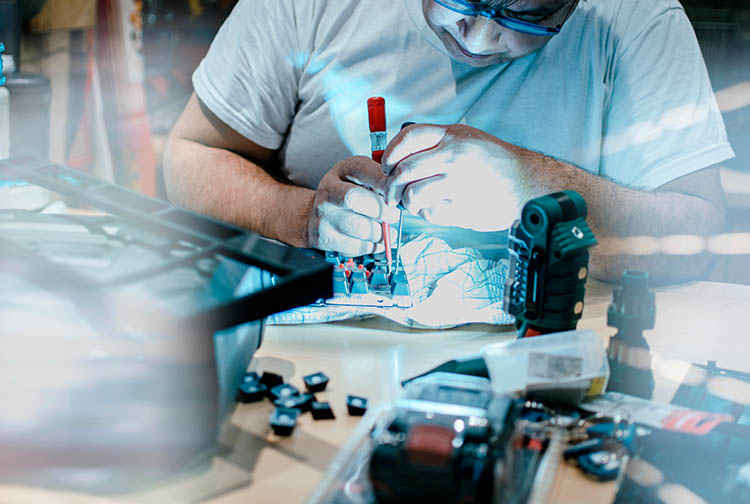
Whether it is for fun or to try to save money, more and more people are starting to renovate their homes themselves. Many people use their holidays, others take advantage of a few days off and there are even some who have used the confinement to lay that parquet floor, paint the bedroom or, for the bravest, renovate the bathroom or kitchen.
What is clear is that things have to be done right, so if you are one of those who are determined to make a small or big change in your home, 11Onze wants to give you some tips for your reform to be properly planned and free of headaches. We have found a guide to help you in this adventure on the OCU website.
The first piece of advice they give us is not to improvise. If, for example, we are planning to renovate the bathroom, it might be a good idea to check the electrical installation and the old plumbing before starting. Another piece of advice is about who will do the renovation; will we do it ourselves? Will a friend or relative help us, or are we going to need help from a carpenter or electrician? The OCU website clearly reminds us that it is also necessary to plan the whole process in detail, take good measurements of everything, and above all, make sure that the structural elements will not be affected by the reformation. And never forget to check if the work we are going to do at home requires any authorisation from the town or city council, and it is advisable to notify our neighbourhood community if necessary. And just as important, if not more so, is to have the necessary material and all the tools we will need to carry out the renovations. In this sense, it is good to remember that we always have the option of renting the tools, especially when they are very specialised.
What do you think about doing some building work at home? Isn’t it a good way to have a zero-mile holiday? Very economical, while at the same time you make the necessary reforms to your house or restore that piece of furniture that grandma left behind. Well, if you are interested, don’t miss the video of our agent 11Onze, Francesc Serra, which may convince you, the decision, as always, is yours.
Do you want to be the first to receive the latest news about 11Onze? Click here to subscribe to our Telegram channel
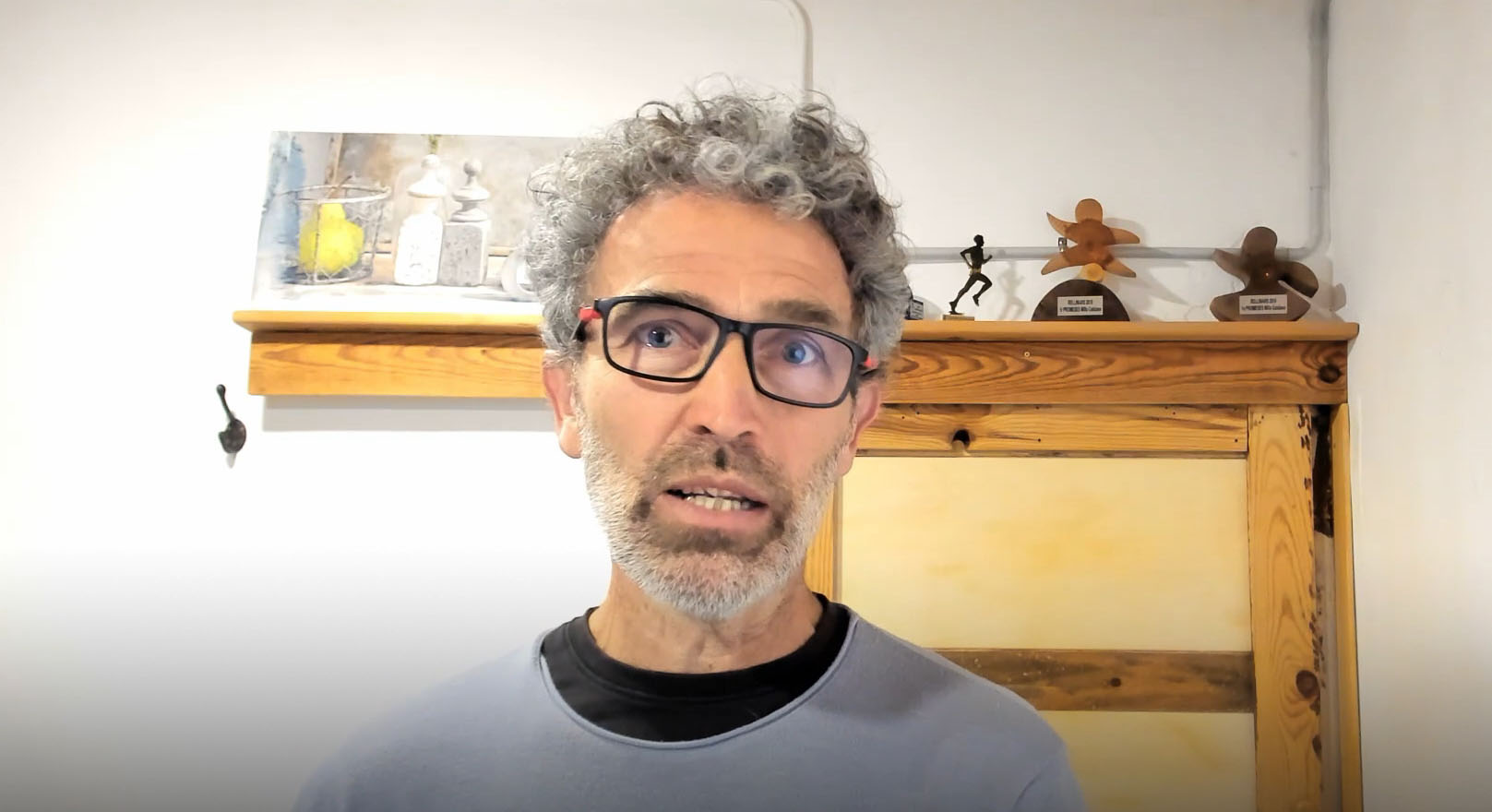
Francesc Serra, agent 11Onze explains the advantages of renovating your house yourself

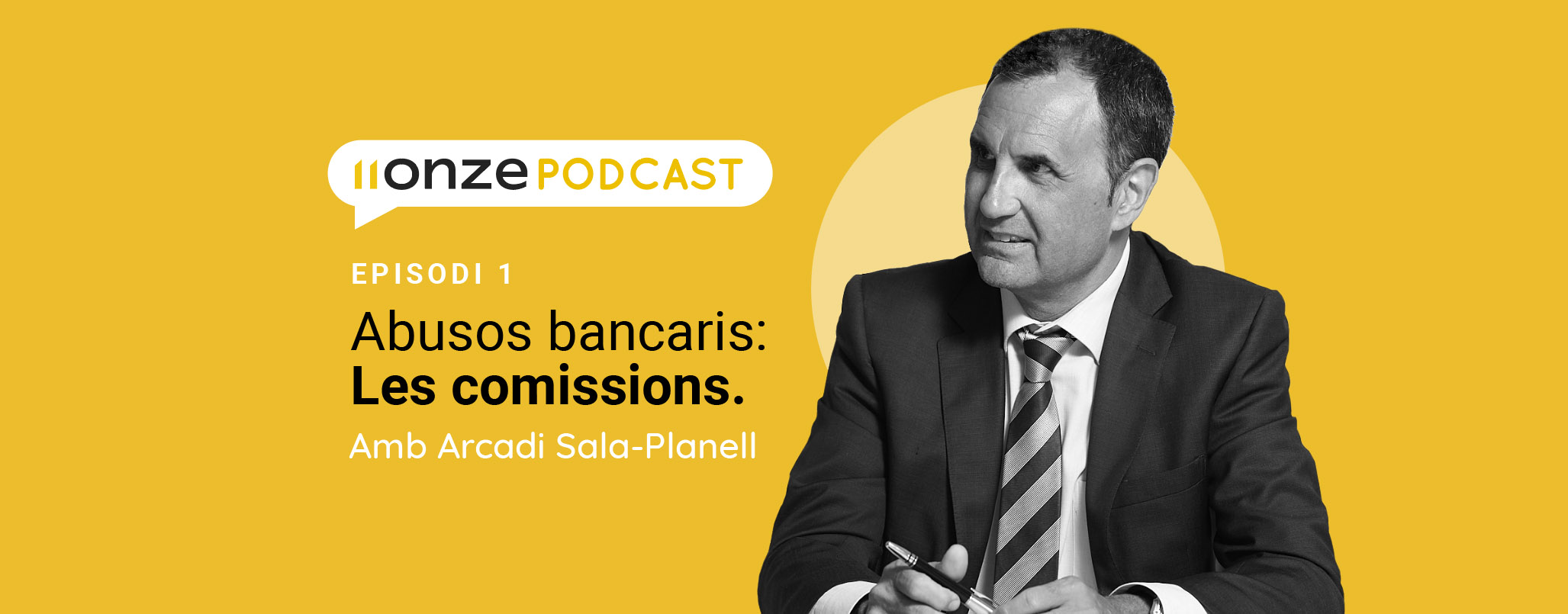
11Onze Podcast launches a series of chapters to find out all about banking abuses, conversations with Arcadi Sala-Planell, Head of Legal at 11Onze. First chapter: les comissions.
“All traditional banks have jumped on the commissions’ bandwagon to make money, because banks can’t survive”, explains Sala-Planell in the first chapter of Abusos Bancaris. In several chapters, the lawyer will go through the abuses most commonly suffered by users of the banking system, in conversation with the Head of Contents of 11Onze Toni Mata.
“Banking commissions are regulated, but in practice financial institutions bypass this regulation“, says Sala-Planell, who recommends checking on the Bank of Spain’s website whether the commissions are irregular or not. “The banks abuse people because they know they won’t go to court for a commission,” says the CLO of 11Onze.
More 11Onze Podcast
In addition to the chapters on banking abuses, 11Onze Podcast will increase its content offering. It will do so with conversations on topics of interest around the world of money that will feature 11Onze agents and some of its managers.
Do you want to be the first to receive the latest news about 11Onze? Click here to subscribe to our Telegram channel


The confinement in the wake of the pandemic popularised remote working. A trend that has blurred the boundary between the office and our personal lives. Workation is a new form of telecommuting that merges work and holidays.
For anyone who has the option to work remotely, the benefits of taking a workation, the sum of ‘work’ and ‘vacation’, are hard to pass up. Until 2019, the image of working from a laptop with a panoramic view in the background was almost exclusively associated with a digital nomad lifestyle, but, thanks to the sanitary crisis, telecommuting became exponentially more popular.
This new form of remote work is not designed for you to work while on holiday, but to work as if you were on holiday. Setting up our office in a place we would normally only visit when we are on holiday can have many benefits beyond the view.
Workation
You’ll still have all the essentials you were used to in office life and many luxuries you didn’t have
From sturdy workstations built for hours of tapping away on your laptop, access to conference rooms made available when needed, all the way to a strong Wi-Fi connection that won’t quit, many hotels offer a large variety of beautifully designed spaces that you can move through depending on your mood and preferences.
In many ways, hotels served as the original version of coworking spaces, it was common to see people in suits with laptops flipped open while enjoying a meal in the restaurant. Today, you’re more likely to find someone wearing shorts and flip-flops.
You’ll increase your productivity
As digital nomads are 13% more productive than their in-office counterparts, it turns out employers also see the benefit in their employees working from abroad. Being able to work in a space tailored to individual needs and preferences, as well as having uninterrupted blocks of time during the day, all means that people are not only more productive and comfortable at work, but they’re also much more willing to occasionally put in extra hours in order to get things done.
Your mental health will thank you
Feeling the winter blues coming on? Getting overwhelmed by work, or finding it tough to keep up with office politics? Maybe you could use a change from the home-to-office routine you’ve become so used to; something to remind you that life is for living, and not just working and commuting.
You’ll relax, without having to take time off work
Many hotels have amenities that, let’s face it—most of us simply just don’t have at work or home. Ditch the communal shower, pool table, and stiff massage chairs in favour of the hotel pool, steam room, and sauna—where you can unwind after a day of hard work, without even going outside. The more you use those precious after-work hours to unwind and recharge, the more you go into your working hours feeling fulfilled, refreshed, and focused.
You’ll discover new places
Exchange predictable commutes for lengthy walks in an unfamiliar city; explore different districts and restaurant recommendations; try your hand at leisure photography; or broaden your horizons by meeting locals and doing a deep dive into your local culture. Become friends with the barista at that coffee shop you frequent daily, or do some research on where to go and what to see from your new location.
Do you love to travel? With 11Onze Viatges you can book accommodation at the best price, without stifling the travel industry.



Christmas holidays are celebrated all over the world, but customs vary from country to country. In 11Onze we review some of the Christmas traditions in other parts of the world.
Portugal and Italy
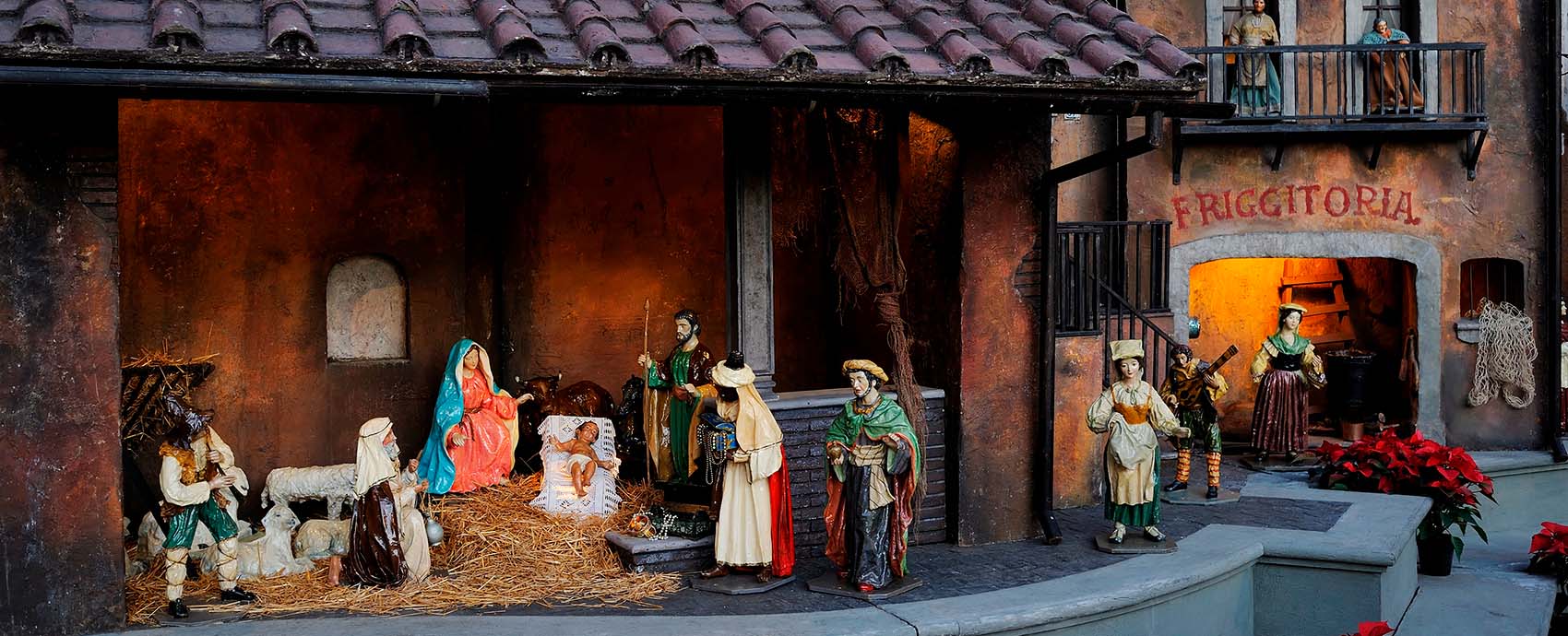
Nativity scenes are not only made in Catalonia, they can also be found in Portugal and Italy. Many are true works of art, with months of work, effort and investment. In many cities they are almost a tourist attraction. If you are passionate about nativity scenes, you will have already visited the living nativity scenes and the Catalan nativity scene associations. Perhaps you can visit Portuguese and Italian ones!
Christmas Day

What day is Christmas celebrated? Normally, December 25, but this is not the case everywhere. The Orthodox Church uses the Julian calendar instead of the Gregorian calendar. This means that Orthodox Christians celebrate Christmas Day on January 7 (or around that date, depending on the church). Therefore, Ukraine and Russia will celebrate Christmas for Epiphany, so to speak. Christmas Day is a holiday and the preceding days are days of reflection and often fasting. But Christmas Day is a real holiday in the company of loved ones.
Exporting the Christmas Party
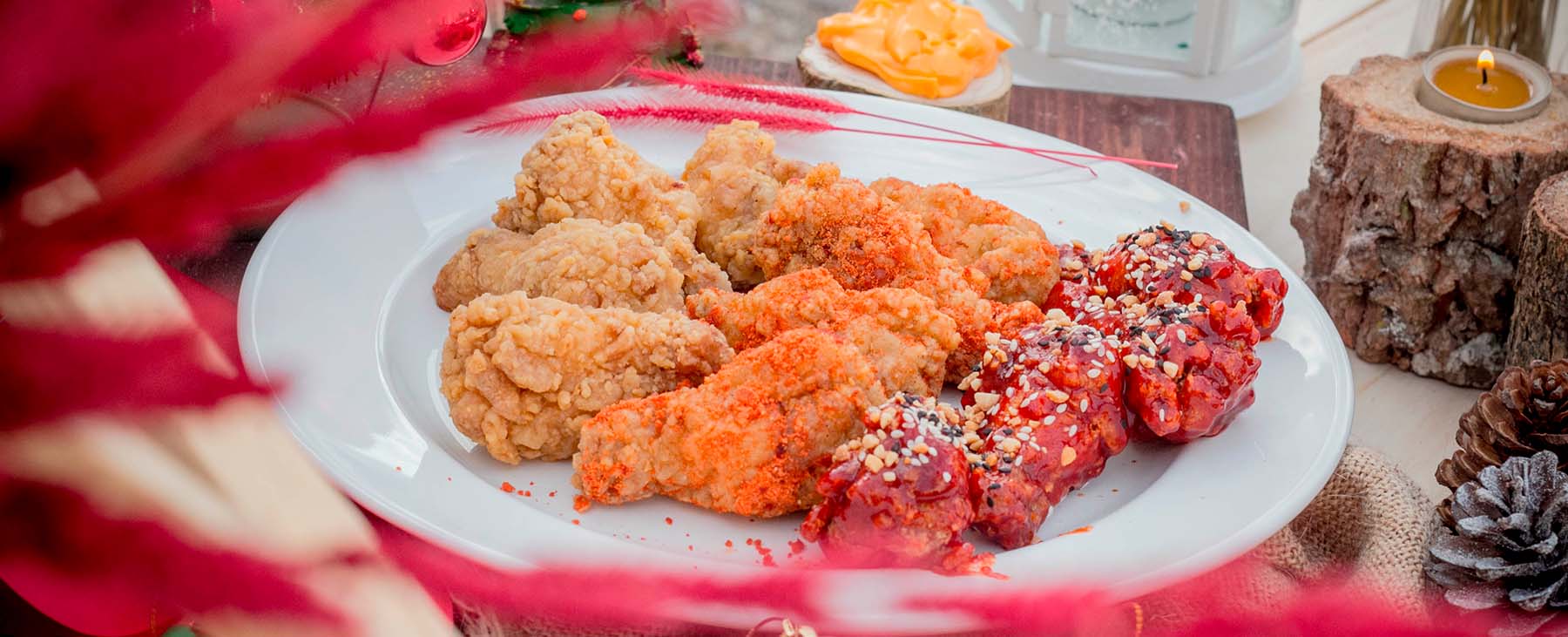
If in Catalonia we often complain that we import traditions such as Halloween, it must be said that the Christmas party is also being exported to other places. It is a kind of fashion trend, often without any religious sense. This means that in these places there are activities linked to Christmas but December 25 is a working day. In the end, it ends up being just another commercial holiday. For example, in Japan at Christmas the most popular food is fried chicken, something that KFC has capitalized on.
Christmas feast
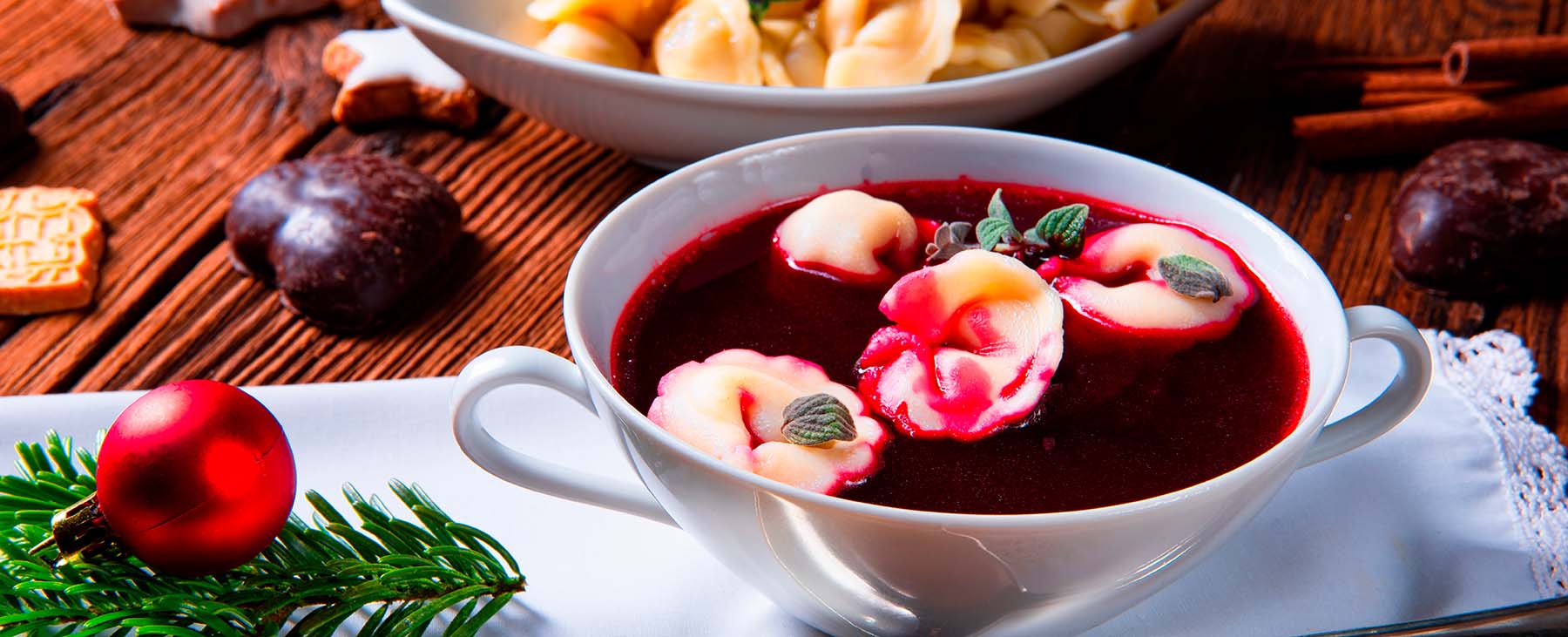
Escudella and chicken with plums and pine nuts is the classic Catalan cuisine for Christmas Day. But there are many other options. In Eastern Europe, in countries like Poland or Lithuania, people traditionally enjoy 12 different dishes on Christmas Eve. And it is necessary to eat them all to avoid bad luck. If you have a Christmas meal in these countries you will taste beet soup, cabbage with beans, poppy seed cake, and many more typical dishes.
Gifts
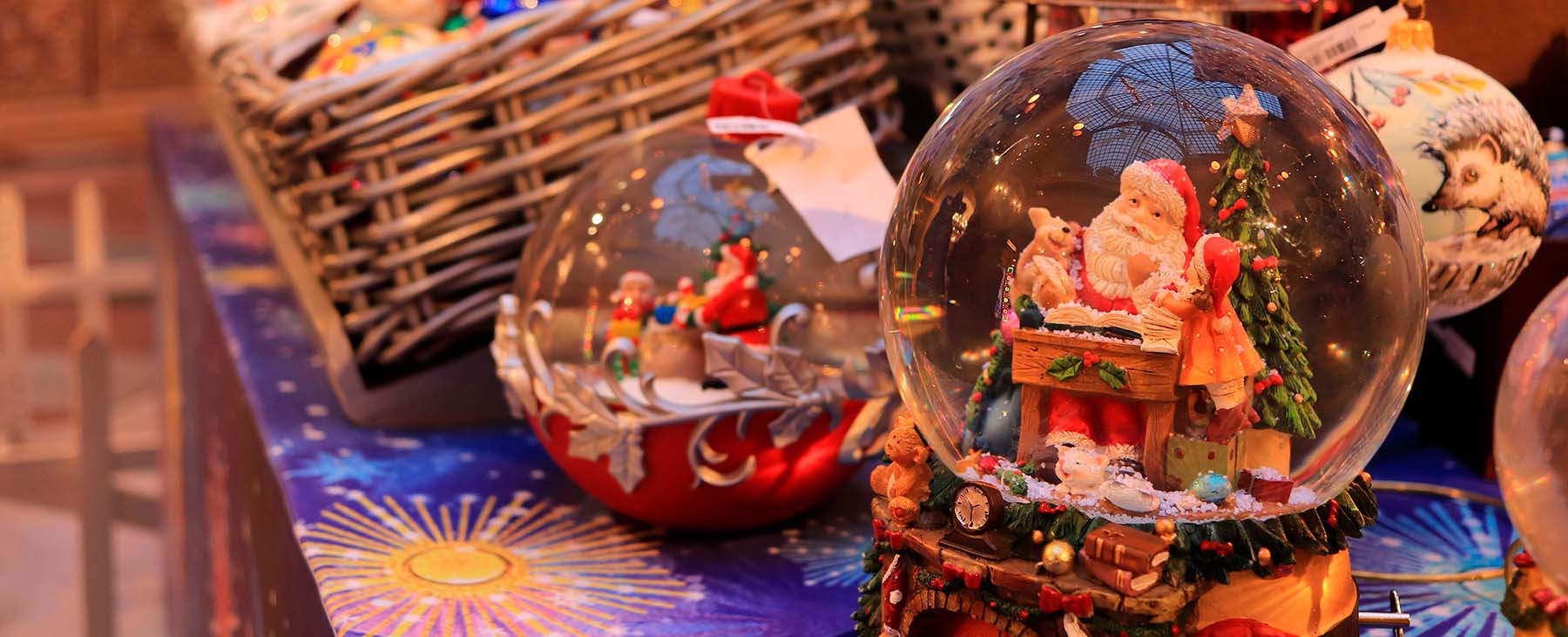
In many countries, besides the 25th (or the 7th, of course), a very important day is December 5. It is especially special for children, as this is when Santa Claus brings them presents. There are many versions of the story that it originated in Finland. Most say that he resorts the world to his sleigh and jumps down chimneys to put presents under the Christmas tree. But in some countries, the stories are slightly different. For example, in the Netherlands, the Sinterklaas disembarks from a steamship. Then, all the local church bells ring in celebration and the children receive their long-awaited gifts.
The Christmas holidays are a great time to travel alone or as a family. Doing so by celebrating Christmas in another country is an option to have a different holiday.
Do you love to travel? With 11Onze Viatges you can book accommodation at the best price, without stifling the travel industry.
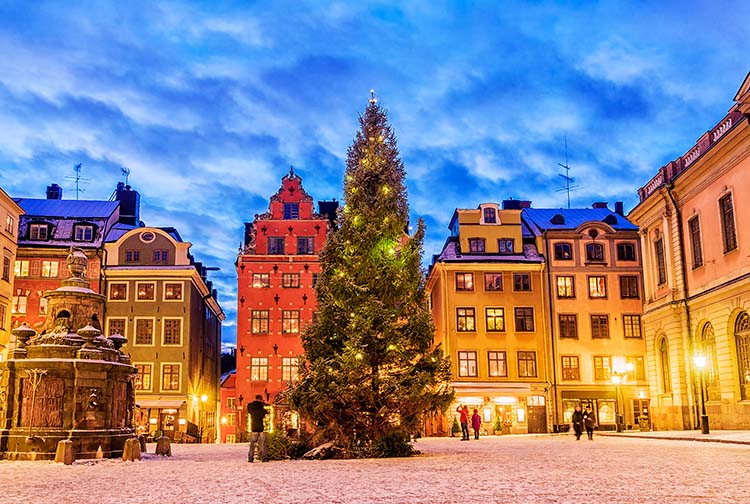
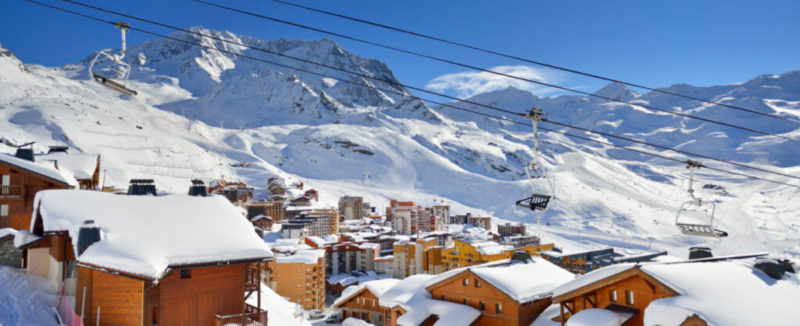
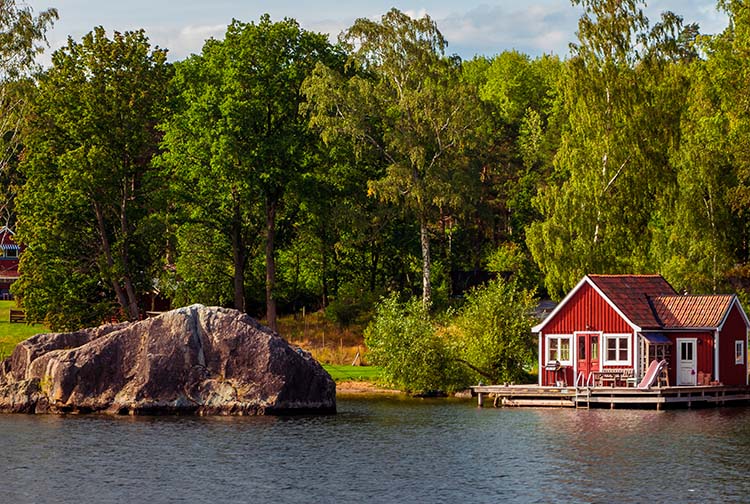
Fans of this mountain sport are well acquainted with the Catalan and Andorran slopes, but perhaps we are not so familiar with the range of ski resorts in Europe. Let’s make a brief compilation of the best-known and some of the not-so-typical ones.
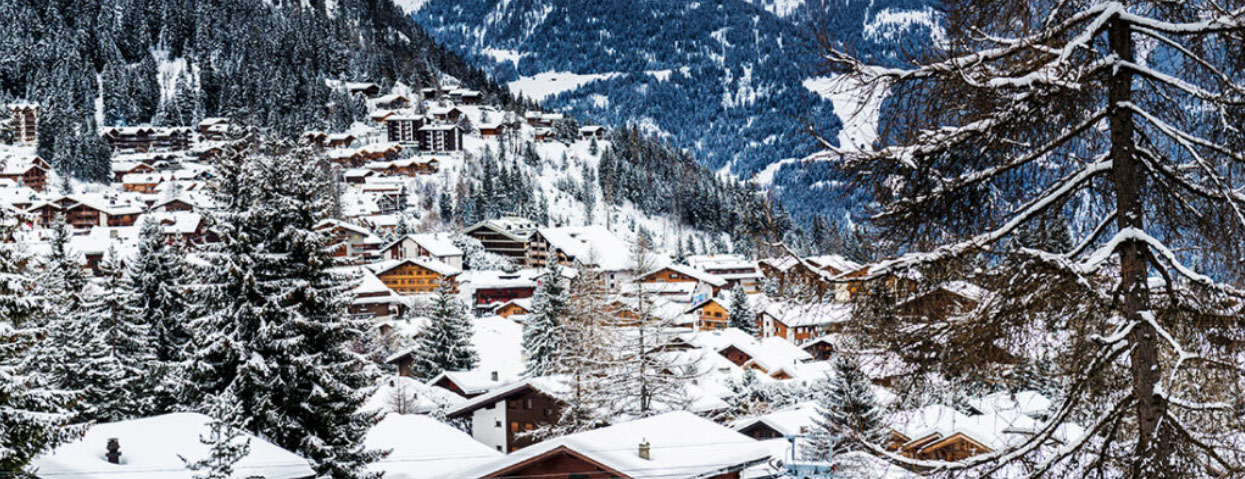
Source: Bidroom
Switzerland
Known for the world’s best skiing resorts, the breathtaking views are enough to calm a first-timer’s nerves. For your non-ski-loving companions, there’s still plenty to do—explore the Matterhorn, go white water rafting, or take a tour through the mountains via train.
Source: Bidroom
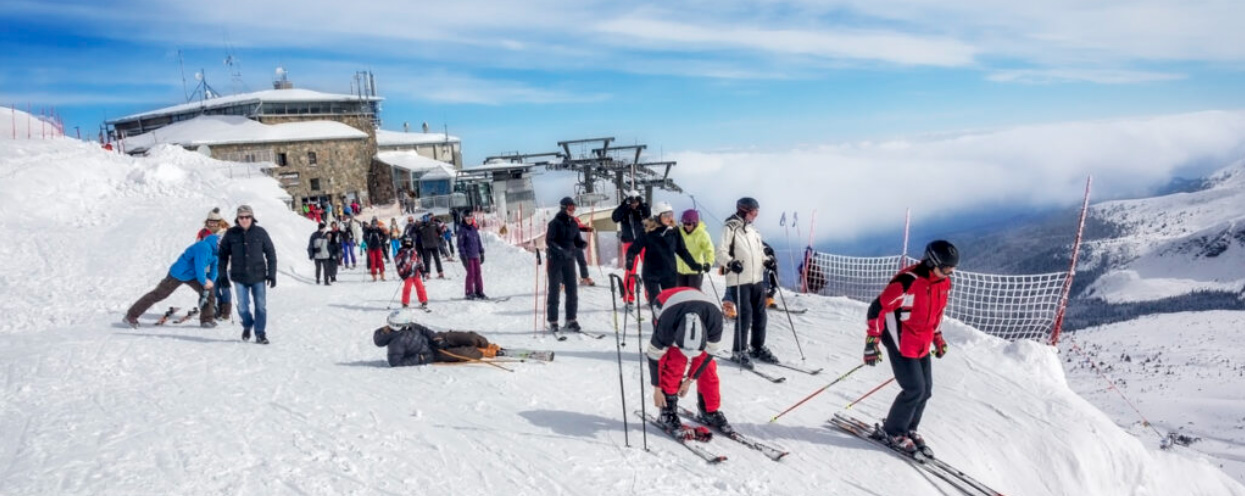
Poland
Bordering Slovakia, Czechia, and Germany, the Polish mountains are famous for their ski slopes. Nestle down into the comfy lobby sofa of your chalet with a warming mug of the region’s renowned take on mulled wine, known as grzaniec Galicyjski, and some tasty pierogi. For the voyeurs, it’s not all about the slopes—plenty of hot thermal baths, quad tours, and unique hikes to enjoy.
Source: Bidroom
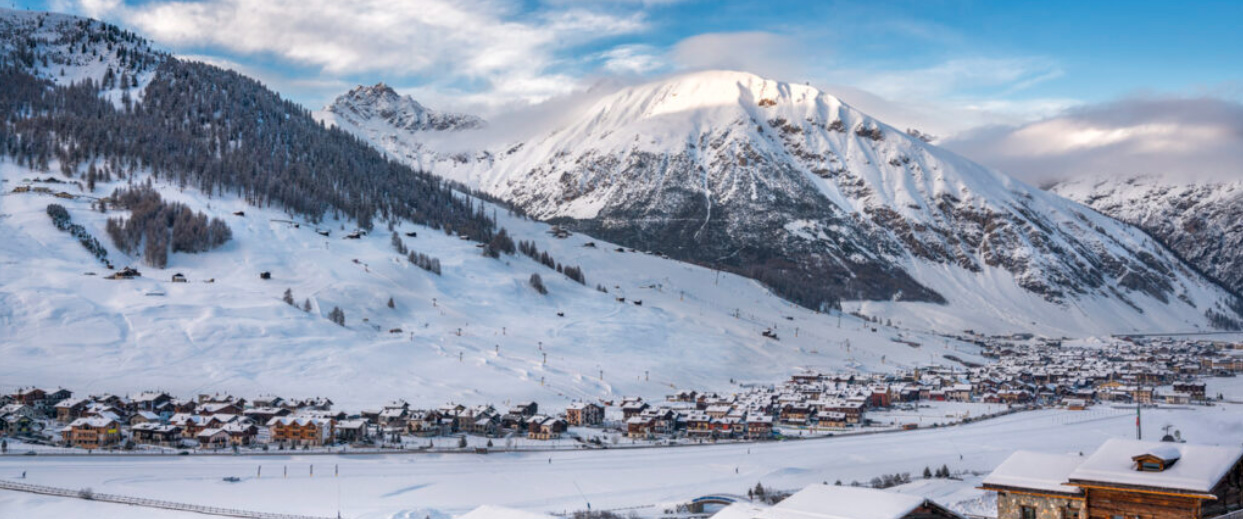
Italy
Italian ski slopes are among the best in the world, especially if you’re trying to please sun holiday lovers and adventurous skiers. Up high in the mountains of Italy, the sun is usually beaming. Sure, it may be chilly, but that is what spa jacuzzis are for.
Source: Bidroom
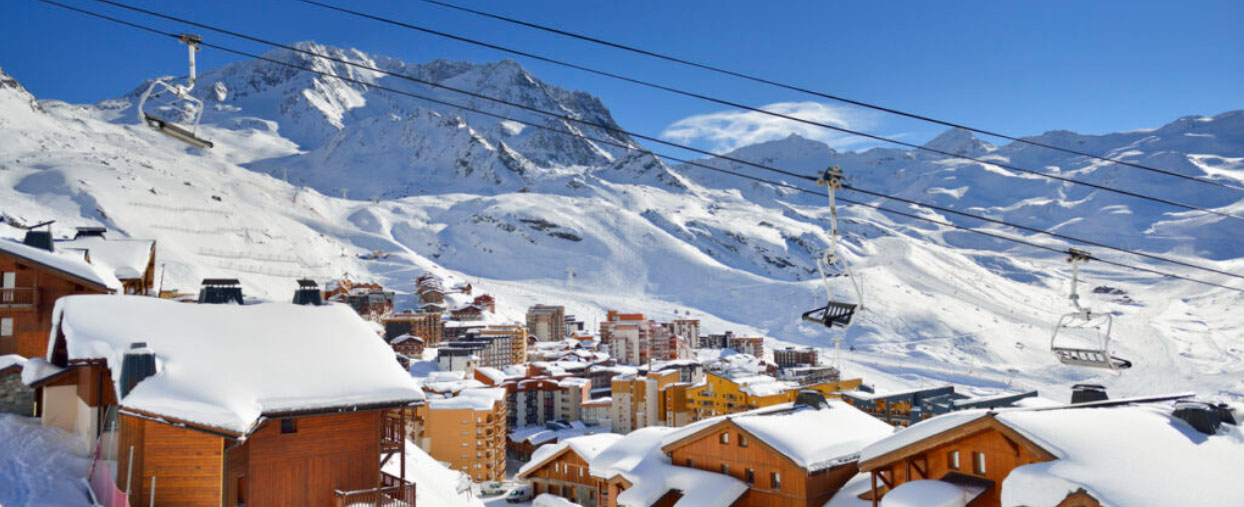
France
The Alps are the highest and most extensive mountain range system that lies entirely in Europe. If you’re a film buff, you’ll recognise the location from the Bond movies. You’ll find some travelling treasures at the foot of some of the highest peaks, like the dainty commune called the Chamonix Valley or the spa town Aix-les-Bains.
Do you love to travel? With 11Onze Viatges you can book accommodation at the best price, without stifling the travel industry.
The Barcelona rumba singer Joan Ximénez Valentí, El Petitet, passed away yesterday, October 11, 2024. Catalan rumba loses one of its great references. From 11Onze we want to express our condolences to the family and mourn the death of the author of our anthem, “La rumba del calerons”.
“El Petitet was one of those special people, gifted with talent, joy and a creative capacity beyond measure. It was easy to notice in his house. You were with him, in the dining room, chatting in front of the TV and you realized that he, connected to the machine that helped him breathe due to the myasthenia gravis he suffered from, was moving his fingers rhythmically: he was thinking about music. He was always thinking about music,” explains Toni Mata, director of content and communication at 11Onze.
Joan Ximénez, a gypsy from Calle Cera, was the son of Ramón el Huesos (one of Peret’s first clappers) and has been one of the most prominent figures in Catalan rumba in recent decades. From when the Raval was home to gypsies who worked in textiles and went out into the street all dressed up, the handsome gypsies, as Petitet said. From when clothes hanging out to dry gave colour to the streets and rumba was the most powerful urban music in Europe. At that time, rumba dancers filled the music venues and Petitet, with his group Tobago and his album Rumbamanía, competed in sales with David Bowie and Michael Jackson.
But that world disappeared, and illness conditioned the last years of Petitet’s life. However, he had the strength to keep a promise. When his mother was on her deathbed, he promised her that he would bring Catalan rumba to the Liceu. And he succeeded, because “when a gypsy gives you the word, that’s it.” That adventure, that of bringing the music of the people, such as rumba, to the opera house and the upper classes, was captured in the documentary Petitet, by Carles Bosch. The film was awarded the Gaudí Prize for best documentary film. The screenwriter of that film, David Vidal, is the author of this obituary for Petitet.

With him we lose the author of our anthem, a beautiful person, faithful, dignified and full of love for the people.
Petitet and 11Onze
“In 2022 we contacted Petitet because we wanted to make a song for 11Onze. We wanted a rumba because it is Catalan, it is cheerful, it is from the people, and it represents the gypsies, who have often had to live on the margins of society and have managed to survive. All this connected directly with the ideology of our entity,” explains Toni Mata. The understanding was immediate. Petitet understood and embraced the idea of 11Onze and its community vision. The collaboration gave rise to “La rumba de los calerons”, the first critical rumba ever composed.
“Petitet was a perfectionist,” Mata recalls, “he would send me versions, adjusting the lyrics, adding layers of music… he even convinced a harpist from the Liceu to come to the studio to record. Of course, the harp would act as the piano, and without sheet music! The harpist managed it, but it was really clear that Petitet and his gang were made of different stuff.” The video for La rumba dels calerons was recorded on the Rambla del Raval, at a huge popular festival next to the streets that saw Petitet and Catalan rumba grow.
Today 11Onze and all those who knew him mourn Petitet’s death. “With him we lose the author of our anthem, a beautiful person, faithful, dignified and full of love for the people,” says James Sène, president of 11Onze. At “The rumba dels calerons,” explains Toni Mata, “he ended up asking for peace in the world. He didn’t achieve it, but he certainly did a little better.” We said goodbye to Petitet, passing on our condolences to the family and dancing with him because, as he always said, “it’s better to laugh than to cry.”
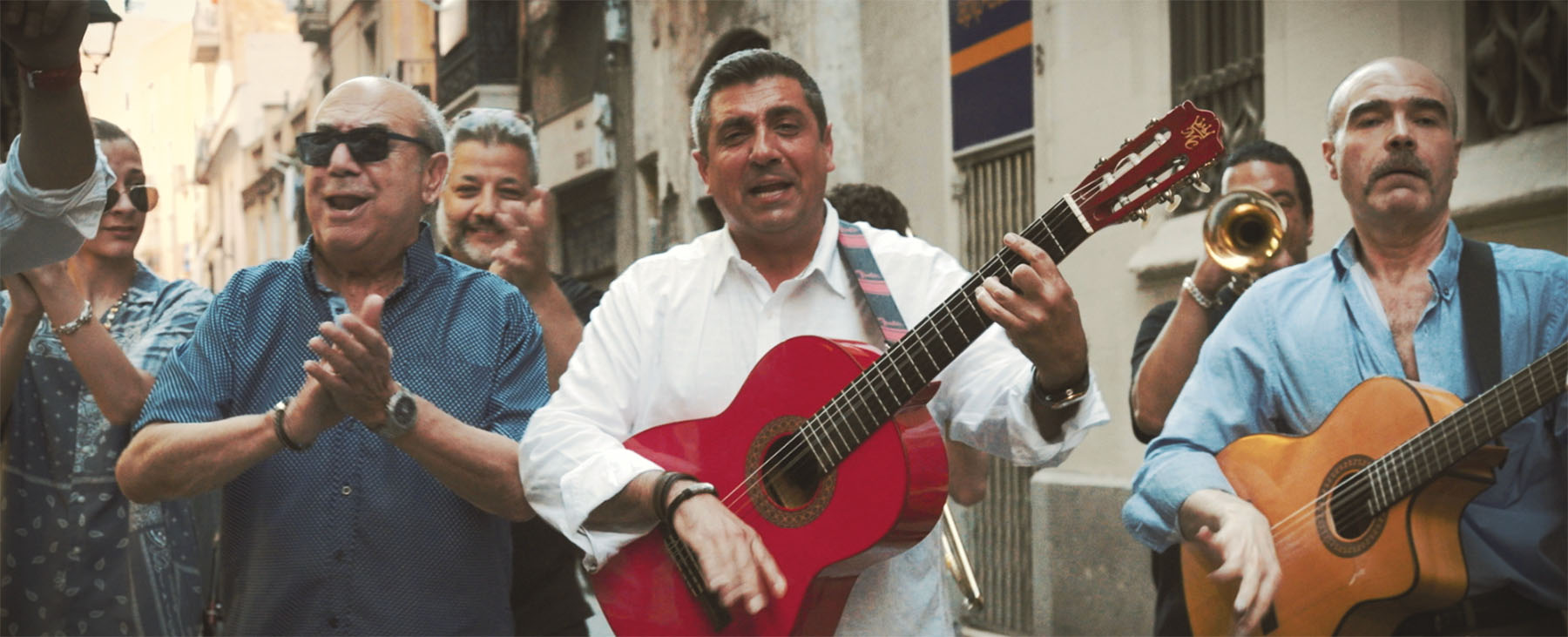
La Rumba dels Calerons