Series you can't miss this summer
We propose six titles that will accompany you this summer and will allow you to get to know and experience new realities without leaving the sofa. Six stories that transport us and make us dream, make us uncomfortable and prompt us to be critical of society, but without losing hope.
- Wild Wild Country (Netflix)
In the early 1980s, the Indian guru Bhagwan Shree Rajneesh (Osho) arrived in the small town of Wasco County, in the United States, to build the Rajneeshpuram community. Hundreds of people followed in his footsteps. A true story, with images and real witnesses, that illustrates the rise and fall of this wild sect based on free love and meditation that changed the life of this town.
- Small axe (Prime video / Movistar+)
“If you are the big tree, We are the small axe, Sharpened to cut you down”. With this song by Bob Marley, filmmaker Steve McQueen gives name to this story about the racial violence of the Afro-Caribbean community in the UK in the 1960s. Courage and struggle against social and institutional oppression, told through five chapters with five different stories that will not leave you indifferent.
- It’s a sin (HBO)
The 80s and 90s were the dark ages of the HIV crisis. The series is set in this context to describe how the situation was experienced through the eyes of a group of young people. Vitality, freedom and naivety. The 1980s were seen as the era of change, of neocapitalism, of the arrival of new music, of new freedoms, but did society advance at the same pace? The irruption of the disease and the global upheaval it provoked also led to an increase in homophobia. A view that is still relevant today, in a world where neither the disease nor the stigma has yet been eradicated.
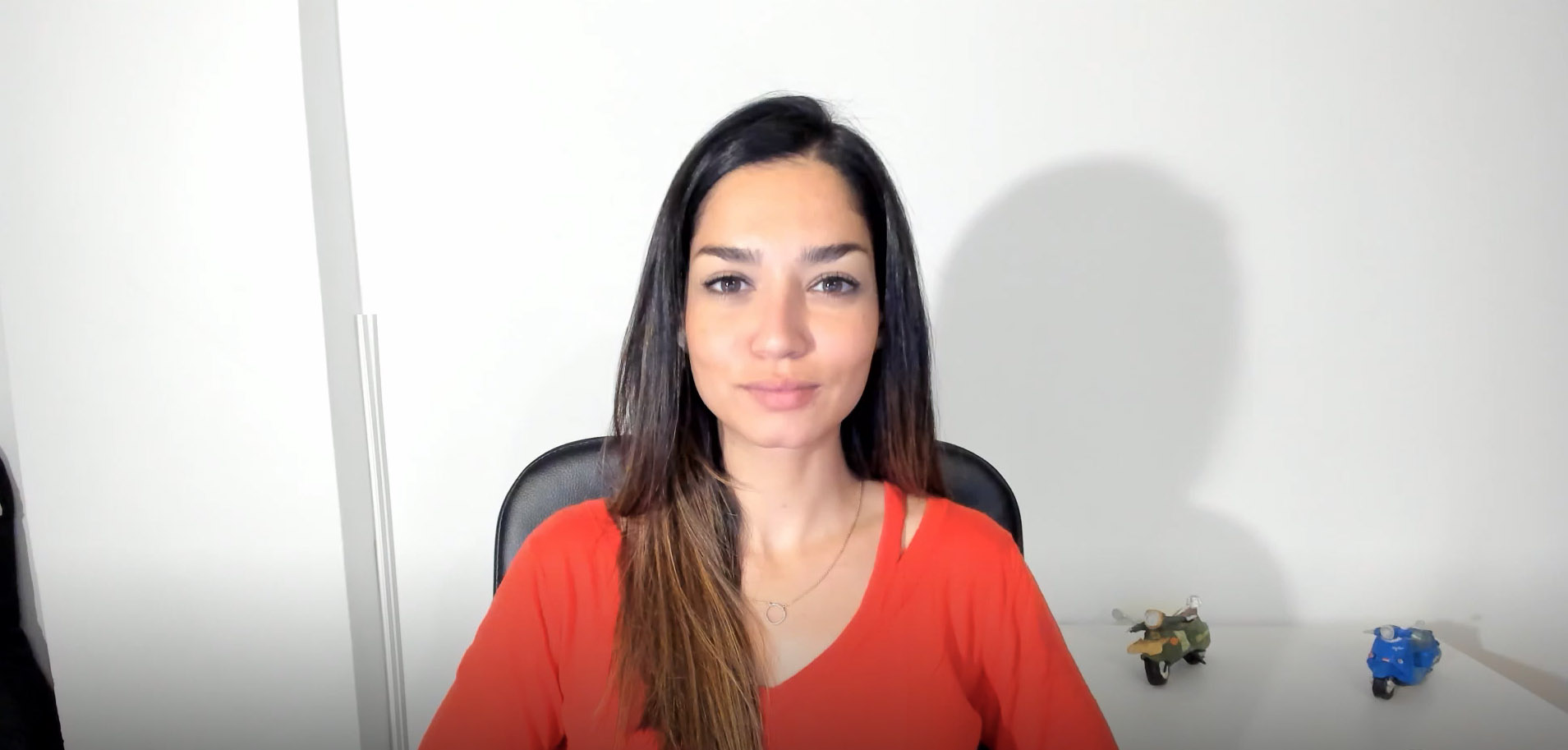
Agent 11Onze Sara Casals recommends more perfect series for this summer
- The Underground Railroad (Prime Video)
The small screen welcomes the adaptation of Colson Whitehead’s novel in this historical drama about the struggle against slavery. In the 19th century, a railway is created to help slaves escape and lead them to freedom by taking them to safety. A tough story but a fascinating tale.
- When they see us
Five young men convicted of a rape they did not commit. A true story that shocked American public opinion and that is now explained to the whole world through this harsh but necessary series. Police frame-ups, social pressure, lies and the need to solve the case immediately, regardless of the evidence. Since its premiere in 2019 it has positioned itself as one of Netflix’s critically acclaimed gems.
https://www.youtube.com/watch?v=XDU-aReWPLE&t=78s
- Years and years (HBO / Movistar+)
Describes a new reality in the UK, practically anticipating future scenarios. A world unsteadily subject to political, social and technological changes that will make the lives of the protagonists evolve towards very different positions. Six chapters narrate the life of the Lyons family over the course of fifteen years in which the viewer will feel identified and will observe, uncomfortably, possible scenarios that we could all live through, in pure Black Mirror style.
And for you, what are this summer’s best series?
Do you want to be the first to receive the latest news about 11Onze? Click here to subscribe to our Telegram channel

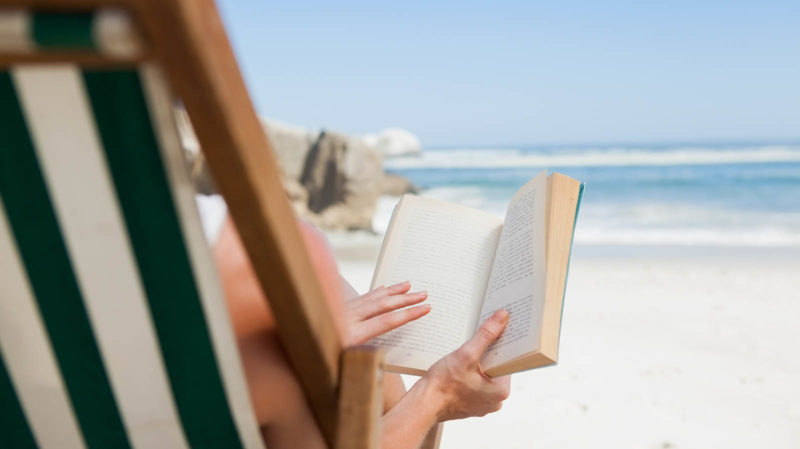
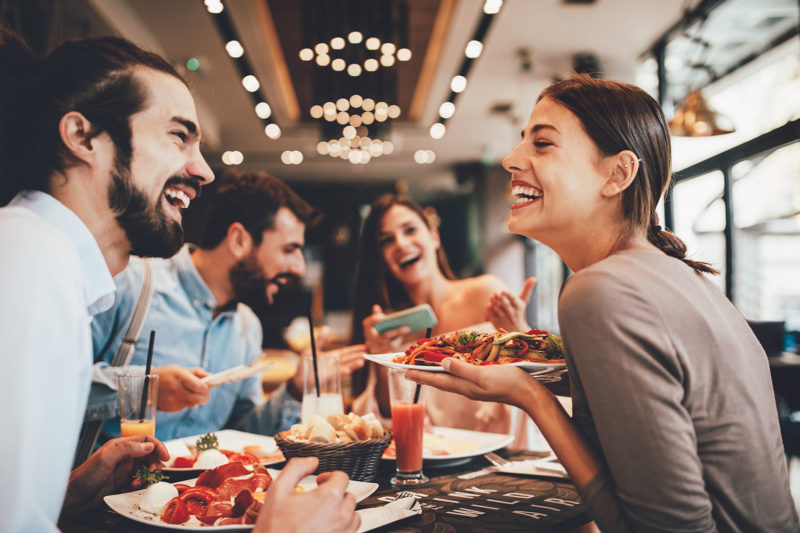
Food is an essential part of any trip, both the food you discover at the place of arrival and the food you take with you from home. Let’s review the basics for travelling with food.
The importance of food, whether for the cultural basis or the need for energy, means that when we travel we face various dilemmas, such as: Where to eat? What to eat? Eating at a restaurant or taking food with us in a home-made lunch box? Eating before leaving home or doing so when we arrive at our destination?
What we need to know is that, no matter what option we choose, the best we can do is avoid travelling when we are hungry. It is necessary that, before starting a journey, we leave home with a full stomach, as this will make us optimistic and will make us face any problem that may arise with more energy and positivity.
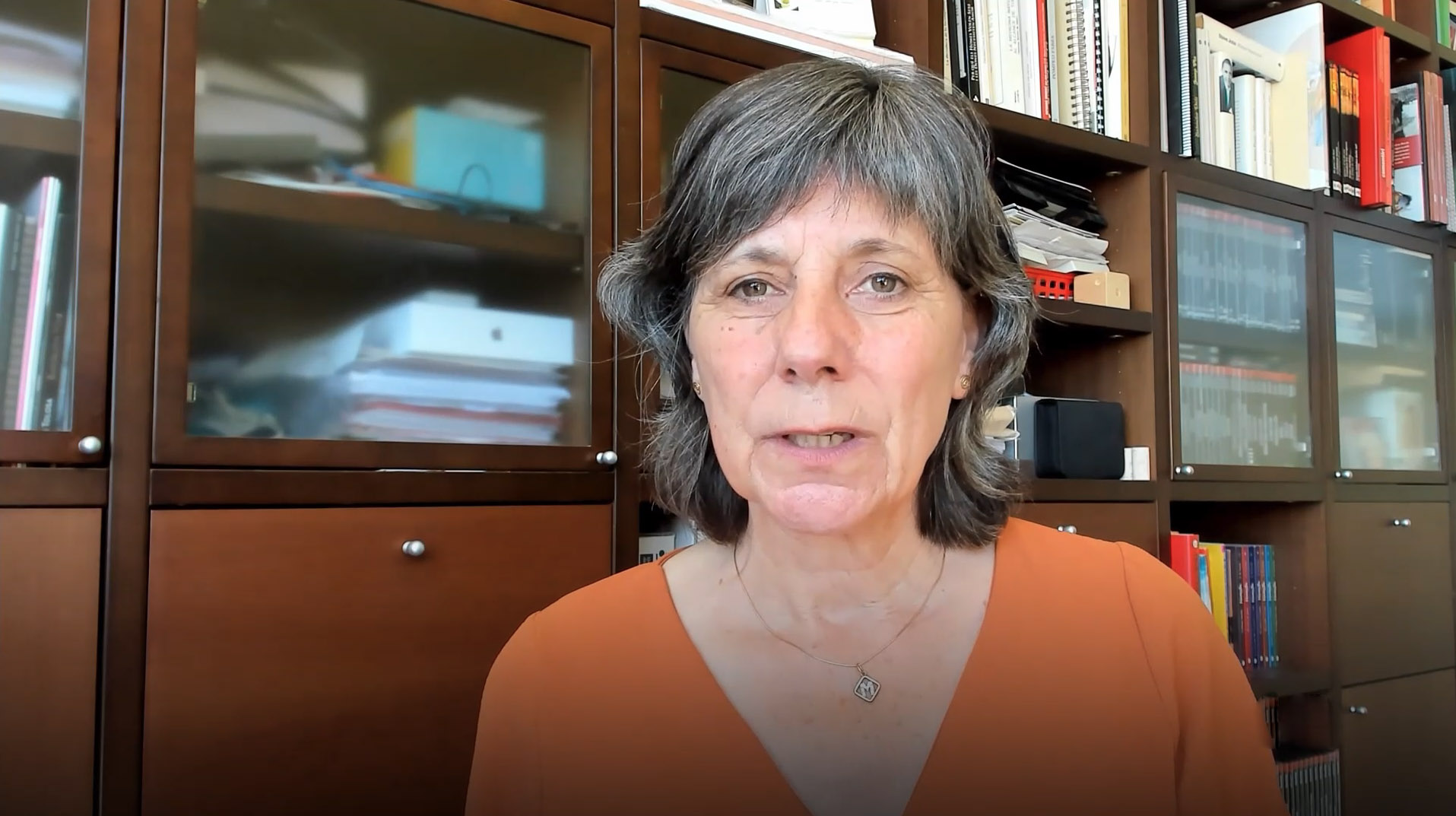
The head of agents Montserrat Massana talks to us about travel and food
I want to take my food from home. How should I do it?
Once I have decided that I want to take my food with me, I need to know that, depending on the means of transport I use, I will have to transport it differently. For example, if I fly from one European Union country to another, there are usually no restrictions on carrying food on the plane. We can travel with products of animal origin, as Member States are supposed to comply with Community veterinary standards. If the trip is outside the European Union, you will need to consult the regulations of each country to find out whether they will let us introduce our food and how to do it.
On the other hand, if we travel by car, what worries us most is what foods to put in the lunch box so that once cooked or processed they retain their properties, both in terms of preservation and taste. Therefore, it is necessary to keep the lunch box at the right temperature, this being a maximum of 5 °C for cold foods and around 65 °C for hot foods. In case the heat cannot be maintained, it is better to refrigerate the food and heat it before consuming it. Recommendations such as the desirability of using hygienic foods, cured in the case of dairy products, and avoiding preparations containing raw egg should also be taken into account.
We are what we eat
As the La dieta Mediterrània un estil de vida actual document by the Alice Foundation highlights, “The need to recover the Mediterranean diet has become a constant demand for decades. The different researches carried out on the food patterns that characterize the developed societies of our time lead to surprising conclusions: we do not eat well, we have unlimited access to certain food products, and in our society more and more important states of malnutrition are detected. Pathologies specific to our environment — overweight and obesity, anaemia, decalcification and osteoporosis, caries, cardiovascular disease, diabetes, retinopathy and macular degeneration, constipation and digestive disorders, and degenerative diseases, such as Alzheimer’s or cancer — are, in many cases, related to diet that the patient has followed throughout his life. And diet can be, if not the cause, the trigger of the malfunction of the body […].”
Mediterranean culture
The panellets, chestnuts, and sweet potatoes that are consumed for the feasts of All Saints and the Day of the Dead; the nougat for Christmas; the omelettes and other preparations for Fat Thursday; the doughnuts for Lent; the ring-shaped cake for the Kings’ day; the cream for St. Joseph; the cakes for the festivals of Sant Joan and Sant Pere; the mones for Easter…
The history of our land is closely linked to Mediterranean culture. Mediterranean people share similar characteristics, one of which is the fact of enjoying social life around a table, enjoying the dishes and stews that are presented to be tasted while talking a mile a minute and having a good time.
Our culinary culture has its origins in medieval times. In Catalonia, we have one of the first manuals of recipes, gastronomy, and wines in Europe, the Llibre de Sent Soví, from the 13th century, which is an anonymous medieval recipe book. Also, in the words of Josep Pla, we have the first best-seller of the culinary world: it is the Llibre del coch from the 16th century, by the master Robert de Nola, cook of King Ferdinand of Naples. Today, Catalan cuisine is known and recognized internationally.
What is the energy value of food?
The energy value of food is proportional to the energy released when that food is burned, in the presence of oxygen. This released energy is measured in calories.
A calorie is the amount of heat needed to raise the temperature of one gram of water by one degree Celsius. It is a very small unit and, for this reason, kilocalories (1 kcal = 1,000 calories) are usually used for food.
The human body, when in a state of absolute rest and constant body temperature, consumes a certain amount of energy. This amount of energy is called the basal metabolic rate (BMR), and is needed to maintain vital signs. The following formulas are used to calculate the daily rate of basal metabolism:
- Women: BMR = 655 + 9.6 · W + 1.8 · H – 4.7 · A
- Men: BMR = 66 + 13,7 · W + 5 · H – 6,8 · A
In these formulas, W is the weight in kilograms, H is the height measured in centimetres, and A is the age in years.
Do you want to be the first to receive the latest news about 11Onze? Click here to subscribe to our Telegram channel
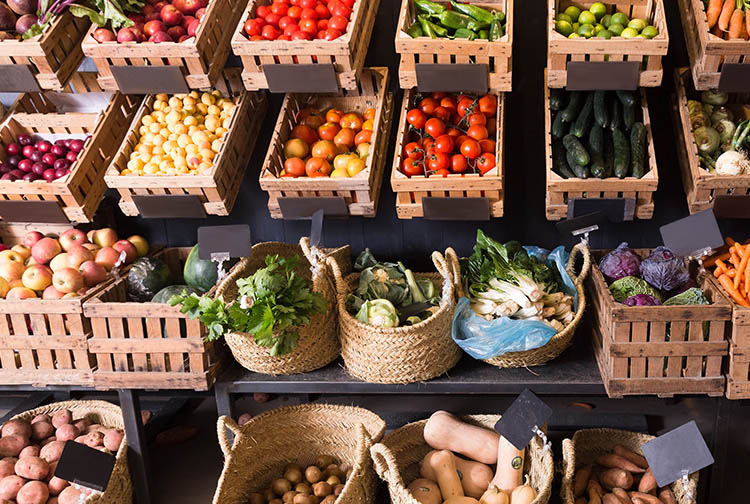
The contest sponsored by 11Onze awards the best young wines and the best wine tourism proposals.
The Catalan wine sector has experienced an unmissable event this Friday, July 9, in the auditorium of Vilafranca del Penedès. The Vinari Awards, the most prestigious in the world of wine in Catalonia, have celebrated the summer gala, seeking the normalization of the sector despite anti-Covid precautions.
The event, organized by Vadevi and presented by Maria Almenar, has recognized the best young wines and the best wine tourism proposals and, therefore, has given very relevant information to consumers for summer season. A representation of the 11Onze team, led by the CEO, Natàlia Cugueró, was present at the event with the aim of supporting a key industry in our country for the economy, landscape and sustainability.
The Vinari have recognized a total of 64 wines, 4 of which have won the Vinari Gran Or award and will receive a distinctive label that will make them recognizable in stores. They are as follows:
- Best young white wine: LaFou Els Amelers 2020, by LaFou Celler (DO Terra Alta)
- Best young red wine: Black 2020 from the MontRubí winery (DO Penedès)
- Best rosé wine: Masia Freyé Syrah Sumoll 2020, Vallformosa (DO Penedès)
- Best young sparkling wine (up to 18 months old): Honor Cava Brut Ecològic 2019, Celler Jan Vidal (DO CAVA)
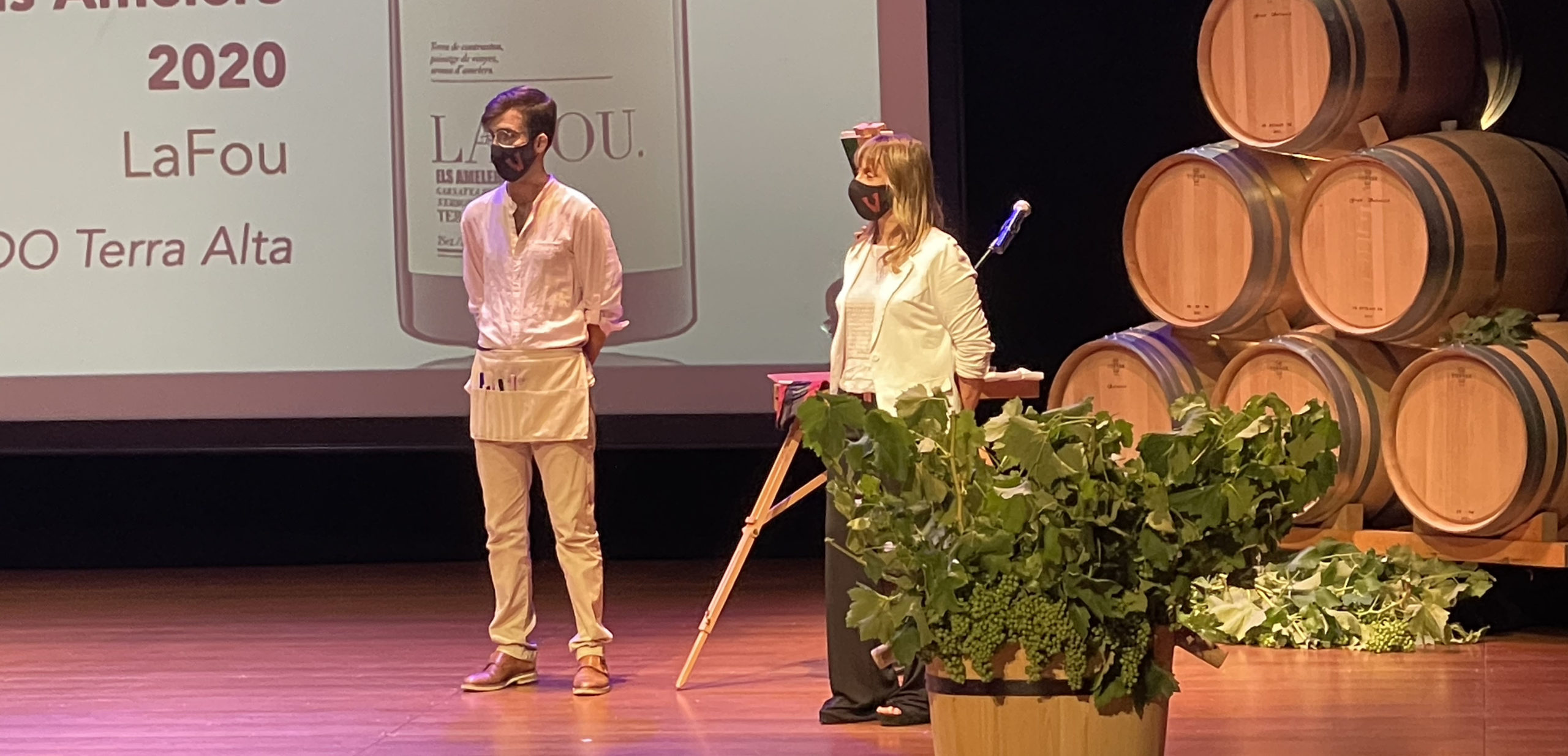
Natàlia Cugueró, CEO of 11Onze, presents the Gran Or Wine Award for the Best Young White Wine
The gala, paired with the performance of the jazz group The Summer Lovers, brought together Catalan institutions around wine. In addition to Natàlia Cugueró, the mayoress of Rubí, Ana Maria Martínez, presented awards; the general director of the Catalan Institute of Vine and Wine, Alba Balcells; the Mayor of Vilafranca del Penedès, Pere Regull and the Minister for Climate Action, Food and the Rural Agenda, Teresa Jordà.
The best wine tourism proposals were also chosen at the Vinari:
- Award for the best wine tourism accommodation: Hotel BUIL & GINÉ from the winery BUIL & GINÉ, Gratallops (DOQ Priorat)
- Award for the best wine tourism project in the category of catering and pairing experience: Garden Restaurant El Celleret de Família Torres, Pacs del Penedès (DO Penedès)
- Award for the best wine tourism visit and wine tasting experience: Celler Masia Serra, Cantallops (DO Empordà)
If you want to know the rest of the wines and wine tourism activities awarded at the Summer Wineries, you will find them at this link.
After the gala, the audience chatted with a mask outside the auditorium of Vilafranca. The general feeling was one of satisfaction, with the desire for the pandemic to allow the next awards to be handed out as normal. The next appointments for the 2021 Wine Awards are on September 13 at the Celler de Rubí and on October 8 with the big autumn gala in Vilafranca del Penedès. 11Onze will be present, next to the world of wine.
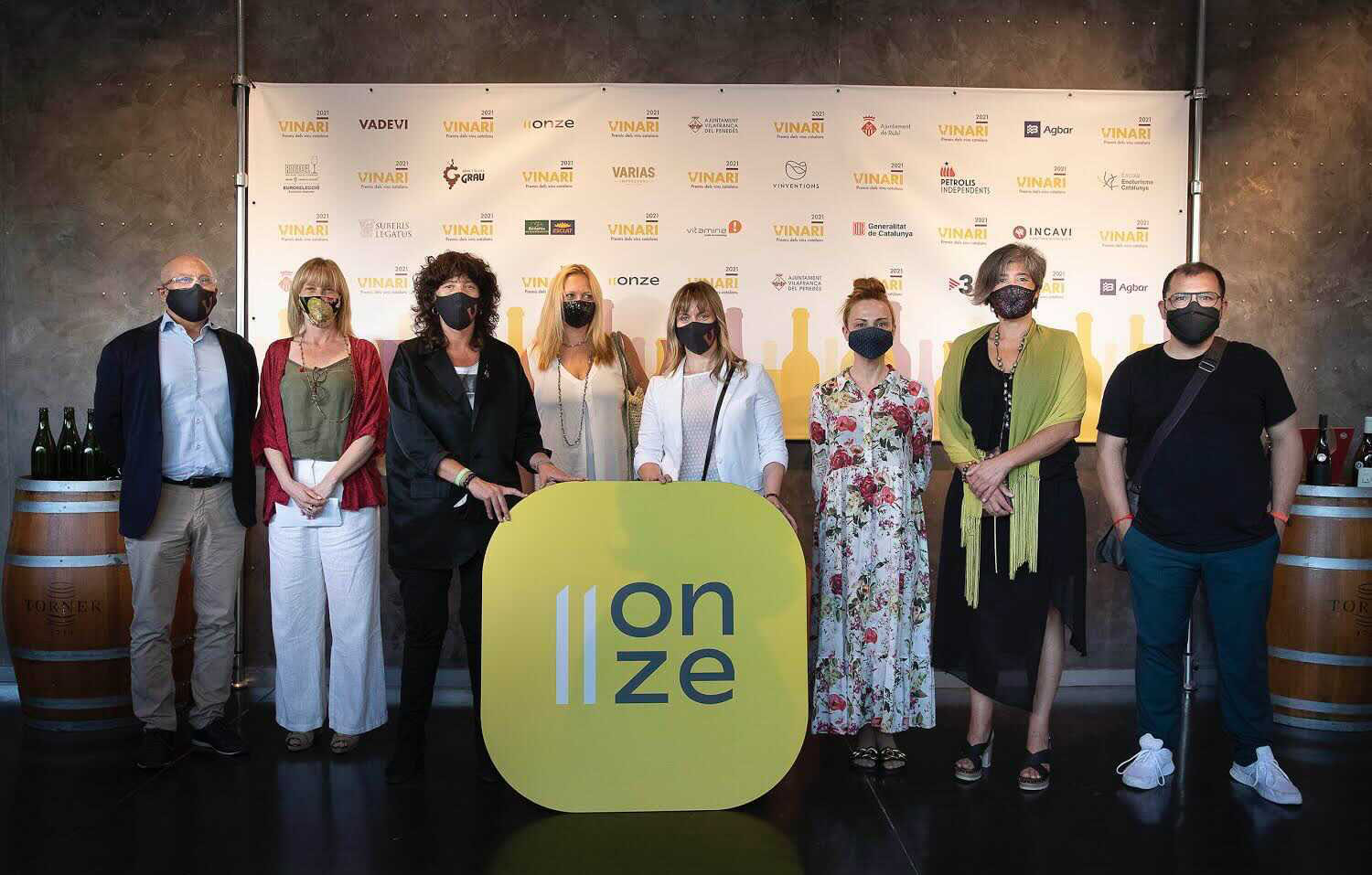
The 11Onze team led by the CEO, Natàlia Cugueró, with Councilor Teresa Jordà.
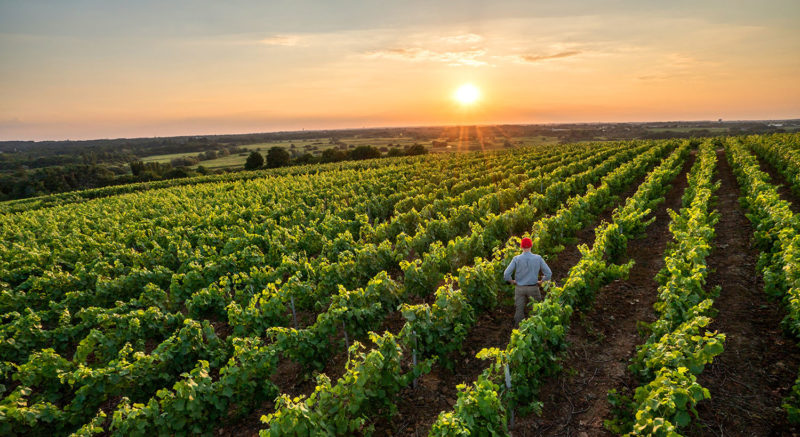
This Friday, July 9, the Vinari Awards will acknowledge the best young wines and wine tourism proposals in the country. 11Onze will be present as the main sponsor.
The Vinari Awards, organised by vadevi.cat, award the best Catalan wines of the year since 2013. In this edition, the first Catalan fintech community, 11Onze, joins the project as a sponsor. The aim is to raise awareness of the quality of Catalan wines and to support a key industry in our country.
According to data from Prodeca, the wine industry has a turnover of €1,200 million per year in Catalonia, and its structure is made up of more than 600 bottling wineries, 8,359 winegrowers and an area of 42,822 hectares, registered as Catalan PDO. In terms of employment, the sector employs 25,900 people, including vineyards, wineries, and services. Exports in the past 2020 have reached €522.13 million, which represents 4.57% of Catalan exports. Catalonia is and has been a land of wines, and according to INCAVI, the Catalan Institute of Vine and Wine, wine has been part of our culture and tradition for over 2,300 years.
The summer gala of the awards will be held this Friday, July 9, 2021, at seven in the afternoon, in the Auditorium of Vilafranca del Penedès, with the presence of the general director of 11Onze, Natalia Cugueró.
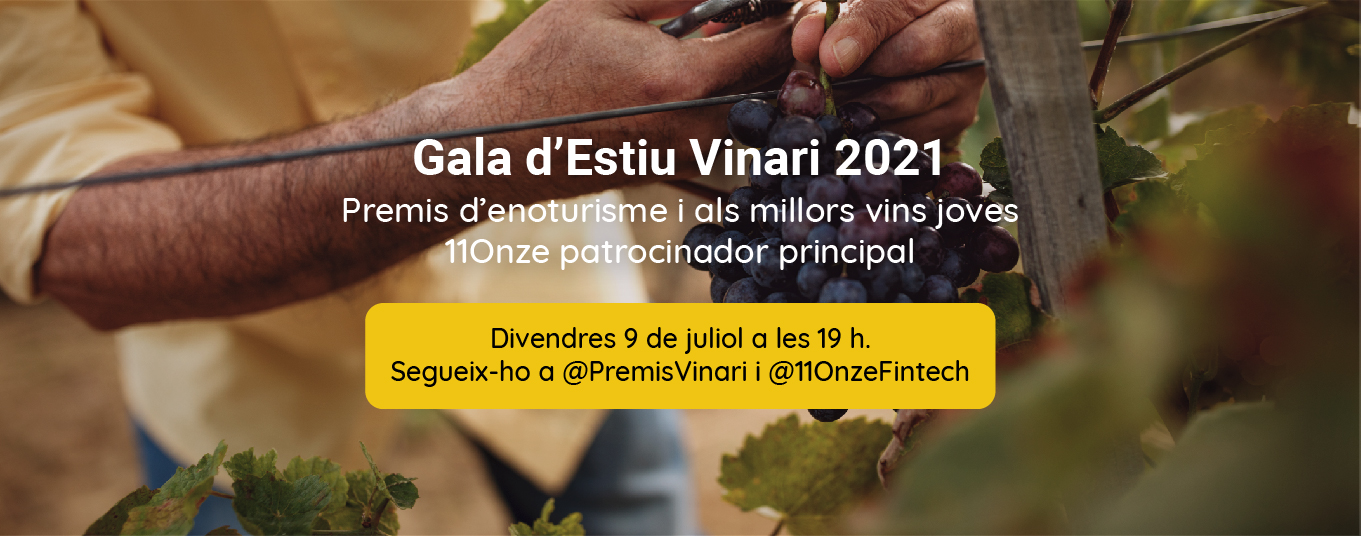
In this ninth edition of the Vinari, in addition to the October gala, a summer gala is held announcing the winners of the awards for the best young wines. One of the reasons for doing this is that they are very suitable wines to consume at this time of year. The Wine Tourism Awards will also be awarded, in collaboration with the School of Wine Tourism of Catalonia. Awards will be given to the best young white wines, the best young red wines, the best rosé wines, and the best young sparkling wines. Prizes will also be awarded for the best wine tourism accommodation, the best restaurant projects and pairing experience, the best wine tourism visit and wine tasting experience, and the best wine tourism activity of the year. The awards will continue with a wine tasting competition, on Monday 13 September, at the Celler de Rubí, which will precede the Autumn Gala, on 8 October, which will be held again in Vilafranca del Penedès.
The Vinari Awards are a determining factor in prescribing Catalan wines, in the same way that the Concours Mondial de Bruxelles or the Parker Guide scores can be at an international level. The Vinari Awards are widely covered by the media and are broadcast live on Catalan public television. This year, a total of 852 different wines have been presented, which compete in the various categories through a blind tasting by a jury of 70 experts – oenologists and sommeliers – including foreign tasters.
Consumers associate Catalan wines with quality, proximity and identity. These characteristics combine perfectly with the idea of 11Onze, which is aimed, preferably, at these same consumers.
Do you want to be the first to receive the latest news about 11Onze? Click here to subscribe to our Telegram channel
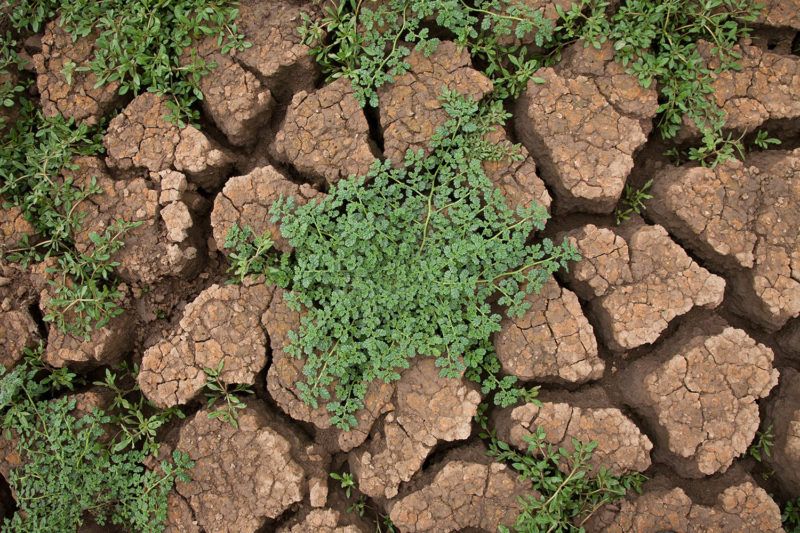
If you are thinking of travelling this summer and want to get out of the usual beach and mountain circuit, in this article you might find some suitable proposals within Catalonia.
The summer of 2021 arrives as one of the most desired, in which many hope to return to the normalcy the pandemic took from us and to which, little by little, we are returning. The article What are holidays going to be like for Catalans? told you a recovery of 50% in tourism compared to last year, during which Catalans spent 42% less, is expected.
We are therefore preparing to enjoy a holiday knowing that the restrictions to travel are disappearing. It is time to select and discuss destinations, without forgetting that many wallets have suffered, and also that we may still be asked for expensive tests if our destination is abroad.
If we don’t want to spend too much or suffer a quarantine at our destination, it goes without saying that in Catalonia we have everything we need. Perhaps, however, we like something that comes out of the most well-known routes. Just in case, we will now propose several of those routes:
The gold in the Segre river
If you thought you had to go to the far west of California to look for gold, you were wrong. You can actually enjoy this experience for the whole family much closer: on the river Segre.
In these outings, which you can do from Balaguer during July and August, they explain why gold is found in the Segre river, they teach you how to look for it and distinguish it as the real seekers did and, if you find any, you can take it home.
The experience, which lasts about two hours, has very affordable prices: €8 for adults and €5 for children under 16. You can find all the information on Balaguer’s Museu de la Noguera website. If you decide to make this trip, you can also take the opportunity to visit and get to know its interesting archaeological, artistic, and ethnological collection.
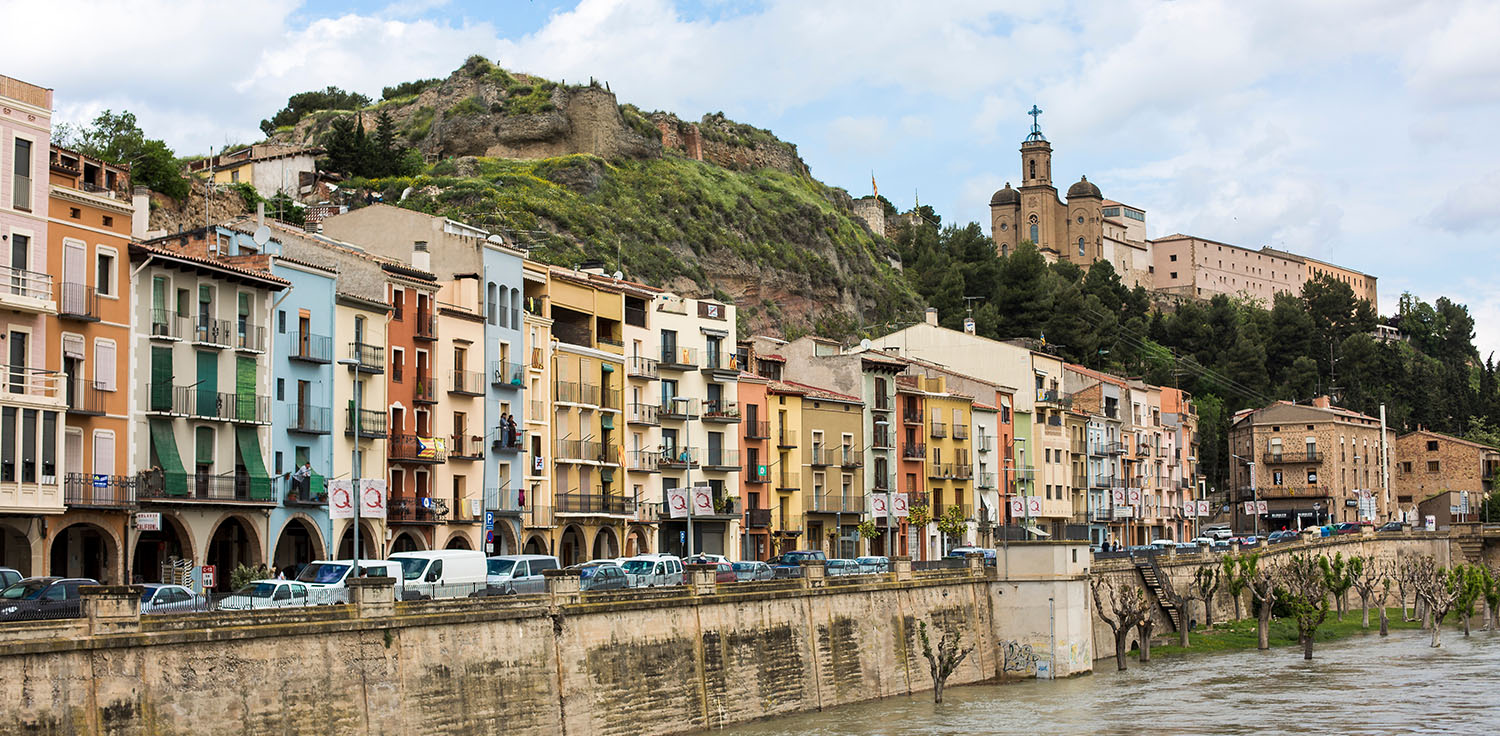
Balaguer
The scenes of the battle of the Ebro
A key memory of our country, the Ribera d’Ebre has made a great effort to recover the spaces and scenarios that witnessed this decisive battle of the Spanish Civil War, and continues to work to disseminate it to travellers.
Deciding on these routes means entering anti-aircraft shelters, such as those in Flix or Font Gran in Benissanet; in trenches largely preserved, such as those of Berrús; camps of the Army Corps of the Ebro, such as the one we find in Ascó; defensive bunkers, such as Reguers; or castles that became a refuge for soldiers, as in the Middle Ages, and were heavily bombed, such as the castle of Mora d’Ebre and the castle of Miravet.
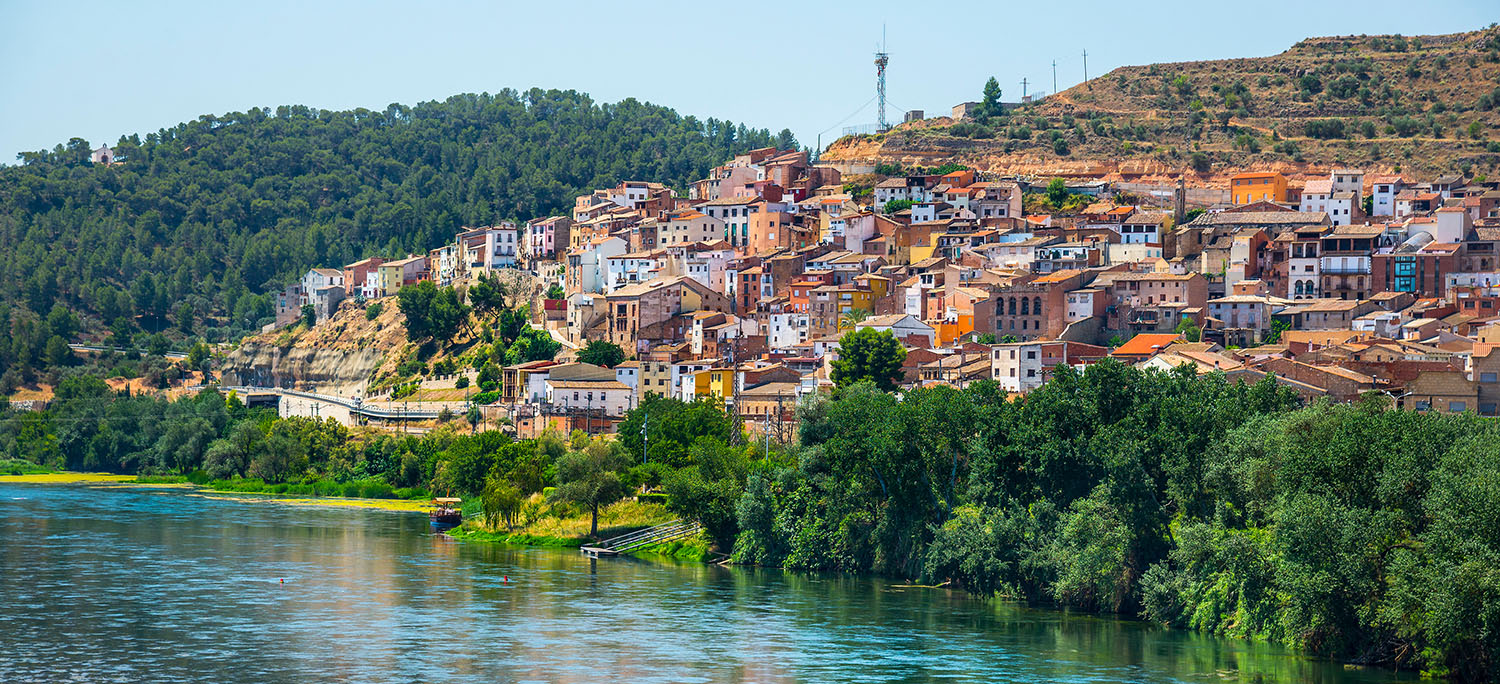
Ascó
At turismeriberaebre.org you can check routes, accommodation, where to eat, and everything you need to organise your trip. In addition, you will find many other proposals to enjoy in the area, such as navigating the Ebro with the Llagut lo Roget.
Sleep on the trees
For the more adventurous, in the counties of Girona, there is a very peculiar accommodation: the Tree-Top Cabins. Located in the middle of the forest of Sant Hilari Sacalm, these wooden huts are integrated into the landscape and allow you to literally sleep on the trees.
This is the first accommodation of this kind to be opened in the state and, as its founders say, it will allow you to disconnect absolutely from your routine and let yourself be absorbed by nature; you will even have to go to the main farmhouse if you want to charge your phone. Total relaxation.
The animals of the Pyrenees, in their environment
If you like walking in nature, but you want to know the fauna too, in Catalonia we have a good number of parks where you can observe the animals in their environment. We highlight two:
- The Zoo of the Pyrenees, located near Port del Comte, is ideal if you like birds. It offers many activities that help you get to know them and even be able to touch them.
- Molló Parc, in the middle of the Vall de Camprodon, in Ripollès, offers us a fabulous route during which we will find bears, foxes, deer, chamois, and even lynxes, as well as many other native species.
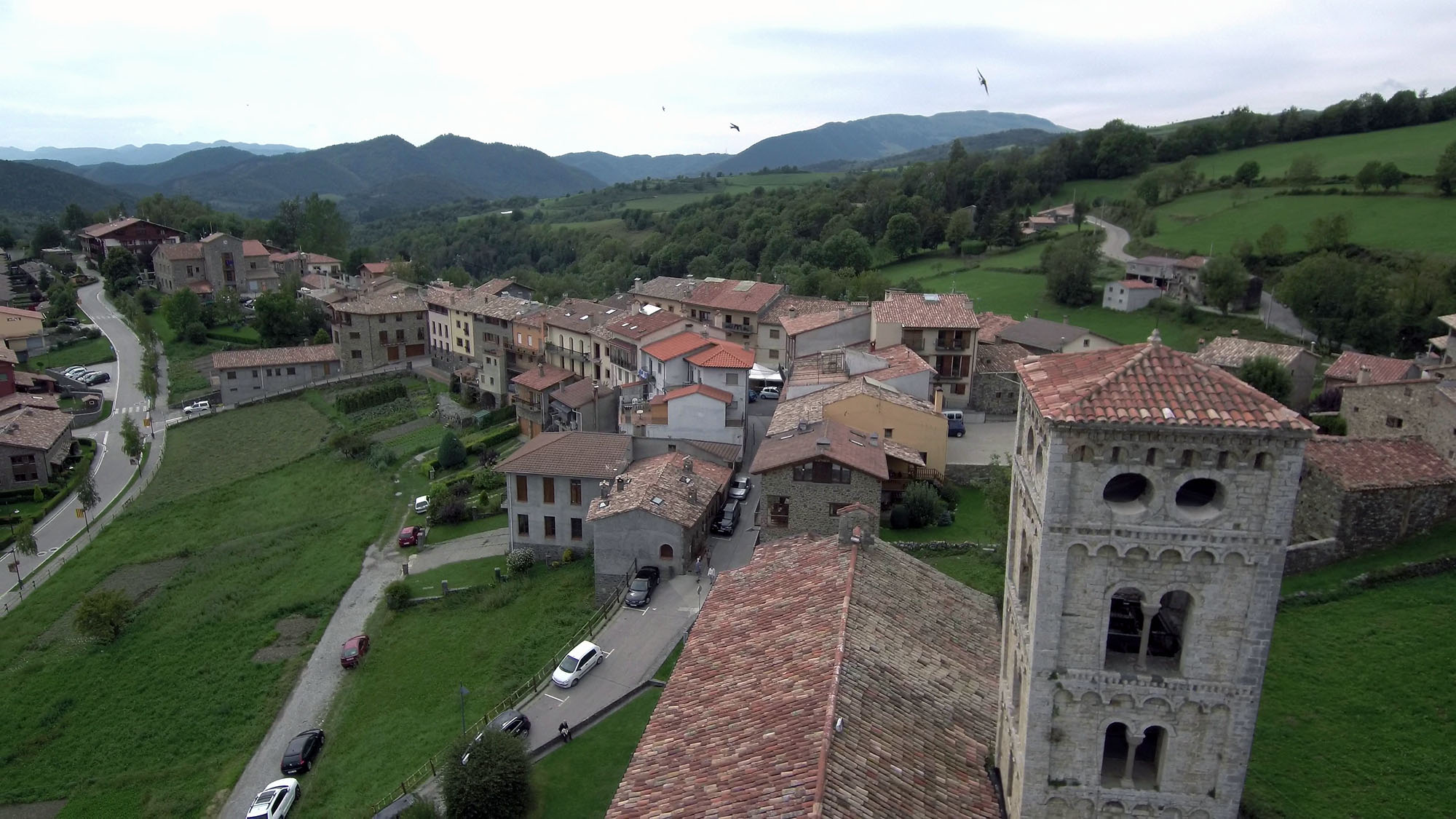
Molló
These are just some of the options that the country has to offer, but if you want more, you can consult the Turisme de la Generalitat website, where you will find all kinds of ideas. And get your suitcase ready.
Do you want to be the first to receive the latest news about 11Onze? Click here to subscribe to our Telegram channel
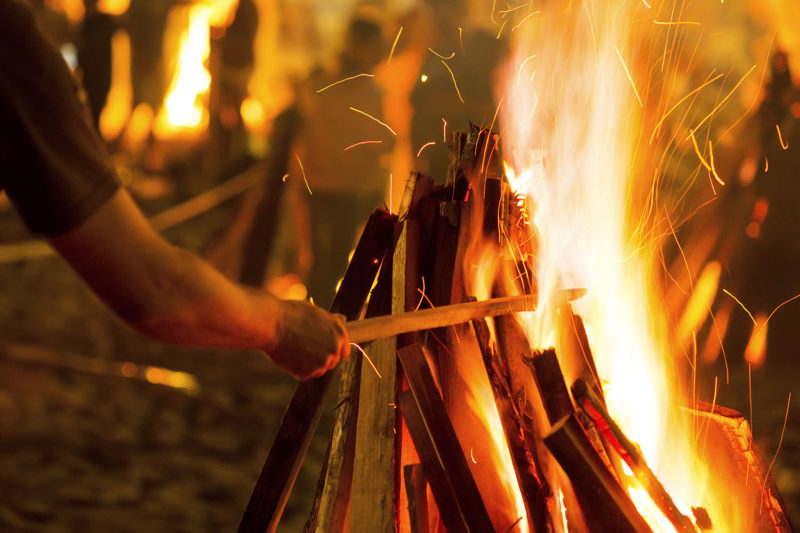
The Covid-19 paralysed everything, including the castellers, but this Thursday of Sant Joan the Colla Vella and the Colla Jove dels Xiquets de Valls will raise some symbolic pillars in the Plaça del Blat. Following a strict clinical protocol that allowed the trials to begin weeks ago.
A clinical study promoted by the Ajuntament de Valls, Pius Hospital, and the ABS Valls Urbà-ICSa has led to a pilot test endorsed by the Generalitat, where the green light has been given for 100 castellers from the two colles to take part in the raising of the first pillars on Thursday 24 June.
The return of the castles in the square is part of the resumption of the traditional activities of the town festival of Valls, and will be one of the most eagerly awaited images for a world of castellers that has had to reinvent itself due to the lack of activity during the pandemic.
Strict health measures protocol
All the castellers taking part in this event are subject to a health measures protocol that guarantees, among other things, that they will have passed an antigen test and will wear FFP2 masks at all times. The same protocol has been successfully applied to the previous rehearsals, which began on 4 June.
The Plaça del Blat will be a perimetered area with four controlled access points, and only the castellers taking part in the pillars will be able to enter, as well as other members of the two colles who will attend as members of the public.
Another atypical year
Although the improvement in epidemiological data has allowed the relaxation of some restrictive measures and makes us look to the future with optimism, it is also clear that we are still far from returning to a normality that makes it possible to have a season of castellers like years ago.
In a context in which the public administration is giving preference to the recovery of economic activity, amateur cultural activities, especially when it comes to the raising of castles, which by their very nature make distancing impossible, still find it more difficult to avoid being left behind in the de-escalation of restrictions.
That said, these symbolic castles represent, at the very least, the return of the castellers’ atmosphere, returning to the square, and being able to enjoy a group activity that may not be essential for the country’s economy, but is surely necessary for our emotional health.
Do you want to be the first to receive the latest news about 11Onze? Click here to subscribe to our Telegram channel
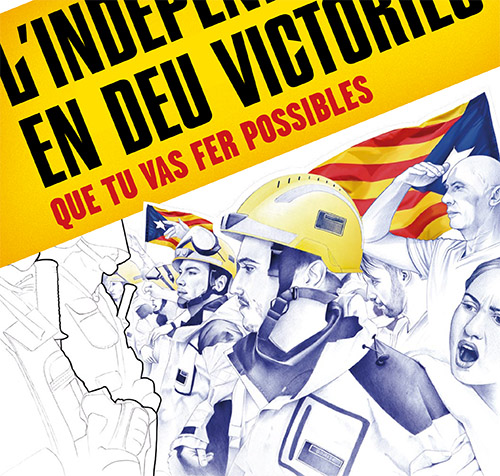
Surely we have all seen it and know how to identify it. Perhaps we won’t be able to place the stripes in the right order, or say exactly which colours make it up, but it is unmistakable. What not everyone knows is that it has not always looked the same, we explain why.
LGTBI+ Pride Day is celebrated internationally on 28 June to commemorate the Stonewall Pub riots in New York in 1969. That day is considered to have marked the beginning of the gay community’s struggle when they stood up and demonstrated against a police raid on the premises.
Since then, every year there have been demonstrations, marches and parties to celebrate the uprising of a struggle that until then they had not dared to carry out. And in all these events we can see every year all over the world, there is an image, a symbol, that unites them: the rainbow flag.
The birth of a symbol of protest
The idea for the flag came from activist Harvey Milk, who asked artist Gilbert Baker to create a recognisable emblem for the community. In this way, they abandoned the pink triangle that had been used in Nazi concentration camps to mark homosexuals, and which up to that time had been used as a symbol of vindication for the collective.
The US bicentennial celebration and the song “Over the rainbow” are two versions of what might have inspired the creation of this colourful flag, which originally had 8 stripes, and which needed 30 volunteers to dye and sew the first two that were made.
It was first displayed in San Francisco on 25 June 1978 and became the most important and popular symbol of the gay community when the ideologue, Harvey Milk, was assassinated in November of the same year. Since then, the rainbow flag has undergone several modifications.

What do the colours of the flag mean?
The 8 colours of the original flag were not chosen by chance, but had a meaning:
- PINK: Sexual diversity.
- RED: Life, the need to live homosexuality to the full.
- ORANGE: Health of body and spirit, indicating that being gay is not an illness.
- YELLOW: Sunlight and the energy of the community.
- GREEN: Nature, for genders which are defined outside of masculinity or femininity.
- TURQUOISE: The magic and art surrounding the movement.
- BLUE: Serenity and harmony.
- VIOLET: The human spirit.
Following the assassination of Harvey Milk, the demand for flags increased, but businesses and workshops that manufactured them did not have enough pink fabric, as it was not widely available, and this made production more expensive. So it was decided to dispense with this colour.
Turquoise also disappeared over time, and there are several theories about this. On the one hand, some say that the flag began to be hung vertically in San Francisco, and it was confused with the reflections of the flagpole; others say that the fact that there were seven colours made it lose harmony as it was an odd number, but what seems to be the real reason, as Gilbert Baker himself stated, is that it reduced production costs, as had happened with the pink colour.
Subsequently, there have been some modifications that have added colours trying to represent the diversity of races, in honour of all the deaths caused by HIV in the 80s, and there has even been an attempt to return to the original 8 stripes. These are modifications that have not ended up finding support, so the LGTBI symbol par excellence has been definitively represented in the design with the 6 stripes that we have all seen and recognise.
Do you want to be the first to receive the latest news about 11Onze? Click here to subscribe to our Telegram channel

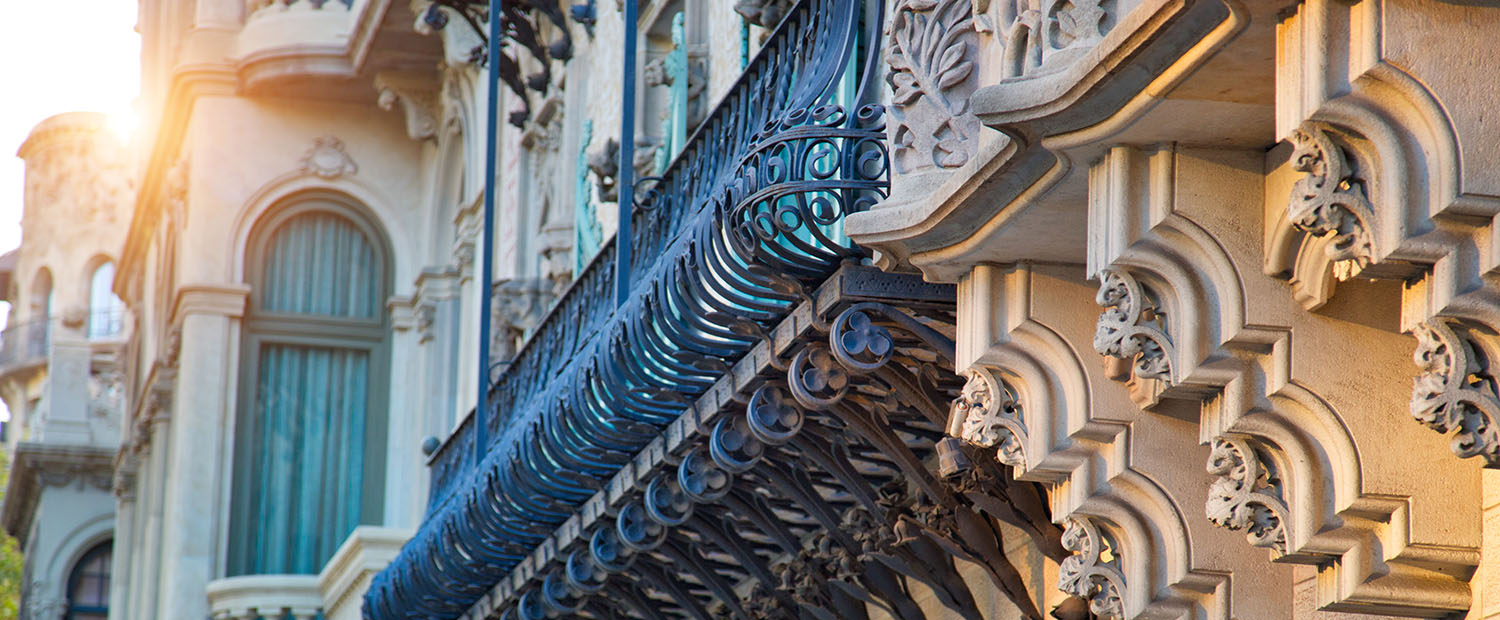
Architecture Week is being held in Barcelona until 16 May in a hybrid format, both in person and online. Make the most of it and enjoy the activities they have programmed, related to the world of architecture and the city.
The event began in 2017 with the aim of strengthening the link between architecture and the general public, encouraging the exchange of opinions and providing innovative views on the architectural field and its future scenarios.
This year, it is indeed possible to celebrate the fifth edition of the architecture week, the format on this occasion is hybrid, combining both online and on-site.
One of the main novelties of this fifth edition is the premiere of the International Architecture Film Festival of Barcelona, which will take place in person at the Girona Cinemas, and online through the Filmen platform.
The event will show in an innovative way current issues related to architecture such as urban activism, politics, economics, the environment, cultural and social diversity, access to housing and equal rights among people.
The full programme can be found here
Main activities not to be missed:
- The New European Bauhaus is a creative and interdisciplinary initiative that opens a meeting space to design future ways of living and is situated at the crossroads between art, culture, social inclusion, science and technology.You can watch the webcast here
- The Architecture Festivals, in this edition 10 festivals have been created by districts of the city, all of them are in person and open to the public, of course respecting health safety measures, you will find these festivals in the following districts: Sants-Montjuïc, Eixample, Nou Barris, Sant Andreu, Gràcia, Sant Martí, Sarrià-Sant Gervasi, Horta-Guinardó, Ciutat Vella and Les Corts.
- Arqu[in]flm, the theme of this year’s edition is “Architecture and power”. It is a face-to-face activity that deals with the architecture representing power in the political, social, economic and cultural spheres. Where can you see it? At Plaça Salvador Seguí, 1 in Barcelona.
- Visits and Routes, if you want to discover the vertical gardens or the vegetable patch of the Sagrada Família, don’t miss this section where you will find proposals for visits and guided routes, more information at this link. On this link you will find the agenda of activities
All this is possible thanks to the Ajuntament de Barcelona, the Col-legi d’Arquitectes de Catalunya (COAC) and the Fundació Mies van der Rohe, in collaboration with Barcelona Building Construmat and Arquinfad.
Barcelona gives us the chance to enjoy this week of architecture where it undoubtedly has a heritage of unquestionable value. Until the 16th you can enjoy all the activities that are programmed and related to the world of architecture and the city.
Do you want to be the first to receive the latest news about 11Onze? Click here to subscribe to our Telegram channel
After consulting several sources, as well as several specialized web pages on this subject, we have realized that there are some series that seem to generate unanimity for their quality and verisimilitude regarding the treatment of economic and business topics. Specifically, there are three highlighted titles
We will show you what are considered the best series dealing with economics, business, and finance.
- Silicon Valley (2014). Created by Mike Judge and produced by HBO. There are 6 seasons of this comedy starring five young people who create an application in this emblematic technological center of the United States. It is a data compression application that uses a revolutionary algorithm which ends up arousing envy and attempts of unfair competition, with the use of reverse engineering to discredit them and make them lose contests, as well as access to potential investors. In this fiction, we can see the difficulty of entrepreneurship in the world of startups and in the business world in general.
- Billions (2016). Created by Brian Koppelman, David Levien and Andrew Ross Sorkin. Produced by Showtime Entertainment, it has been broadcasted by Movistar+. There are five seasons recorded, and at the moment it has been suspended because of Covid-19. The series reflects the struggle for power between the Attorney General of New York and a magnate dedicated to investment funds and hedge fund manager, who is a survivor of the crisis caused by the fall of the Twin Towers, and the subsequent real estate crisis of 2008. It is for this reason that he believes he is untouchable until the Prosecutor discovers a possible crime of insider trading. At this point begins the war between the law and the privileged position that can be granted thanks to money, in which we see how you can corrupt any level of society through bribes and all kinds of strategies.
- House of lies (2012). Created by Matthew Carnahan and produced by Refugee Productions. It is part of the Amazon Prime catalogue, although it is currently listed as an Unavailable Title. Composed of 5 seasons, it provides a point of comedy and a cynical vision of the world of consulting. This is a fiction series starring a business management consultant able to do anything to get information and all that is needed for their customers. And this includes breaking the law if he deems it necessary. It is an acid portrait full of black humour of a business that, basically, consists of speculating with statistics and economic projections to satisfy the interests of businessmen eager for power and money, providing them with new investments to expand their businesses. After these three references that, as we already have indicated, are considered almost unanimously as the best productions in series format, we find others with no less interesting arguments.
- House of Cards (2013). Created by Beau Willimon and produced by Netflix, Media Rights Capital, Panic Pictures and Trigger Street Productions. It has 6 seasons, the last of which was surrounded by controversy due to a sex scandal of its protagonist, Kevin Spacey. A fact that perhaps many people do not know is that it is an adaptation of a novel of the same name by Michael Dobbs, and that it was already taken to the screen by a British miniseries, in 1990. This series is well known for its great success in terms of viewers and awards achieved throughout its broadcasting time.
It is a classic political drama in the American audiovisual, which reflects the excessive ambition of the Underwoods, the protagonist couple which leads them to carry out all kinds of movements to further their interests. As in other series of this type, the lack of scruples of the political elites can be clearly observed using their influence over the media or the economic powers to achieve whatever they propose, regardless of the consequences that their actions may cause. This is a cruel portrait of the ties that bind politics, economics and information, and the underworld that surrounds it and can dirty everything. - Halt and Catch Fire (2014). Created by Chris Cantwell and produced by AMC Studios, 4 seasons have been filmed and can currently be seen on the Filmed platform. We return to a technological theme, but with a regression in the 80s, during the birth of personal computers and the Internet as we understand them today, as well as the growth of large corporations in this industry, such as IBM, Microsoft, and Apple. Precisely, the temporal coincidence with these giant computers, generates confrontations with the protagonists who try to have a place for themselves in the industry with the creation of an online gaming community. As on other occasions, we can see how the ambition to succeed can erode one’s own principles, entering into the struggle for power and money.
- Startup (2016). Created by Ben Ketai and produced by Sony Pictures Television. It is currently broadcast on the Amazon Prime platform, and has 3 seasons. Again we encounter a protagonist who is a visionary in economic and technological terms, but this time we are surrounded by an underworld related to criminality and corruption within the FBI. The desperation to find funding for her cryptocurrency project makes the protagonist accept money with a dark and dirty origin risking harsh consequences as there are mafias that end up interested in the control of this virtual currency.
The order is not always indifferent
In our search to offer you interesting references, a series with an economic theme has also appeared in our path, but completely different from the rest, even though it is not fiction, but based on real witnesses. We are talking about Extreme cheapskates. In this production we find, what we could call, another level in domestic savings since the protagonists teach us how to spend less with unconventional actions.
For example, looking for food in Manhattan restaurant containers, flushing the toilet one time a week to save water, recycling dental floss and using ground coffee up to three times or even making toys for children from dead animals found on the road. This series was created and produced by the U.S. network TLC, and is currently on YouTube.
We hope that all these examples of foul play, ambitions, and betrayals that we have been seeing on television will change because the banking and economic model of society is also changing. This means that we are moving towards a fairer and hopefully more egalitarian society.
11Onze is the community fintech of Catalonia. Open an account by downloading the app El Canut for Android or iOS and join the revolution!


At 11Onze we like to align ourselves with the good work achieved with effort. This year we are sponsors of the Vinari Awards 2021 edition and we are very proud.
Catalonia is a land of wines. The Romans, the gastronomy, the tourists, the Mediterranean Sea, and the different types of soil and microclimates have made it possible. The excellent appellations of origin scattered throughout the territory to endorse it. But the people who work in the sector, who are many, make it palpable on a daily basis. It is the wineries and the strength of their people who keep the seed alive.
This is what the Vinari Awards are about, making them more visible and explaining it in the form of awards for all those who like good wine and all that it entails. These have not been easy years. The little care that has been taken of the environment in recent decades and this last year with the pandemic situation, it has been difficult times for the world of wine and, unfortunately, for many people linked to it. The wine world is being hit hard, let’s not fool ourselves. The restoration, exports, tourism, are directly affected by the ravages that Covid-19 is doing.
But Catalonia is also a land of effort and ingenuity. Climate change has already warned us in many ways that we have to work in a sustainable way and Catalan wine has been seeking ways to do so for years: from choosing models of sustainable agriculture, respect for biodiversity, options that improve waste reduction, reduction of water footprint and CO₂ emissions… And more recently, elements such as eco-design or communication have been incorporated to facilitate this task. Research and innovation in this sector never stops, and one of the secrets is to do it together. Wineries have known this for a long time, and they are making every effort to benefit the quality of the wines and the sustainability of the planet.
In fact, during the recent pandemic, the sector has not faltered either. Little by little it has been reinventing itself to be able to respond to the situation. Perhaps a change that would have been slower and more gradual has accelerated. New technologies and new services are here to stay. More direct communication with the customer is a good step. Sales through the web or e-commerce are also a good step. The incorporation of wine tourism within the structure of wineries that did not do it before, or the new formulas for visits in other cases, are a magnificent tool.
New styles never used before, such as promotion or offering more added value in the world of wine, have also helped. But one of the most beautiful things that have happened this year is the return, never forgotten, of local commerce. There are many who have discovered in the area where they live or work their stores, restaurants, small winemakers, routes and paths rediscovered, and therefore, also their wines. It is for all this that we must thank and show our gratitude to all those wine lovers who bet on our wines. That without hesitation, with the situation experienced, have sought ways to consume Catalan wines. At home, in the neighborhood stores, in the village stores, calling the winery, with the bubble group to the restaurants, or at home, with the little boat along the sea, or having dinner watching a series. In any way you have done it, thank you.
Vinari, the Catalan wine awards 2021 edition, wants to be a recognition and a loudspeaker for this good work that is being done. The awards are a positive reinforcement, and if we look at what positive reinforcement means, we would see that its definition refers to “a stimulus that increases the probability of repeating something in the future”. This is what we would like. To continue working and to make the wines that are made in Catalonia more and more and everywhere. This year is the ninth edition and here we put in writing the objectives of the awards, which we subscribe to each and every one of them, that are:
- To promote and enhance quality wines in Catalonia, to promote knowledge and dissemination as a product of proximity and to stimulate responsible consumption.
- To offer wine marketing and winemaking companies the opportunity to be evaluated by a panel of professional wine tasters.
- Disseminate among consumers -especially Catalans- the culture, the territory and the characteristics of Catalan wines.

This April the inscriptions are open until the 23rd to bring the samples that want to participate:
Wines with DOQ Priorat, wines with DO Tarragona, wines with DO Terra Alta, wines with DO Pla de Bages, wines with DO Penedes, wines with DO Montsant, wines with DO Empordà, wines with DO Costers de Segre, wines with DO Conca d’Empordà, wines with DO Costers de Segre, wines with DO Conca d’Empordà, wines with DO Conca d’Empordà and wines with DO Costers de Segre will participate.
Good luck to all of you and, as our grandparents used to say: since I don’t want to talk more than wine, I’ll leave it here.