If you are a Catalan artist, you should check NFTs
The global demand for certificates of authenticity for digital works has skyrocketed and has created a market where artists, YouTubers, and collectors exchange NFTs for millions of dollars. Here’s how to join the revolution and how to cash in.
NFT stands for ‘non-fungible token’, an inimitable virtual reference unit generated using blockchain technology, which is also used by cryptocurrencies. Unlike cryptocurrencies, however, non-fungible tokens have a unique, irreplaceable unit of reference, which is credited to the author and owner of the work. The concept of fungible refers to goods that are mutually interchangeable.
Certifying, valuing, appraising, and selling digital art in the virtual world was difficult without a tool to provide proof of authenticity and ownership, to stop plagiarism, mass reproduction, and unauthorised distribution over the internet. NFTs securely store the entire history of digital content (which can be a photo, video, audio, tweet, GIF, ebook, meme…) so that we can trace the change of ownership transactions, which are recorded, and on which the author can charge a percentage or ‘royalties’.
Obviously, any digital asset can be copied and redistributed, except for copyright, which often makes it become viral, but with the purchase of an NFT we acquire the original work, signed by the author, and the ownership rights.
The buying and selling process
NFTs have been around since 2017, and one of the first apps to popularise them was CryptoKitties, a ‘blockchain’ game on the Ethereum cryptocurrency platform, where players could buy, sell, and feed virtual cats. Other games, such as Fortnite, which emerged later, normalised the digital purchase of animations, skins, and more.
Today, creating, selling, and buying an NFT is as easy as uploading a photo on social media. All you have to do is register on a marketplace platform such as OpenSea, Rarible, or Markersplace, upload the content you want to convert to NFT, and link your crypto-wallet.
Ethereum: the revolution in cryptocurrencies?
A trend worth millions
Paying money for unique pieces of digital art that we cannot touch, but that we can copy and download to our computer for free, may seem, a priori, nonsense. However, any doubts we may have about the viability of this type of e-commerce are dispelled when we see the figures that the NFT market moves.
The headlines announcing sales of pieces or artists with stratospheric prices are repeated year after year. A few months ago, Christie’s, one of the most famous auction houses, sold a piece of digital art by an artist known as Beeple for $69.3 million. A new record for money paid for an NFT, in the same year that the first tweet in history sold for $2.9 million.
In Barcelona, we have Argentinian-based Andrés Reisinger, an artist famous for his virtual sofas, which sell for thousands of euros. Speculation has taken hold of a trend that seems out of control, like the best financial bubbles, but the new applications of NFTs denote a market that is still in its infancy and presents highly lucrative business opportunities for those who know how to take advantage of it.
11Onze is becoming a phenomenon as the first Fintech community in Catalonia. Now, it releases the first version of El Canut, the super app of 11Onze, for Android and Apple. El Canut, the first universal account can be opened in Catalan territory.


The winter season is here and with it we welcome the advent calendar. With the advent calendar we count down the days until Christmas, from 1 to 24 December. Agent Jennifer Roca explains the origin of this essential symbol of the Christmas season.
Although in the past we used to start the calendar on the Sunday following 26 November, nowadays we find them in supermarkets, supermarkets and sweet shops long before 1 December. In each window for each day there are hidden chocolates and, in recent years, other treats and gifts.
The first calendars with chocolates date back to 1920, but the first hand-painted advent calendar was made in 1851. The origins of the advent calendar thus go back to 19th century Protestant Germany. However, at that time, children lit a candle every day. Discover other interesting facts in the video!
Little story of the advent calendar


LaFou Celler, DO Terra Alta, is located in the town centre of Batea, in an 18th century manor house, Casa Figueras. Its 15 hectares of vineyards are located in the north of the municipality, on the border with Aragon. Grenache and Terra Alta have stolen their hearts, they have fallen in love with it.
LaFou Celler was born out of two love affairs. Ramon Roqueta, oenologist and owner of the winery, comes from a long winemaking tradition. His family has a winery in Pla de Bages, where they are from, and they have been involved in the world of vines and wine since the 12th century. The story of LaFou began when Roqueta, after studying agricultural engineering, went to France to study oenology.
While doing an internship in the Chateauneuf-du-Pape area in Provence, he discovered a different way of working Grenache. “The Grenache internship in this area, which is one of the most prestigious in France, even in the world, revealed to me a style of Grenache wine, black and white, very elegant and very fresh. I came back in love with this variety,” he explains. It was there that he fell in love with it for the first time, which led him to embark on a project he had in mind.
Once he was clear about the project he wanted to undertake, Roqueta looked for the land where to do it. This is where the second love affair was born: “Terra Alta stole my heart: its landscape and the characteristics offered by the territory, such as its orography, the climate and the type of soil,” Roqueta explains “Terra Alta is the land of Garnacha.” On the advice of local oenologists, he looked for a place where viticulture could excel. “We were looking for a vineyard in a higher area, much more ventilated, oriented from north to south, because it favours air circulation and taking into account that the cierzo blows here constantly,” he says.
The ‘fous’, vineyards between walls
Roqueta comments that he baptised the winery with the name Lafou to pay homage to the land that is home to them. “Terra Alta,” he explains, “millions of years ago was bathed by the sea. Over time, these narrow valleys, called ‘fous’, have been formed, where man has made terraces to retain water and to plant vines. The ‘fous’ identify the area and we liked the name for the winery because it explains where we are from.”
LaFou Celler’s vineyards are located on terraces, and have dry stone walls, a characteristic construction of the area, of which the winery claims to be a fan. Their function is key to maintaining the terrace, which retains water, so vital in a dry land. “Moreover, they identify our landscape and the agricultural landscape that exists in Europe, which is not found in the New World, where the landscape stands out for its vegetation. The agricultural landscape is a landscape forged by man for centuries,” Roqueta observes.
DO Terra Alta
Morenillo, the character of the Terra Alta region
LaFou Celler’s 15 hectares are planted with Garnatxa Blanca, Garnatxa Negra, Garnatxa Peluda, Syrah, Carignan and Morenillo. It is precisely the morenillo variety that is typical of Terra Alta. Ramon Roqueta is proud to have helped to recover it. “There were few vines left in some corners of the region. We have had to work hard to make the variety, which was consumed a long time ago, be recognised again. We have had to re-register it, because it had been removed from the varietal catalogues managed by the administration.”
However, Garnacha continues to be the star variety of the winery. “All the wines we make,” says Ramon Roqueta, “have at least 80 percent Garnacha.” In fact, this year the winery has won the Vinari Gran Oro 2021 award in the young white wine category with the wine LaFou Els Amelers 2020, which is 100% white Grenache. The award was presented to the winery by Natàlia Cugueró, CEO of 11Onze, the company sponsoring the event.
Regenerative agriculture, a philosophy
Despite the fact that its products do not have an organic farming seal, the winery practices the philosophy of regenerative agriculture. “The wine sector lives from the landscape and we work to make it sustainable. The study of soil exhaustion is key, because it is what will determine the life of the plant 30 years from now. The objective of our work has to go beyond obtaining a label. The way we treat the soil, where the roots of the plant are, is what will determine its future, because that is where the microbial flora is, the soil is spongy, rich, alive and fertile,” he argues.
LaFou Celler exports 25% of its produce. The rest, Roqueta explains, is sold domestically. “The local customer is the most important thing for us. They are the ones who have helped us to grow,” he says. Making first-class wines is the winery’s goal, and Terra Alta makes it easy for them to do so. “Batea has welcomed us very well. We are happy to have contributed to renewing the style of wine that was made here and to make the area’s winemaking heritage known. Now, the region has a feeling of pride and more love for the region’s flagship variety and for the land that is home to it,” Roqueta asserts.
The winery also expresses the love it feels for the region and Batea with wine tourism activities, with which, in addition to showing first-hand the work they do in the winery and in the vineyards, they invite visitors to stroll through the streets of the village. Since 2007 LaFou Celler, in love with Grenache and Terra Alta, has been working to achieve a product that stands out for its quality.
11Onze is becoming a phenomenon as the first Fintech community in Catalonia. Now, it releases the first version of El Canut, the super app of 11Onze, for Android and Apple. El Canut, the first universal account can be opened in Catalan territory.
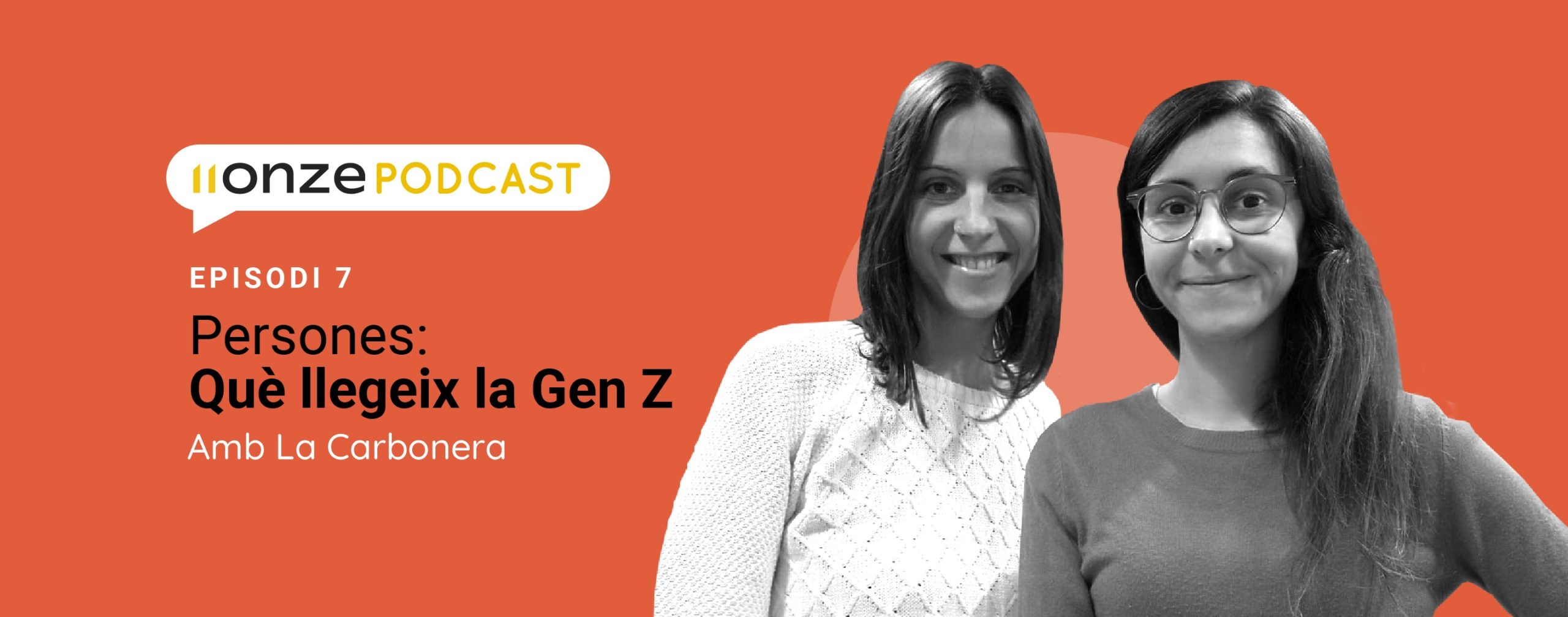
La Carbonera is a bookshop located in Barcelona’s El Poble-sec neighbourhood. It was born as a cooperative project four years ago and, since then, the response from the neighbourhood has exceeded all expectations. In this new chapter of ‘People’, they explain that their aim was to create a project that would go beyond a bookshop: to create a community through culture.
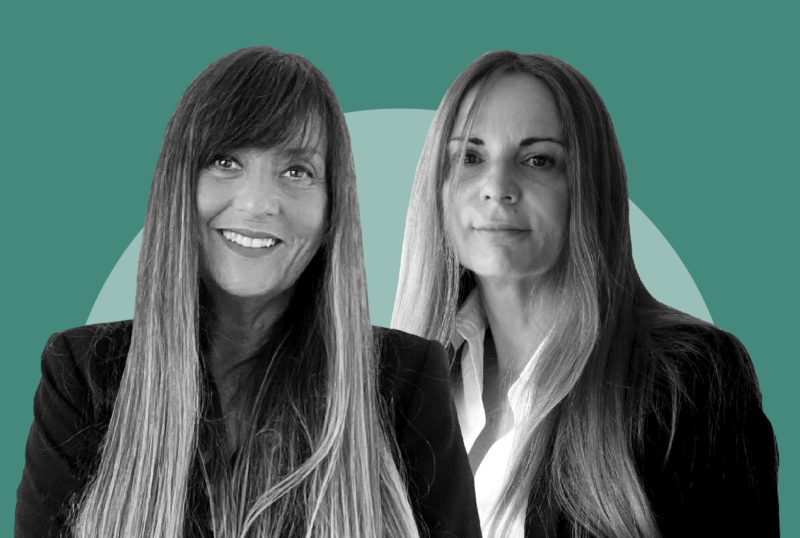
Each generation sees and lives the world in a different way, and today we focus on generation Z, which includes all those born between 1995 and 2000. We spoke to the promoters of La Carbonera, Carlota Freixenet and Laia Salvador, to discover what and how this generation reads, often stigmatised by technology, and even infantilised, as Freixenet denounces. The reality is that some of these young people have already completed university studies, they are part of the labour market and the concept of youth reading that is attributed to them falls far short of their real aspirations.
Read less, but read better
Joseph Addison said that reading is to the mind what exercise is to the body. So, if we are aware of the importance of training the body to gain health, why not also train the mind? Whether as a refuge, as a yearning for freedom or simply as a pastime, literature clearly plays an active role in the lives of Generation Z. If there is one thing that defines them, it is their love of literature. If there is one thing that defines them, it is the practical side they take to life and, surely, growing up with the facilities provided by technology has something to do with it.
A similar thing happens with reading, and as they explain from La Carbonera, their experience shows them that young people read a lot, despite the fact that the format has changed compared to other generations. Above all, they are looking for the practical part, and this translates into short books, no more than 200 pages. As they tell us, “they can read three or four books a month, so they are not reading less, they are reading shorter but very good things.”
Episode 7 | People: What Gen Z reads
Learning and growing in community
They explain that one of the projects they have promoted in La Carbonera is a reading club, which has been very well received by the Z public, especially among women of this generation. Although reading is an intimate activity, one of introspection and even growth, the fact of sharing it opens up new horizons of knowledge. In this way, they manage to share opinions, sensations and reflections that become seeds to grow as a community.
Throughout the podcast, Freixenet and Salvador talk to us about some of the most outstanding young authors on the current scene, such as Andrea Abreu, Nuria Bendicho, Laia Viñas and Pol Guasch. The common feature for most of the ‘zoomers’ writers is that “they talk about conflict, and from conflict. They question at some point, they question things and problematise,” Freixenet explains. And he adds that there is a different awareness, they are a generation that has normalised situations or contexts that were stigmatised in previous generations.
If you want to give culture as a gift this Christmas, take note of the top sellers recommended by La Carbonera!
11Onze is becoming a phenomenon as the first Fintech community in Catalonia. Now, it releases the first version of El Canut, the super app of 11Onze, for Android and Apple. El Canut, the first universal account can be opened in Catalan territory.


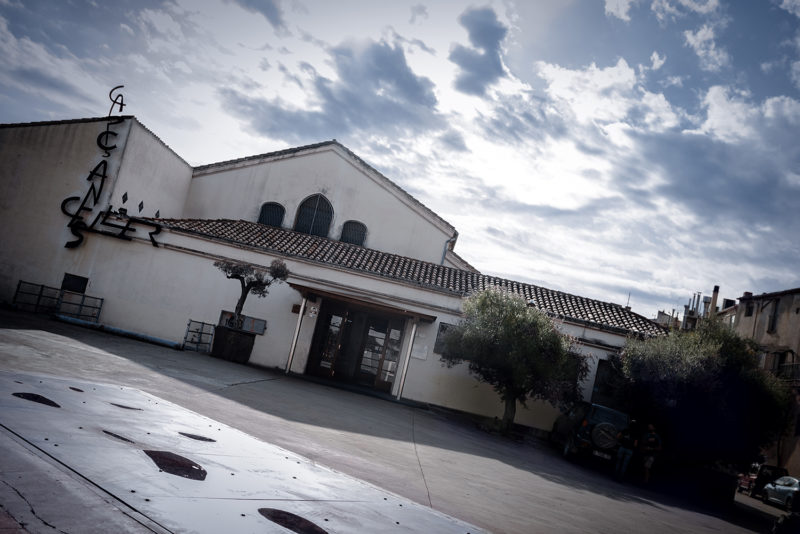
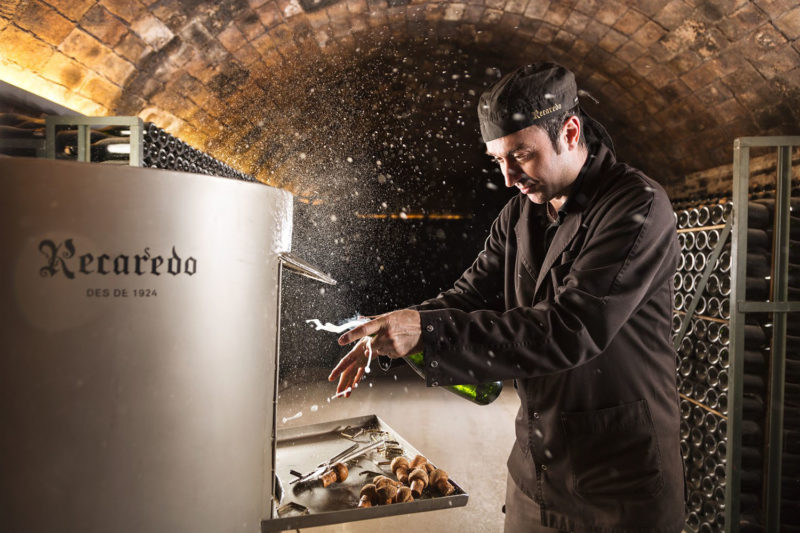
Celler de Capçanes, DO Montsant, is located in the village of Capçanes. It has two characteristics that differentiate it from other wineries: it makes kosher wines and it has a policy of social responsibility towards the territory and its people.
Almost 100 years ago, in 1933 to be precise, a group of families from the village, faced with the need to earn a decent living, decided to get together and set up the Capçanes cooperative. Joan Maria Sabaté, manager of the winery, proudly explains the birth of the cooperative. But he is even more enthusiastic about the paradigm shift they undertook. In the early days the cooperative sold the wine in bulk, but the members realised that it was the bottler who made the profit, so they decided to bottle it as well.
Even so, this did not prevent them from suffering some very tough years, with fierce competition. Until they found a way out. “In 1995 there was a turning point,” he says ” The winery took part in a fair in Paris. A representative of the Jewish community tasted our wines and said that, if that wine was a kosher wine, it would be a great wine.” And this is where a story was born that has linked them to Jewish culture and has led them to what they are today.
Kosher wines are a product suitable for consumption by the Jewish community, that is to say, that in its production process, once the grape enters the winery, it follows a series of rules and procedures following the Jewish tradition, as established in the Old Testament.
A “brave and risky” decision
Despite the fact that kosher wine represents 7% of the million bottles produced by the cooperative, the Capçanes winery believes that it is one of the elements that differentiates them from other wineries, “together with the quality of the product.” Sabaté describes the decision taken by the members at the time as “very brave and risky.” “When we came back from Paris, the first thing we did was to find out what kosher wines were. Then, we considered that making this type of wine was a great opportunity for the winery. We contacted the Jewish community, who visited the territory and found that the winery was suitable for making this wine,” he explains.
The first year they made 2,000 litres and came out with one of the best kosher wines in the world. This was a great opportunity for the cooperative, which considered becoming a winery suitable for making kosher wine. But this meant making a large investment. “The Jewish community in Catalonia said they could not invest. But the members of the cooperative didn’t give up and went to the banks for money, but they were told no. Even so, the people of Capçanes did not give up. Even so, the people of Capçanes did not back down and guaranteed all their assets for a loan.” Currently, not all of the winery is suitable for making kosher wine, but within the cooperative’s facilities there is a small winery dedicated to producing kosher wine.
DO Montsant
Enabling generational renewal
Work in the countryside is hard and it is difficult to find a new generation once the farmer retires. The Capçanes winery has found a way to prevent the land of retiring members from being abandoned. Josep Maria Sabaté explains that the cooperative works to obtain three direct repercussions on the territory and its people: “Firstly, we maintain the brand; secondly, we carry out social responsibility work on the territory, as the land is not lost; and thirdly, we improve the quality of life of the member, because, once retired, he receives the corresponding pension, which he complements with the income he receives from the cooperative that has leased him the land.”
The cooperative, faced with the difficulty of finding generational replacement and the risk of losing production, decided to lease the land to retired members. These lands remain in the hands of the members, but are worked by the cooperative. “We have a team of workers,” explains Sabaté, “led by an agricultural engineer, who carry out the whole process of working the land of the retired member. The aim of the cooperative is not to make a profit, but to improve the quality of life of its members. We always keep in mind that the other objective is to obtain a high quality product, both in terms of 93% wine for the general public, and 7% kosher wine.”
The cooperative has 90 producer members. Its production, although it is not 100% organic, has more and more land that is treated with this system. It exports 50% of its wines to more than 25 countries. Sabaté defines the winery’s wines as “friendly wines, easy to drink.” “In each bottle you can find the expression of a people. DO Montsant is a young appellation that is making a name for itself in the market thanks to the quality of its wines,” he remarks.
The Capçanes winery has always had its doors open to anyone who wanted to visit. The pandemic has prevented them from organising visits, but once the health situation is back to normal, they intend to return to wine tourism, as they have done since the beginning.
11Onze is becoming a phenomenon as the first Fintech community in Catalonia. Now, it releases the first version of El Canut, the super app of 11Onze, for Android and Apple. El Canut, the first universal account can be opened in Catalan territory.
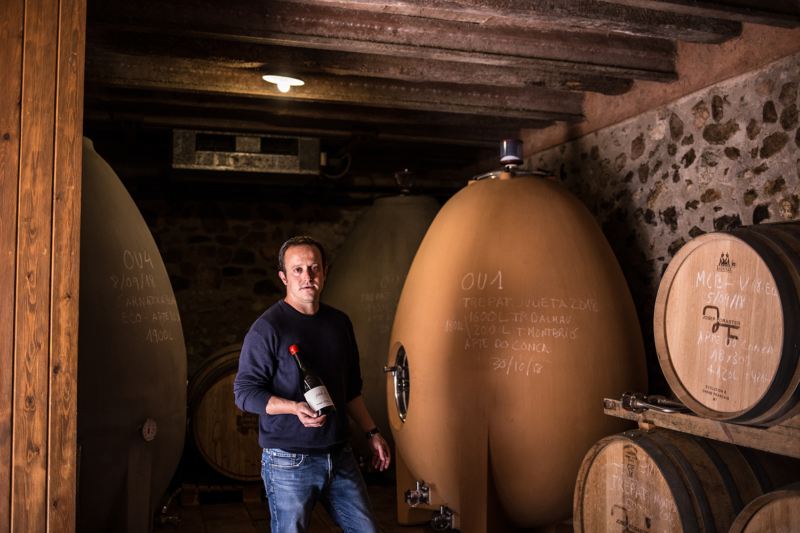
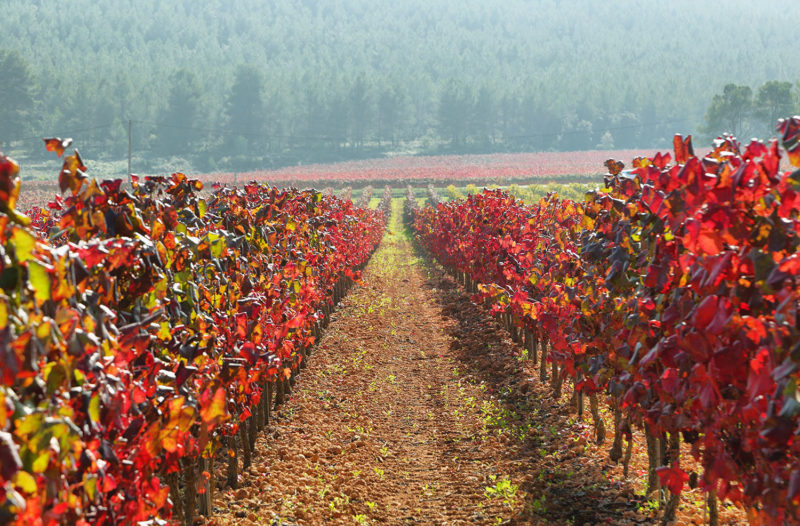
Even Google has warned. This 2021, the first business year after the pandemic, is marked by three trends: consumer enthusiasm, delivery delays and support for local shops. Let’s take a look at why experts believe we need to get a head start on Christmas shopping.
Google often publishes information of interest to its customers, businesses that want to advertise through its search platform, and this year it has already warned that the Christmas season has come early. After a record-breaking 2020 for digital spending, in the end of restrictions, this 2021 the market is expecting consumer enthusiasm.
Thus, Google warns that 21% of consumers have started their Christmas shopping in June and 37% believe they will start organising gifts earlier than last year. Precisely the same percentage (37%) believe that the pandemic will still affect their Christmas shopping in some way. As a result, competition among businesses has increased.
Supply problems
One of the reasons why consumers will bring forward their Christmas shopping is that the energy crisis and rising petrol prices are causing problems in the supply chain. This, in turn, can lead to delivery delays and stock-outs.
For this reason, most users rely on online shopping, because they can better compare the product, choose from several shops and know the availability of stock. With this forecast on the table, retailers have in fact already filled their warehouses, especially with this year’s most popular products.
Reliance on proximity
As online shopping increases, so does confidence in local shops. Small businesses have had a tough time during the pandemic and now, according to Google, 56% of consumers say they will support small businesses this Christmas.
Even so, experts warn that, although savings have increased due to the pandemic, because citizens have spent less, uncertainty about the resumption of business means that a large majority (46%) are waiting to buy gifts until they are on sale.
11Onze is becoming a phenomenon as the first Fintech community in Catalonia. Now, it releases the first version of El Canut, the super app of 11Onze, for Android and Apple. El Canut, the first universal account can be opened in Catalan territory.


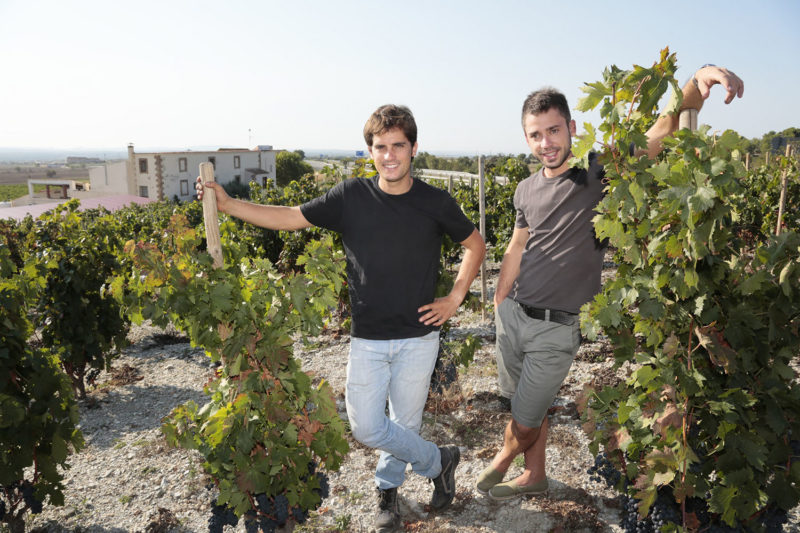
Celler Mas Vicenç is located in the highest part of the DO Tarragona, in the north of the Alt Camp region. It is a small, family-run winery that is being built day by day, with a steady pace and taking advantage of the opportunity to be the fifth generation of farmers.
A few years ago, explains Xavier Ferré Morató, the youngest son and co-owner of Celler Mas Vicenç, his older brother, Vicenç, studied oenology in Falset (Priorat) and in France. He liked the world of wine so much that he went to work in a winery in the region. At home, meanwhile, they continued doing what was the family tradition: working the land where they have vines, olive trees and nuts (hazelnuts and almonds) and selling the fruit to the Vila-rodona cooperative.
“We are the first generation to have made wine at home,” Xavier Ferré says, who is in charge of the commercial, communication and wine tourism aspects of the company. “In fact, it was my older brother who started the project, who turned the dream of making quality wines from the best family estates into a reality. As a result of his experience and with our parents, in 2004 we decided to take the plunge and so we converted some warehouses we had in the family farmhouse, where we still live, and adapted them as a winery.”
35 hectares of vineyards
Celler Mas Vicenç cultivates 35 hectares of vineyards. Ferré explains that they would never have dared to make wine without family vines. “We grow different varieties, in a formidable terrain, very well located because of the ventilation it receives, and because of the different types of soils we have. Today, we continue to sell fruit to the cooperative, as we only use 50% of the harvest. This allows us to make our wines with the selection of the best fruit from the best family vineyards,” he explains.
The winery has been growing slowly, “with our feet on the ground and prioritising quality over quantity.” “At first it was a weekend dedication. But the world of wine is a world that embraces you, that you are passionate about, that gives you new opportunities, that allows you to meet new people, new customers, new ways of doing things. All this meant that in 2009 my brother decided to dedicate himself 100% to the family business,” Ferré continues. In 2011 he himself joined the company, after having studied Business Studies and International Business. “We have been growing very naturally. We are now producing over 70,000 bottles,” he says.

DO Tarragona
Xavier Ferré explains enthusiastically that they have recently launched a new wine that they are “very proud of.” “We have been pursuing this idea for many years. We have made an estate wine that comes from a single piece of land. Beyond this, we grow the variety that most identifies the DO Tarragona: 100% Macabeo,” he explains. The vineyard was planted by Xavier’s great-grandfather in 1912. “It’s a vineyard with a lot of history, it’s the treasure of the house. Castell Tallat is a voluminous wine, a Macabeo from a centenary vineyard, embellished in an amphora,” he praises proudly. With this wine, the Ferré family wants to pay tribute to the Roman wine-making past of the Tarragona countryside.
The type of cultivation practised at Mas Vicenç is 100% organic, although they lack the certification seal. “The difficulty of obtaining this seal due to the management of the conversion from conventional to organic, of 35 hectares in different markets, means that for the moment we haven’t asked for it,” Ferré argues. He also explains that Mas Vicenç winery has never been in favour of using pesticides and herbicides. “And even less so when the vines don’t ask for it. Mas Vicen’s philosophy is not to demand the maximum yield from the vines. Now we are looking for an extra effort, a suffering of the vine, a higher competition between the vines to obtain a better quality. We know that behind a bottle of wine there is work in the vineyard,” he explains patiently.
Local market, a sincere product
The winery’s priority market is the local market: “We mainly sell in the Tarragona region and then to the rest of Catalonia,” Ferré explains, adding that exports represent between 5 and 10 percent of total sales. “It is more the result of a friendly relationship than a business relationship. Our main objective is to sell on the domestic market. If local customers like the wine, it will make us produce a more sincere product,” he remarks.
For Ferré, the success of this local market is thanks to wine tourism. “Wine tourism has been the winery’s main focus for many years and it brings us a lot of direct sales and even customer loyalty. People come home, have a good time, and explain it to their friends. In the end, this word-of-mouth is magnificent, as it leads to a good level of direct sales to the winery, both in the physical shop and in the online shop,” he says.
This young winery, as Xavier Ferré says, moves forward slowly and with its feet on the ground. They are optimistic about the future, although they are concerned about the effects of climate change, which they want to combat by planting native varieties, such as Macabeo, the flagship of the Tarragona DO.
11Onze is becoming a phenomenon as the first Fintech community in Catalonia. Now, it releases the first version of El Canut, the super app of 11Onze, for Android and Apple. El Canut, the first universal account can be opened in Catalan territory.
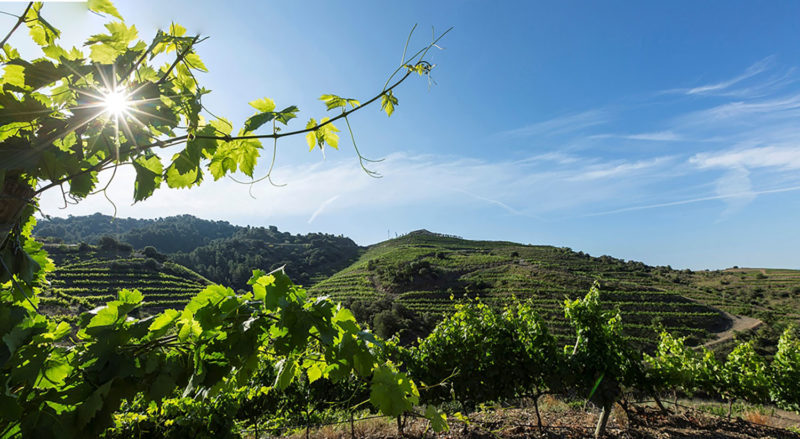
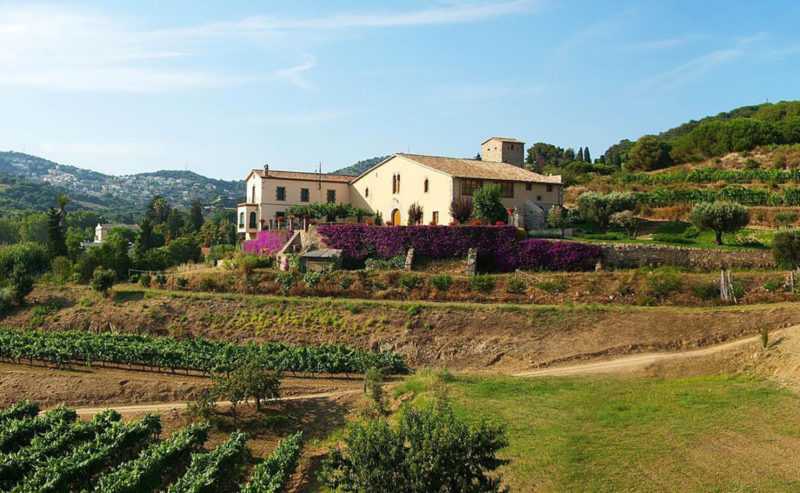
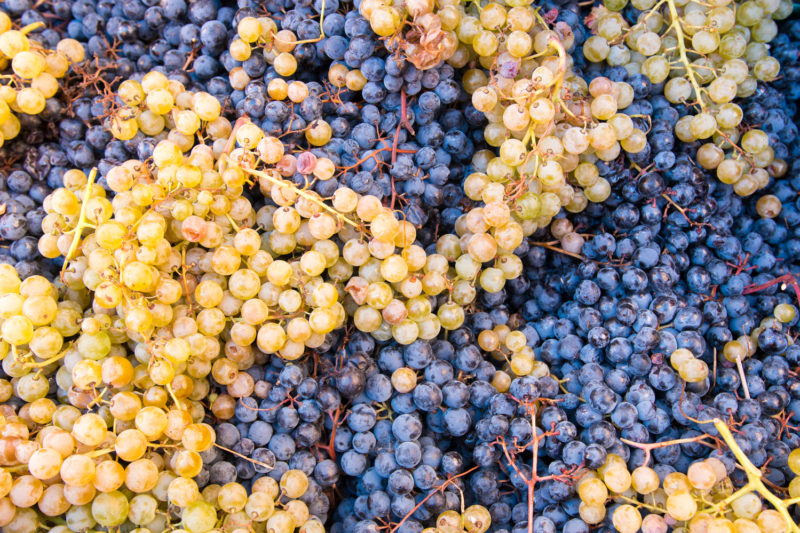
Experts estimate that by 2050 there will be 9.5 billion people on Earth. If we add to this the climatic effects of extensive livestock farming and north-south inequalities, it is high time we consider how we will feed ourselves in the near future. Will we all be vegans? Will we have to eat insects? Synthetic meat, made in the laboratory, is already a feasible alternative.
The human population is like a plague on the Earth: it has a very high capacity to destroy the ecosystem and, between global warming and the poverty that rages over 800 million people worldwide, it is clear that we suffer its consequences every day. Like our ancestors 10 billion years ago, and despite all the knowledge and technology we have acquired, the instinct for survival has led us to seek alternative food sources on a global scale. The Food and Agriculture Organization of the United Nations (FAO) points this out very clearly in a 2018 report.
Believe it or not, it is meat
For centuries, insects have been a real source of protein for some cultures and, thanks to their properties, they are valued as an alternative for the future. But there is one food that stands out above the rest: synthetic meat. Because it is the most surprising, and because it is possibly the most innovative. This is how companies dedicated to plant-based meats have exponentially increased their sales. The American Beyond Meats, for example, has seen its shares grow by 859% in just two years.
Producers and supporters give synthetic meat all the properties of conventional meat and claim that, even under the magnifying glass of a microscope, it is indistinguishable from conventional meat. The reason is that, in the end, it is meat from the same animal we have chosen, but grown in a different way. From a very selected sample of cells from an animal, subjected to a controlled nutrition treatment in a laboratory, the product is obtained without slaughtering any animal. They claim that, with a single cell sample the size of a sesame seed, they can produce up to 80,000 hamburgers.
Bill Gates, one of the apostles of the new food
Although detractors consider that he hides unethical interests, Microsoft founder Bill Gates, one of the four richest and most influential men in the world, has recently published the book ‘How to avoid a climate disaster’ (Penguin Random House, 2021), in which he argues that all rich countries should consume 100% synthetic meat in order to radically reduce the emission of methane, a gas that is considered 84 times more harmful than carbon dioxide due to its greenhouse effect.
Gates also believes that, in the near future, synthetic meat will taste even better than today’s beef. In the meantime, he is investing in companies and laboratories for the production of new meat, such as Upside Foods in San Francisco, in which billionaire Richard Branson has also invested. This company, created six years ago and which in 2016 produced the first beef meatballs, claims that by the end of 2021 it will market its first products on the North American market.
But in fact, the world’s pioneering company was the Dutch Mosa Meat, sponsored by actor Leonardo Di Caprio. In 2013, Mosa Meat, three years before being constituted, became known with a strong impact when it presented the first synthetic beef burger ever made, with a production cost of 250,000 euros, financed entirely by one of the founders of Google. The company’s forecast is that by 2021 it will bring the cost per burger down to under nine euros.
Is it regulated like any other food?
The involvement of the world of technology and science is obvious. There are already companies set up all over the world: some specialising in fish meat, or salmon specifically; others in chicken meat or animal fat. None of these companies have ever killed any animals. Scientific teams are leading these companies and laboratory work is the key.
At the moment, none of them are openly marketing their products yet, although they plan to do so in the next few years. Meanwhile, researchers are trying to reduce production costs. For this reason, it is not yet clear how to regulate this new market, which is strongly opposed by the primary sectors, such as fishing and livestock farming. Nevertheless, it seems that the market for synthetic meat is unstoppable.
11Onze is becoming a phenomenon as the first Fintech community in Catalonia. Now, it releases the first version of El Canut, the super app of 11Onze, for Android and Apple. El Canut, the first universal account can be opened in Catalan territory.
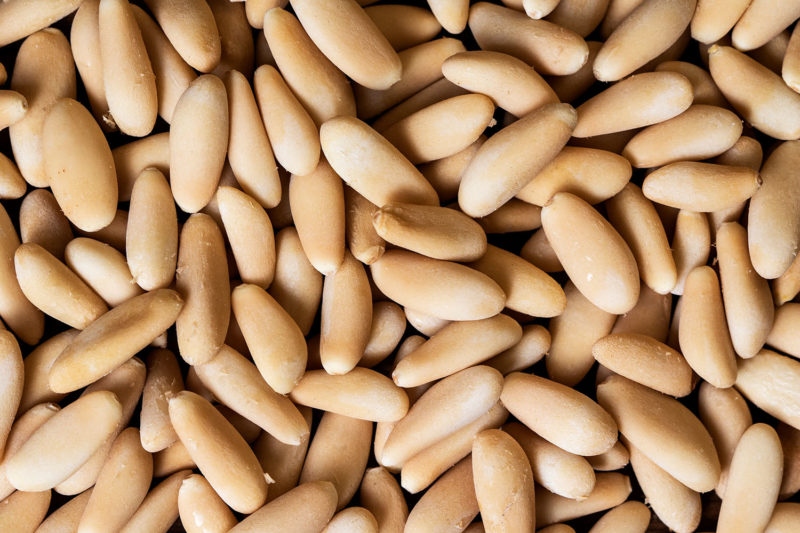
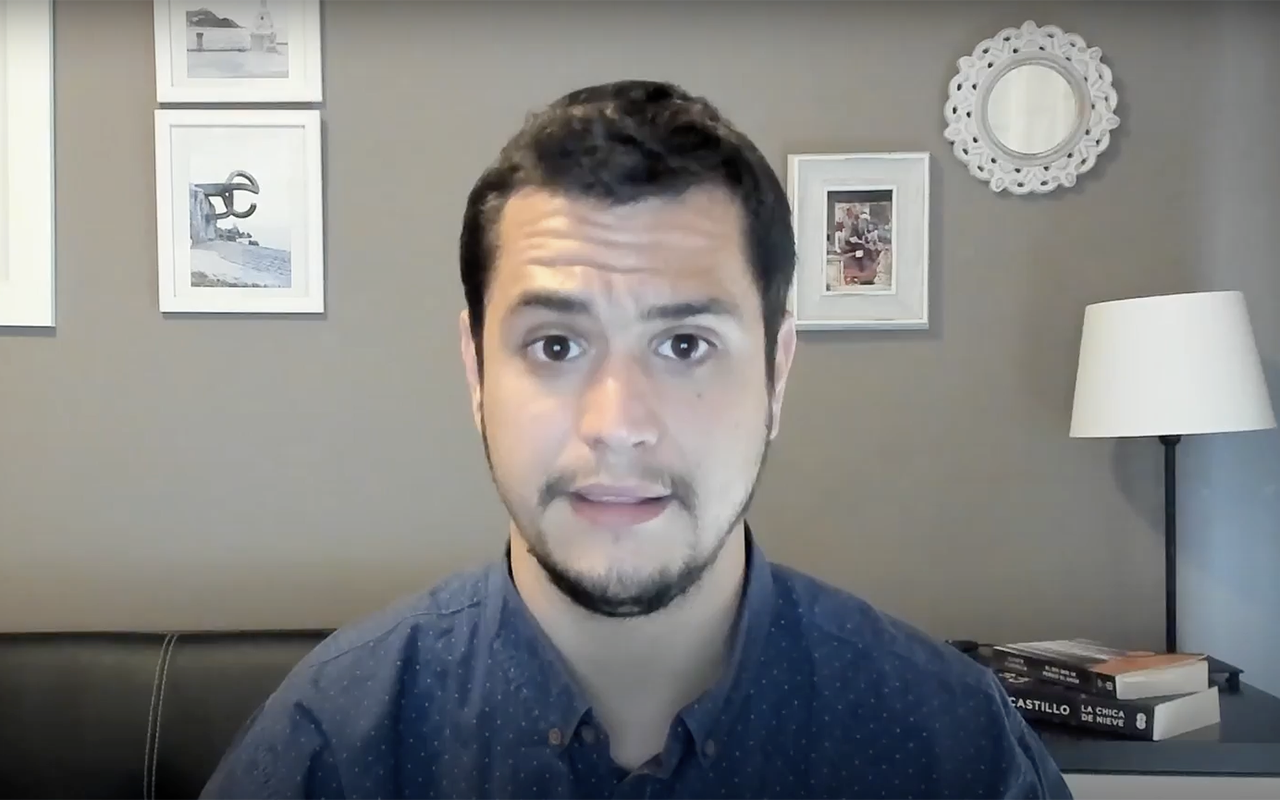
His name is Pol Gise and he has hundreds of thousands of followers. He succeeds on YouTube and Instagram. He is one of the most important creators in our country and, despite everything, he warns that the Catalan audiovisual sector “does not believe in young people’s talent”.
This Catalan ‘youtuber’, who has built a professional career, like most of his generation, outside the conventional media ecosystem, says that he is successful in Spanish, whereas, in Catalan, he finds no way to stay profitable despite his accumulated great success. Gise denounced it a few days ago in a viral thread on Twitter, and now he opens up to 11Onze’s content director, Toni Mata, in the latest podcast published in La Plaça. “Sometimes I’ve even felt contempt,” he says.
“At the beginning I made the videos in Spanish, out of pure diglossia. How sad I didn’t even think about it! And when I started to publish videos in Catalan, I felt much more free,” he continues. Since Pol Gise already knows how the social networks work, it didn’t take long for his profiles to grow in Catalan. “It was fantastic, many people liked it, and I did it in my mother tongue,” he exclaims. And yet, though his social networks have grown, he has realised that he cannot monetise this content as he does in Spanish.
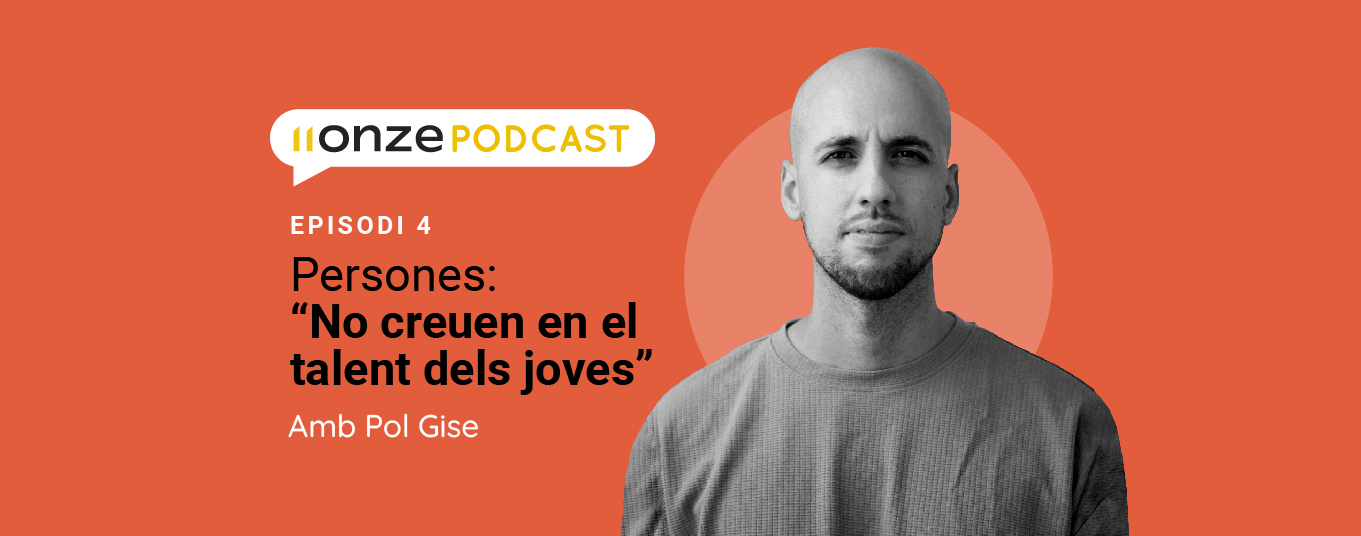
Episode 4 | People: Pol Gise
“A Titanic with an iceberg inside”
His frustration is accentuated when he observes how politicians manage public money and the Corporació Catalana de Mitjans Audiovisuals (CCMA). “TV3 is like a Titanic with an iceberg inside. It’s sinking indeed, but it’s more profitable for them to sink it, because they are living fine meanwhile, than to change direction a bit or plug the holes,” he criticises.
Gise also recalls that at the last event organised by Òmnium he felt disconcerted. The organisation’s president, Jordi Cuixart, denounced the fact that the new Audiovisual Law being negotiated by the Spanish government could further reduce the visibility of the Catalan language. “Now they criticise it, but the problems of the language already existed. The president of Òmnium said that he didn’t want Catalan artists to leave the country, but the thing is that you don’t have to leave. I haven’t left Catalonia and I am living by using Spanish, a language that is not my own,” he regrets.
To Gise, the only answer to this setback should not be to invest in foreign productions, but rather encouraging Catalonia’s own production. “Obviously we are not a power like the United States, but there are many more things that can be done. What do people like and what is our tax money being spent on? Something is wrong. I’m not saying that everything must be invested in social networks, but someone should sit and talk, and they are not doing it”, continues.
Generation Z, a cancelled youth?
“Now they’re trying to revive the Super3 channel, but they’re six years behind schedule,” Gise says. In fact, he is surprised about how hardly understood is what he and his colleagues are doing. “I was invited to a programme and they wanted me to dress up as a sumo player and play with giant balls… There are ‘youtubers’ who do that, but it’s not my case,” he confesses. Gise also admits that both, pressure from social media and from misguided expectations of the culture industry are causing him anxiety.
An anxiety that, in fact, is perpetual for his generation. The ‘youtuber’ recalls his clearest personal example when writing his book, ‘2040. Humanitat Cancel·lada’ (Columna Edicions, 2020), a process that made him fall into depression. “If I don’t sell enough books, am I useless? I have been feeling very lonely,” he says. To finish, he recommends the leading essayist of a youth that many feel, effectively, cancelled: Mark Fisher and his ‘Capitalist Realism’ (Zero Books, 2009). “He links mental health problems very well with this whole economic system,” he says. Commenting on this pairing, however, would take another interview.
11Onze is becoming a phenomenon as the first Fintech community in Catalonia. Now, it releases the first version of El Canut, the super app of 11Onze, for Android and Apple. El Canut, the first universal account can be opened in Catalan territory.


Purgatori 2017 from DO Costers del Segre is proclaimed Best Catalan Wine of the Year at a gala of the Vinari Awards, where the sector warns of the effects of climate change.
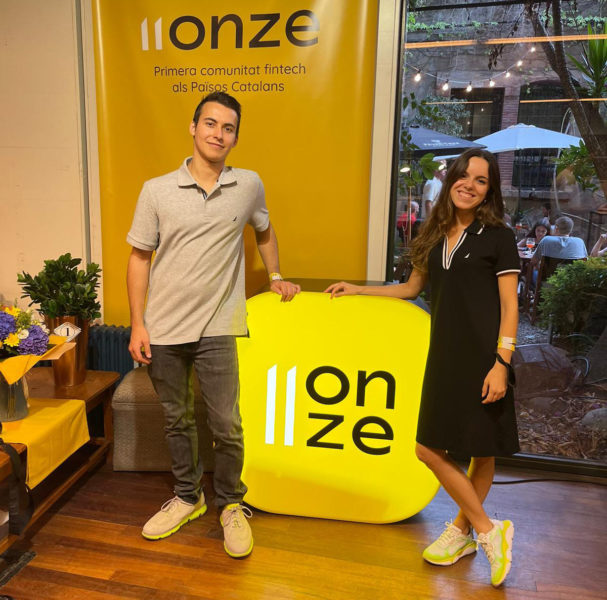
Last night’s ceremony was held in Vilafranca del Penedès the Autumn Gala of the Vinari 2021 Awards, sponsored by 11Onze, and where the best Catalan wines of the year are revealed. The tasting that took place in September at the Celler de Rubí attracted 200 finalists, and now it was time to find out the results at a gala hosted by the writer Màrius Serra, with entertainment provided by Mag Lari.
The scrupulous Covid measures hid the smiles behind the masks, but you could see them. The wine sector was in the mood to celebrate and, what’s more, if your winery was invited despite the capacity restrictions, it was because you had won an award. Whoever did not win the Grand Gold award in each category was guaranteed a gold or silver medal, so no one would leave empty-handed.
The gala crowned Purgatori 2017, by Familia Torres, as the Best Catalan Wine of the Year. This wine is a blend of Carignan, red Grenache, and Syrah, made with grapes from the Mas de l’Aranyó estate. This plot is known as the “estate of the banished” because monks from the abbey of Montserrat were sent here to do penance in order to work the land and produce food. It was the second prize of the night for Purgatori, which had also won the award for the best wine in its category (Grand Gold Reserve Red Wines).
The Best Catalan Sparkling Wine of 2021 is Carles Andreu Brut Nature 2017 by Celler Carles Andreu (DO Cava), made from Macabeo and Parellada grapes from Conca de Barberà and aged for 48 months. Natalia Cugueró, representing 11Onze, presented the Vinari Grand Gold awards for sparkling wines aged between 30 and 60 months to Carles Andreu Brut Nature 2017 and Indomable 2014 from Bodega Mas Candí.
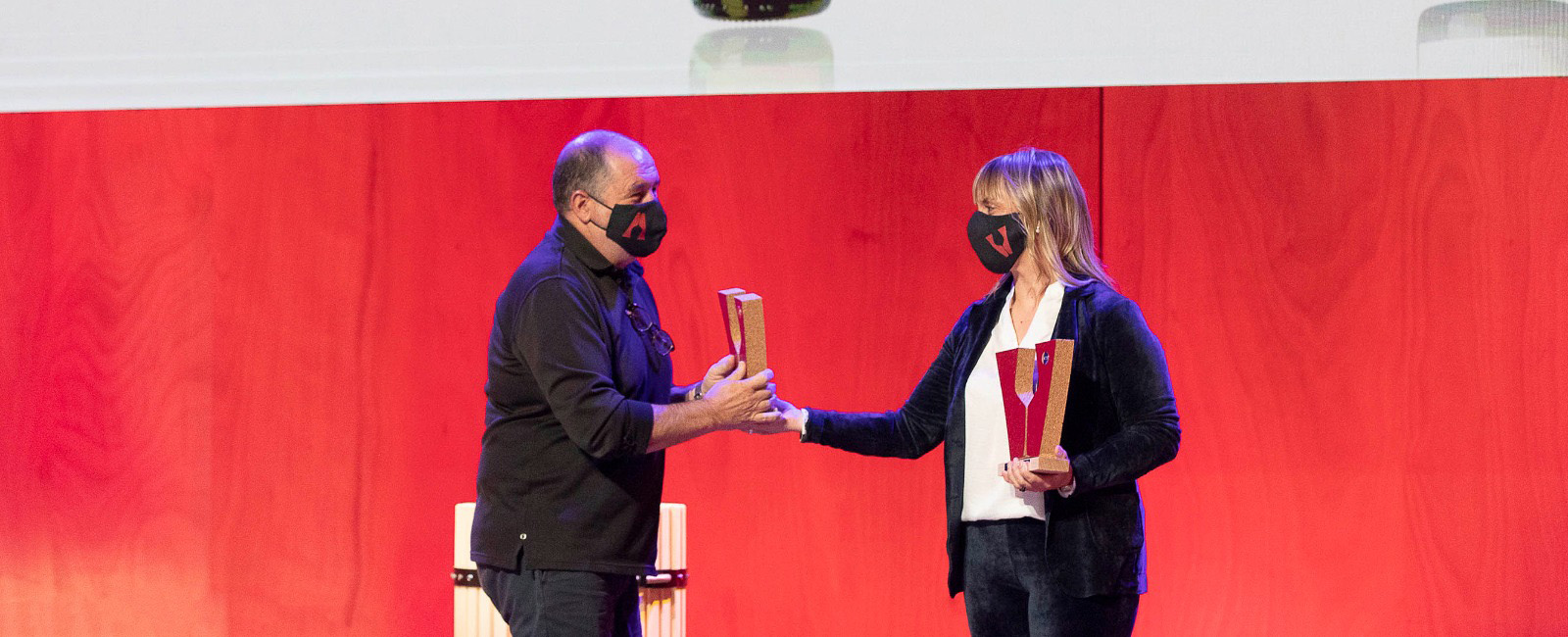
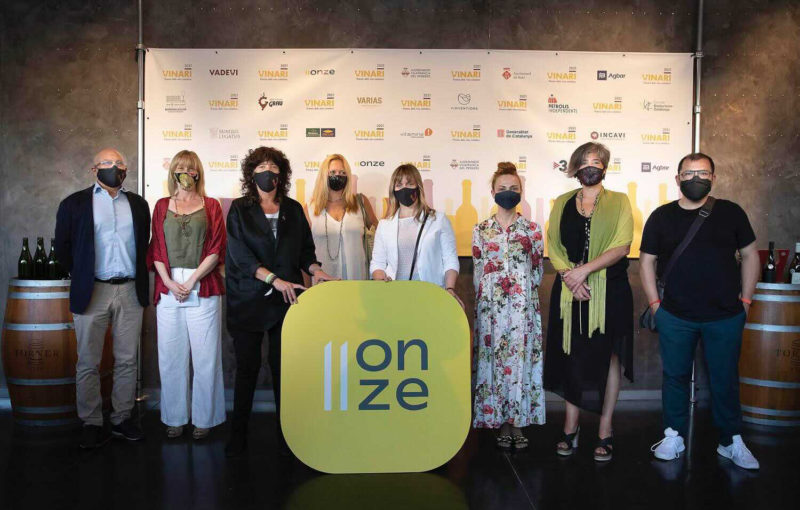
Imatges de la gala dels Premis Vinari dels Vins Catalans 2021 / Imatge: Jordi Play / Vadevi
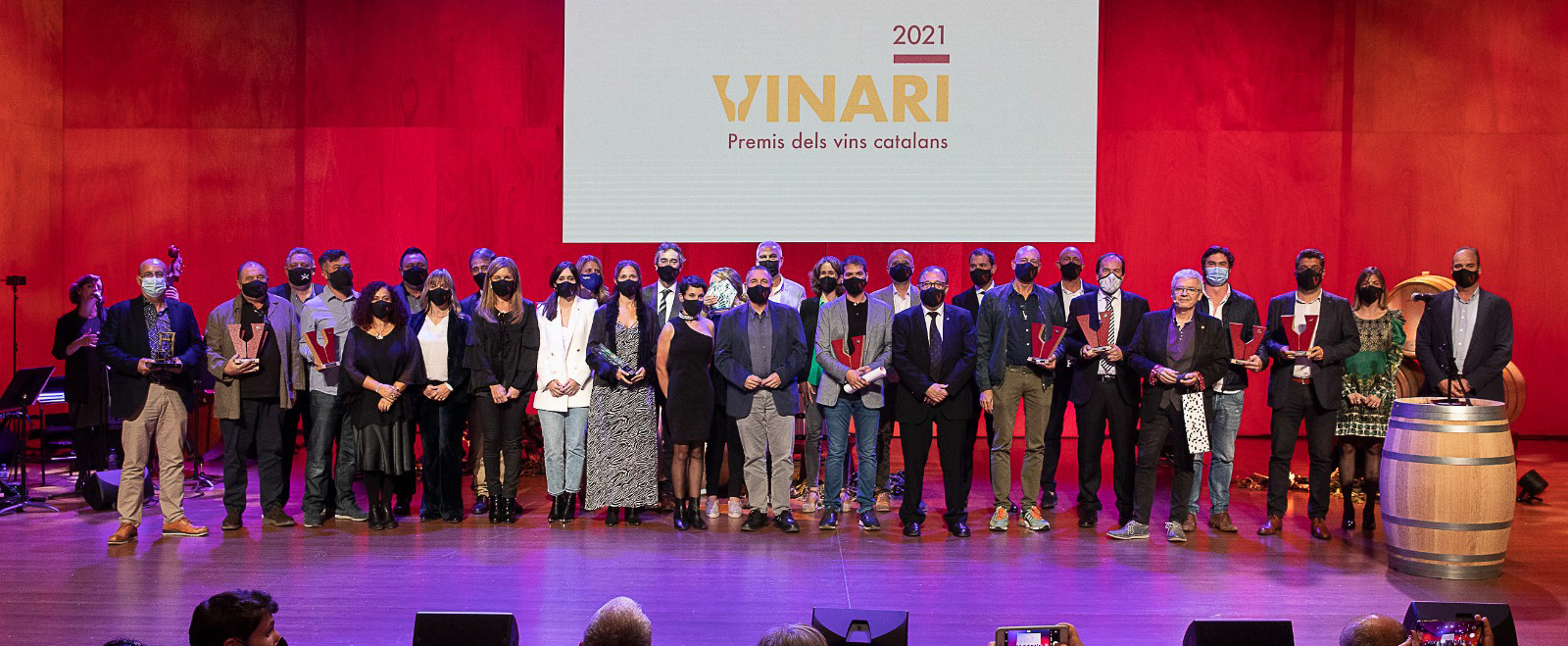
Imatges de la gala dels Premis Vinari dels Vins Catalans 2021 / Imatge: Jordi Play / Vadevi
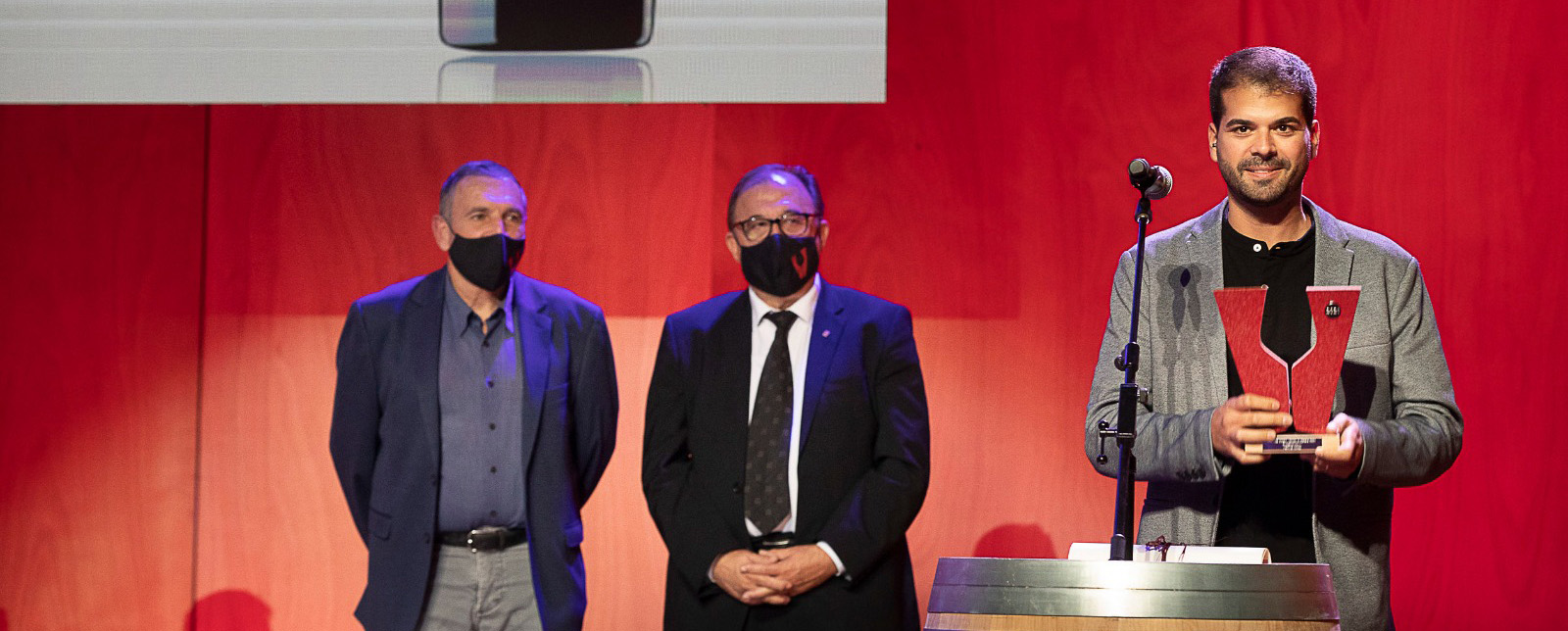
Imatges de la gala dels Premis Vinari dels Vins Catalans 2021 / Imatge: Jordi Play / Vadevi
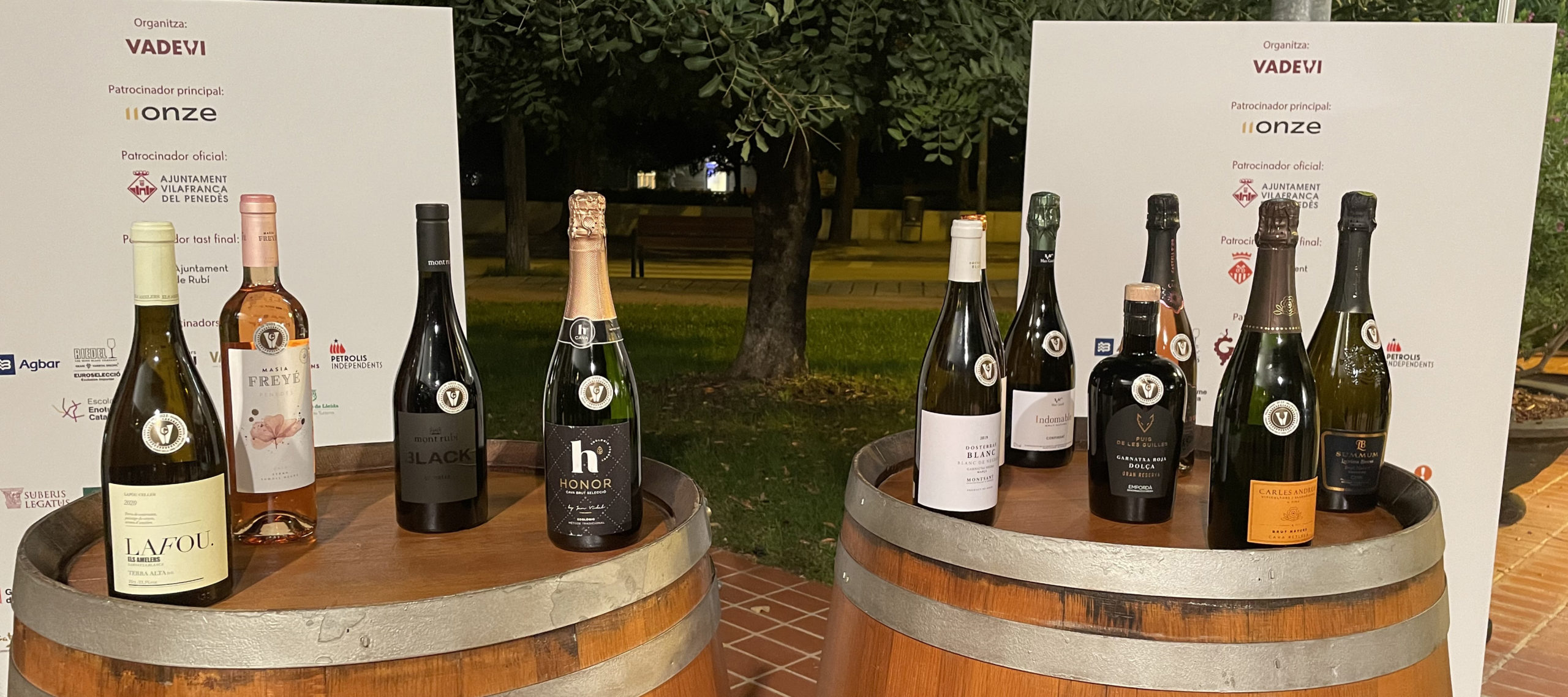
Imatges de la gala dels Premis Vinari dels Vins Catalans 2021
Climate change warnings
But the gala also served to recall more bitter moments, such as the one experienced in Conca de Barberà in 2019 with the overflowing of the Francolí River. The flood devastated the René Masdéu winery, which was rebuilt thanks to the solidarity of neighbours and customers. One of the most surprising facts was the sales success of the wines recovered from the flood, which they called “mud wines”. Mariona Rendé explained that “the mud wine was everything. Also, for us, for our minds. It was sold-out straight away, because everyone wanted a bottle”. Another story of destruction and rebirth took place in the last month of January in Priorat. A snowfall collapsed the roof of the Celler Vall-Llach in Porrera. Albert Costa from Vall-Llach recalled the peak of online orders after the disaster. “We had never seen it before, and I don’t think we will ever see it again. And it made Lluís (Llach) and me very happy, in the sense of blimey, people really love us and want us to stay here,” Costa explained.
It goes without saying that these phenomena are very serious warnings of climate change. This was highlighted in the speech by Miguel A. Torres Riera, an eminent figure in the wine sector, who received an award in recognition of his career. He explained that he was very happy with the award, very happy to help his country and the wine world, but he remarked that: “I am not happy with what is happening with the climate. Please, these are not accidents. This is a very serious problem we have and everybody must act. We must fight climate change, we must reduce emissions. Every single one of us. Let’s take this issue seriously. It is the future of the vineyards.
Mr. Torres’ message drew applause and a few cheers. The gala continued with the humour and magic of Mag Lari and with this idea in mind: That the best wine of the year is called Purgatori, but that the future of the vineyards depends more than ever on what the skies might bring.
11Onze is the community fintech of Catalonia. Open an account by downloading the app El Canut for Android or iOS and join the revolution!