Is food sovereignty possible in Catalonia?
Climate change, the war in Ukraine and the logistical funnel caused by the pandemic have reopened the debate on a possible global food crisis and the importance of rethinking the production model for essential crops in order to guarantee our food sovereignty.
Food sovereignty refers to the ability of a country or region to determine its own agricultural and food policies and to produce the basic foodstuffs to meet the needs of the local population as a whole. Not having food sovereignty means being dependent on food imports and not having sufficient control over one’s own food production.
This dependence on food imports increases a country’s vulnerability to international market fluctuations and food price increases caused by geopolitical conflicts or climate change. In addition, the focus on large-scale crop production for export has resulted in even more dependency and loss of food sovereignty for many countries, despite lowering the final price of the product at the expense of increasing the carbon footprint.
Securing supply chains
The collateral effects of droughts in North Africa, frosts in Central Asia, floods in Pakistan and war in Ukraine are just some of the causes for the alarming shortages of staple food supplies that are already affecting a large part of the world’s population.
According to the latest report by the United Nations, almost 3.1 billion people cannot afford a healthy diet rich in basic nutrients. And we are not only talking about developing countries, inflation in Europe has severely affected people’s purchasing power, pushing up food basket prices, while logistical problems are forcing many countries to take emergency measures to ensure the availability of certain basic foodstuffs.
Without going any further, February’s Consumer Price Index (CPI) shows that food in Catalonia is 14.5% more expensive than a year ago, with vegetables and pulses rising by more than 18% since January. These record price rises have had a direct effect on the cost of more than 200 food products.
In addition, our territory is suffering the most severe drought since 2008, when water reserves in reservoirs and internal basins fell by up to 20%. Drought has affected the cereal harvest throughout Spain and France. The Port of Tarragona has an almost total occupation of its quays, half of them loaded with agri-food products imported from other countries to make up for this shortage of cereals.
Low food self-sufficiency
Much agricultural land has been lost in Catalonia since the 1950s. Today, just over 25% of the Catalan territory is devoted to agricultural crops, half the European average, and 70% of the agricultural surface area is rain-fed. This means that Catalonia only achieves a degree of food sovereignty of between 40% and 45%.
Agriculture only contributes 1,622 million euros to Catalonia’s GDP (2022), making it the economic sector with the least impact on GDP, and a far cry from the 187,185 million euros generated by the services sector. Even so, it is still a strategic sector for society as a whole, and purely because it provides the raw material for the main foodstuffs, it is one of the main sectors that must be maintained and developed.
The question, however, is what price we are prepared to pay to maintain this strategic sector for our society. Agricultural activity in Catalonia has declined progressively over the last few years, and the Unió de Pagesos frequently warns that if they cannot compete with the prices of the distributors, many of them will not be able to make a living and will have to stop their activity.
A change of mentality
Driving change towards a new food system that practices rational resource management is not only necessary, but it is also essential to move towards the sustainability of our society as we face the climatic and geopolitical challenges in which we are immersed. However, this comes at a cost and involves social, cultural and environmental trade-offs that society will have to consider.
Crops have to adapt to the water available, contrary to what has been done until now, especially when we take into account that the average temperature in Catalonia is expected to rise by 2 to 3 degrees over the next twenty years, reducing the availability of water by 20%. For example, instead of producing maize for export or for feeding pigs, we could grow vegetables that we now import from other regions, a change which would contribute to food sovereignty.
On the other hand, it is necessary to democratise the means of production and land. Reclaim agricultural land for local family farms, 50% of which have had to be abandoned in the last 15 years, to the extent that 55% of agricultural land is in the hands of only five families. Controlling food prices or subsidising production costs in a timely manner can help to ensure that people can make a living from what they produce.
At present, the limitations of the territory and the agri-food model certainly do not allow for food sovereignty in Catalonia, but working towards greater self-sufficiency is possible if there is a long-term political vision and if society is willing to assume the cost of this paradigm shift.
11Onze is the community fintech of Catalonia. Open an account by downloading the super app El Canut for Android or iOS and join the revolution!

A record-breaking Diada de Sant Jordi is expected. There will be more than 4,000 flower stalls and 1,000 book stalls in Barcelona alone. Literary activities will be held all over the country.
Catalonia is experiencing one of its most special festivities this Sunday. The Diada de Sant Jordi is, at the same time, St Valentine’s Day, Book Day and the day of the patron saint of Catalonia.
All of this, weather allowing, means that we can expect a successful event despite the Barça – Atlético de Madrid match. In fact, the Cambra del Llibre de Catalunya hopes to match the figures of 2022, when 1.7 million books were sold, with a total turnover of 22.5 million euros.
Beyond Barcelona
In addition to the Catalan capital, which will concentrate the stands in the centre between the streets Gran de Gràcia and La Rambla, the literary activities and stands will be held all over the country. In Tarragona the stops will be located on Rambla Nova, in Girona on Esplanada de la Copa and in Lleida you will find them on Avinguda Francesc Macià and Rambla de Ferran.
From 11Onze we would like to wish you a very good Diada. Enjoy the literature, but when it comes to talking about money… Don’t fall for fairytales!



Digital art is capable of anything: it has broken the record by selling a work of art for $69 million. Thanks to the union of art and technology, new human feelings have arisen and have made it possible to experience art in a much more intense way, including newer, much more interactive tools.
The art world is evolving with new resources to reach all audiences and, through technology, it manages to make us feel what art wants to express; lights, perspective, and sound can take us to another dimension.
In 1826, Joseph Nicéphore Niepce began to link photography and art in making the first photographic copies of pictorial works and in trying to capture reality with an artistic sense, beyond the mere capture of images.
We understand art as the activity in which man recreates, for an aesthetic purpose, an aspect of reality or a feeling in beautiful forms, using matter, image, or sound. If we talk about technology, we can define it as the pursuit of satisfying human needs and desires. Technology seeks to solve practical problems in part by using science.
New technologies, new perspectives
Art and technology have always existed as a union, but today the link between the two is much more evident. And if this has been achieved, it is thanks to the use of increasingly sophisticated technological developments.
One of the most innovative techniques has been video mapping, where video projectors are used to display an animation or images on real surfaces, achieving an artistic effect that is out of the ordinary. This technique is based on the movements created by the animation (2D and 3D) on the surface.
The best known mapping is the one we see on monumental buildings accompanied by sounds to create a greater spectacle.
This technique has allowed us to interact with the public and a relationship is created with art, technology, and society.
Many brands have managed to reach their target audience through this technique. They have recreated, for example, a piece of high jewellery so that not only the public sees the jewel on display, but also how to go into it, to have a different perception of it.
Flat projections are long gone. Mapping can be projected onto real-world objects, such as a building, and it can capture images on walls with no distortion at all.
Mapping in Barcelona on the occasion of the Llum BCN Festival 2016.
The latest and most revolutionary
The rise of digital art is unstoppable, and the record has been recently broken. Billionaire digital artist Mike Winkelmann, known as Beeple, has made it possible for his artwork to sell for $69 million. The technology that made it possible has its own name: NFT (Non-Fungible Tokens).
Winkelmann has been doing that for over fifteen years, but it is now that he has managed to make his 5,000-image collage position him as the most sought-after digital artist.
Something never seen before! On February 25, his work went to auction for an initial price of $100; within a week, its share price reached $14 million, but what Mike wasn’t expecting was that it reached $69 million. The work that has reached this figure is “Everydays – The First 5000 Days”. The author says it is a work in which “individual pieces are organised in an inaccurate chronological order: when approaching the images, abstract, fantastic, grotesque, or absurd images are revealed, which are deeply personal or representative of today”.
Comparing the past to the present, Van Gogh’s “Irises” oil on canvas, also auctioned by Christie’s, sold for $20 million less than Beeple’s work.
Other ways to create art
We speak with architect Alfredo Acosta, who tells us that architecture and light are very fashionable. He has a new personal project that is focused on the space that is generated with light. The objective is to discover new spaces different from those to which we are used. He gives us the example of typography: if we enlarge a letter, if we increase the scale 14 times, a space is being generated, we can enter the letter and, if we illuminate it in a synchronised way with the person who was enabling the font space, through sensors, we could achieve these sensations, so that person, space, and light can interact.
Soon we will have more details about his exhibition. Can you imagine being able to discover what’s inside your name’s initials?
Where to find digital art
If you are in Barcelona, don’t miss the IDEAL space, a creative laboratory that aims to research, create, and develop technology applied to immersive environments and experiences such as virtual reality or augmented reality, among others. Today you can see KLIMT: a large format immersive production focused on the work of the modernist painter.
Klimt, the Immersive Experience at IDEAL.
And, in the same space, the Kabaret Fledermaus (Bat cabaret) is carried out, which the authors create as “a vindication of the mythical Viennese cabaret of the early twentieth century through art, music, technology, and science”. In this space, technology manages to create an experience to delve into art with all five senses.
After reading this article, you surely no longer think that art is boring and difficult to understand. Enjoy digital art and delve into works whose author probably never thought they could be viewed in this way.
11Onze is the community fintech of Catalonia. Open an account by downloading the app El Canut for Android or iOS and join the revolution!


People who celebrate Valentine’s Day spend an average of 80€. Is it possible to celebrate it with romantic but surprising gifts that do not lose value? That’s what Càrol Rafales, from the 11Onze product team, and Gemma Vallet, director of 11Onze District talk about in a new episode of Territori 17 on Ràdio Cardedeu.
The most common gifts for Valentine’s Day are, according to Gemma Vallet, “chocolates, flowers and jewelry. This year we foresee an increase in jewelry sales”. Valentine’s Day is a celebration of Catholic origin but intensely amplified from the United States. It is the first big sales day after the Christmas holidays and causes each lover to spend an average of 200 euros, or 24 billion dollars in the United States.

La Plaça – Territori 17: In love with gold
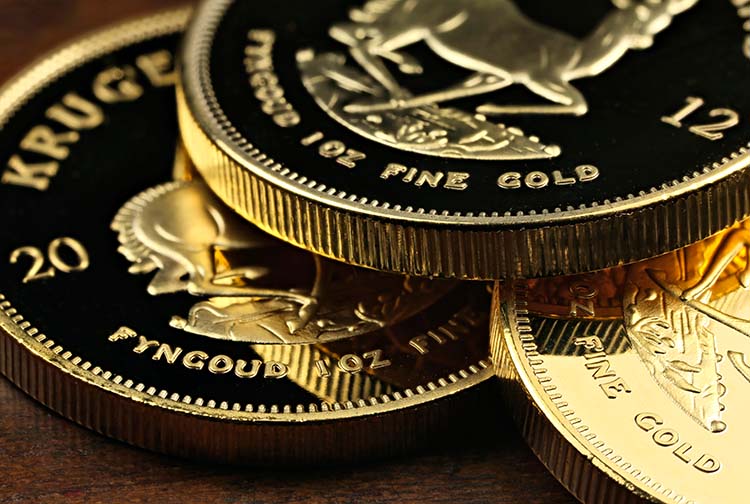
In our country, spending is much more modest, around 80€, and is spent mainly on experiences. Now, however, inflation bites off part of the amount and “with the same money we buy fewer things,” says Càrol Rafales. In this environment Rafales, from 11Onze’s product team, adds that “we must be very responsible with our purchases. For this reason, perhaps instead of jewelry a good option is to buy gold pieces, which retain their value and over time allow us to recover it. As Rafales explains in Territori 17: “you can keep an ingot or a coin, and if in the future you have a need, you can recover that value or even make a profit”.
Is it unromantic?
Is it less romantic to give coins or a gold bar than to give jewelry? “It depends,” says Rafales “maybe in a few years you can resell the gold and with the proceeds make the couple’s trip that they can’t afford now.” Gold, is a long-term relationship and is therefore a good way to invest in the couple’s relationship.
If you want to buy gold coins from 220€, you can fill out this form. In 11Onze we celebrate the Amor amb Or.
If you want to discover the best option to protect your savings, enter Preciosos 11Onze. We will help you buy at the best price the safe-haven asset par excellence: physical gold.

Have you heard of the term ‘Slow Travel’? It’s a style of travelling that focuses on the quality of experiences rather than the number of places visited. Enjoy every step of the way, connect with the local culture, and be conscious of your environmental impact.
Rather than planning a hectic itinerary of visits, ‘Slow Travel’ involves taking your time to get to know and appreciate each place, contemplating the connection with the local culture and the people who live there. It is a way of seeing the world that opposes the style of ‘travelling like a tourist’, which often involves visiting many places with just enough time to buy a ‘postcard’ or take a photo to post on Instagram.
This way of travelling also means being conscious of our environmental impact. This means making choices about how the activities you do, the places you visit and the way you travel affect the natural environment. Choosing more sustainable modes of transport and accommodation, as well as the leisure activities we engage in or the consumption of local products, can help prevent mass tourism from destroying the landscapes we visit.
It can also be an opportunity to disconnect from modern life and the rat race. It can be a way to find inner peace and connect with oneself, as well as the perfect opportunity to learn and grow as a person. So, how can we practice ‘Slow Travel’?
Proximity tourism

Source: Bidroom
In the last couple of years, proximity tourism, a trend for exploring places in our own country, has become popular. Often, places that are just around the corner are the ones we plan to visit “one day”, but we tend to leave them at the bottom of the list in favour of something more exotic. So why not make today that “one day” and visit a city or place in our own territory? Hidden gems are all around us if we are willing to explore them.
Think eco and go off the beaten track

Source: Bidroom
By booking eco-label hotels on your trip, you can help minimize the impact of your holiday on the planet while still enjoying your love of travel. Make your playlist, grab the snacks, take a good friend and hit the road to, well, anywhere! As travellers, we often favour capital cities over the runner-up cities — the second or third most popular destinations. But those cities are where the magic happens, since they usually offer less touristy, more authentic experiences. Or even better, for your next slow trip, avoid cities altogether, consider exploring the unexplored.
Do you love to travel? With 11Onze Viatges you can book accommodation at the best price, without stifling the travel industry.
If you liked this article, we recommend you read:



The rise of remote work has boosted the phenomenon of ‘workation‘, combining work and leisure in equal measure. Some governments are adapting their visa policies to facilitate extended stays for workers who want to swap the routine of the office for a scenic view in paradise.
Italy
Source: Bidroom
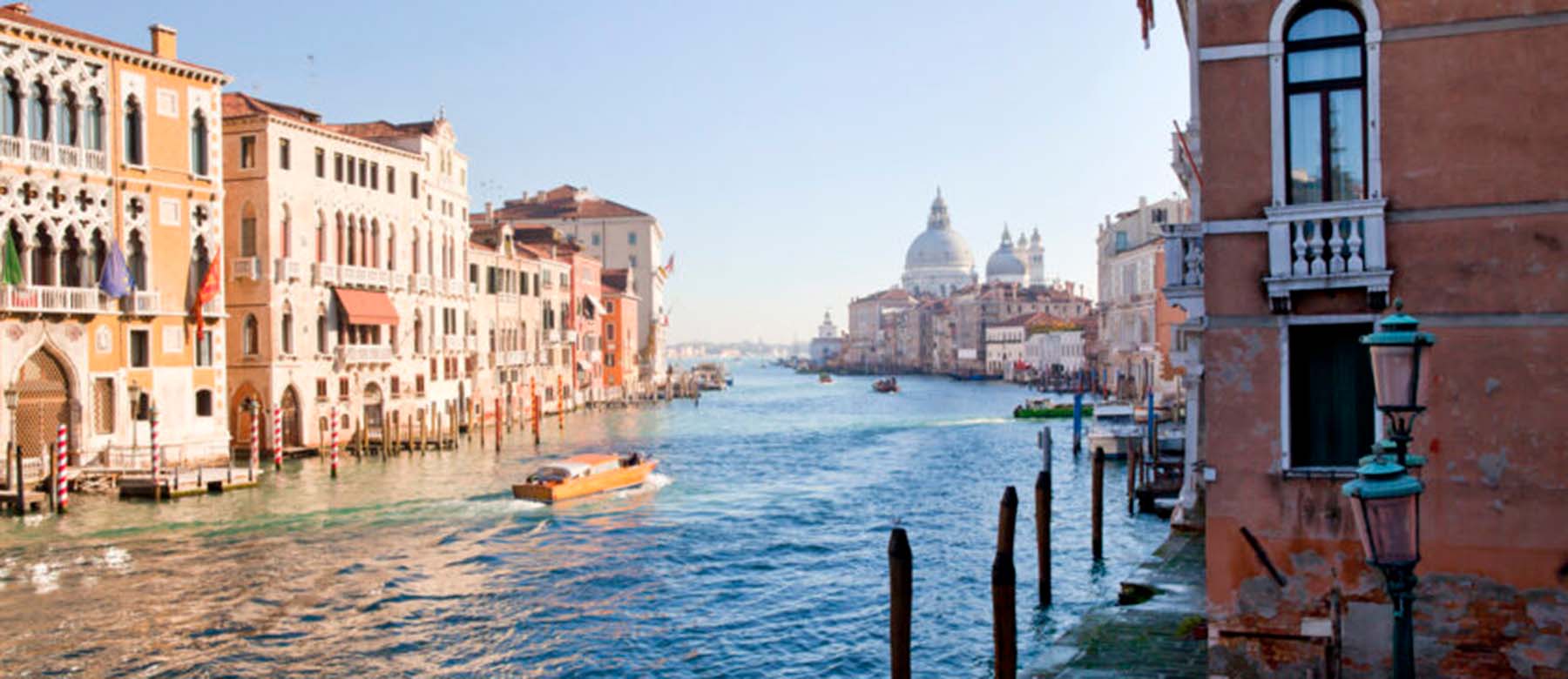
Visiting Italy over a few weeks, rather than a matter of days, gives you the time to immerse yourself in the lifestyle. Where a short city break may leave you deciding between a chilled-out pasta-making class and a day trip to Pompeii and Mount Vesuvius, a long stay gives you time to enjoy the best of everything. Go back to the Renaissance in the Emilia-Romagna region, full of striking architecture. Go coastal to Monopoli, the ‘heel of Italy’s boot, for breathtaking sea views. Sail along the canal in Venice and treat yourself to slurpy spaghetti dinners or pizzas sizzling with cheese. Hotels that offer long stays in Italy: Combo Venezia, Renaissance Tuscany Il Ciocco Resort & Spa, BAD – B&B And Design.
Greece
Source: Bidroom
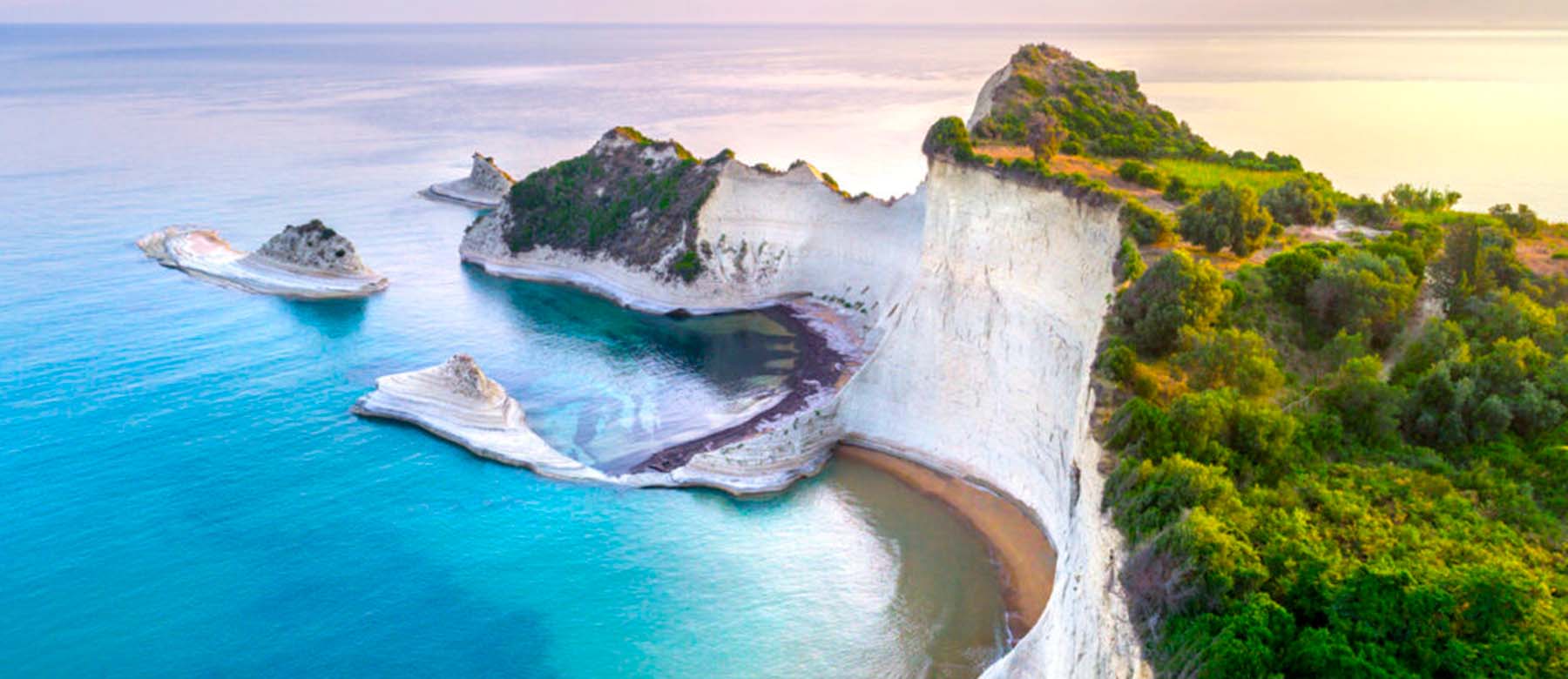
Is island life for you? As if waking up to the glittering Aegean Sea, honey drizzled over some greek yoghurt, and a fresh cup of coffee wasn’t enough, Greece has so much to offer. Hark back to the beginning of civilisation as we know it at the Acropolis, sail from the coast of Kallithéa to explore the island of Samos. Absorb the best of what the country has to offer; glorious ancient ruins, soft sandy beaches, and cuisine, from Moussaka to tzatziki and hot feta. Hotels that offer long stays in Greece: Grecotel Mykonos Blu Boutique Resort, Selina Athens Theatrou, Maistros Village Hotel.
Kenya
Source: Bidroom
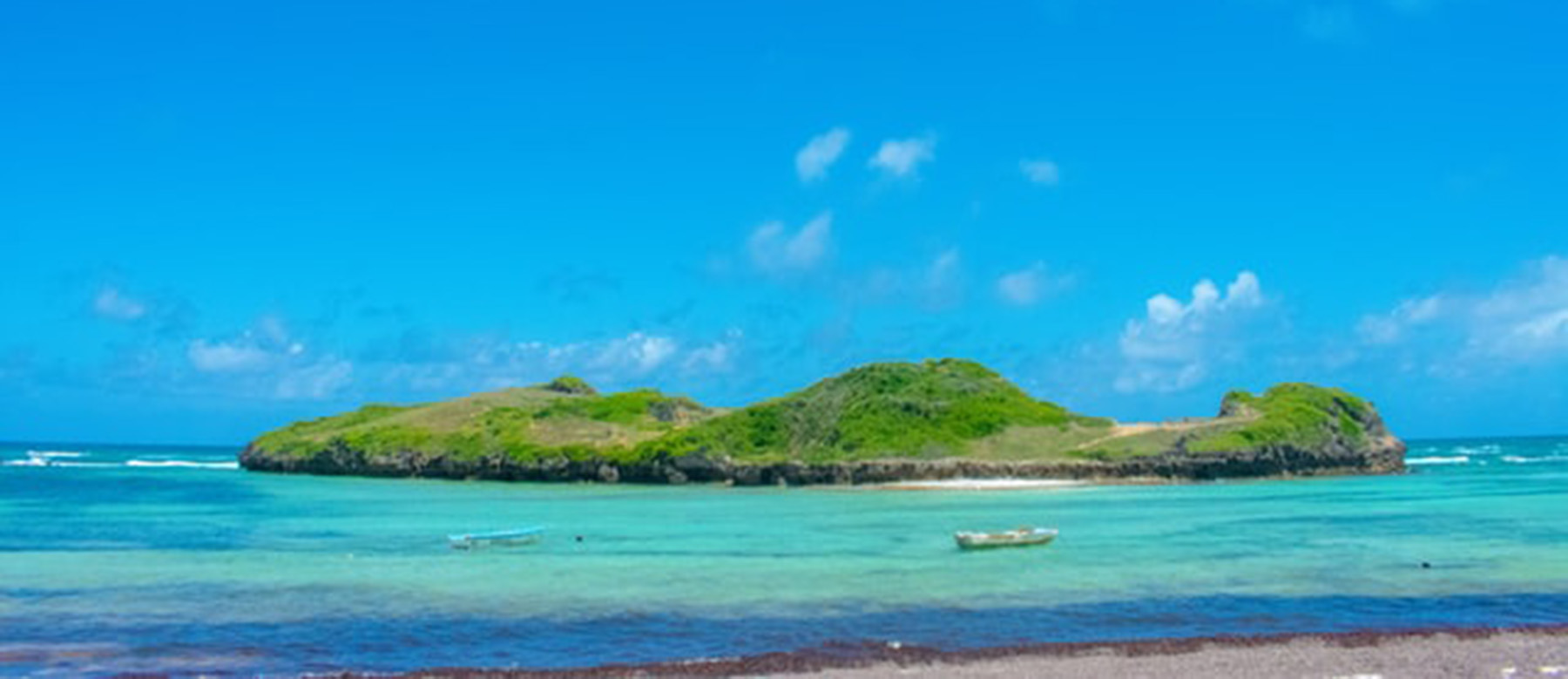
This East African haven is all about scenic beauty and sprawling wildlife reserves, with parades of elephants, rhinos and leopards. But Kenya is about much more than animals and vast national parks—there are also some wonderful hiking opportunities and crystal clear waters at Diani Beach, perfect for a refreshing post-work swim. Hotels that offer long stays in Kenya: Tribe Hotel Nairobi, Hemingway’s Nairobi, The Sands at Nomad.
South Africa

Source: Bidroom
South Africa is ideal for nature enthusiasts, explorers and animal lovers. It’s got a beachy coastline with sparkling blue and white beaches, waters filled with hippos, sharks, and whales, nature reserves prowling with regal wildlife, and peaks with views a hiker can only dream of, like the Cape of Good Hope or the Blyde River Canyon. Find that work-life balance in the hills of Drakensberg, where days are productive, quiet, and that little bit calmer—even from the “office”—and evenings are spent lounging on a balcony overlooking the green nature scapes. Hotels that offer long stays in South Africa: 21 Nettleton Boutique Hotel & Luxury Residence, The Twelve Apostles Hotel and Spa, Grande Roche Hotel.
Tanzania
Source: Bidroom
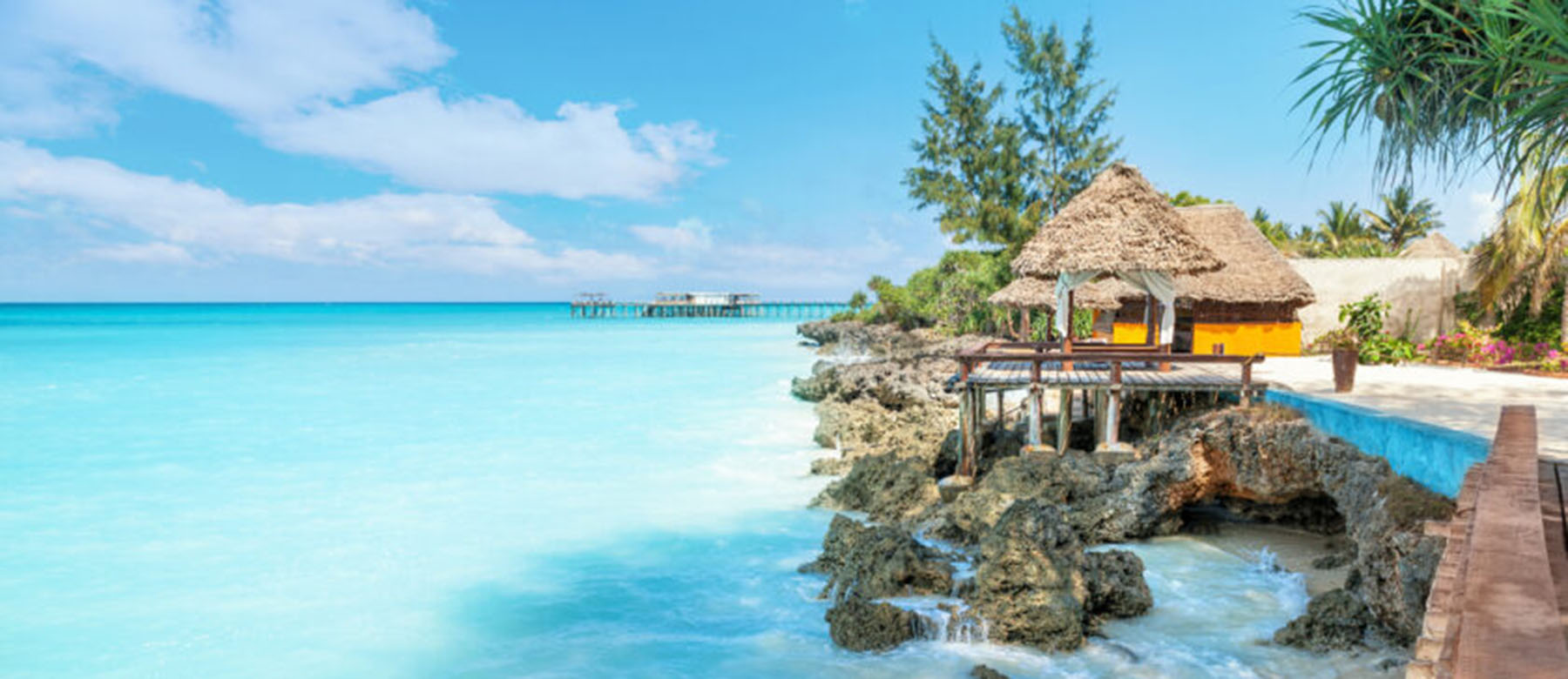
A little slice of paradise on the Indian Ocean, Tanzania is a nature domino—the beach flows into the safari and then flows into the mountains. With surreal scenery and animals roaming coastal plains, it looks like it could be Photoshopped. Experience luxury Kiwengwa-style, where the ocean is so pure you can see the sandy seabed as you swim. Hotels that offer long stays in Tanzania: The Residence Zanzibar, Hotel Verde Zanzibar – Azam Luxury Resort and Spa, Zanzibar White Sand Luxury Villas and Spa – Relais Chateaux.
Do you love to travel? With 11Onze Viatges you can book accommodation at the best price, without stifling the travel industry.

The growing gap between the world’s richest and poorest continues to widen at an alarming rate. According to a study by Oxfam International, the richest are expanding their fortunes at a rate of 2.5 billion euros a day, while the poorest half of the world’s population sees their wealth shrinking.
Oxfam’s report, “Survival of the richest“, released on the opening day of the World Economic Forum in Davos, details that the richest 1% have cornered almost two-thirds of the wealth generated in the last two years, almost twice as much as the remaining 99% of the population. This sharp increase in inequality is a cause for concern, as it exacerbates social problems such as poverty and economic instability.
Moreover, this concentration of wealth in the hands of a few individuals can stifle economic growth and lead to a lack of competition at a delicate time when the world is suffering from the accumulation of multiple crises. While millions of people face runaway inflation that has pushed up the prices of even basic commodities and made it difficult to cope with high energy costs, multi-billionaire fortunes are increasing their capital exponentially.
The study also highlights that the COVID-19 pandemic has exacerbated inequality, as the richest 1% have seen their wealth increase by more than 2.8 trillion euros since the pandemic began, while the poorest half of the population has seen its wealth fall by 11%.
The law is in place, the catch is in place
One of the main factors contributing to this trend is the popularity of tax havens and other mechanisms that allow the wealthy to evade taxes and keep their wealth hidden from the taxman. Oxfam International estimates that corporations and wealthy individuals hide at least 7 trillion euros in tax havens, money that could be used to fund public services and reduce poverty.
These practices allow the rich to accumulate wealth and avoid paying their fair share, further exacerbating inequality. To tackle this problem, Oxfam is urging governments to take a range of measures, including closing tax havens and introducing progressive tax systems that redistribute wealth.
In addition, the organisation says governments should invest in education and training programmes to provide people with opportunities to improve their skills and increase their earning potential. Finally, it calls on governments to ensure that economic recovery plans in the wake of the pandemic prioritise the reduction of inequality and the creation of a more equitable society.
11Onze is the community fintech of Catalonia. Open an account by downloading the super app El Canut for Android or iOS and join the revolution!
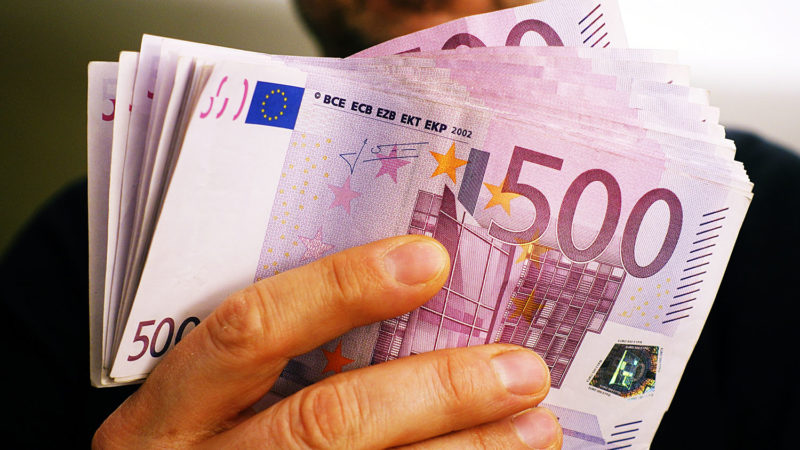
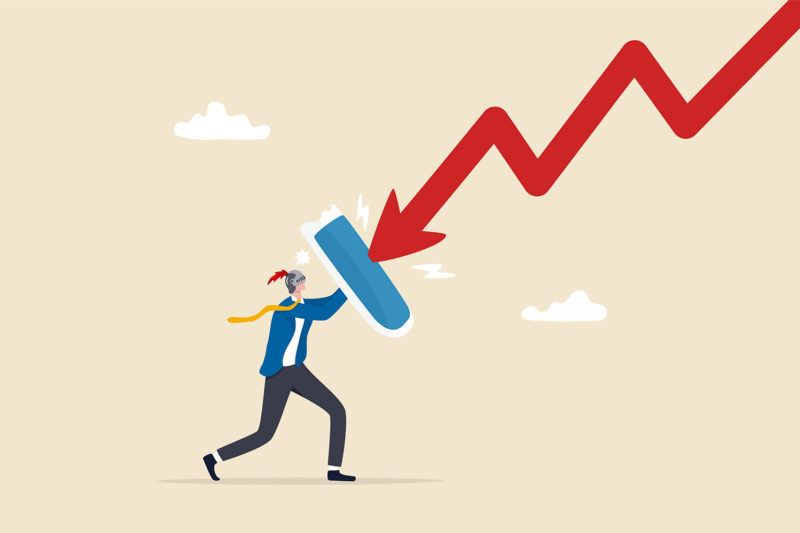
Rising interest rates have created a gap between the income of Europe’s central banks and the interest they now have to pay to private financial institutions for their deposits. As a result, most of them will record losses in the coming years and may see their independence compromised.
Sharp interest rate hikes by the European Central Bank (ECB) will cause the central banks of the eurozone countries to record losses in the coming years. The cause of the red numbers is none other than the gap between what they earn and what they pay out.
The public debt acquired by these banks in recent years earns them hardly any interest. This was not a problem until July last year because until then they did not have to pay interest on the deposits entrusted to them by private financial institutions. The 0% rate set by the ECB allowed them to do so. In recent months, however, the interest rate has risen to 2.5%, which has upset the balance sheet equilibrium.
Bad times for central banks
Already in September, the Dutch central bank (DNB) warned in a letter to the Dutch prime minister that it was suffering from the financial consequences of the ECB’s change in monetary policy. In it, the DNB had to cope with increases in the rates it pays on deposits entrusted to it by banks, while the income from purchased bonds was not increasing accordingly. And it extended this problem to “all central banks that implement [debt] purchase programmes, both in the euro area and outside it”.
A few weeks later it was the governor of the Bank of Spain (BdE), Pablo Hernández de Cos, who acknowledged that this body, “like the vast majority of central banks in the Eurosystem”, would record losses in 2023. In an appearance in December, he added that this situation will last several years.
This will not entail a cost for the State in the short term, as the BdE has provisions of more than 30 billion euros to cover financial risks. However, it will eliminate the contribution made by this institution to the public coffers in recent years. Its profit in 2021 was already reduced by 16% in 2021 to 1,785 million euros. Of this amount, 925 million was paid into the Treasury, as required by Royal Decree 2059/2008. It has yet to publish its 2022 accounts.
Losses also for the ECB?
Reuters pointed out a few weeks ago that the European Central Bank itself is also exposed to going into the red, as it has to pay a huge amount of interest to commercial banks, whose deposits with the ECB amount to around five trillion euros globally.
The European banking regulator is largely owned by the national central banks of the countries that have adopted the euro. Therefore, some analysts point out that these losses could even force some of these central banks to request a bailout.
However, it should be borne in mind that the ECB has significant resources at its disposal to avoid such a scenario. In addition to exhausting its provisions, it could draw on any income that national central banks earn in their monetary policy operations, such as bonds and loans, to improve their accounts. It also has the possibility of deferring losses by booking them on its balance sheet as a credit against future profits.
Central banks can continue to operate despite incurring losses that exhaust their capital. However, as the ECB itself points out, “the principle of financial independence implies that, ultimately, national central banks should always be sufficiently capitalised“. This is the only way to guarantee their independence from the governments of the day.
11Onze is the community fintech of Catalonia. Open an account by downloading the super app El Canut for Android or iOS and join the revolution!
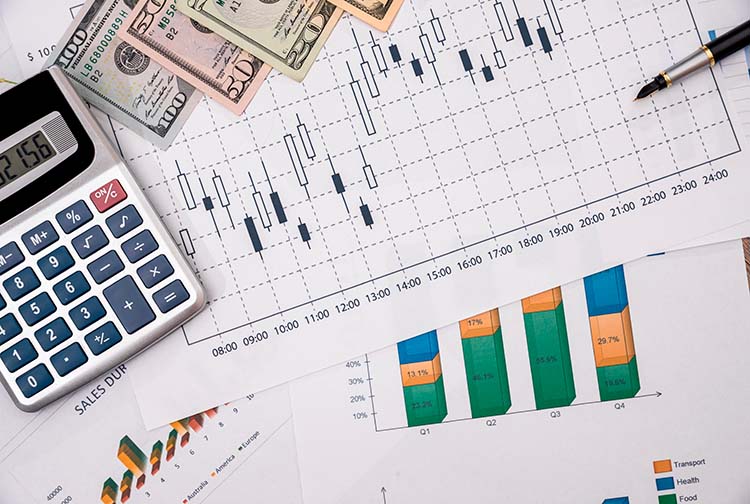
With the costs of flights, hotels and car rental expected to rise significantly in 2023, planning ahead for your business trip has never been more important if you want to ensure you don’t go over your budget.
According to a report by the Global Business Travel Forecast, business travellers will see airfares rise by 8.4%, hotel rates by 8.2%, and car rental charges by 6.8% in 2023. This is in addition to the 2022 increase in air fares of 48.5%, hotel rates of 18.5%, and car rental charges of 7.3%.
Despite the popularity of remote working and video calls, business travel is, in some cases, still necessary in order to increase sales, customer base or revenue. Therefore, pre-planning a trip, so we can reduce unnecessary expenses, becomes imperative. Here are a few tips to save on overall business travel costs and maximize the success and effectiveness of your business meetings:

Source: Bidroom
Advance Planning
You can often save money if you book business flights and hotels months or weeks in advance. Also, consider using travel apps or agencies that you can save on bookings at a package rate.
Set a budget
Set a budget limit for business trips. If the trip exceeds the set limit, have an internal discussion on whether the event or meeting can be done virtually, as business travel requires some level of accountability. Set a per diem for meals and lodging and educate employees on the changes.
Leverage membership loyalty
Working exclusively with certain vendors to plan your business travel can save you money. Encouraging employees to sign up for their loyalty programs will also help. These strategic partnerships can pay off with benefits like select discounts and preferred booking for trips.
Be flexible with dates and times
Leaving a day later or a day earlier could save money on flights as well as room rates. If you’re flexible with dates and can move things around, you can often get great deals you wouldn’t otherwise.
Consider Location
Compare locations when planning a company-wide outing, like a retreat or an off-site team building event. When attending events, book a hotel outside large cities and take public transport. Airport hotels or hotels in the city centre tend to be more costly.
Pre-set appointments & follow-up
Before attending events, reach out to event attendees or presenters that you want to meet. Gather information about the client’s wants and needs to maximize your time together. Set goals for each client meeting, whether it be the initial meeting, presenting benefits or closing a deal. A week before the meeting, reach out again to confirm the appointment.
Selecting a hotel for a business meeting
If your company is hosting an event or meeting, researching hotels is important to find the perfect meeting space. There are a lot of differences among meeting rooms in hotels — each location will have different features, amenities and support. For example, audiovisual equipment may or may not be included. Make sure to look at reviews to ensure service meets your standards and visit the place beforehand if possible. Don’t forget to ask if the hotel offers any special packages or perks, as many are happy to throw in discounts for large groups.

Source: Bidroom
Here are some business-friendly hotels that we recommend in the following cities:
London
Barcelona
Milan
Milano Verticale | UNA Esperienze
Prague
Strasbourg
Kyriad Strasbourg Nord Palais des Congrès
Bordeaux
Warsaw
Do you love to travel? With 11Onze Viatges you can book accommodation at the best price, without stifling the travel industry.
Les últimes dades proporcionades per l’Institut Nacional d’Estadística (INE) apunten que al juliol els preus van pujar un 10,8% interanual. Una taxa d’inflació que no es veia des de l’any 1984. Però, què passaria si els preus seguissin augmentant ràpidament i sense control? Joan Benedicto, agent 11Onze, ens explica què és la hiperinflació i en detalla alguns exemples històrics.
Abans d’entendre què és la hiperinflació hem de tenir clar què és la inflació, com explica Benedicto, “la inflació es defineix com l’augment generalitzat i sostingut dels preus dels béns i serveis d’un país en un període determinat de temps”. Tanmateix, quan es produeix “una pujada de preus descontrolada, excessivament elevada, i de com a mínim un 1.000%”, podem parlar d’hiperinflació.
La ràpida pujada de preus, juntament amb la pèrdua del valor real de la moneda, provoca una gran reducció del patrimoni monetari de la població. Com detalla l’agent d’11Onze, “si compro una barra de pa, i en el meu país hi ha una inflació del 1.000%, aquesta barra de pa, al cap d’un any, costarà 11 € en comptes d’1 €”.
A més, cal tenir en compte que en casos reals d’hiperinflació al llarg de la història, les pujades de preus han estat molt més desmesurades que en l’exemple anterior. Així mateix, les conseqüències socials i econòmiques d’aquestes hiperinflacions encara segueixen afectant de manera important a l’economia mundial.
Hiperinflació: Alguns exemples històrics.
Hiperinflacions al llarg de la història
El cas recent d’hiperinflació més paradigmàtic és, possiblement, el de Veneçuela, que l’any 2018 “va passar a tenir una inflació aproximada del 130.000%”, apunta Benedicto. Tot i que la seva economia ha mostrat una significativa recuperació, amb “una inflació per sota del 700% l’any 2021”, i la fi de l’espiral inflacionària el 2022, l’efecte d’aquesta llarga crisi es reflecteix en la realitat quotidiana dels veneçolans, que veuen com una part significativa de la població continua patint el risc de pobresa extrema i inseguretat alimentària.
Un altre cas és el del 1923 en la República de Weimar, l’actual Alemanya. Després de la Primera Guerra Mundial, el país estava greument tocat en l’àmbit econòmic i sense reserves d’or per poder fer front als pagaments del Tractat de Versalles. El marc es va devaluar i, com explica l’agent d’11Onze “cinc anys després de la guerra, van arribar a una inflació de 665 milions per cent”.
No podem concloure aquest breu recull d’hiperinflacions al llarg de la història sense parlar de la hiperinflació d’Hongria del 1946. Després de la devastació de la Segona Guerra Mundial, l’economia va quedar tan malmesa que els preus es duplicaven cada dia i, com puntualitza Joan Benedicto, “la hiperinflació va arribar a uns màxims de 41.900 bilions per cent, sens dubte, el pitjor cas d’hiperinflació que s’hagi conegut mai”.
11Onze és la fintech comunitària de Catalunya. Obre un compte descarregant la super app El Canut per Android o iOS. Uneix-te a la revolució!