Learn to cook, learn to repurpose
Throughout 2019, 931 million tons of food went to landfill. 11Onze wants to give you some tips to repurpose leftover food cooked at home, always taking into account that, wherever in the world it is cooked, the important thing is to learn to cook repurposing each of the ingredients.
We are all aware of the amount of food that will end up in the rubbish, whether at the same point of sale of the products, in restaurants, or at home. According to the food waste report made this year by the United Nations Environment Program (UNEP) together with WRAP, it is estimated that, during 2019, 931 million tons of food was wasted worldwide. The report also states that 11% of waste comes from households, and that, on a global scale, 74 kg of food is thrown away by each household throughout the year. With this amount of food ending up in the rubbish of every household in the world, 11Onze wants to give you some tips on how to repurpose leftover food at home.
Every year, more than 70 kg of food is thrown away in every home in the world
There are thousands of recipes with all kinds of ingredients, thanks to which, with a little imagination, we can repurpose the leftovers of each cooked dish with a few advices that adapt to all kinds of cuisines, because each country has its own cuisine, but we have to know how to repurpose the leftovers of each recipe.
If the dish we cook consists of meat or fish, any recipe will be useful for making good pies, croquettes, or even stuffed aubergines or peppers. If we cook potatoes and we have leftovers, we can use them to make an omelette, an Olivier salad or, for example, a stew. It’s also convenient, when we cook rice, if we make more than needed, to leave it aside without the sauce or the ingredients we want to put in it, so that we can use it for other recipes.
To preserve bread better, as our grandmothers used to do, it is good to keep it covered with a damp cloth: this way, it will not dry so soon. However, if it dries, it can be used to make soups or toasts, or for salads.
It will also be very useful, if we have eggs about to expire, to boil them and use them for soups or salads, or mix them with meat or fish recipes.
And most importantly, let’s not forget to repurpose the fruit that is about to spoil: we can use it to make fruit salads, smoothies, jams, or cakes. In conclusion: the important thing is to reduce the amount of food we end up throwing in the rubbish.
Law against food waste
The volume of food waste in the world is so big and so worrying that governments have had to push for laws to stop it. And, in this sense, the 3/2020 Law of March 11 on prevention of food loss and waste was approved in 2020 in Catalonia. Apart from that, there are different mobile applications where supermarkets and restaurants sell leftover food of the day at very low prices, such as the Too Good To Go app.
There is a lot of work to be done so that food does not end up in the rubbish of every town and city on the planet. 11Onze wants to do its little bit with these tips, wishing that in the very near future, we all act with greater awareness and responsibility against food waste.
11Onze is the community fintech of Catalonia. Open an account by downloading the super app El Canut for Android or iOS and join the revolution!
If you liked this article, we recommend you read:

Has sentit mai l’expressió “Va més guarnit que un arbre de Nadal”? Quan arriben les festes nadalenques, sembla que tot canvia d’aspecte. Els carrers, les botigues, els monuments, les places i les cases s’omplen de decoracions diverses. Però ens hem parat a pensar si tot aquest ritual pot ser una mica més sostenible?
Arbres, cintes, boles, mitjons, llums, figuretes, garlandes, canelobres… Cada any, a principis de desembre, llums i colors s’escampen arreu de la geografia dels països que celebren Nadal. L’encesa dels llums en espais públics s’ha convertit en un ritual social, però també és un ritual per moltes llars dedicar un temps a decorar espais amb elements nadalencs.
Encara que el plàstic continua liderant el material amb el qual estan fetes les decoracions nadalenques, els darrers anys el model de societat d’un sol ús sembla que es comença a posar en dubte. És amb aquesta exigència que els elements naturals cada vegada són més presents a les fires i són una bona alternativa.
Els elements naturals, a més, un cop acabades les festes, són 100% compostables i es descomponen en un espai curt de temps. D’altra banda, si a les moltíssimes fires que hi ha al país no trobes el que busques, sempre hi ha l’opció de fer-los tu mateix, amb el que tens per casa i t’ofereix la natura. Amb una mica d’imaginació s’aconsegueixen fer ornaments únics!
Arbre, garlandes i boles, ‘Do it yourself’
Si bé és cert que tenir un arbre de Nadal artificial, que es pot guardar i tornar a col·locar l’any següent, algú ho pot considerar una pràctica sostenible, perquè el reutilitzes, també és cert que acostuma a ser de plàstic, i, per tant, tardarà uns 400 anys a descompondre’s. D’altra banda, solen ser fabricats a l’altra punta del món i el seu transport ja suposa una petjada de carboni important.
Atenent tots aquests punts, els arbres de Nadal naturals són una de les opcions a tenir en compte. La seva venda està regulada, són de proximitat i els ajuntaments acostumen a fer una recollida passades les festes. La majoria els reciclen, convertint-los en algunes ocasions en compostatge. Una altra alternativa és fer ús de la imaginació i fer un arbre de Nadal amb materials naturals com ara fustes, cordes, palets, cintes, etc.
El mateix passa amb les garlandes i les boles de decoració dels arbres. Acostumen a fer-se amb material plastificat. Tenim alternatives més naturals, com les boles i garlandes fetes amb roba, llana, fruita natural (amb pells de taronja i llimona assecades, que a més aromatitzen l’ambient). A internet trobareu molts tutorials de com fer-ne.
Corones i centres de taula
Les corones de Nadal que es pengen a la porta també poden ser fetes per un mateix. Amb filferro, ferments, cartó, podem fer la circumferència que després podem cobrir amb pinyes, peles de cítrics seques, glans, nous, branquillons d’avet, boles i cors de feltre, de roba, de paper, etc. Podem pintar o no els diferents elements amb colors daurats, coure, vermell i platejat; i posar-hi cintes de colors, com ara blaves, vermelles, daurades i platejades.
Nadal és temps de trobada. Els àpats són un dels moments més rellevants de les festes. Els dinars de Nadal i Sant Esteve, el sopar de Cap d’Any i el dia de Reis són ocasions que requereixen una atenció especial en el parament de la taula.
En ocasions especials, una vegada més, tenir cura dels detalls és important i fer servir vaixella i coberteria d’un sol ús ens pot alleugerir la feina, però també ens suposa fer un munt de deixalles i que l’ocasió perdi glamur: el menjar no té el mateix gust si se serveix amb plat de paper que amb vaixella de porcellana; i tampoc tastarem igual el vi, ni l’aigua.
Així que, si podem, sempre és millor fer servir coberts de metall, vaixella de ceràmica o porcellana i copes i gots de vidre o cristall. Una bona vaixella, també es mereix unes bones tovalles i tovallons i, si són de cotó o lli, millor que de paper o plastificades. I, per donar a la taula un toc personal, es pot decorar el centre fent un camí amb branquetes d’avet natural i espelmes que no siguin perfumades, pinyes, fruits secs, etc. Res de centres alts, que ens privarien de veure el convidat del davant!
Embolcalls de regals: la ‘furoshiki’
Cadascú de nosaltres, segons dades de l’Idescat, generem 1,44 quilos de deixalles diàries. Per Nadal, els residus generats per la ciutadania augmenten un 3%, segons dades de l’Agència de Residus de Catalunya. Les restes de menjar, de vidre i de paper i cartó són les que augmenten més. Per això, és important calcular bé les quantitats de menjar i pensar bé els regals que es fan. Si els regals són útils o intangibles (entrades a espectacles, concerts, massatges, subscripcions, etc.), el volum de deixalles es redueix.
Els embolcalls dels regals també representen una generació extra de residus. Per això, és crucial ser, també, creatius a l’hora d’embolicar els regals. Hi ha moltes maneres de fer-ho, des de fer ús de paper de revistes i diaris, fins a reutilitzar paper d’altres regals. I, una manera innovadora és fent servir un mètode japonès, conegut com a ‘furoshiki’.
La ‘furoshiki’ és una tela quadrangular tradicional del Japó, que es fa servir per embolicar i transportar objectes, des de roba, ampolles i regals. Vindria a ser com un mocador de fer farcells. El regal és embolcallat amb aquest mocador i el que el rep el pot reutilitzar per embolicar un altre regal. Fins i tot, pot ser que torni a les teves mans embolcallant un regal!
Una altra manera de reduir residus és regalar algun objecte que no fem servir. Per fer l’amic invisible és una bona idea: el que tu no fas servir o no t’agrada li pot agradar a una altra persona. Aconseguir que Nadal, una de les èpoques més consumistes i generadores de residus de l’any, sigui sostenible està, també, a les nostres mans.
11Onze és la fintech comunitària de Catalunya. Obre un compte descarregant la super app El Canut per Android o iOS. Uneix-te a la revolució!



According to Greenpeace, climate change is the evil of our time and its consequences could be devastating if we do not drastically reduce our dependence on fossil fuels and greenhouse gas emissions. That is why carbon markets are born.
The effects of climate change are already all too perceptible. The global average temperature has risen by 1.1 degrees Celsius since pre-industrial times. According to the World Meteorological Organization (WMO), the period between 2015 and 2019 was the warmest five-year period on record. And sea levels have risen by five millimetres per year between 2014 and 2019. To address this, so-called carbon markets have been created to limit and control greenhouse gas emissions into the atmosphere in the form of carbon dioxide.
The aim of carbon markets is to enable us to reduce emissions at the lowest cost. Those who can take environmental action, at not very high cost, develop them. But they do so in exchange for those who find it more difficult to buy so-called carbon credits, and help finance these sustainable projects. Through this exchange, a more efficient emissions system is achieved.
Carbon markets are thus based on the sale or purchase of so-called carbon credits or greenhouse gas emission reduction certificates. These are documents that entitle the owner to emit a certain amount of carbon dioxide and greenhouse gases.
In other words, if you have a certain number of credits, you are entitled to emit a certain amount of greenhouse gases annually. In general, each of these credits is equivalent to one tonne of carbon dioxide, although, depending on the type of greenhouse gas, a different amount may be stipulated.

11Onze Agent Coral Santacruz tells us what is Carbon Footprint.
Mandatory for rich countries
The carbon market operates in a similar way to other markets where there is a buyer and a seller. On the one hand, the buyer is required to guarantee that it will pay for a certain amount of carbon credits. On the other hand, the seller must guarantee that it will undertake sufficient environmental actions, such as reforestation or sustainable forest management, to underwrite the amount of carbon credits purchased by the buyer.
There are broadly two main types of carbon markets. One is the compliance market, of which the members are rich countries. These countries have a limit on the amount of carbon dioxide emissions they can emit into the atmosphere, thanks to international commitments under the Kyoto Protocol’s framework agreement on climate change.
When these countries exceed this limit, they have to buy carbon credits from the countries that do take action in favour of sustainability and in an accredited manner, to prove that they are reducing the emissions that the first group of countries have not yet stopped emitting.
A commitment signed with carbon credits
The second type of carbon markets are voluntary markets. These markets involve developing countries, but also federations, social organisations, companies or consultants, and their agreements have to be commercial or civil. The actors in this market are committed to the fight against climate change, to the protection of our planet’s forests, and want to take a leading role in the business sector.
In the end, companies and organisations buy carbon credits because they want their contribution to the environment to be recognised. They also seek to communicate to their stakeholders the actions they are taking to offset their annual greenhouse gas emissions. It is also the responsibility of users and customers to choose environmentally responsible companies. There is still time to stop climate change.
11Onze is becoming a phenomenon as the first Fintech community in Catalonia. Now, it releases the first version of El Canut, the super app of 11Onze, for Android and Apple. El Canut, the first universal account can be opened in Catalan territory.
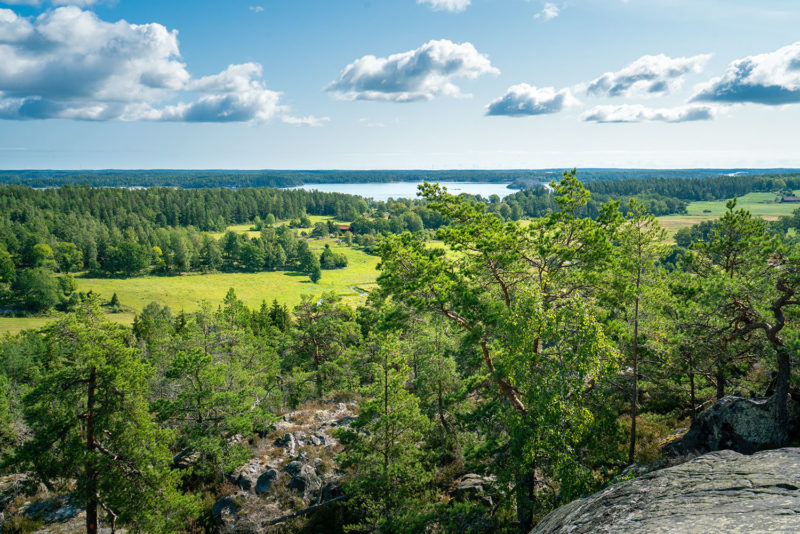
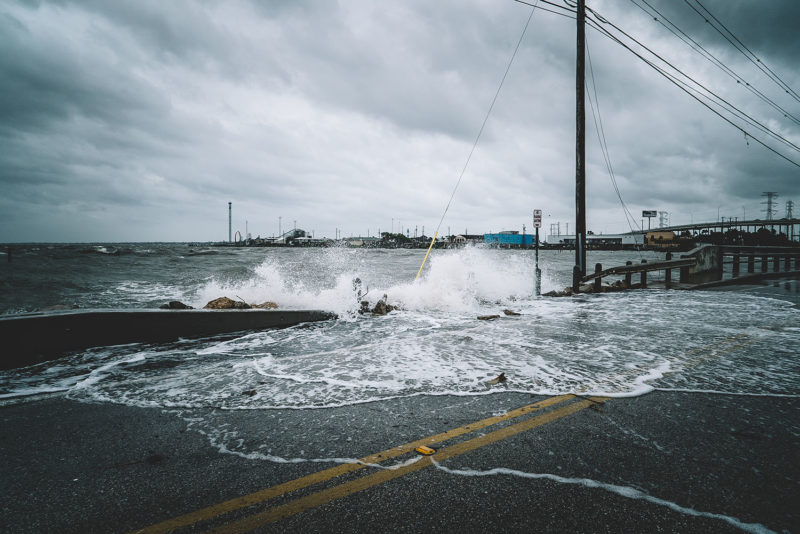
El turisme sostenible o ecoturisme és el sector turístic amb més creixement mundial i es basa en la preservació d’espais naturals i el desenvolupament sostenible de les comunitats. Els avantatges són múltiples, però estem disposats a pagar més per contribuir-hi?
“Catalunya és un referent en ecoturisme”, les paraules d’Héctor Ceballos-Lascurain, pare de l’ecoturisme, descriuen l’escenari complex, però optimista, que viu aquest sector a Catalunya. Si es du a terme correctament, els beneficis que pot comportar són múltiples i transversals, començant per trencar amb l’estacionalitat i la descentralització turística.
Apostar per la sostenibilitat en cada acció
El primer que cal tenir clar és que qualsevol decisió és susceptible de ser sostenible, des d’escollir un restaurant de quilòmetre zero, prioritzar una cervesa local, anar a comprar al mercat del poble d’estiueig en comptes de grans multinacionals, comprar roba de bany en empreses locals o fins i tot escollir les colònies dels fills, amb propostes com les Ecocolònies de la Fundació Pere Tarrés.
Si desgranem les activitats que duem a terme en períodes vacacionals, trobem que totes tenen una alternativa sostenible. Dur-ho a terme, encara que sigui amb petites accions, pot tenir un gran impacte.
Estem disposats a pagar més per propostes sostenibles?
Gerard Bofill, propietari de Can Buch ECOTurisme, ho té clar: “Seguríssim. Evidentment de forma proporcionada, però la gent té ganes d’experiències autèntiques i naturals”. Les xifres avalen les seves paraules, i ja l’any 2017, l’any internacional del turisme, un estudi de FITUR apuntava que el 83% dels turistes estaven disposats a pagar més per un hotel sostenible, especialment el públic més jove.
Una tendència que s’emmarca en un canvi de consum generalitzat. A Espanya, la despesa anual per càpita en productes ecològics és de 46,6 €, un 10% més que l’any anterior. La tendència és clara, però segueix lluny de països com Dinamarca o Suïssa, on aquesta xifra ascendeix als 312 €.
En l’àmbit mundial, la puixança d’aquesta mena de turisme ha provocat la creació de la Global Ecotourism Network, amb l’objectiu d’impulsar un turisme sostenible que uneixi comunitats. En els anys vinents l’ecoturisme passarà de moure 181 bilions de dòlars el 2019 a gairebé 334 bilions el 2027, segons una previsió de Allied Market Research.
La pandèmia impulsa l’ecoturisme a Catalunya
En els darrers mesos, l’ecoturisme ha augmentat a Catalunya a causa de la pandèmia i les restriccions de mobilitat. En el moment en què van poder obrir, molts allotjaments com Can Buch van notar “molta més demanda i inquietud per viatjar dins del nostre territori, per tornar a entorns rurals”.
I si augmenta la inquietud per conèixer el nostre entorn, creix també l’interès a preservar-lo. Com ha passat al Parc Natural del Delta de l’Ebre, un espai protegit des de 1983 i on s’ha aconseguit crear propostes turístiques de tota mena amb un objectiu comú: preservar el territori i la seva biodiversitat i apostar per la sensibilització ambiental.
Les propostes a Catalunya són múltiples, i un altre exemple són les vies verdes, els itineraris per ciclistes i senderistes que recorren antigues vies de tren. Un exemple que sostenibilitat i economia no estan renyits.
La petjada positiva de l’ecoturisme
L’impacte del turisme en les economies és tan fort que s’inclou en els objectius de desenvolupament sostenible de l’ONU, recollits a l’Agenda 2030. Desenvolupament empresarial, sistema energètic sostenible, donar valor a activitats com l’agricultura o afavorir la diversitat entre territoris. Si es desenvolupa de forma conscient, pot contribuir en el desenvolupament sostenible de molts sectors.
Per Bofill, apostar per aquestes experiències pot servir per “generar corrents ideològics que facin que a poc a poc la gent prengui consciència que les coses es poden fer sempre amb una visió diferent”. Noves formes de turisme comportaran, sens dubte, nous resultats.
Apostar per l’ecoturisme, per tant, pot suposar en alguns casos pagar més per allotjaments, per aliments o per roba, però és una despesa que es reverteix en la societat d’alguna manera o altra. I tu, estàs disposat a pagar per contribuir-hi?
11Onze és la comunitat fintech de Catalunya. Obre un compte descarregant la super app El Canut per Android o iOS. Uneix-te a la revolució!
Is it possible for a car not only not to pollute, but also to purify the environment? Electric vehicles dominate the transition to sustainable transport, but what about hydrogen cars? Let’s take a look at the advantages of this “green fuel”.
Leading global brands such as Toyota and Hyundai are making a strong commitment to hydrogen cars. At the moment they are still too expensive, but they promise to revolutionise global mobility. These vehicles are powered by hydrogen (the most abundant element on Earth), which is extracted from seawater through a process of electrolysis. To drive, the vehicle is powered by hydrogen and air, but the air must be pure, which is why the engine is equipped with a stringent particle filtering system. This is how the engine retains the polluting particles so that what comes out of the exhaust pipe is water vapour, with purer oxygen than it went in. Is this technology a dream, or is it the future?
Hydrogen car technology is innovative in many ways and is an engineering challenge. We generally differentiate between two types of hydrogen engines: combustion and conversion. So, while combustion engines burn hydrogen in the engine similarly to petrol engines, with the only difference being that what is expelled from the exhaust pipe is water vapour instead of polluting smoke, conversion engines convert this hydrogen into electricity, thanks to a fuel cell, to drive the car’s electric motor.
A fuel cell is therefore a device based on electrochemistry, i.e. it generates electrical energy from chemical energy. It always does so with the support of a fuel and an oxidant. In this case, one pole of the battery (the anode) contains hydrogen and the other (the cathode) contains oxygen. The advantage of this type of battery is that it does not need to be recharged and operates continuously, so users have a constant flow and consumption of reagents, which differentiates it from conventional batteries.
Electric cars vs. hydrogen cars
Precisely this autonomy in recharging is the advantage that could make the hydrogen car end up leading the ecological transition, even overtaking the electric car. In fact, according to the Department of Advanced Materials for Energy at the Catalonia Institute for Energy Research (IREC), the electric car is considered a clean means of transport because it does not consume fossil fuels. However, the drawback of electric cars, according to IREC, is that the battery needs to be recharged with electricity from the grid, and many of us know first-hand what this means in terms of expense, besides the time it takes. Despite being considered a non-polluting method of transport, for it to be truly green, the type of electricity production it requires must also be green. This is a disadvantage that, for the time being, is also present in the hydrogen engine fuel cell, since obtaining hydrogen through the electrolysis of water, still requires a lot of energy.
In contrast, fuel cell-based cars, such as hydrogen cars, combine the range of conventional (petrol) cars with the recreational and environmental benefits of electric cars. Therefore, the most obvious advantage is the absence of harmful emissions and toxic gases. Filling the hydrogen tank takes no more than five minutes, unlike the time-consuming refuelling of electric cars, which can take hours. And in terms of range, hydrogen is also in front, with a range of up to 500 kilometres.
Charging points, the big problem
In 1839, the Welsh physicist William Grove invented the fuel cell, without much fuss. It was not until the 1960s that this technology became popular because it powered NASA’s Gemini space probe, which ran exclusively on fuel cells. In wheeled vehicles, it came later, in 2008, from the automobile manufacturer Honda.
Today, the range has increased slightly, and the AutoBild portal lists the Toyota-Mirai and the Hyundai-Nexo as the best hydrogen cars, with the Hyperion XP-1 sports car and the BMW-Hydrogen Next SUV expected to be launched later this year.
In 2019, 7,500 hydrogen vehicles were sold globally, while electric vehicles accounted for 2.1 million sales. Urban transport and goods vehicles are switching to electric vehicles, and the number of refuelling points is also growing. In the case of hydrogen, there are only three points in Spain. It is a complicated moment, with few recharging points and low customer demand, which places the sector at a difficult point of progress and continues to put the focus on energy companies. In countries such as Germany, hydrogen manufacturers and producers have already joined forces to draw up a plan that will end with 130 refuelling points and 60,000 hydrogen cars on the road by 2022.
Thus, despite the current commitment of many governments and brands to hybrid vehicles, environmental requirements leave the door open to hydrogen vehicles, which are awaiting the union of manufacturers, energy companies and administrations to experience their moment of expansion.
Do you want to be the first to receive the latest news about 11Onze? Click here to subscribe to our Telegram channel


The European Union’s plan to ban the sale of new petrol and diesel cars by 2035 is facing resistance on several fronts. Member states, car manufacturers, consumers and industry experts question the feasibility and impact of such a move.
The European Union was scheduled to formally approve the landmark agreement on Tuesday, 7 March. After ratification of the legislation by the European Parliament, it was pending approval by all EU member states, but contrary to forecasts, the initial unanimity is now far from assured. For new legislation to become effective, at least 15 of the 27 countries – representing at least 65% of the EU’s population – have to vote in favour of the legislation.
Germany is the latest country to show its opposition to measures to ban the sale of fossil fuel cars from 1 January 2035. Berlin is calling for technology neutrality so that industry can find zero-emission solutions that are not limited to electrification, for example, insisting that Brussels ensure that synthetic fuels can continue to be used after 2035.
The Teutonic country’s vote is key, but Bulgaria, Slovakia, Hungary, Italy, Poland, Portugal and Romania had also called for a renegotiation of the agreement. Italy disagreed and proposed reducing CO₂ emissions by 90% in 2035, instead of 100%, to give manufacturers more time to adapt to the electric transition. It was also critical of phasing out combustion engines altogether, as it would jeopardise the viability of iconic brands such as Ferrari and Lamborghini.
The Italian parliamentary group in the European Parliament managed to agree on a derogation until the end of 2035 for manufacturers with small annual production volumes – up to 10,000 cars or 22,000 vans – and a total derogation for those with less than 1,000 vehicles registered per year. Even so, these figures would not be sufficient to meet the sales volumes of the brands mentioned above and others, such as Porsche, where their combustion engine is an intrinsic part of the DNA that makes them desirable to consumers.
Electrification cannot and need not be the only solution
Germany’s finance minister, Christian Lindner, was blunt in stating that a total phase-out of the combustion engine in Europe was “a mistake and that the German government would not agree to a ban”, adding that “there will continue to be niches for combustion engines”. Perhaps here, in diversity, lies the key to the solution.
While electrification is a laudable goal, given the massive increase in electric car sales and the expected production volumes, other factors have to be considered and remain unresolved. According to a study by Volvo, the production of an electric car generates 70% more emissions than its internal combustion engine equivalent. Taking into account the sources of current global energy production, an electric car would need to travel more than 100,000 kilometres to achieve parity with a petrol-powered car.
From the manufacture of batteries to their recycling, from the techniques used to extract the rare metals that are used – highly harmful to the environment – to the infrastructure of recharging points, which is insufficient and impractical for the majority of the population who do not live in a house with a garage. If you want clean energy, you have to ask yourself how this energy is produced and whether it is affordable for the consumer.
In addition, the high prices of electric vehicles are compounded by taxation, which in some countries has already put the price of charging an electric vehicle on a par with the price of filling up with petrol or diesel, thus hindering the long-term amortisation of the high purchase price of electric vehicles compared to internal combustion vehicles. A set of challenges to which solutions can be found, provided that we do not assume that electrification is the only option, to the detriment of innovation in other sectors that can ensure that the energy transition, undoubtedly necessary, is inclusive and accessible rather than exclusive and unaffordable.
11Onze is the community fintech of Catalonia. Open an account by downloading the super app El Canut for Android or iOS and join the revolution!
French NGOs are suing BNP Paribas bank for failing to meet its commitments to fight the climate emergency and to demand that it stops investing in fossil fuels. It is the first legal action of its kind against a commercial bank.
Les Amis de la Terre, Notre Affaire à Tous and Oxfam France have filed a lawsuit against BNP Paribas in a Paris court to demand that it honours its climate change commitments and stops investing in fossil fuels. It is the first legal action of its kind against a European commercial bank.
The lawsuit is based on 2017 French legislation, which requires large companies based in France, or international corporations with a significant presence in the country, to establish clear measures to prevent human rights violations and environmental damage.
Activists accuse BNP Paribas of financing fossil fuels and supporting companies that aggressively develop new oil and gas fields and infrastructure, while urging the financial institution to adopt an exit plan from its current portfolio based on hydrocarbon loans and investments.
In a statement released in January, the bank insisted on its commitment to economic sustainability and support for the goal of achieving climate neutrality by 2050. It stresses that, to date, more than half of its financing for energy production is oriented towards low-carbon energies.
Spanish banks are not doing their homework
The International Institute for Law and Environment (IIDMA) has repeatedly warned that major Spanish banks are not fulfilling their obligation to report on the environmental impact of their financial activities, as required by the law on the Commercial Code since 2018.
In the latest report published by the Institute in November 2022, it analyses the degree of compliance of Bankinter, Banco Sabadell, Banco Santander and CaixaBank. Although the IIDMA recognises that progress has been made in terms of transparency, it also warns that the main Spanish banks continue to omit relevant information on the environmental impact of their financial operations.
Specifically, it notes that Spanish banks do not disclose data on greenhouse gas emissions attributable to their financial products, as well as their exposure to climate change-related risks. While banks reaffirm their commitment to decarbonising their customer portfolios, the study points to shortcomings in identifying and reducing their exposure to the most carbon-intensive sectors.
11Onze is the community fintech of Catalonia. Open an account by downloading the super app El Canut for Android or iOS and join the revolution!
If you liked this article, we recommend you read:

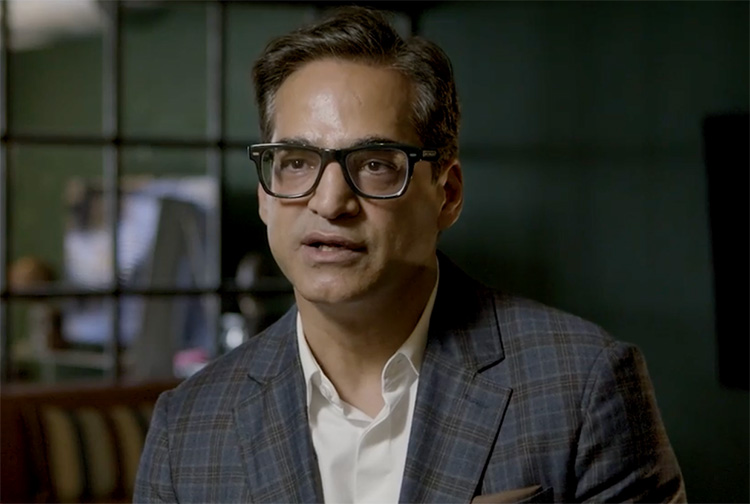
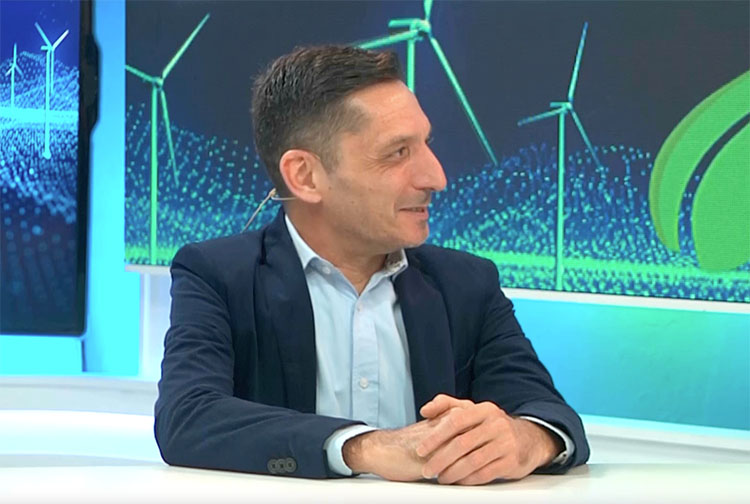
Business and political leaders attending the annual meeting of the World Economic Forum are used to making grandiose statements about their commitment to the fight against climate change. Xavi Viñolas, editor of 11Onze, visits the Energia programme to analyse whether there is substance behind the official rhetoric.
One of the main criticisms of the WEF is that it is a meeting of the global elite, more interested in networking and promoting their own interests than in taking concrete action to address the world’s problems. This is especially true of the fight against climate change.
This year’s summit confirms this trend with many words but only some concrete actions. As Viñolas explains, “on the one hand, they are slapping ExxonMobil on the wrist for hiding reports that confirm the link between hydrocarbons and climate change, while on the other, they are doing everything they can to increase the profits of companies involved in the exploitation of fossil fuels”.
Davos and climate change
The “green war” has little green in it
What some are already calling the “green war” between the United States and the European Union as a result of the subsidies to encourage the purchase of electric cars announced by the American giant has little to do with the fight against climate change or promoting energy transition. “In reality, there is a commercial, economic and geopolitical background to the US trade war against China,” says the 11Onze editor.
This is a perfect example of protectionism through subsidies to prevent China from taking a big slice of the electric car production pie, which is why these subsidies are linked to these zero-emission vehicles being made in the United States. The European Union’s response has been swift, announcing the creation of a sovereign wealth fund to counteract the effect of the American subsidy law.
The leaders of the Davos forum tell us that this is a race to see who can do the most to promote the energy transition, but the truth is that this race is more about protecting their economic interests than advancing the chimaera of which they boast about.
If you want to discover how to drink the best water, save money and help the planet, go to 11Onze Essentials.
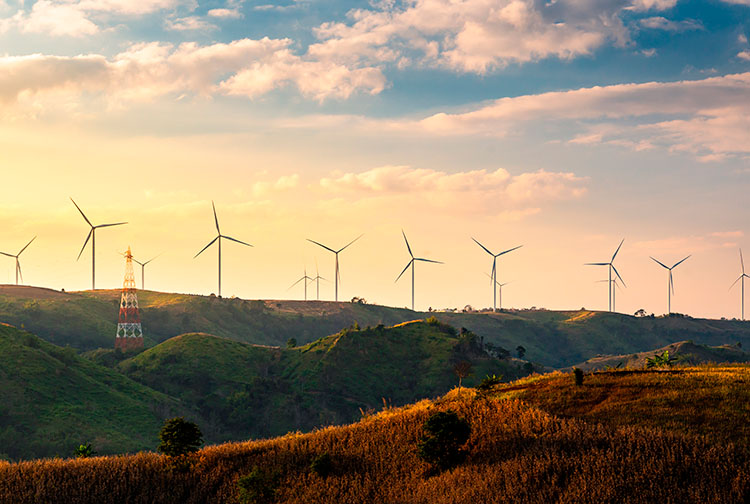

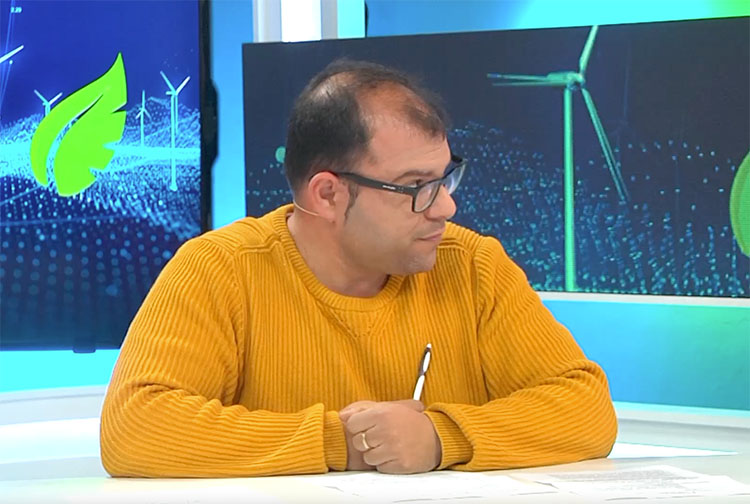
The energy transition to renewable energy sources will be key to avoiding the worst effects of climate change. However, there are certain players in the economic world who have a vested interest in slowing down this transition. Toni Mata, Content and Media Director of 11Onze analyses this in a new edition of Energia.
It is no secret that the fossil fuel industry has much to gain from maintaining the status quo of our dependence on hydrocarbons. The industry’s lobbying against renewable energy policies and its disinformation campaigns are well known.
It has recently come to light that one of the world’s largest oil companies, ExxonMobil, has known since the late 1970s that burning fossil fuels would cause climate change. As Mata points out, “those reports were hidden in order to continue making money, while in public they said that climate change was an invention”.
The energy challenge
Energy companies and banking
Some energy companies have been criticised for not investing enough in renewable energy and for opposing policies that would encourage the transition. Bearing in mind that the big banks are shareholders in 174 energy companies and that the energy crisis has pushed up the price of energy and, therefore, the profits of these companies, it is not surprising that they want to maintain their business model.
On the other hand, it is also true that there are banks and oil corporations that are investing in some of the large renewable energy projects, but as the content director explains, “it is probably more in the interest of continuing to control energy production and money than anything else”.
11Onze is the community fintech of Catalonia. Open an account by downloading the super app El Canut for Android or iOS and join the revolution!

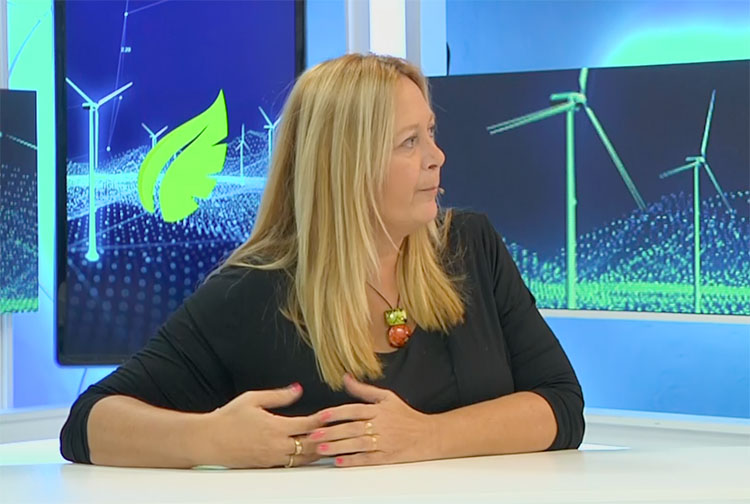
Emporarom, Aromes de l’Empordà, is a business that produces aromatic and medicinal plants, grown on different plots of land located in Empordà. In a new People podcast, Pere Coll, one of the founding partners, tells us about the project and the different products they make from these plants.
From the union of the words Empordà and Aromáticas comes the name Emporarom, producers of aromatic, culinary and medicinal plants from Empordà who have joined forces to develop and market various products, recovering the popular knowledge of the plants in their natural environment.
Aromes de l’Empordà cultivates many of the plants found in the wild or in the garden at home: rosemary, thyme, basil, oregano, mint, and fennel… All of them are grown organically on small plots of land by the sea, where the entire production process is done traditionally, respecting natural resources and preserving the environment.
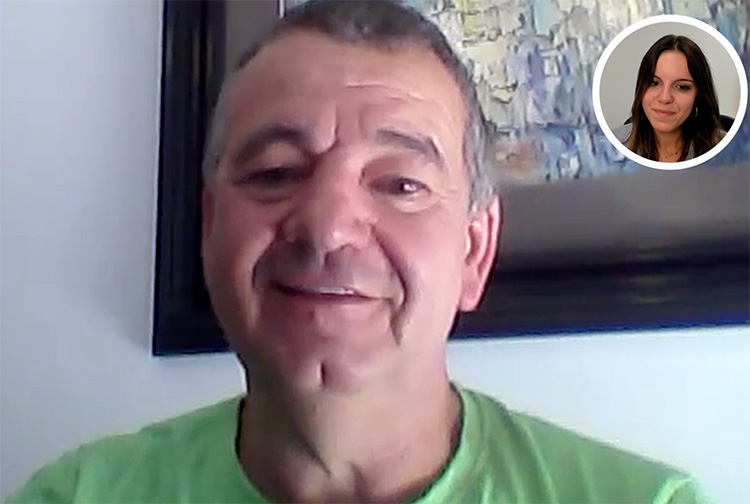
Episodi 24 | Emporarom: essence of Empordà
A sensory experience
The infusions spearhead the work they do to be able to offer new products that surprise the consumer. Five varieties with their own character based on Greek mythology, “we have dedicated them to Greek gods and goddesses, with blends of plants that fit their characteristics”, Coll points out.
Likewise, an extensive range of culinary condiments is complemented by sensory visits where flavoured drinks are made and culinary workshops are held with local plants and flowers. As Coll explains, “we do workshops where people can identify, smell and touch plants, while having a vermouth, gin and tonic or a ratafia”.
11Onze is the community fintech of Catalonia. Open an account by downloading the super app El Canut for Android or iOS and join the revolution!