Sustainable vending becomes a reality
Chocolates, crisps, sugary soft drinks… The gastronomic range offered for years by vending machines has satisfied all our vices, but it has not exactly been an example of a healthy diet. However, since we have become aware of the importance of a more sustainable lifestyle, vending has begun to change its habits.
Whether for reasons of ecology or health, the truth is that the consumption of healthy products is becoming more and more popular. In Catalonia, 60% of the population has consumed certified organic food at some time, 47% do so at least once a month and 33% do so on a weekly basis, according to the Barometer of Perception and Consumption of Organic Food 2020, which is produced every year by the Generalitat (Autonomous Government of Catalonia). Moreover, these figures have not stopped increasing.
In fact, Spain is the largest producer of organic food in Europe and Catalonia is the third region, only behind Andalusia and Castilla la Mancha, in terms of organic surface area. And this, it is clear, translates into more organic supermarkets, more local shops and a growing interest in healthy vending in schools, public spaces, health centres and companies.
Since 2018, Catalonia has had a quality seal, promoted by the Agència Catalana del Consum and the Associació Catalana de Vending, which is awarded to operators that comply with the code of conduct for vending companies. The agreement was signed by more than 70 professionals from the sector, who undertook to improve the information and services they provide to consumers, such as detailing which products contain allergens.
The food that takes care of us
The regulations governing what vending machines have to contain are clear. Law 1/2010, on the regulation of retail trade, details it in articles 49 to 52. When vending machines offer food, they must also be registered in the General Sanitary Register of Food and Food Businesses. In addition, all vending companies have to operate under the European Directive 2006/123/EC and food companies have to comply with Regulation 852/2004 of the European Parliament and the Council.
Thus, it is recommended that vending machines prioritise drinks without sugars and additives, such as water, milk, 100% natural juices, coffee, tea and infusions. In terms of food, vending machines should contain fresh fruit, dried fruit that is neither salted nor fried, rice or corn cakes, sticks, packaged salads and sandwiches, preferably wholemeal bread.
However, beyond these recommendations, there are some companies that have gone a step further and are committed to even more responsible food vending. This is how the NGO Copade, which is dedicated to fair trade, joined forces with Easy Vending to offer fair trade and ecological vending machines. They are pioneers in Spain and the only difference with conventional machines is on the inside.
Also a pioneer in 100% ecological and healthy vending is Verd Vending company, which works in health centres such as the Hospital Sant Joan de Déu or in universities such as Esade. They work with Veritas products and ensure that all the food they offer has not been genetically modified, does not contain pesticides or fertilisers, does not contain added sugars or palm oil and is certified as organic food by the European Union.
In the end, the concern about food leads to other debates. Vending companies are also concerned, for example, about the environmental impact of vending machines. Therefore, they try to minimise gas emissions, as shown by the debates organised by the Associació Catalana de Vending. Because the ecological perspective is always an integral perspective that affects life as a whole. We are sure that, from now on, you will pay much more attention to the food contained in vending machines.
11Onze is the fintech community of Catalonia. Open an account by downloading the super app El Canut on Android and Apple and join the revolution!



ESG criteria are a new investment trend that is helping to make the most of our money with a sustainable approach. In fact, ESG stands for all those environmental, social and governance criteria that are used to invest responsibly. Do you want to know more about it? Agent 11Onze, Sergi Colell, explains it to us.
Investments with ESG criteria, it is clear, do not only seek profitability, but also the return obtained for society as a whole, the social impact they generate. These funds with environmental criteria appeared in 2000 and underwent a whole evolution until 2014, when they already represented 2% of the world’s funds and more than 100 billion euros.
Since 2020, ESG criteria have been on the rise and now account for 1.4 trillion euros, which is almost the annual GDP of South Korea or Canada. “One of the most representative ESG investment funds is renewable energy, which is becoming crucial for renewable energy industries to develop more green energy, either by increasing R&D capacity and developing new green technologies or by installing solar panels to create more megawatts of green energy per year,” Colell reveals.
ESG investment has grown because the market has become aware of the importance of sustainability, because of the development of new technologies that make it possible to invest in it, because of lower production costs and because of the tax incentives offered by governments to invest in green energy. “A fund based on ESG criteria will not contain companies involved in arms, alcohol, tobacco, oil or coal mines,” the agent explains.
But who sets the limits on which companies can be considered sustainable? Colell says that the EU has tried to set these limits. Even so, there is still no established consensus. However, it has created Regulation 2019/2088, which obliges all these funds that offer products with ESG criteria to be transparent and to disseminate quality information. However, each investment fund applies its own criteria, and these criteria are ratified by independent audits. If you want to learn more about ESG criteria, just watch the video below.

ESG invest



Climate change comes with a rise in taxes and emission rights paid by large energy consumers for each tonne of carbon dioxide they emit into the atmosphere. A phenomenon that highlights the danger for traditional banks of having millions of euros invested in hydrocarbon assets, which risk becoming stranded assets, when faced with policies that promote a green economy.
The carbon bubble is a conjectural bubble based on the valuation of companies that rely heavily on fossil fuels as factors of production, but which also affects financial institutions that have massive investments in fossil assets, i.e. that use these assets as financial tools for loans and investments linked to the hydrocarbon sector, mainly oil and natural gas.
The concept is not new: in 2011 Michael Le Page already spoke in an article published in ‘Newscientist’, where the British entrepreneur and writer Jeremy Leggett stated that “there is a suicidal river of capital flowing into fossil fuels.” A hypothetical bubble that would impact the financial stability of traditional banking, because of the overvaluation of fossil fuel-based assets in the face of increased government initiatives to move towards cleaner technology in the near future.
Even so, the term is gaining relevance because the trend is not letting up, and as with the 2008 subprime crisis, it seems that banking continues to play Russian roulette, facilitated by a lack of regulation, and perhaps by the confidence that privatisation of profits and socialisation of losses is a fait accompli, in the event of bankruptcy, given the taxpayer-funded bank bailout that usually accompanies the excesses of the financial world.
The ECB is unsure and makes a move
In June 2021, a report was published by researchers and students from the Institut Rousseau, the Léonard de Vinci Institute, Reclaim Finance, Friends of the Earth, and a group of civil society organisations, which revealed the volume of investments that the main European banks have in fossil fuel assets. Specifically, the report stated that these traditional banks have accumulated 532 billion euros in assets linked to coal, oil, and gas, 95% of their total capital.
The danger that this represents for these traditional banks when it comes to withstanding a sudden drop in the value of these assets is evident, and this was understood by the European Central Bank (ECB), which announced banking supervision tests during 2022, to ensure that financial institutions can withstand financial and economic crises.
Specifically, the ECB did so to assess the sustainability of financial institutions’ business models by accounting for their revenues from climate-relevant exposures, such as lending to industries that emit large volumes of greenhouse gases, and to calculate the degree of exposure of traditional banking to carbon-intensive industries.
The ECB has foreseen penalties for financial institutions that do not diversify their business model and adapt it to the environmental policies promoted by the European Union, but perhaps monetary policy should also change and be equally assertive in warning banks that if their risky investments fail again, it will be the financial institutions, not the taxpayers, who will pay the price.
11Onze is becoming a phenomenon as the first Fintech community in Catalonia. Now, it releases the first version of El Canut, the super app of 11Onze, for Android and Apple. El Canut, the first universal account can be opened in Catalan territory.


Phytotherapy is the use of plants or plant substances to prevent or cure illnesses. It is an age-old practice that has been superseded by medicine since the 19th century, but is still alive and well in the collective imagination throughout the world.
The concept of phytotherapy comes from Greek and literally means “phytos” (plant) and “therapeia” (therapy). It is the use of plant products to combat aches, pains, symptoms or to help cure a disease. It is not considered a substitute for traditional medicine, which is highly oriented towards the pharmaceutical industry, but it is its basis. Although nowadays the use of plants has been restricted to curing minor aches and pains, preventing illnesses or improving our state of health, Catalonia has a long history in the use of medicinal plants that is still present in many homes.
We spoke to Marc Talavera, doctor in biology and president of Eixarcolant, to find out what to bear in mind when using medicinal plants. Eixarcolant is made up of a group of people including volunteers, members, board members and sympathisers who, from all over the territory, work for an agri-food model aimed at achieving socio-economic development with a positive impact. All of this is based on coherence, cohesion and placing nature and all that it has to offer at the centre of the project.
Can they really cure?
Marc’s answer is clear: “Obviously, plants can cure us, but we have to be aware and take into account whether it is enough to take an infusion, use wet cloths, make an ointment or vapours for our pain or illness, or whether we have to go to our family doctor to get a prescription for the drug he or she considers appropriate”.
Pharmaceuticals must be perfectly complementary to natural products, and Talavera warns us that, although we are talking about plants, we are still talking about chemistry, since “what can cure us in a plant are its active ingredients, which are chemical molecules”. The active ingredient, therefore, will act to restore our well-being and improve our state of health regardless of whether it comes from a tablet or directly from the plant.
However, knowledge is key, and in the same way that we are aware that we cannot self-medicate, because we could put our health at risk, we must also be cautious with plants. Marc gives the example of cardiovascular diseases, in which “components extracted directly from plants are used, but in a very regulated and precise way”. This is why, he concludes, we often cannot administer the plant directly, but have to administer it via pharmaceuticals.
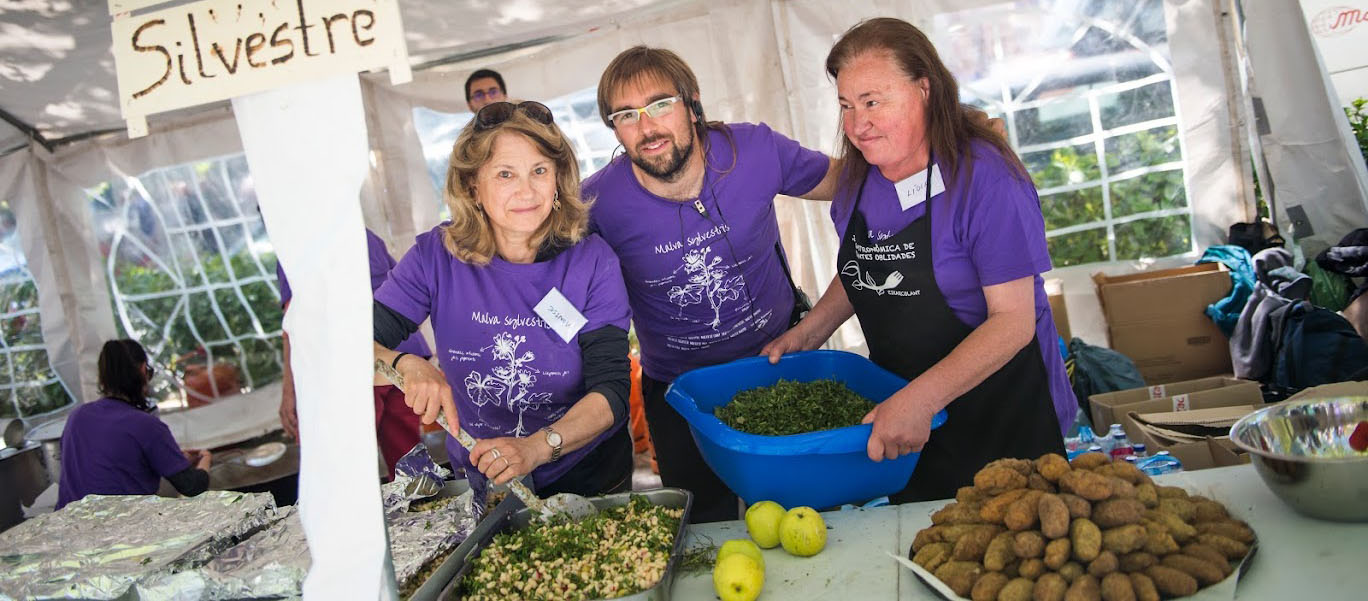
Marc Talavera at La Jornada Gastronòmica de les plantes oblidades 2019.
The pharmaceutical industry, guided by nature
Currently, many drugs are manufactured from plant products, as Talavera points out: “The vast majority, more than 80%, of the active ingredients that currently make up conventional drugs have been synthesised and obtained from plants. Without plants we would not have the vast majority of drugs for everyday illnesses or heart diseases, chemotherapy…”. Traditional medicine and alternative therapies clash in many aspects, such as methodology, products and treatments. But despite the significant differences, the essence is the same: to heal. And in this sense, nature has always led the way.
Scientific advances and the popularisation of pharmaceuticals, especially around the 19th century, pushed natural remedies into the background. And although they are still the basis for many medicines, the growing market demand, which wants to reach the entire population, makes it impossible to produce them from 100% natural products. Instead of harvesting a plant to extract its properties, it is manufactured industrially.
As Talavera explained to us, active ingredients are chemical molecules, and therefore, the only thing industry has done is to identify these molecules and synthesise them artificially. Nature is used as a mirror, but it is industry that sets the pace and standards of production. Talavera concludes that “when we criticise the pharmaceutical industry, what should be criticised is not medicine, but the ethics behind large pharmaceutical corporations.”
The ‘trementinaires’, the tradition in Catalonia
Taking into account the benefits that plants can bring to our health, in Catalonia and also in many other parts of the world, there is a growing interest in recovering medicinal plants and incorporating them back into our daily lives, always with knowledge. Individuals, organisations and associations are working to preserve and disseminate this knowledge that has been passed down from generation to generation through word of mouth.
This is the case of the Eixarcolant or the Àvies remeieres, a group of women who meet every month to hold workshops and conferences to recover and disseminate this popular knowledge. To prevent this knowledge from being lost and to ensure that it reaches new generations, they have already published a couple of books.
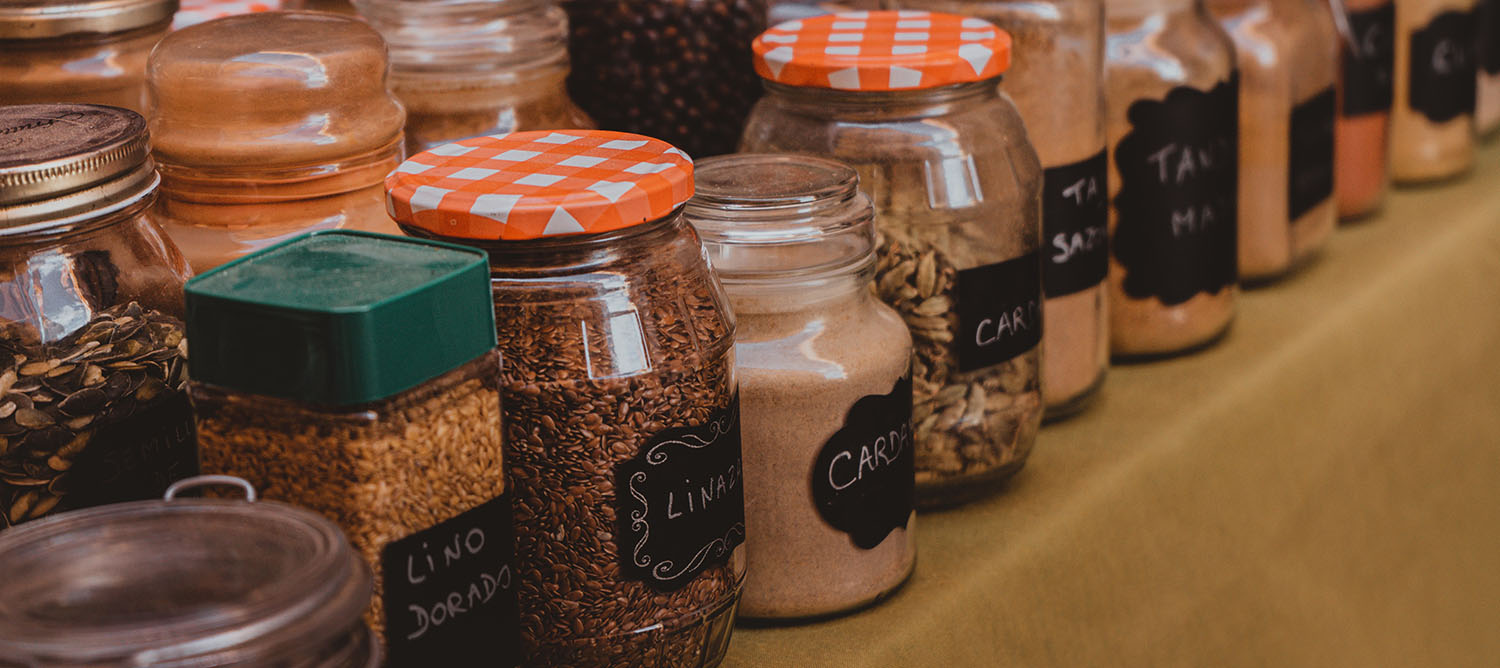
Over the years, the emergence of trades such as ‘trementinaires’ has been key to keeping the dissemination of this knowledge alive. They were women, mainly from the Vansa and Tuixent valleys, who travelled on foot all over Catalonia selling herbs and oils made in a natural and artisanal way. Although the trade as such has been lost in recent decades, the tradition of using plants to cure, whether for private or professional use, continues in Catalonia. Once again, it should be stressed that knowledge is key, from harvesting to the quantities used, because depending on the season, the area and even the day and time a plant is harvested, its properties can vary.
The most common medicinal plants
There are many species in our environment that can have healing properties, but these are the most common healing plants for home use: thyme, for its antiseptic properties; elderflower for respiratory system ailments; hypericum, which can be macerated in oil as an external anti-inflammatory; arnica, which is also used as an anti-inflammatory; mallow root for colds; Plantago, which can be used for rinses to heal mouth wounds; and mint and lemon verbena as digestive plants.
As Talaver points out, “there are many species, and you have to know them, know their uses and administer them in a coherent way, always bearing in mind what other drugs or plants they may interact with.”
11Onze is becoming a phenomenon as the first Fintech community in Catalonia. Now, it releases the first version of El Canut, the super app of 11Onze, for Android and Apple. El Canut, the first universal account can be opened in Catalan territory.


They grow with very little water and energy, feed on organic waste and reproduce very quickly. They are 80% utilised, rich in protein, fibre and minerals. Insects are the great food alternative of the future. We explain it to you!
If these lines were describing a type of poultry or fish, there would be queues to invest in farms to produce them. But no, they do not refer to birds or fish, i.e. vertebrate animals, as are ruminants (cows, oxen, lambs, goats), but to insects, the most numerous living beings on Earth. We are talking about beetles, grasshoppers, worms, crickets and many others. Approximately 75% of the animal species on Earth are insects, and of these, today, about 2,000 are known to be edible and generally rich in protein, fibre, minerals and vitamins.
The Food and Agriculture Organisation of the United Nations (FAO) has been recommending their consumption as a source of protein for years in anticipation of world population growth, global warming and the need to find more sustainable food sources than the current ones. In fact, the properties of insects as food for humans are well known because they have been and are a common food for many inhabitants of Asia, Africa and Latin America and their consumption has been more than studied. According to FAO data, some 2 billion people in the world already include insects in their diet. The most commonly consumed are beetles, caterpillars, bees, wasps, ants, grasshoppers and crickets.
In Europe we also ate insects
In today’s Europe, we are not used to eating insects, even though centuries ago it was the norm and was gradually lost. But in 2018 the European Food Safety Agency (EFSA) approved the marketing of insects as food following a formal request from French biotech company EAP Group Agronutris. The company specialises in the production of pet food proteins from insects.
Finally, in May 2021, and after scientific evaluations, EFSA gave final approval for the larva of the beetle ‘Tenebrio molitor’, which is better known as mealworm, to be considered fit for human consumption, either whole and dried or converted into powder or flour. More recently, on 12 November, the other select insect to receive approval was the ‘Locusta migratoria’, the grasshopper of all times, to which the famous biblical plagues referred. In its case, it is authorised frozen, dried and in powder or meal form.
In the Catalan Countries, they are increasingly consumed
As a result of these official advances, it is now possible to buy insects at BCN Insects in La Boqueria and Carrefour, or to go for a snack of grasshoppers and ants at the Mexican-inspired Oaxaca de Barcelona or the Santuari de Les Masies de Voltregà, among other establishments. There are also two companies in Alicante and Aldaia, Insectfit and Trillions, respectively, which sell energy bars and various products made with insect flour, especially crickets, and which are especially aimed at sportsmen and women who demand quality protein.
In short, whether to curb world hunger or because of climate change, the reasons and arguments for eating insects are many and weighty. And indeed, in Europe and the Western world, farm production and supply are already significant. We just have to overcome the cultural refusal to eat them and take the step to learn how to cook them. This is neither difficult nor strange, because if we eat prawns, mussels, frogs and snails, it is clear that we are not far from finding the formula to eat insects to our heart’s content and end up toasting to the health of the planet.
11Onze is becoming a phenomenon as the first Fintech community in Catalonia. Now, it releases the first version of El Canut, the super app of 11Onze, for Android and Apple. El Canut, the first universal account can be opened in Catalan territory.
If you liked this article, we recommend you read:
 Culture
We will all eat synthetic meat soon
4 min readExperts estimate that by 2050 there will be 9.5 billion people on
In 2015, three young people founded a natural cosmetics start-up. Six years later, the brand is consolidated in the national market with millions in profits. We talked to Salva Marsal about this success story born from young Catalan talent.
Indeed, the brand was born as a start-up in 2015 by Mireia, Joan, and Miquel, three chemical engineers from the Universitat Rovira i Virgili. Their academic education and their professional backgrounds endorsed a clear objective: to produce cosmetics that were as natural as possible, but with a scientific basis that ensured health benefits.
Six years later, they have more than a hundred products on the market and an exponential growth that has led them to close 2020 with turnover figures of 30 million euros. In this new episode of the podcast ‘Persones’, the head of communication at Freshly Cosmetics, Salva Marsal, gives us the keys to understanding the brand’s formula for success.

Podcast Episode 4 | People: Salva Marsal
Environmental commitment
With the philosophy that every action counts, from the packaging used to the local production of the products, they contribute to making the brand’s environmental footprint as low as possible. The company’s mission is based on a commitment to its customers, with the aim of caring for their health through personal hygiene and beauty products.
But beyond caring for customers, they are also committed to caring for the planet. Two sides of the same coin that lead them to measure every step of the process to the millimetre, starting with the natural ingredients they use. “It’s about making formulas that are a balance between sustainability, with a percentage of more than 99% of natural products, and with a high level of functionality, which in the end is what the customer is looking for”.
Growing in values
Despite having been born as an online sales channel, the brand has physical shops in Barcelona and Madrid, and now also in Valencia. “We want to be on the streets”, explains Salva. That’s why they offer ‘Freshly fans’ personalised advice that adds value to online shopping. A relationship of proximity that places customers at the core from a strategic point of view but, above all, as a brand philosophy. Now, in addition to consolidating its position in the domestic market, Freshly is looking at international growth in the coming years.
11Onze is becoming a phenomenon as the first Fintech community in Catalonia. Now, it releases the first version of El Canut, the super app of 11Onze, for Android and Apple. El Canut, the first universal account can be opened in Catalan territory.
Electricity and gas prices are breaking records. Gasoline and coal are getting more and more expensive. And all this is leading to a shortage of raw materials. If a cold winter comes, experts warn of an unprecedented energy crisis.
What is happening to the world’s energy? Day in, day out, there is talk of rising electricity bills, the precarious situation of UK petrol stations, empty supermarket shelves and the gas dispute. We review the reasons why economists believe we are heading for a recession that could last well into 2022.
We are at the mercy of climate change. Extreme weather is increasingly becoming an issue, and climatologists fear that, after a dry summer marked by torrential downpours that has prevented Europe’s reservoirs from filling, a cold winter is on the way. They warn of this just days before the G-20 meeting in Rome, where world leaders will have to address not only the recovery after the pandemic crisis, with industry hoping to return to full capacity, but also how to make a transition to renewable energies that does not shake the global economy.
The reality is that, if there is a severe drop in temperatures, there may not be enough resources to protect against the cold, because gas reserves are too low. Europe, for example, faces the autumn with the lowest stockpiles in the last decade, with a capacity of 75%, when before the Covid-19 pandemic they did not fall below 90%. The same is true in Asia and the United States.
Geopolitical gas speculation
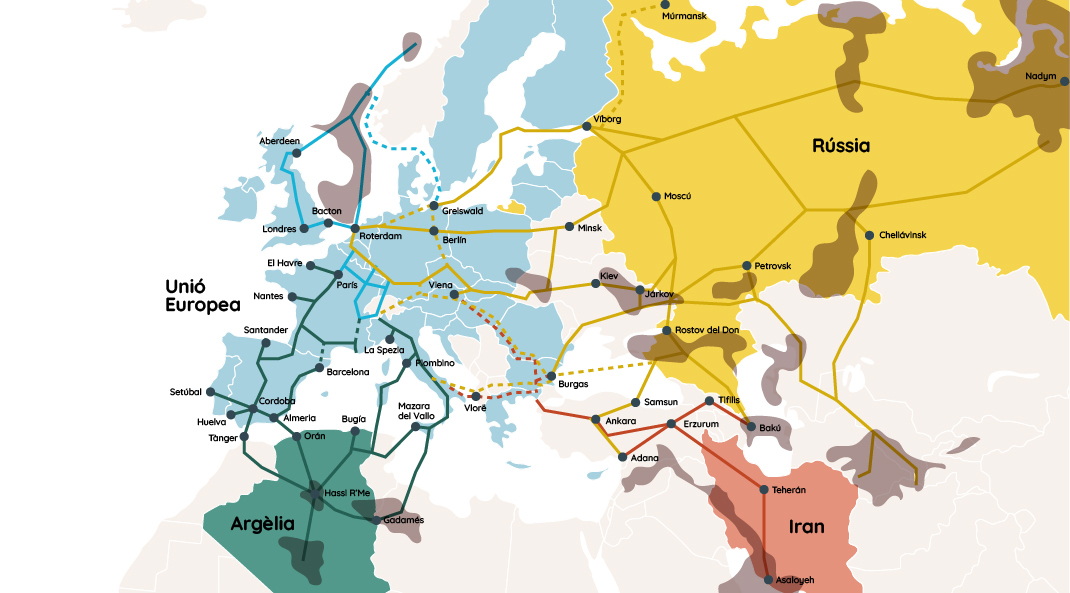
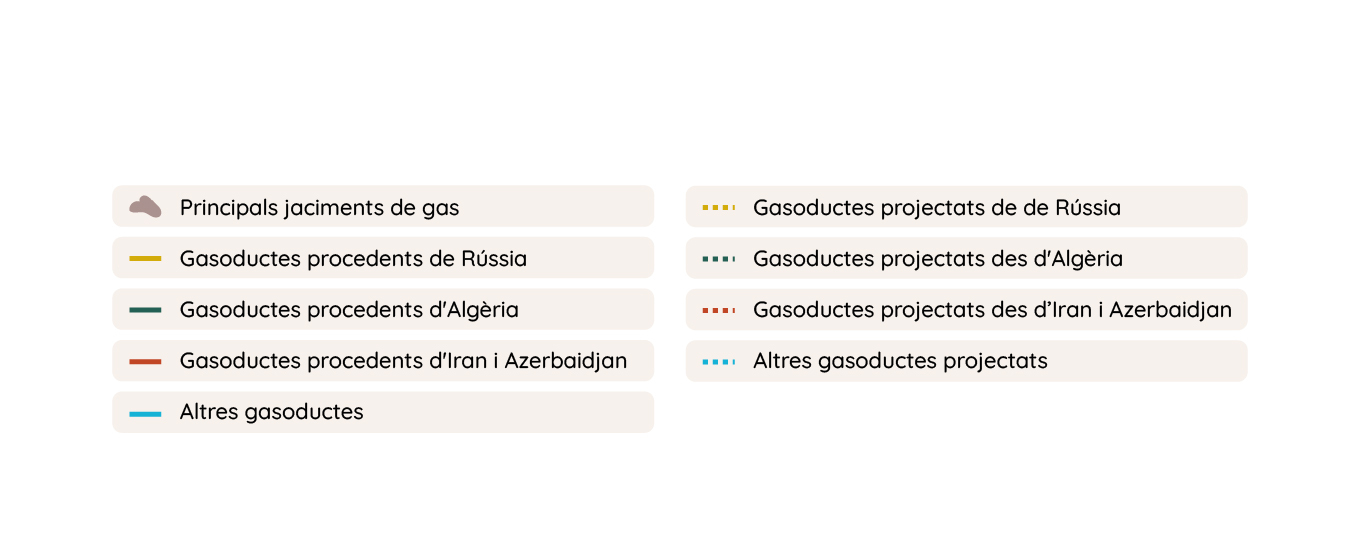
Natural gas has long been a problem for Europe. While the centre-north is supplied with gas from Russia, Spain, Portugal or Italy are supplied with gas from Algeria. Despite Moscow’s assurances that it will continue to provide gas to its customers, fears that it will not do so for geopolitical reasons has pushed up the price by 500% in 2020.
Moreover, the Nord Stream 2 pipeline linking Russia and Germany, the great pledge of former chancellor Angela Merkel, is still under construction, and it looks set to take months to become operational. Even so, it only covers half of Europe’s needs. In this context, neoconservative historians such as Karl Schögel regret that Europe has not sufficiently gauged the consequences of relying on Russia.
To add further tension to the market, Morocco has announced that, after 25 years, at the end of October will suspend supplies to Spain and Portugal, due to the rupture of relations with Spain. Pedro Sánchez’s government is already looking for solutions and negotiating with Italy, but has not yet resolved this muddle. So much so that it has proposed a common front to the European Union: buying gas jointly.
The European partners are beginning to look favourably on Sánchez’s proposal, because the alternatives are much worse: on the table there is the reactivation of nuclear energy, the purchase of liquefied gas in ships or the transit of gas through Ukraine, but distribution has also been held back for geopolitical reasons. As a result, energy suppliers, as has happened in Spain, are taking advantage of the situation, among other reasons, to create an oligopoly and break records with the price of electricity.
Gasoline, skyrocketing; coal, at rock bottom
As if this were not enough, the gas crisis and speculation by energy suppliers have been compounded by two other factors: the opportunism of the big oil barons and a half-baked decarbonisation process. On the one hand, now that the economy is finally waking up from the lethargy of the pandemic, the great organisation of the oil sector, OPEC, has led to a disproportionate increase in the value of black gold, the likes of which we have not seen since 2014. The price of petrol has risen by 20.6% since the beginning of 2021 and diesel by 23.09%. Moreover, experts believe that the price of crude oil will continue to rise throughout the winter.
On the other hand, China has begun to monopolise the global supply of coal. The Asian country does not want to stop its growth, despite the fact that it has a decarbonisation plan underway that has depleted its reserves to a level not seen since 2017. For this reason, it is willing to buy coal at any price, and its value has skyrocketed. Energy companies have been struggling for years to find new resources in the face of the progressive abandonment of coal for environmental reasons, but they have not invested quickly enough to compensate.
Clean energy, a half-hearted transition
In fact, experts warn that much of the problem with energy can be explained by the fact that the globalised world has made a half-hearted and ill-considered transition to renewable energies. For this reason, many economists believe that these global energy crises could be quite common over the next decade, until decarbonisation becomes a reality.
International organisations, such as the International Energy Agency (IEA), deny the link between one thing and the other, but experts believe that, for example, the European Union has not sufficiently taken into account that, at present, 80% of primary energy consumption still comes from fossil fuels, and that energy from renewables cannot be stored for the time being.
The domino effect: the dreaded inflation
For all these reasons, the domino effect has not taken long to materialise. The price of aluminium, zinc or copper will reach record highs this October, because the metals are extracted in factories and smelters that are at half throttle due to the energy crisis. The same goes for the manufacture of ceramics, glass or cement, which may affect mainly the construction sector.
At the same time, supply chains are constrained by the upward pressure on petrol prices, in addition to the shortage of lorry drivers that is plaguing the UK because of Brexit. One thing after another is slowing down production and, consequently, pushing up the prices of all raw materials. The dreaded inflation threatens optimistic growth prospects after the pandemic. And the answer, as always, is to build a common world. Will we be up to it?
11Onze is the fintech community of Catalonia. Open an account by downloading the super app El Canut on Android and Apple and join the revolution!


The properties of cork, a 100% natural product, make it an alternative in highly polluting sectors such as the construction industry. The circular economy of cork stoppers can have a decisive environmental impact.
The fight for sustainability and the environment calls for a reduction in the use of carbon, an essential action if we want to slow down climate change, but which is perhaps not enough. Initiatives such as Recork go further: they believe the use of carbon should not only be reduced to zero, but that it should be in negative numbers. This means that no carbon dioxide is emitted, because more carbon dioxide is retained than is emitted.
And this is precisely what makes it possible to work with cork, a material that has gained importance in recent years thanks to its low environmental impact. Moreover, it can be used in so many ways and in so many sectors that cork is becoming an essential material for sustainable development and the so-called circular economy.
A material with a thousand uses
Cork is extracted from the bark of the cork oak, a tree of Mediterranean origin. In the end, cork is nothing more than the dead cells that the cork oak secretes to create the bark, which insulates and protects the tree from external agents. Once the cork has been extracted, it does not lose any of its qualities: it is waterproof, insulating, resistant, light, elastic, and even acts as a natural insect repellent. Moreover, the cork oak regenerates its bark, so cork extraction does not damage the tree.
These properties make cork a perfect material for construction, which is one of the most polluting sectors. Its applications are diverse, but its insulating function stands out, both thermally and acoustically. In addition, cork is often mixed with concrete to reduce the weight of the mixture or to make parquet floors more resistant. It is also used to make chipboards. Depending on how it is treated, cork wool or cork paper can even be made. All these uses make cork the main ally of the so-called bioclimatic architecture.
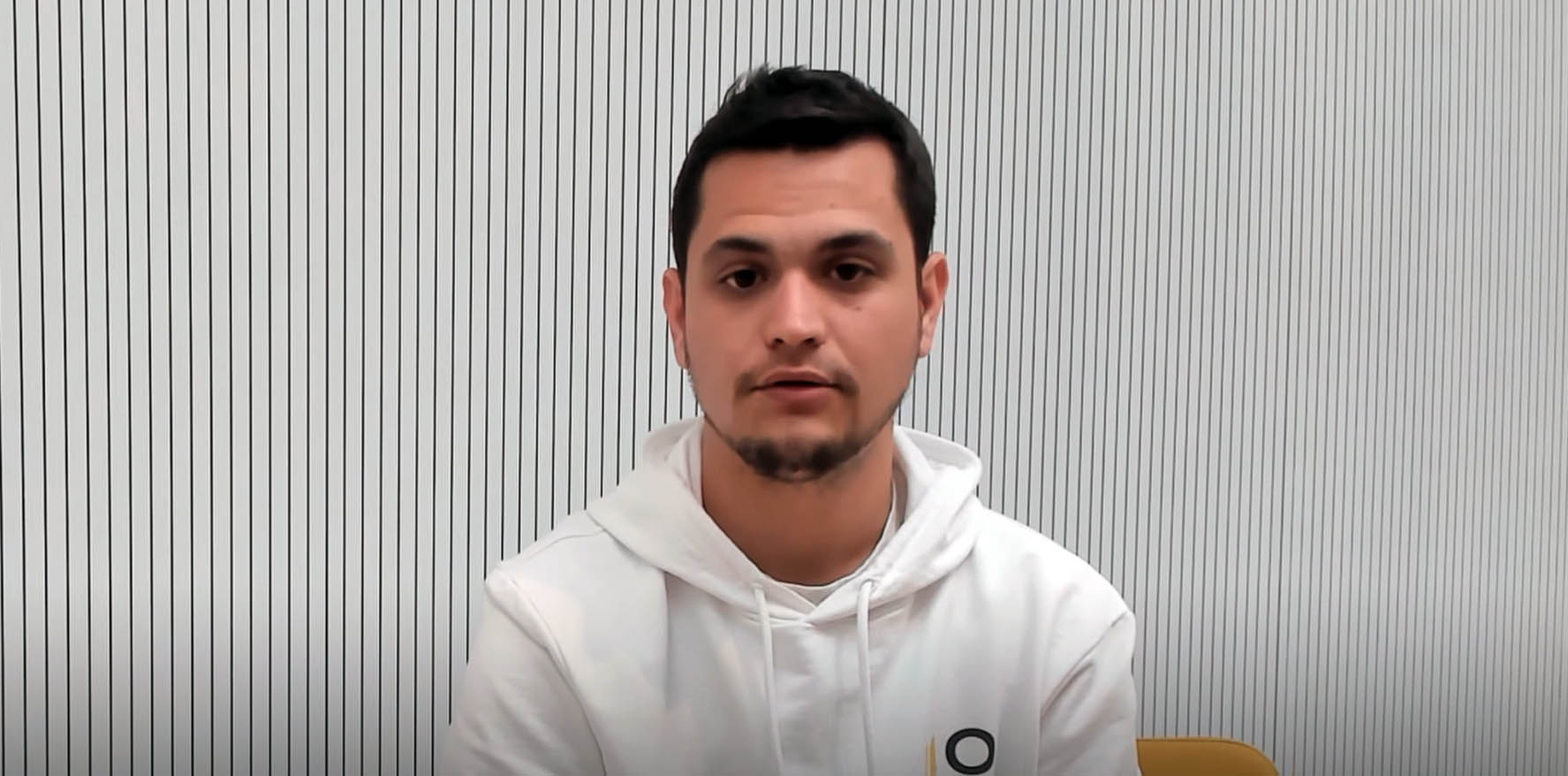
11Onze Agent Sergi Colell tells us what is circular economy.
The eternal life of the circular economy
In Catalonia, the cork oak industry has a remarkable weight, although it often goes unnoticed. In 1991, the Institut Català del Suro (ICSuro), a private, non-profit, scientific foundation, was created. The institute aims to promote the cork sector, from the management of the forests to the production of the final product. And, at the same time, it focuses on research. In 2020, the sector produced more than 7,000 tonnes of cork.
The importance of cork is clear. Now, the question is how to manage the material properly and enable a good supply. It should be borne in mind that cork can be extracted from a cork oak every eight or nine years, despite the fact that in Catalonia growth is slower, up to 14 years, which makes it possible to produce higher quality, less porous cork. This limits its supply, and this is where the circular economy gains importance, because it aims to give new lives to cork. Recycling the material, without losing its properties, can make cork achieve almost eternal life.
11Onze is becoming a phenomenon as the first Fintech community in Catalonia. Now, it releases the first version of El Canut, the super app of 11Onze, for Android and Apple. El Canut, the first universal account can be opened in Catalan territory.

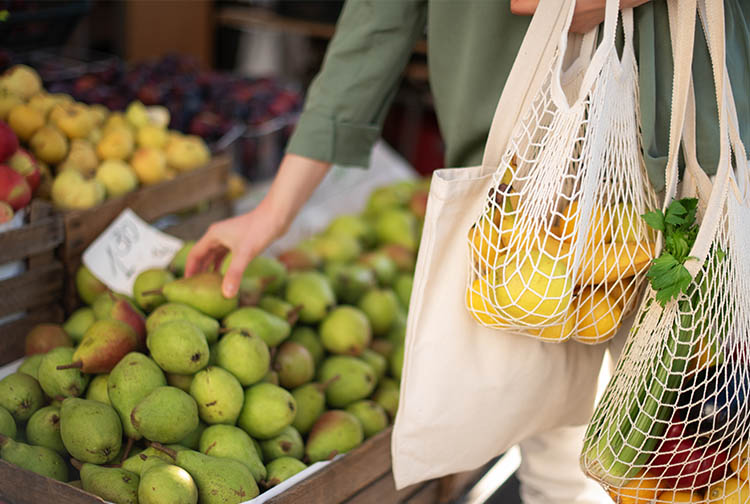
They denounce the bad practices of the large distributors in the food sector, who adjust the prices of raw materials to such an extent that it is no longer profitable for farmers to produce.
Unió de Pagesos‘ demand is clear: fair prices for producers. A problem that in recent months has particularly affected the dairy cattle business, but which extends to many other sectors of agriculture and livestock farming. At the root of the problem lie the bad practices of the large distributors, and from here new problems arise that compound the critical situation of this sector in our country.
Agriculture contributes 2,307 million euros to Catalonia’s GDP (2020), making it the economic sector with the least impact on GDP, and a far cry from the 153,039 million euros generated by the services sector. Even so, it is still a strategic sector for society as a whole, and mainly because it provides the raw material for the main foodstuffs, it is one of the main sectors that must be maintained and developed. The question, however, is what price we are prepared to pay to maintain it, or rather, what would be a fair price to pay.
The primary sector has declined in recent years.
In recent years, the food sector has seen an irreversible change in the business model: multinational chains have filled the towns and cities of Catalonia with large supermarkets, with prices so low that hundreds of small and medium-sized businesses have been priced out of the market. A situation that has directly and significantly affected the state of health of the farming sector, which, as trade unions, employers’ associations, and town councils denounce, is experiencing a historically critical situation. In 2020, Catalonia registered a total of 454 dairy cattle farms. To give us an idea, in 2010 these figures stood at 813 farms and, even further back, in 1991 there were 4,329.
Currently, the average paid is 33.28 euro cents per litre. This is the amount that reaches the producer, a figure far from the break-even point, which is around 37.31 euro cents per litre, and in some cases even more. The minimum production costs are therefore not covered, and this puts producers in a critical economic situation, which explains the decline in the number of farms.
Catalonia’s food sovereignty at risk
Food sovereignty is understood as the right of the people and countries to create policies that allow them to produce food according to their characteristics and needs. It includes, therefore, not only the right to food but also the right to produce food and for this production to serve to maintain the community as a whole. This is stated in the Political Declaration of the NGO/OSCO Forum for Food Sovereignty.
Catalonia’s food sovereignty could be affected if the economic situation of livestock farmers does not improve. If they cannot compete with the prices of the distributors, and as the Unió de Pagesos warns, they cannot make a living, many of them will end their activity, which in recent years has declined progressively but substantially. The impact on society will be felt in almost all areas.
An issue where every action counts
A loss of activity in the primary sector would lead to a much higher demand for imports, which could affect both the quality and price of commodities. On the other hand, a lack of production would lead consumers to renounce zero-kilometre and local products, which, with a decrease in supply, could also lead to higher prices.
If the situation is to be brought under control, and before it reaches a point of no return, the main problem to be tackled is to pay producers a fair price. The support of the administration will therefore be key in this process, and the management of the distributors will be critical in determining the future of the primary sector. Beyond that, the end consumer also has the power to contribute to change, in his or her case, by making choices. The challenge will be that, aware of the situation, this choice is made according to sustainable criteria and that it guarantees a fair price for the whole production chain.
Do you want to be the first to receive the latest news about 11Onze? Click here to subscribe to our Telegram channel
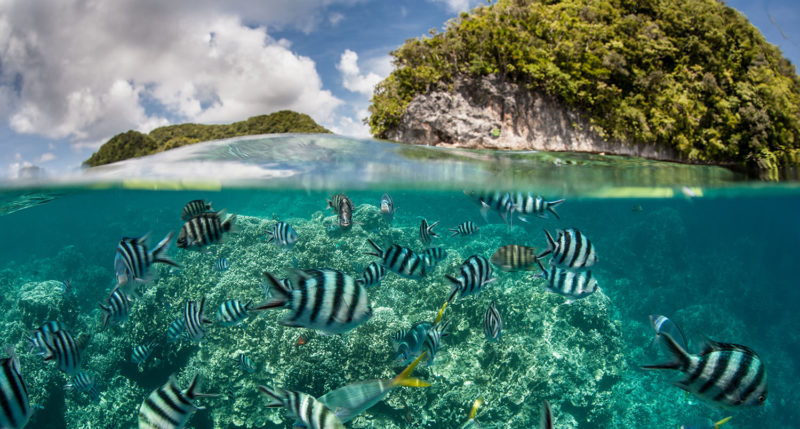
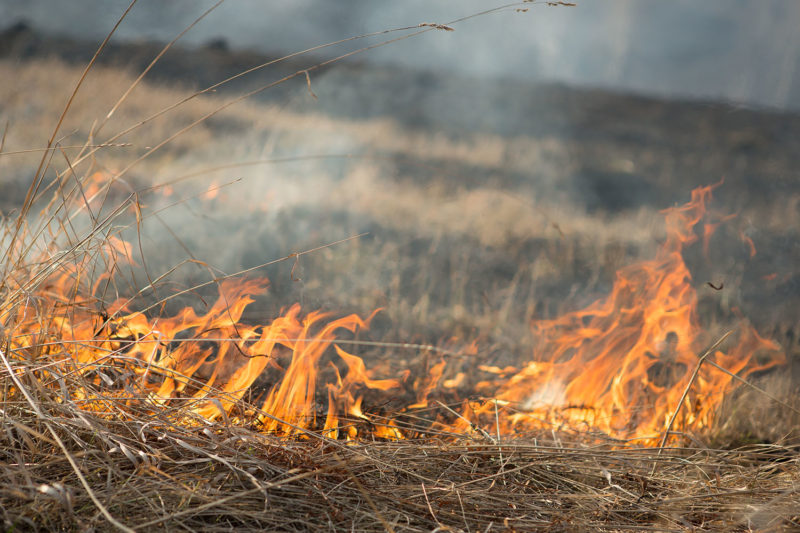
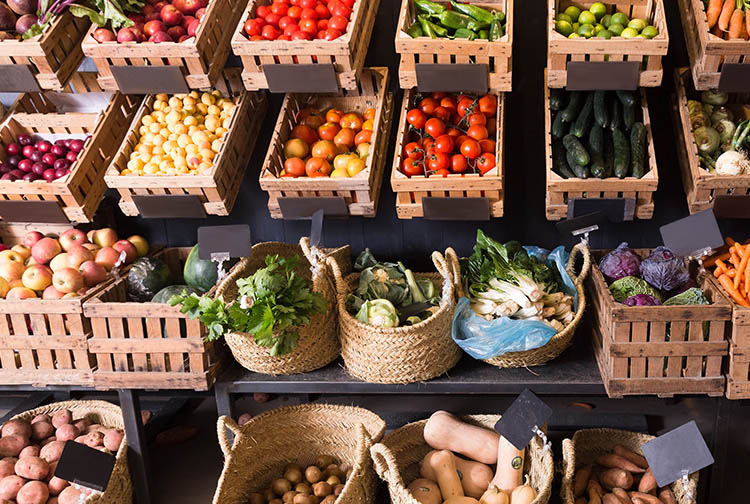
Per la Mar Viva is a non-profit organization of Menorcan origin with a clear objective: to ensure the good health of the sea.
“The message is very clear, spread it everywhere: save the seas and oceans, and do not sell them at any price.” The Menorcan duo Cala Joia sums up the purpose of Per la Mar Viva, which seeks to raise awareness among companies, administration, organizations, and individuals — starting with the youngest — to reduce any dumping of waste in the waters of Menorca, as well as excel in waste management and contribute to the reduction of plastics that end up in the sea and on the coast.
Per la Mar Viva was born in the year 2017, after years of research and observation on the amount of plastics that ended up in the port of Ciutadella, and on the Menorcan coast. Its founder, Carlos Salord, a local physiotherapist, has mobilized to promote this non-profit organization, after years of observing society’s indifference to change the situation.
The initial study: how much plastic is collected in a day?
Carlos Salord, president of the Per la Mar Viva association, decided to launch a comparative study: on the one hand, the amount of plastics collected by the boats that the Balearic Government uses to clean the coast of Menorca; on the other, the amount of plastics that he himself was able to collect, trying to simulate the work done by these same boats, during nine working days.
The results showed that the vessels of the Balearic Government collected an average of 11.34 kg per day. Salord, with his semi-rigid zodiac and three sieves, was able to pull out an average of 70.33 kg per day.
First step: social awareness
The goal, in order to see real changes in the health of the sea, is social awareness, and that is why Per la Mar Viva has brought the project closer to both citizens and the administration. Specific solutions have been proposed to each body, according to responsibilities and involvement, in order to involve everyone and make the results real and prolonged over time.
The main challenge, however, remains responsibility and human behaviour. And that is why they hold talks and events in schools and institutes in the Islands, to educate their citizens from an early age in good maritime management. An action that has been very well received, even in preschool, and that is certainly what can mark future generations.
The goal is to move from the indifference from “this does not concern me” to the awareness of “we really have a problem”, and from there, to the proactivity of “what can I do about it?”
Second step: the real involvement
Spreading is essential to get real involvement, and that’s why local artists, like Dos Sipiots & Orgànic and Cala Joia, spread this awareness throughout their music. The exhibition La mar de plàstics opened in Ferreries in May 2019. With more than 8,000 visitors, it reached the goal of giving voice to the sea and raising awareness from objects rescued from the Menorcan coast.
Beyond the association itself, Per la Mar Viva has become a popular initiative that spreads around the island of Menorca and that echoes overseas. The intention, now, is to expand its effect to the rest of the islands and to Catalonia. For now, it has launched the campaign #GobiernoDesplastificanosYA on social media, addressed to the Government of Spain and requesting its involvement.
So far, humans have turned the oceans into the final dump of our rubbish. It is time to change this idea and work together to keep the sea alive for many years, as Cala Joia sing:
«Que la mar no sigui més
un immens abocador,
entre tots hi som a temps,
junts podem canviar aquest món.»
Do you want to be the first to receive the latest news about 11Onze? Click here to subscribe to our Telegram channel