11Onze sponsors the Vinari Awards 2021
The awards ceremony, which this year reaches its ninth edition, will take place at the Auditori de Vilafranca del Penedès and can be followed live on Canal 33.
In a matter of hours, the Vinari Awards will be celebrating their autumn gala to recognise the best Catalan wines of 2021. 11Onze, which is an official sponsor, will be attending this special event, after having enthusiastically followed the Young Wines and Wine Tourism awards last summer and the Final Tasting this September. The event will be broadcast by Televisió de Catalunya on Channel 33 from 10.10 p.m. onwards.
The event is going to be presented by the writer Màrius Serra and entertained by magician Mag Lari, another of the protagonists, who will share his magic tricks during the event. The digital portal Vadevi.cat and the Corporació Catalana de Mitjans Audiovisuals (CCMA) signed a collaboration agreement this summer to promote the Catalan wine sector. Tonight will be a good moment to celebrate the country’s wine heritage.
Prior to it, La Plaça community will be able to find a scoop of the spots that 11Onze has produced especially for the Vinari Awards, which are going to be broadcasted at the gala and on television:
11Onze sponsors the Vinari Awards 2021
Looks
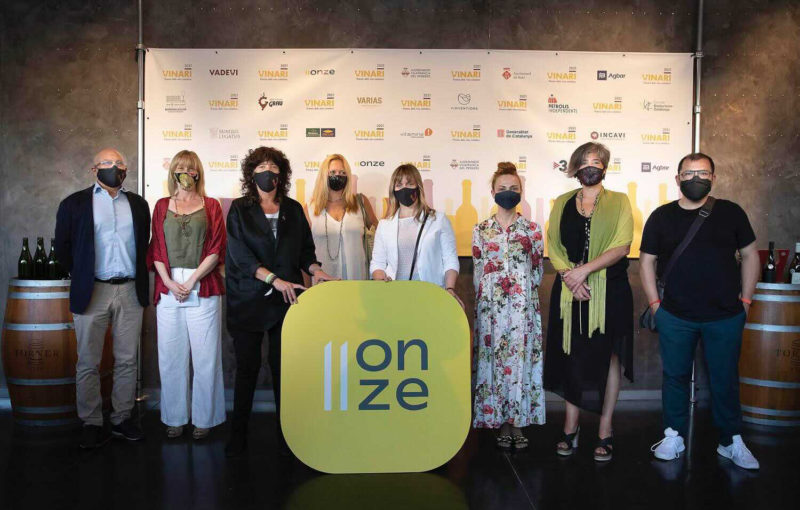
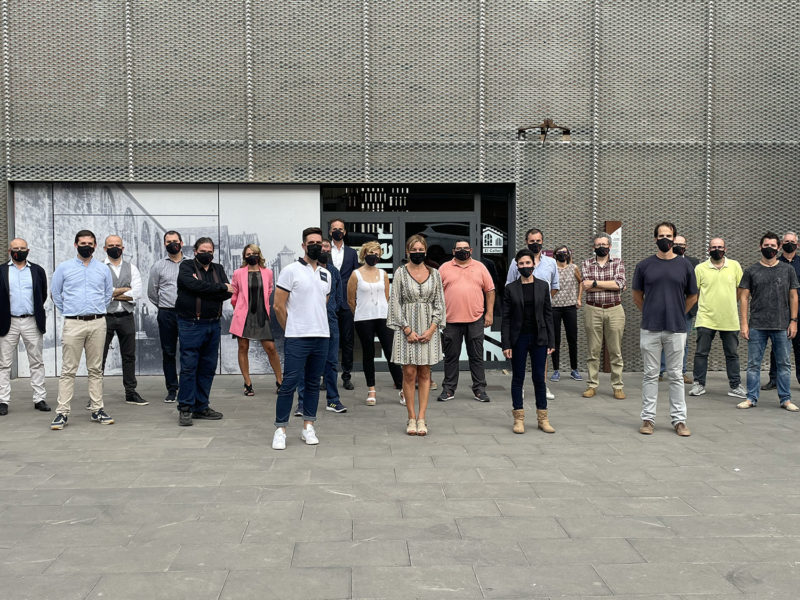
The Auditori de Vilafranca del Penedès will host the awards ceremony for the best Catalan wines on Friday 8 October.
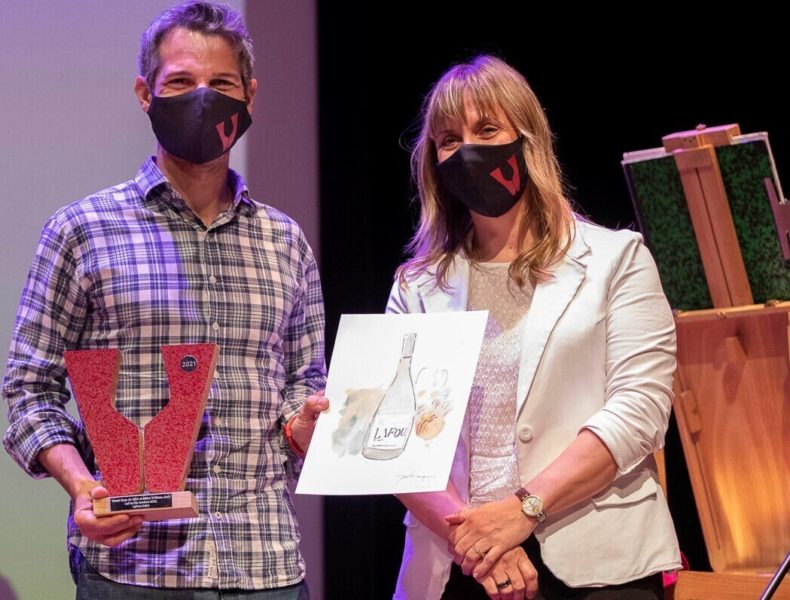
There are only a few hours left until the Vinari Awards gala for the best Catalan wines of 2021. The awards ceremony, which this year reaches its ninth edition, will take place at the Auditori de Vilafranca del Penedès from 10:10 pm, and can be followed live on Canal 33, in an event hosted by the writer Màrius Serra. The celebration will include, among others, the participation of Mag Lari, who will be livening up the day with a magic show.
The results of eight wine categories and the special awards will be announced at the autumn gala. It is worth remembering that in July the best young wines (white, red, young sparkling and rosé categories) were awarded prizes, as well as the wine tourism awards, and that last September the final tasting of the wines that will now be presented at the gala was held. Thus, this Friday, the results in the remaining categories will be announced, awarded the Grand Gold, Gold and Silver medals, as well as the special awards for this year’s edition.
The wine awards of the gala:
- Crianza Whites
- Crianza Red Wines
- Aged Red Wines
- Rosé Sparkling Wines
- Sparkling Wines aged between 18 and 30 months
- Sparkling wines aged between 30 and 60 months
- Sparkling wines aged for more than 60 months
- Sweet, mellow, or dessert wines
- Best sparkling wine
- Best Catalan wine
Special prizes:
- Vinari AGBAR Award for the best Organic Project.
- Vinari Ara Lleida-Diputació de Lleida Award for the best wine taster
- Vinari Turisme de Barcelona Award for the Best Wine Tourism Initiative
- Vinari Vins i Licors Grau Award for the Professional Career in the Wine World
- Vinari Varias Impressors Award for the best label
- Vinari Euroselecció Riedel Award for Best Winery
An agreement to promote heritage
The digital portal Vadevi.cat and the Corporació Catalana de Mitjans Audiovisuals (CCMA) signed a new collaboration agreement this summer to give a voice to the Catalan wine sector in 2021. The agreement is part of the CCMA’s mission of promotion and dissemination, and its commitment to guarantee coverage of major cultural events and, in this case, also of the country’s gastronomic wine heritage.
Do you want to be the first to receive the latest news about 11Onze? Click here to subscribe to our Telegram channel
The Barcelona International Motor Show hosts 23 brands and presents 18 new products, with the electric car as the main protagonist. At 11Onze we propose a tour of the stands that you can’t miss.
Despite the economic crisis that has marked the sector and the two postponements due to the confinement, until 10 October you can visit Automobile, the biennial event dedicated to the automobile in Barcelona. The show is one of the first in Europe that can be visited in person after the pandemic, and the interest it has aroused among visitors more than justifies this year’s slogan: “The illusion is back“.
Cupra Born, one of the sensations of the show
One of the most eagerly awaited vehicles at the event is the new Cupra Born, a 100% electric model from the Martorell-based company belonging to Seat, which has already begun production at the Zwickau plant (Germany). It shares the same platform as the Volkswagen ID.3, but with a sportier, performance-focused approach and a more aggressive aesthetic.
At the Cupra stand you can also see the UrbanRebel Concept, an electric prototype of an urban racing car, a design study that serves as inspiration for the final model that will be launched in 2025. Nor should we miss the spectacular Tavascan Extreme E Concept, which previews the design of the Cupra Tavascan planned for 2024.
The South Korean offensive
Kia presents two new products that also use electric drivetrains: the EV6, its first 100% electric crossover that not only debuts a new logo, but also sets the design trend for the brand’s future products; and the fifth generation of the Sportage, in a plug-in hybrid version.
On the Hyundai side, the Ioniq 5 can be seen, which debuts the same platform on which the EV6 is based. A retro-futuristic design, the successor of the Pony, but reminiscent of an Integrale, and which deceives at first glance, because it looks like a medium-size hatchback, but it is from a bigger segment.
A trend of 100% electric SUV and CUV
Nissan unveils, for the first time in Europe, the Ariya, a fully electrified SUV, and the new Qashqai MHEV, a hybrid. Ford showcased the familiar Mustang Mach-E GT, while on the Renault stand we can find the new Megane E-Tech, shorter but more spacious than the current Megane with a combustion engine.
A set of innovations that reinforce the current design cycle, in which SUV and crossovers or CUV have become fully established in the European market, and which, like it or not, is unlikely to change in the coming years, given the architecture of the modular electric platforms with the batteries at the bottom of the chassis.
Eternal rivals: BMW and Mercedes-Benz
The rivalry between BMW and Mercedes-Benz continues with the new paradigm of the electric market.
BMW presents the i4, essentially an electric 4 Series with the same Gran Coupé design and fifth-generation eDrive technology, and the iX, a close to five-metre-long SUV with a range of almost 600 kilometres.
We already knew about the Mercedes-Benz EQC, an SUV, and the EQS, the electric version of the S-Class, but now we can see the final version, along with the electrified “E-Class”, EQE. And yes, combustion engine lovers also have a novelty, the AMG GT Black Series, a 700+ horsepower supercar that looks set to give all its electrified peers a run for their money.
Made in Catalonia
We cannot conclude this tour without talking about Baltasar Revolt, an electric sports car that weighs only 700 kg, designed for the track, but which can also be driven on the road. Designed and manufactured in Cerdanyola del Vallès, and with its own batteries.
This information will be expanded soon with an interview with Baltasar López, CEO of the brand.
Do you want to be the first to receive the latest news about 11Onze? Click here to subscribe to our Telegram channel
If you liked this article, we recommend you read:
 Sustainability
Hydrogen cars
5 min readIs it possible for a car not only not to pollute, but also to purify the environment? Electric


Could you imagine having everything you need within a 15-minute walk? This is the aim of the so-called “15-minute cities”, a new concept of urban planning with reduced journeys and decentralised services.
The 15-minute city is a project promoted by the French-Colombian professor and scientist Carlos Moreno, an expert in urban planning, that is committed to a model of intelligent cities, designed for their inhabitants. An idea that is moving increasingly away from utopia and just getting started in some cities around the world.
It is a clear one: urban planning is now subordinated to asphalt, due to a model where cars are the protagonists. The rest of the city has adapted to it for decades. But, when the energy transition is a reality and all forms of transport opt for carbon-free energy sources, the way we imagine urban planning must also change. Hence, Carlos Moreno’s initiative, which implies changing our pace of life, in a city created not only to be useful but above all to be enjoyed.
The city that saves you time
Time is one of the main problems in cities. Immediacy, the obligation of having everything at the moment, the stress of overcrowded journeys, and the time we invest in each journey. Travelling must be reduced, and this is only going to be achieved if people can satisfy all their needs within a radius of approximately 15 minutes, whether on foot or by bicycle. We are talking about housing, working, meeting basic needs, medical care (health and pharmacies), learning and enjoyment. It is therefore essential to provide each area of the city with a heterogeneous, efficient and local business and cultural fabric. The optimization of supply and the use of technology will be key to obtaining collaborative and shared business models.
In this model, the bicycle is the main means of transport, as in the Nordic countries, because it is much more sustainable for the environment and substantially cheaper for the user. Commitment to green cities also brings physical and mental health benefits, by making inhabitants feel at ease as part of the community and by reducing stress, thanks to a slower and more conscious pace of life.
The school, epicentre of the community
Space is the other key element that is very slowly being reconquered in the form of green areas, bicycle lanes or pedestrian streets. Reducing travelling would mean less space for vehicles and, therefore, more space for people. Educational centres are also gaining prominence; they are opening up to the community and becoming more of a space for socialising outside of school hours since their facilities are offered for communal use.
The other challenge of the new cities is inclusion and social engagement. This model goes beyond urban planning and seeks to create cities where everyone has a place, without discrimination. It involves the creation of an economic model focused on real and current needs, which should reduce inequalities, both in terms of access to housing and to well maintained green areas.
From utopia to reality
In recent years, several cities around the world have been interested in or have even started to apply this model. Portland, in the United States, was one of the first ones to implement this idea in 2000. Since then, it has been working towards a single goal: that by 2030, 90% of the population be able to travel on foot or by bicycle to access basic services. In 2018, Melbourne opted for this policy, which is currently being implemented in three areas of the city. Paris, Milan and several Swedish cities are also joining the growing list of municipalities redesigning urbanism to put sustainability and citizenship at the centre of it.
Do you want to be the first to receive the latest news about 11Onze? Click here to subscribe to our Telegram channel


During the pandemic, many families have decided to leave the city for the countryside, but how do people, who have lived in a farmhouse for years, live? We are speaking to Ramon Carrer and his mother, Ventura Vives. For them, living in the countryside is more than a privilege.
In recent times, many have taken the decision to give a second chance to the most depopulated environments, and prefer to have a river nearby rather than a cinema. But there is a group of people, either because of family tradition or because it is part of their way of life, who have never moved from the farmhouse. Ramon Carrer, 59, is one of these people. He lives in a manor house with his mother, Ventura Vives, 93, and they both explain that life in the countryside is “not an obstacle” for them, but quite the opposite.
We meet them both next to a 13th century chapel, the chapel of Sant Sebastià, in the municipality of Òdena (L’Anoia), and we feel like travelling back in time: you don’t hear too much noise, and there are no people in masks rushing up and down, as happens in the city. It’s getting dark, we can breath the smell of life, the smell of nature, and everything is right for us to start chatting.
-What do you think about young people wanting to live in rural environments? -We dare to ask.
-I think it’s perfect. There has come a point when people have realised that living in a flat is too closed in,” Ramon answers us with his gentle character.
-And how do you see rural life twenty years from now?
-I see it right and lively because people now value more what living means.
Mother and son have come out of the manor house to see us for a while, and they have done it with such a huge smile on their faces, that just by this small detail, we can guess how happy they feel at their farmhouse. Ramon explains to us, under the watchful eye of Ventura, that the house has belonged to the family for more than two hundred years, and that they do not miss anything. He also assures us that what they value most is calmness. He also admits that during the pandemic and the confinement, they have not felt isolated.
-Living here makes me feel free. Above all, it is rewarding. Because in the morning I wake up and see the forest, and to me, it makes life worth living,” Ramon explains, his eyes distracted.
-You said you’ve been living here all your life. Can you tell us something curious about the place?
-This road used to be the old N-II Barcelona-Madrid. And right here, in front of my house, was where, for the first time in my life, I saw elephants. I was seven or eight years old, and the reason I saw them is that a circus used to pass along this old road, formerly a main road.
The two of them spend the day looking after the house, without nerves, even though they start working at 9 o’clock, because in such a big house there is always a lot to do. So is Ventura and Ramon’s life. Catalonia is full of farmhouses like theirs, in villages inhabited mainly by older people, who live the way they want, which is the most important thing, says Ramon, and who hope young people will not be afraid to start their adventure in rural environments. “Don’t be afraid, go ahead,” they encourage them while saying goodbye.
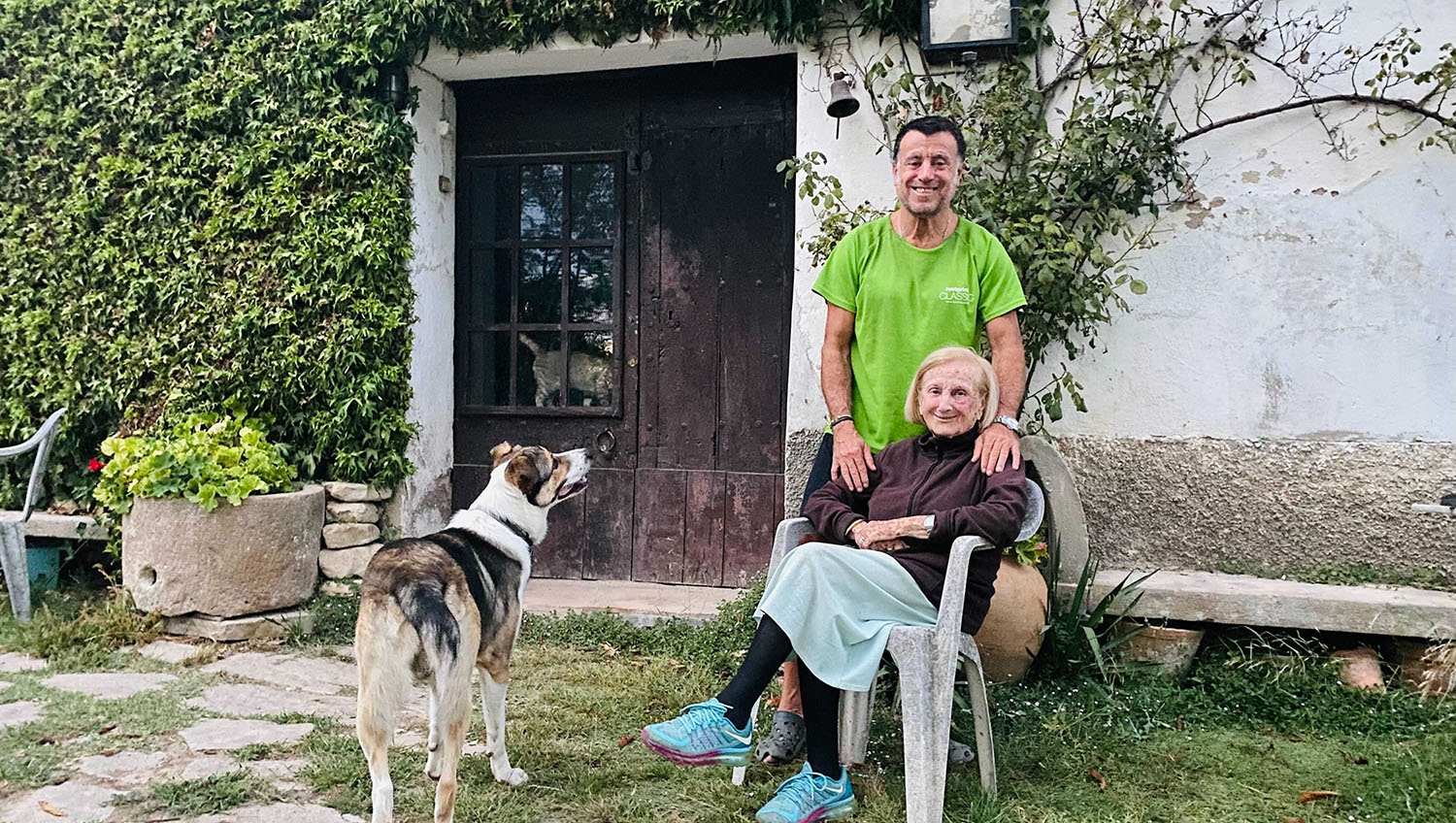
Ramon Carrer with his mother Ventura Vives, at the entrance of his house.
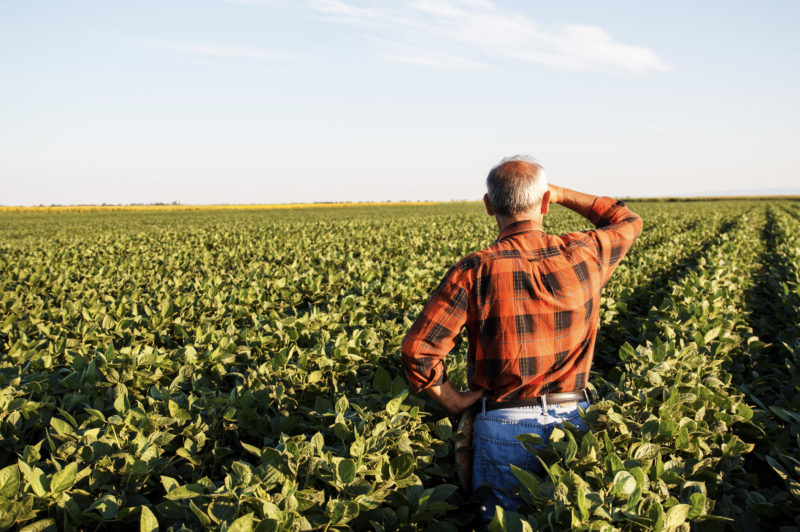
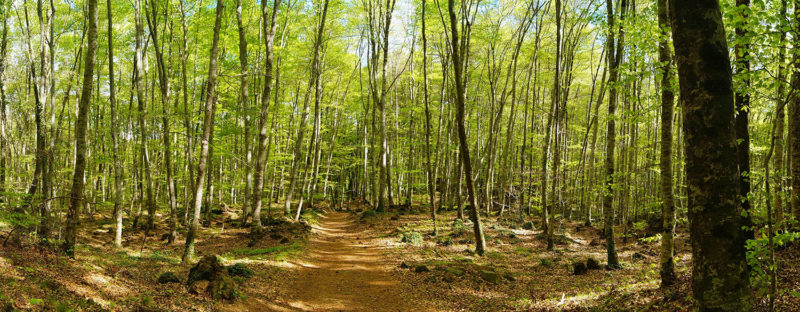
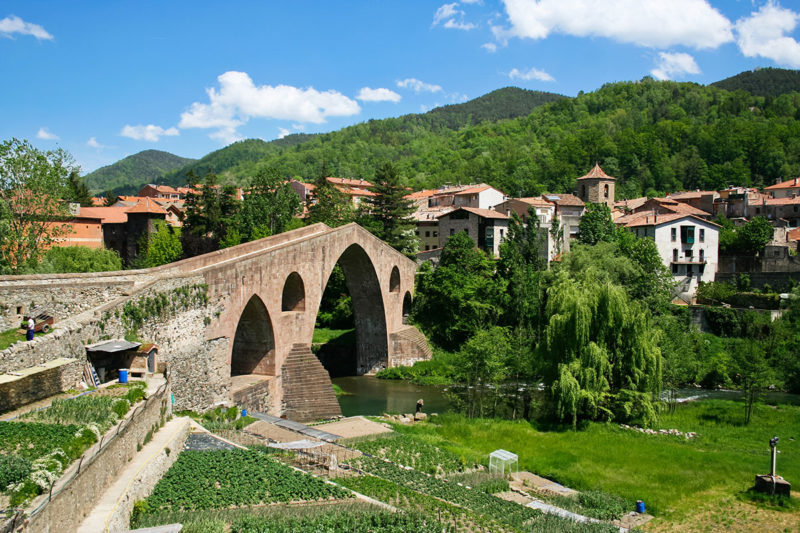
Xavier Buil i Giné, CEO of Buil & Giné, DO Priorat, began the adventure of making wine at the end of the 20th century. He was driven by the fact that he wanted to share a lifestyle and a culture that, he says, can only be found in Priorat.
When Xavier Buil went abroad to study Business Administration and Management as a young man, he discovered that there are very good things at home and that people should be aware of. “When you go away from home for a while, you value what you have. We are neither better nor worse: we have a different way of living,” he says.
It was around that time that he decided that he needed to share this way of life, and that, to do so, he either had to get people to visit the region, or he had to take the region abroad. At the end of the last century, there weren’t many tourist establishments in Priorat,” he explains, “and it was difficult to attract visitors. That’s when, with my partner, we decided to set up two businesses related to gastronomy, which we believe is the best direct way to show how we are and how we do things”.
Saving Priorat
Xavier Buil i Giné’s family’s relationship with the world of wine is one of love for the Priorat. Despite being from Falset, the capital of Priorat, and having a family that comes from the countryside, his parents did not make a living from viticulture. The post-war period,” he says, “made many families leave their land because they could not live on what they earned. Neither my father nor my mother worked the land. I have to say, however, that they didn’t break with it either, because my father, who liked viticulture, continued to work the few hectares of family land as a hobby and, in addition, in the public posts he held, he fought to save the region”.
Proudly, Xavier Buil also explains that his grandfather presided over the Falset cooperative more than once and that, when he left home, he felt the need to “save the Priorat”, just as his father and grandfather had done.
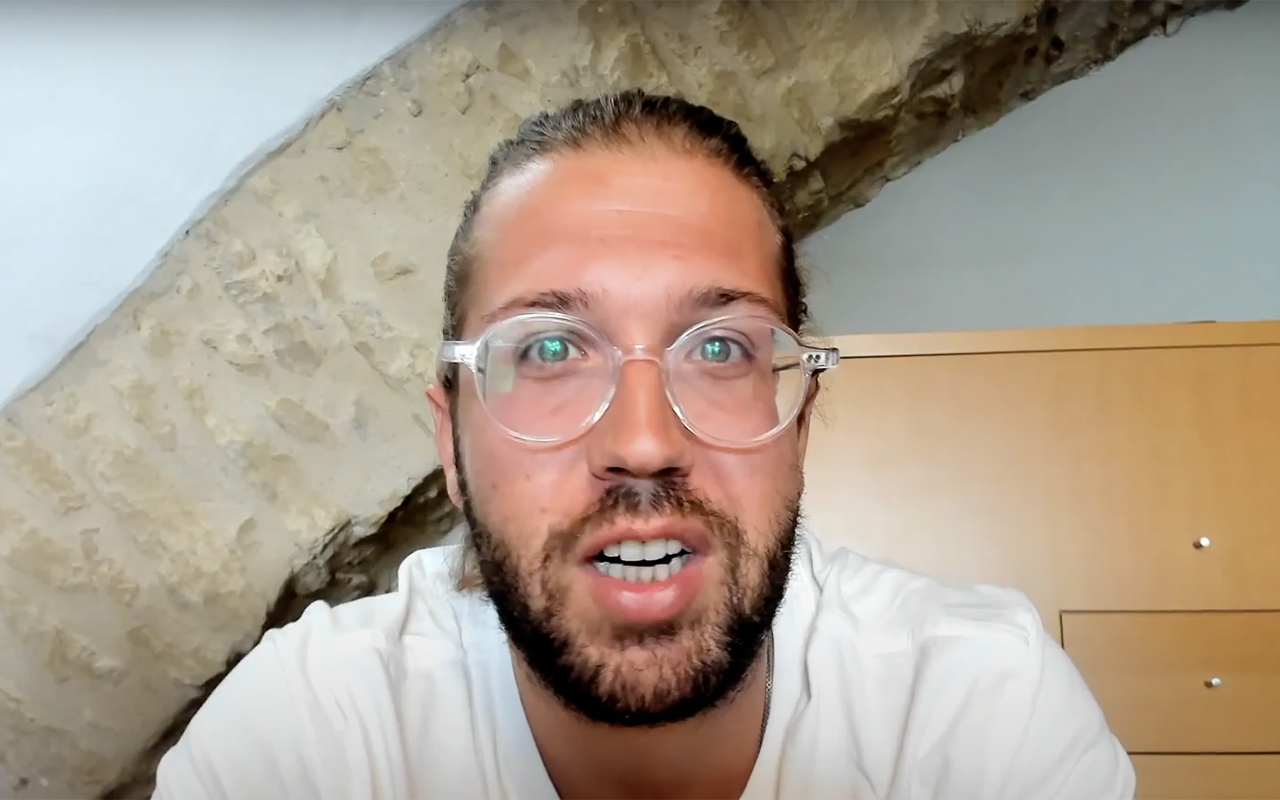
11Onze Agent Pol Baró tells us about the characteristics of the D.O. Priorat.
Fine, versatile, and elegant wines
Thus, in 1996 he started two businesses: Priorat Natur, which sells gastronomic products from Priorat (sweet roasted almonds, olives macerated with herbs, honey, jams, among others), and making wine. “Wine is also an identifying and essential element of our gastronomy and culture”, says Xavier Buil, who adds: “It is more an element of a meal than an alcoholic drink“. And it is with this philosophy that he introduced a new feature in the way wine is made in Priorat. “Although the wines made in the region were very good, we thought we had to make a finer, more versatile, more elegant wine that could be served with any meal”, he reveals.
And so the adventure began by renting two wine tanks from the Gratallops cooperative. “Making a quality wine, affordable for everyone, which over time has evolved into a more sophisticated product, but which, in the beginning, I wanted everyone to be able to enjoy, without having to be an expert in the world of wine”. The winery’s wines are made from local varieties, such as Garnacha and Carignan.
Known all over the world
The Buil & Giné winery exports 95% of its production. Since it began, the wines have been exported all over the world, and it was not until a couple of years ago that they seriously considered entering the national market. Working with the local market was born out of the need expressed by customers who wanted to buy a bottle of Buil & Giné but could not find it in any wine shop. The pandemic, however, truncated this opening to the local market.
At Buil & Giné, they have been doing wine tourism since the first day they opened. For them, wine tourism is complementary. “Our main job is to make wine. For the winery, wine tourism serves to interact with the end customer, to show what we do and who we are. Everything is planned as an activity that shows the lifestyle, what a person who works in the vineyard or the winery lives,” explains Xavier Buil. 60% of visitors to the winery are from abroad. In addition to a guided tour, wine tourists can enjoy the meals served at the Amics restaurant, or stay at the winery’s hotel.
Buil & Giné was born to share and promote the Priorat lifestyle, through its wines and gastronomy. Its objective: to “save” Priorat. Unconditional love for the land where they were born.
Do you want to be the first to receive the latest news about 11Onze? Click here to subscribe to our Telegram channel
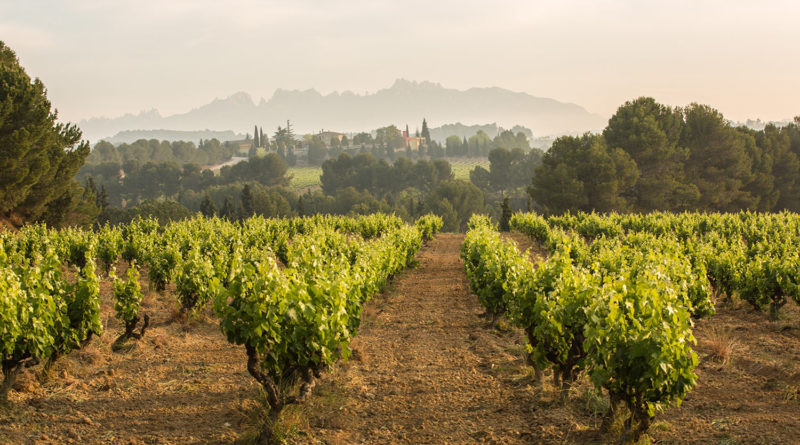
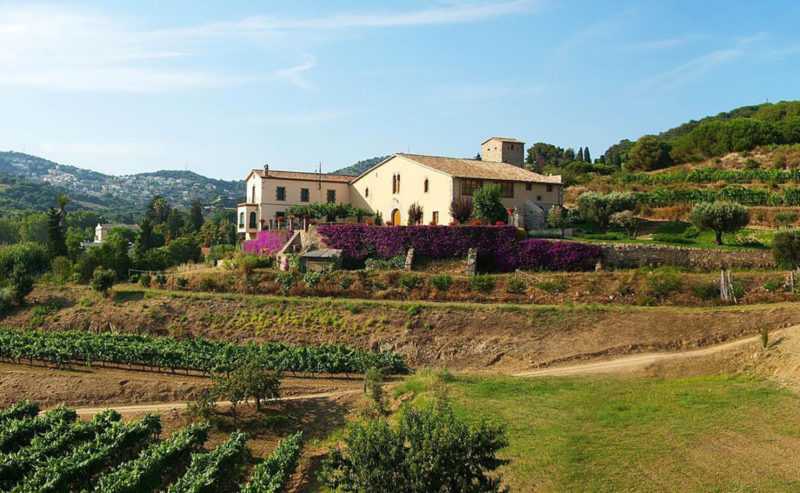
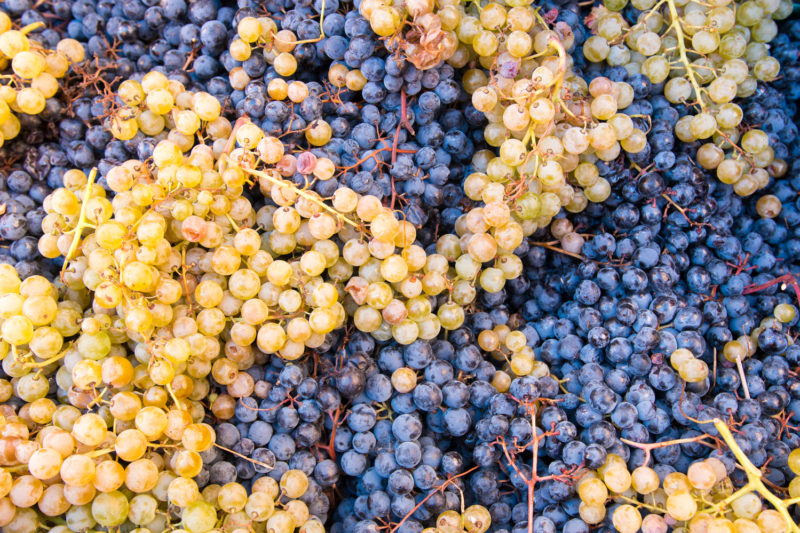
Forty years ago, four winemaking families joined forces to add value to their work and close the circle of cava and wine production. They are the first producers of biodynamic cava in the world.
Vins El Cep winery is located in the northern part of the Alt Penedès region, within the DO Cava for sparkling wines and the DO Penedès for still wines. The winery is located at Can Llopart de les Alzines estate in the Espiells area of Sant Sadurní d’Anoia. Theirs, is a story of neighbourliness, friendship and vindication of the work of the farmer, the winegrower who wants to add value to its work, and who wants to close the circle of cava and wine production.
Maite Esteve, partner and manager of Vins El Cep, represents one of the four families that founded Vins El Cep in 1980. They are now the second generation (three daughters of three different founding partners, plus one of the original founders). Maite defines the project as “a story of vineyards, wine and friendship”.
The four families have a long winemaking history, and one of them has documents dating back to 1448 that already mention vineyards on their property. “We come from viticulture. Forty years ago, the four friends decided to give value to their work, as grapes were not valued and the efforts made in the vineyard did not have an impact on the price paid for grapes. In fact,” she adds with concern, “this still hasn’t changed much”.
Caring for people and the environment
Maite proudly tells us that their innovative ways, always seeking natural balance, led them to introduce biodynamic techniques in the vineyard: “We were the first in the area to practice biodynamics and to bring out Claror, the first biodynamic cava in the world“. Although they were not the first to practise organic farming, they have been doing it for many years on their four estates, and she tells us that they did it for three reasons: “First, thinking about people who work the land and the vineyards; second, thinking about land and plants, to recover balance in nature, the biodiversity; and third, to obtain a quality product, as natural as possible”.
The introduction of organic crops is part of their philosophy of doing their bit in the face of the climate emergency which, she states, worries them. That is why a few years ago, they introduced the use of photovoltaic energy. “We have adapted our operation to the solar schedule. We live in a rural area, and we don’t have a very good electricity service, so we decided to use photovoltaic energy instead of a transformer. We produce all the energy we consume ourselves,” she says.
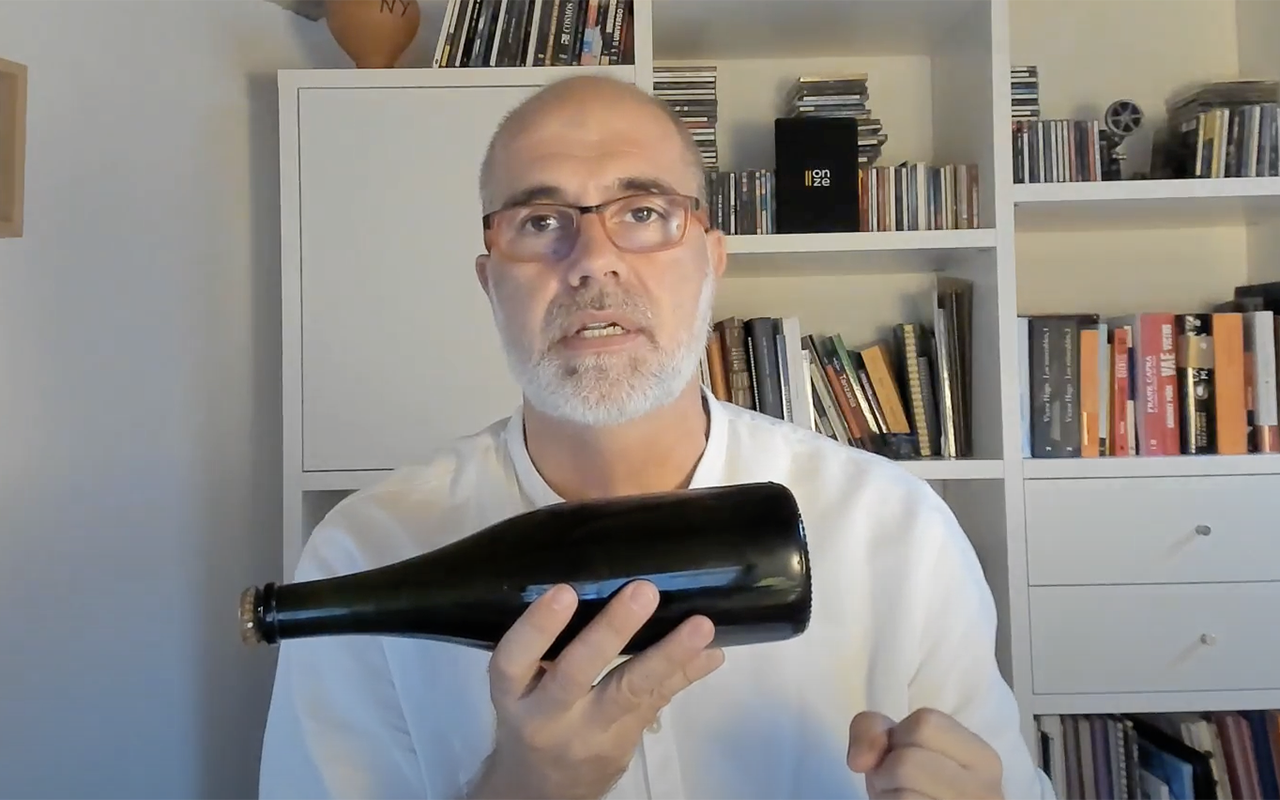
11Onze Agent Xavi Esteve tells us about the characteristics of the D.O. Cava.
Great defenders of the territory
“We are from Espiells. The territory defines the product, and it is necessary to look after it, protect it and actively defend it”, says Maite Esteve, while she tells us that she is now president of the Associació Espiells Terra de Vi, which brings together 14 wineries, 32 inhabited historic farmhouses and a total of 3,000 hectares of vineyards, 80% of which are organically farmed. They created it to organise themselves and fight against the destruction of the territory.
Proximity to the metropolitan area means that the territory is under constant pressure from companies and infrastructures. “There are plans for the Quart Cinturó to come close. They want to install large industrial estates. We have to be on constant alert. The territory, the land of this area is what gives us our product, which we want, and we work for, to ensure that it is of the highest quality”, she claims. In fact, such defence of the territory seems to be gaining recognition as they will be part of the first specific agricultural plan in Catalonia.
The DO Cava has divided all areas where cava is made into zones and sub-zones. According to these divisions, Vins El Cep has its lands in the Valls Anoia-Foix sub-zone of the Barcelona Counties area. Maite Esteve describes how a bottle of Vins El Cep cava reflects all elements provided by the microclimate of the Espiells area, located between the Ordal and Montserrat massifs.
“The terroirs, small vineyards, hilly terrain, forests, streams, form a mosaic of different elements, which, together with small productions give us the quality products we are looking for. We are in an area that is one of the pearls of the Penedès”, she adds. The main variety they grow is Xarel-lo, one of the most traditional and identifiable within this area, which together with Macabeo and Parellada, are the base product of cava, although they have also been working for years with foreign varieties, such as pinot noir.
The landscape, what visitors value
“The landscape is one of the elements that tourists who visit the cellars value the most. In recent years, farmers in the area have been doing an exceptional job and we have got beautiful vineyards, which form part of this extraordinary landscape with the image of Montserrat mountain in the background”, Esteve asserts. Recently, Vins El Cep has introduced wine tourism and organises tours and activities. “Wine tourism is a way of making people know about our work first hand”. It is also a way for them to make their product be known by local customers, as 85% of their cava and wines are exported.
Vins El Cep was born out of some neighbours’ friendship and love for the work they did in the vineyards and which, over the last forty years, has been reflected in the cava and wines that come out from the cellar of Can Llopart de les Alzines.
Do you want to be the first to receive the latest news about 11Onze? Click here to subscribe to our Telegram channel
The Josep Foraster winery, DO Conca de Barberà, is located at Mas Foraster, on the outskirts of Montblanc. For 150 years, Ricard Sebastià’s family has been producing grapes for family consumption and to sell to the farmers’ co-op. But in 1998, Josep Foraster’s drive led the winery to produce its first two home-grown wines.
The history of the Josep Foraster winery did not begin easily. The idea of building a winery and making their own wine was born in 1995, when Josep Foraster, with the help of his father, decided to create a winery to produce wine with the grapes from the family lands. In 1998, the winery was ready and the first two wines were produced: Josep Foraster Cosecha and Josep Foraster Crianza. The following year, after five years of struggle, Josep Foraster died of cancer.
This blow of fate forced the family to decide on the future of the winery, which had only just opened. Ricard Sebastià, who was 17 years old at the time, explains, admiringly and proudly, that his mother, Julieta Foraster, decided to take over the business: “My mother worked in the tourism sector, and what’s more, she didn’t drink wine. But when my grandfather suggested going ahead, only if one of his two daughters wanted to, because he no longer felt strong enough -he was over 70 years old-, my mother said she wanted to try”.
And then Ricard Sebastià started to get involved in the world of wine: “At that time I was studying law, but every weekend I went home and helped out as much as I could. I also did a master’s degree in oenology and qualified as a sommelier. In fact, I never finished Law, because I became fully involved in the family business. I couldn’t say the exact day, but the world of viticulture and winemaking got me hooked”. He confesses that his first ten years in front were very hard, but now things are back on track.
Organic and biodynamic
Currently, Josep Foraster produces 170,000 bottles, employs eight people, and exports 40% of the production. The remaining bottles are sold in Catalonia and only 5% in Spain. All the production is made with grapes from their own vineyards, as well as some vineyards rented from local farmers.
Production is 100% organic and, for some years now, part of it has been biodynamic. Respect for the land and the plants is important to Sebastià and the work carried out, both in viticulture and vinification, always seeks to reduce the presence of chemical products in the vineyard as much as possible and to be as non-interventionist as possible. He always takes advice and keeps a close eye on market trends.
Faced with the challenge posed by climate change, Ricard Sebastià acknowledges that it is a reality that worries him: “Despite the fact that in Conca de Barberà we have an advantage: our DO has the highest vineyards, with the coldest temperatures. We are planting at a very high altitude, about 600 metres above sea level. Given such irregular climate, we are foresighted, and plan to build a well to irrigate the vines. The idea is to build the well and extract water with energy from solar panels. We also plan to build cisterns to collect rainwater”.
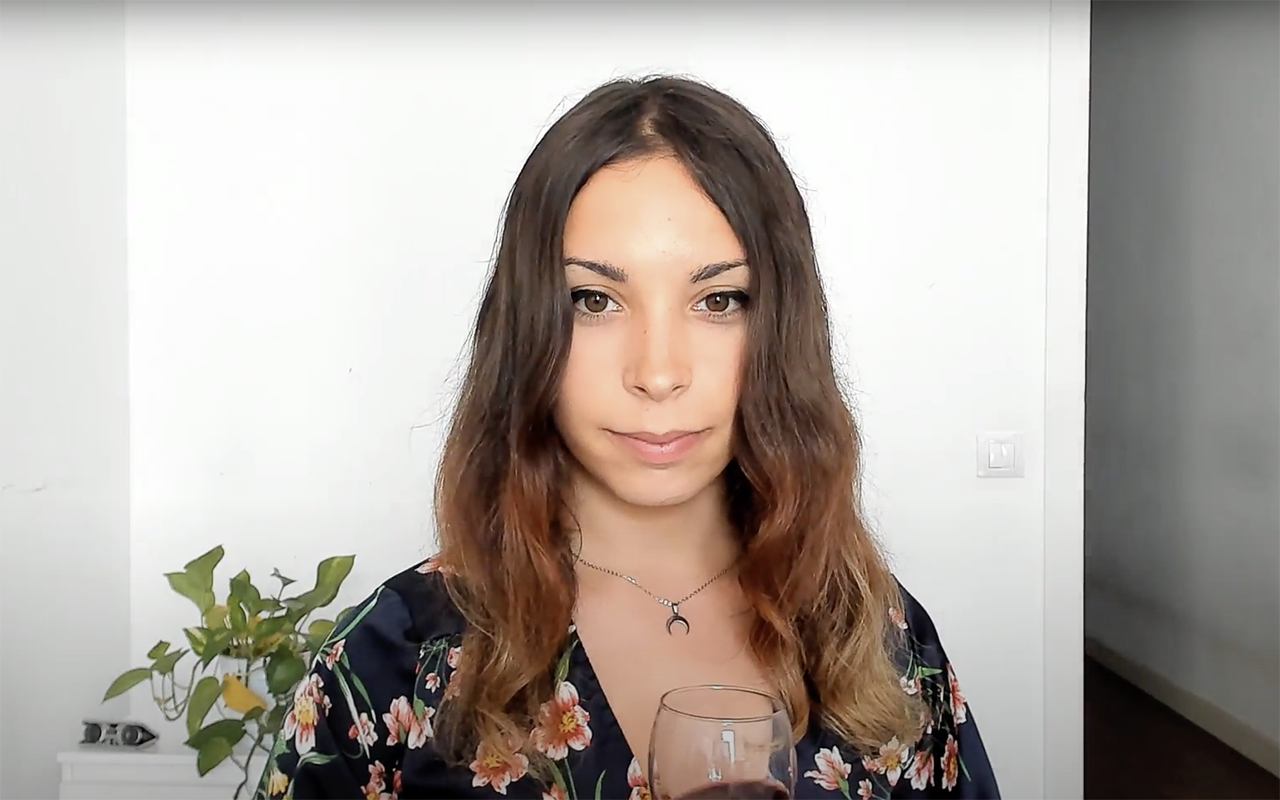
11Onze Agent Eve Doña tells us about the characteristics of the D.O. Conca de Barberà.
Autochthonous varieties
Another trait that characterises the winery’s spirit is that it works to recover native varieties: “For years now,” explains Ricard Sebastià, “the winery’s work philosophy is to recover native varieties: Trepat, Macabeo, Garnatxa. For us, the flagship grape variety is the Trepat, given that of the 1,100 hectares in the world, 1,000 are in Conca de Barberà. And we seek to differentiate our product, from the land, through diversity, because very good wines are made all over the world, but giving them their own character is what makes yours different”. The winery produces two kinds of single-varietal wines: four 100% Trepat wines and two 100% Macabeo wines.
Products of the land
One of the important branches of the business is wine tourism. Ricard Sebastià explains that, almost since they opened, the winery has been visited by wine tourists. The visits they organise consist of showing the wine-growing landscape (the winery is located on the outskirts of Montblanc, surrounded by vineyards); they offer lunches based on local and Conca de Barberà products; they do wine tasting, and so on. Visitors can also enjoy a small museum where the family exhibits tools used in the vineyard and the winery.
In 2012, the Josep Foraster winery won the Vinari d’Or for its young black wine Josep Foraster Collita.
Do you want to be the first to receive the latest news about 11Onze? Click here to subscribe to our Telegram channel
The first edition of the Biennial of Catalan Crafts will be open until September 19, a proposal promoted by the Catalan Government to showcase and transport Catalan artisan talent around the world.
It is a project promoted by the crafts area of the Consorci de Comerç, Artesania i Moda (CCAM) of the Generalitat, and has the support of the Associació de Galeries d’Art de Catalunya (GAC). Jordi Torrades, director general of the CCAM, emphasised the project’s intention to internationalise Catalan art and crafts and bring them prestige and recognition.
Internationalising art through Visions of Catalonia
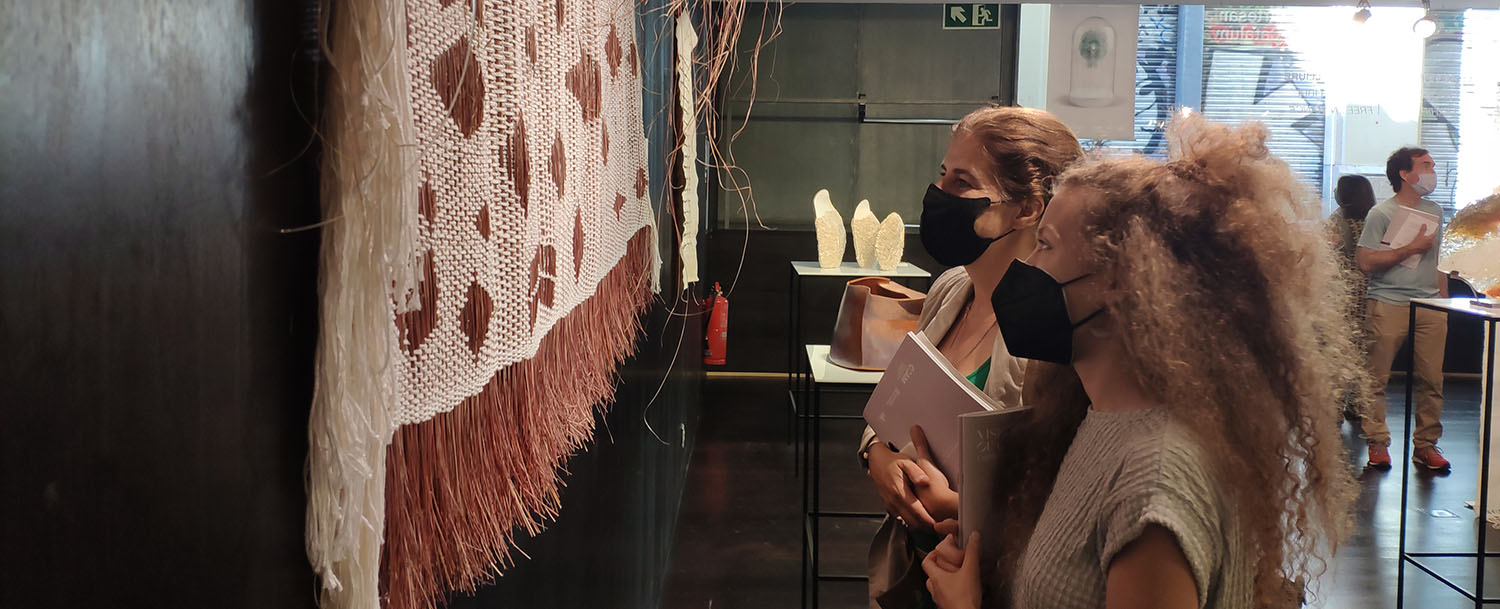
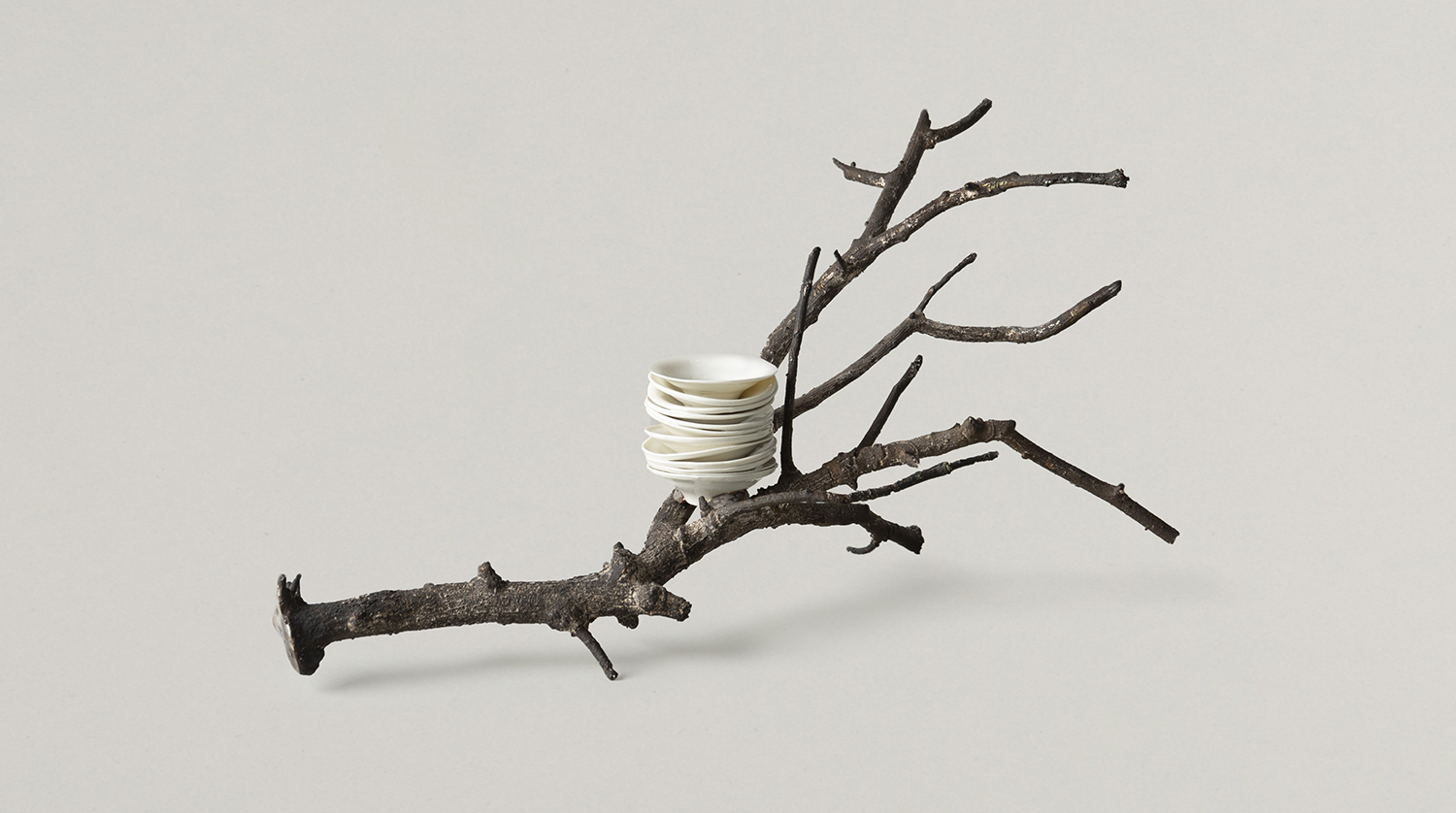
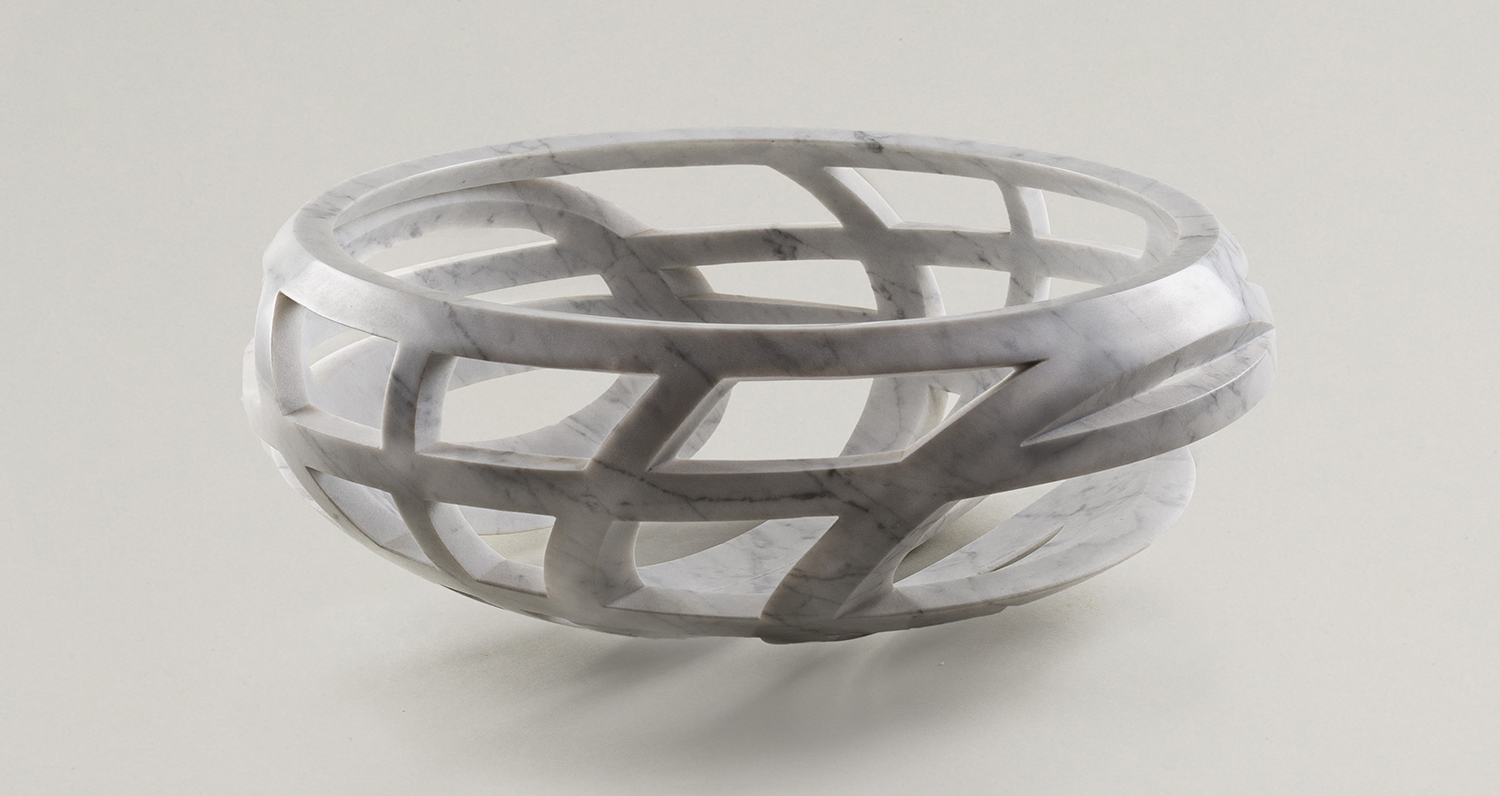
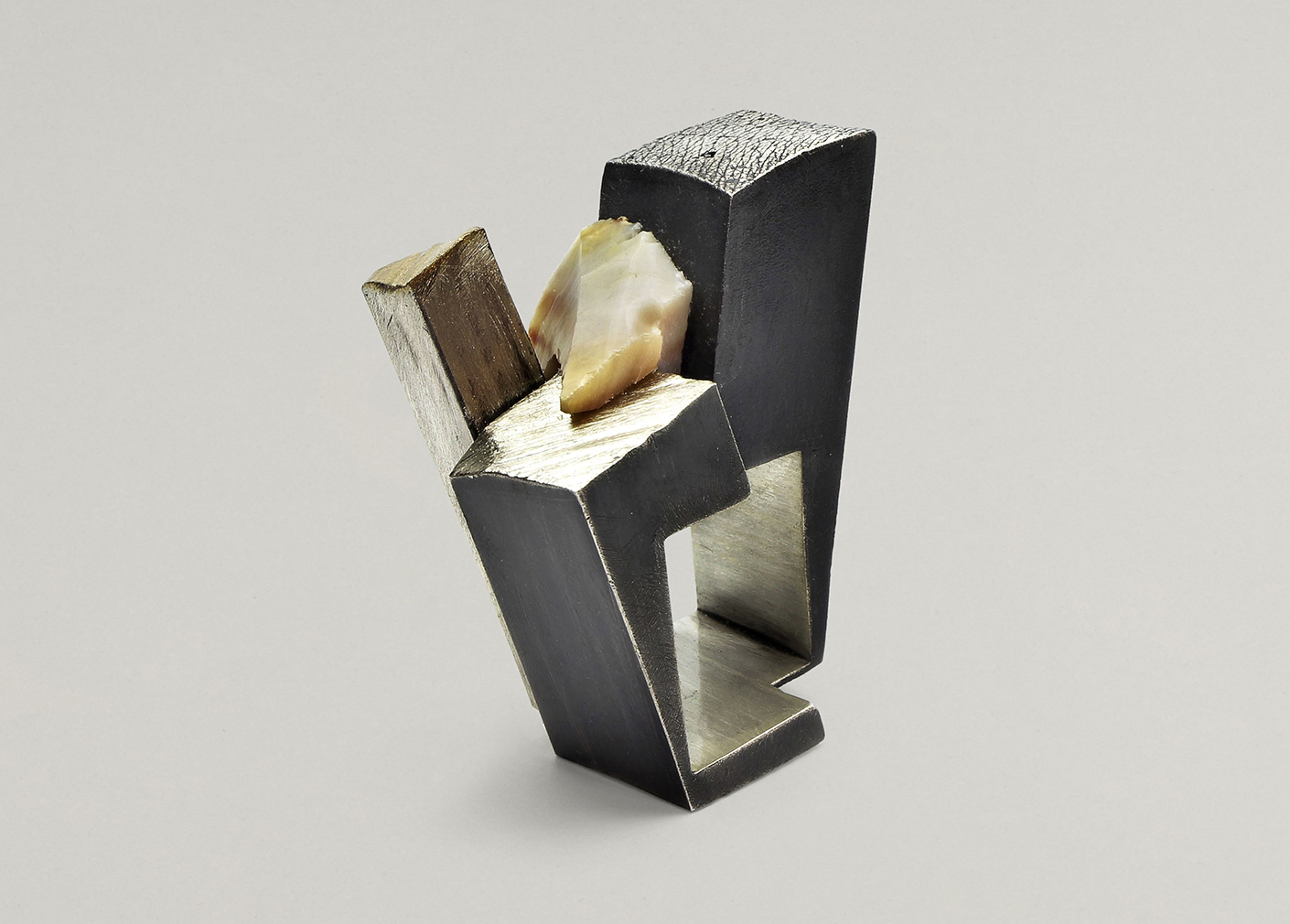
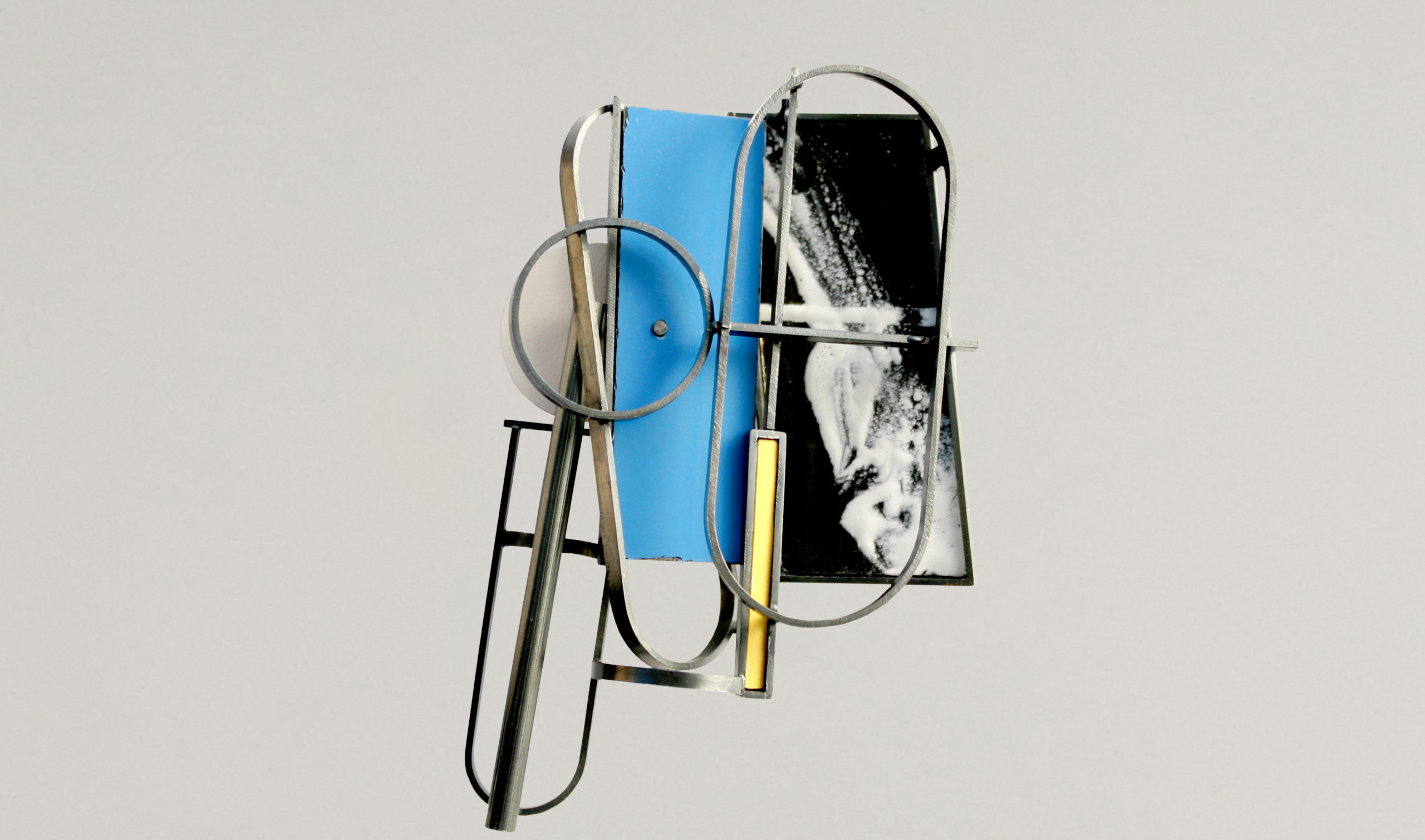
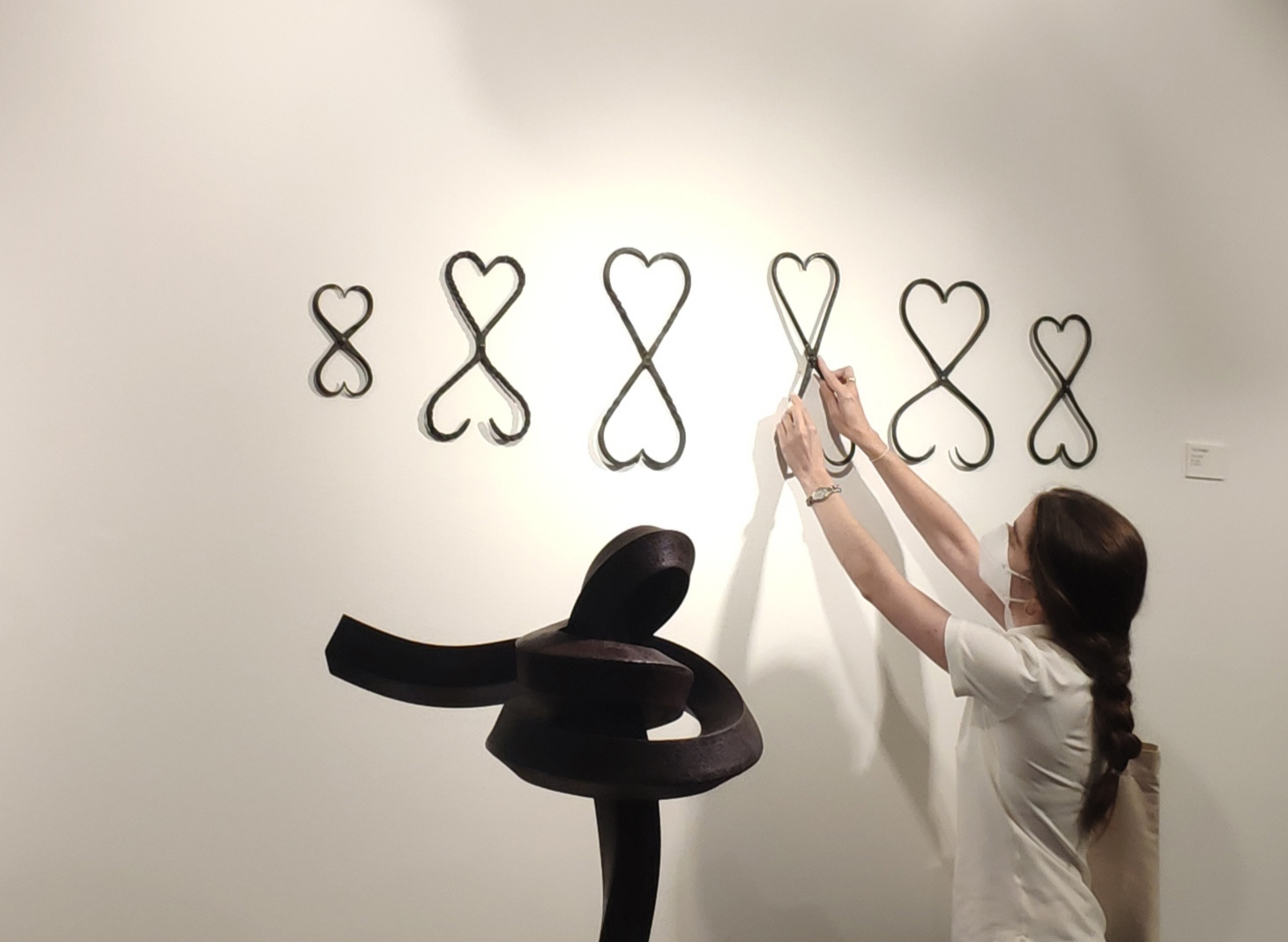
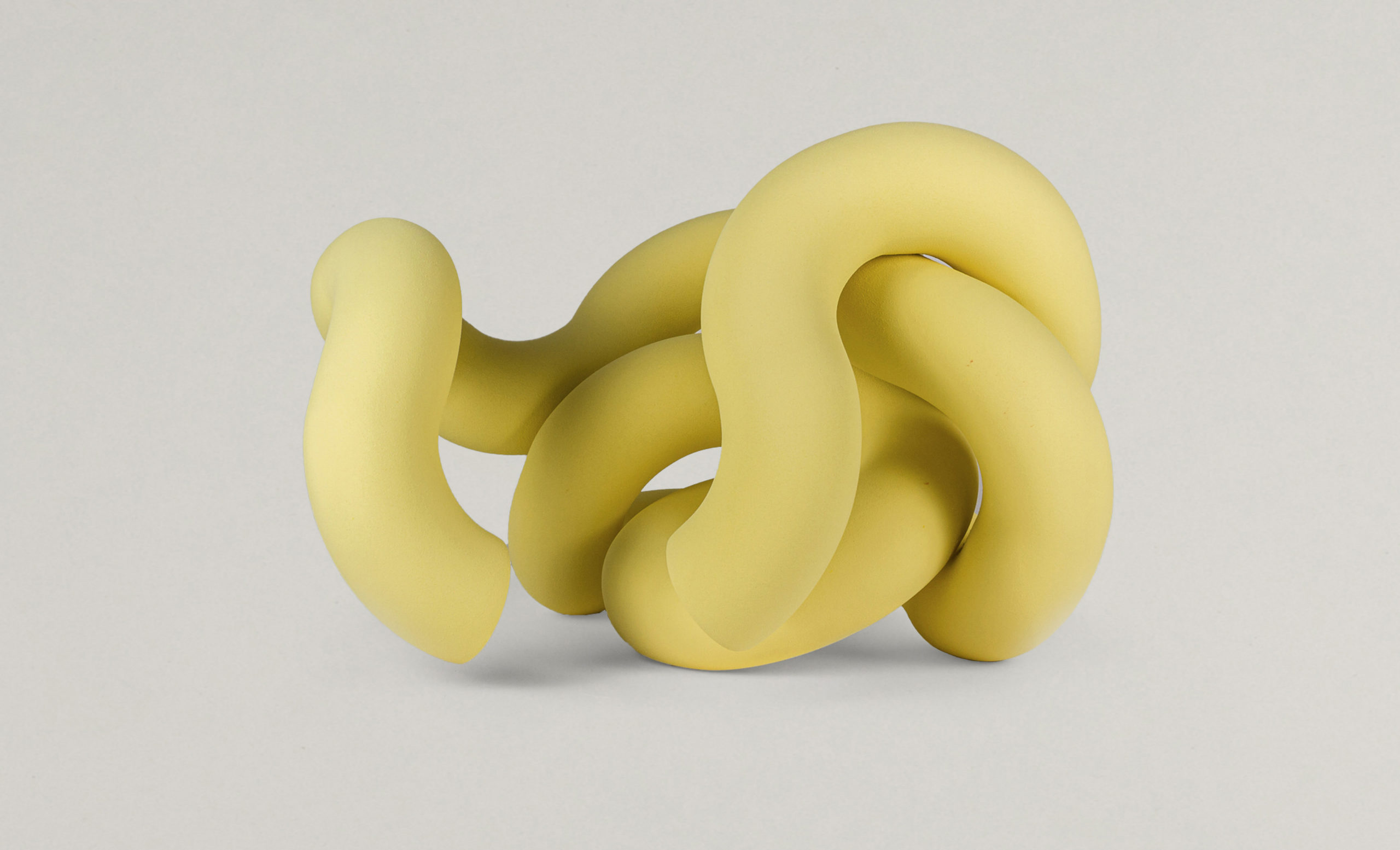
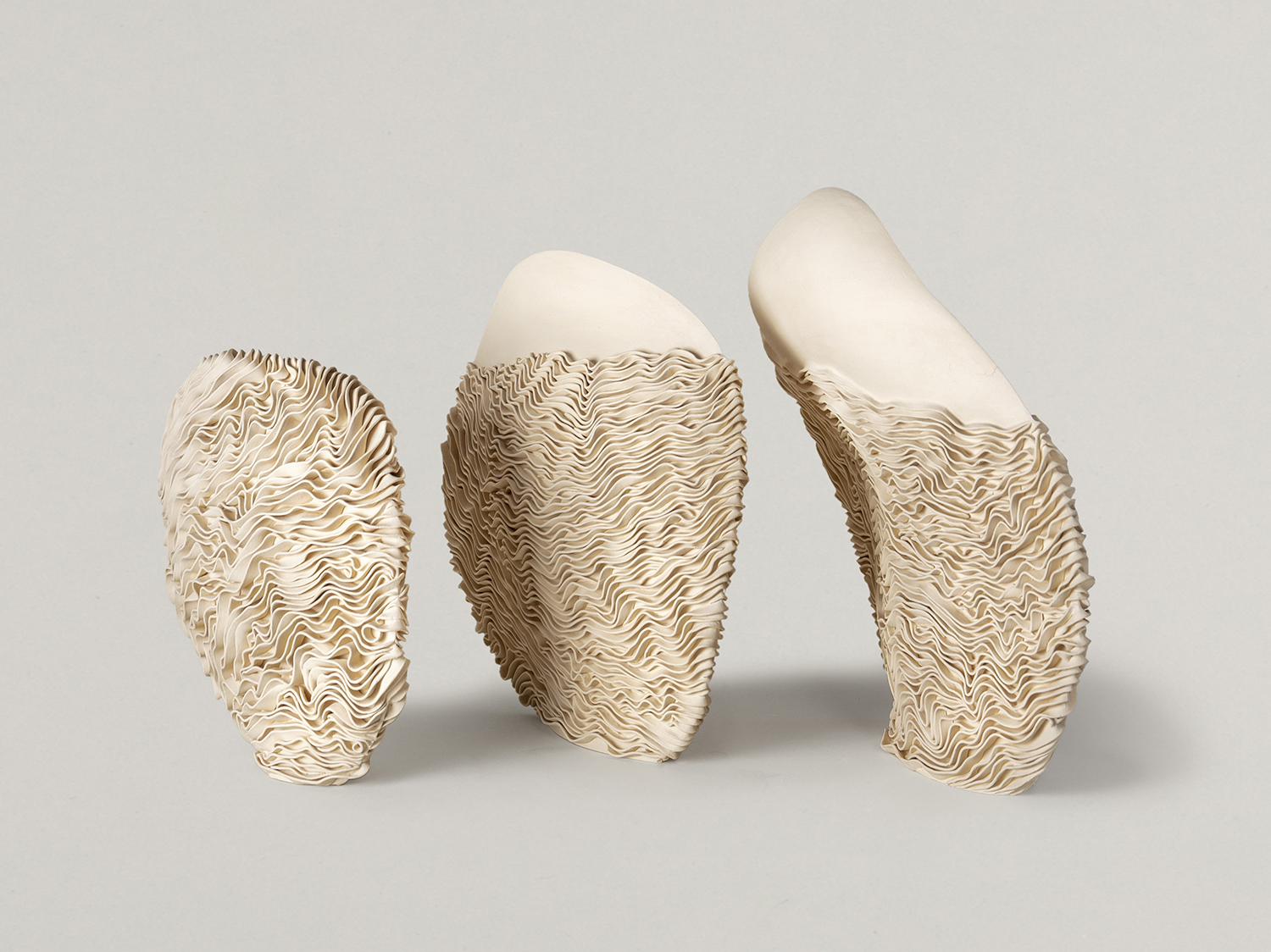
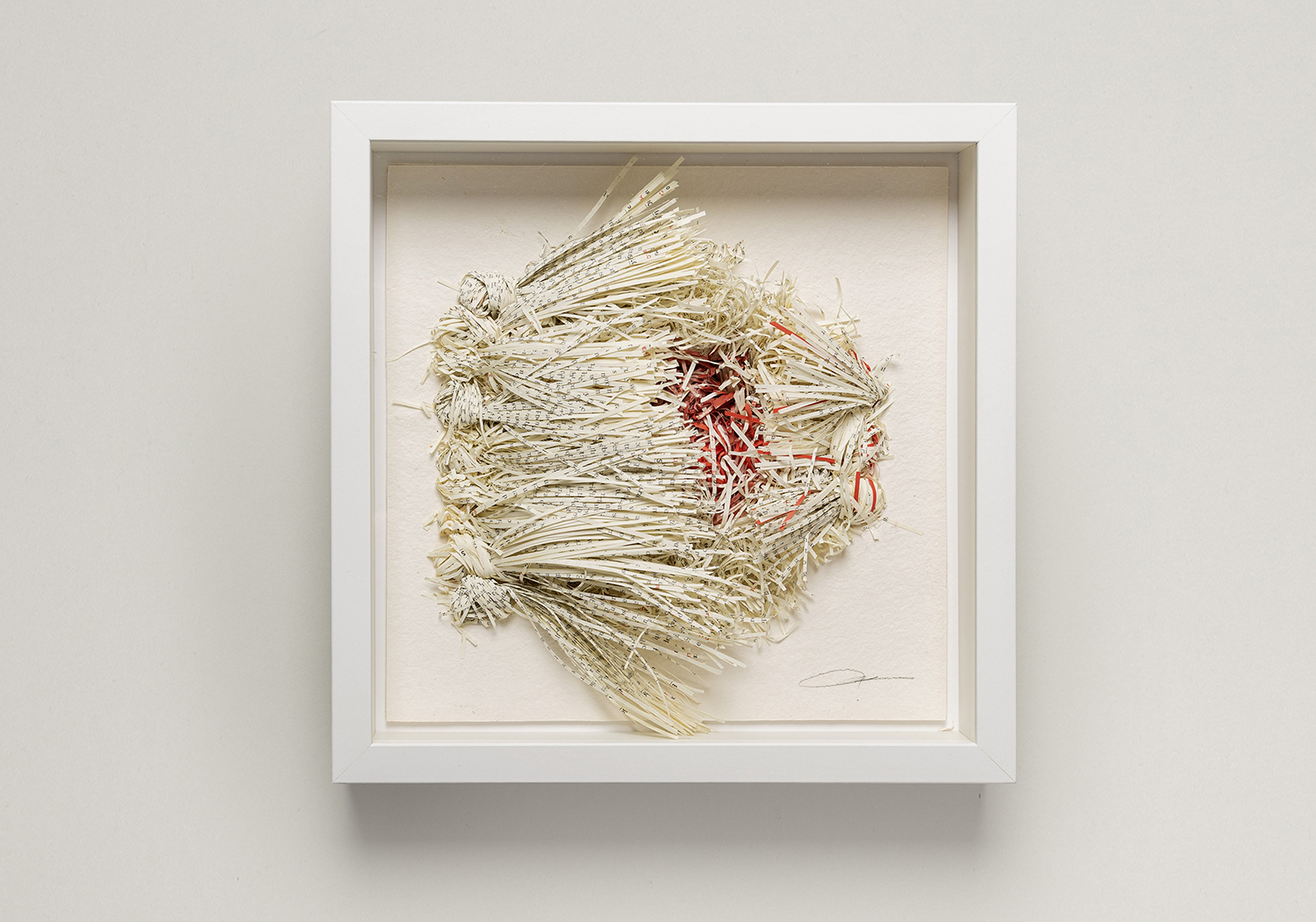
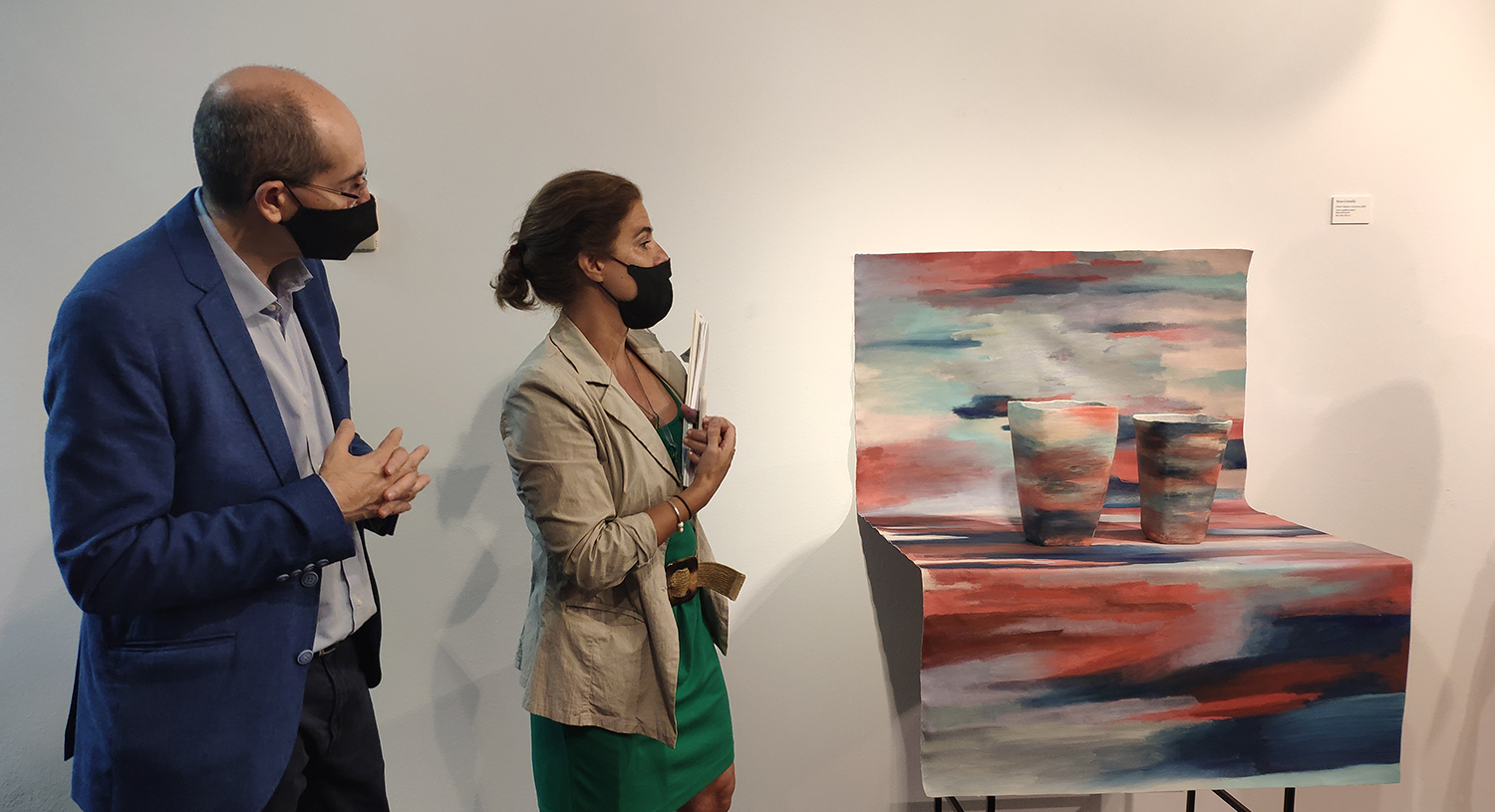
The central axis of the event is the exhibition Visions of Catalonia. Crafting Art, a format that will be repeated every two years with the aim to showcase local talent. This year it focuses on contemporary art and craft creation and features the work of 31 Catalan artists. It can be visited until September 19 at the Centre d’Artesania de Catalunya, at Carrer Banys Nous, 11, Barcelona. Next year, there are plans to move the exhibition to new international venues.
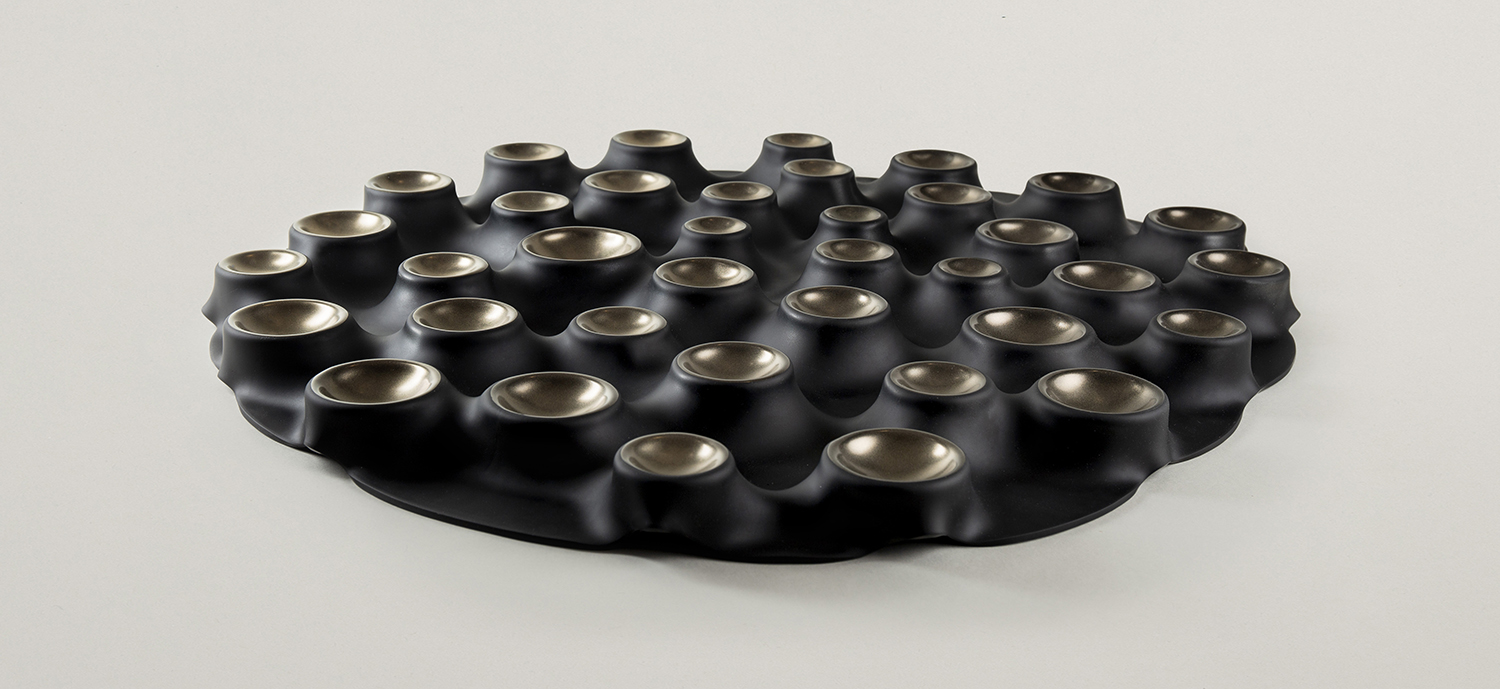
Directed by David Plazas and curated by Mónica Ramon and Rubèn Torres, the aim is for this space to serve as a loudspeaker for the dissemination of new expressions of contemporary art in our country, creating a platform from which local artists can show and disseminate their work, but also what lies behind it. The final result is as important as the process of getting there, and that is why the exhibition emphasises the technique, the concept, the materials and the trade of craftsmanship with all what it encompasses. Techniques such as paper, metal, ceramics, wood and textiles will be on display.
You can discover the artists of this first edition of Visions of Catalonia here.
Visibility and recognition to promote craftsmanship
The visibility and internationalisation of Catalan art is a key point in the cultural development of a country, but we must go further. Artists and artisans seek to make a living from their craft, at a time in society when technology has displaced a large part of craft techniques, dehumanising the creative processes. In this sense the CCAM launched a campaign to promote the consumption of artisan products. Under the hashtag #ConsumeixArtesania, a search engine has been created. It lists all places where you can buy these products in Catalonia.
It is just as important to recognise the work of artisans as it is to prevent products being marketed under the label of craftsmanship, which really are not. To avoid this, in Catalonia there are craftwork cards, which grant the final consumer the certainty that the product has been made with natural or recycled raw materials, and that it has not been industrially produced in order to be marketed.
The wide range of artisan producers in Catalonia shows the good health of this sector, which, in addition to the boost of international visibility, needs local recognition and the support of consumers to continue growing and finding its place in the era of industrial consumption.
- Source: govern.cat
Do you want to be the first to receive the latest news about 11Onze? Click here to subscribe to our Telegram channel

We discover how the final tasting of the awards is organised at the Celler de Rubí, in a ritual ceremony to select the best wines of Catalonia.
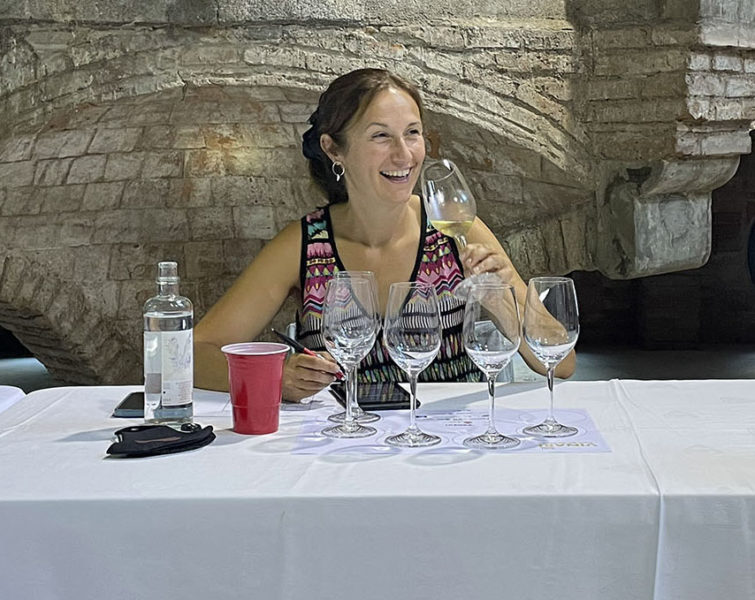
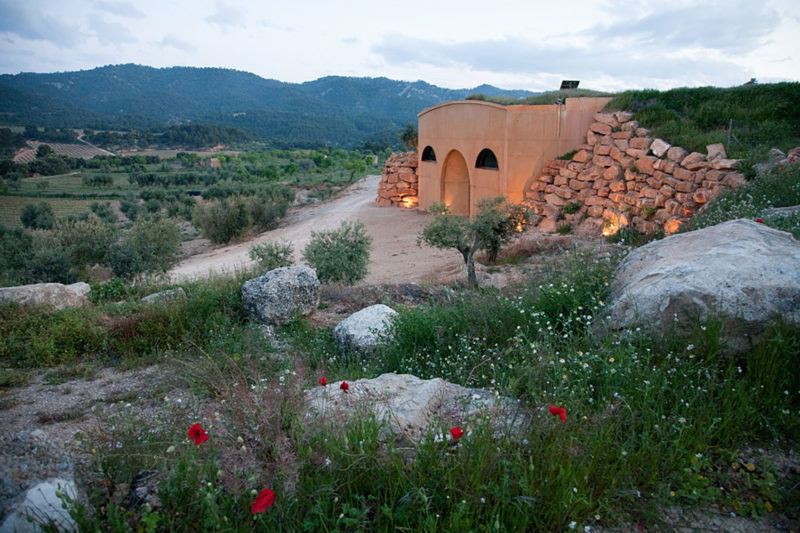
An old cellar, with thick walls supported by large wine vats, hosted the best wines of Catalonia for hours. Only the organisers were allowed into the room where these influential wines were being served. Total secrecy. There, wines were waiting to be tasted, one after the other, separated by categories and with a cover that prevented the label from being read. Outside, around twenty sommeliers, oenologists, and wine critics sat at the tables and received instructions. This is how the Celler de Rubí held the final tasting of the Vinari 2021 Awards on Monday.
“This space is for us a jewel, our cathedral, a journey into the past to look to the future with enthusiasm. It is up to you today to discover the best wines produced in Catalonia. It is an honour for the city”, the mayoress of Rubí, Ana María Martínez, began to celebrate. The facility has witnessed this final tasting since the birth of the awards, which this year celebrate their ninth edition. The truth is that all wines that will be tasted this Monday at the Celler de Rubí are excellent: they are the finalists that stood out in the first phase from among nearly 200 that registered. The 11Onze team, which is an official sponsor, has been a luxury spectator of the event.
With precise instructions from the director of the awards, Ester Bachs, tasters have begun the ritual. “Wines are here to score”, she pointed out. Bachs conducted the event with scrupulous respect and reminded the attendees that the Vinari Awards continue to be held and to support the wine sector, which is suffering the effects of the pandemic, but also of the weather after this year several areas of the country have suffered droughts. Then, she began to explain how to use the tablets for the scoring, went on to detail the scoring scale, which goes from 1 to 100, and that is not expected to go below 80, and finally, she cleared up doubts.
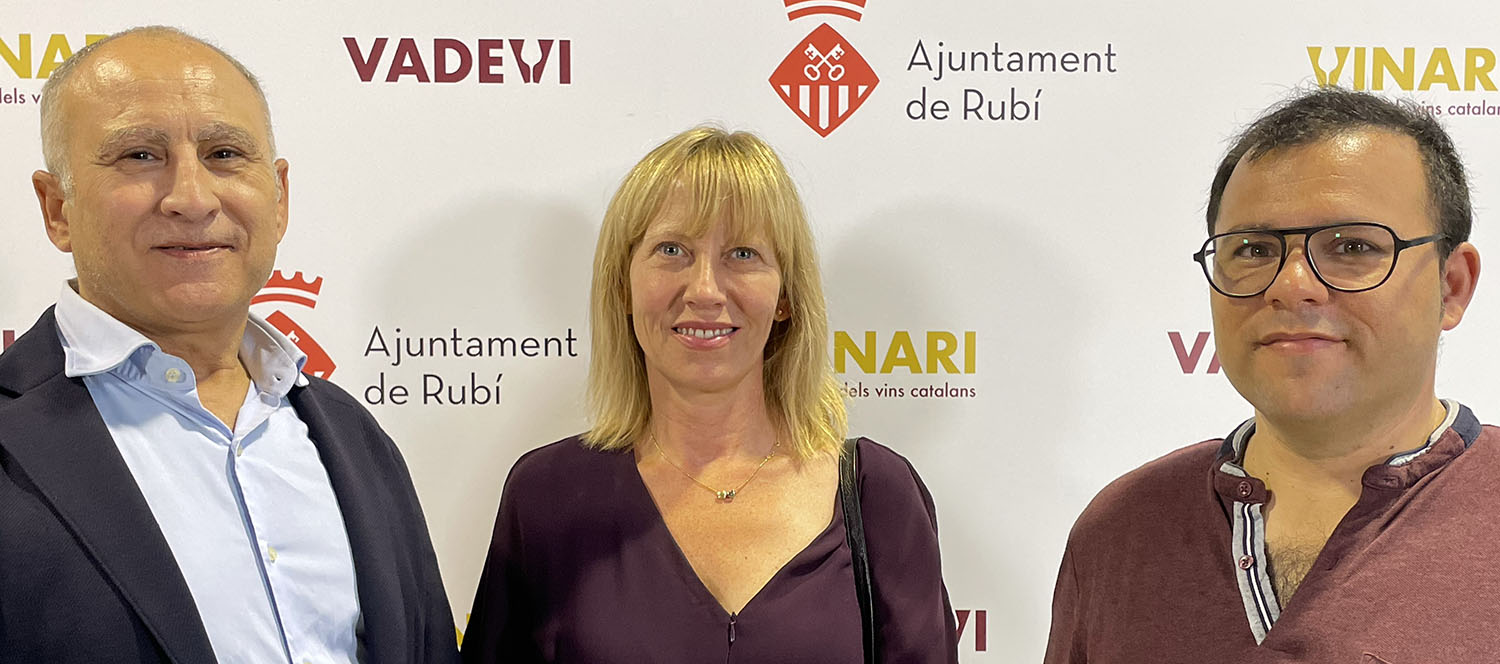
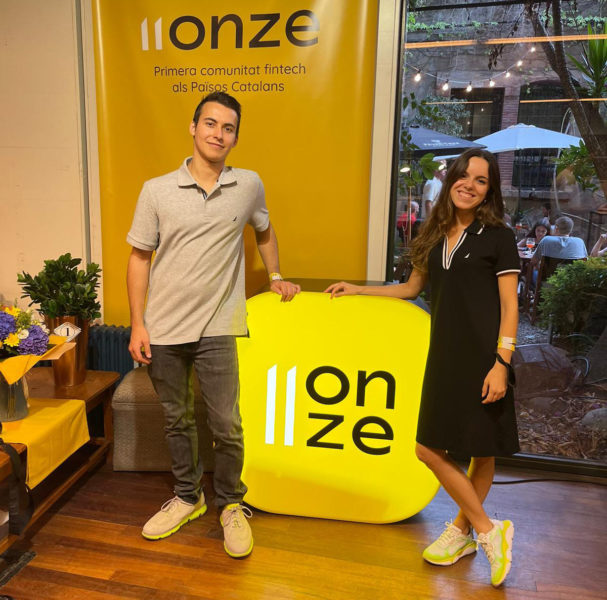
The 11Onze team in the final tasting of the Vinari 2021 Awards. Jas Teixidó (left), Sandra Molas and Toni Mata (right).
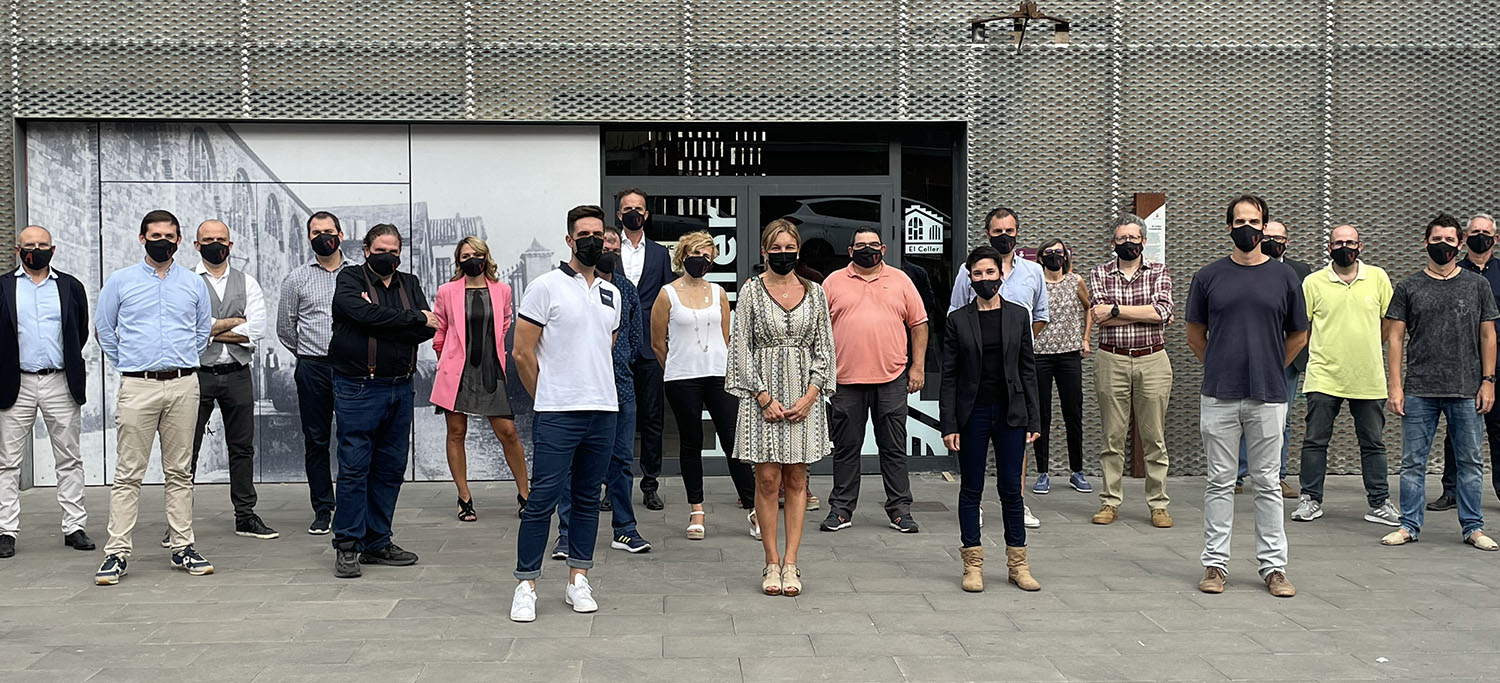
Group photo of the twenty tasters and the entire organizational team of the Vinari 2021 Awards.
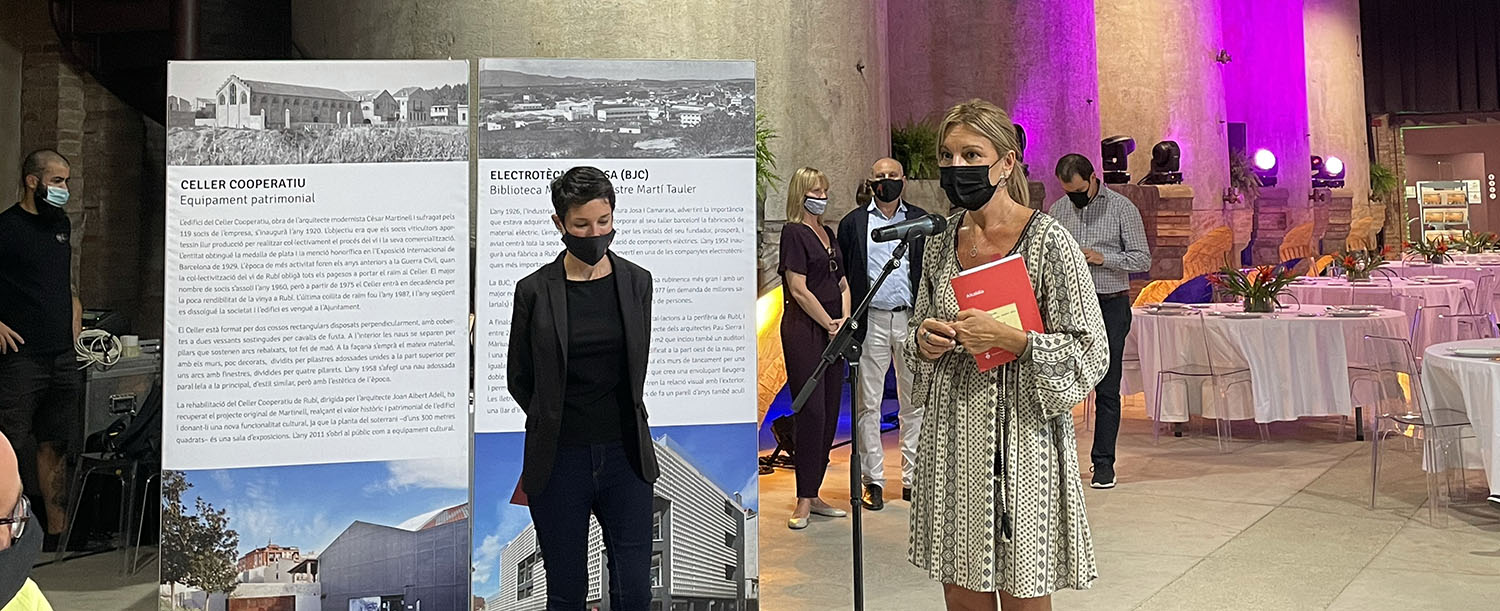
The mayor of Rubí, Ana María Martínez (right), and the director of the Vinari Awards, Ester Dachs (left) during the presentation of the event.
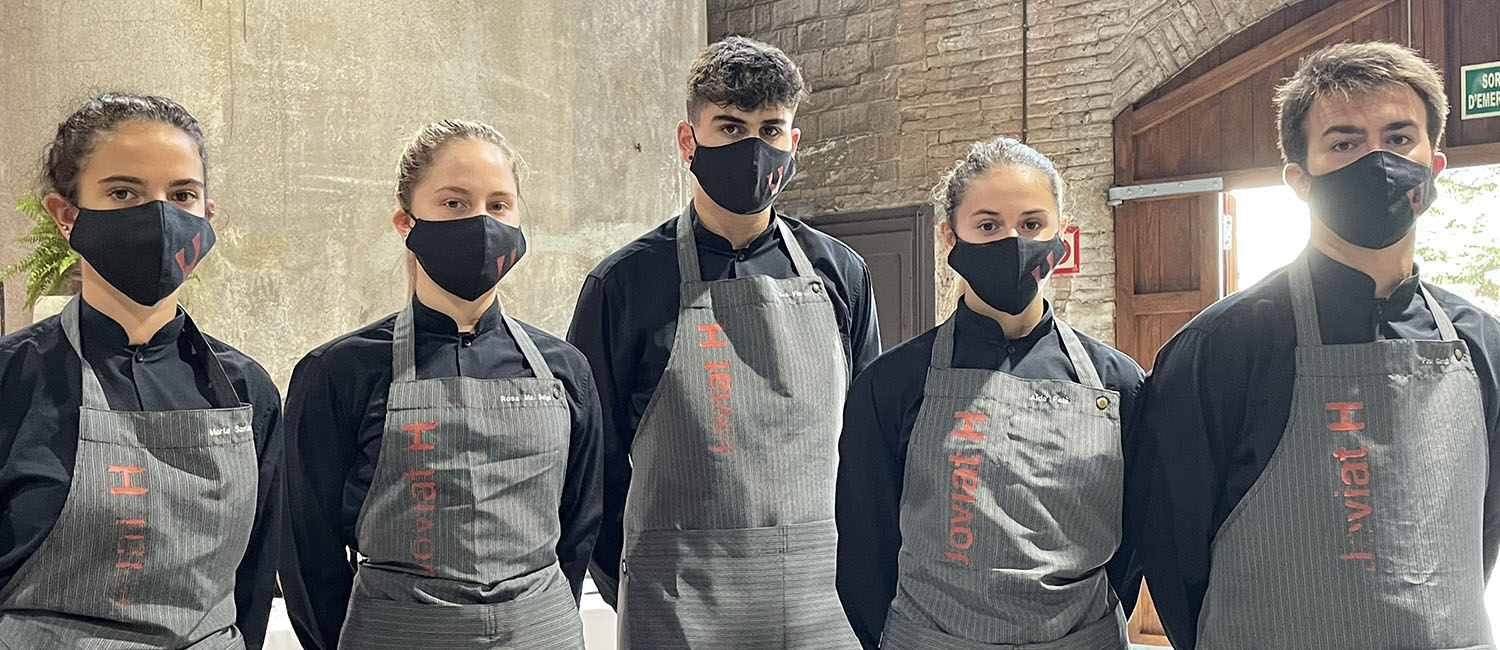
The group of young waiters who served the best Catalan wines to the tasters.
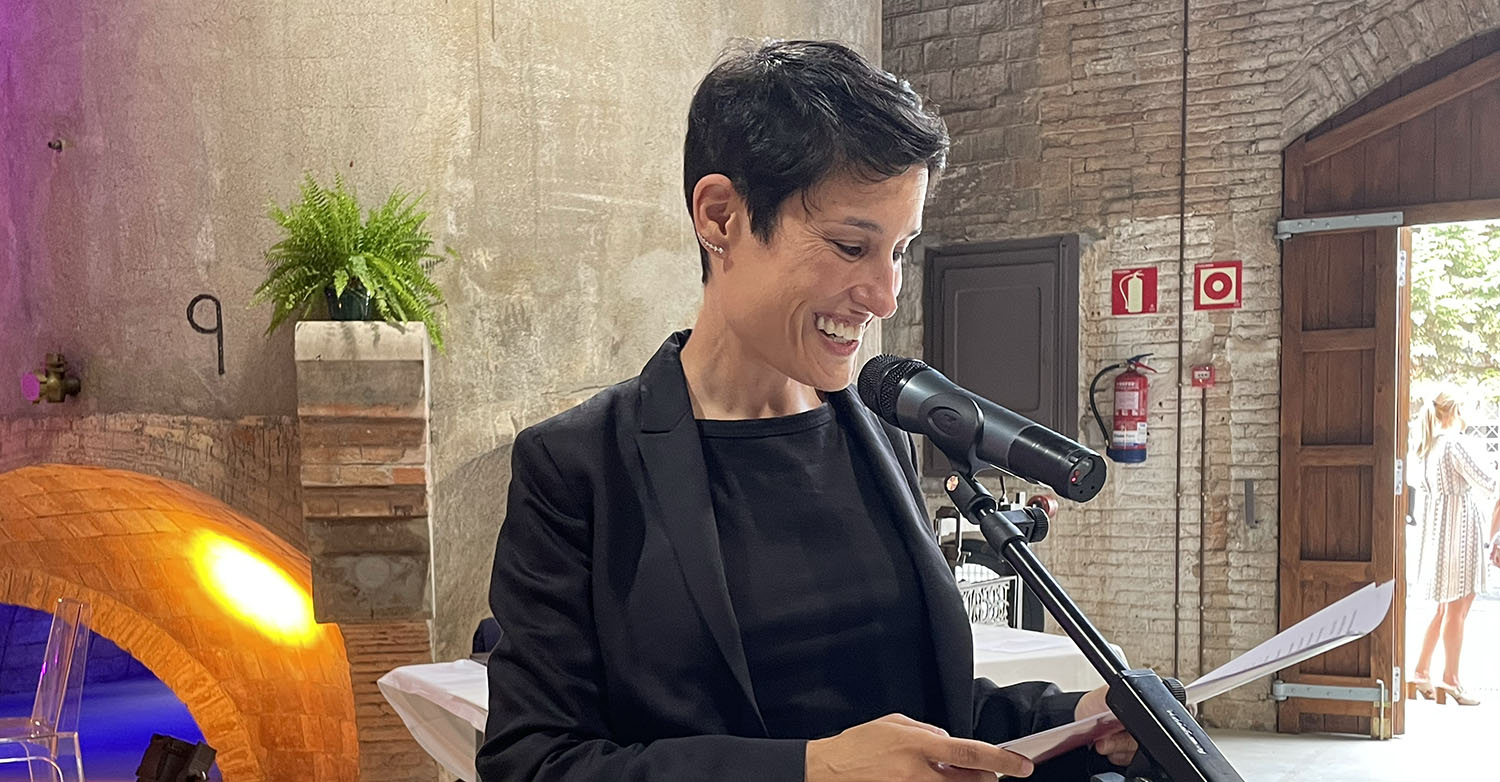
The director of the Vinari Awards, Ester Dachs, gives instructions to the tasters.
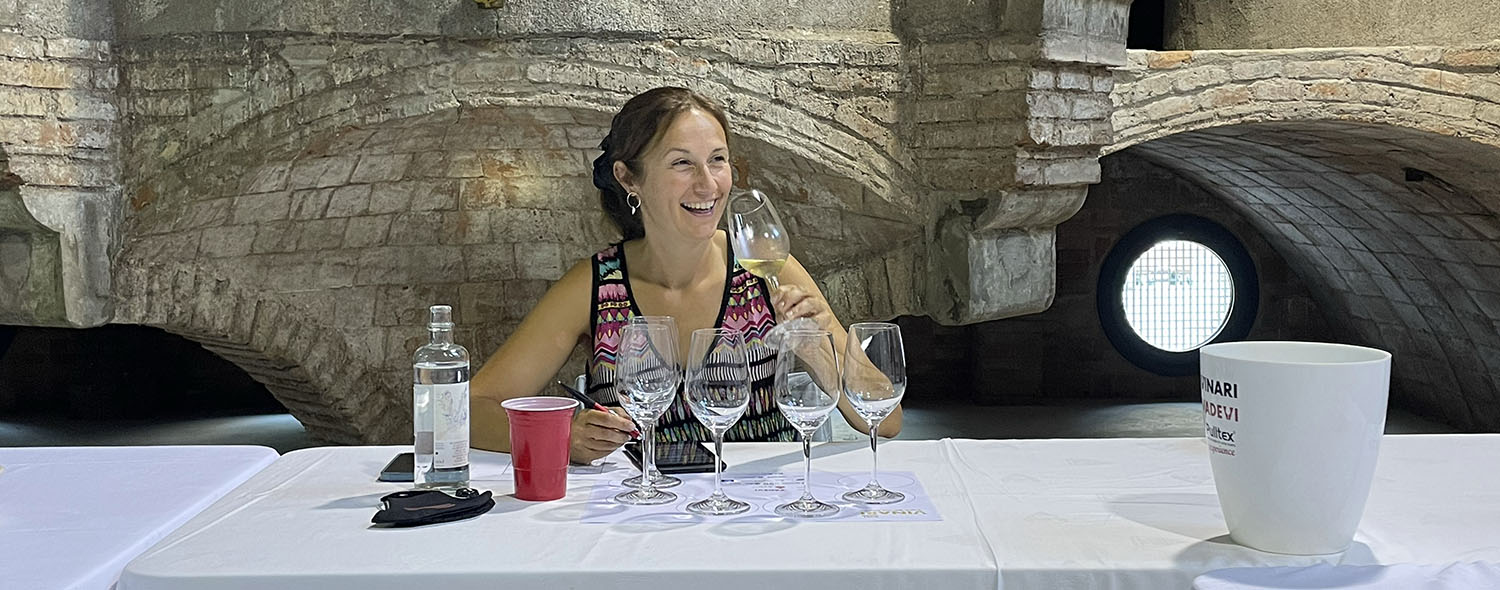
A taster smells one of the white wines and values its characteristics.
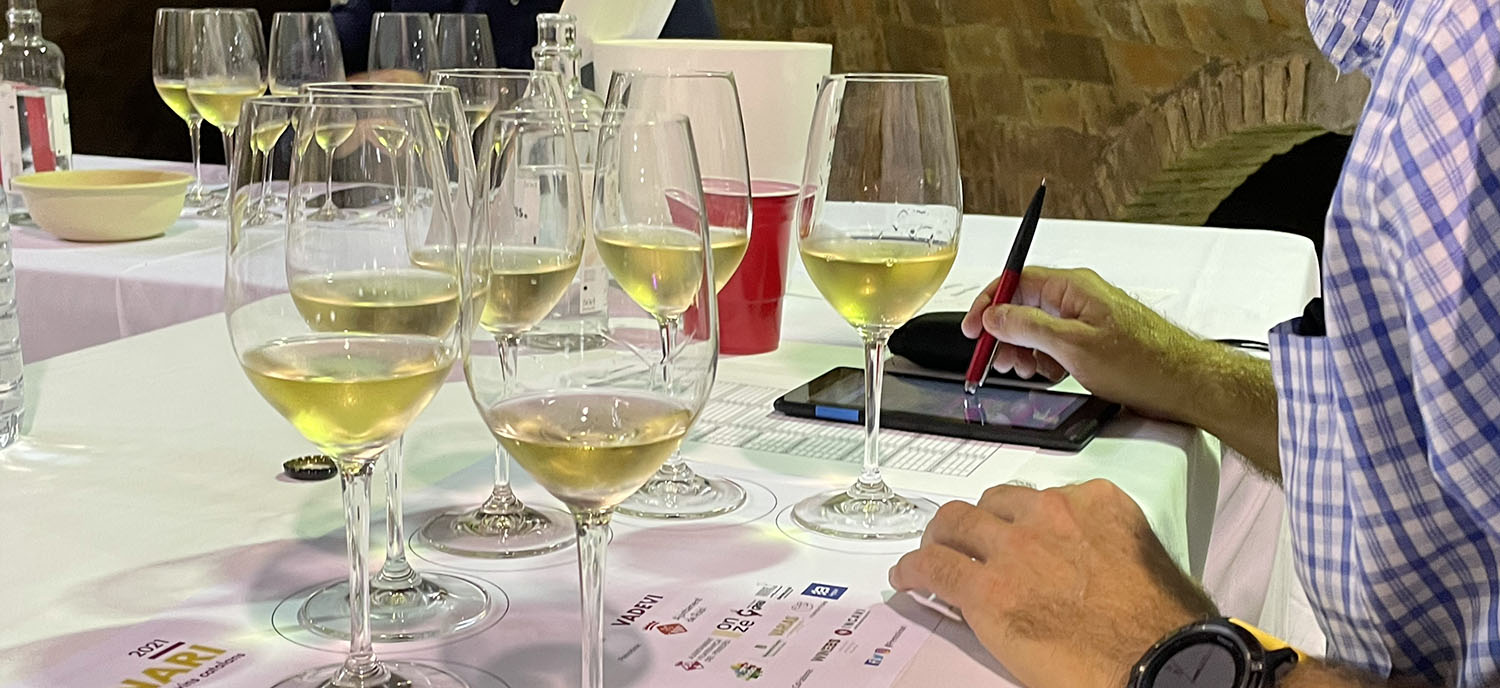
Several white wines that were tasted during the awards.
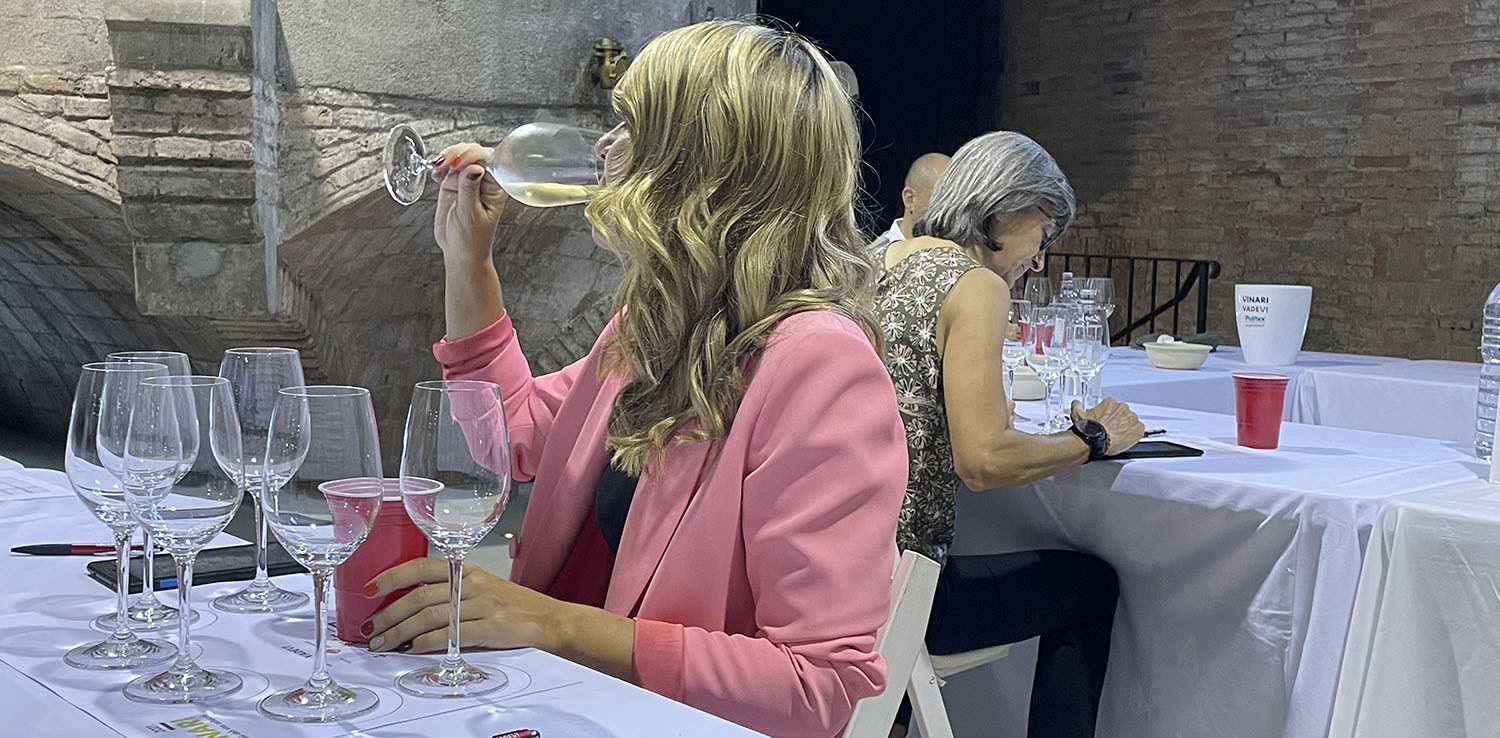
A taster during the tasting of white wines.
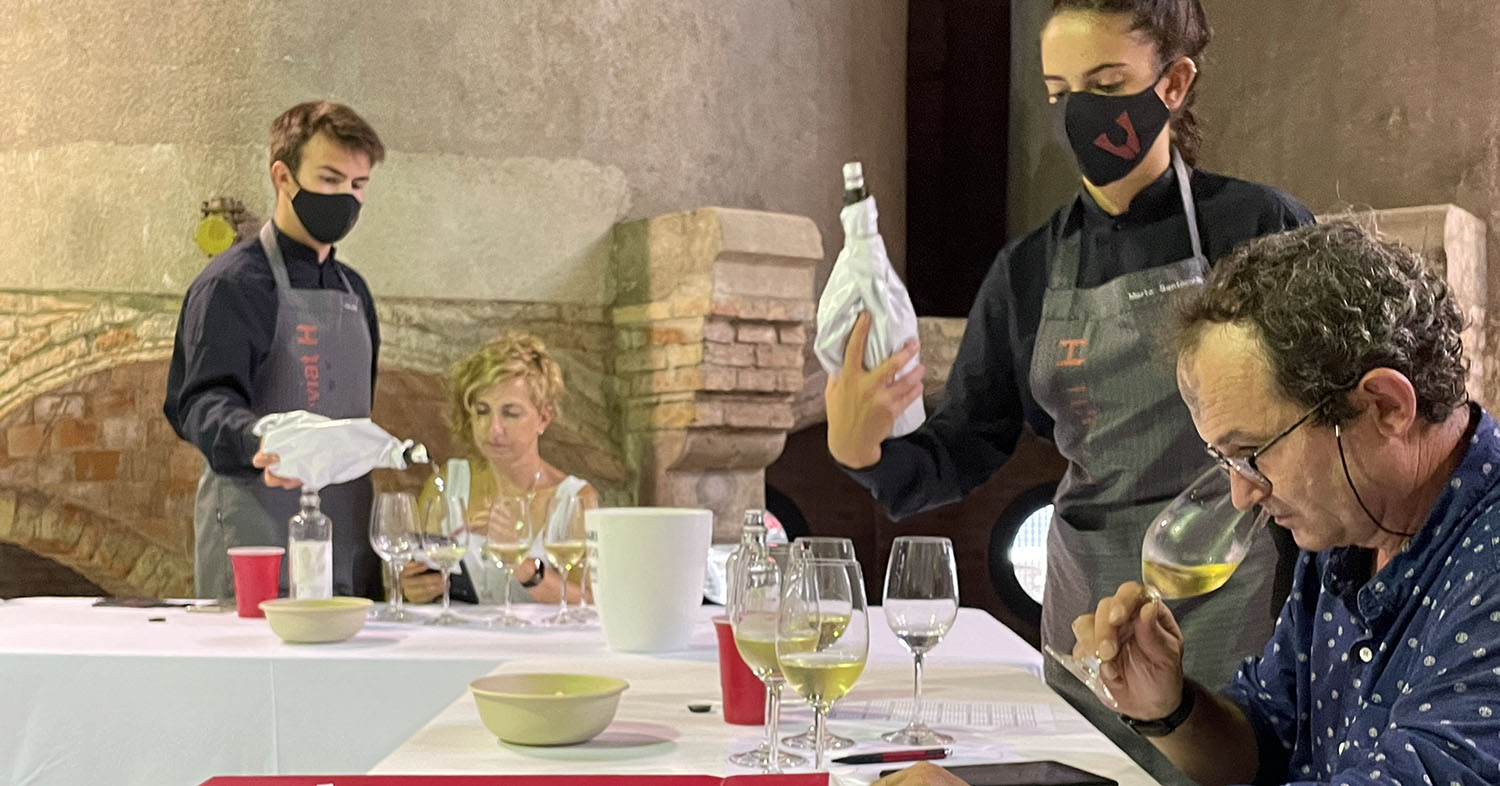
A table of tasters shares impressions on the wines of the first batch.
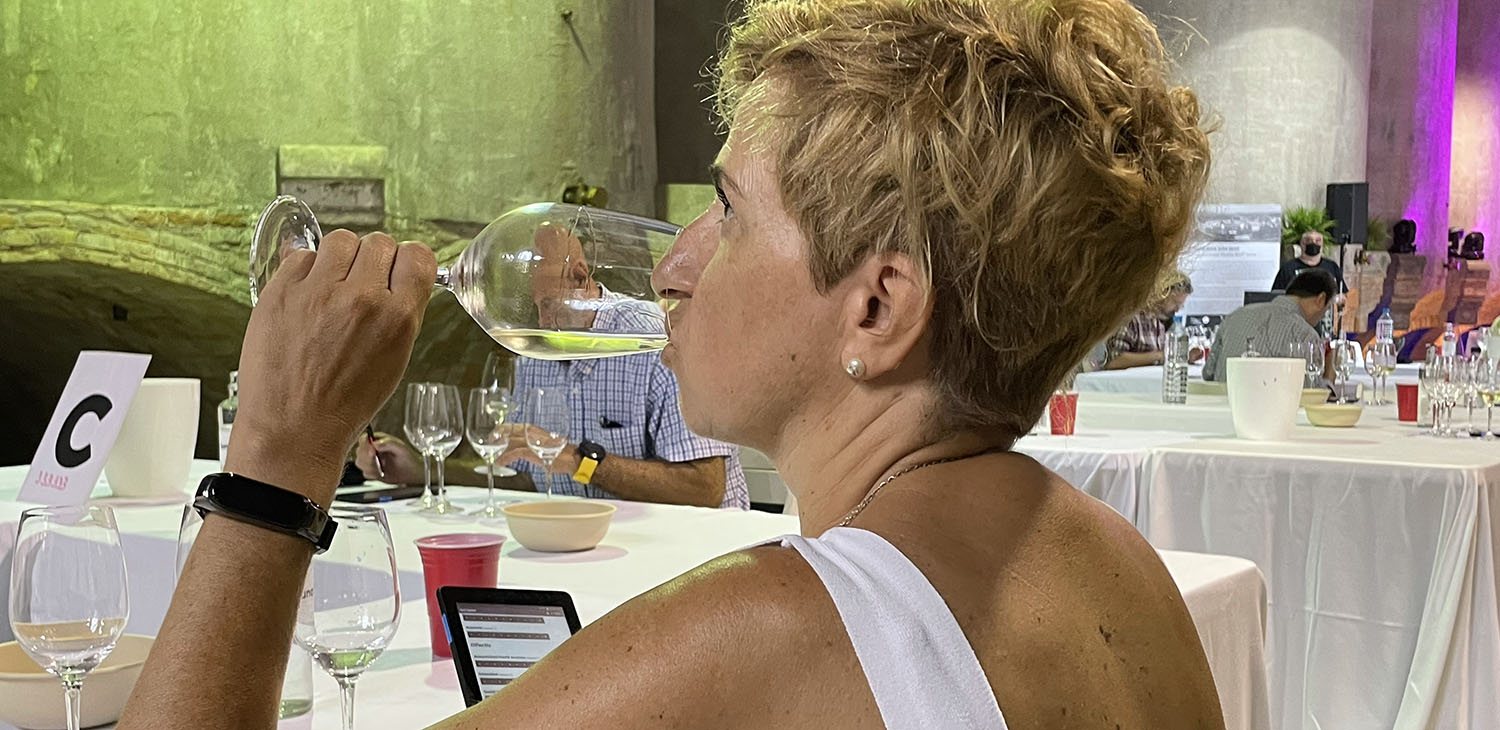
Another taster during the tasting of white wines.
Value like a goldsmith, taste like a fan
The tasters get impatient. They tidy up the table and fidget in their chairs. Organisers have arranged them four by four, on large tables with string tablecloths. The glasses are placed around the table, the tablet on one side, and on the other, paper and pencil. The ceremony begins: first the whites are served, then the blacks, and finally the sparkling and sweet wines. Tasters celebrate with each wine a feast that begins with the sight, continues with the nose, and ends with the tasting.
Jordi Martínez, oenologist, sommelier, and owner of a select wine shop in Guissona, the Selecte Wine Store, tells us that he has participated in the awards almost from the beginning and that his passion for wines runs in his family because despite being from the Lleida region, which produces little wine compared to other areas of Catalonia, he has had his own production.
Under the distracted gaze of his companions, Martínez explains that each wine is assessed separately and that none of the wines they taste is bad. Sometimes, he admits, the taster has a special bond with some wines, because they have a strange touch that only a true fan can perceive, but at the end of the day, they must select those wines that will be valued in a wide market. Despite being a blind tasting, the winemaker also acknowledges that, if they pay enough attention, the more experienced tasters even know what area the wine comes from and what grapes it is made from. In the final tasting, however, they are not asked to do any analysis other than that of the palate. And although the scoring is individual, tasters at each table can share their impressions.
-I won’t tell you what smell comes to my mind…
-Why? Tell us, come on…
-I smell a damp rag smell…
-Yes, yes, you’re not wrong… -I smell like marijuana if I’m honest…
-Don’t you? -It’s like a tomato plant!
-For me, it’s an 84!
The wines with the best scores during the final tasting will be announced at the Gala de Tardor to be held on Friday, October, 8, at Vilafranca del Penedès Auditorium, a day full of surprises, that will be possible to follow live on Televisió de Catalunya. The awards ceremony will also recognise the best professional career in the world of wine, the best label, the best winery, the best taster, and the best ecological project, as well as the best innovative initiative and wine tourism promotion.
The Vinari Awards for Catalan wines, organised by the digital newspaper VADEVI.cat, were created in 2013 with the aim of raising awareness of the excellence of the wines produced in the country and to guide the final consumer on the diversity and quality of local wine projects. In the Rubí winery, under the watchful eye of the vats, we leave them deliberating.
Do you want to be the first to receive the latest news about 11Onze? Click here to subscribe to our Telegram channel