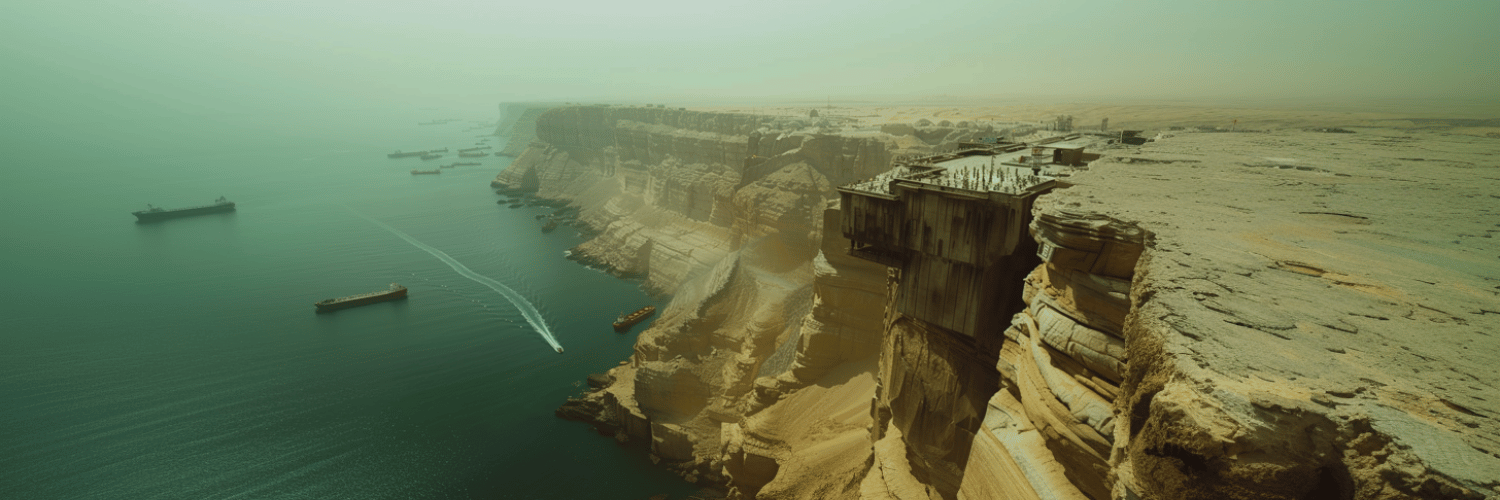
The crisis between Israel and Iran has once again placed the Strait of Hormuz at the centre of current affairs. However, to understand why markets react with such concern to any threat in this region, it is necessary to look far beyond the headlines and discover the history of one of the most strategic points on the planet.
Whenever a crisis erupts in the Middle East, one name immediately appears in economic headlines: the Strait of Hormuz. Analysts warn of possible disruptions to maritime traffic, oil prices react, and major powers follow developments with almost obsessive attention.
For many people, this concern may seem exaggerated. After all, it is simply a maritime passage located between Iran and Oman. Yet this perception changes when one understands one of the great lessons of geopolitics: geography continues to determine a large part of the global economy.
The Strait of Hormuz is a narrow shipping lane that connects the Persian Gulf with the Indian Ocean. From a geographical perspective it is relatively small, but its location has made it, for centuries, a fundamental piece of international trade.Long before oil existed, these waters were already crossed by merchants transporting spices, silk, precious metals and other goods between East and West. Persians, Arabs, Portuguese and British competed for its control because they understood a very simple reality: whoever controls the major trade routes accumulates wealth and influence.
The Portuguese were the first Europeans to realise its strategic importance when they occupied the island of Hormuz in the 16th century. Later, the British Empire would turn the Persian Gulf into one of its main spheres of influence in order to protect communications with India. For centuries, the value of this maritime corridor was associated with trade. But everything would change with the arrival of oil.
The discovery of the great oil fields of Saudi Arabia, Kuwait, Qatar, Iraq and the United Arab Emirates completely transformed the region during the 20th century. This maritime passage, which had once served to transport goods, now became the main gateway for the export of one of the world’s most important raw materials. Since then, the Strait of Hormuz has become one of the most important energy arteries on the planet.
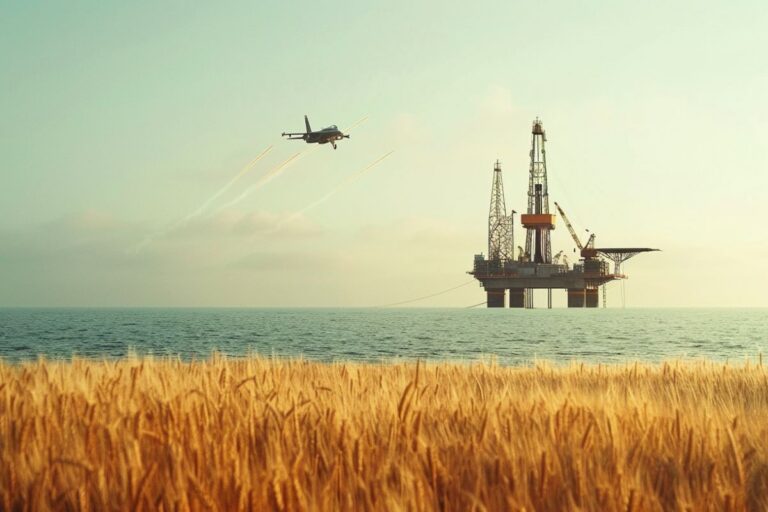
Today, nearly one-fifth of the oil consumed worldwide passes through these waters. A significant share of global liquefied natural gas trade also flows through this route. Countries such as China, India, Japan and South Korea depend heavily on the security of this maritime corridor to power their economies.
This explains why any incident generates concern. If the flow of oil were significantly disrupted, the effects would quickly be felt in energy markets. Oil prices would rise, transport costs would increase, and inflation could once again put pressure on economies around the world. However, the importance of Hormuz goes far beyond energy: when oil became monetary power.
The end of the bond with gold
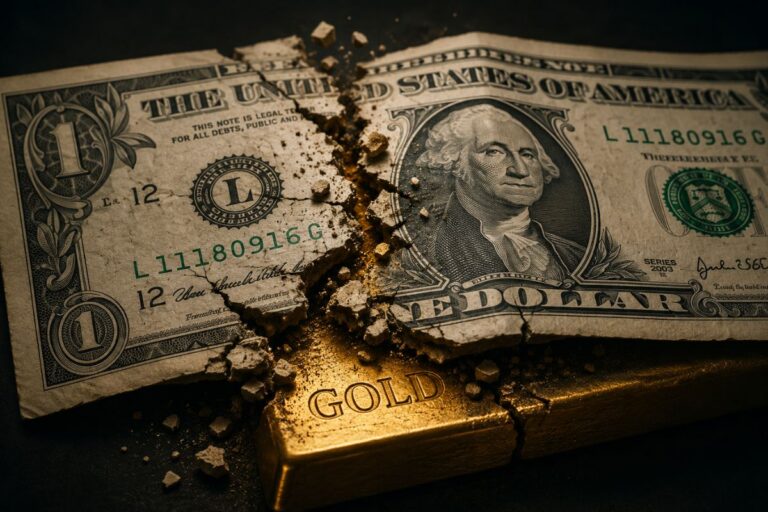
In 1971, US President Richard Nixon ended the convertibility of the dollar into gold, definitively closing the era that had begun with the Bretton Woods Agreements after the Second World War. From that moment on, the United States needed to reinforce international confidence in its currency. The answer would arrive a few years later through agreements established with Saudi Arabia and other oil-producing countries.
The mechanism was simple but extraordinarily effective: oil would be traded primarily in US dollars. This meant that any country wishing to buy energy first needed access to American currency.
Thus was born the system known as the petrodollar. Control of the major energy routes became closely linked to the financial hegemony of the United States.As oil became the engine of the global economy, the security of the Persian Gulf was transformed into a strategic issue for Washington. This reality was formally established in January 1980, when President Jimmy Carter delivered the speech that would give rise to the well-known Carter Doctrine.
At the height of the Cold War, following the Iranian Islamic Revolution and the Soviet invasion of Afghanistan, Carter warned that any attempt by a foreign power to gain control of the Persian Gulf region would be considered a direct threat to the vital interests of the United States and would be repelled by any means necessary, including military force.
The Carter Doctrine made the protection of the Persian Gulf and the Strait of Hormuz a permanent objective of US foreign policy, highlighting the extent to which control of energy flows was considered essential to preserving the international economic order led by the United States. For decades, this energy and financial architecture helped consolidate the dominant position of the dollar and strengthen American global influence.
The current dedollarization process
The current crisis between Israel and Iran comes at a particularly delicate moment. The world is experiencing profound geopolitical transformations. China is gaining economic weight, Russia is attempting to reduce its dependence on the Western financial system, and the BRICS countries are exploring alternatives to increase the use of their own currencies in international trade.
Iran is actively participating in this trend. In fact, its accession to the BRICS symbolises the desire to build an economic order that is less dependent on the dollar. For this reason, when investors observe tensions in the Strait of Hormuz, they do not merely see a potential disruption to energy supplies. They also see one of the arenas where competition between different visions of the global order is unfolding.
This does not mean that the dollar is about to lose its dominant role. It remains, by far, the world’s leading international currency. However, it does indicate that de-dollarisation has become one of the major geopolitical trends of the 21st century.
The Strait of Hormuz reminds us of a reality that is often overlooked: behind the major movements of the global economy lie geographical, energy and political factors that continue to shape our daily lives. When we talk about oil, inflation or interest rates, we are also talking about geopolitics. This is why it is so important to understand what happens in strategic locations such as Hormuz. Because the world is becoming increasingly global, yet the consequences of its crises continue to reach our wallets.
Protecting savings with physical gold has been one of 11Onze’s main contributions to its community and, now, the range of products is being expanded. That is why, in the face of volatility, still-high inflation and the growing crisis of confidence in the banking system, gold is once again strengthening as a safe-haven asset. Discover Gold Seed at Preciosos 11Onze.

 Equip Editorial