When you receive your payslip and notice that nearly a hundred euros are missing each month, it’s natural to ask: where is that money going, and why is it increasing if taxes haven’t been raised?
The answer is less visible than it seems. It’s called “cold progressively”, and it’s the silent tax hike that occurs when the government fails to update income tax brackets (IRPF) in line with inflation.
The IRPF withholding is the part of your salary that your company pays directly to the tax office on your behalf. It’s not a new tax — it’s an advance payment of what you’ll declare later on your annual income tax return. That means each month you’re lending money to the State, which may or may not refund it, depending on your personal situation. These funds don’t go specifically to pensions or any concrete service: they flow into the State’s general treasury, from which all public spending — including pensions — is financed.
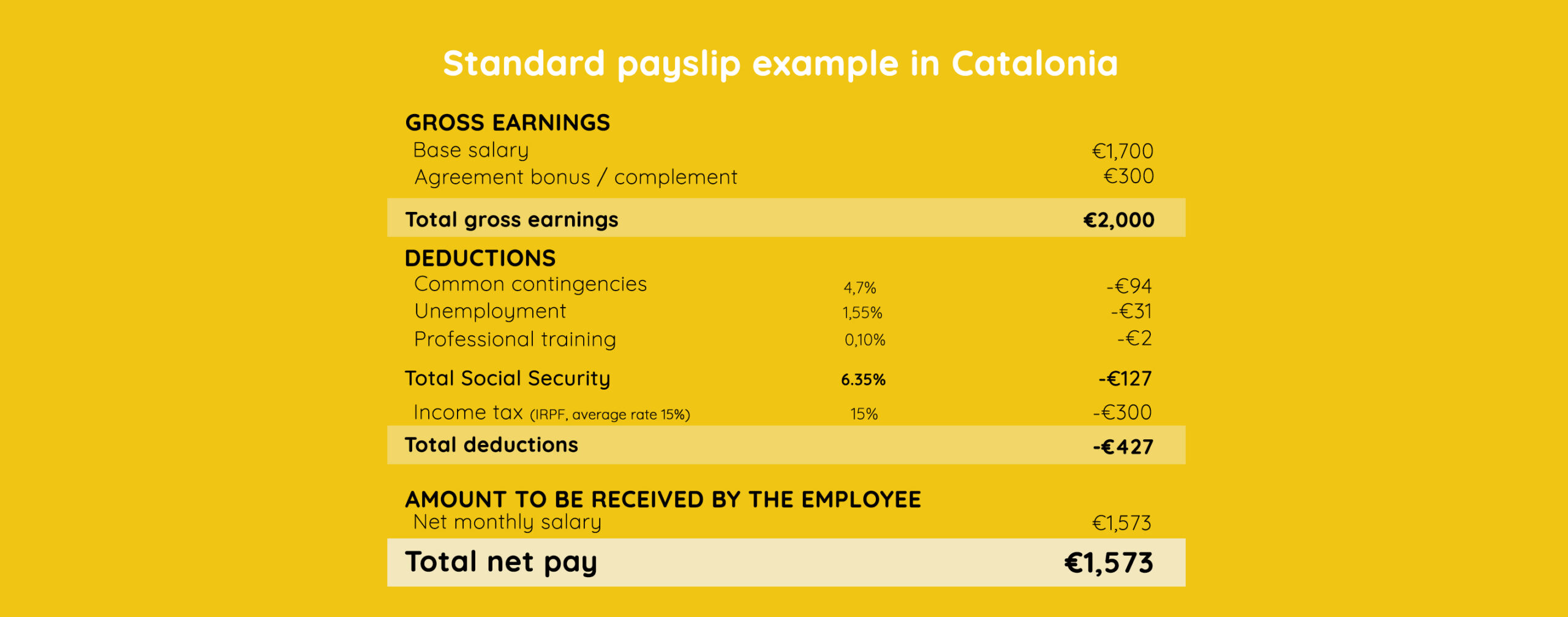
Example of a real payslip showing how deductions reduce
the gross salary by €427 per month.
So far, so good. The problem arises when your salary increases to offset inflation — say, by 4 % — and suddenly your tax withholding also increases. You’re not wealthier: the tax system simply isn’t adjusted to the real price level.
IRPF: a progressive tax… frozen in time
The IRPF is progressive, yes: the more you earn, the higher percentage you pay. But this progressively gets distorted when brackets aren’t updated for inflation. A nominal salary increase — without real purchasing power gain — pushes you into a higher bracket, making you pay more for earning the same or even less.

A worker going from €20,000 to €21,000 to offset inflation ends up paying €95
more in annual IRPF without improving purchasing power. (Source: INE)
According to the Fedea (Foundation for Applied Economics Studies), failing to adjust tax brackets to inflation costs the average family €736 per year. And Funcas (Foundation of Savings Banks) estimates that half of the IRPF revenue growth between 2019 and 2023 comes from this inflation effect on stagnant real wages. In other words: your salary rises by 4 %, prices by 4 %, yet you pay 6 % more to the tax office. The perfect trap.
Inflation: the silent ally of the Treasury
When prices rise, so do tax revenues. VAT, for instance, is applied to higher prices: if a purchase goes from €100 to €110, the 21 % VAT also increases. That happens in millions of transactions every day.
According to data from the Spanish Tax Agency, total tax revenue in 2022 hit a record €255.463 billion, 14 % more than the previous year. No new taxes, no rate hikes — just inflation. Economists call this the “invisible tax of inflation”: a mechanism that collects more without any parliamentary approval.
Real wage vs. nominal wage: the loss of purchasing power
Many workers have seen their salaries rise by 3–4 %, but if inflation is 5 %, the real outcome is negative. You earn more, but you can buy less.
According to INE (Spain’s National Statistics Institute), average purchasing power has fallen 6.7 % since 2020, while IRPF revenue has risen by over 20 %. In other words: wages rise 4 %, prices 4 %, but you pay 6 % more in taxes.
This combination is devastating. It shows Spaniards have less purchasing power, higher taxes, and lower household savings. A formula that punishes middle and working-class families.
At La Plaça, we’ve already explained that a living minimum wage in the Barcelona area should be around €1,322 per month, well above the national minimum wage. This wage gap explains why inflation hits working households hardest and drastically reduces their saving capacity.


Europe: three models, three outcomes
In Europe, there are three different approaches:
- France and Austria automatically adjust brackets to inflation, so taxpayers don’t lose fiscal purchasing power.
- Portugal does it partially, revising thresholds and deductions each year.
- Spain hasn’t done it since 2008, despite cumulative inflation of 26 % in fifteen years.
The result, according to Eurostat, is clear: Spain’s tax burden stands at 42.2 % of GDP — the highest in its history and above the European average (41.4 %). Yet, paradoxically, public services haven’t improved accordingly.
Who pays more? Always the middle class
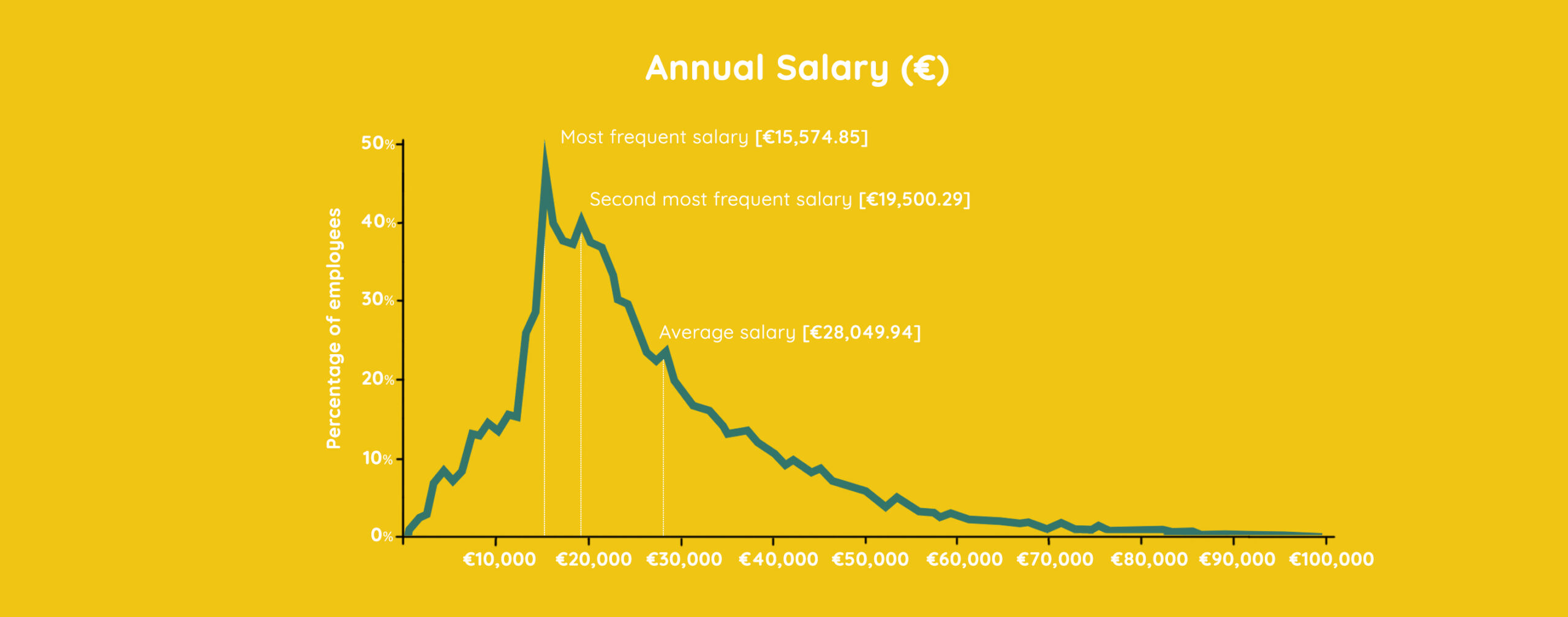
High-income earners find legal ways to optimize; low-income earners receive subsidies and allowances. But households earning between €20,000 and €40,000 a year bear the bulk of the tax burden. That’s the heart of “cold progressively”: a system that becomes regressive under inflation.
Experts agree:
- Index IRPF brackets and thresholds to inflation.
- Lower withholdings for incomes under €30,000.
- Review family and dependency deductions.
- Increase transparency around actual withholdings.
These measures would preserve true progressively without undermining structural revenue.
No government announces this hike. It doesn’t appear in budgets or press conferences, yet each year tax brackets remain frozen, the State collects more and workers take home less. Inflation is inevitable. Fiscal abuse isn’t. Understanding what’s being withheld is the first step to defending your real income.
If you want to discover the best option to protect your savings, enter Preciosos 11Onze. We will help you buy at the best price the safe-haven asset par excellence: physical gold.



 Equip Editorial