
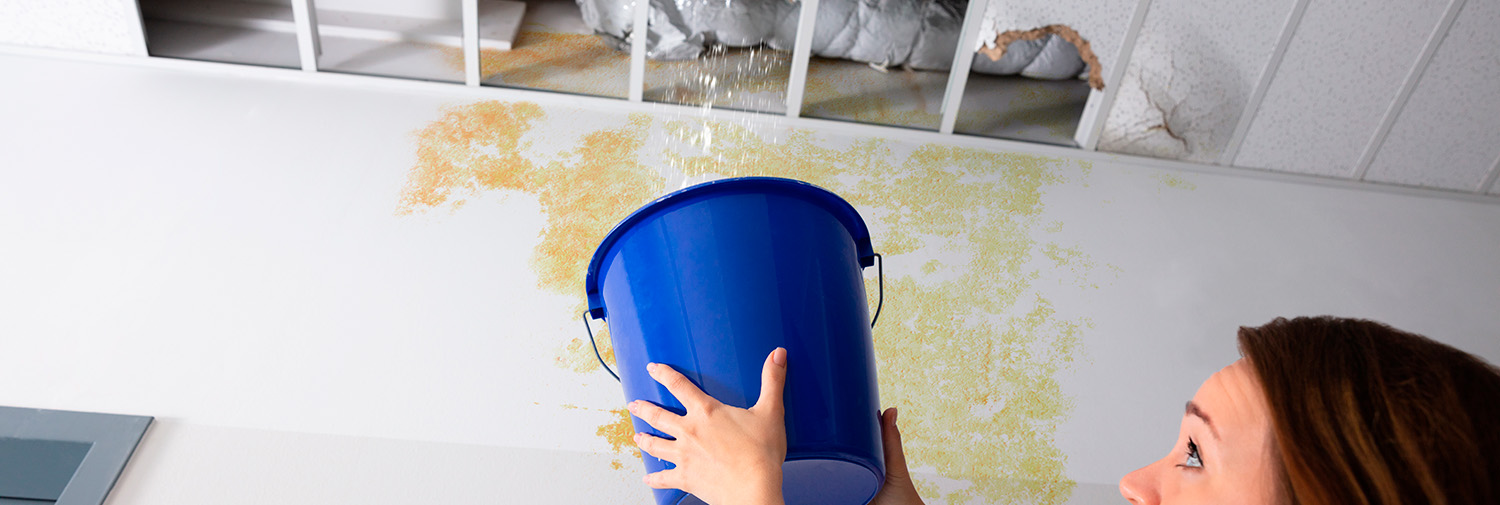

You get home, look up at the ceiling and see a large damp patch that wasn’t there yesterday. This scene, as common as it is unpleasant, is usually the first sign of a water leak from the flat above. In fact, according to insurance companies, water damage is one of the most common types of damage in homes, and it often originates from a fault outside the home itself.
In many cases, the problem is caused by a burst pipe, a damaged drain or a tap that has not been turned off properly. All in the neighbour’s home. And then the headache begins: finding the source, contacting the other party, assessing the damage and, above all, figuring out who should pay for what.
The first thing to do when faced with a leak is to locate the neighbour above as soon as possible and notify them of the issue. In cases like this, acting quickly can prevent further damage. If the leak is active, it is essential to immediately turn off the water supply to your home until a technician can repair the fault.
It is important to keep a record of everything: photographs, videos, conversations. Any evidence may be useful if the situation becomes complicated and a formal complaint needs to be made. It is also a good idea to check whether your home insurance includes legal defence cover, which can make the process much easier.
Am I entitled to compensation?
The answer is yes. Even if the issue comes from the flat above, you are entitled to compensation for the damage caused to your home. However, how this compensation is paid will depend, to a large extent, on whether your neighbour has insurance and on the terms of their policy.
In most cases, if your neighbour has home insurance, their company will be responsible for repairing the damage to your property. However, there are essential exceptions to bear in mind.
When insurance does not cover the damage
There are situations in which your neighbour’s insurance may refuse to accept liability. For example, if the leak was caused by a tap being left open, and you have been away from home for more than 72 hours, the company may consider this a case of negligence and reject the claim.
The same applies if there is evidence of obvious lack of maintenance in your neighbour’s home, such as a badly deteriorated installation that has never been checked. In these cases, the responsibility falls personally on the owner of the affected property.
Another common scenario is that of building works. If the leak is a direct consequence of renovation work in your neighbour’s home, the responsibility falls on the company or professional who carried out the work, and it is that person who must have civil liability insurance to cover the damage caused.
What if no one wants to pay?
Even if the person responsible for the leak does not have insurance, they are still legally obliged to cover the damage they have caused. They can do this by paying for the repair directly or by paying the bill if you have had to advance the cost.
But what if they refuse to do so? In this case, it is essential to have photographic evidence of the damage (photos, videos) and to request an expert report through your own insurance company, if you have one. This document will be key if it is necessary to take legal action.
If you have legal defence cover, you can ask the company to provide you with a solicitor to handle the formal claim. The usual procedure is to send a letter setting out the facts and requesting compensation or payment.
If there is no response or a refusal, the next step is to file a lawsuit. Legal proceedings in these cases are usually quick and straightforward, and often end with a ruling in favour of the injured party. If, however, the person responsible continues to refuse to pay, you can request enforcement of the ruling and proceed with seizure to recover the money.
A common but avoidable situation
Water damage is common, but that doesn’t mean it has to be a nightmare. Good communication with your neighbour, adequate insurance and a quick response can make the difference between an anecdote and a legal battle.
That is why it is essential to know your rights, review the terms of your policy and act decisively from the outset. When faced with a leak, there is no need to lose your cool… but there is also no need to sit idly by.
If you want to discover fair insurance for your home and for society, check 11Onze Segurs.

Leave a Reply
You must be logged in to post a comment.


Gràcies
Gràcies a tu, Joan!!!
Moltes gràcies
A tu, per seguir-nos, Jordi!
👍
🙌