Modern wars are rarely explained solely by territorial or ideological disputes. If we look at the map of current conflicts with perspective —Ukraine, the Middle East, Venezuela, or even the growing interest in the Arctic— a recurring pattern emerges: energy, natural resources, and monetary power.
In a global economic system dominated by the dollar and hydrocarbon trade, control of oil and gas remains decisive. But in recent years, a new factor has been added: competition for tangible resources, such as gold, strategic minerals, or even food. In this context, geopolitics and economics once again move hand in hand.
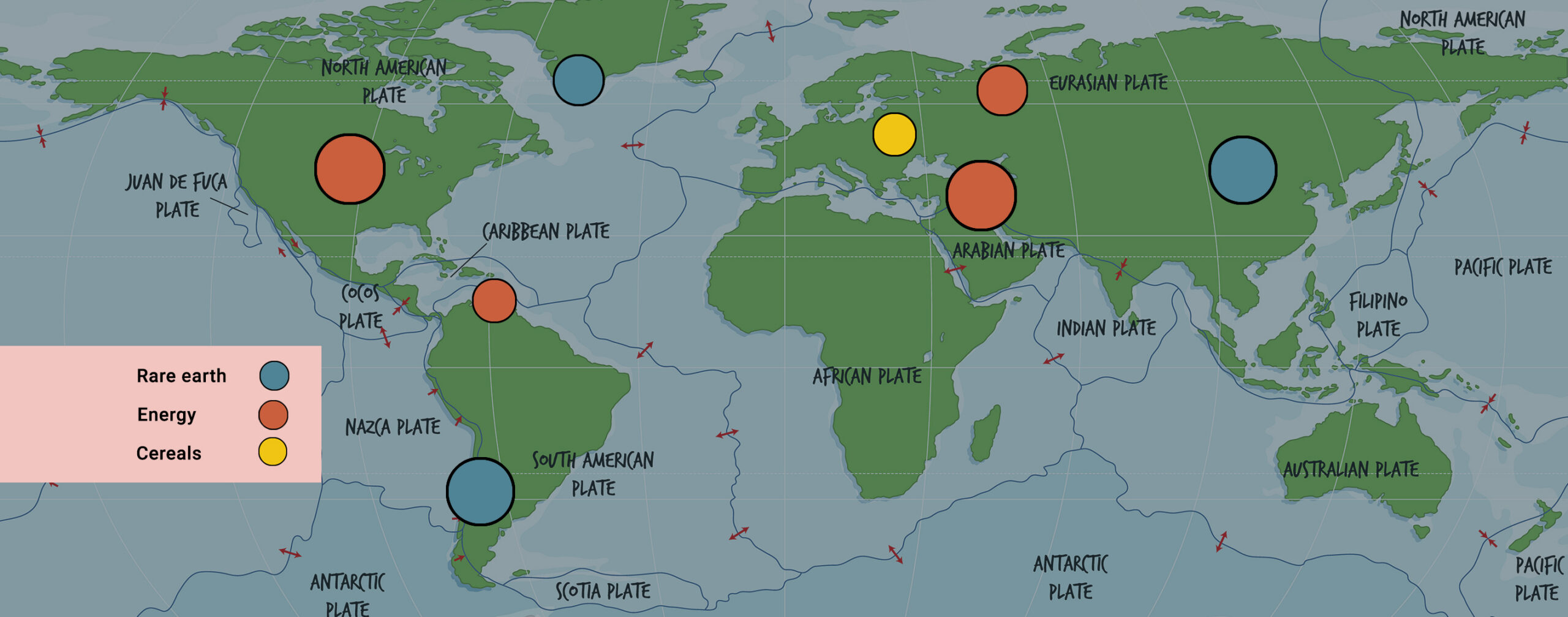
The key resources that define current global conflicts.
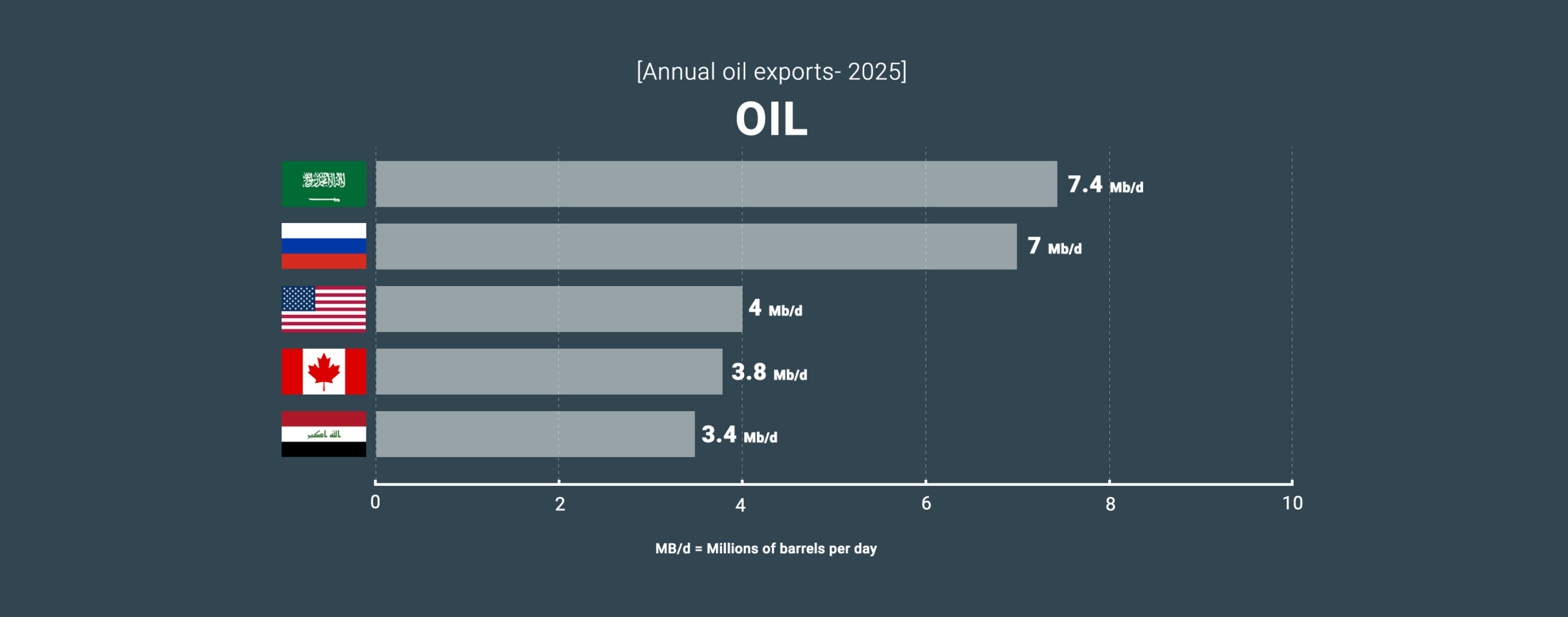
After World War II, the Bretton Woods agreements placed the dollar at the center of the international monetary system. Initially, the U.S. currency was linked to gold, but this system broke down in 1971 when the United States suspended the convertibility of the dollar into precious metal. From that moment on, the global monetary system was reorganized around another fundamental element: oil.
With the emergence of the petrodollar system, international hydrocarbon trade began to be predominantly denominated in dollars. This meant that any country wishing to buy oil had to hold reserves in this currency.
This mechanism generated a structural demand for dollars across the planet and consolidated the financial hegemony of the United States. The system allowed Washington to finance large deficits and public debt, while the world continued to use its currency to buy energy. In this sense, energy became one of the invisible pillars of global monetary power.
Source. International Energy Agency
De-dollarization: an emerging threat
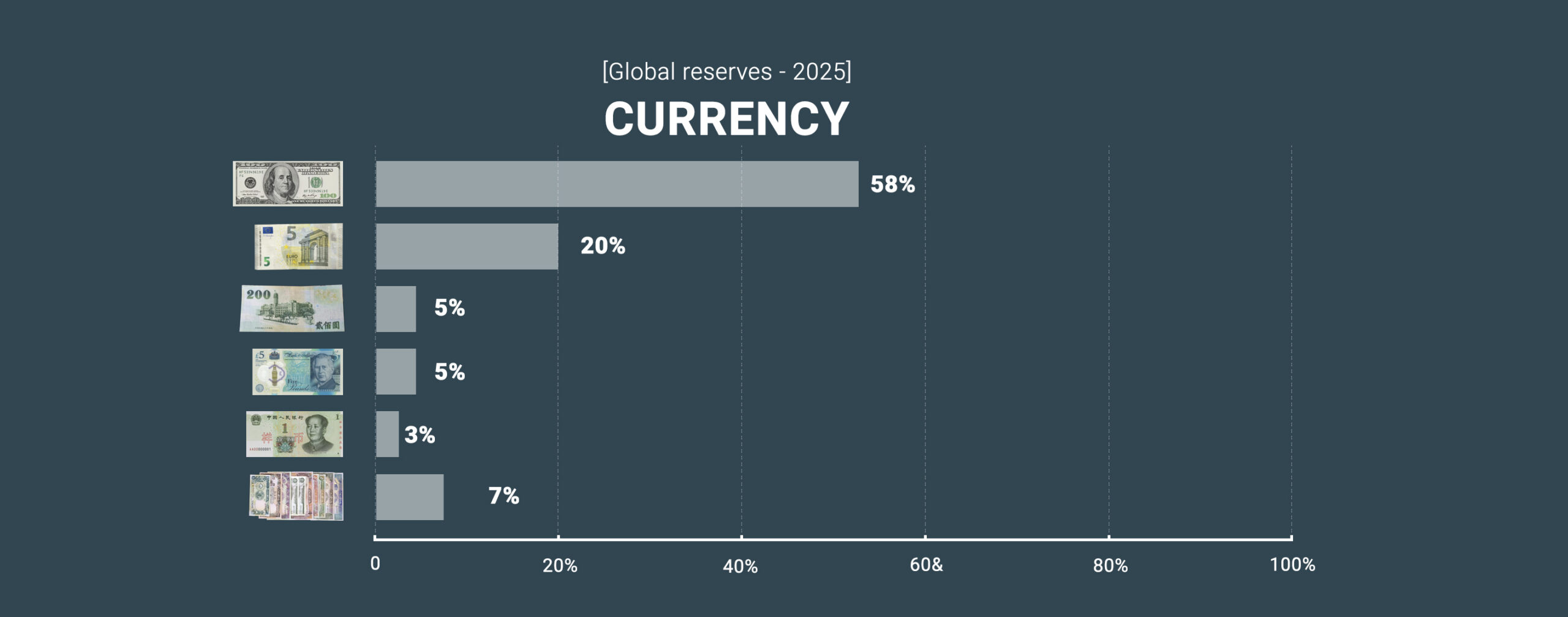
For decades, this system functioned with relative stability, but in recent years movements have emerged that challenge this financial architecture. Countries such as China, Russia, and India have begun to promote bilateral trade agreements that reduce dependence on the dollar. This process, known as de-dollarization, seeks to create a more multipolar economic system.
Economic sanctions driven by the United States have also accelerated this trend. When a country can be expelled from the international financial system or blocked from the SWIFT system, many governments begin to look for alternatives to protect their economic sovereignty.
In this context, control of energy becomes even more relevant. If oil or gas were to be traded massively in other currencies, the dominant role of the dollar could be eroded.
Source. FMI – Currency Composition of Official Foreign Exchange Reserves
Ukraine: energy and geopolitics in Europe
The war in Ukraine has shown to what extent energy remains a central element of international politics.
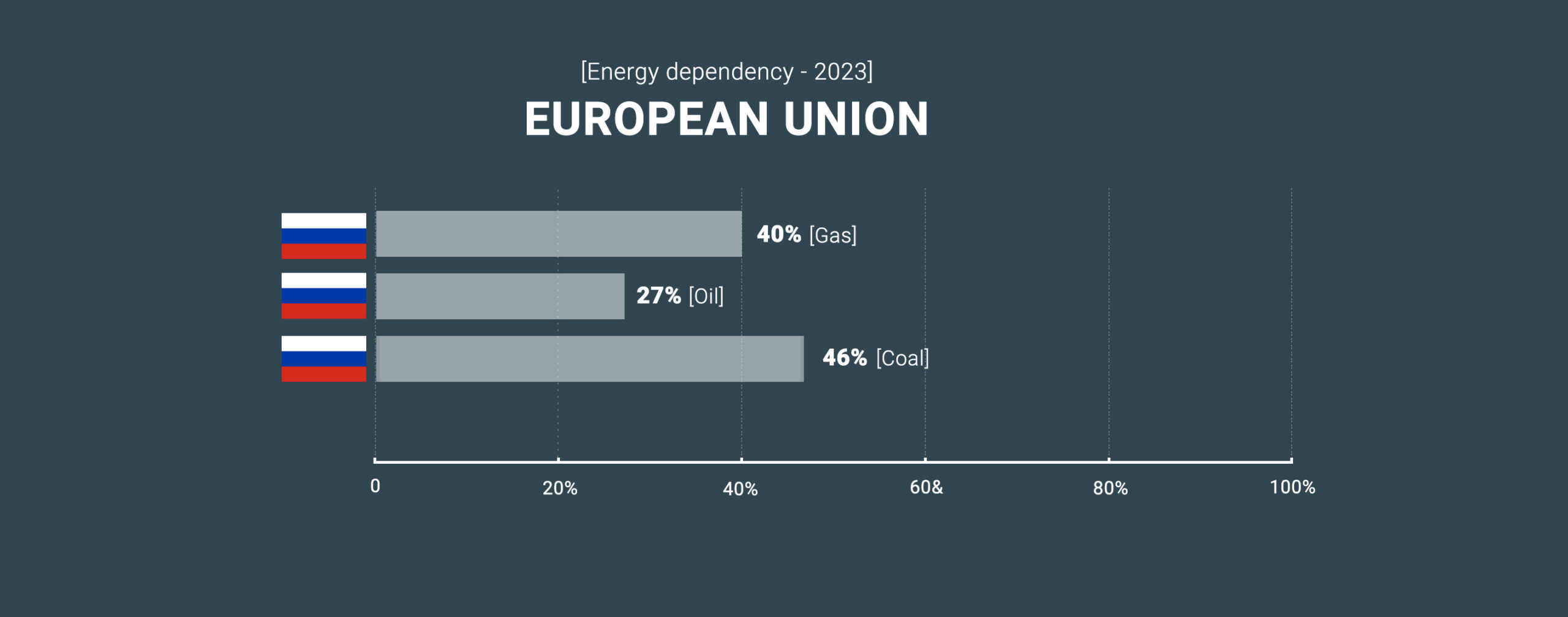
Before the conflict, Europe depended heavily on Russian gas to fuel its industry and ensure energy supply. The Russian invasion and Western sanctions broke this balance and triggered a profound reconfiguration of global energy flows.
Europe has attempted to replace Russian gas with liquefied natural gas from the United States, Qatar, and other producers. This shift has had significant economic consequences, with a notable increase in energy costs for European industry.
The war in Ukraine is therefore much more than a territorial conflict: it is also a key episode in the reorganization of the global energy map.
Source. Eurostat / European Comission (Energy statistics, 2023)
Middle East: the energy center of the planet
The Middle East remains one of the most sensitive regions in the world for an obvious reason: it concentrates a very significant share of global oil and gas reserves, making it a global energy epicenter and a key territory for international economic balances.
Any military escalation in the region —whether between Israel and Palestine, involving Iran, or in Lebanon— has an immediate impact on global energy markets, driving prices up and generating uncertainty in economies dependent on hydrocarbons.
In this context, beyond the media narrative focused on the political and humanitarian conflict in Gaza, a structural factor often overlooked emerges: the significant natural gas deposits discovered off the coast of Gaza. This energy reserve, known for decades, could alter the region’s energy balance and reduce external dependencies. Control over these resources is not only an economic issue but also a key element in the geopolitical struggle for energy dominance in the Eastern Mediterranean. Thus, the conflict acquires a strategic dimension that goes far beyond borders and national identities.
Moreover, strategic chokepoints such as the Strait of Hormuz or the Suez Canal are essential for transporting oil and gas to Europe and Asia, establishing themselves as true bottlenecks of global energy trade. Control over these trade routes is therefore a central element of international geopolitics and a constant source of tension between powers.
Venezuela: oil, sanctions, and power
Another clear example is Venezuela, the country with the largest oil reserves in the world, with nearly 300 billion certified barrels. This energy abundance, far from guaranteeing stability, has turned the country into a central actor on the global geopolitical stage, often subject to external pressures and highly dependent on its own extractive model.
Over recent decades, the South American country has been subject to economic sanctions and geopolitical tensions that have deeply affected its oil industry, limiting investment, deteriorating infrastructure, and reducing production. Control over Venezuelan energy production and access to its resources remain decisive factors in relations between Caracas, Washington, and other international actors, highlighting the extent to which energy is a tool of global power.
The return of tangible assets
However, current geopolitics no longer revolves exclusively around oil. For decades, the global economy has operated on a financial architecture based on debt, financial markets, and trust in fiat currencies —a system sustained more by expectations than by real value. But in recent years, a gradual shift has begun to question this model.
This shift points toward the recovery of the value of tangible assets —that is, physical resources with intrinsic value that do not depend solely on market confidence. We are talking about energy, precious metals, strategic minerals, or food: essential elements for the functioning of the real economy and increasingly decisive in a context of geopolitical tensions and resource scarcity.
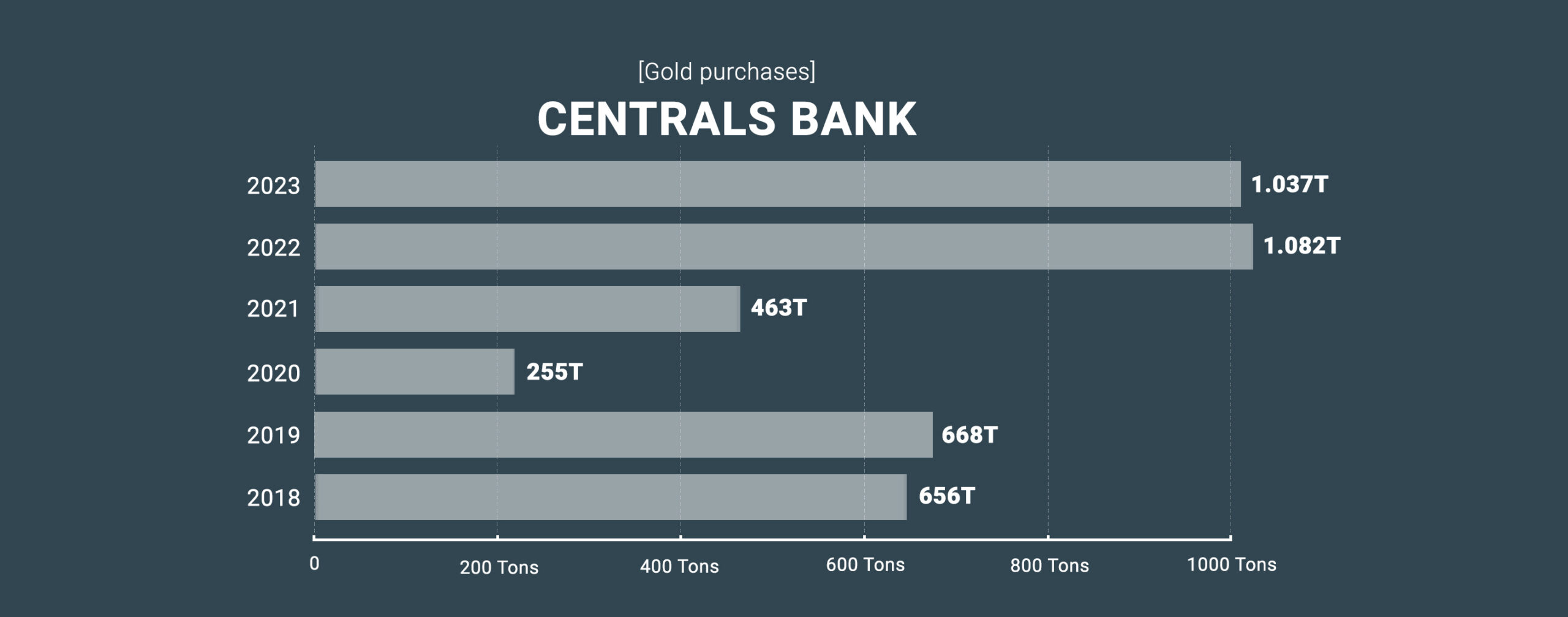
Among these assets, gold stands out. For millennia, it has been a universal store of value and continues to play a key role in the global monetary system. Despite the end of the gold standard, central banks continue to accumulate this metal as a strategic asset to strengthen their reserves, especially in emerging countries seeking to reduce their dependence on the dollar and gain financial sovereignty in an increasingly uncertain world.
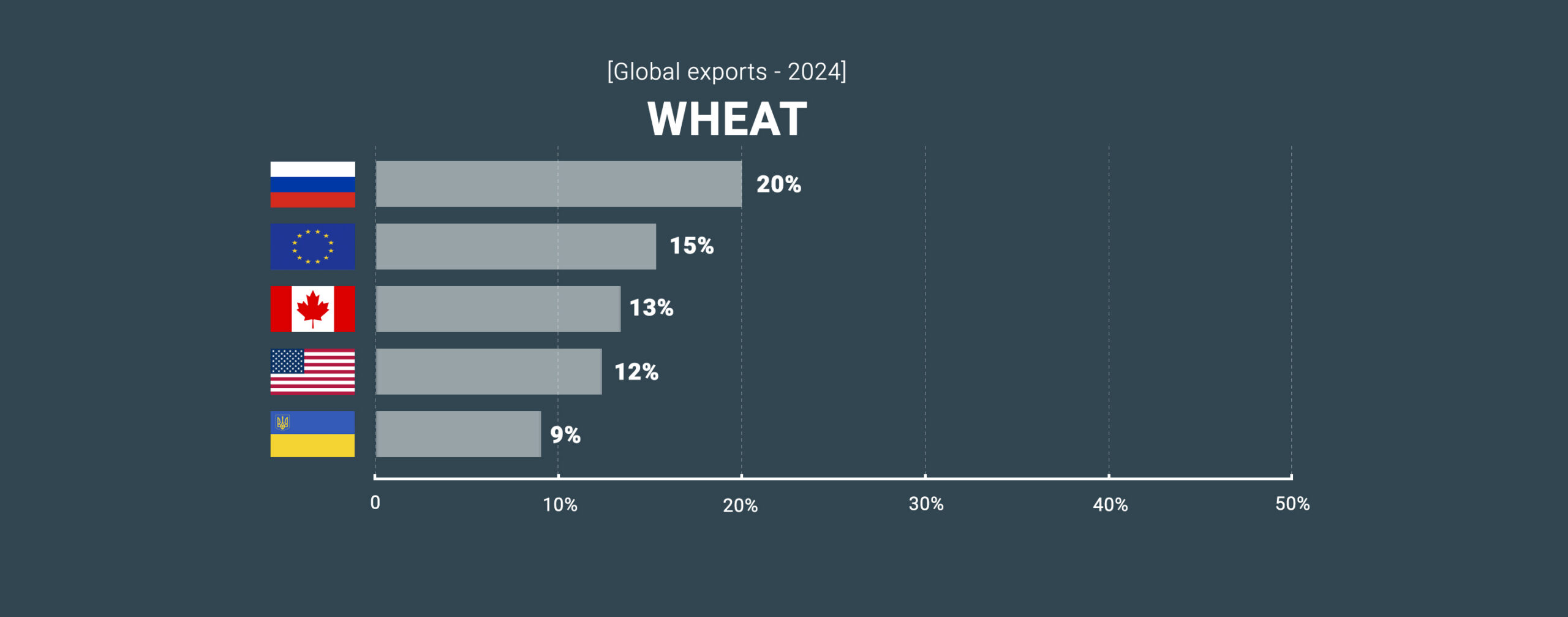
But gold is not the only critical resource. The war in Ukraine highlighted the extent to which food and fertilizers are key elements for global stability, becoming a new geopolitical weapon. Russia and Ukraine, major grain exporters, saw how the conflict disrupted supply chains and strained international food markets, causing price increases and putting the food security of many countries dependent on these imports at risk.
Greenland and the Arctic: the future of resources
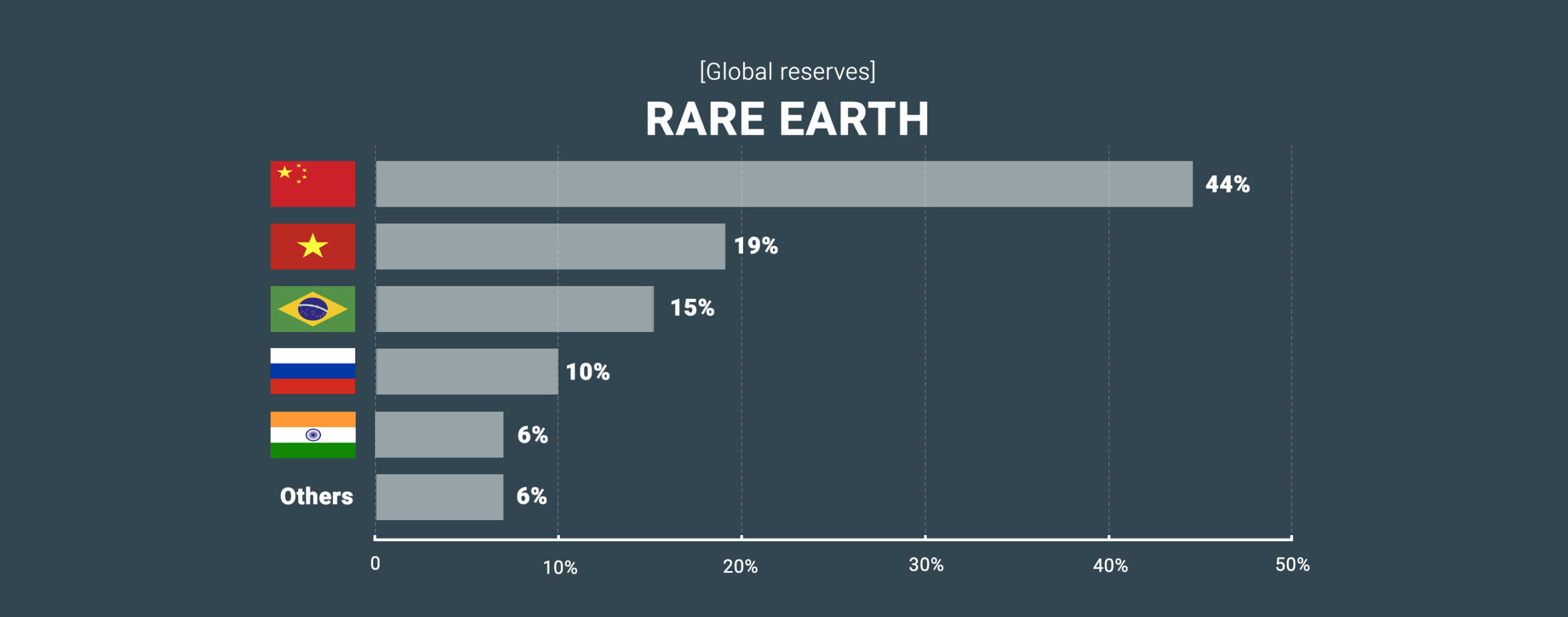
In this new geopolitical scenario, territories that until recently seemed peripheral have gained increasing importance. Greenland and the Arctic concentrate potential reserves of oil, gas, and strategic minerals, including rare earth elements essential for the technological industry and the energy transition, placing them at the center of new global power dynamics.
Moreover, the progressive melting of the Arctic is opening new trade routes that could profoundly transform global maritime trade, shortening distances between continents and altering traditional logistical flows. It is no coincidence that powers such as the United States, Russia, and China have intensified their interest in this region, aware that control over resources and new routes will be key in the economy of the future.
Source. US Geological Survey
A world returning to real resources
The geopolitics of the 21st century seems to be moving toward a model in which physical resources once again take center stage. Energy, metals, strategic minerals, and food are becoming fundamental pillars of the economic security of states, in a context marked by uncertainty and growing global competition. Increasingly, power is no longer measured solely in terms of financial capital or currencies, but in the ability to control the resources that sustain the real economy.
In this scenario, many analysts point to a paradigm shift: the transition from an economy dominated by financial capital to one more closely linked to tangible assets. Modern wars rarely have a single cause, but if we overlay the map of current conflicts with that of the planet’s energy and mineral resources, the coincidences are too evident to be accidental. Energy, the dollar, and natural resources are part of the same equation of power that defines international relations.
Understanding this relationship is key to interpreting current geopolitics and anticipating the movements of states in an increasingly tense world. In a context of geopolitical tensions, persistent inflation, and transformation of the international monetary system, understanding the role of strategic resources is more important than ever.
If you want to discover the best option to protect your savings, enter Preciosos 11Onze. We will help you buy at the best price the safe-haven asset par excellence: physical gold.

 Oriol Garcia Farré